Leather Handbags
If you're looking for a timeless accessory that will last you for years to come, a leather handbag is the perfect choice. Leather handbags come in a variety of styles and colors, making it easy to find the perfect one to match your wardrobe. The leather material is durable and keeps its shape, meaning it won't become misshapen or break down over time. Here are some of the best options.
Sort





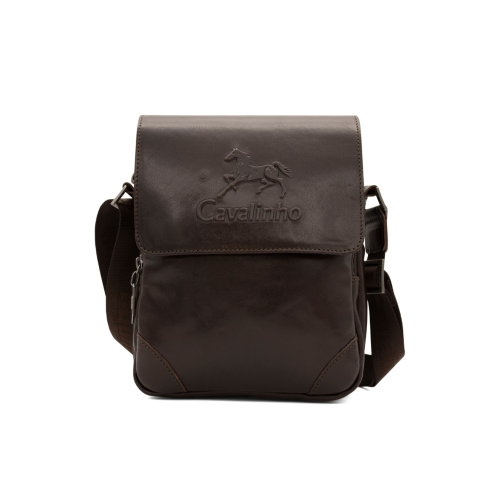


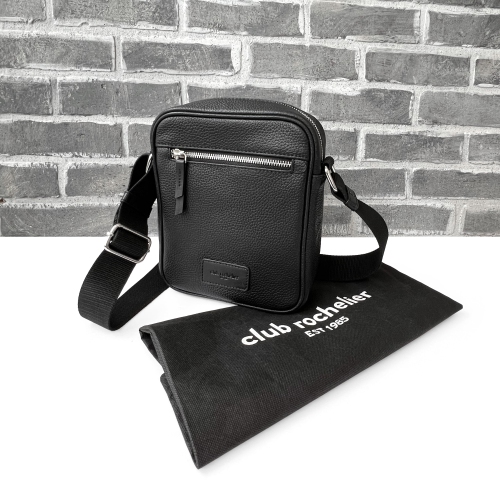


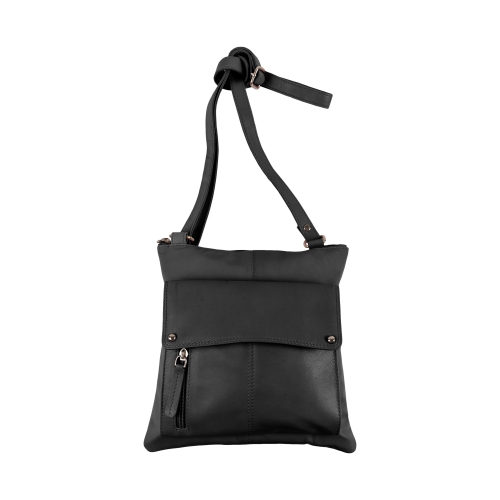


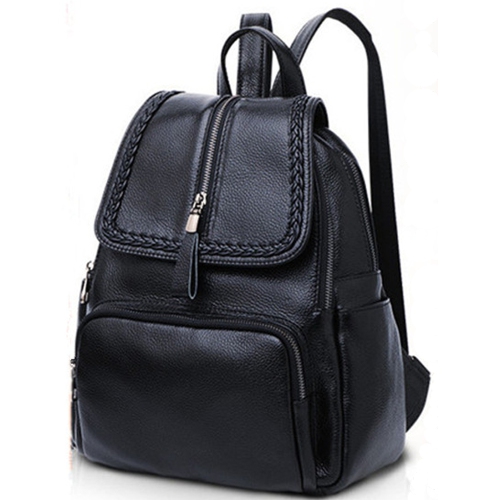

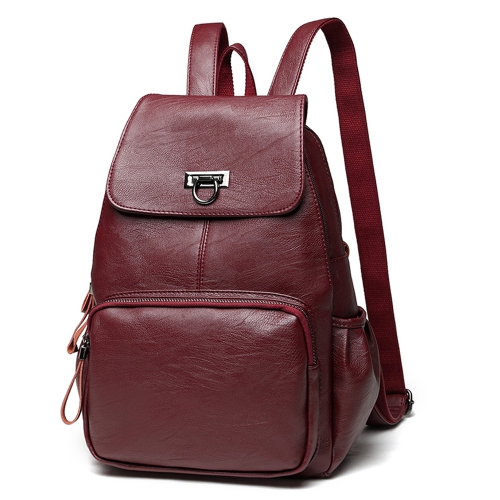


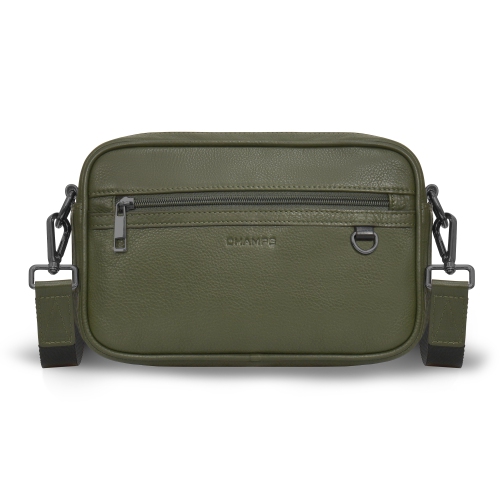


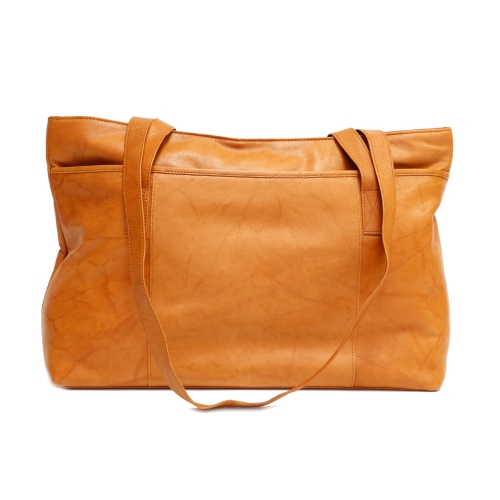


How handbag shape and straps affect everyday comfort
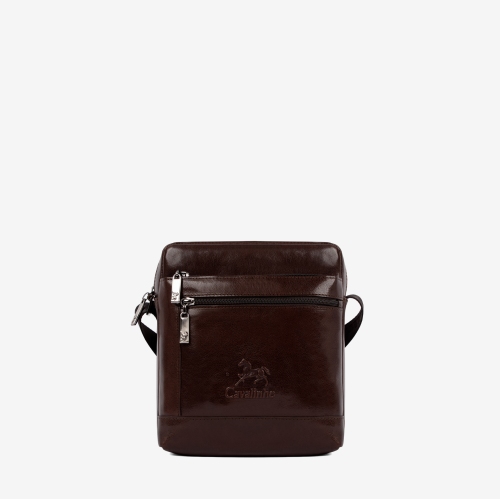
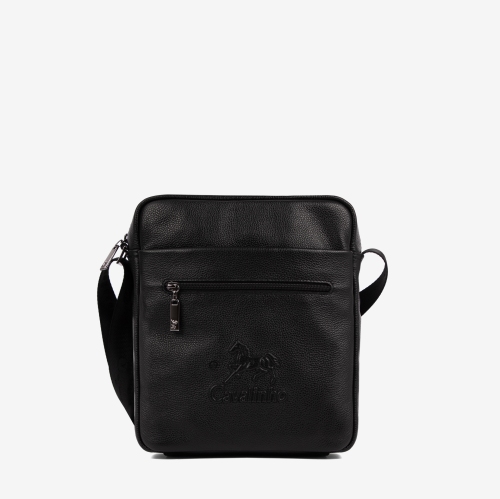
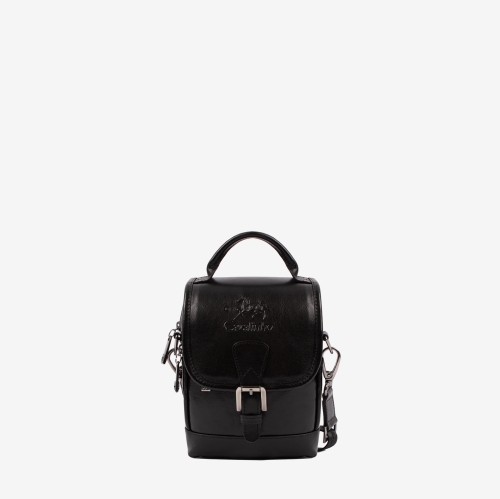
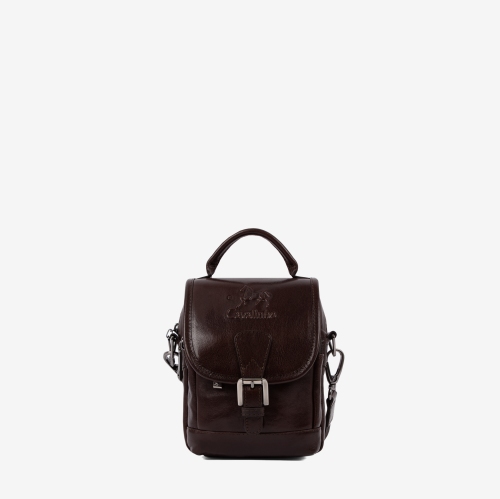
Leather handbags pair a familiar everyday function with a material that can develop character through regular use. Their appeal extends beyond appearance: the shape, opening, strap length, and pocket layout all influence how comfortably a bag fits into a daily routine. Leather totes offer a roomy format for carrying a wallet, glasses case, notebook, and other essentials, while shoulder bags often provide a closer fit beneath the arm. Crossbody handbags leave both hands free for carrying groceries, using a phone, or holding a child’s hand, and adjustable straps help position the bag comfortably against the body. Satchels typically have a more defined shape, with top handles that suit hand or elbow carry; some also include a longer strap for added flexibility. Compact handbags and clutches suit outings where a phone, cards, and keys are enough. Capacity is best understood through usable interior space rather than exterior dimensions alone. A curved opening, thick lining, or several internal dividers can reduce the room inside, while a broad base can make a modestly sized bag surprisingly practical. For work, a structured leather handbag with a secure closure can keep personal belongings contained during a commute. Anyone carrying a tablet or laptop should check the compartment measurements and padding rather than assuming a large tote offers device protection. For errands or travel, a zipped main compartment and an accessible pocket can make frequently used belongings easier to reach without leaving everything exposed. Strap width and the bag’s empty weight also matter, especially when carrying more than a few essentials. A narrow strap may feel comfortable with a light load but press into the shoulder when the bag is full. Handle drop—the distance between the top of the handle and the bag opening—helps indicate whether a handbag is suited to hand carry or can sit comfortably on the shoulder. These practical differences make silhouette and proportions just as important as colour when choosing an everyday leather bag.
The leather itself shapes a handbag’s feel, appearance, and care needs. Full-grain leather retains the hide’s natural grain surface, so variations in texture and small markings may remain visible. Top-grain leather has had its surface refined to some degree, often creating a more uniform appearance. Neither term alone describes the entire bag’s quality: leather thickness, finishing, stitching, lining, and construction all contribute to performance over time. The description “genuine leather” identifies real leather but does not, by itself, specify a particular grade or level of craftsmanship. Bonded leather contains leather fibres or scraps held together with binding materials and differs from a continuous piece of hide. Clear material descriptions help distinguish these constructions from synthetic alternatives that imitate leather’s appearance. Smooth leather offers a clean, polished look, though scratches may be more noticeable on some finishes. Pebbled leather has a textured surface that can make minor marks less conspicuous; the grain may be natural or embossed, depending on the material. Suede has a soft nap with a more matte appearance and generally needs different cleaning methods from smooth leather. Patent leather has a glossy coating and its own care requirements. A soft, unstructured bag can settle against the body and develop a relaxed shape, while firmer leather and internal reinforcement help a handbag hold its outline. Durability also depends on details that are easy to overlook in a photograph. Even stitching, securely attached handles, reinforced strap anchors, and neatly finished edges all support regular use. Zippers should move smoothly without catching the lining, and clasps should close securely without excessive force. A light-coloured interior can make small belongings easier to spot, while separate pockets can prevent keys from rubbing against glasses or a phone. Metal feet may reduce contact between the base and a surface, but they do not protect the entire handbag from dirt or abrasion. Black, brown, tan, and burgundy offer distinct styling possibilities, while brighter colours can make the bag a focal point. Hardware colour, seam placement, and the balance between handles and body further influence whether a handbag feels understated, tailored, or casual.
Leather handbag care starts with the material and finish rather than a single treatment suitable for every bag. Manufacturer care directions take priority, particularly for suede, patent finishes, coated leathers, and bags that combine leather with fabric panels. For many finished smooth leathers, gentle wiping with a soft, dry cloth helps remove surface dust. Any cleaner or conditioner should be intended for the specific leather type and tested first in a discreet area, since treatment can darken the colour or alter the finish. Conditioning may help some leathers remain supple, but it is not appropriate for every surface and should not leave the bag heavily saturated. Household detergents, abrasive cleaners, and direct heat can damage leather or its coatings. If a spill occurs, blotting promptly with a clean cloth is generally safer than rubbing the liquid across a larger area; persistent stains may need assessment by a leather-care specialist. Daily habits also make a difference. Keeping pens capped, placing cosmetics in a pouch, and carrying liquids in tightly closed containers can protect both the lining and the outer material. Overfilling places additional strain on handles, seams, and closures, so a bag that regularly bulges may be too small for its intended load. Between uses, light stuffing with clean, unprinted tissue can help preserve the shape, while a breathable dust bag limits surface dust without trapping the handbag in plastic. Store it away from direct sunlight, and avoid leaving a heavy strap pressed against a soft leather panel for extended periods. With appropriate care, many leather handbags develop a patina: a gradual change in tone and sheen caused by handling and wear. For a gift, familiar habits provide useful clues, such as a preference for hands-free carry, neatly divided pockets, or enough room for a book. A favourite handbag’s dimensions can be more informative than appearance alone. For related shapes and carrying formats, Quality Leather Bags offers another way to explore leather bags for different routines. A well-suited handbag brings together comfortable proportions, practical access, and a finish the recipient will enjoy using.
Top selling and popular products
-
 Your price for this item is $48.98
-
 Your price for this item is $34.99
-
 Your price for this item is $48.75
-
 Your price for this item is $89.99
-
 Your price for this item is $52.5
-
 Your price for this item is $52.5
-
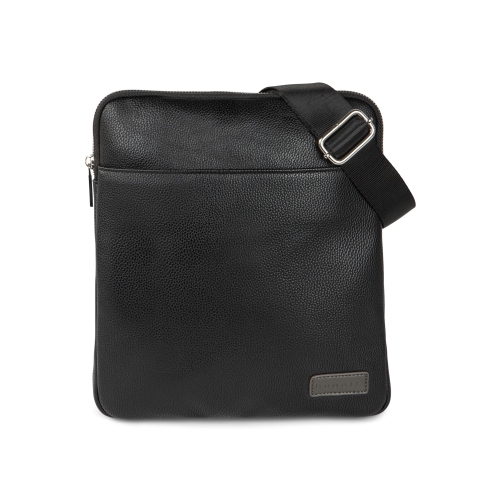 Your price for this item is $52.5
-
 Your price for this item is $39.99
Discover more categories related to Leather Handbags

Top Collections:
Pokemon Centers, Best Cameras for Sports Photography, Kindle Devices, Samsung Galaxy Phones, Canon G7X Cameras, Pokémon 30th Celebration Cards, Refurbished Apple Laptops, iPhone 15 Apple, Laptops for Students, Budget Smartphones
Some products may be subject to Environmental Handling Fees
(EHF) depending on your province.
Learn more about EHFs.