Lightweight Carry On Suitcases
Traveling light has never been easier with our collection of lightweight carry on suitcases. Whether you're a frequent flyer or planning a weekend getaway, these compact yet spacious suitcases are designed to make your travel experience hassle-free. With their durable construction and convenient features, these lightweight carry ons are the perfect travel companion. From sleek designs to functional compartments, find the perfect suitcase that suits your style and needs. Explore our wide selection of lightweight carry on suitcases and embark on your next adventure with ease.
Sort
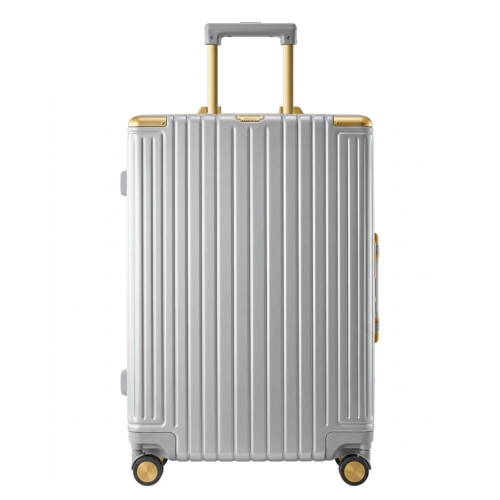
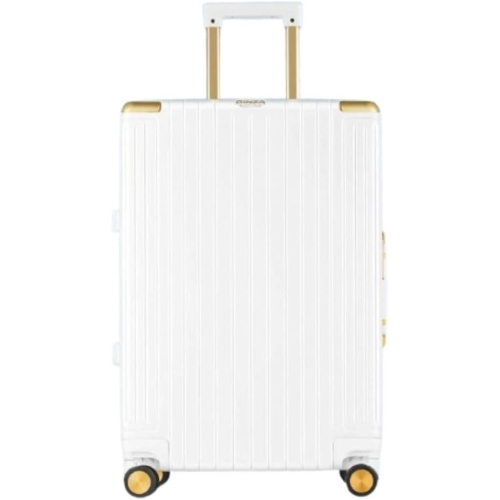
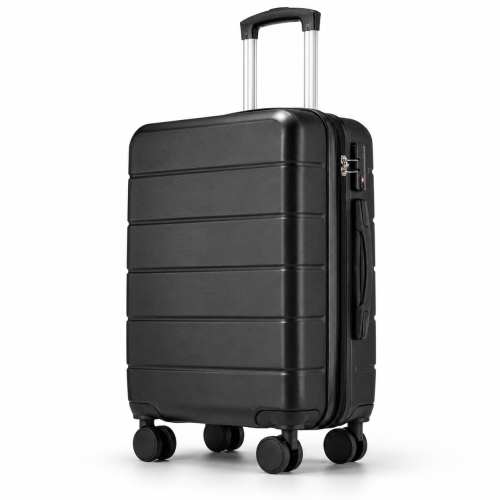
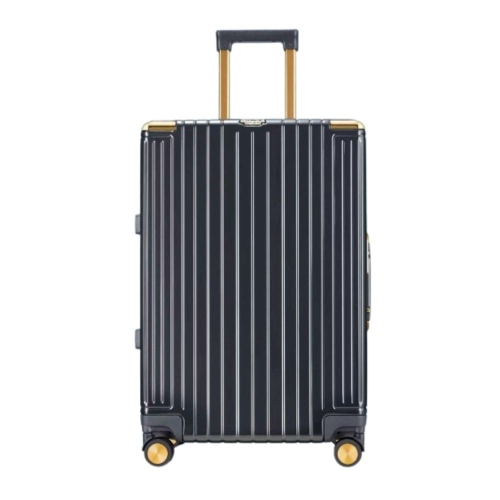

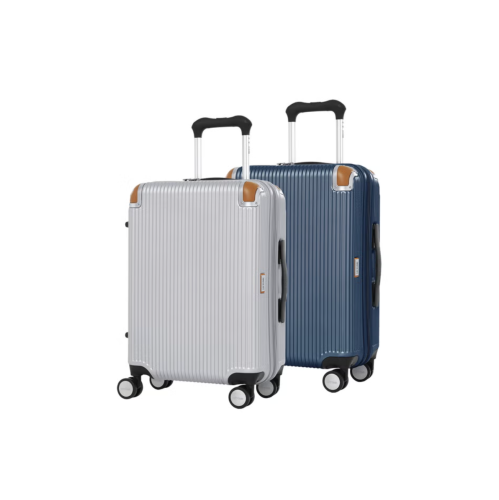

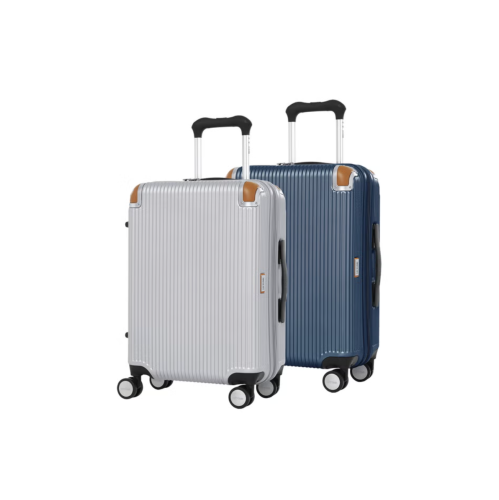
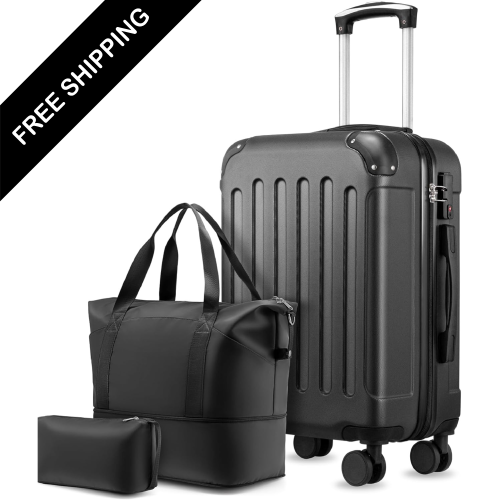
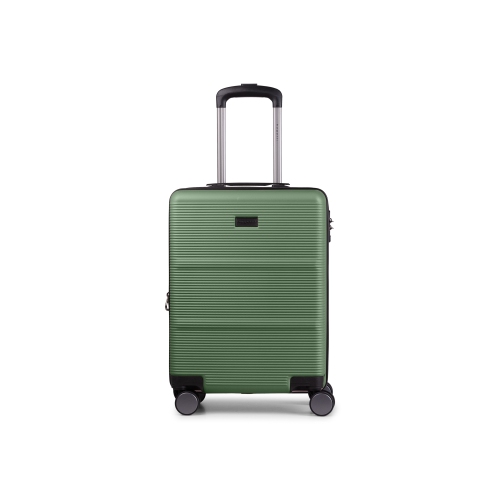
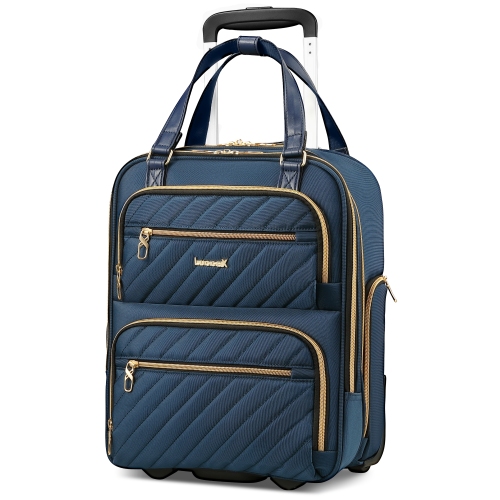

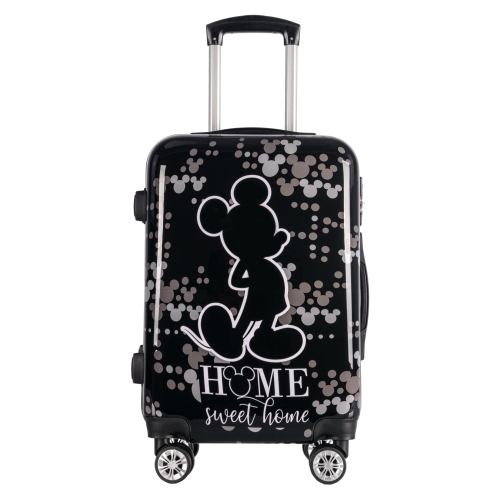
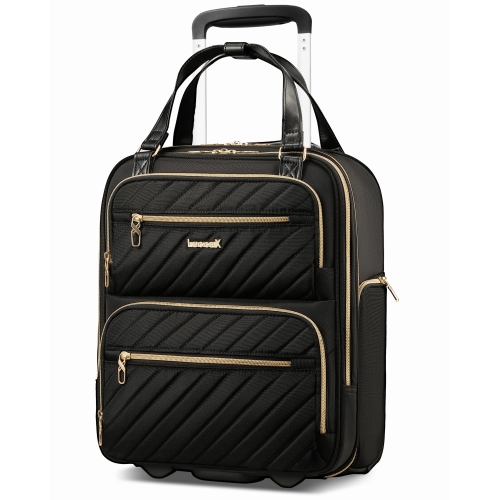
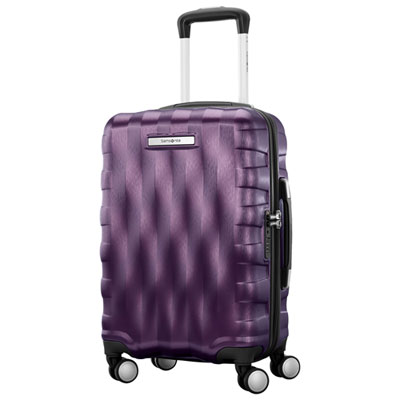
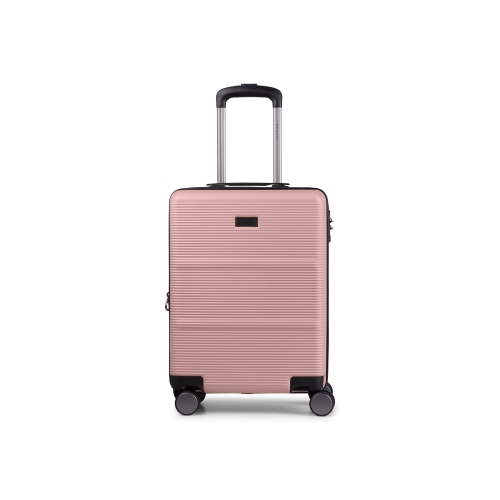
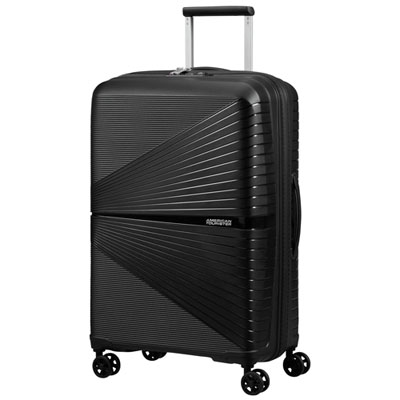
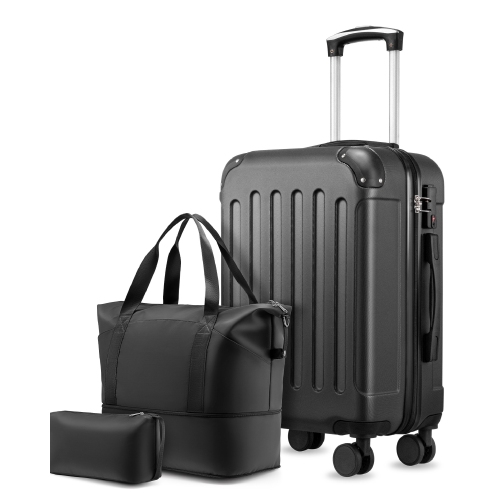
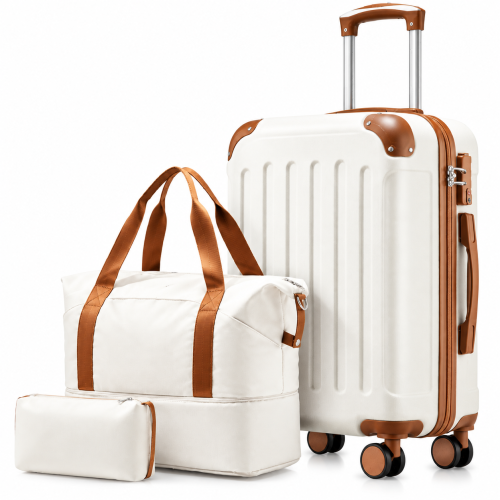
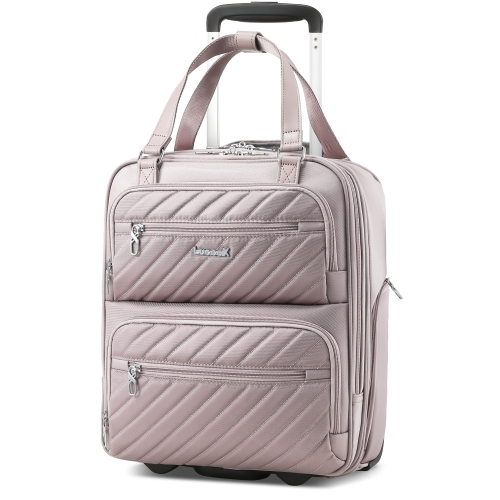
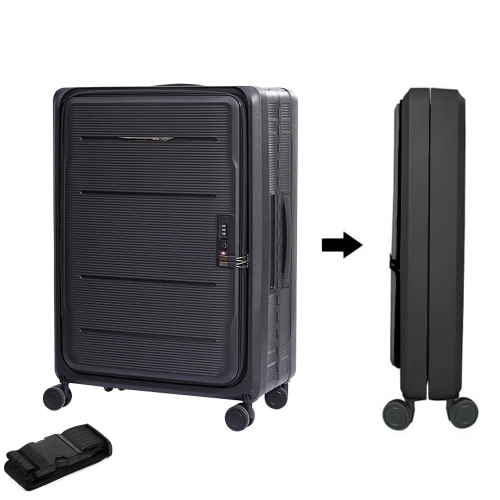
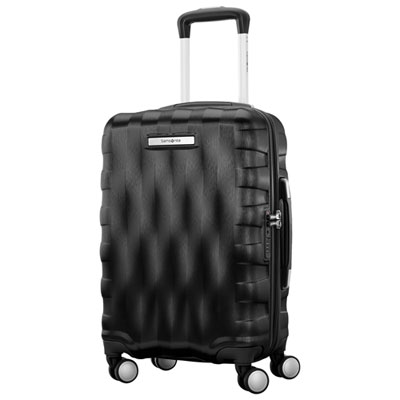
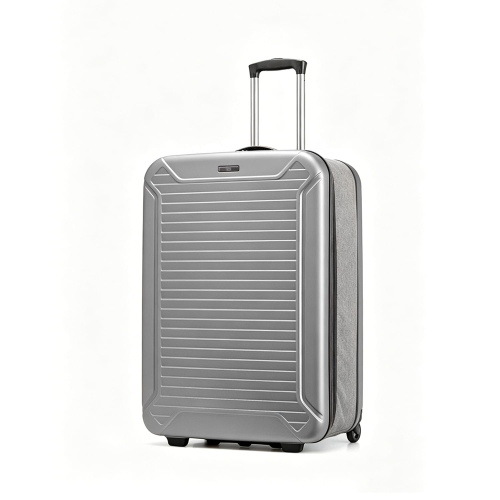
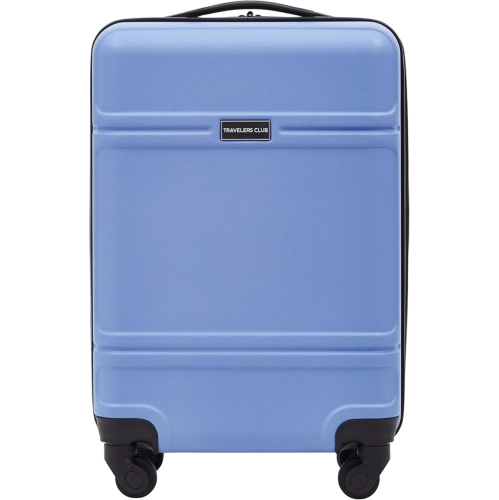
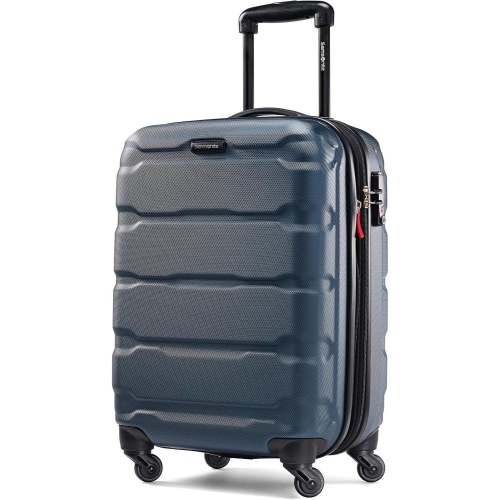
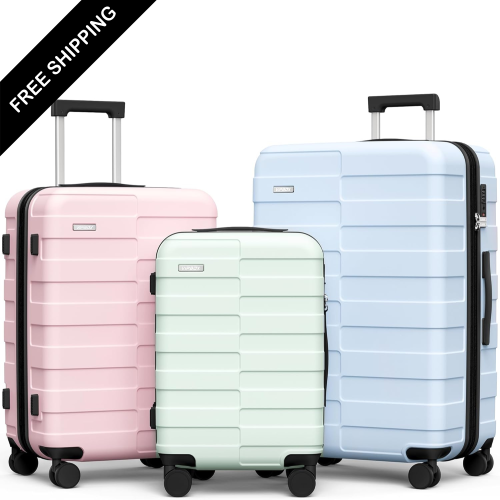
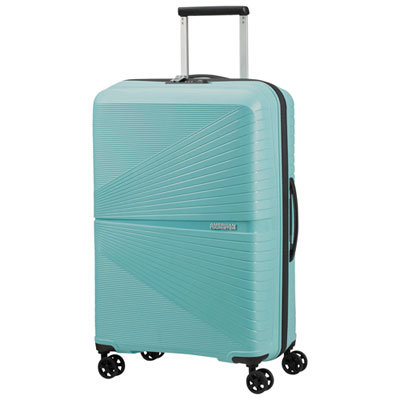
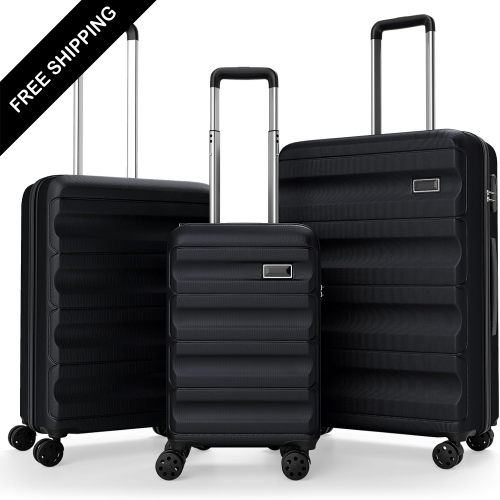
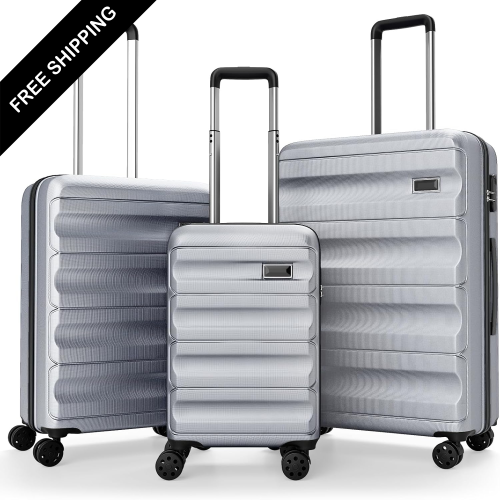
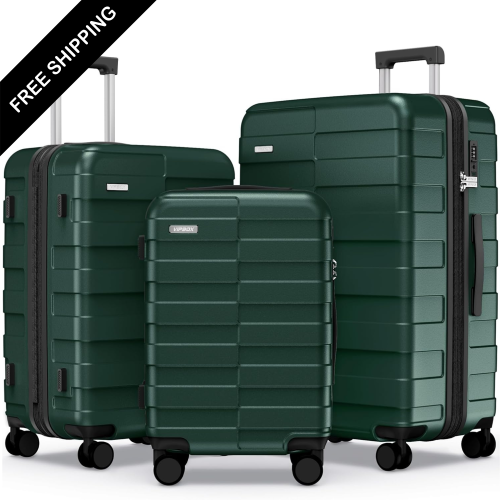
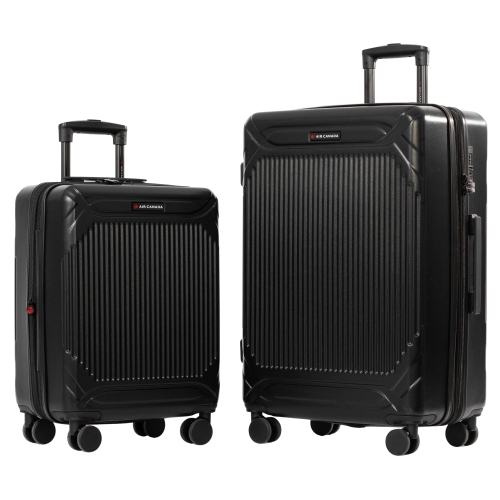
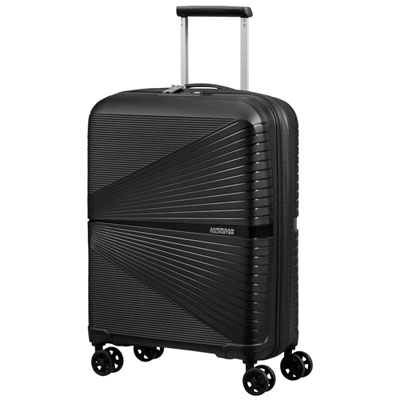
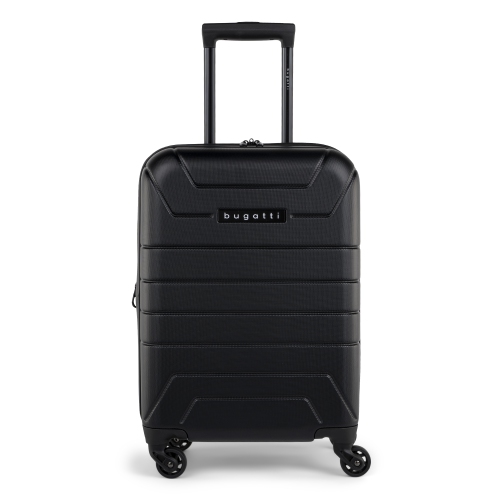
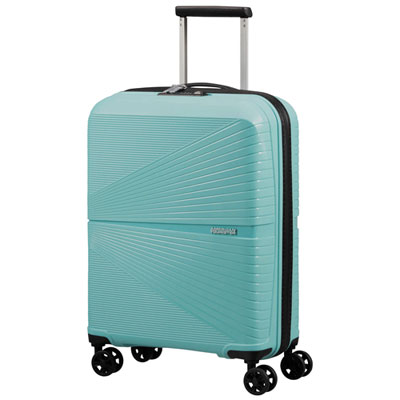
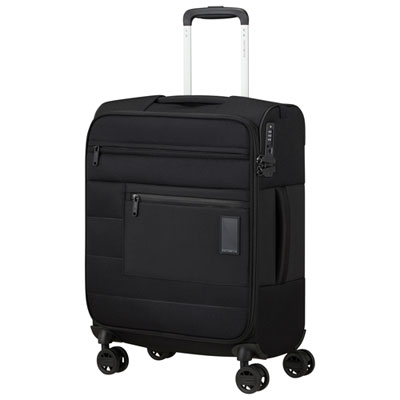
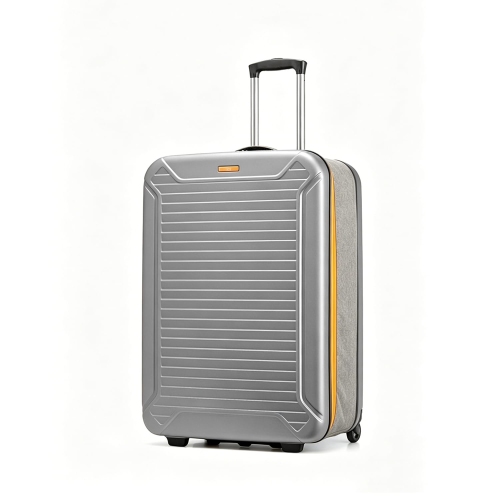
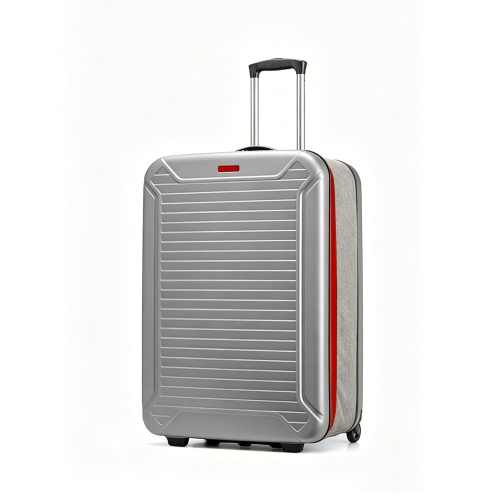
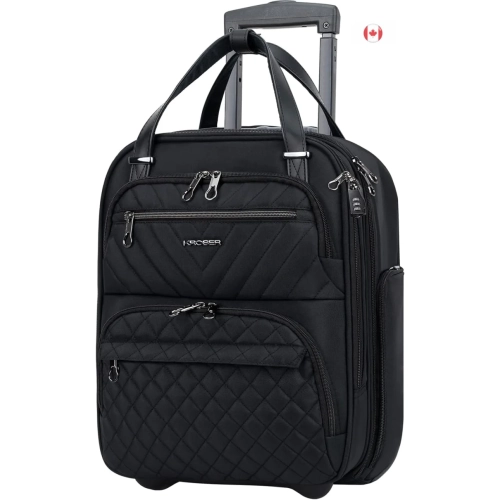
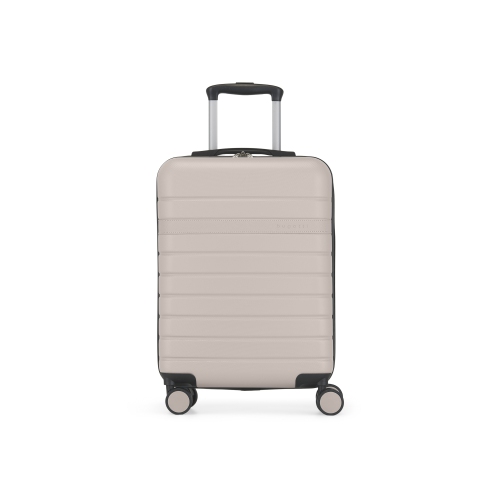
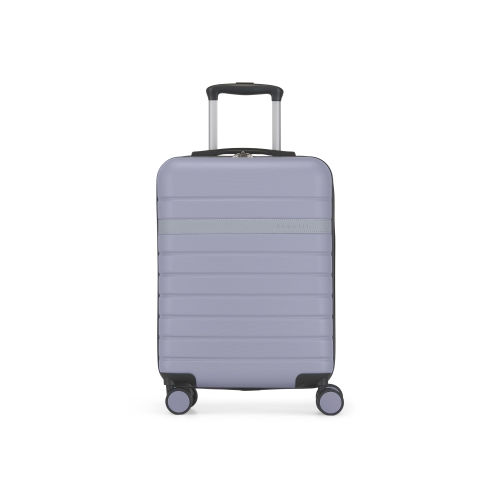
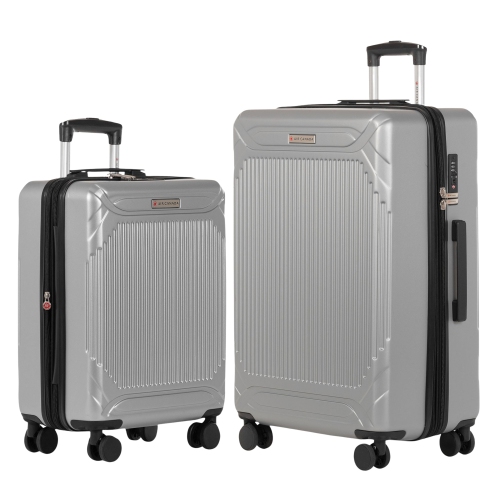
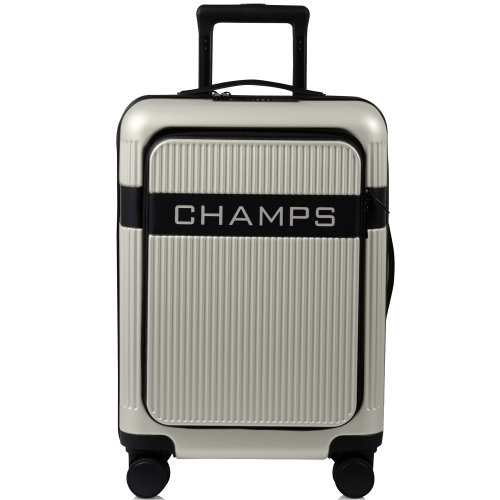

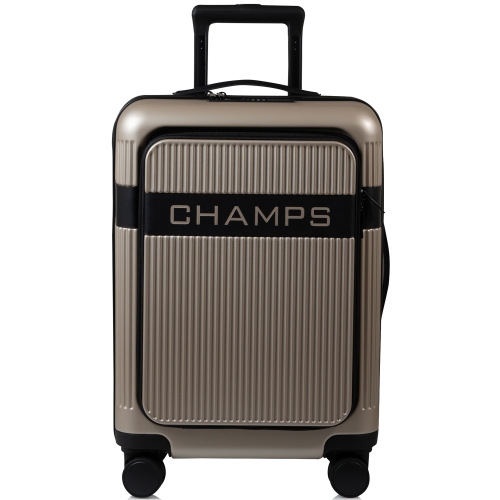
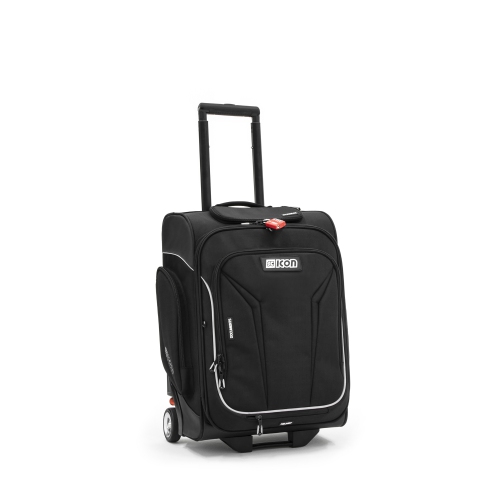
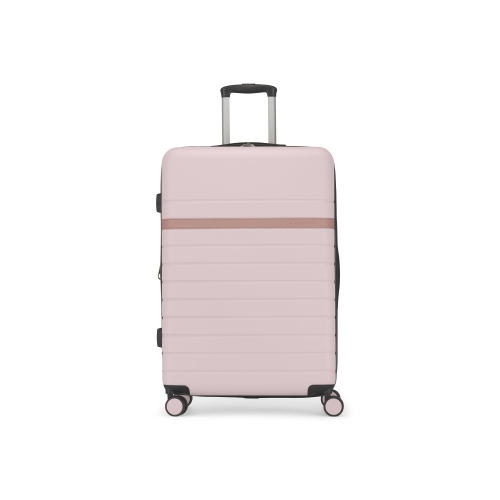
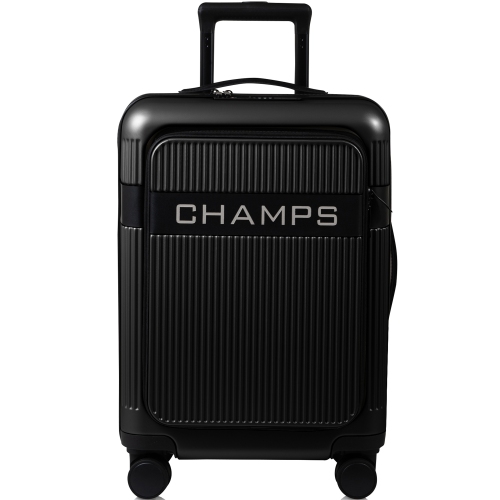
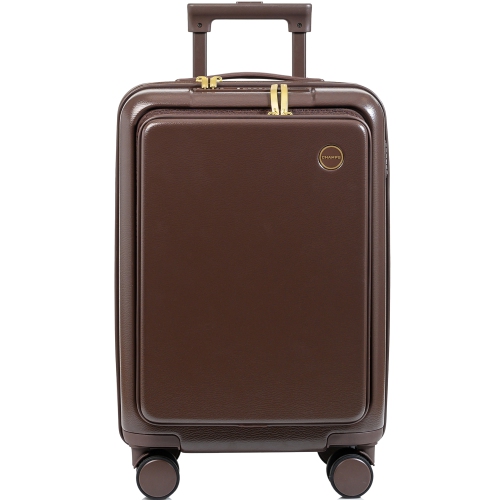
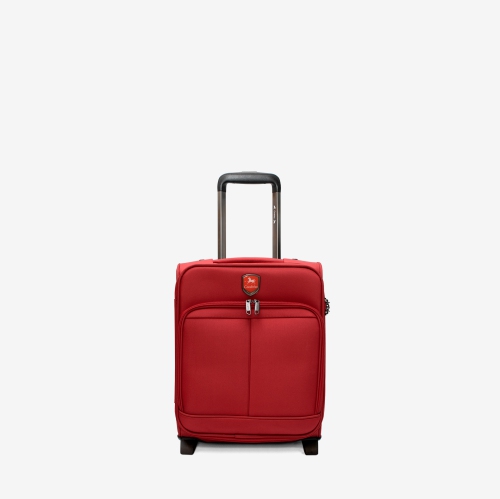
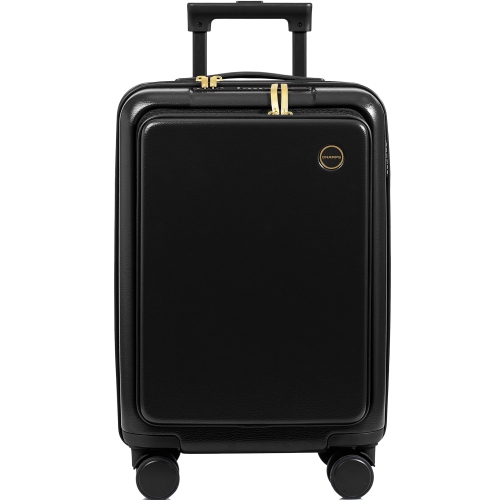
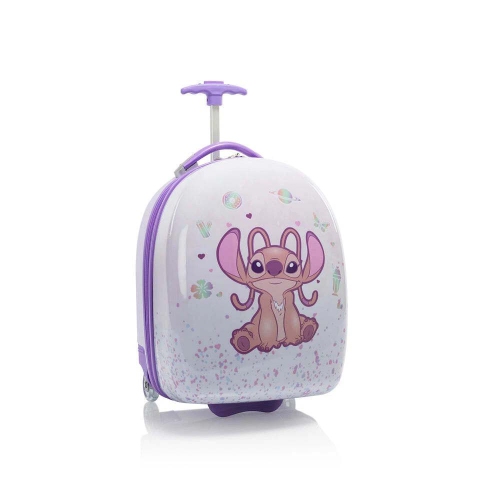
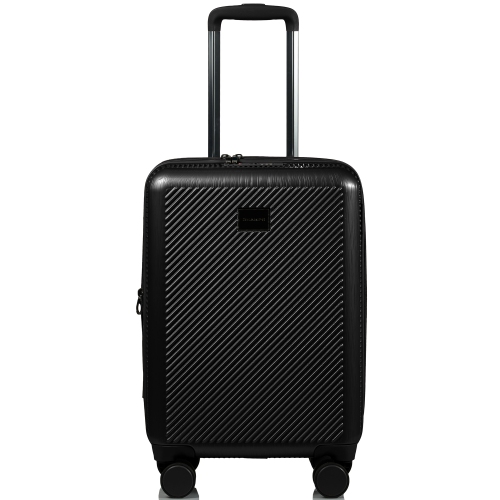
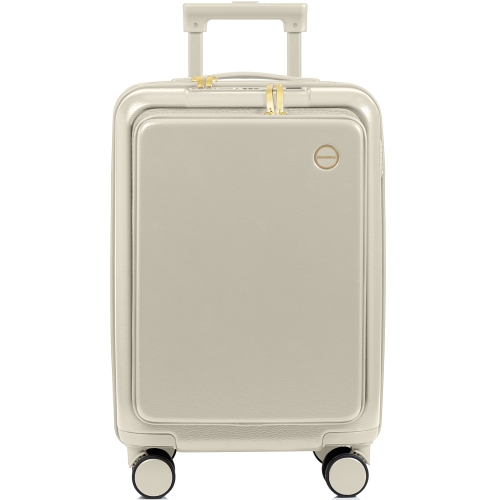
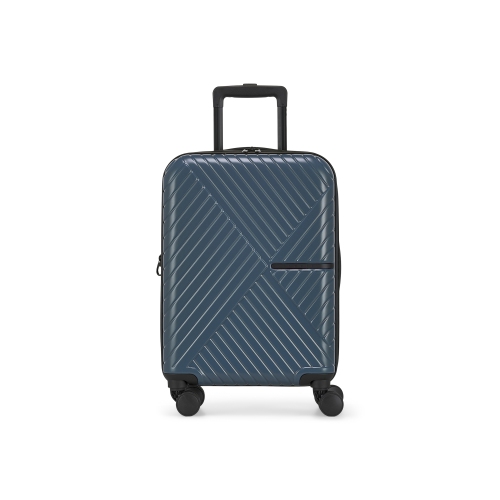
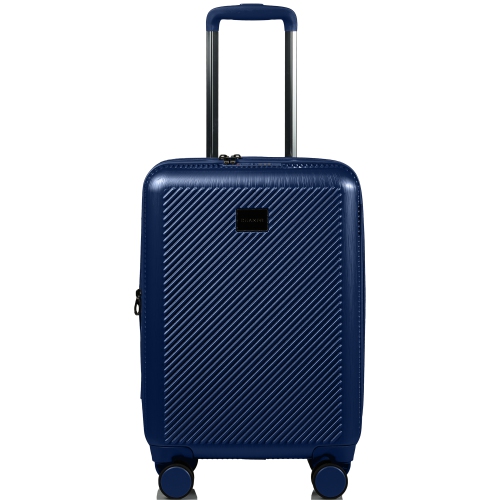
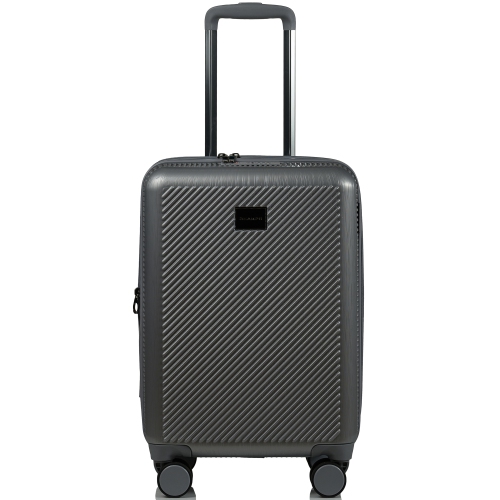
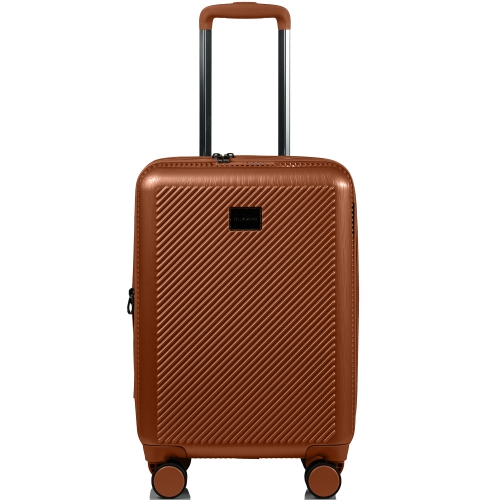
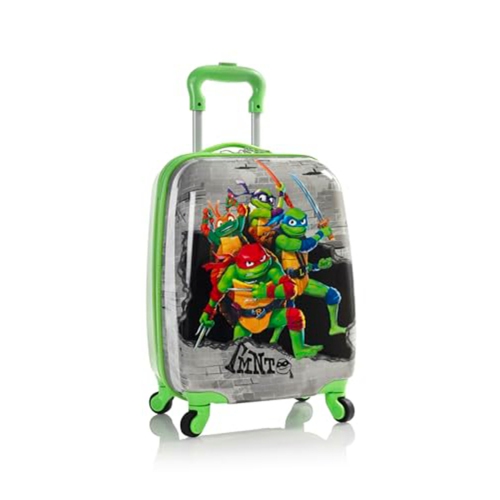

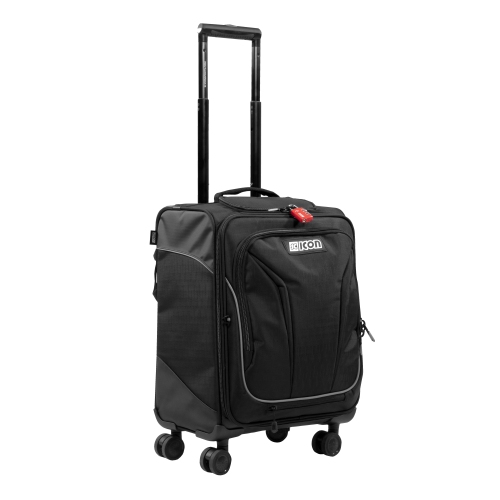
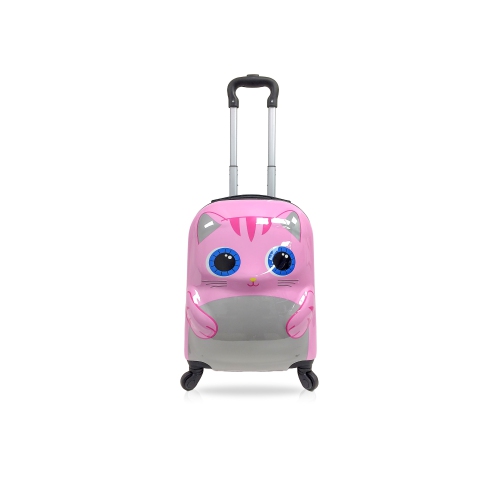
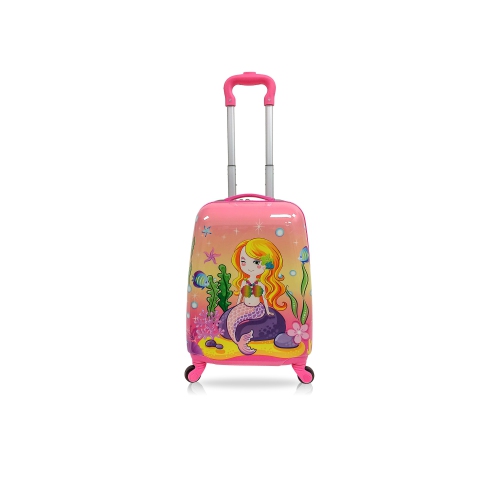
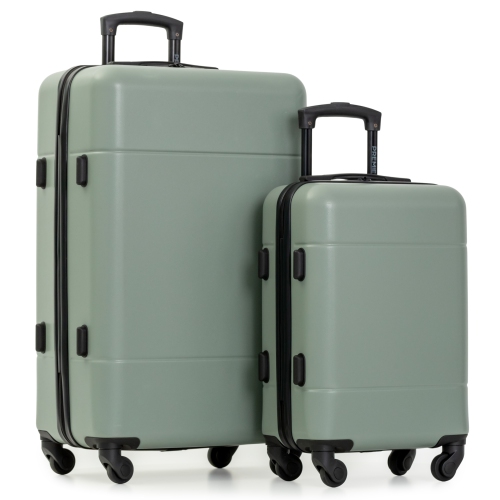
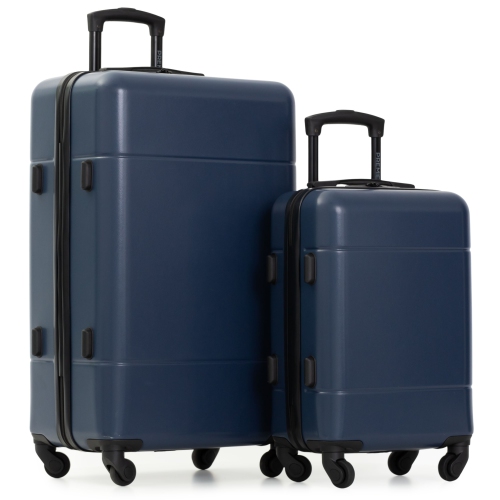

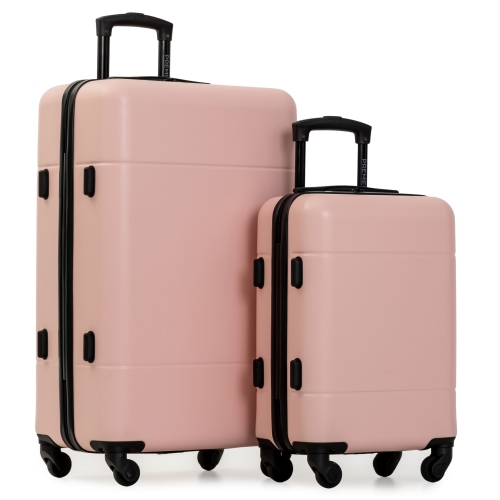
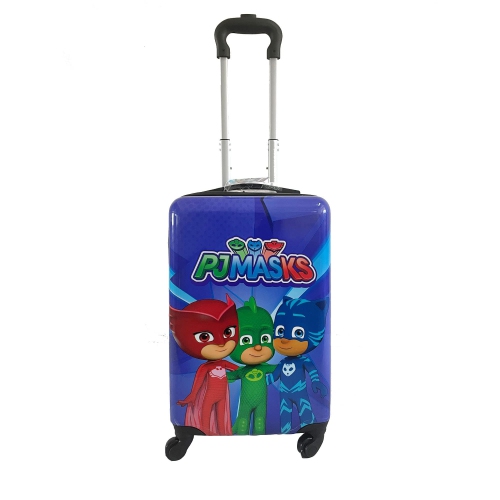
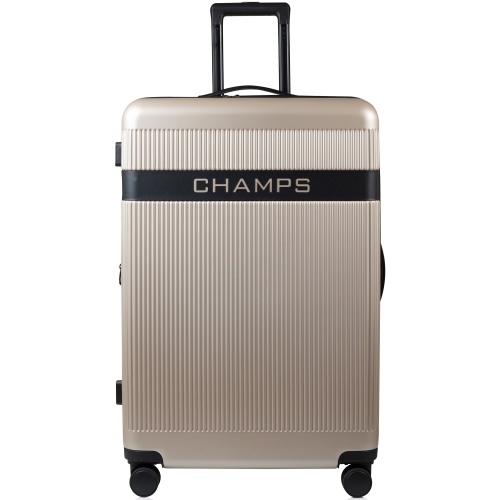
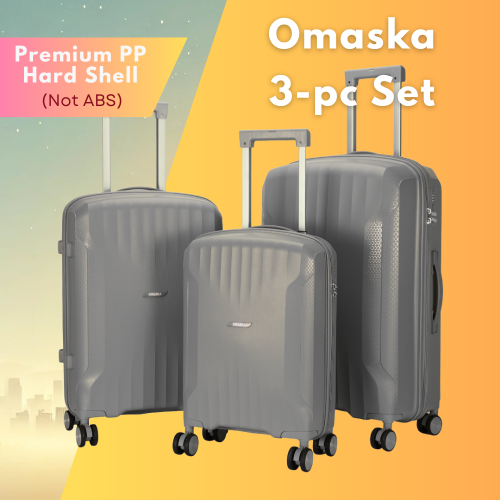
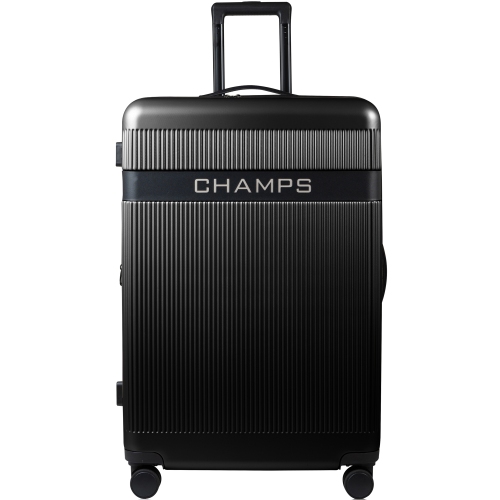
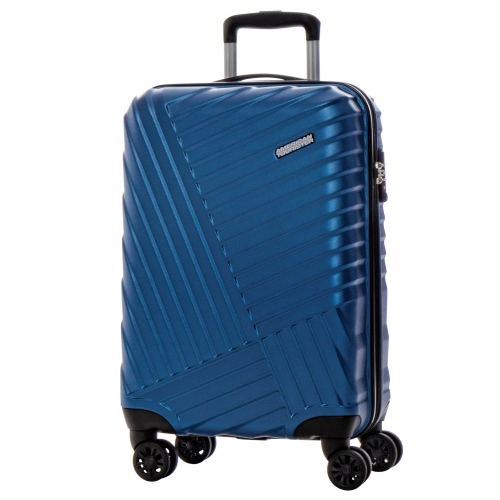


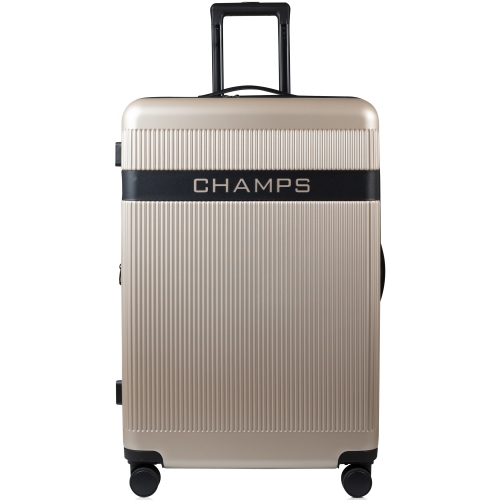
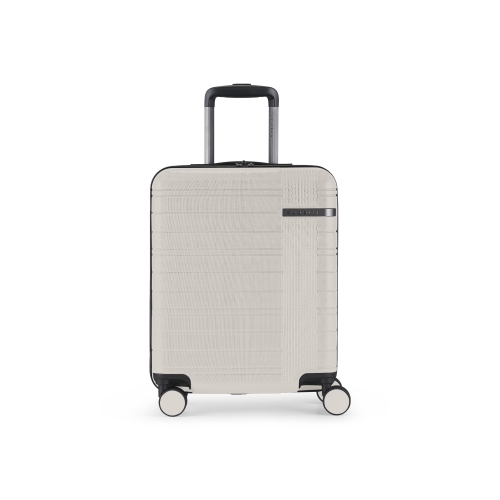
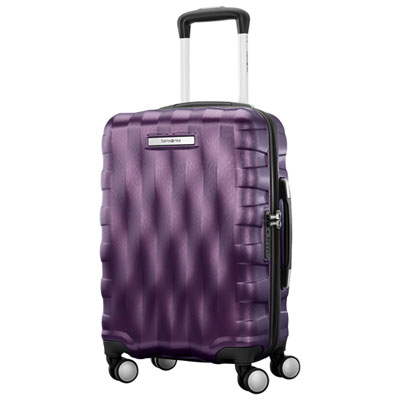
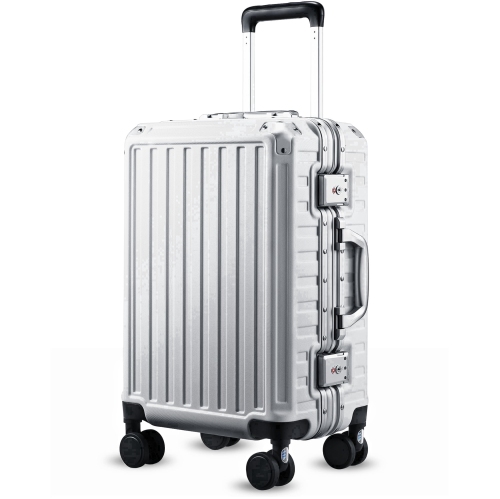
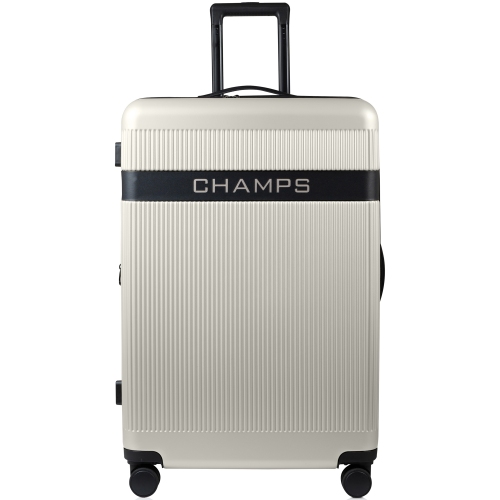
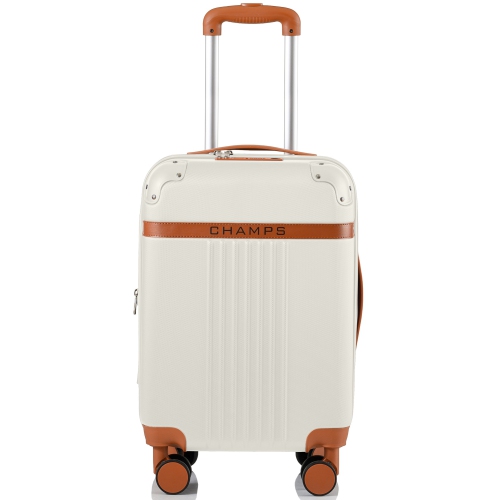

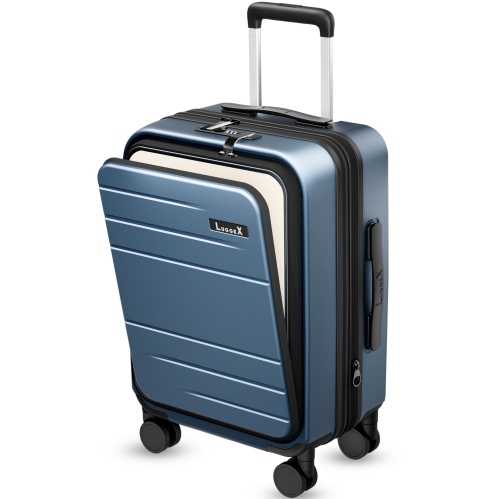
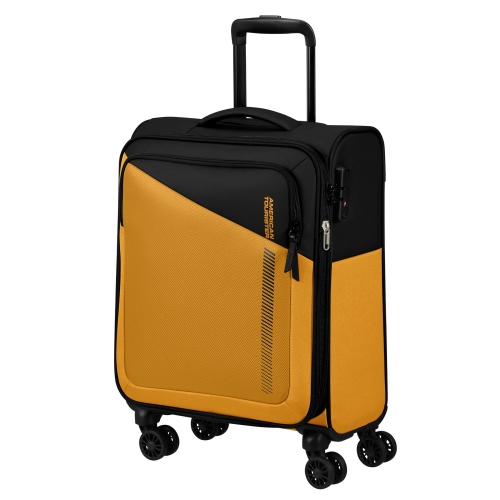
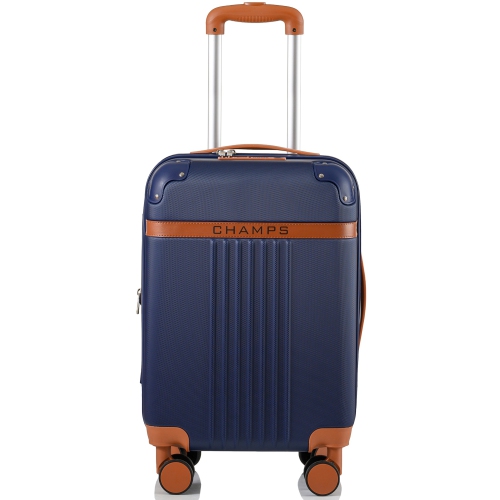
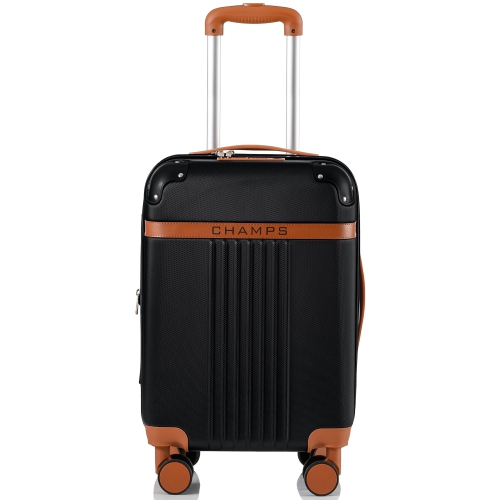

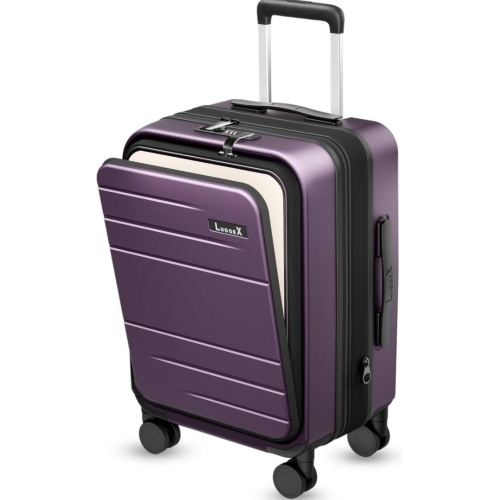
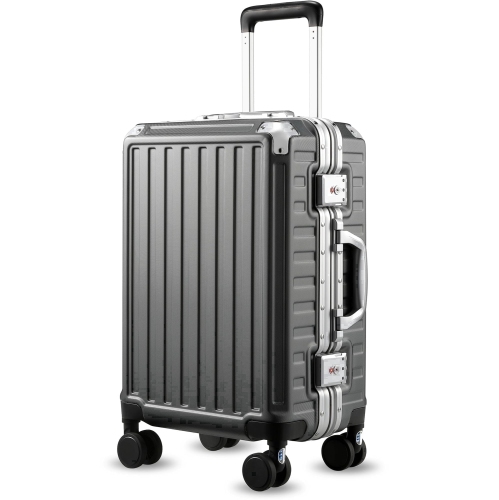
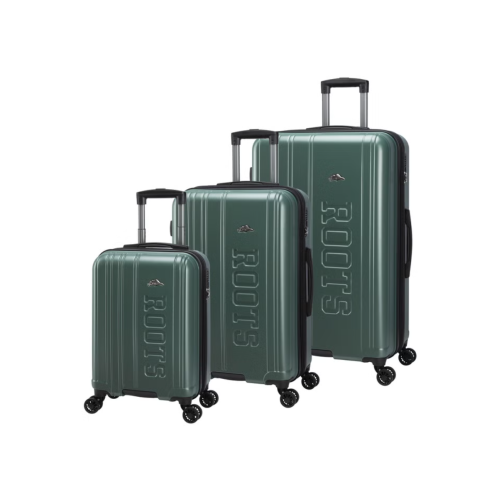

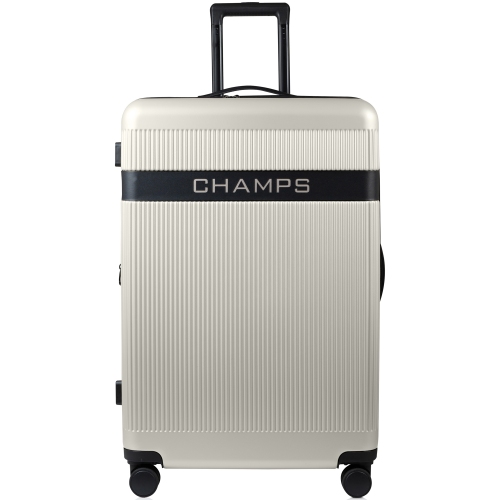
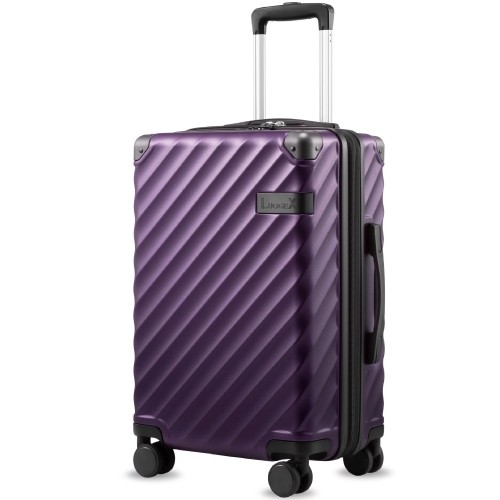
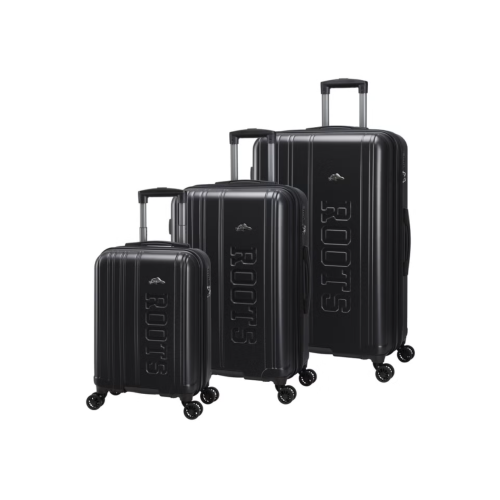
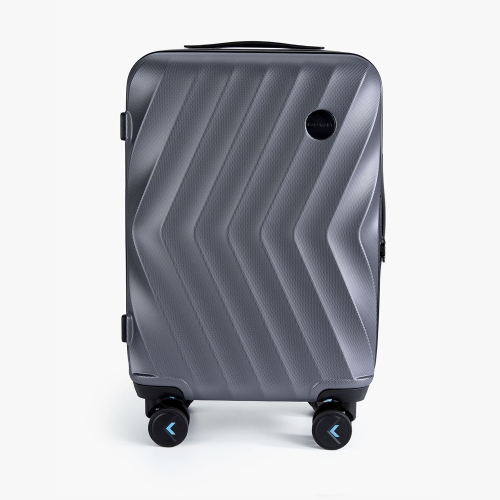
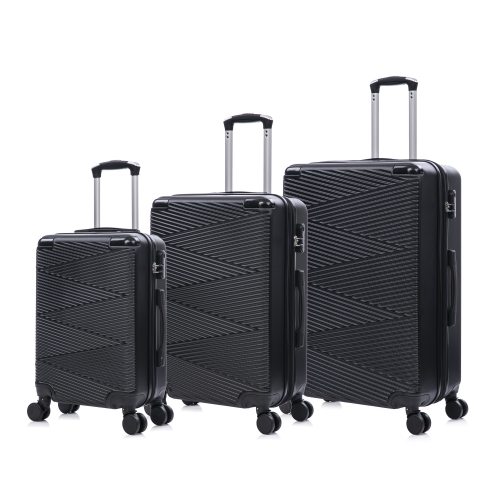
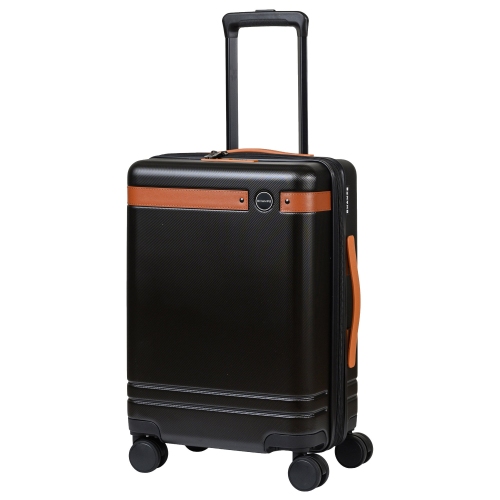

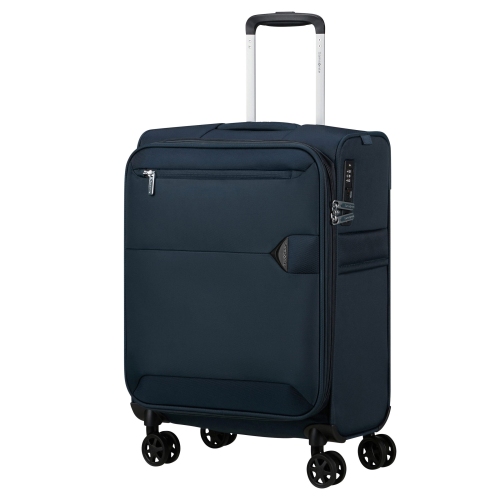
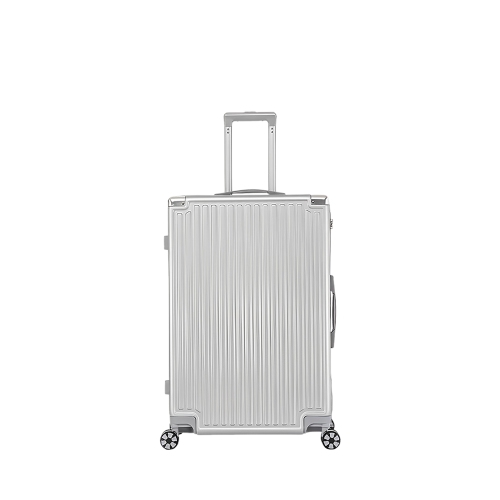
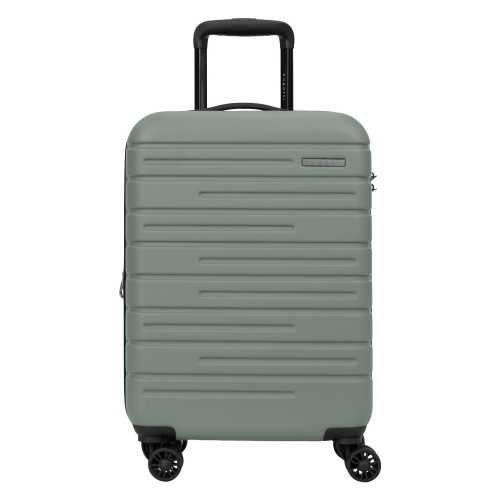
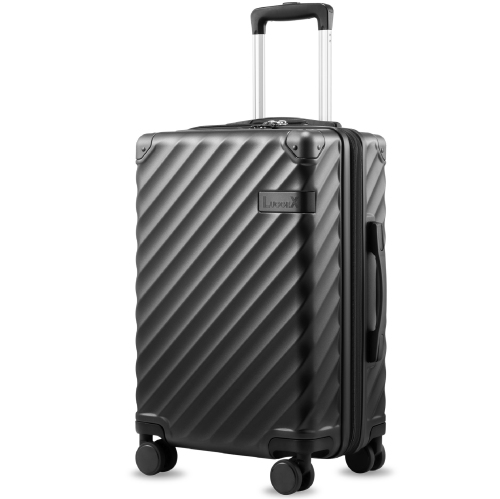
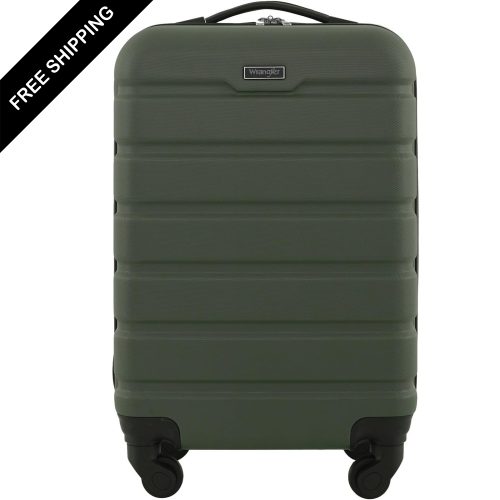
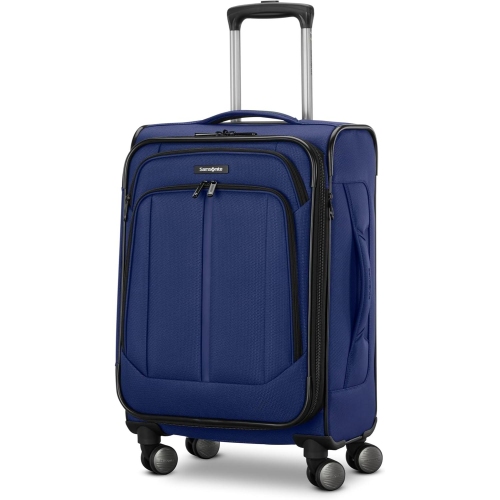
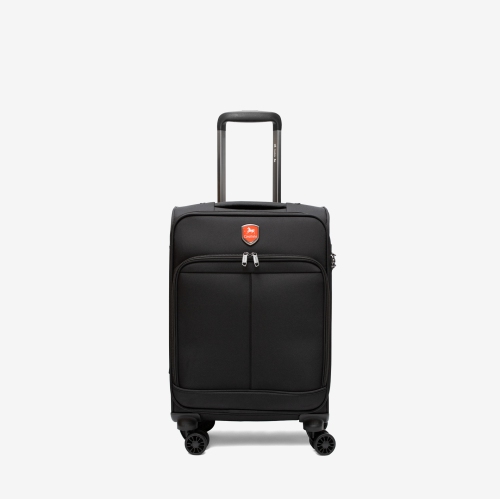
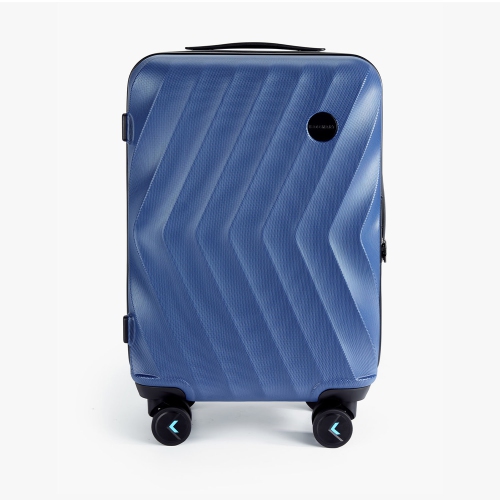
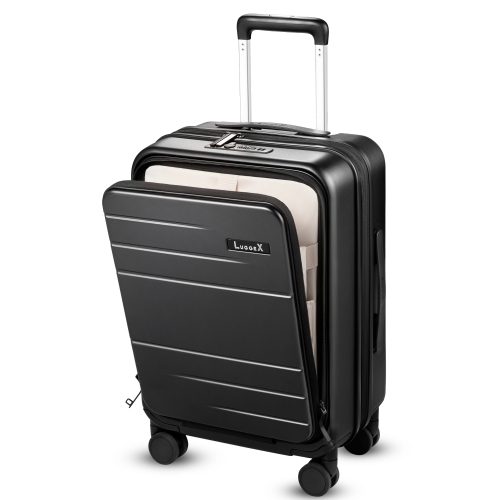
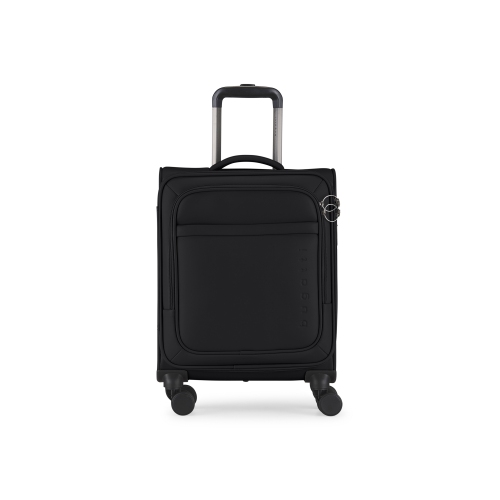
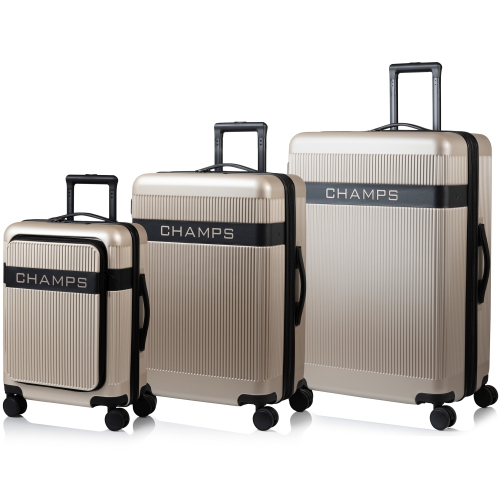
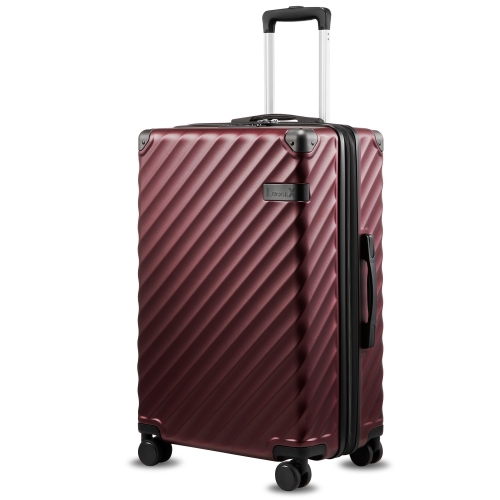
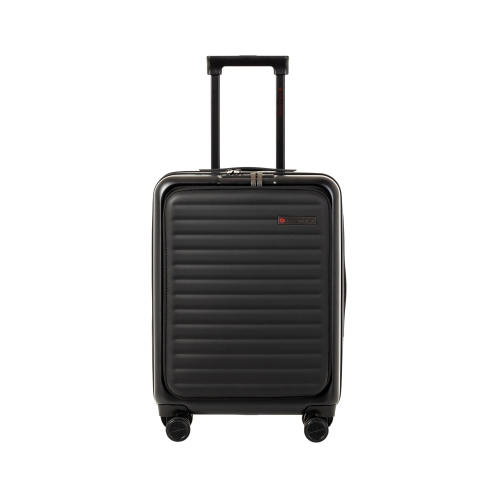

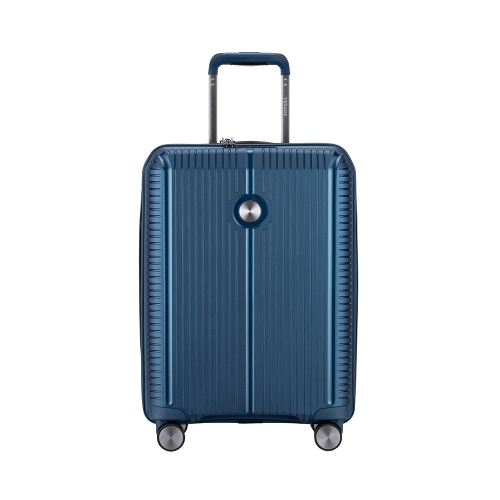
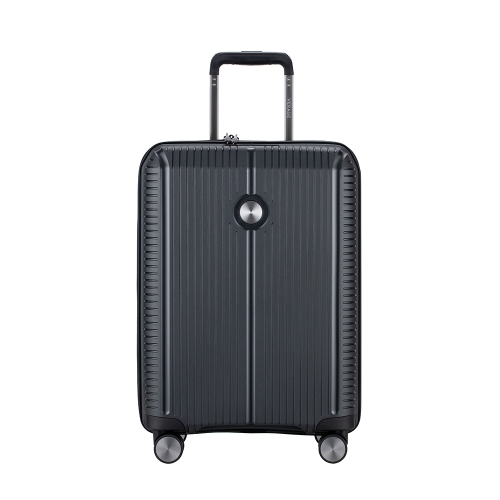

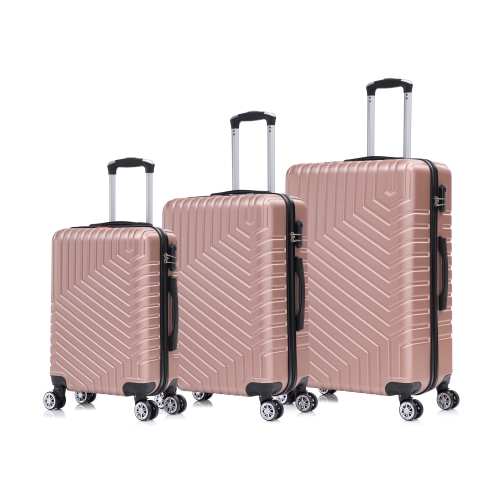
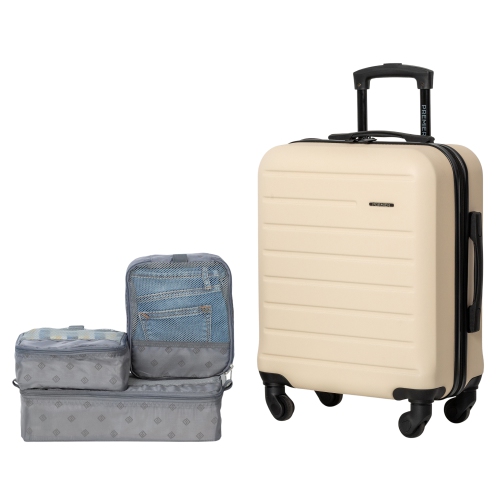
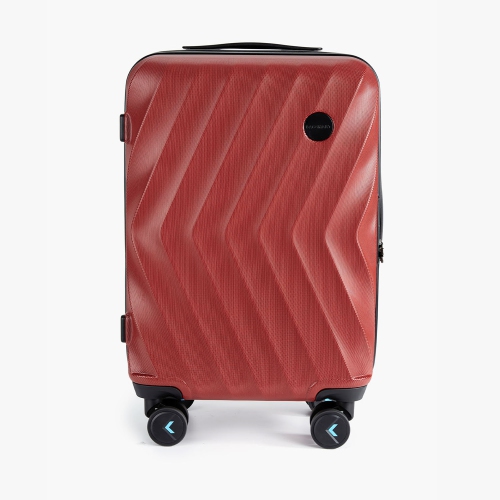
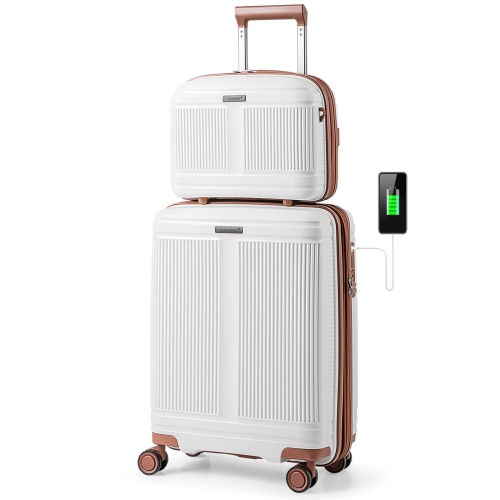
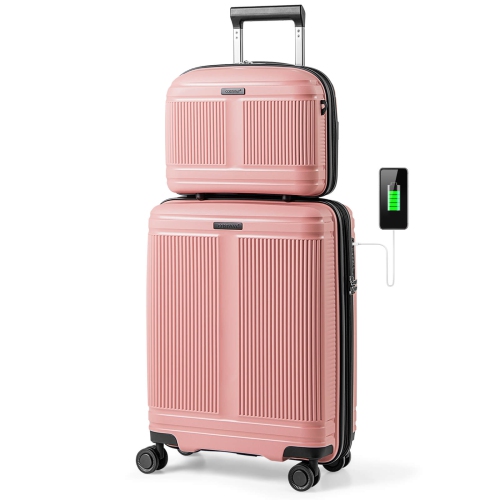
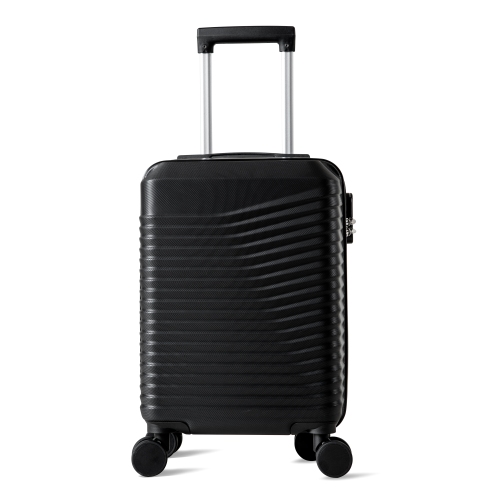
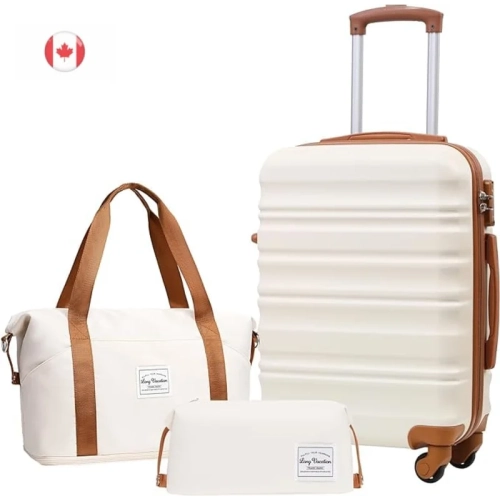
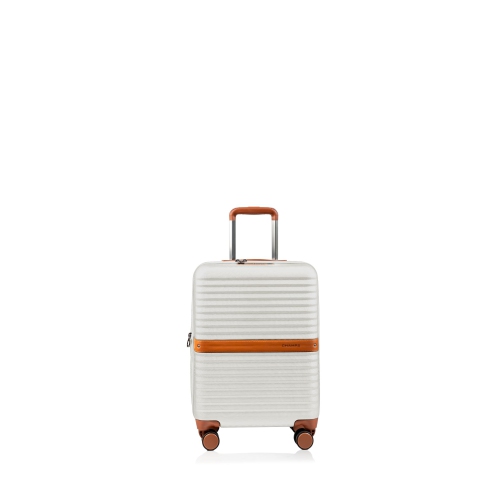
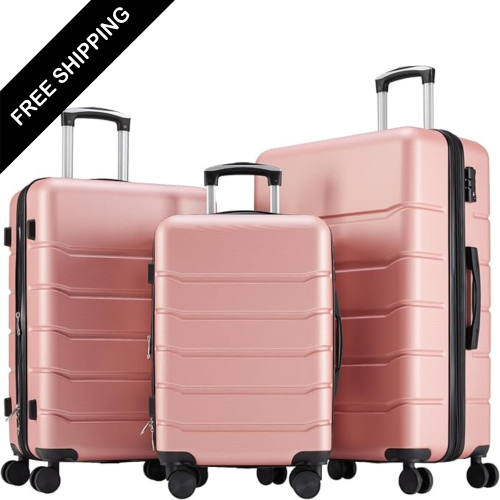
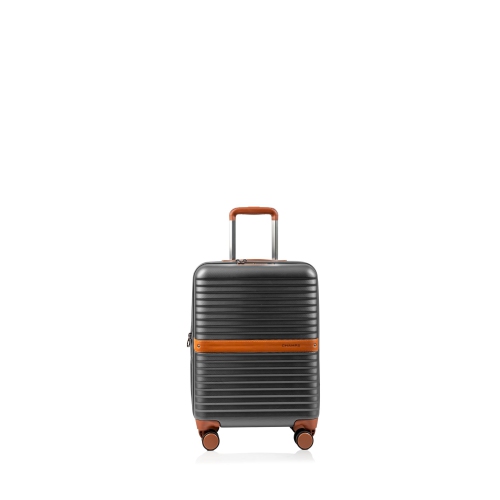
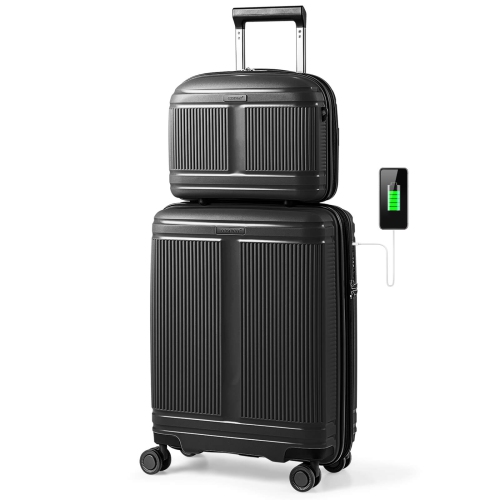
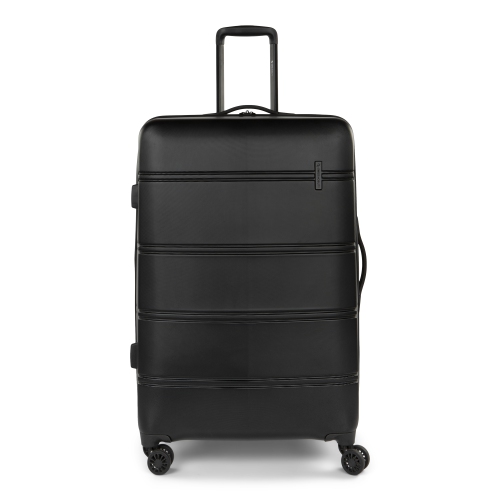
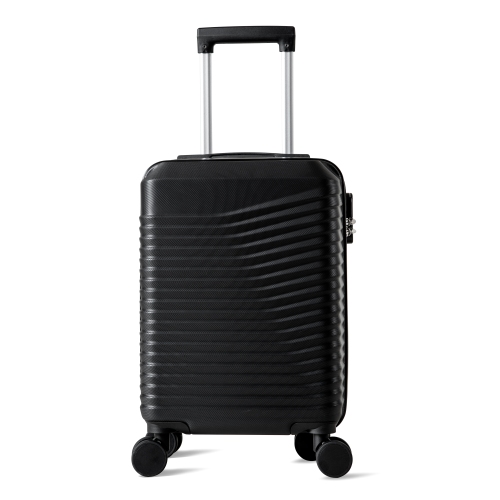
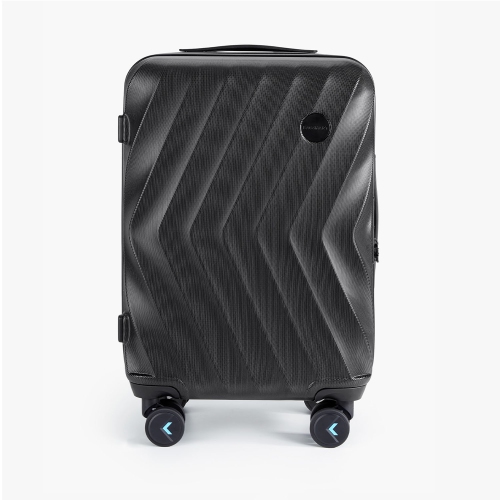
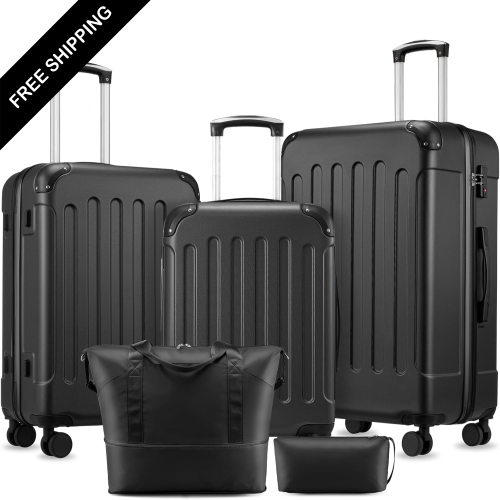
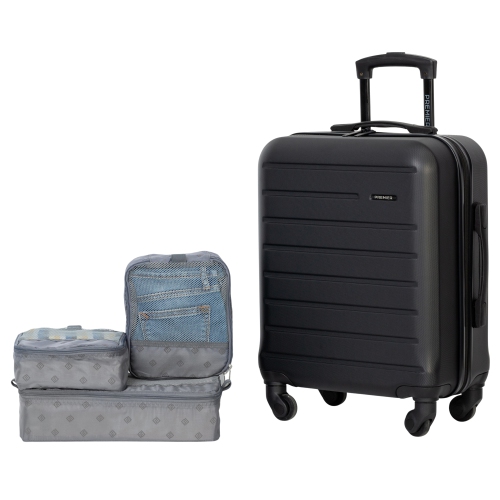

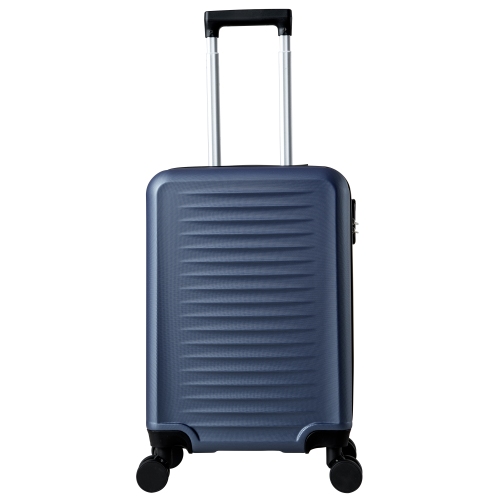
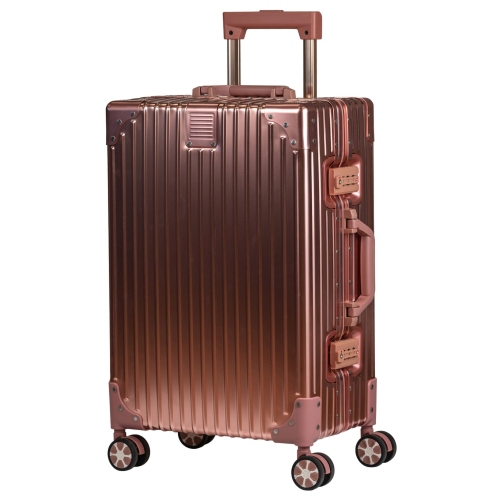
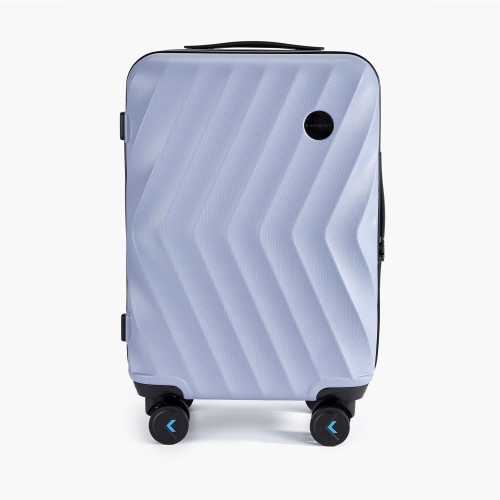
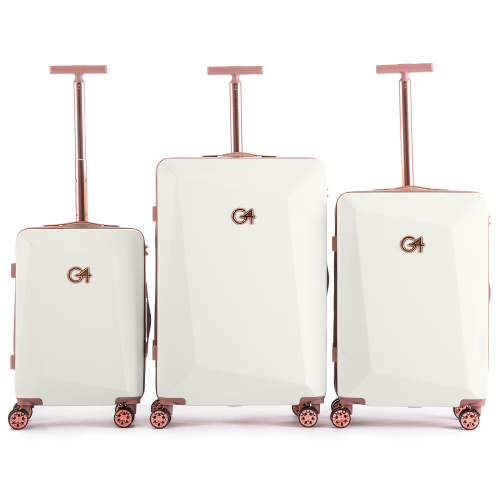
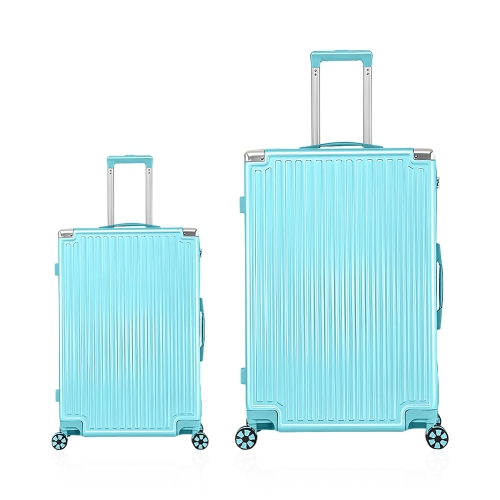
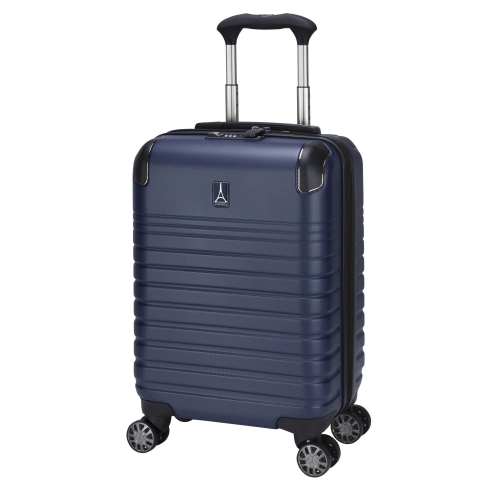
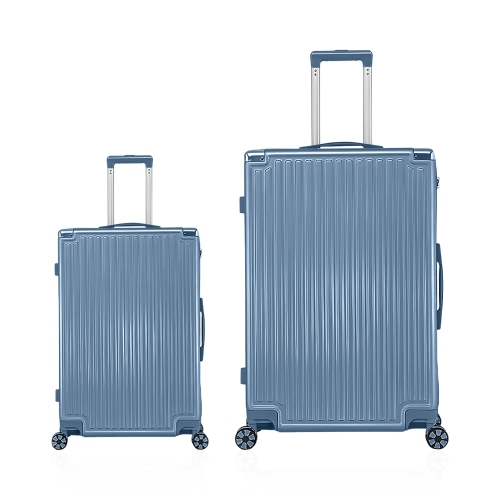
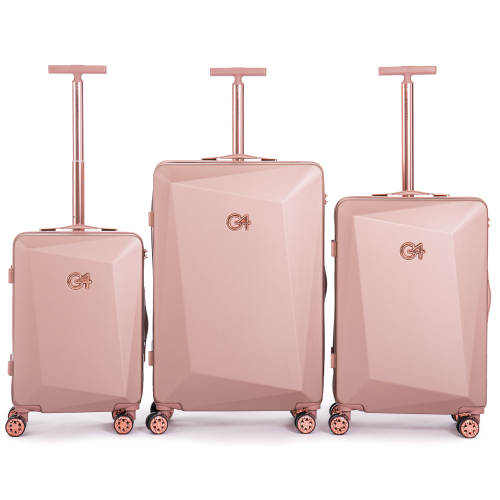
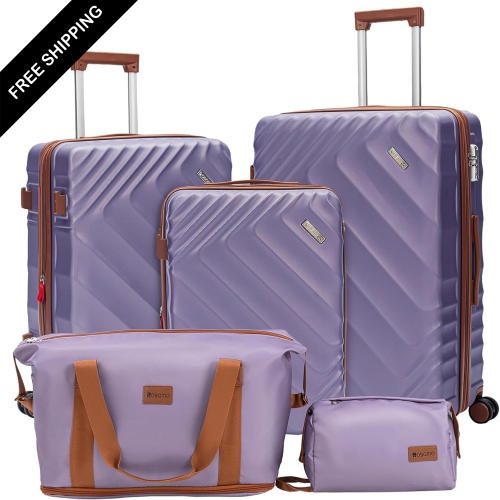
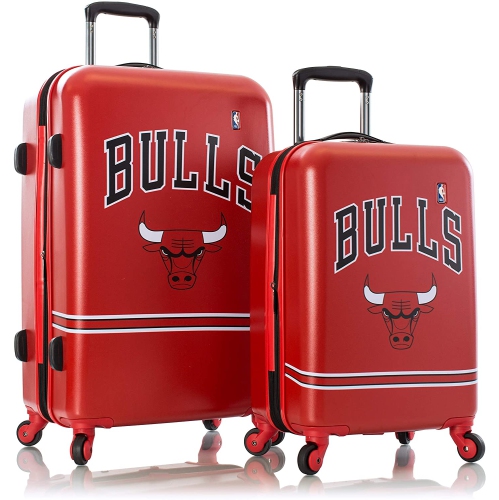
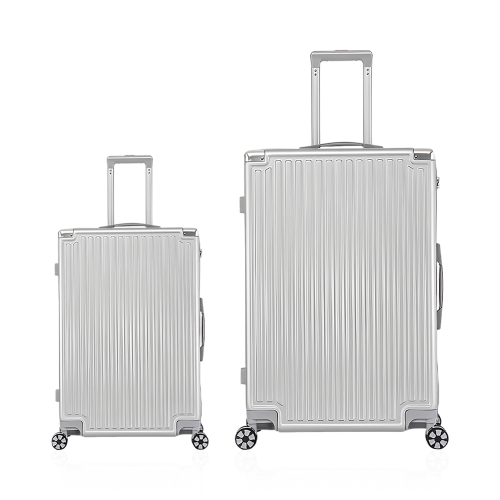
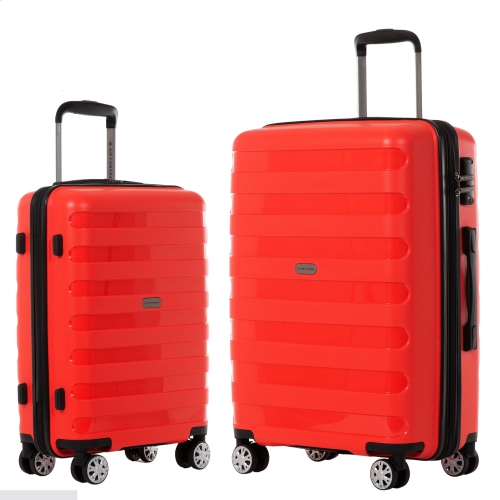
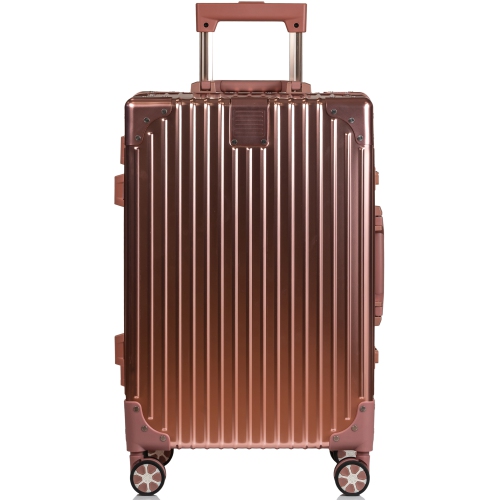
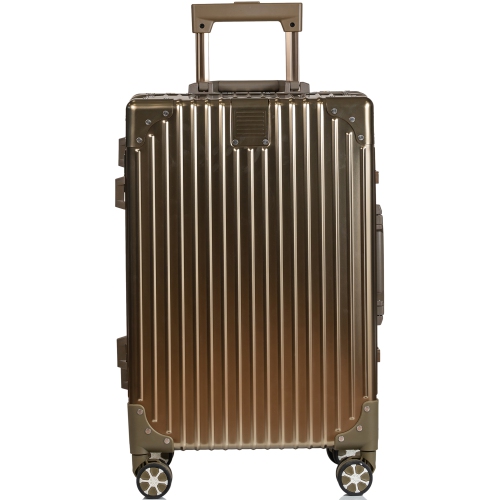
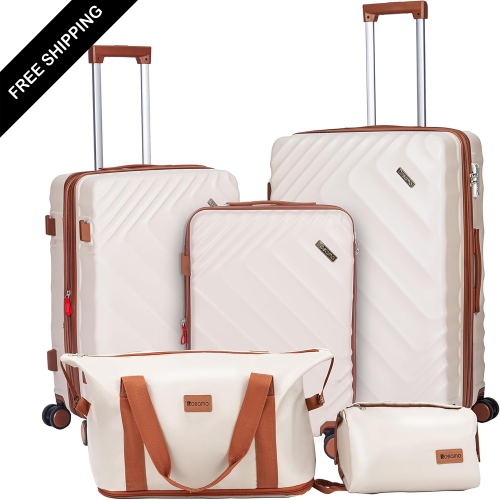
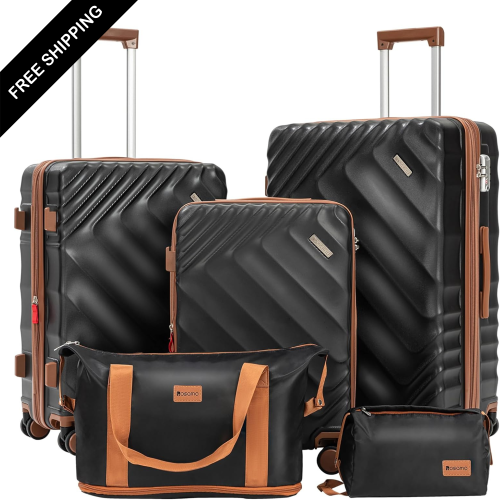
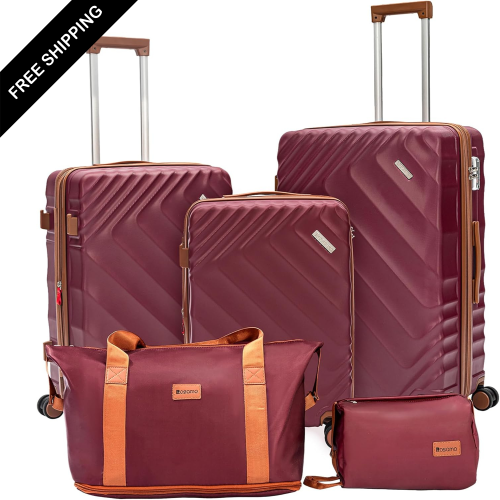
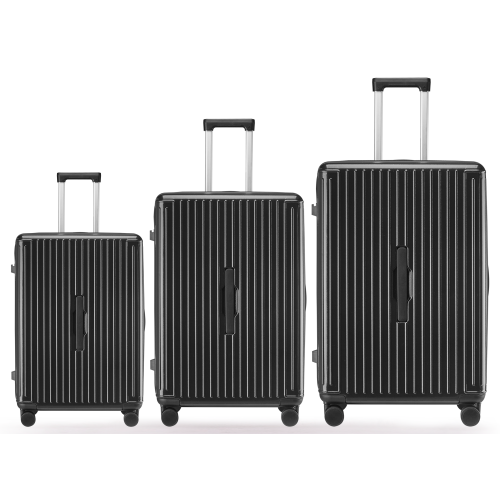
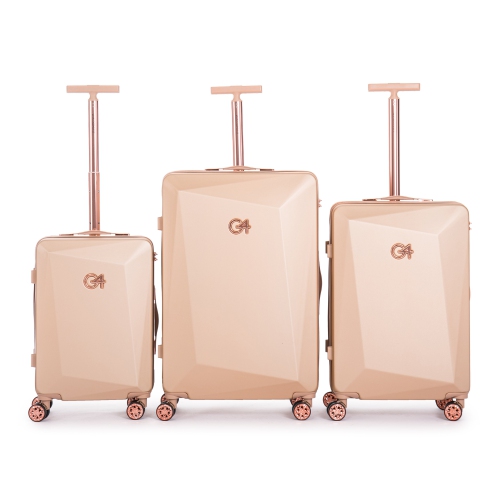
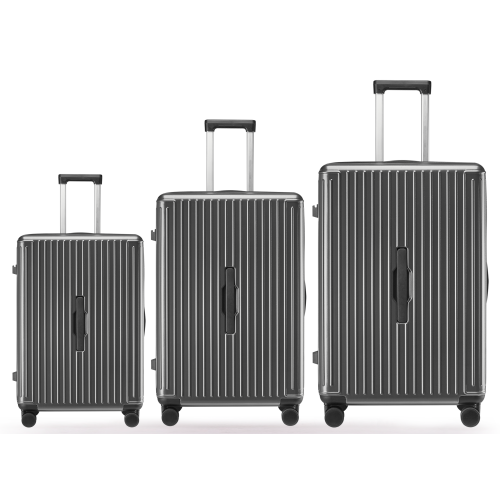
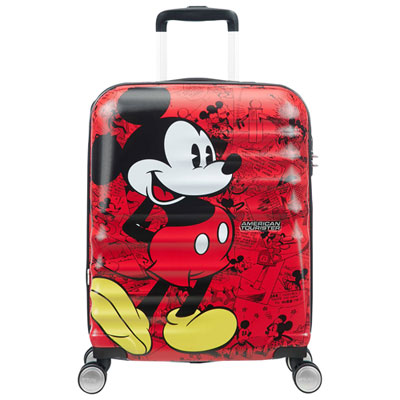
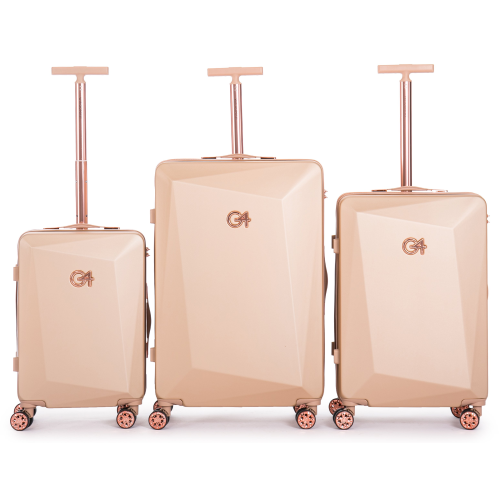
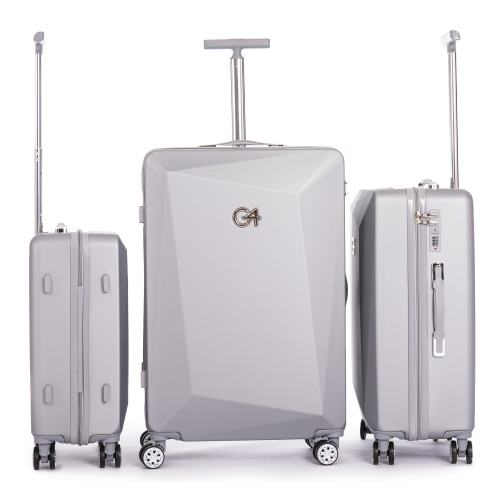
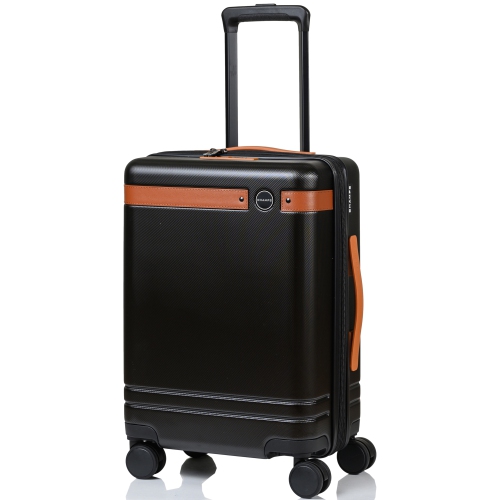
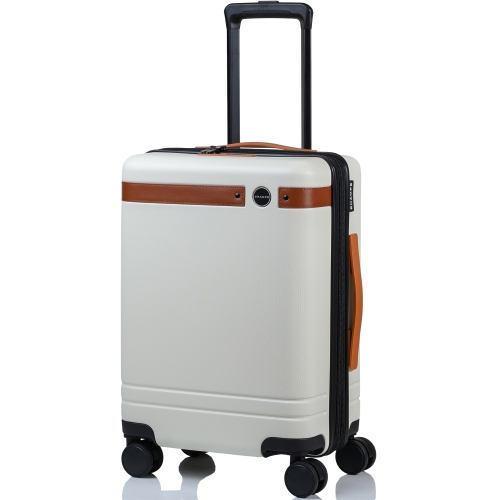
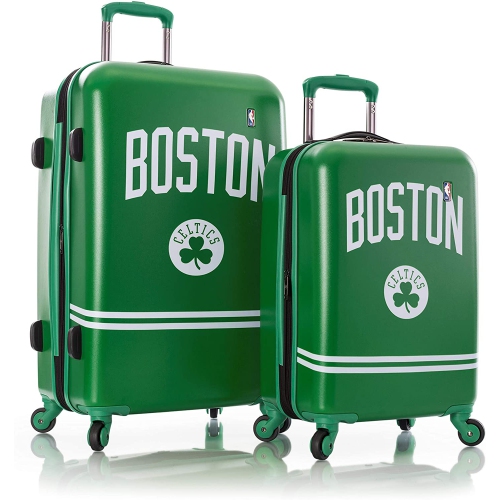
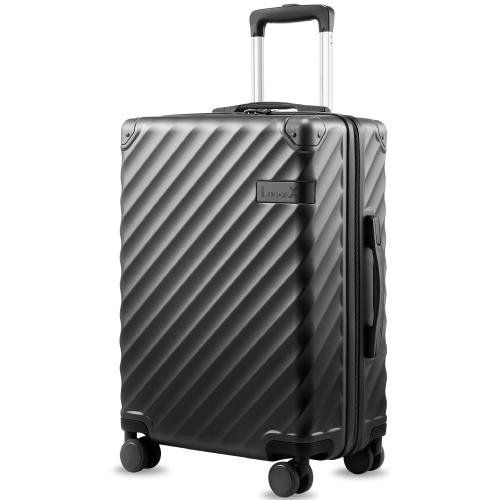
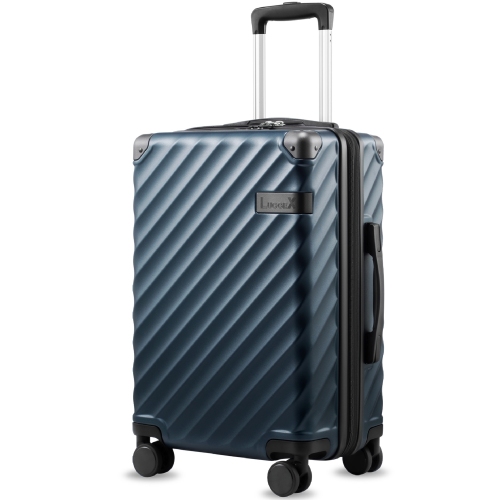
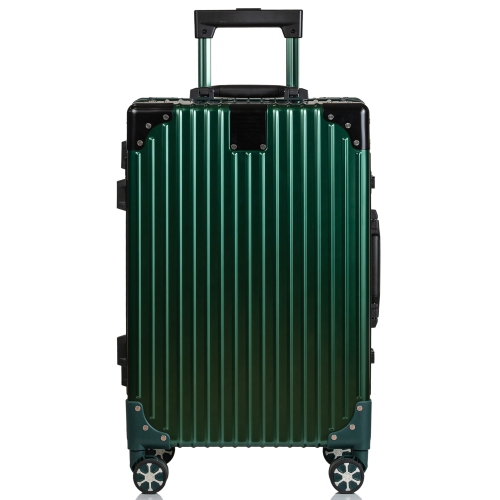
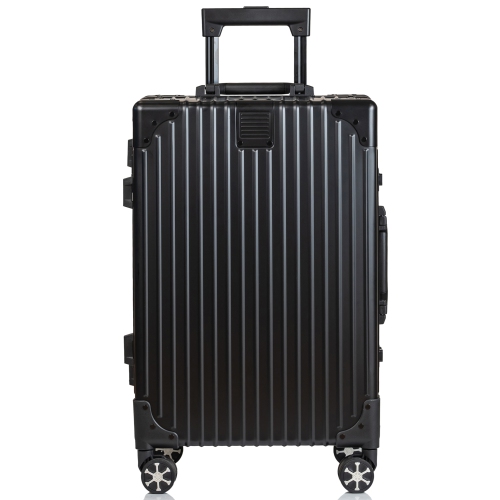


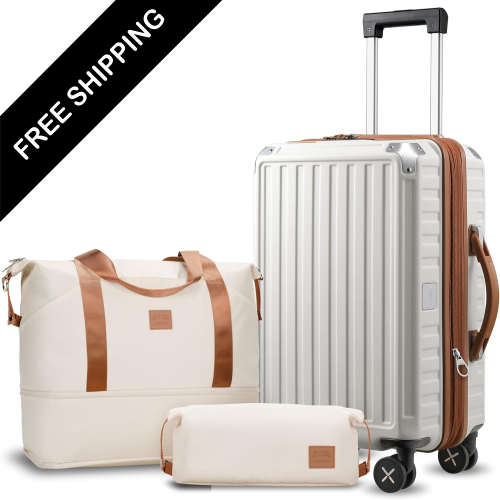
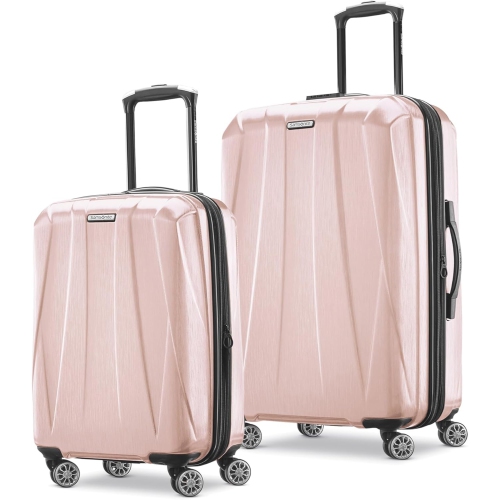

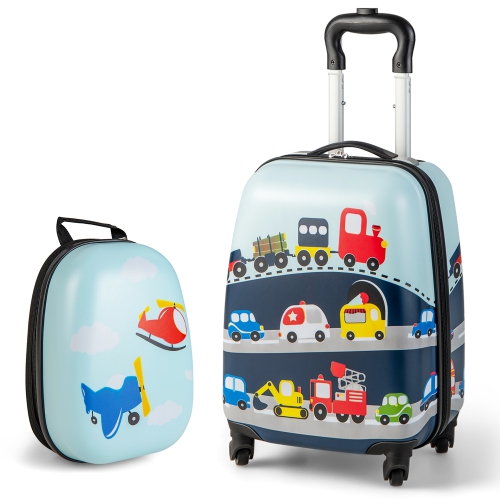
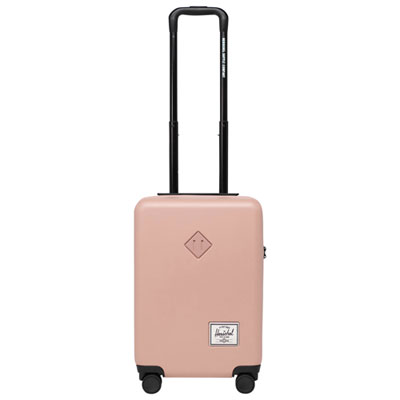
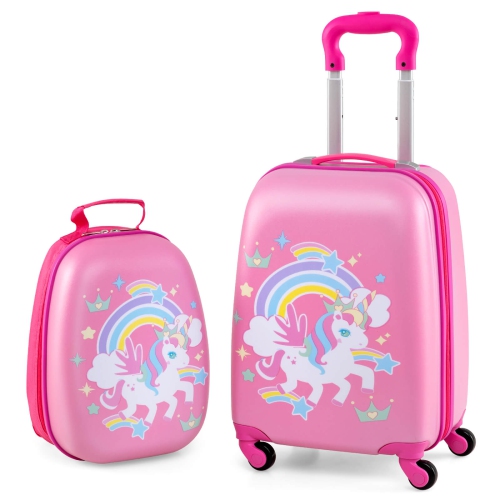
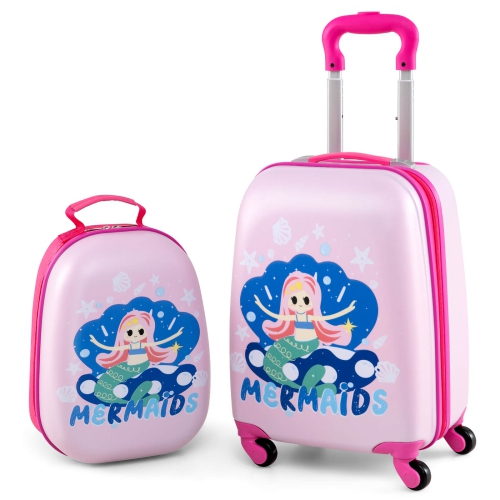
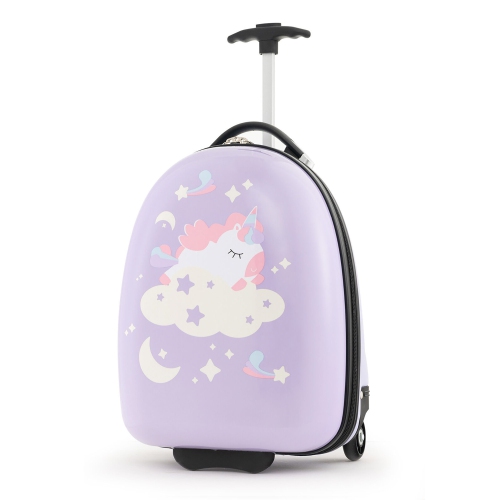
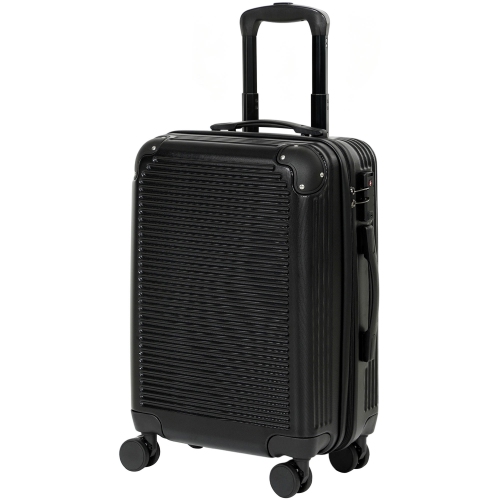

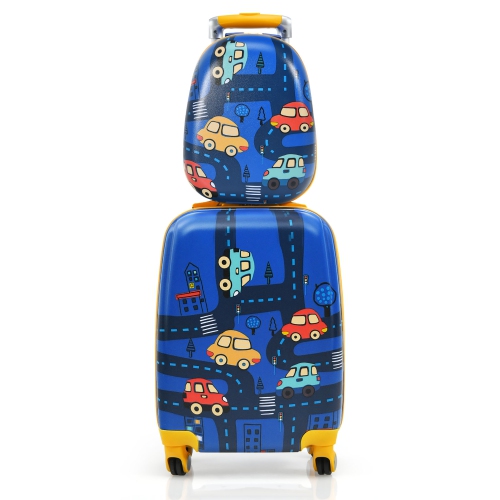

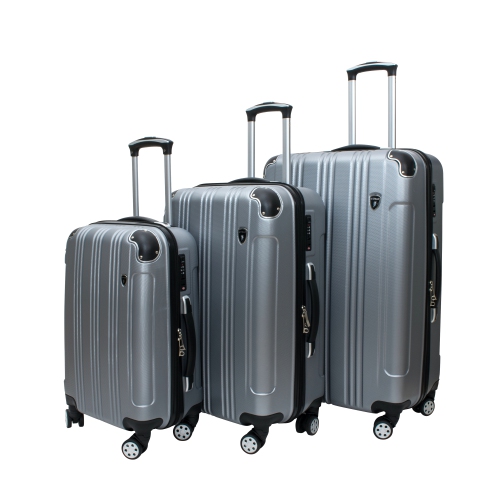

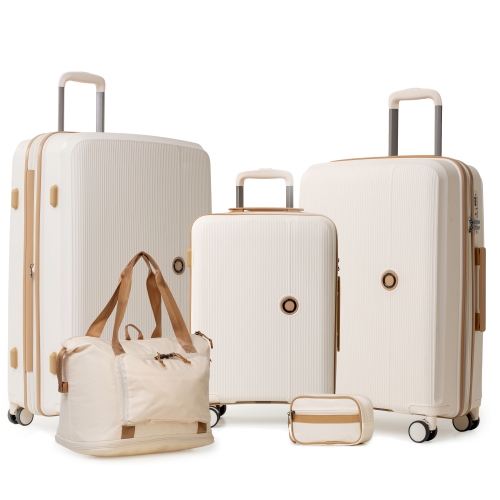

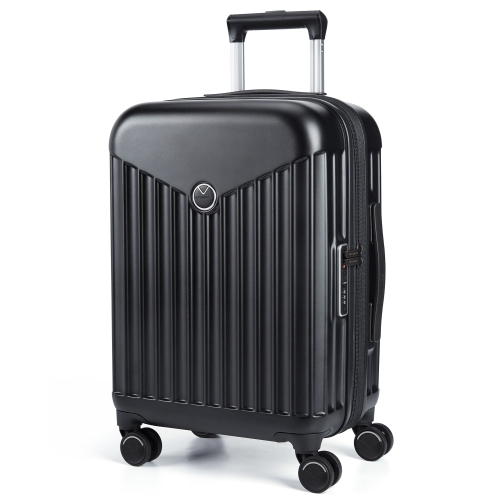

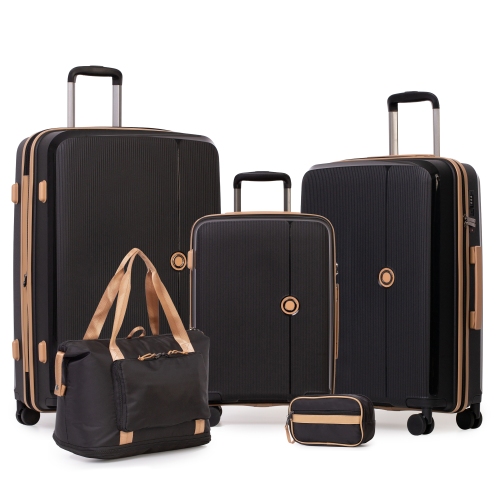
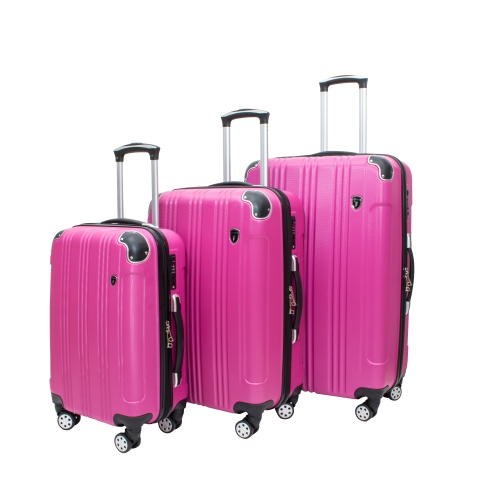
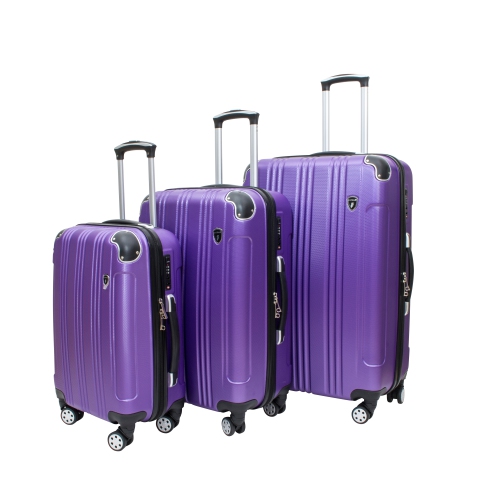
Lighter cases leave more weight allowance for essentials
Lightweight carry-on suitcases make it easier to travel with the essentials without using a large share of a cabin baggage allowance on the bag itself. A lighter empty case leaves more weight for clothing, shoes, toiletries, and the small comforts that make a trip feel familiar. Some exceptionally light designs weigh less than 2.3 kg (5 lb), although weight varies with size, materials, wheels, handles, and interior features. The lowest number on the scale is only part of the picture: a suitcase also needs enough structure and usable space for the way it will be packed. For a short business trip, that might mean room for folded shirts and a separate pair of shoes; for a weekend visit, it could mean casual clothing, a toiletry pouch, and a few gifts. Cabin baggage rules differ between airlines, routes, and fare types, so a carry-on label does not guarantee acceptance on every flight. Where an airline applies a 7–10 kg cabin baggage limit, even a modest difference in empty suitcase weight can affect how much fits within the allowance. Some airlines also count a personal item towards a combined weight limit. Exterior measurements matter just as much, including wheels, fixed handles, and any pockets that protrude when filled. Expanded dimensions can exceed a carrier’s limit even when the unexpanded suitcase falls within it. Travellers working with particularly restrictive cabin dimensions may also find Small Carry On Suitcases relevant, since compact size and low weight are related but separate qualities. A smaller case is not necessarily lighter, and a very light case is not necessarily small enough for every cabin. Lightweight luggage also suits train journeys, road trips, and short stays where lifting a suitcase onto a rack or carrying it upstairs is part of the journey.
Materials and construction shape how a lightweight carry-on suitcase feels in use. Hardside cases commonly use polycarbonate, polypropylene, ABS, or combinations of materials, with different balances of flexibility, rigidity, and weight. Polycarbonate can flex under pressure, while polypropylene can offer a light shell with good impact resistance; the finished case’s durability still depends on its construction, thickness, and components. A rigid shell helps separate packed contents from external pressure, but it does not make fragile belongings crush-proof. Softside suitcases typically use woven polyester or nylon over a supporting frame, often with exterior pockets that keep a travel document folder or light layer within reach. Their fabric panels may offer some give, although overfilling can make the bag too deep for a cabin sizer. Neither shell type is automatically the lightest choice. Wheel assemblies, reinforced corners, zipper systems, lining, and handle mechanisms all contribute to the final weight. Four-wheel spinner designs move upright beside the traveller and are convenient along smooth terminal floors or through a hotel lobby. Their wheels usually extend beyond the body, so that space needs to be included in the overall dimensions. Two-wheel designs generally tilt behind the traveller and may have more recessed wheels, which can be useful when moving across uneven paving. Wheel size, mounting strength, and smooth rotation affect handling as much as wheel count. A telescopic handle should extend to a comfortable height without requiring a hunched posture or forcing the suitcase against the heels. Top and side carry handles provide useful lifting points when moving a packed case into a car boot, onto a luggage rack, or off a conveyor if it has been checked. Comfortable grips, secure stitching, reinforced attachment points, and zippers that move smoothly around corners are worthwhile details. A slightly heavier case with dependable wheels and a comfortable handle may be easier to manage over a full journey than a lighter one that pulls awkwardly.
Interior layout determines how effectively a lightweight suitcase uses its space. A simple open compartment can accommodate packing cubes and larger folded garments, while a divided interior helps separate clothing from shoes or keeps each side contained when a hardside case opens flat. Compression straps limit shifting, and zipped mesh panels make smaller belongings easier to locate without unpacking everything. Extra pockets can be useful, but elaborate organizers also add material and weight. For travellers who prefer a straightforward packing routine, a few accessible compartments may be more practical than numerous small sections. Packing heavier belongings close to the wheel end can help the case feel more balanced when upright, while keeping frequently needed essentials accessible reduces rummaging at a boarding gate. A laptop compartment can be convenient for work travel, provided its stated dimensions suit the device and its padding offers appropriate protection. A suitcase may still need to be checked at the gate, so medication, travel documents, valuables, and any batteries subject to cabin-only rules belong in a separate bag that can stay with the traveller. Lightweight carry-ons can be thoughtful gifts for students leaving for a placement, someone starting a travel-heavy role, or a family member who prefers shorter trips. Their usefulness depends on the recipient’s usual transport, packing habits, and ability to lift the filled case, rather than empty weight alone. Regular care helps preserve that usefulness. Dust and grit can be brushed away from wheels and zipper tracks, fabric can be spot-cleaned according to its care label, and many hard shells can be wiped with a soft cloth and mild cleaning solution where permitted by the manufacturer. Harsh solvents and abrasive pads can damage finishes. Letting the lining dry fully before storage, keeping the case free from unnecessary pressure, and avoiding overpacking help protect its shape and closures. The most practical lightweight carry-on balances manageable weight, suitable dimensions, comfortable handling, and enough durability for repeated trips.
Top selling and popular products
-
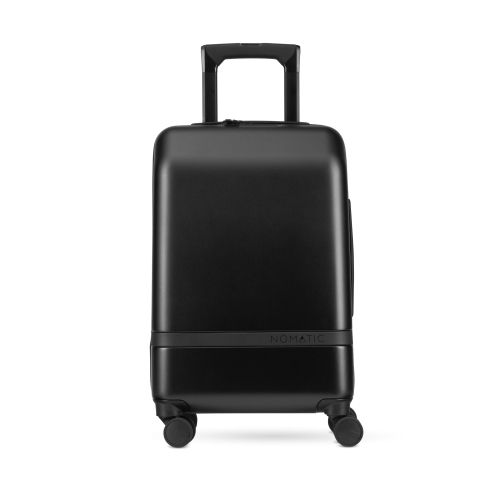 Your price for this item is $449.99
-
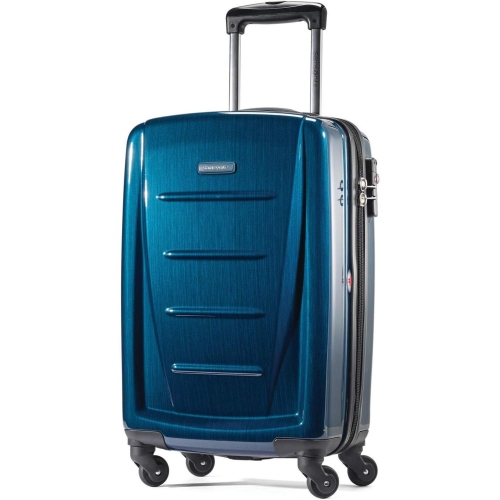 Your price for this item is $170.05
-
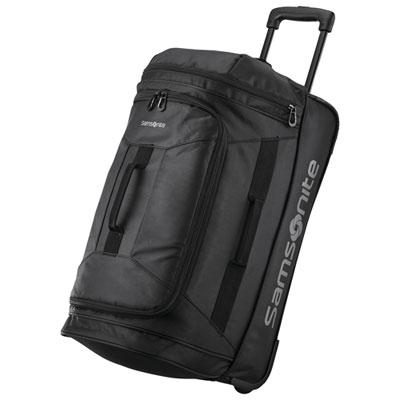 Your price for this item is $109.99
-
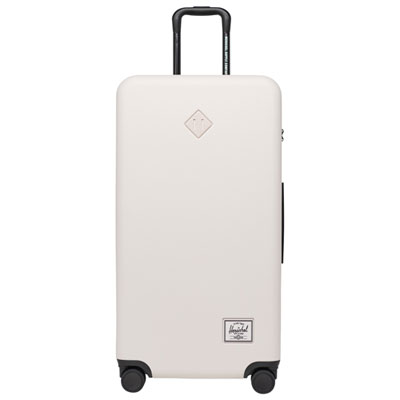 Your price for this item is $339.99
-
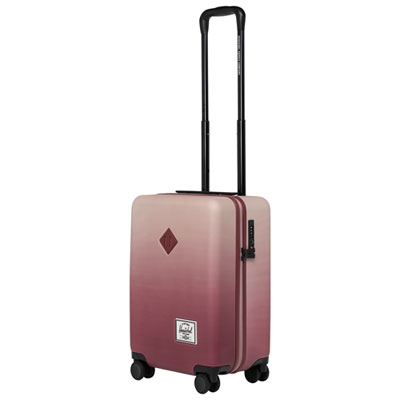 Your price for this item is $219.99
-
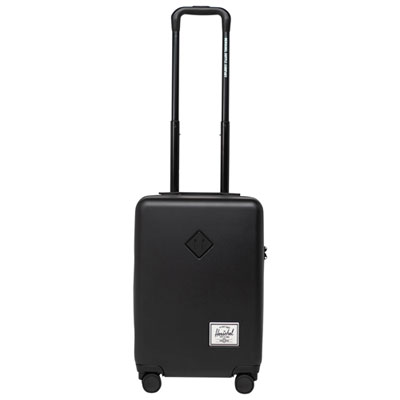 Your price for this item is $186.98
-
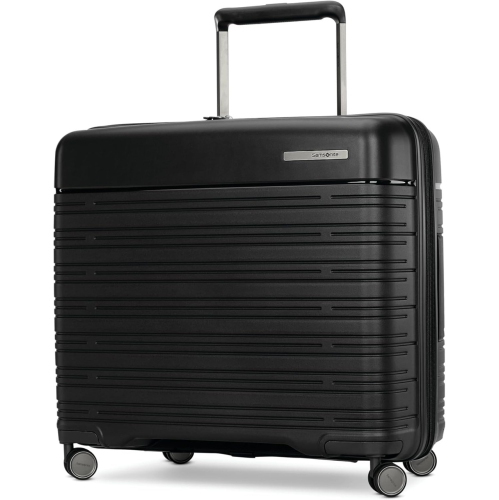 Your price for this item is $399.99
-
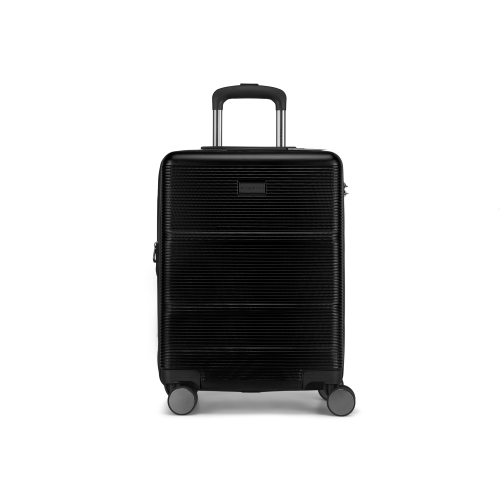 Your price for this item is $89.99
Discover more categories related to Lightweight Carry On Suitcases
Top Collections:
Best Black Friday Deals This Year, Best Black Friday Deals On Electronics, Kindle Devices, Best Black Friday Deals On Apple Products, Best Budget Office Chairs, Best Cameras for Sports Photography, Dyson Airwrap, Canon G7X Cameras, Best Laptops for Writers, Samsung Galaxy Phones
Some products may be subject to Environmental Handling Fees
(EHF) depending on your province.
Learn more about EHFs.