Neck Pillow Support
Finding the right neck pillow support can make a world of difference in your comfort and relaxation, whether you're at home, on the road, or in the office. A good neck pillow provides the necessary support to help alleviate neck pain and stiffness, allowing you to unwind and rejuvenate after a long day. With various styles and materials available, you can choose the perfect neck pillow support to suit your preferences and needs, ensuring a restful experience every time you use it.
Sort



![MIA TORO Hooded Travel Neck Pillow - Unisex Travel Accessories [Black]](https://multimedia.bbycastatic.ca/multimedia/products/500x500/124/12422/12422525.jpg)



Why pillow fit changes with your resting position
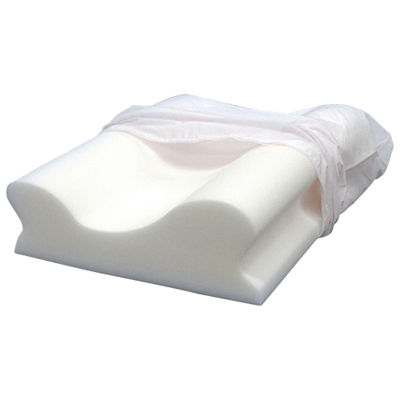
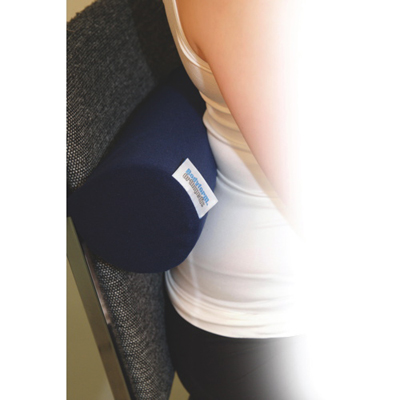
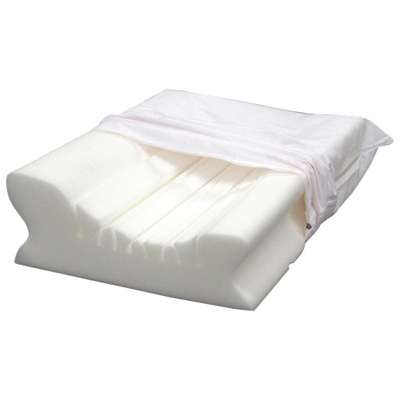
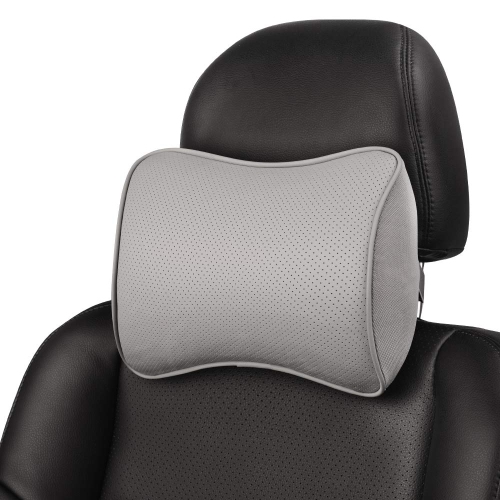
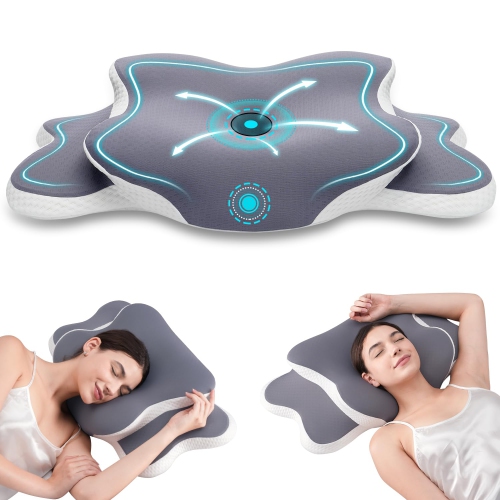
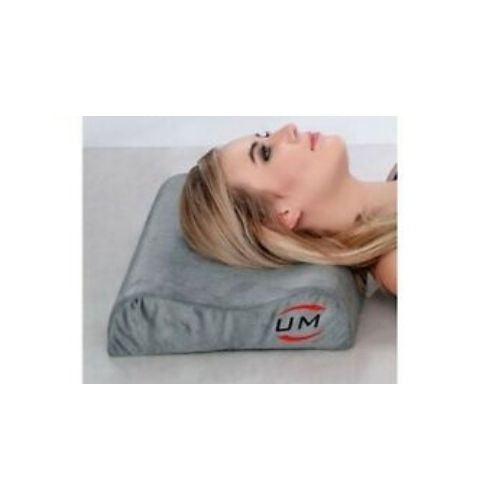
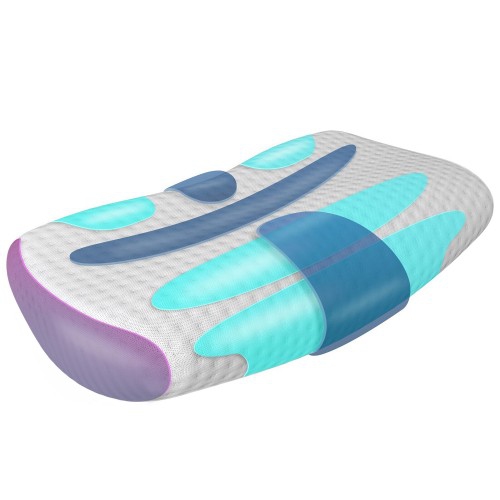
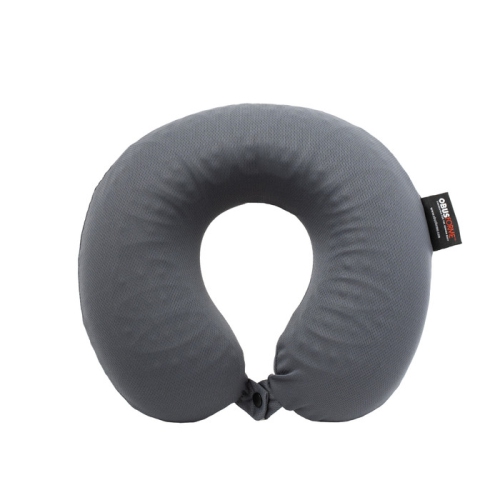
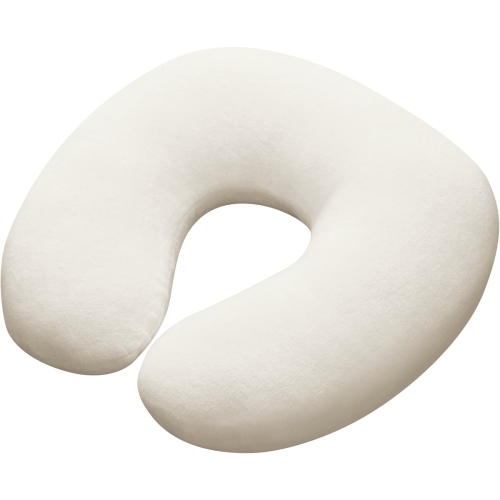
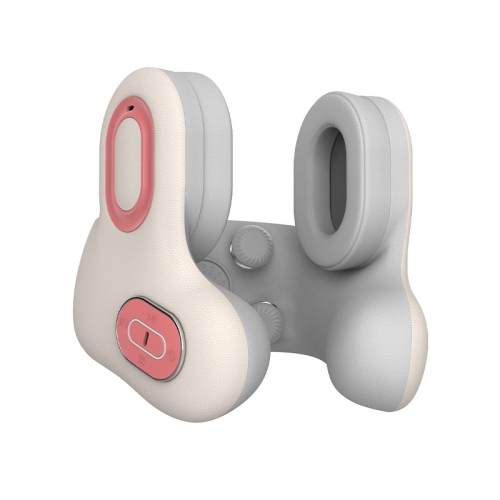
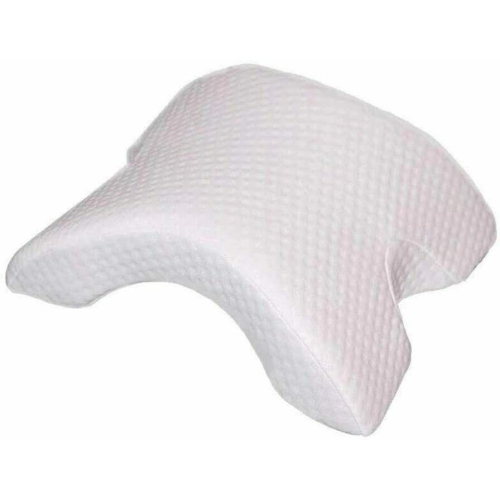
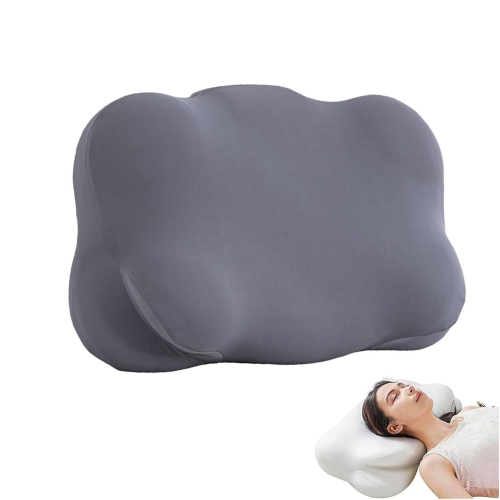
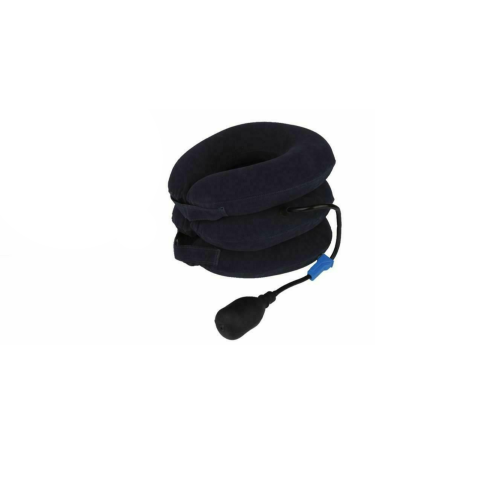
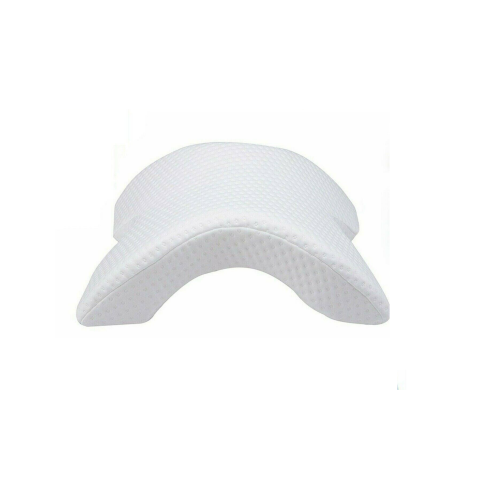
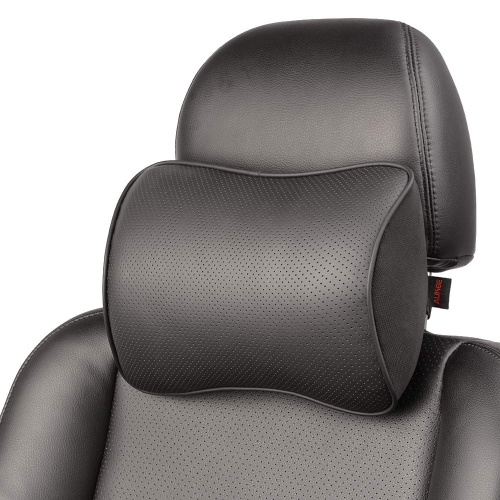
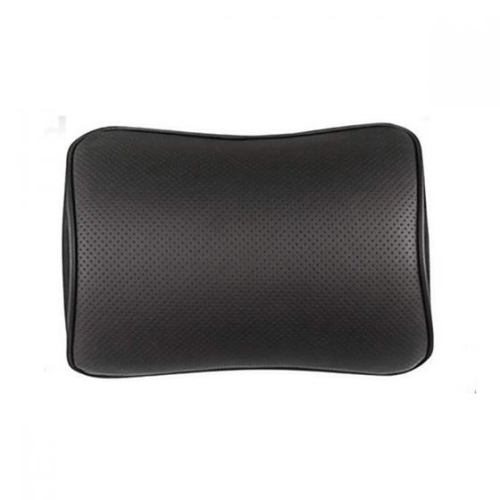
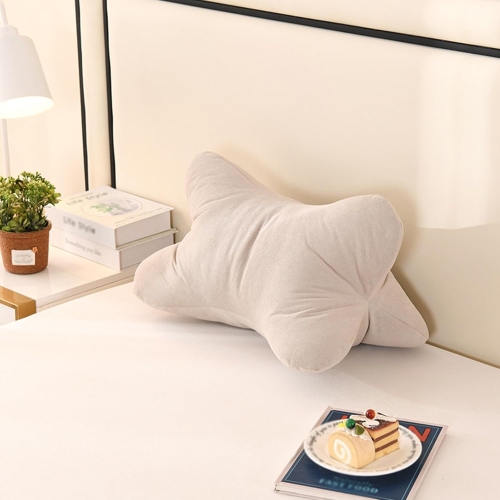
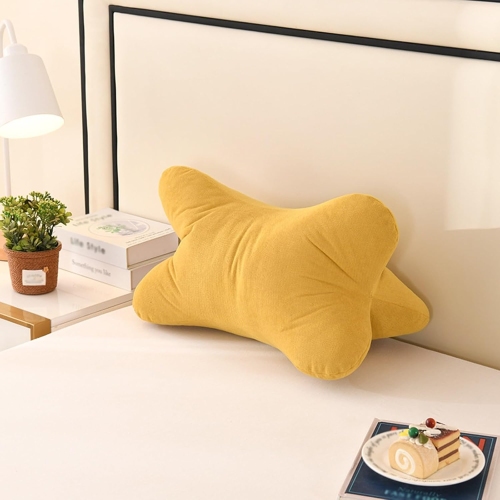
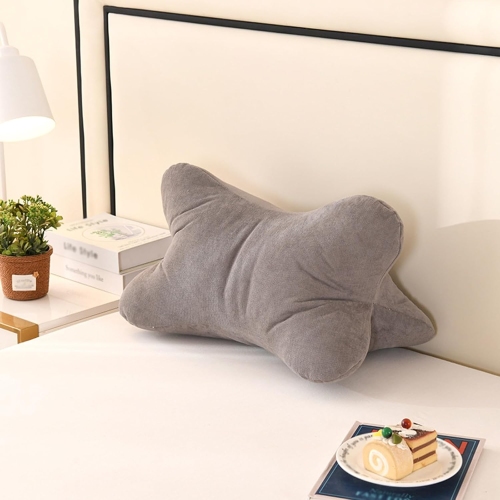
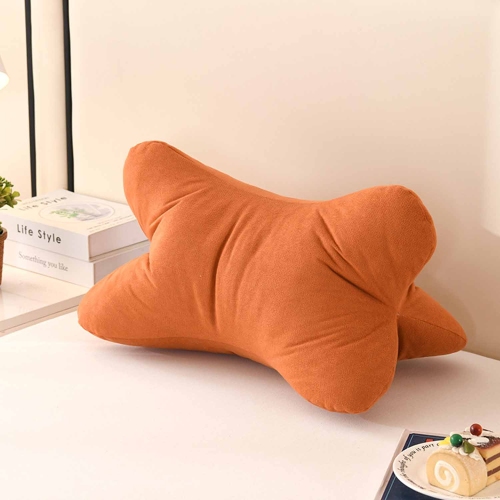
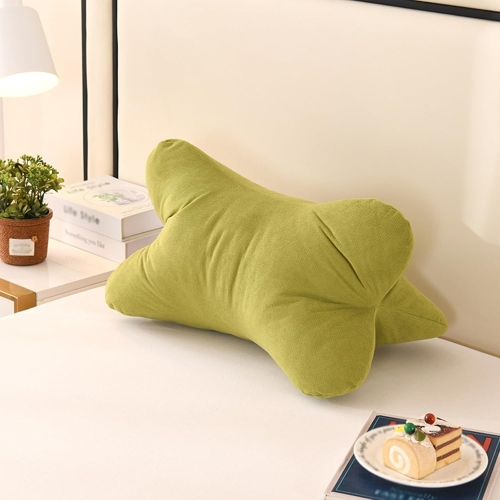
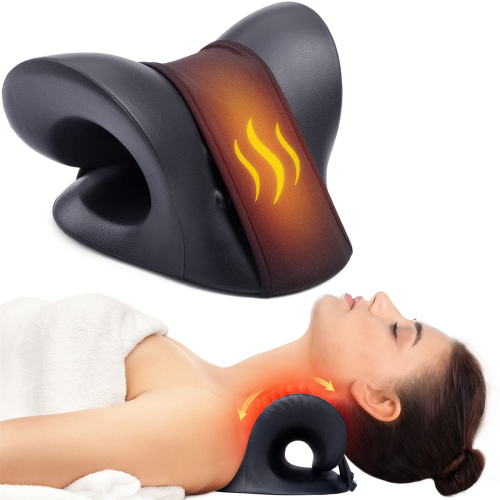
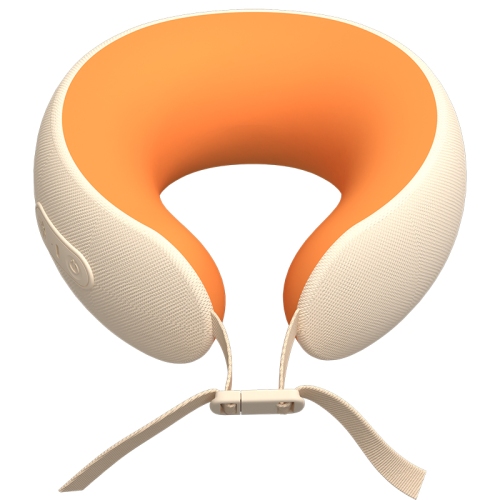
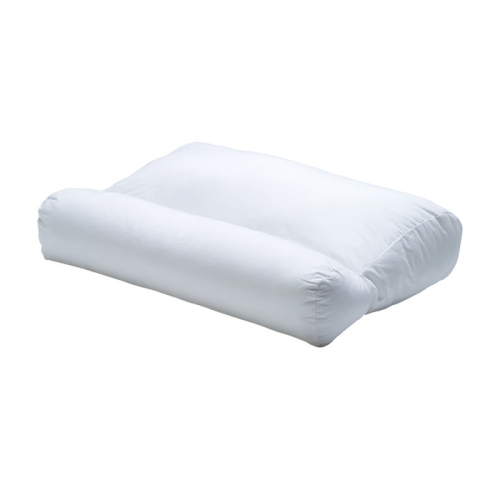
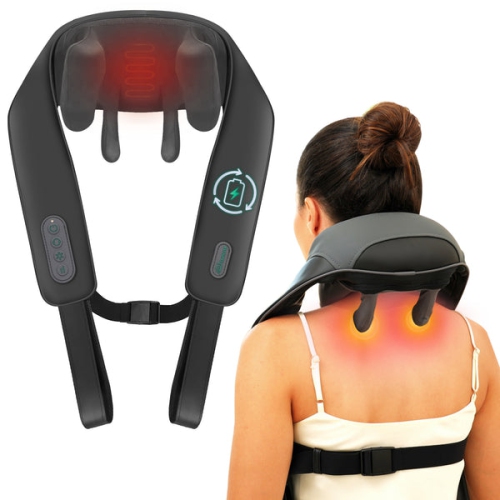
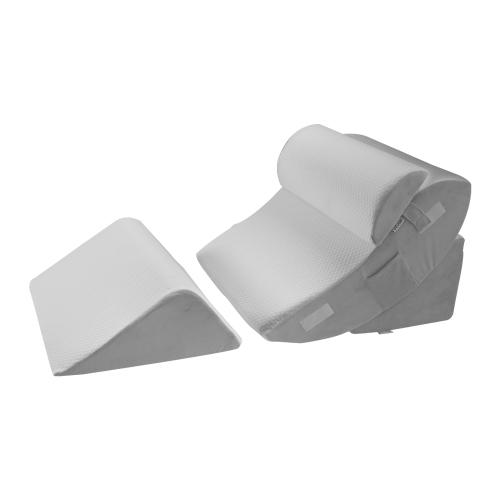
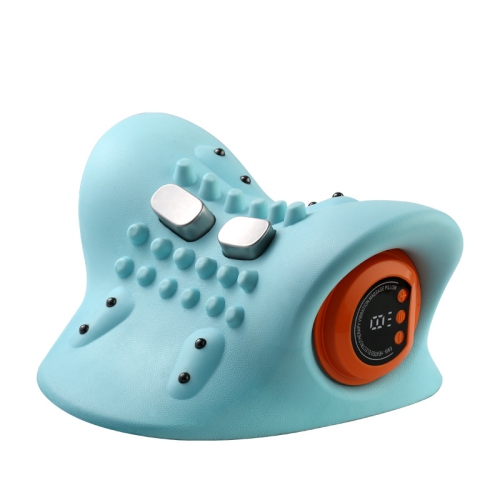
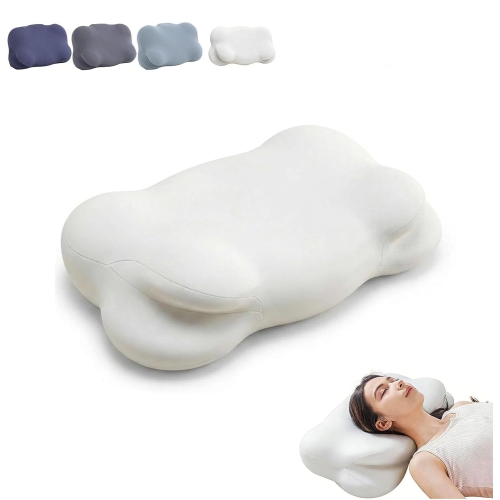
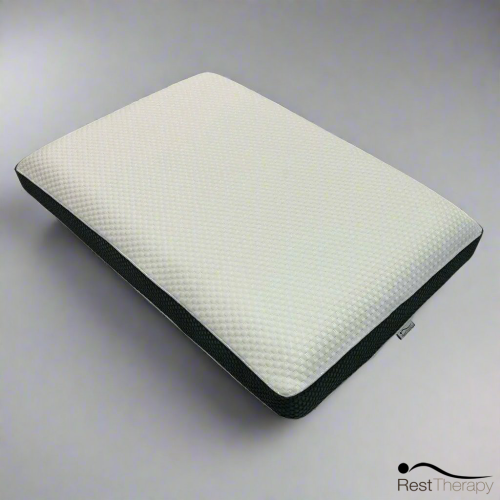
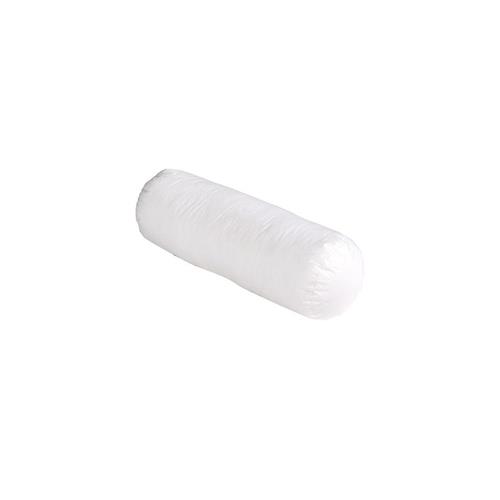
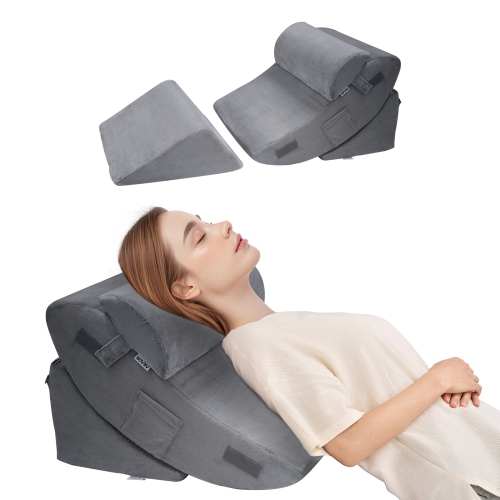
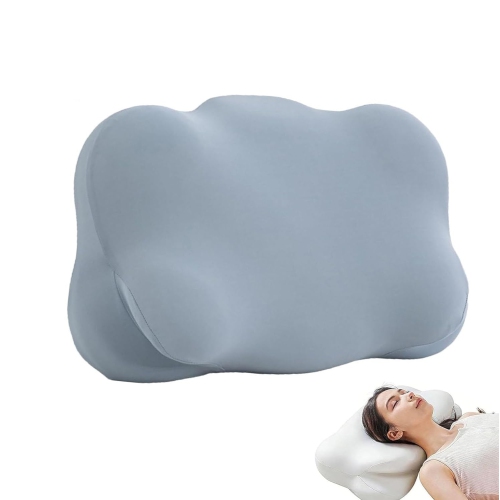
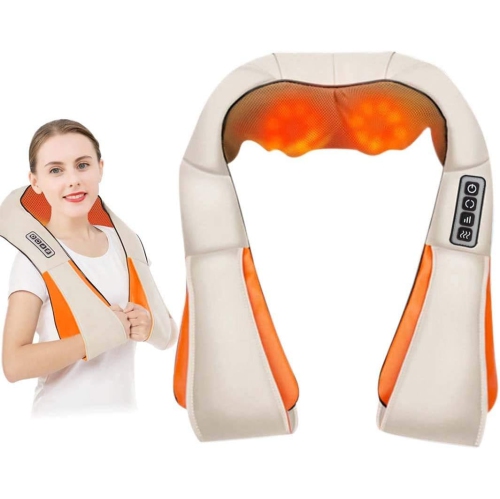
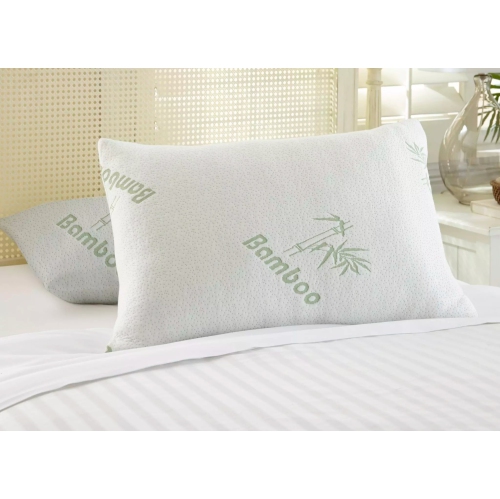
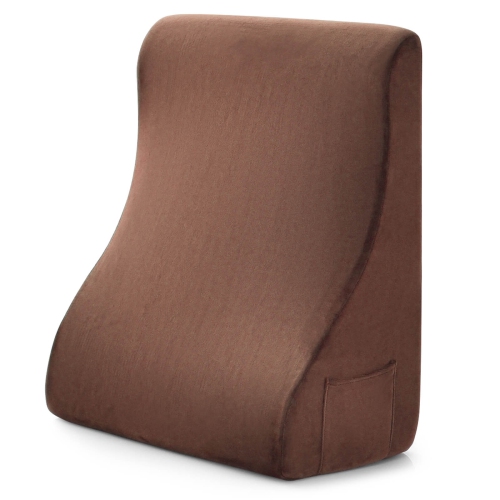
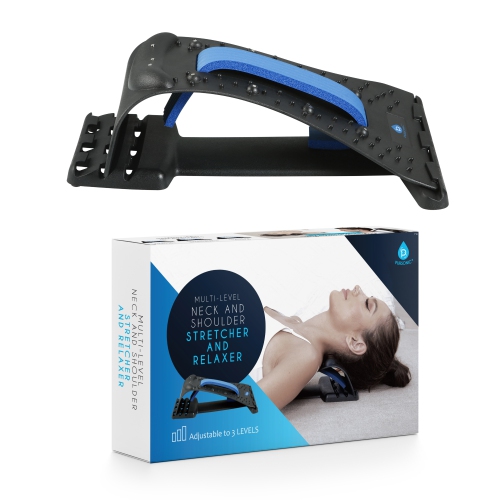
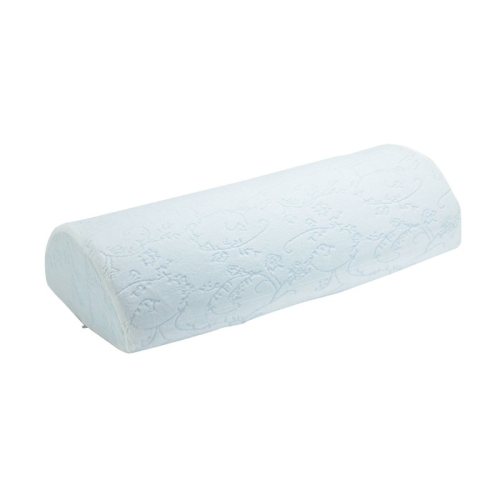
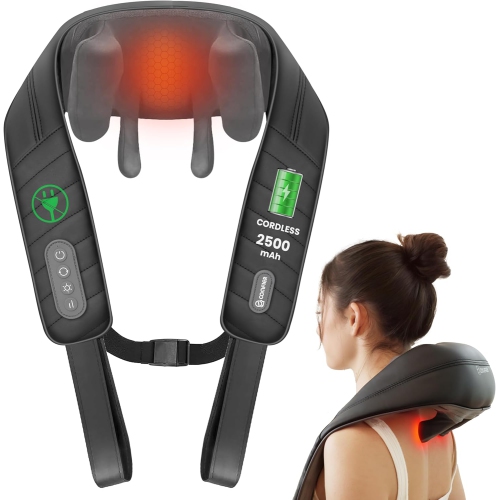
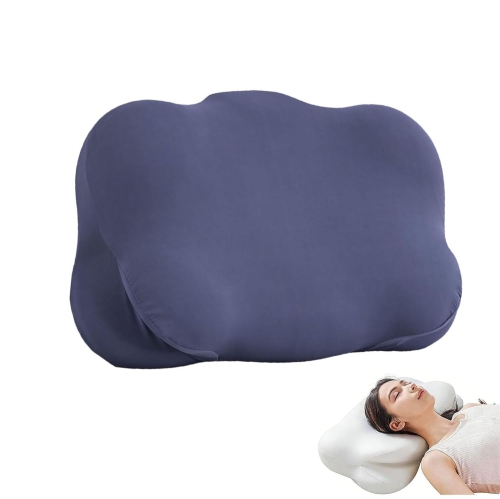
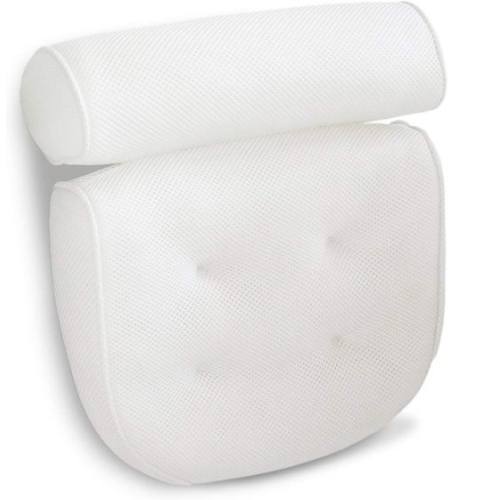
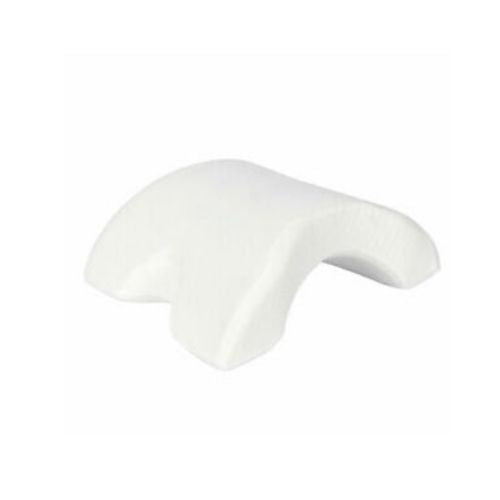
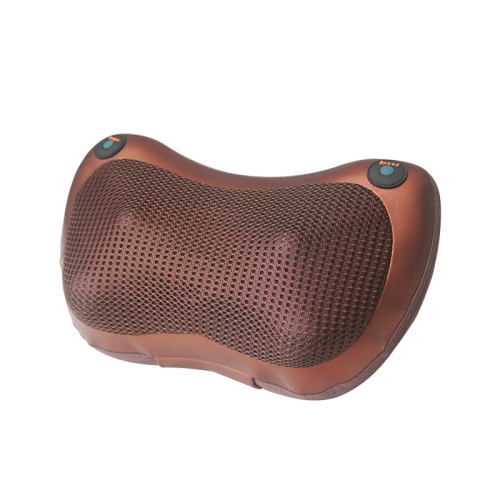
Neck pillow support comes from a combination of shape, height and firmness that helps keep the head and neck comfortably aligned while resting. A well-fitting pillow fills the space beneath the neck without pushing the chin towards the chest or tipping the head too far back. The right shape depends on whether the pillow is used for sleeping in bed, resting in a recliner or sitting upright during a journey. For nighttime use, cervical contour pillows typically have a raised edge beneath the neck and a lower area that cradles the head. Some have two different edge heights, allowing a choice between a deeper and a shallower contour. Traditional rectangular pillows with adjustable fill offer a more familiar feel, while neck rolls provide support in a smaller, more targeted shape. The range of Neck Support Pillows includes approaches suited to different resting preferences, but no single profile fits every body or sleeping position. Side sleepers generally need enough loft to bridge the gap between the mattress and the side of the head, with firmness that prevents the pillow from flattening too much under pressure. Back sleepers often prefer a lower cradle for the head with gentle support beneath the natural curve of the neck. Stomach sleepers usually need less height to avoid lifting the head sharply, although a pillow cannot eliminate the neck rotation that comes with that position. Shoulder width and mattress softness also influence fit: a shoulder that sinks deeply into a soft mattress leaves a different gap than one resting on a firmer surface. For someone who changes positions overnight, a broad sleeping surface and a less pronounced contour may feel easier to move across. Support should feel steady rather than forceful, with enough cushioning to avoid a hard ridge beneath the neck. These pillows are comfort accessories, not a diagnosis or treatment for persistent pain, numbness or symptoms following an injury; those concerns warrant advice from a qualified healthcare professional.
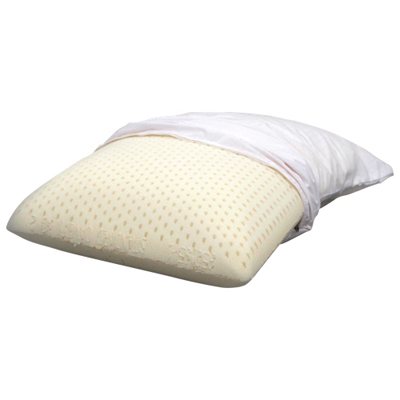
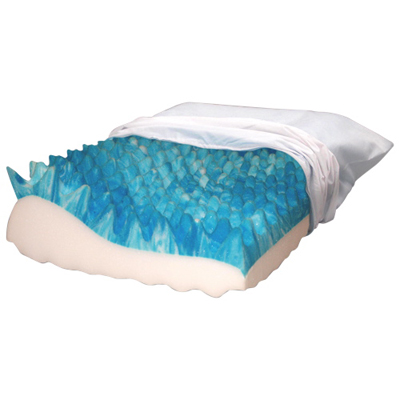
Materials affect how neck support pillows respond to weight, warmth and movement. Solid memory foam moulds gradually around the head and neck, creating a close-fitting cradle that can feel quite different from a springy fibre-filled pillow. Foam density and firmness are separate qualities: density describes the amount of material within a given volume, while firmness describes resistance to compression. A denser foam is not automatically the firmest choice, and neither quality alone establishes whether a pillow will fit comfortably. Shredded foam can be easier to shape around the neck, and designs with accessible fill compartments allow the height to be adjusted by adding or removing material. Keeping any removed fill in a clean, dry bag makes later adjustments simpler. Latex generally has a more buoyant response, returning to its shape quickly when the sleeper moves, though anyone with a latex allergy should check the material details carefully. Down and feather blends offer a softer, more mouldable feel but may need regular fluffing to maintain their height. Polyester fibre fill can provide lightweight cushioning, with support depending on how densely it is packed and how well it retains its loft. Water-based designs use a filled chamber beneath a cushioning layer; changing the water level adjusts the pillow’s feel and height according to its instructions. The added weight and filling requirements make these different from an ordinary bed pillow. Cover fabric matters too, especially where it touches the cheeks and neck for several hours. Cotton can offer a familiar, breathable surface, while smooth stretch knits allow the cover to follow a shaped core without pulling tightly across it. Ventilated foam and moisture-managing fabrics may help with comfort, but cooling features do not guarantee the same experience for every sleeper. A bulky pillowcase can bunch around a narrow contour, while one that is too tight can compress the cushioning. Matching the case to the pillow’s dimensions helps preserve its intended shape and keeps seams or folds away from sensitive contact points.
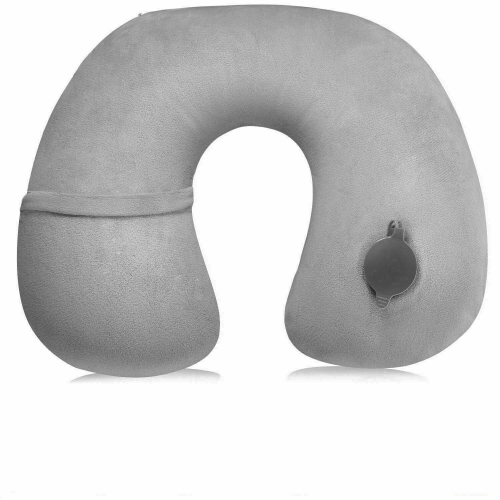
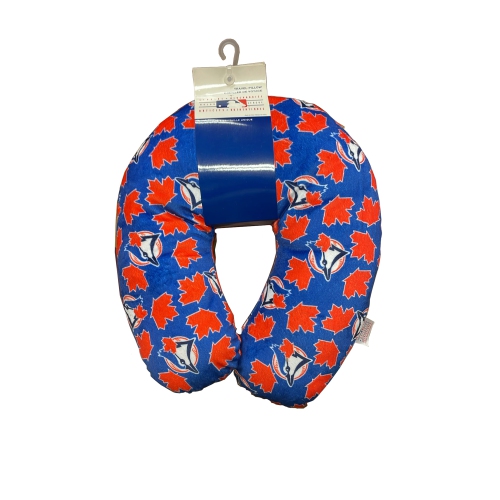
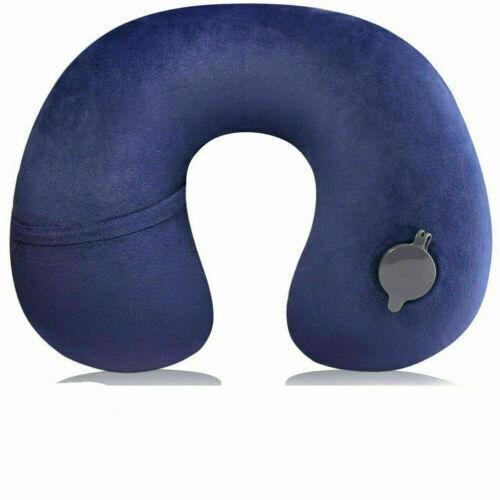
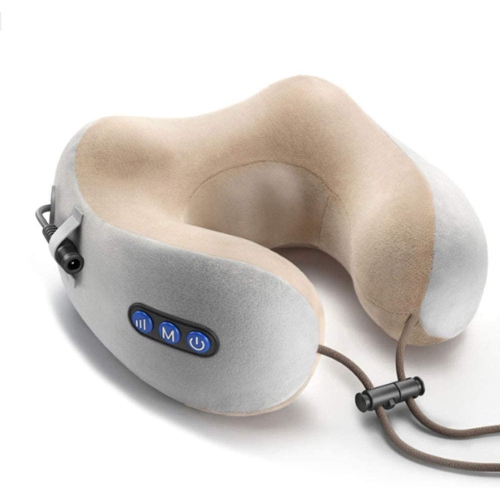
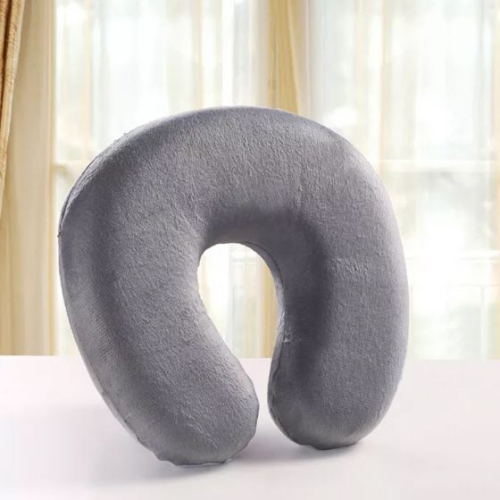
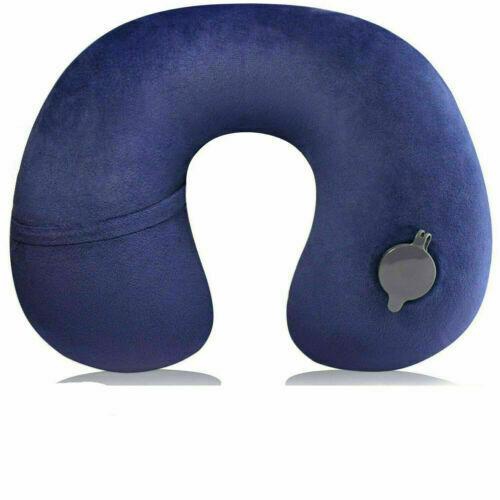
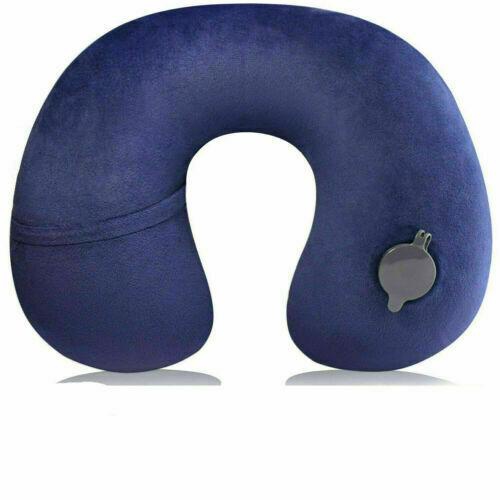
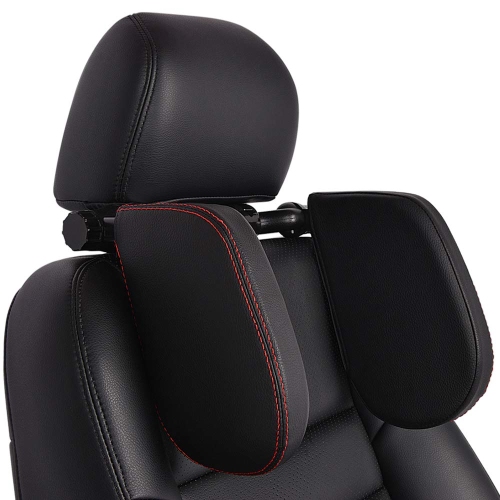
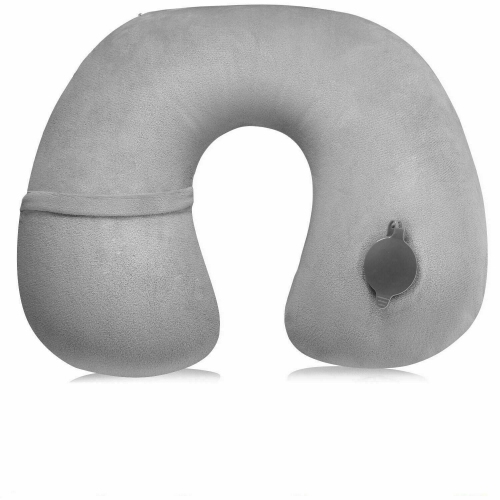
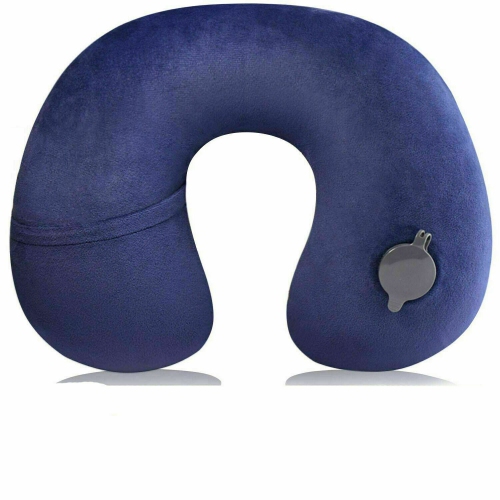
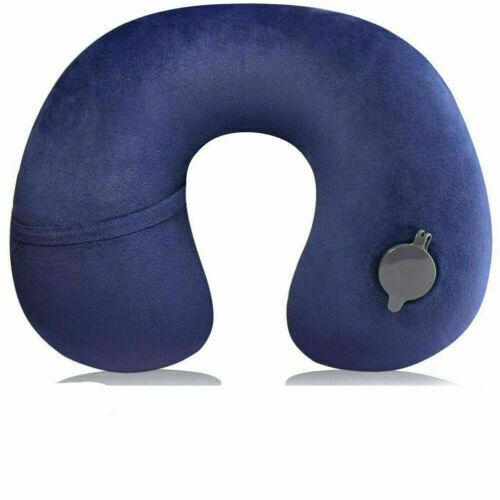
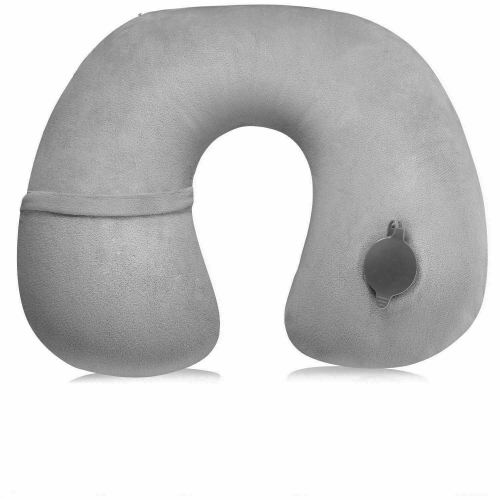
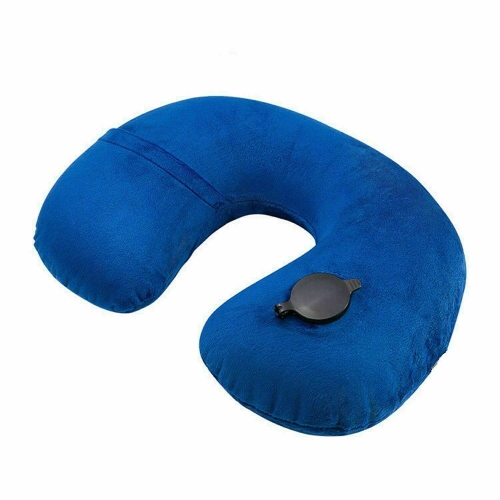
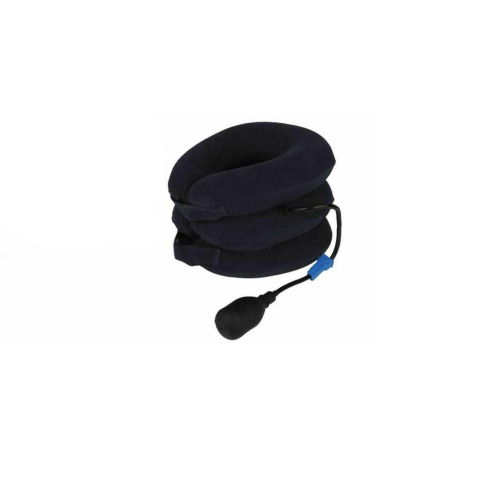
Travel neck pillows serve a different purpose from bed pillows because an upright seat leaves the head without a mattress beneath it. Wraparound shapes, U-shaped cushions and designs with internal supports aim to limit uncomfortable head movement while seated, with the fit varying according to the seat angle and the wearer’s proportions. On a long train ride or flight, an overly thick section behind the neck can push the head forward against the headrest. A slimmer back panel may fit that setting more comfortably, while higher sides can provide a place to rest the cheek. Adjustable closures help bring the sides closer together, but should never feel tight around the throat or interfere with breathing. Inflatable designs offer adjustable firmness and pack down small, whereas foam-filled styles retain their cushioning without needing inflation but occupy more bag space. A removable cover is useful after repeated contact with jacket collars, seat upholstery and carry-on bags, and a storage pouch helps keep the surface clean between journeys. For reading in a chair or resting at home during the cooler months, a compact neck roll may suit a short period of relaxation, provided its thickness works with the chair’s backrest. Adult neck pillows are not suitable additions to an infant’s sleep space. For everyday care, follow the label rather than assuming the entire pillow can go into the washing machine: many removable covers are washable, while foam cores often require spot cleaning and thorough air drying. Excessive heat, twisting or prolonged dampness can damage some fills and affect their shape. Durable stitching, secure zips and cushioning that returns evenly after pressure are useful construction details to consider. Persistent flattening, lumps or a changed support profile can signal that a pillow no longer feels as intended. As a gift for a frequent traveller or someone refreshing a bedroom, a neck pillow is a personal choice; adjustable height, an easy-care cover and a shape suited to the recipient’s usual resting position matter more than appearance alone.
Materials affect how neck support pillows respond to weight, warmth and movement. Solid memory foam moulds gradually around the head and neck, creating a close-fitting cradle that can feel quite different from a springy fibre-filled pillow. Foam density and firmness are separate qualities: density describes the amount of material within a given volume, while firmness describes resistance to compression. A denser foam is not automatically the firmest choice, and neither quality alone establishes whether a pillow will fit comfortably. Shredded foam can be easier to shape around the neck, and designs with accessible fill compartments allow the height to be adjusted by adding or removing material. Keeping any removed fill in a clean, dry bag makes later adjustments simpler. Latex generally has a more buoyant response, returning to its shape quickly when the sleeper moves, though anyone with a latex allergy should check the material details carefully. Down and feather blends offer a softer, more mouldable feel but may need regular fluffing to maintain their height. Polyester fibre fill can provide lightweight cushioning, with support depending on how densely it is packed and how well it retains its loft. Water-based designs use a filled chamber beneath a cushioning layer; changing the water level adjusts the pillow’s feel and height according to its instructions. The added weight and filling requirements make these different from an ordinary bed pillow. Cover fabric matters too, especially where it touches the cheeks and neck for several hours. Cotton can offer a familiar, breathable surface, while smooth stretch knits allow the cover to follow a shaped core without pulling tightly across it. Ventilated foam and moisture-managing fabrics may help with comfort, but cooling features do not guarantee the same experience for every sleeper. A bulky pillowcase can bunch around a narrow contour, while one that is too tight can compress the cushioning. Matching the case to the pillow’s dimensions helps preserve its intended shape and keeps seams or folds away from sensitive contact points.
Travel neck pillows serve a different purpose from bed pillows because an upright seat leaves the head without a mattress beneath it. Wraparound shapes, U-shaped cushions and designs with internal supports aim to limit uncomfortable head movement while seated, with the fit varying according to the seat angle and the wearer’s proportions. On a long train ride or flight, an overly thick section behind the neck can push the head forward against the headrest. A slimmer back panel may fit that setting more comfortably, while higher sides can provide a place to rest the cheek. Adjustable closures help bring the sides closer together, but should never feel tight around the throat or interfere with breathing. Inflatable designs offer adjustable firmness and pack down small, whereas foam-filled styles retain their cushioning without needing inflation but occupy more bag space. A removable cover is useful after repeated contact with jacket collars, seat upholstery and carry-on bags, and a storage pouch helps keep the surface clean between journeys. For reading in a chair or resting at home during the cooler months, a compact neck roll may suit a short period of relaxation, provided its thickness works with the chair’s backrest. Adult neck pillows are not suitable additions to an infant’s sleep space. For everyday care, follow the label rather than assuming the entire pillow can go into the washing machine: many removable covers are washable, while foam cores often require spot cleaning and thorough air drying. Excessive heat, twisting or prolonged dampness can damage some fills and affect their shape. Durable stitching, secure zips and cushioning that returns evenly after pressure are useful construction details to consider. Persistent flattening, lumps or a changed support profile can signal that a pillow no longer feels as intended. As a gift for a frequent traveller or someone refreshing a bedroom, a neck pillow is a personal choice; adjustable height, an easy-care cover and a shape suited to the recipient’s usual resting position matter more than appearance alone.
Top selling and popular products
-
 Your price for this item is $300
 -
 Your price for this item is $350
 -
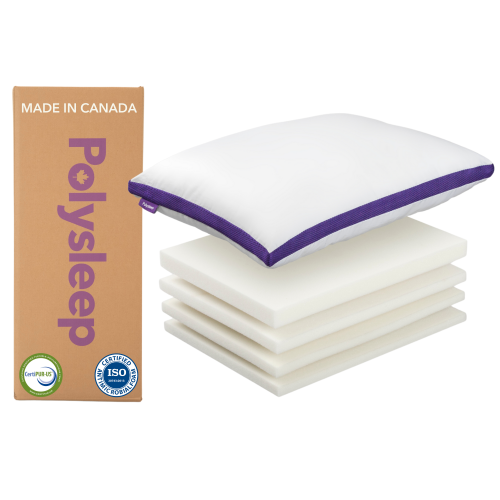 Your price for this item is $175
 -
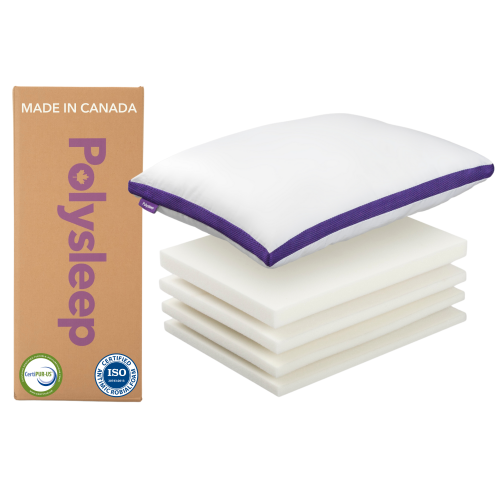 Your price for this item is $150
 -
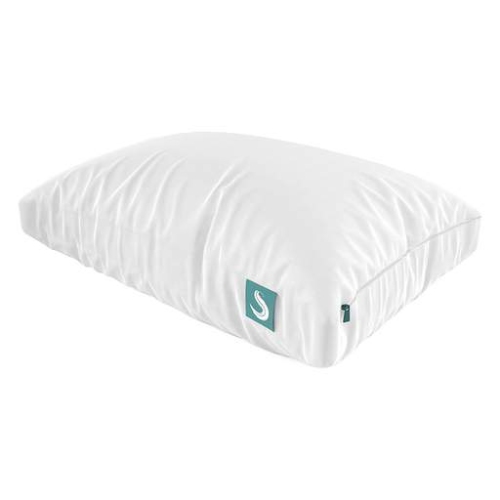 Your price for this item is $153.99
 -
 Your price for this item is $295
 -
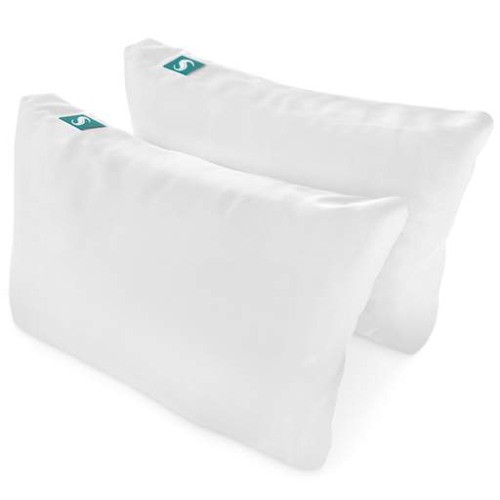 Your price for this item is $243.99
 -
 Your price for this item is $24.99
Discover more categories related to Neck Pillow Support
Top Collections:
Pokemon Centers, Kindle Devices, Best Budget Office Chairs, Apple iPhones 16, Best Laptops for Writers, iPhone 15 Apple, Canon G7X Cameras, Refurbished Apple Laptops, Alarm Clock, Motorola Razr Phones
Some products may be subject to Environmental Handling Fees
(EHF) depending on your province.
Learn more about EHFs.