Neck Support

Find neck support options for a more comfortable head and neck position while resting, sitting, or travelling. Compare contours, materials, and firmness, and check sizing and intended use to choose support that fits your needs.
Sort

Why pillow fit matters for sleep and travel

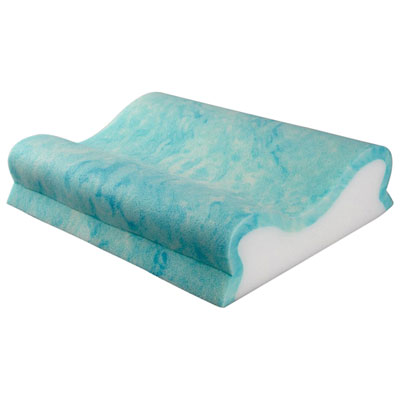
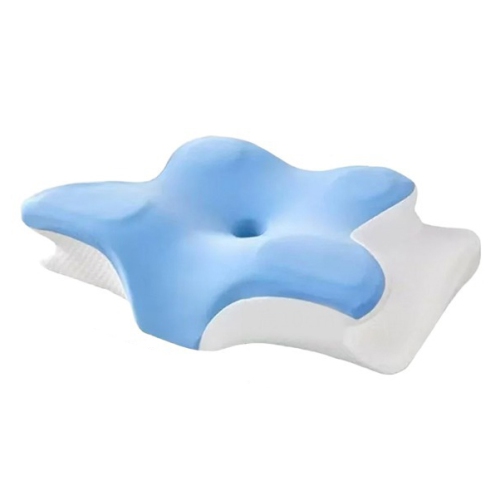
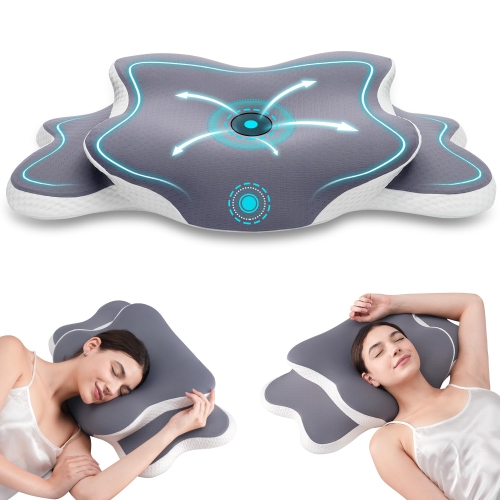
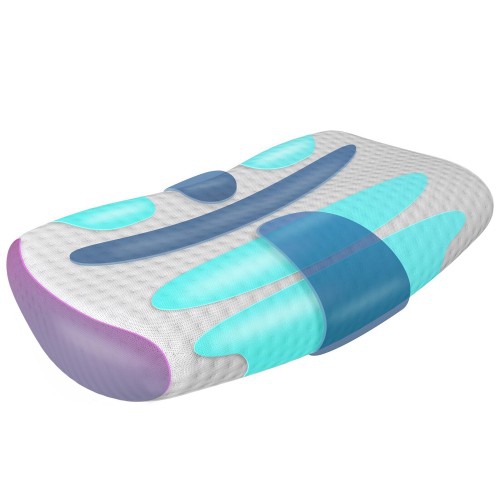
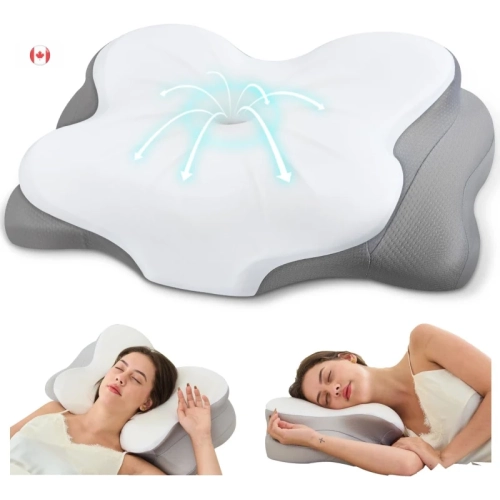
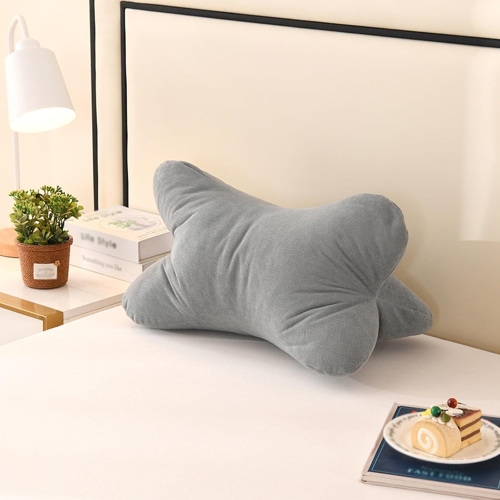
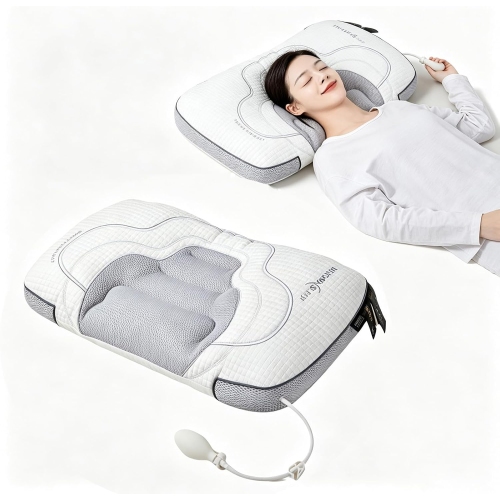
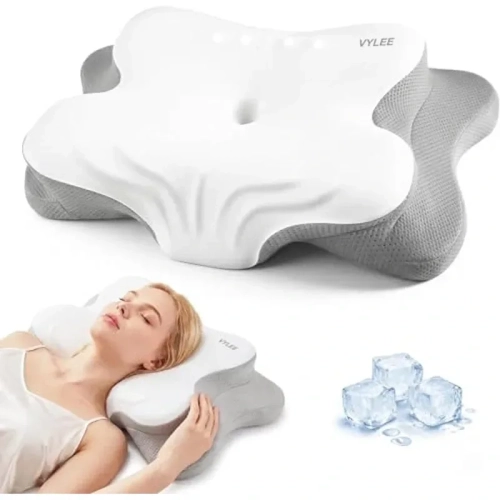
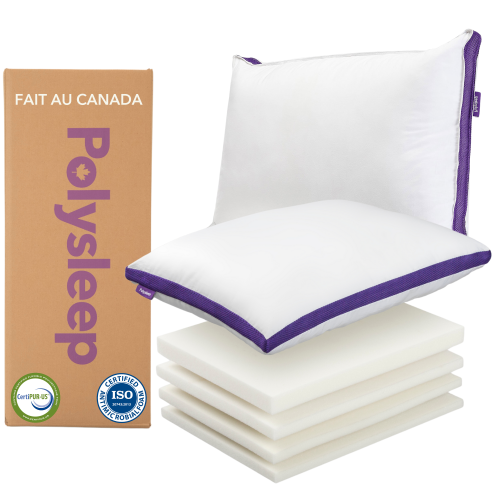
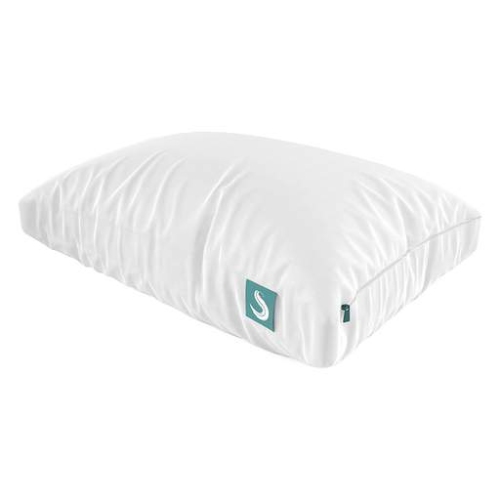
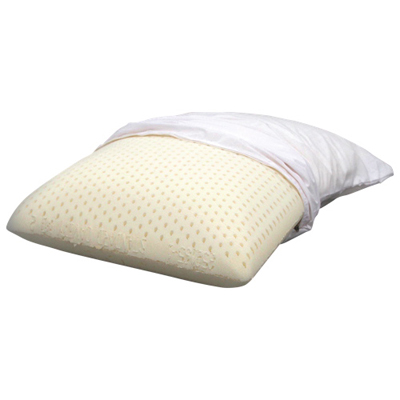
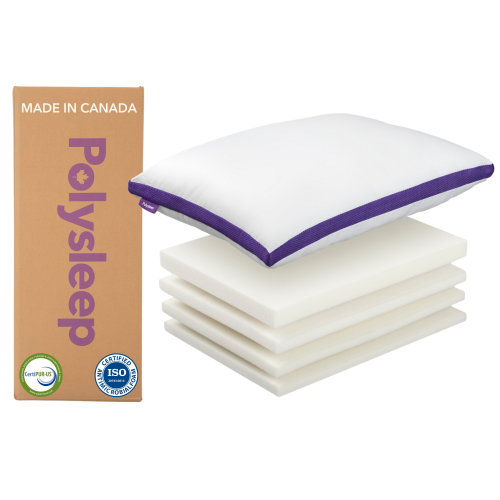
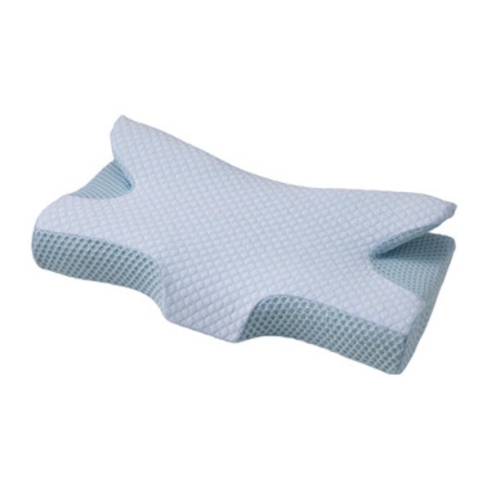
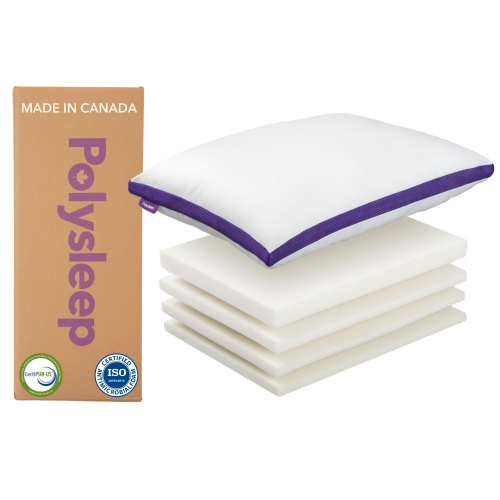
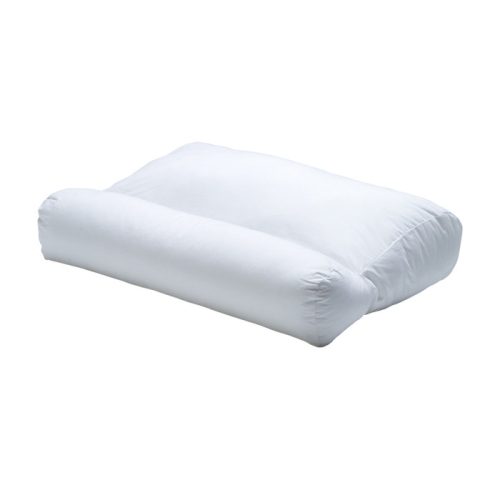
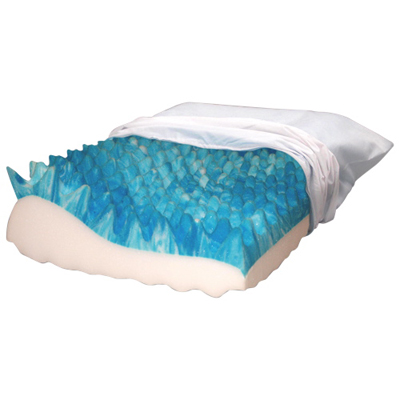
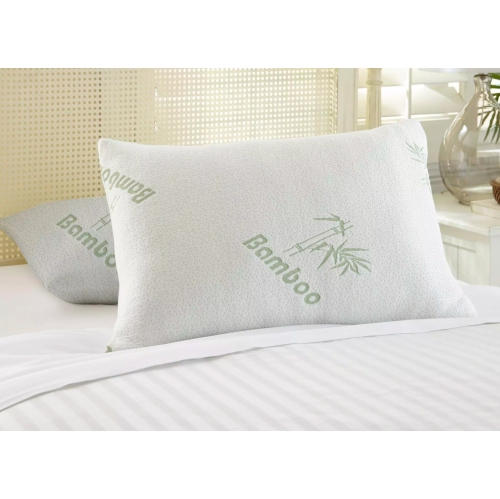
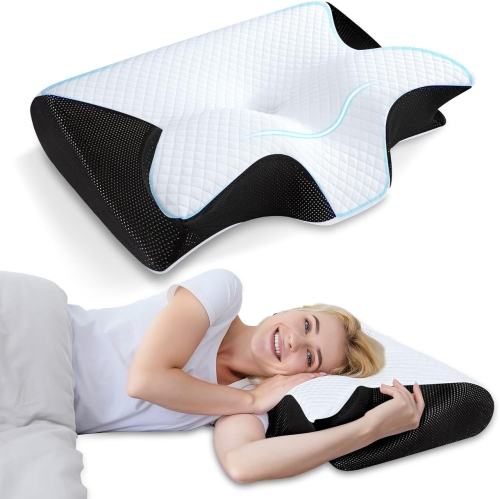
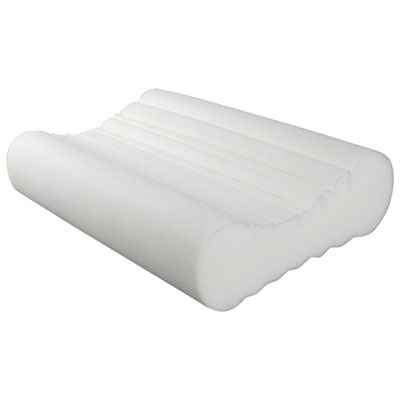
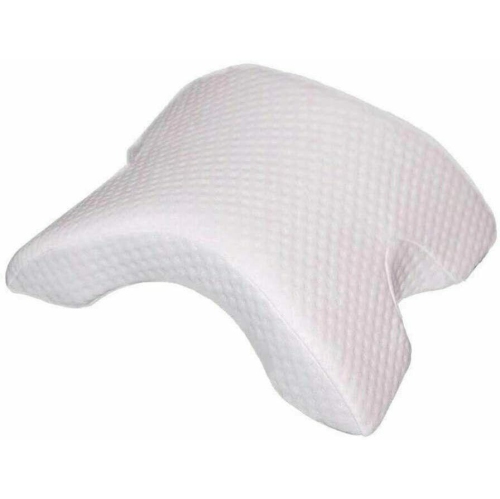
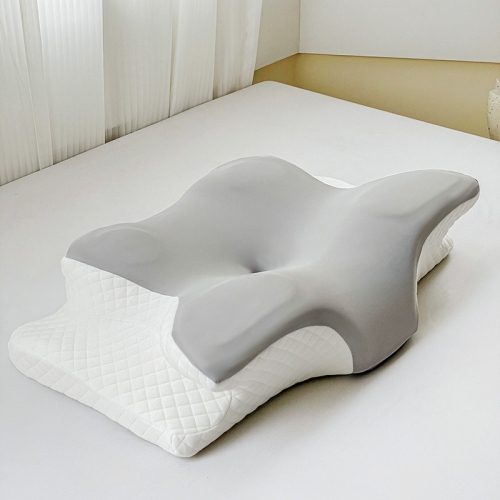
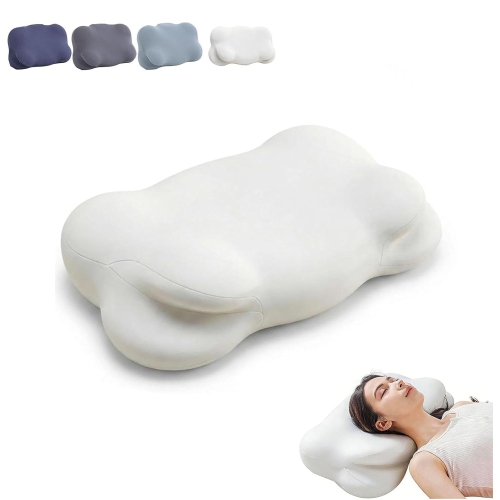
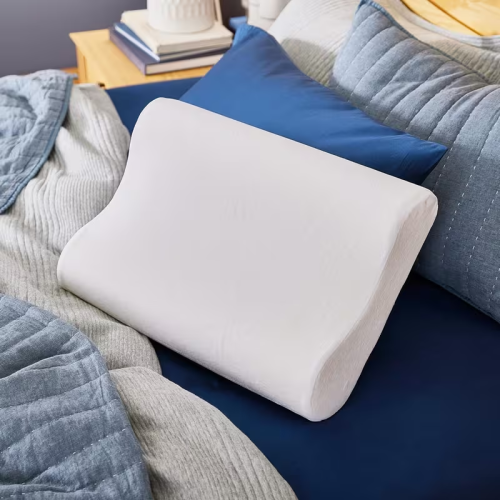
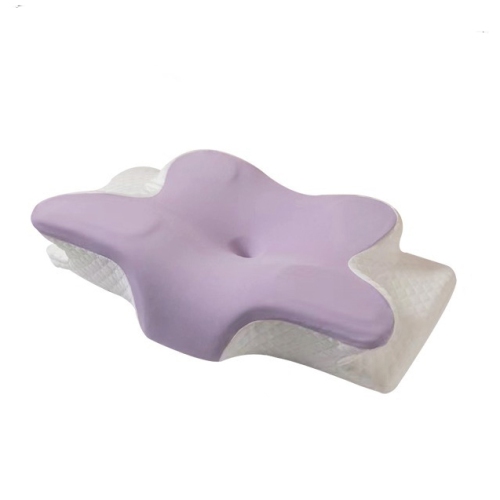
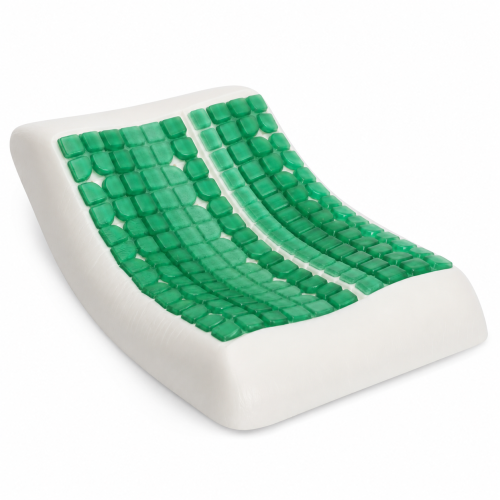
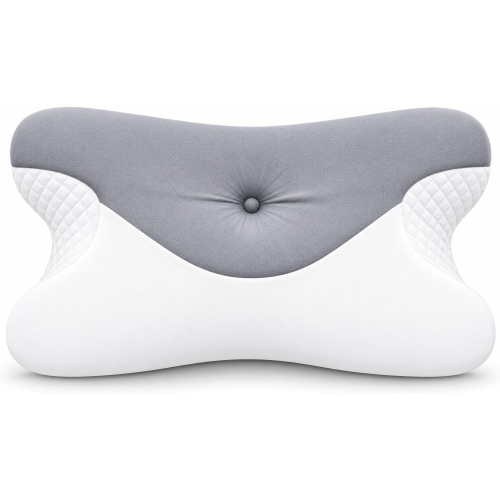
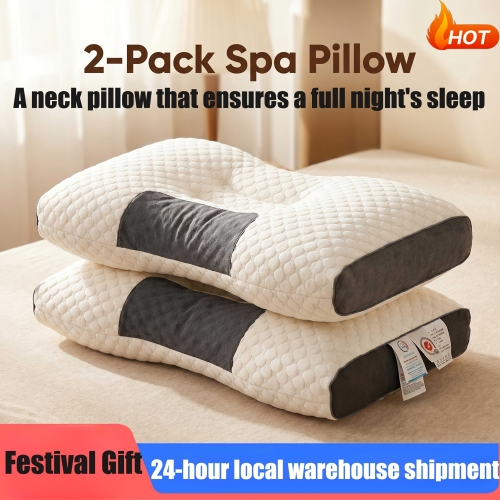
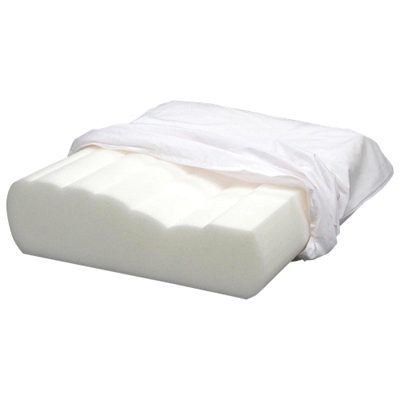
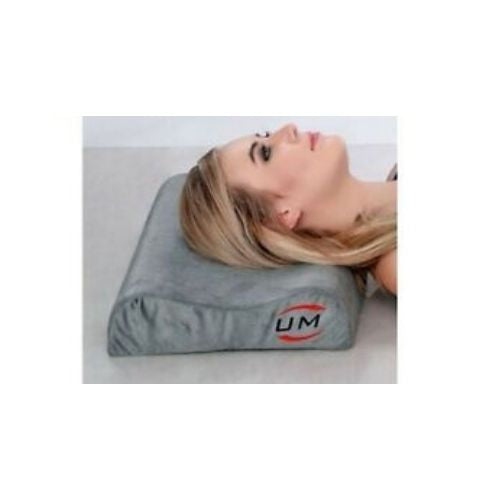
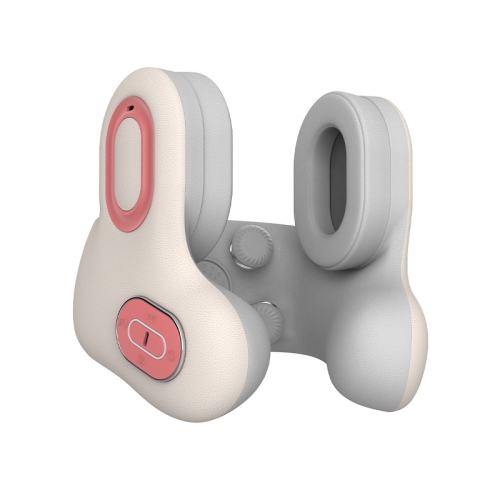
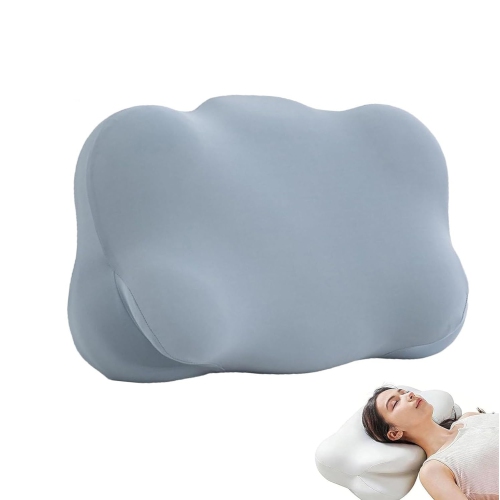
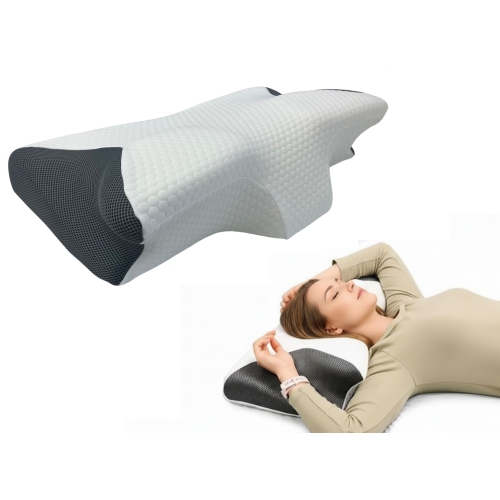
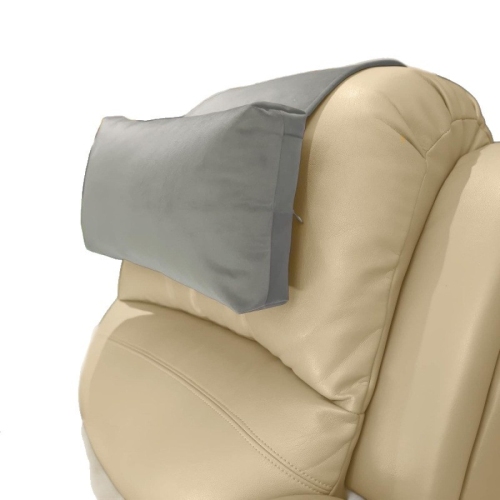
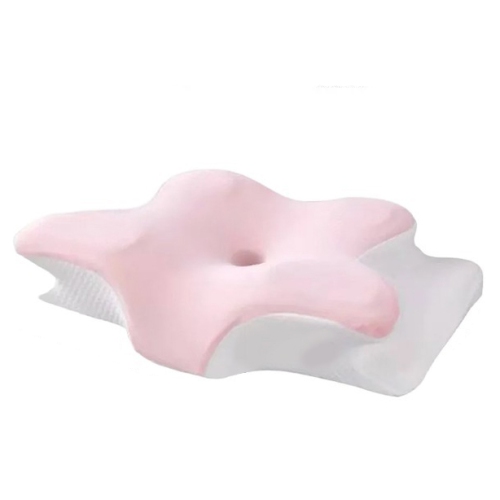
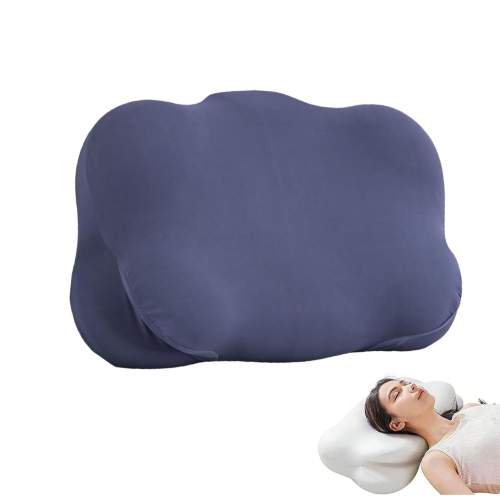
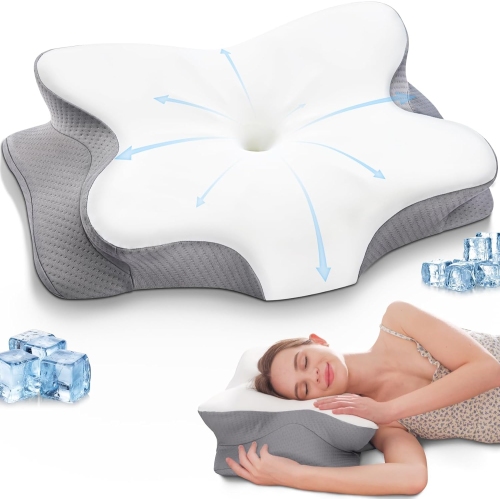
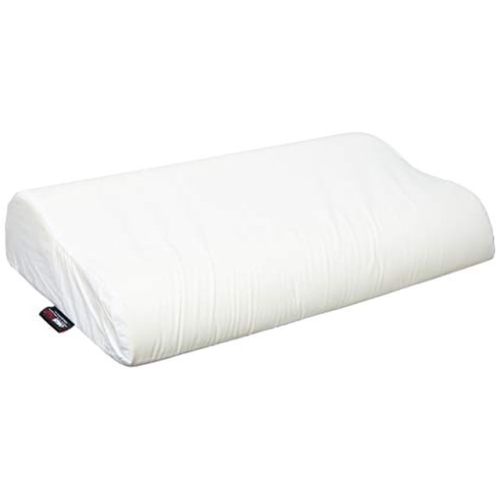
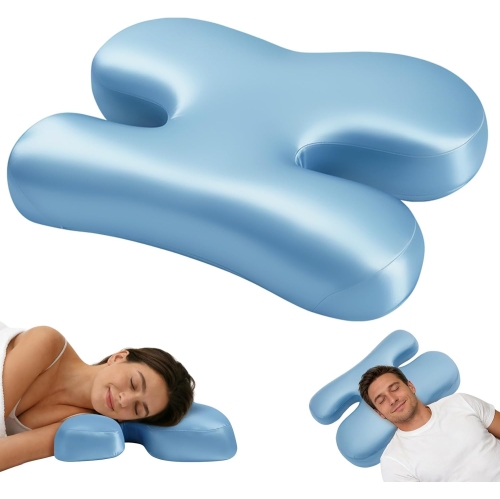
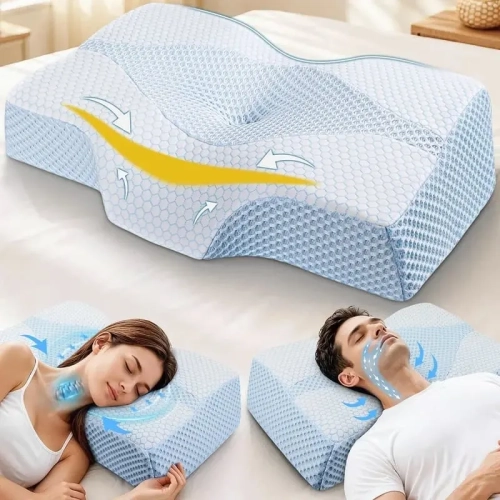
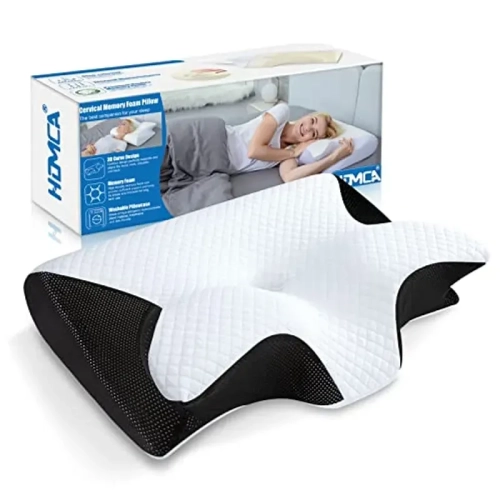
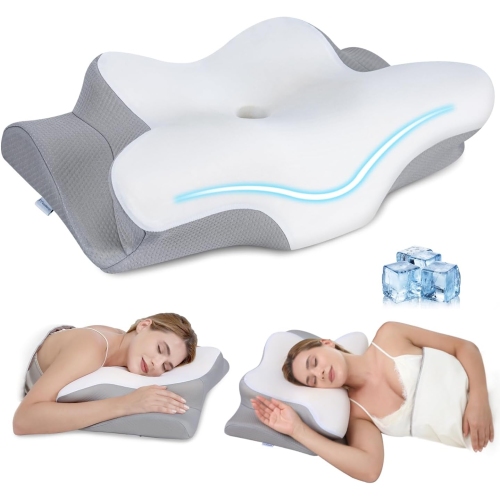
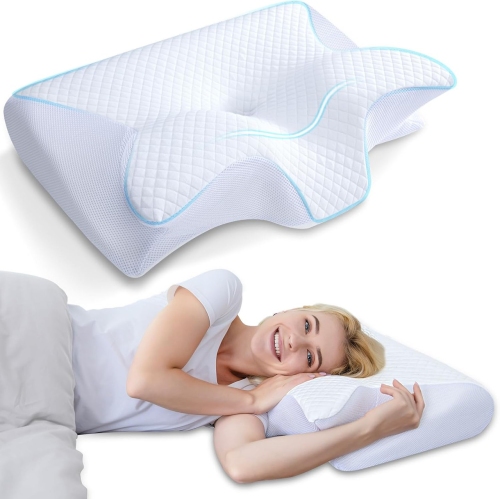
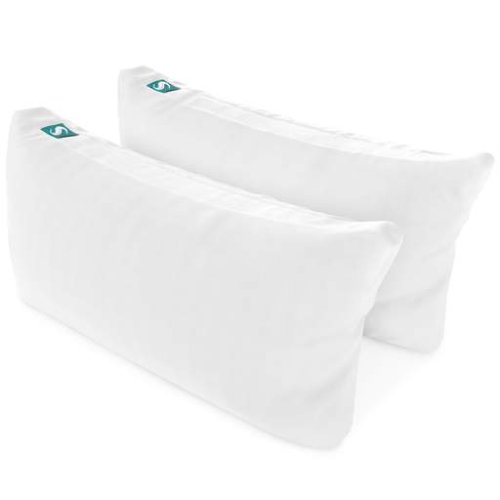
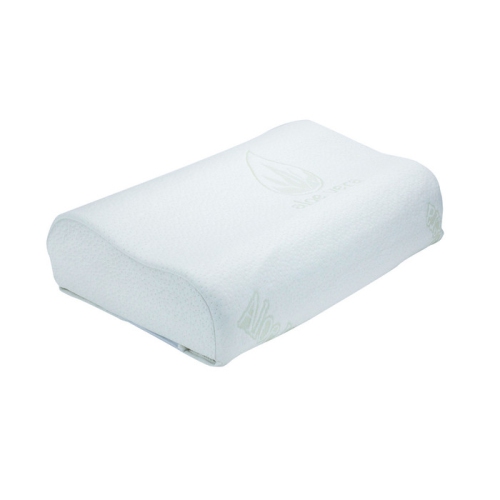
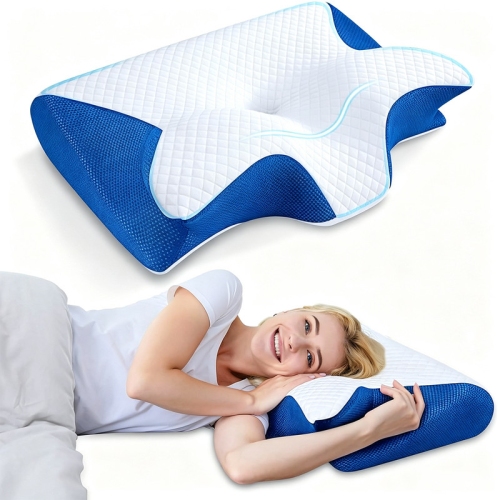
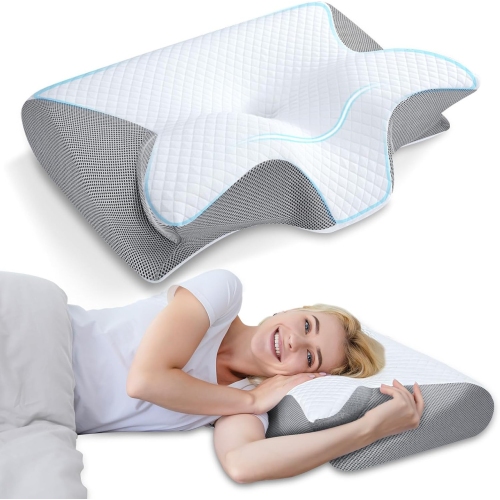
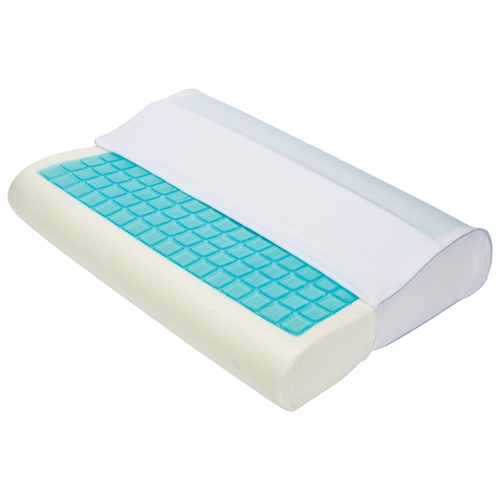
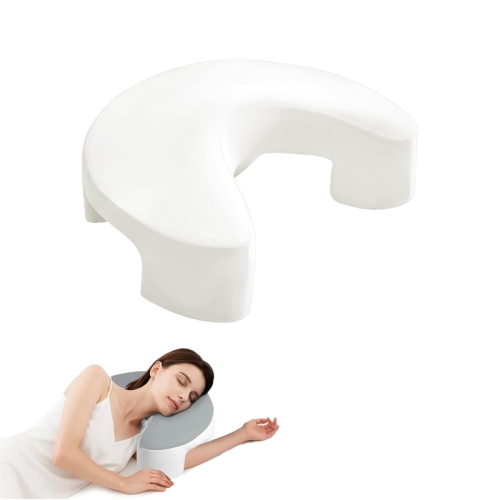
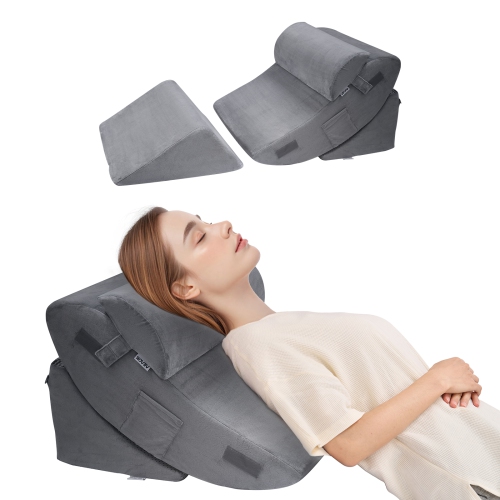
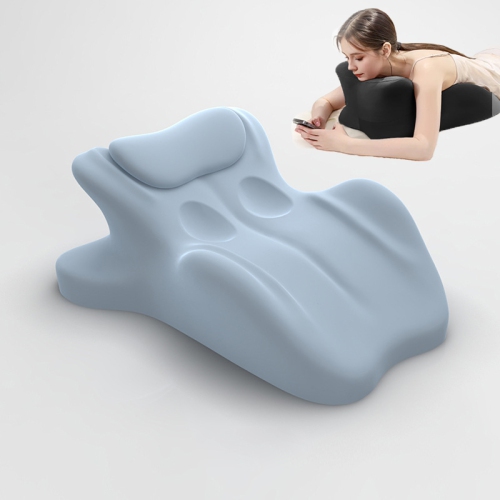
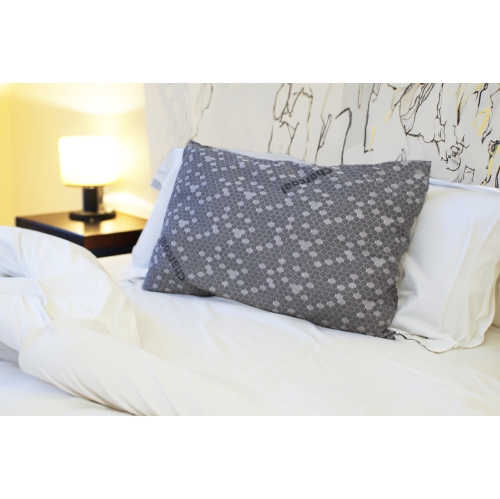
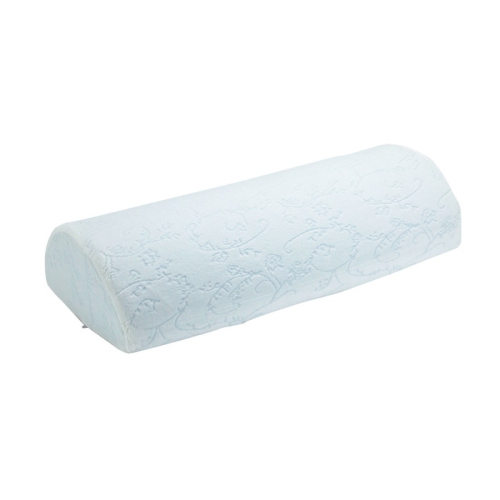
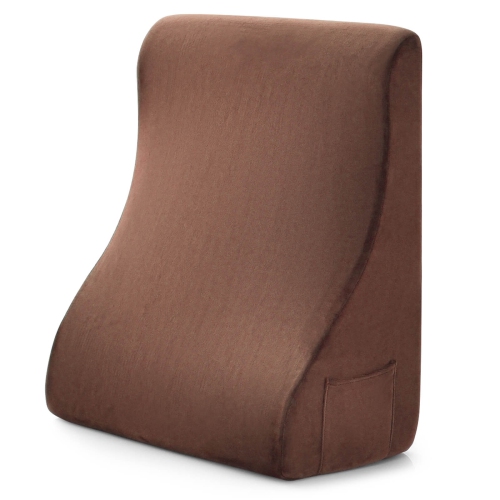
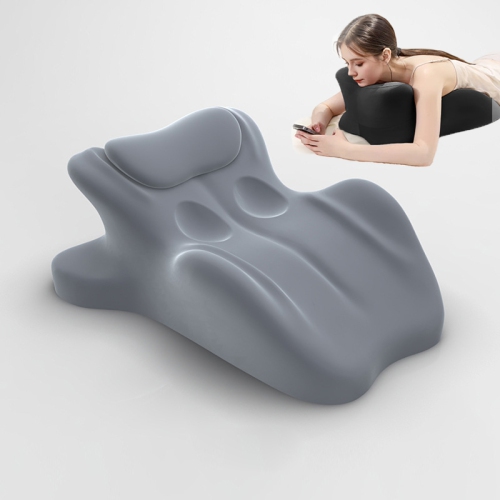
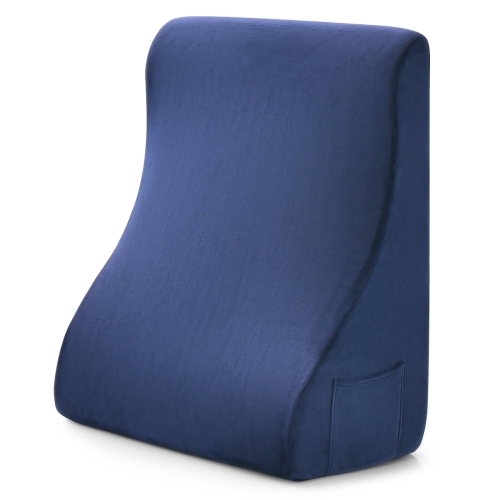
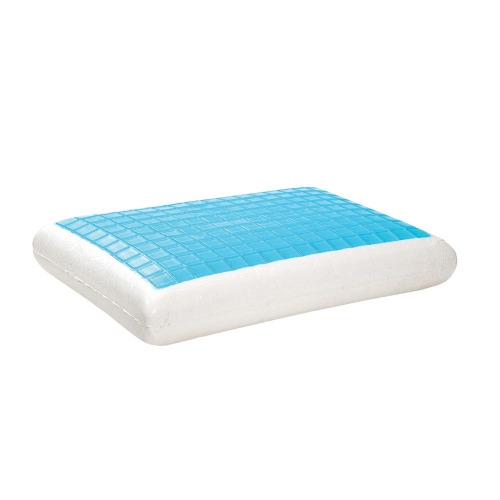
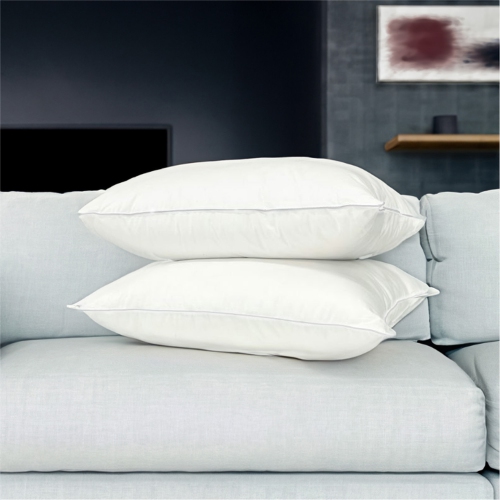
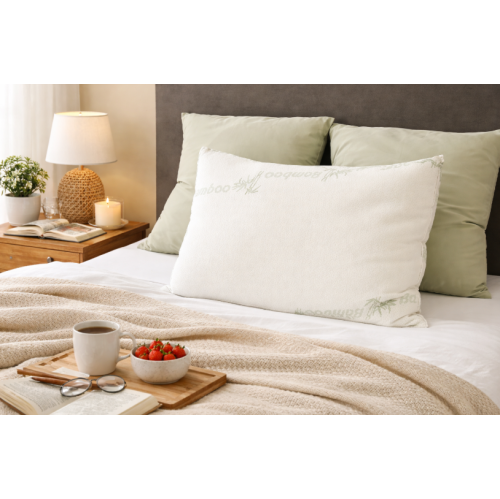
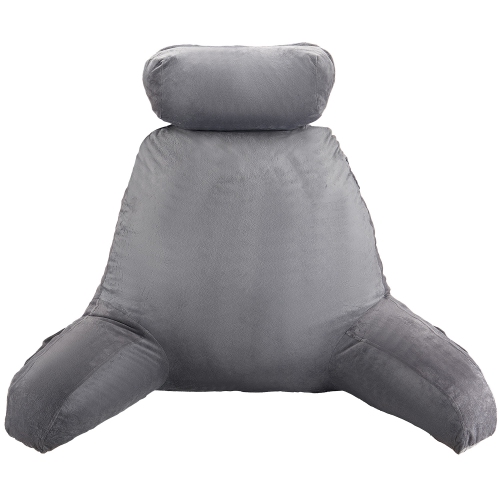
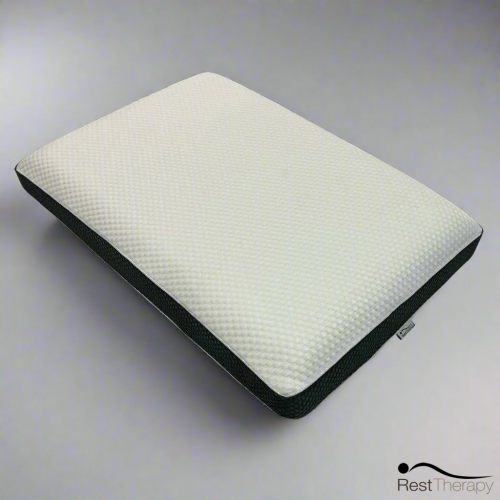
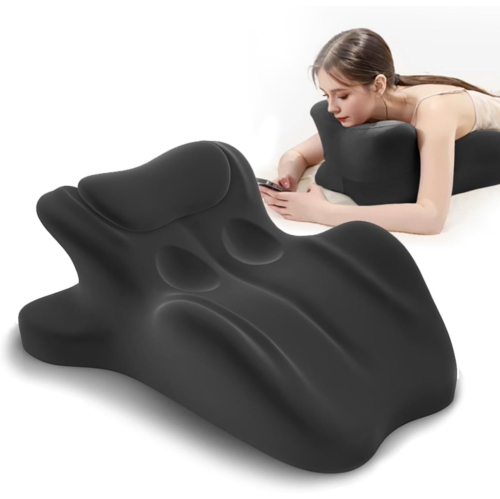
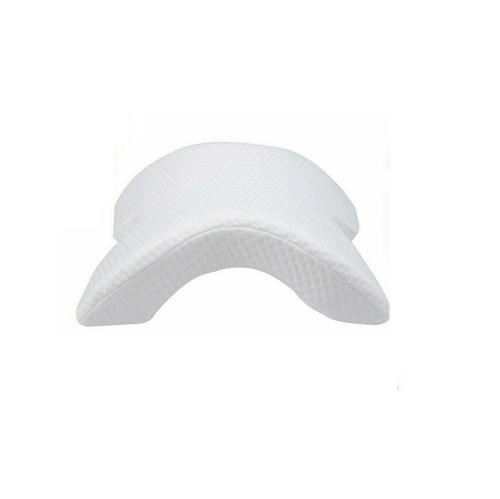
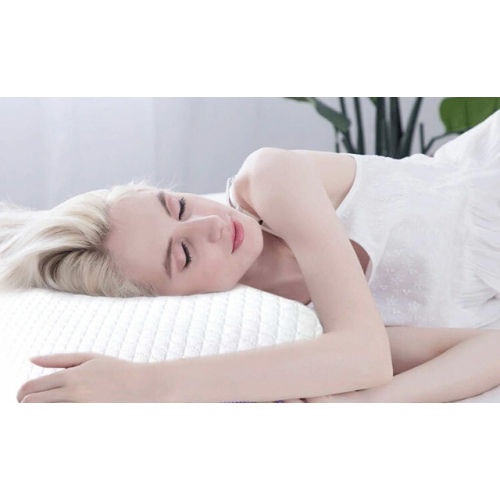
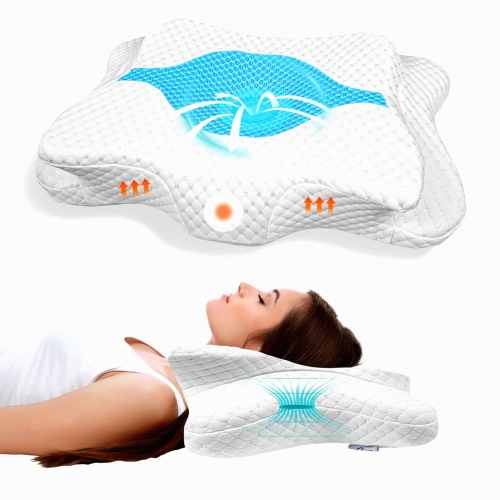
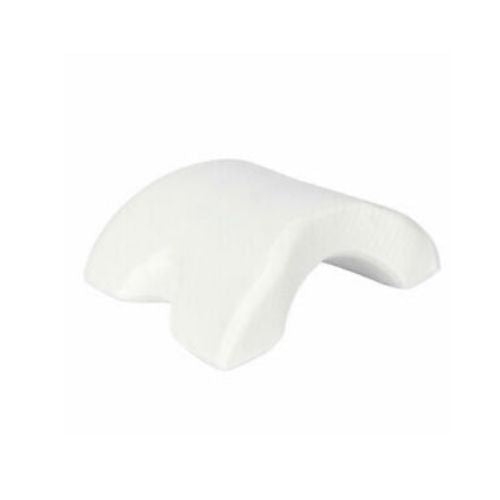
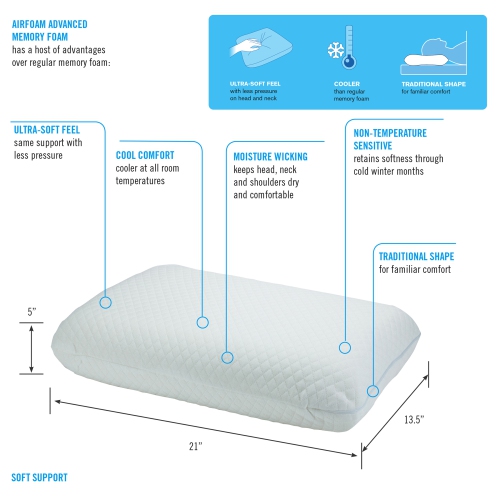
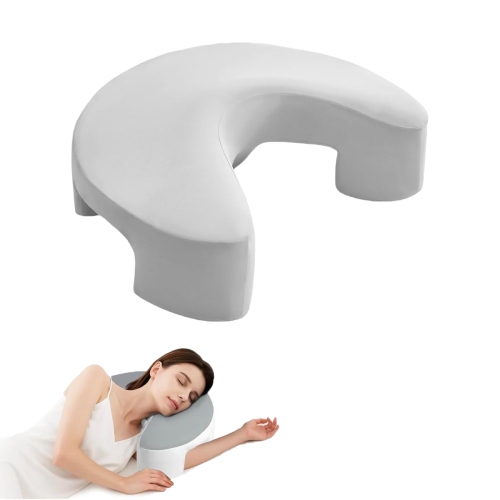
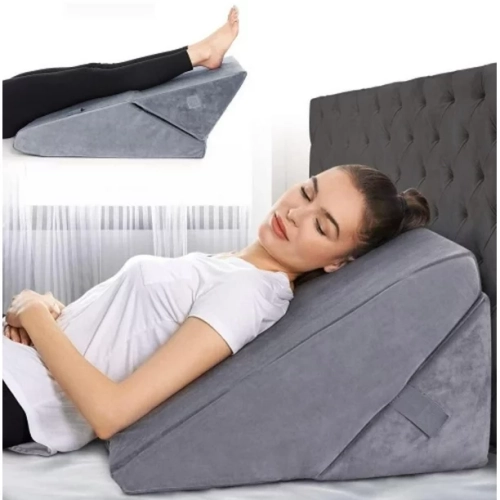
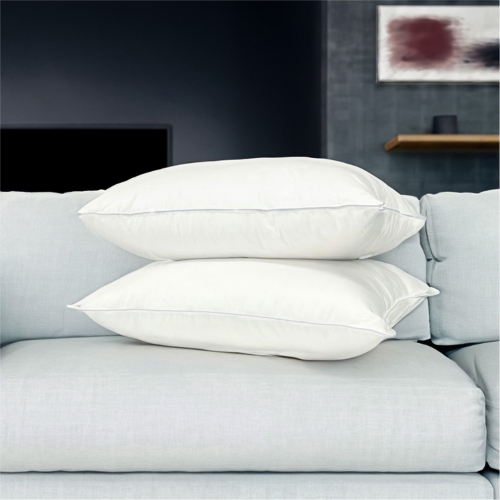
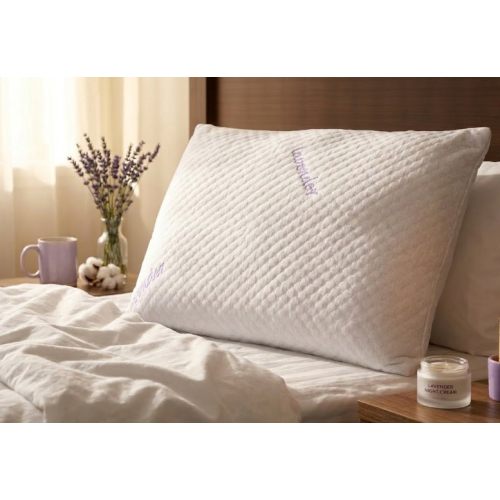
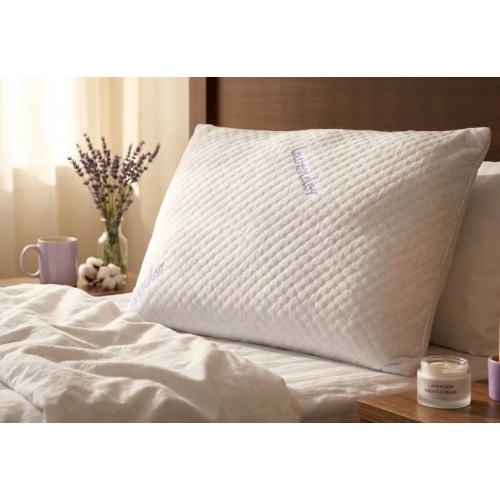
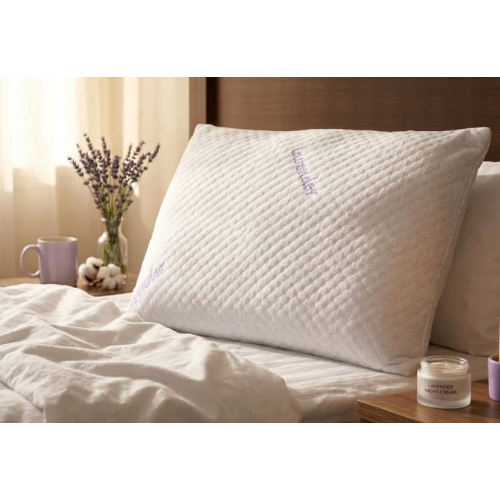
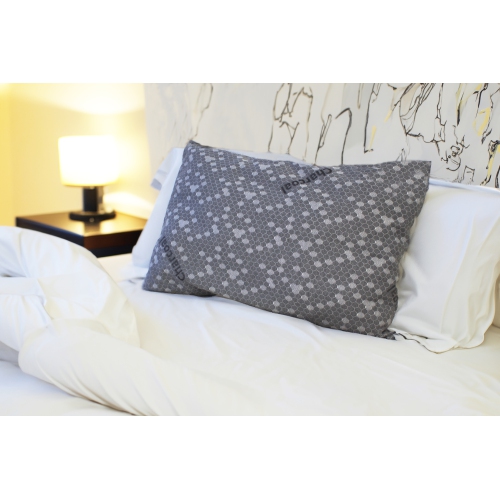
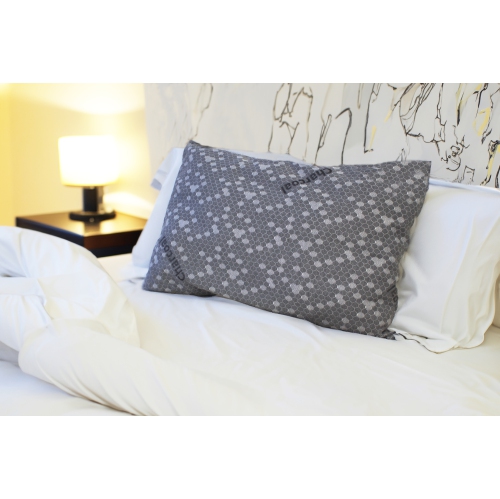
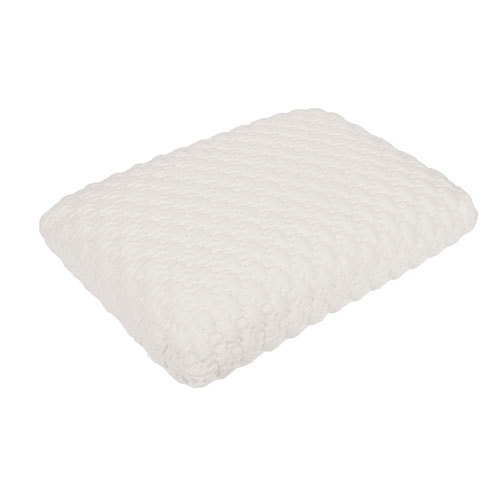
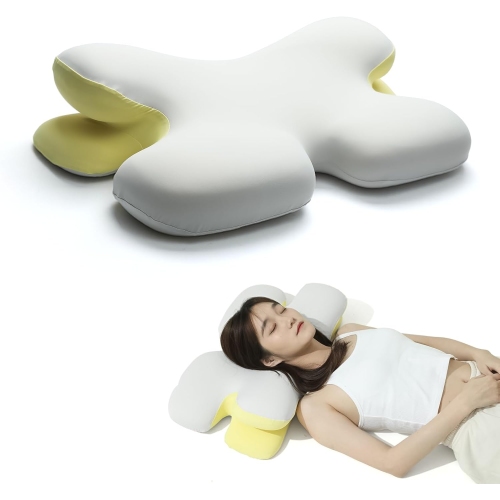
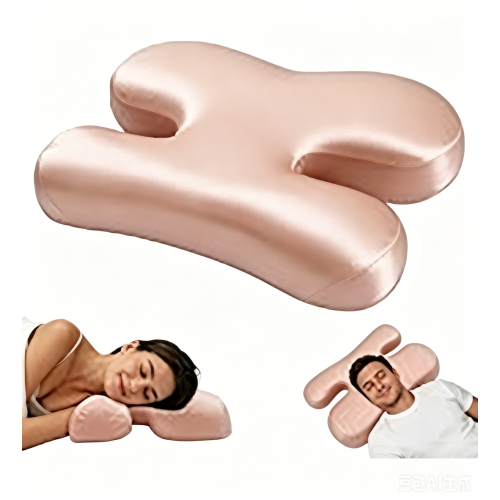
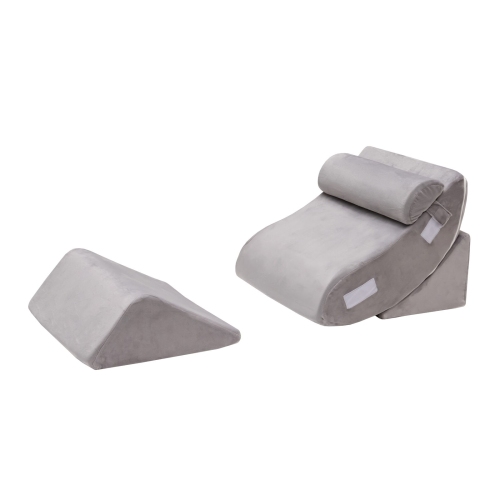
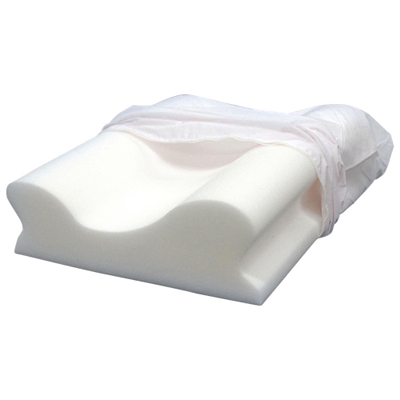
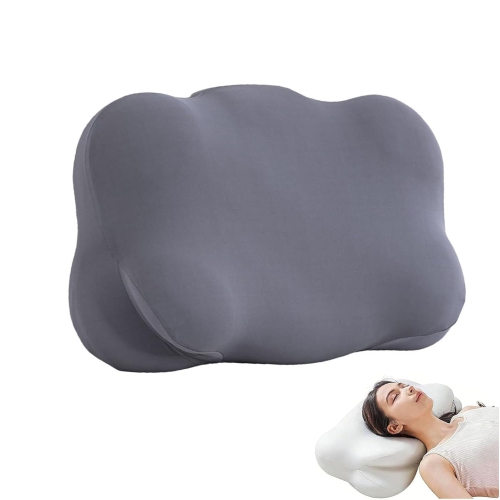
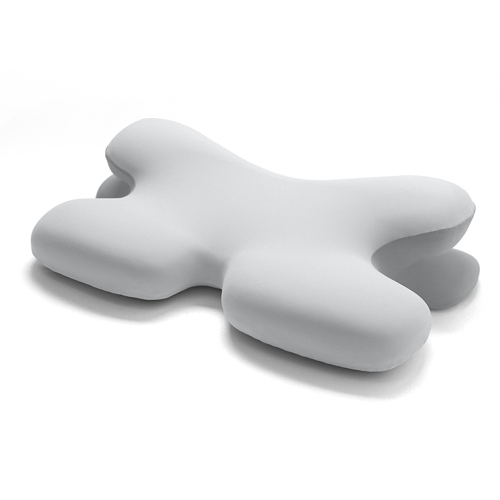
Neck support products provide cushioning and positioning support for the head and neck during sleep, travel, and seated rest. Their purpose varies by design: a contoured bed pillow supports the space beneath the neck, a travel cushion helps limit uncomfortable head tilting while sitting, and a medical collar has a separate role under professional guidance. Shape, height, firmness, and intended use matter more than a label alone, because comfortable support depends on how a product fits both the person and the setting. Different styles of neck pillows suit different routines, from settling into bed to resting against a passenger seat. For sleep, the relationship between the pillow, mattress, and shoulders is particularly important. A side sleeper generally needs enough cushioning to fill the space between the head and mattress without pushing the head upward, while a back sleeper may prefer a profile that supports the curve of the neck without tipping the chin towards the chest. Mattress softness changes that relationship, since shoulders sink farther into some surfaces than others. Contoured designs often have raised edges and a lower centre, while more traditional shapes offer a familiar surface that can be repositioned. Memory foam compresses gradually under pressure and tends to provide a close-fitting feel; latex generally has a springier response. Polyester fibre offers a softer, more compressible feel, although its shape may need regular fluffing. Adjustable-fill designs allow some change in height and fullness, which can be useful when a pillow feels too tall or too flat. Cover texture matters as well, especially where the fabric touches the cheek or sits beneath the jaw. Smooth seams, a comfortable surface, and a shape that leaves room for the shoulders can make support feel less intrusive. No single profile suits every sleeper, and a supportive pillow should not need to force the head into position to feel effective.
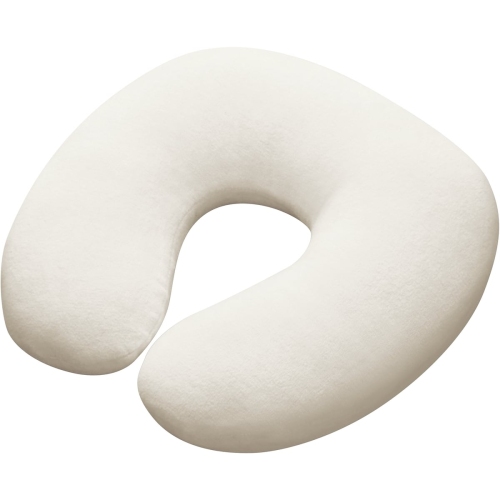
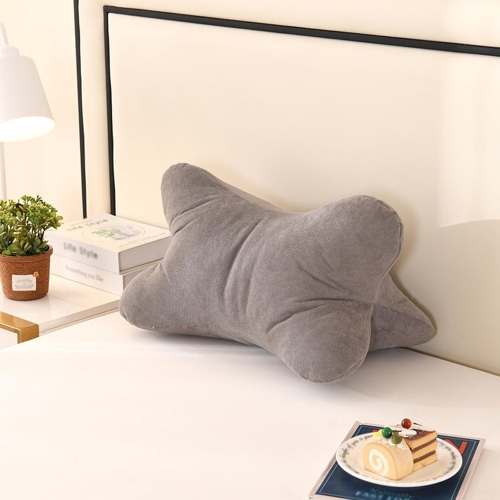
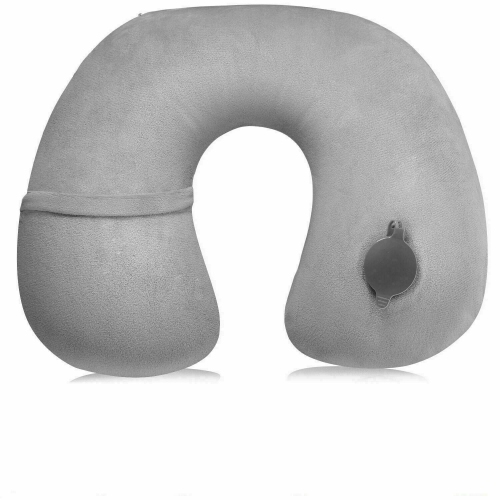
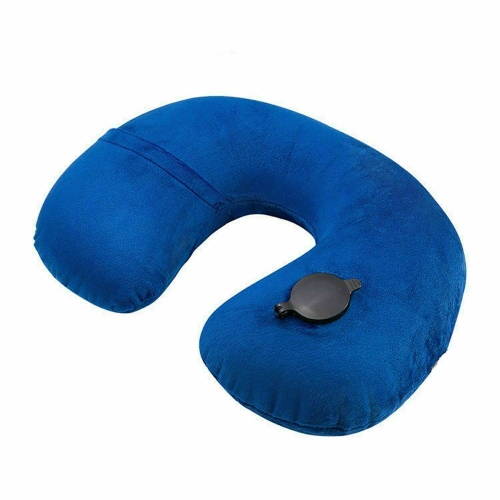
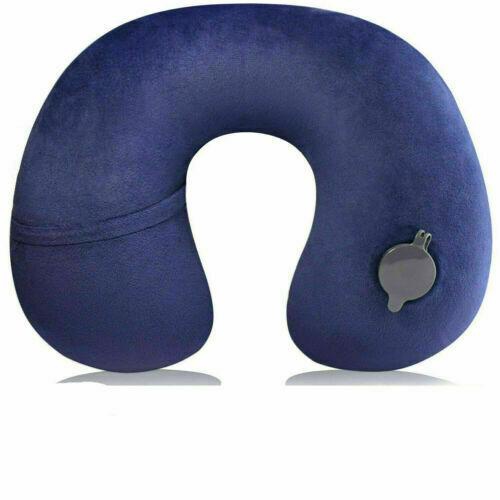
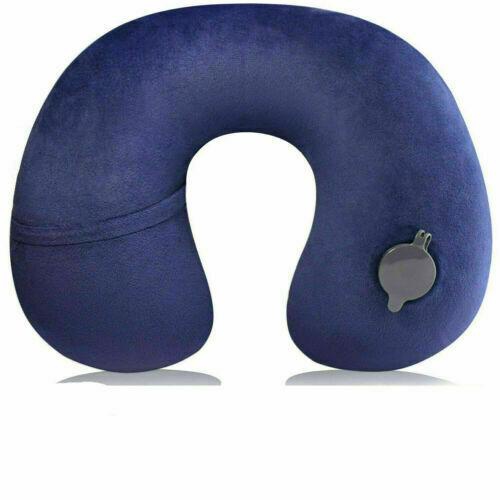
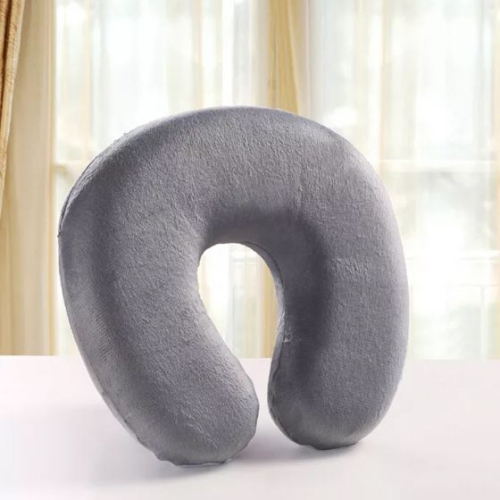
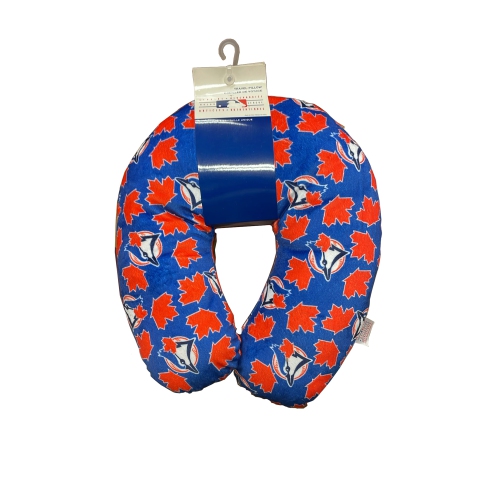
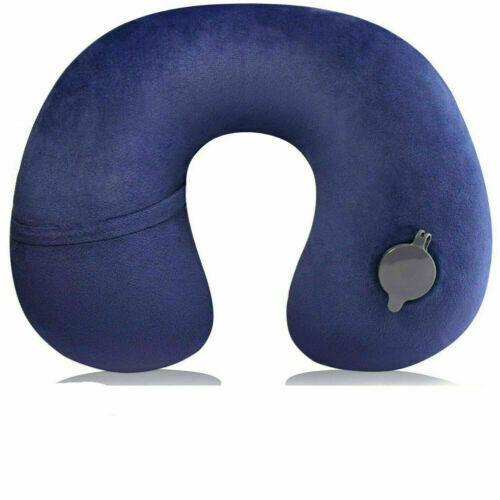
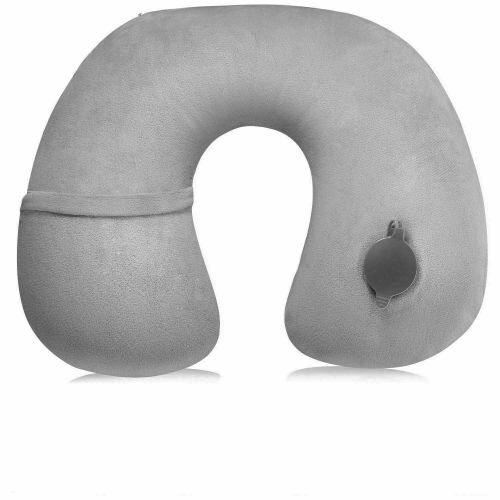
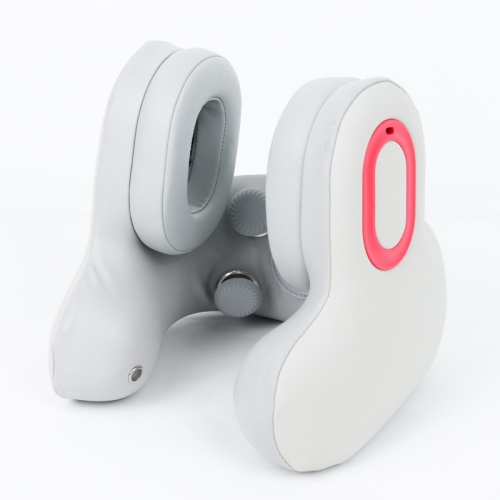
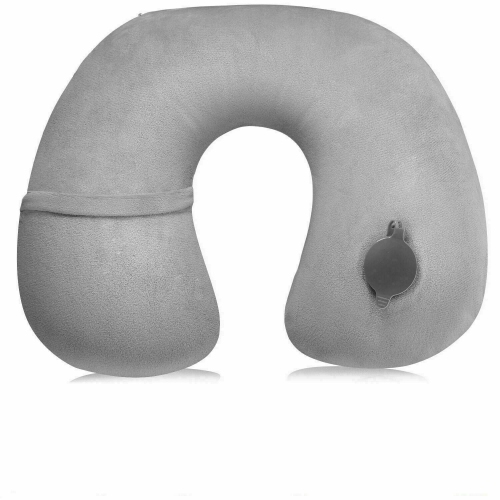
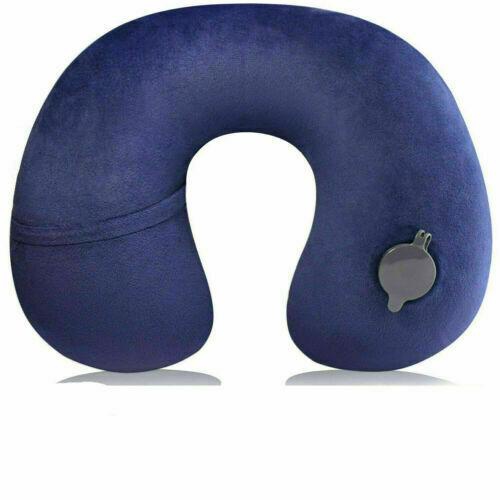
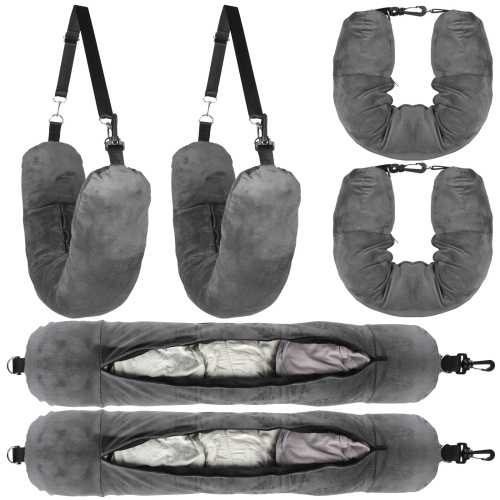
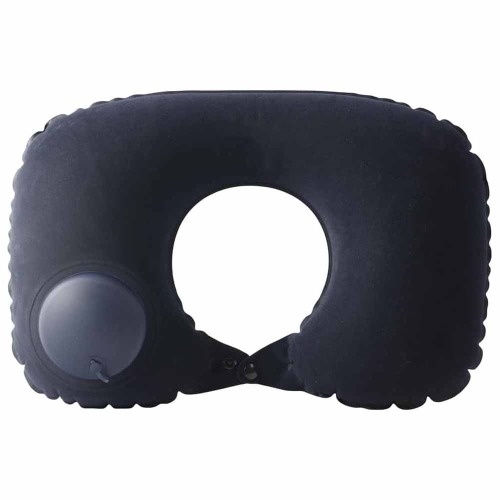
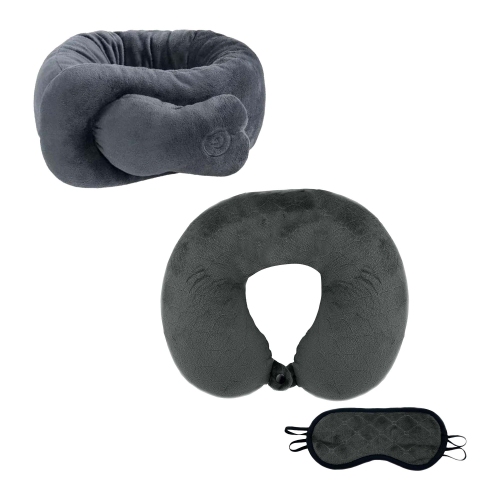
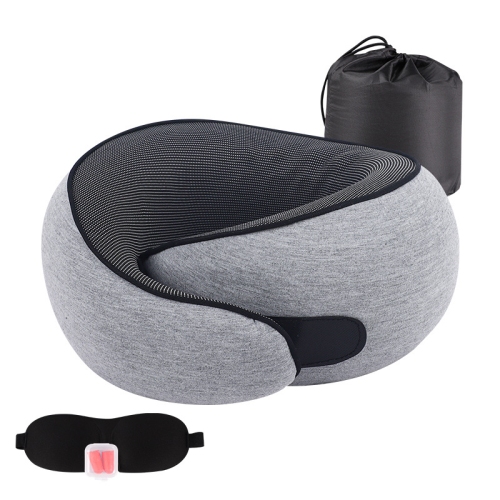
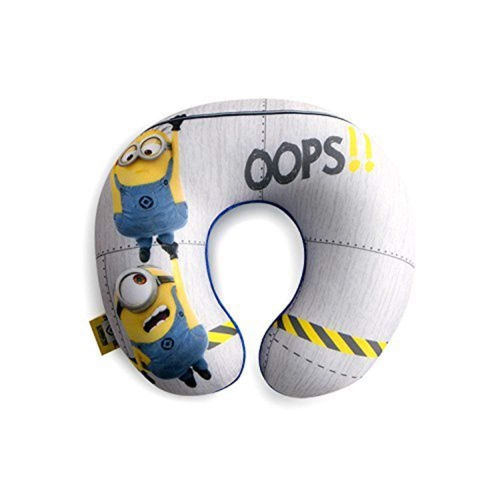
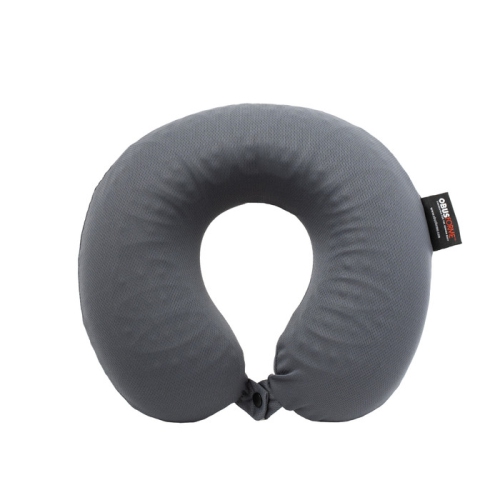
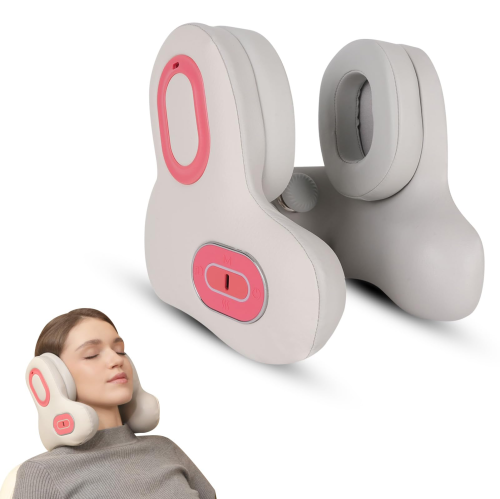
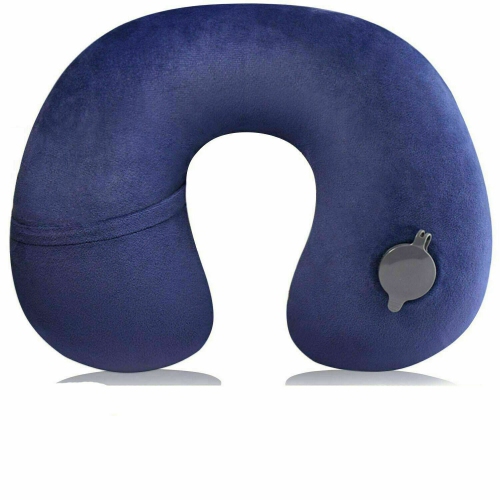
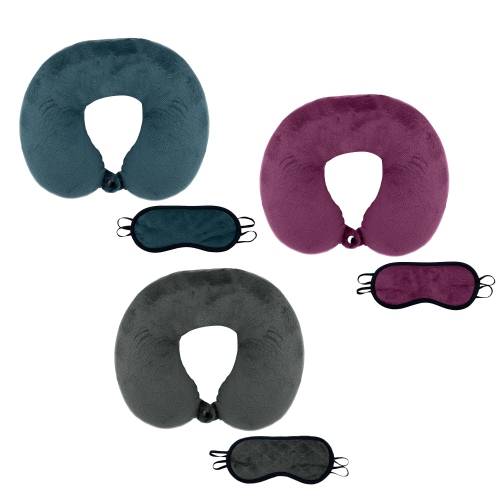
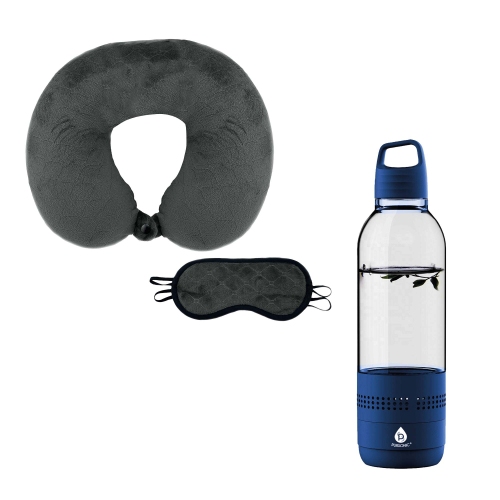
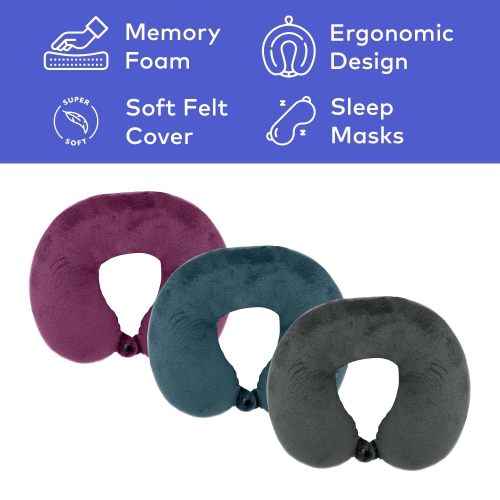
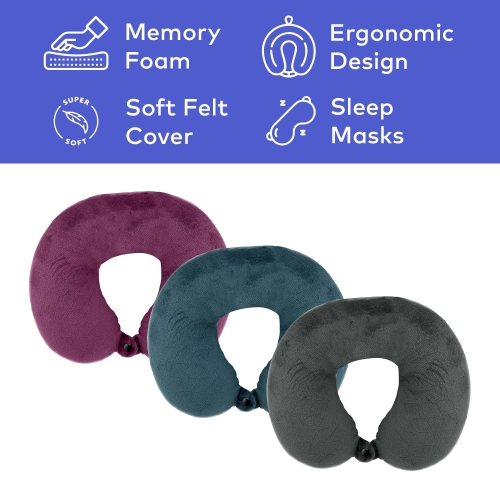
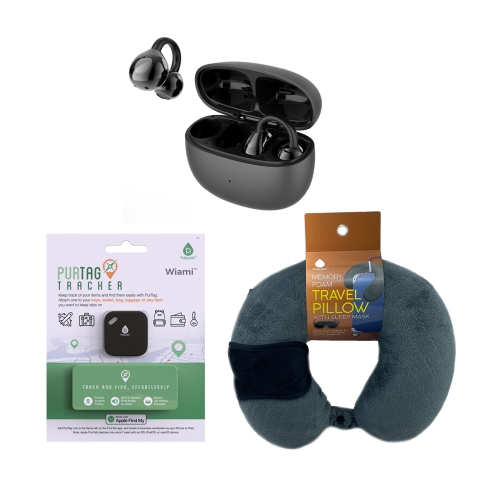
For travel and upright rest, neck support has to work with the seat rather than the mattress. A cushion that feels comfortable in a living-room chair may feel bulky against an aircraft headrest, particularly if a thick rear section pushes the head forward. U-shaped cushions wrap around the sides of the neck, while wraparound designs may add support near the jaw or beneath the chin. Their usefulness depends on dimensions and adjustment: an opening that is too wide can allow the head to lean sideways, whereas a tight closure can feel restrictive. Adjustable fastenings offer flexibility, but they should sit comfortably without pressing against the throat. Memory foam travel cushions usually hold a more defined shape, while microbead-filled designs shift as the user changes position. Inflatable styles pack down small and allow firmness to change with the amount of air inside, though the seams and valve placement can affect comfort. These differences matter on a long train journey, during a flight, or while resting as a passenger on a road trip. Packability is part of the experience too. A compact cushion may fit inside a personal bag, while a larger design may need a carrying pouch or attachment loop. Removable covers are especially practical for cushions that move between seats, bags, and waiting areas. At home, a small neck cushion can provide a comfortable contact point while reading or watching television, provided the chair already supports the back and the cushion does not push the head out of position. Cushioning is not a substitute for changing position or taking breaks from prolonged sitting. Products worn around the neck also need a clear distinction between everyday comfort and medical use. Soft cervical collars and more structured braces are not interchangeable with travel pillows; their fit, purpose, and wearing schedule should follow a healthcare professional’s advice, particularly after an injury or surgery.
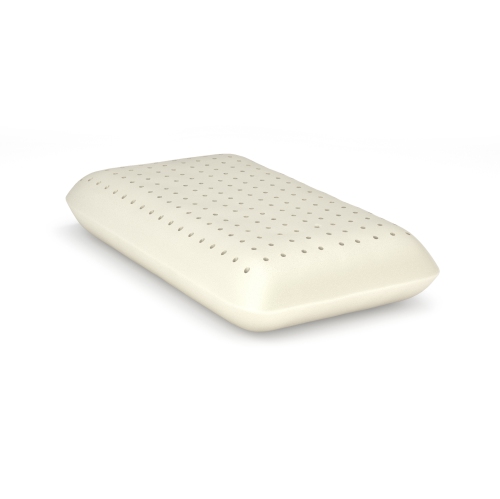
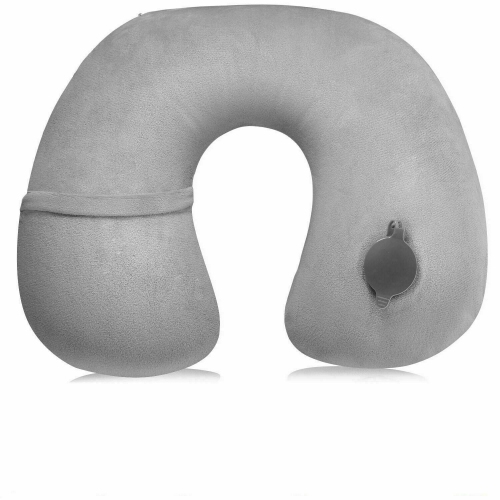
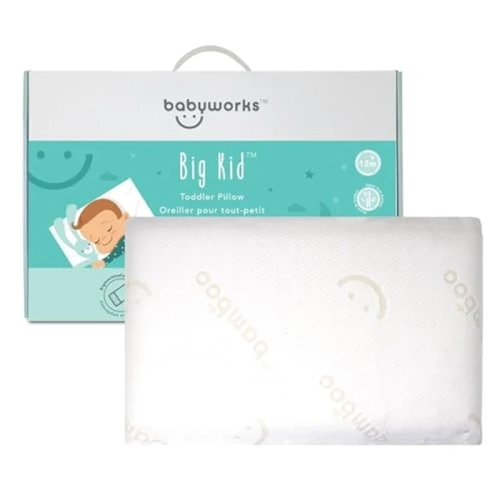
Materials and construction influence how neck support feels after repeated use, not just during the first few minutes. Foam should recover its shape after compression, fibre fill should remain reasonably even, and stitching should keep the filling contained without creating rough pressure points. A removable cover makes routine cleaning simpler, but the cover and inner core may have different care requirements. Some covers can be machine washed, while foam inserts often require spot cleaning and thorough air drying according to the care label. Soaking or machine washing a core that is not designed for it can affect its structure. Zips, closures, and adjustable sections also deserve attention: a zip tucked away from the face is less noticeable during rest, and secure fastenings help preserve the intended fit. For shared spaces or frequent travel, a washable outer layer is useful for keeping the contact surface clean. Durability includes retaining support as well as looking tidy. Permanent flattening, clumped filling, split seams, or a cushion that no longer returns to its original shape can change how the head and neck are positioned. Dimensions are therefore as important as material descriptions, especially when selecting support for someone else. Adult sizing should not be assumed suitable for a child, and any product used by a child should be designed for their age and used according to its safety instructions. For gifting, a travel cushion can be a thoughtful choice for an adult who often takes flights or rides as a passenger, while a sleep pillow is more personal because sleeping position and firmness preferences vary considerably. Familiar details, such as a preference for a low pillow or a dislike of bulky cushioning, are more useful than choosing by appearance alone. Persistent neck pain, numbness, weakness, or symptoms following an injury call for medical assessment rather than simply adding more cushioning. For everyday comfort, the most useful neck support is shaped for the activity, fits without pressure, and remains easy to care for throughout regular use.

FAQ

Some products may be subject to Environmental Handling Fees (EHF) depending on your province. Learn more about EHFs.