Outdoor Wallets
Whether you're heading out for a hike, planning a camping trip, or simply enjoying some time in the great outdoors, having a reliable and secure wallet is essential. Our collection of outdoor wallets is designed to keep your valuables safe and organized while you explore nature. From rugged materials that withstand the elements to smart designs that offer easy access to your cards and cash, these wallets are built to accompany you on all your outdoor adventures.
Sort
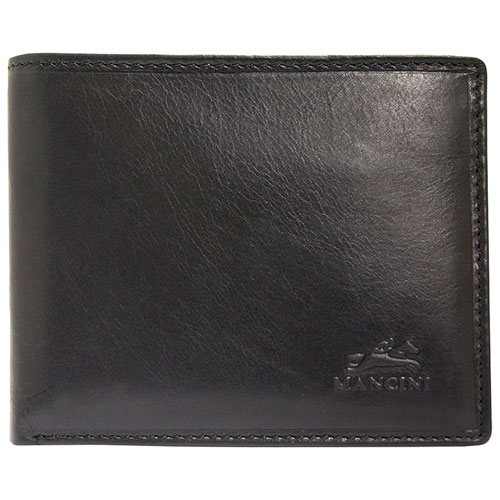
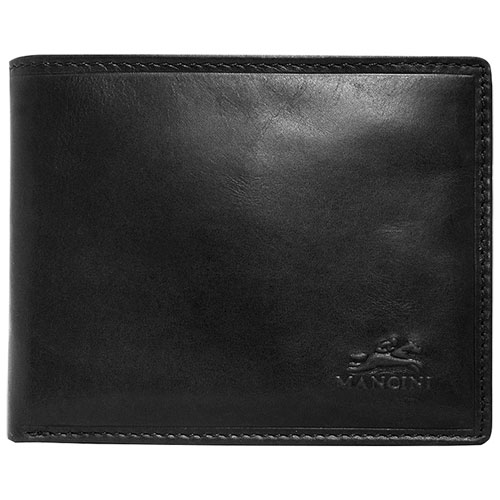


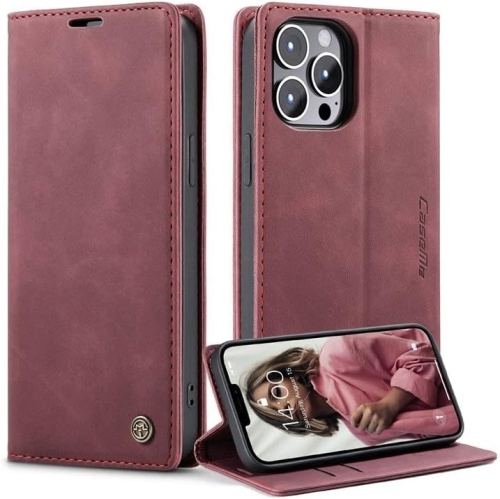


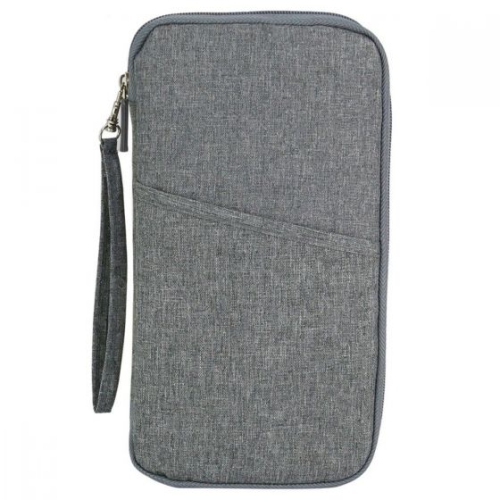


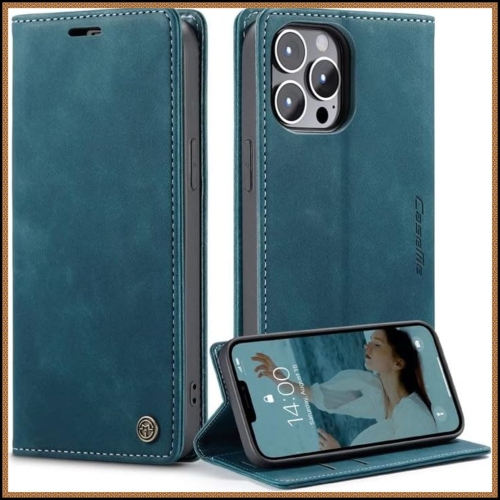


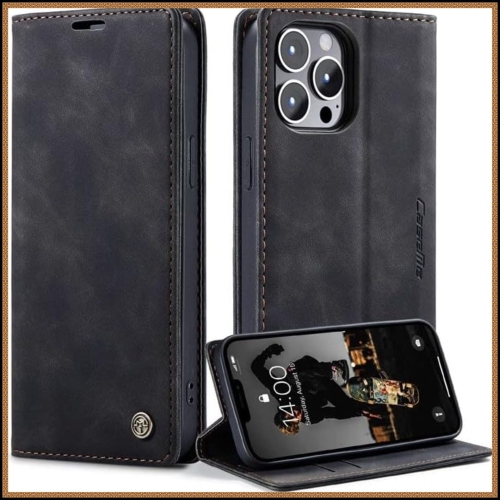
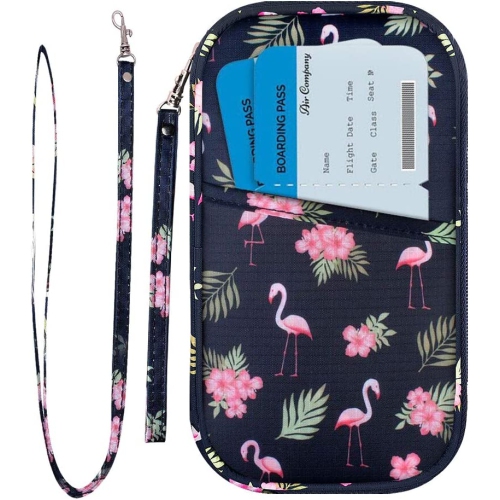


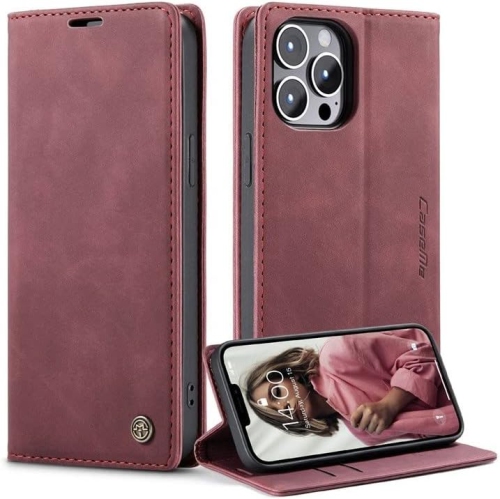








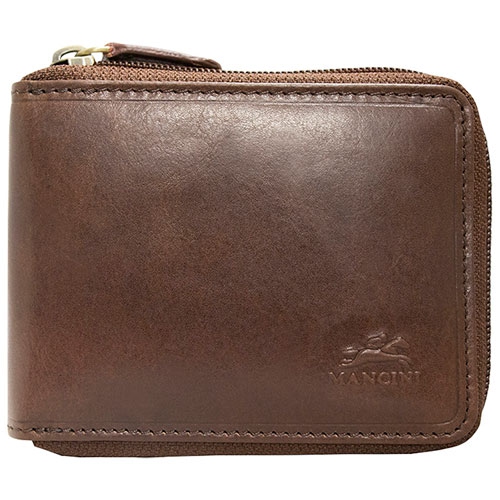


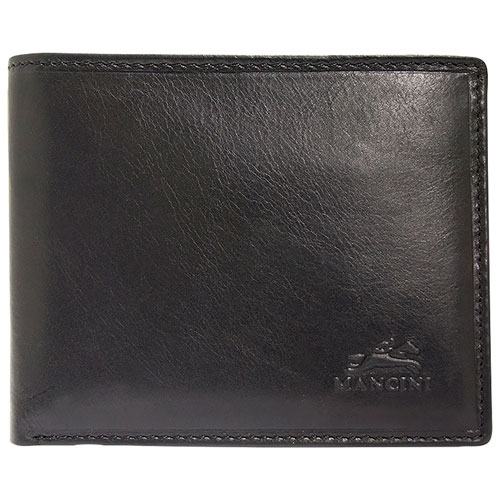
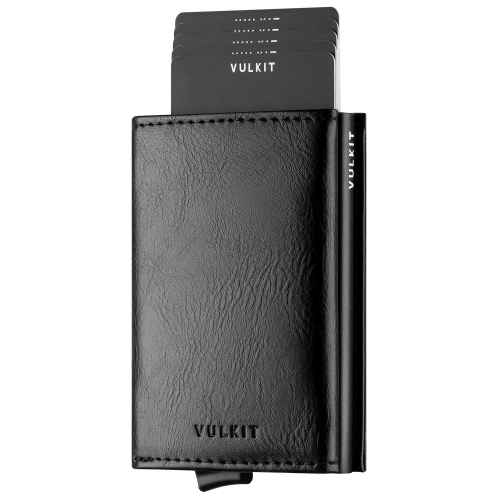


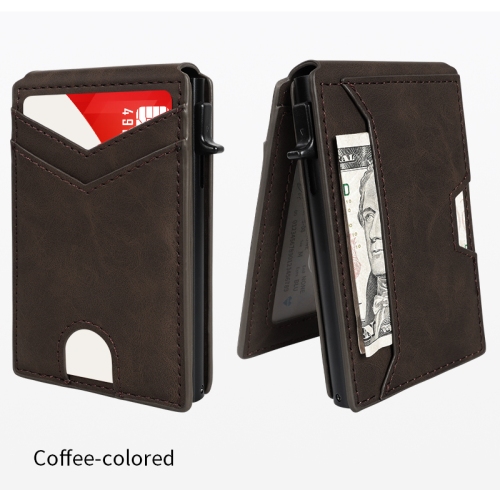



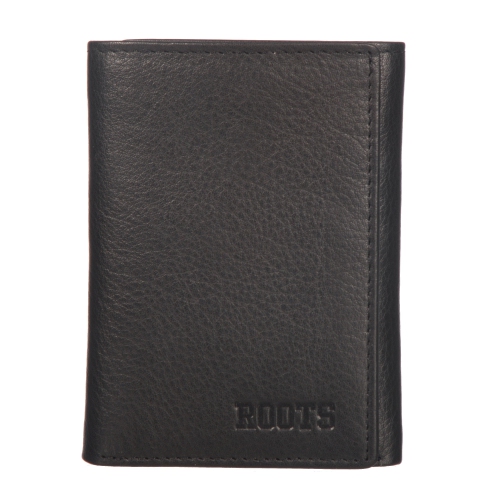


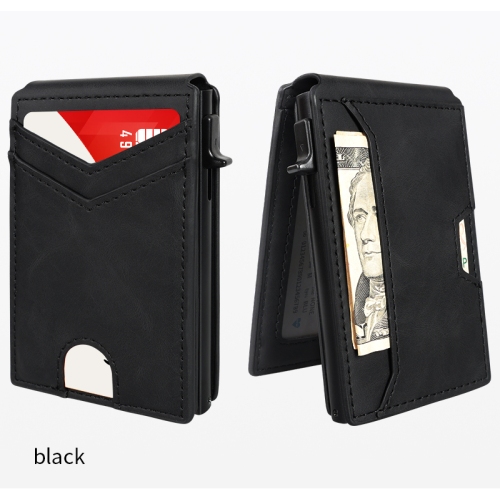


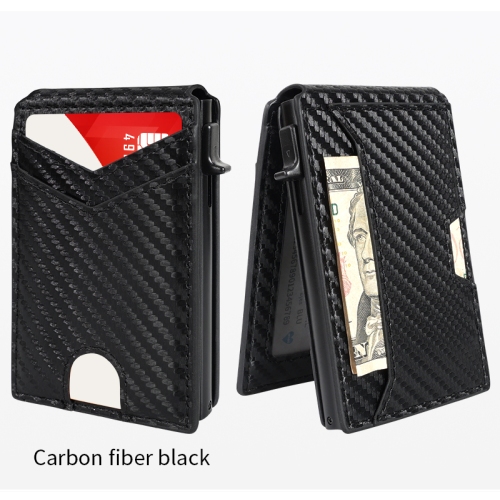

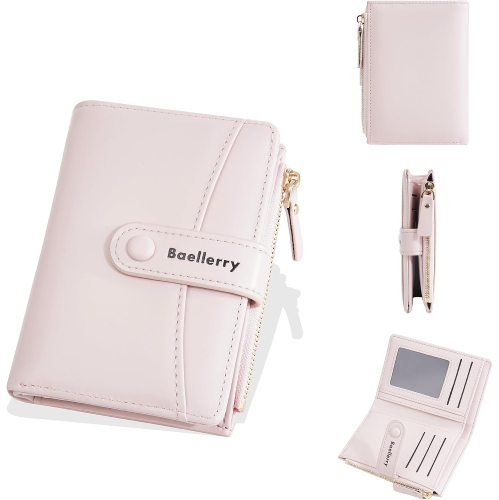
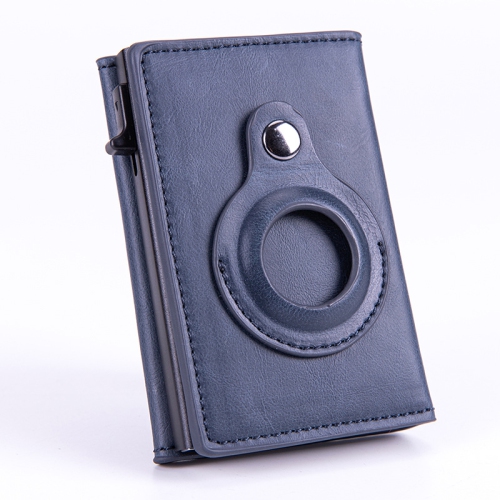


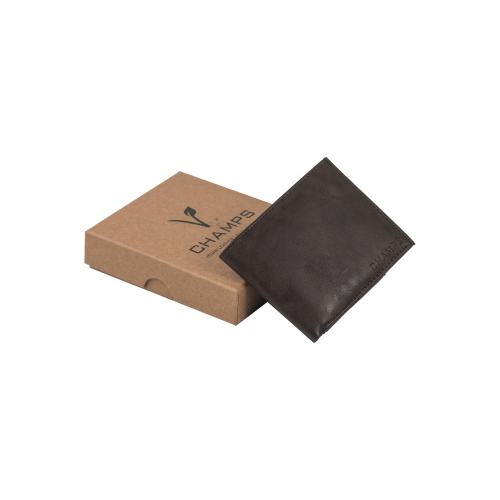


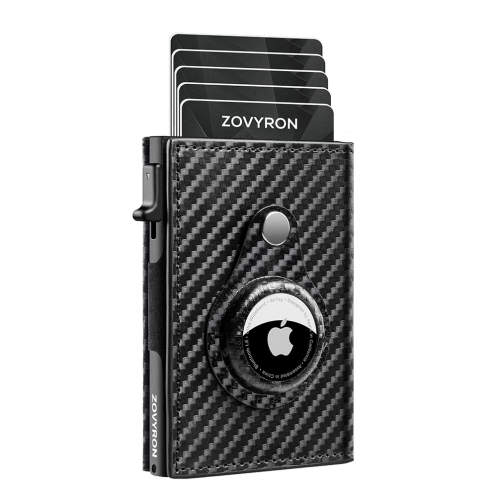
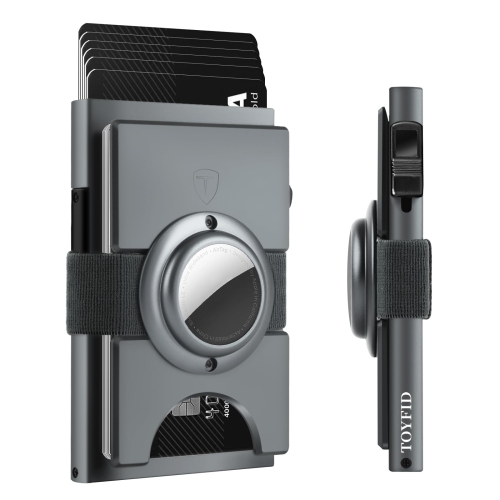


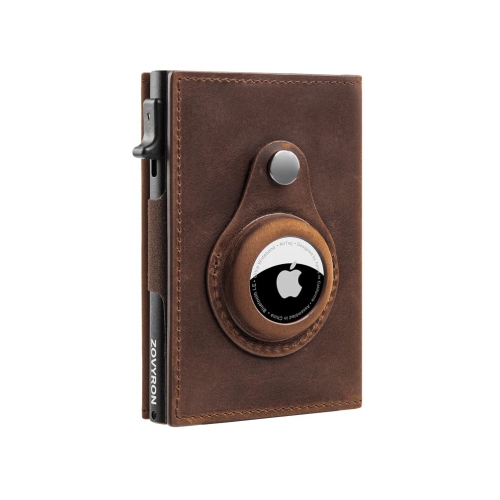


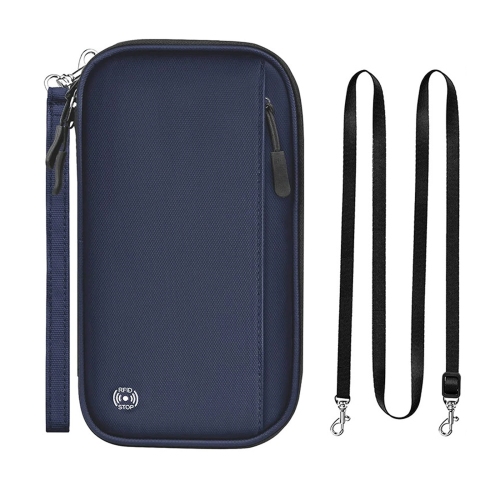


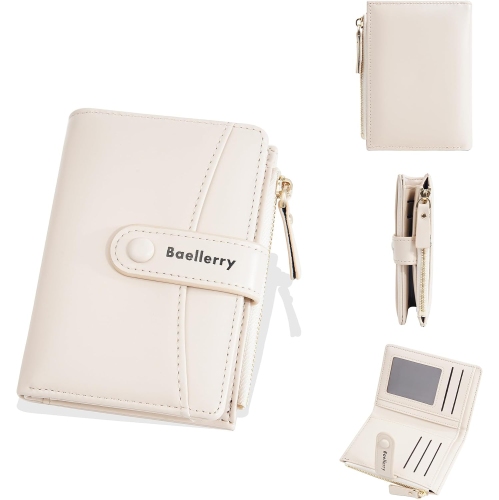
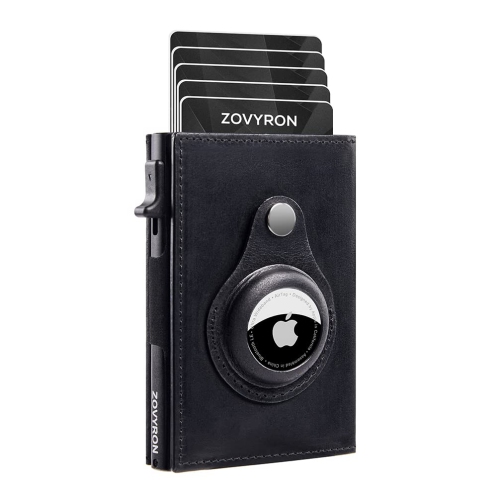







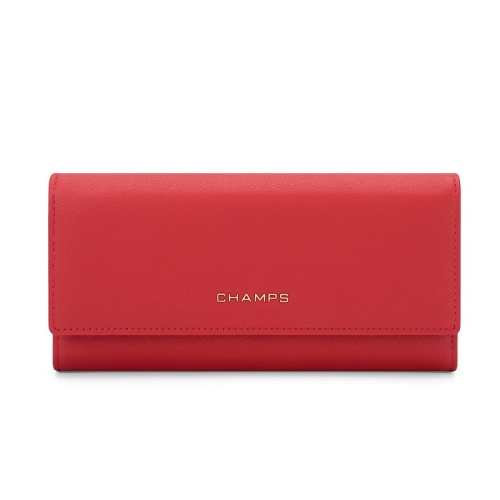
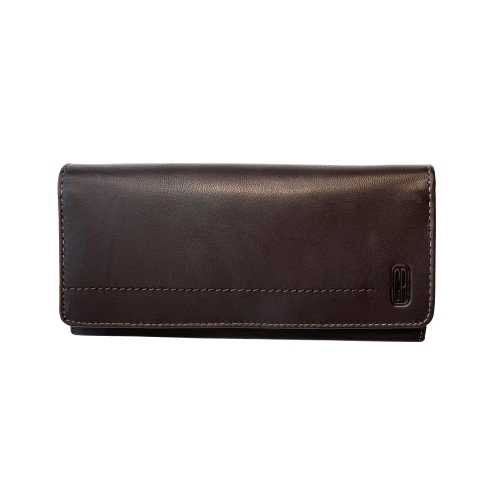

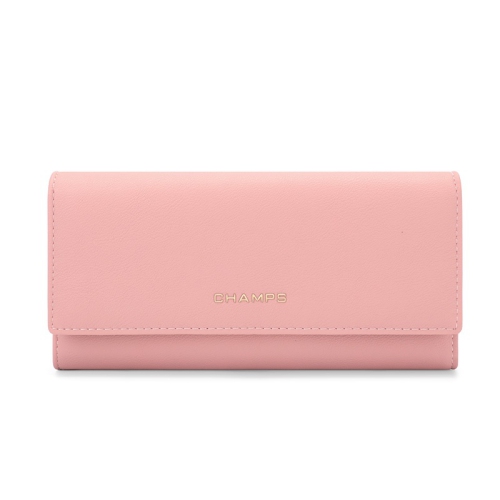

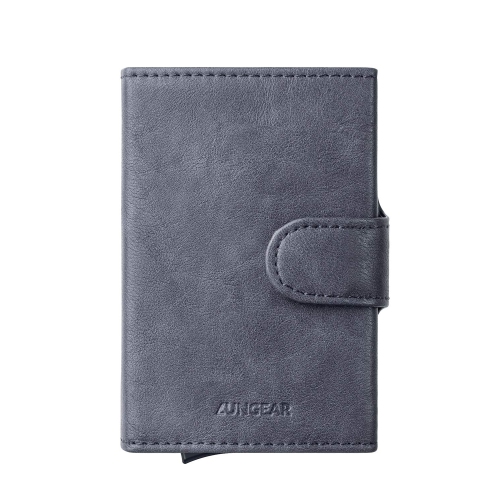


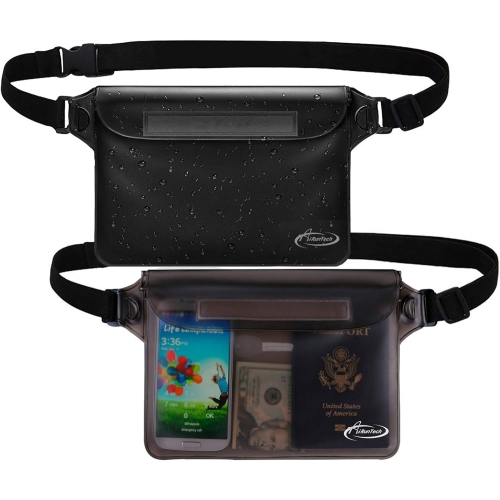


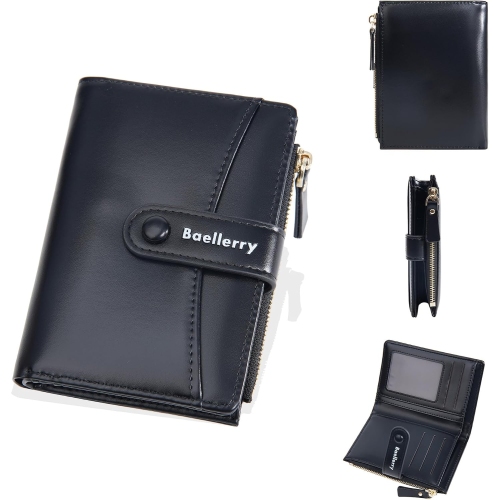
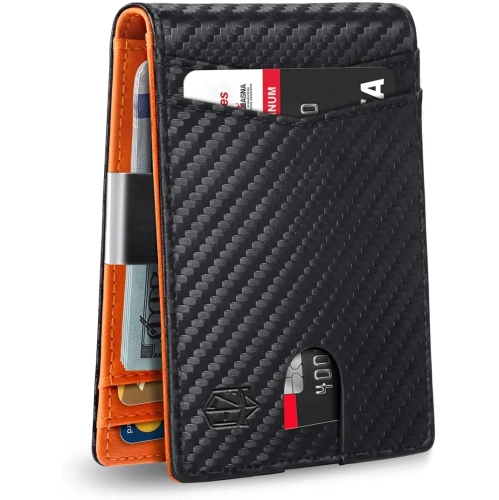
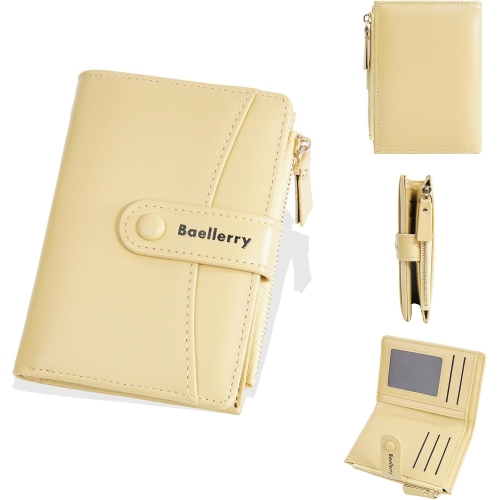


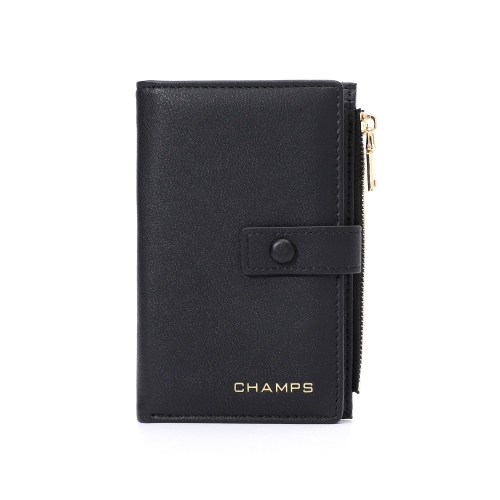


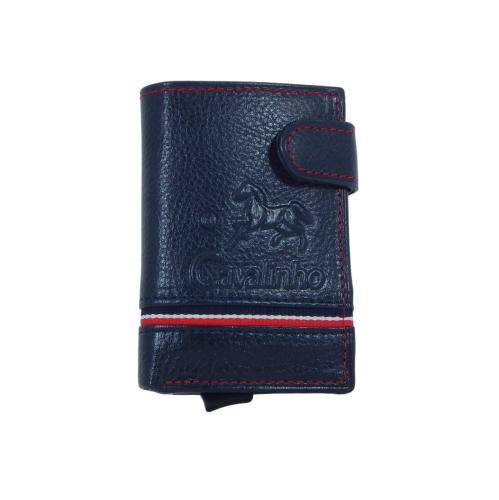


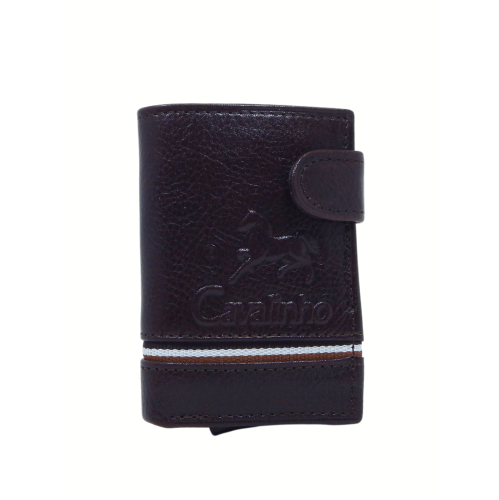


Less pocket bulk from the trail to town
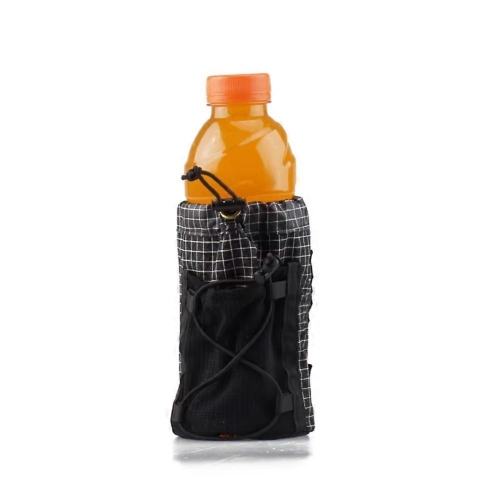
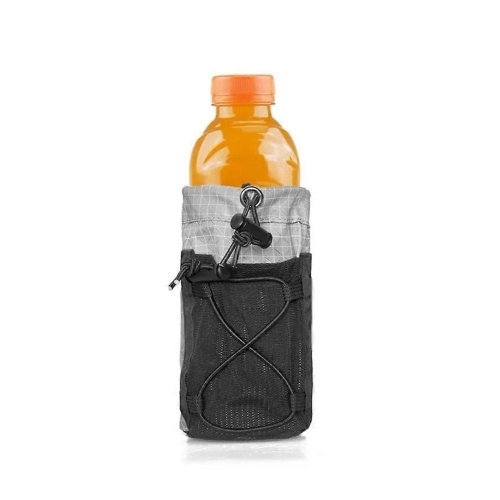
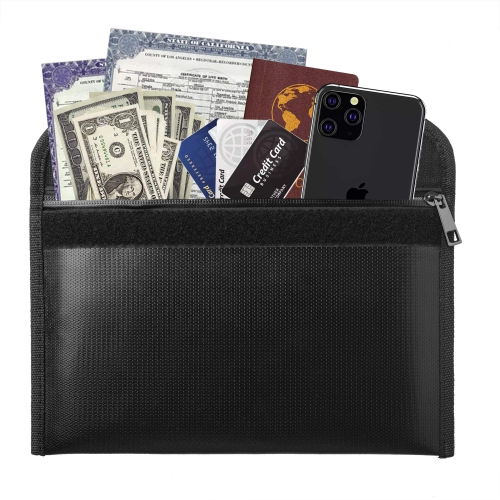
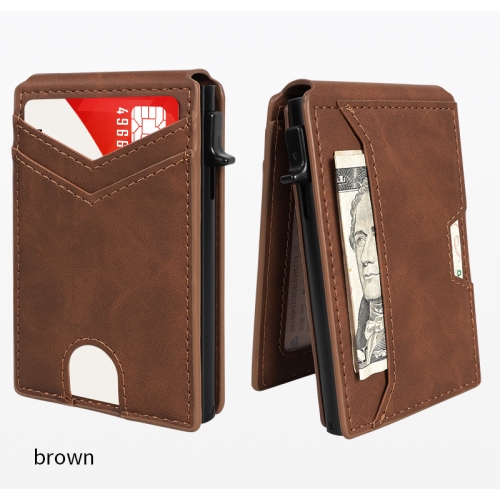
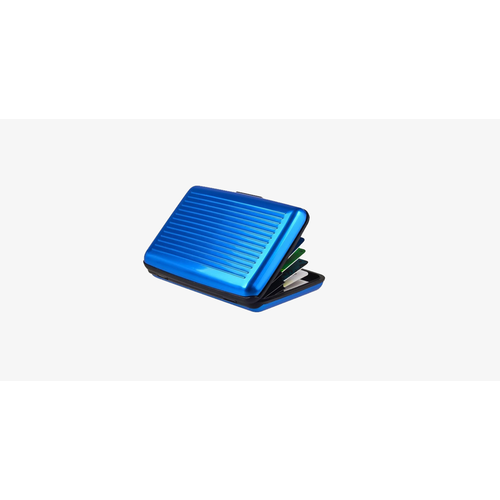
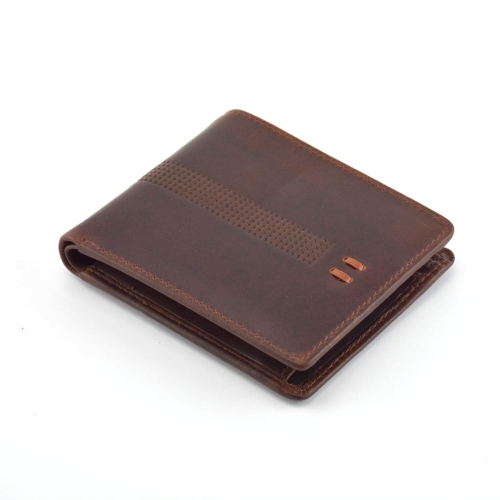
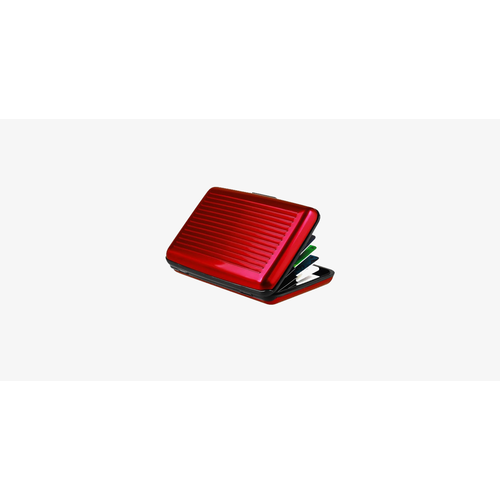
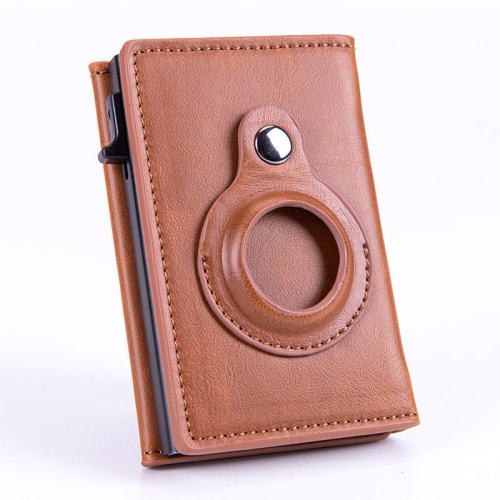
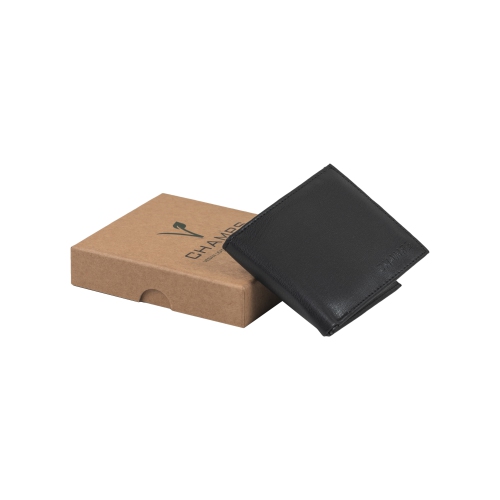
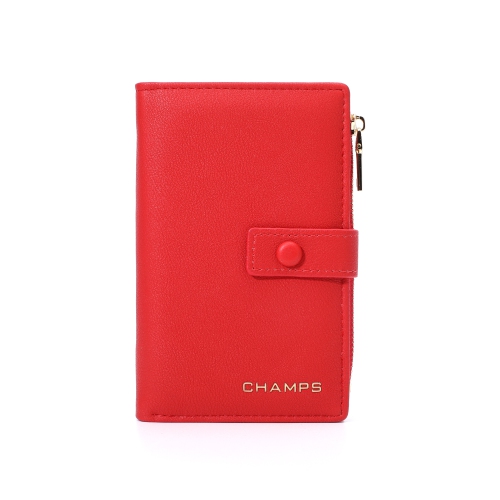
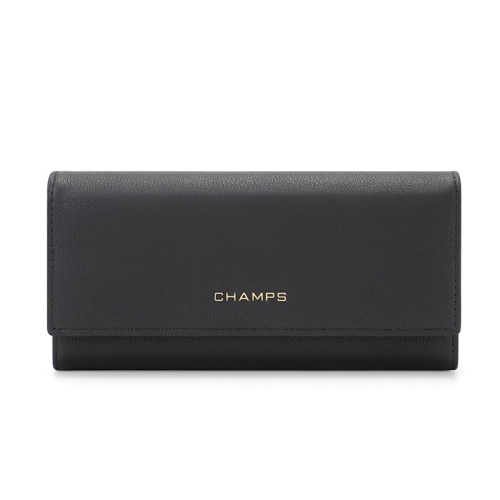
Outdoor wallets are compact carriers for cards, identification, and cash, designed with the demands of hiking, camping, paddling, travel, and other active pursuits in mind. Their defining qualities are practical: low weight, secure storage, resistance to everyday wear, and a shape that stays comfortable inside a pocket or pack. Unlike a bulky everyday wallet filled with receipts and seldom-used cards, an outdoor wallet often makes room for just the essentials. A few card slots, a folded-bill compartment, and a small zipped pocket can be enough for a trail outing that ends with a stop in town. Different formats suit different carrying habits. Slim card sleeves keep bulk to a minimum, while bifold and trifold designs offer more separation between identification, payment cards, and cash. Zipped pouches provide enclosed storage for loose contents, although an open interior may take a little more sorting than dedicated slots. The most useful capacity is the amount that holds the intended contents without stretching seams or forcing a closure. Fit matters just as much as storage space: a wallet that slides easily into a trouser pocket may still press against the hip while sitting, cycling, or wearing a loaded pack. Rounded corners, flexible construction, and flat seams can help reduce those pressure points. For a backpack hipbelt pocket or running vest, the wallet’s exterior dimensions and thickness when filled are more informative than its empty profile alone. A broad opening makes cards easier to reach, while a deeper compartment can keep folded notes from catching in a zipper. Canadian banknotes are made from polymer, but receipts, permits, and other paper documents may still need protection from moisture. For people moving between trails, campsites, transit, and cafés, outdoor wallets bring these small details together in a familiar accessory that is easy to carry without taking up space needed for other essentials.
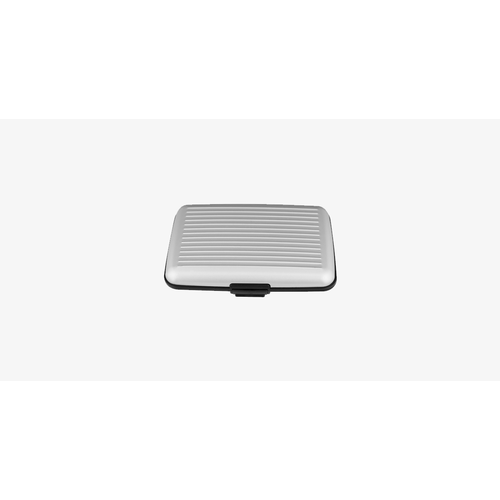
Materials and construction influence how an outdoor wallet handles abrasion, moisture, and repeated use. Woven nylon and polyester are common choices for lightweight fabric designs, while ripstop weaves help limit the spread of a small tear rather than making the material tear-proof. Coated fabrics and laminated constructions can provide additional resistance to moisture, depending on how the entire wallet is assembled. Leather offers a different feel and can develop a distinctive surface with use, but it generally needs more care after exposure to water and may not suit activities involving frequent splashes. Rigid metal card holders resist bending and maintain a slim, structured shape, though their comfort depends on pocket placement and edge design. Across materials, reinforced corners, neatly finished seams, and securely attached closure hardware are useful details to look for. Water-resistant and waterproof are not interchangeable descriptions: a water-resistant wallet may tolerate light splashes, while protection during immersion requires a design specifically rated for that use. Fabric alone does not establish the protection level, since water can enter through stitching, zipper openings, or an imperfect seal. For paddling or boating, keeping valuables inside an appropriately rated dry pouch adds a separate layer of protection; a wallet should not be assumed to float unless that capability is stated. Closures also change the way a wallet feels in daily use. Zippers enclose the contents, hook-and-loop fastenings open quickly but can collect lint, and snaps provide a distinct fastening point without fully sealing the edges. Pull tabs can make a zipper easier to grasp, while an attachment loop may help secure the wallet inside a bag when used with a suitable tether. Some wallets include RFID-blocking layers intended to limit contactless reading of compatible cards, but that feature does not prevent loss, theft, or every form of payment fraud. For shoppers considering related ways to shield everyday essentials, Protective Wallets offers a closely related category. Physical durability, moisture protection, and electronic shielding serve different purposes, so the construction and stated capabilities should match the activity rather than being treated as equivalent safeguards.
The right outdoor wallet fits naturally into the routine of the person carrying it. A hiker may value a soft, lightweight pouch that sits flat beside a map, while a cyclist may prefer a compact format that stays secure in a zipped jersey pocket. At a campsite, a divided interior can keep identification separate from folded cash and a parking receipt, reducing the need to empty everything onto a picnic table. Travellers often benefit from having a small wallet for daily outings while keeping backup payment cards elsewhere. Bright colours or contrasting linings can make a wallet easier to spot inside a dark backpack, whereas muted finishes suit anyone who wants the same accessory for trail use and everyday errands. Card retention deserves attention in minimalist designs, particularly when only one or two cards are carried in a compartment intended for several. A wallet should hold its contents securely without requiring a struggle each time a card is removed. Care is usually straightforward, but it should follow the material and manufacturer’s directions. Emptying the compartments regularly keeps grit from rubbing against cards and wearing the lining. Many fabric wallets can be cleaned gently with a damp cloth and mild soap when permitted, then left open to air-dry fully before being refilled. Machine washing, soaking, strong cleaners, and direct heat can damage coatings, adhesives, or shaped components unless expressly allowed. Leather needs care suited to its finish, while metal holders benefit from having dust and debris cleared from moving parts. Checking seams, zippers, and attachment points occasionally can reveal wear before a small problem becomes a lost card or an open pocket. Outdoor wallets can also make thoughtful gifts for walkers, campers, cyclists, and frequent travellers, especially when the format reflects the recipient’s habits. Someone who carries coins needs different storage from someone who leaves home with two cards and a licence. Matching that everyday routine is what makes a rugged wallet useful long after a particular trip.
Top selling and popular products
-
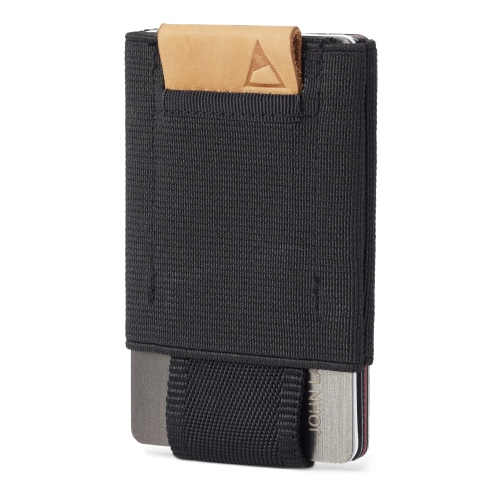 Your price for this item is $39.99
-
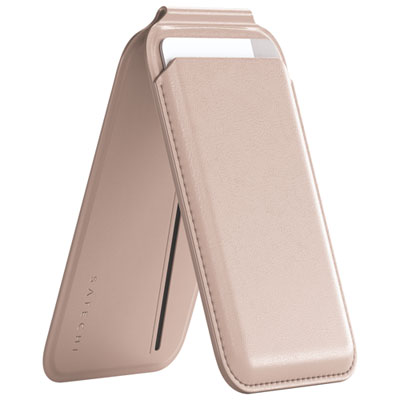 Your price for this item is $59.99
-
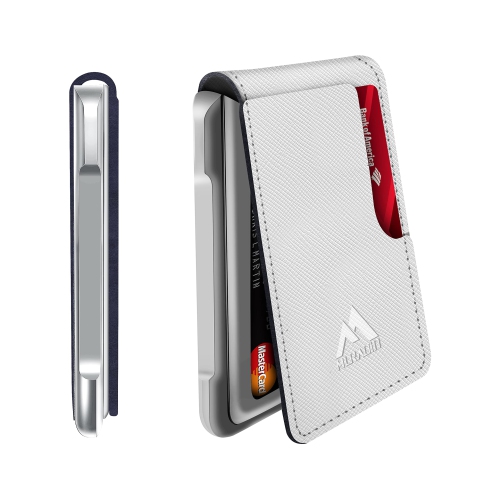 Your price for this item is $49.99
-
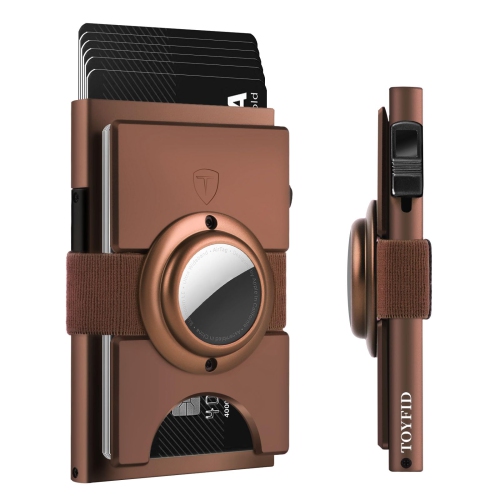 Your price for this item is $46.96
-
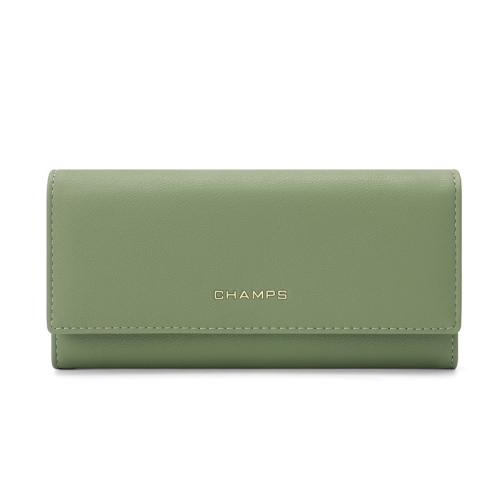 Your price for this item is $47.99
-
 Your price for this item is $49.99
-
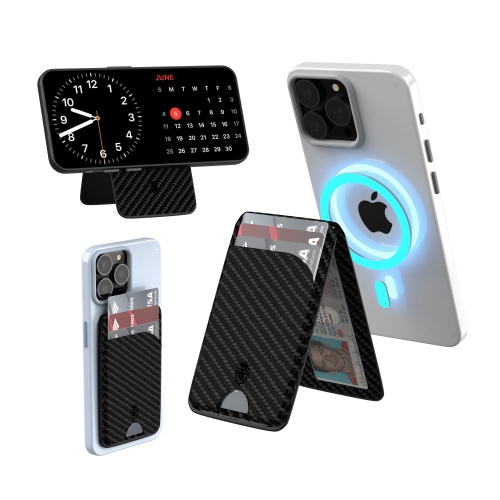 Your price for this item is $49.99
-
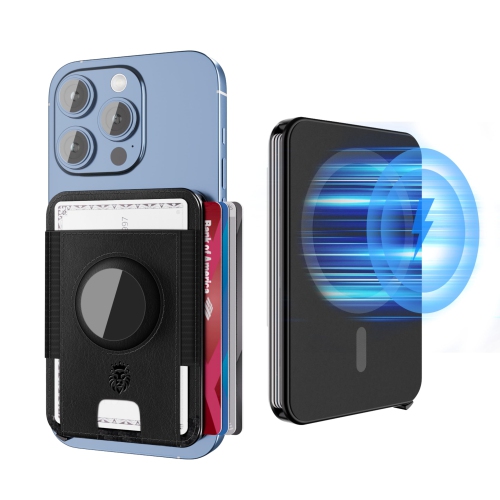 Your price for this item is $49.99
Discover more categories related to Outdoor Wallets

Top Collections:
Pokemon Centers, Best Cameras for Sports Photography, Kindle Devices, Samsung Galaxy Phones, Canon G7X Cameras, Pokémon 30th Celebration Cards, Refurbished Apple Laptops, iPhone 15 Apple, Laptops for Students, Budget Smartphones
Some products may be subject to Environmental Handling Fees
(EHF) depending on your province.
Learn more about EHFs.