Personal Item Luggage
Whether you're jetting off on a quick business trip or embarking on a weekend getaway, having the right personal item luggage is essential for keeping your belongings organized and easily accessible. Designed to fit under the seat in front of you, these compact and versatile bags are perfect for stashing your essentials, from laptops and tablets to toiletries and travel documents. With a variety of styles, sizes, and features to choose from, finding the perfect personal item of luggage to suit your needs has never been easier. So, get ready to travel in style and convenience with our wide selection of personal item luggage options.
Sort

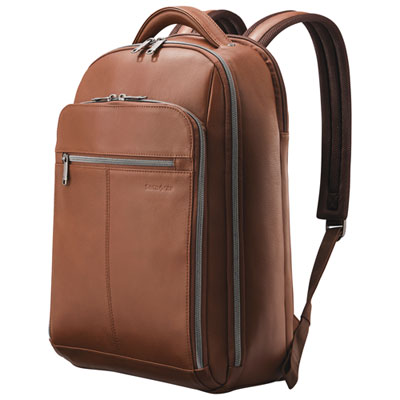
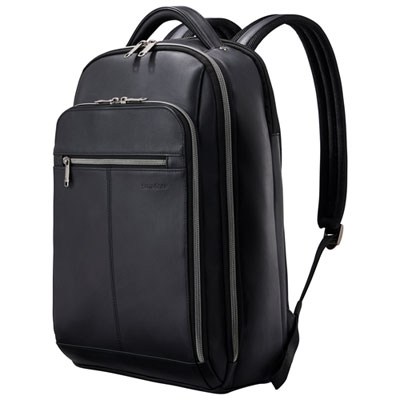
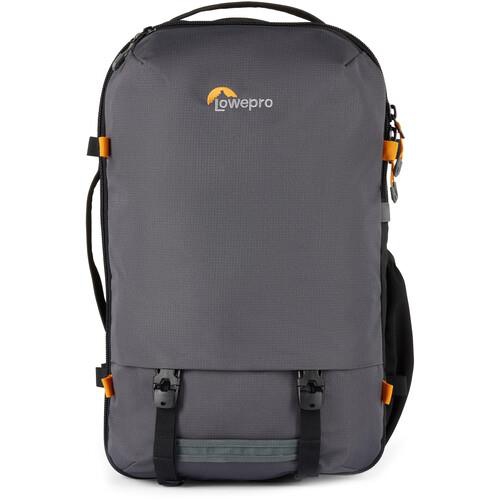
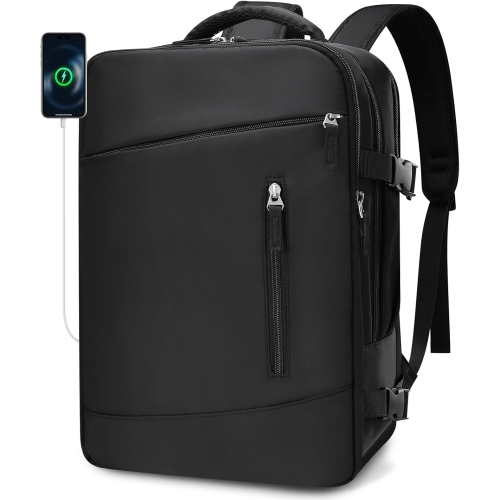
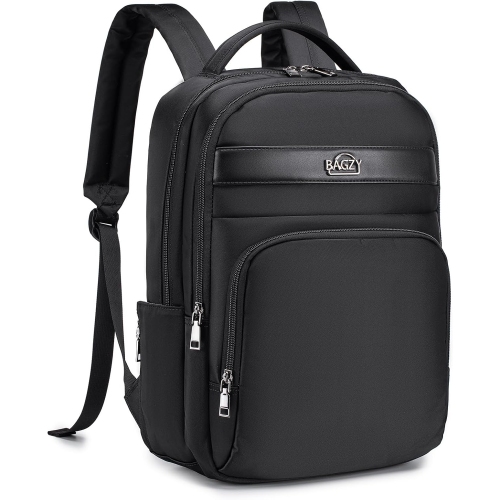
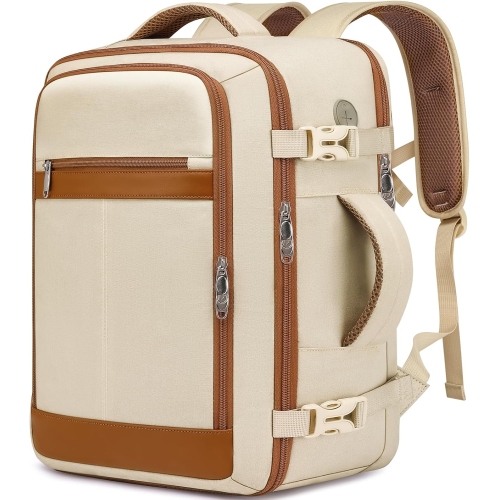

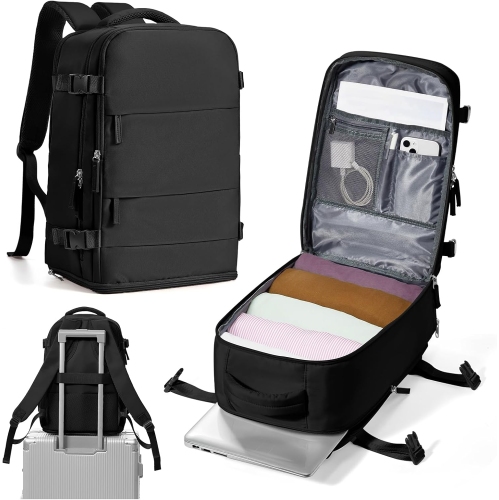
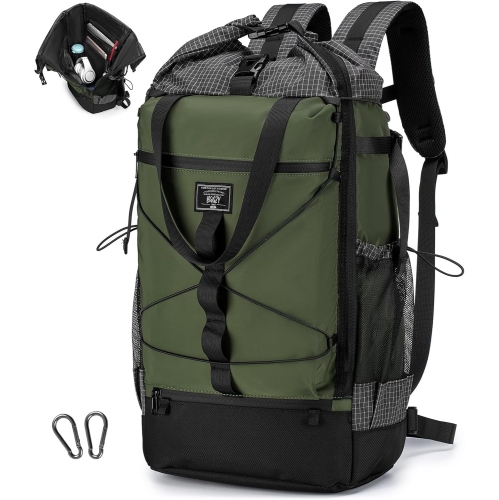
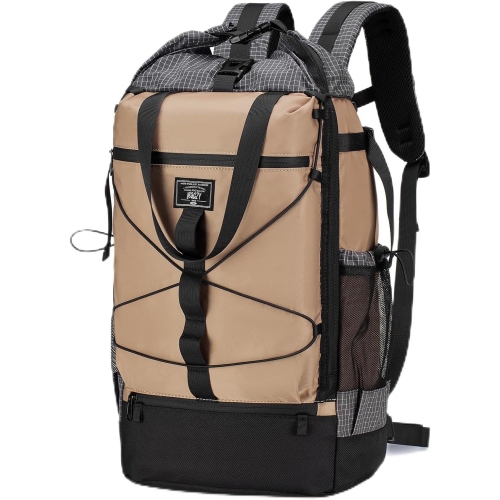
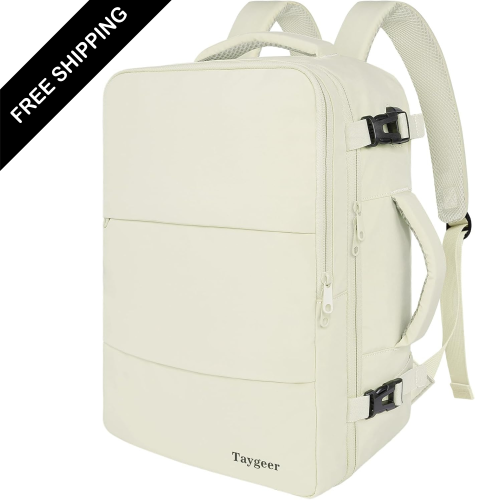
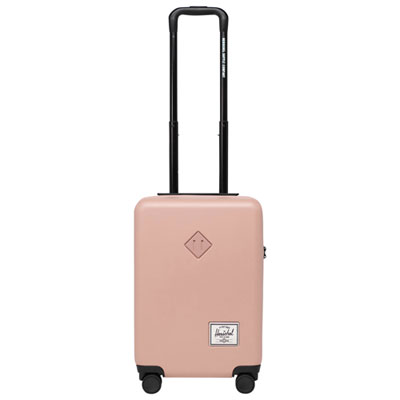
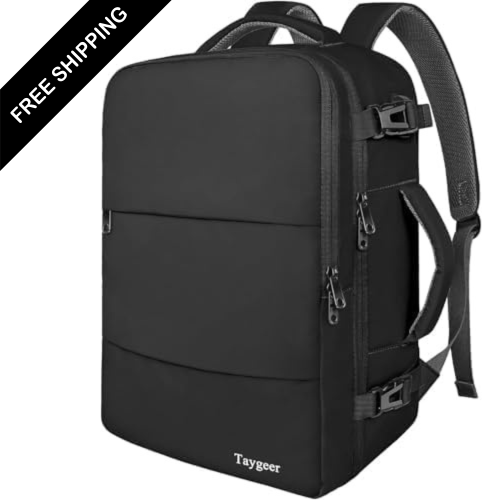
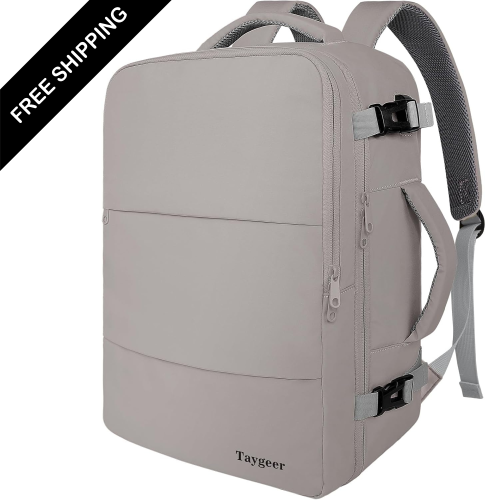
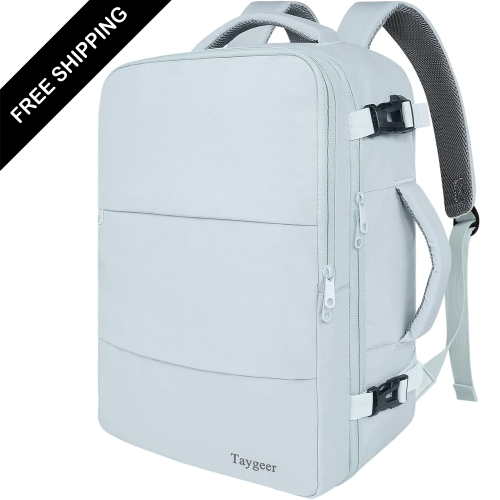
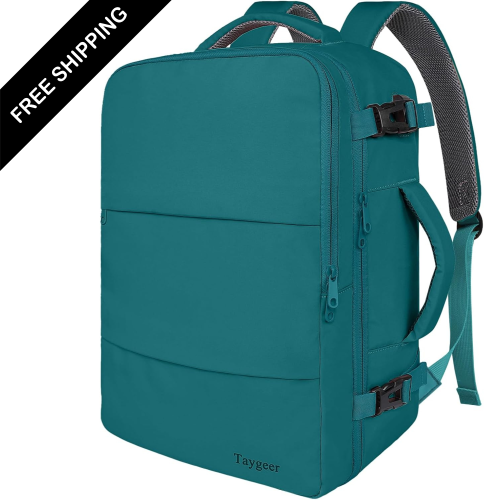
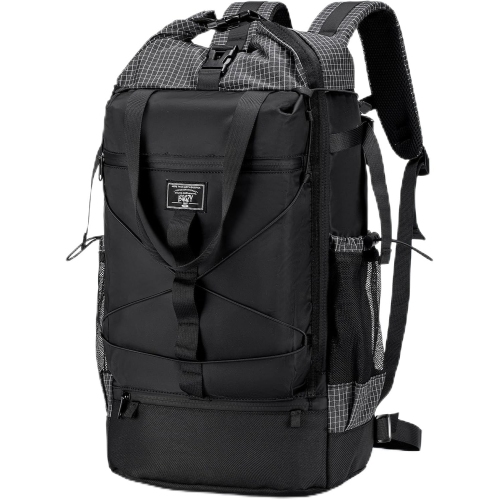

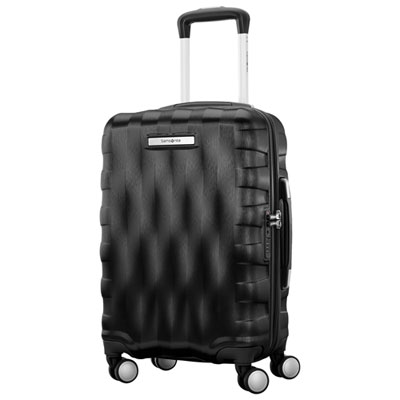
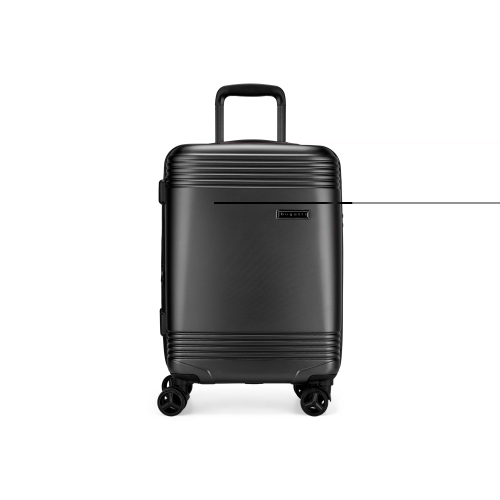

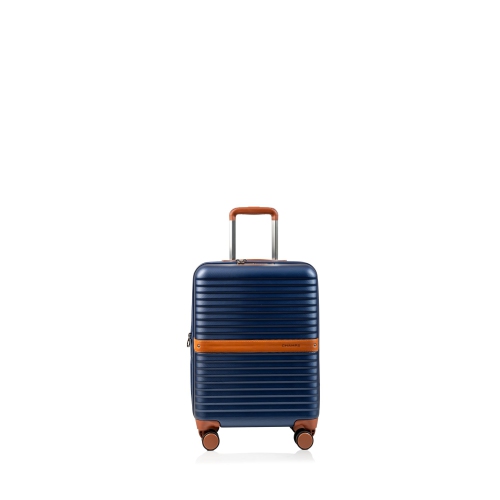
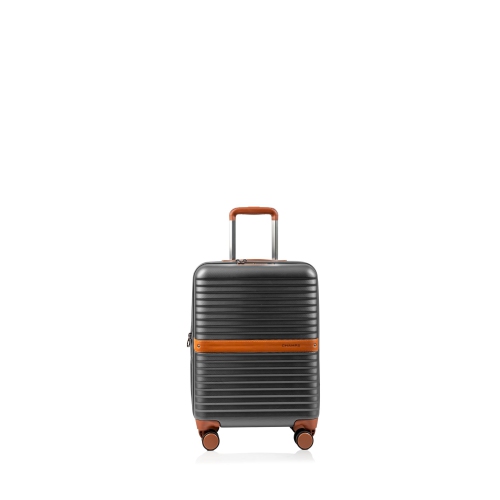
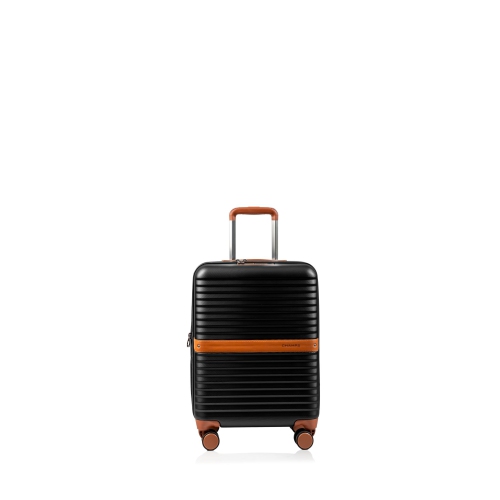
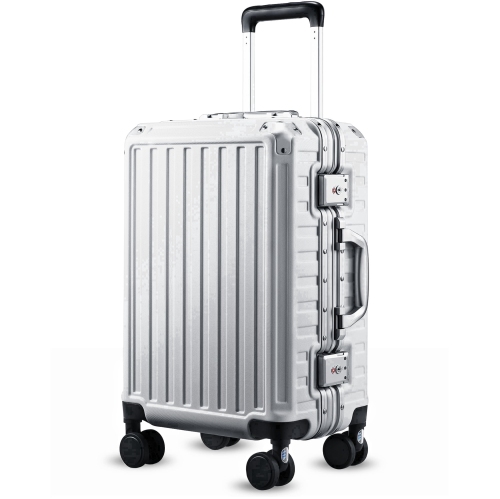
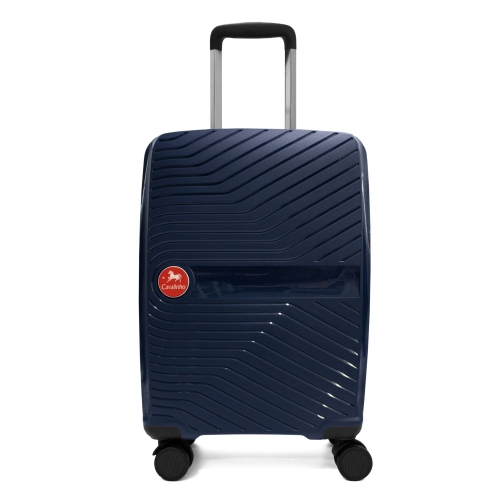
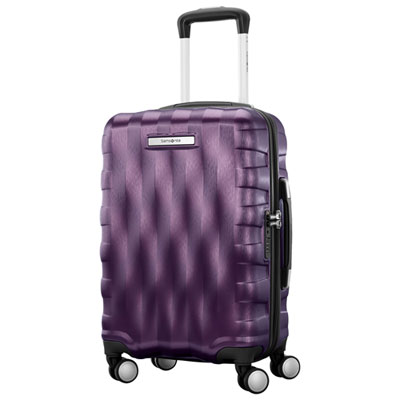
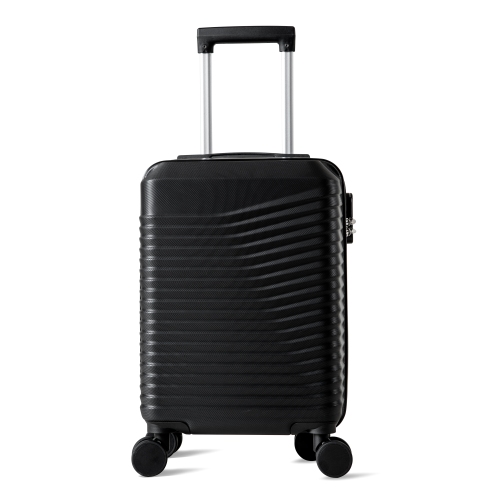

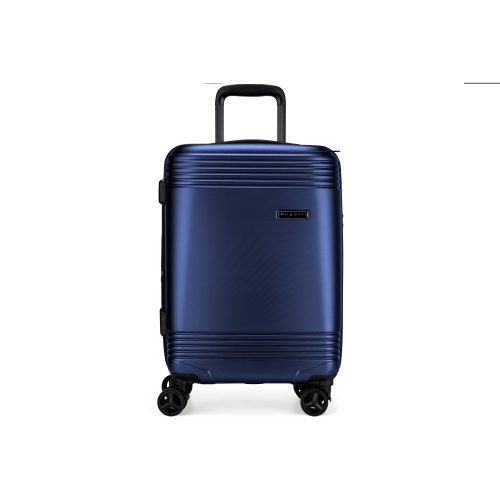
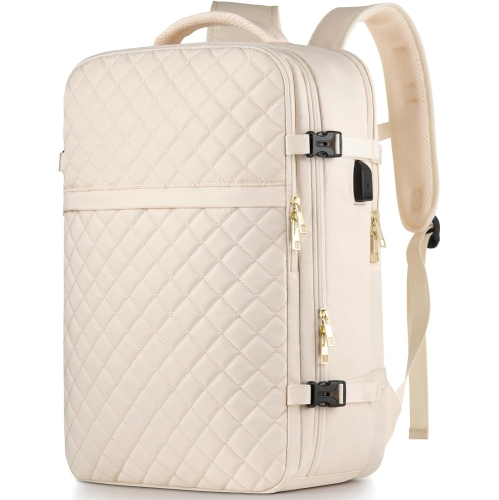
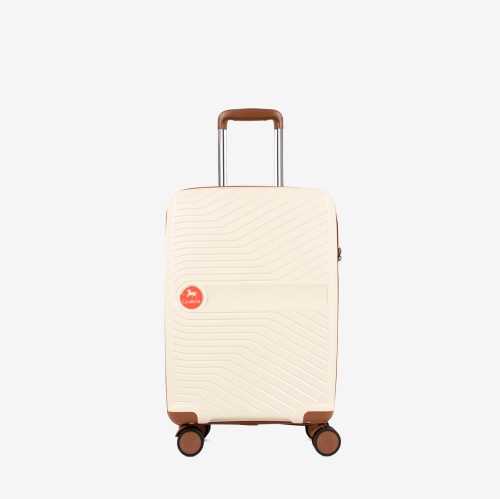
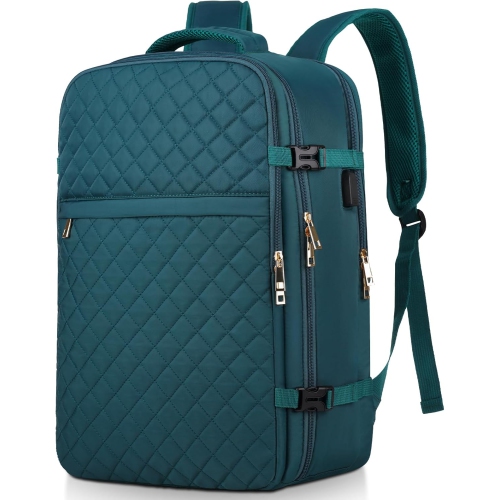
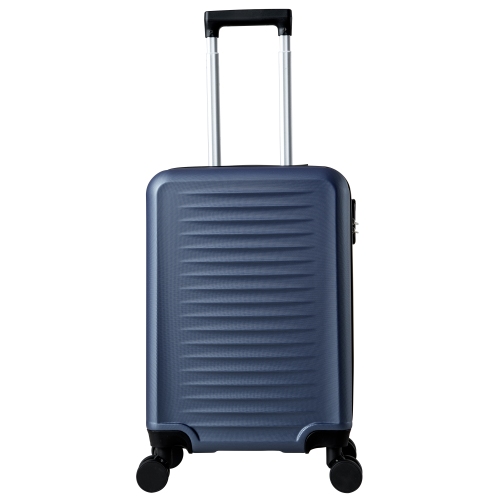
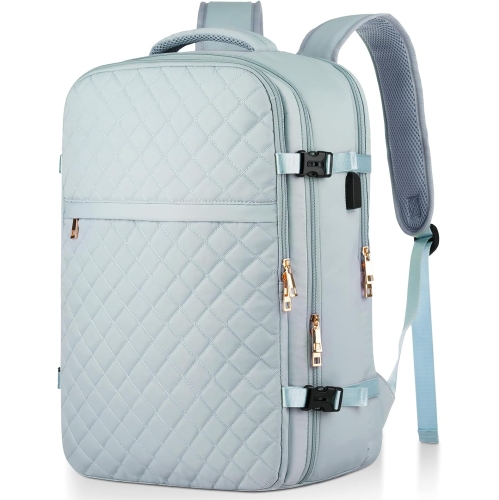
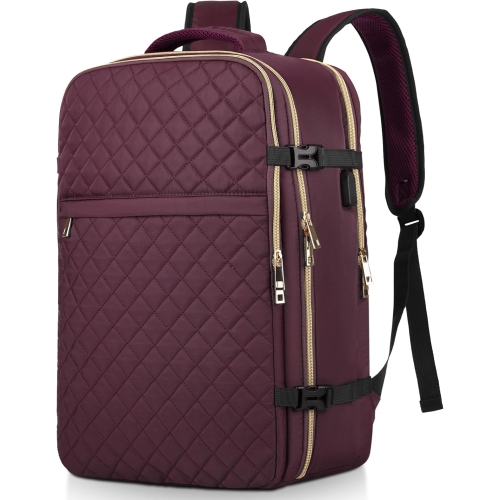
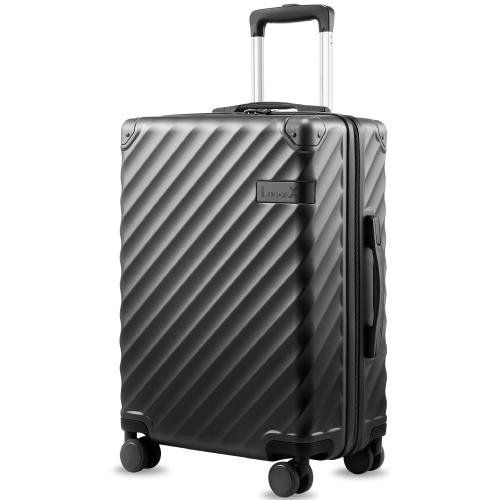
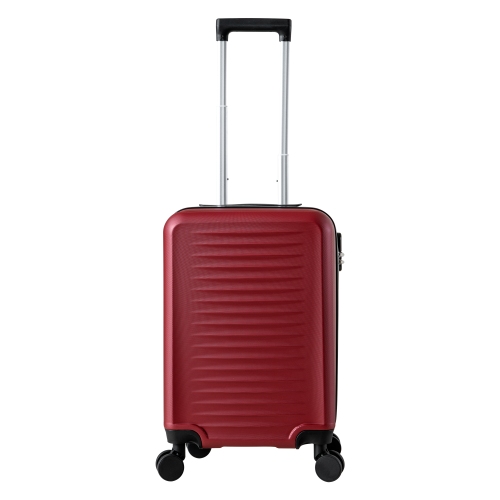
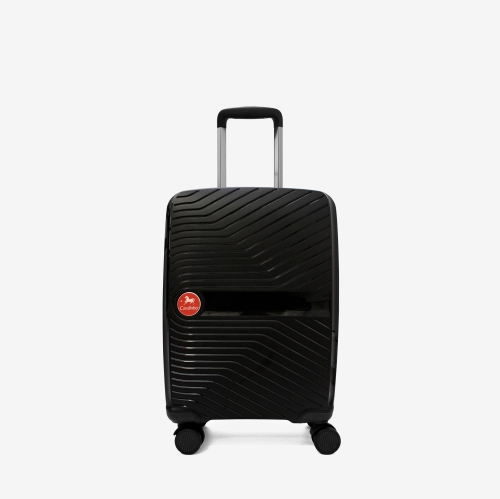
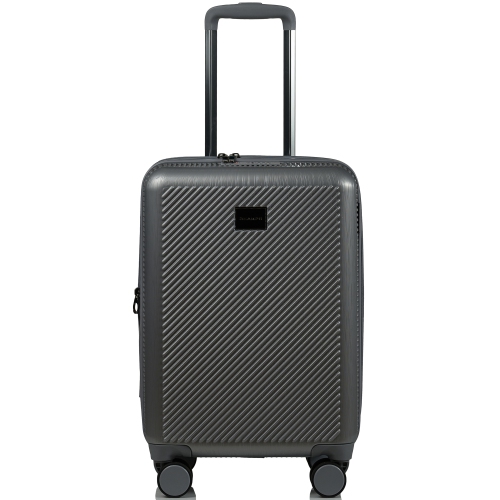
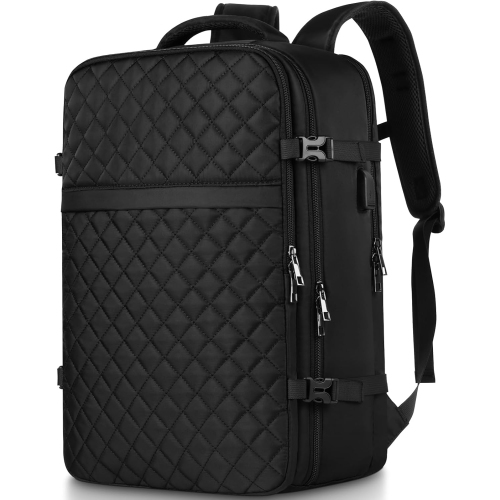

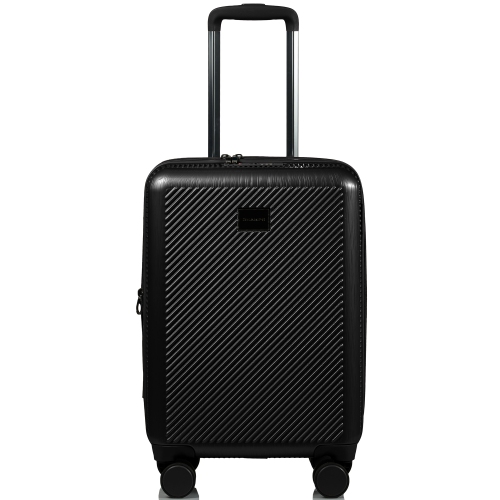
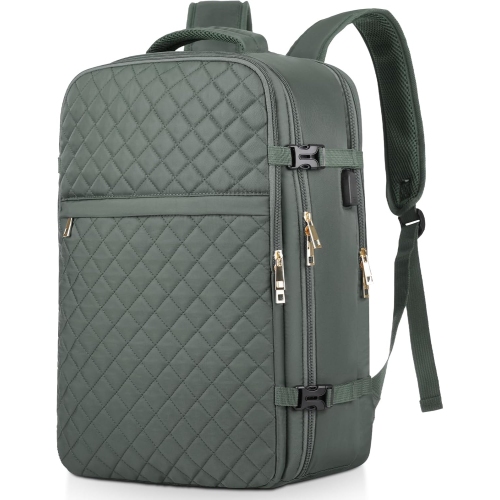

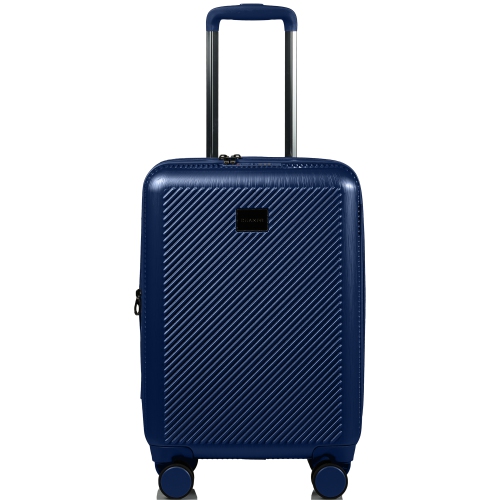
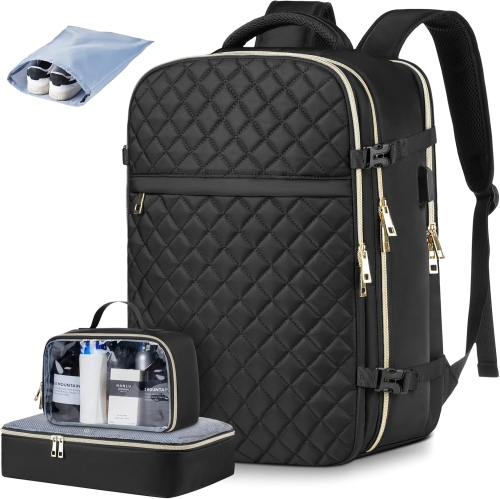
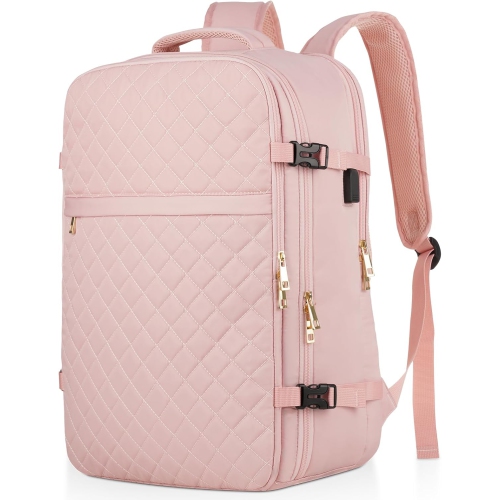
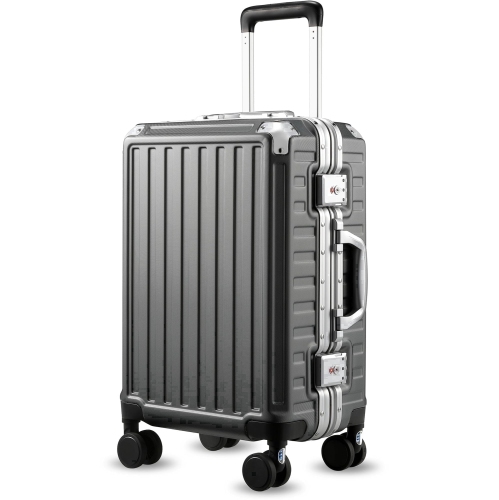
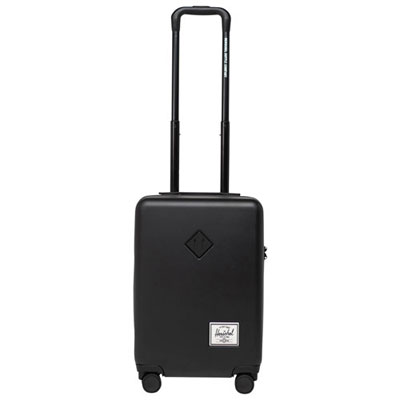
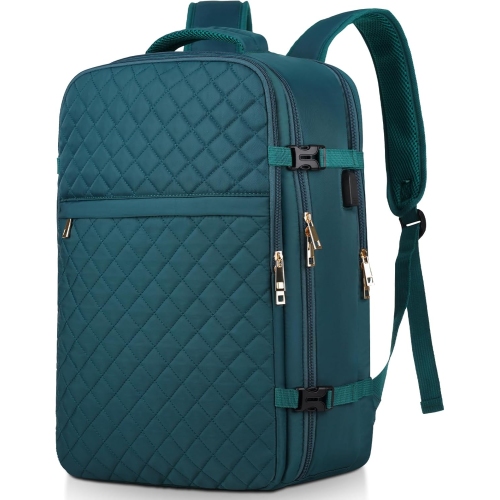
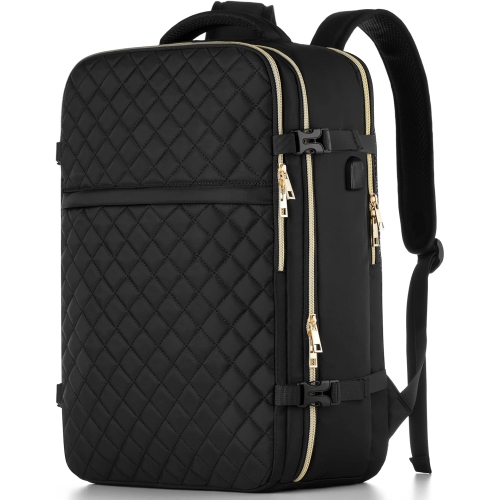



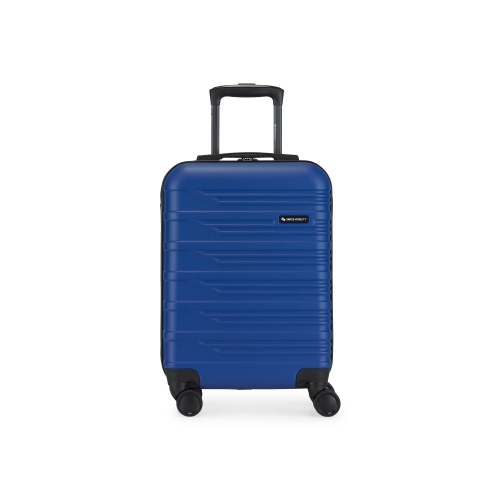
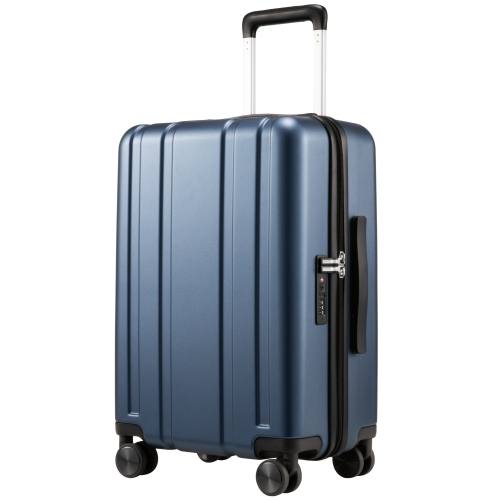
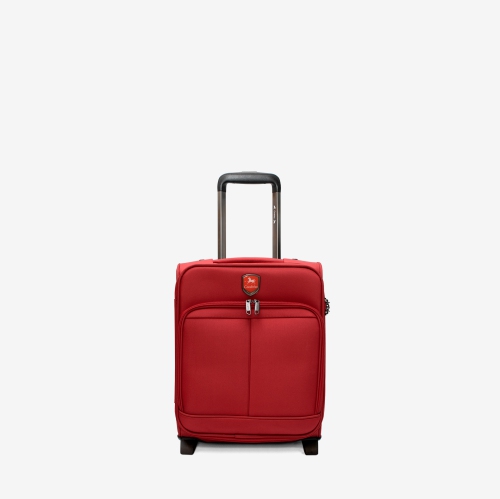
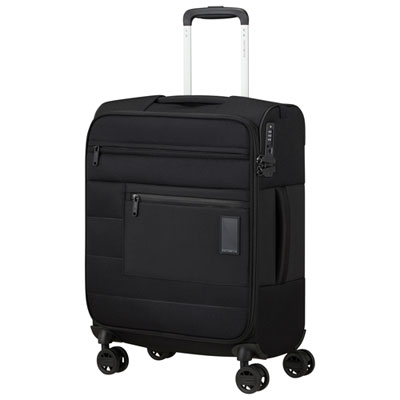
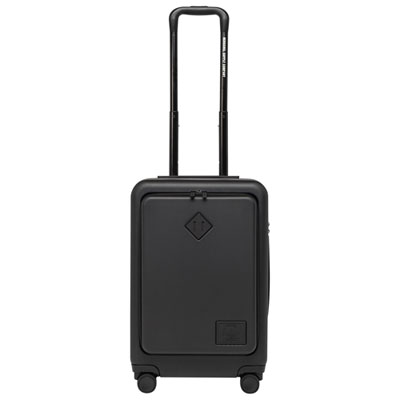

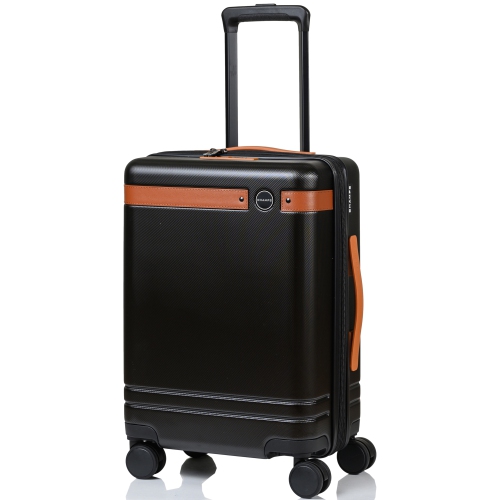
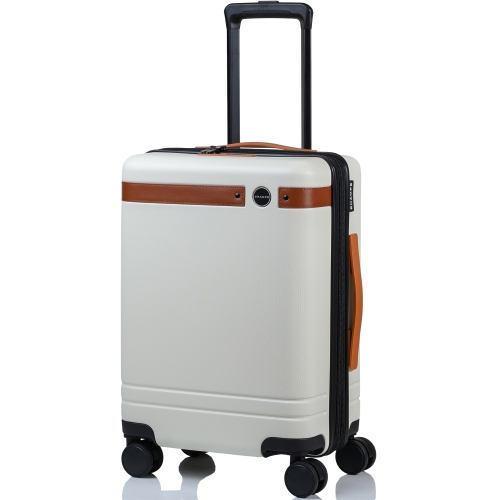
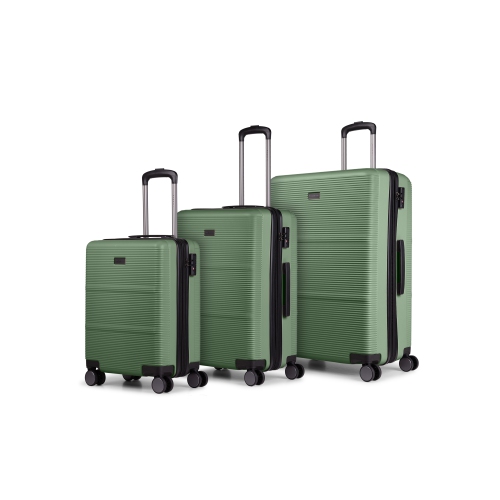
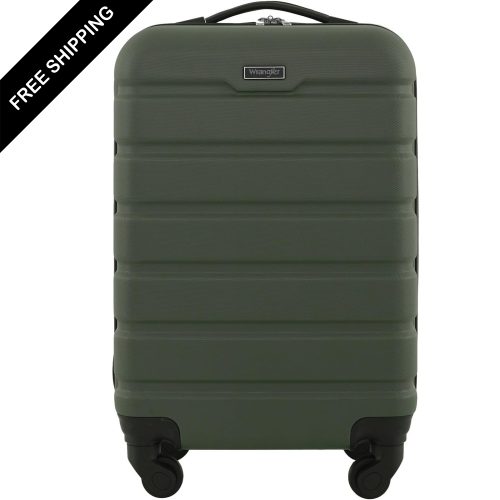
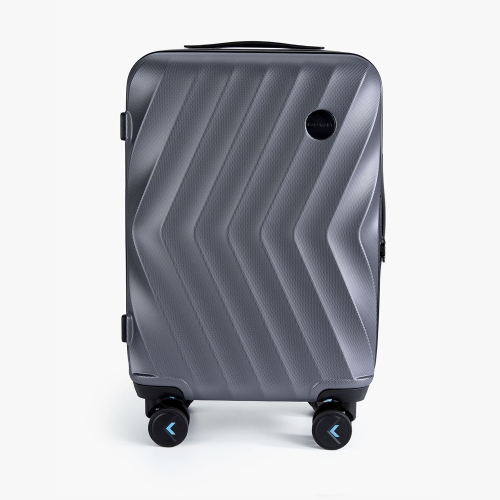
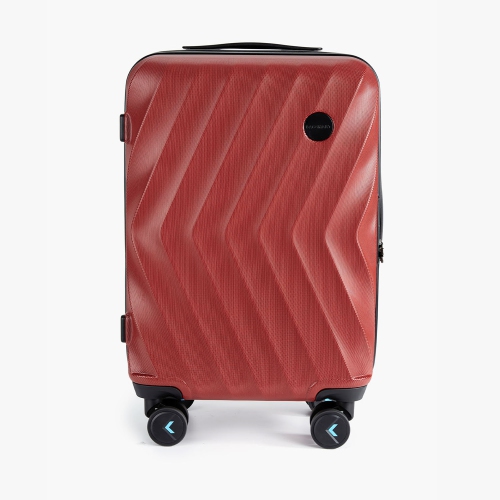
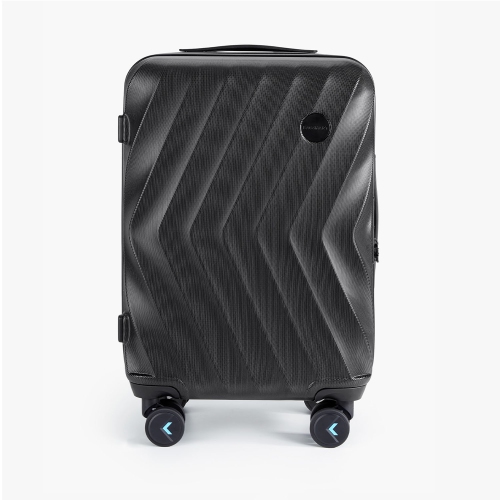
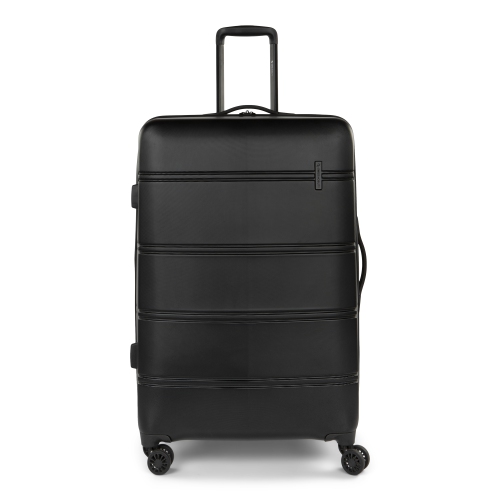

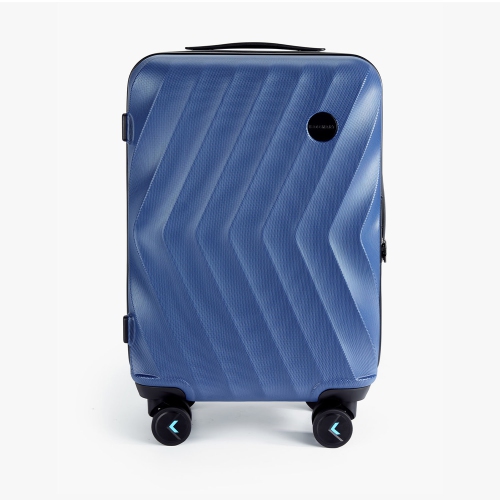
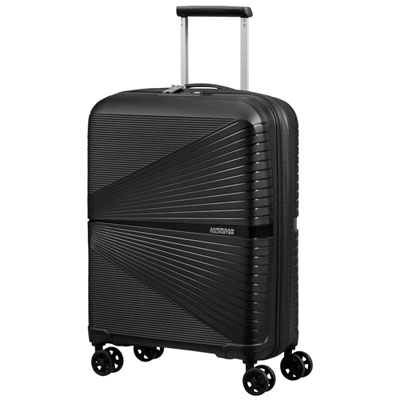
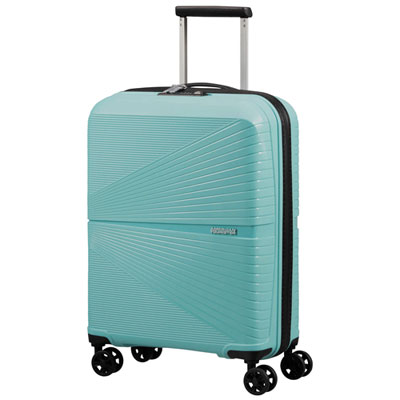
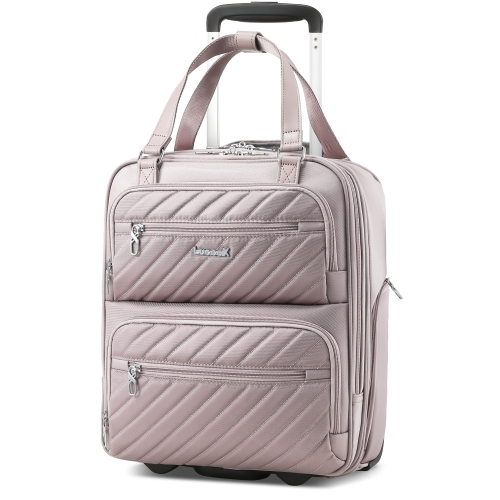
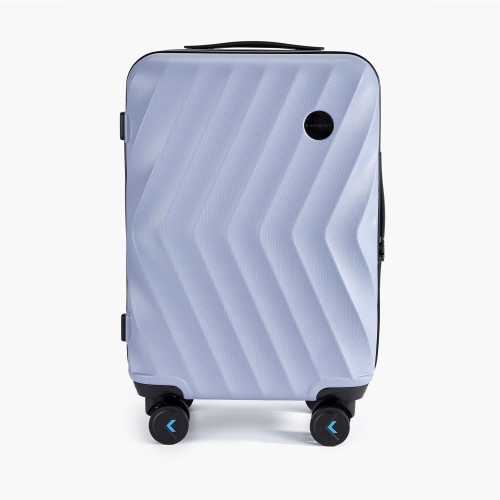

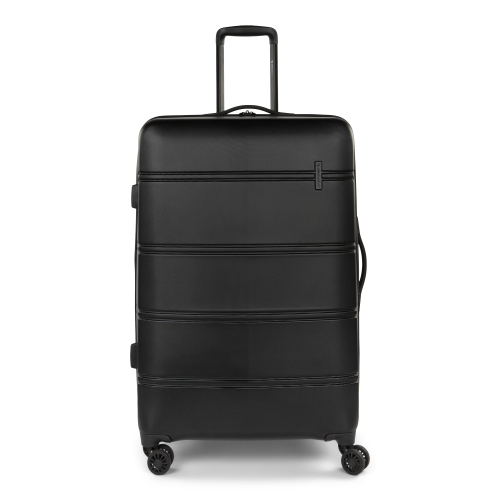
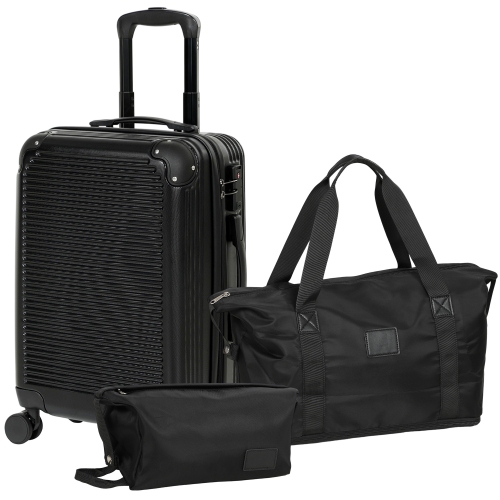

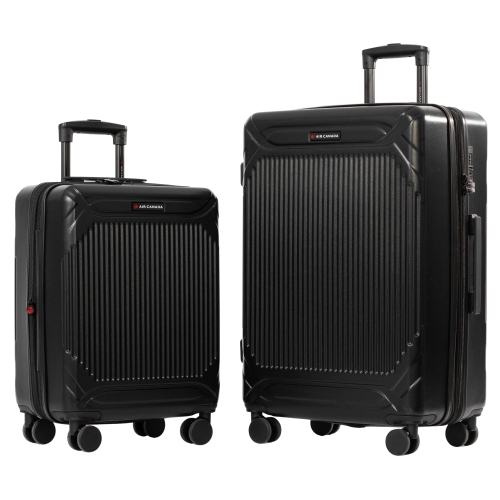
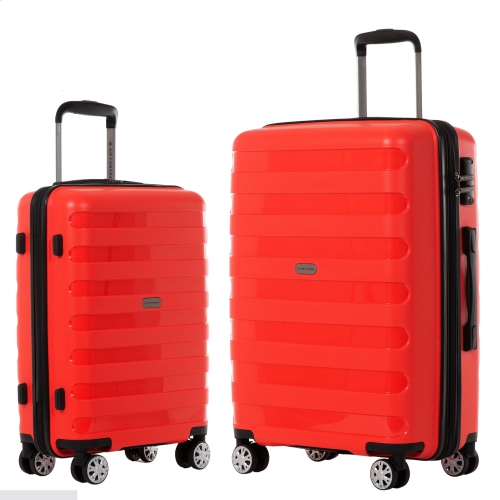
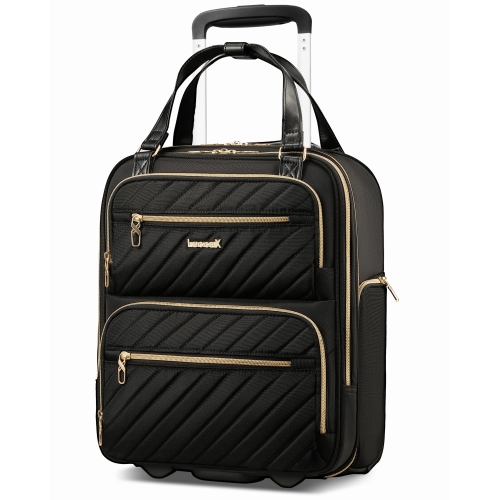
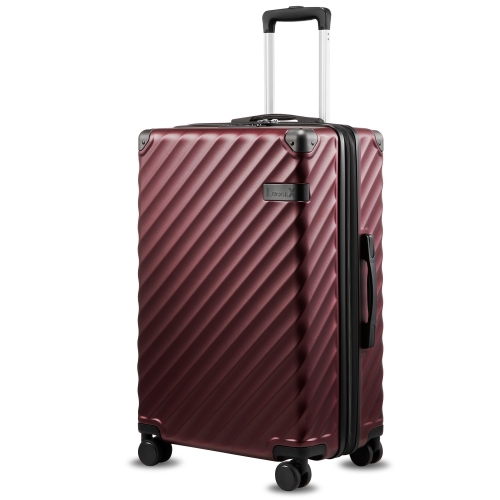
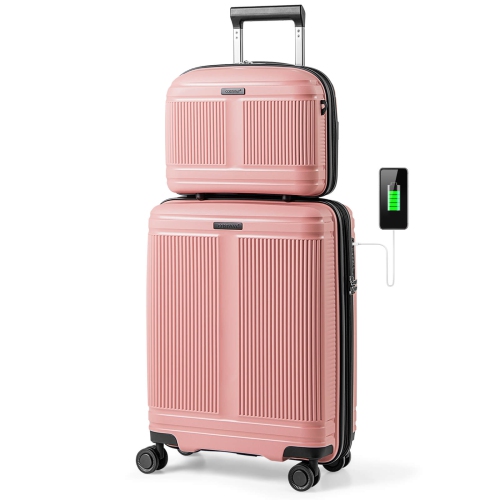

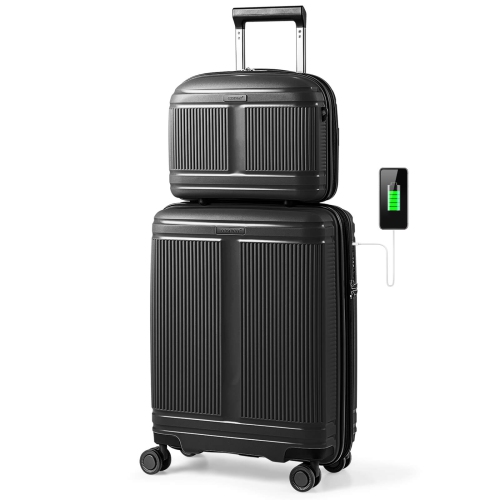
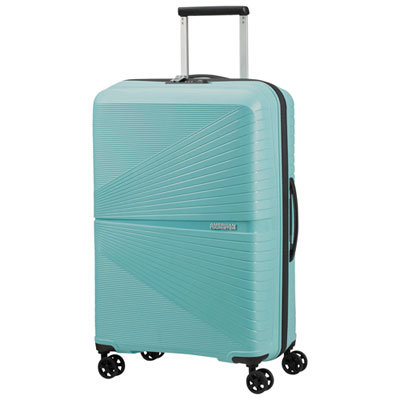
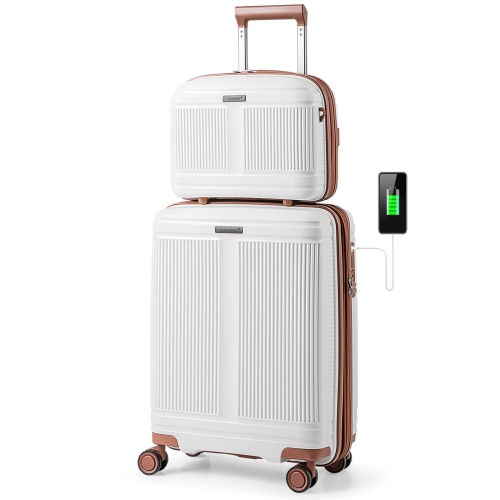

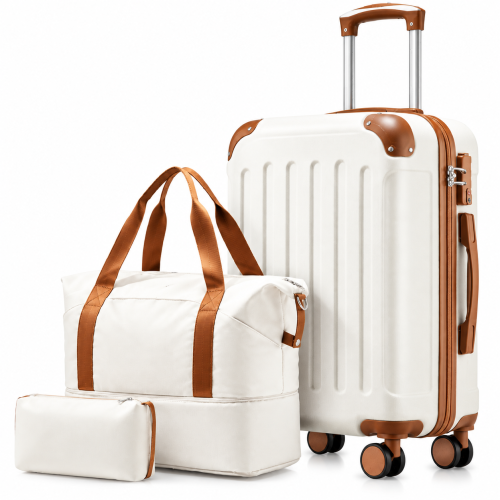
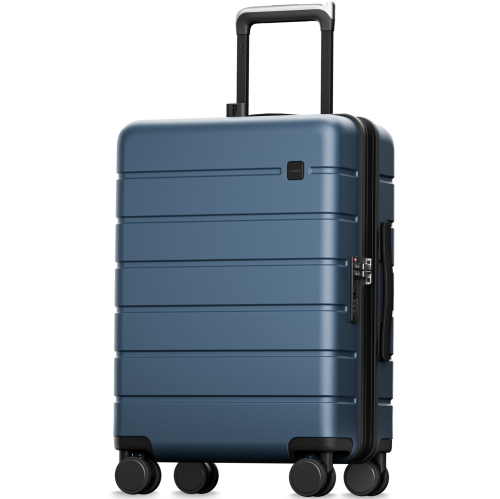

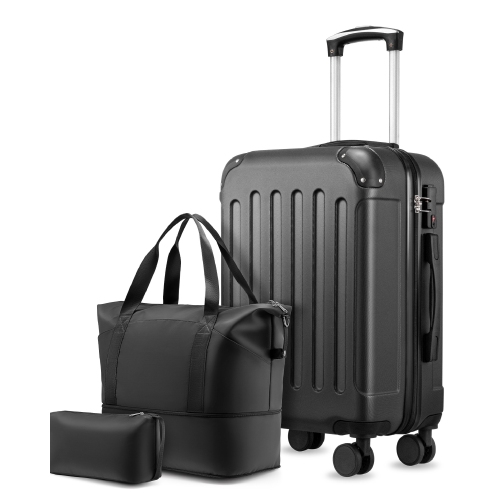
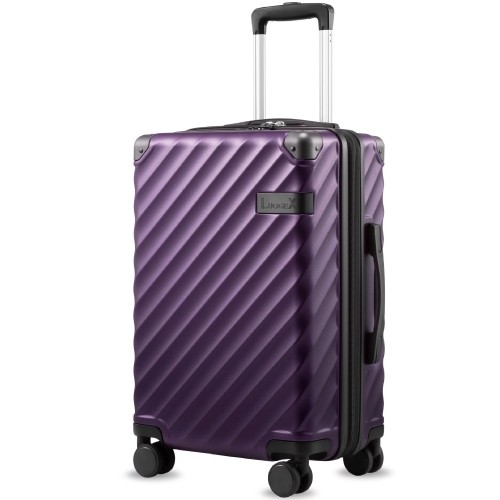

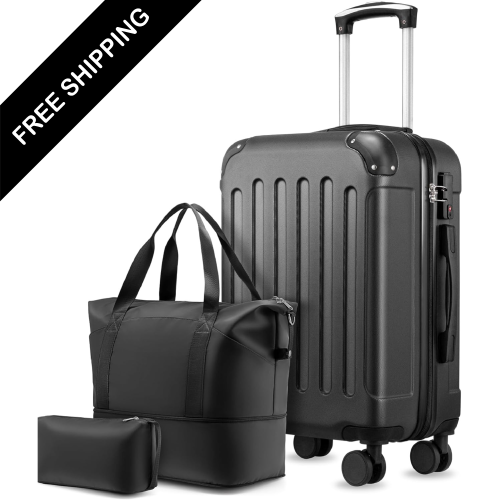


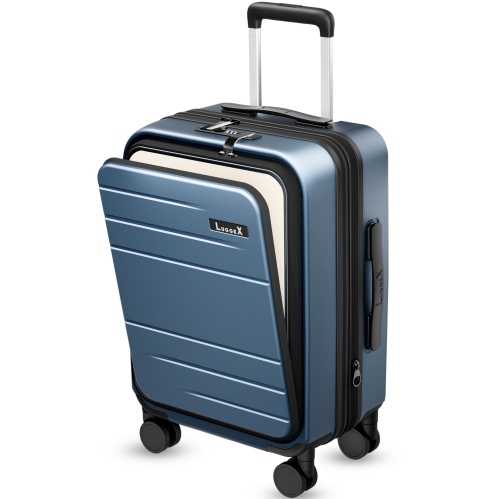

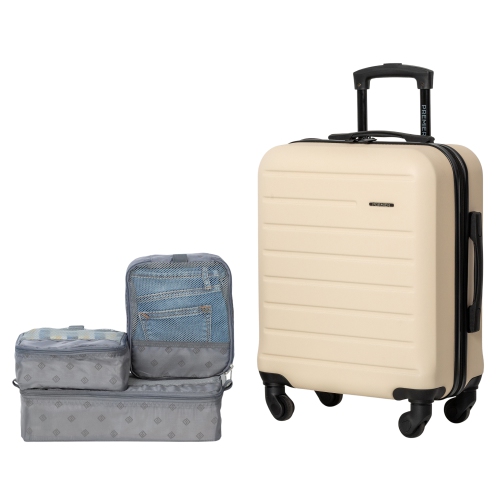

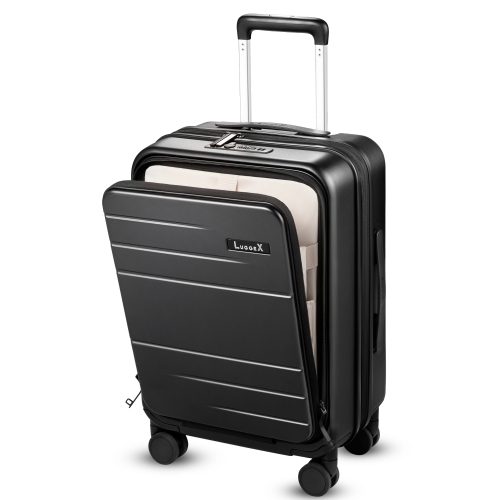



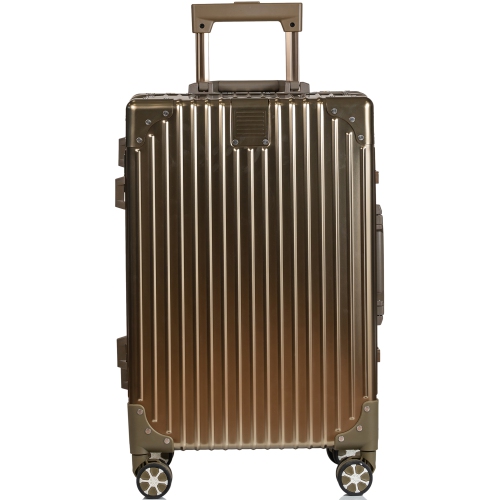


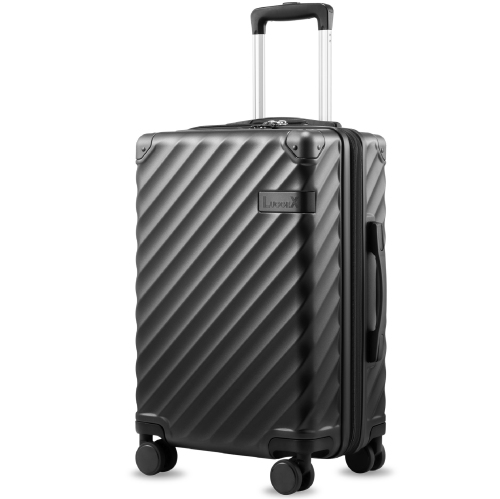

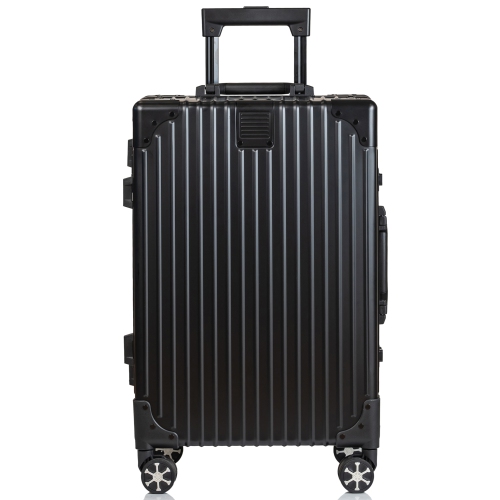
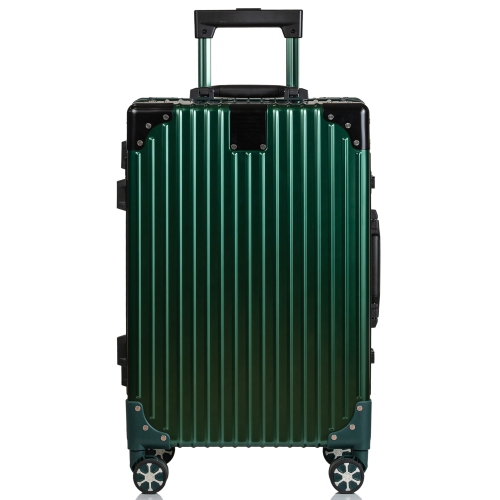
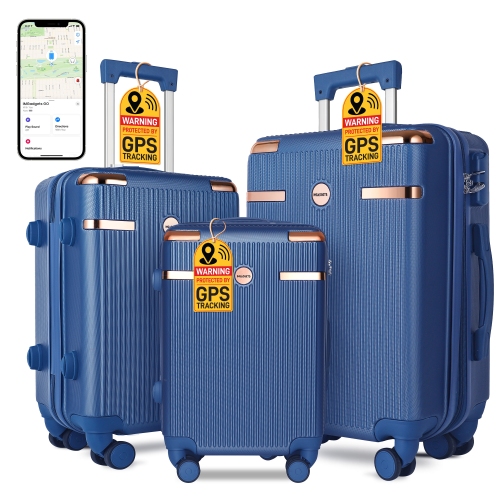

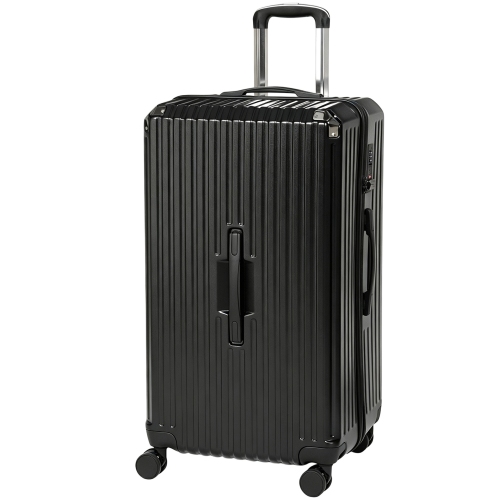


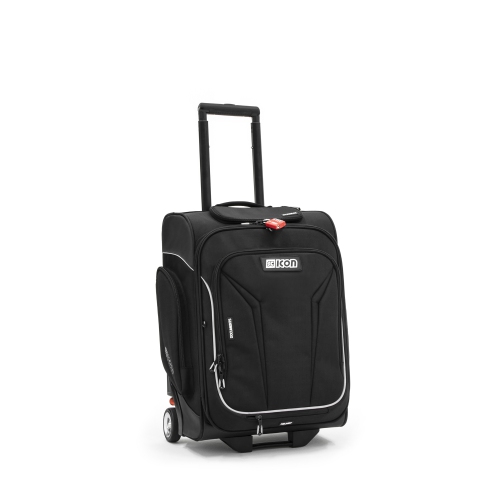
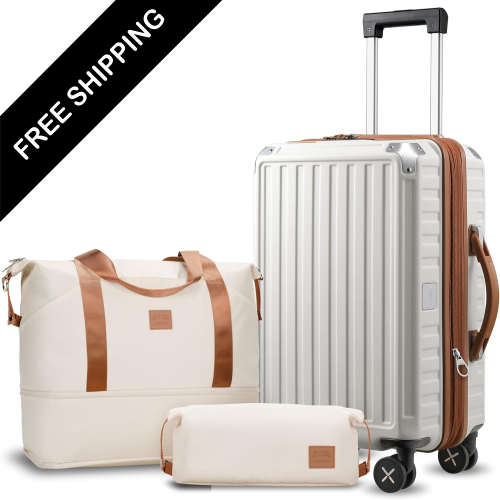


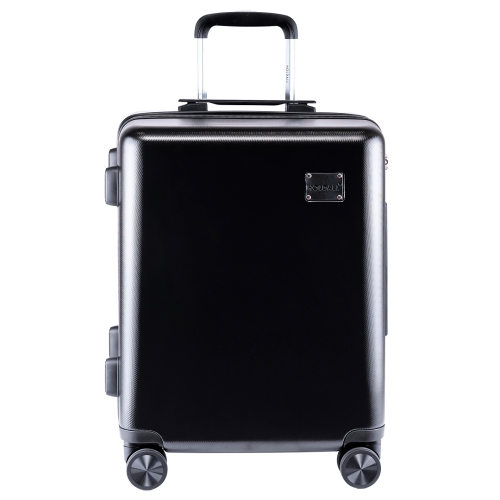

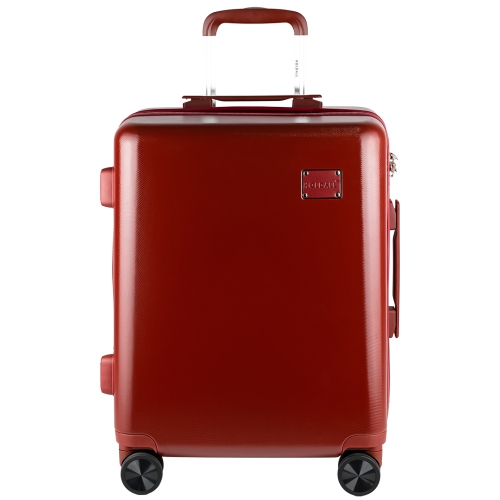


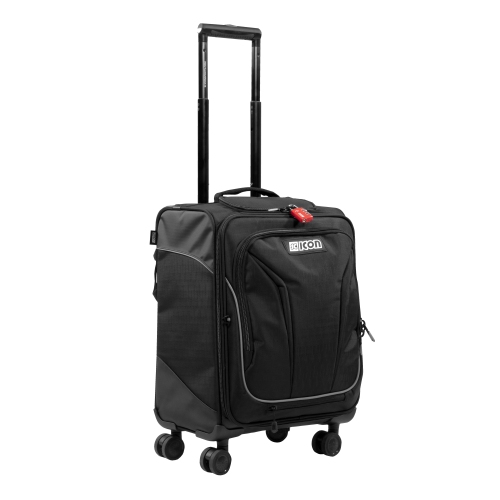

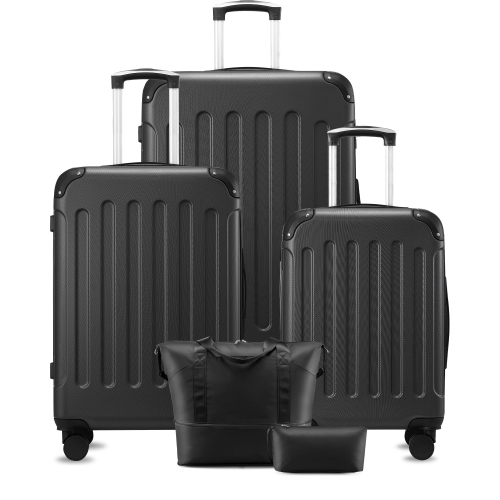

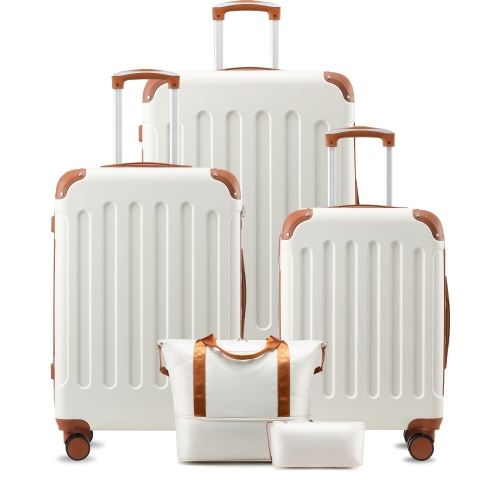


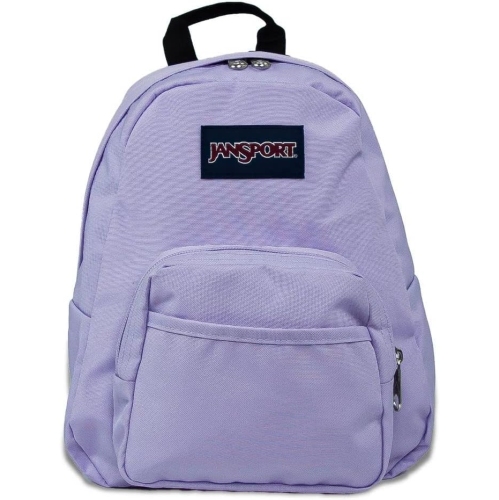


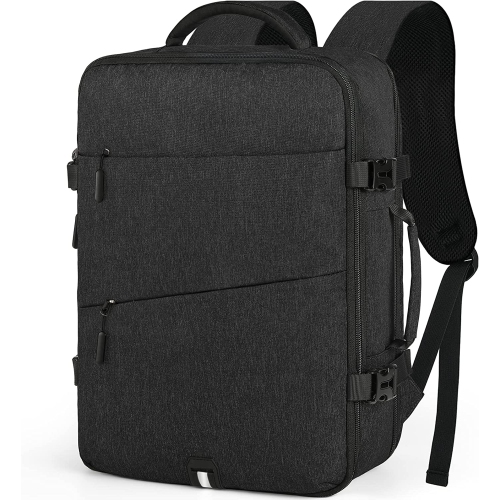
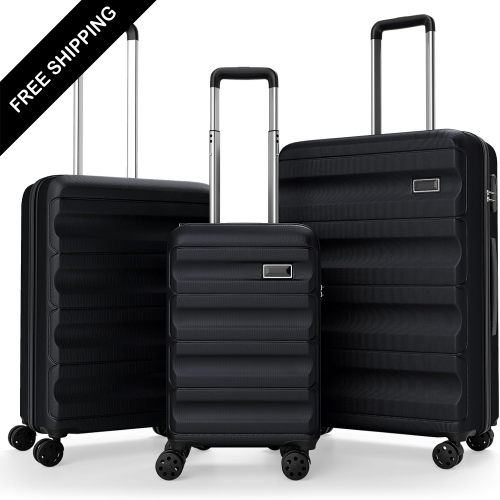
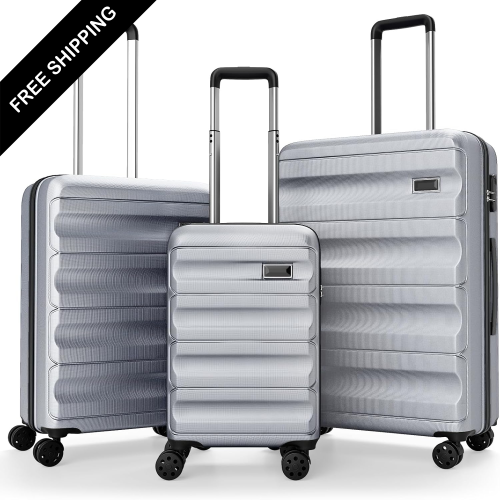
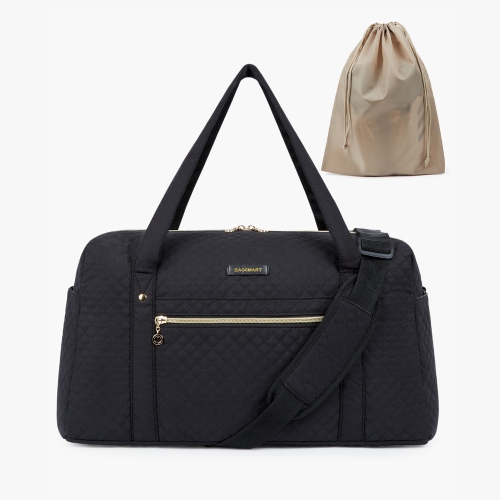
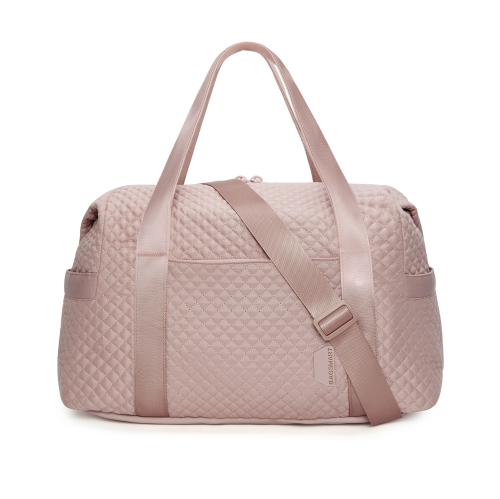
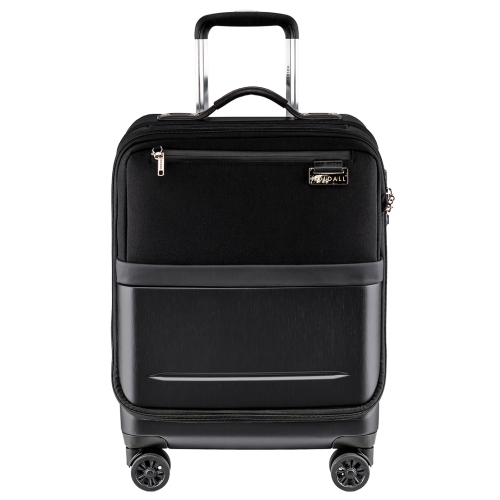
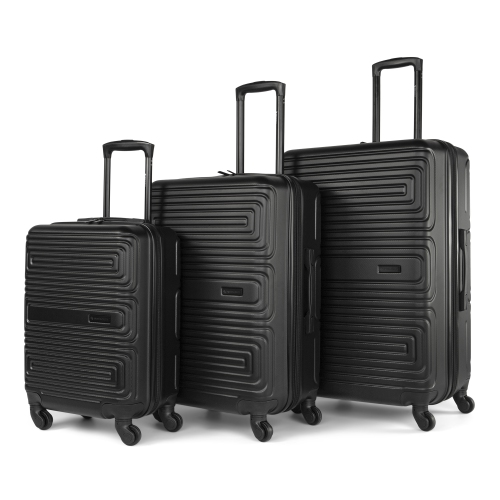

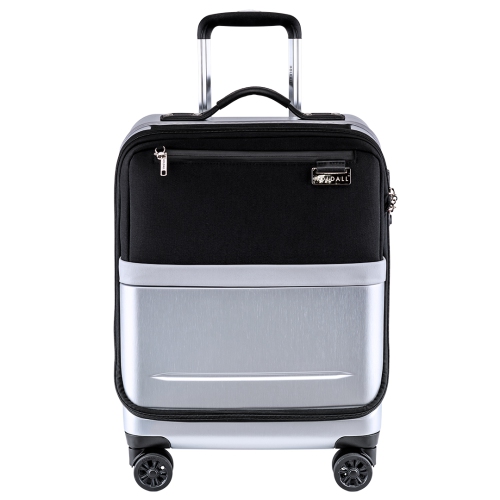


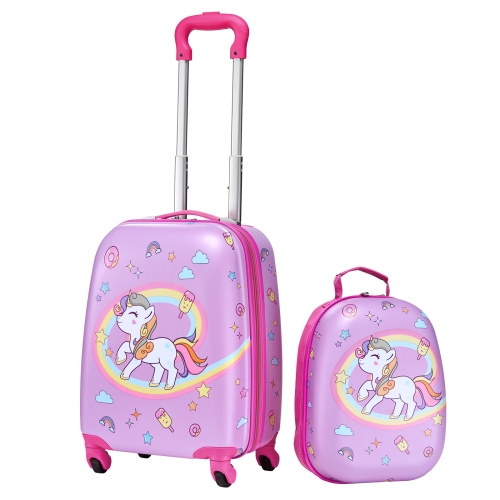

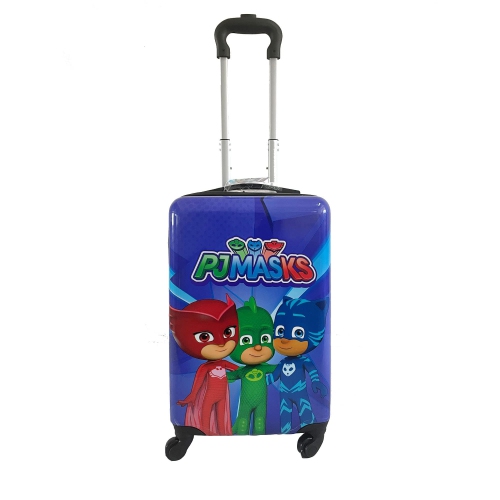
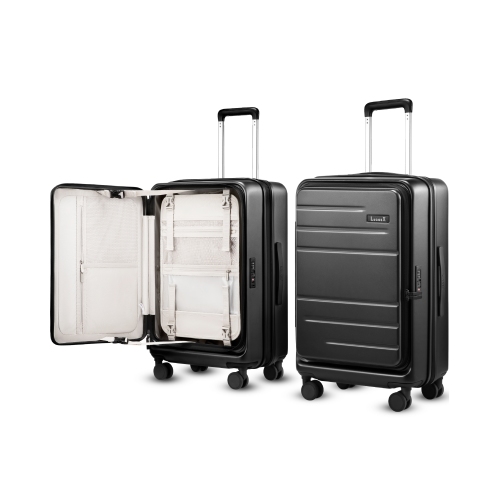

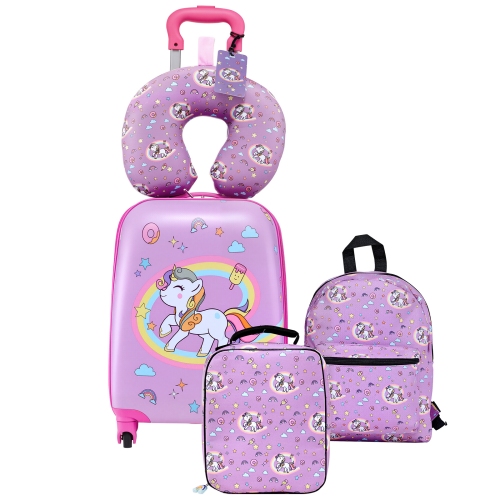
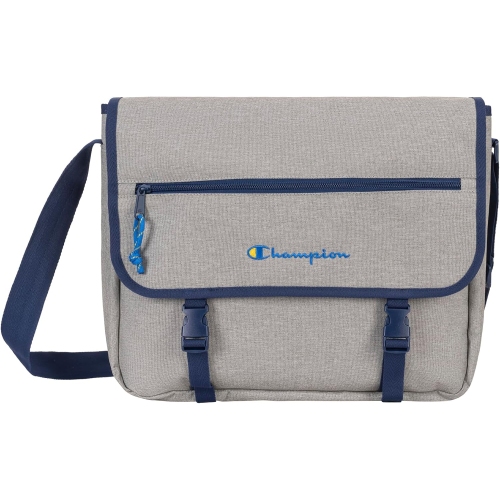
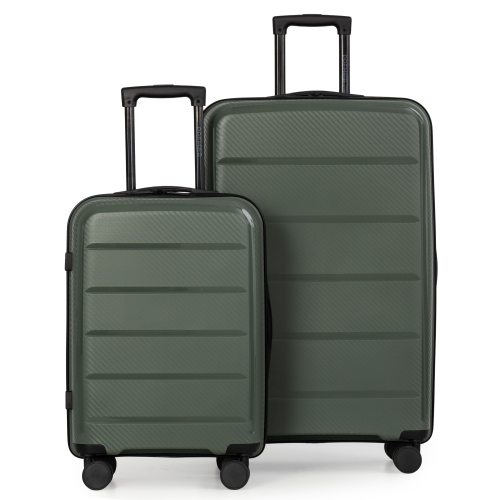
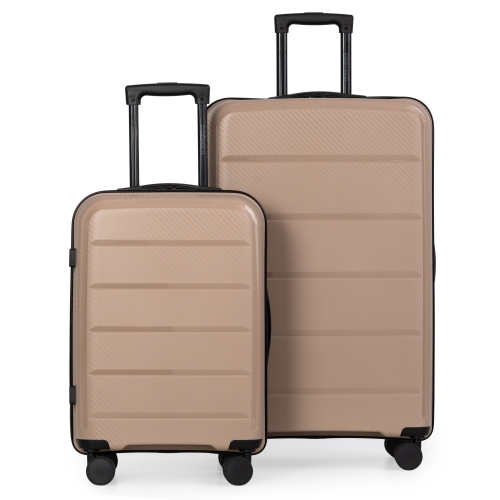
Underseat space matters more than a bag’s label
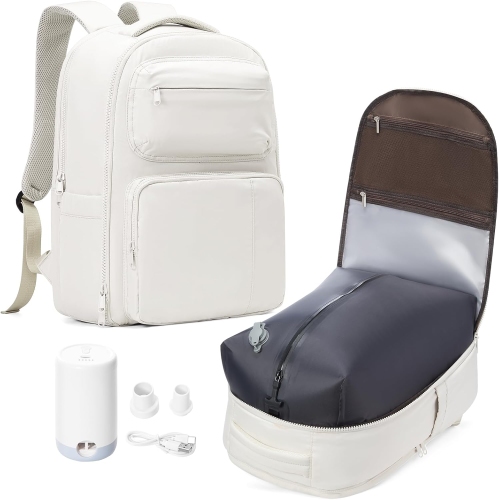
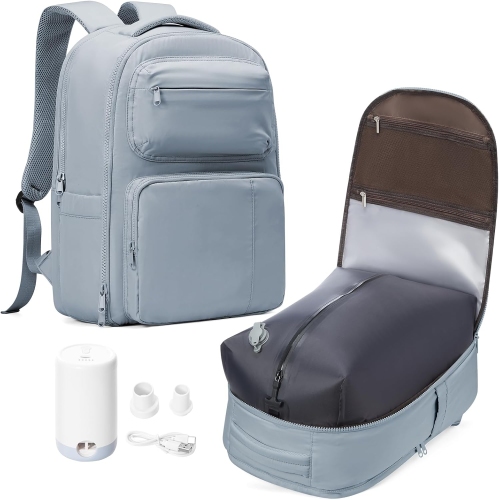
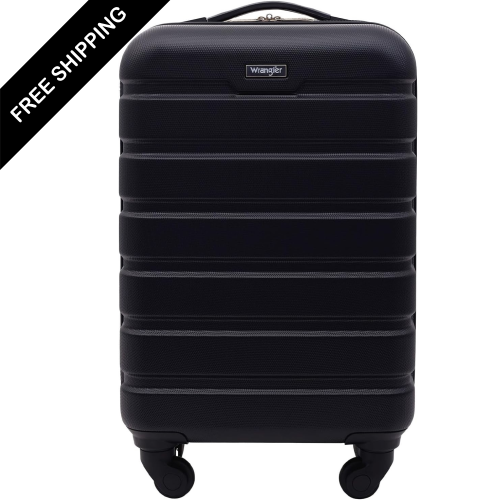
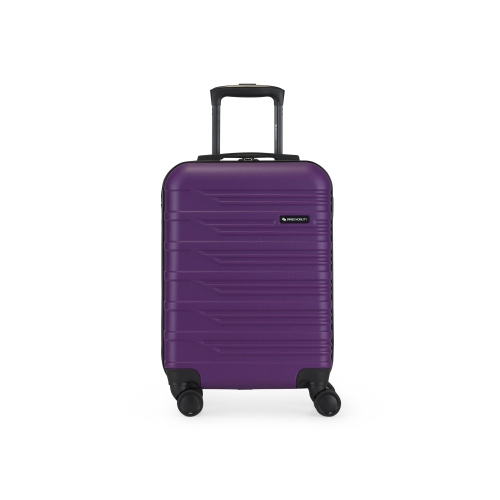
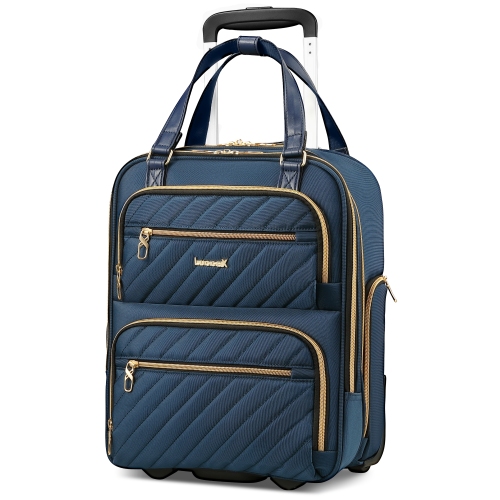
Personal item luggage is a small travel bag intended to fit beneath the aircraft seat in front of you, keeping essentials close at hand throughout a flight. Unlike a larger carry-on bag that goes in an overhead compartment, a personal item needs to work within a shallower, more confined space. Common styles include compact backpacks, travel totes, laptop bags, small duffels, and some underseat rolling bags. Whether a bag qualifies depends on its packed dimensions and the airline’s rules, not simply whether it is described as “personal item” or “underseat” luggage. Size allowances can vary by airline, fare, and itinerary, and the space beneath a seat can be affected by aircraft equipment or seat position. Check the applicable baggage policy before travelling, and compare each permitted measurement with the bag’s full exterior dimensions, including handles, wheels, and filled outer pockets. A soft-sided bag may offer some flexibility, but overpacking can make it too deep to fit even when its listed measurements seem suitable. Expandable sections are useful once you reach your destination, though opening them may push a bag beyond the permitted size for the flight. For a short visit, personal item luggage can hold a carefully chosen change of clothes, toiletries, and daily essentials without the bulk of a larger case. On a longer trip, it can complement a suitcase by keeping travel documents, medication, electronics, and an extra layer within reach. A wide opening helps when retrieving a charger in a narrow row, while a secure document pocket can make airport transitions less awkward. The most useful capacity is not necessarily the largest: a bag that holds what you need without bulging is easier to carry through a terminal, place under a seat, and use after landing. Leaving a little room also makes it simpler to put away a scarf or light jacket before boarding without rearranging everything at the gate.
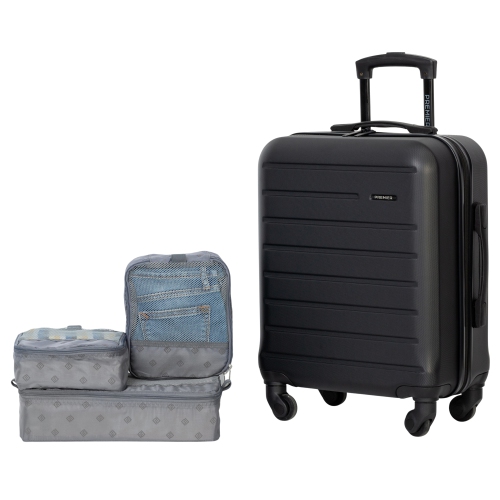
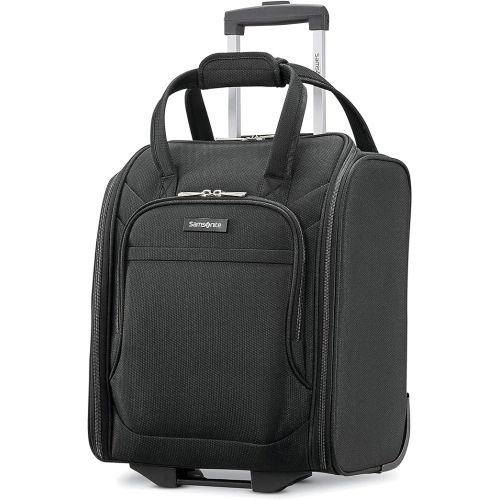
The shape and carrying style of personal item luggage influence how comfortably it fits into a travel day. A backpack leaves both hands free for boarding passes, handrails, or helping a child, and two adjustable shoulder straps can distribute weight more evenly than a single strap. Padded straps, a comfortable back panel, and a stable fit become especially useful when a connection involves a long walk between gates. A tote offers quick access through the top and can transition easily from a flight to an office or a weekend visit, although handle length matters when carrying it over a thicker coat. A compact duffel often provides an open interior for clothing and soft belongings, while a more structured laptop bag helps separate work essentials from the rest of the packing. Underseat rolling luggage can reduce the amount of weight carried on the shoulders, but its wheels and handle housing take up part of the permitted size and may reduce usable interior space. A sturdy grab handle is still important for stairs, boarding, and lifting the bag over a gap. For travellers pairing a personal item with a rolling suitcase, a rear pass-through sleeve can help secure the smaller bag over the suitcase handle; checking the sleeve’s width and placement helps avoid an unstable stack. Inside, thoughtful organization matters more than an abundance of pockets. A padded device compartment should match the laptop’s actual dimensions, including any protective case, rather than relying only on its advertised screen size. Separate sections for cables, reading glasses, and travel documents keep small belongings from settling beneath clothing. A clamshell opening makes packing and unpacking straightforward, whereas a top opening may be more convenient for reaching into a bag during the journey. Packing pouches and other Luggage Accessories can help group belongings, but they should leave enough space for the bag to close without straining its seams. Keeping heavier contents close to the back in a backpack, and frequently used essentials near an accessible opening, supports a more comfortable and practical arrangement.
Materials and construction help determine how personal item luggage handles repeated journeys, daily commuting, and the occasional damp pavement outside a terminal. Nylon and polyester fabrics are common choices for lightweight bags, with durability depending on the weave, fabric thickness, stitching, and reinforcement as well as the material itself. Water-resistant fabric can help with light splashes or brief exposure to drizzle, but it does not necessarily make the entire bag waterproof; moisture may still enter through zippers and seams. Coated surfaces can be easier to wipe clean, while canvas often has a more substantial feel and may add weight. Leather details can provide structure at handles or trim, though they require care appropriate to the finish. Reinforced attachment points are worth attention wherever straps and handles meet the body, since these areas bear much of the load when the bag is lifted. Smooth-running zippers, neatly finished seams, and a durable base also contribute to everyday reliability. A lightly structured design can keep belongings from shifting, while a softer bag may be easier to store in a small closet between trips. Care should follow the manufacturer’s directions: many travel bags are best spot-cleaned with a soft cloth and mild soap rather than soaked or machine-washed. Empty crumbs and grit from pockets, let damp fabric dry fully before storage, and avoid forcing zippers around an overfilled compartment. Those habits help protect both the bag and its contents. Beyond air travel, a compact personal item bag can suit train journeys, overnight stays, campus days, or a commute that includes a change of clothes. Parents may appreciate an easy-to-reach section for spare clothing, while business travellers may prefer a discreet profile and dedicated device storage. As a gift for a student, frequent visitor, or someone preparing for a first trip, this type of luggage is most useful when its carrying style and organization match the recipient’s routine. A comfortable fit, manageable empty weight, and practical layout give it a role well beyond the flight itself.
Top selling and popular products
-
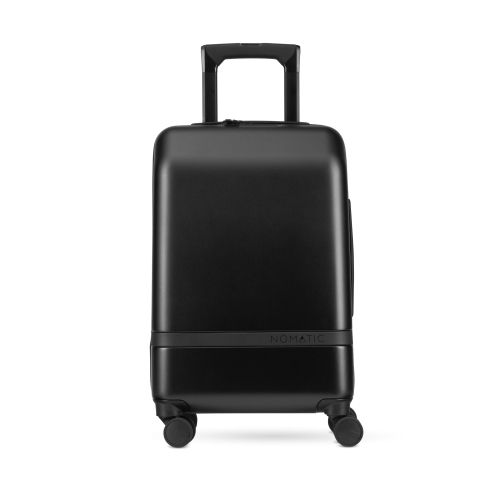 Your price for this item is $559.99
-
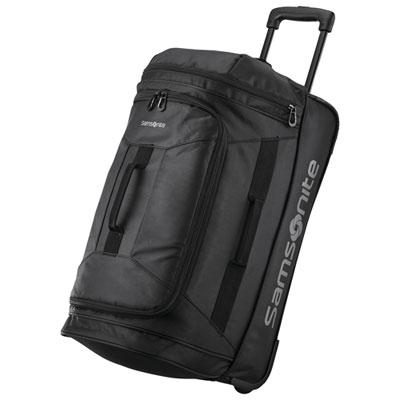 Your price for this item is $109.99
-
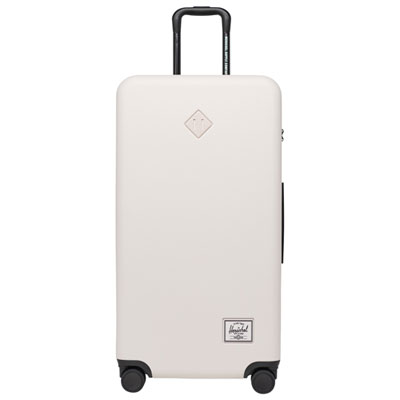 Your price for this item is $343.99
-
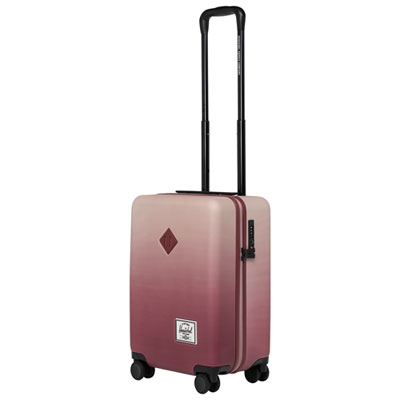 Your price for this item is $199.99
-
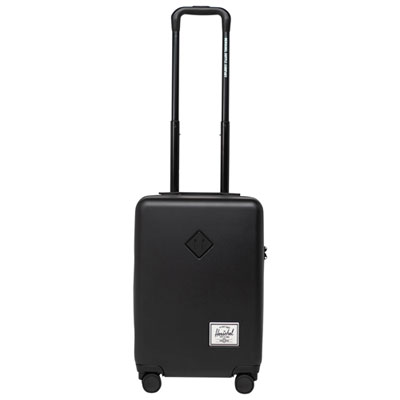 Your price for this item is $197.99
-
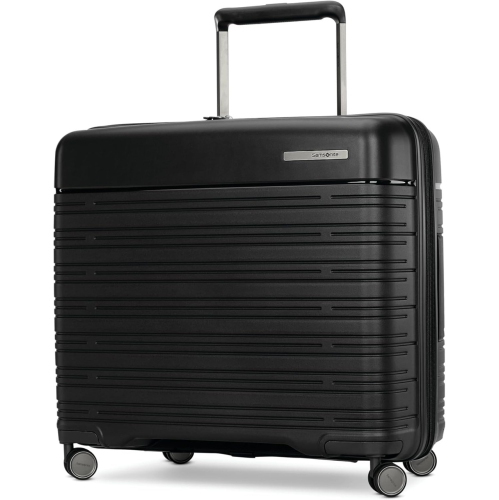 Your price for this item is $399.99
-
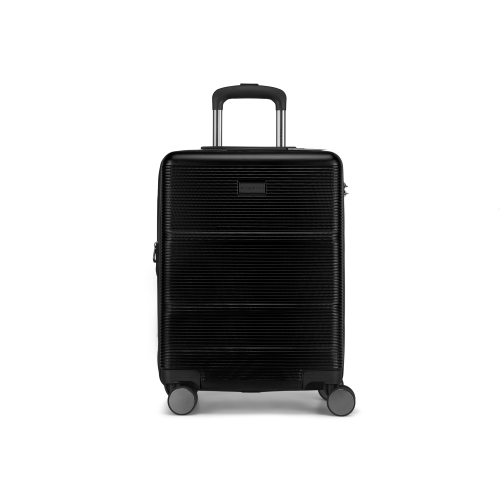 Your price for this item is $89.99
-
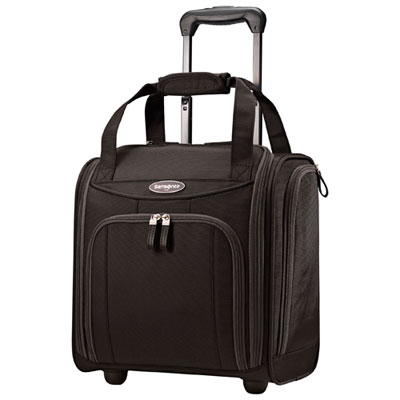 Your price for this item is $154.99
Discover more categories related to Personal Item Luggage
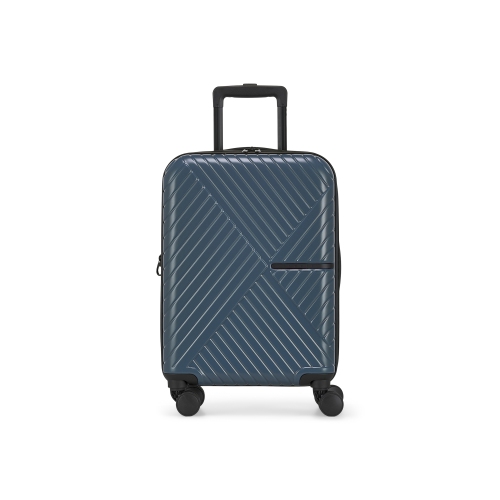
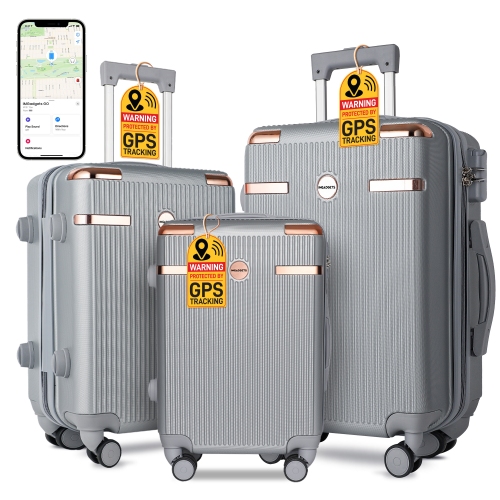
Top Collections:
Pokemon Centers, Best Budget Office Chairs, Kindle Devices, Best Cameras for Sports Photography, Pokémon 30th Celebration Cards, Best Laptops for Writers, Canon G7X Cameras, iPhone 15 Apple, Best Cell Phones Under $300, Apple iPhones 16
Some products may be subject to Environmental Handling Fees
(EHF) depending on your province.
Learn more about EHFs.