Preschool Backpacks
Find the perfect preschool backpack to accompany your little one on their daily adventures. Our selection features a variety of sizes, styles, and colors to suit every personality. From durable materials to fun designs, these backpacks are specially designed with preschoolers in mind, offering comfort and functionality for their school essentials. Whether they're heading to daycare, preschool, or a playdate, these backpacks are sure to become their favorite accessory.
Sort
![DISNEY Princess Kids Backpacking Backpack 11 Inch School Bag With Pencil Case for Kids - [Pink]](https://multimedia.bbycastatic.ca/multimedia/products/500x500/145/14539/14539364.jpeg)
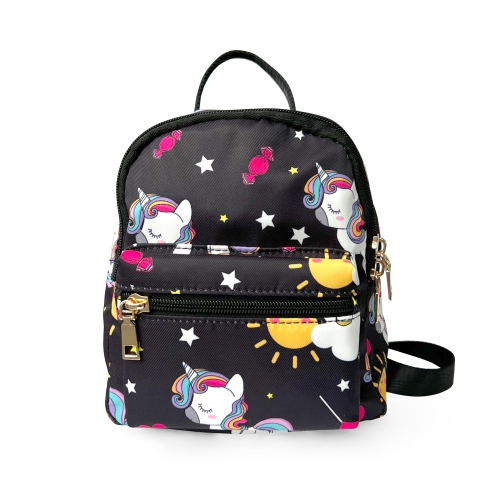
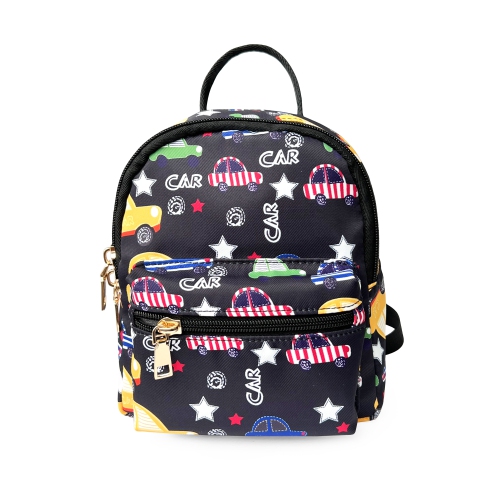
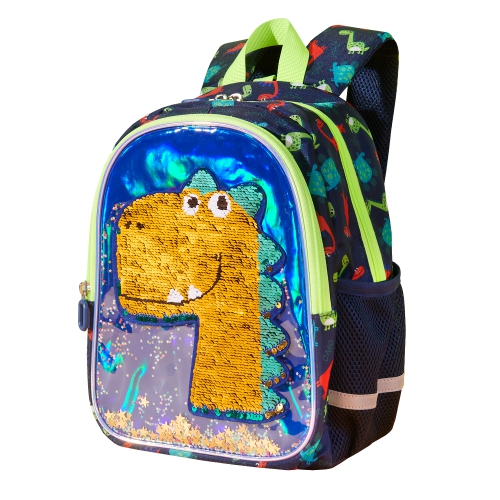
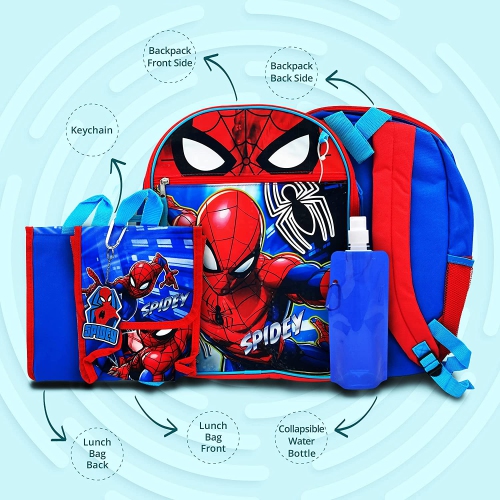
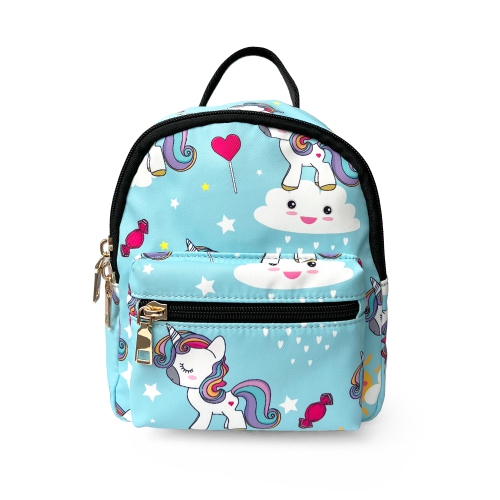
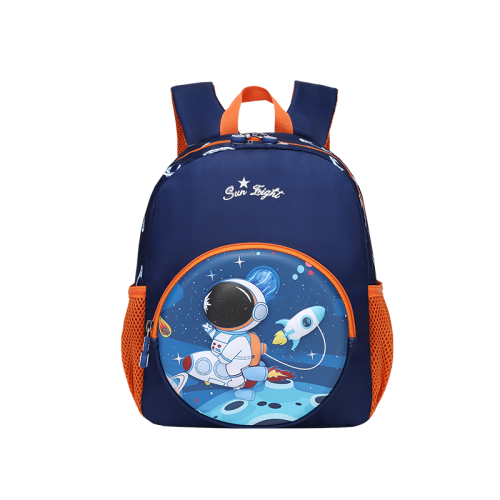
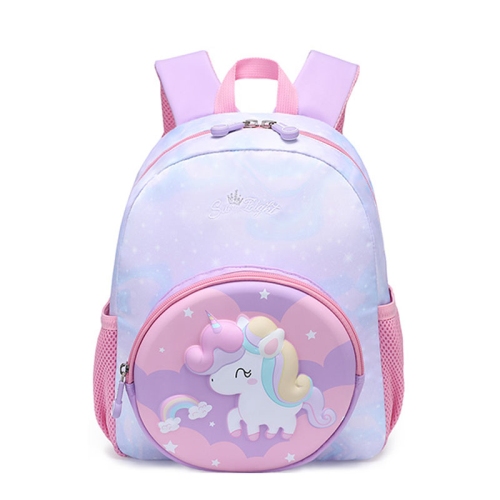
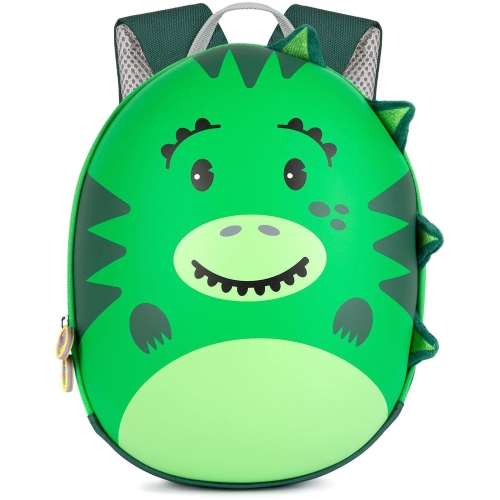
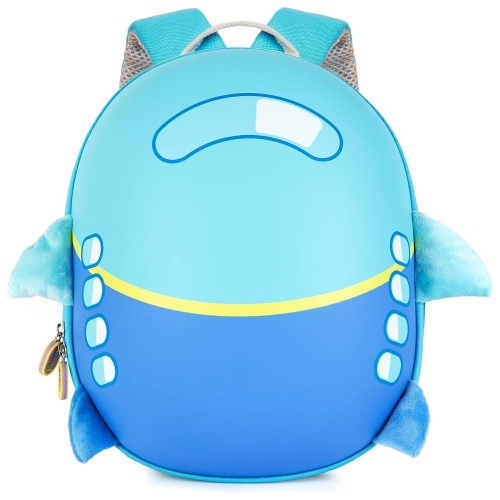
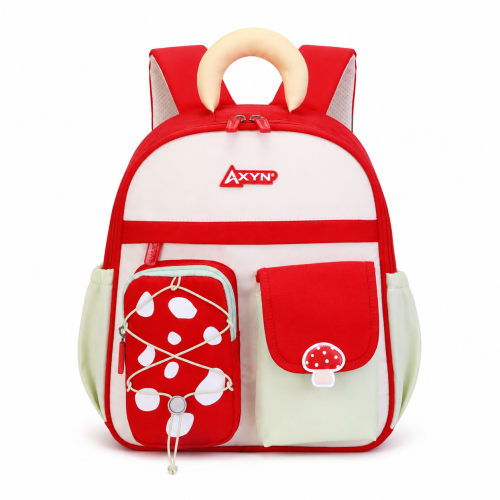
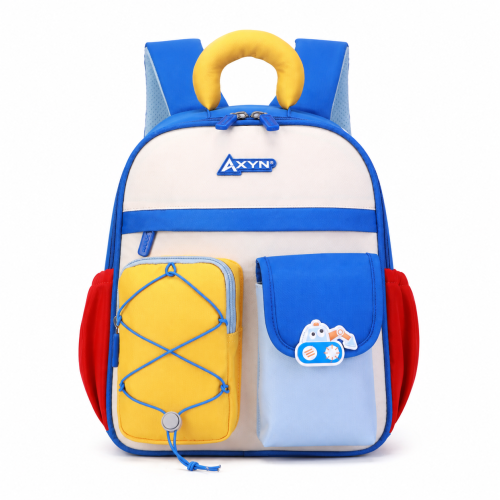
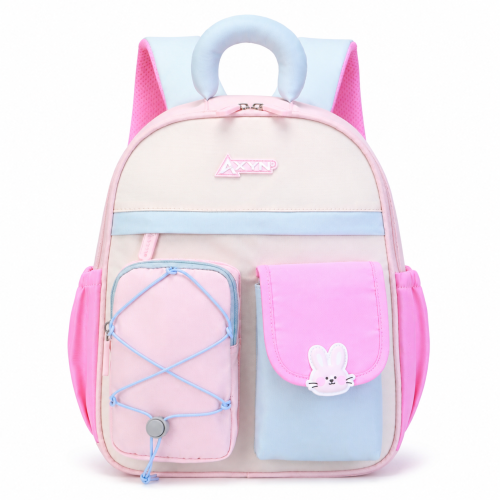
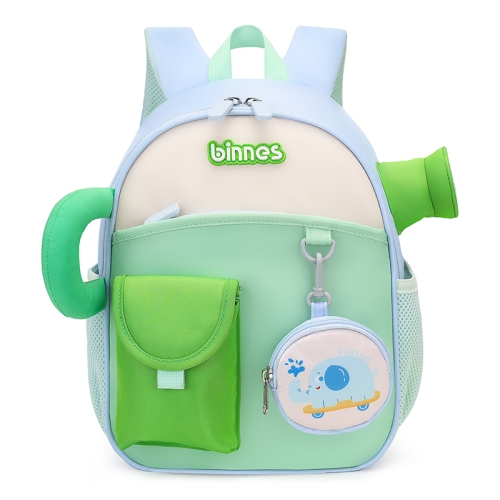
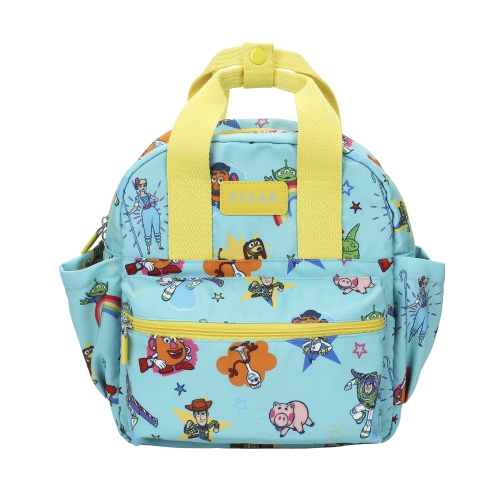
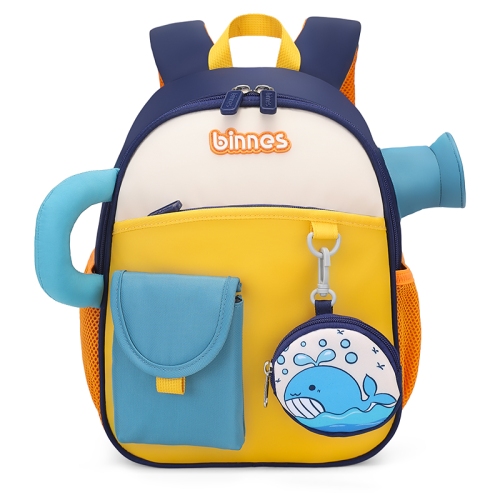
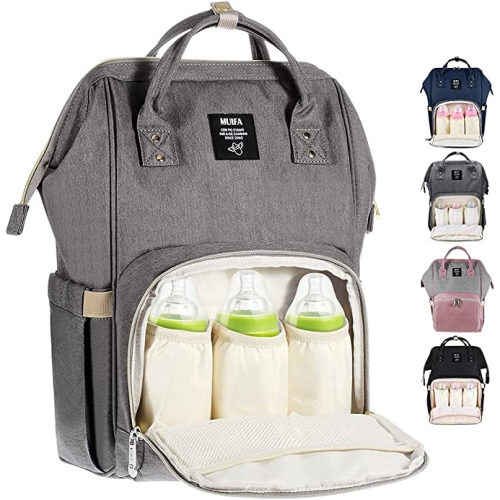
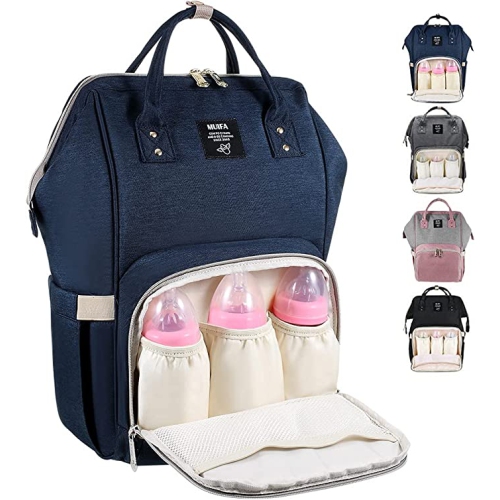
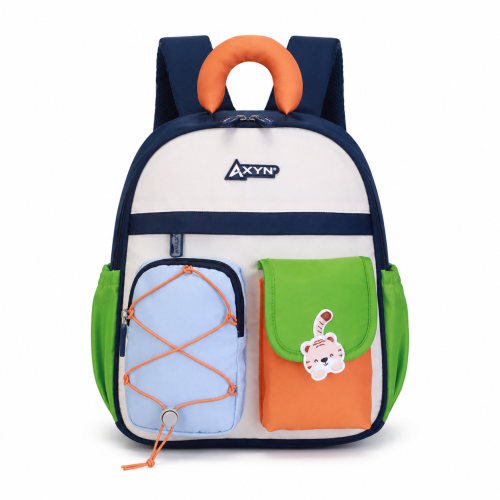
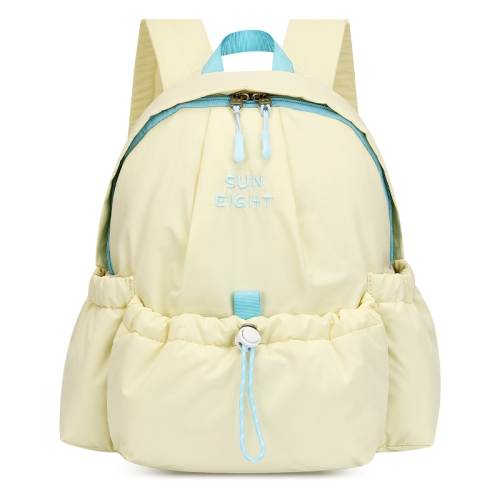
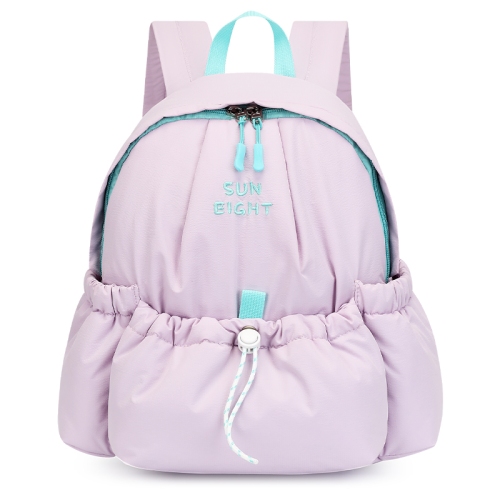
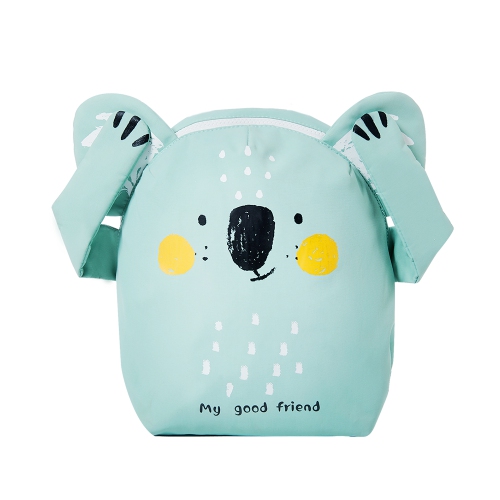
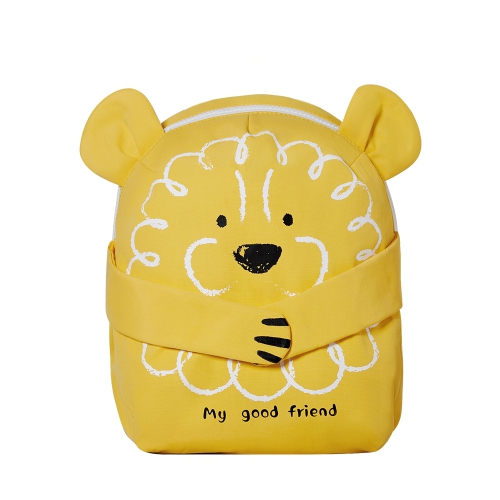
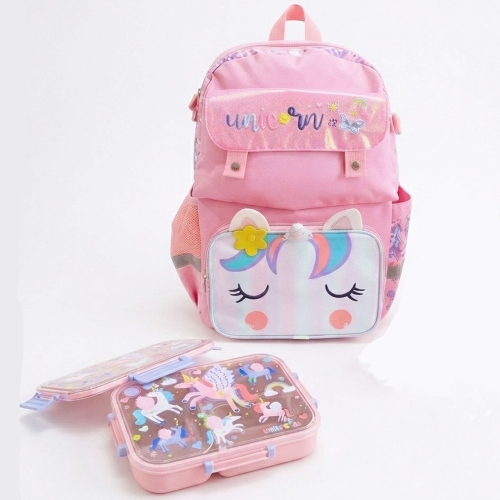
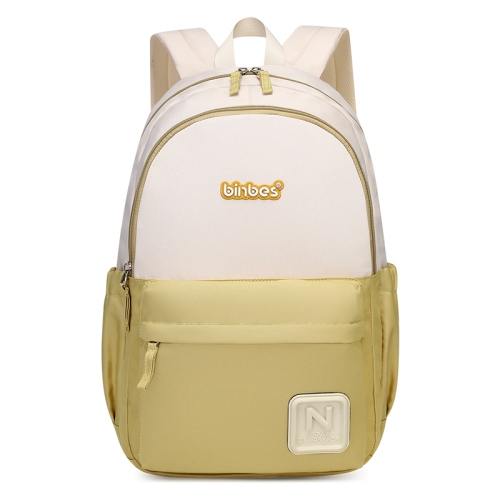
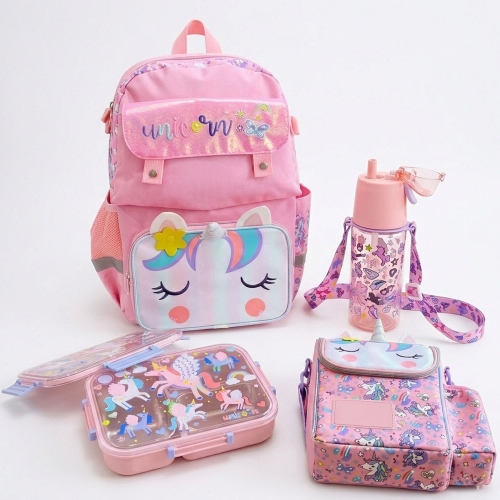
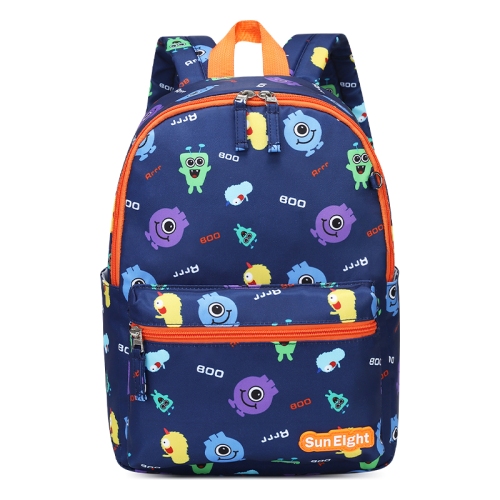
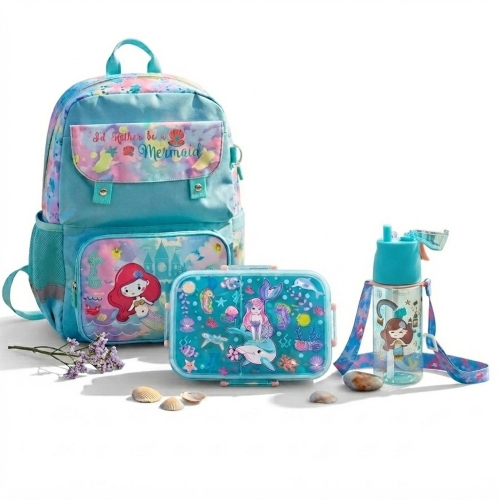
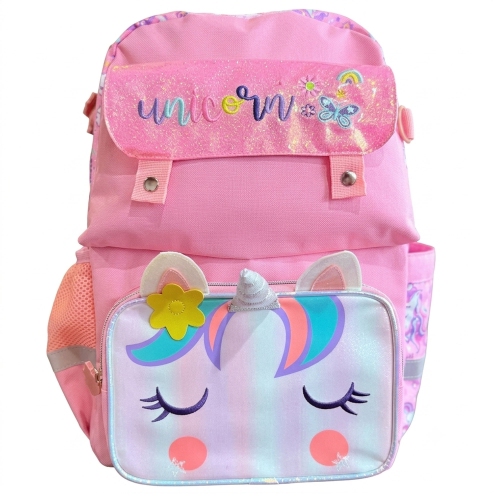
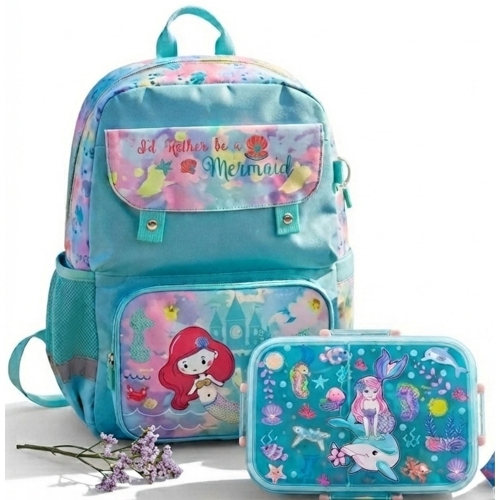
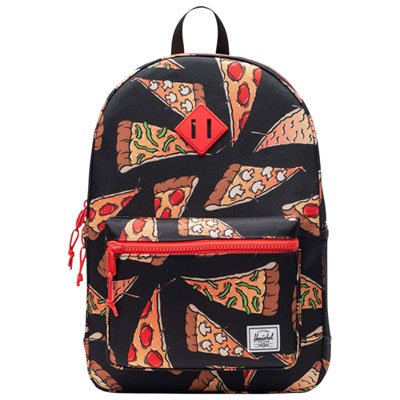
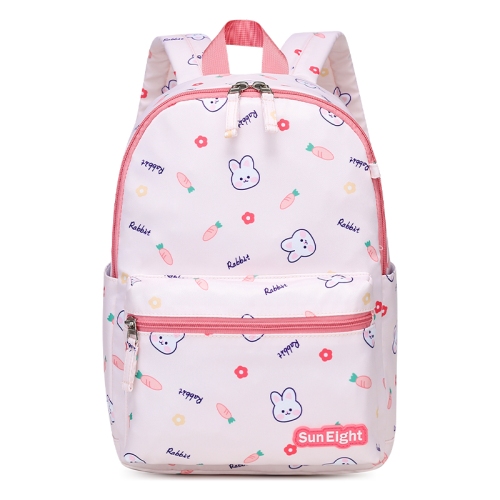
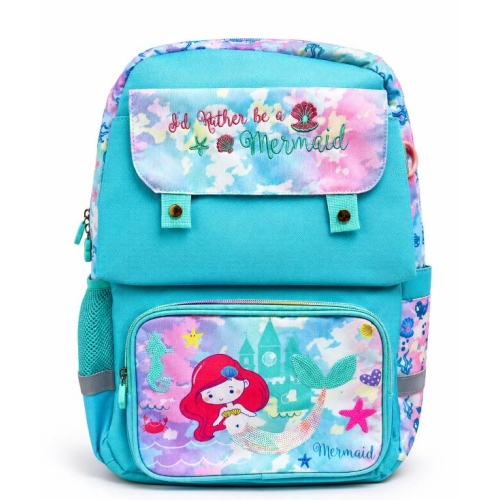
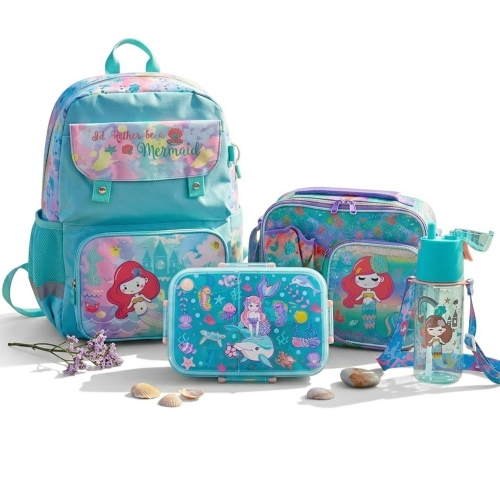
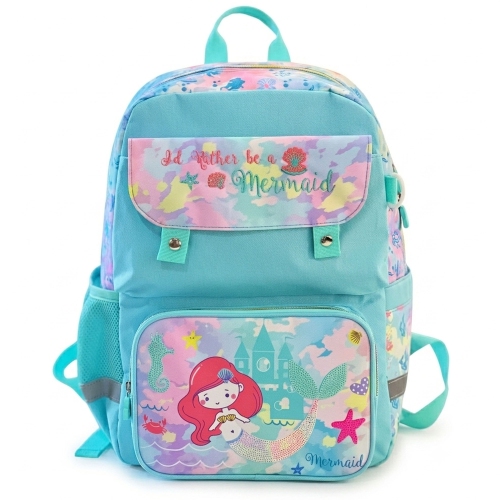
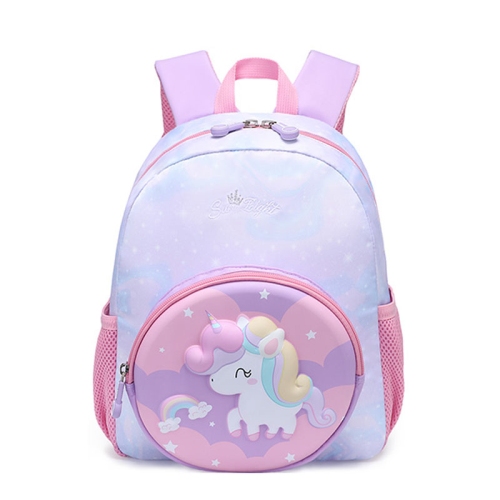
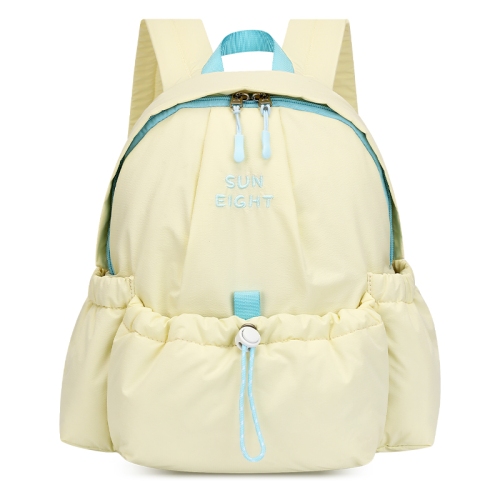
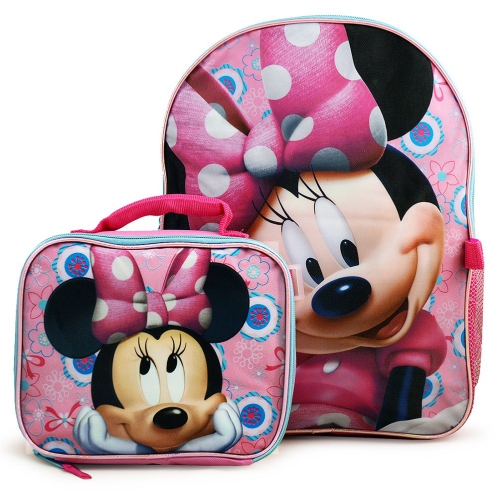
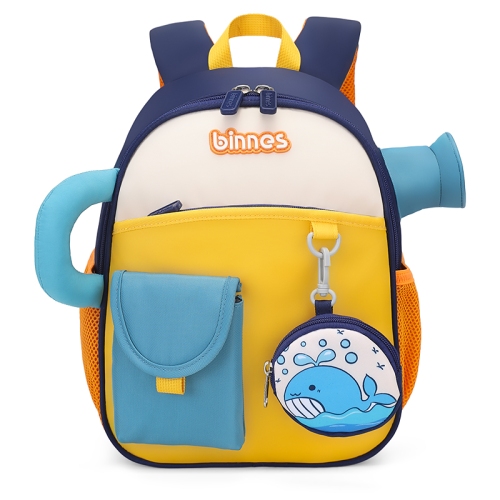
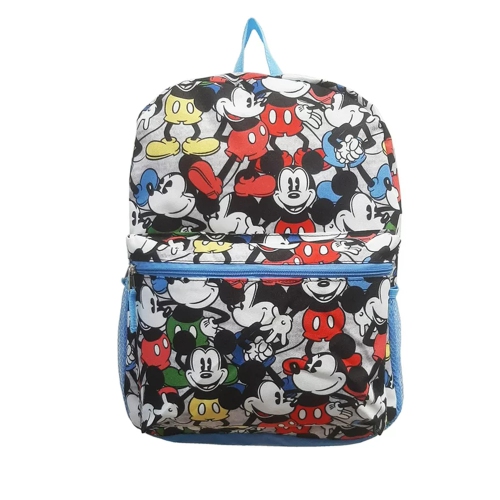
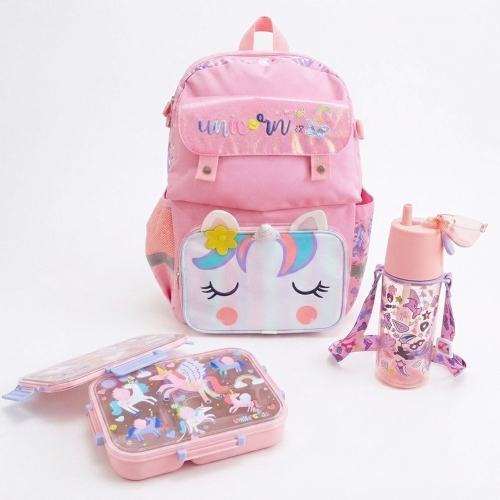
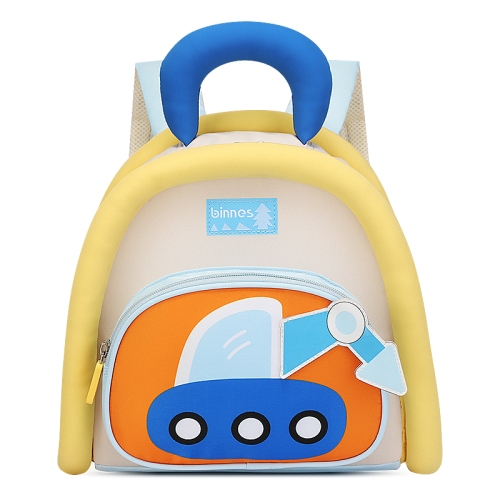
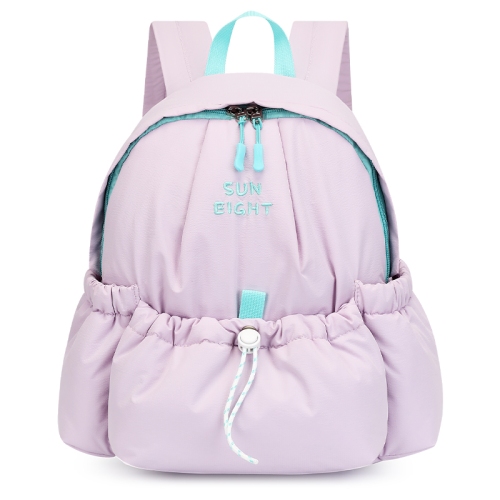
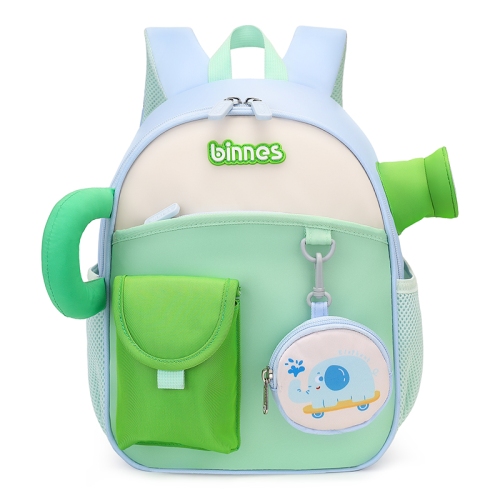
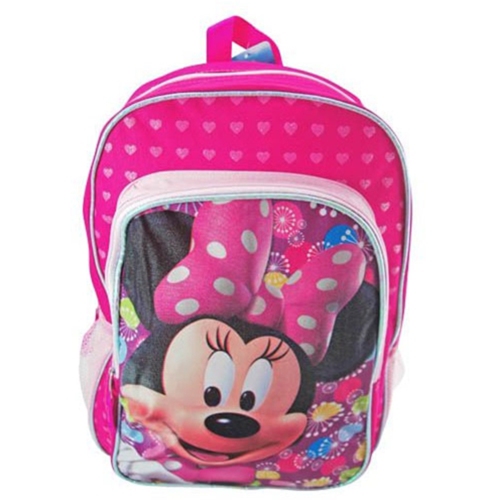
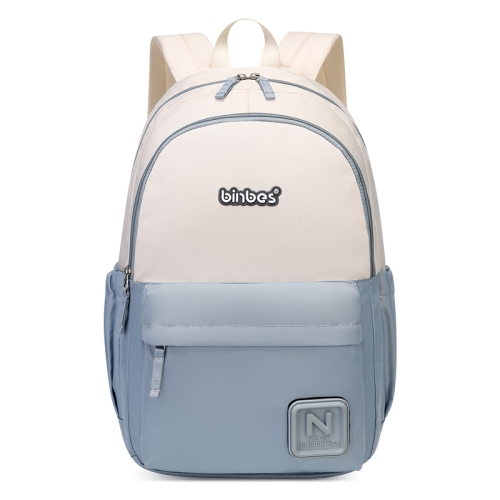
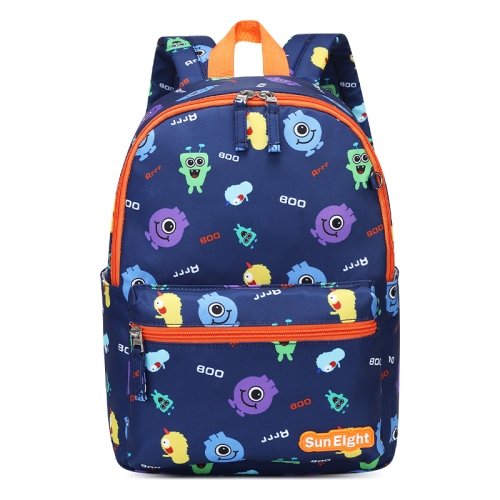
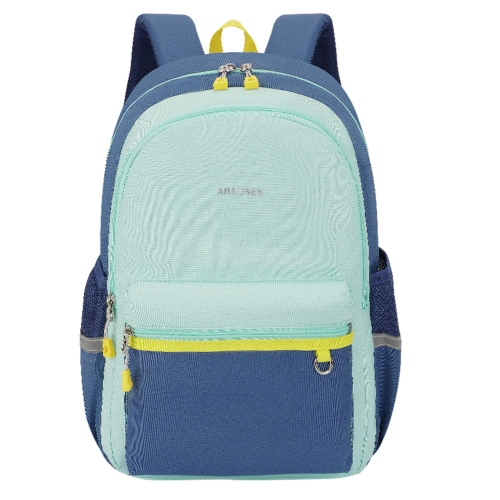
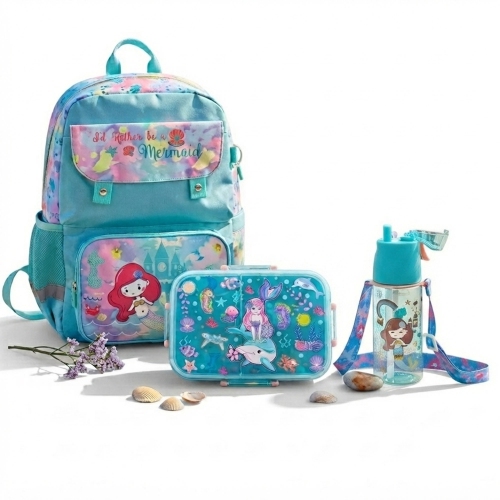
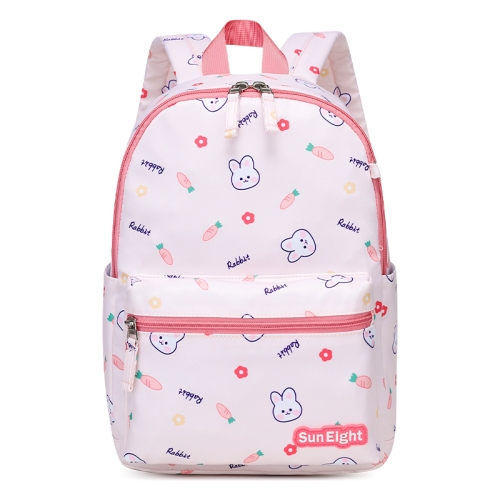
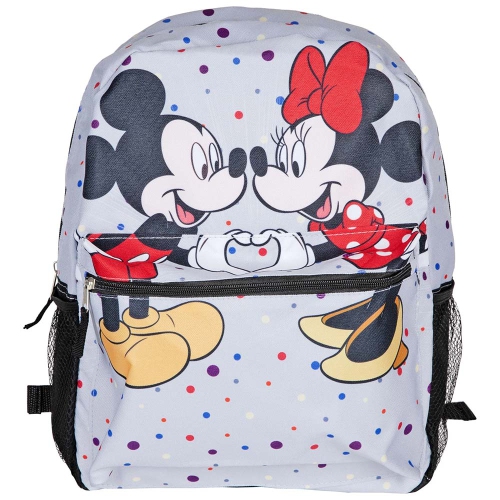
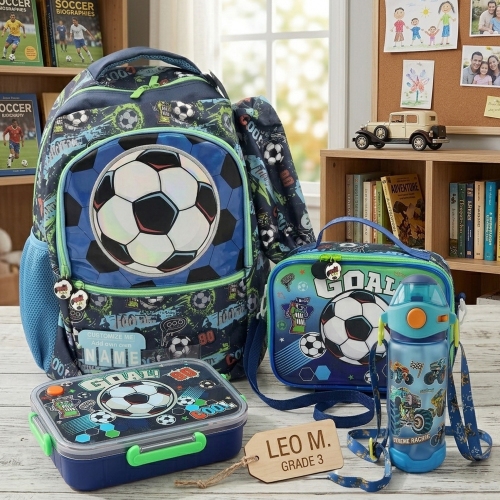
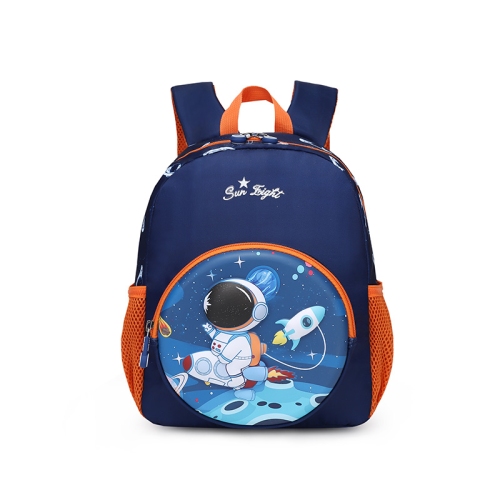
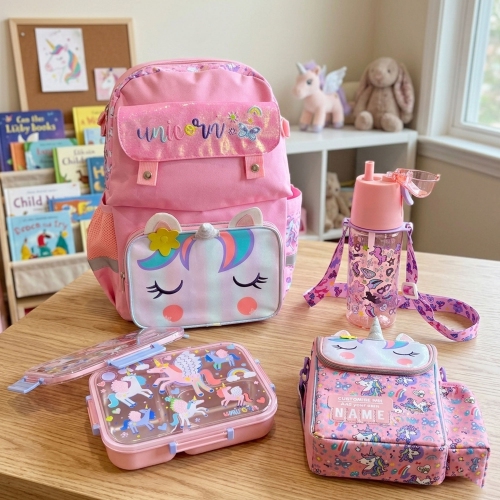
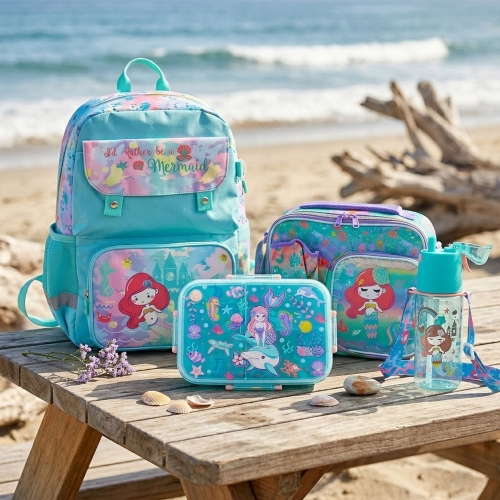
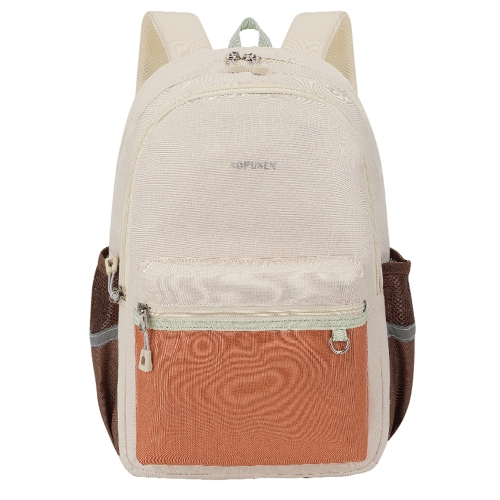
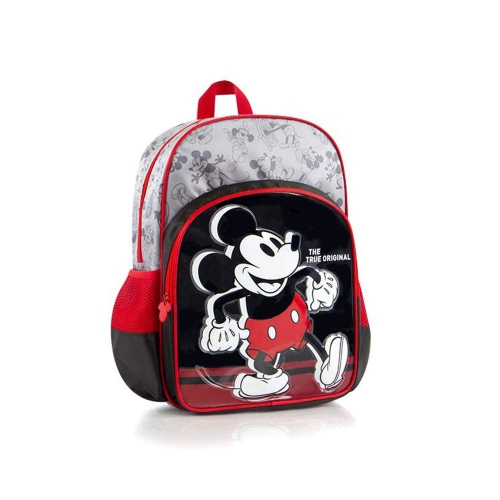
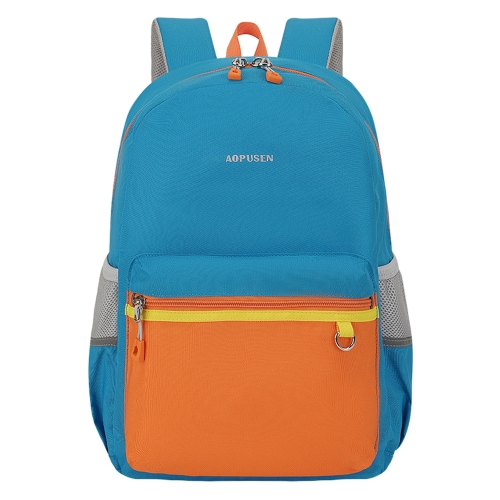
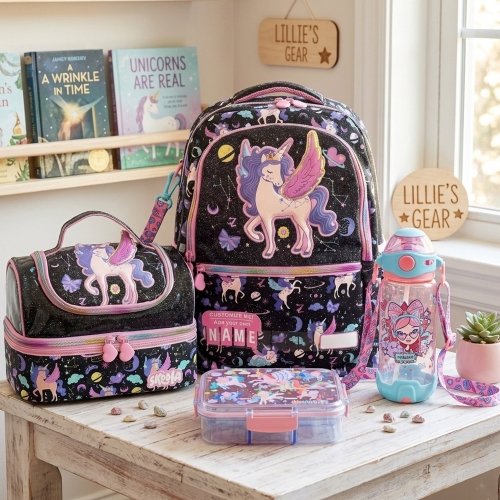
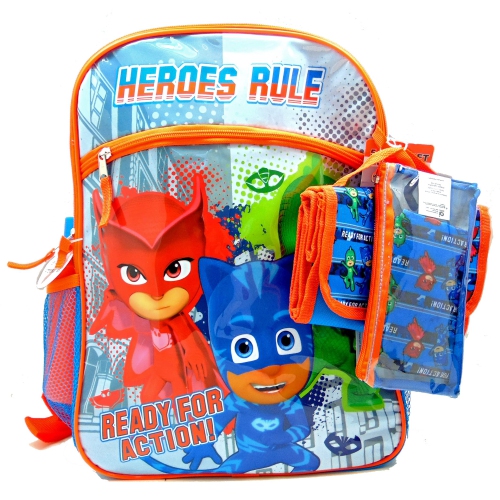
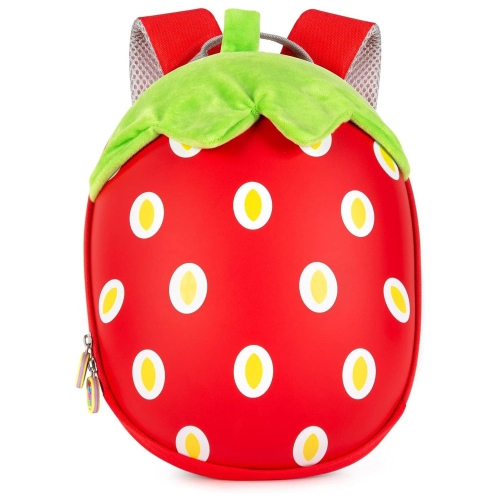
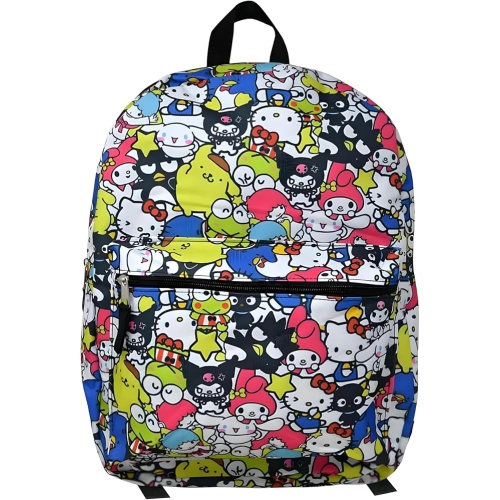
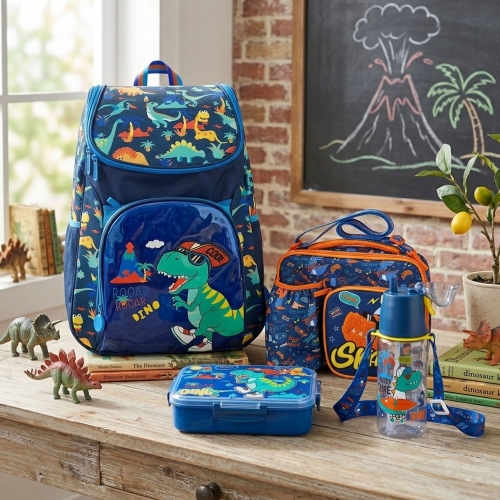
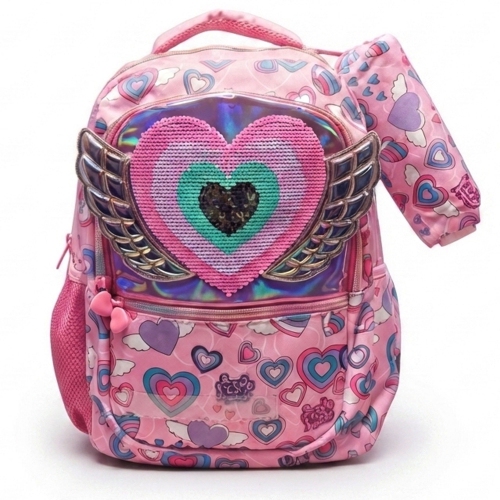
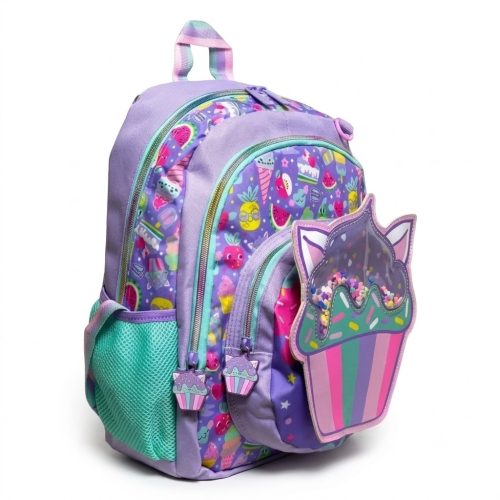
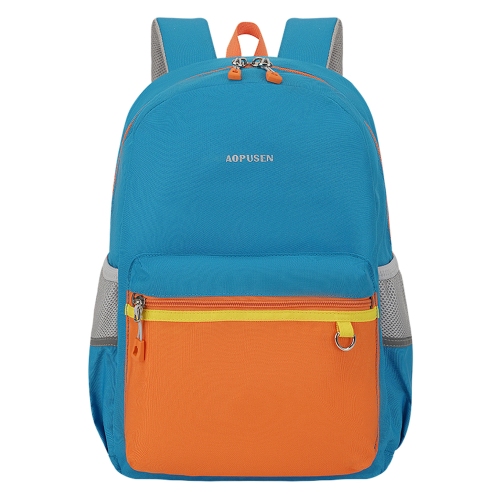
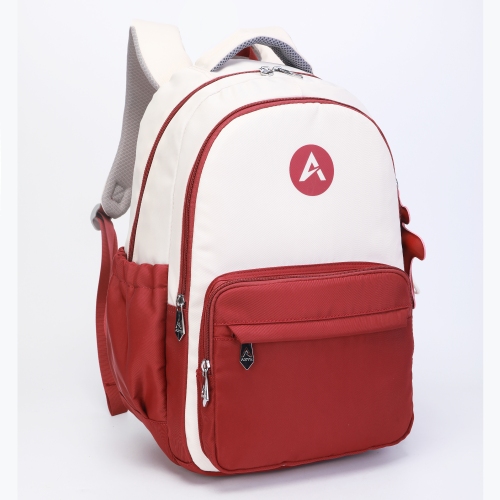

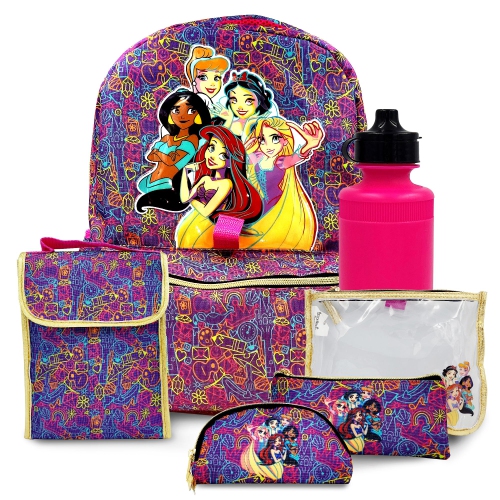
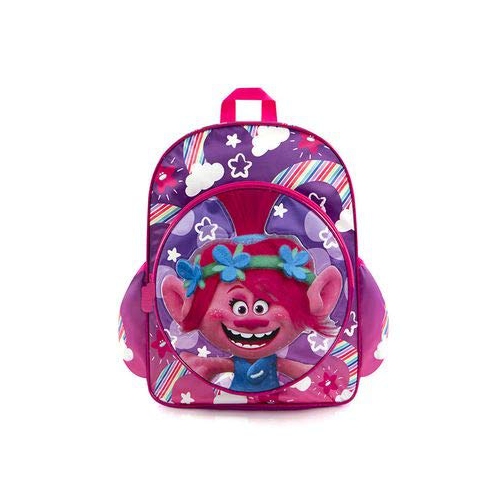
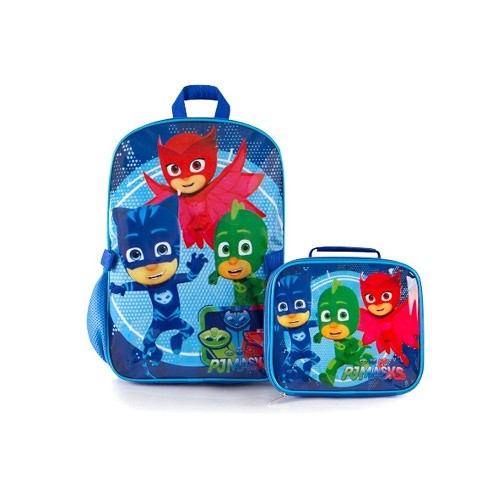
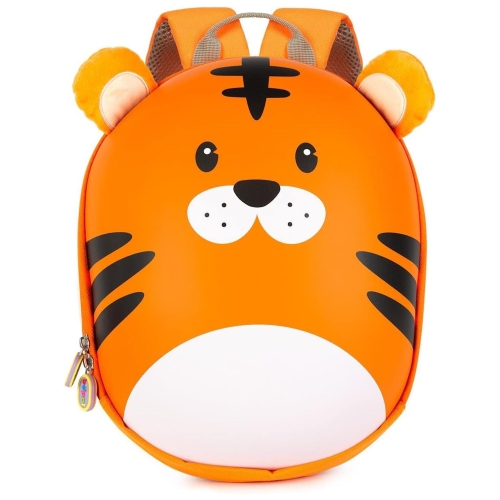
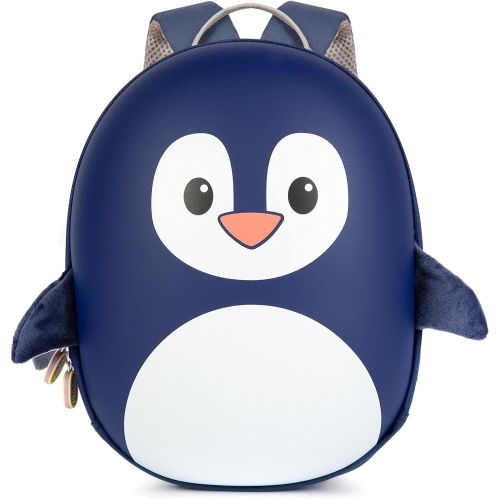
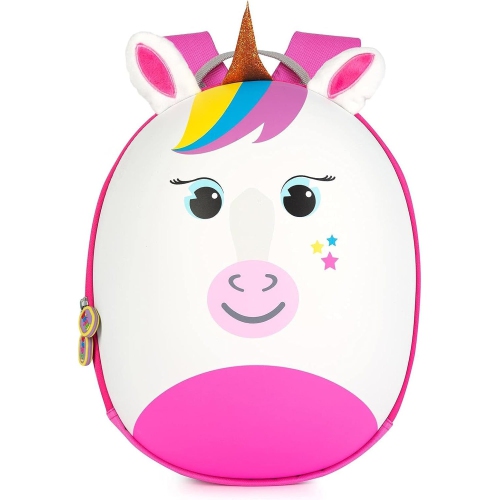
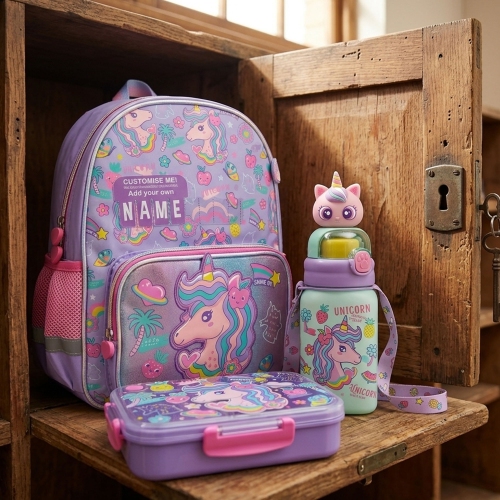
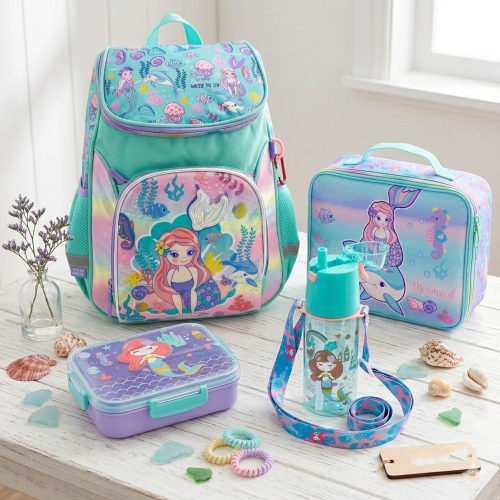
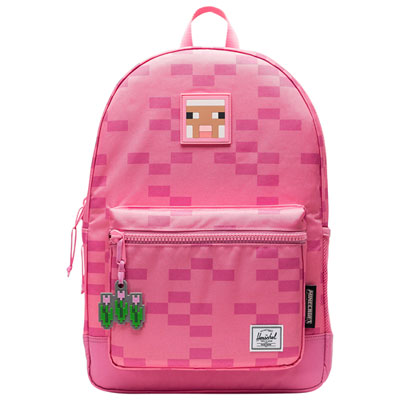
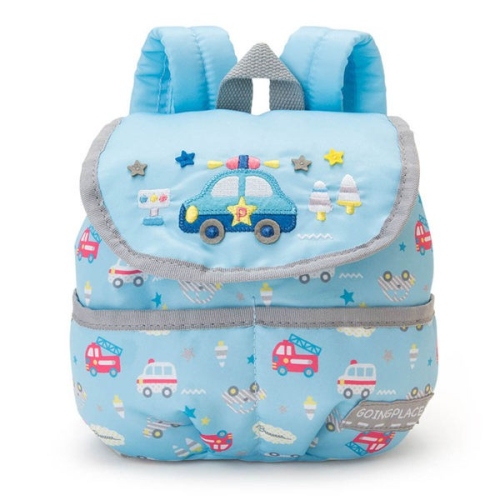
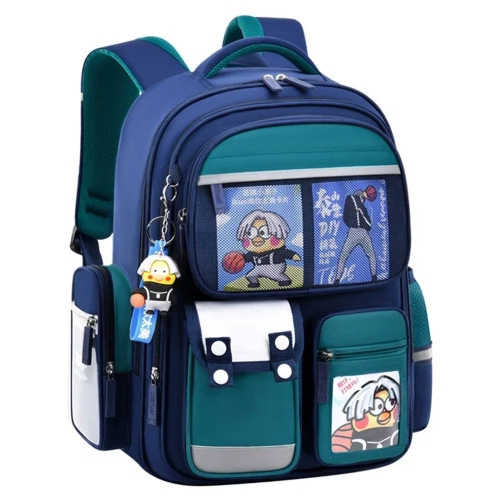
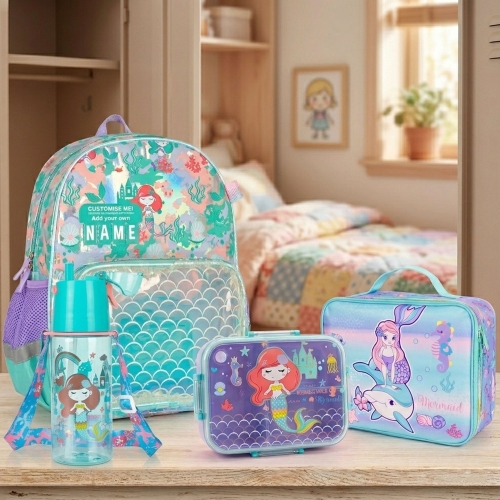
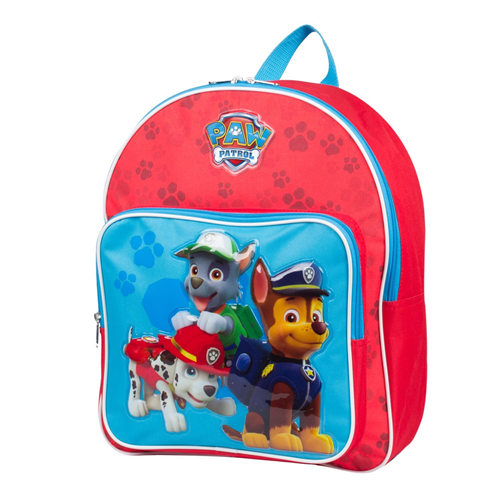
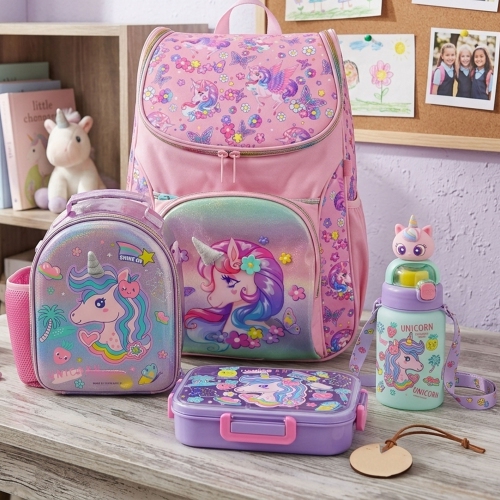
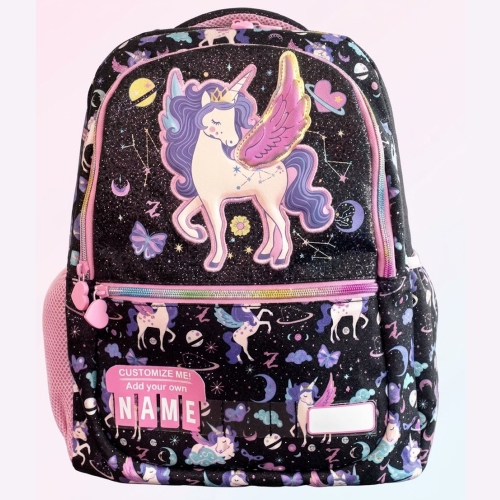
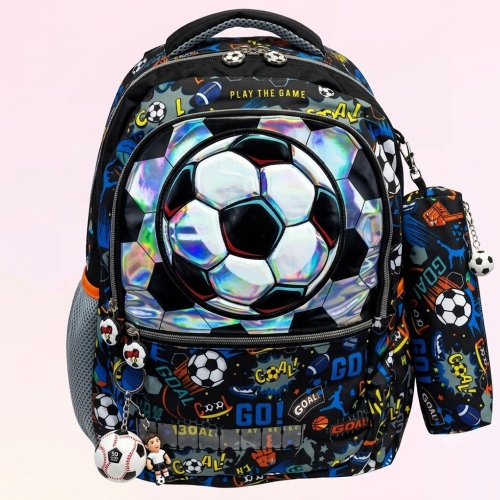
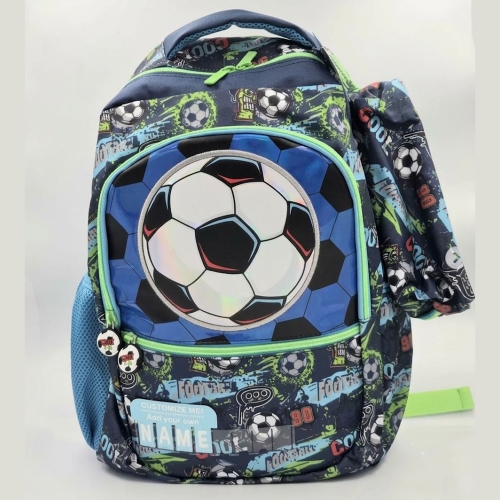
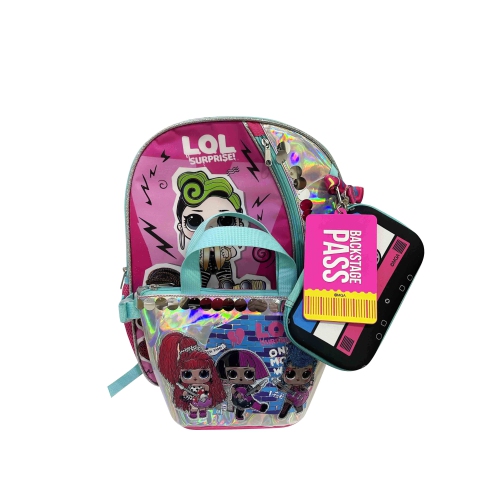
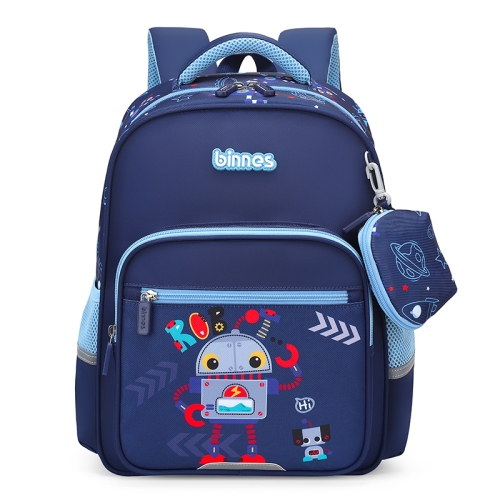
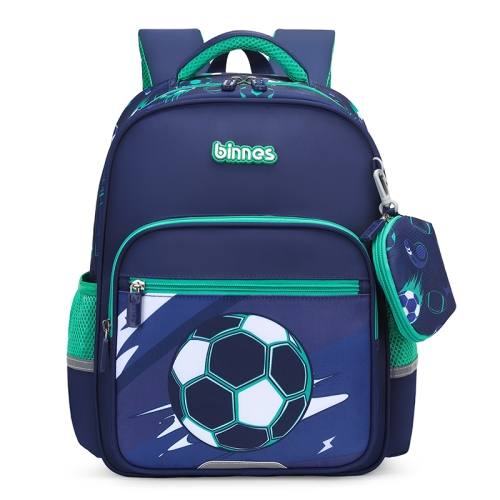
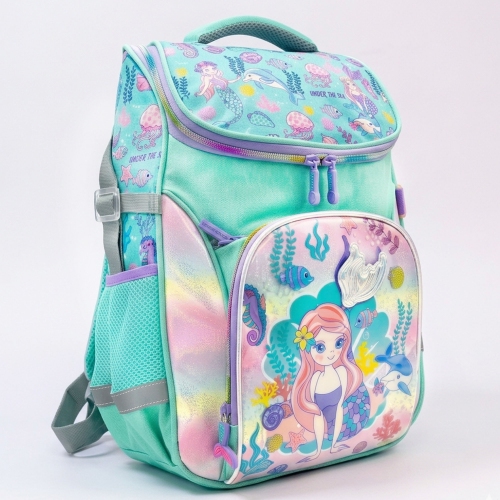
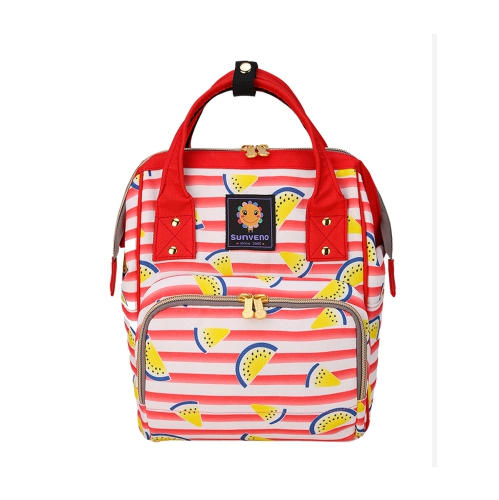
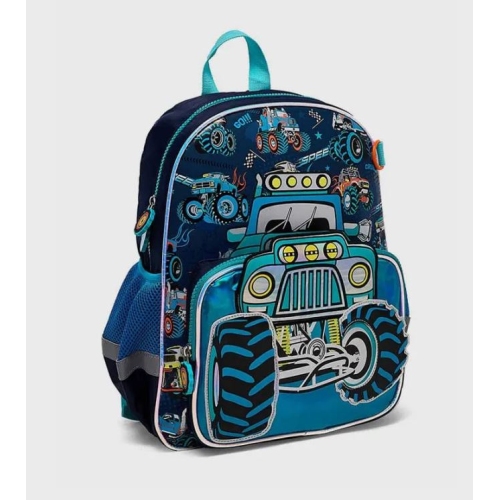
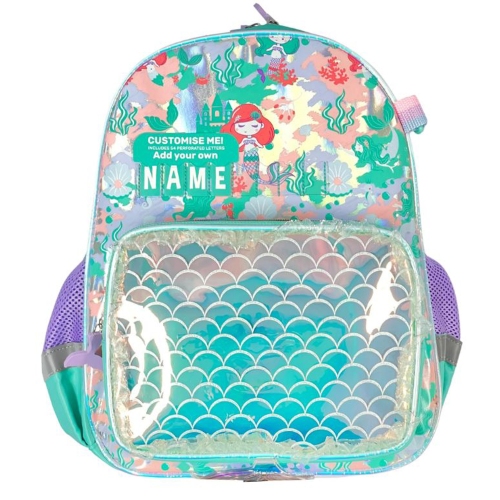
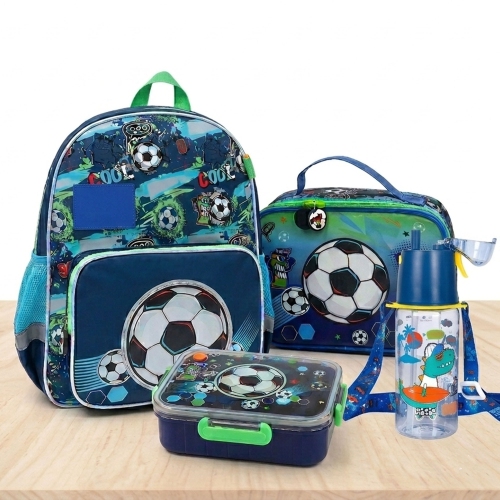
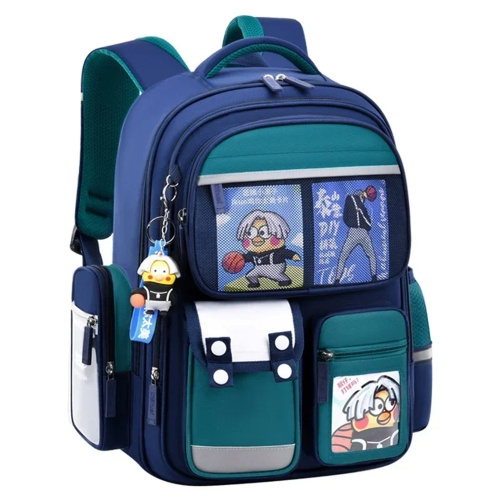
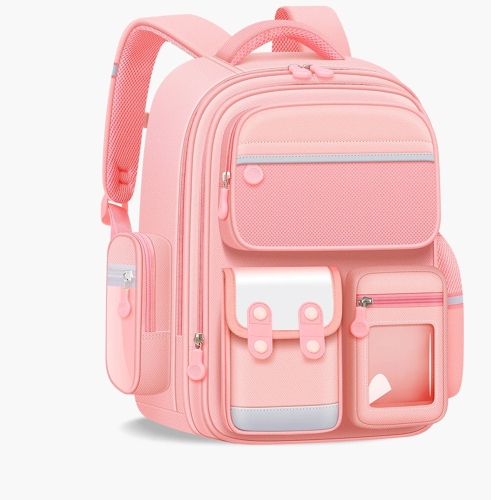
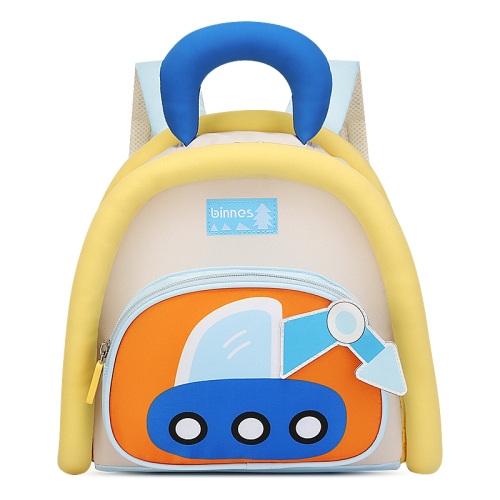
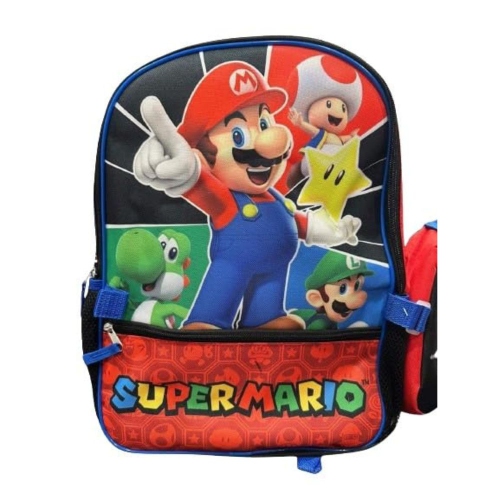
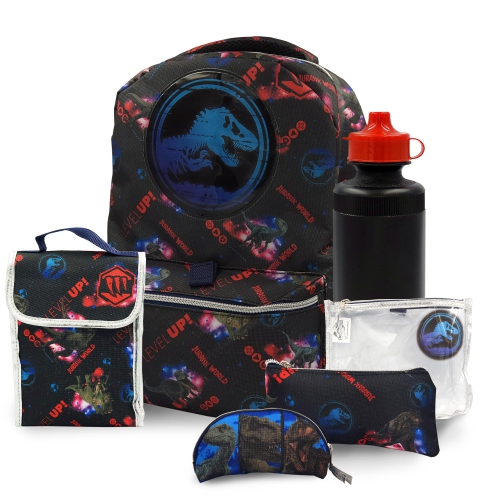
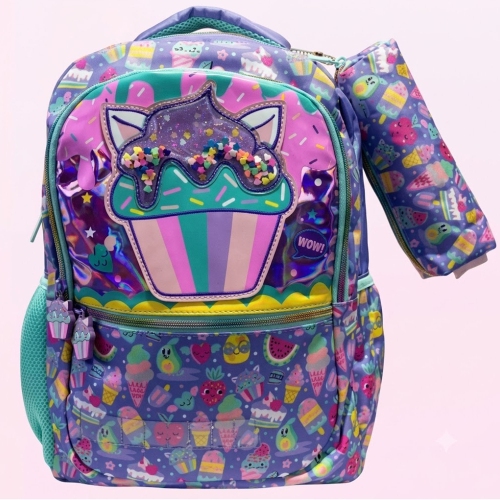
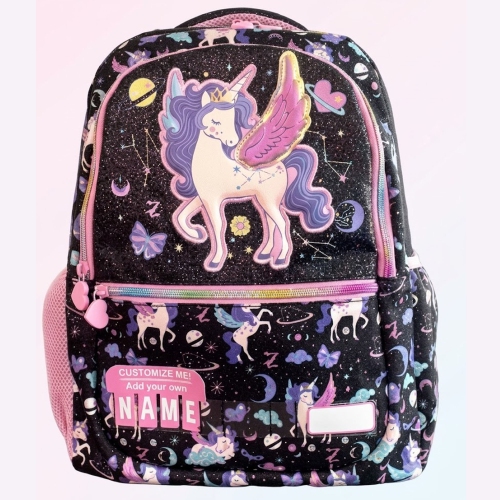
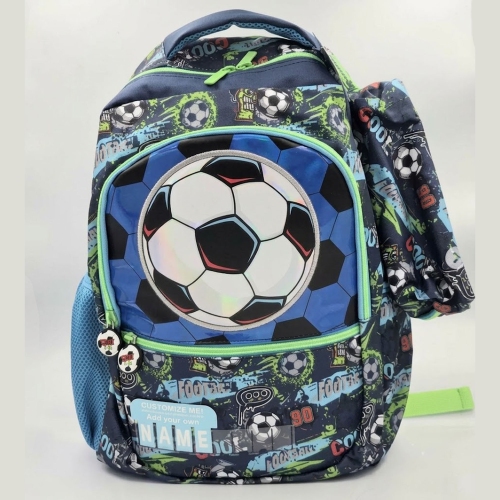
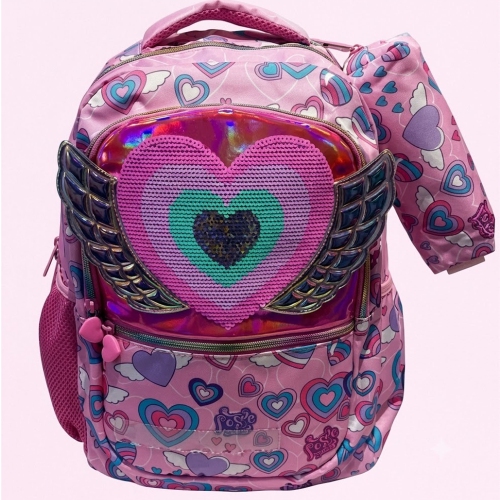
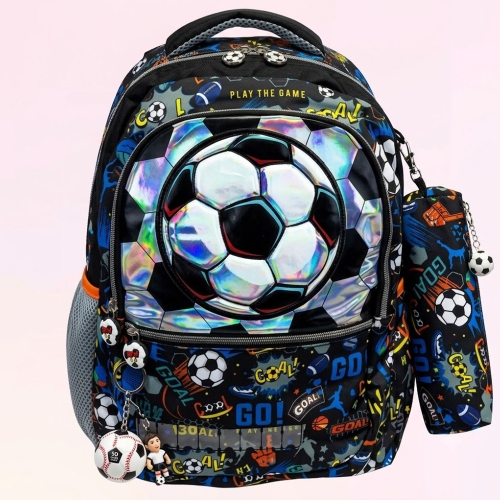
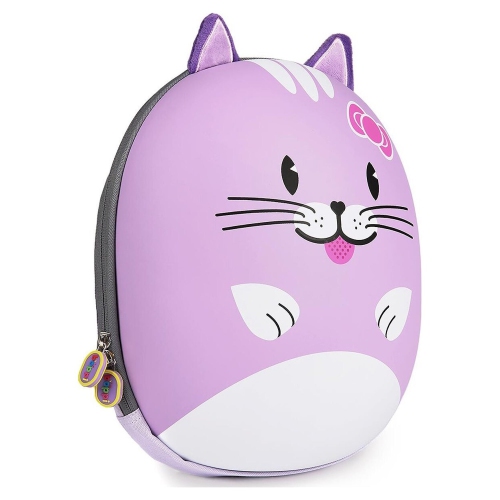
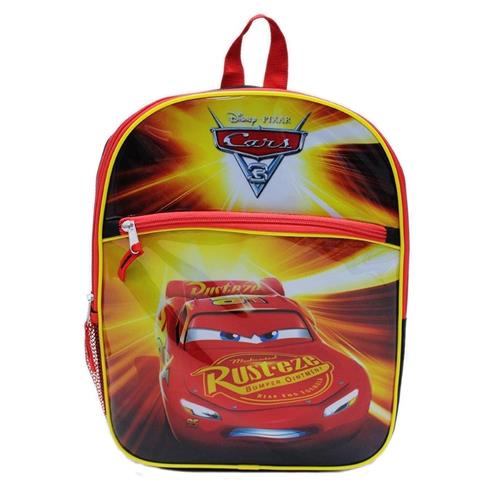
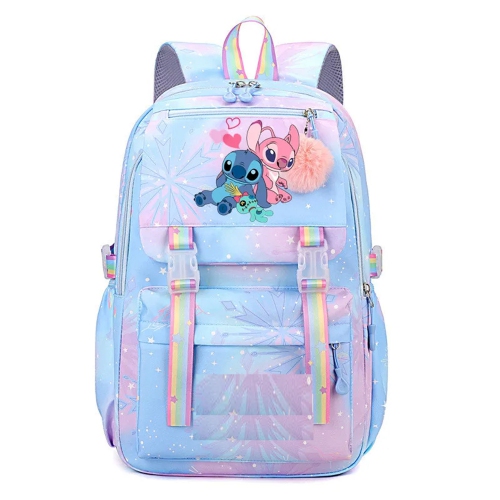
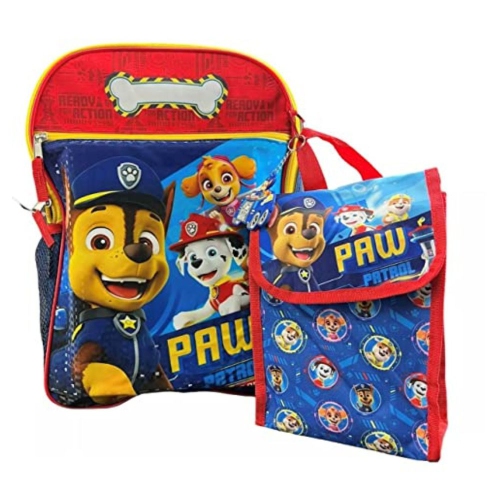
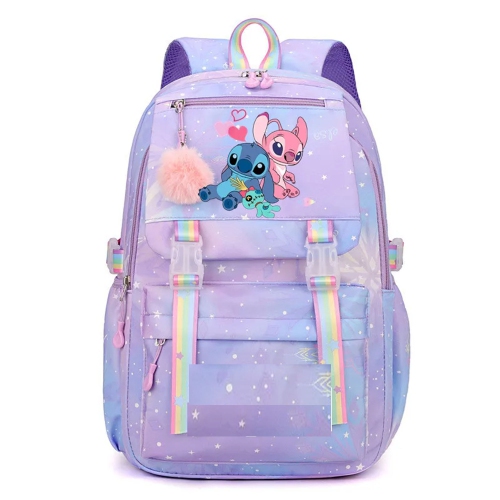
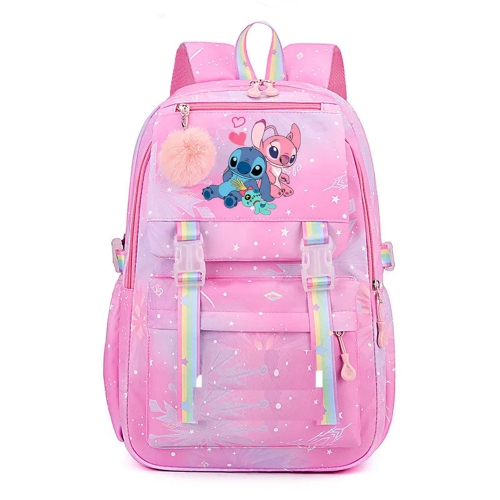
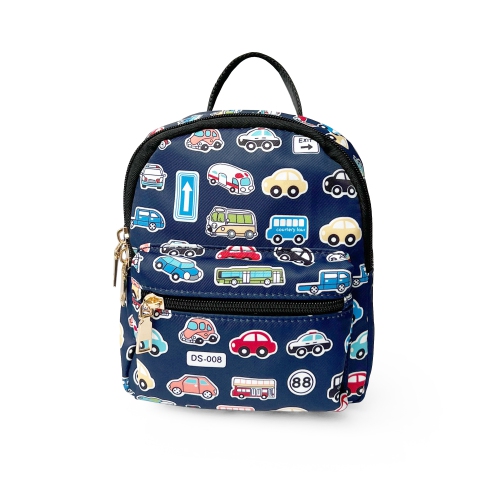
![DISNEY Cars Mini Backpack With Pencil Case - 12 Inch School Bag for Kids [Blue]](https://multimedia.bbycastatic.ca/multimedia/products/500x500/125/12596/12596507.jpg)
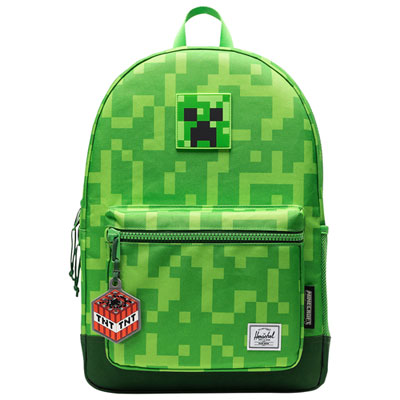
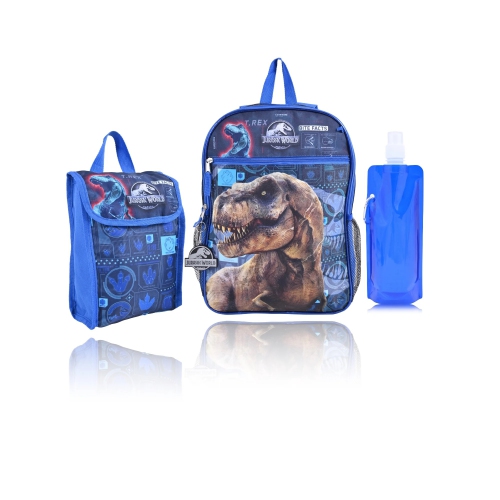
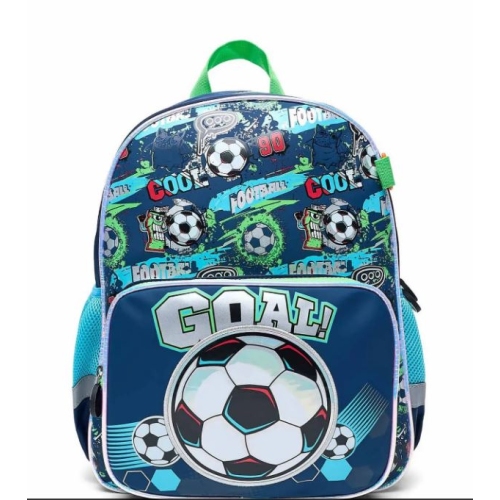
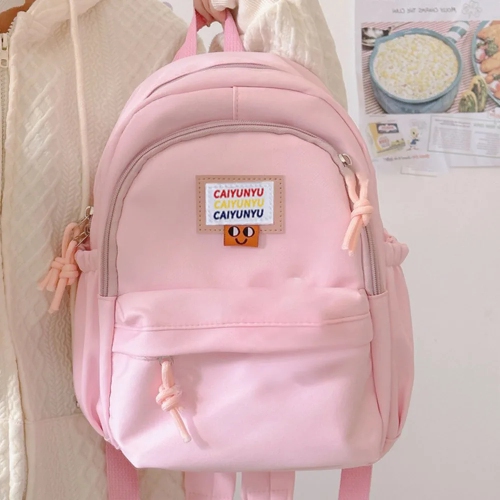
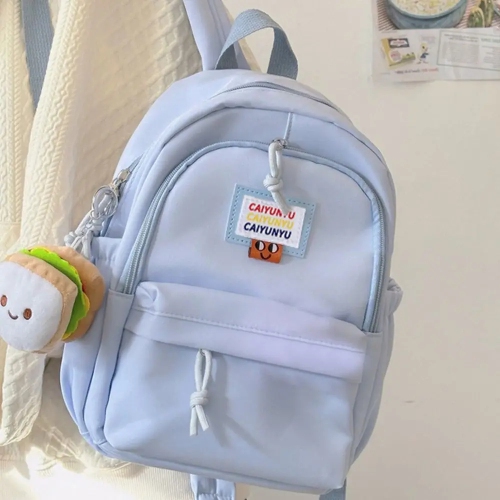
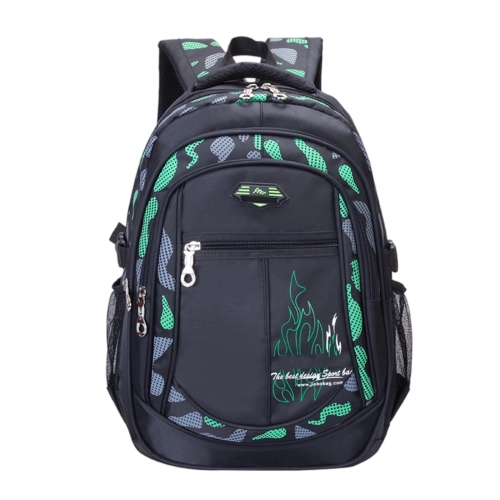
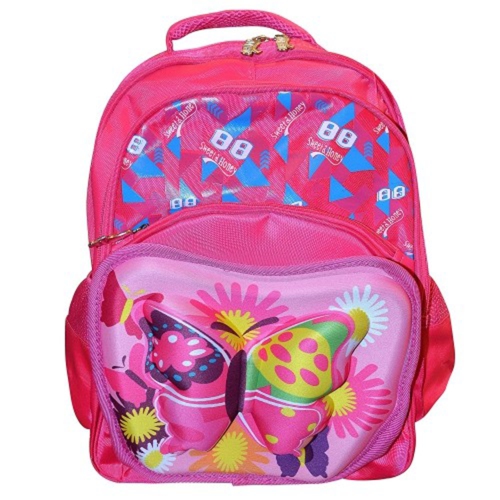
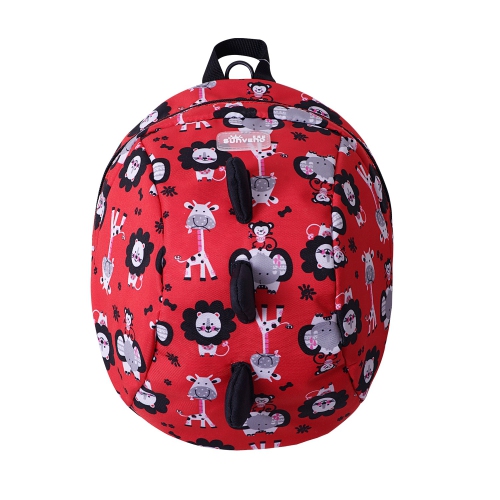
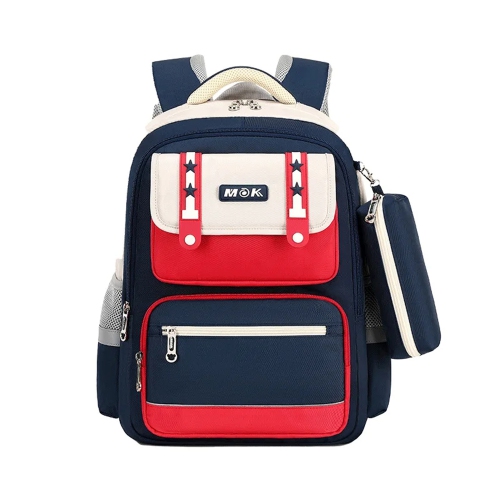
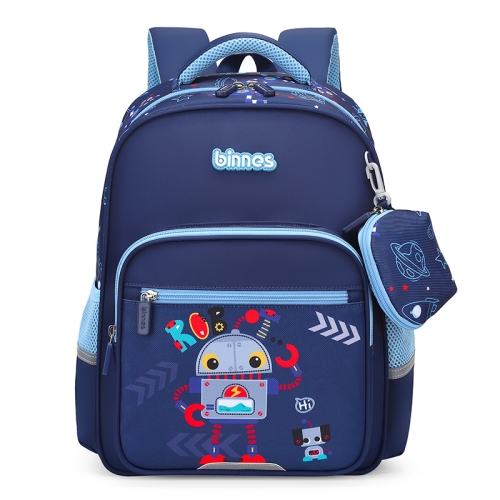
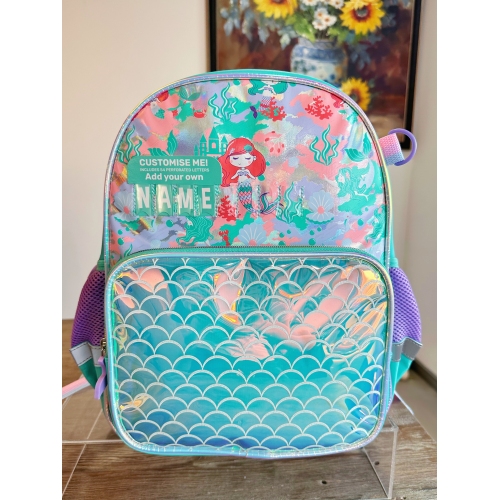

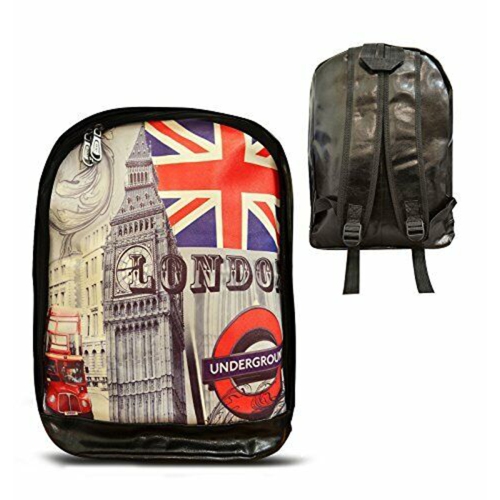
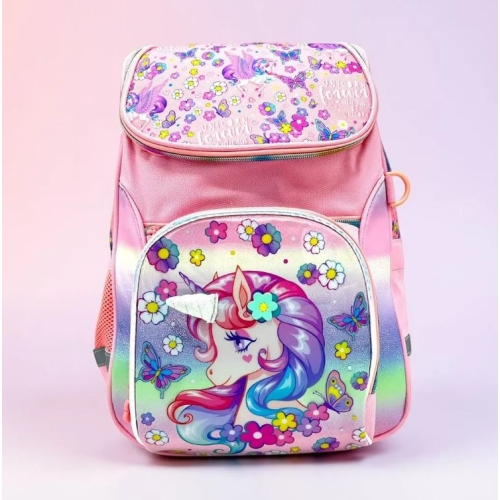
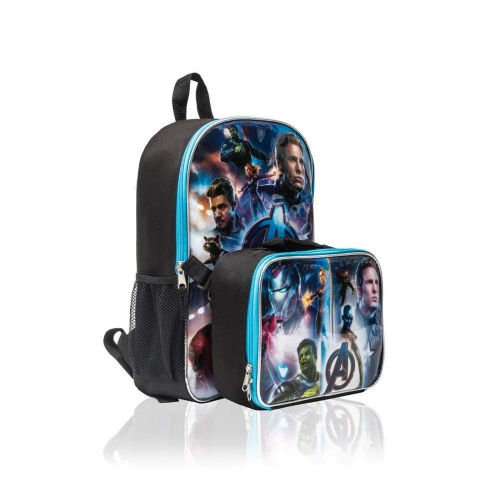
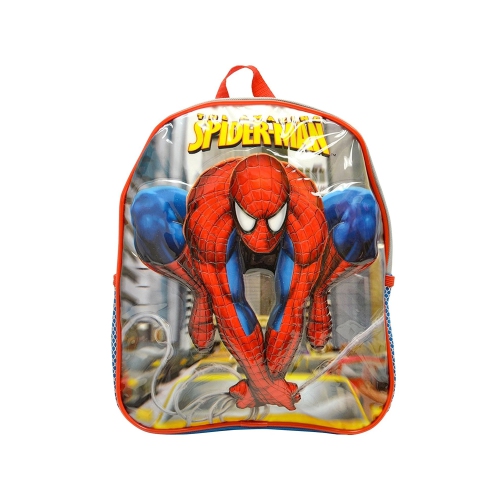
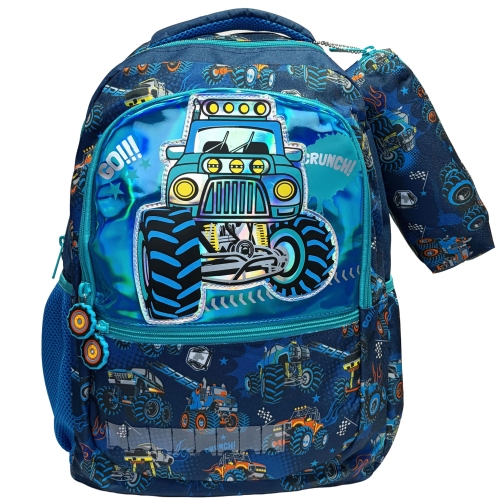
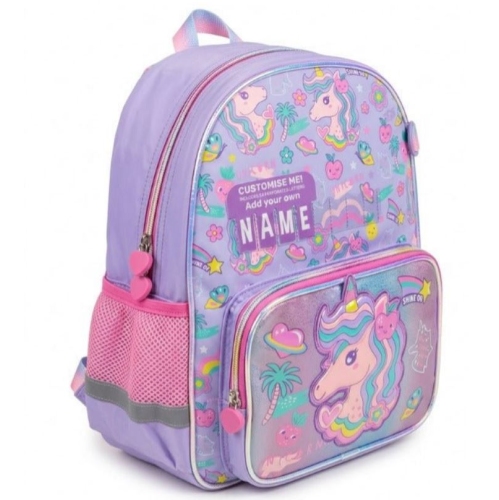
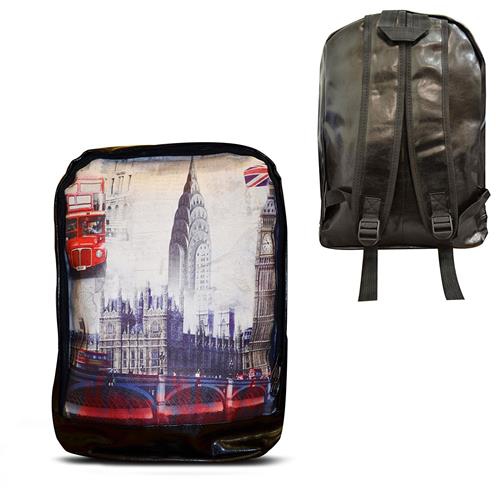

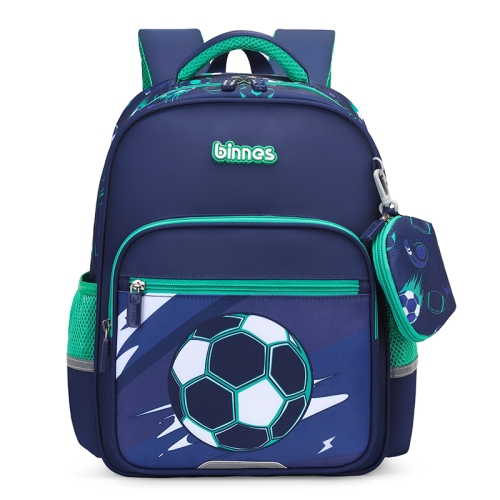
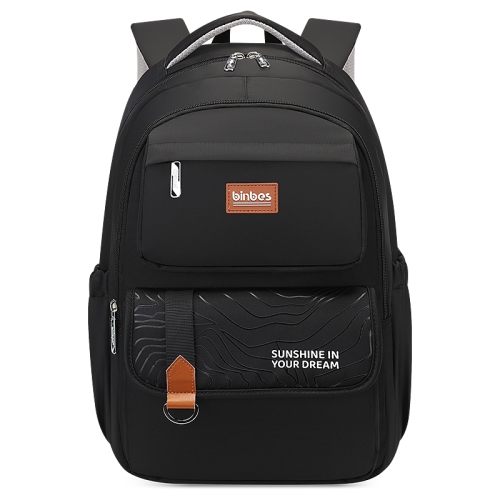
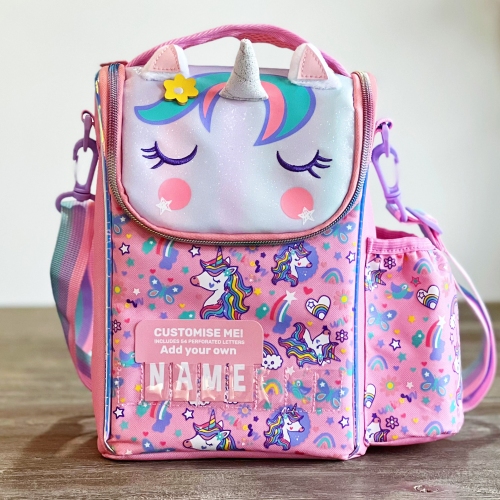

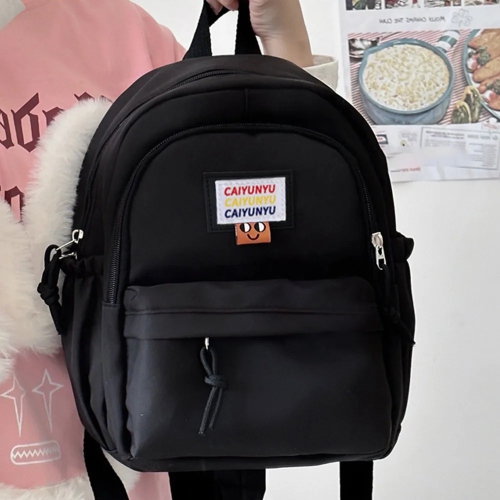
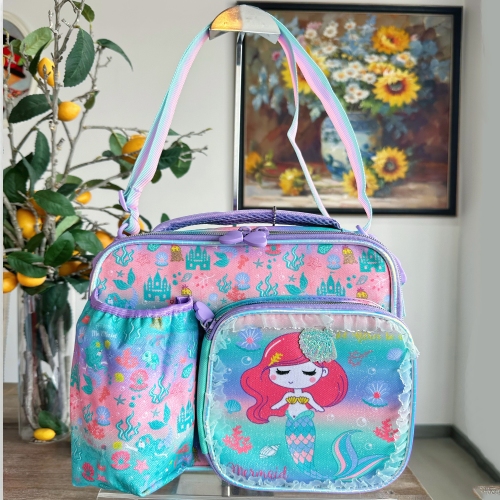
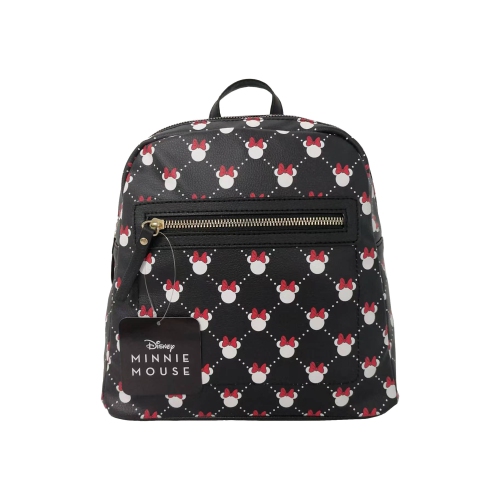

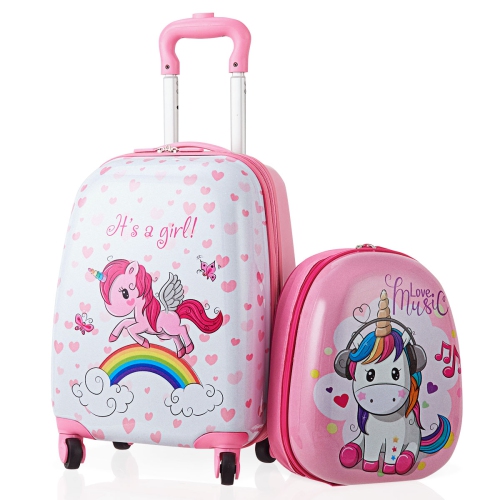
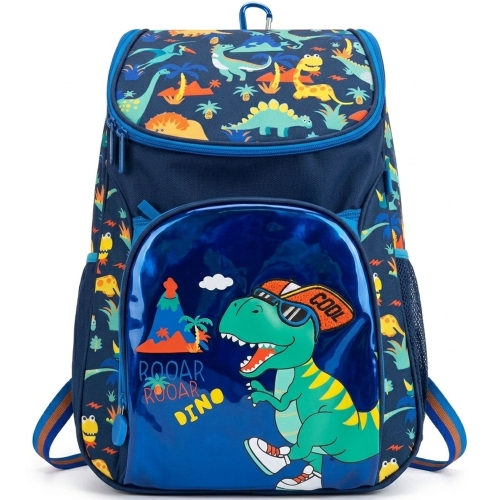
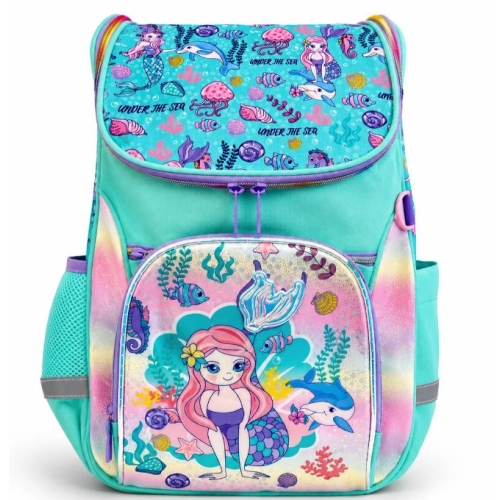
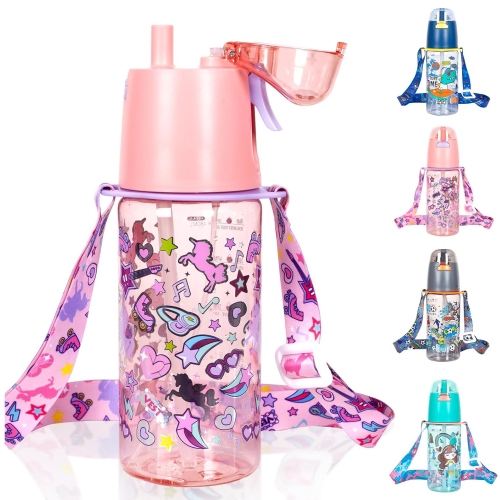
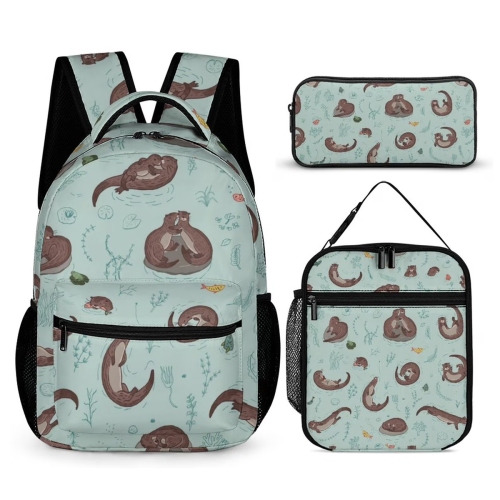
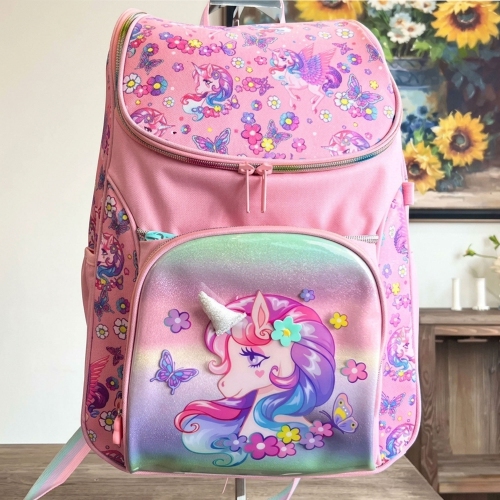
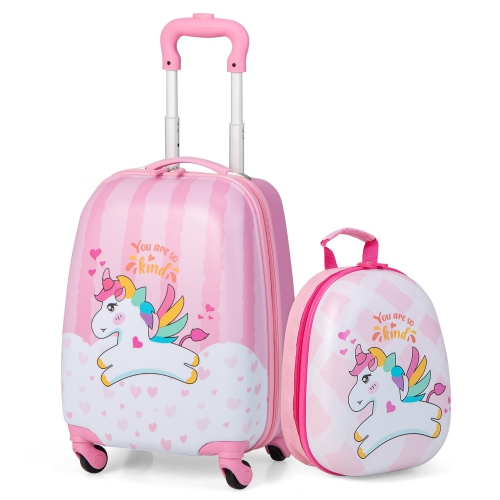
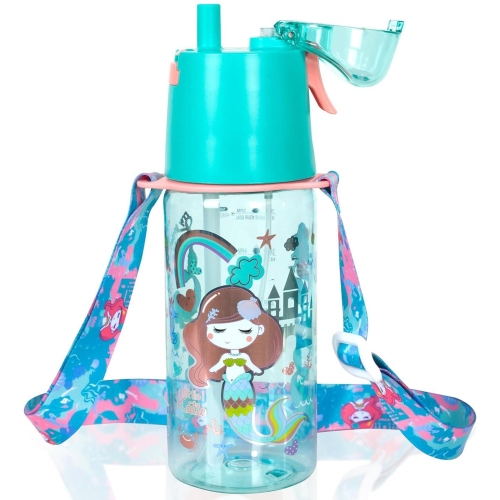

The right size supports comfortable, independent daily routines
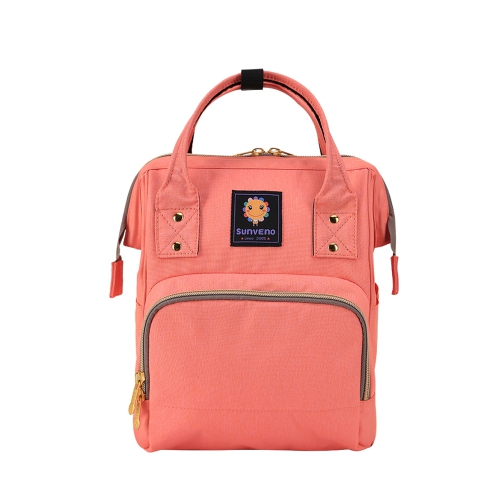
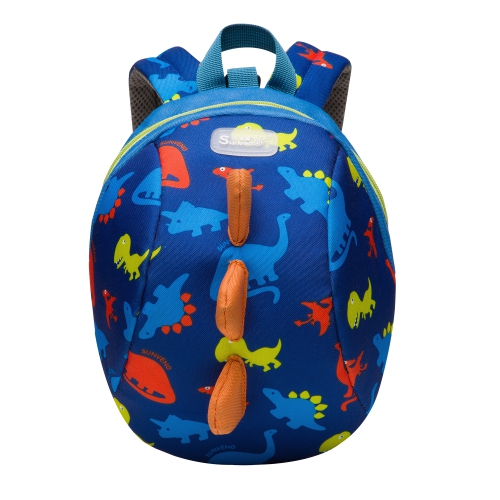
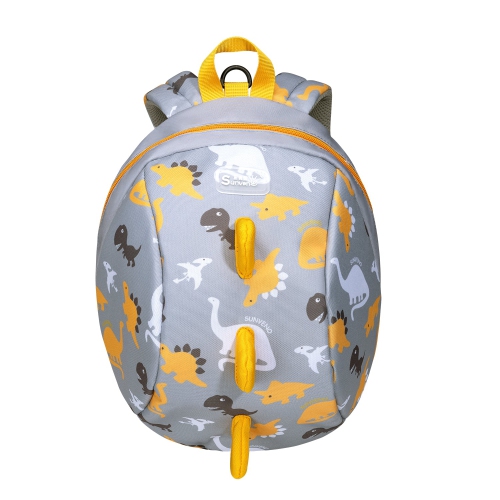
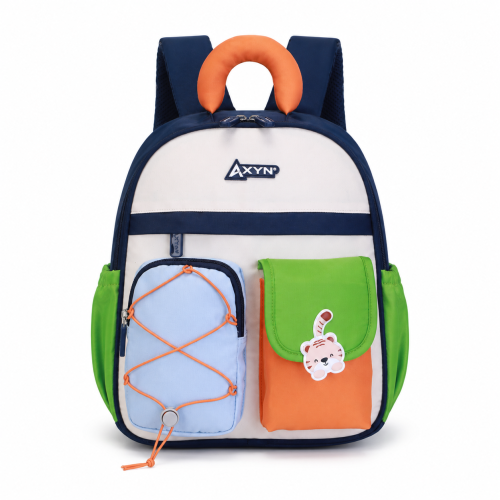
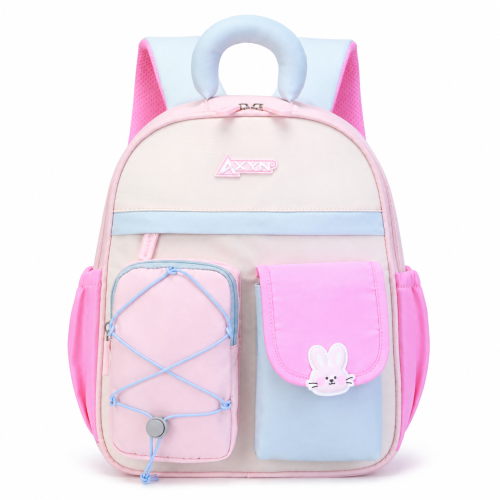
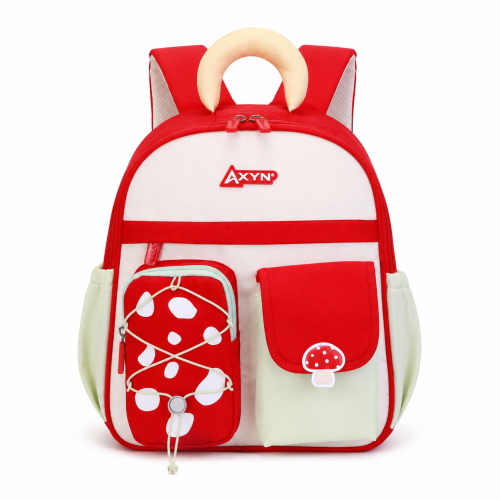
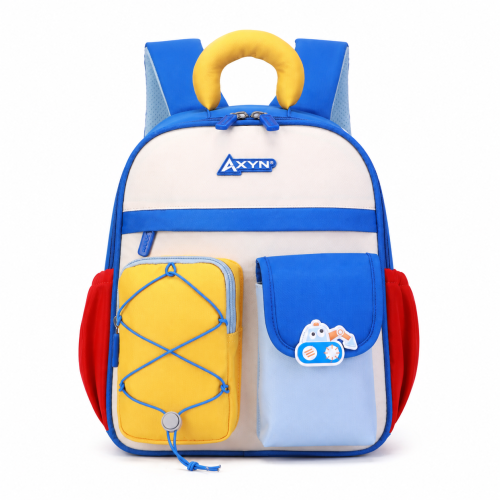
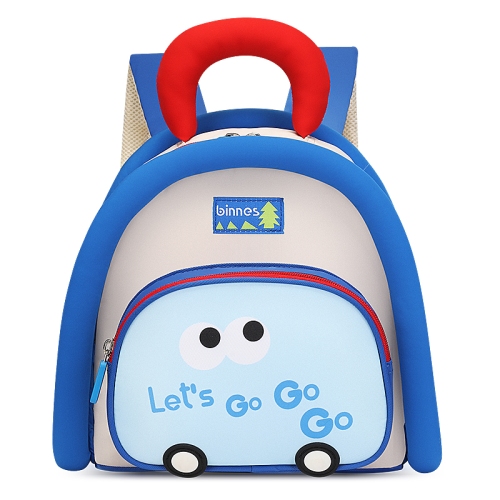
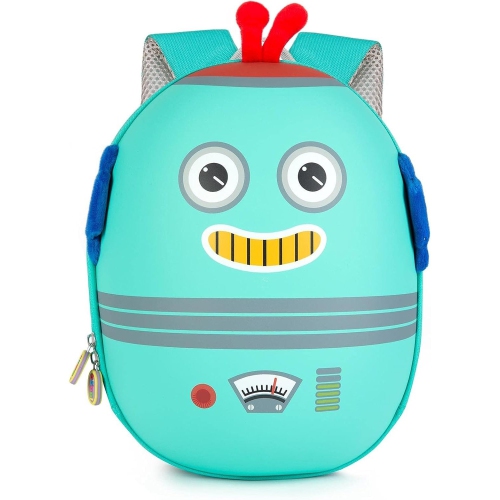
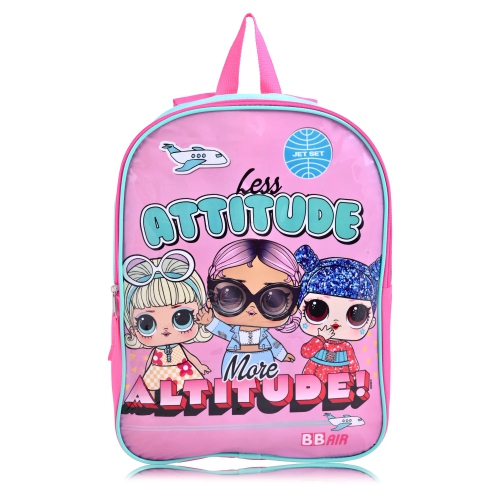
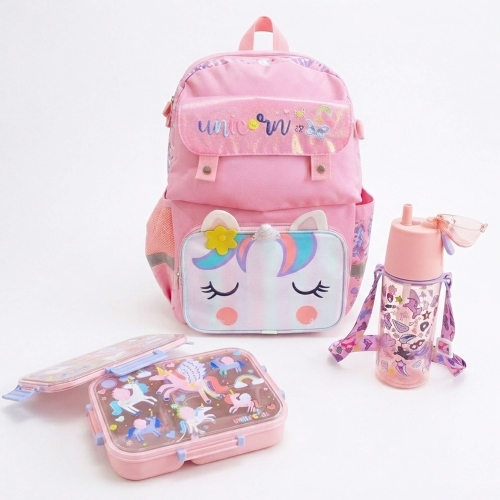
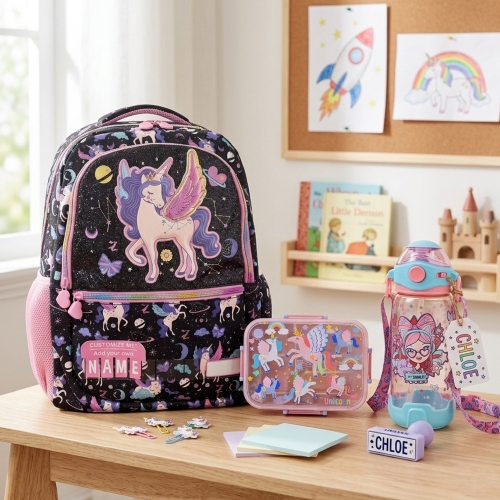
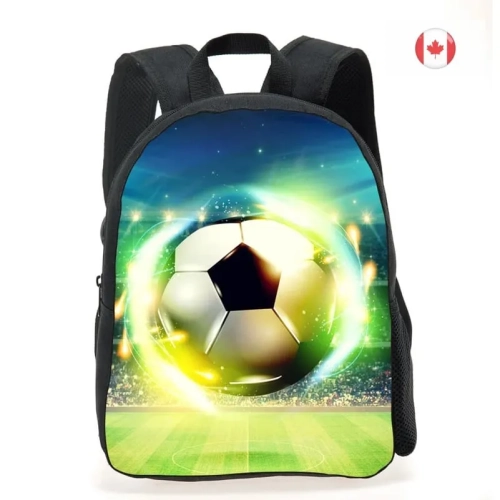
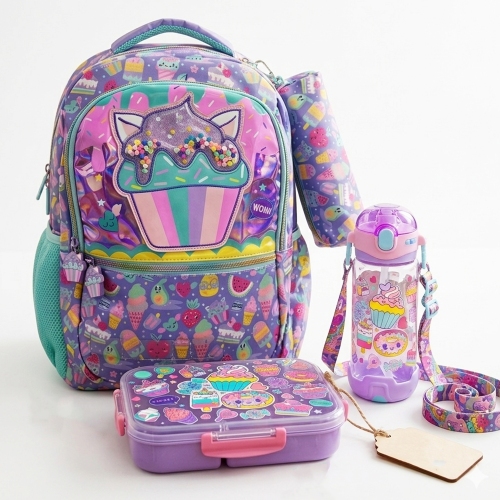
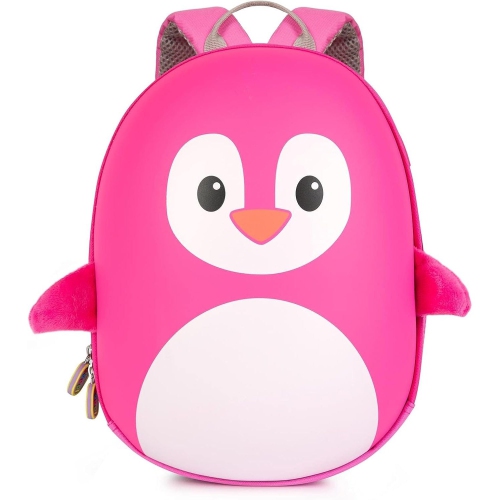
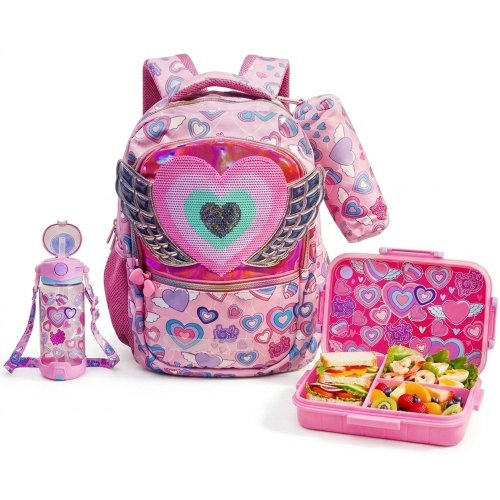
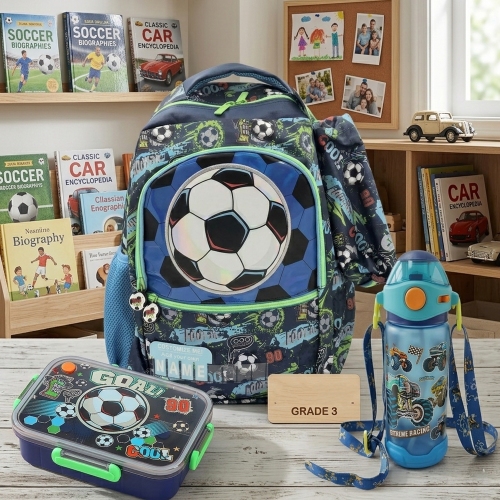
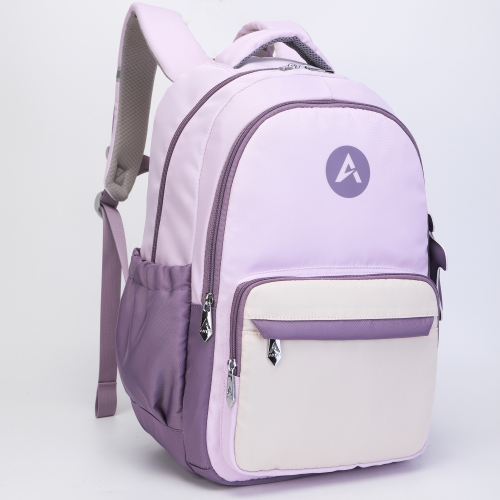
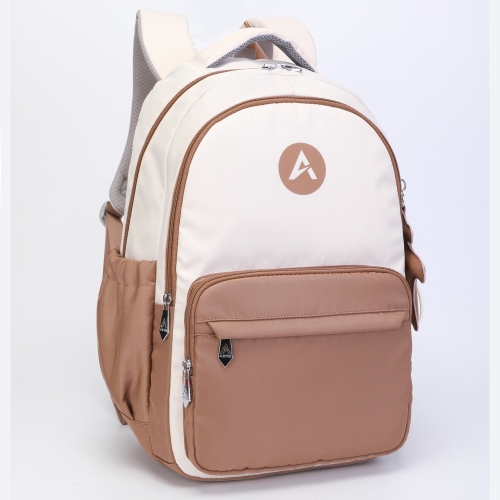
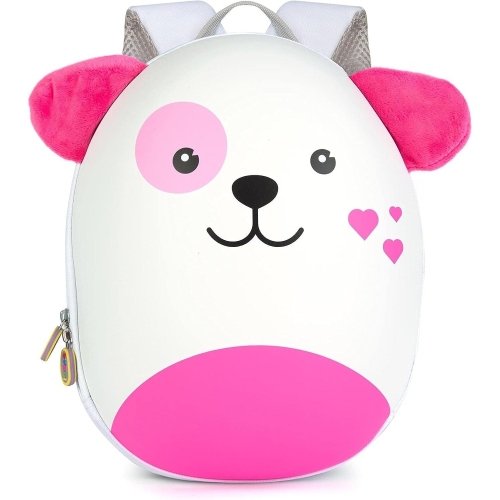
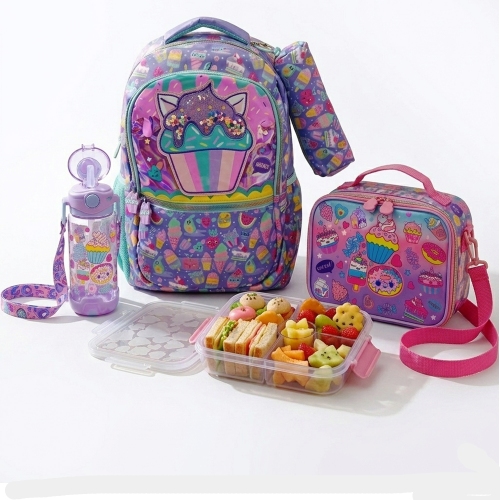
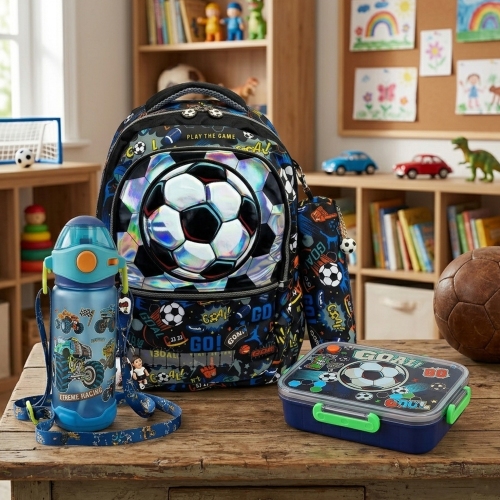
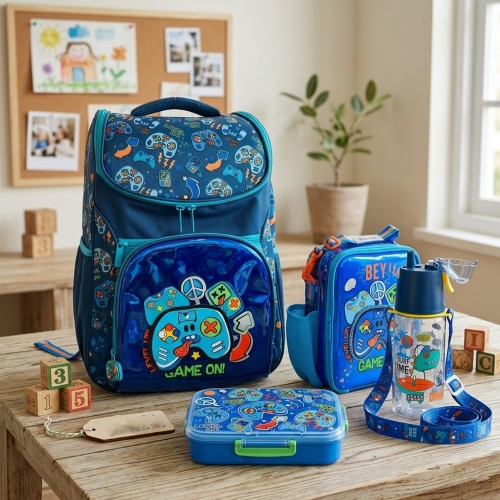
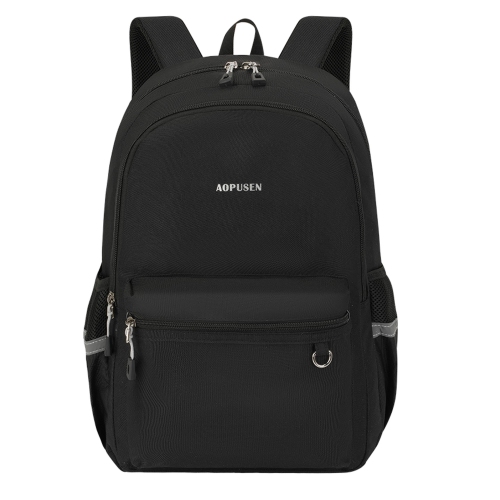
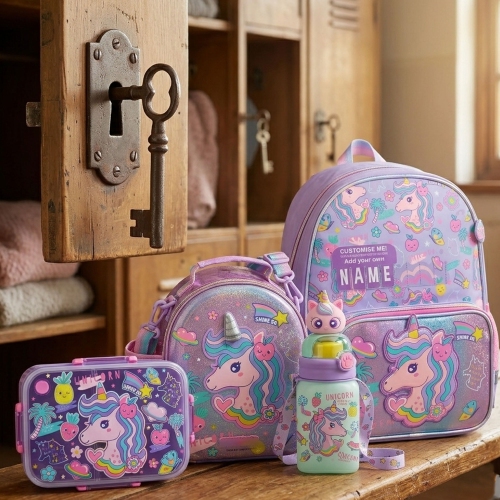
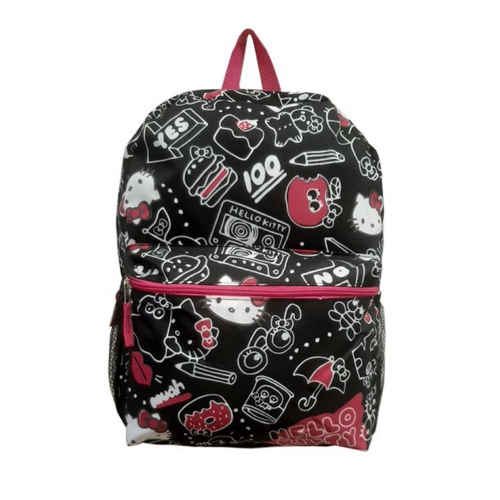
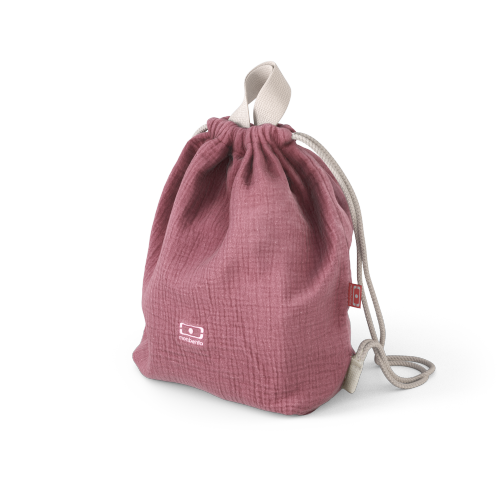
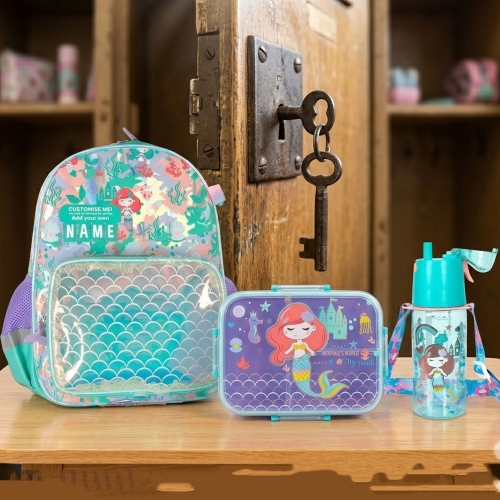
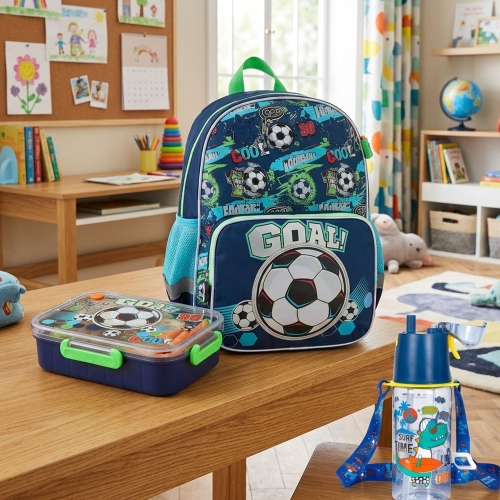
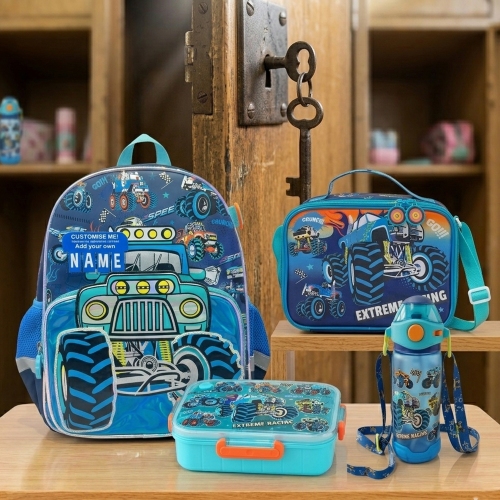
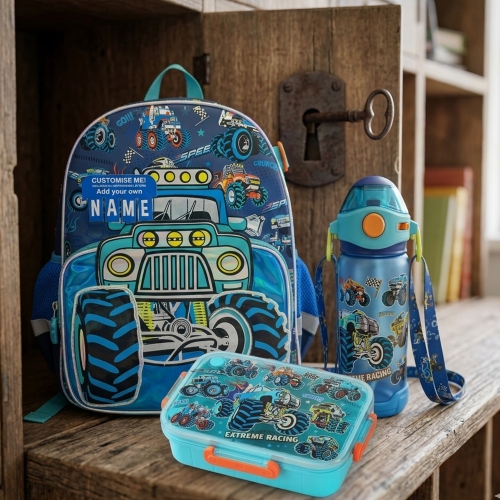
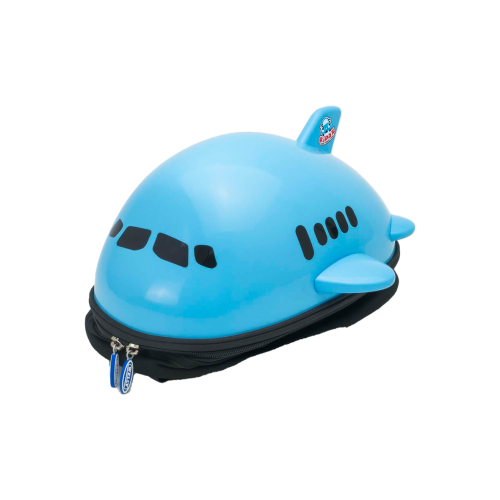
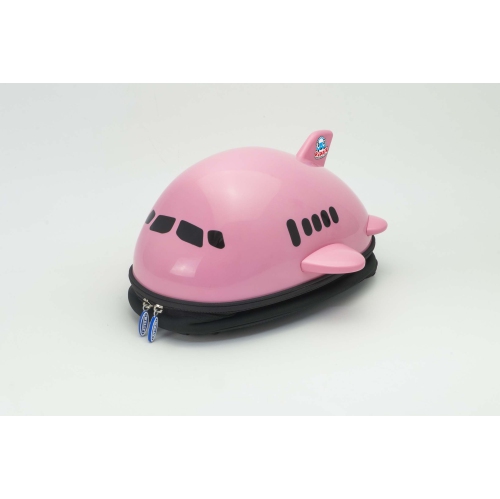
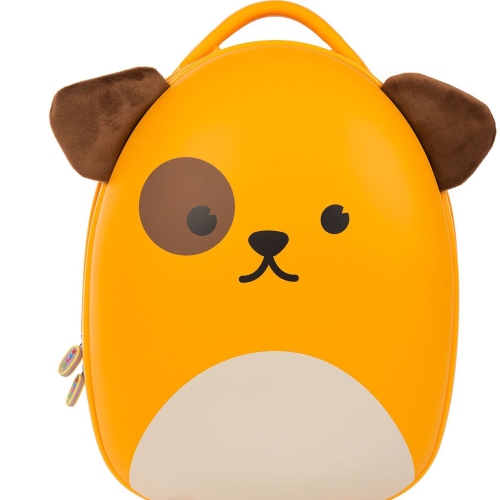
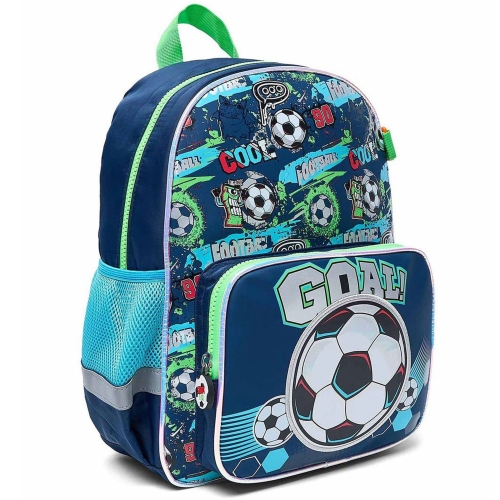
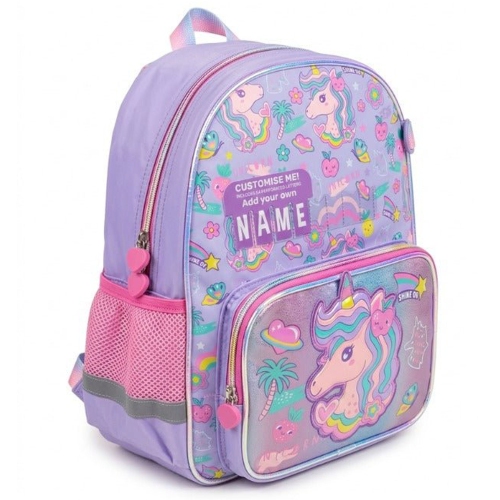
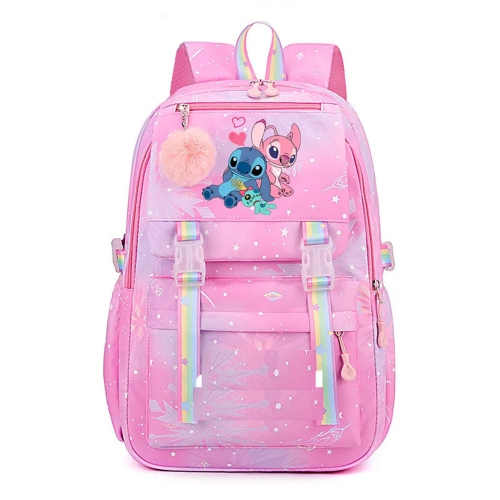
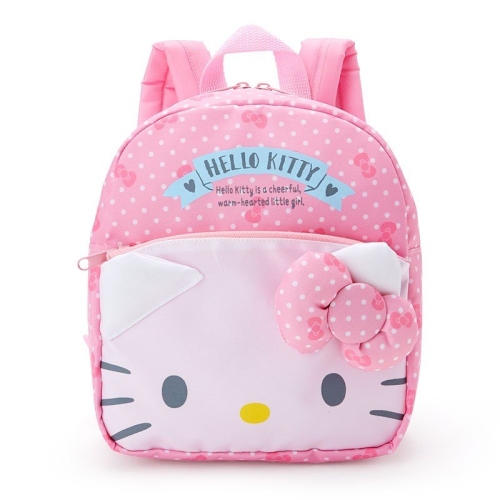
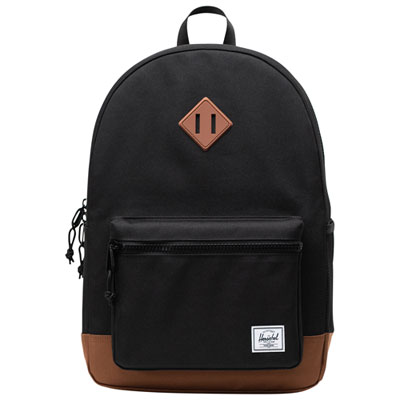
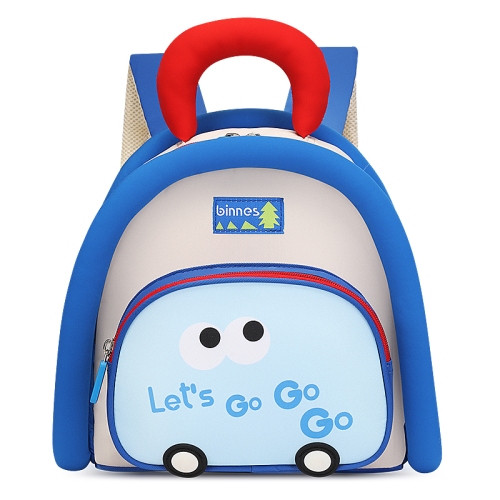
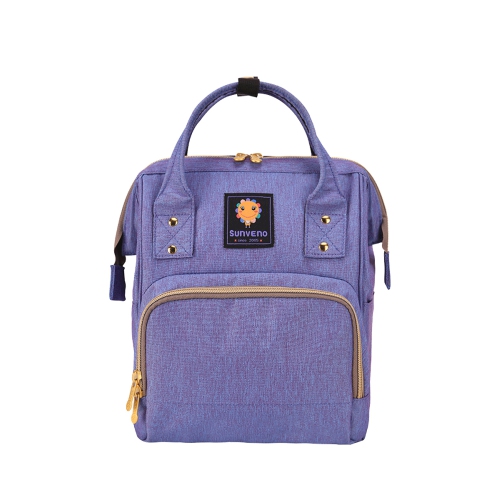
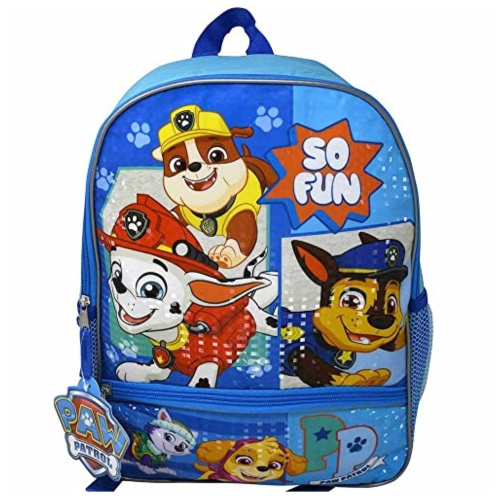
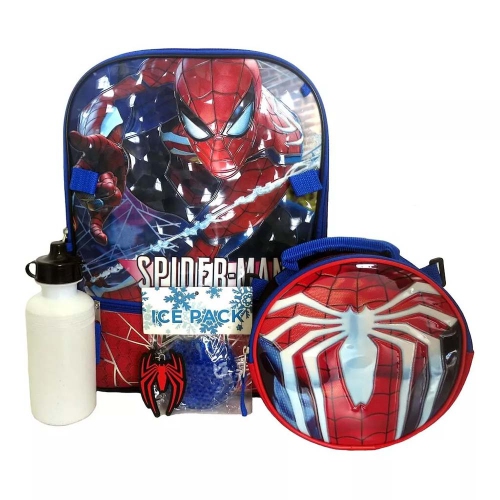
Preschool backpacks are designed for the small, everyday loads that children carry between home, preschool, daycare, playdates, and family outings. For most children ages 3 to 5, a compact backpack of about 10 to 12 inches in height is easier to manage than a full-sized school bag. The right size should leave enough room for a change of clothes, a snack, a water bottle, a few favourite treasures, and a standard folder without making the bag feel bulky or heavy. A backpack that is too large can overwhelm a young child, while one that is too small may force belongings to be crammed inside or carried separately. Lightweight construction is especially helpful for little shoulders, with many families looking for a bag that weighs less than 500 grams before it is packed. When comparing options, look for broad, padded, adjustable shoulder straps that can be shortened as needed and positioned comfortably over a child’s shoulders. A chest clip can provide extra stability by helping keep the straps from sliding outward on narrow or sloping shoulders, particularly when a child is walking, climbing playground steps, or hurrying to join a group. Large zipper pulls are another practical detail because they are easier for small hands to grasp and can support a child’s growing independence. Smooth zippers, simple compartments, and clearly visible pockets make it easier for children to find their own belongings and practise opening, closing, packing, and unpacking their bag. An exterior bottle pocket can keep drinks upright and within reach, while a front pouch is useful for tissues, mittens, small toys, or notes from a caregiver. Materials such as polyester or canvas are popular for preschool use because they are generally easy to wipe clean after a spilled drink, a dusty walk, or an afternoon spent exploring outdoors. Bright colours, playful patterns, and friendly shapes can also help a child recognize their bag quickly among several similar items at preschool. For a broader selection of compact styles, explore Small Kids Backpacks, where families can compare sizes and features suited to younger children.
A preschool backpack can become part of a child’s daily routine long before they begin formal school. In the morning, a child may help place a favourite snack, a water bottle, a spare shirt, and a small comfort item inside the main compartment. By afternoon, that same bag may hold a painting, a library book, a handful of pebbles from an outdoor walk, or a mitten that somehow escaped the coat pocket. These ordinary moments make practical design important. A structured opening that stays accessible can help a child pack with less assistance, while a well-organized interior makes it easier for parents and caregivers to check whether essentials have been returned home. Consider the child’s usual schedule and how much they will carry each day. If lunches are packed in a separate container, a smaller backpack may be enough for clothing and personal items. If the bag needs to accommodate a lunch box, full-sized folder, water bottle, and activity supplies together, check the dimensions and interior capacity carefully rather than relying on appearance alone. A preschool backpack should sit comfortably against the child’s back without extending far below the waist, and the packed weight should remain manageable for the child’s age and build. Testing the fit at home can be useful: adjust the shoulder straps so the bag rests securely, fasten the chest clip if included, and make sure the child can walk, bend, and remove the bag without it shifting excessively. During the warmer part of the year, breathable straps and a wipeable exterior can be welcome after walks or playground time; during cooler months, leave enough room for gloves, a toque, or an extra layer. A compact backpack can also make a thoughtful gift for a preschooler, especially when chosen around a favourite colour, animal, vehicle, or storybook-inspired design. It is useful for visits with grandparents, short trips, indoor activities, and family travel as well as preschool. Children often take pride in carrying a bag that feels like their own, and small features such as an easy-grip handle or a name tag area can make daily transitions more familiar. Before choosing, check the dimensions, listed capacity, strap design, pocket layout, closure style, and care instructions. The best preschool backpack is one that fits the child, matches the amount they usually carry, and supports simple routines without adding unnecessary weight or fuss.
A preschool backpack can become part of a child’s daily routine long before they begin formal school. In the morning, a child may help place a favourite snack, a water bottle, a spare shirt, and a small comfort item inside the main compartment. By afternoon, that same bag may hold a painting, a library book, a handful of pebbles from an outdoor walk, or a mitten that somehow escaped the coat pocket. These ordinary moments make practical design important. A structured opening that stays accessible can help a child pack with less assistance, while a well-organized interior makes it easier for parents and caregivers to check whether essentials have been returned home. Consider the child’s usual schedule and how much they will carry each day. If lunches are packed in a separate container, a smaller backpack may be enough for clothing and personal items. If the bag needs to accommodate a lunch box, full-sized folder, water bottle, and activity supplies together, check the dimensions and interior capacity carefully rather than relying on appearance alone. A preschool backpack should sit comfortably against the child’s back without extending far below the waist, and the packed weight should remain manageable for the child’s age and build. Testing the fit at home can be useful: adjust the shoulder straps so the bag rests securely, fasten the chest clip if included, and make sure the child can walk, bend, and remove the bag without it shifting excessively. During the warmer part of the year, breathable straps and a wipeable exterior can be welcome after walks or playground time; during cooler months, leave enough room for gloves, a toque, or an extra layer. A compact backpack can also make a thoughtful gift for a preschooler, especially when chosen around a favourite colour, animal, vehicle, or storybook-inspired design. It is useful for visits with grandparents, short trips, indoor activities, and family travel as well as preschool. Children often take pride in carrying a bag that feels like their own, and small features such as an easy-grip handle or a name tag area can make daily transitions more familiar. Before choosing, check the dimensions, listed capacity, strap design, pocket layout, closure style, and care instructions. The best preschool backpack is one that fits the child, matches the amount they usually carry, and supports simple routines without adding unnecessary weight or fuss.
Top selling and popular products
-
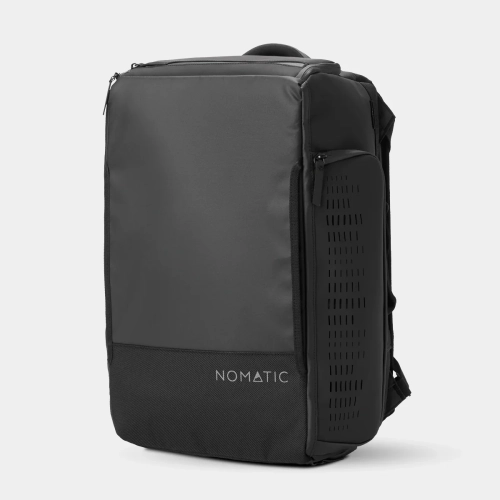 Your price for this item is $419.99
 -
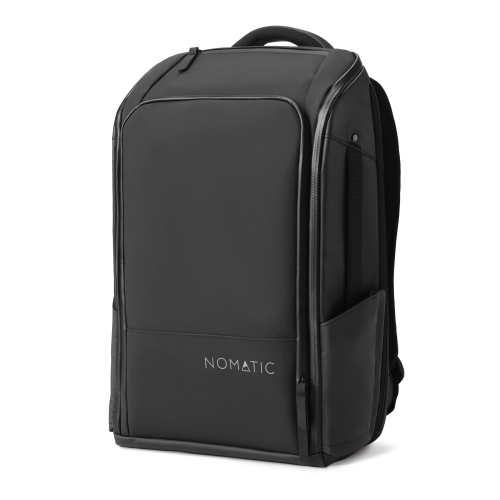 Your price for this item is $399.99
 -
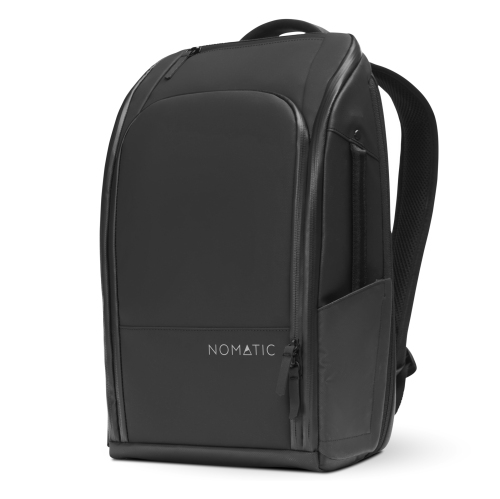 Your price for this item is $369.99
 -
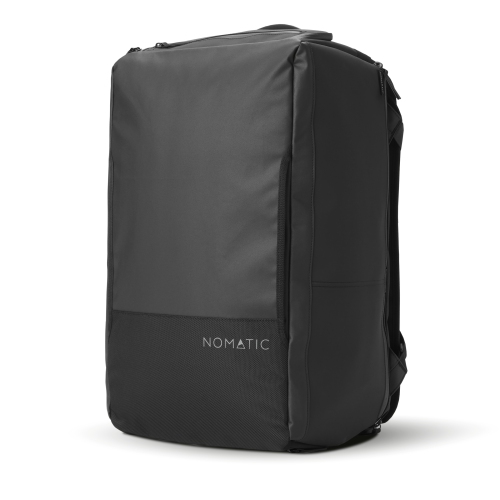 Your price for this item is $399.99
 -
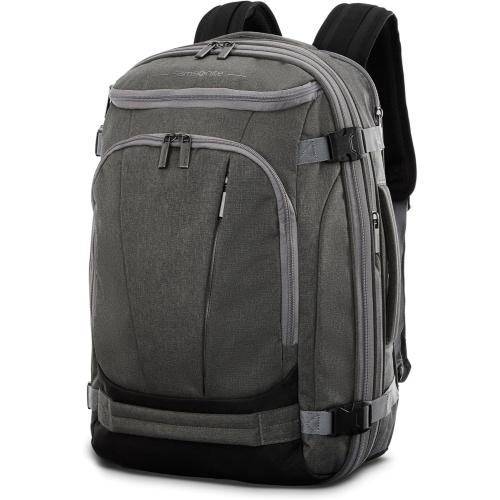 Your price for this item is $218.48
 -
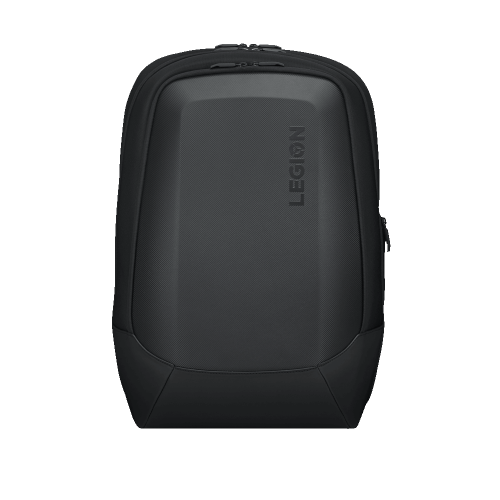 Your price for this item is $98.99
 -
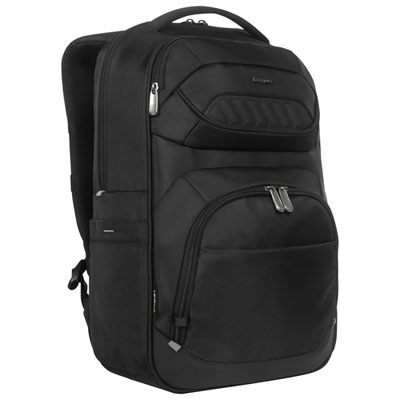 Your price for this item is $99.99
 -
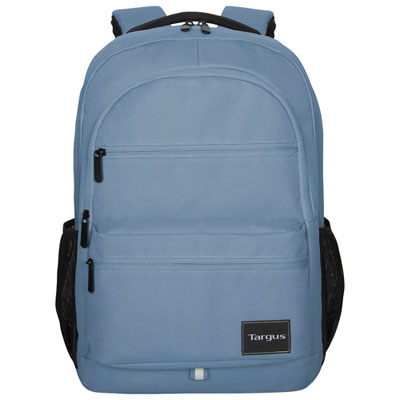 Your price for this item is $59.97
Discover more categories related to Preschool Backpacks
Top Collections:
Pokemon Centers, Best Cameras for Sports Photography, Kindle Devices, Samsung Galaxy Phones, Canon G7X Cameras, Pokémon 30th Celebration Cards, Refurbished Apple Laptops, iPhone 15 Apple, Laptops for Students, Budget Smartphones
Some products may be subject to Environmental Handling Fees
(EHF) depending on your province.
Learn more about EHFs.