Sac Sport
Sac Sport is the perfect companion for carrying your athletic essentials, whether you’re heading to the gym, the field, or a weekend adventure. Designed to keep up with your active lifestyle, these versatile bags offer convenient storage and easy portability. With a variety of sizes, colors, and styles to choose from, finding the right Sac Sport makes organizing your gear simple and stylish. Discover options that suit every activity and preference, ensuring you’re ready for any challenge.
Sort
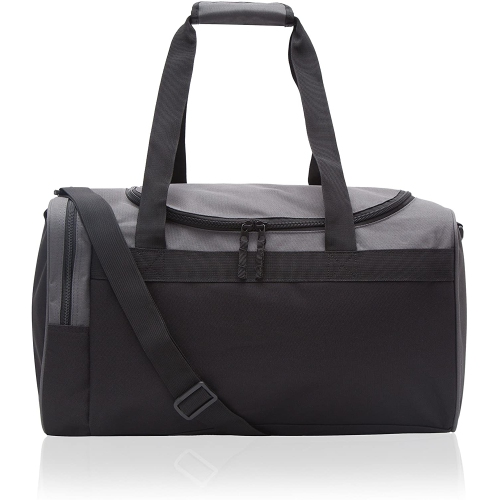
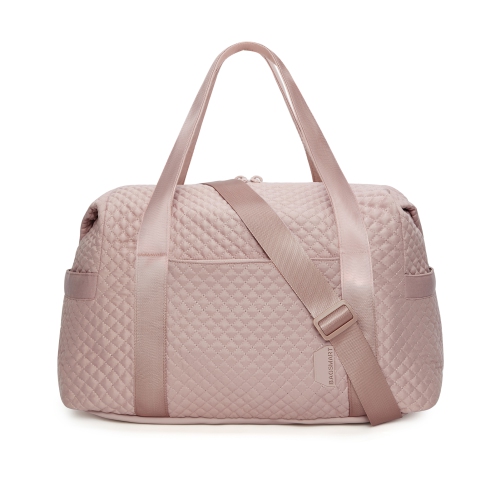
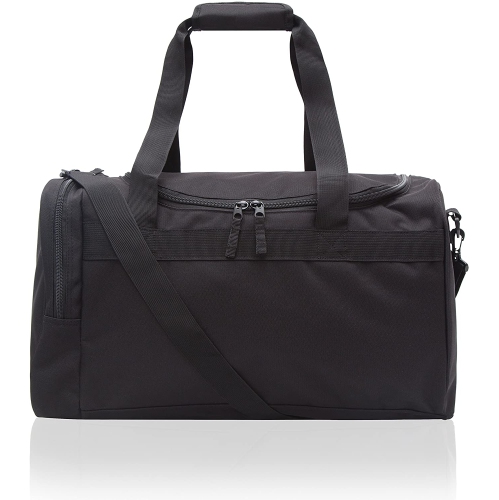
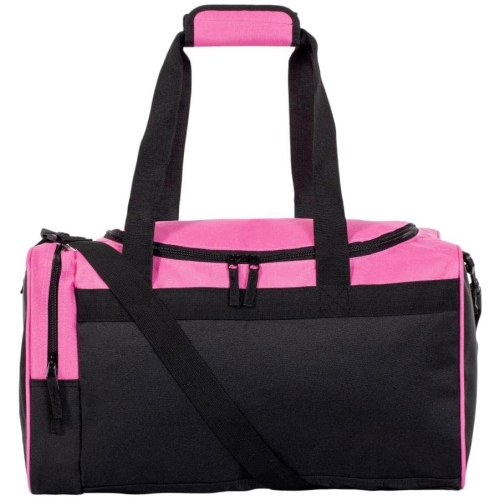
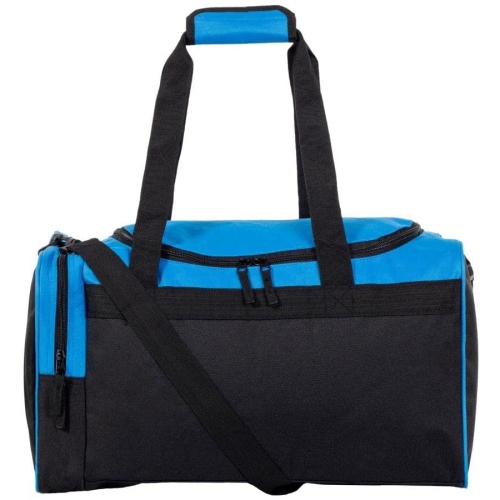
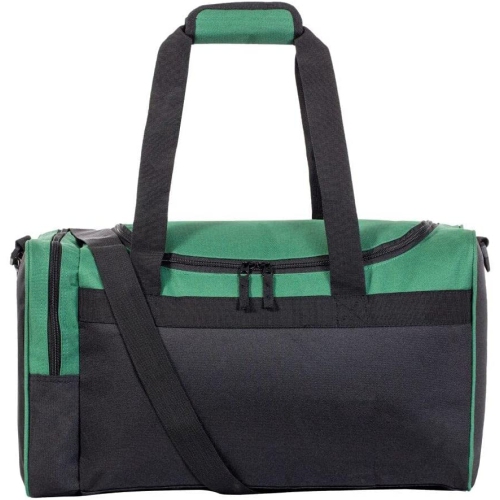
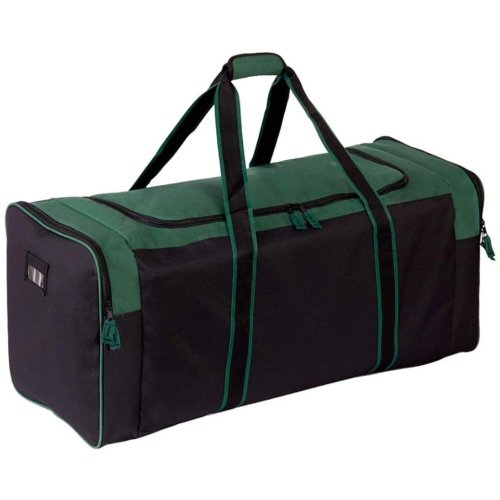
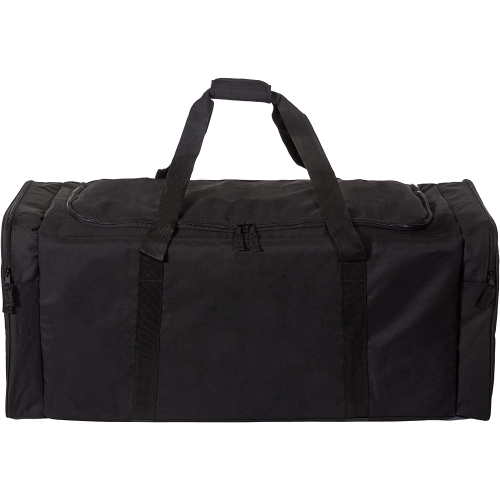
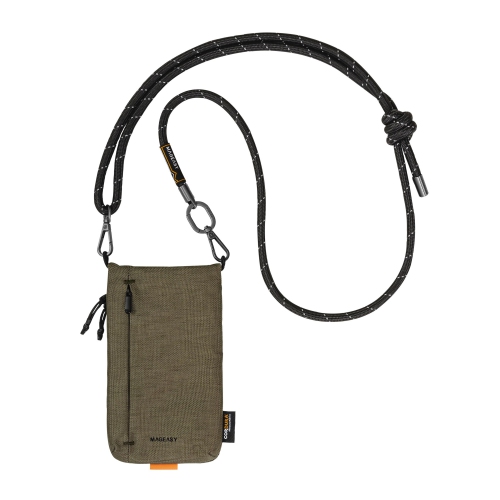
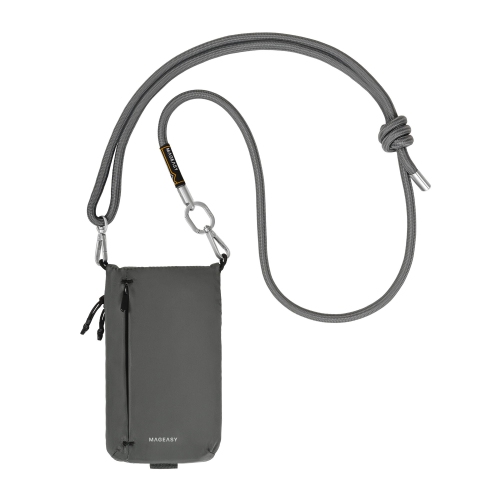
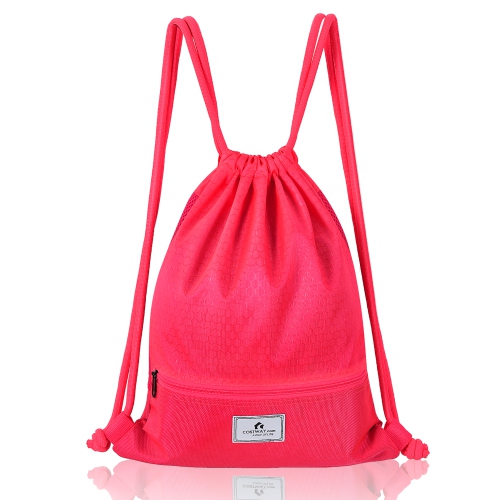
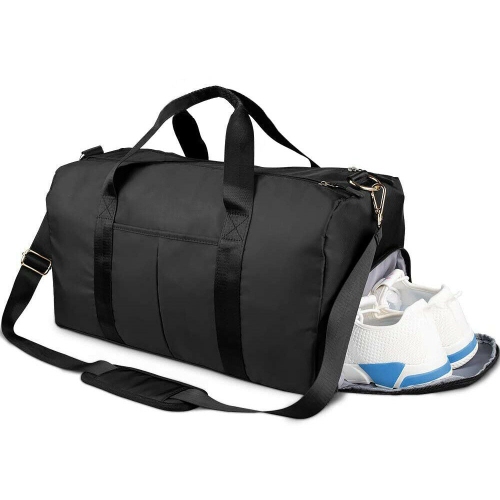
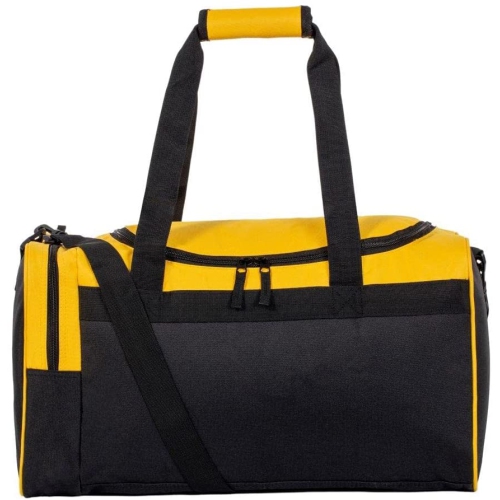
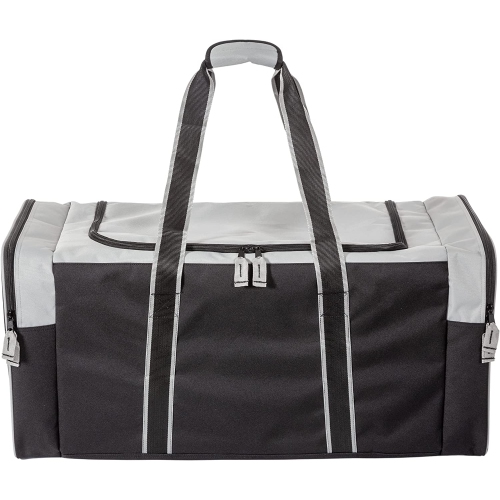
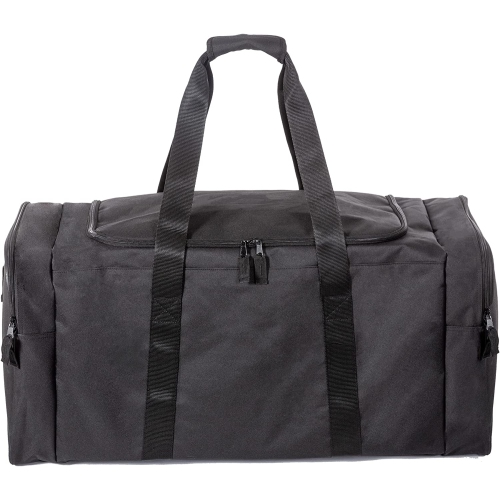
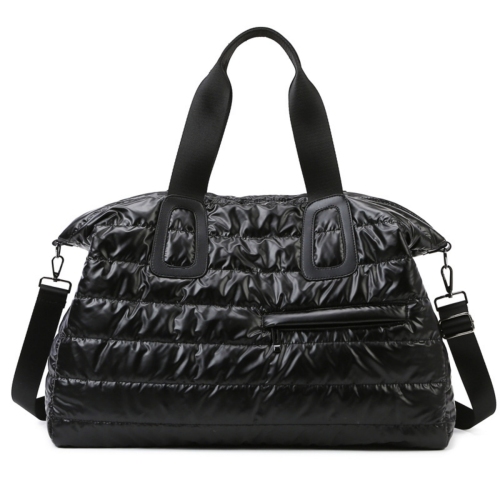
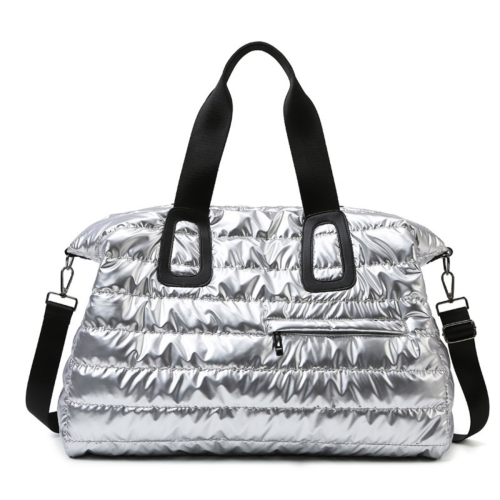
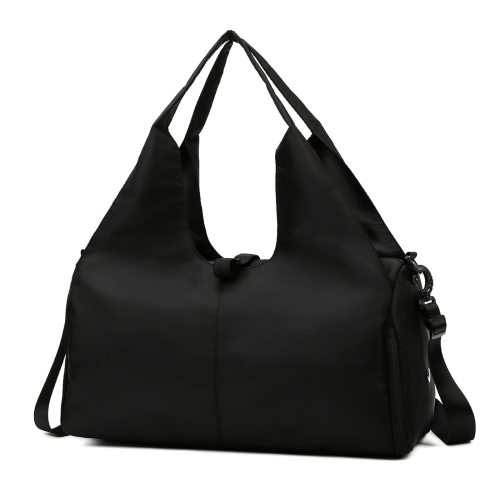
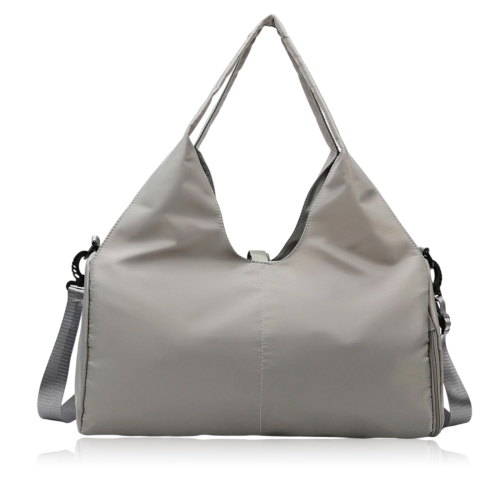
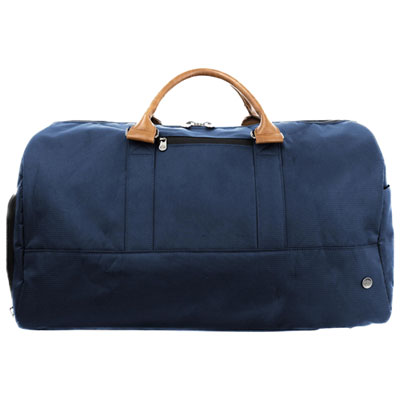
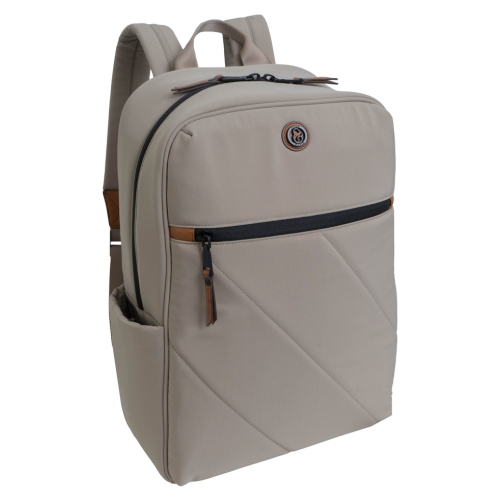
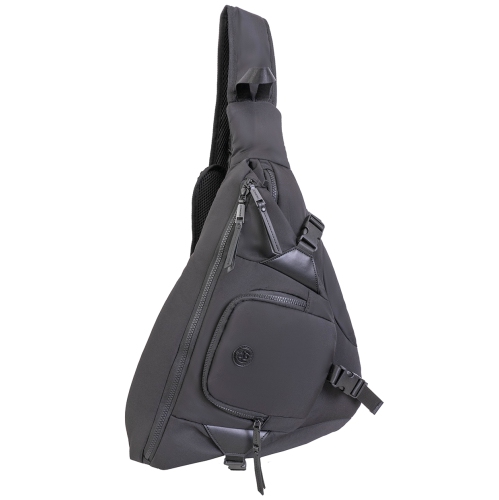
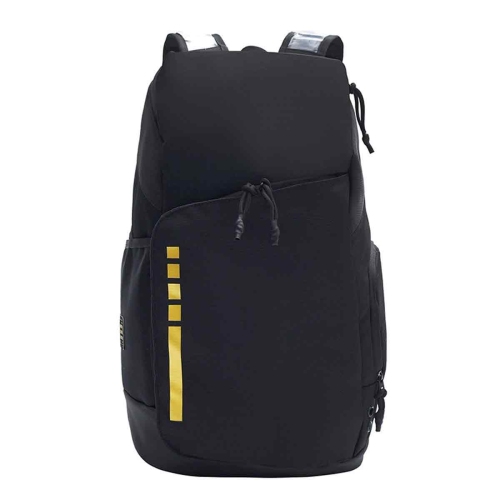
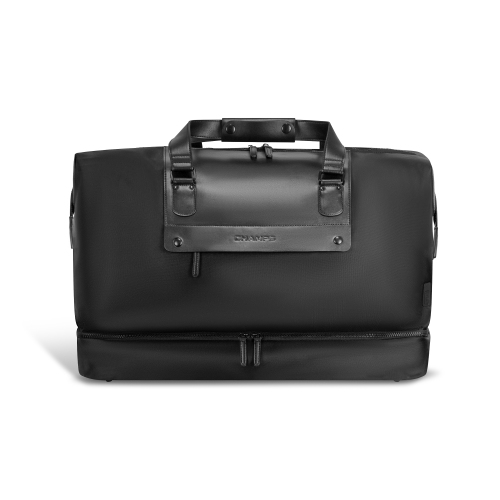
Bag shape matters as much as packing space
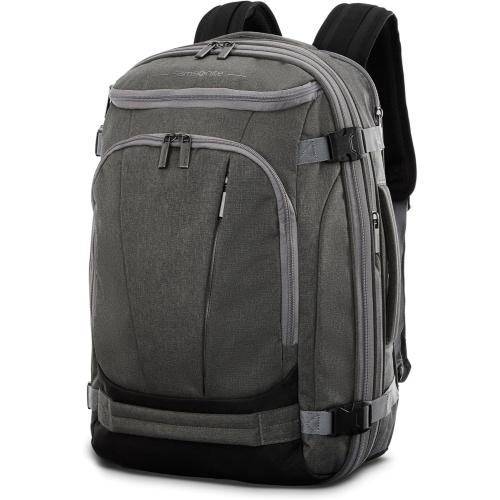
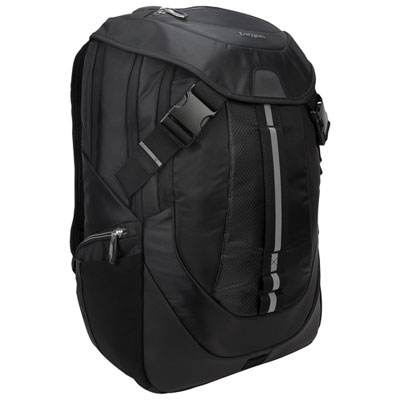
Sports bags keep workout clothing, footwear, and training essentials together, whether the destination is a fitness centre, a swimming pool, a studio, or a team practice. The most useful shape depends on what needs to travel and how the bag will be carried. A duffle has a broad opening that makes it easy to pack folded clothing, a towel, and shoes without fitting everything through a narrow top. A sports backpack leaves both hands free, which can be helpful on public transit or when carrying other equipment. Drawstring bags suit lighter loads, such as a change of shirt and a few small essentials, while larger equipment bags provide room for bulkier gear. Capacity is often expressed in litres, but shape and opening size matter just as much as the number on the label. Two bags with similar capacities can feel quite different when one has a long main compartment and the other divides its space among several sections. For a short gym session, a compact bag may be enough; a swim practice or an activity requiring protective equipment usually calls for more space and a layout suited to that gear. A bag should hold the usual load without needing to be stuffed so tightly that the zipper strains or the sides bulge. Extra room can be useful, though an oversized bag may become awkward in a locker or crowded change room. Intended use also affects how much structure feels practical. A soft-sided bag can fold down between outings, while a firmer base helps keep packed belongings upright when the bag is set down. Students moving between class and practice, adults fitting exercise around work, and families organizing children's activities may all use sports bags differently. For each routine, a useful starting point is the actual collection of belongings carried most often, rather than the largest capacity possible.
Organization becomes especially noticeable at the end of a workout, when clean clothing, worn shoes, and a damp towel need separate places. A dedicated shoe compartment can limit contact between soles and other belongings, although it may take space away from the main section when filled. Ventilated panels allow some airflow, but they do not replace unpacking and drying the contents after use. A lined pocket intended for damp belongings can help keep moisture away from the rest of the load; its effectiveness depends on the lining, seams, and closure, so it should not automatically be treated as leakproof. For swimming, a separate removable pouch can make it easier to take wet clothing straight to the laundry area. Smaller zipped pockets are useful for keys, a membership card, and a lock, particularly when those objects would otherwise slip beneath a towel. An accessible bottle pocket keeps a drink within reach, provided its depth and opening suit the bottle being carried. People heading to exercise before or after work may appreciate a section for everyday belongings, but a general interior sleeve should not be assumed to offer padded protection for electronics. Carrying comfort deserves equal attention. Wide handles can feel less concentrated in the hand, while a padded shoulder strap helps distribute pressure across the shoulder. An adjustable strap allows the bag to sit at a comfortable height rather than knocking against the knee with each step. Backpack styles spread the load across both shoulders when both straps are worn, and a close fit helps reduce shifting during a walk. The empty weight of the bag contributes to the overall load, especially once shoes and a filled bottle are packed. Anyone combining training with overnight trips may also find the packing layouts associated with Sac a Dos De Voyage useful for carrying clothing and personal belongings together. For children and younger athletes, manageable dimensions and easy-to-use closures are often more practical than extra compartments that make essentials harder to find.
Materials and construction influence how a sports bag feels, holds its shape, and stands up to repeated packing. Polyester and nylon are common choices because they can offer useful strength without excessive weight, although performance varies with the fabric's thickness, weave, and finish. Canvas has a more substantial feel and can work well for everyday carrying, but may be heavier and take longer to dry than some synthetic fabrics. Mesh sections help air circulate and make certain contents visible, while a smooth lining can be easier to wipe clean after a small spill. A coated base can help limit moisture transfer from a damp change-room floor, but a fabric coating alone does not make an entire bag waterproof. Stitching around handles, strap attachment points, and the base is particularly important because these areas take much of the strain when the bag is lifted. Reinforced seams, neatly finished edges, and zipper pulls that are easy to grasp are practical details for frequent use. A structured shoe section should be long enough for the footwear it needs to hold, and adjustable straps should remain secure once set. Care starts with the manufacturer's instructions, since some bags tolerate washing while others require spot cleaning only. Emptying pockets, brushing out grit, and wiping away marks promptly can keep the interior more pleasant to use. Damp towels and workout clothing are best removed after each outing, with compartments left open to dry fully before the bag is stored. Harsh cleaners, bleach, and high heat can damage certain fabrics, coatings, or trim, so cleaning methods should suit the material. Sports bags can also make thoughtful gifts for someone starting a fitness routine, joining a team, or replacing a bag that no longer fits their needs. A comfortable carrying style, suitable capacity, and a colour they enjoy are likely to matter more than an elaborate layout. The everyday value lies in having a dependable place for essentials, with enough room to pack them neatly and enough access to find them without emptying the whole bag onto a bench.
Organization becomes especially noticeable at the end of a workout, when clean clothing, worn shoes, and a damp towel need separate places. A dedicated shoe compartment can limit contact between soles and other belongings, although it may take space away from the main section when filled. Ventilated panels allow some airflow, but they do not replace unpacking and drying the contents after use. A lined pocket intended for damp belongings can help keep moisture away from the rest of the load; its effectiveness depends on the lining, seams, and closure, so it should not automatically be treated as leakproof. For swimming, a separate removable pouch can make it easier to take wet clothing straight to the laundry area. Smaller zipped pockets are useful for keys, a membership card, and a lock, particularly when those objects would otherwise slip beneath a towel. An accessible bottle pocket keeps a drink within reach, provided its depth and opening suit the bottle being carried. People heading to exercise before or after work may appreciate a section for everyday belongings, but a general interior sleeve should not be assumed to offer padded protection for electronics. Carrying comfort deserves equal attention. Wide handles can feel less concentrated in the hand, while a padded shoulder strap helps distribute pressure across the shoulder. An adjustable strap allows the bag to sit at a comfortable height rather than knocking against the knee with each step. Backpack styles spread the load across both shoulders when both straps are worn, and a close fit helps reduce shifting during a walk. The empty weight of the bag contributes to the overall load, especially once shoes and a filled bottle are packed. Anyone combining training with overnight trips may also find the packing layouts associated with Sac a Dos De Voyage useful for carrying clothing and personal belongings together. For children and younger athletes, manageable dimensions and easy-to-use closures are often more practical than extra compartments that make essentials harder to find.
Materials and construction influence how a sports bag feels, holds its shape, and stands up to repeated packing. Polyester and nylon are common choices because they can offer useful strength without excessive weight, although performance varies with the fabric's thickness, weave, and finish. Canvas has a more substantial feel and can work well for everyday carrying, but may be heavier and take longer to dry than some synthetic fabrics. Mesh sections help air circulate and make certain contents visible, while a smooth lining can be easier to wipe clean after a small spill. A coated base can help limit moisture transfer from a damp change-room floor, but a fabric coating alone does not make an entire bag waterproof. Stitching around handles, strap attachment points, and the base is particularly important because these areas take much of the strain when the bag is lifted. Reinforced seams, neatly finished edges, and zipper pulls that are easy to grasp are practical details for frequent use. A structured shoe section should be long enough for the footwear it needs to hold, and adjustable straps should remain secure once set. Care starts with the manufacturer's instructions, since some bags tolerate washing while others require spot cleaning only. Emptying pockets, brushing out grit, and wiping away marks promptly can keep the interior more pleasant to use. Damp towels and workout clothing are best removed after each outing, with compartments left open to dry fully before the bag is stored. Harsh cleaners, bleach, and high heat can damage certain fabrics, coatings, or trim, so cleaning methods should suit the material. Sports bags can also make thoughtful gifts for someone starting a fitness routine, joining a team, or replacing a bag that no longer fits their needs. A comfortable carrying style, suitable capacity, and a colour they enjoy are likely to matter more than an elaborate layout. The everyday value lies in having a dependable place for essentials, with enough room to pack them neatly and enough access to find them without emptying the whole bag onto a bench.
Top selling and popular products
-
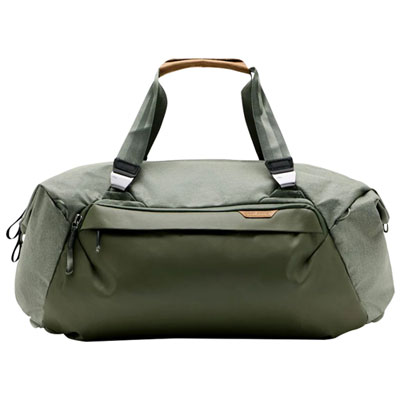 Your price for this item is $209.98
 -
 Your price for this item is $75
 -
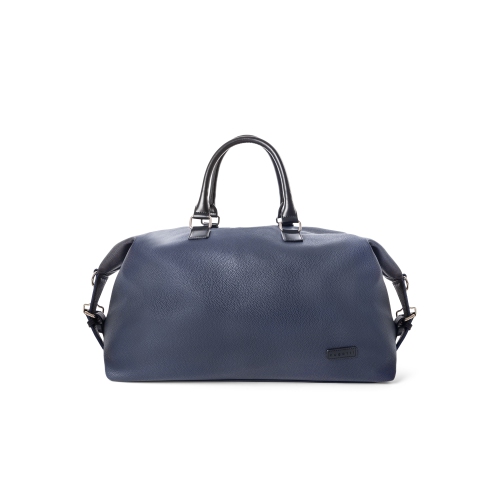 Your price for this item is $97.5
 -
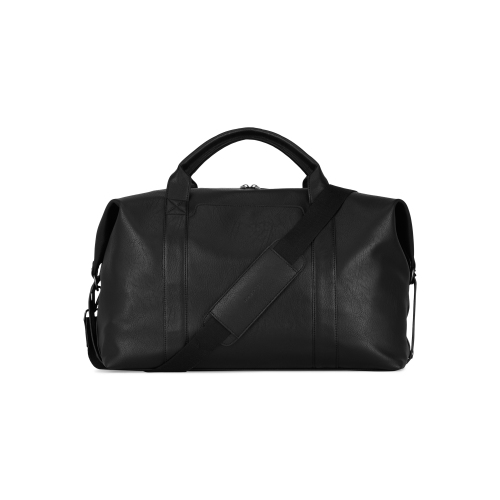 Your price for this item is $75
 -
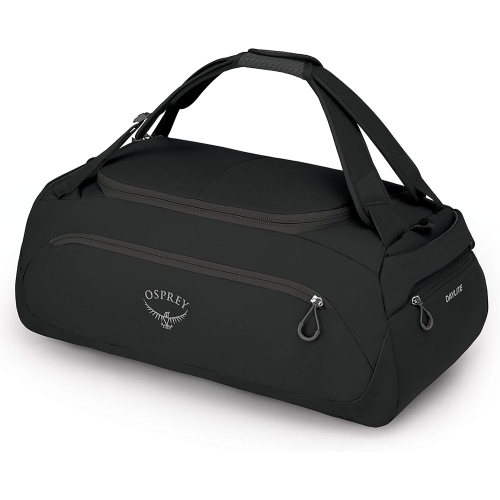 Your price for this item is $189.05
 -
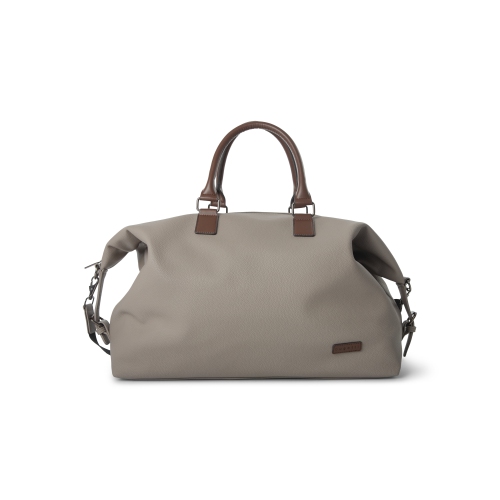 Your price for this item is $97.5
 -
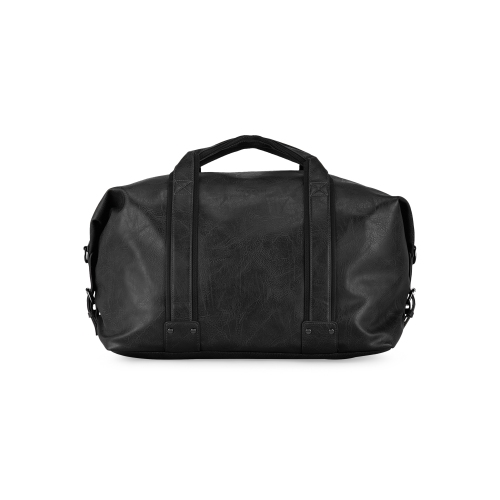 Your price for this item is $97.5
 -
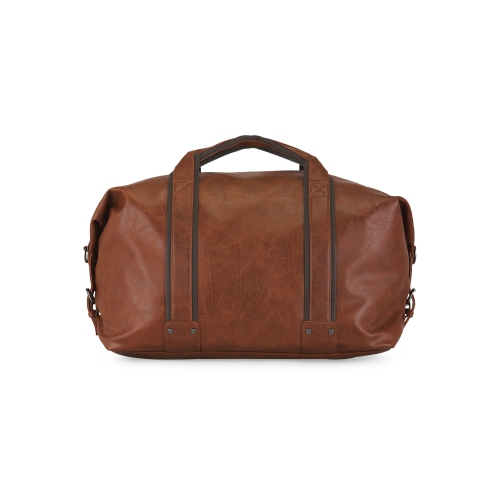 Your price for this item is $97.5
Discover more categories related to Sac Sport
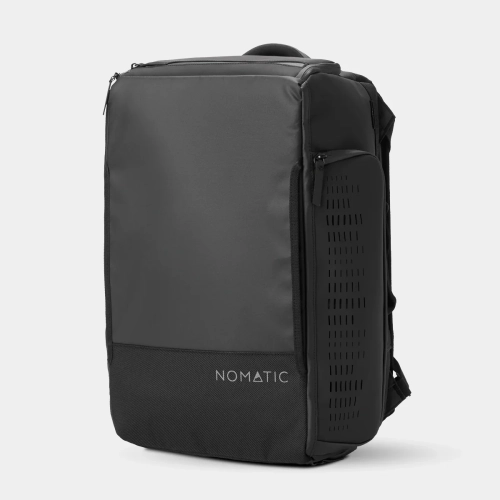
Top Collections:
Pokemon Centers, Kindle Devices, Best Budget Office Chairs, Apple iPhones 16, Canon G7X Cameras, iPhone 15 Apple, Alarm Clock, Refurbished Apple Laptops, Flip Phones, Best Laptops for Writers
Some products may be subject to Environmental Handling Fees
(EHF) depending on your province.
Learn more about EHFs.