Sport Backpacks
Whether you're hitting the trails, heading to the gym, or commuting to work, a sports backpack is an essential accessory for anyone on the go. Designed with functionality and style in mind, our collection of sports backpacks offers a range of features to keep your gear organized and easily accessible. From durable materials to ergonomic designs, these backpacks are built to withstand your active lifestyle while keeping you comfortable throughout the day. Choose from various sizes, colors, and styles to find the perfect sports backpack that fits your needs and reflects your personal taste.
Sort






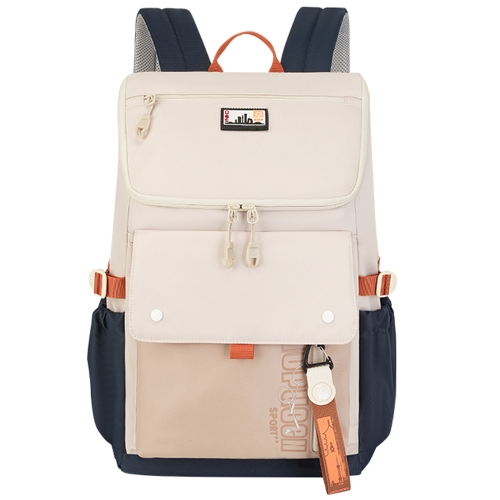
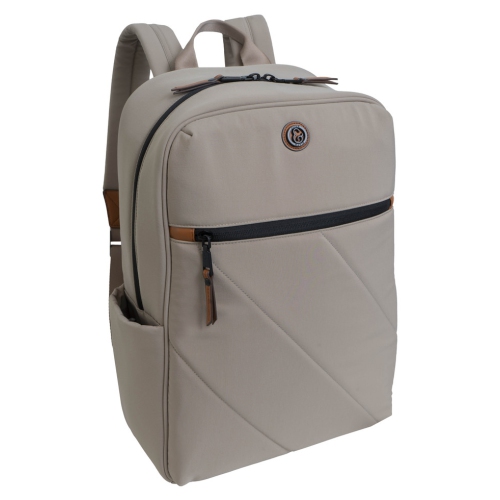


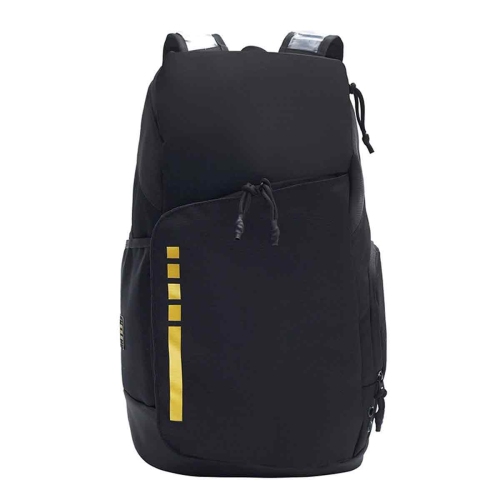


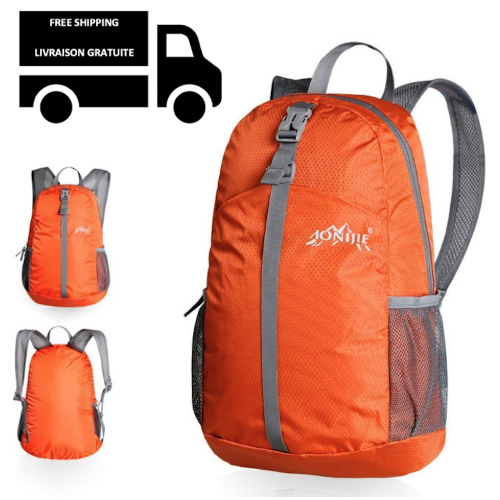
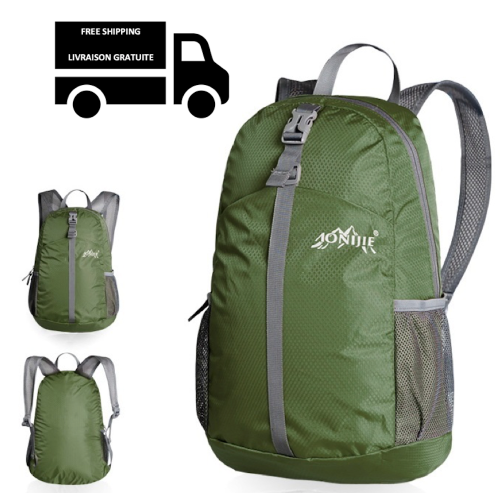
Separate spaces for clean clothes and worn shoes
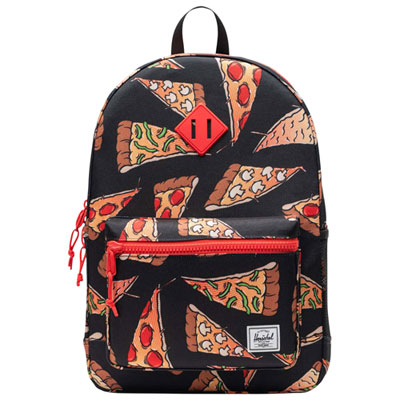
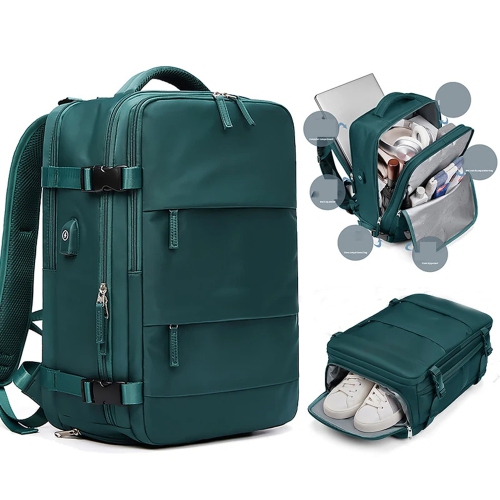
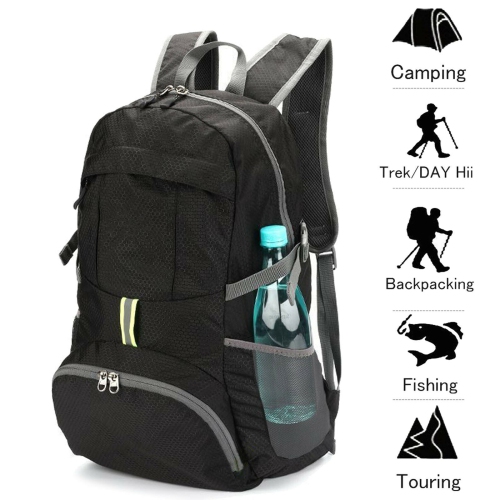
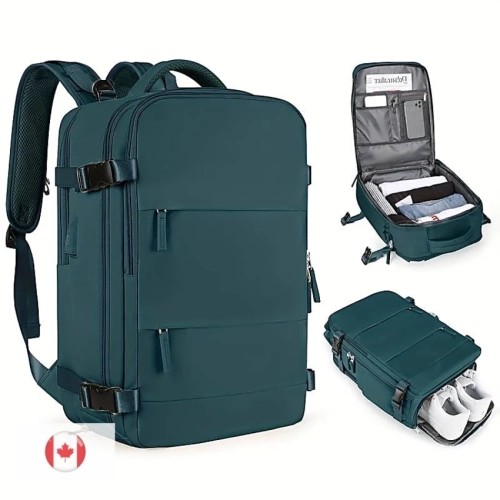
Sport backpacks are designed to carry athletic clothing, footwear, water bottles, and training essentials while leaving both hands free. They suit the everyday movement between home, school, work, the gym, and the playing field, with layouts that can keep clean clothing apart from worn shoes or damp gear. Unlike a simple drawstring bag, a structured sports backpack may have padded shoulder straps, several zippered compartments, and a reinforced base that helps it handle a fuller load. The most useful arrangement depends on the activity and how much needs to come along. A gym backpack might hold trainers, a towel, a change of clothes, and toiletries, while a basketball backpack may include a separate space shaped for a ball. For soccer practice, room for cleats and shin guards can matter more than a collection of small organiser pockets. Racquet sports bring different storage needs, with some designs providing a dedicated compartment or securing straps for a racquet; dimensions and closure details determine whether the fit is suitable. Capacity is usually expressed in litres, but the shape of the bag matters just as much as the number. A tall, narrow pack can feel quite different from a broad, boxy one with the same stated capacity, particularly when fitting it into a locker or carrying it through a crowded bus. Packs around 20 to 30 litres often suit everyday training essentials, though bulky footwear, protective equipment, and extra layers can call for more space. During the cooler months, a sweatshirt or light jacket can take up much of the main compartment before any sports equipment goes in. For people who combine classes and practice in one day, Student Athlete Backpacks reflect the overlap between academic and athletic routines. Space for books or a padded laptop compartment can make that transition simpler, provided damp clothing and drink containers remain separate from electronics and paper.
Materials and construction influence how a sport backpack feels on the shoulders and how well it stands up to repeated use. Polyester and nylon are common choices because they can offer a practical balance of weight, strength, and ease of care. Fabric thickness, weave, coatings, and stitching all affect performance, so a heavier-looking material is not automatically the more durable option. Reinforced seams at shoulder strap attachments and sturdy grab handles are particularly useful when a packed bag gets lifted from a locker, car boot, or gym floor several times a day. A reinforced or coated bottom can help protect against abrasion and incidental moisture, although it does not make the entire bag waterproof. Water-resistant fabric may shed light rain or splashes; sustained rain can still enter through zips, seams, or unprotected openings unless the bag is specifically constructed for that level of protection. Fit deserves the same attention as fabric. Broad, padded shoulder straps can spread pressure, while adjustable straps help keep the load close rather than hanging low against the back. A sternum strap can limit side-to-side movement during a brisk walk or bike ride, and a supportive hip belt may help transfer some weight on larger packs when properly fitted. Back-panel padding can soften contact with firm contents, while mesh and channels may allow some airflow without eliminating perspiration. Torso length, shoulder width, and the weight of the packed bag all influence comfort; a roomy adult pack may sit poorly on a smaller frame even when its straps are shortened. For younger athletes, a proportionate size and manageable load are more useful than extra capacity that invites overpacking. Keeping dense contents close to the back and balancing the load can also improve carrying comfort. Someone heading straight from a desk to training may appreciate a restrained shape that sits neatly beside a workstation, while an athlete moving between practice venues may place greater value on wide openings and easy access to frequently used gear.
Thoughtful storage makes the difference between a bag that merely holds equipment and one that fits naturally into a busy routine. A separate shoe compartment can keep grit off a clean shirt, but its capacity may reduce the usable space in the main section, especially when large trainers are packed inside. Ventilated panels can help air circulate around worn footwear; they do not replace removing damp contents after exercise. A lined pocket intended for wet clothing can provide useful separation, though its level of containment depends on its construction. Exterior bottle pockets are convenient between drills or on the walk to the gym, particularly when they are deep enough to hold the bottle securely. Small zipped pockets give keys, a transit pass, and a phone a predictable place, avoiding a search beneath a towel at the end of practice. Wide zip openings make bulky gear easier to pack, and zip pulls that are easy to grasp can be helpful with cold hands. Compression straps, where included, can reduce loose space when the bag is not full. For low-light travel during the cooler months, reflective details may improve visibility when illuminated, but they are not a substitute for appropriate lights and other visibility measures. Care is generally straightforward, with the manufacturer's instructions setting the limits for washing and drying. Emptying the bag after each session, shaking out grit, and wiping marks with a soft cloth and mild soap can help preserve its finish. Machine washing or high heat may damage coatings, padding, and structural components unless expressly permitted. Leaving compartments open to air-dry fully before storage helps prevent trapped moisture and persistent odours. Regular attention to loose stitching, worn strap edges, and zips that catch can reveal wear before it disrupts a training day. As a gift, a sport backpack can be a practical choice for a student athlete, a regular gym-goer, or someone returning to recreational sport. Matching its size and layout to the recipient's actual routine gives it lasting usefulness, whether that means carrying a compact workout kit or keeping a full day's essentials organised from the first commute to the journey home.
Top selling and popular products
-
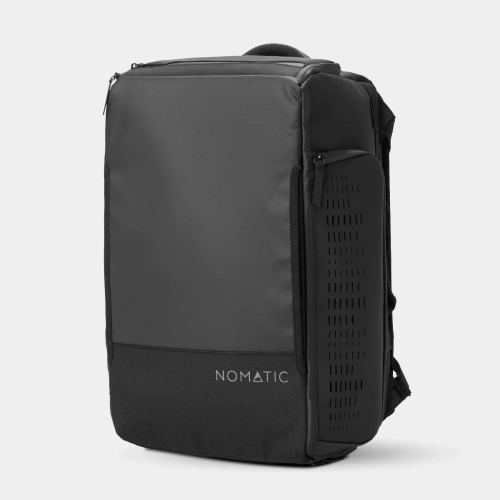 Your price for this item is $419.99
-
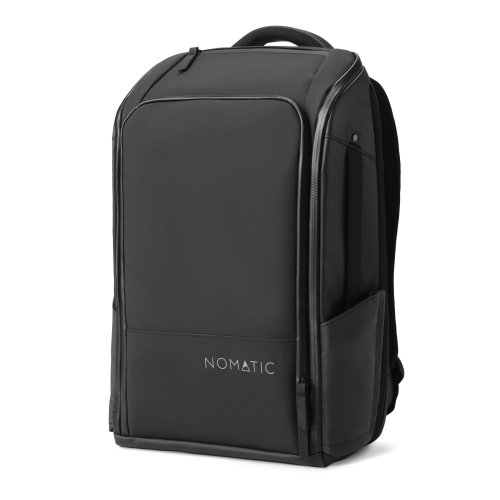 Your price for this item is $399.99
-
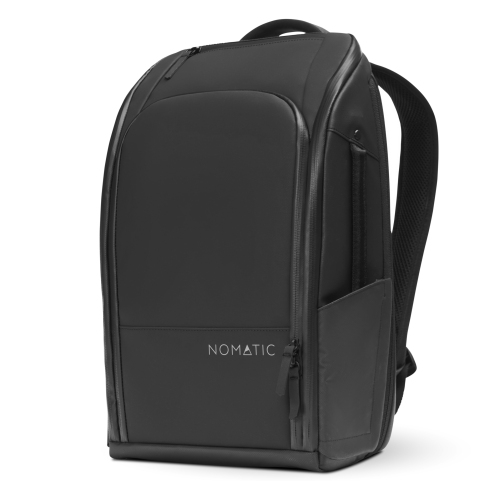 Your price for this item is $369.99
-
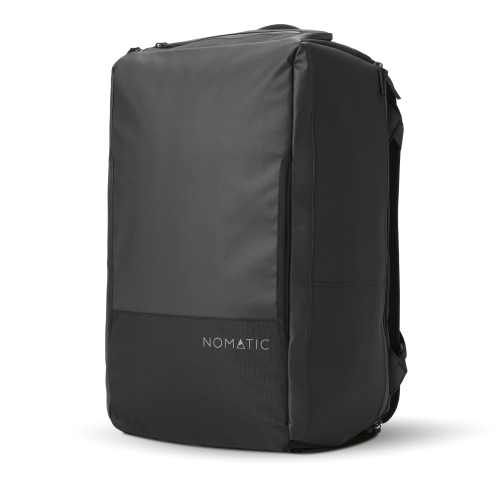 Your price for this item is $399.99
-
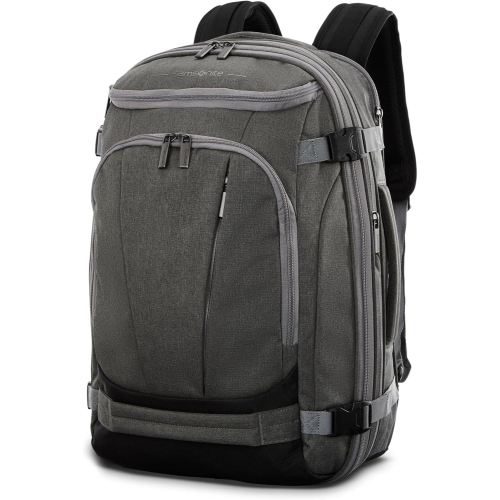 Your price for this item is $218.48
-
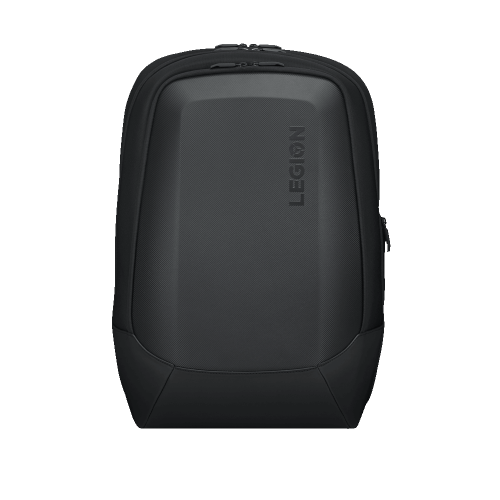 Your price for this item is $98.99
-
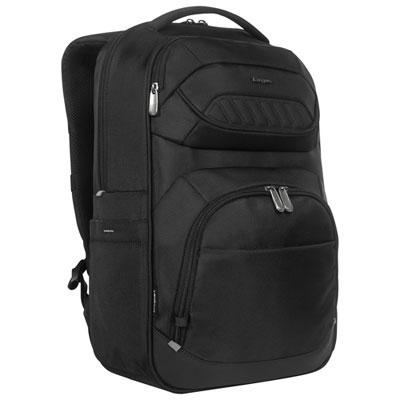 Your price for this item is $99.99
-
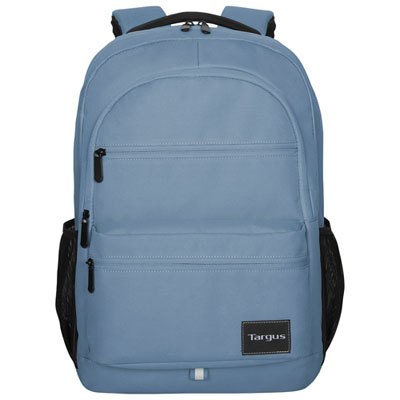 Your price for this item is $59.97
Discover more categories related to Sport Backpacks
Top Collections:
Pokemon Centers, Best Cameras for Sports Photography, Kindle Devices, Samsung Galaxy Phones, Canon G7X Cameras, Pokémon 30th Celebration Cards, Refurbished Apple Laptops, iPhone 15 Apple, Laptops for Students, Budget Smartphones
Some products may be subject to Environmental Handling Fees
(EHF) depending on your province.
Learn more about EHFs.