Small Brown Leather Backpacks
Small brown leather backpacks are a classic style that can be used for school, work, or play. These are versatile bags that can be used for multiple purposes. They are made with high-quality leather that is durable and designed to last. Here are some of the great options available on the market today.
Sort
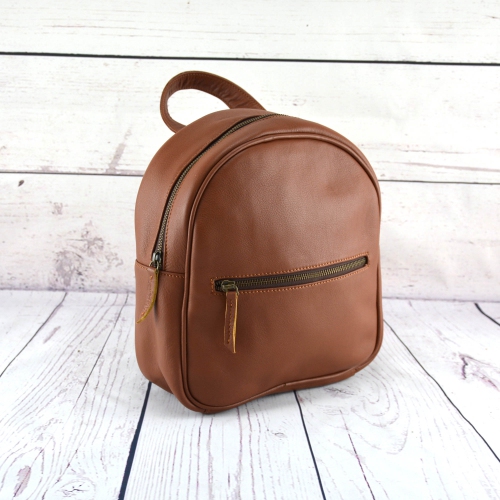
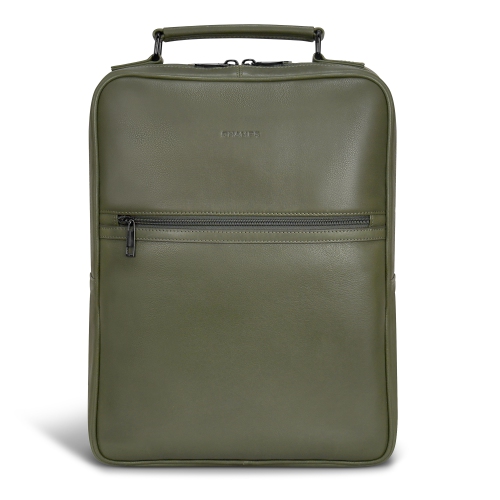
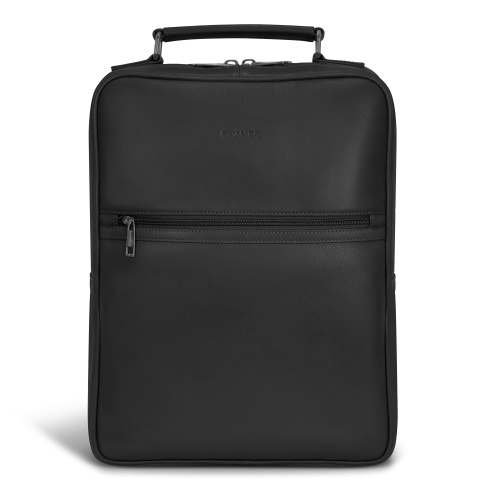
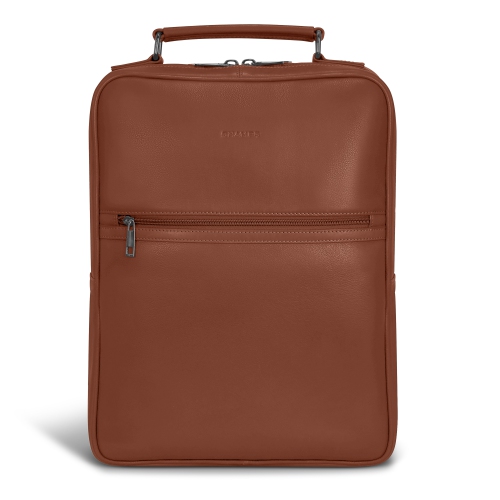
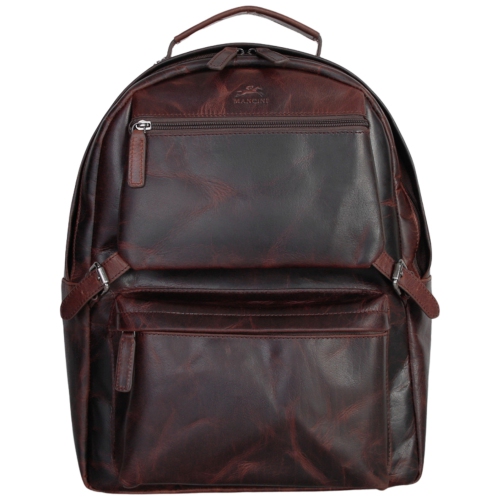
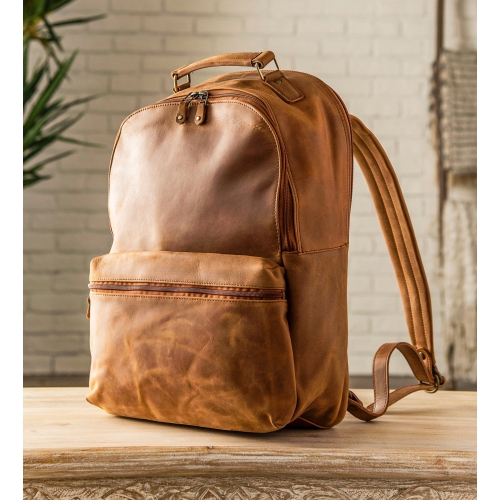


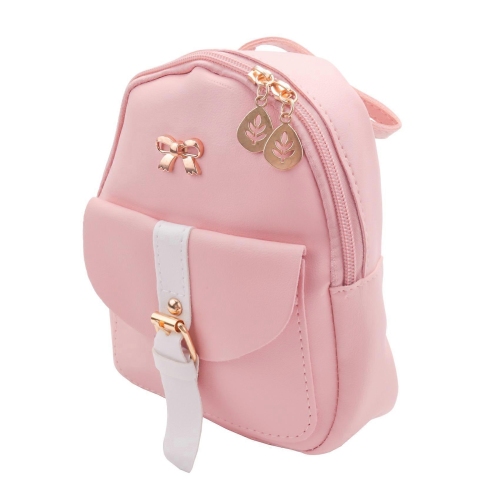


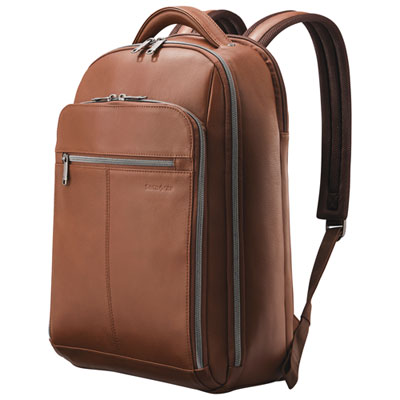

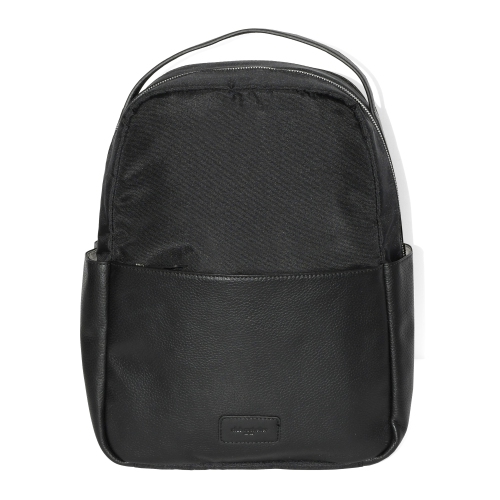

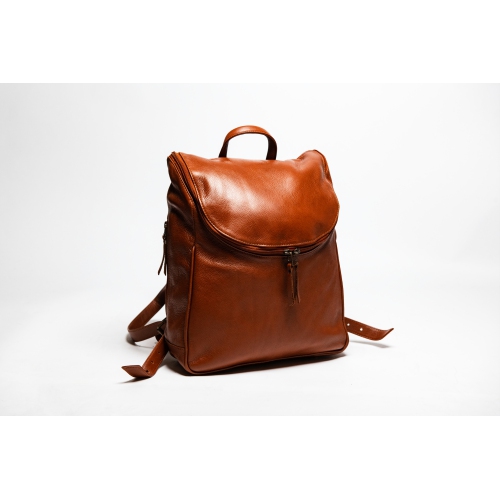

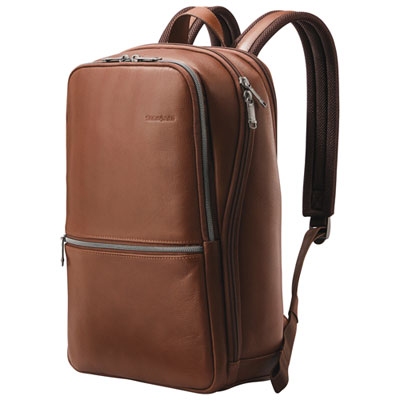


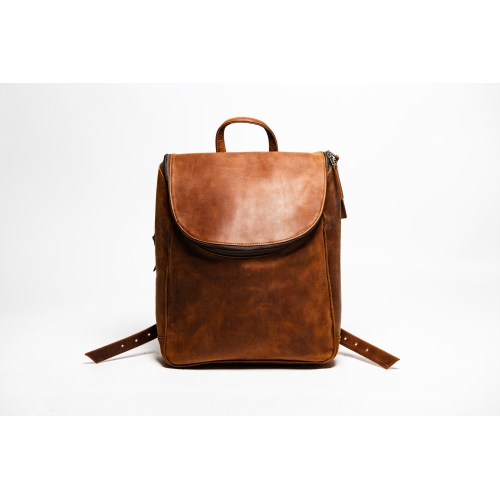


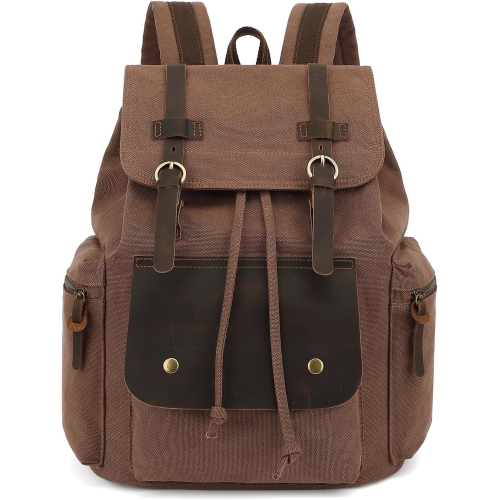

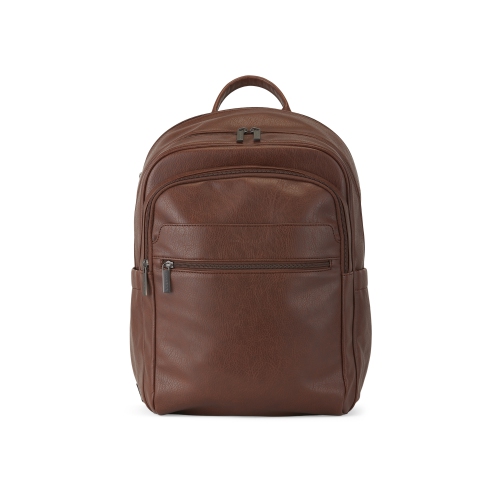
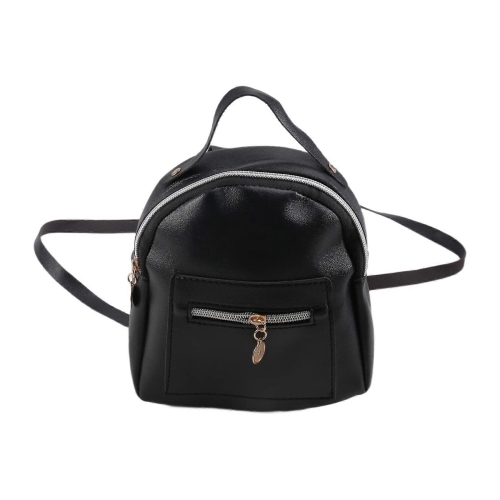


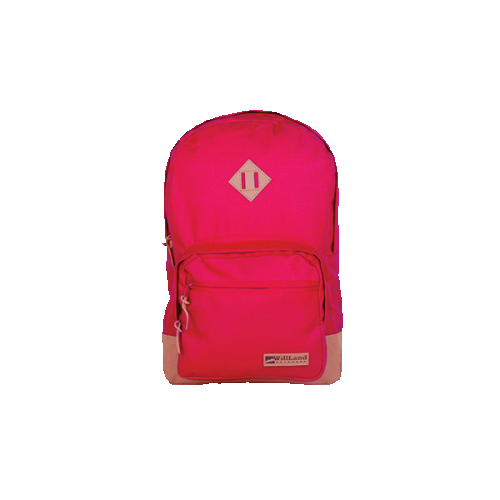





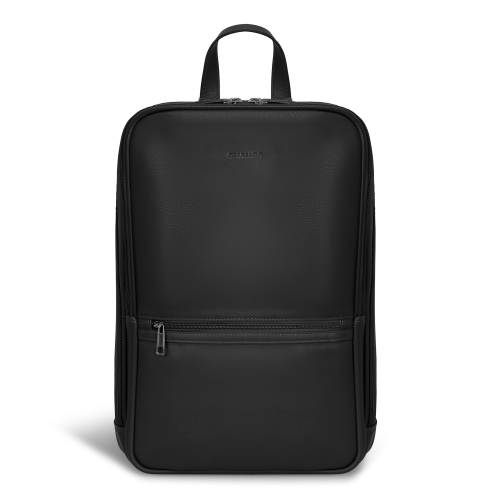
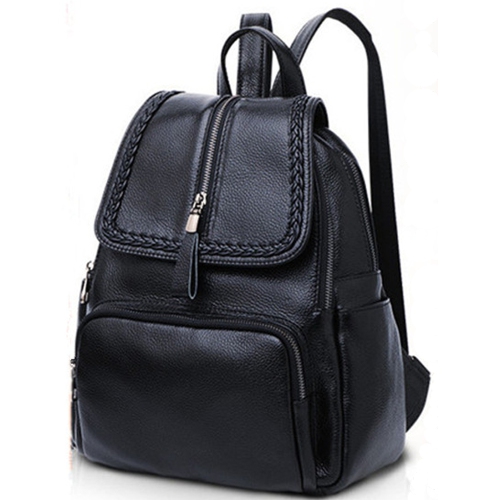


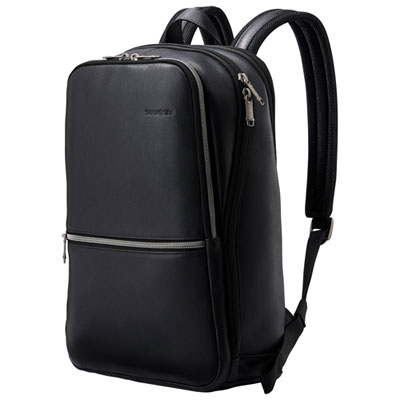
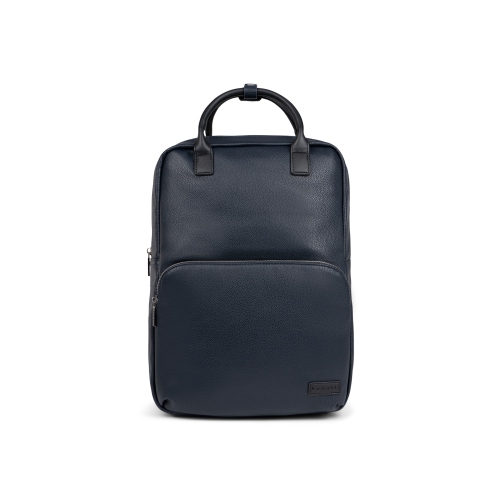


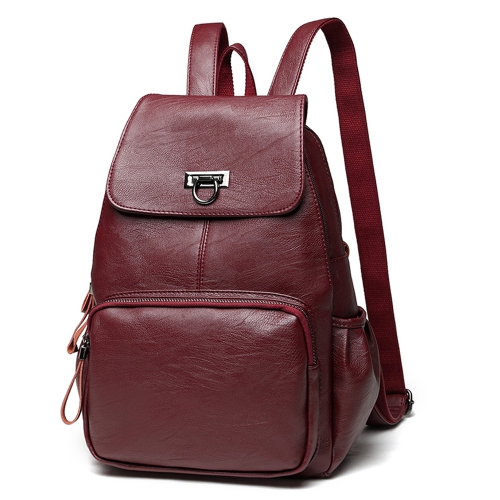
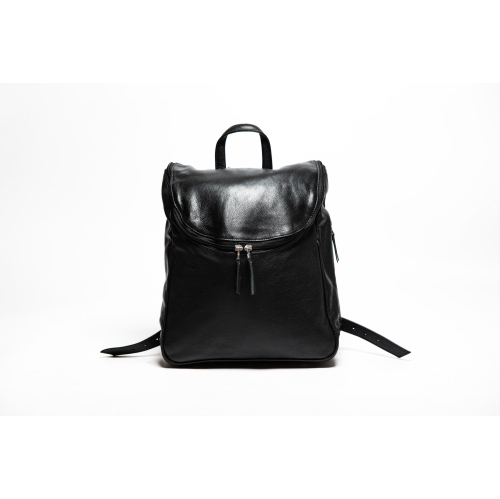
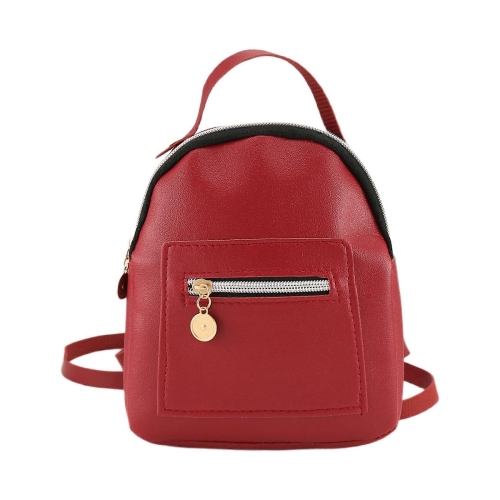
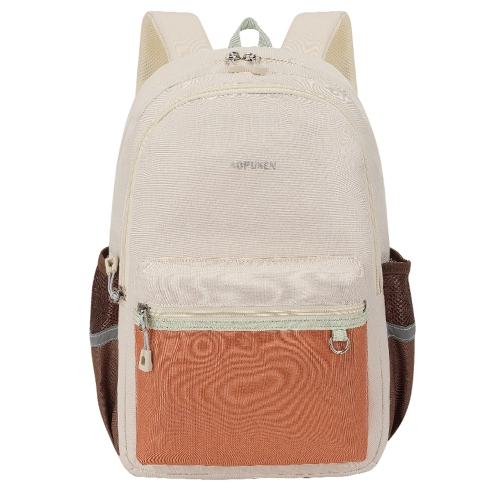
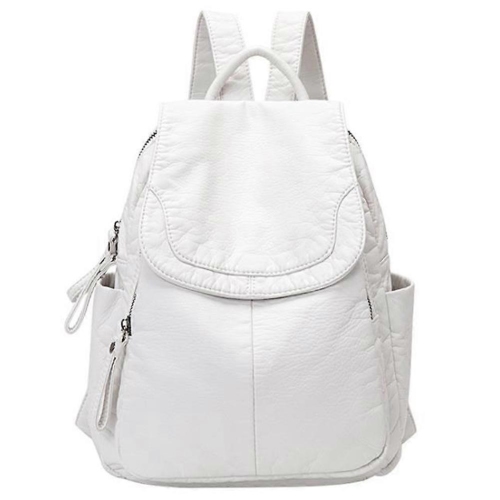

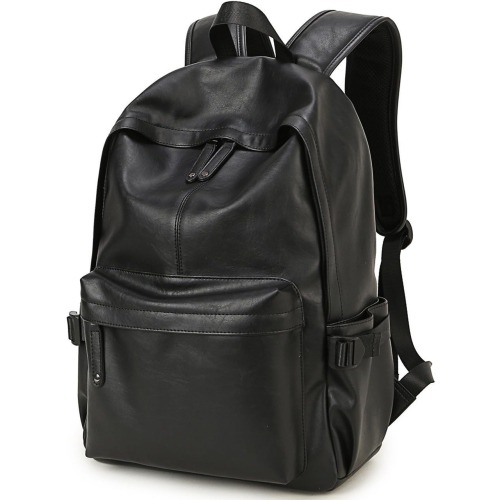

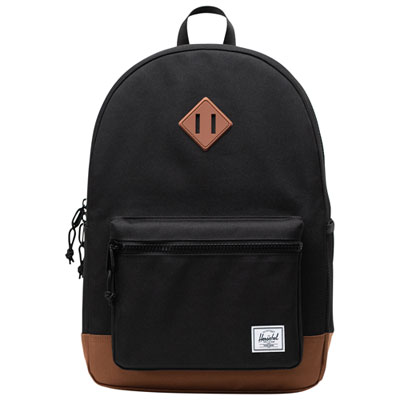


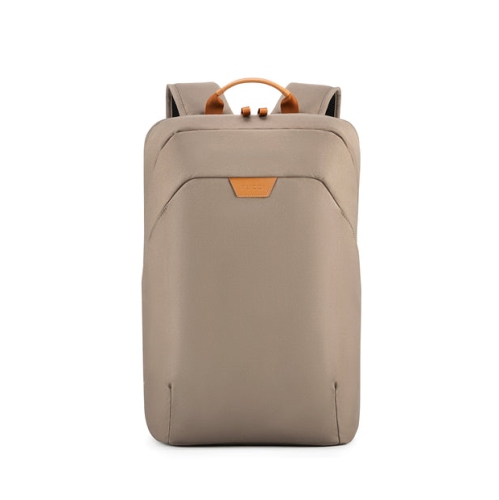
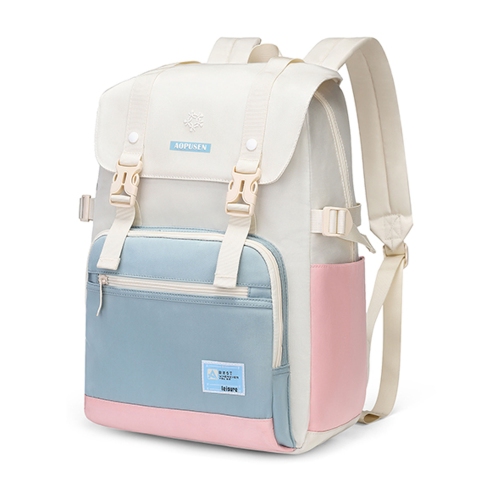


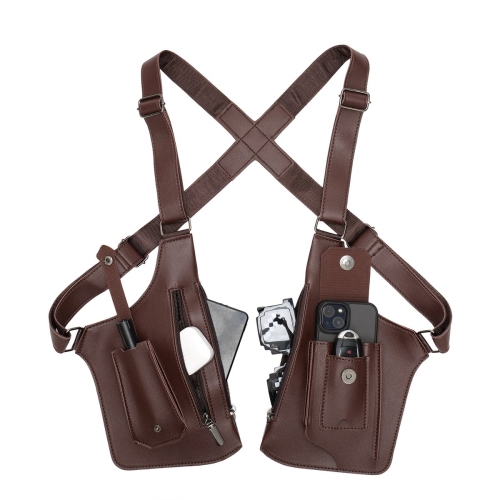
Warm leather character with room for everyday essentials
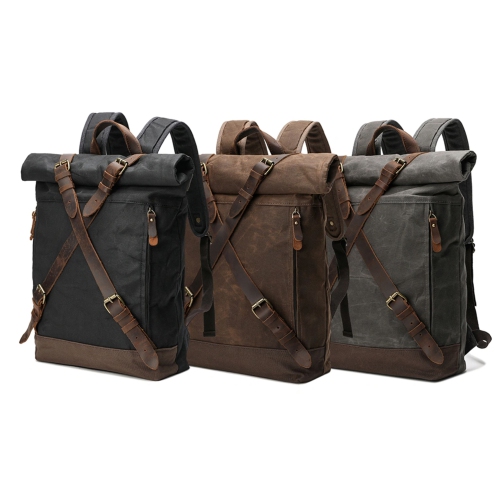
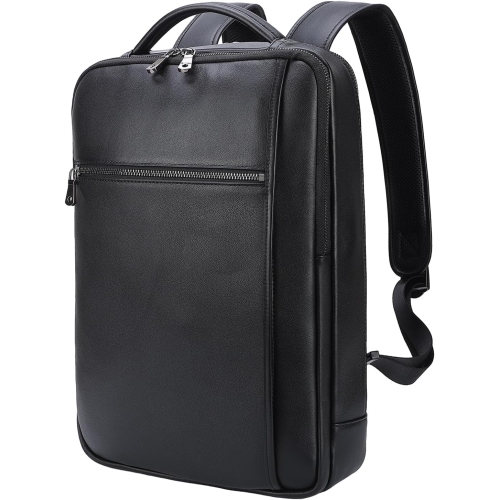
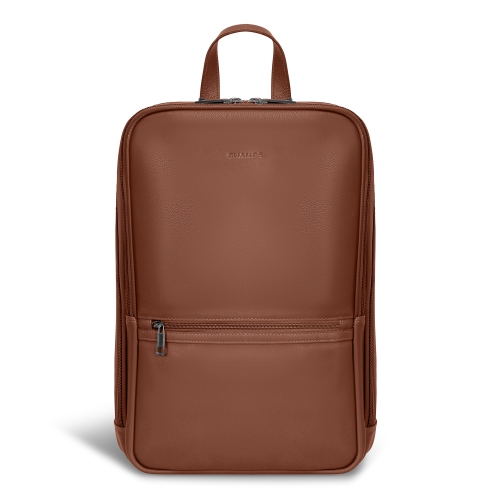
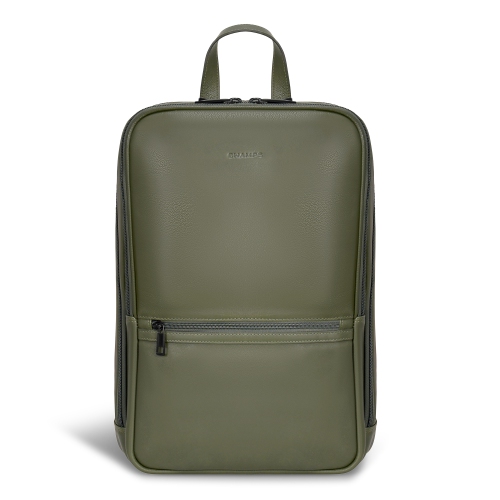
Small brown leather backpacks bring the warmth of leather to a compact, hands-free shape made for everyday essentials. They offer a practical middle ground between a handbag and a full-size daypack, with room for belongings such as a phone, wallet, keys, glasses, and a small notebook without the bulk of a larger bag. Depending on the dimensions and pocket layout, some can also hold an e-reader or small tablet, although a compact backpack should not be assumed to accommodate a laptop. Brown gives this style a broad range of looks: light tan feels relaxed, cognac adds a rich amber tone, caramel brings softness, and dark chocolate offers a more understated finish. These shades sit comfortably alongside denim, wool coats, knitwear, and tailored jackets, making a small leather backpack useful for casual outings, commuting with a light load, or heading out for dinner after a day around town. Shape plays as much of a role as colour. A structured, flat-backed silhouette looks neat against a coat and keeps papers from bending as easily, while a rounded, softer shape has a more laid-back feel. Minimal seams and discreet hardware create a clean appearance; flap closures, visible stitching, and warm metal accents can lend a vintage character. For someone who carries just the essentials, the appeal is straightforward: both hands stay free for a coffee, a transit pass, or a shopping bag, and the smaller profile is easier to manage in a busy café or on public transit. Brown leather also carries natural variation, so subtle differences in grain and tone can give a bag individual character rather than a perfectly uniform appearance. Within the wider family of Small Leather Backpacks, brown shades offer an approachable balance of polish and everyday versatility, whether the bag is worn with trainers on a weekend walk or boots and a long coat during the cooler months.
The material and construction of a small brown leather backpack influence how it feels in the hand, how well it holds its shape, and how its surface changes with wear. Full-grain leather retains the hide’s natural grain and may develop a patina through handling, while top-grain leather has typically been refined for a more even surface. The term genuine leather alone does not establish a particular quality level, so details about the leather type, finish, lining, and stitching provide a clearer picture. Pebbled leather has a textured surface that can make minor marks less noticeable, whereas smooth leather highlights the richness of the brown colour but may show scratches more readily. Suede and nubuck have a soft, matte feel and need care suited to their more absorbent surfaces. Leather-look materials can resemble these finishes, but their composition and care requirements differ from animal leather. Beyond the outer material, durability depends on the places that take repeated strain. Strap attachment points, the top handle, zip ends, and the base all matter when a bag is lifted, opened, and set down throughout the day. Even stitching, neatly finished edges, and secure hardware are useful construction details, particularly for a bag that will carry a tablet or a filled drinks bottle. A lined interior helps separate belongings from the underside of the leather, and accessible pockets reduce the need to rummage for small objects. A dedicated key clip or zipped inner pocket can keep keys from scratching a screen or catching on a scarf. Closure style also shapes daily use: a zip opening provides a defined enclosure, while a flap may sit over a zip, drawstring, or magnetic fastening. The opening needs to be wide enough for the belongings carried most often, not simply large enough somewhere inside the bag. A rigid glasses case, for example, can be awkward to slide through a narrow top even when the listed capacity sounds generous. Internal dimensions and the size of any padded sleeve are more useful than the word mini when judging whether a device will fit.
Comfort in a compact leather backpack comes from proportion, strap adjustment, and a load that suits the bag’s size. Adjustable straps help position it close to the back, and enough adjustment range allows for the difference between a light shirt and a thicker coat. Wider or padded straps may feel more comfortable when carrying denser belongings, while narrow leather straps suit lighter loads and a streamlined look. The empty weight matters too, since substantial leather and metal hardware add weight before anything goes inside. A balanced arrangement, with heavier objects close to the back and smaller essentials in their own pockets, helps prevent an otherwise compact bag from feeling lopsided. For a commute that calls for a phone, lunch snacks, an e-reader, and a few personal belongings, a small backpack can be a comfortable companion; textbooks, a large laptop, or bulky gym clothing generally call for more space. It can also make a thoughtful gift for someone who prefers understated accessories, enjoys city outings, or wants an alternative to a shoulder bag. Their usual load, preferred shade of brown, and tolerance for a structured or slouchy shape matter more than choosing by appearance alone. Regular care helps preserve both the finish and the bag’s usefulness. Most finished leather benefits from gentle dusting with a soft cloth, with cleaning and conditioning products used only as directed for that leather type and tested first on a hidden area. Suede and nubuck require suitable brushes and specialist treatments rather than ordinary leather cream. Leather is not automatically waterproof, so rain and wet snow deserve attention: blot surface moisture gently and allow the bag to dry naturally away from radiators or other direct heat. During storage, light stuffing can support its shape, and a breathable dust bag helps keep the surface clean. Avoiding overpacking, wiping away dirt promptly, and keeping pens and liquids contained are simple habits that protect the lining, closures, and leather through regular use.
Top selling and popular products
-
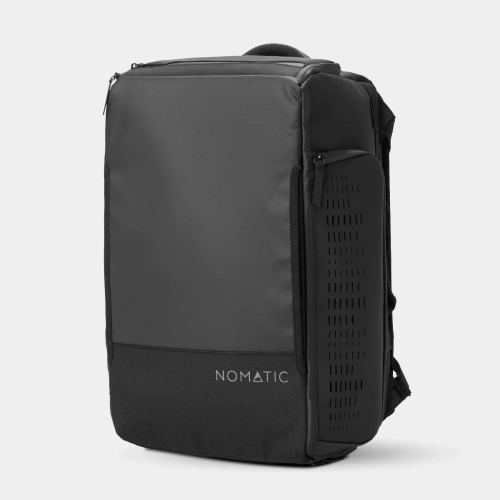 Your price for this item is $419.99
-
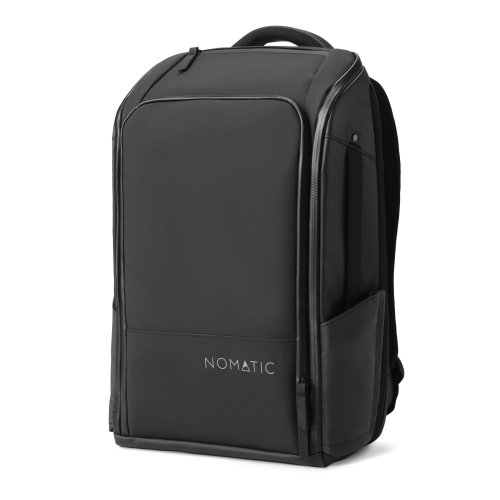 Your price for this item is $399.99
-
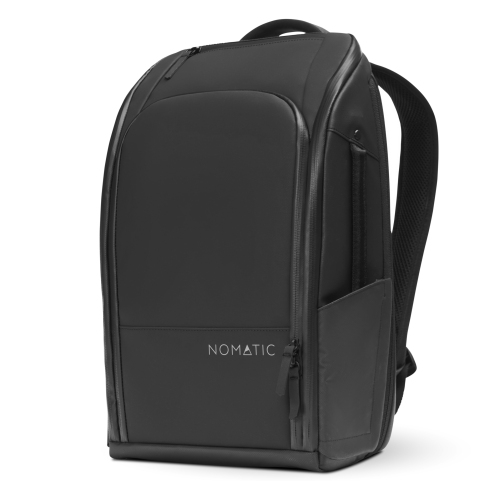 Your price for this item is $369.99
-
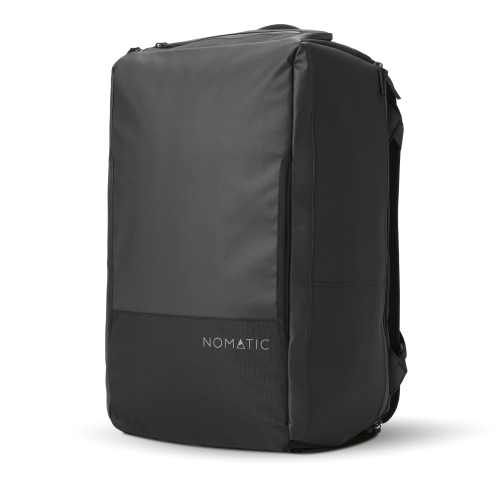 Your price for this item is $399.99
-
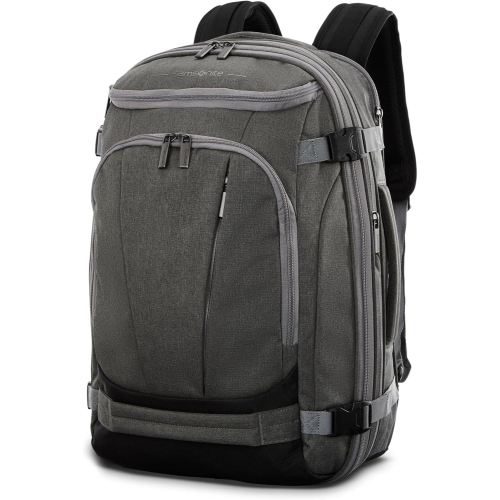 Your price for this item is $218.48
-
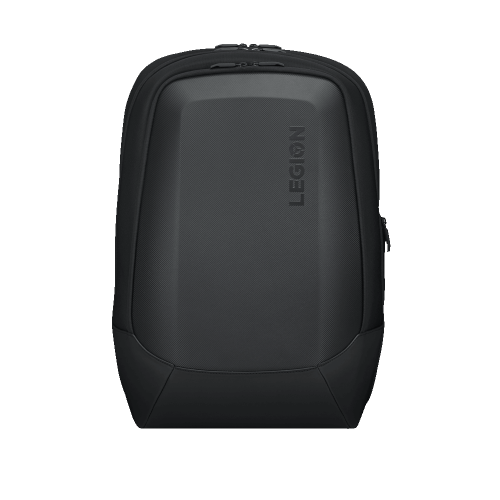 Your price for this item is $98.99
-
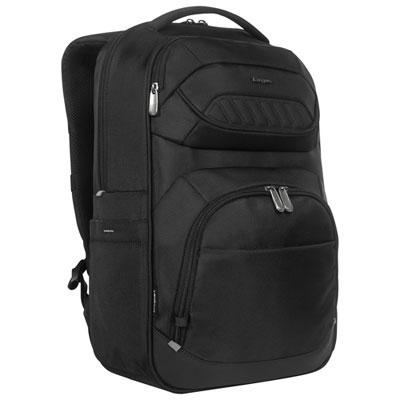 Your price for this item is $99.99
-
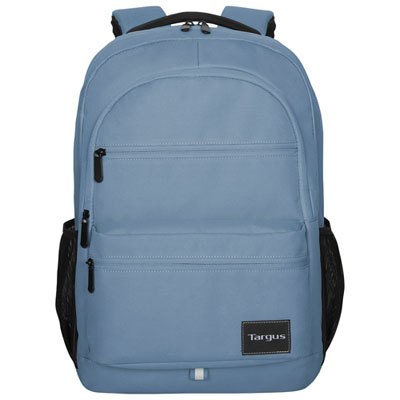 Your price for this item is $59.97
Discover more categories related to Small Brown Leather Backpacks

Top Collections:
Pokemon Centers, Best Cameras for Sports Photography, Kindle Devices, Samsung Galaxy Phones, Canon G7X Cameras, Pokémon 30th Celebration Cards, Refurbished Apple Laptops, iPhone 15 Apple, Laptops for Students, Budget Smartphones
Some products may be subject to Environmental Handling Fees
(EHF) depending on your province.
Learn more about EHFs.