Small Travel Backpacks
If you're a frequent traveler, you know that the right bag can make all the difference. Whether it's a carry-on that fits in the overhead bin, or a backpack that lets you walk around town freely, a good travel backpack can be your best friend. Here are some of our favorites.
Sort

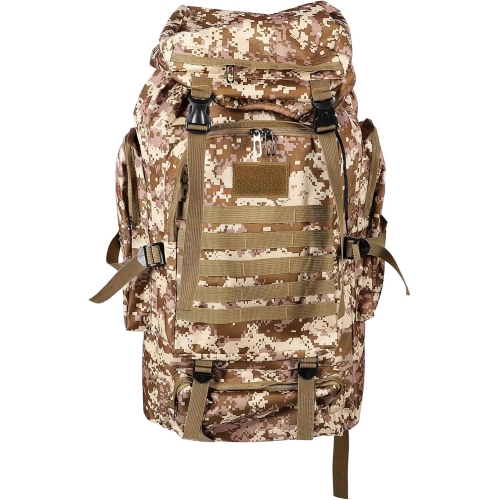
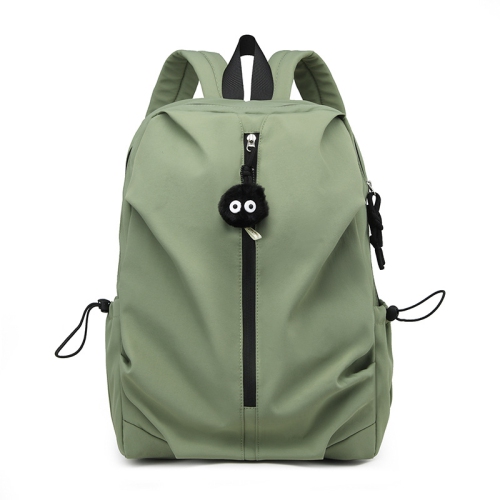
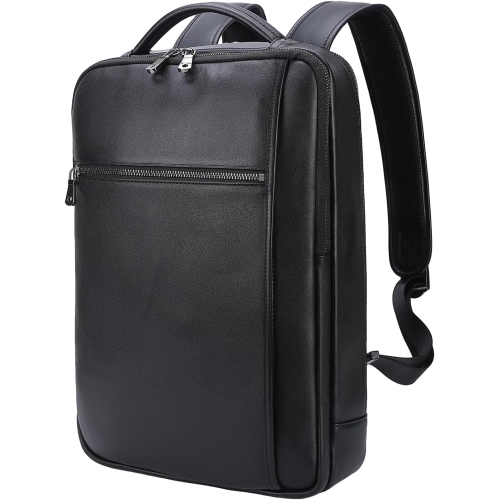
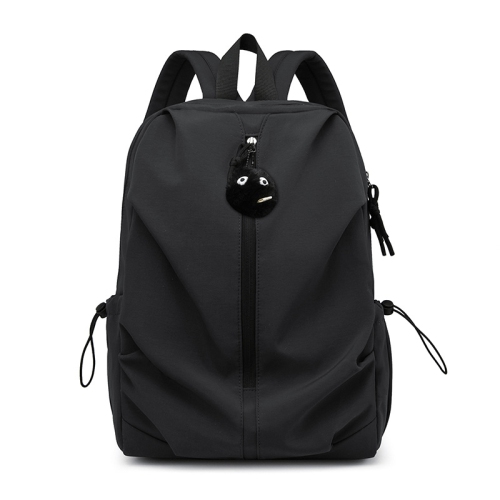
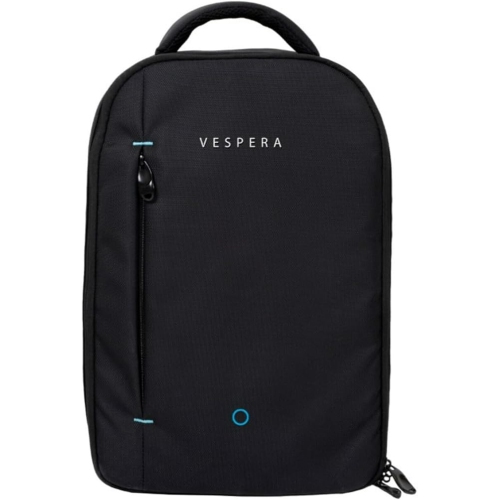
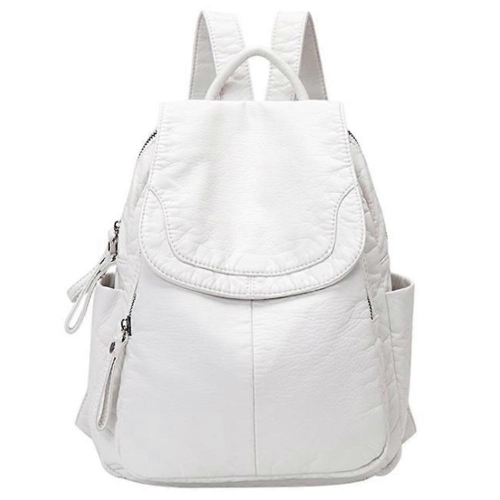
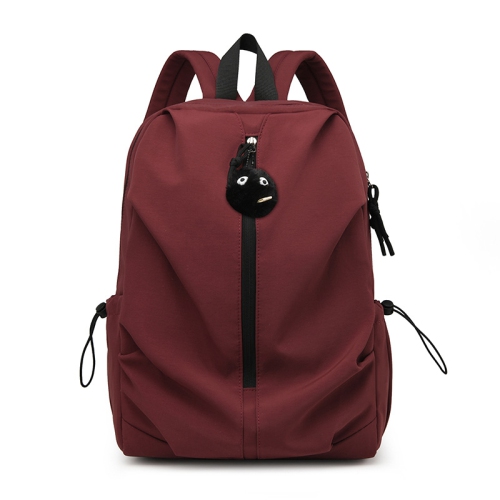
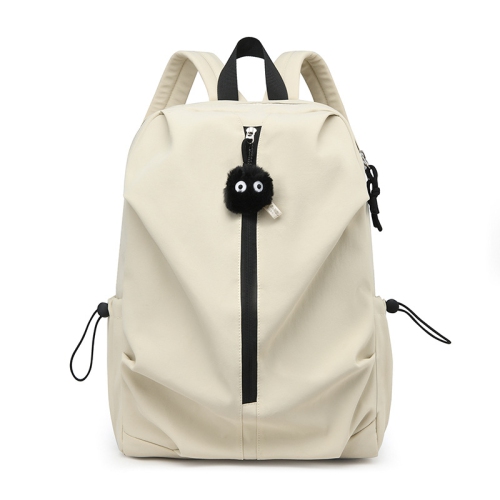
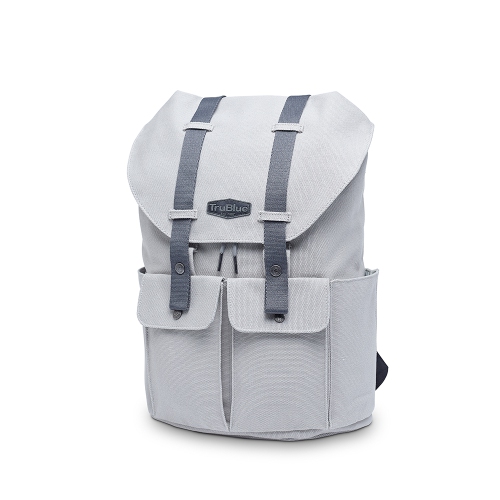
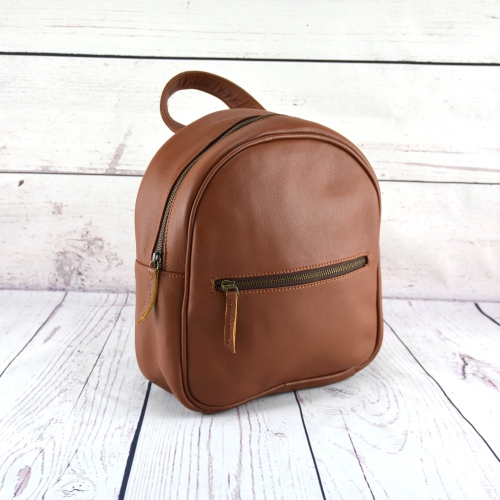
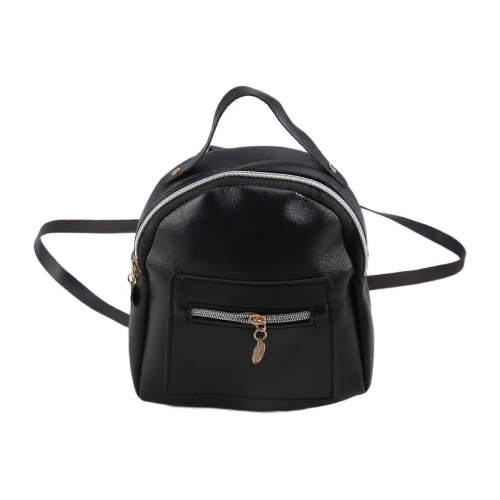
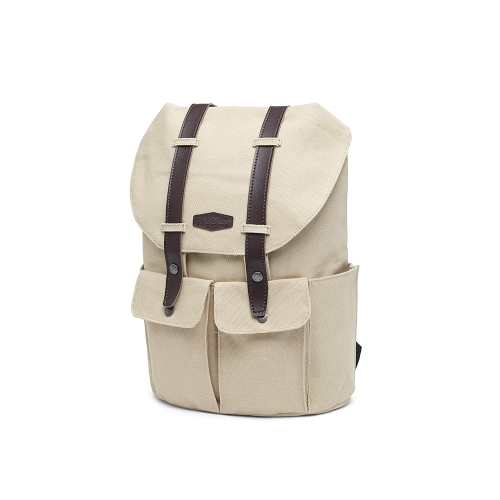
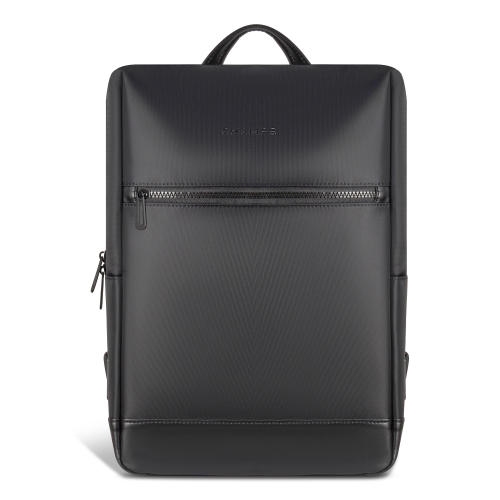
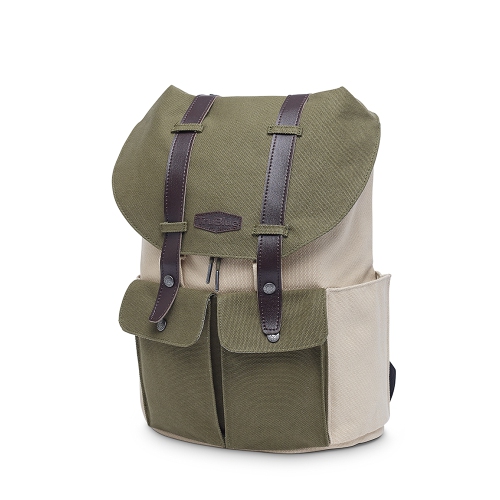
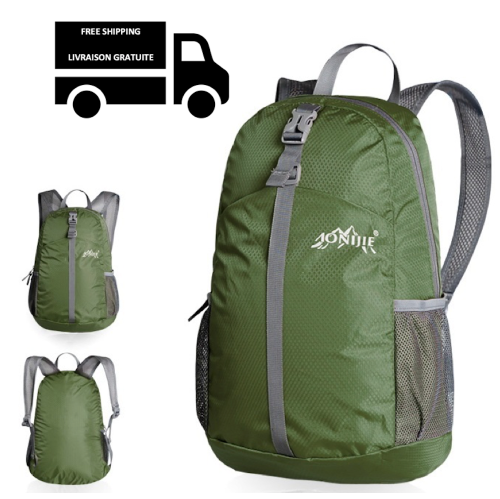
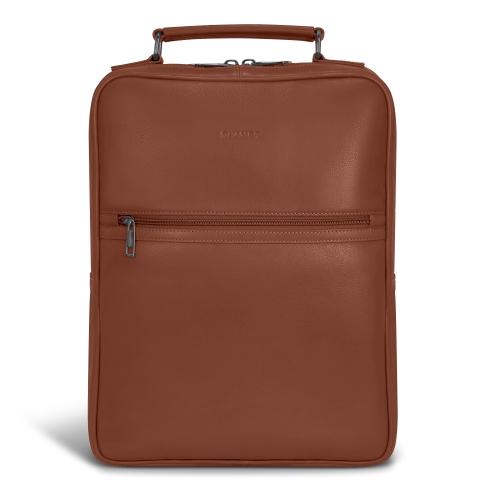

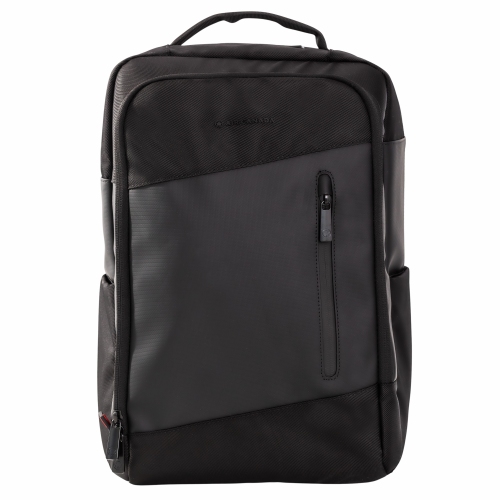
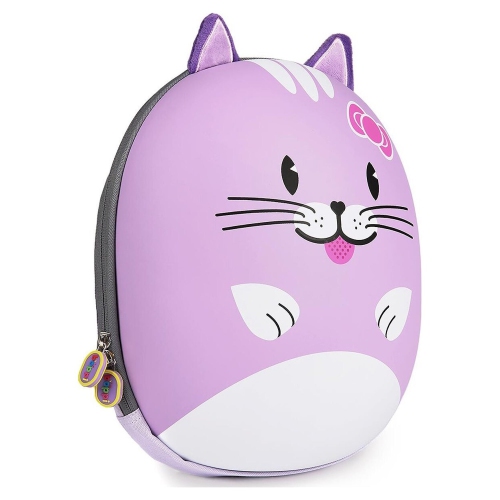
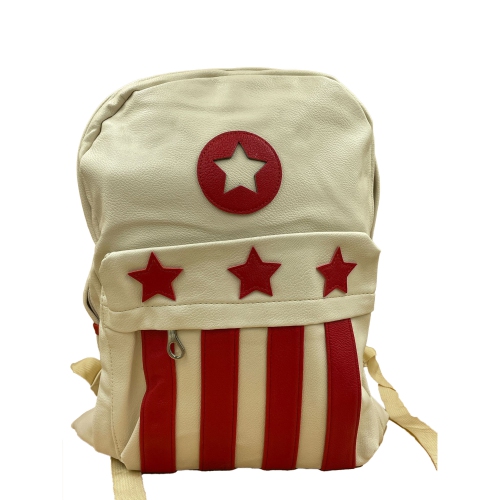
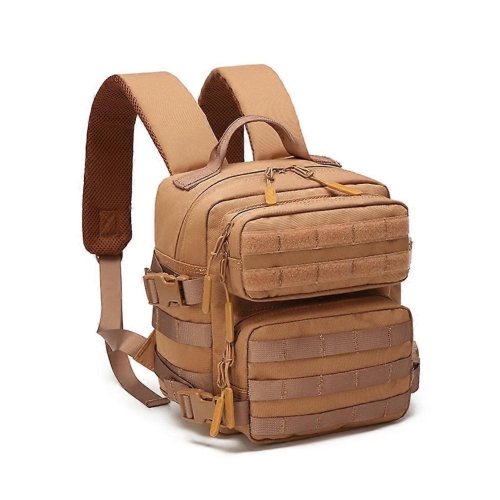

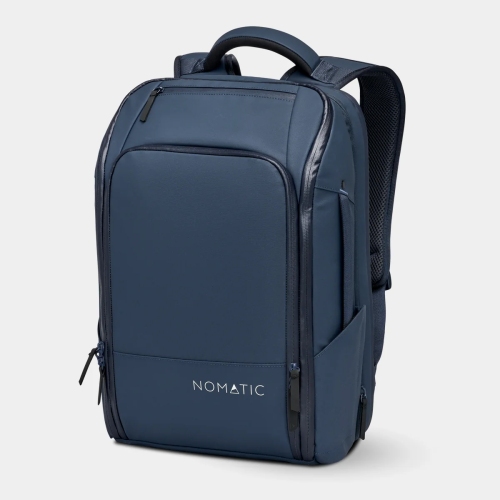
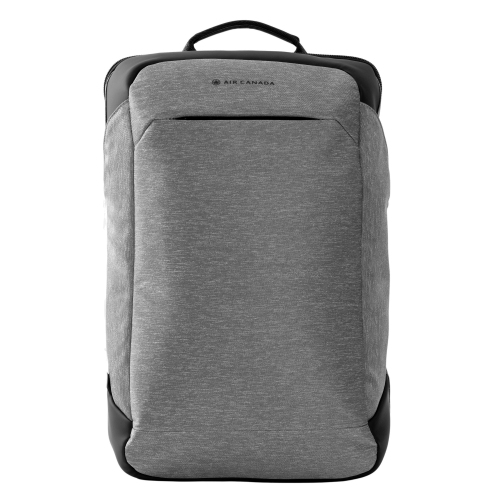

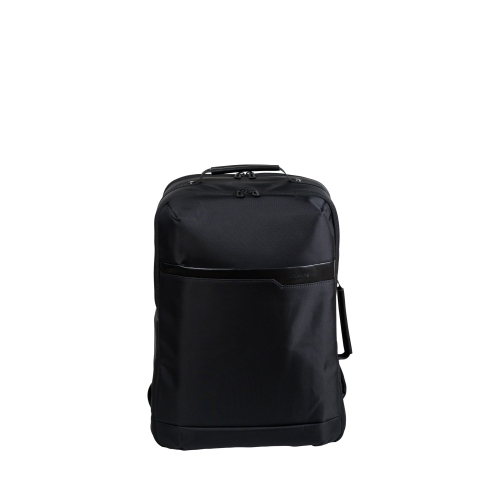
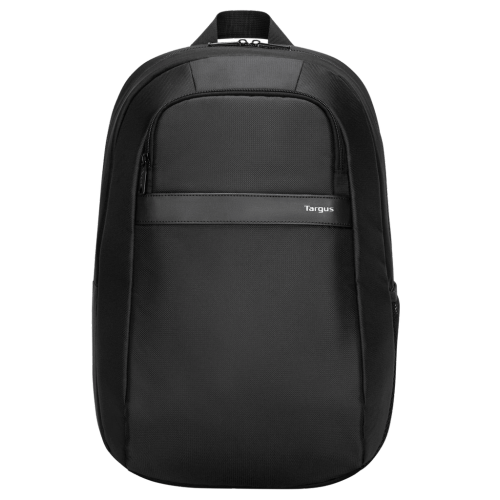
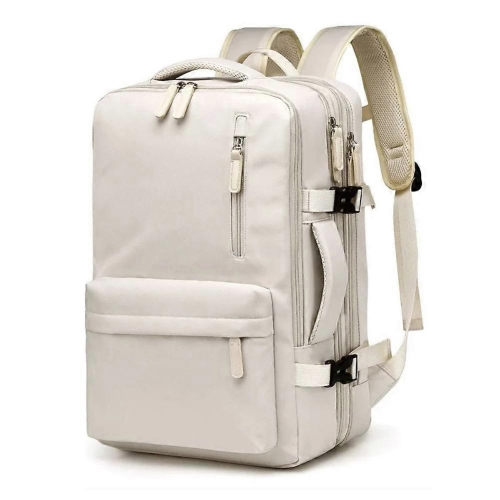

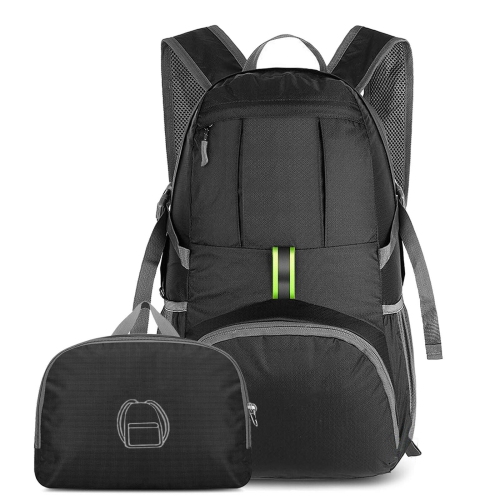
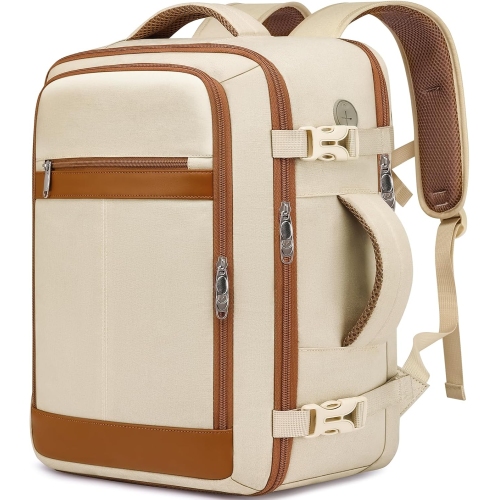
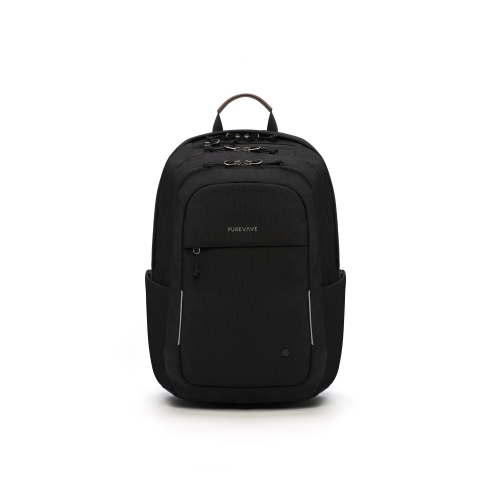
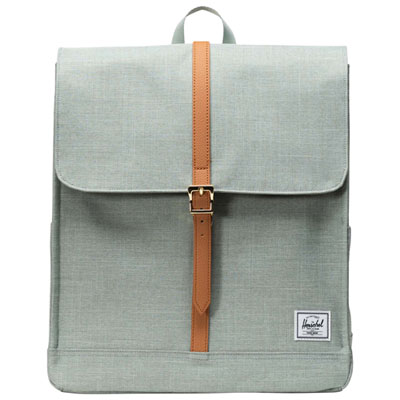
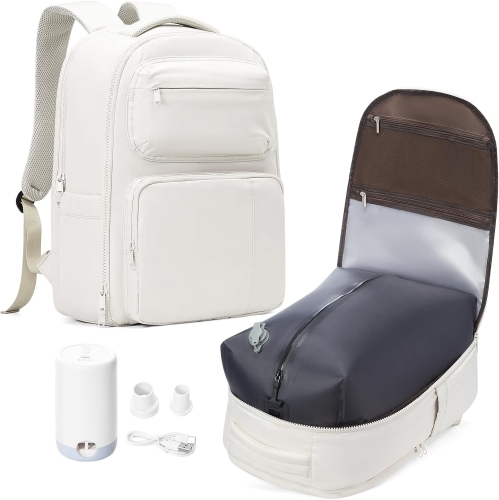
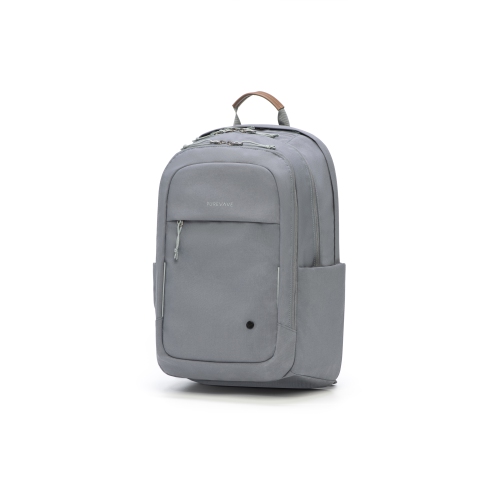
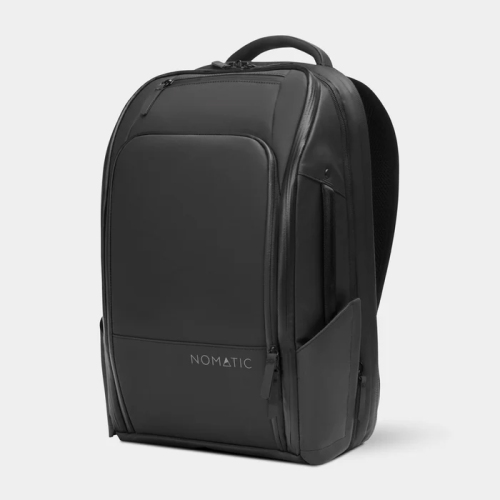
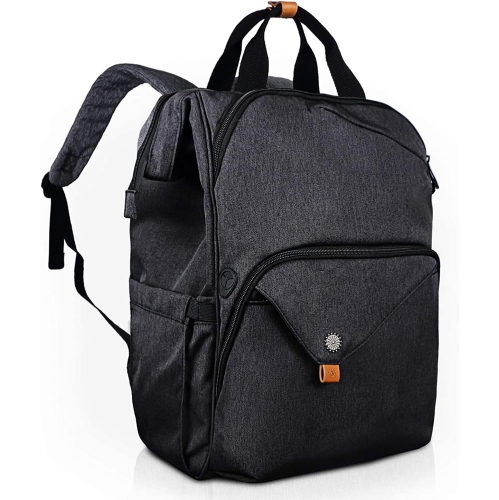
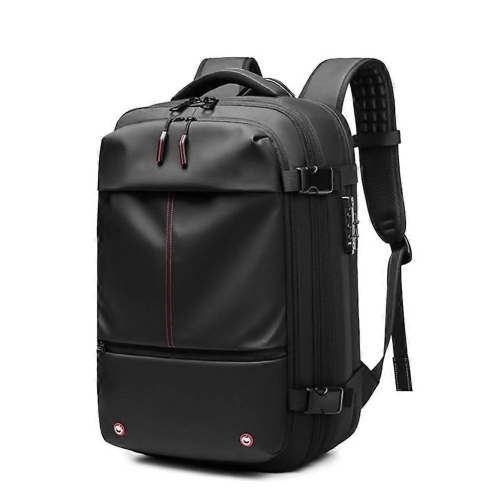
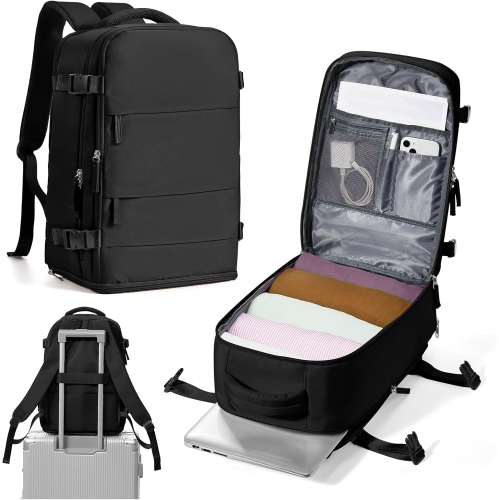
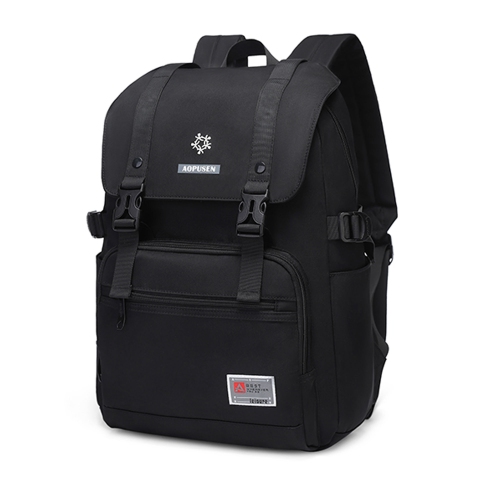
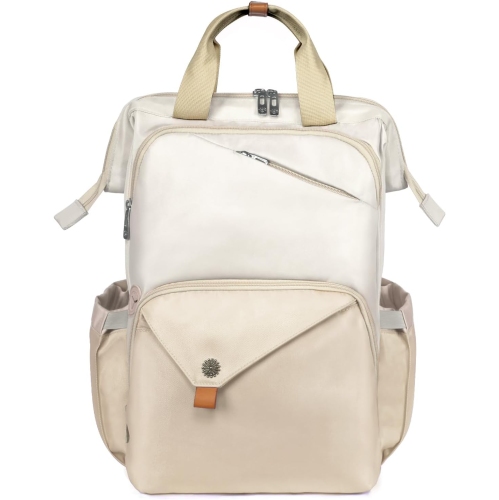
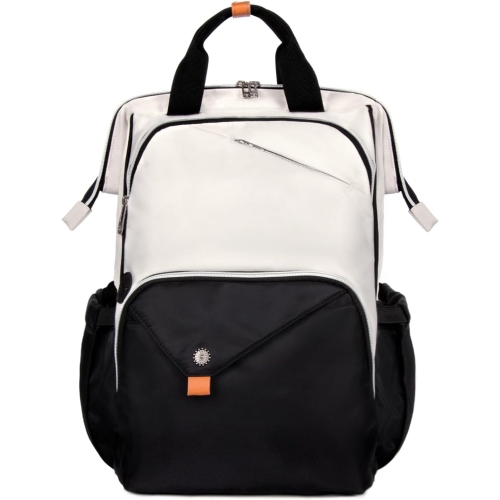
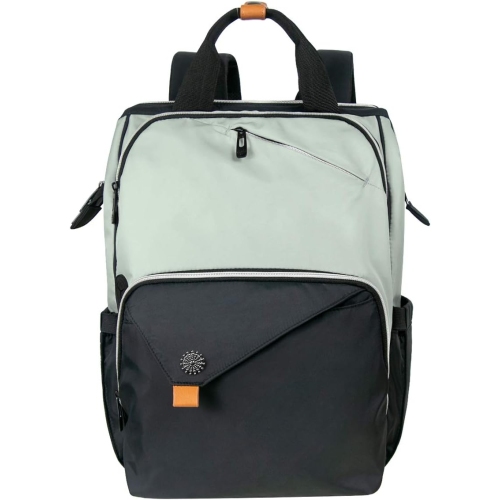
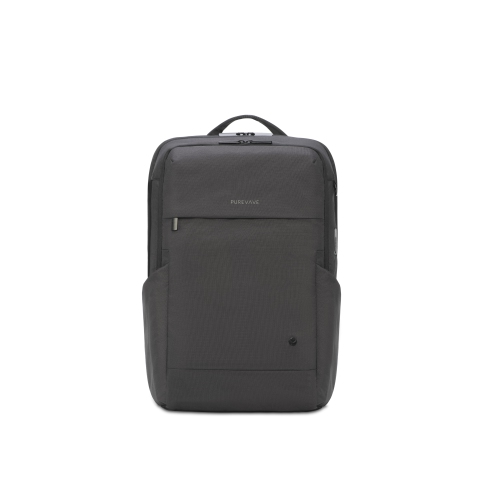
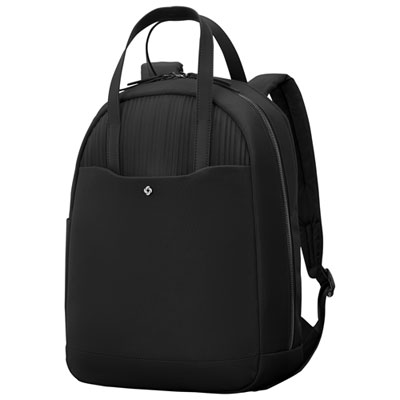
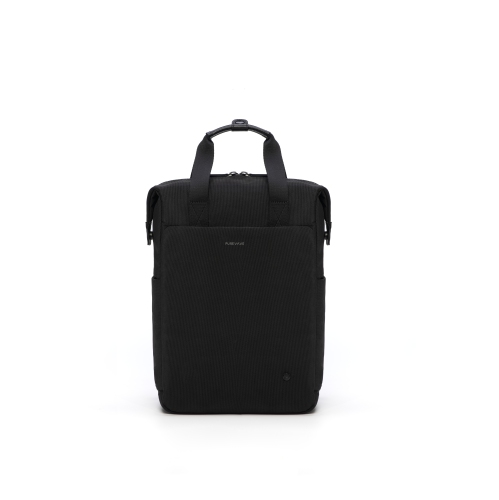
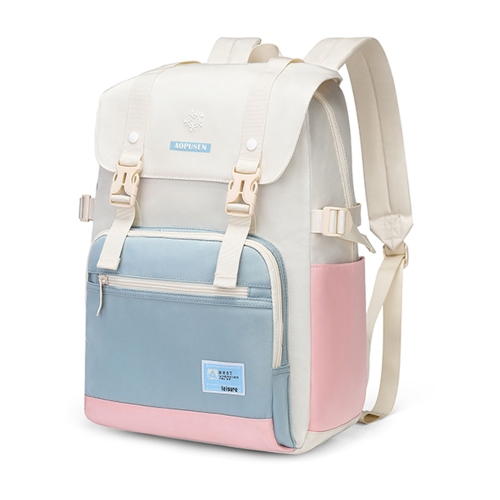
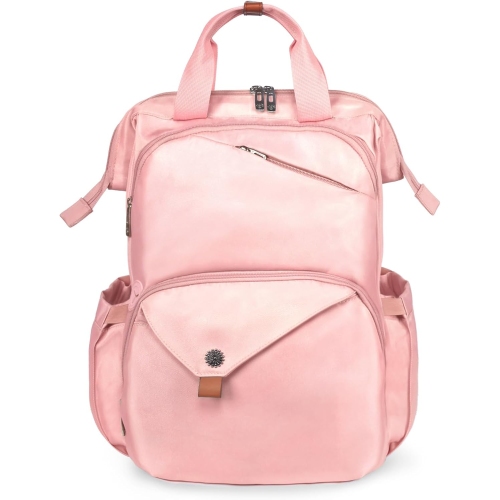
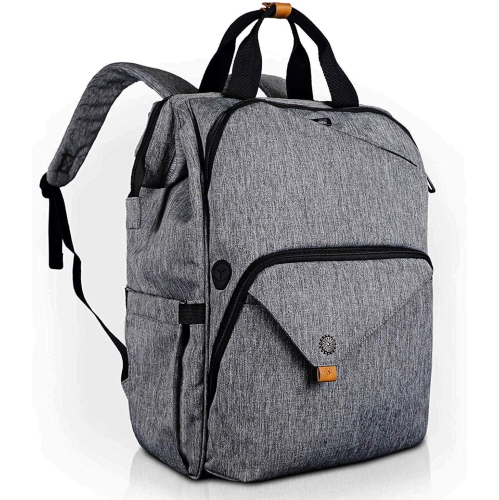
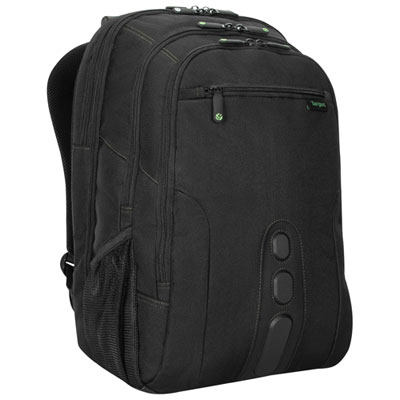
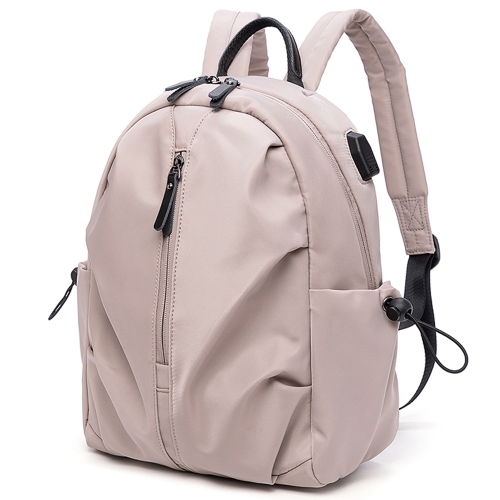
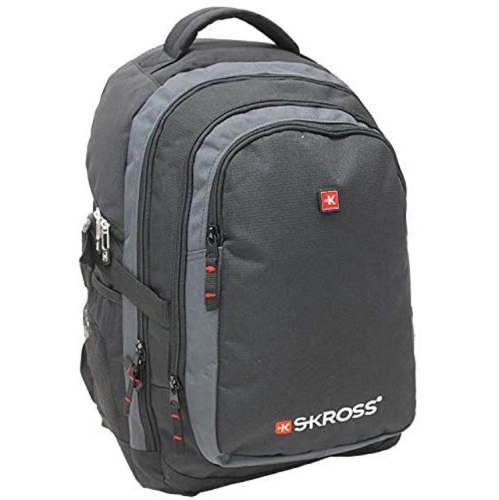
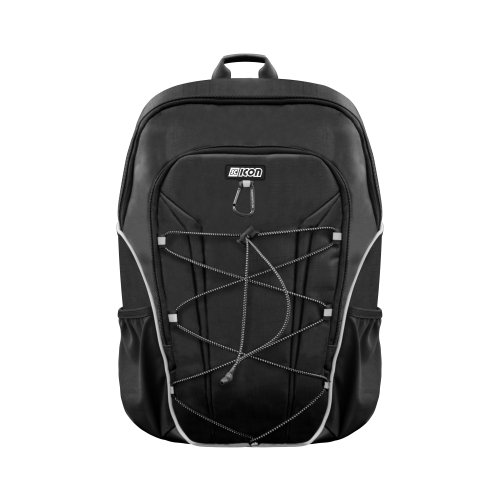
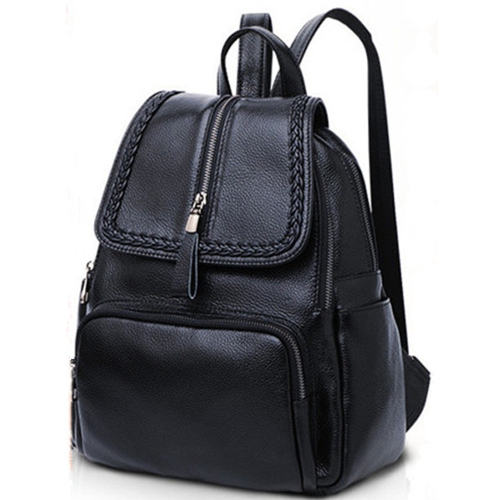
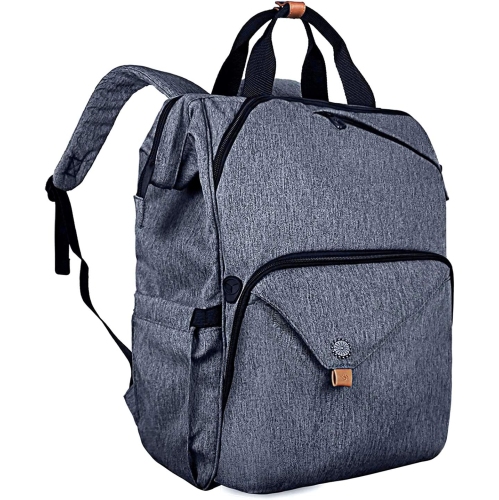
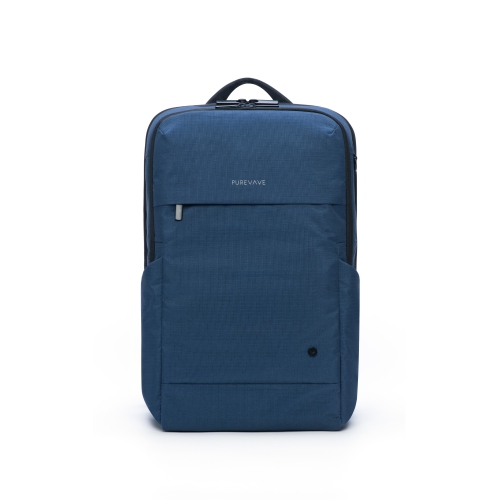
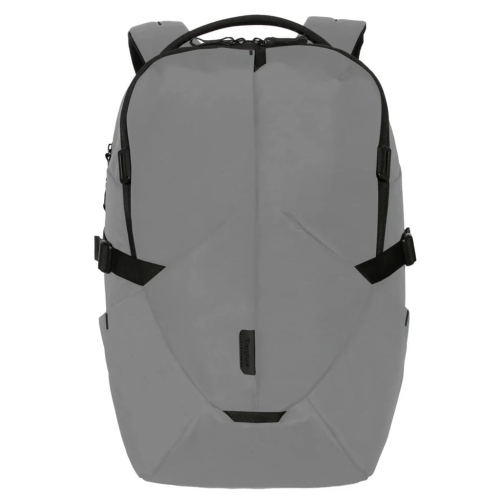
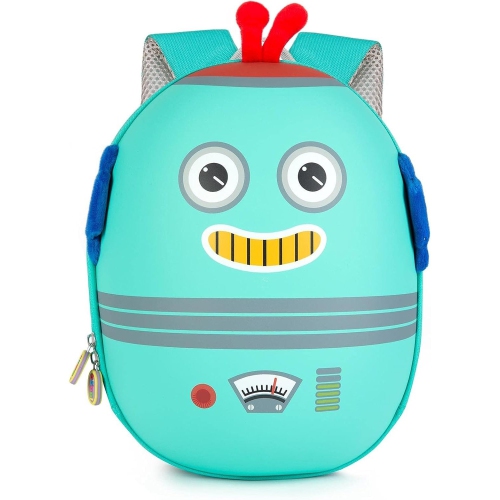
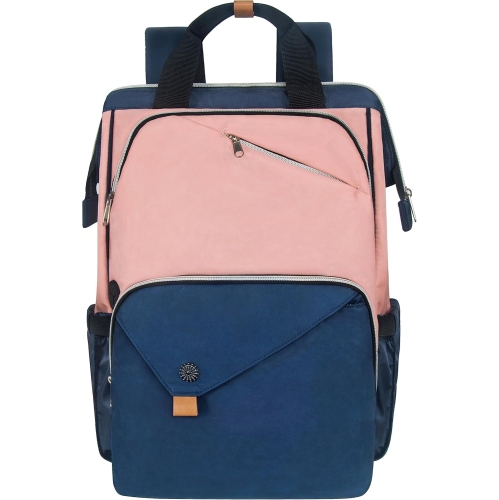
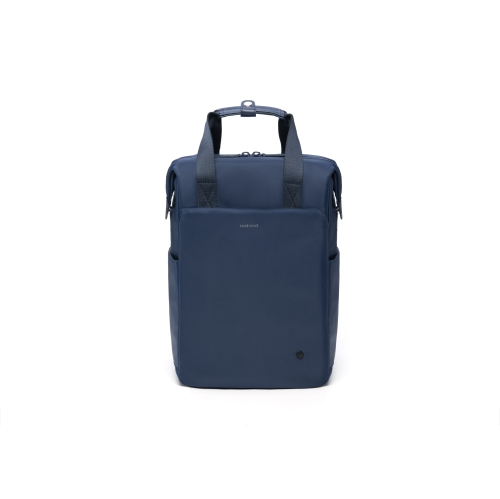

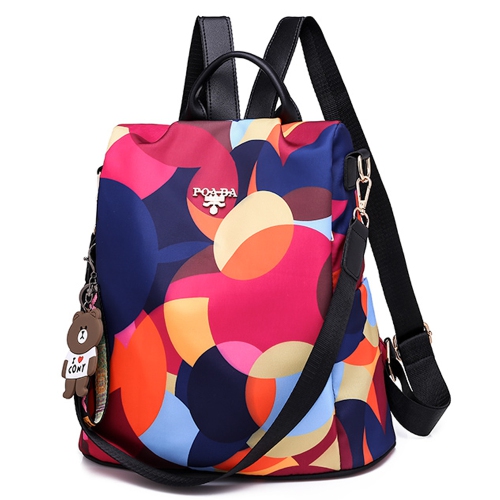
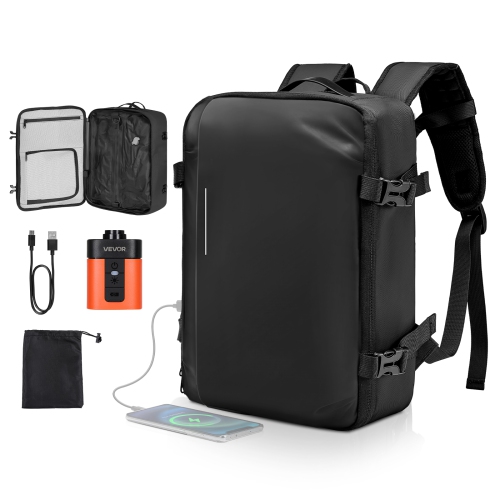
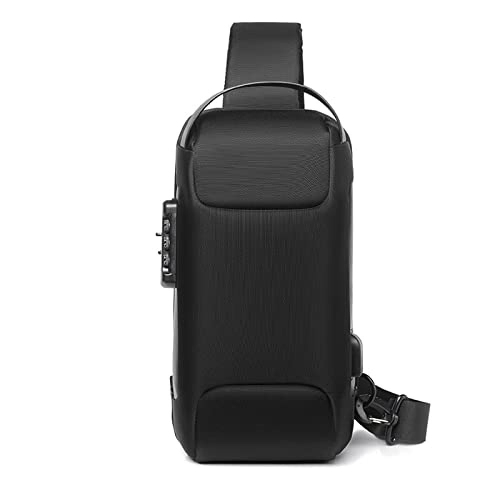
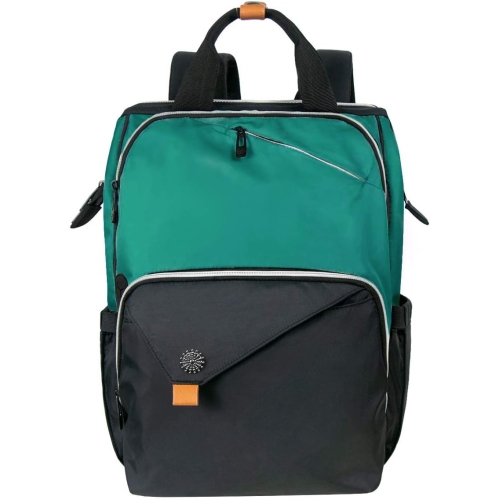
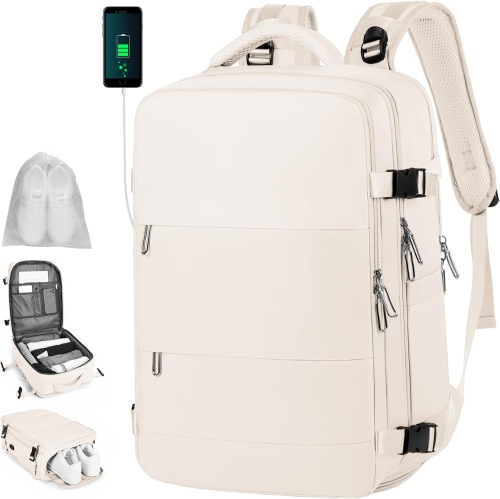
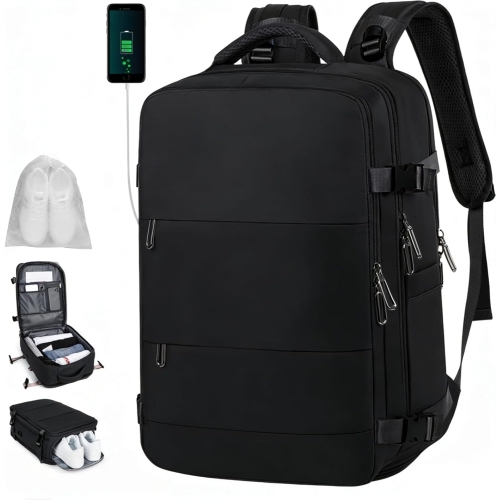
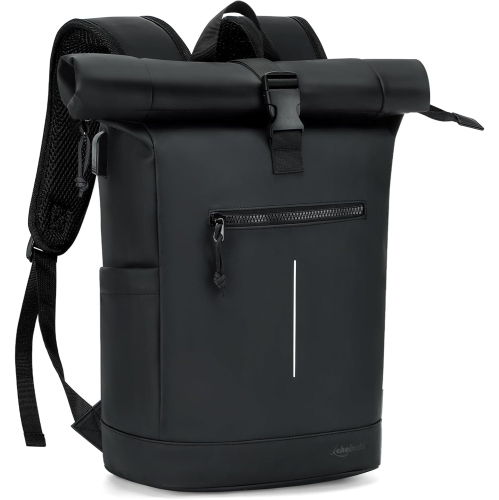
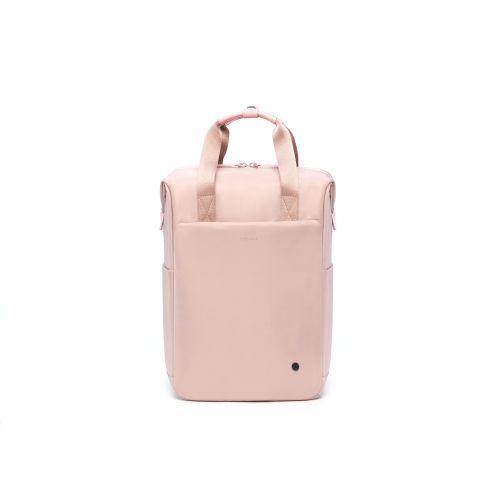
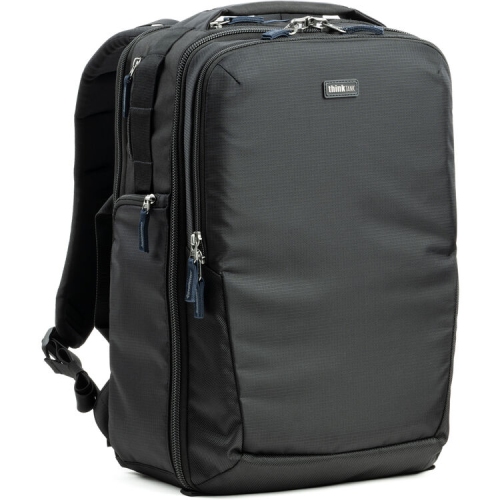
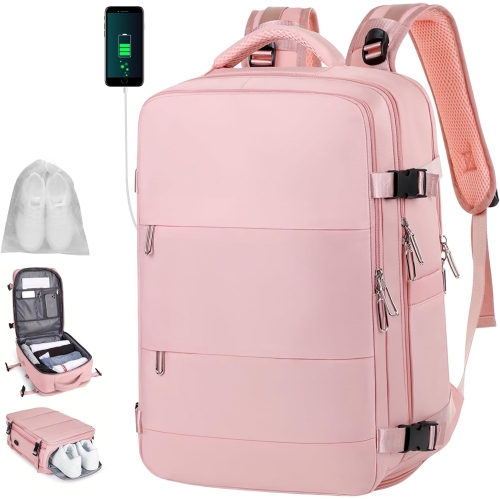
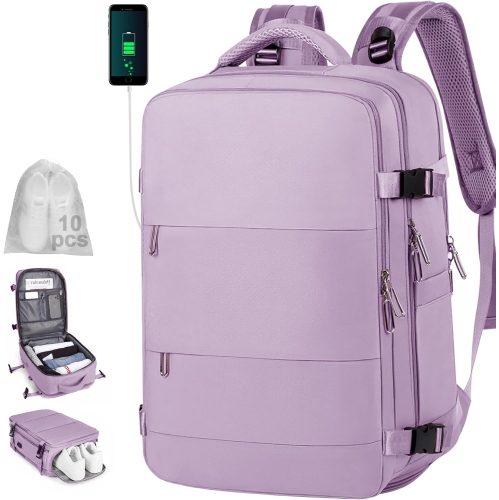
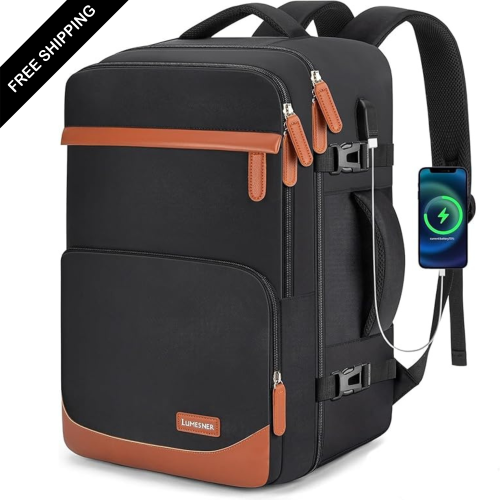
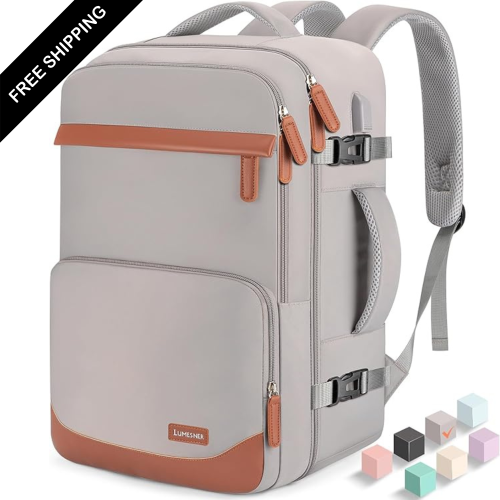
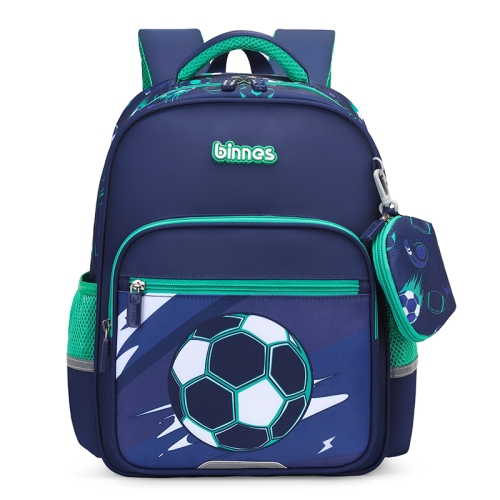
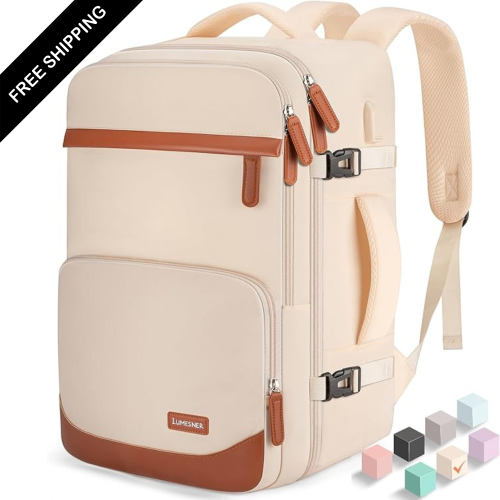
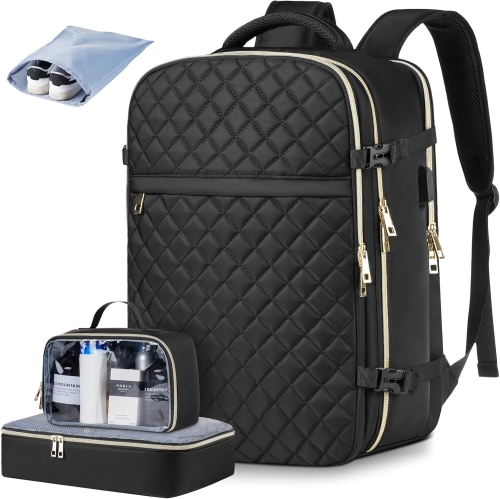
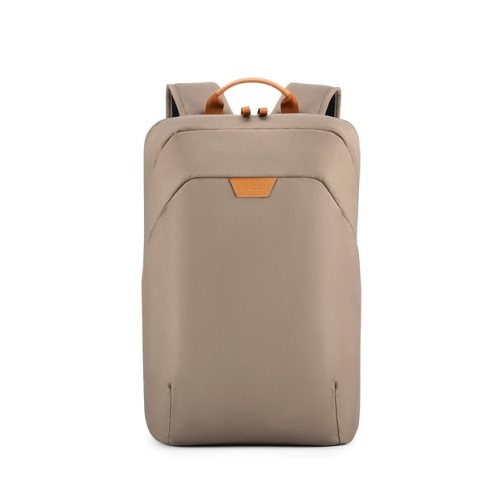
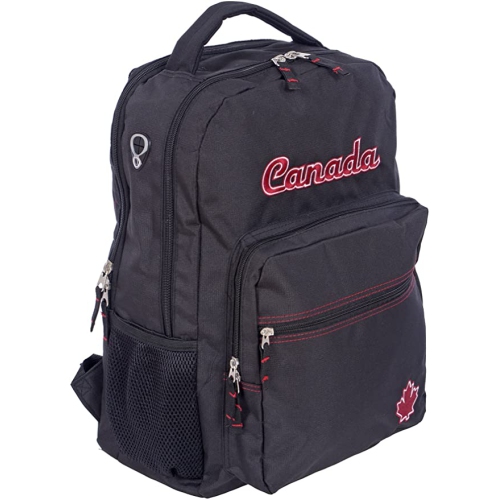
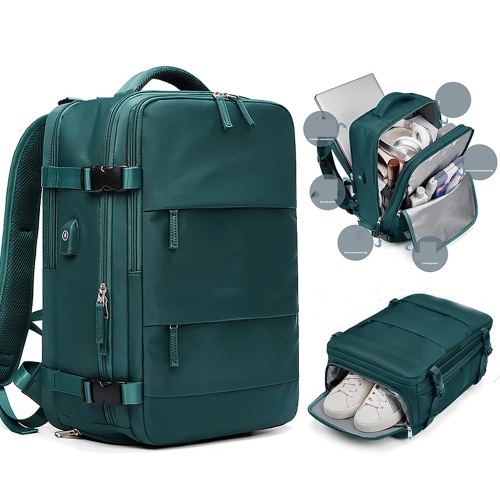
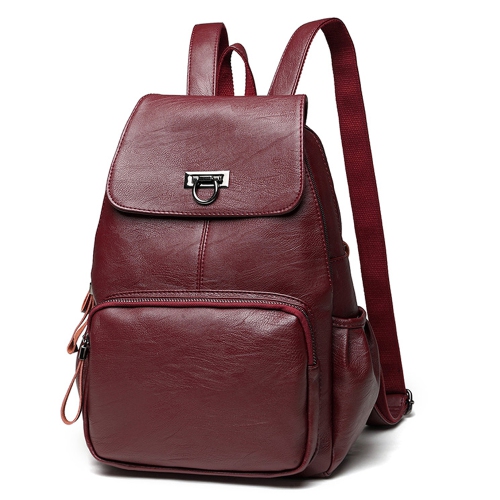
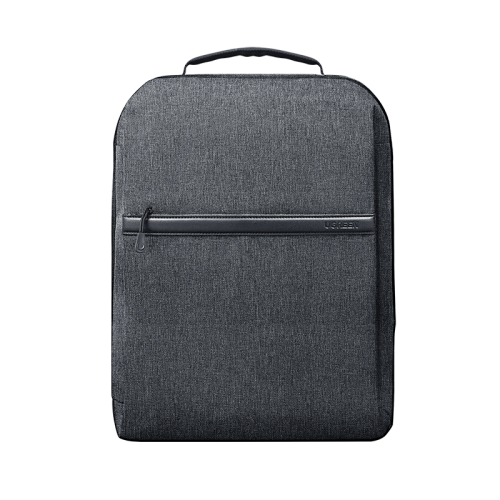
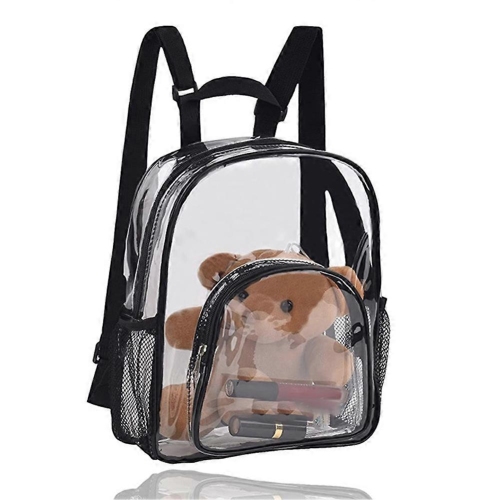
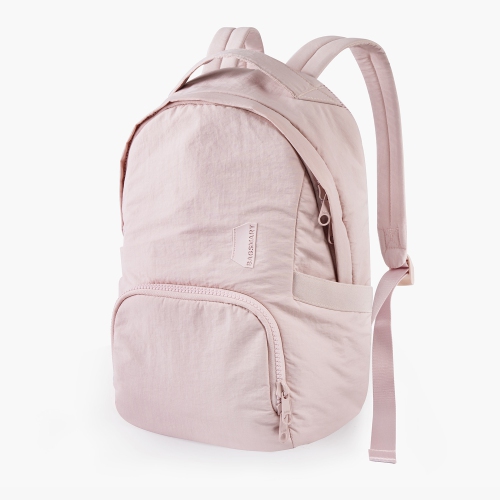
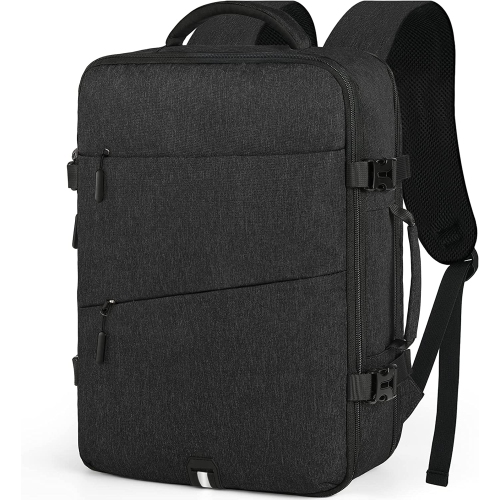
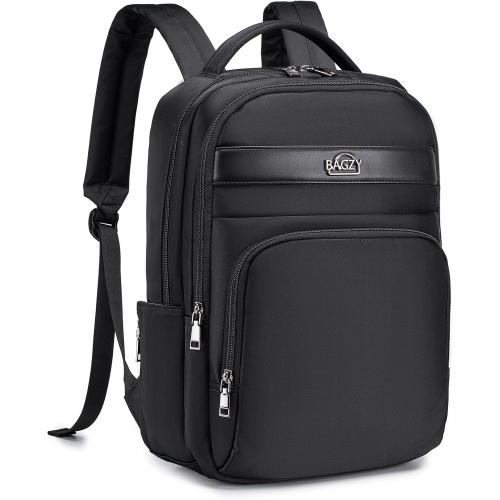
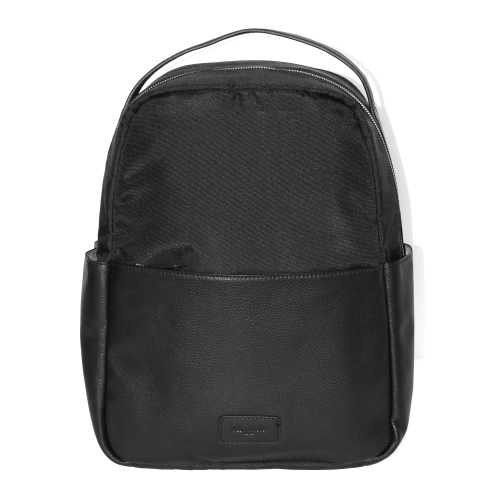
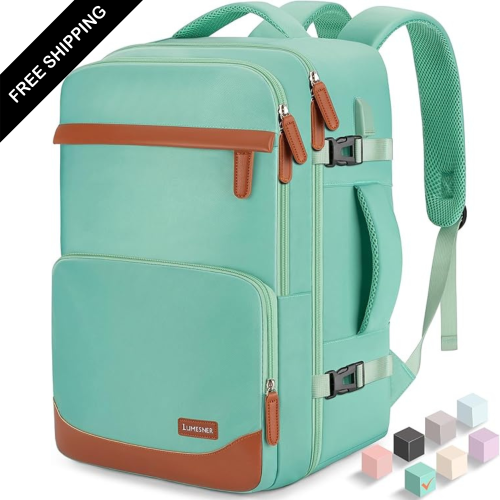
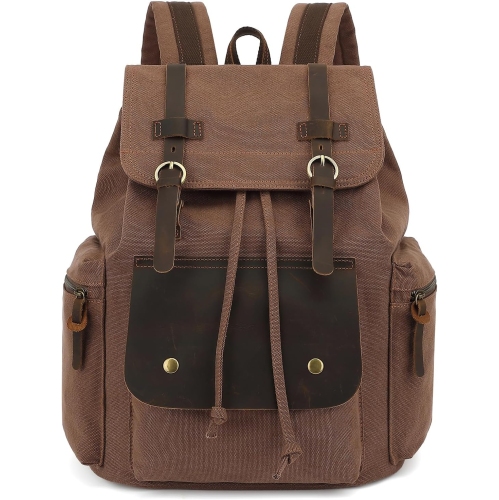
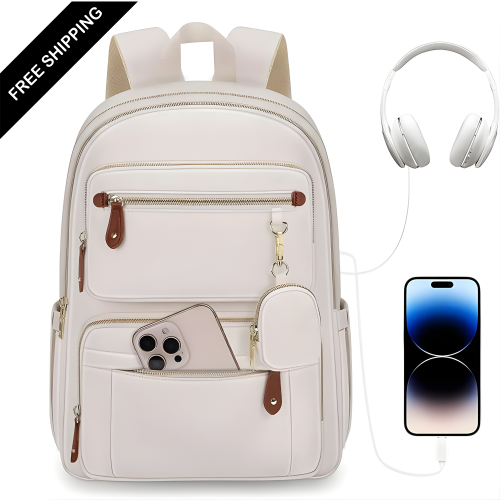
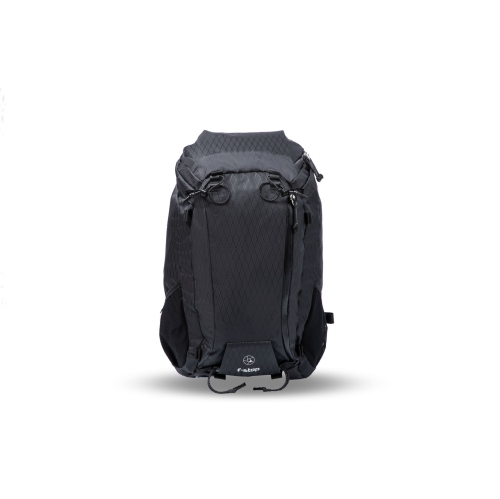
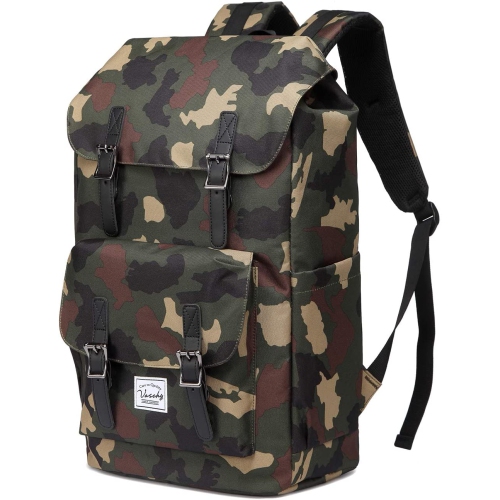
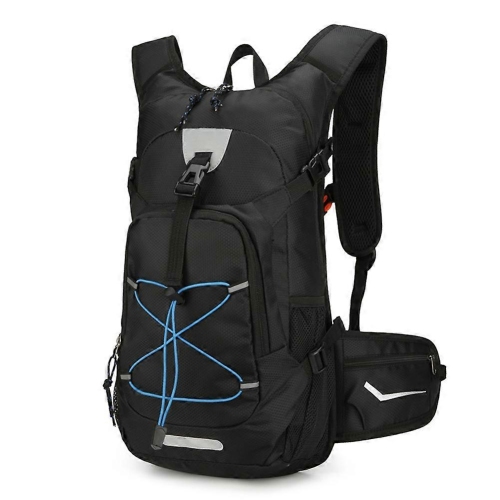
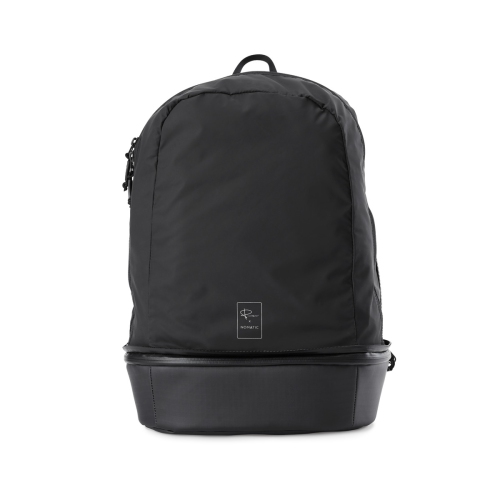
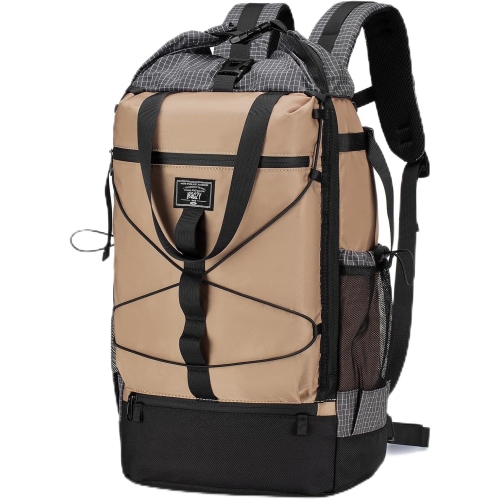
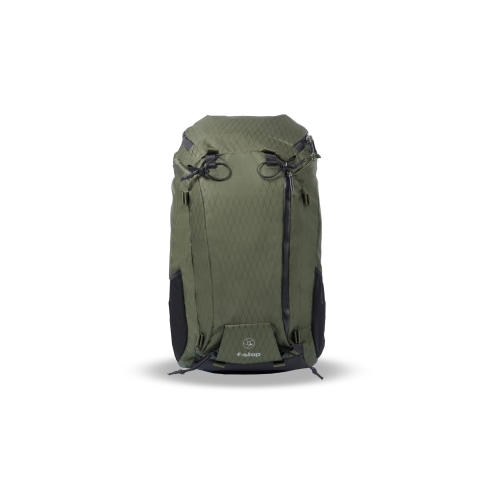
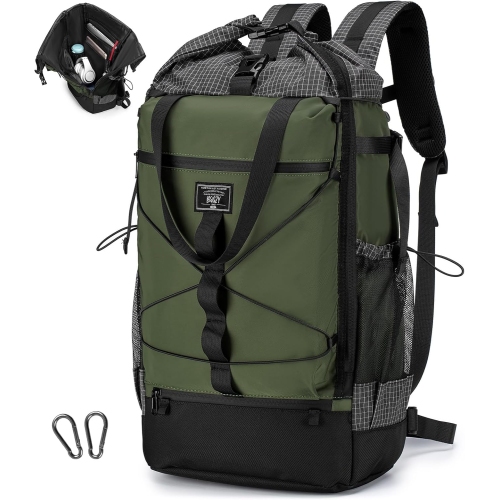
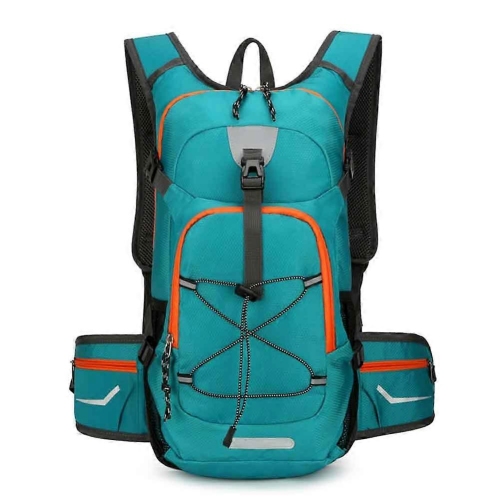
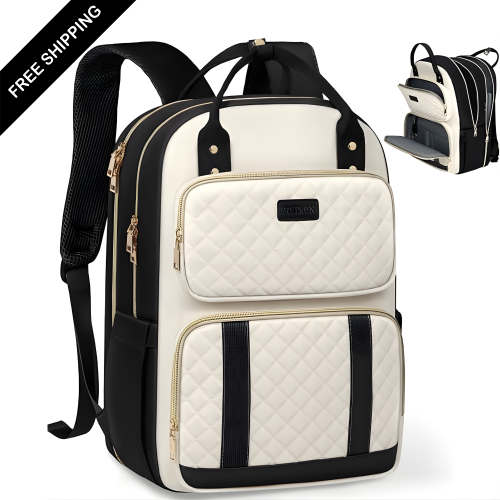
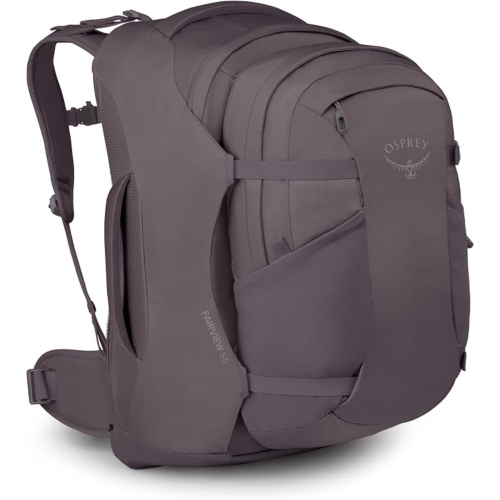
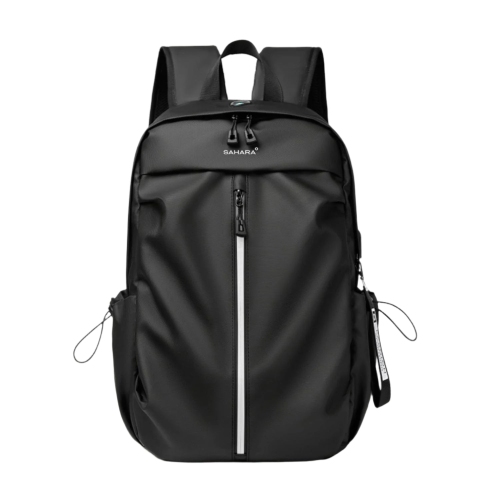
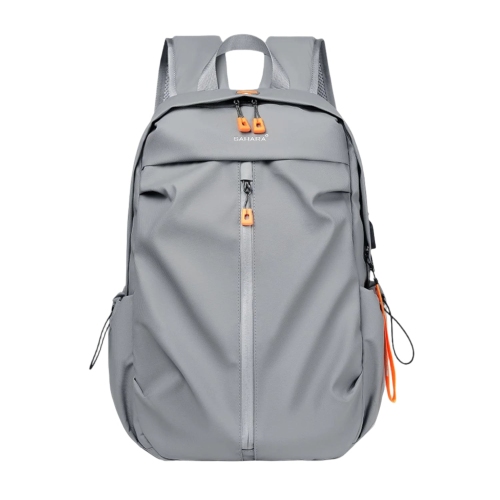
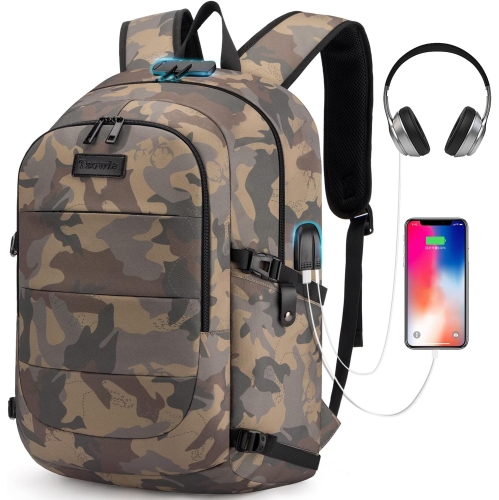
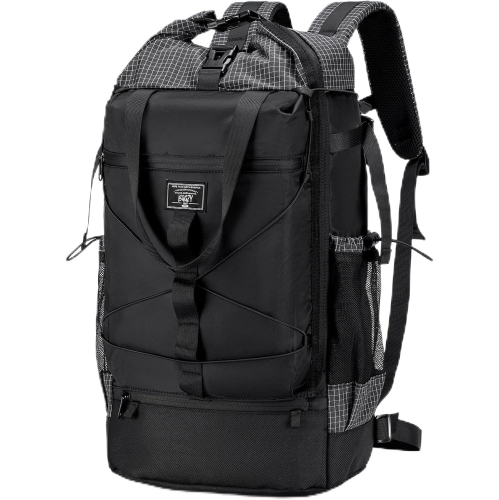
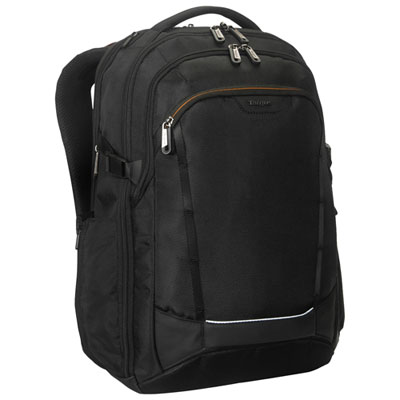
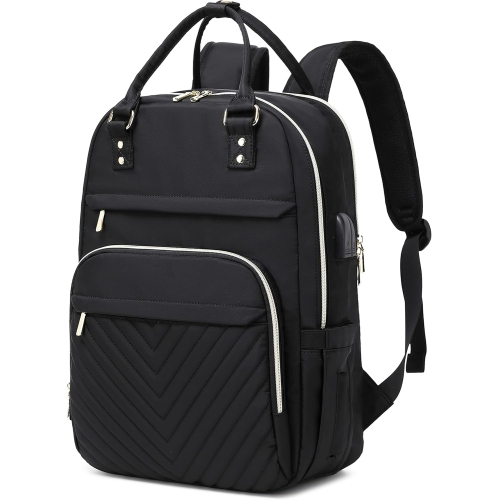
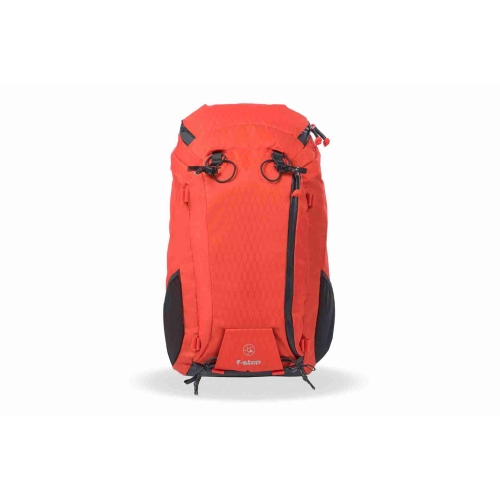
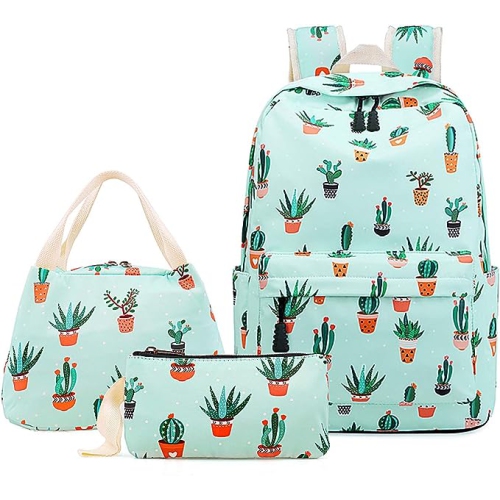
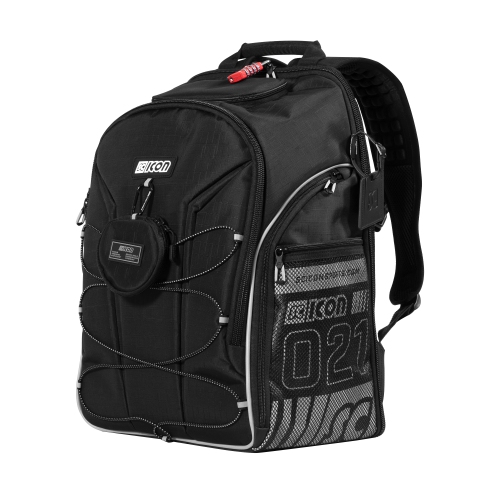
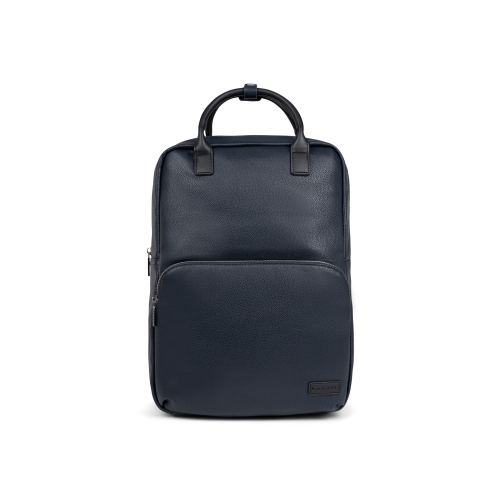
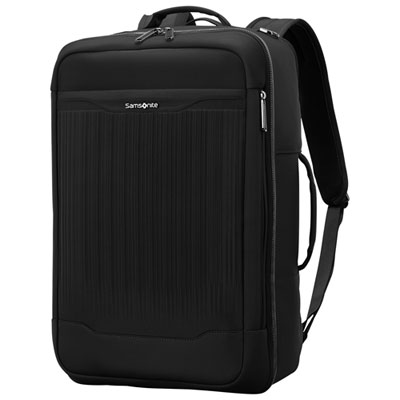
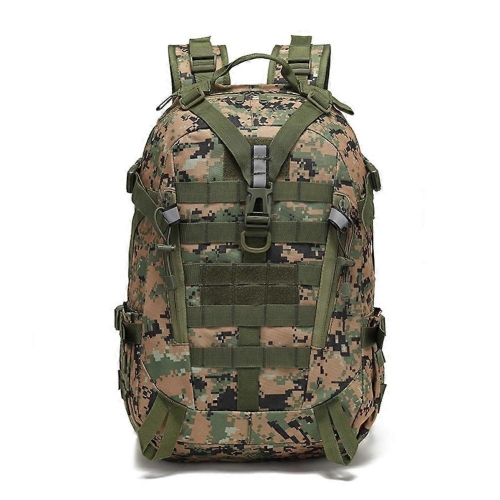
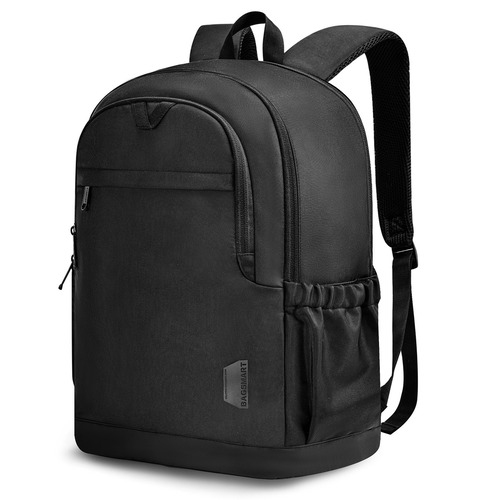
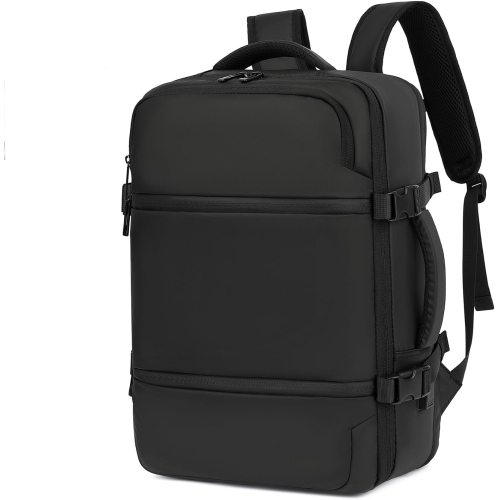
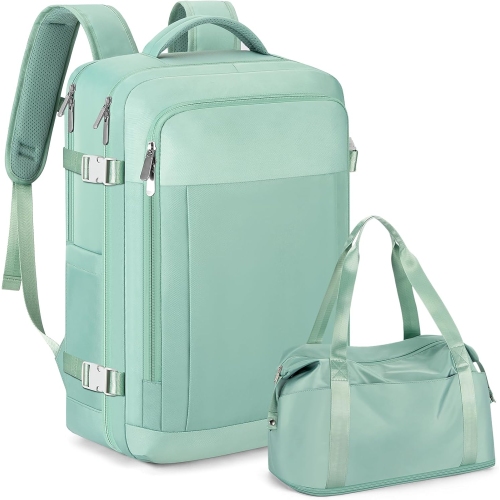
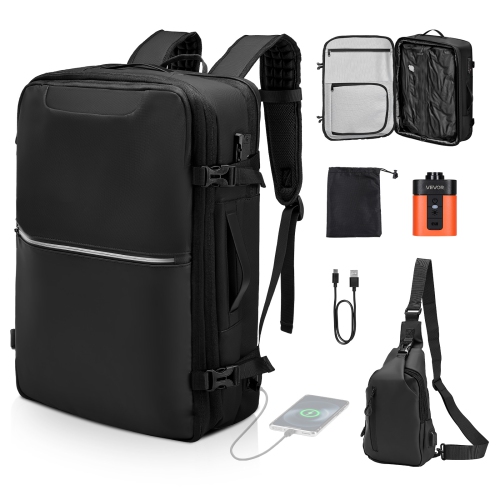
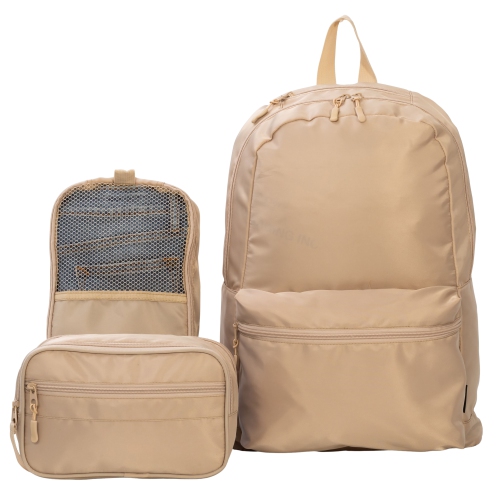
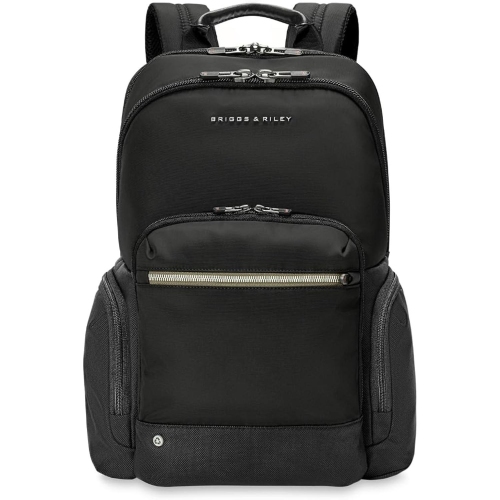
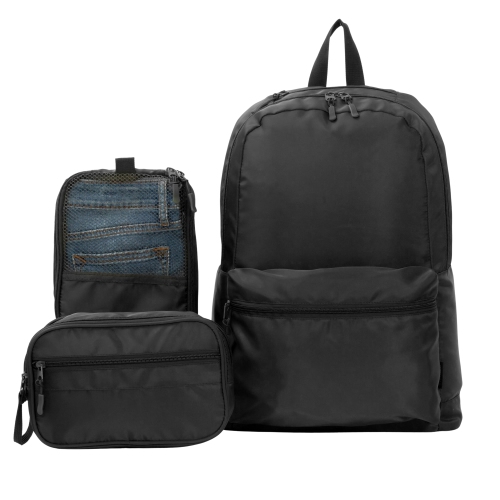
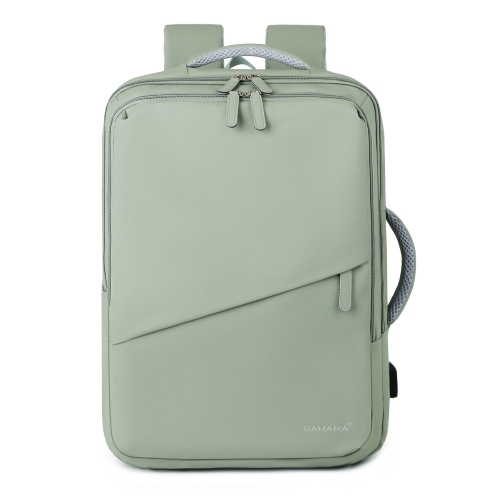
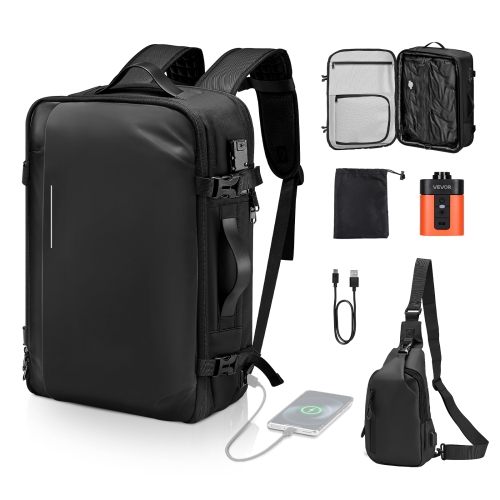
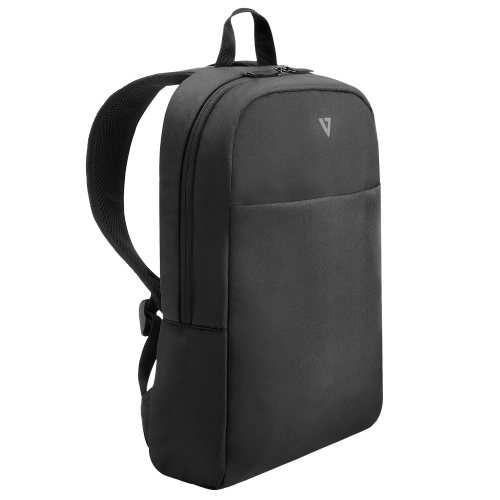
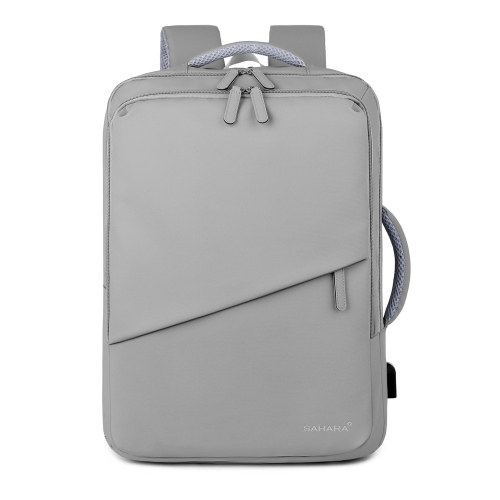
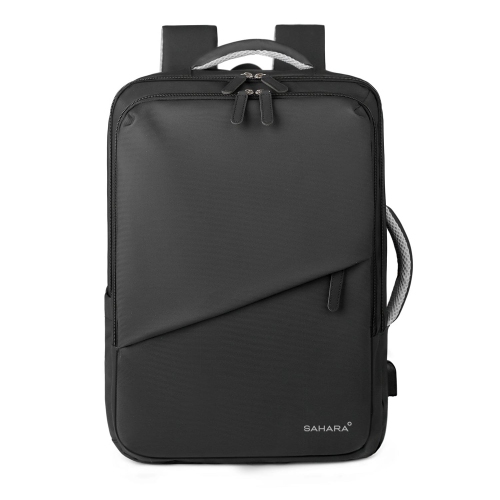
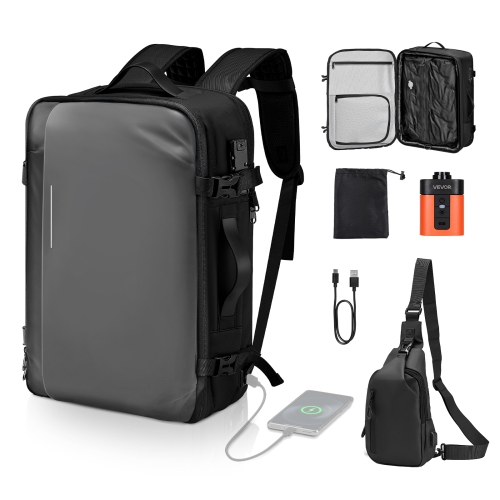
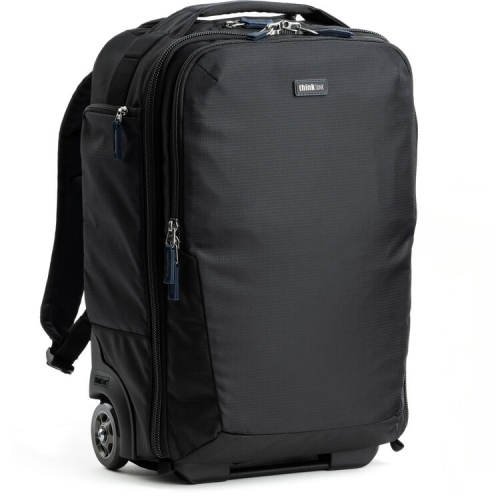
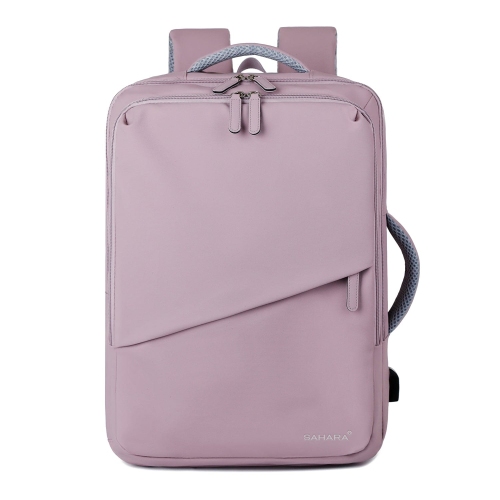
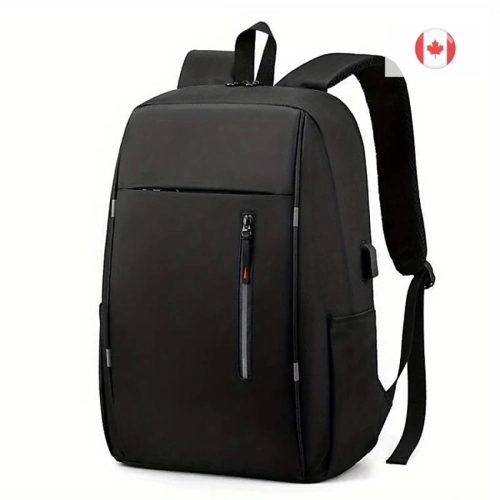
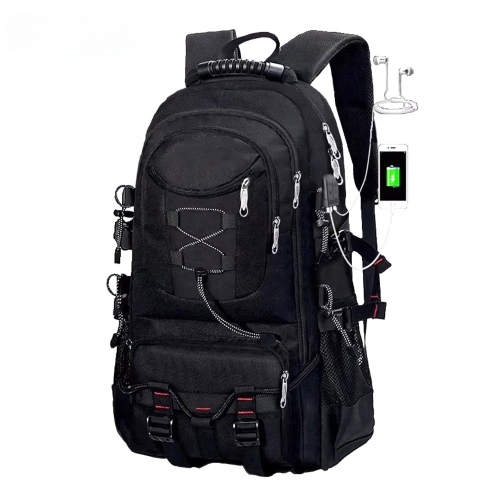
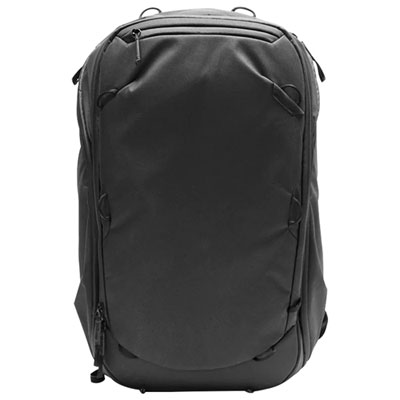
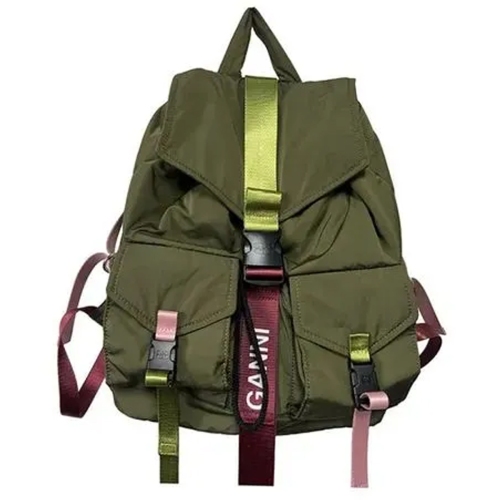
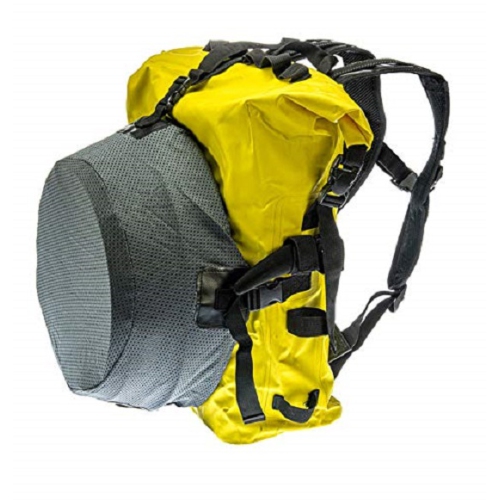
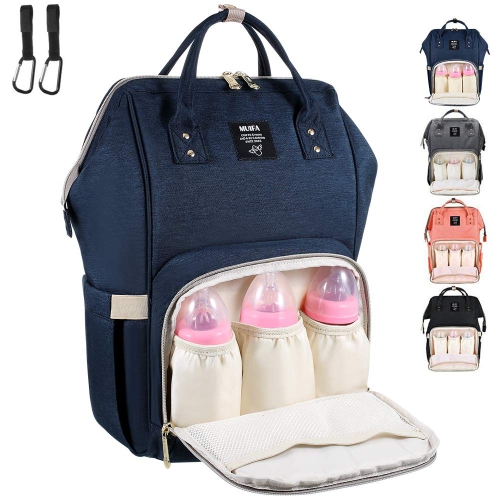
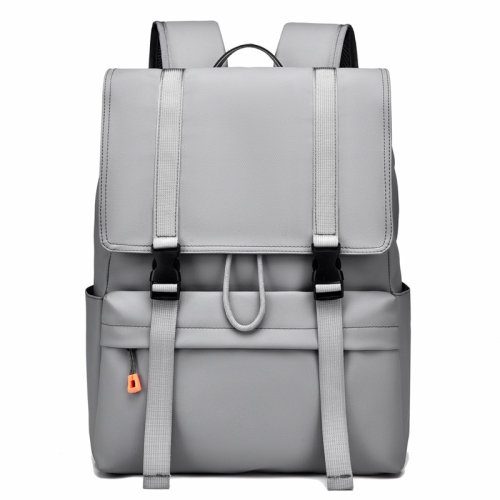
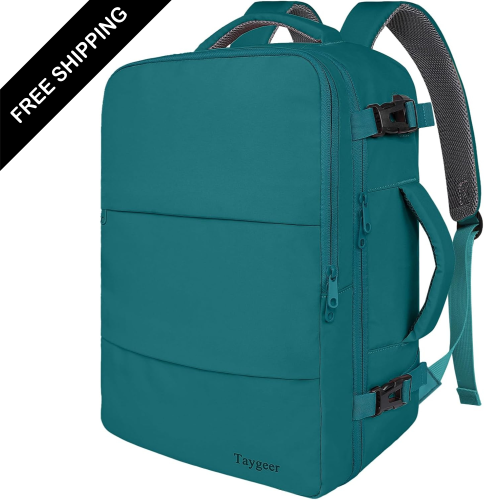
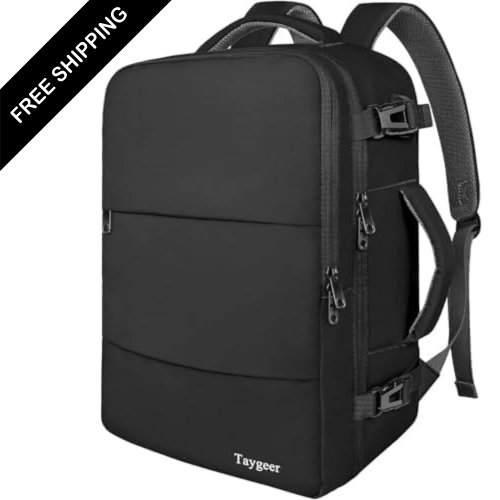
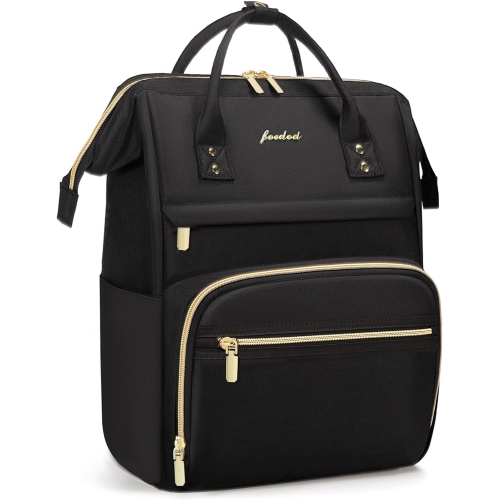
Compact storage and comfort for days on the move
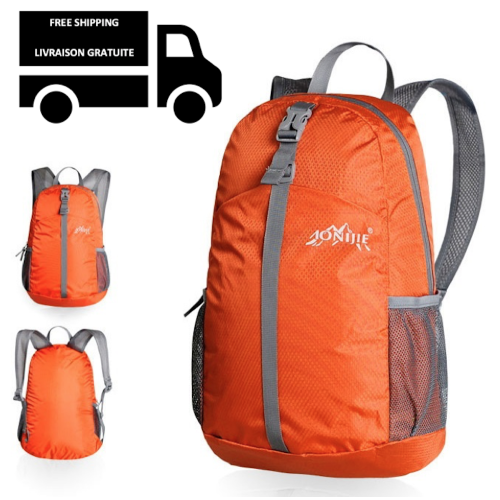
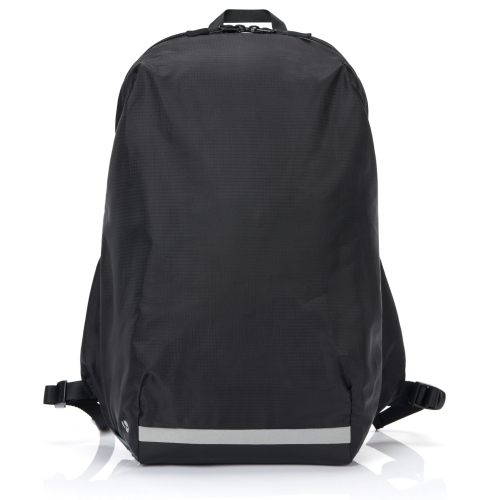
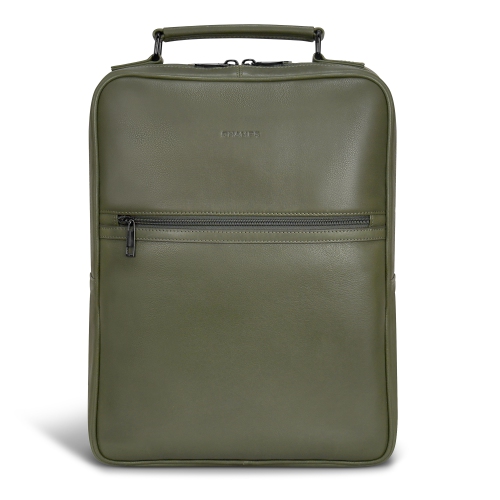
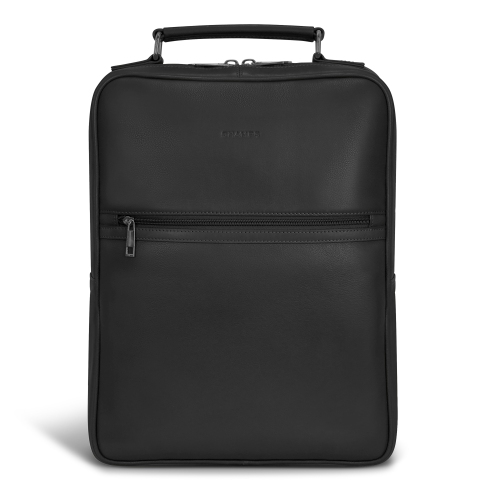
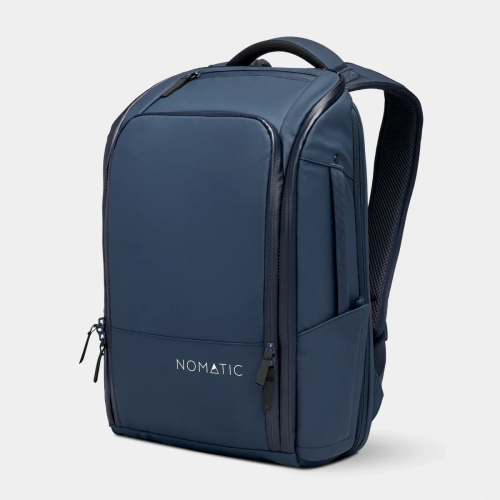
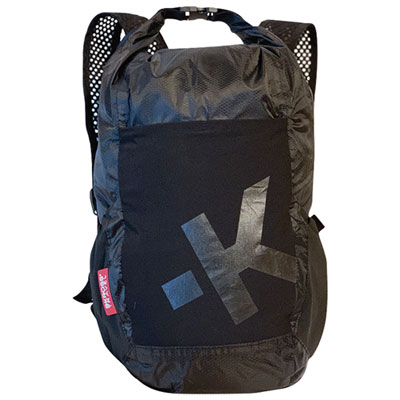
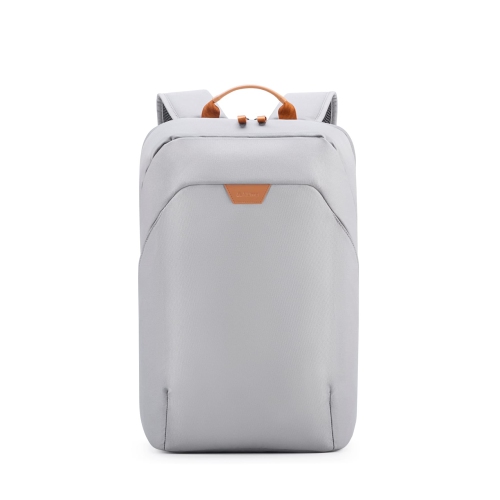
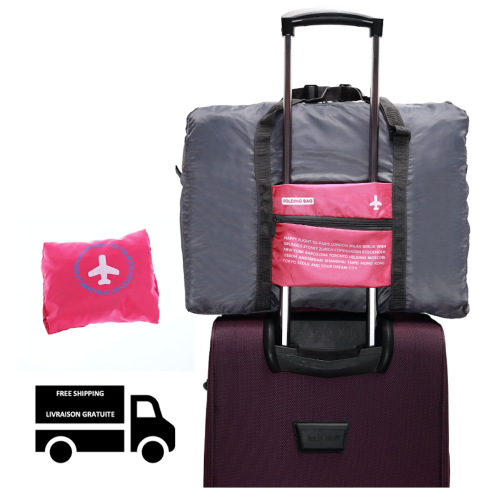
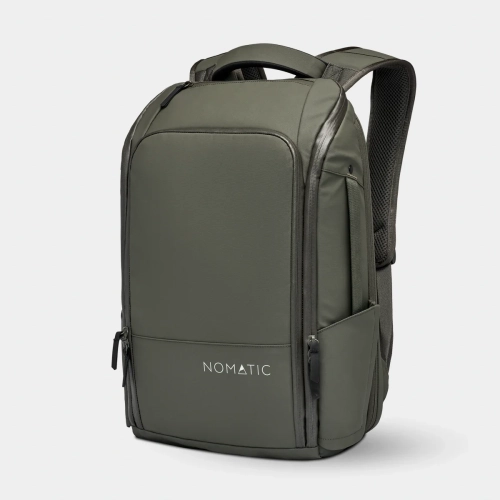
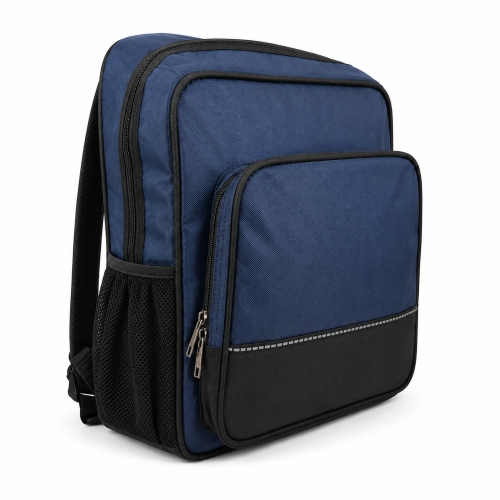
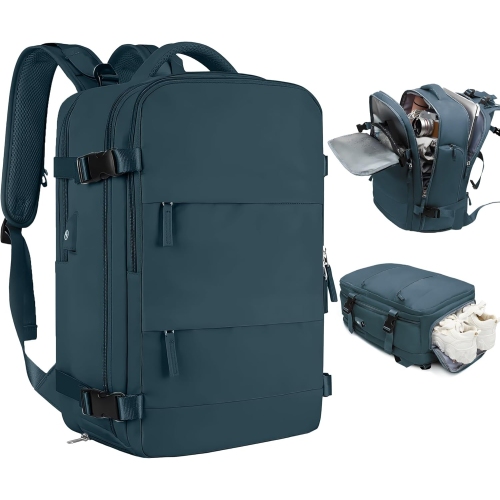
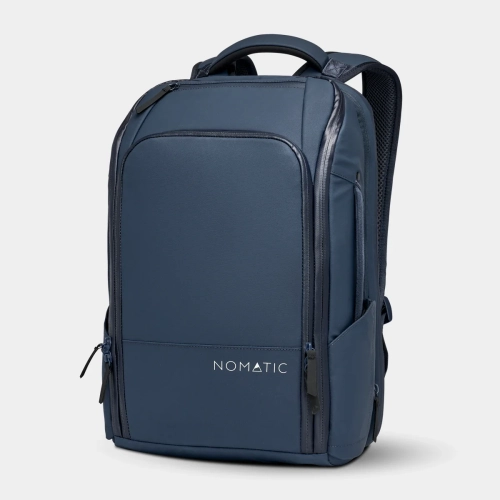
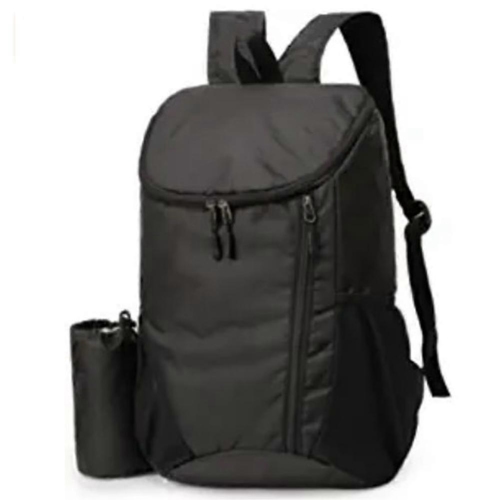
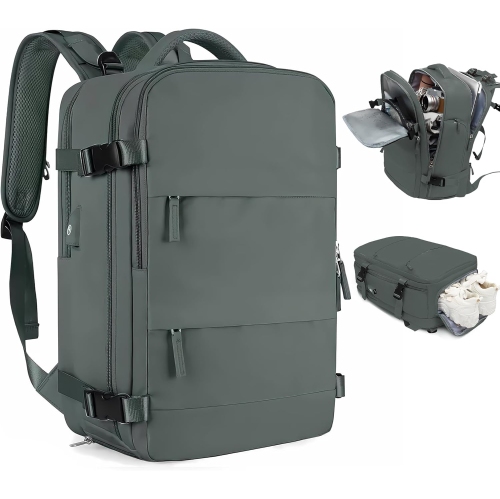
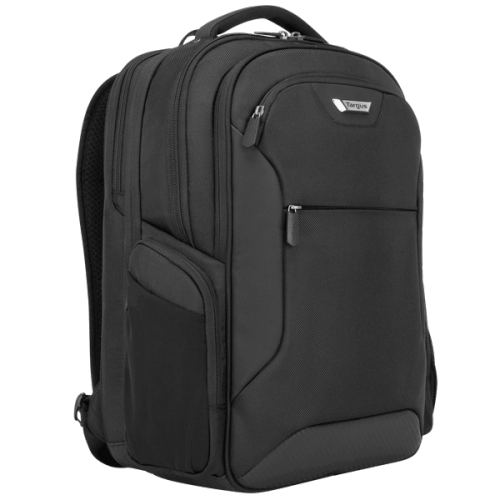
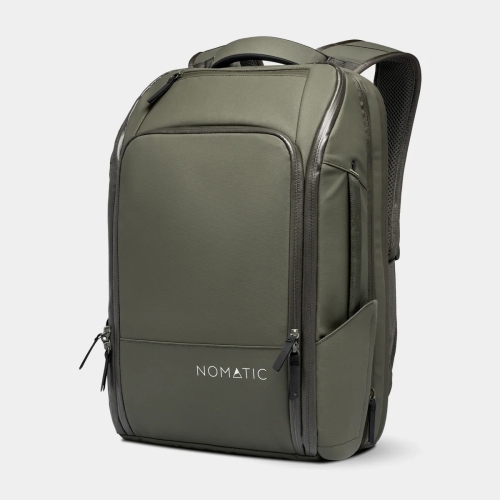
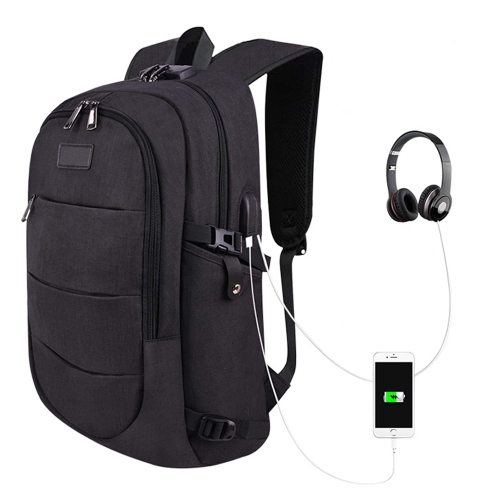
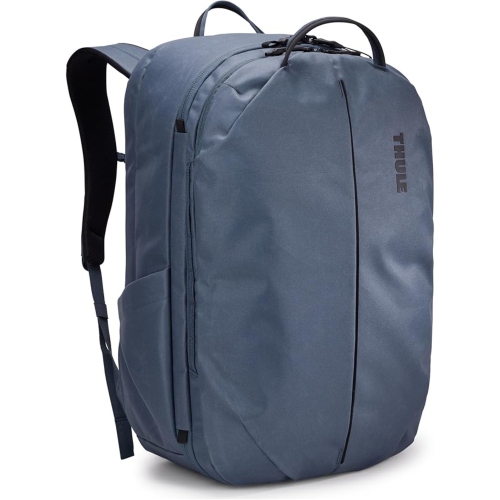
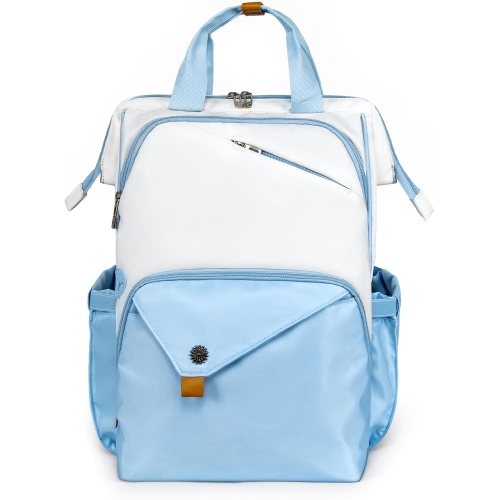
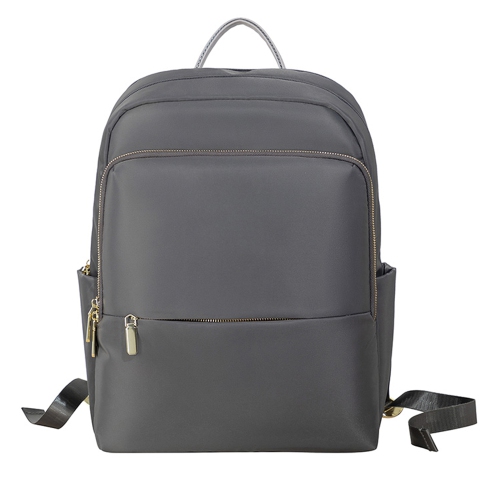
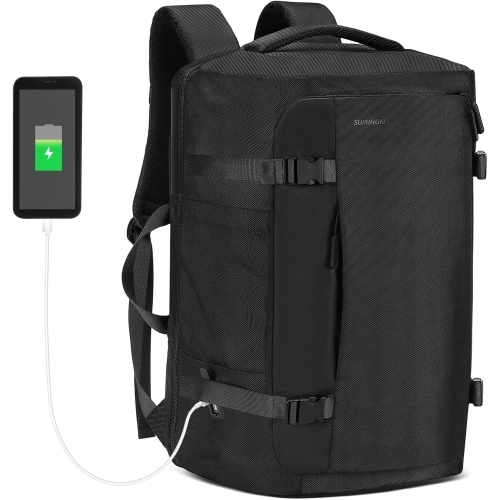
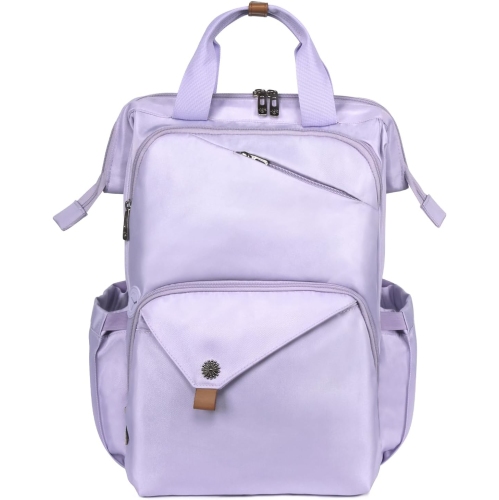
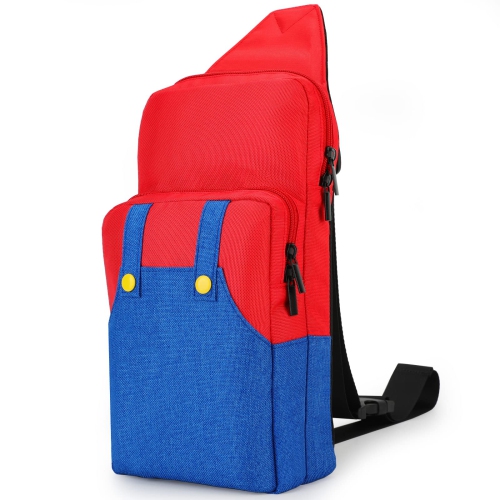
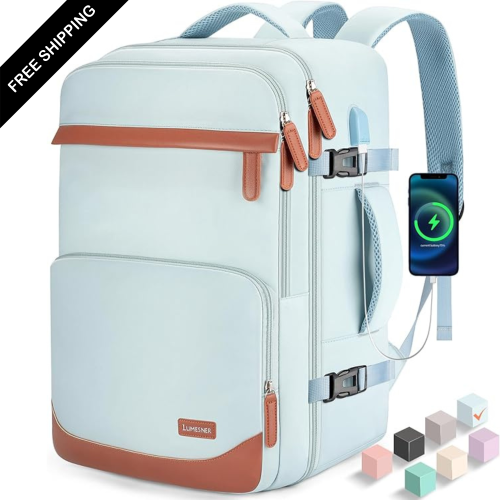
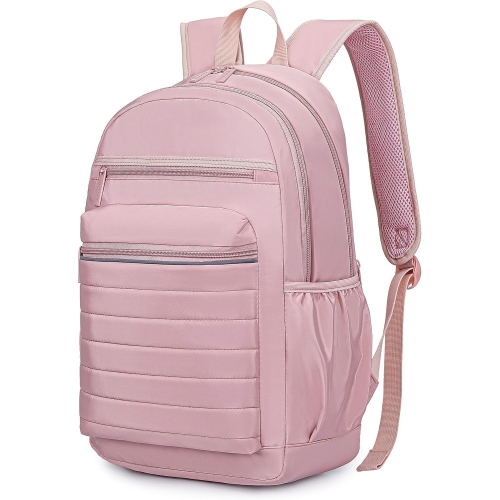
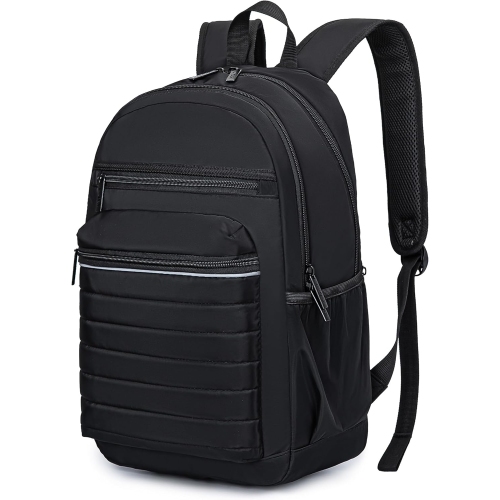
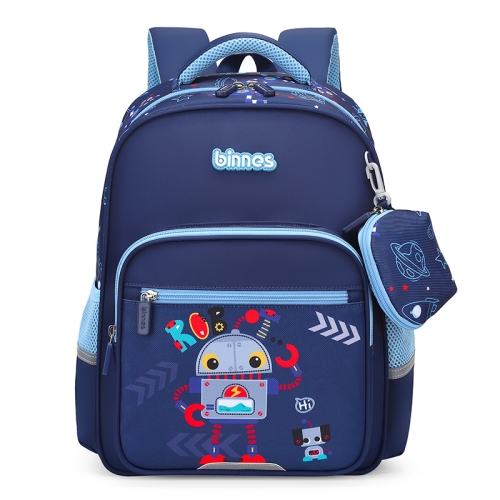
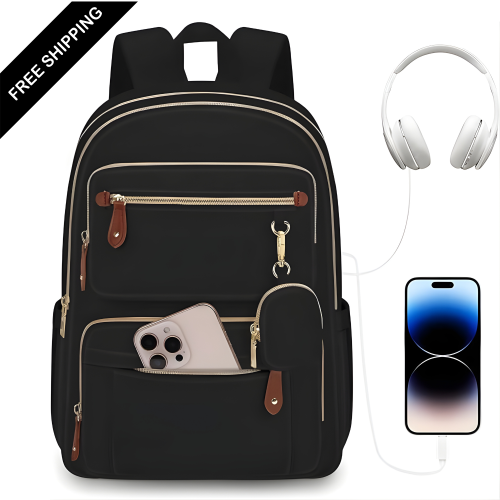
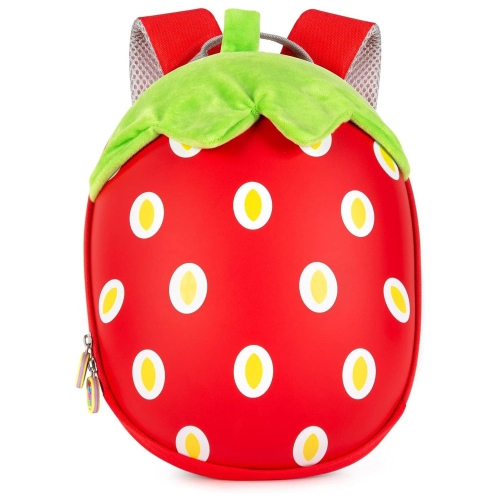
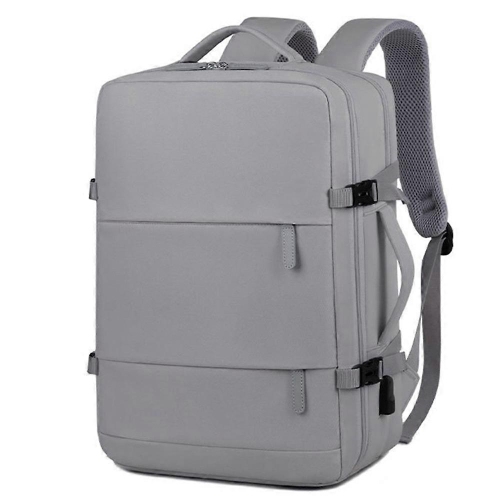
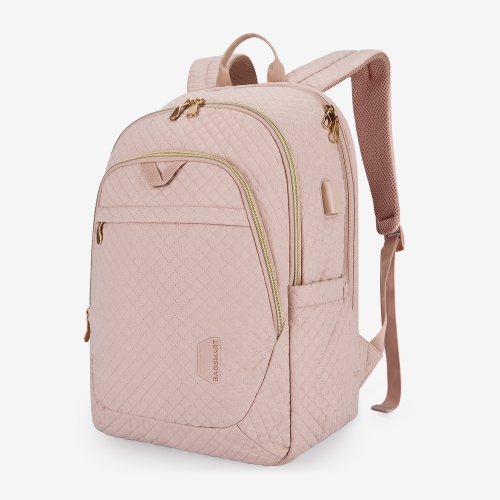
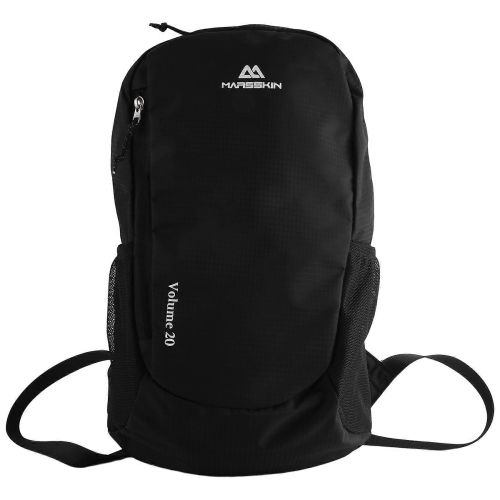
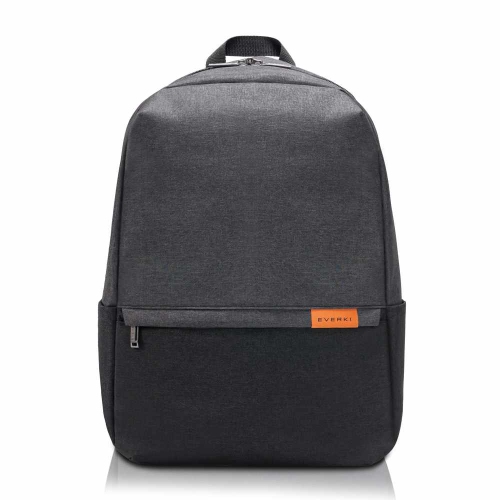
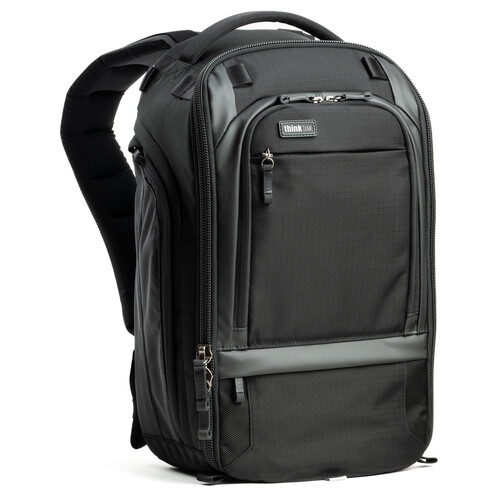
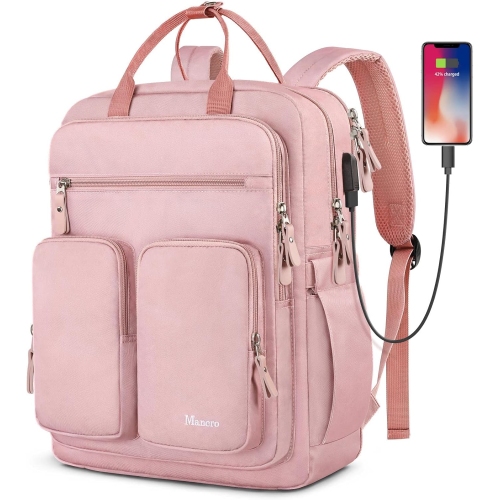
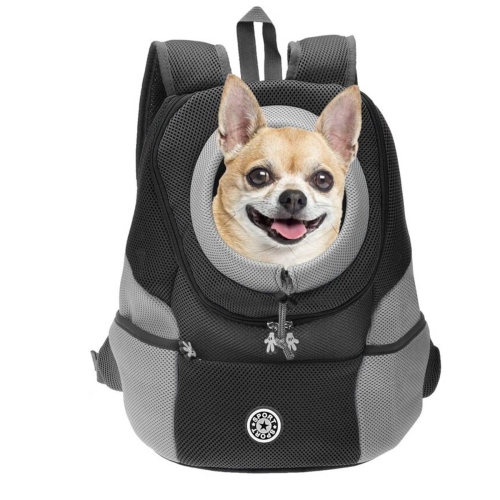
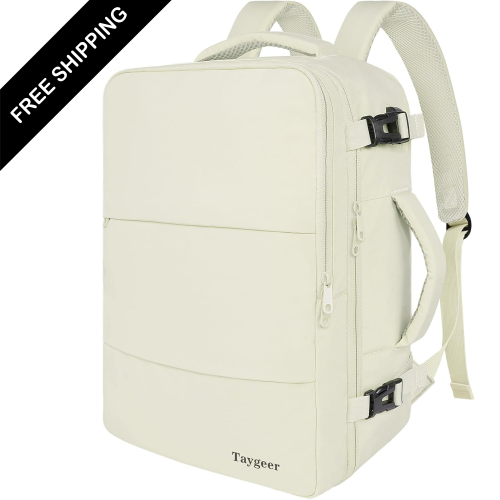
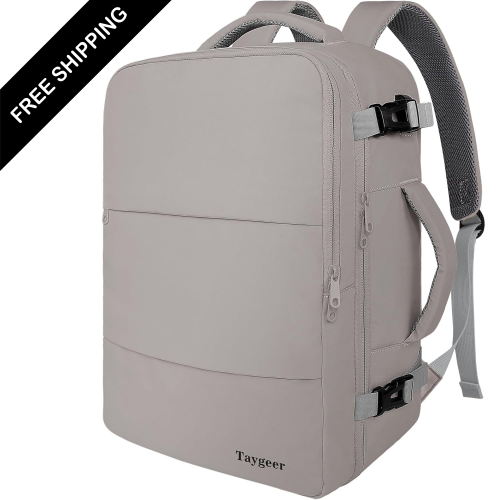
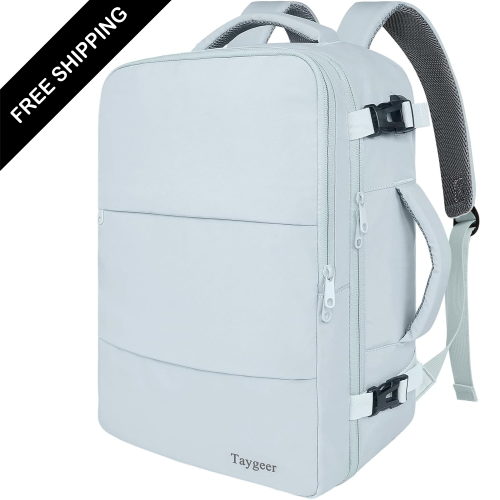
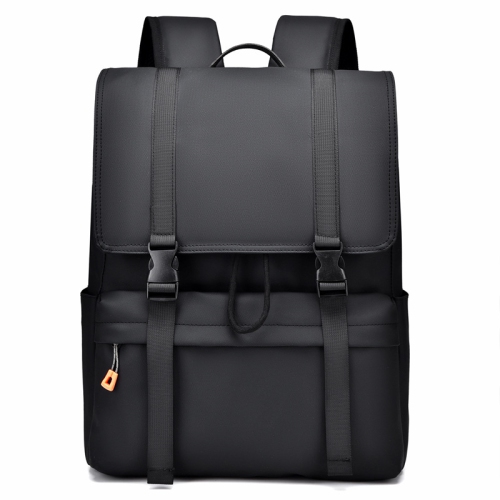
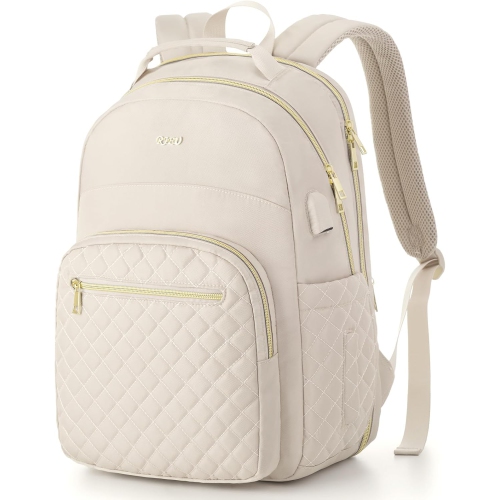
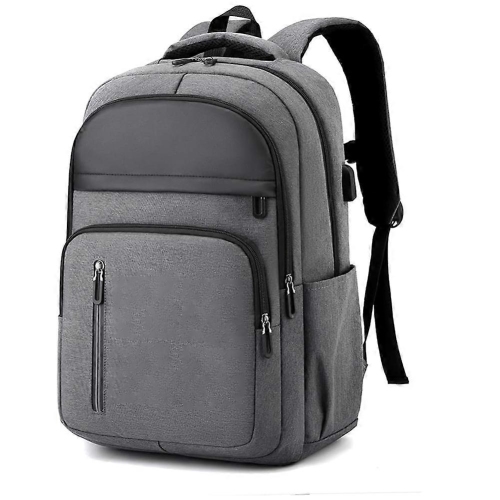
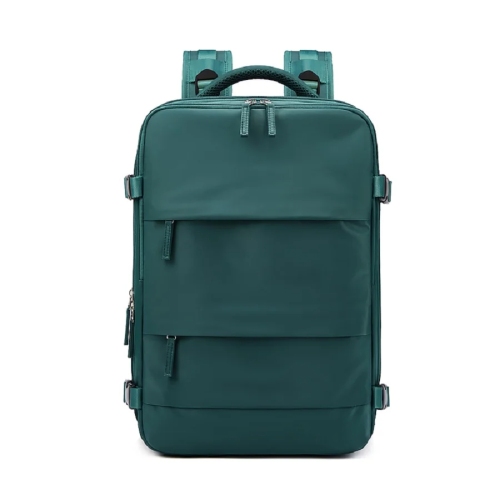
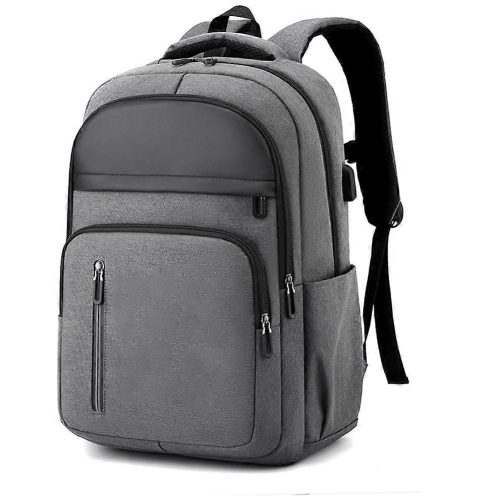
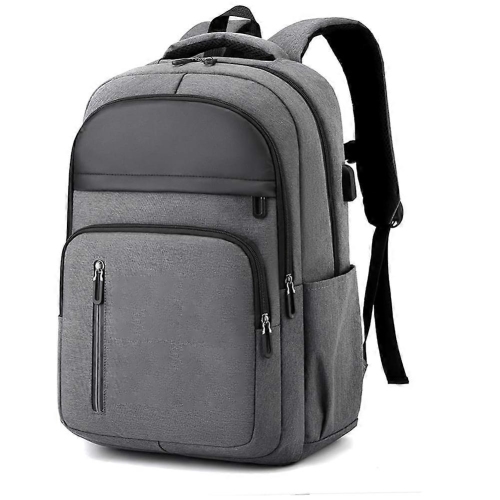
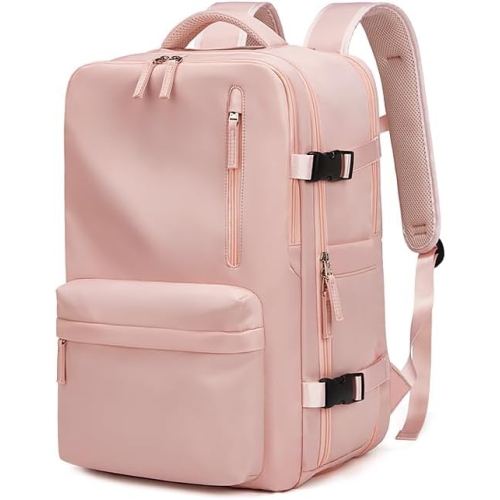
Small travel backpacks offer a practical balance between everyday convenience and travel-ready storage. Typically ranging from about 20 to 30 L, they are compact enough for crowded streets, train stations and café tables while still holding the essentials for a day out or a light weekend away. Many travellers choose this size as an airline personal item, particularly when the backpack is designed to slide beneath a seat, although personal-item dimensions and allowances vary by airline, fare type and aircraft. Checking the carrier’s current measurements before travelling is a sensible step, especially when choosing a backpack with an expandable section. A compact bag can be useful for short flights, road trips, overnight stays, campus commutes and sightseeing, giving you a hands-free way to carry clothing, toiletries, snacks, travel documents and a few personal items. It can also work as a second bag alongside rolling luggage: keep valuables, medication, headphones, a water bottle and anything needed during the journey close at hand instead of placing them in the overhead compartment. A well-designed small travel backpack should feel comfortable when worn for several hours, with padded shoulder straps, a supportive back panel and an adjustable sternum or chest strap where appropriate. Look for a shape that sits close to your body without restricting movement, particularly if you will be walking through busy terminals or carrying it on a bicycle, while breathable back padding can make a noticeable difference during warmer walks. For cooler months, a compact backpack can hold a light layer, toque, gloves and a thermos without becoming bulky. Colour and styling also matter because a travel bag often goes from the airport to a hotel lobby, museum, office or restaurant. Neutral tones can blend easily with different outfits, while bright interior lining, contrasting details or clearly organized pockets can make small items easier to find in dim lighting.
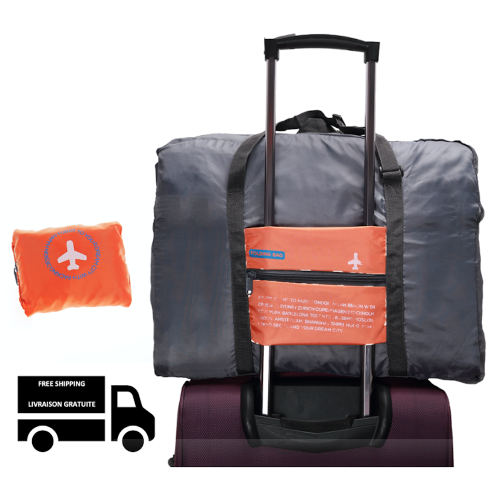
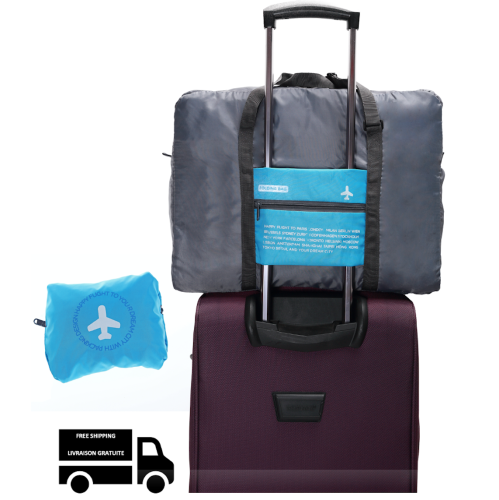
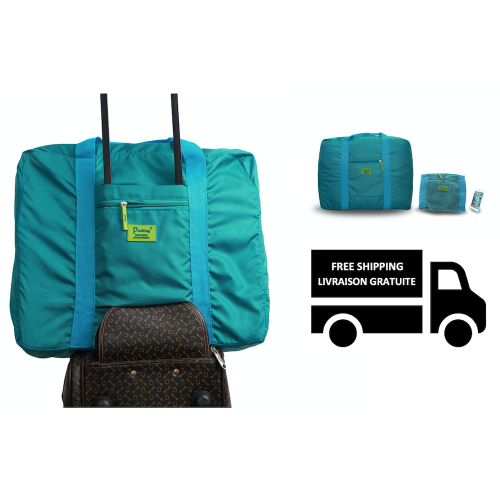
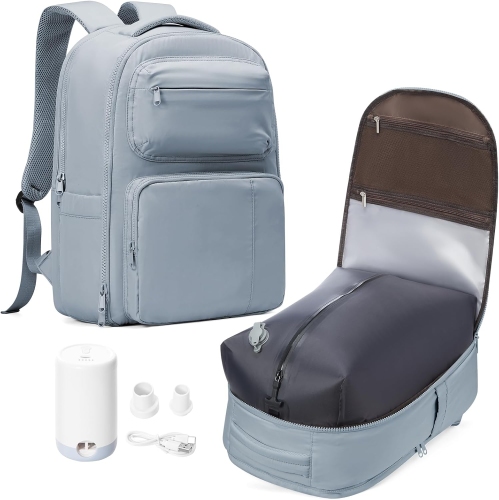
The interior layout is one of the most important considerations when comparing small travel backpacks. A clamshell or full-zip opening allows the bag to open widely, similar to a small suitcase, so folded clothing can be arranged in layers rather than pushed through a narrow top opening. This can be especially helpful for a two- or three-day trip when every centimetre of space matters. Compression straps, packing cubes and a separate laundry compartment can help keep clothing orderly, while a structured base may allow the backpack to stand upright when it is being packed. An expandable design provides extra room when needed and can compress again for daily use, making it useful for travellers who bring home purchases or need to carry an additional layer during the day. Exterior pockets are convenient for items that need frequent access, such as boarding passes, sunglasses, keys, tissues or hand sanitizer, while a secure rear pocket can keep a passport or wallet closer to the body. A trolley pass-through sleeve is another helpful feature for anyone pairing a backpack with rolling luggage; it lets the bag rest over a suitcase handle rather than adding its full weight to your shoulders. If you travel with technology, check the dimensions of the padded laptop sleeve instead of relying only on a general label such as “computer compartment.” A sleeve made for a 13-inch laptop may not accommodate a larger device, and tablet pockets can differ in width and protection. Internal cable pockets, pen slots and soft-lined sections are useful additions for chargers, earbuds, glasses and other small accessories. Water-resistant fabric and covered zippers can provide added protection from light rain, splashes and damp pavement, although no backpack should be assumed to be fully waterproof unless the specifications clearly say so. A lightweight construction can make the bag more comfortable over long distances, but it is still worth checking the fabric, stitching, zipper quality and strap attachment points when the backpack will be used frequently.
Small travel backpacks can suit a wide range of people, from students and commuters to frequent flyers, photographers, parents and travellers who prefer to pack lightly. They make thoughtful gifts for someone planning a weekend getaway, starting a new job, returning to school or looking for a more organized way to carry daily essentials. For a gift, consider the recipient’s routine: a padded laptop section may be most valuable for a commuter, while a wide-opening main compartment and luggage sleeve may matter more to a frequent traveller. Someone who spends long days exploring may appreciate breathable padding, a water bottle pocket and easy-access compartments, whereas a minimalist packer may prefer a slim profile with fewer exterior details. Capacity should be chosen according to how the backpack will be used rather than simply selecting the largest option. Around 20 L can be suitable for daily essentials and a change of clothing, while approximately 25 to 30 L offers more flexibility for a weekend, bulkier layers or work equipment. Keep in mind that a backpack’s usable capacity depends on its shape, compartment layout and the amount of padding inside. Before purchasing, measure the devices and items you plan to carry, compare the packed dimensions with airline personal-item limits, and consider how the bag feels when loaded. The best small travel backpack is one that keeps important belongings organized, protects the items you carry most often and remains comfortable from departure to arrival. Travellers looking for a compact style with a range of everyday uses can also browse Small Backpacks for Women for additional options in similarly versatile sizes.
The interior layout is one of the most important considerations when comparing small travel backpacks. A clamshell or full-zip opening allows the bag to open widely, similar to a small suitcase, so folded clothing can be arranged in layers rather than pushed through a narrow top opening. This can be especially helpful for a two- or three-day trip when every centimetre of space matters. Compression straps, packing cubes and a separate laundry compartment can help keep clothing orderly, while a structured base may allow the backpack to stand upright when it is being packed. An expandable design provides extra room when needed and can compress again for daily use, making it useful for travellers who bring home purchases or need to carry an additional layer during the day. Exterior pockets are convenient for items that need frequent access, such as boarding passes, sunglasses, keys, tissues or hand sanitizer, while a secure rear pocket can keep a passport or wallet closer to the body. A trolley pass-through sleeve is another helpful feature for anyone pairing a backpack with rolling luggage; it lets the bag rest over a suitcase handle rather than adding its full weight to your shoulders. If you travel with technology, check the dimensions of the padded laptop sleeve instead of relying only on a general label such as “computer compartment.” A sleeve made for a 13-inch laptop may not accommodate a larger device, and tablet pockets can differ in width and protection. Internal cable pockets, pen slots and soft-lined sections are useful additions for chargers, earbuds, glasses and other small accessories. Water-resistant fabric and covered zippers can provide added protection from light rain, splashes and damp pavement, although no backpack should be assumed to be fully waterproof unless the specifications clearly say so. A lightweight construction can make the bag more comfortable over long distances, but it is still worth checking the fabric, stitching, zipper quality and strap attachment points when the backpack will be used frequently.
Small travel backpacks can suit a wide range of people, from students and commuters to frequent flyers, photographers, parents and travellers who prefer to pack lightly. They make thoughtful gifts for someone planning a weekend getaway, starting a new job, returning to school or looking for a more organized way to carry daily essentials. For a gift, consider the recipient’s routine: a padded laptop section may be most valuable for a commuter, while a wide-opening main compartment and luggage sleeve may matter more to a frequent traveller. Someone who spends long days exploring may appreciate breathable padding, a water bottle pocket and easy-access compartments, whereas a minimalist packer may prefer a slim profile with fewer exterior details. Capacity should be chosen according to how the backpack will be used rather than simply selecting the largest option. Around 20 L can be suitable for daily essentials and a change of clothing, while approximately 25 to 30 L offers more flexibility for a weekend, bulkier layers or work equipment. Keep in mind that a backpack’s usable capacity depends on its shape, compartment layout and the amount of padding inside. Before purchasing, measure the devices and items you plan to carry, compare the packed dimensions with airline personal-item limits, and consider how the bag feels when loaded. The best small travel backpack is one that keeps important belongings organized, protects the items you carry most often and remains comfortable from departure to arrival. Travellers looking for a compact style with a range of everyday uses can also browse Small Backpacks for Women for additional options in similarly versatile sizes.
Top selling and popular products
-
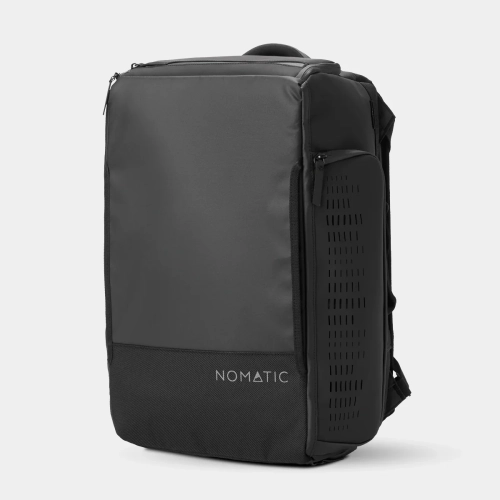 Your price for this item is $419.99
 -
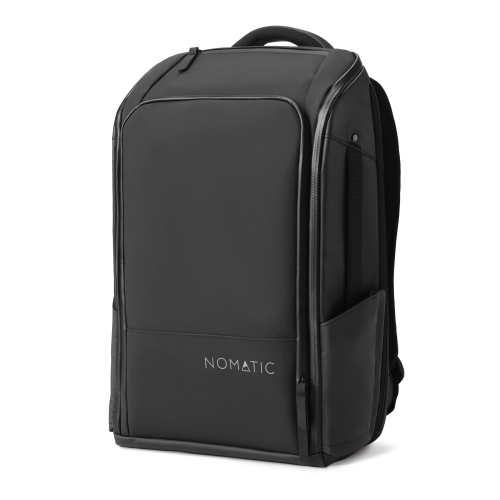 Your price for this item is $399.99
 -
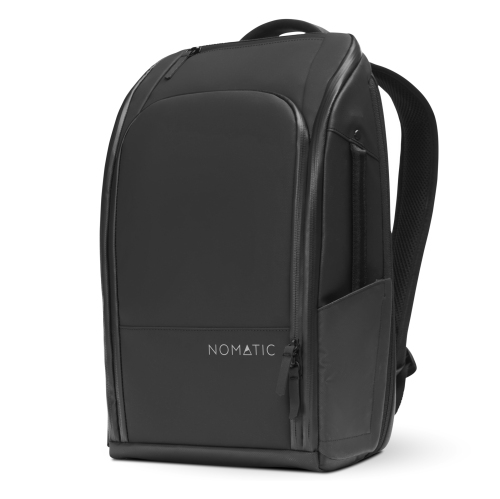 Your price for this item is $369.99
 -
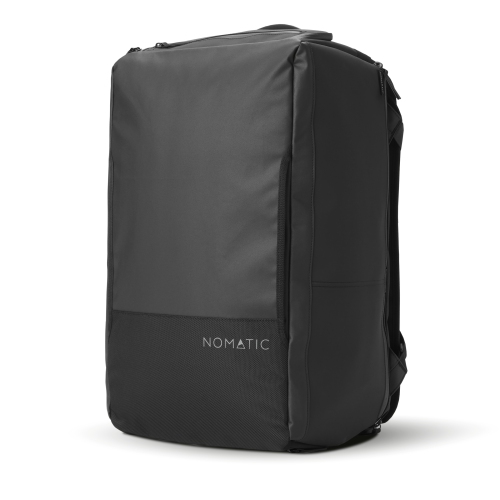 Your price for this item is $399.99
 -
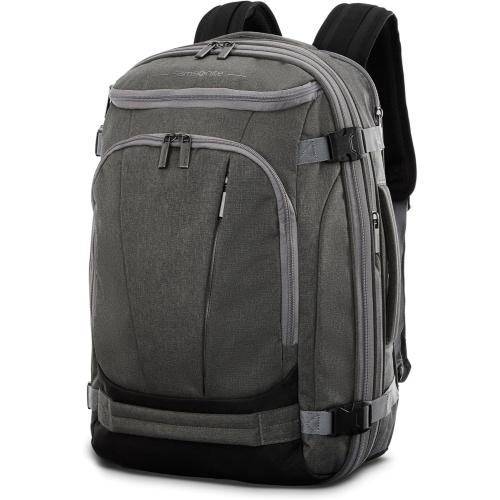 Your price for this item is $218.48
 -
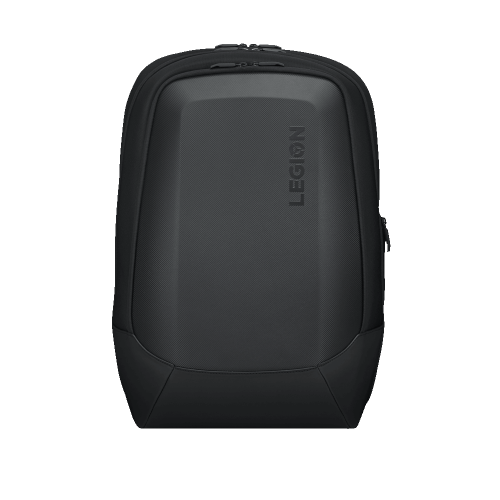 Your price for this item is $98.99
 -
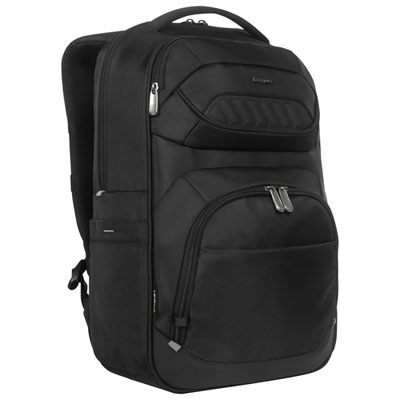 Your price for this item is $99.99
 -
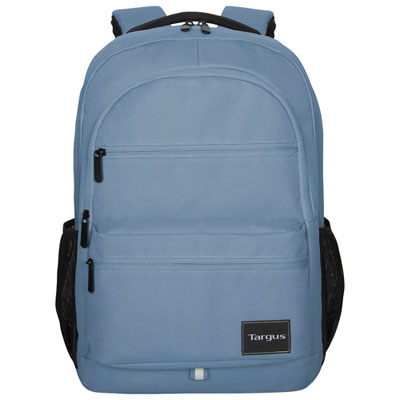 Your price for this item is $59.97
Discover more categories related to Small Travel Backpacks
Top Collections:
Pokemon Centers, Best Cameras for Sports Photography, Kindle Devices, Samsung Galaxy Phones, Canon G7X Cameras, Pokémon 30th Celebration Cards, Refurbished Apple Laptops, iPhone 15 Apple, Laptops for Students, Budget Smartphones
Some products may be subject to Environmental Handling Fees
(EHF) depending on your province.
Learn more about EHFs.