Travel Leather Backpacks
Upgrade your travel gear with our collection of stylish and functional leather backpacks designed to cater to the needs of modern explorers. Crafted from high-quality materials, these backpacks offer both durability and sophistication, making them the perfect companion for your next adventure. Whether you're jetting off on a weekend getaway or embarking on a cross-country journey, these travel leather backpacks combine fashion and functionality to keep you organized on the go. Explore our range of backpacks and discover the perfect blend of style and practicality for all your travel needs.
Sort

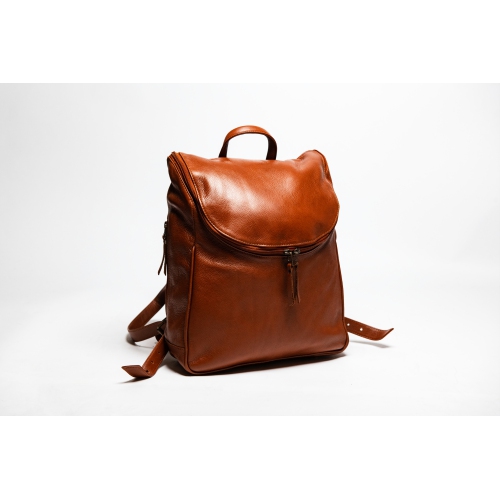
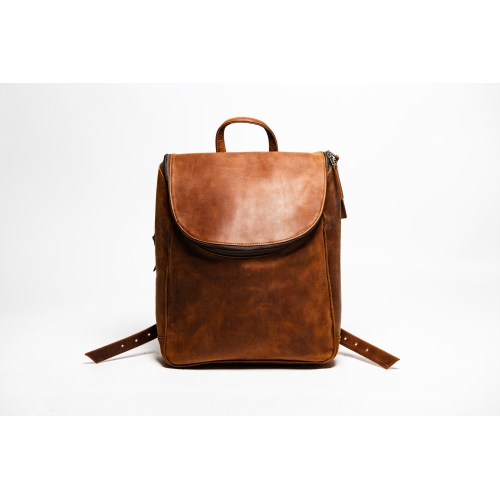
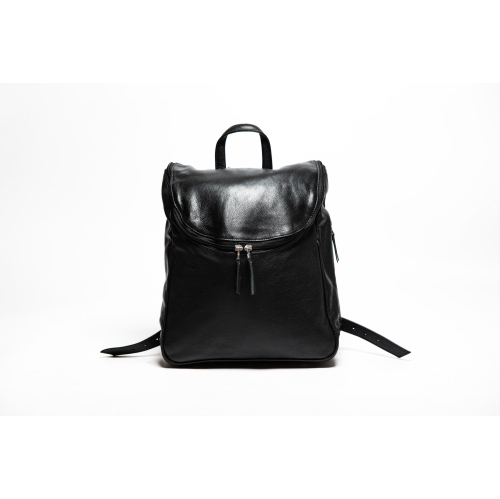
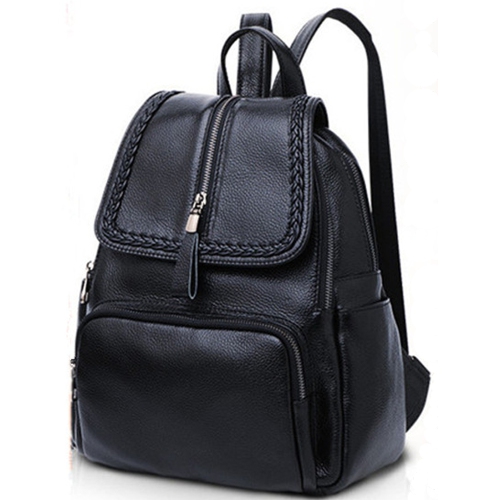


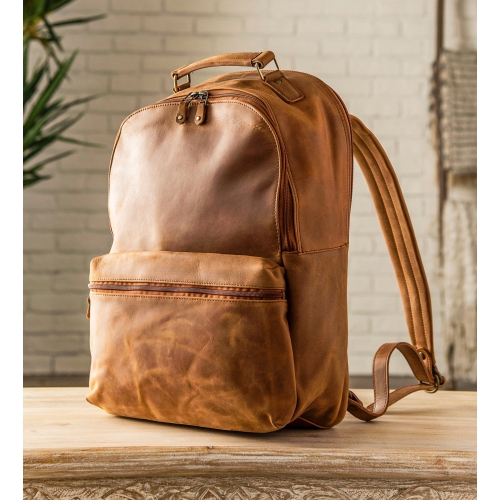
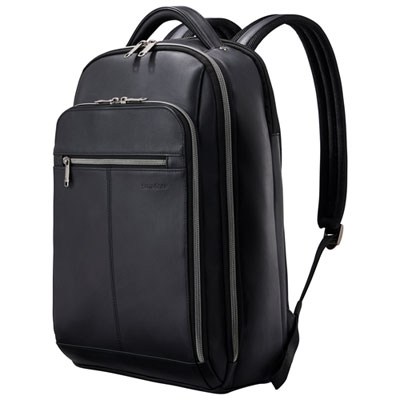


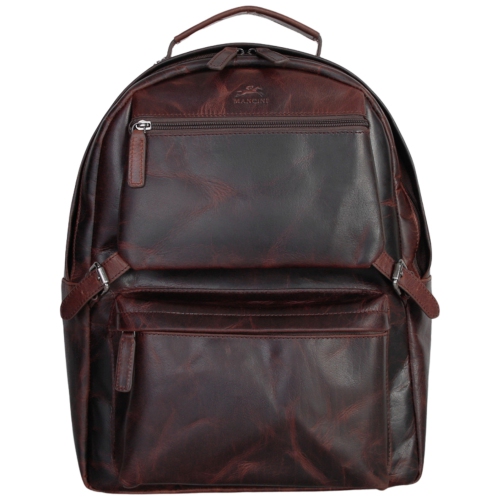

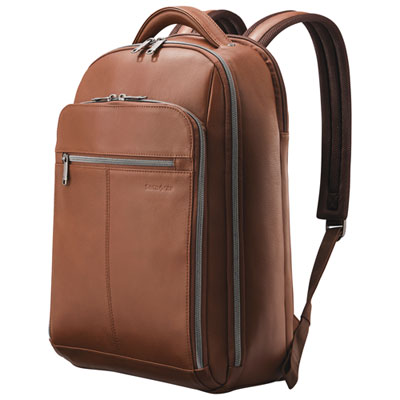


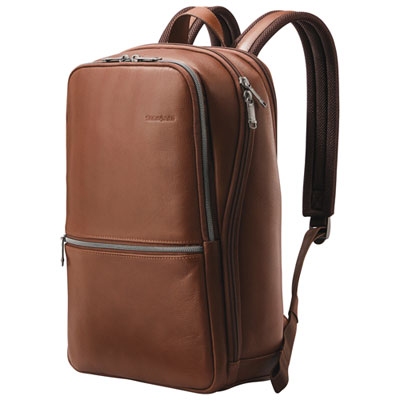
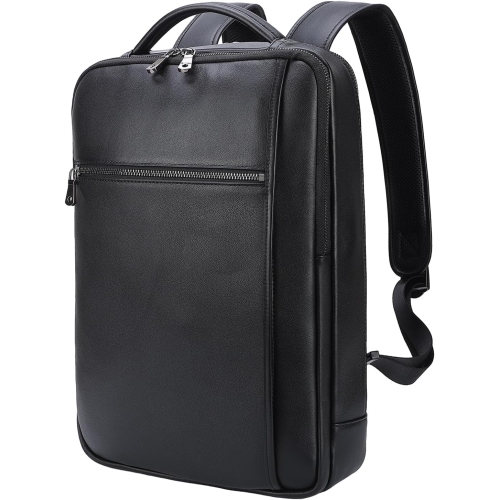
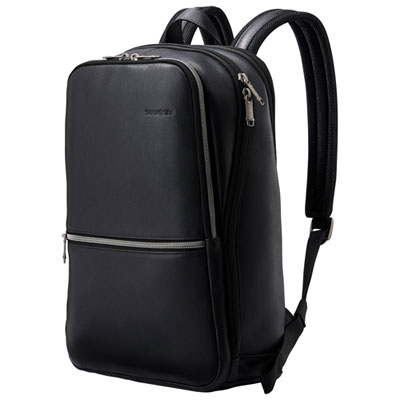


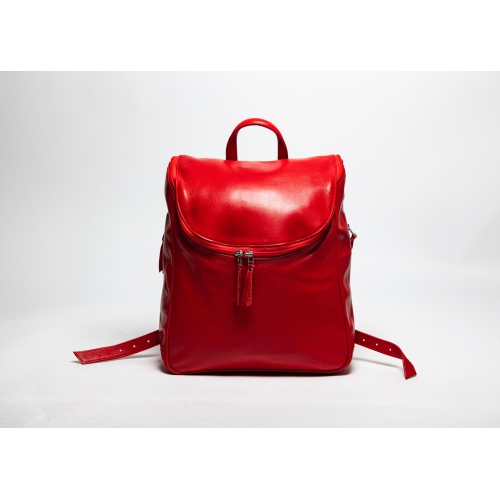


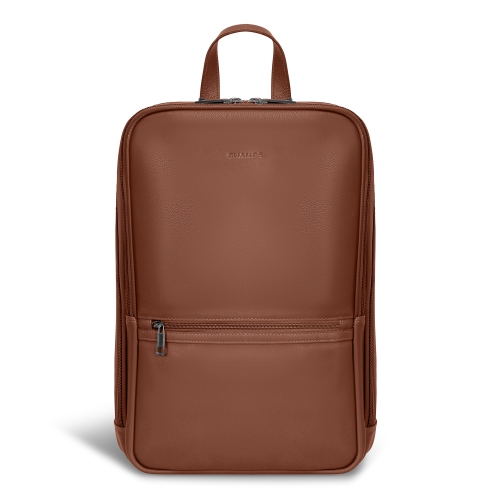
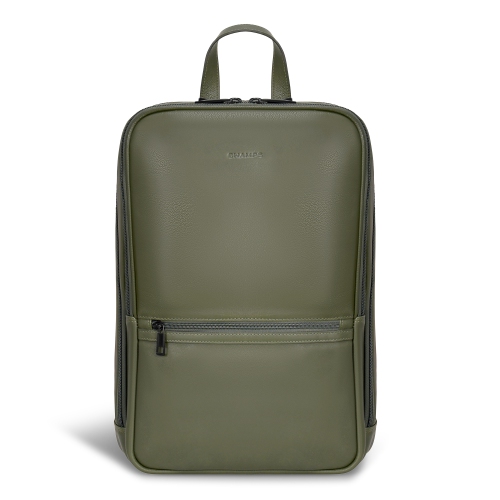
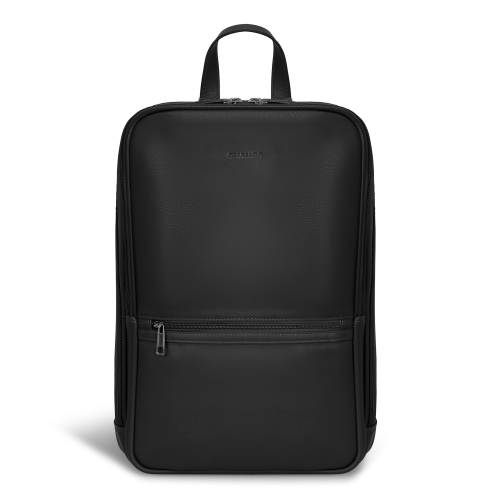
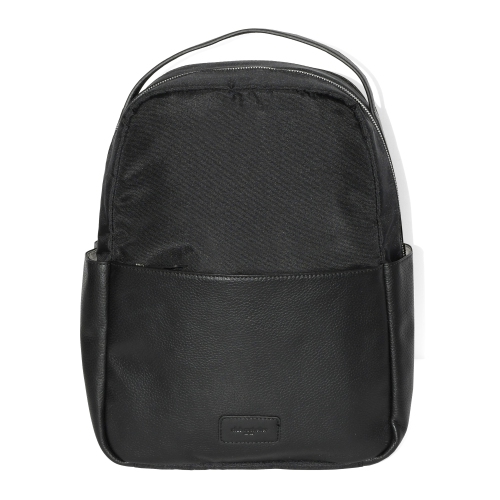

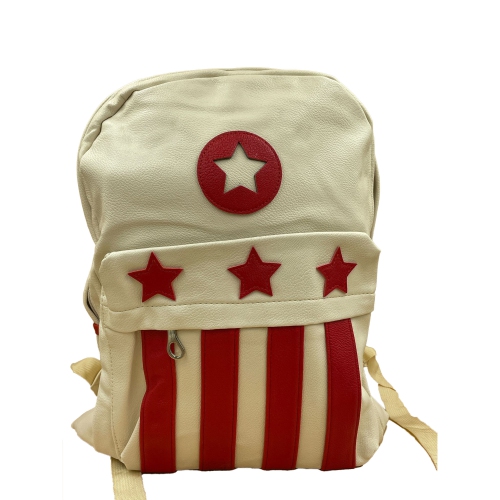

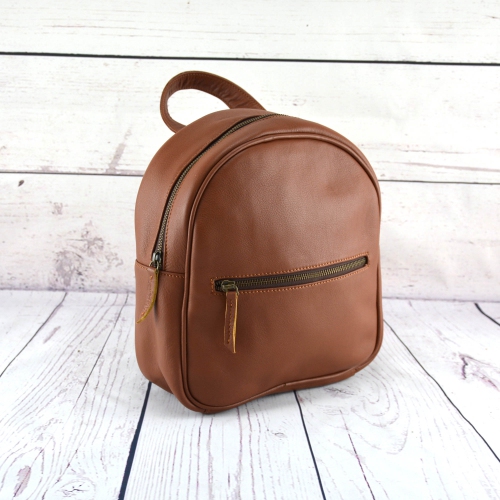


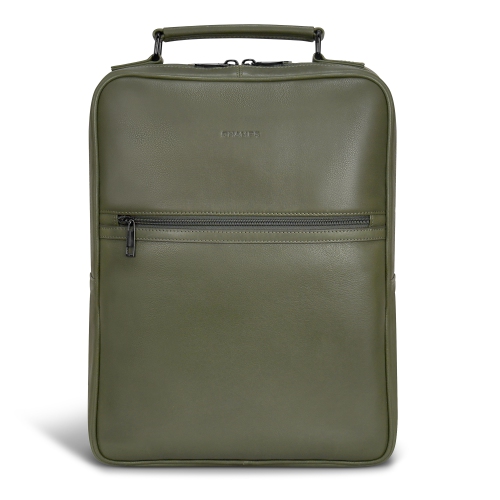
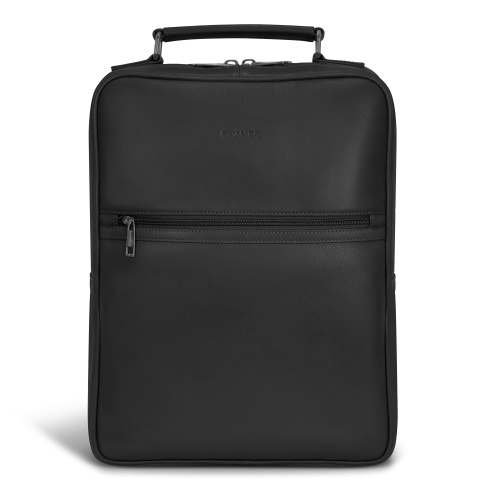

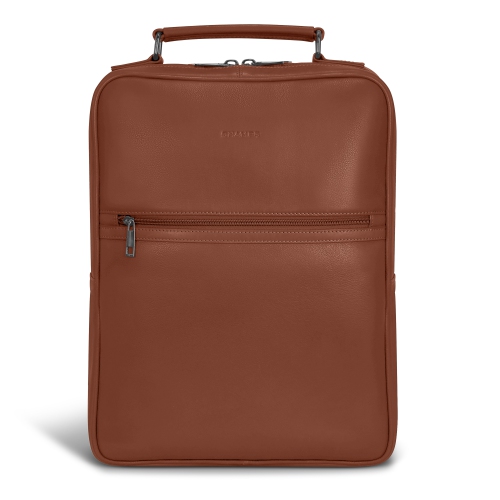

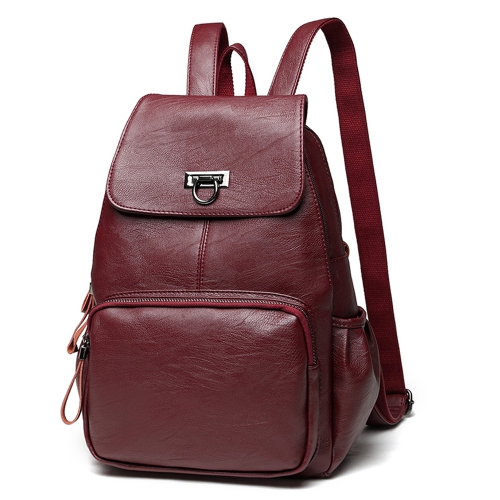


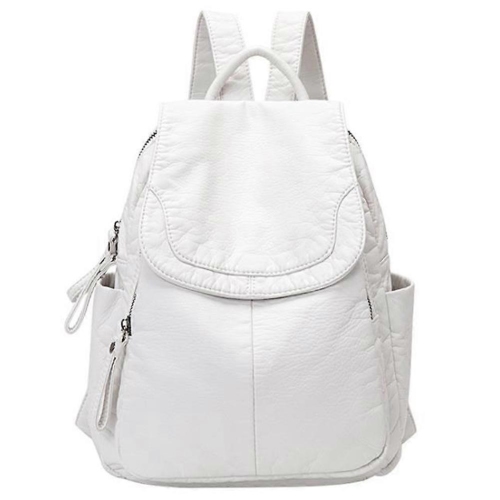


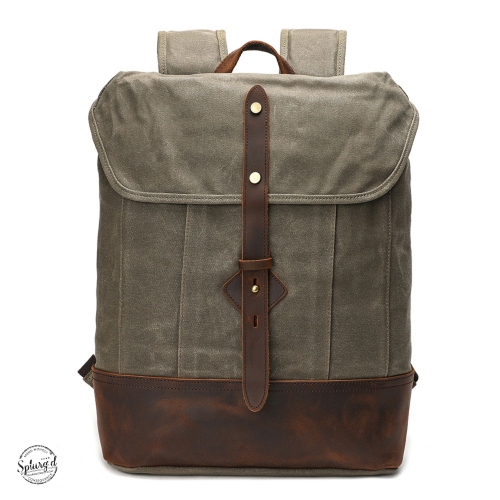


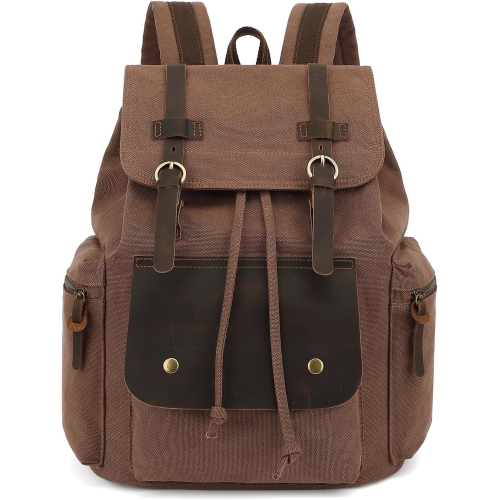


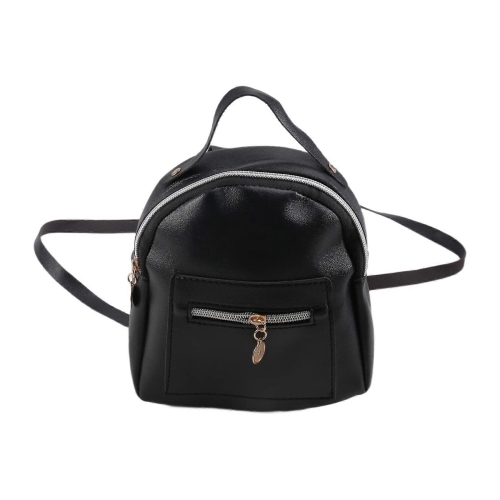


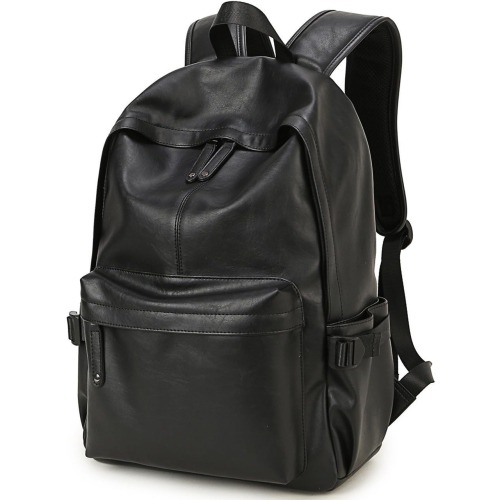

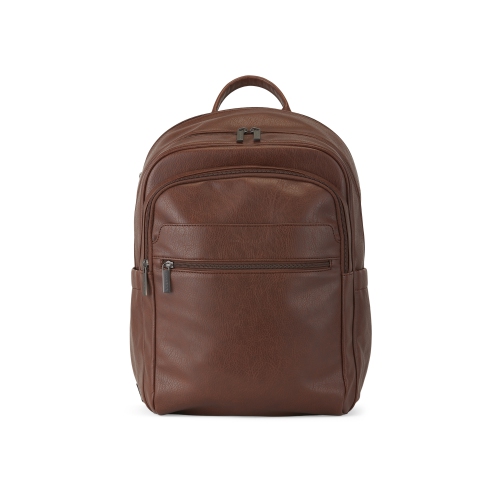

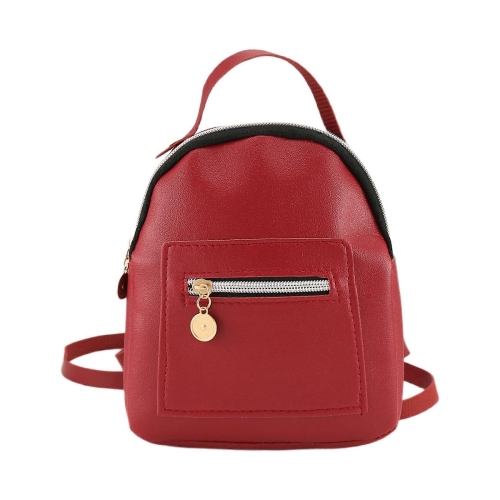


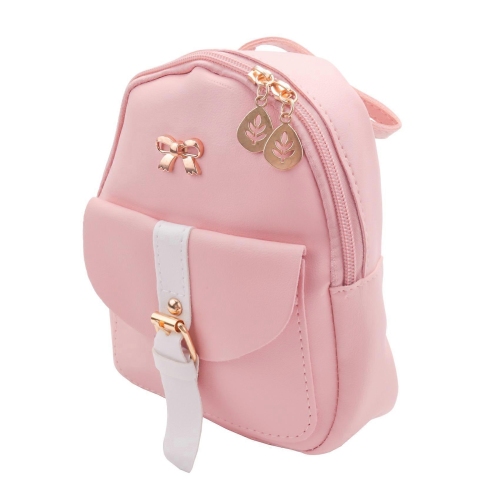

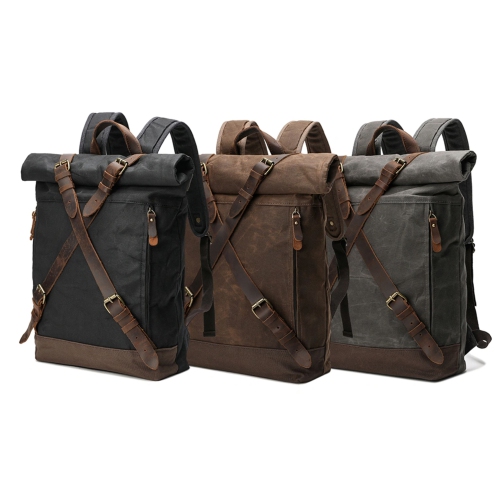


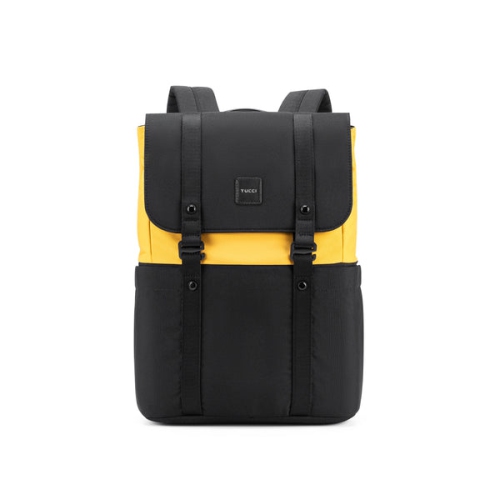
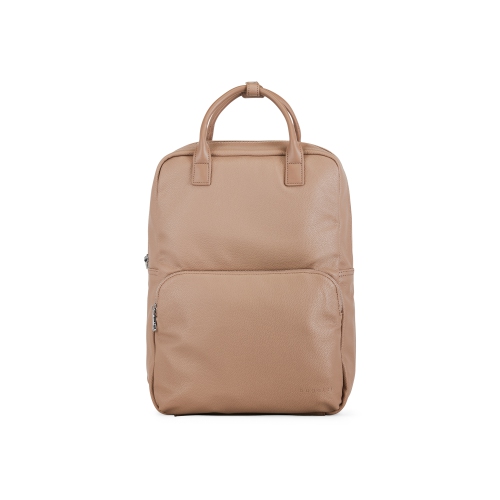
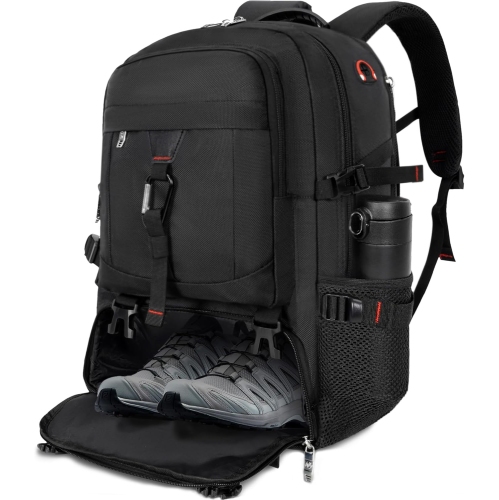
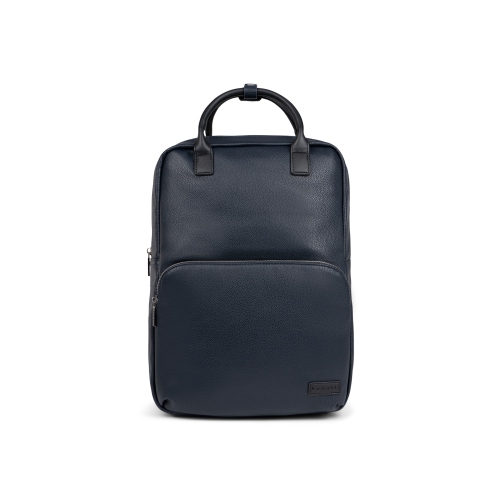
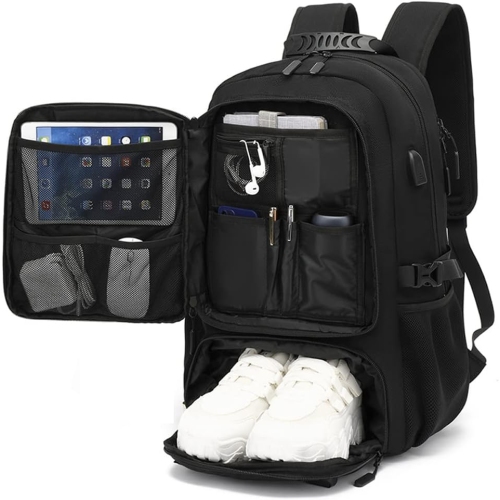
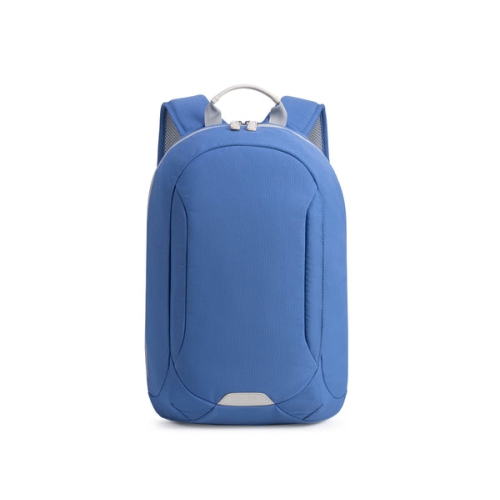
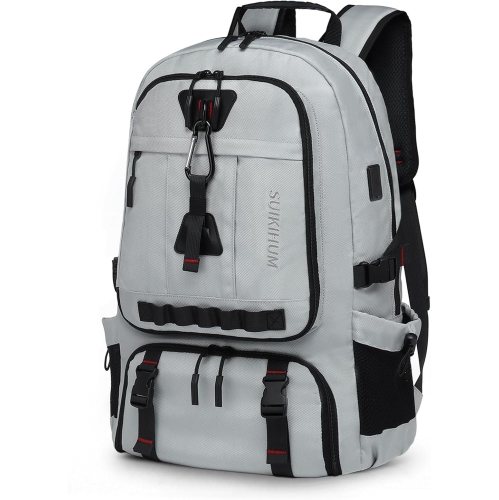
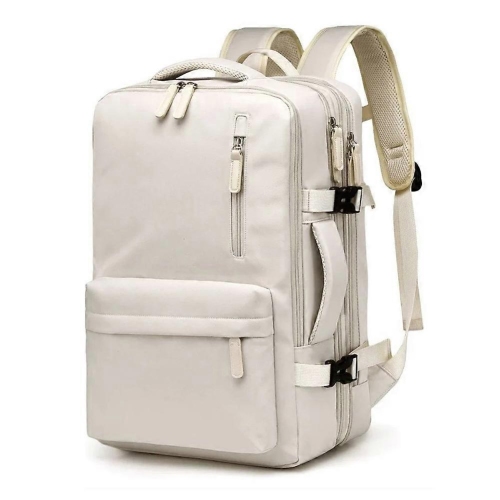
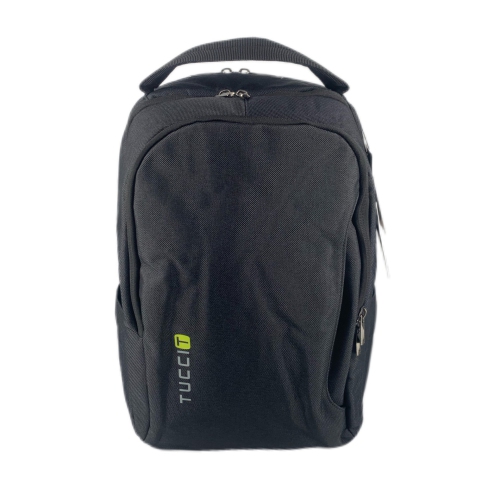


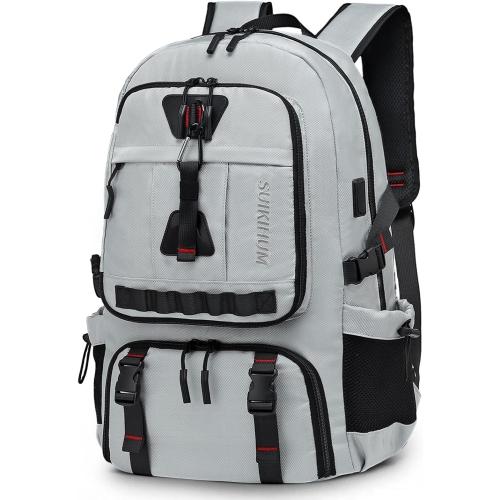
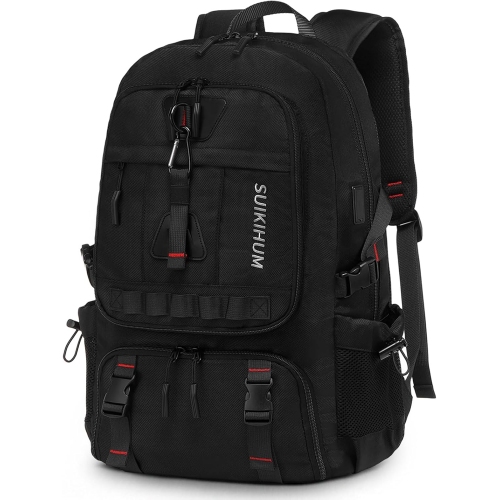
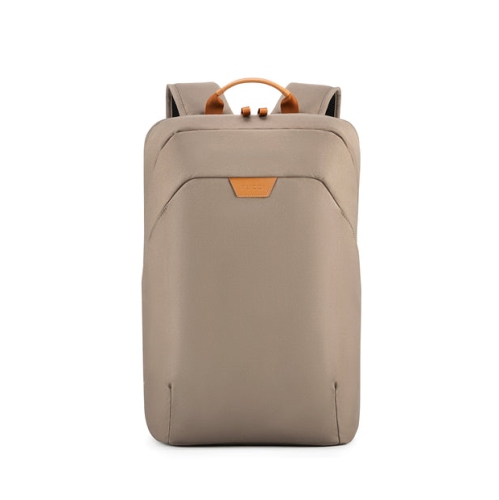
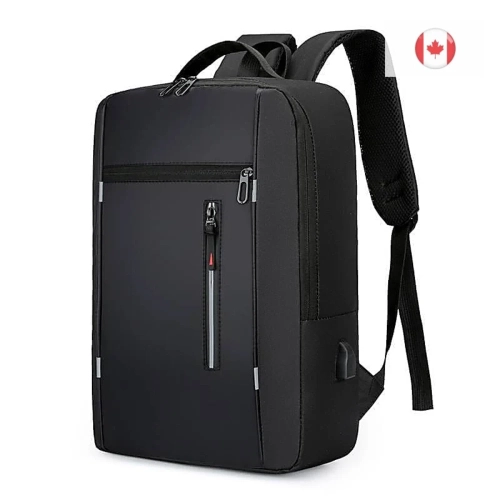
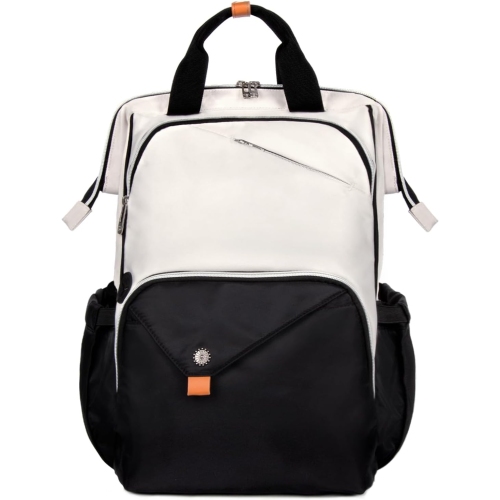
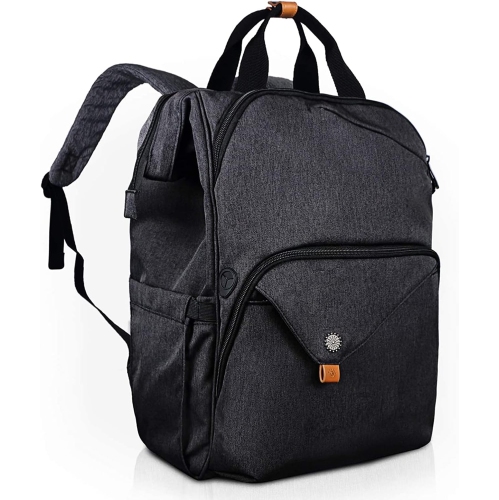
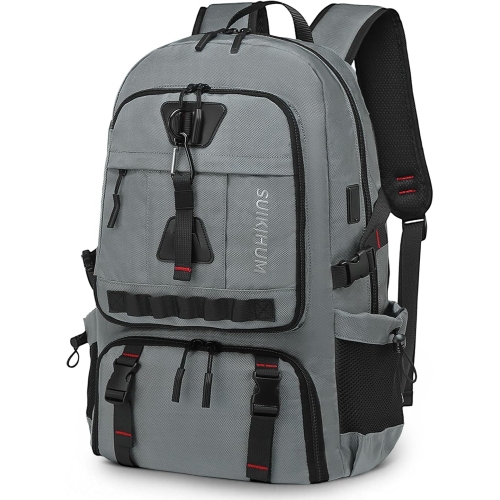
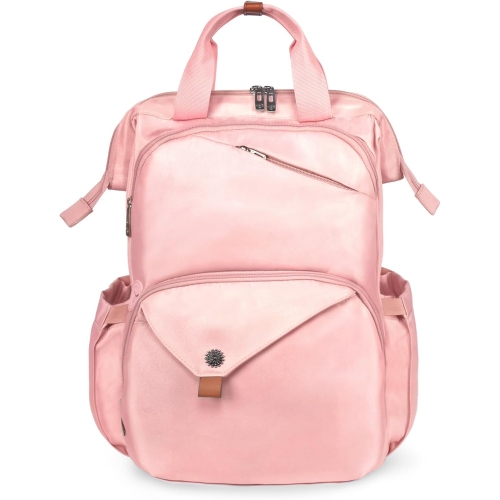
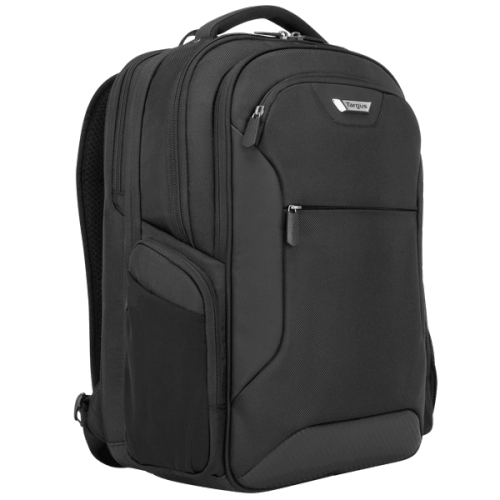
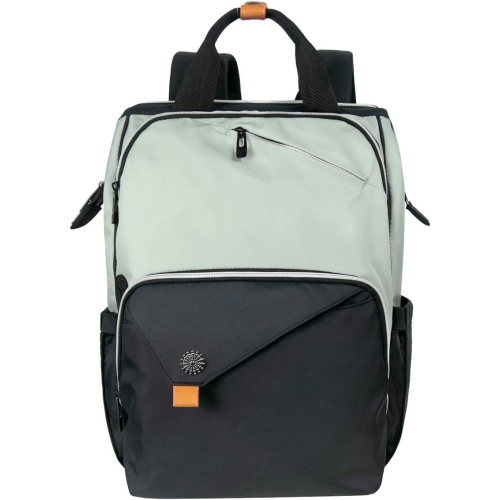
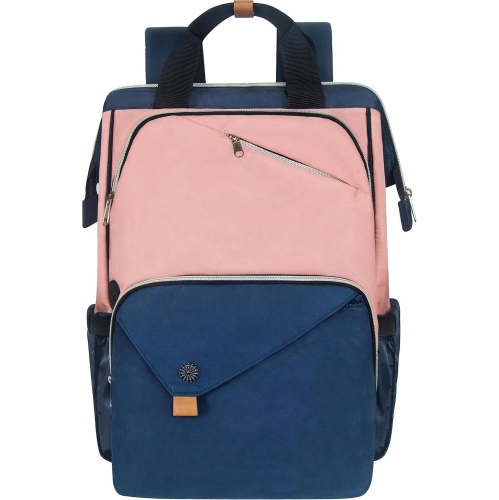
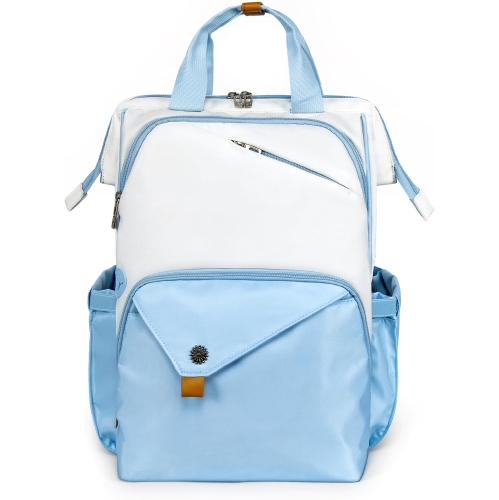
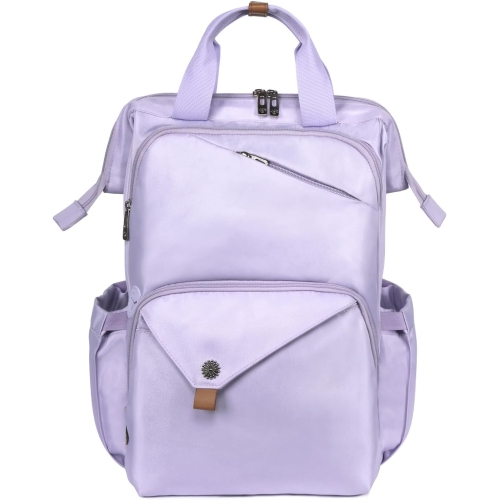
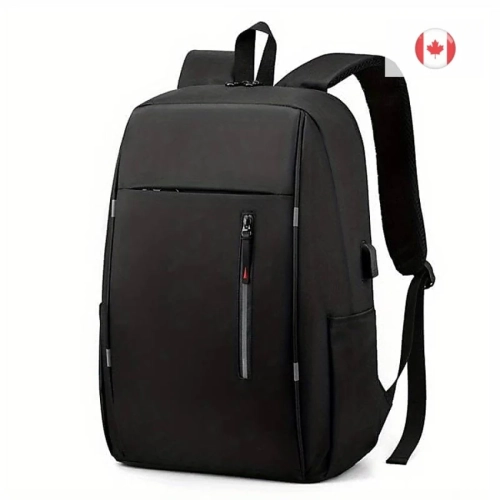
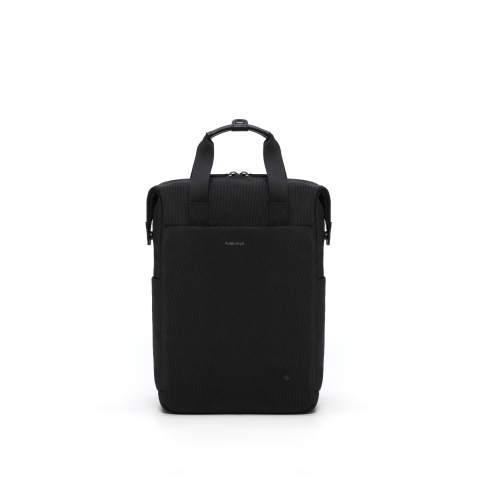
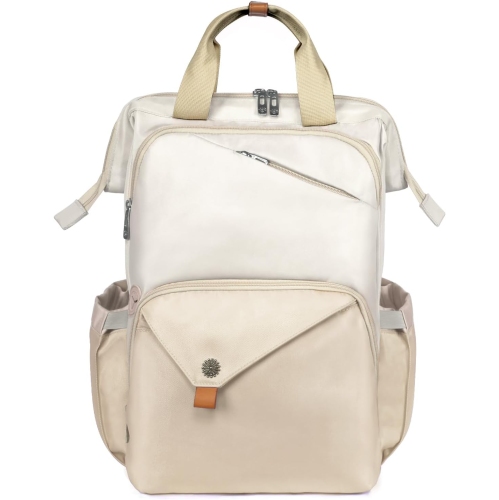
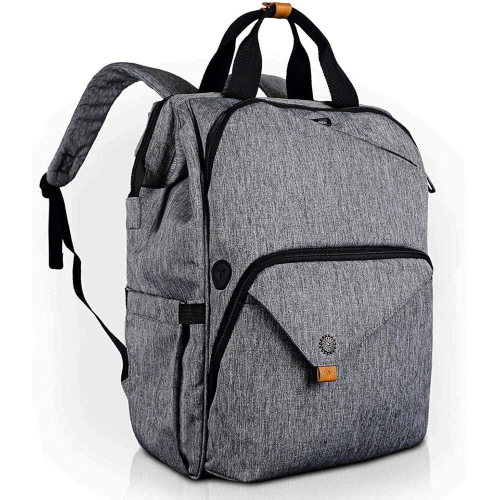

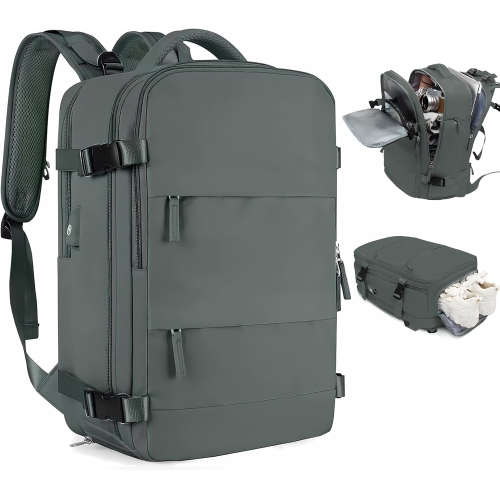
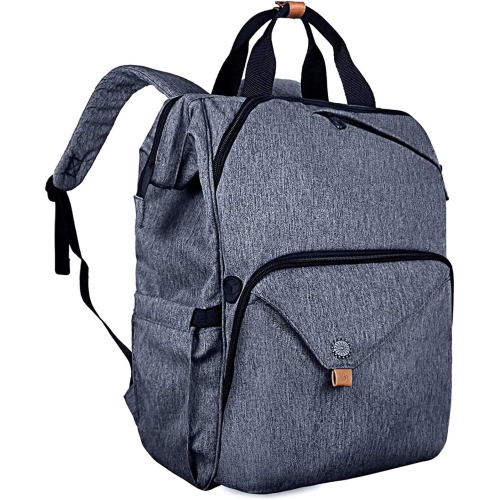
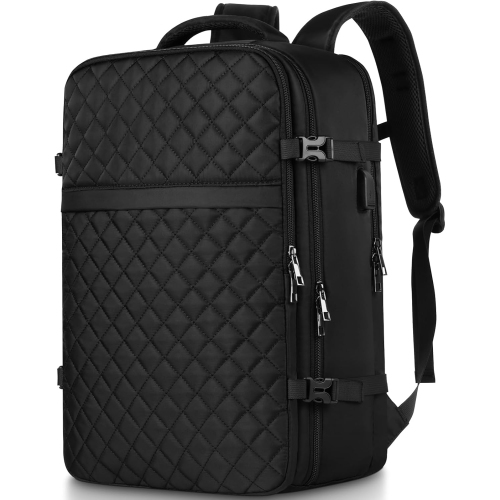
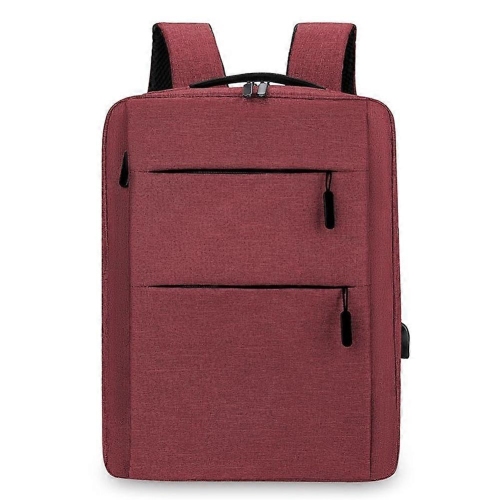
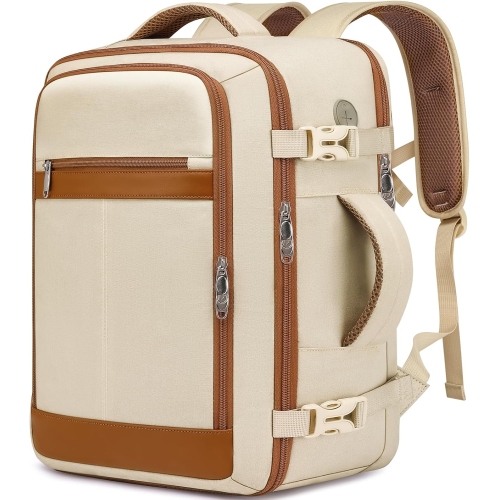
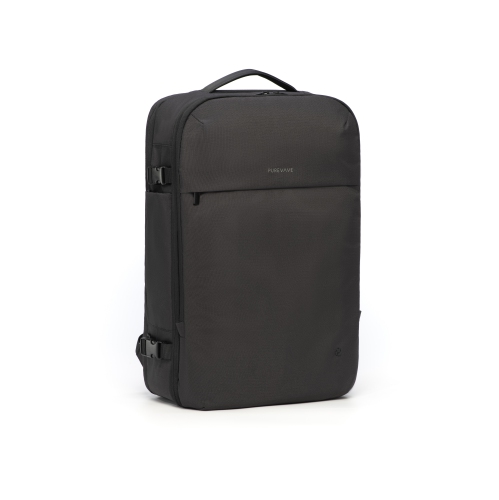
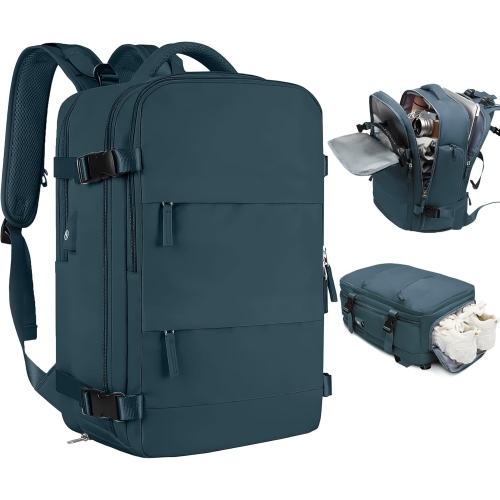
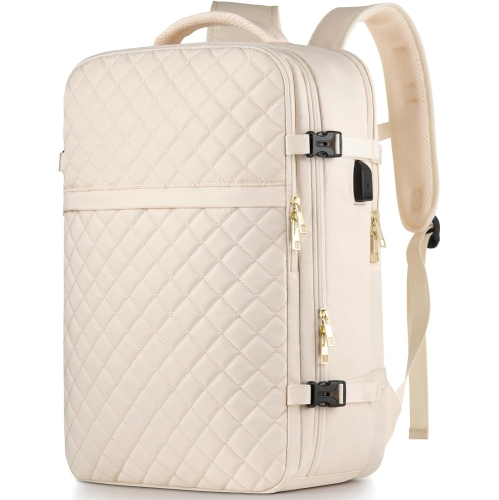
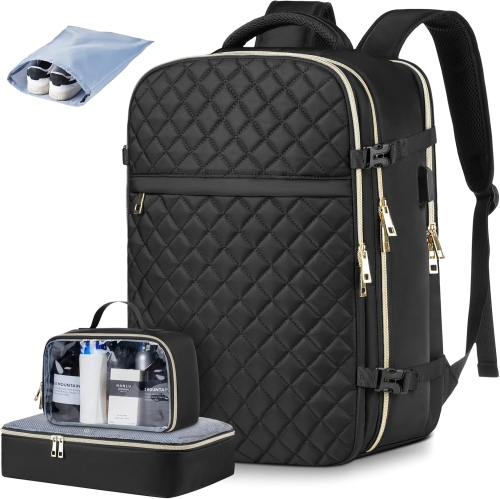
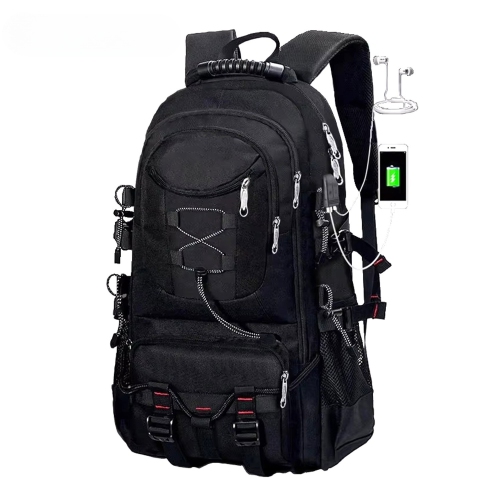
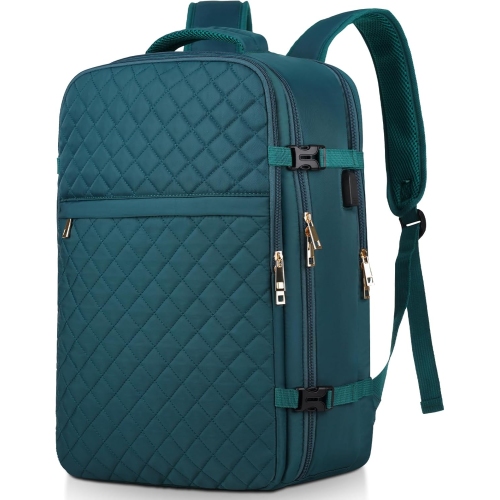

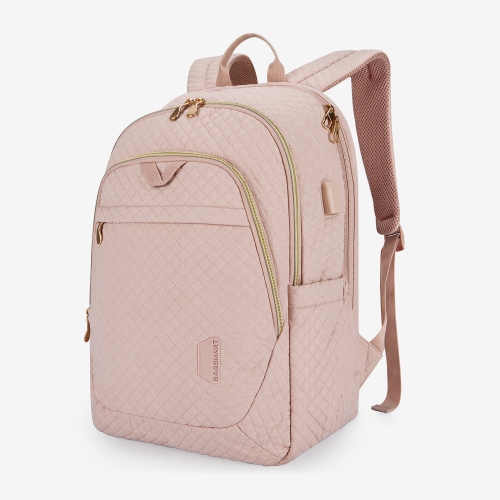
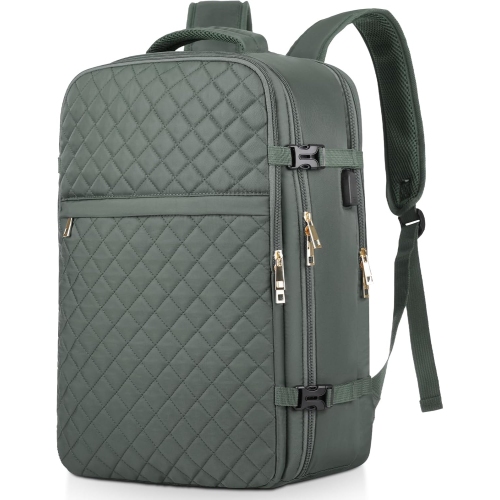
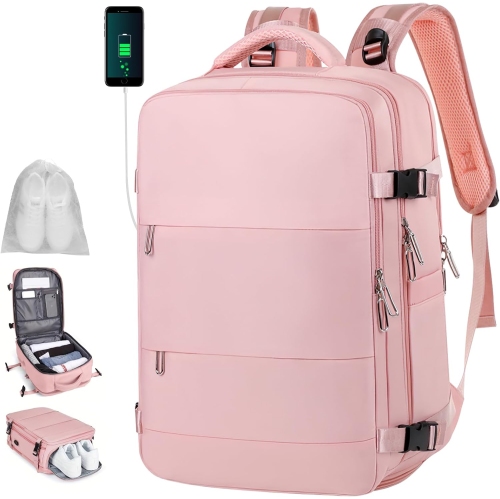
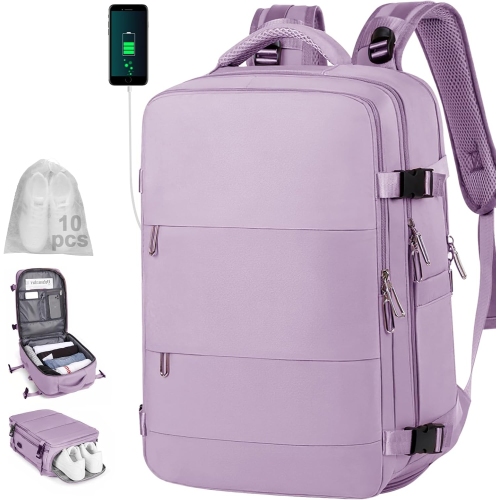

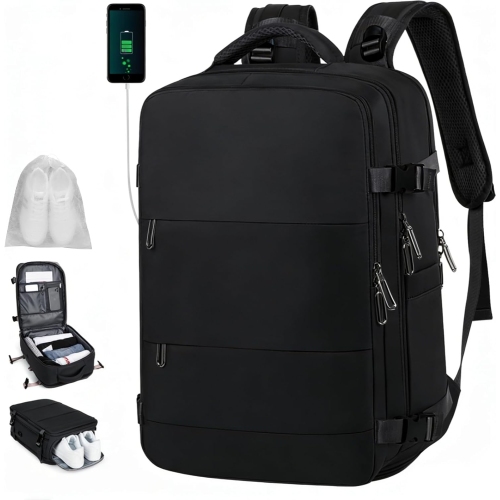
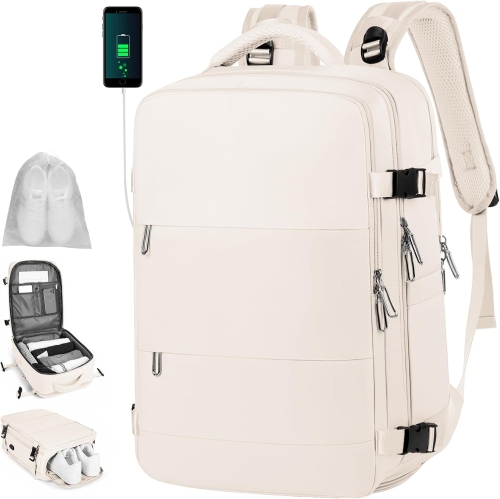
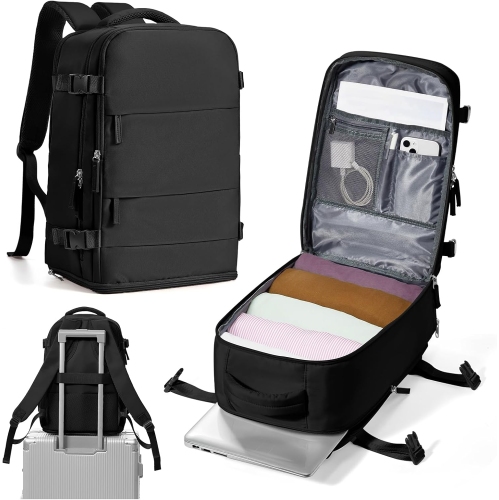
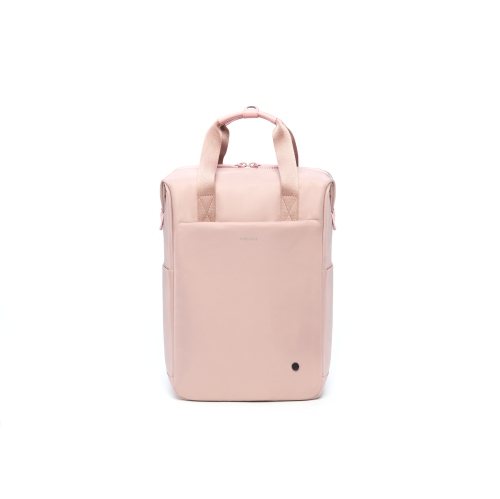
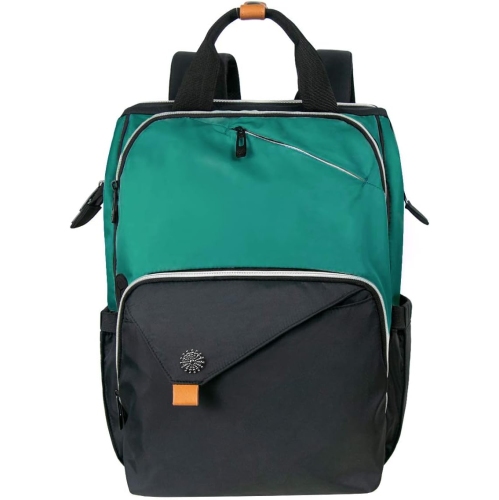
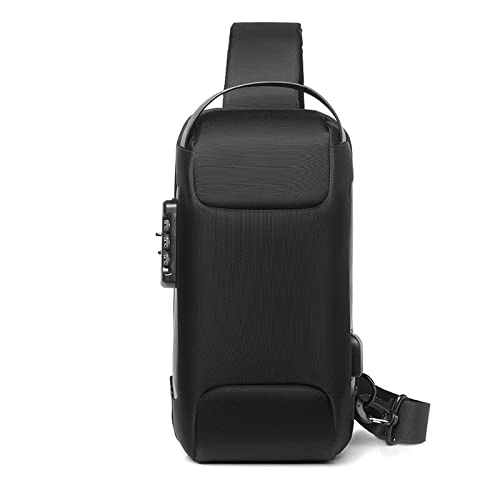
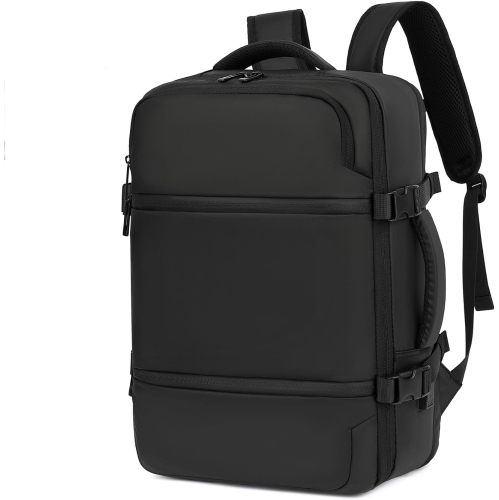
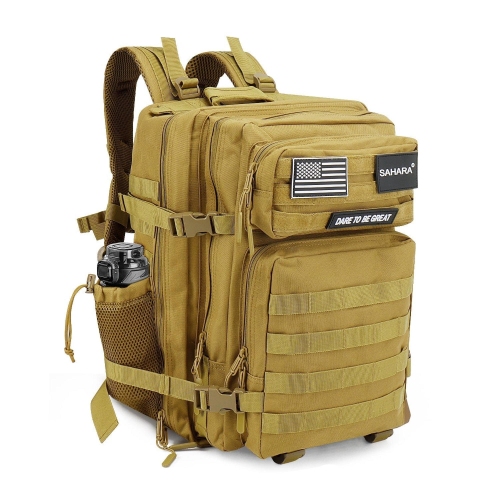
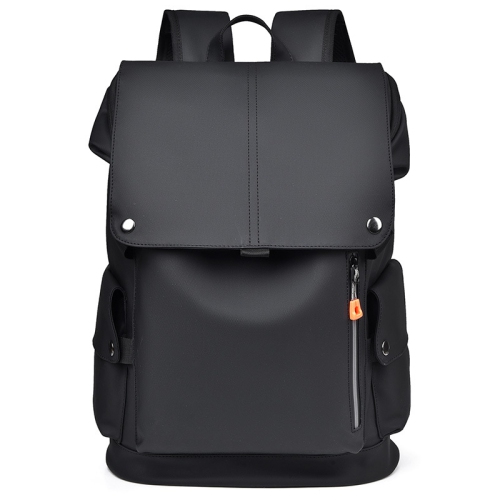
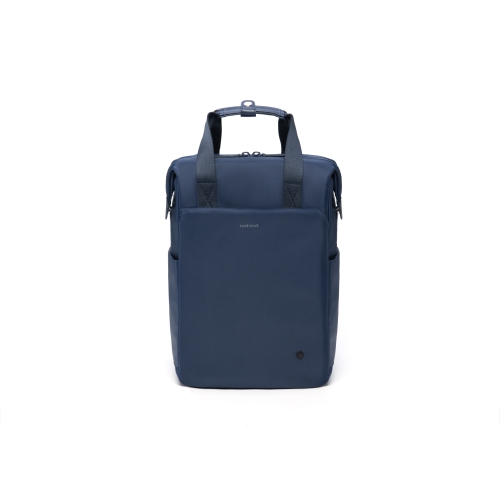
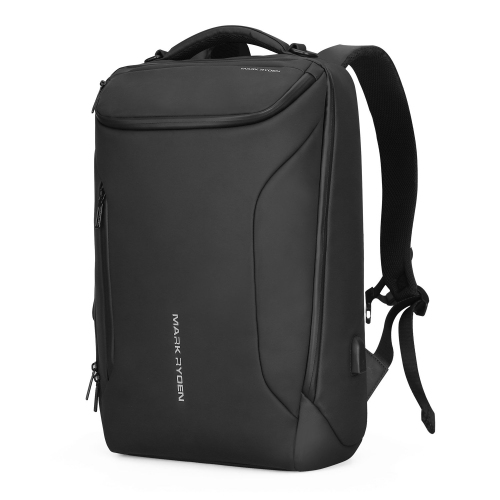
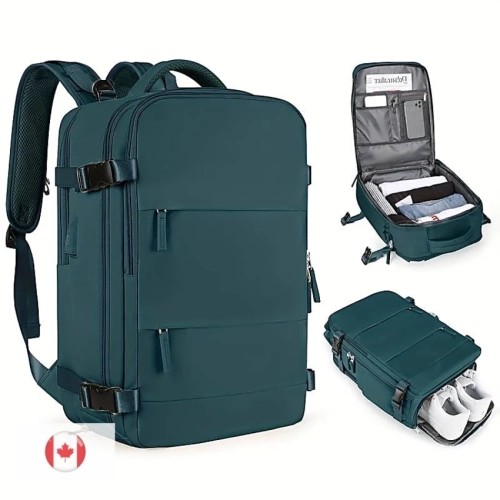
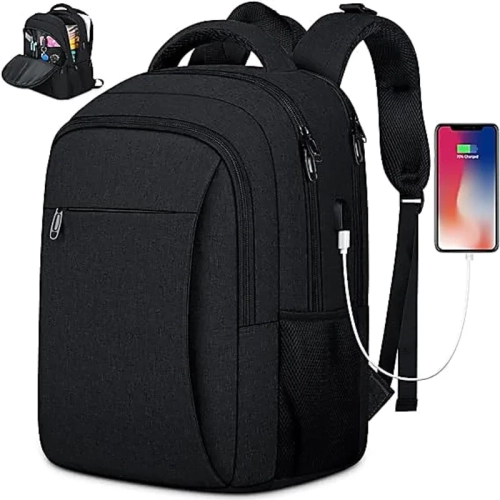
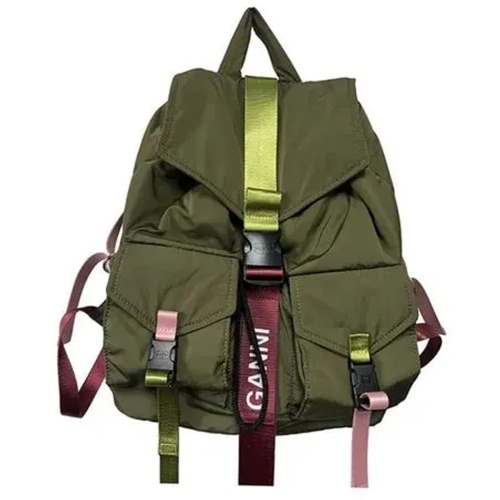
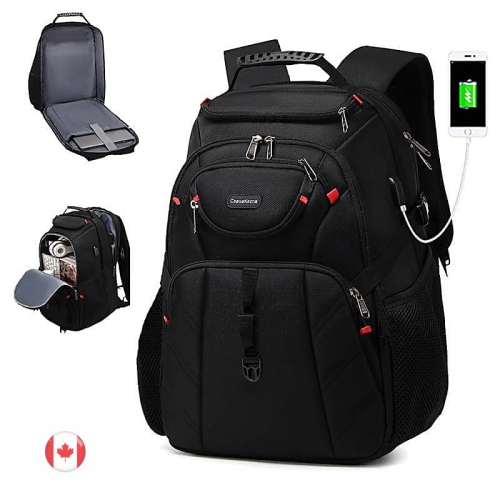
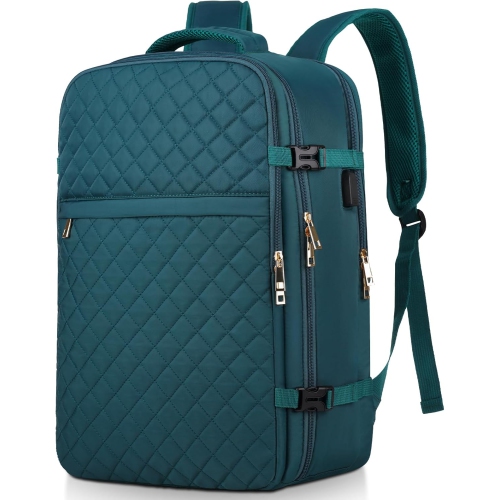
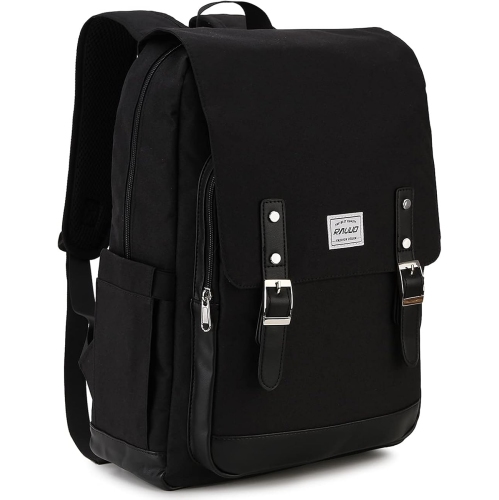
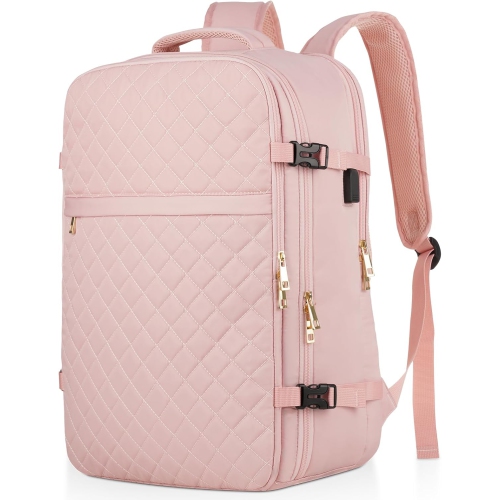
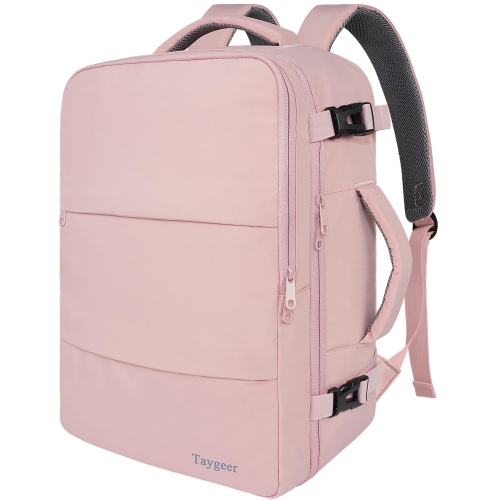

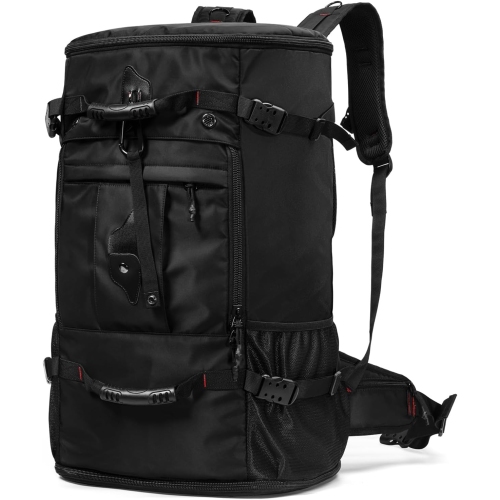

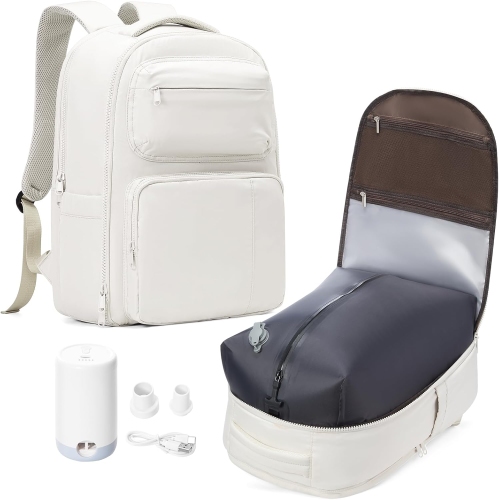

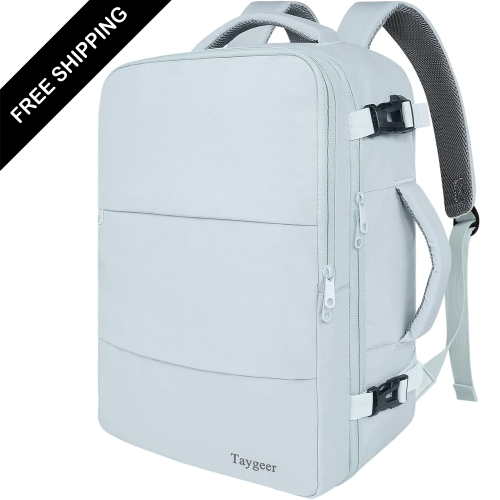
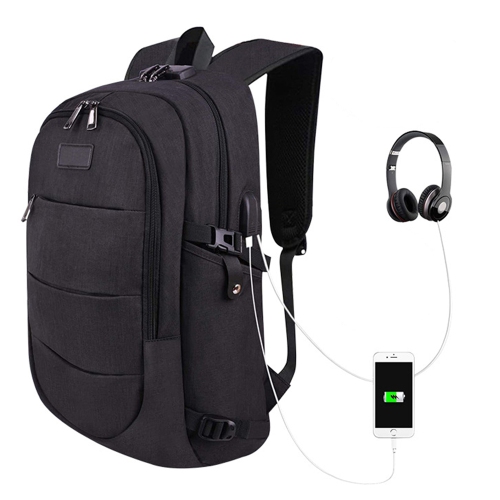
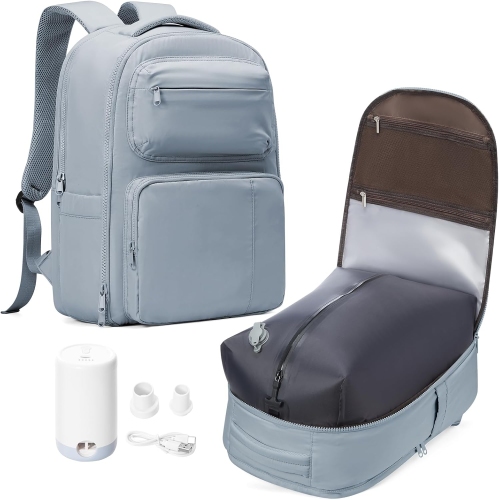
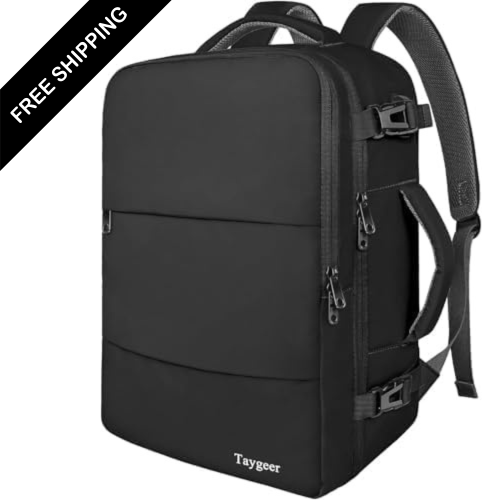
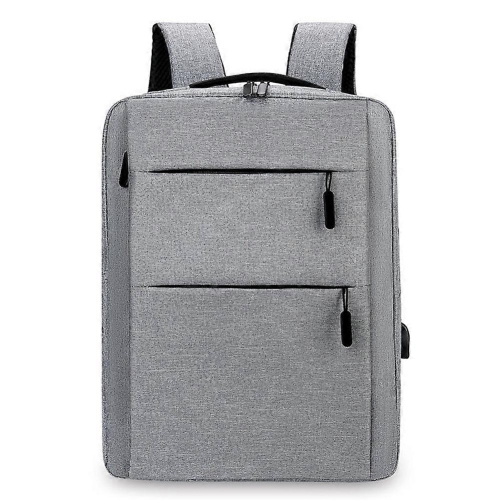
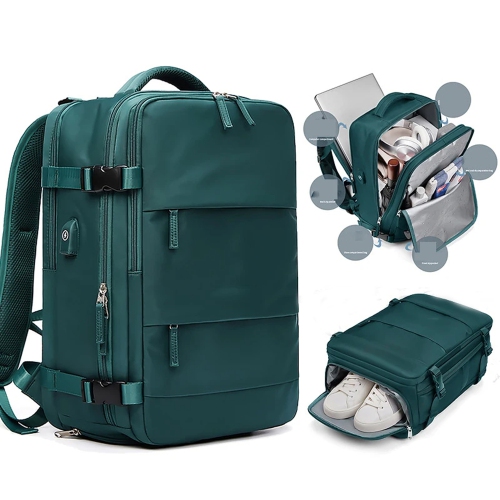
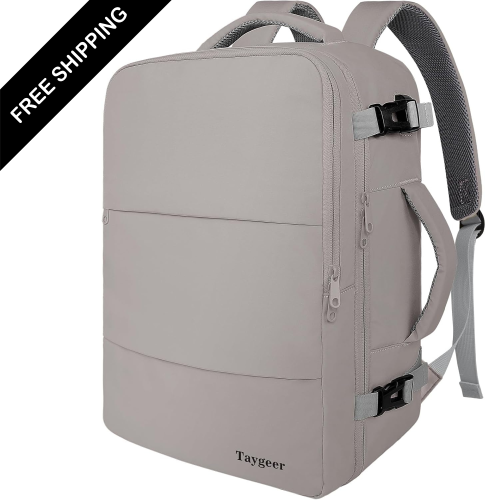


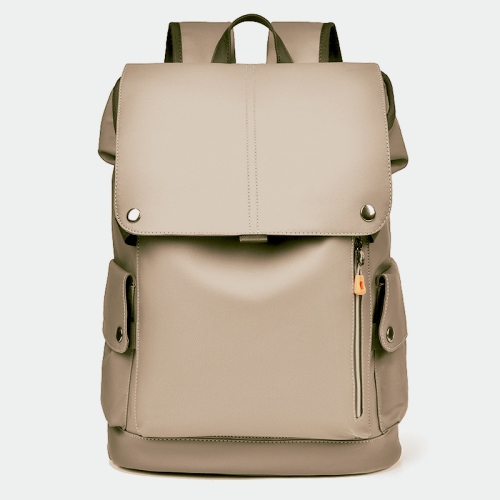
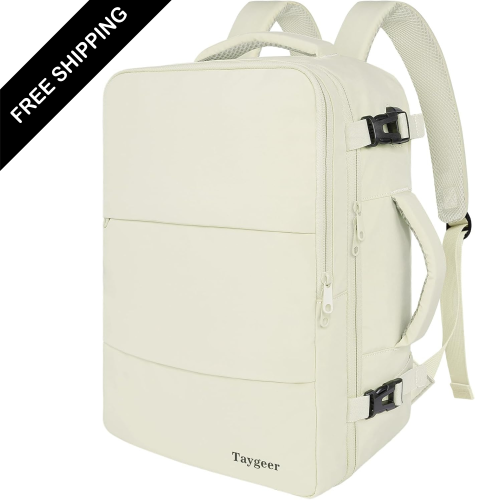
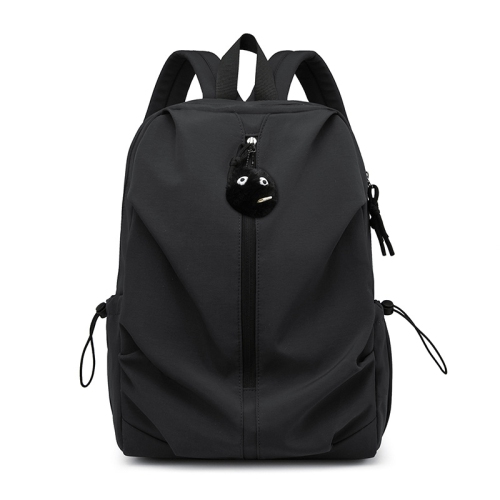
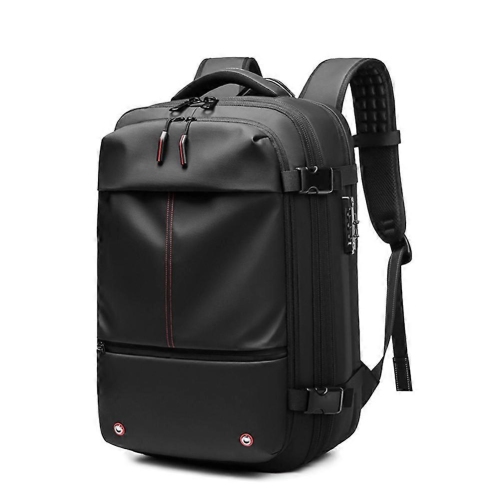
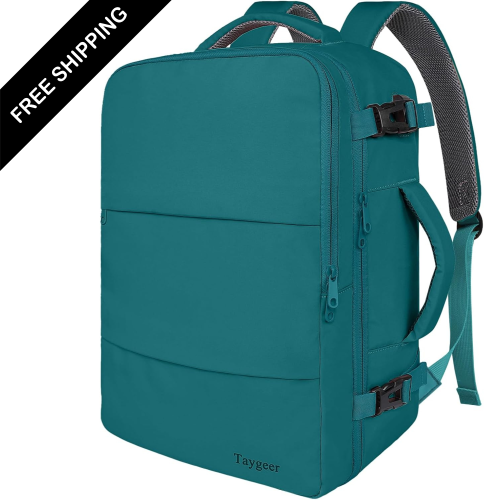
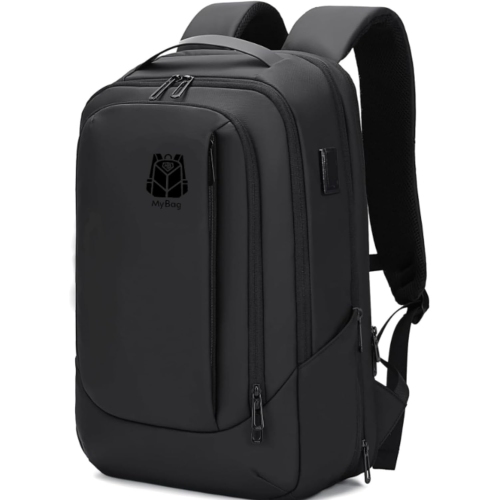
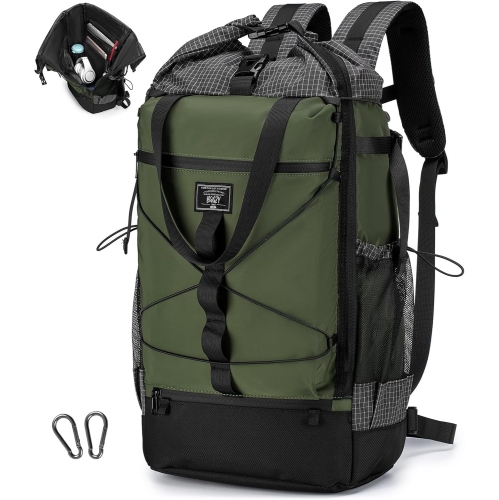
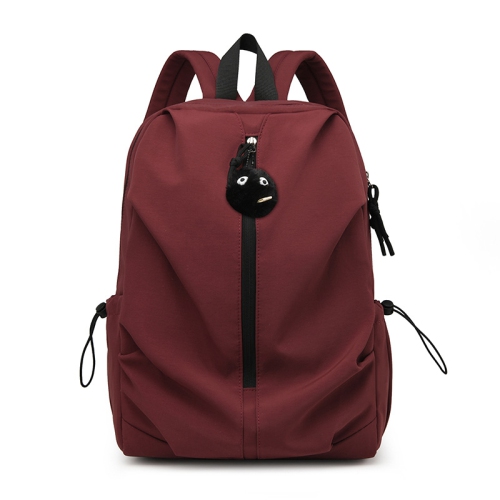
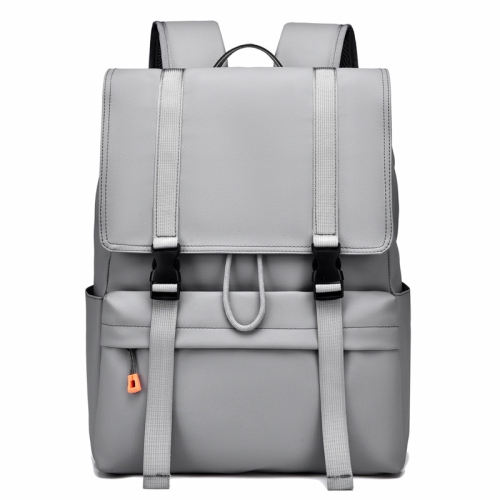
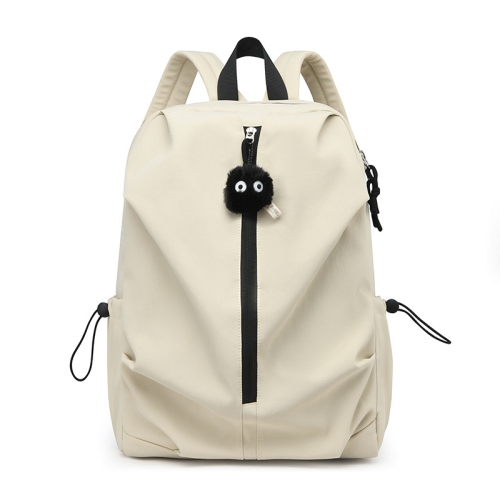
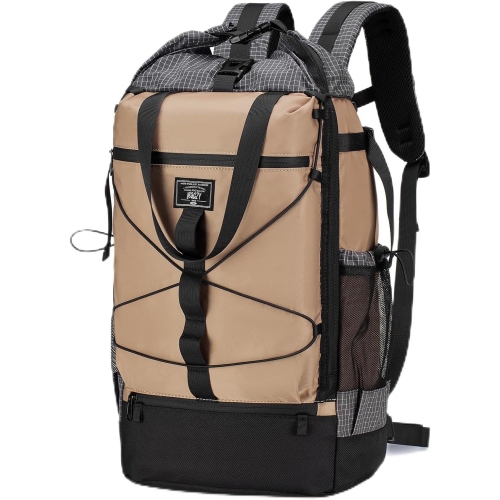


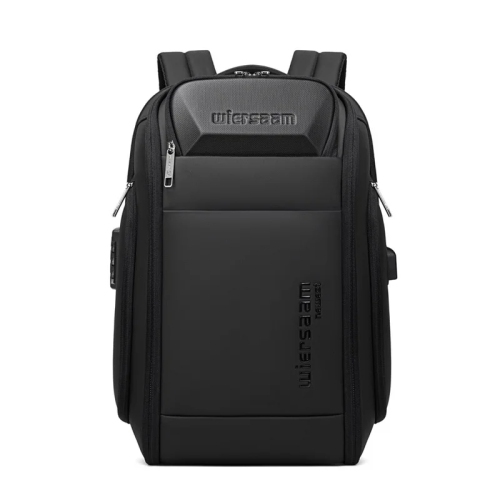
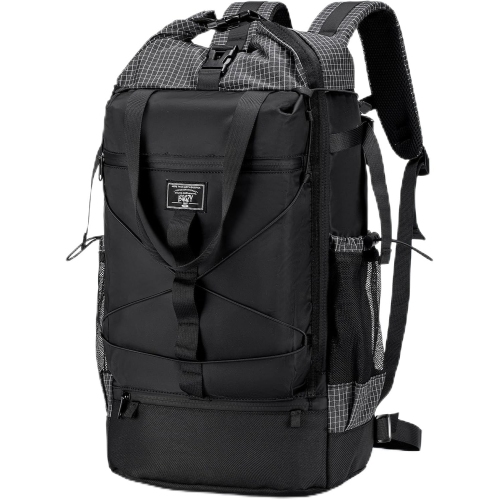
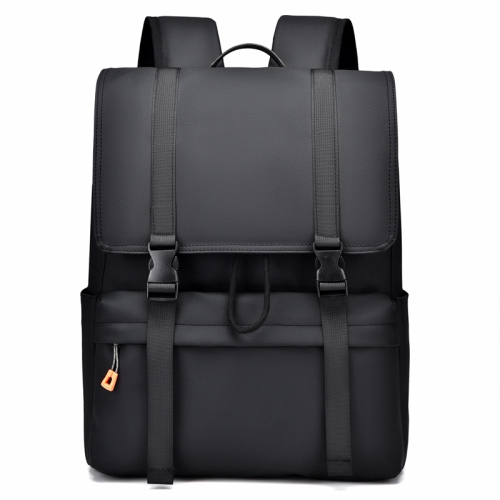
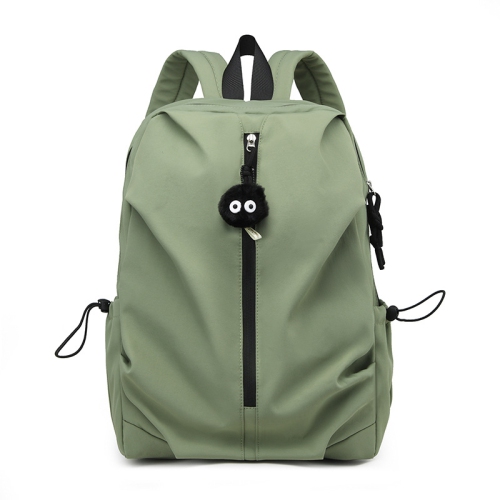
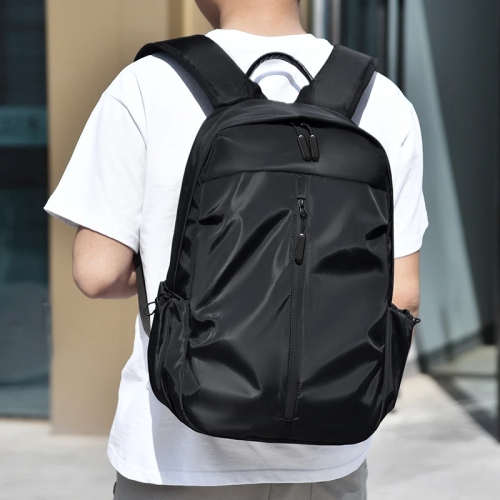
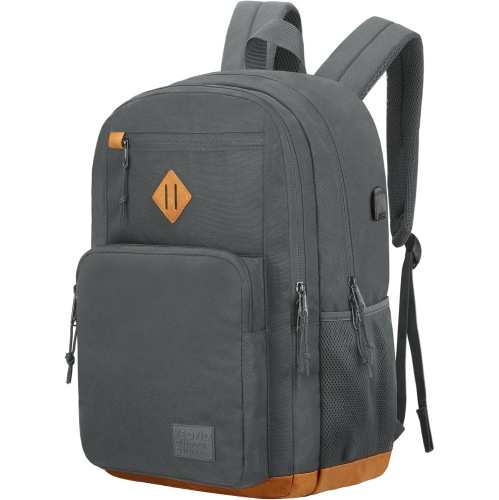
Leather character meets hands-free practicality on the move
Travel leather backpacks pair the familiar feel of leather with a hands-free design that suits airport transfers, train journeys, work trips, and days spent exploring a new city. Worn over both shoulders, a backpack leaves hands free for a suitcase handle, a boarding pass, or a coffee while keeping everyday belongings together. The appeal is partly practical and partly visual: a clean-lined leather bag can sit comfortably alongside business clothing yet feel equally appropriate with jeans and walking shoes. Leather varies considerably in texture, weight, and finish, so the material deserves a closer look. Full-grain leather retains the hide’s natural surface and markings, often developing a patina with handling and use. Top-grain leather has been refined to create a more uniform surface, while pebbled finishes add texture that can make minor scuffs less noticeable. Smooth finishes offer a more streamlined appearance but may show scratches more readily. The term genuine leather identifies real leather, though it does not, by itself, establish a particular grade or level of durability. Material descriptions also help distinguish an all-leather exterior from a design that combines leather panels with fabric or synthetic components. For a closer focus on the material, Real Leather Backpacks brings together the same classic appeal in a broader everyday category. For travel, the balance between structure and flexibility matters just as much as appearance. A structured backpack can make documents and electronics easier to organize, while a softer silhouette may feel less bulky when carried through a busy terminal or placed beside a seat. A flat, stable base can help the bag stand upright when packing, though this depends on its construction and how the contents are distributed. Neutral colours such as black, brown, and tan coordinate easily with luggage and clothing, while contrasting stitching, brushed hardware, and a distinctive grain give a bag character without requiring a bold shape.
A travel backpack earns its place through the way it fits both the wearer and the journey. Exterior dimensions, empty weight, and internal layout give a more useful picture than capacity alone. Leather can be heavier than many woven fabrics, making the bag’s unloaded weight especially relevant when it will hold a laptop, charger, headphones, toiletries, and a change of clothes. For air travel, personal-item and carry-on rules vary by airline and fare, so a backpack’s listed measurements need to be checked against the requirements for the trip rather than treated as a universal guarantee. A bag that fits beneath a seat on one aircraft may not fit the same way on another. Laptop storage also calls for attention to actual compartment dimensions, since a sleeve described for a certain screen size may not accommodate every device with that display measurement. Padding around the sleeve and beneath its lower edge helps cushion the device, but a backpack should not be assumed to provide protection from every impact. Beyond electronics, a useful layout separates small essentials from larger belongings: a passport pocket that is accessible without opening the main compartment, a place for charging cables, and enough space to slide in a light layer without emptying the bag. Wide-opening compartments make packing simpler in a hotel room, while internal zippered pockets keep loose objects from gathering at the bottom. External pockets trade convenience against exposure, so valuables are generally better placed in a closed compartment close to the body. Adjustable shoulder straps should allow the bag to sit close to the back rather than hang low, and padding should feel comfortable without digging into the neck or upper arms. A breathable back panel, a sternum strap, or a luggage pass-through can add comfort or convenience where those features are included. Commuters extending a workday into an overnight stay may value a divided interior, while travellers carrying fewer essentials may prefer a smaller profile that is easier to manage in cafés, galleries, and crowded transit.
Durability comes from the entire construction, not leather alone. Even stitching, securely attached straps, reinforced stress points, and smoothly operating zippers all contribute to how well a backpack handles repeated packing and carrying. The junction where each shoulder strap meets the body of the bag deserves particular attention, as does the top handle if it will frequently be used to lift a loaded backpack. A sturdy lining helps separate belongings from the leather interior, while neatly finished seams reduce the chance of small objects catching or slipping into gaps. Hardware should be easy to operate without feeling awkward against the back or shoulders. For someone moving between a train platform and a meeting room, these details often matter more than decorative buckles or an elaborate pocket arrangement. Care is equally specific to the material and finish. Manufacturer instructions should take priority, particularly for suede, nubuck, coated leather, and mixed-material designs, which may require different treatment. Many finished leathers can be wiped gently with a soft, barely damp cloth, but soaking, abrasive cleaners, and direct heat can damage the surface or alter its feel. A compatible leather conditioner may help maintain suppleness when recommended; testing it first on a concealed area reduces the chance of an unwanted colour change. Pens, toiletries, and liquids are best contained in separate pouches to limit staining inside the bag. Between trips, emptying crumbs from pockets, letting the interior air out, and storing the backpack loosely filled helps preserve its shape without stretching it. Avoiding overpacking also reduces strain on seams and closures. With thoughtful sizing and care, a travel leather backpack can serve a frequent business traveller, a student heading home between terms, or someone who prefers a compact bag for short getaways. It can also make a considered graduation or milestone gift when the recipient’s laptop size, carrying habits, and preferred style are known. The most useful choice is one whose proportions, access, and comfort fit naturally into the way its owner travels.
Top selling and popular products
-
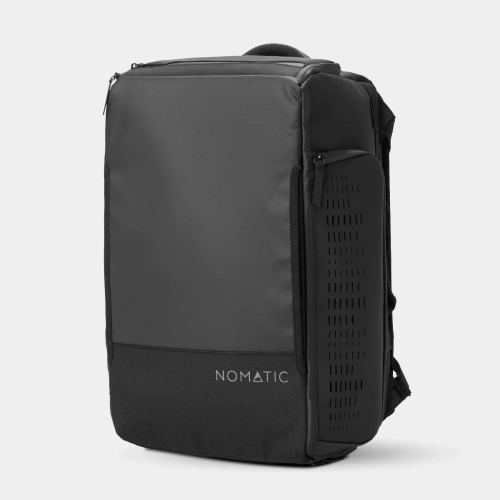 Your price for this item is $419.99
-
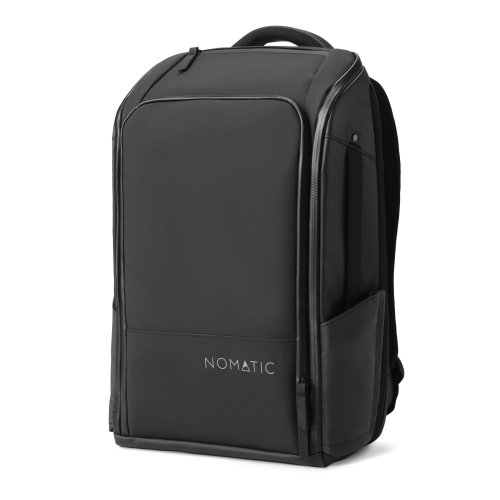 Your price for this item is $399.99
-
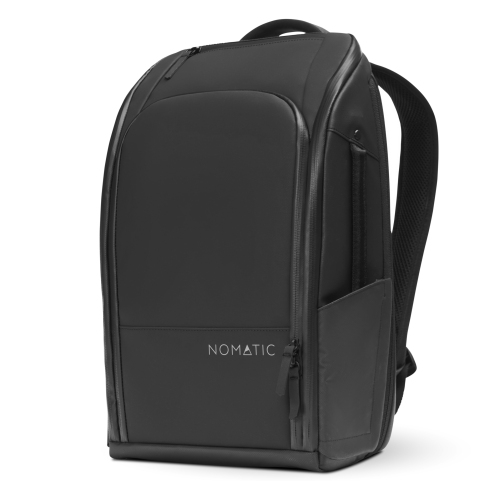 Your price for this item is $369.99
-
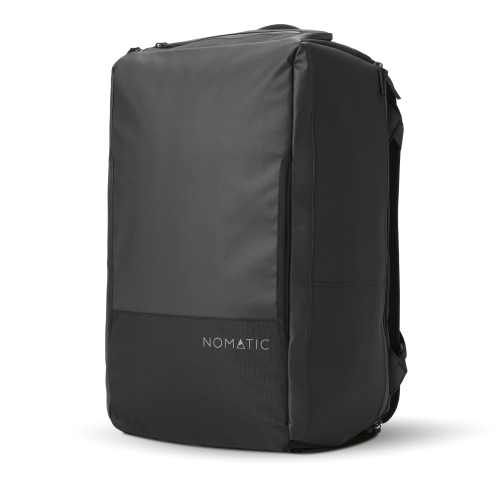 Your price for this item is $399.99
-
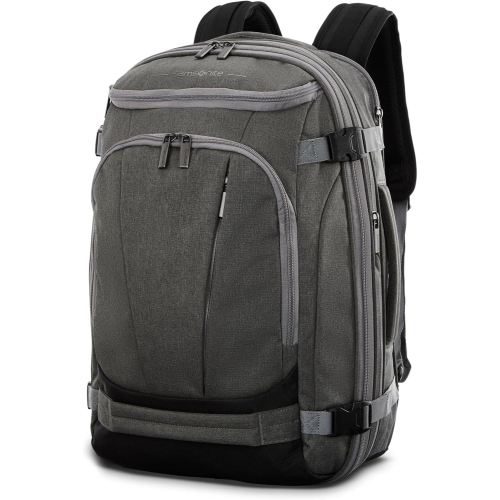 Your price for this item is $218.48
-
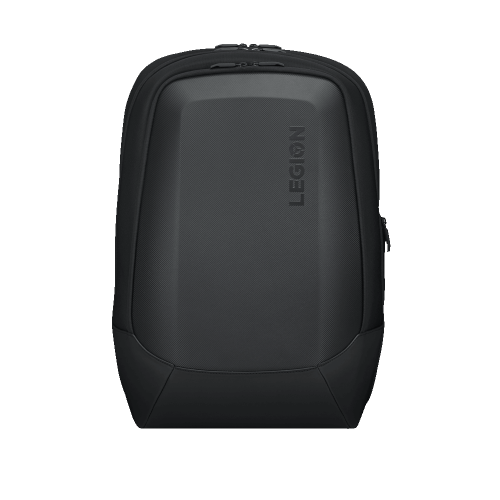 Your price for this item is $98.99
-
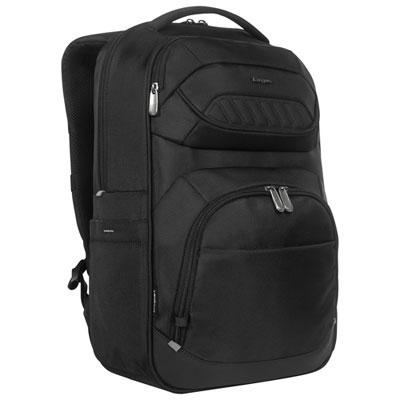 Your price for this item is $99.99
-
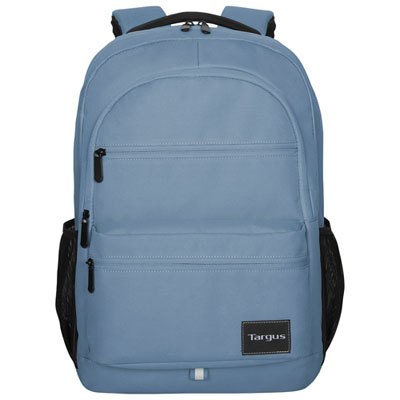 Your price for this item is $59.97
Discover more categories related to Travel Leather Backpacks
Top Collections:
Pokemon Centers, Best Cameras for Sports Photography, Kindle Devices, Samsung Galaxy Phones, Canon G7X Cameras, Pokémon 30th Celebration Cards, Refurbished Apple Laptops, iPhone 15 Apple, Laptops for Students, Budget Smartphones
Some products may be subject to Environmental Handling Fees
(EHF) depending on your province.
Learn more about EHFs.