Travel Packing Organizers
Stay organized and stress-free on your next adventure with our collection of travel packing organizers. Whether you're jetting off for a weekend getaway or embarking on a month-long trip, these smart storage solutions are designed to keep your essentials neatly packed and easily accessible. From versatile packing cubes to convenient toiletry bags and shoe organizers, our range of travel packing organizers will help you maximize space in your luggage and streamline your travel experience.
Sort
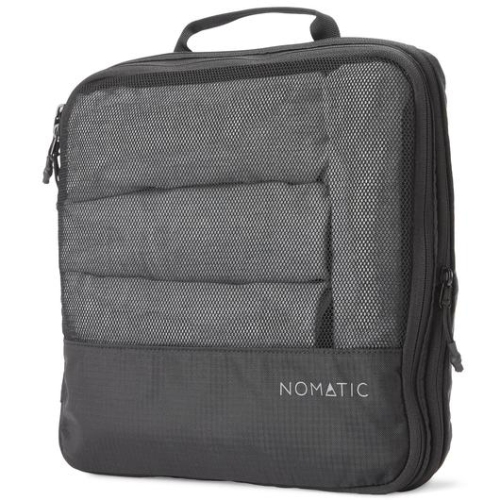
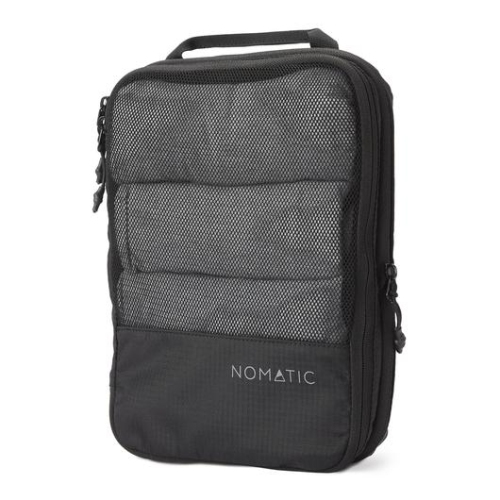
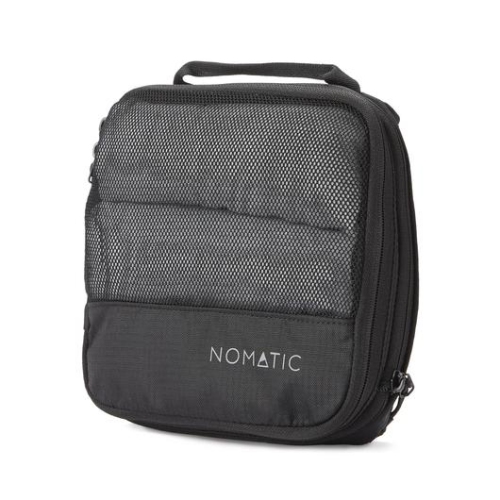
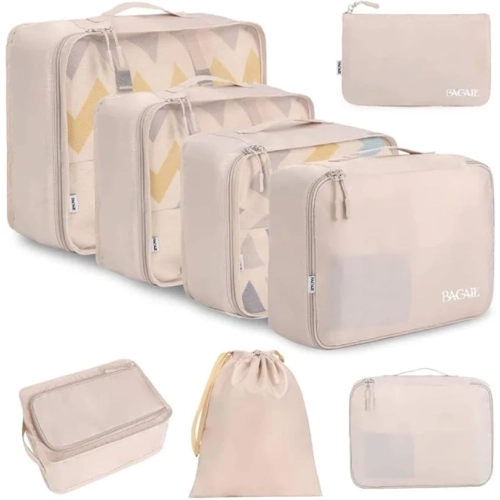
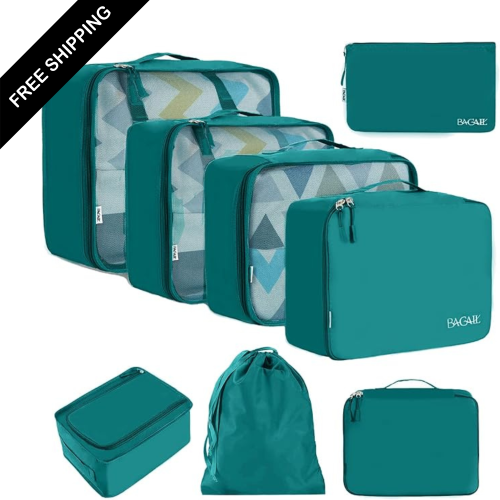
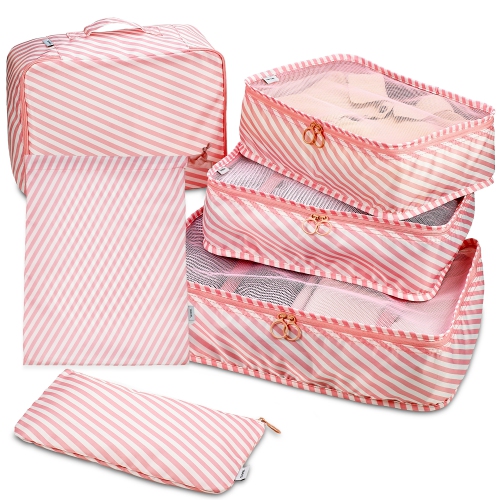
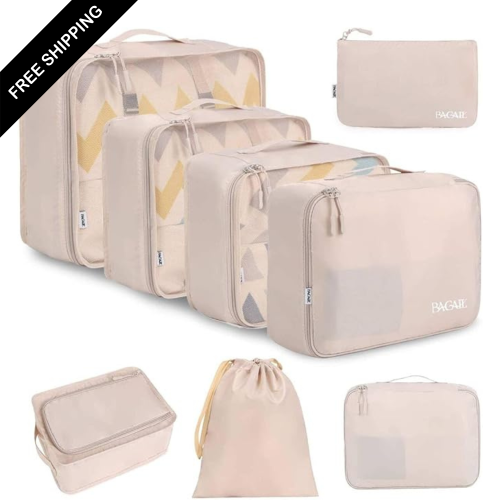
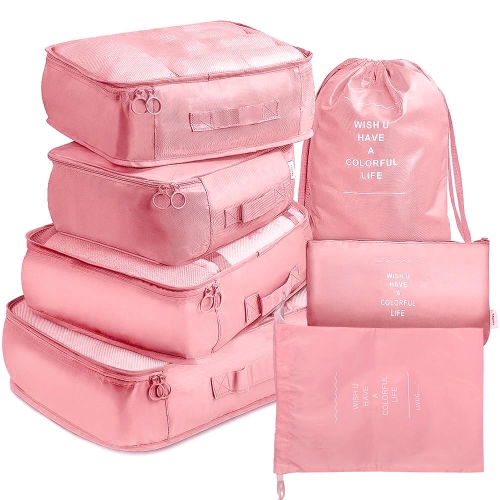
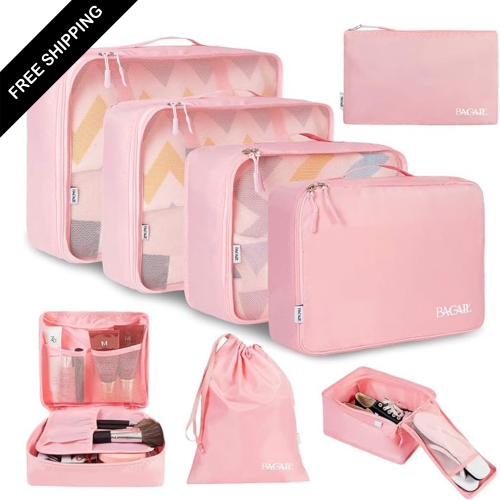
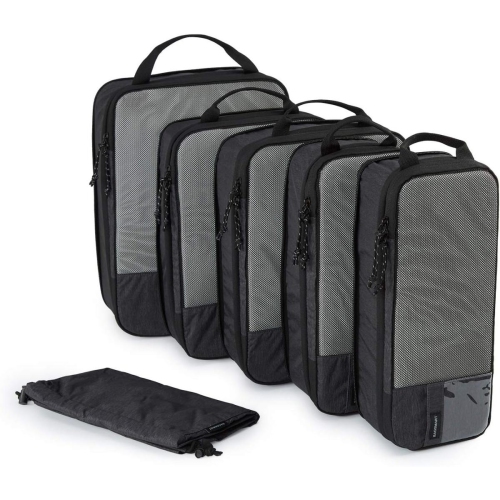
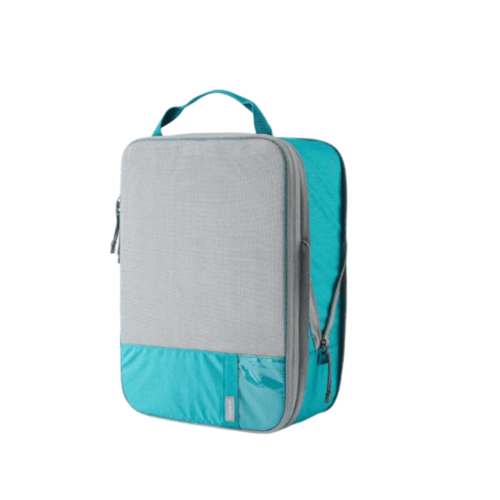
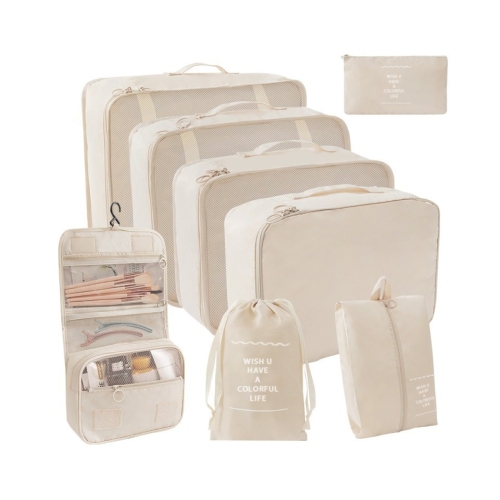
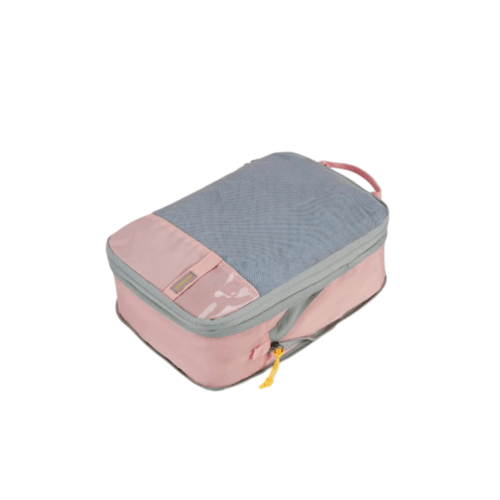

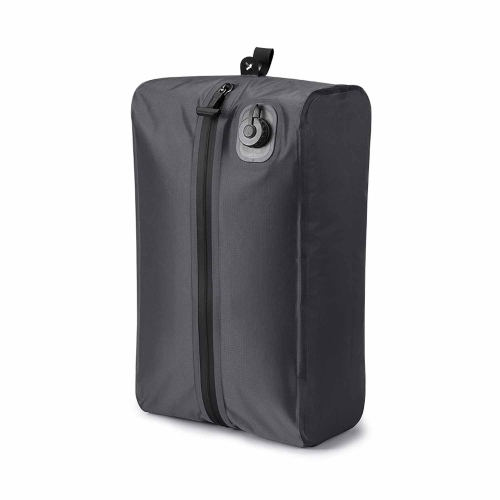
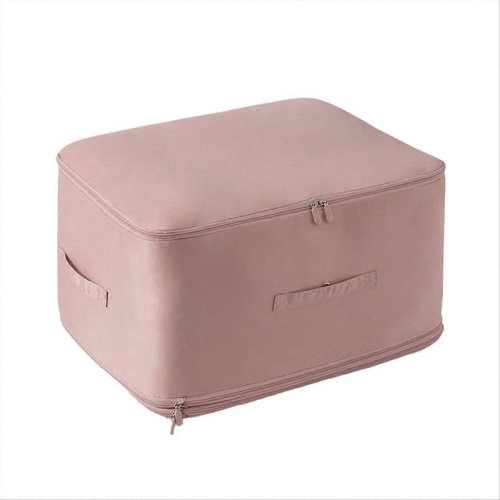
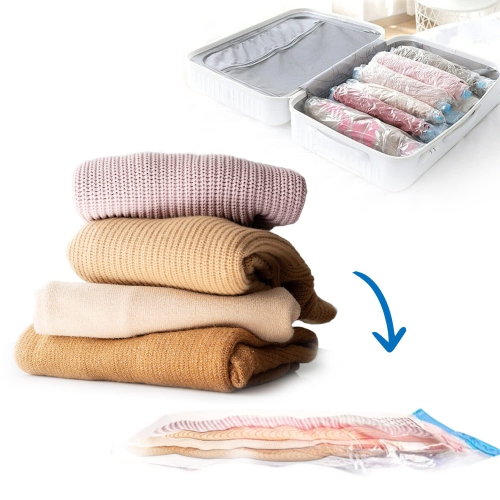
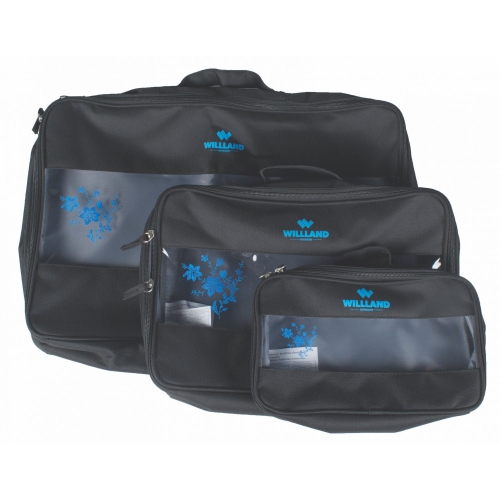
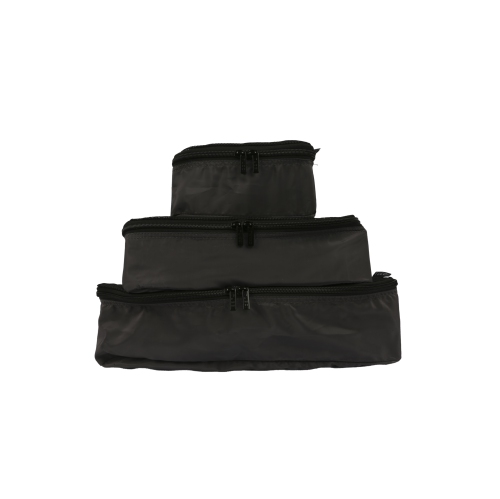
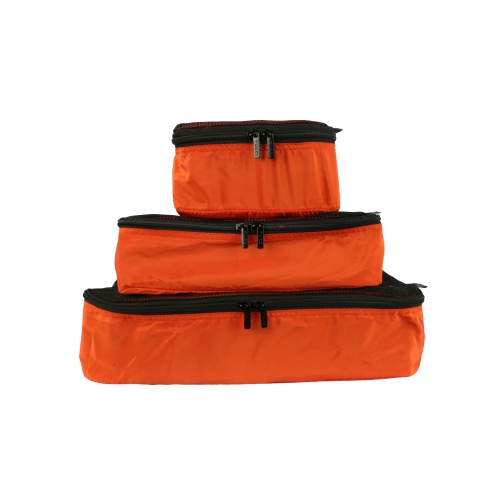
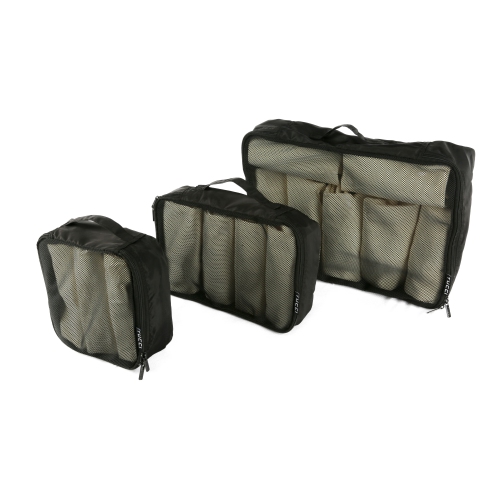
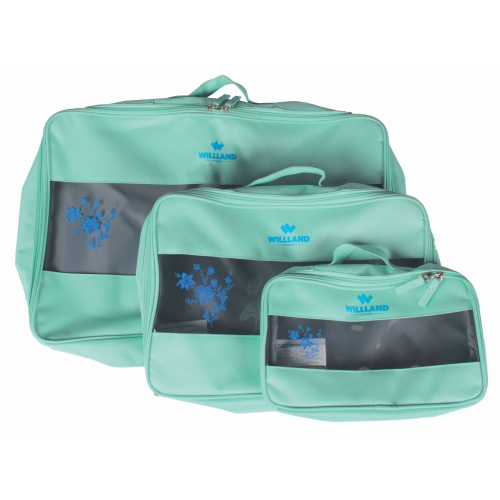
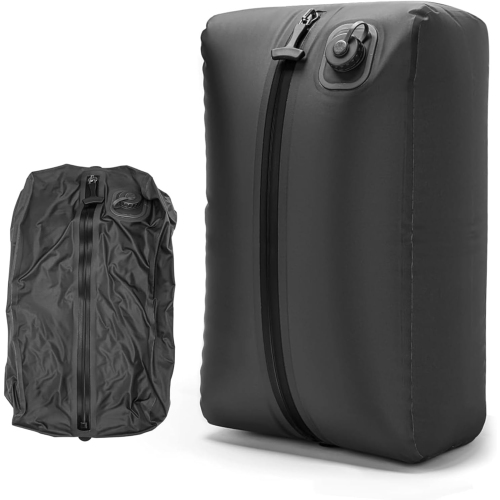
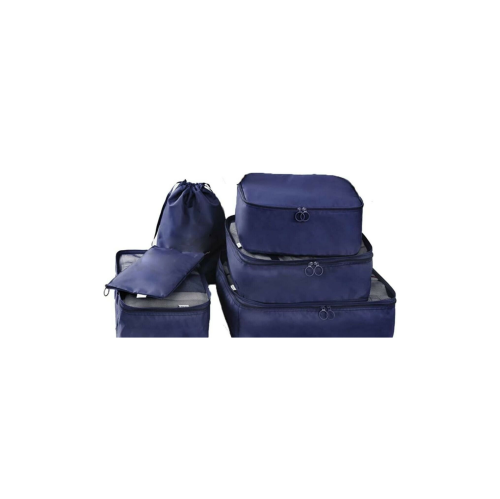
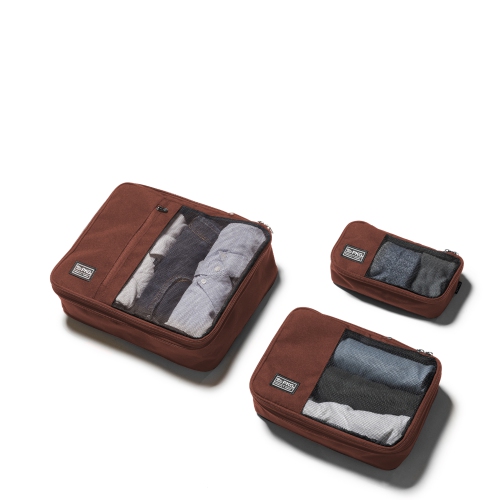
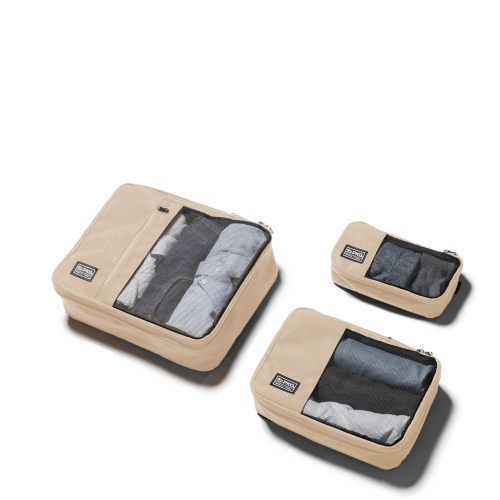
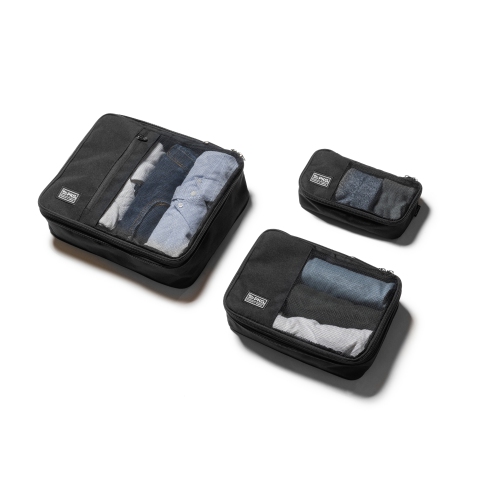
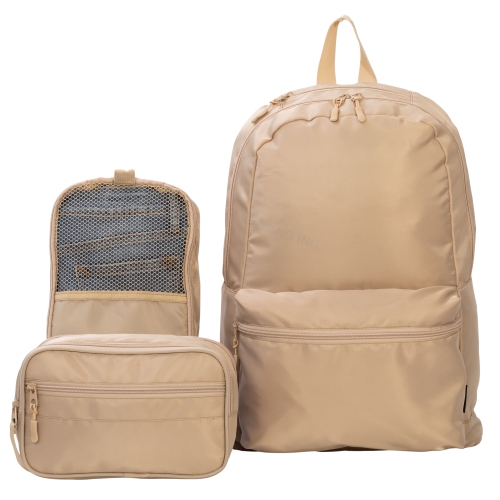
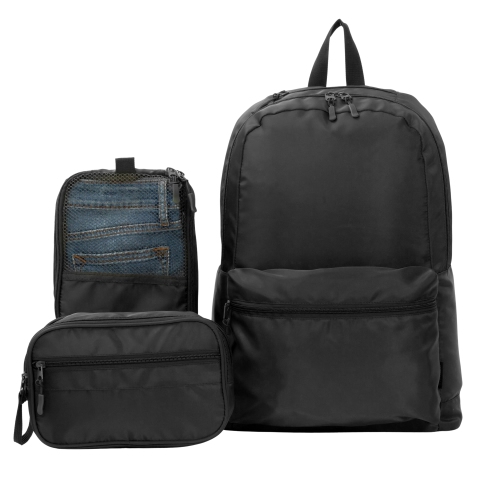
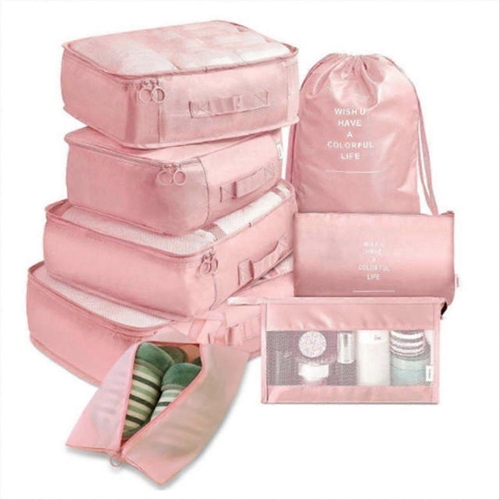
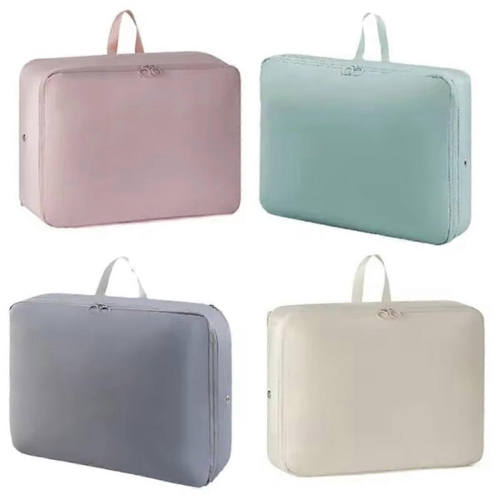
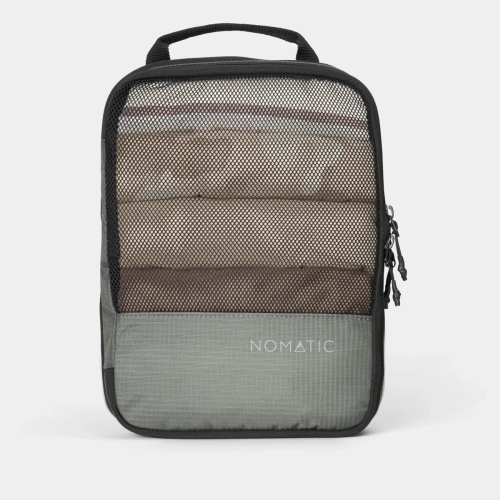

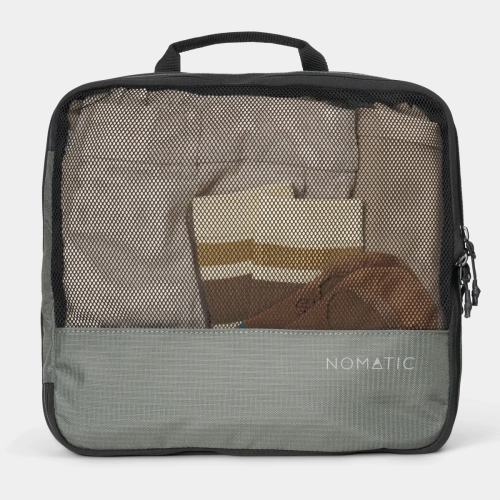
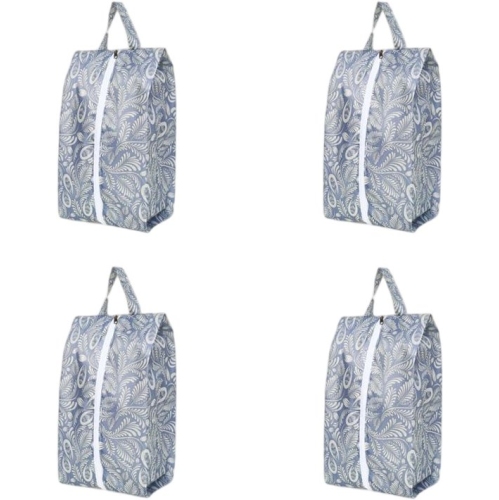


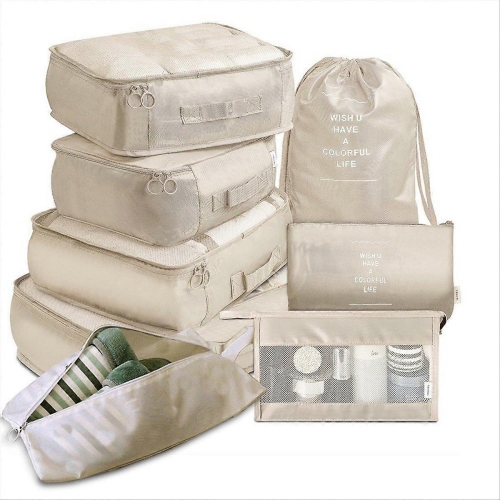
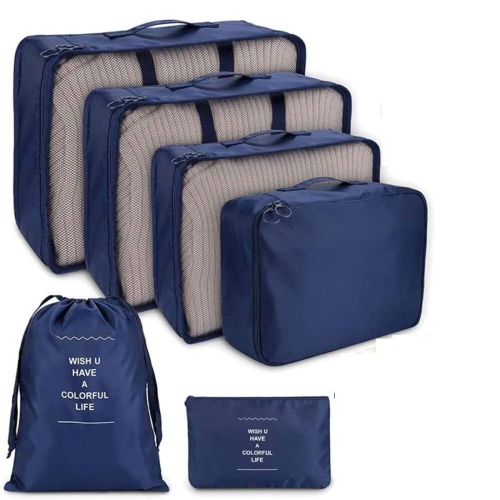
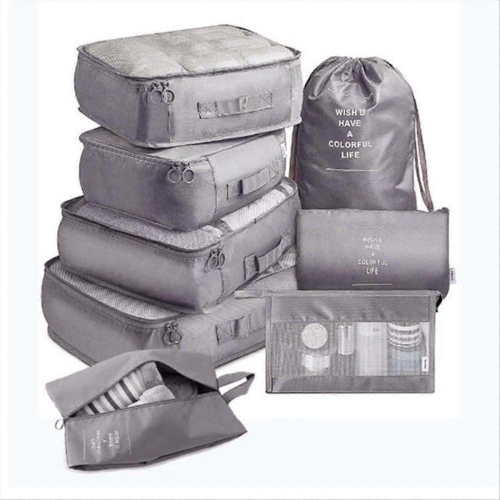
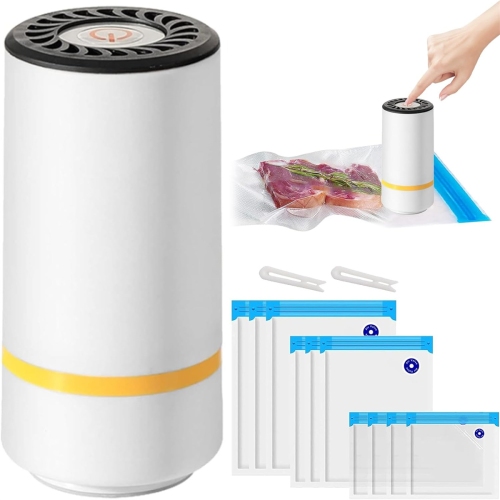
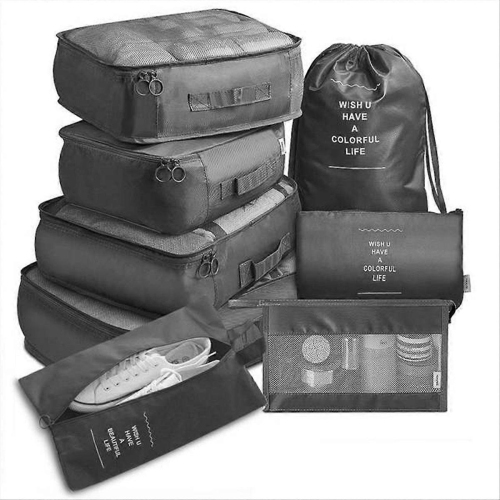
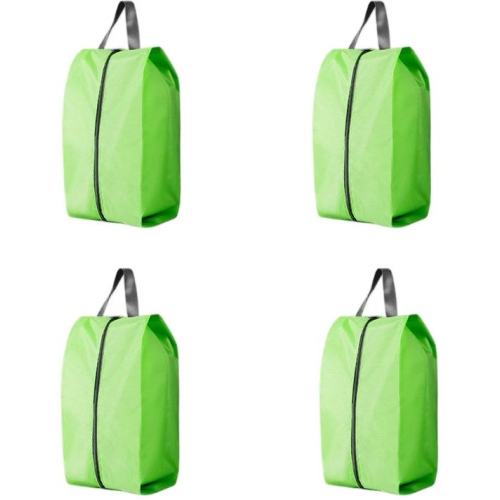

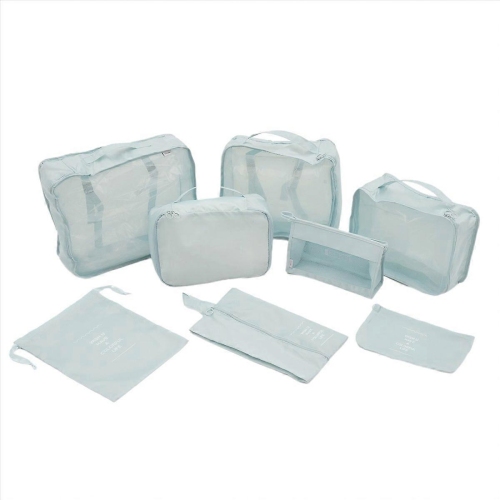

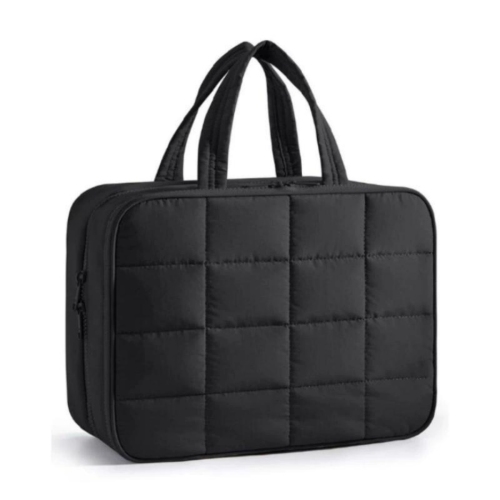
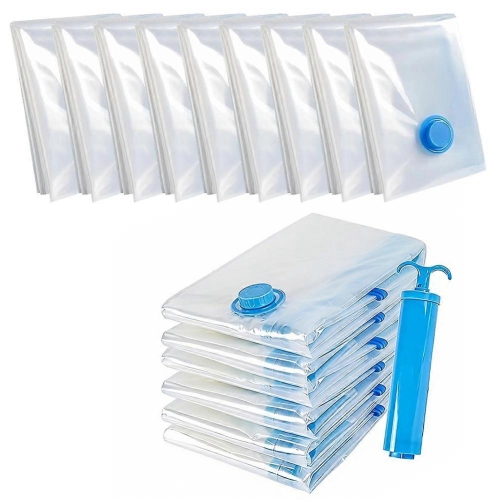

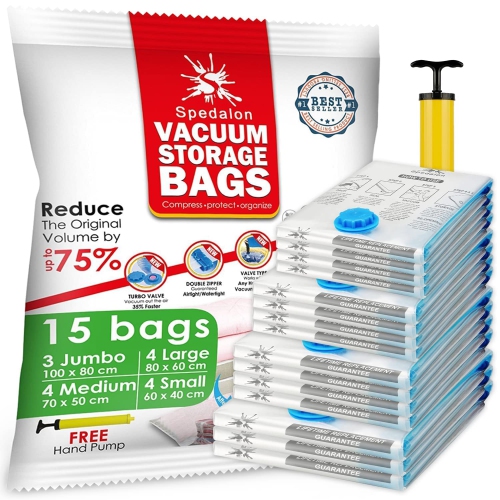
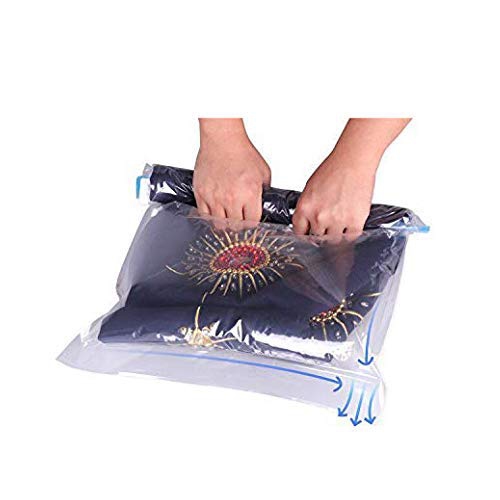
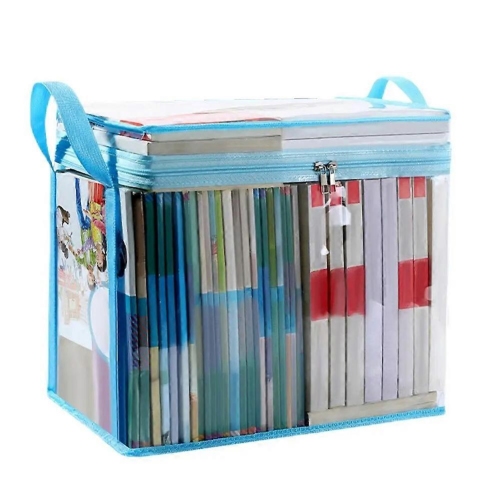


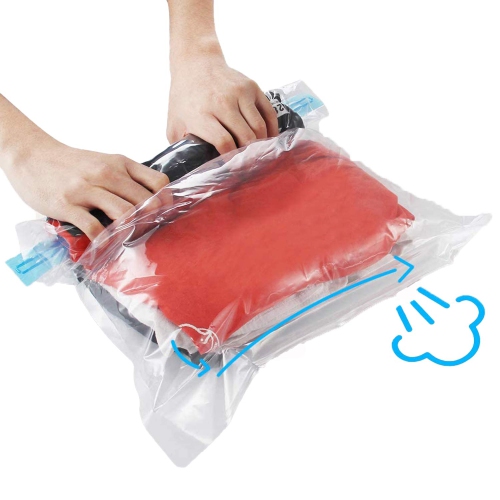
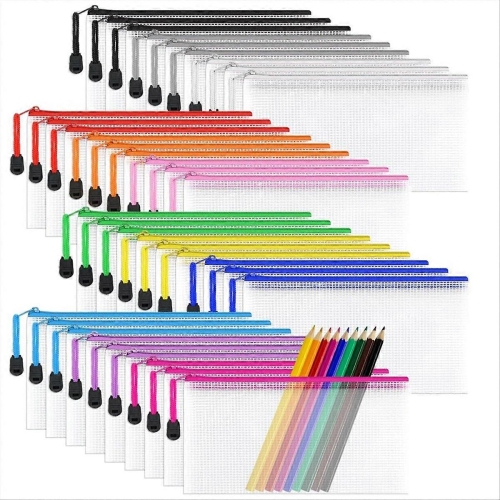

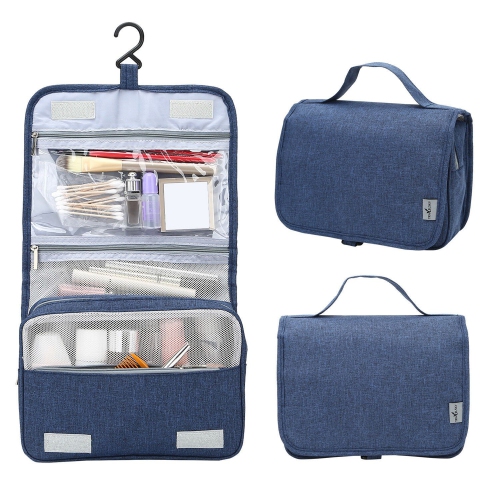


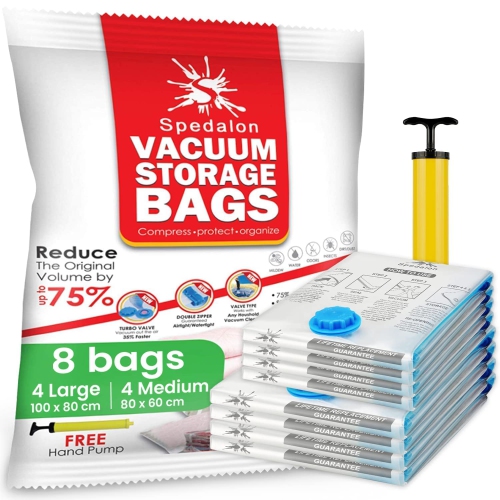


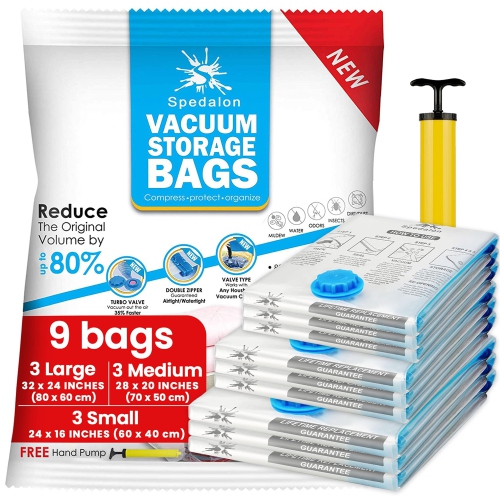

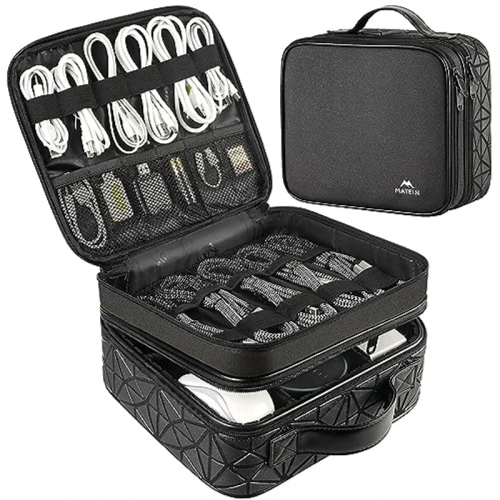
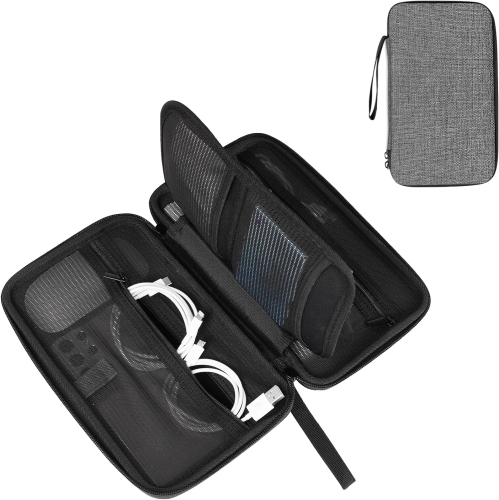

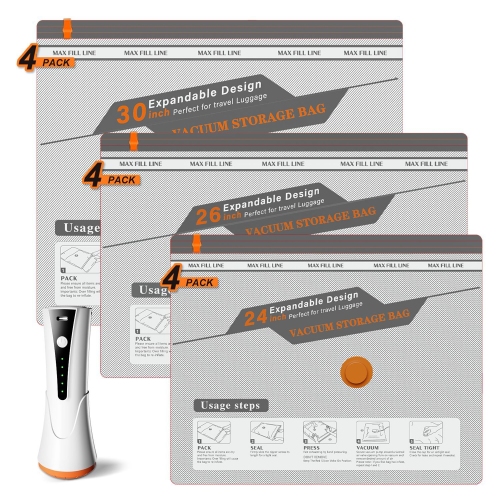


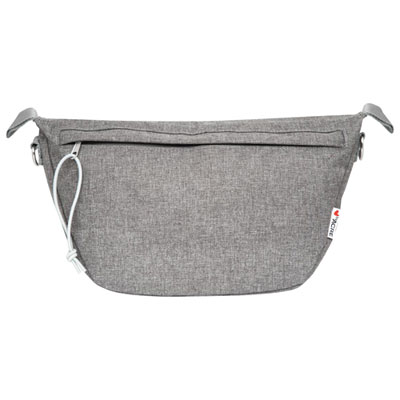

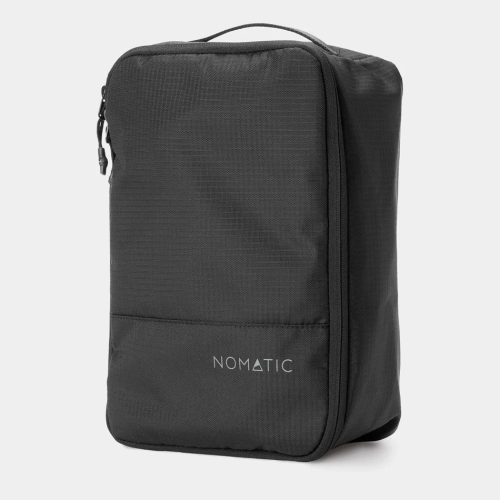


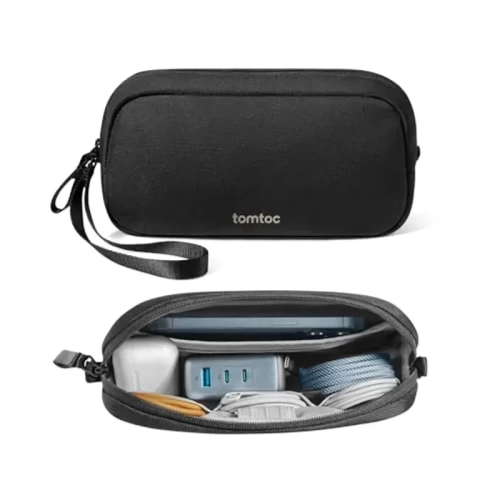


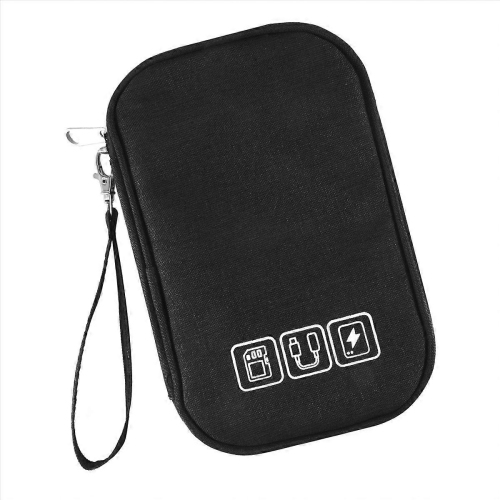


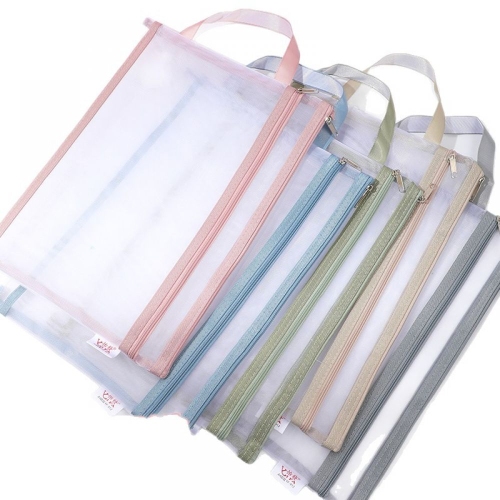


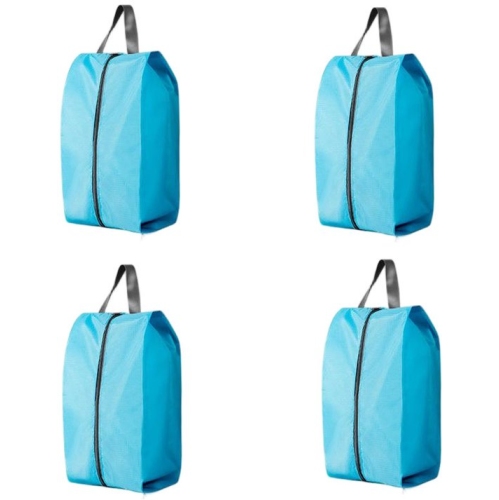

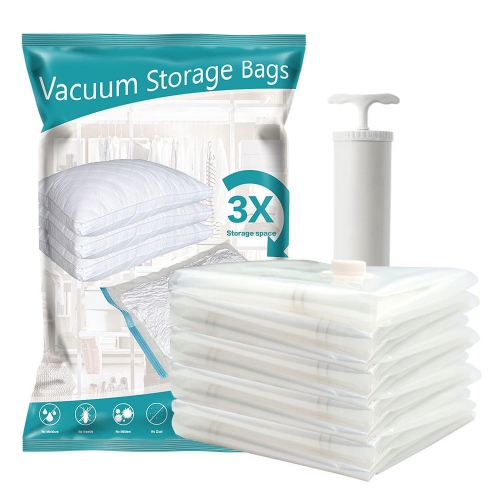
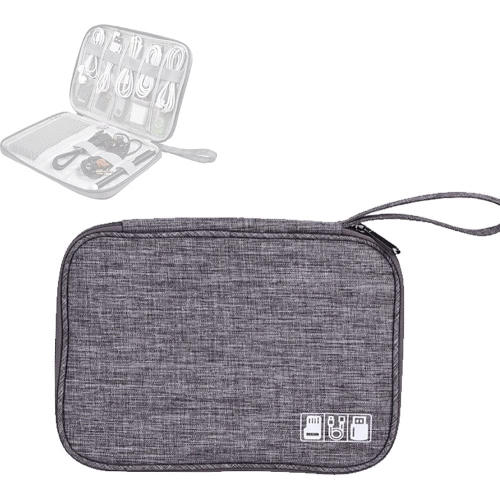


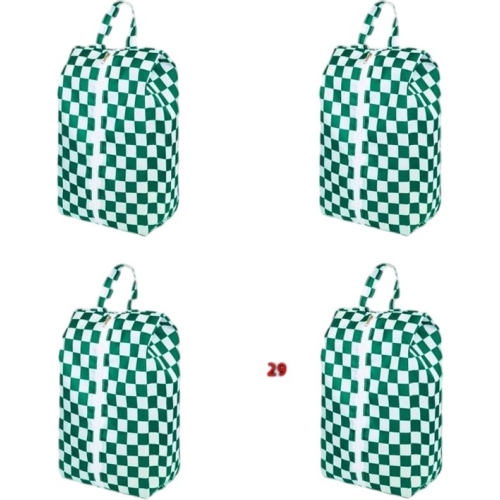

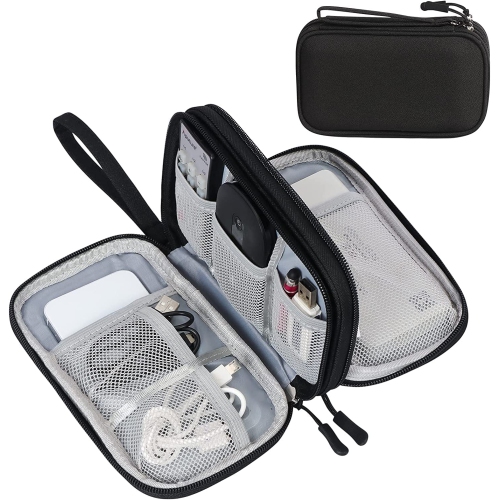
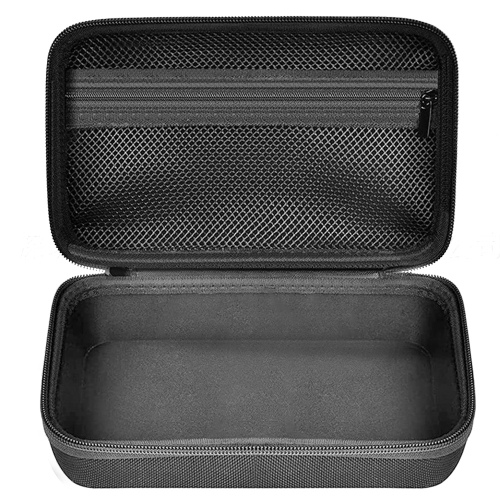


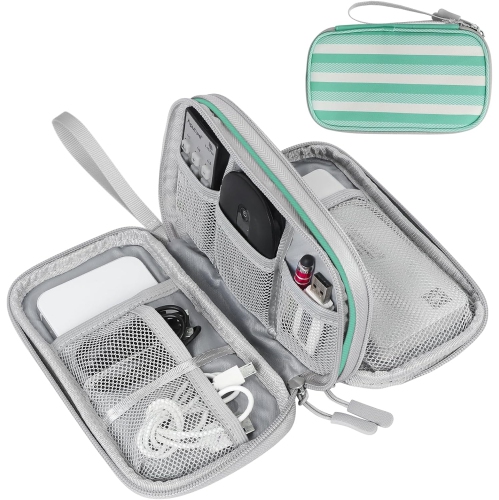


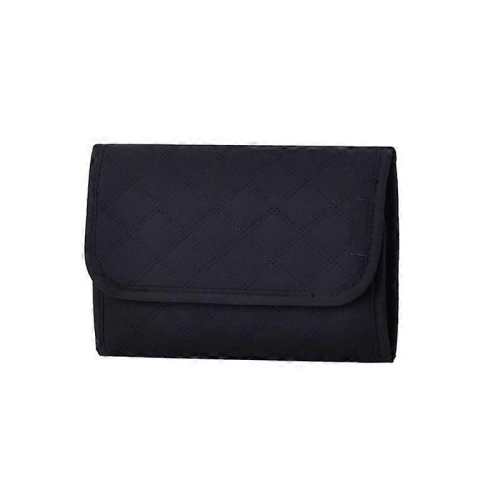
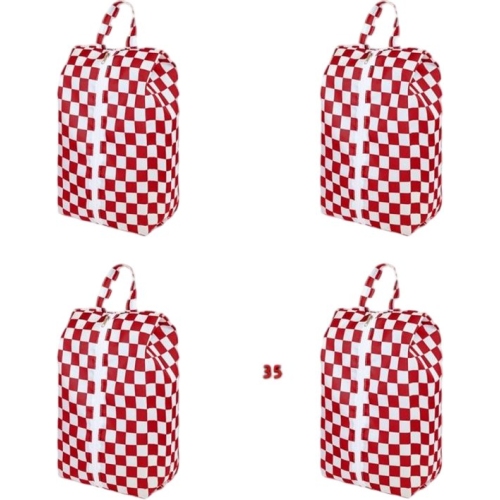
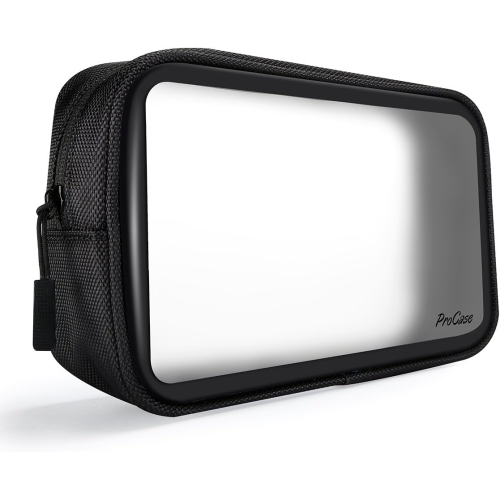
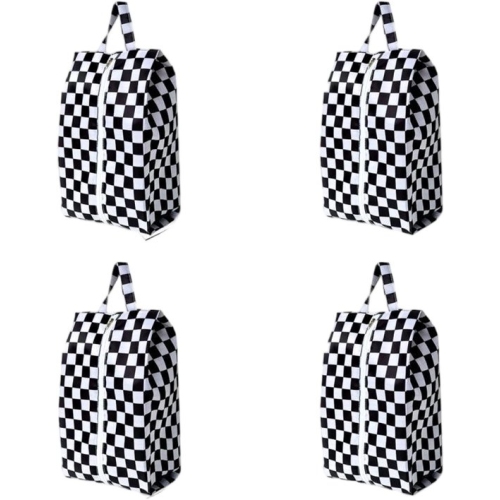
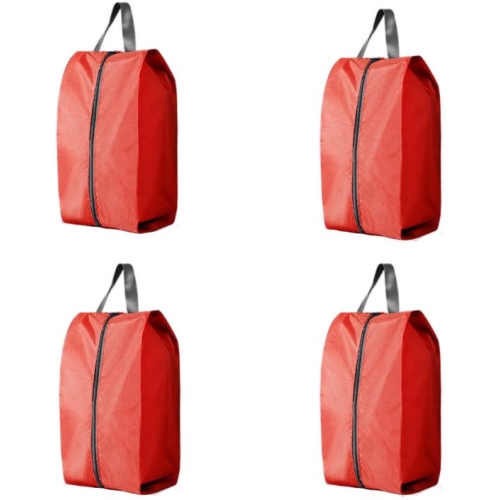
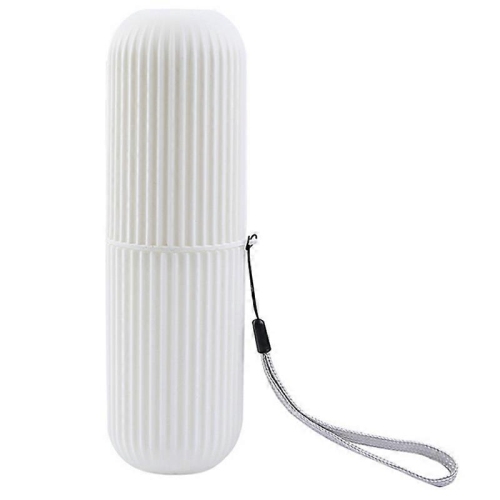


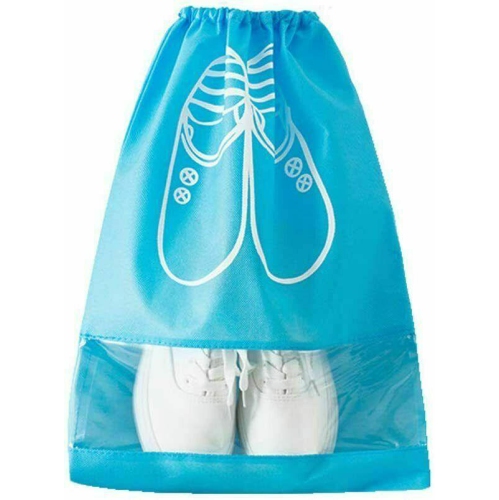




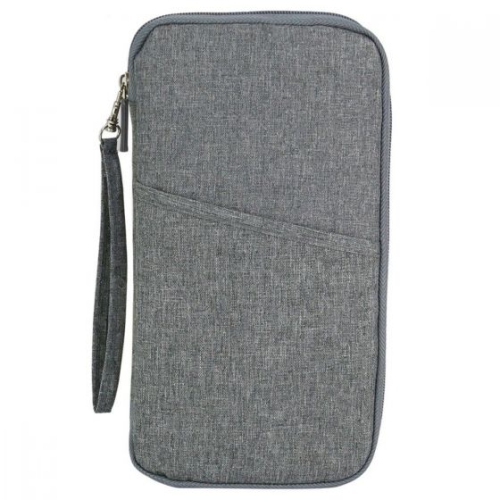
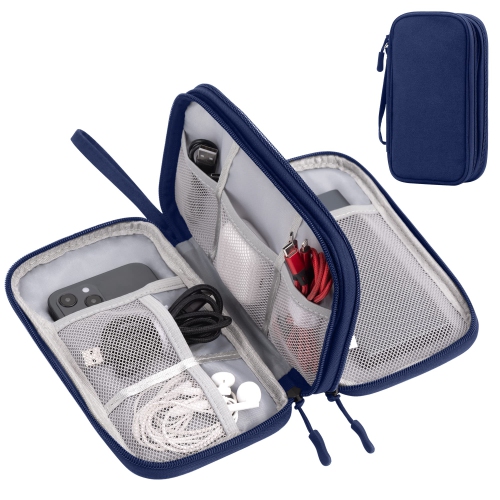
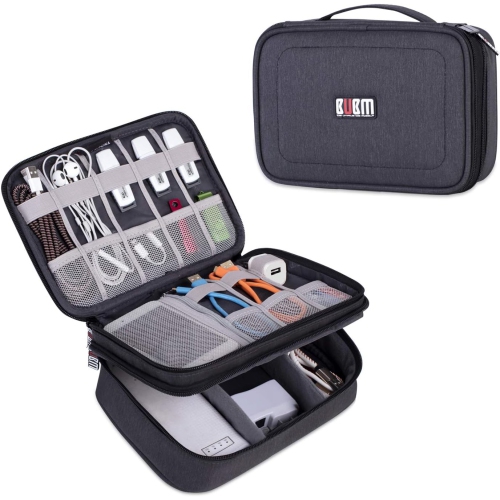
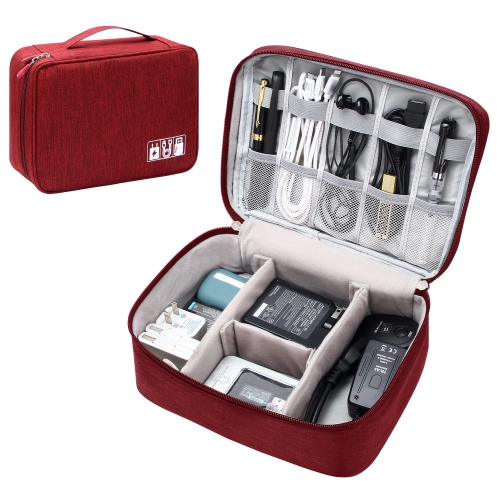
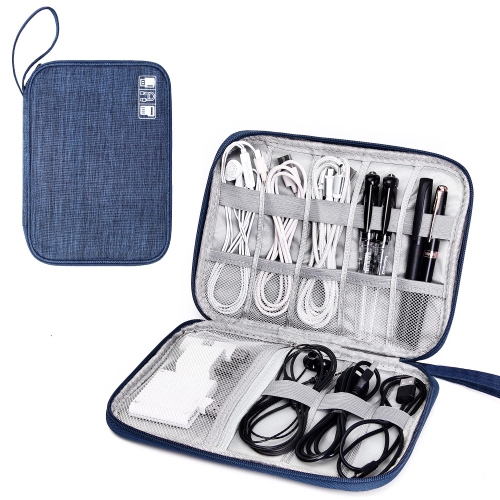
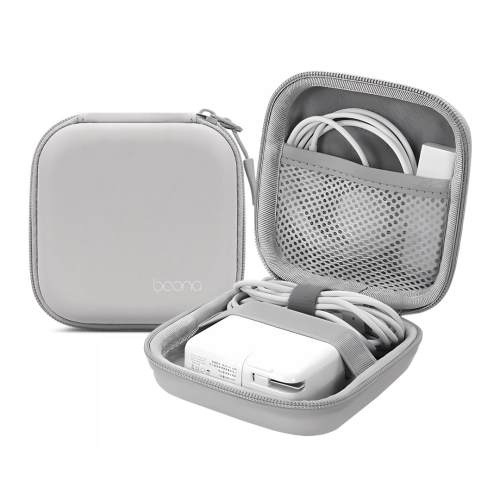
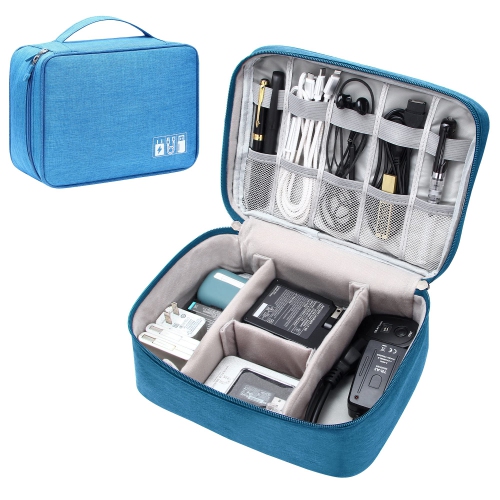
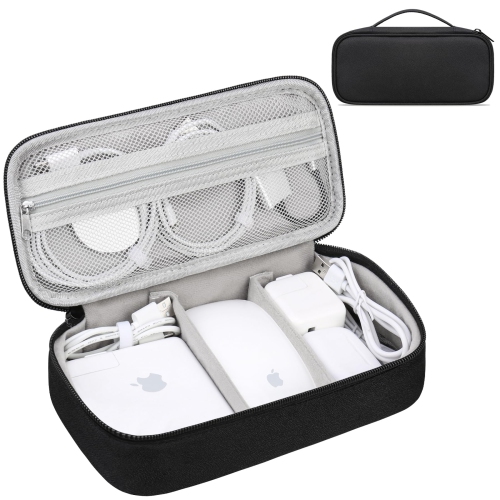
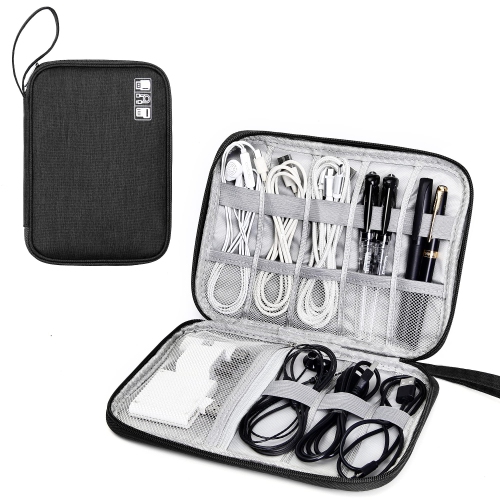
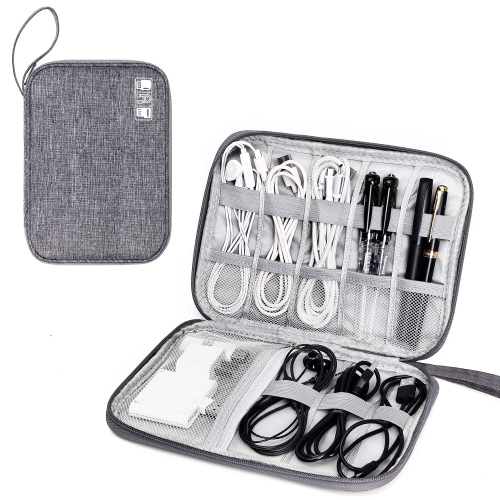
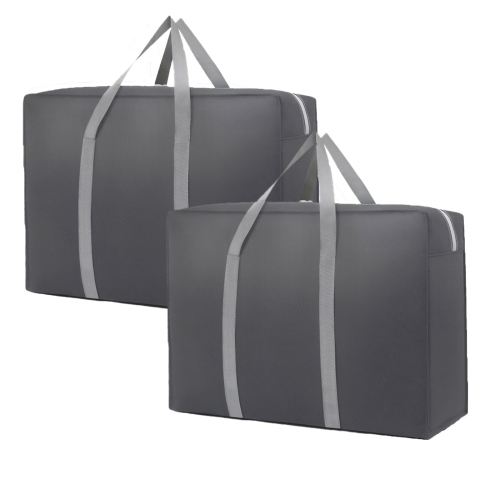
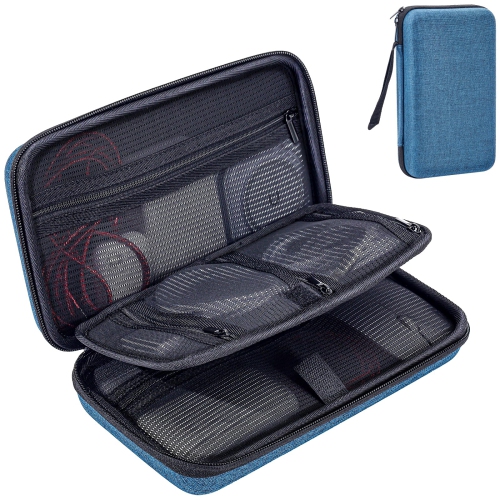
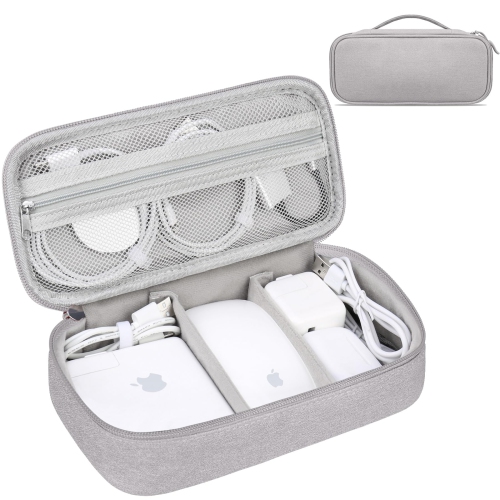
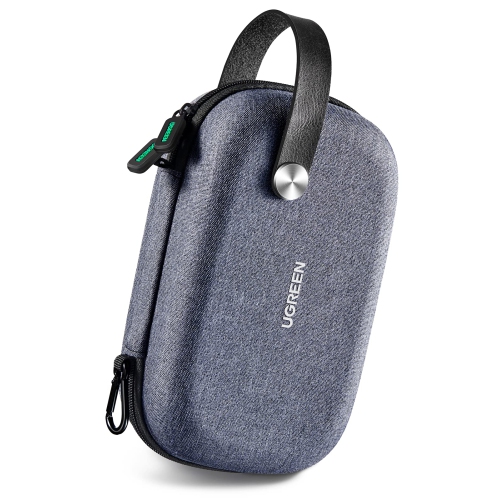
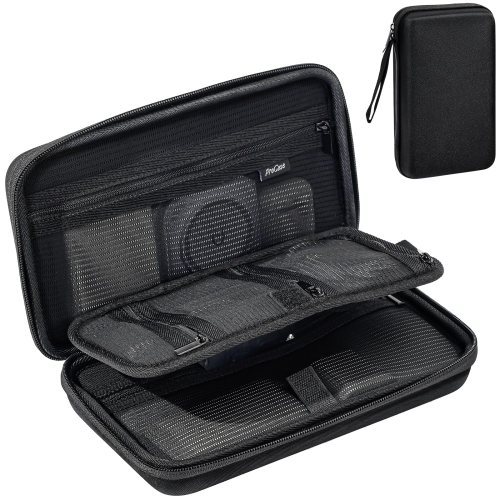
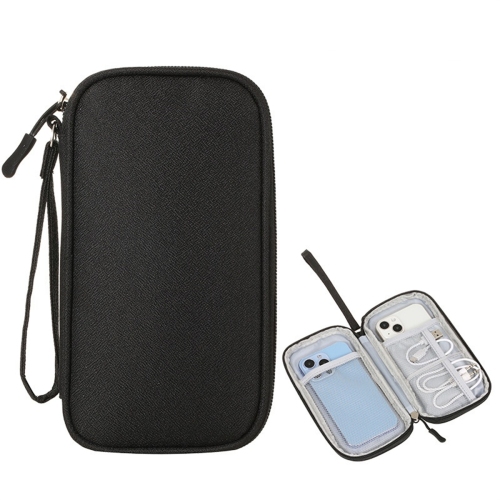

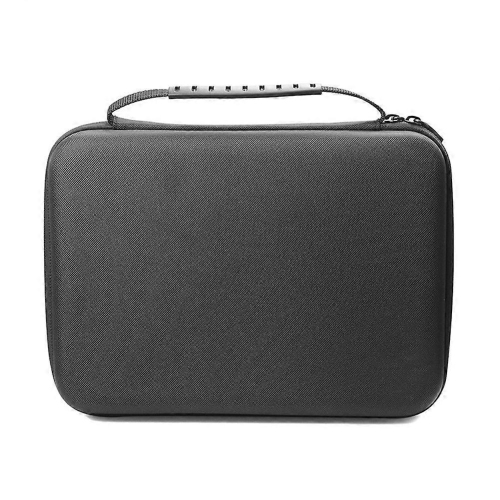
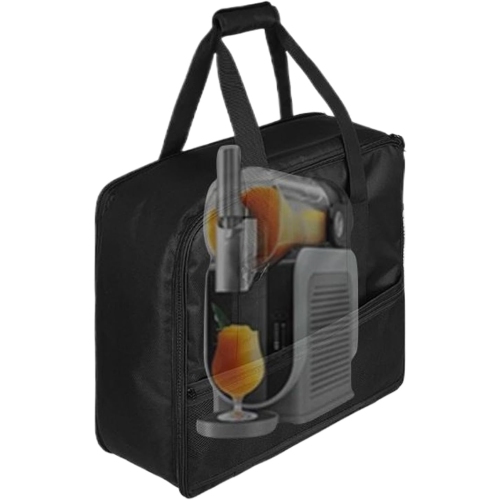


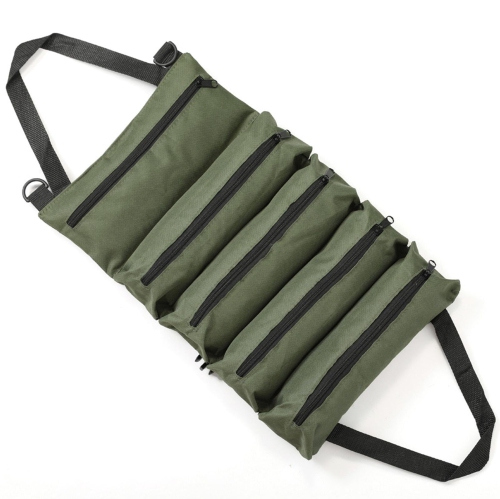


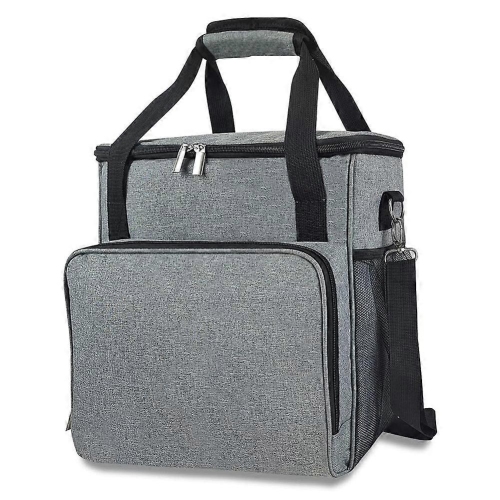


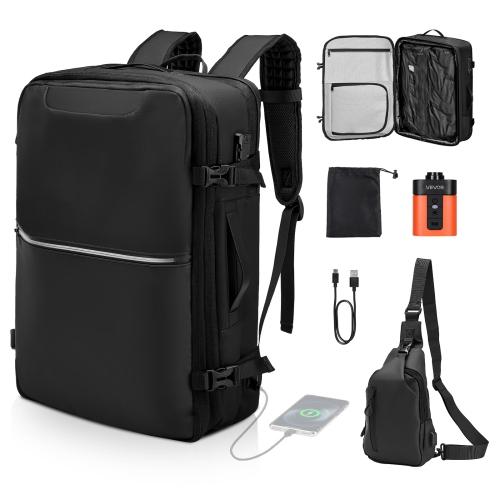

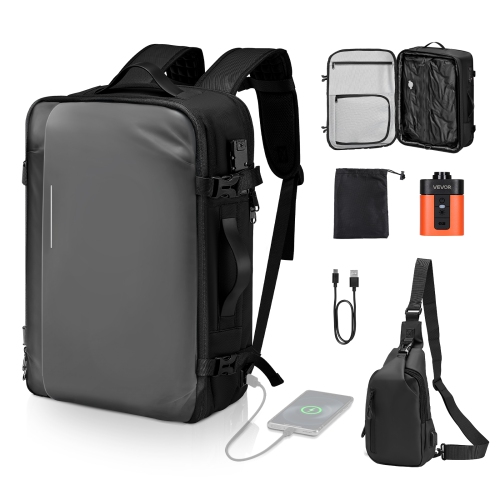

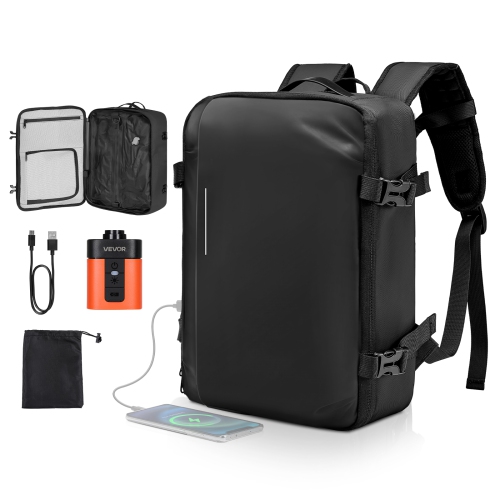
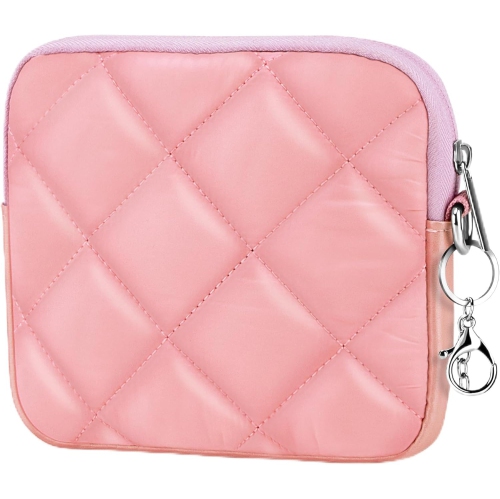
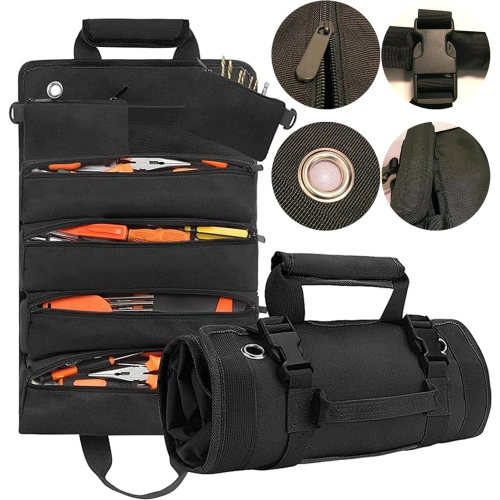
Less rummaging with dedicated spaces inside your suitcase
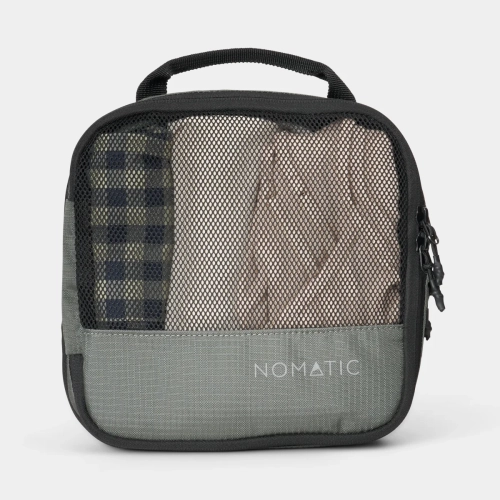
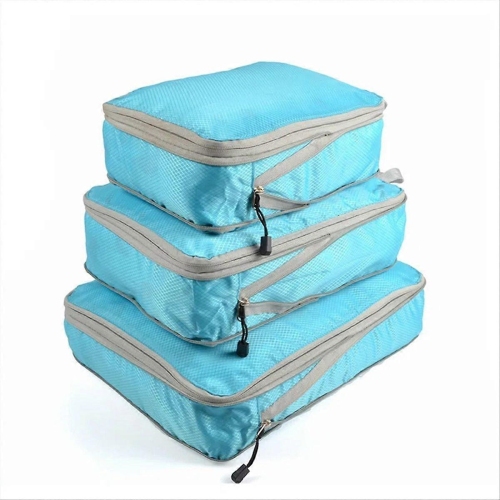
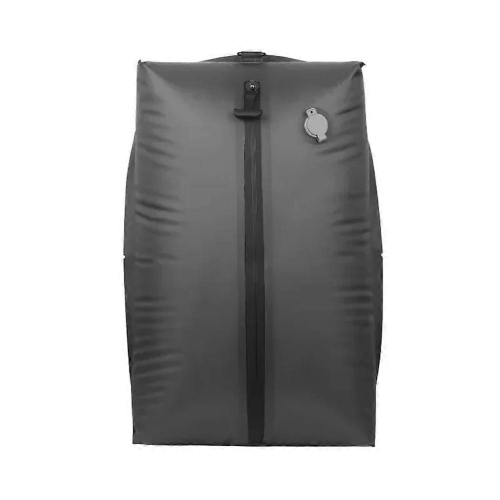
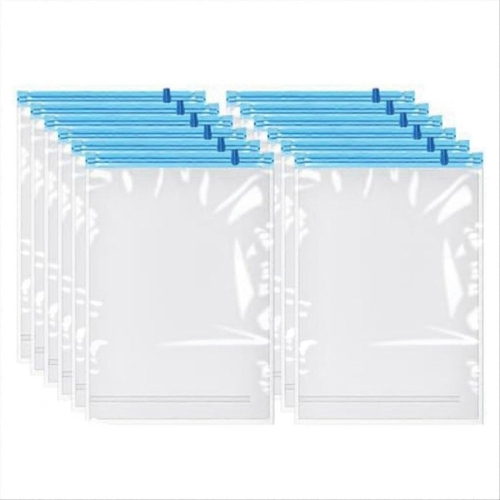
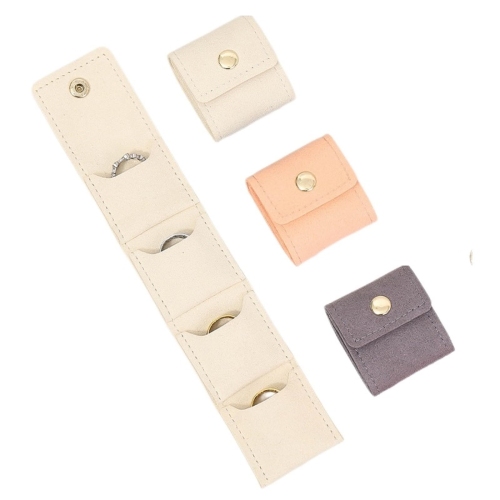
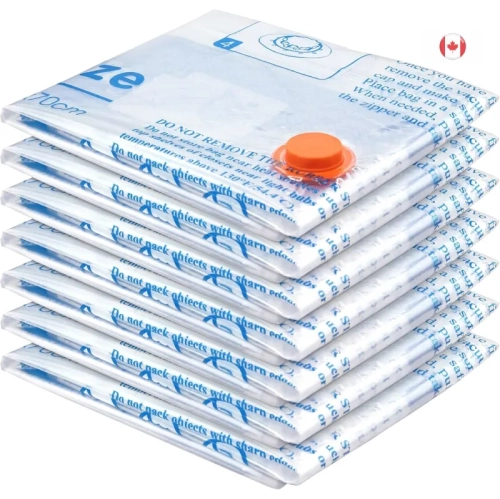
Travel packing organizers give clothing, toiletries, footwear, and small accessories their own place inside a suitcase, duffel bag, or backpack. Rather than leaving everything loose in a single compartment, they divide luggage into manageable sections that are easier to find and move between destinations. Standard packing cubes are lightweight fabric containers with zippered openings, designed to group belongings by clothing type, outfit, or traveller. A cube holding shirts can move straight from a suitcase to a hotel drawer, while a separate pouch keeps sleepwear within reach after a late arrival. Compression packing cubes add a zipper that draws the packed fabric closer together, reducing some of the air around soft clothing. They can help contain bulky layers, but the space saved depends on the fabric, the amount packed, and the organizer’s construction; compression does not reduce luggage weight. Flexible compression bags work differently, using a closure and an air-release method to flatten suitable contents. Designs that release air by rolling can be practical for trips where a vacuum will not be accessible for the return journey. Toiletry bags, shoe bags, laundry pouches, and accessory cases round out the category, each separating belongings that benefit from a dedicated space. A covered pair of walking shoes is less likely to leave grit on a clean shirt, and a laundry pouch provides somewhere for worn clothing between stops. These organizers suit a range of travel habits, from carry-on packing for a short work trip to sharing a larger checked suitcase on a family holiday. During the cooler months, keeping knitwear and extra layers together can make changing temperatures easier to manage without disturbing the rest of the bag. The main benefit is not simply fitting more into luggage: it is being able to open a case in a small guest room, retrieve what is needed, and leave everything else reasonably tidy. For travellers moving frequently between accommodations, that separation can make repeated unpacking feel less like starting over.
Materials and construction shape how travel packing organizers feel, how much room they occupy, and how well they stand up to repeated use. Lightweight nylon and polyester are common choices because they add relatively little bulk and are often straightforward to wipe clean, although care requirements vary by fabric and finish. Ripstop fabrics use a reinforcing weave intended to help limit the spread of small tears, while more structured designs hold their shape when partly empty. Mesh panels make contents visible and allow airflow, which can be useful for clothing; solid panels provide more coverage and help keep smaller belongings contained. Neither mesh nor ordinary fabric should be assumed to protect against spills. Water-resistant fabric may tolerate light splashes, but waterproof protection depends on the entire construction, including seams and closures. A wipeable lining can make a toiletry compartment easier to maintain after a small leak, without guaranteeing that liquid will stay inside. Zipper movement, seam finishing, and handle attachment are also worth attention, particularly when a full cube will be lifted in and out of luggage repeatedly. Compression designs put extra tension on closures, so a zipper that closes without force is more practical than an organizer packed beyond its intended capacity. Fit matters just as much as fabric. The usable interior dimensions of a suitcase can be smaller than its exterior measurements because of wheel housings, handle channels, and built-in dividers. Rectangular cubes can make good use of a flat compartment, while softer pouches fit more readily into curved corners or narrow gaps. A deep organizer may work well in a duffel but sit awkwardly in one half of a shallow clamshell suitcase. Sets with varied sizes offer flexibility, though matching the shapes to the luggage is more useful than choosing by piece count alone. For care, the manufacturer’s directions take priority: some fabrics tolerate washing, while others need spot cleaning. Emptying pockets, removing grit, and allowing organizers to dry fully before storage helps keep them ready for another trip.
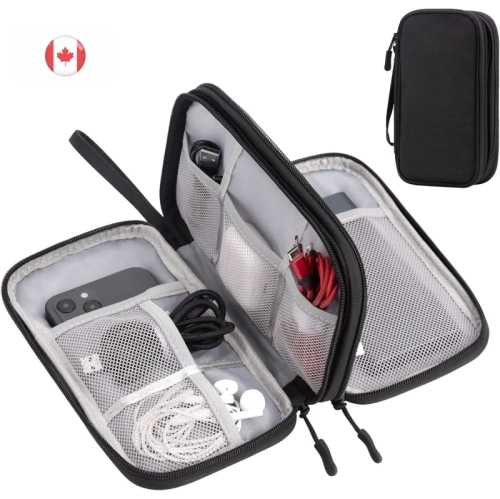
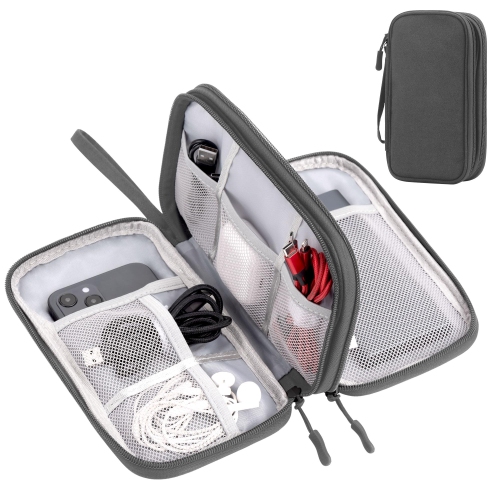
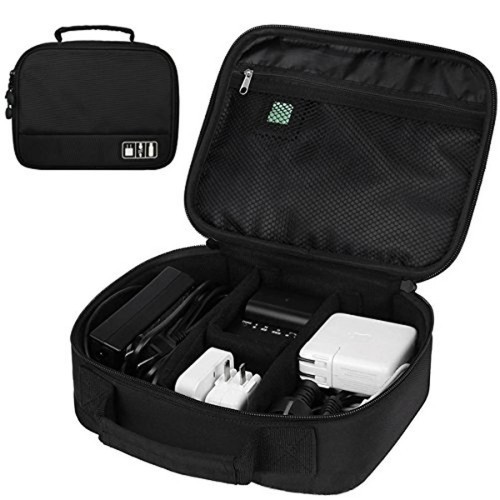
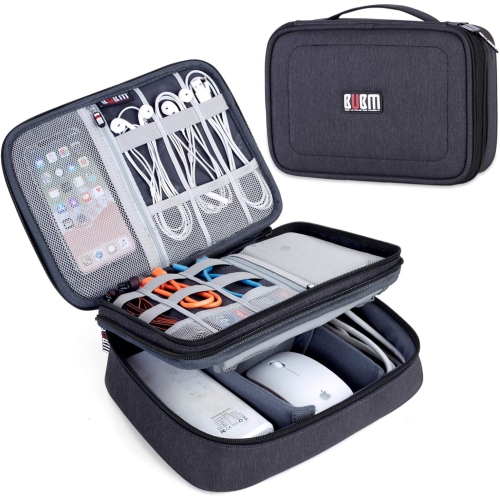
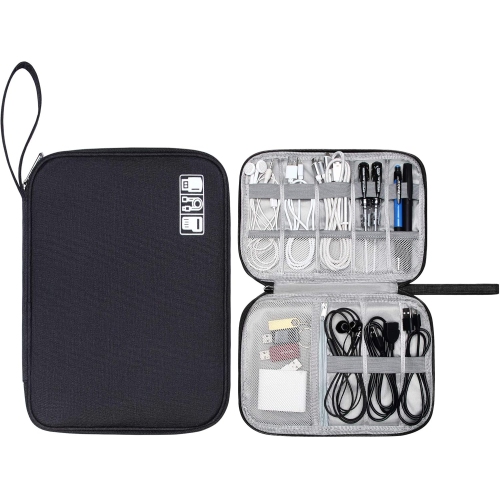
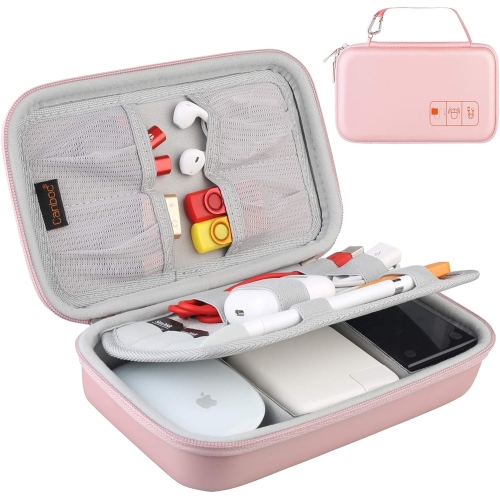
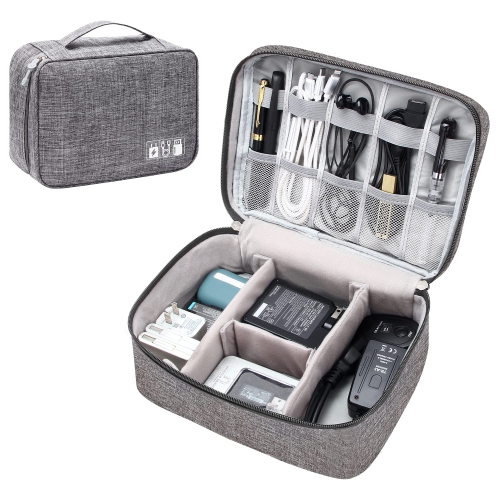
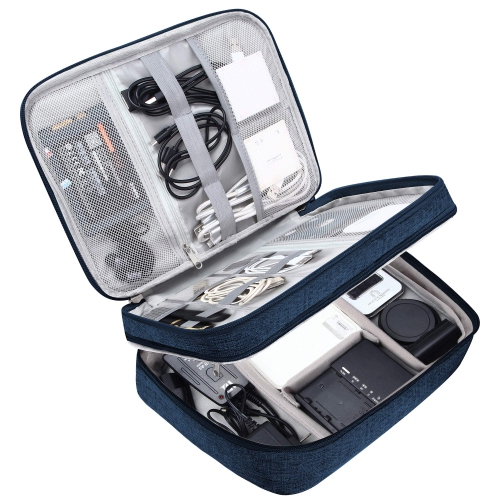
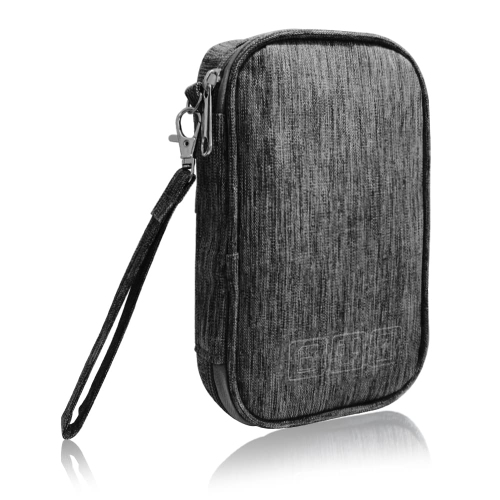
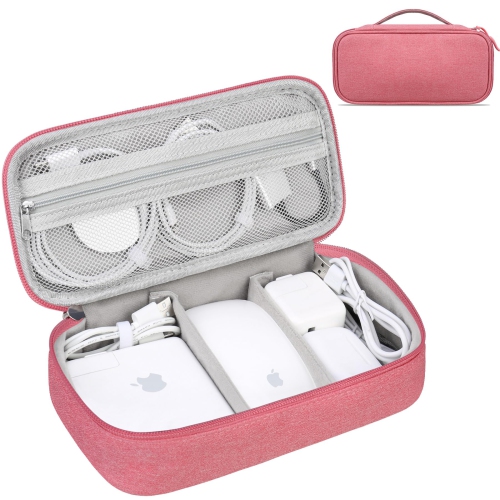
Different organizer layouts suit different routines, especially when belongings need to remain accessible in transit. A wide-opening packing cube makes folded clothing easy to see, while a smaller zippered pouch keeps loose accessories from slipping beneath larger contents. For chargers, cables, adapters, and other compact essentials, travel organizer pouches provide another way to separate belongings within a personal bag or suitcase. Internal pockets and elastic loops can help keep cables apart, but they need to suit the size and shape of what they hold; a narrow loop intended for a cord will not necessarily accommodate a bulky power adapter. Soft fabric offers basic separation, whereas padding adds cushioning at the cost of extra space. Toiletry layouts also vary according to the trip. A hanging design can keep daily essentials accessible in a bathroom with limited counter space, provided there is a suitable place to hang it. Removable compartments allow part of a larger kit to travel separately, and clear sections make contents easier to identify. Any organizer used for cabin baggage still needs to work within the applicable airline and airport screening requirements; a clear toiletry pouch is not automatically compliant with every rule. For families sharing luggage, different colours or visible panels make each person’s clothing easier to distinguish without opening every compartment. Business travellers may prefer separate sections for work clothing, casual layers, and grooming essentials, while a weekend visitor might only need a few flexible cubes and a shoe bag. On longer trips, a separate laundry compartment helps maintain a distinction between freshly packed clothing and garments awaiting washing, though damp clothing still needs an opportunity to dry rather than being left sealed away. Packing organizers can also make useful gifts for students travelling between home and campus, frequent overnight guests, or someone preparing for a longer holiday. Lightweight, adaptable shapes are particularly practical when the recipient’s luggage dimensions are unknown. Whether the journey involves one overnight stay or several destinations, well-matched organizers bring a little more order to the everyday moments of travel, from finding a fresh pair of socks to packing up before checkout.
Top selling and popular products
-
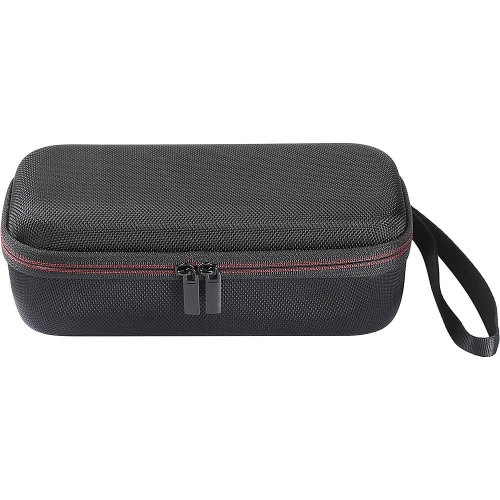 Your price for this item is $59
-
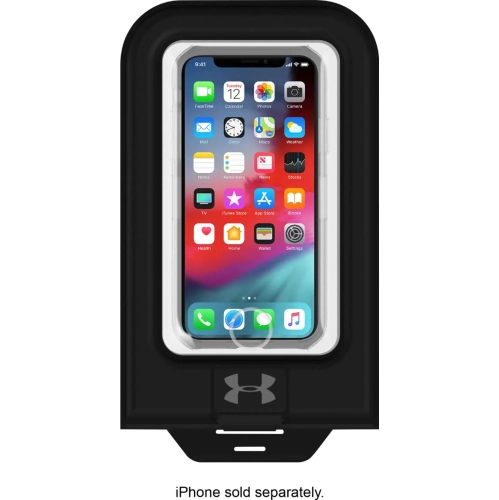 Your price for this item is $35
-
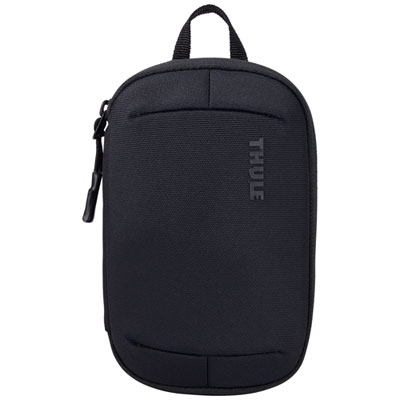 Your price for this item is $29.99
-
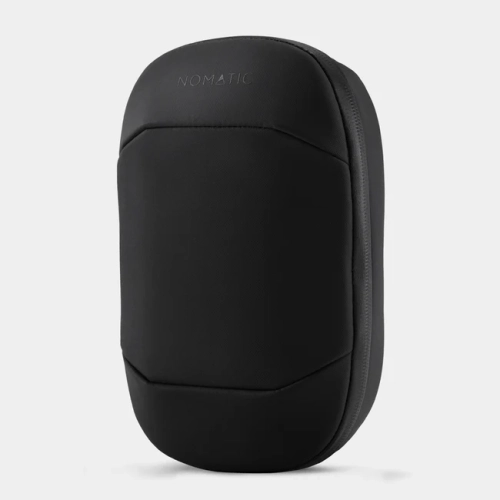 Your price for this item is $89.99
-
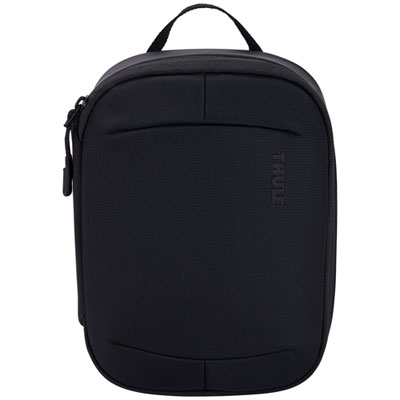 Your price for this item is $39.99
-
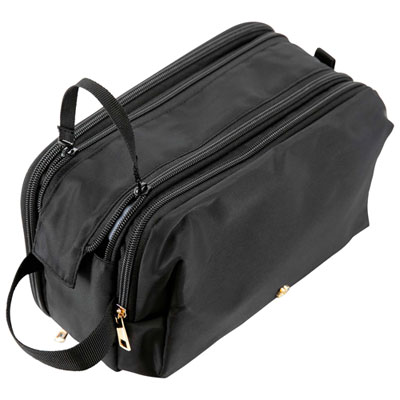 Your price for this item is $29.99
-
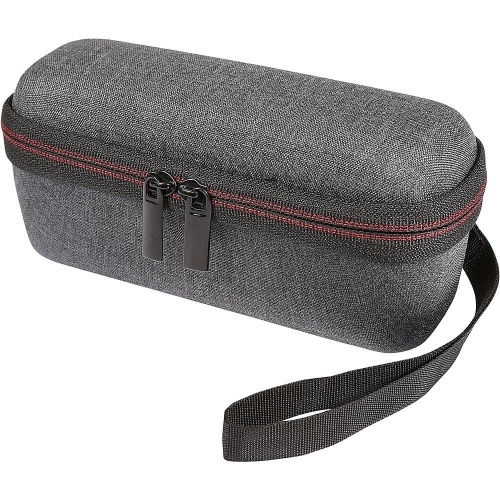 Your price for this item is $59.99
-
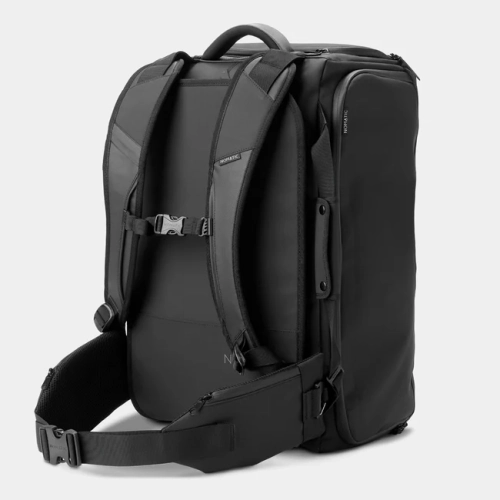 Your price for this item is $49.99
Discover more categories related to Travel Packing Organizers
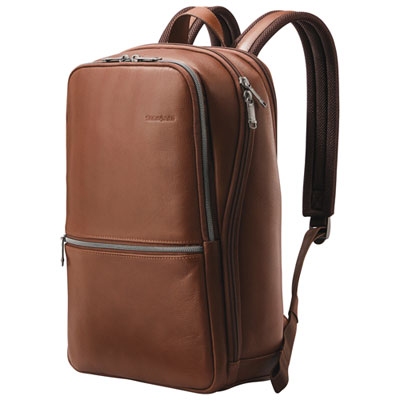
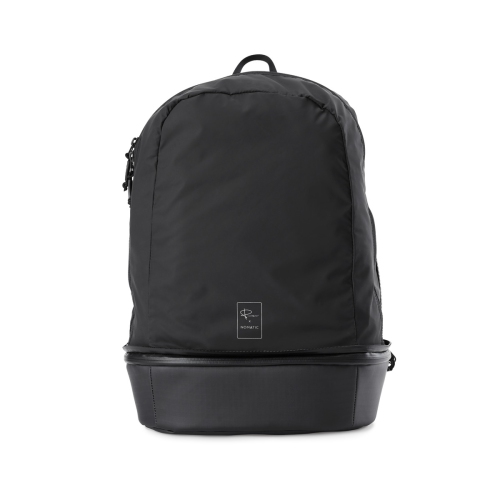
Top Collections:
Pokemon Centers, Best Cameras for Sports Photography, Kindle Devices, Samsung Galaxy Phones, Canon G7X Cameras, Pokémon 30th Celebration Cards, Refurbished Apple Laptops, iPhone 15 Apple, Laptops for Students, Budget Smartphones
Some products may be subject to Environmental Handling Fees
(EHF) depending on your province.
Learn more about EHFs.