Universal Charging Cables
If you're looking for a convenient solution to keep all your devices powered up, this selection of universal charging cables offers versatility and compatibility for a wide range of gadgets. Say goodbye to juggling multiple cords and adapters – these cables are designed to simplify your charging needs whether you're at home, in the office, or on the go. With durable construction and fast-charging capabilities, these universal cables are a must-have accessory for anyone looking to streamline their charging setup.
Sort


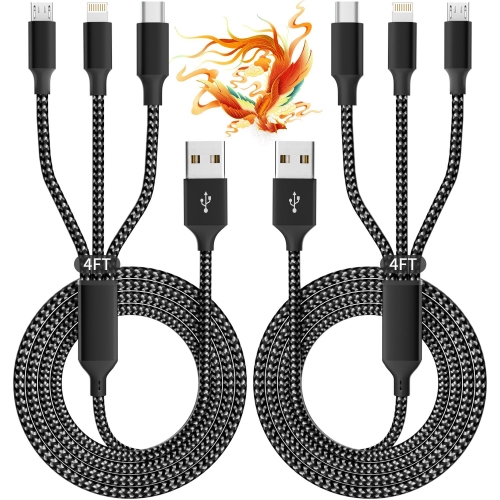
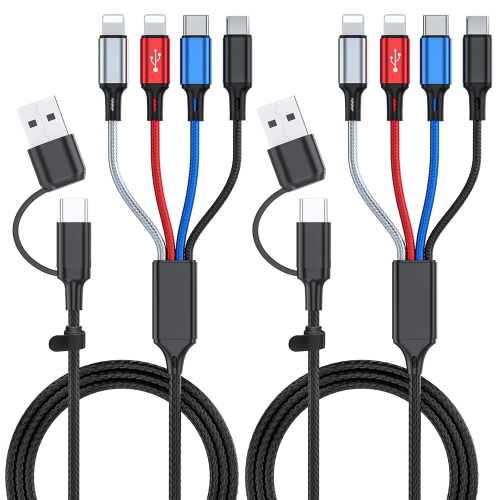
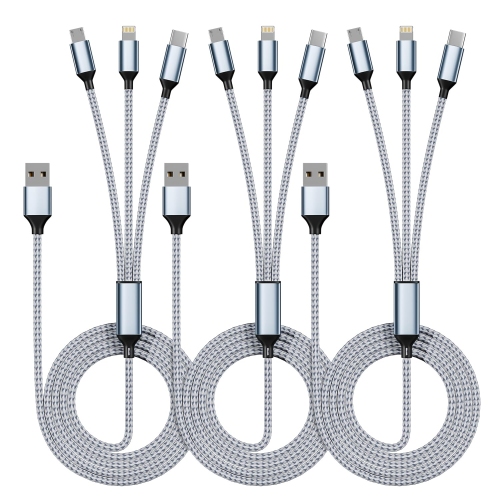
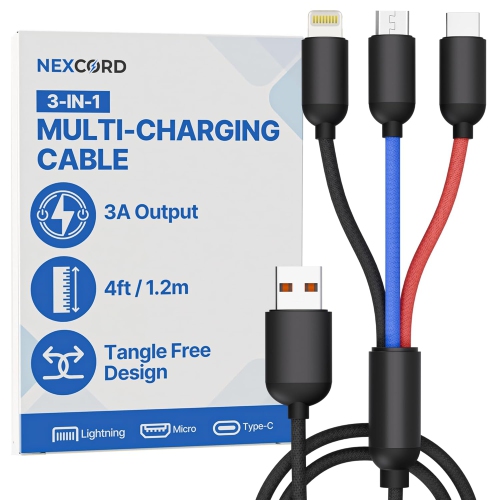

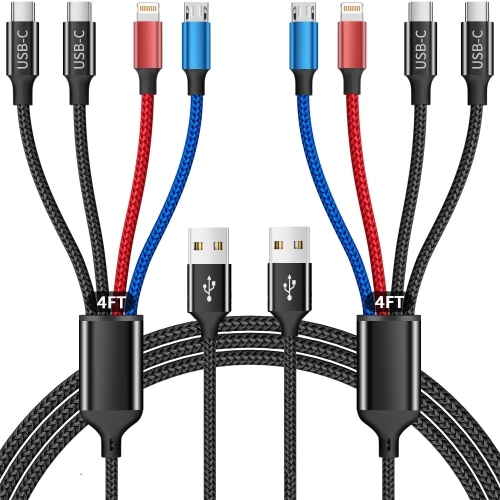
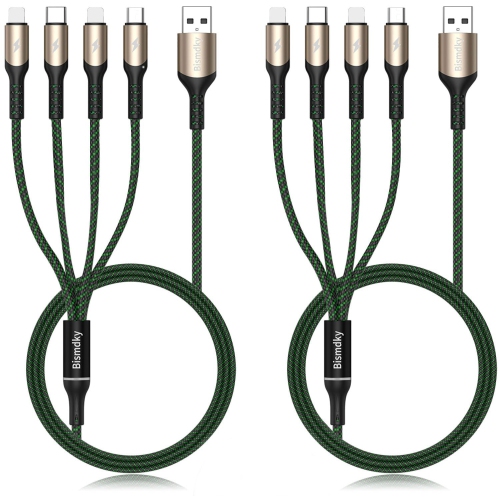
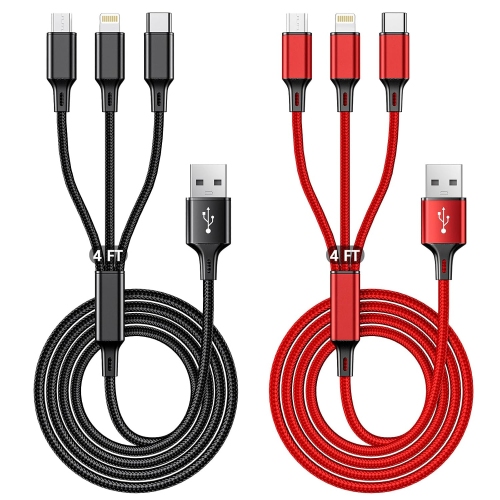
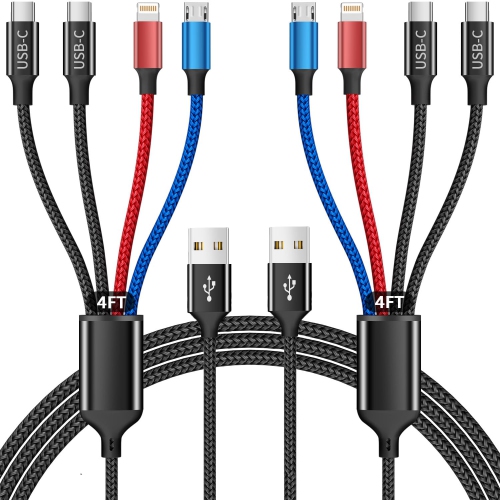

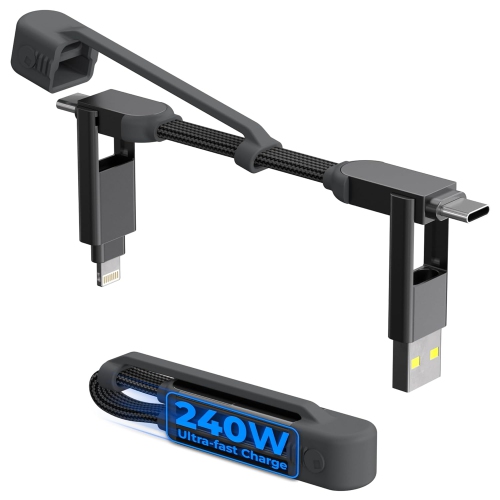
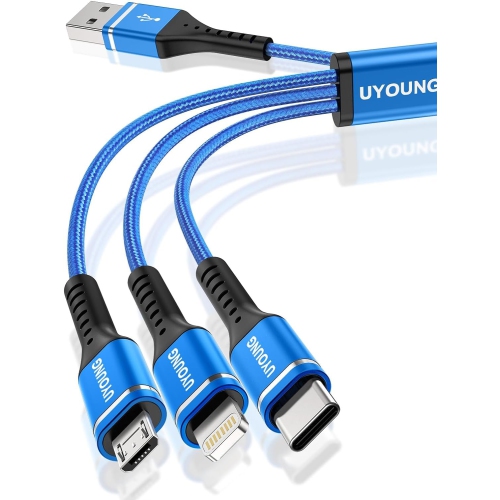
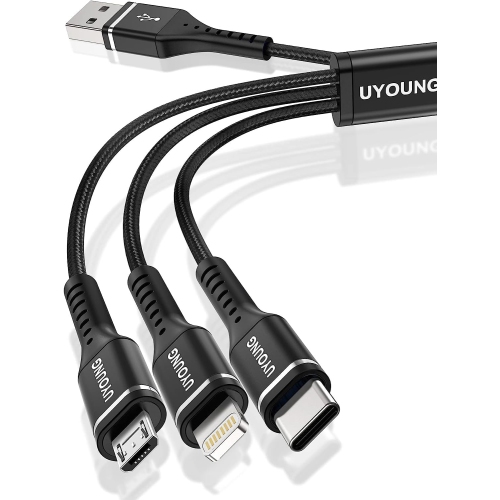
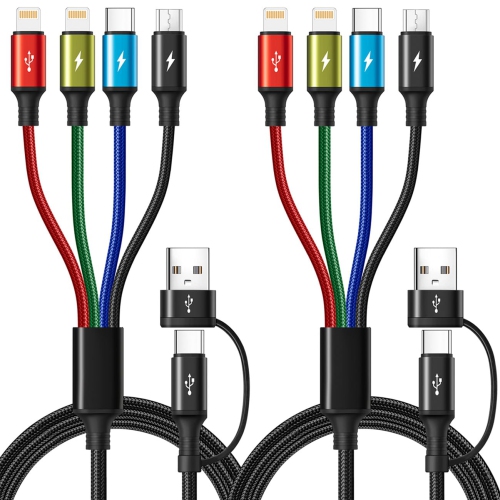
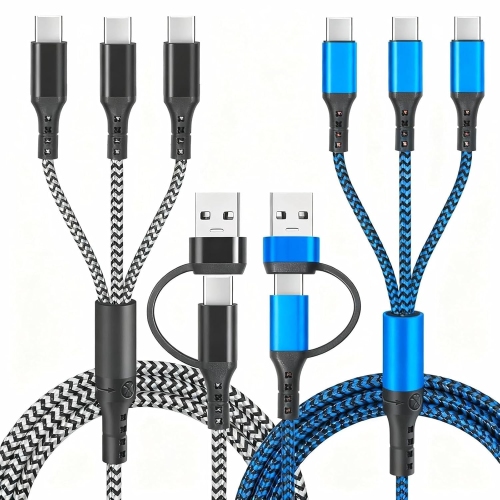
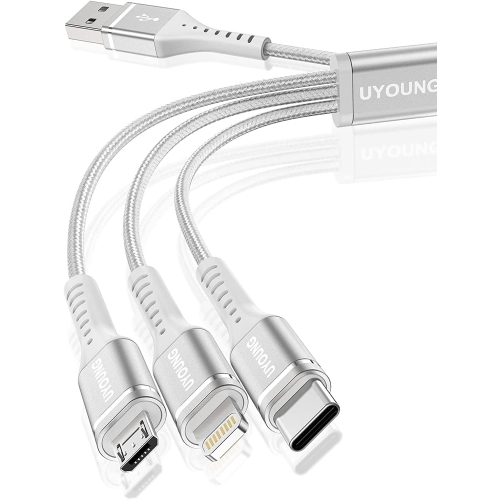
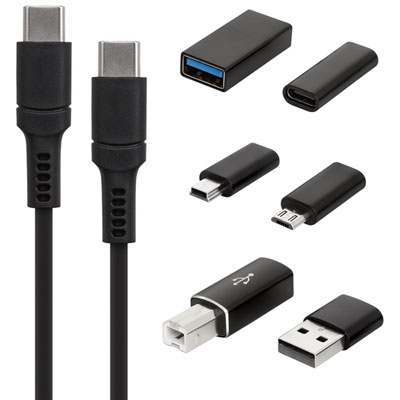
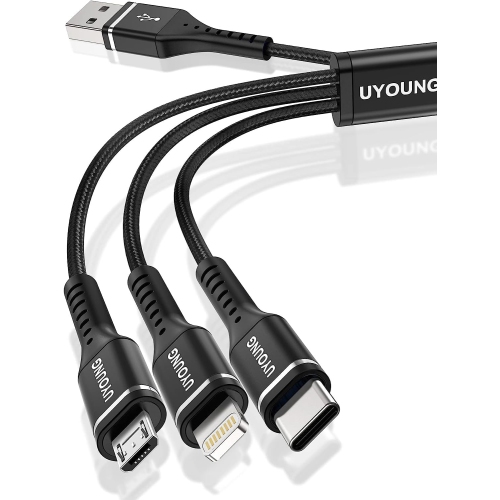
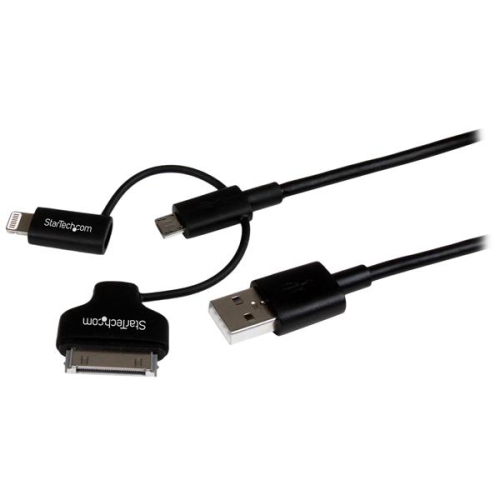
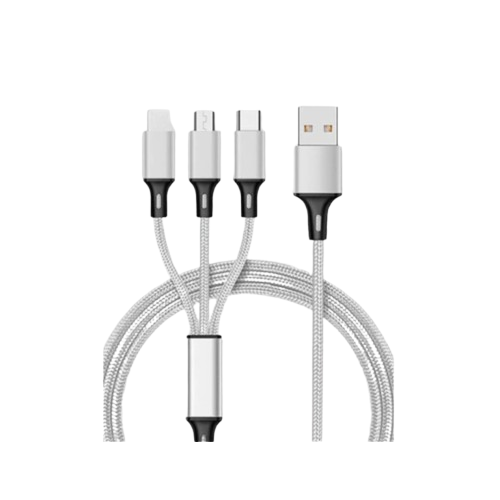
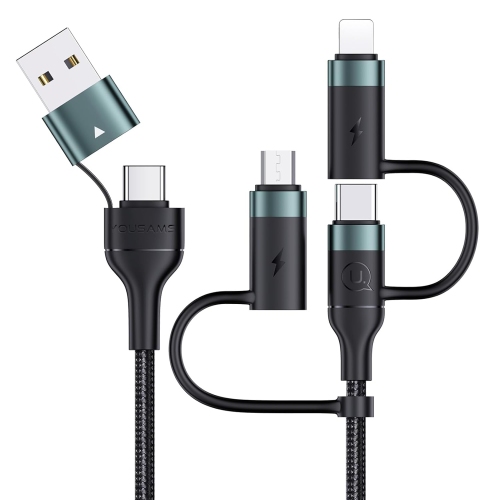

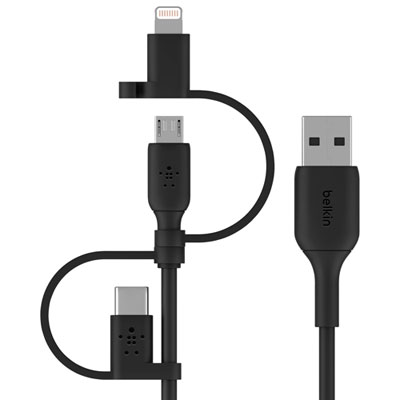

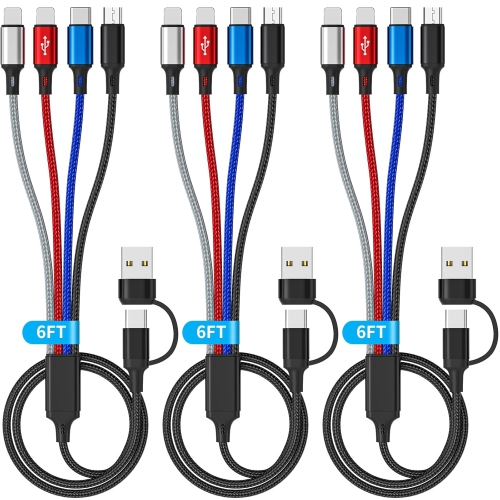
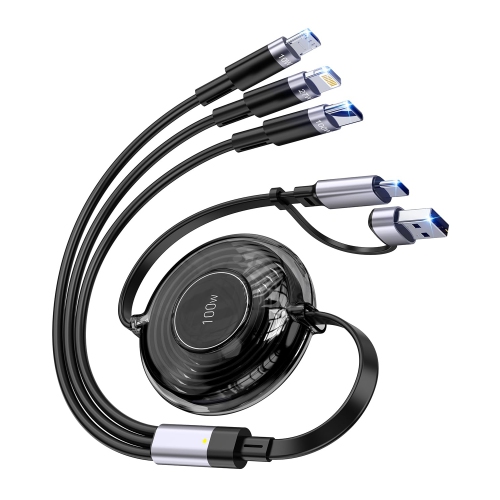
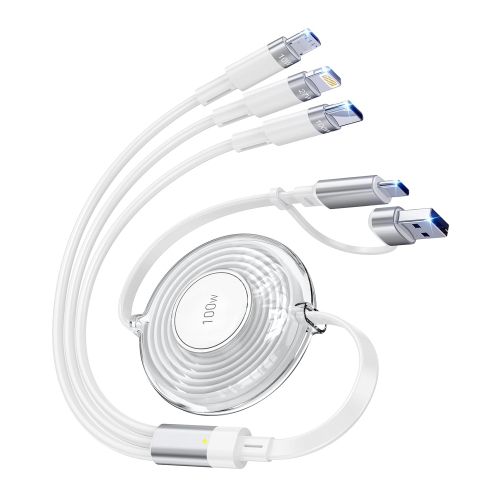
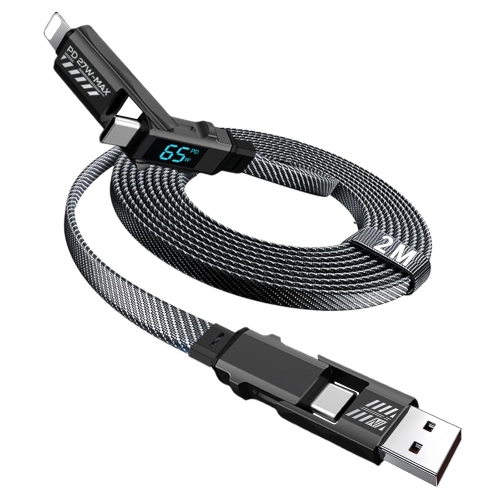
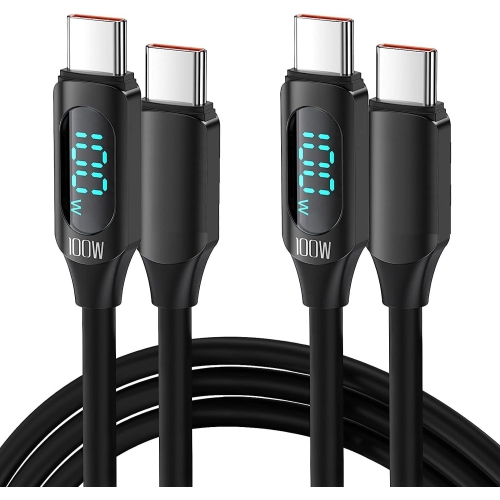
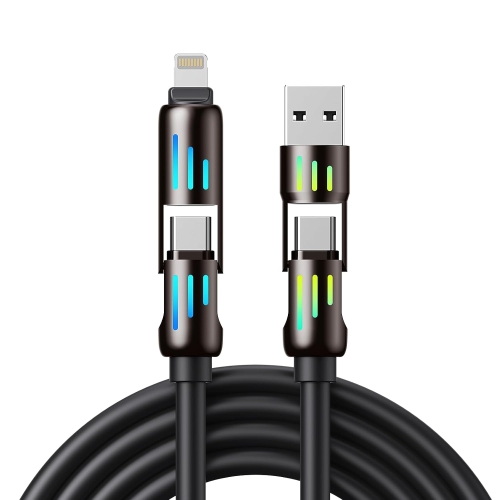
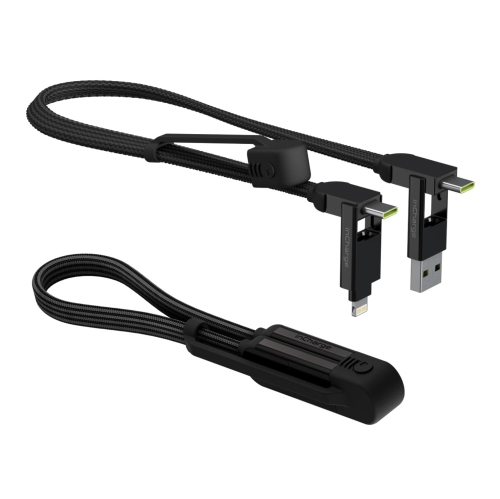
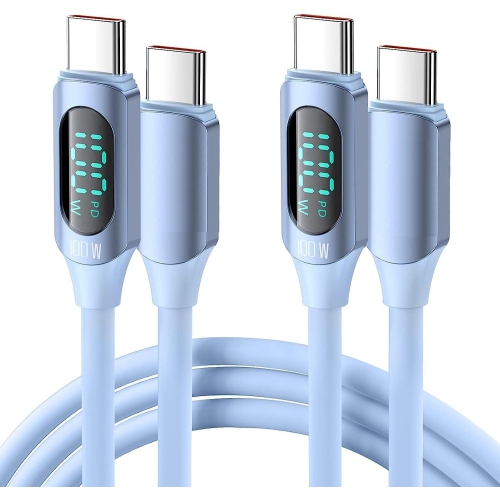
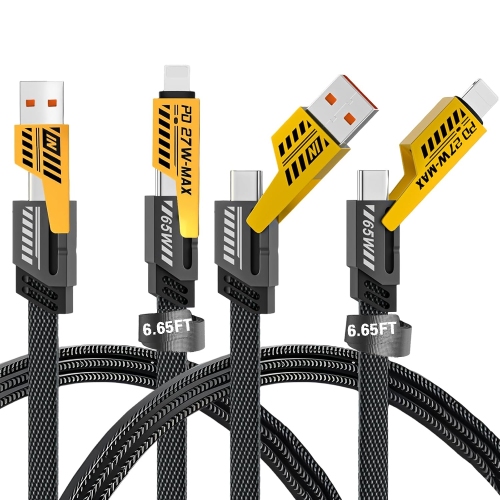
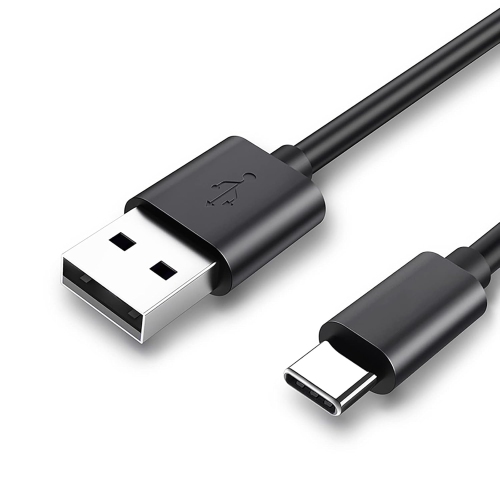
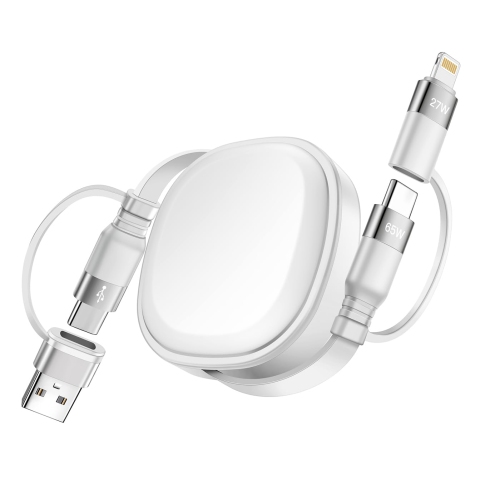
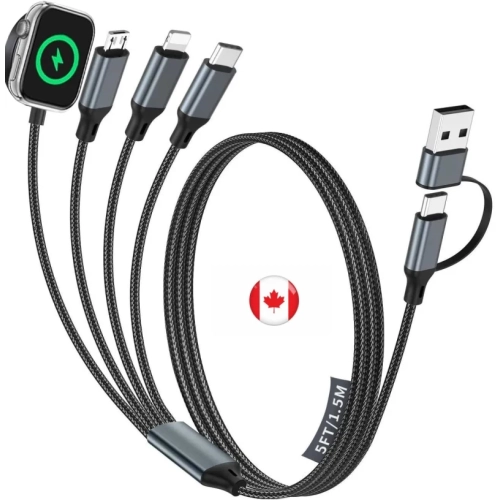
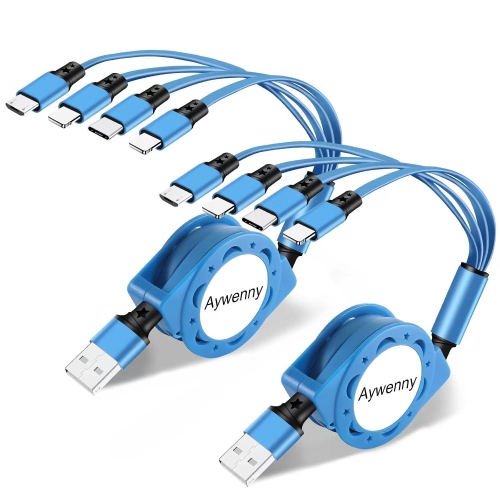
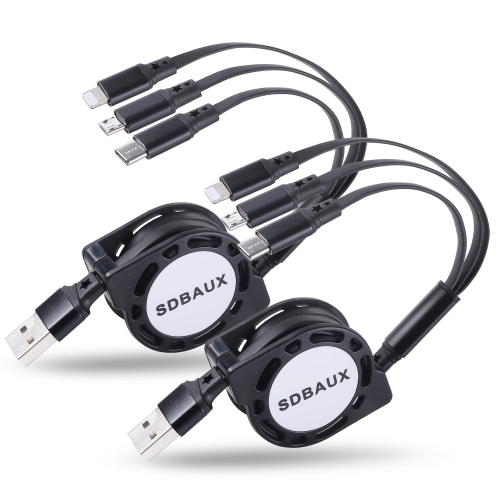
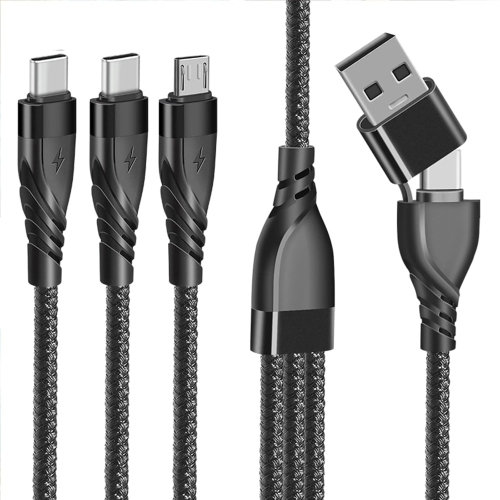
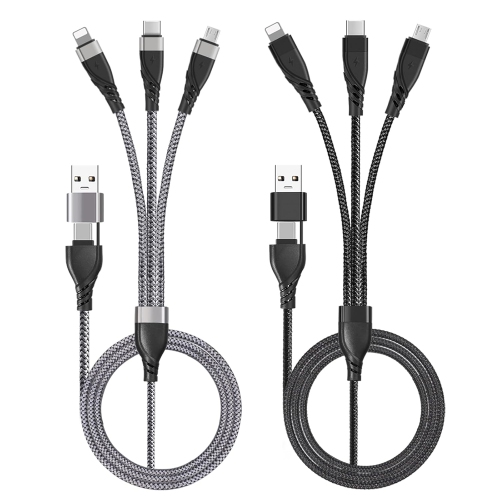
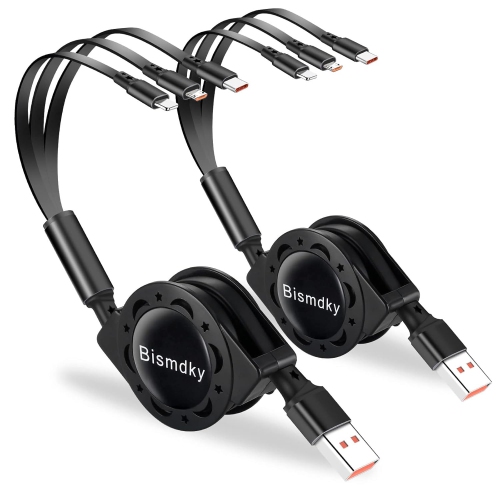
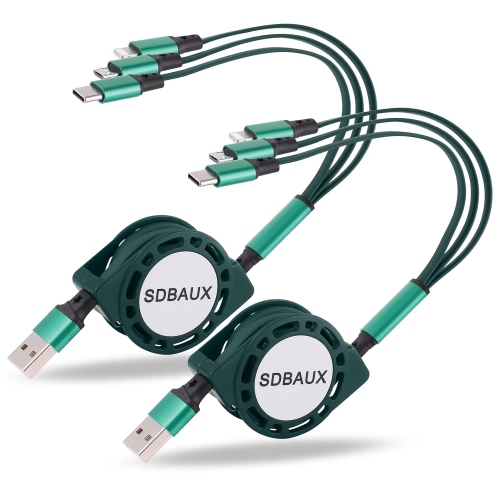
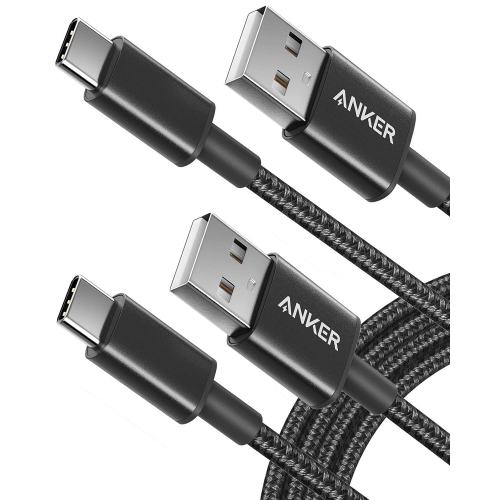
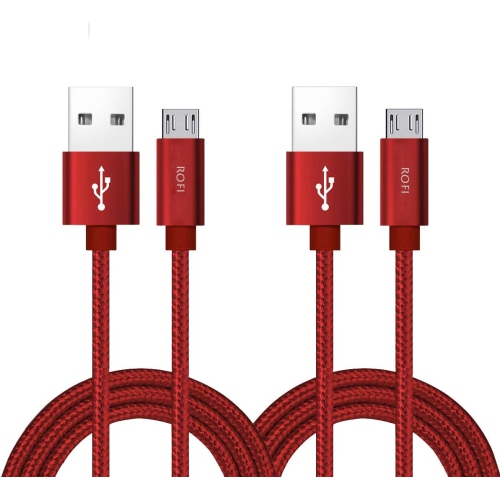

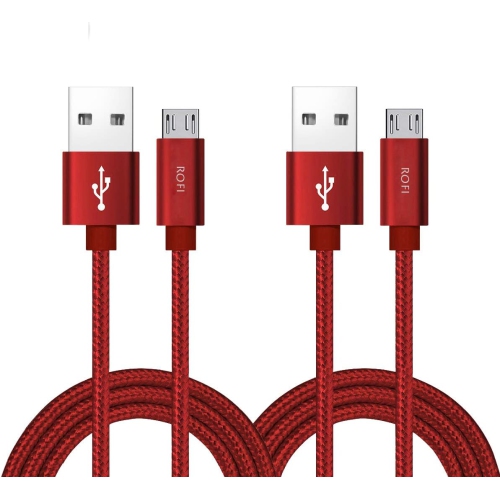
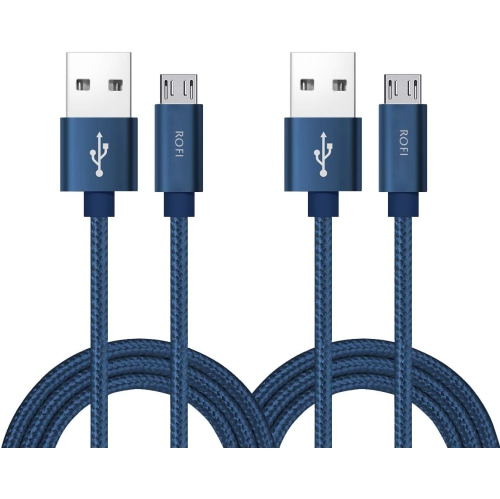
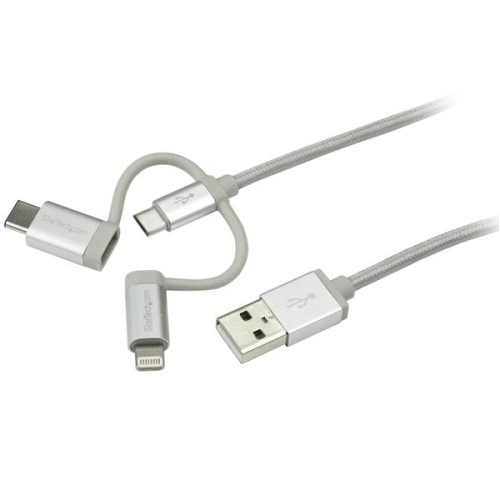

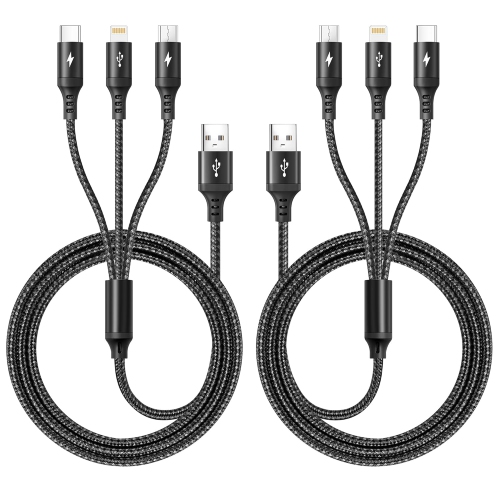
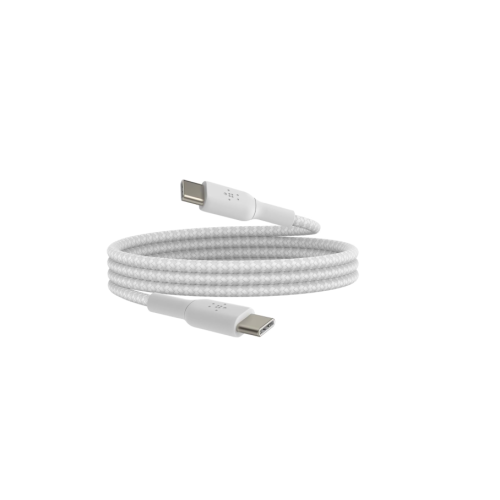
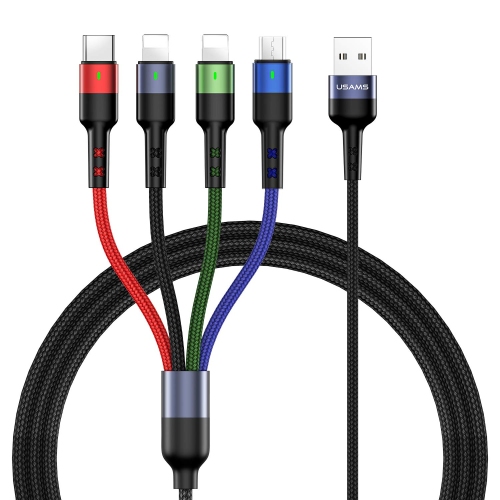
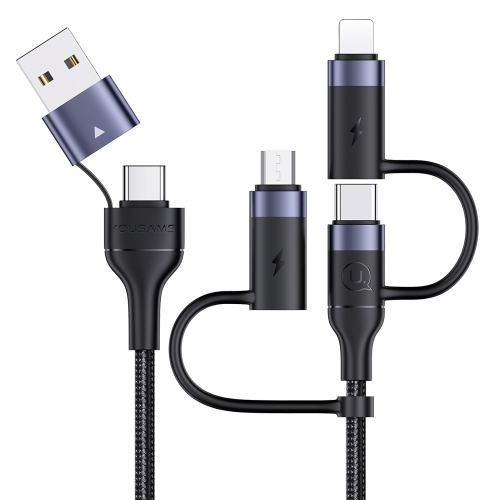
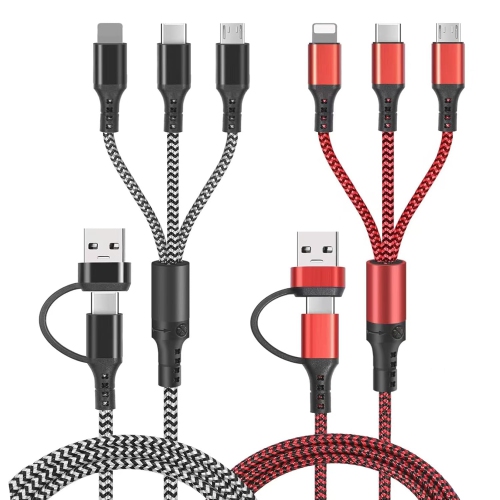
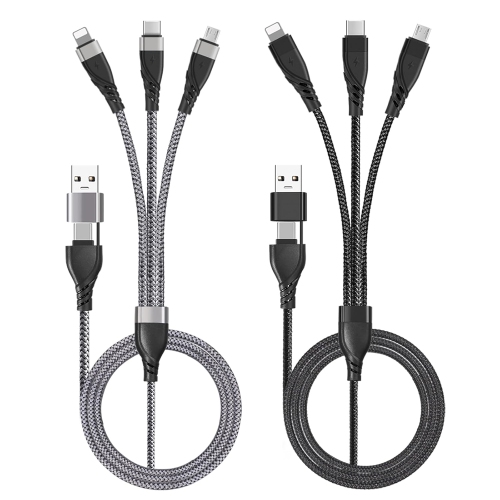
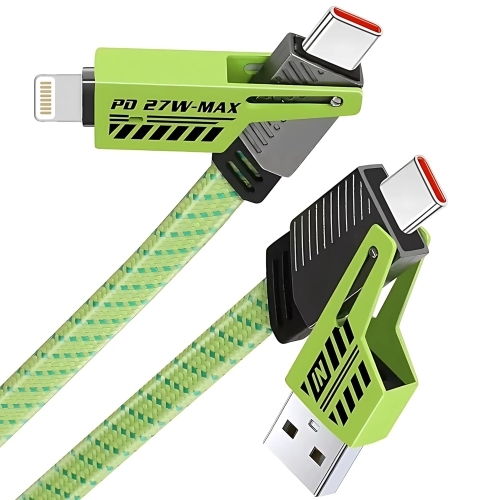
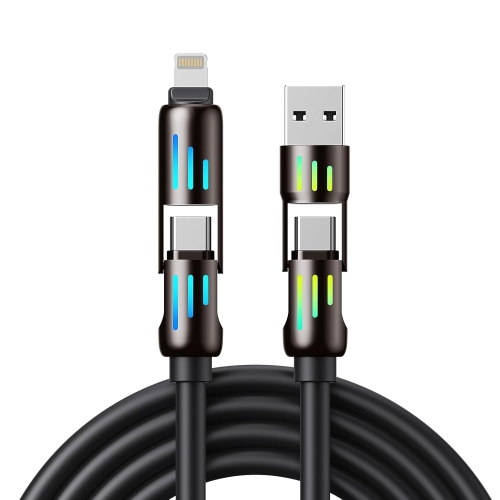
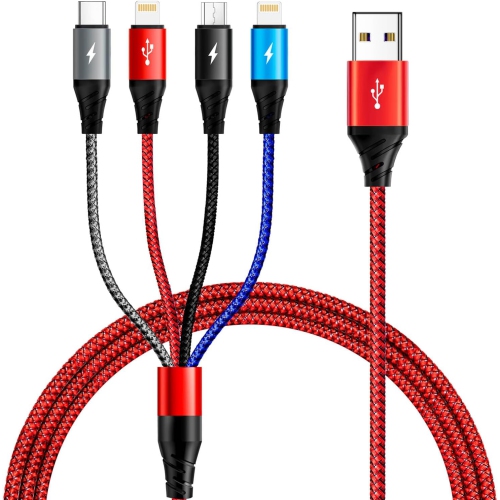

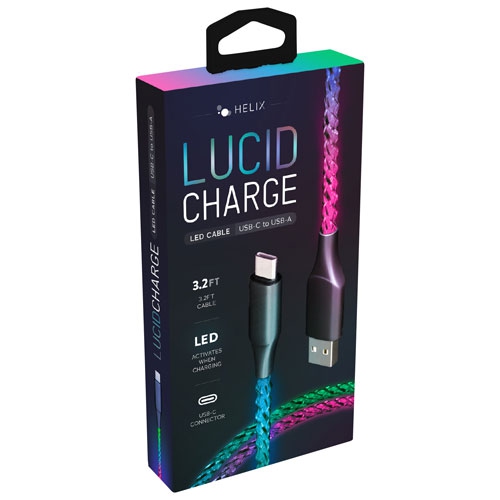
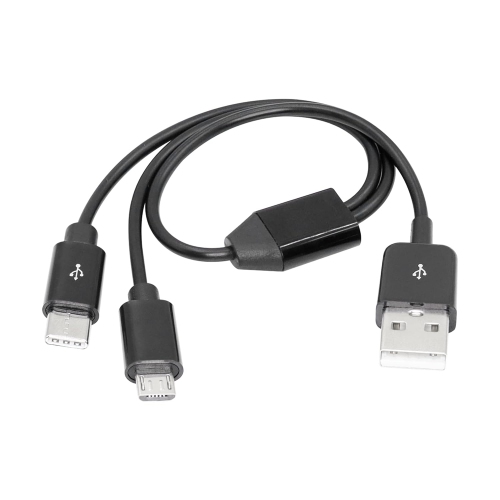
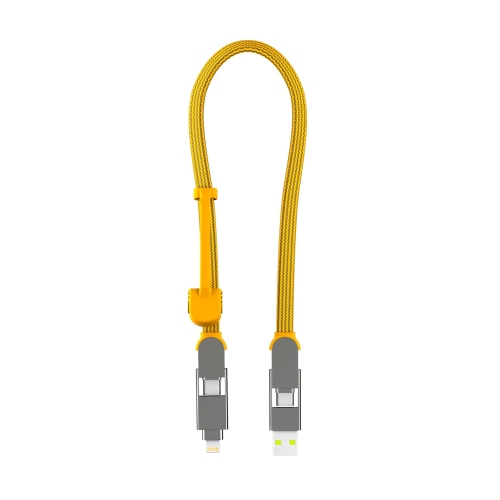
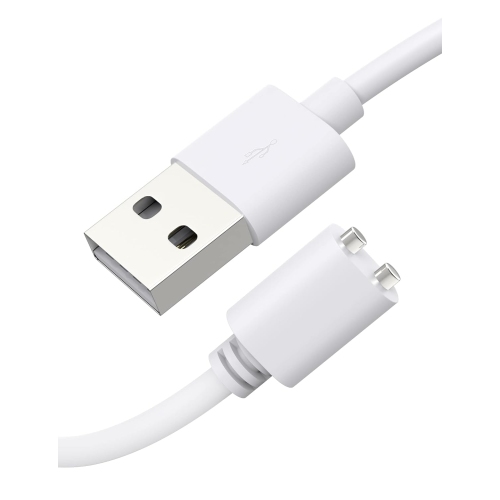
Fewer cords for devices with different charging connections
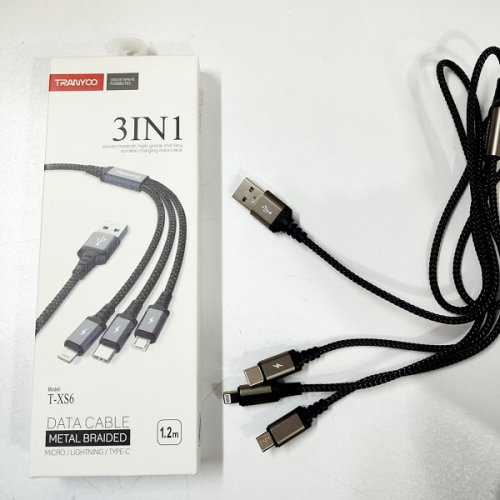
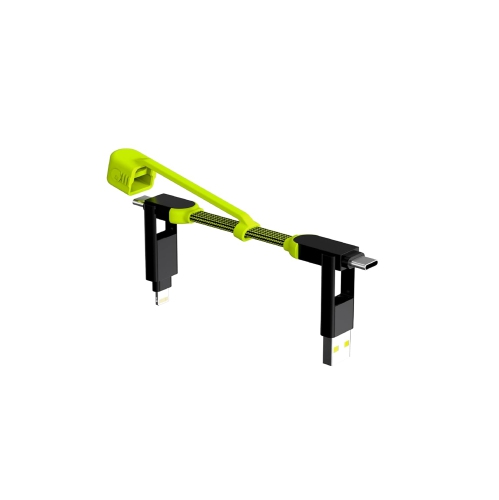
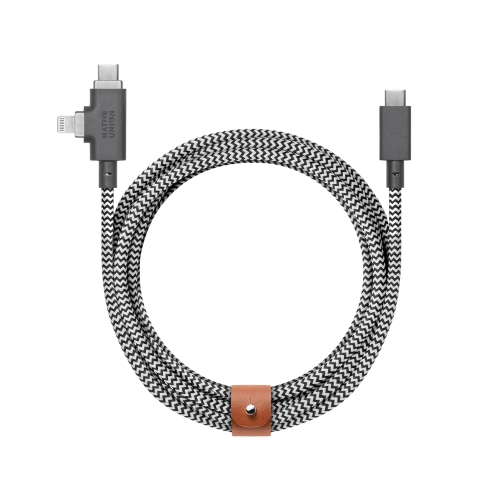
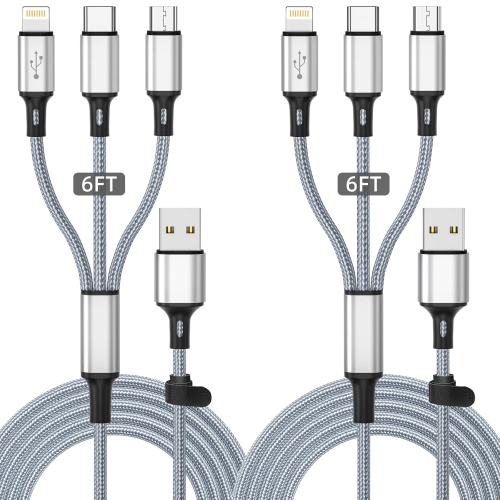
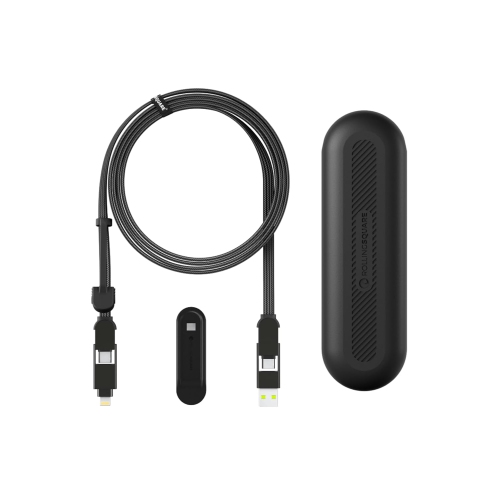
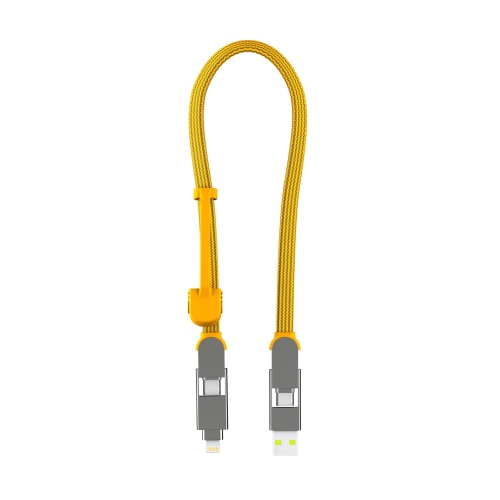
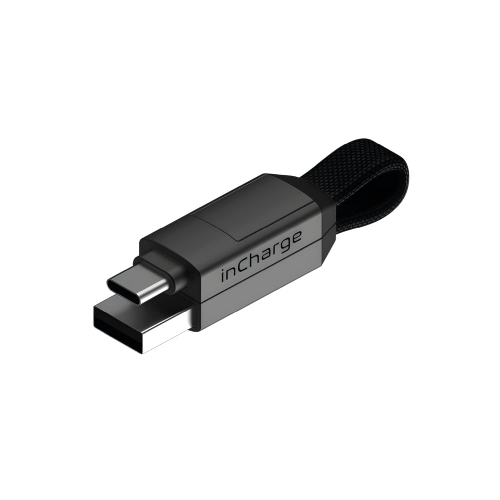
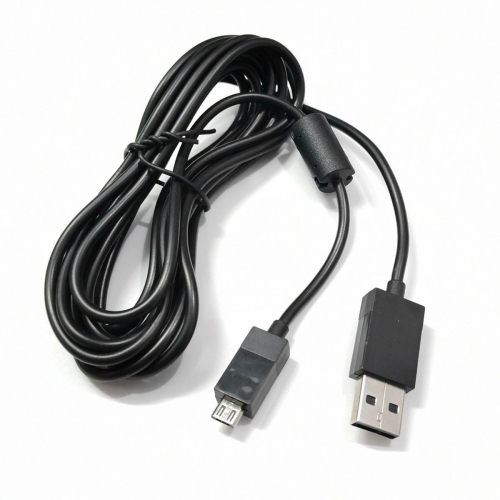
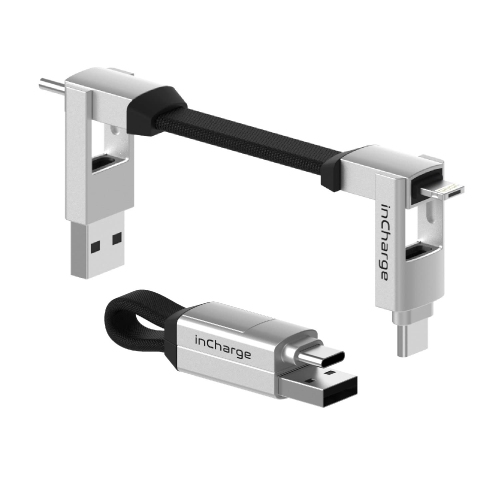
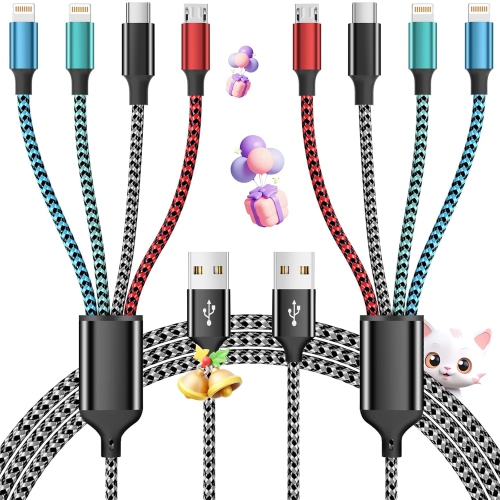
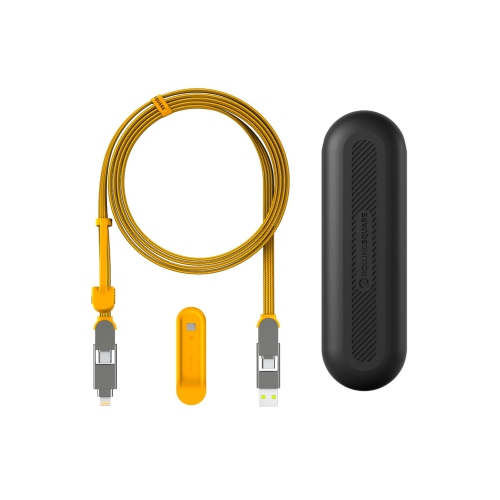
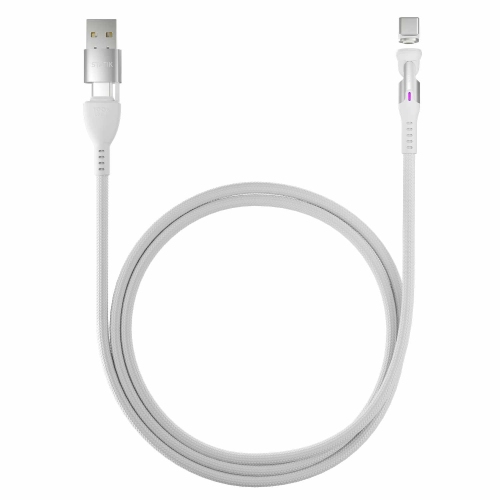
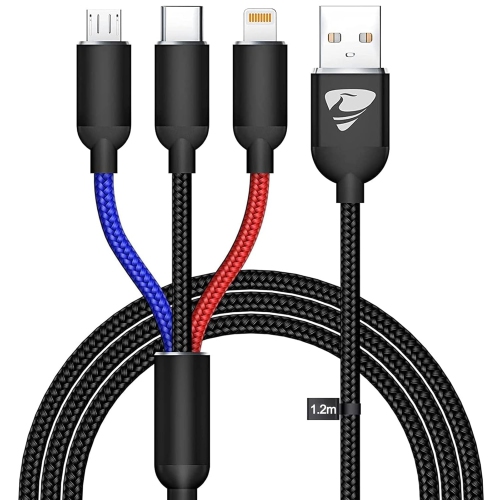
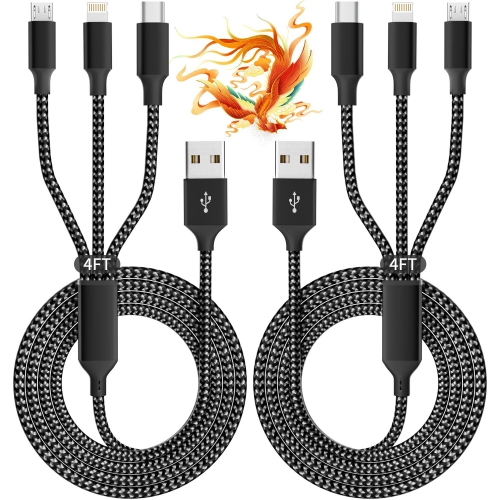
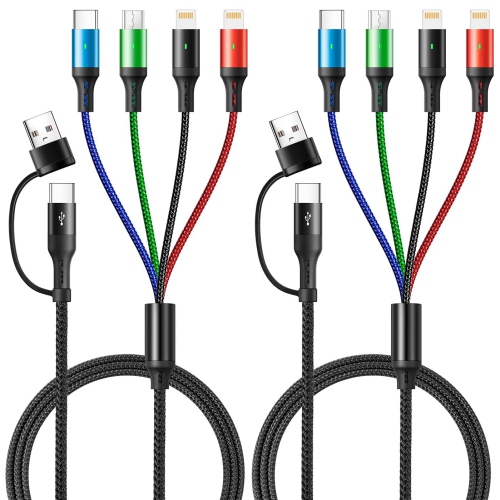
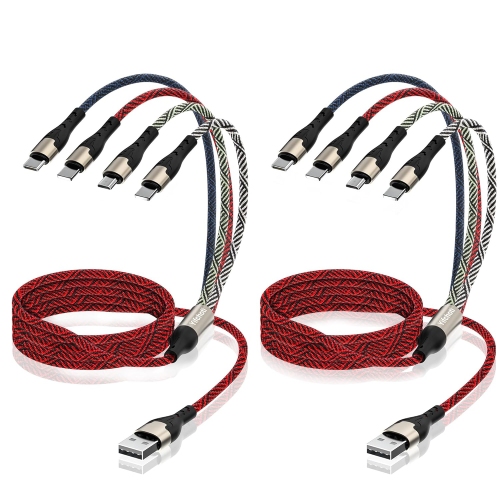
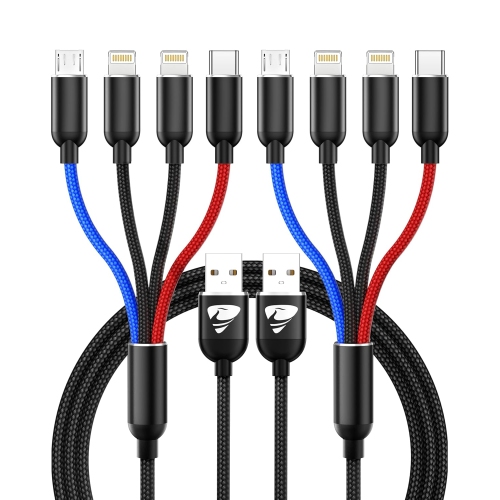
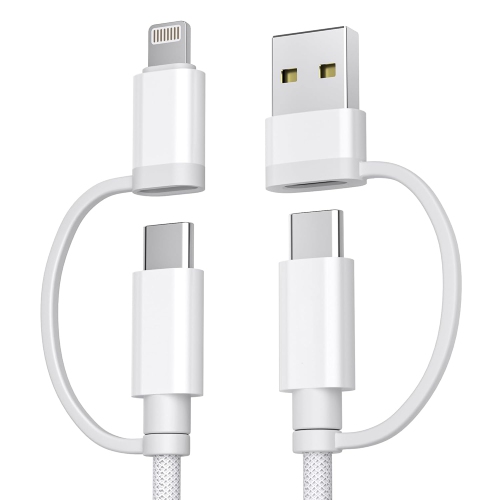
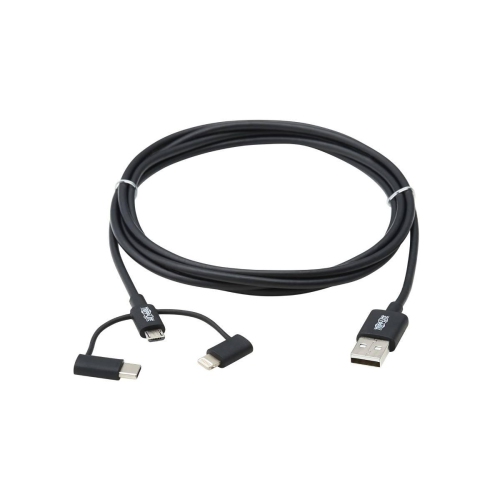
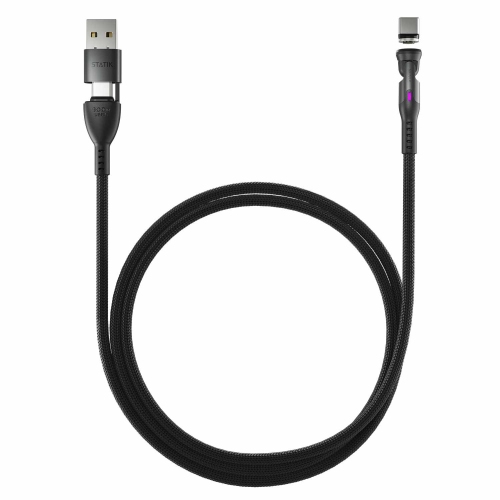
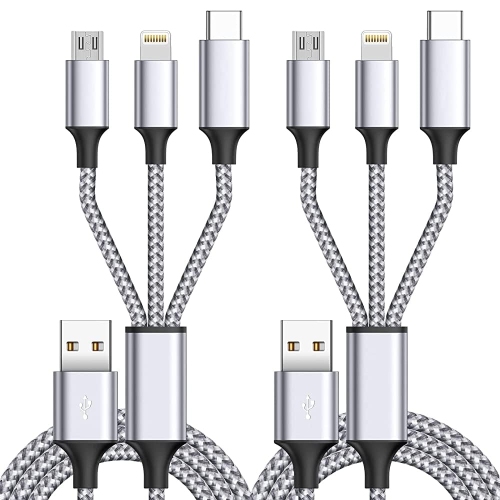
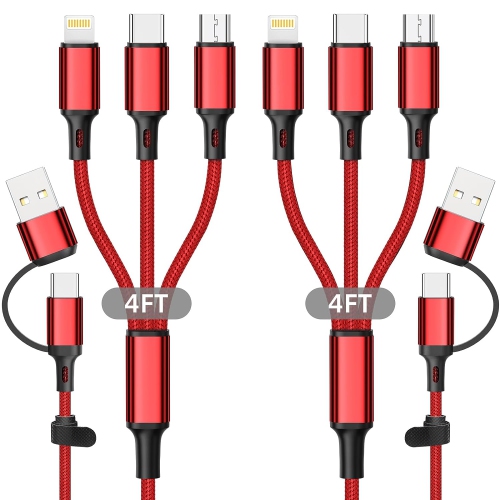
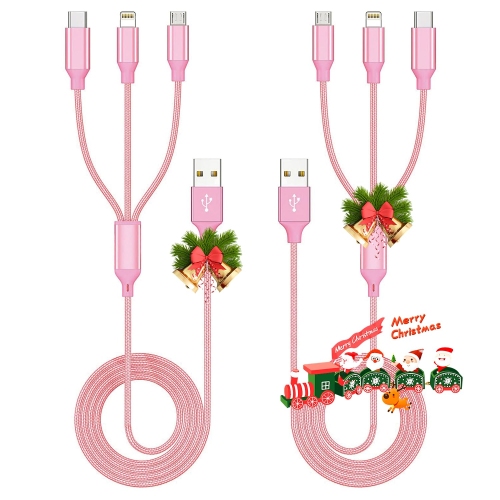
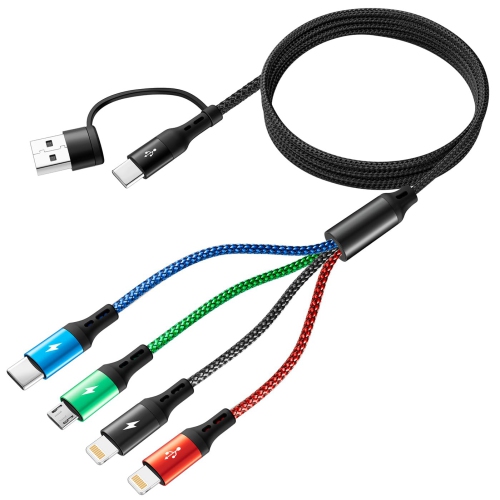
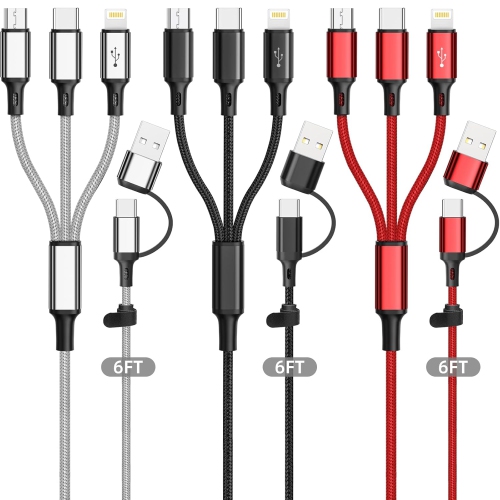
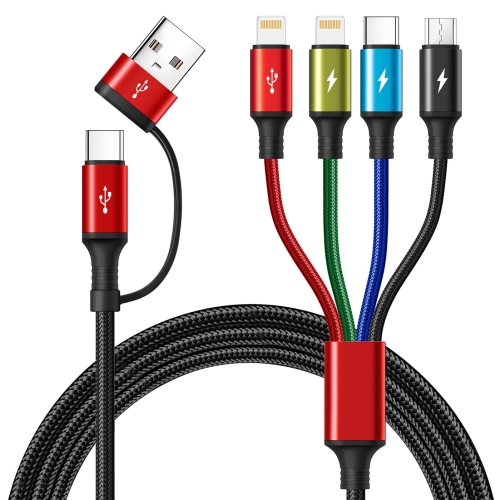
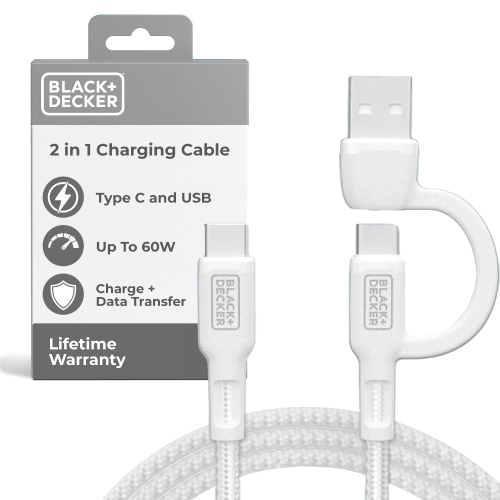
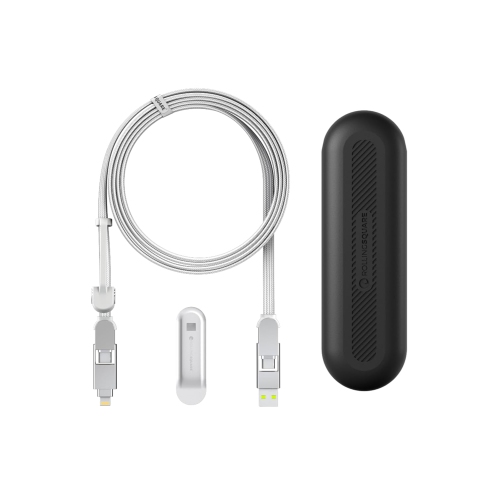
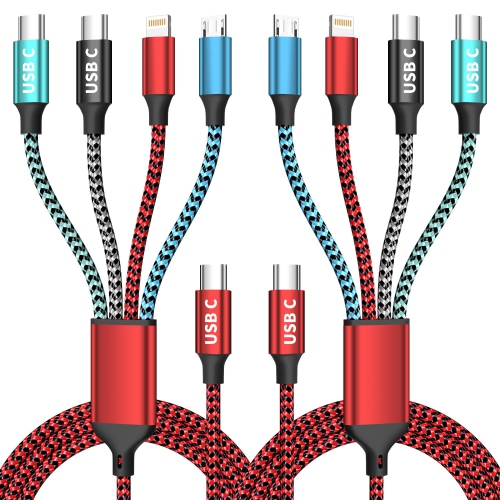
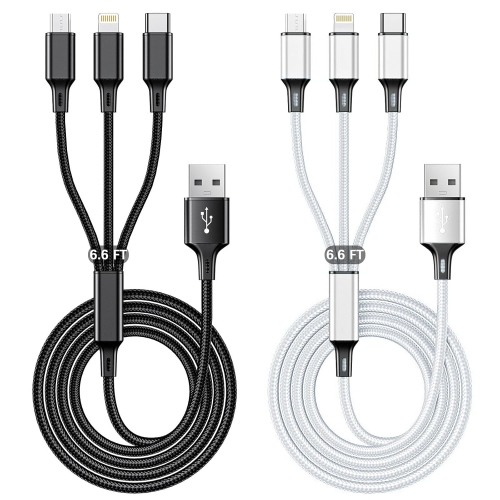
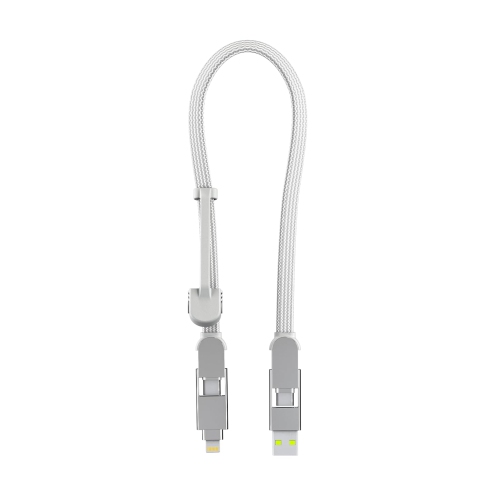
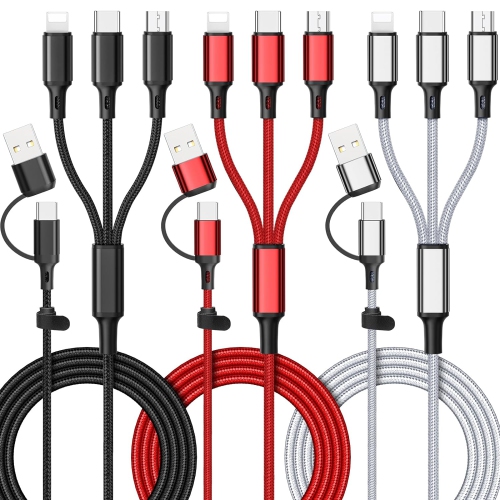
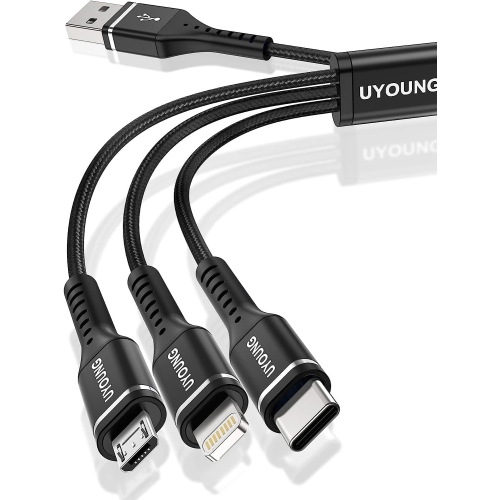
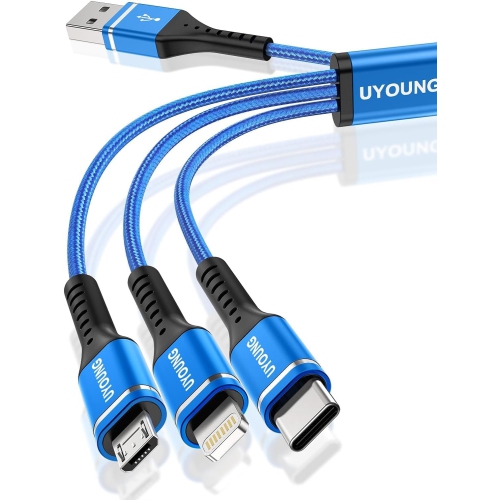
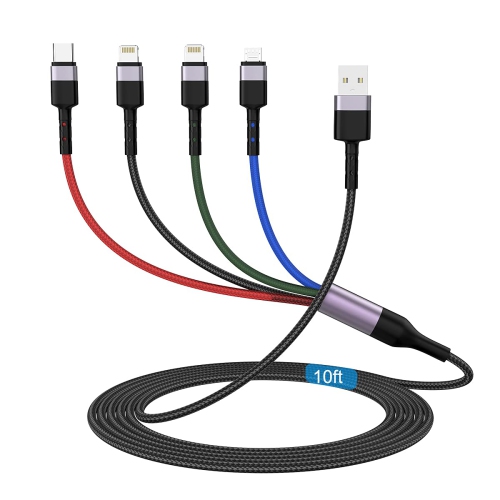
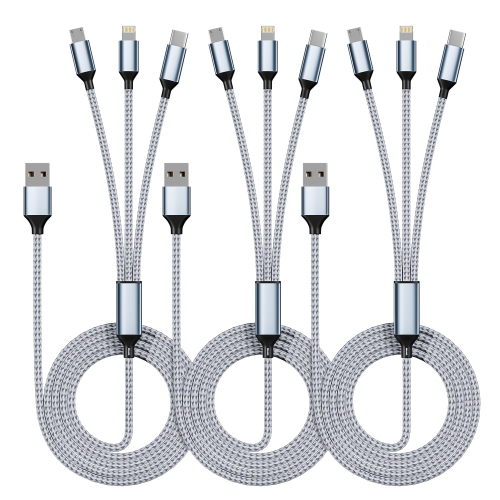
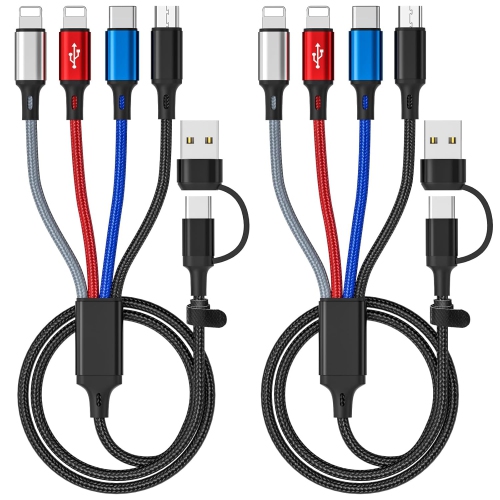
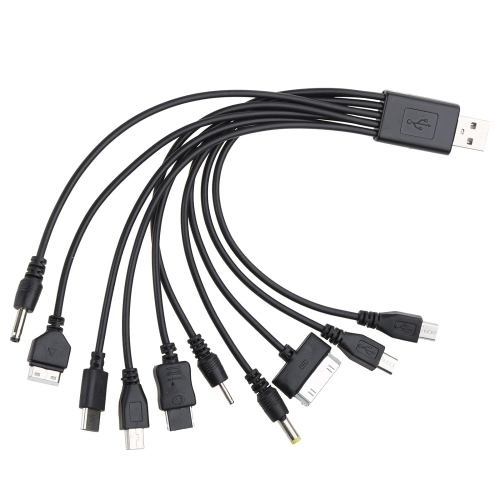
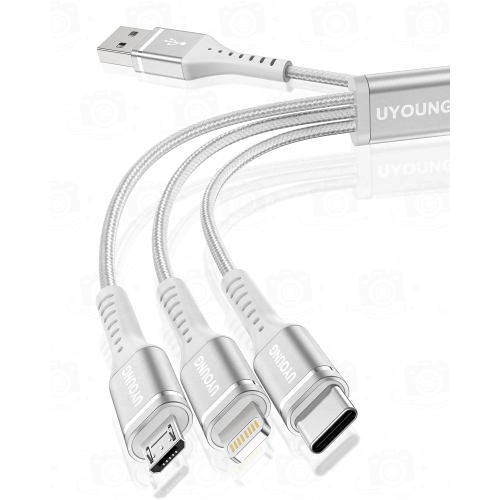
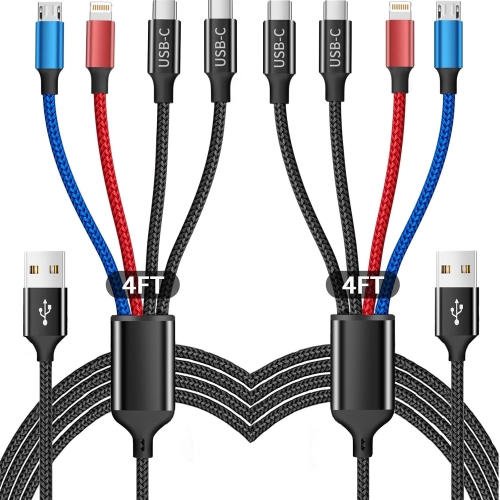
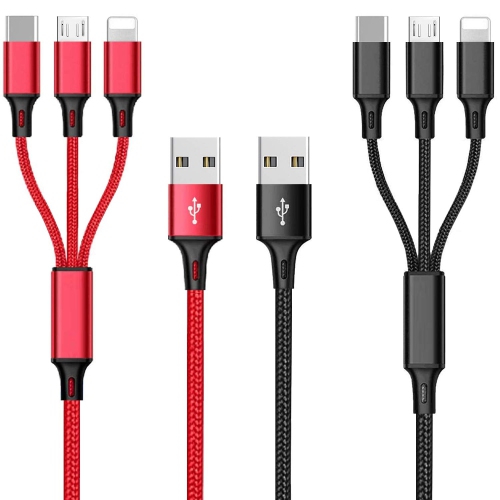
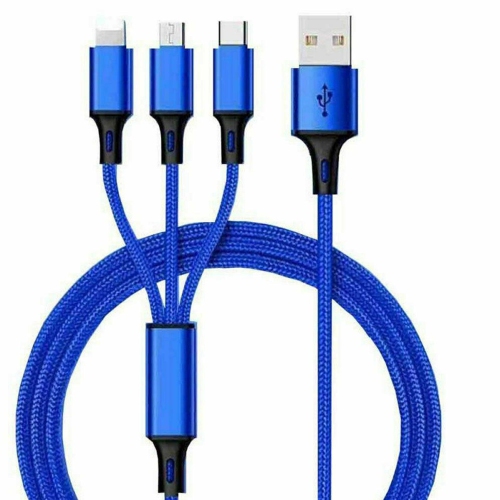
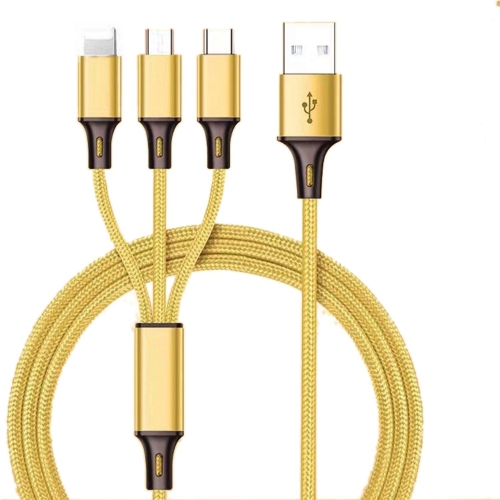
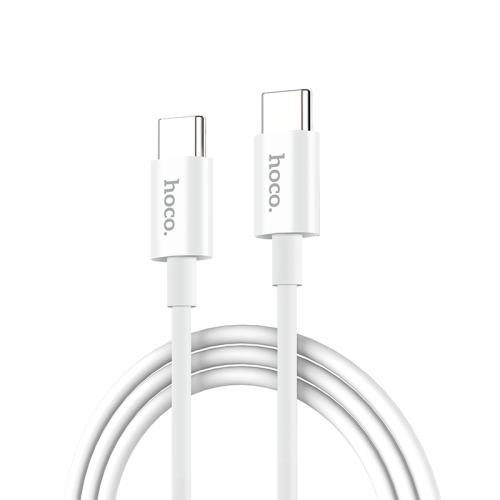
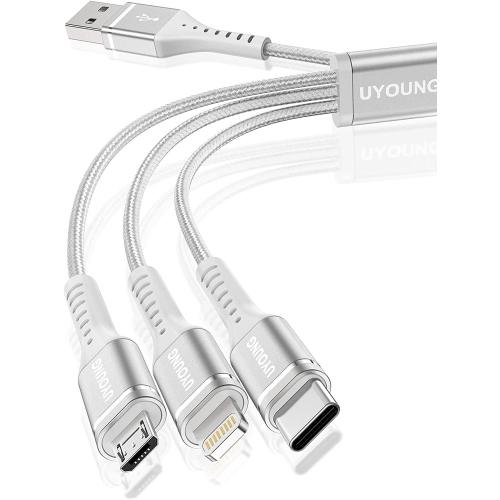
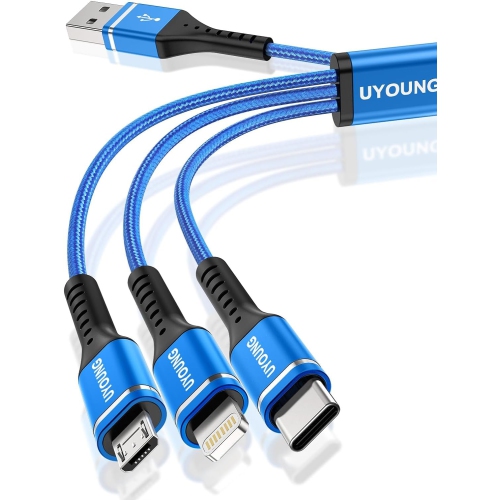
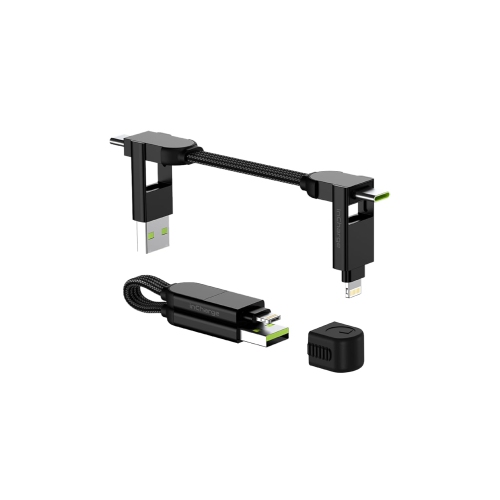
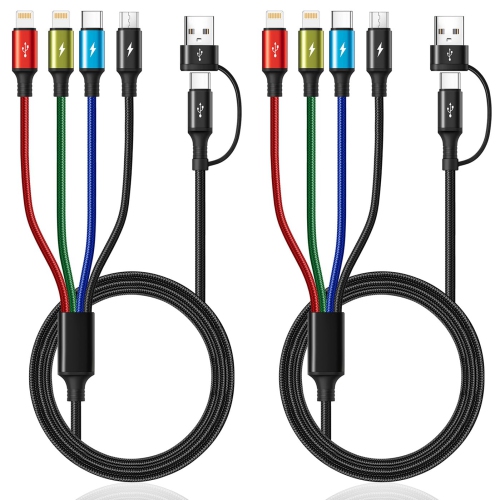
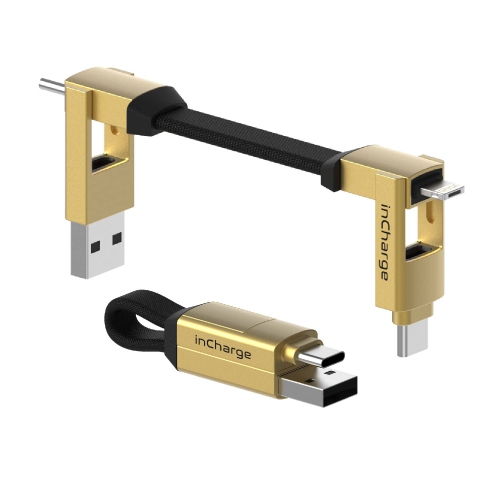
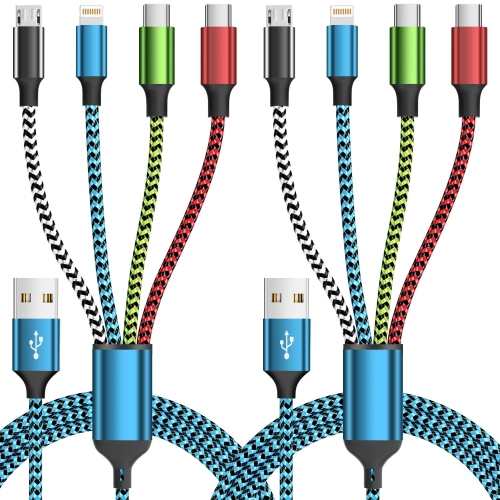
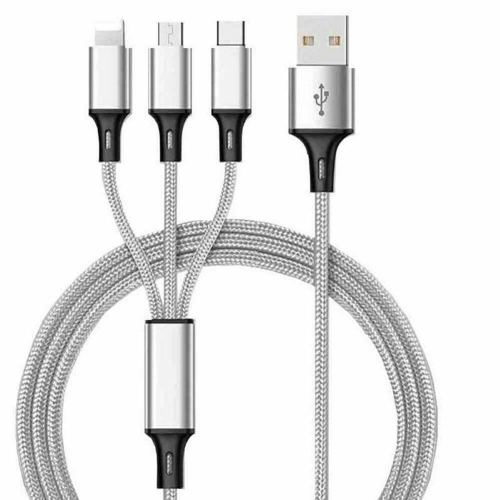
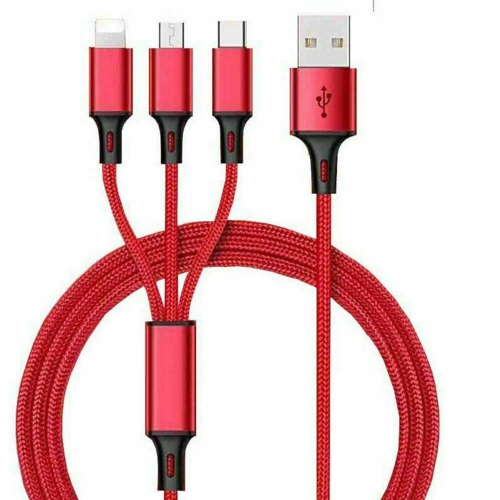
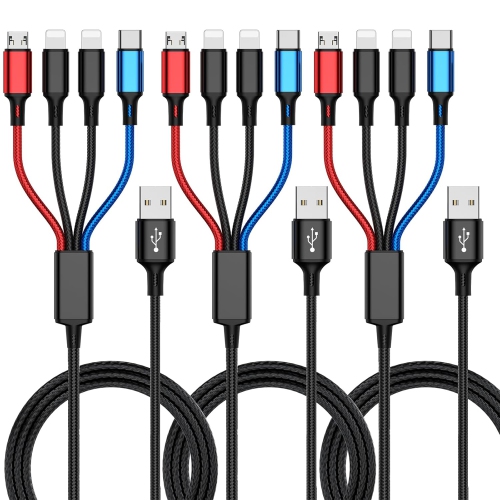
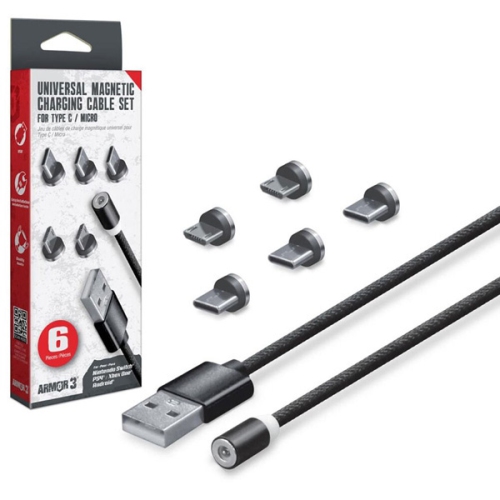
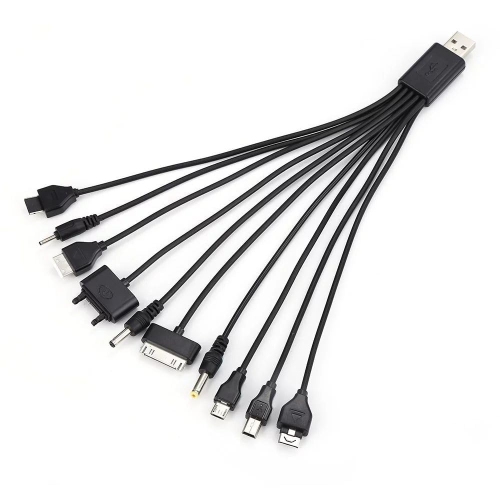
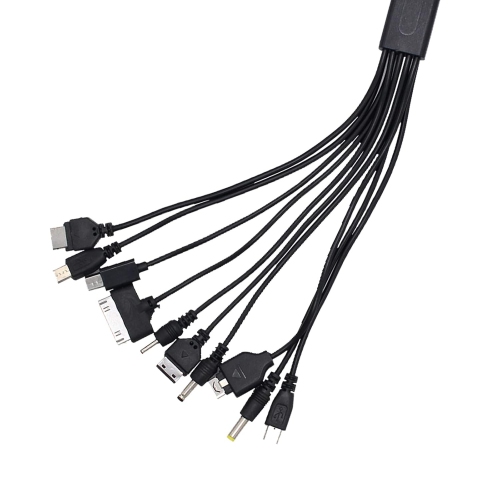
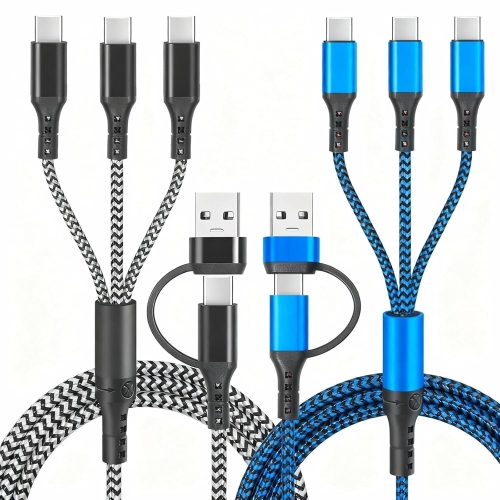
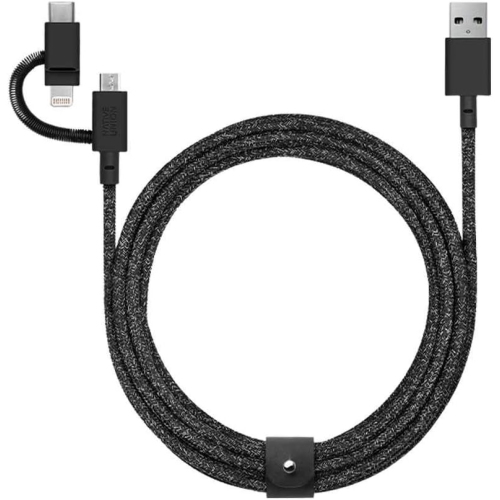
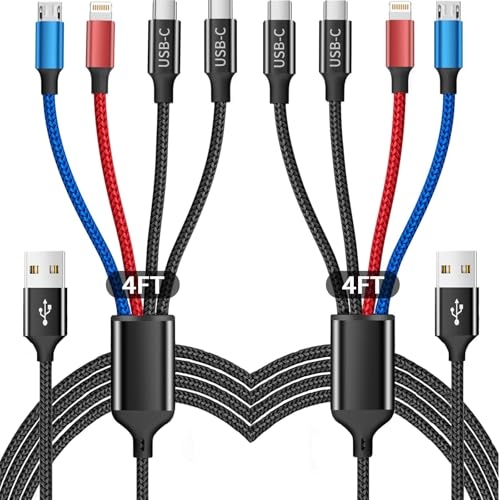
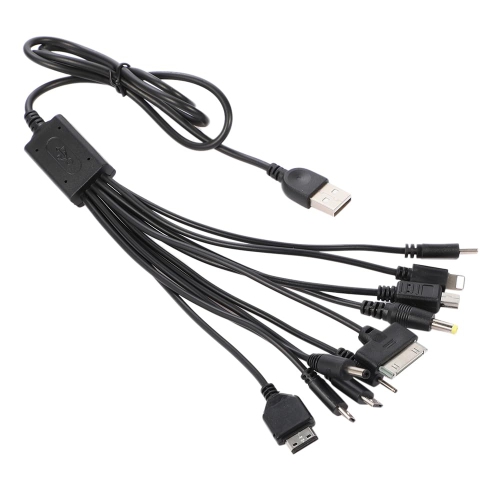
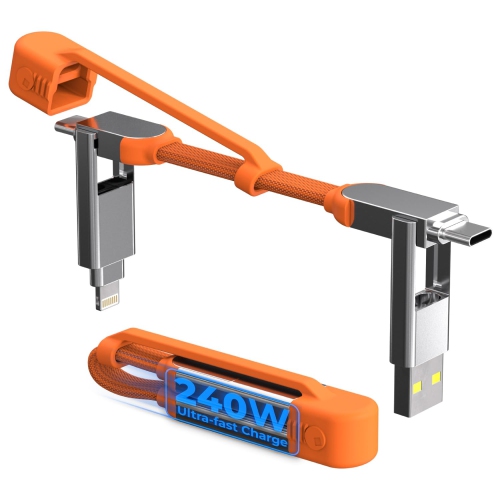
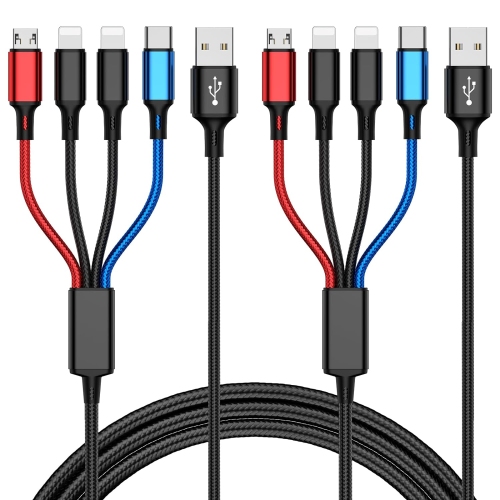
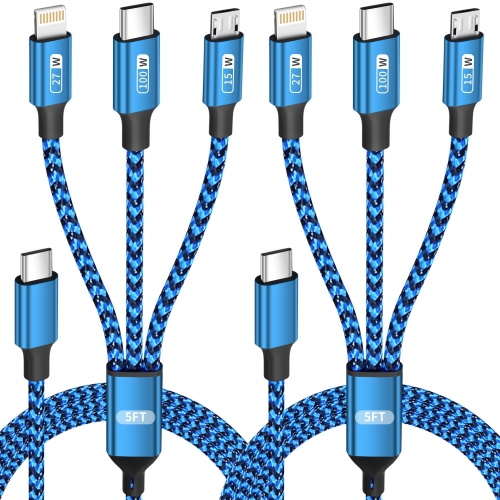
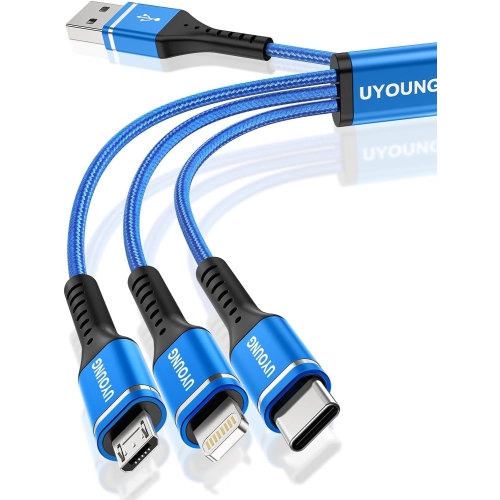
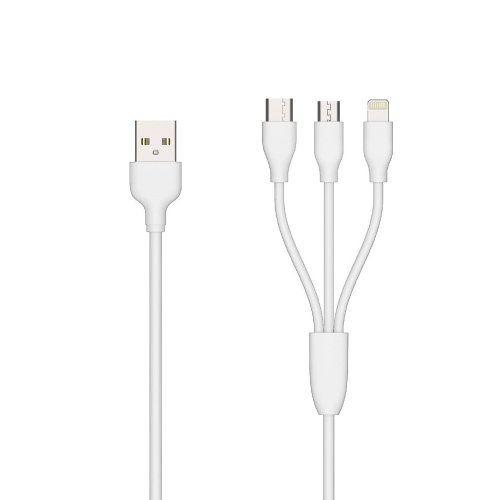
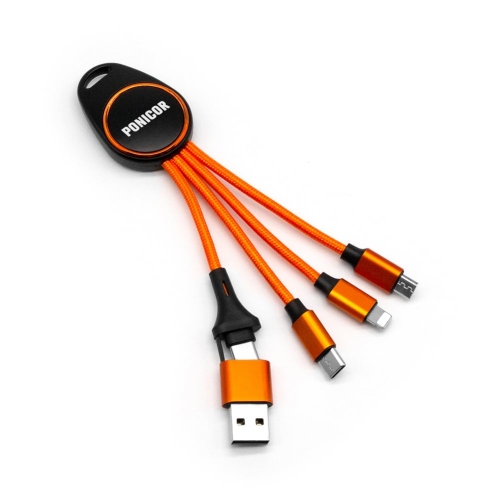
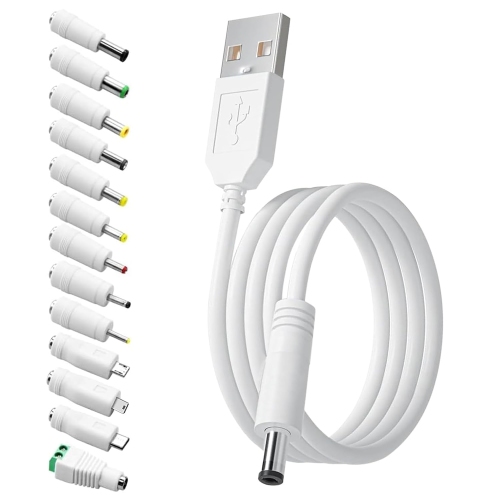
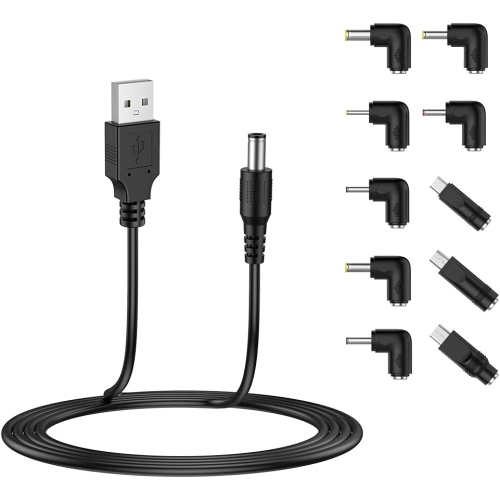
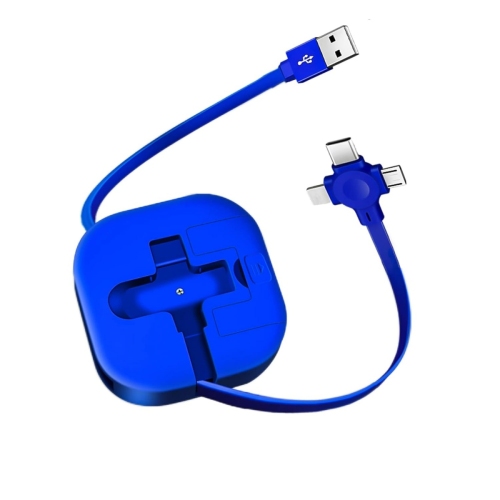
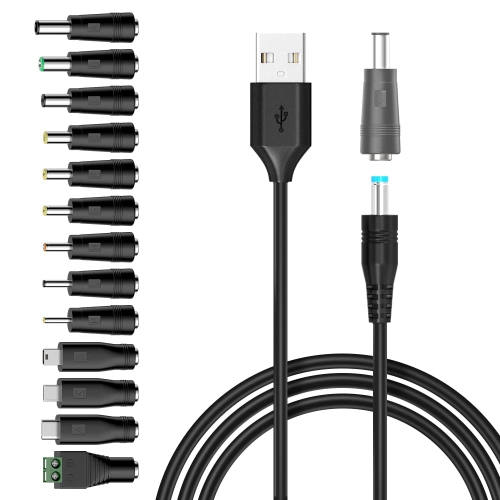
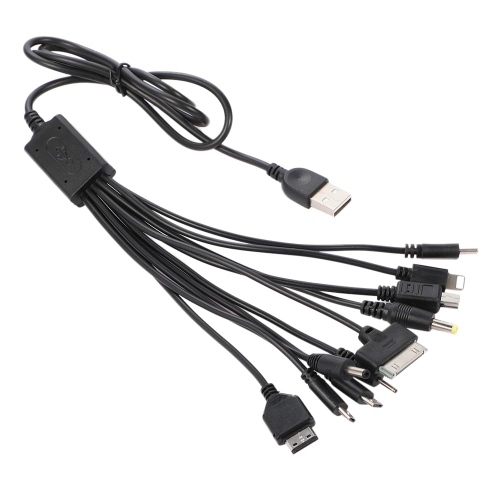
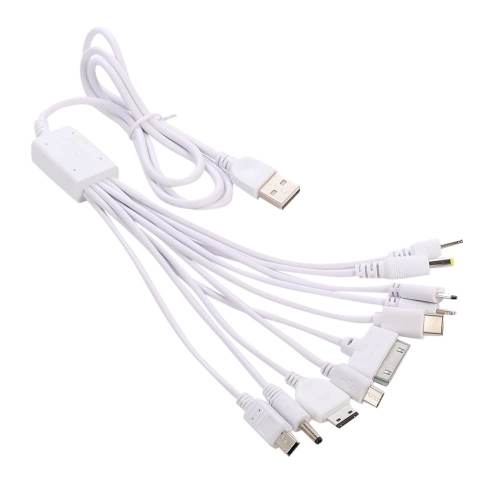
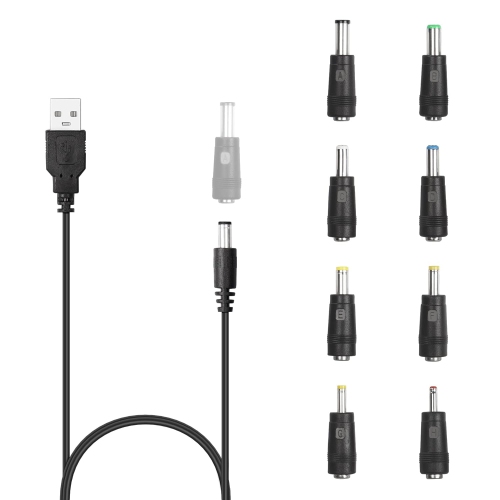
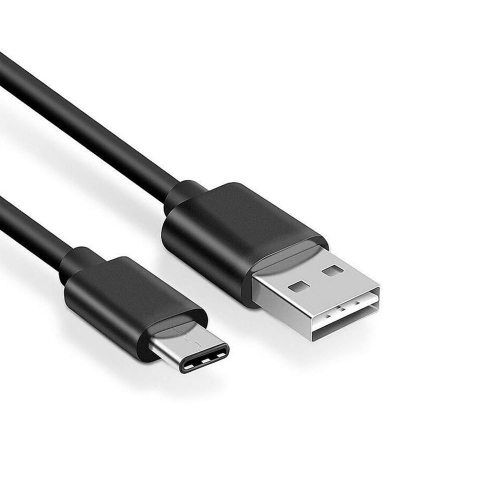
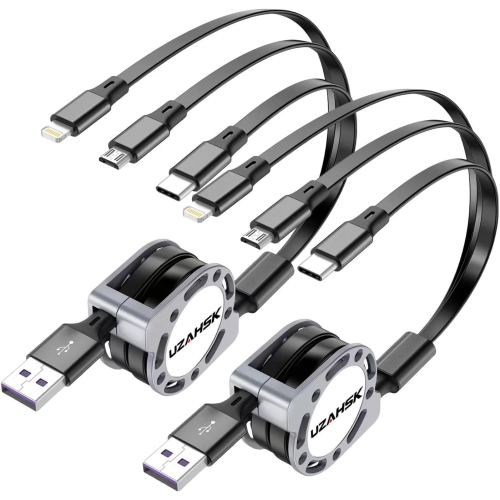
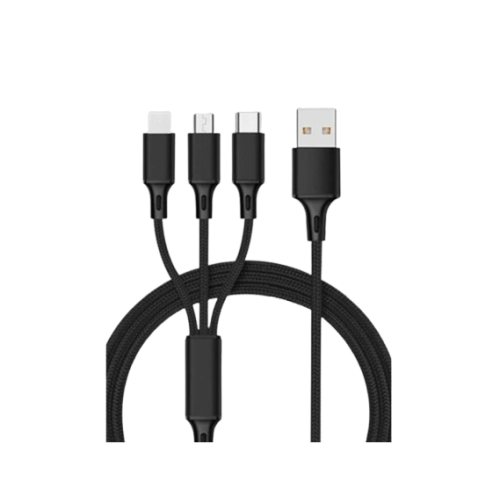
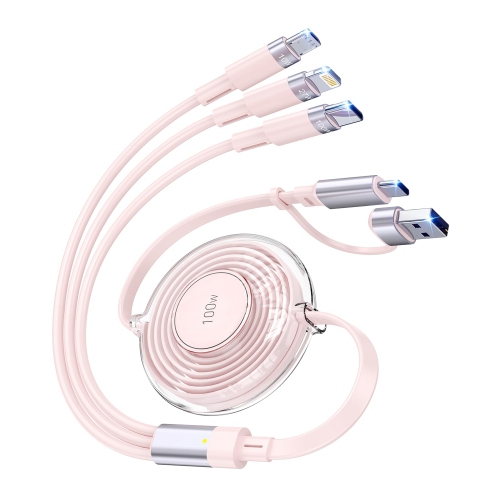
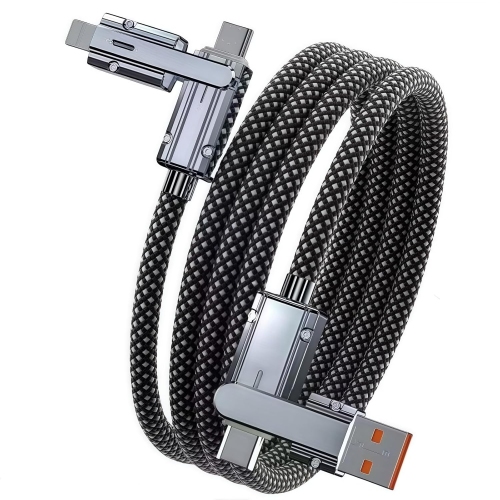
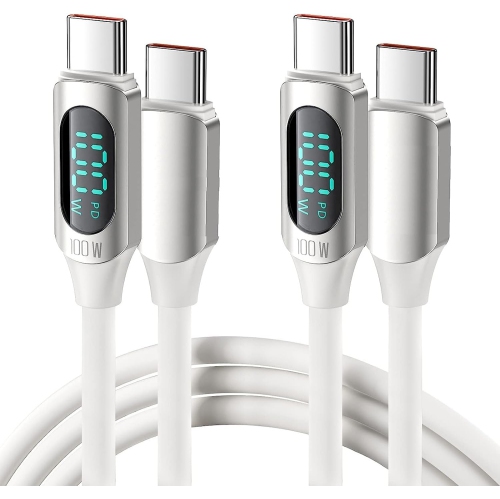
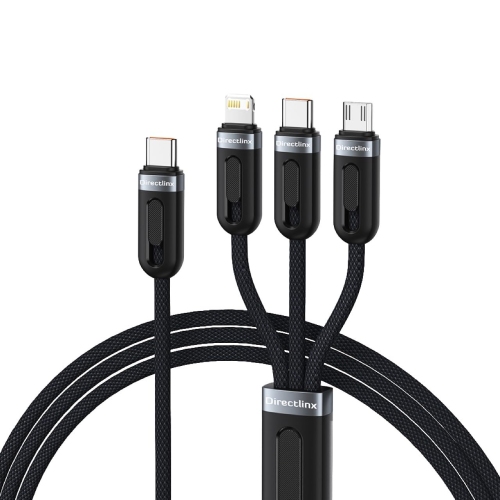
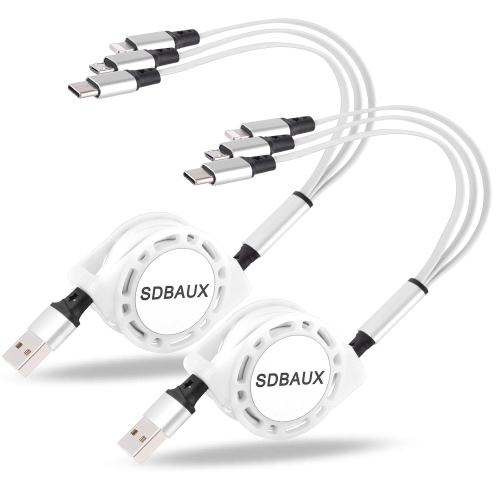
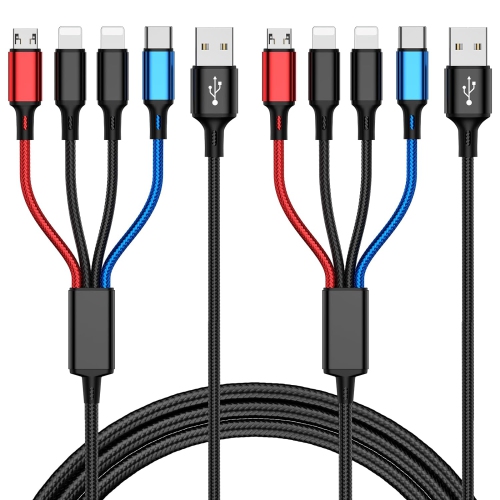
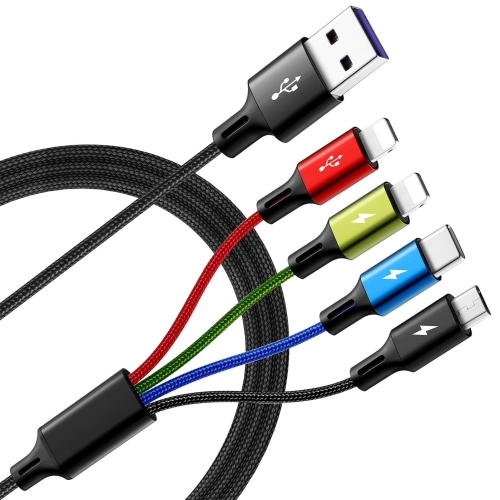
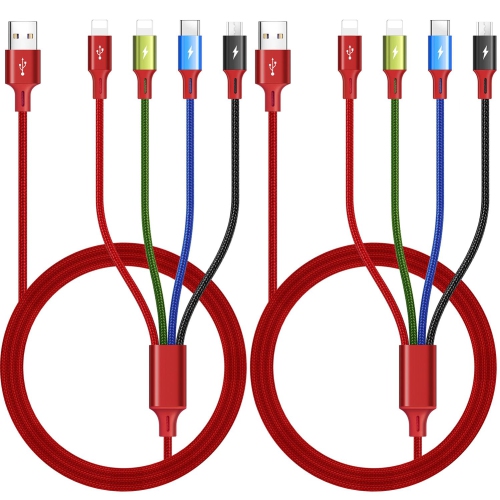
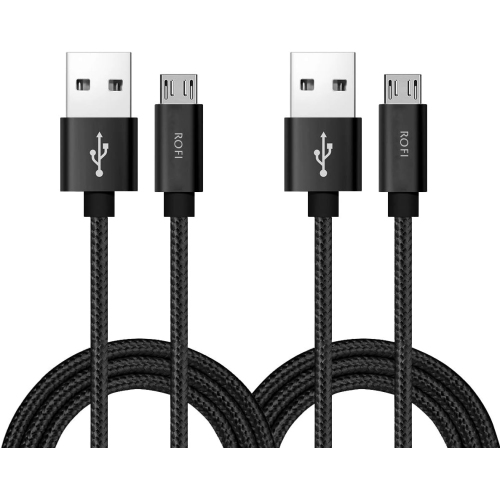
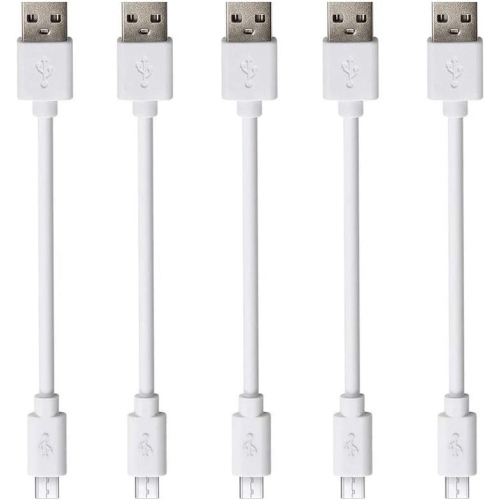
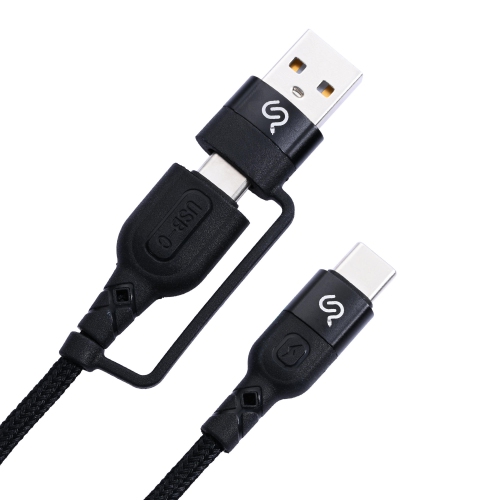
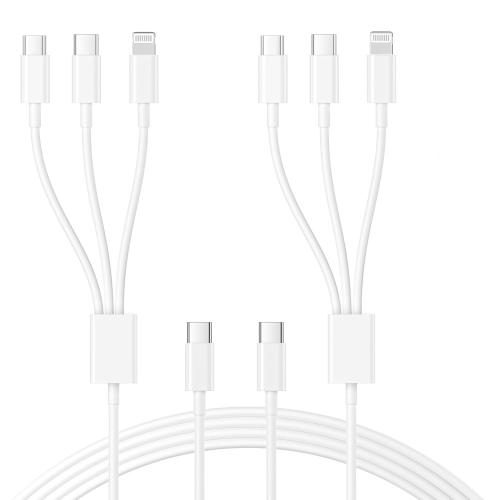
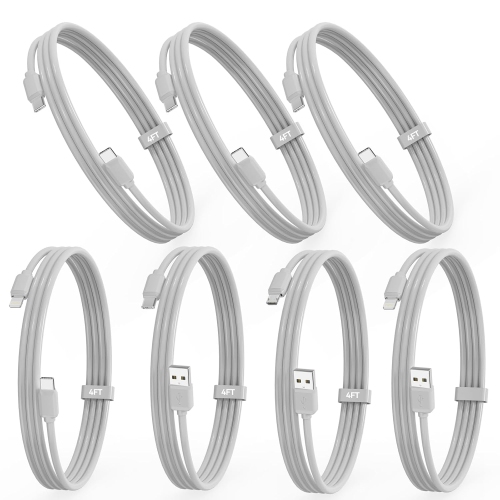
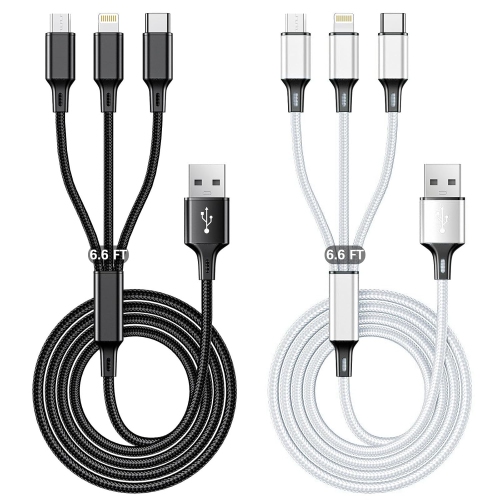
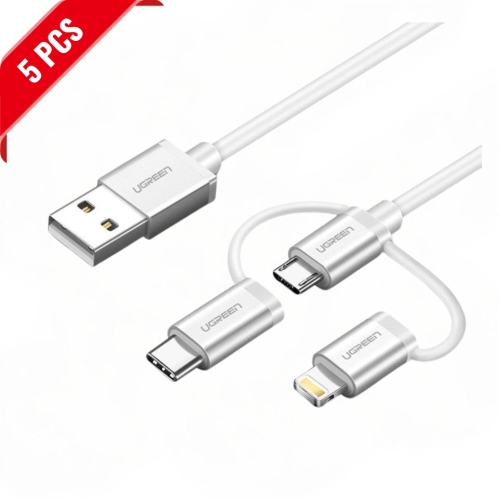
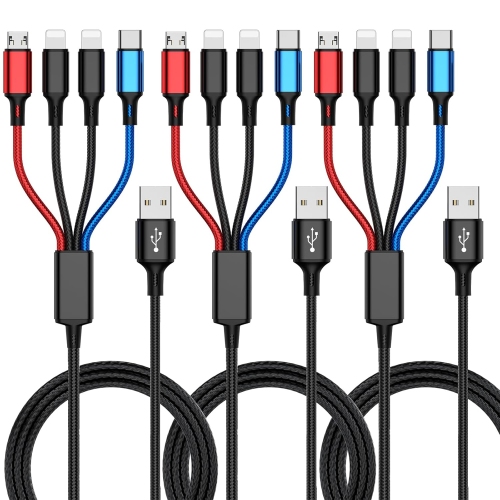
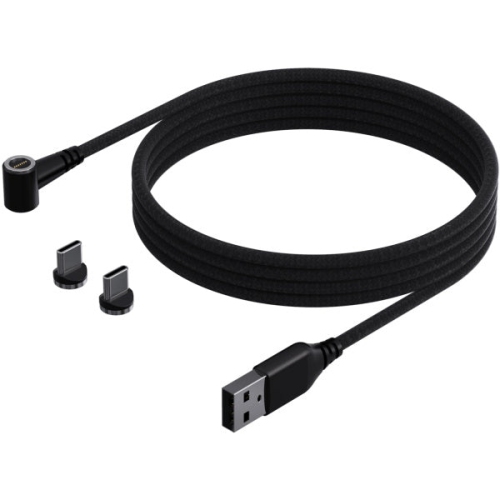
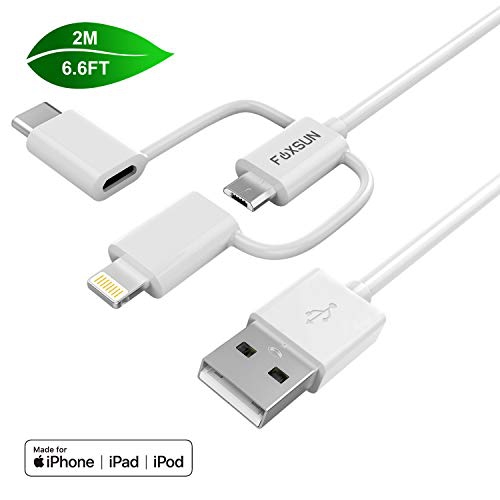
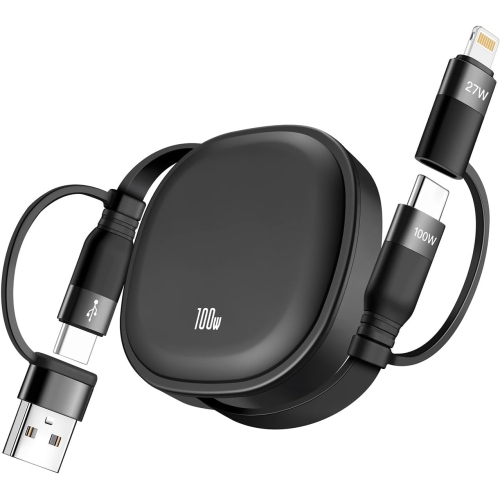
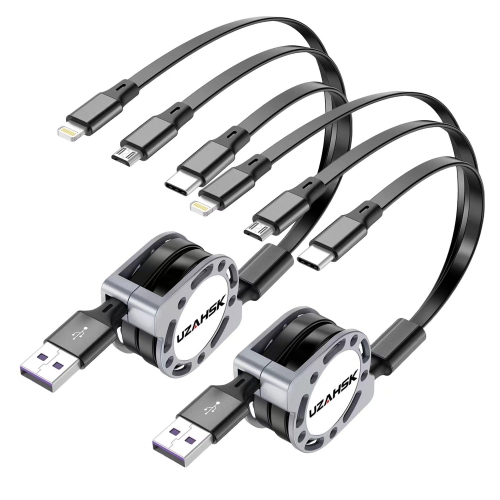
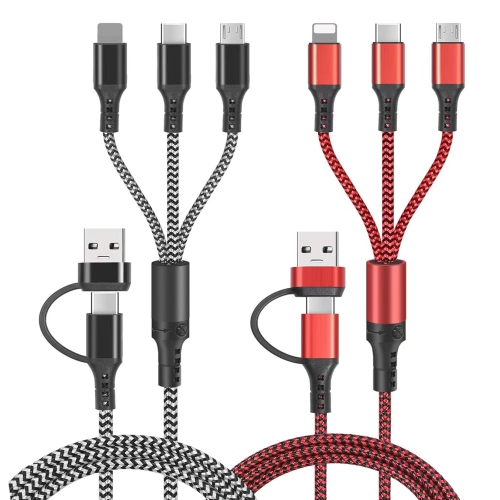
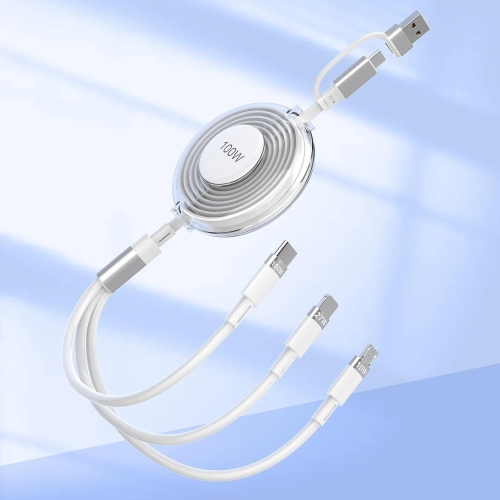
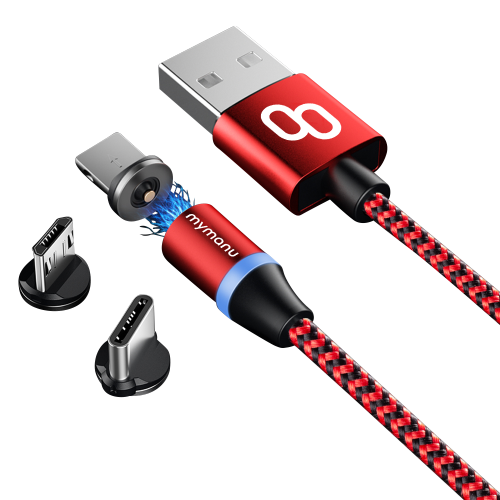
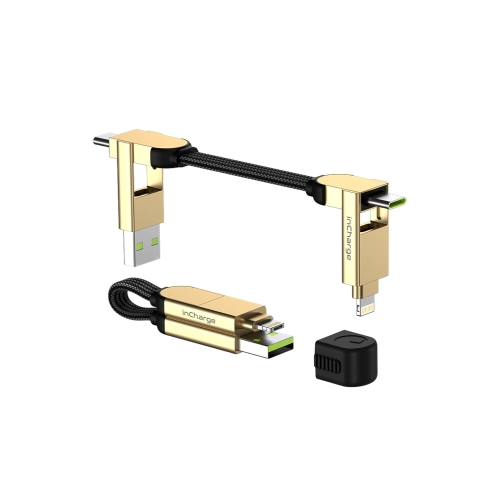
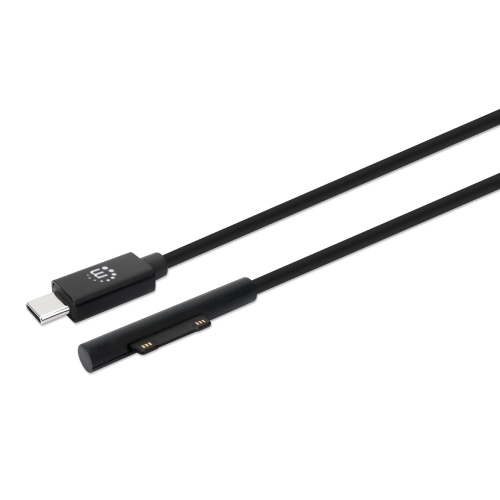
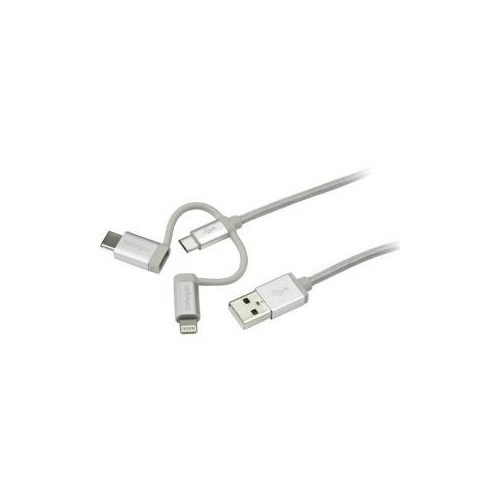
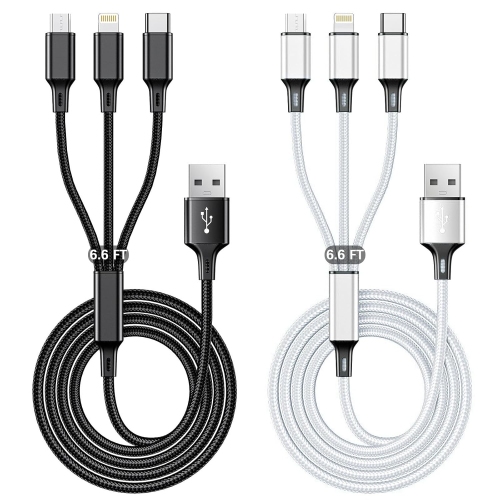
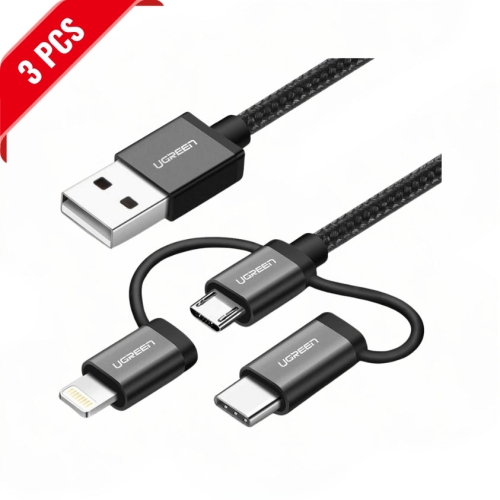
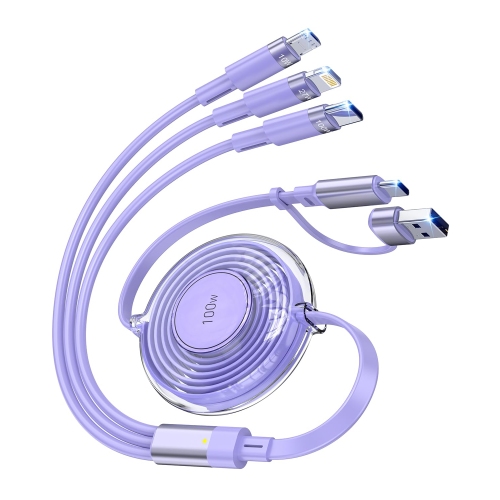
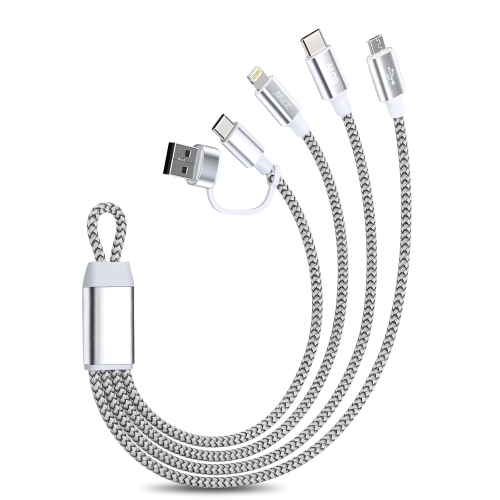
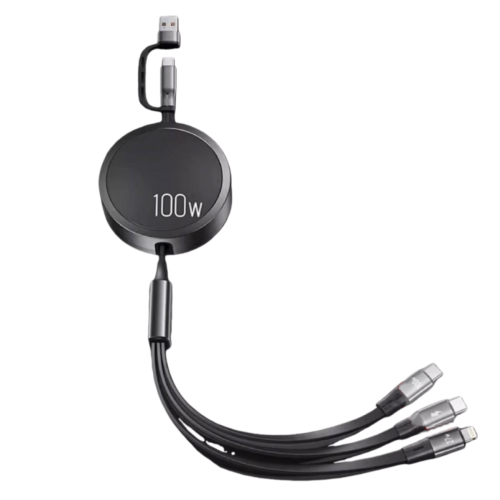
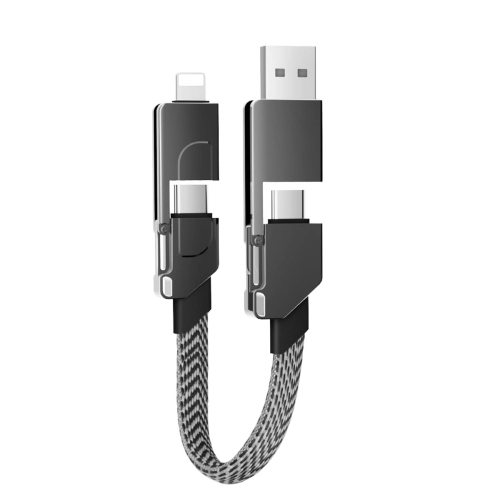
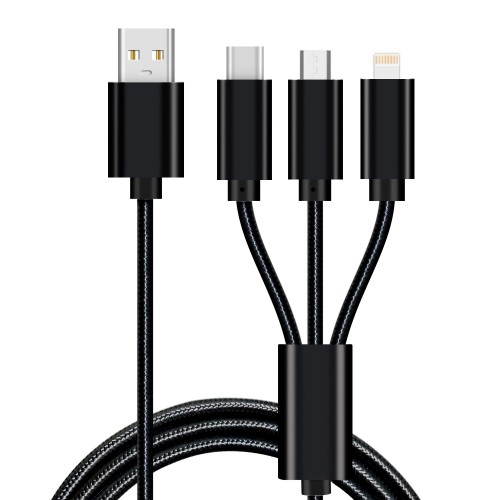
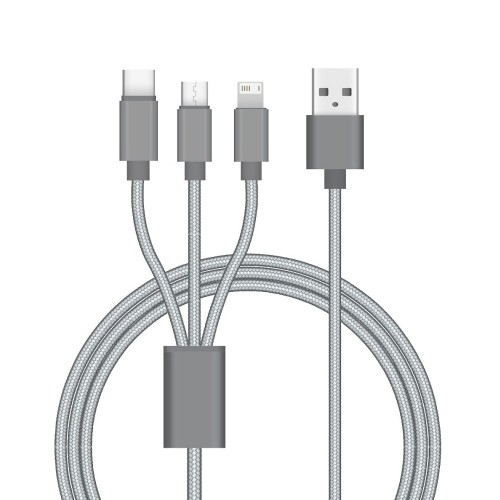
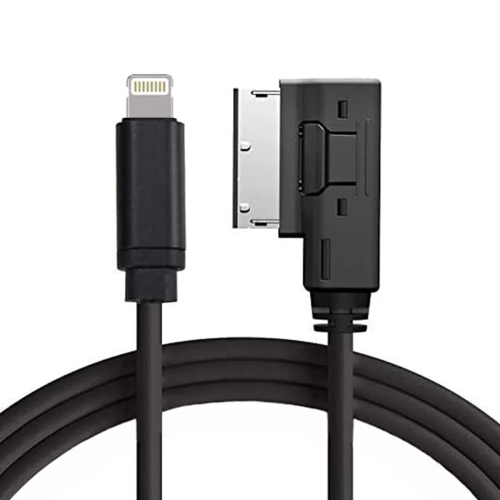
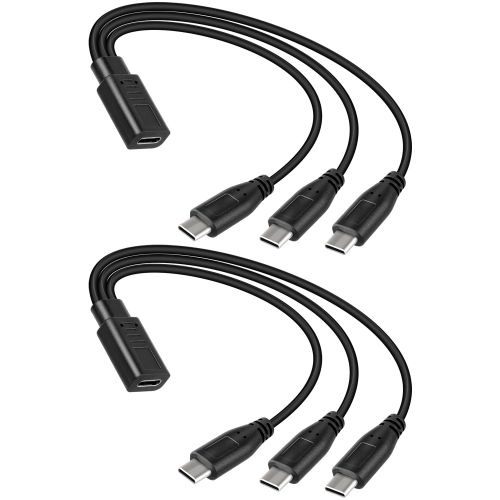
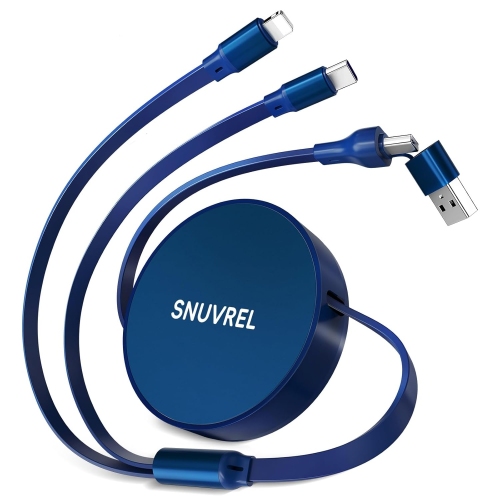
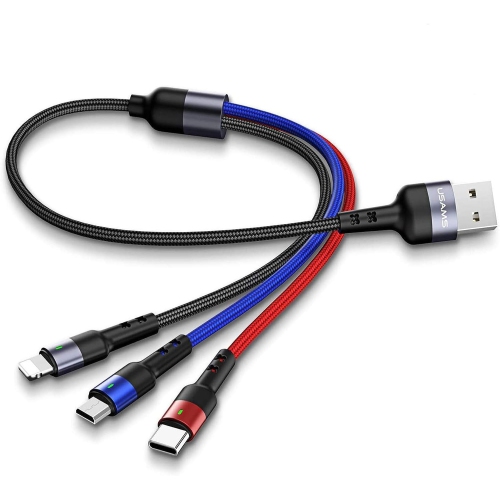
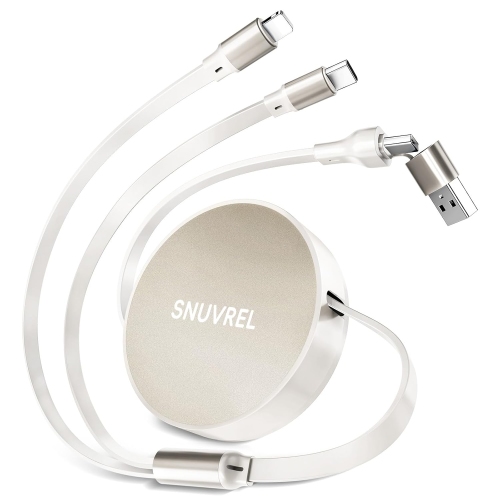
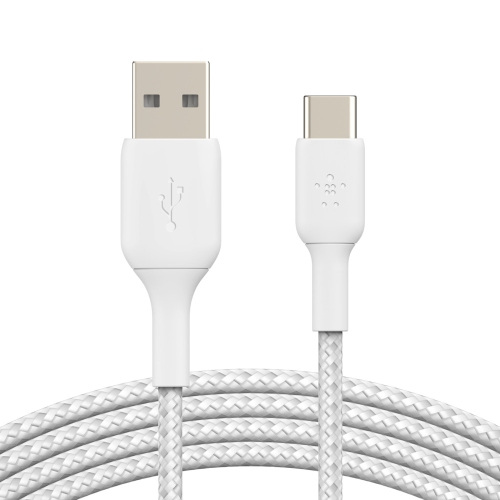
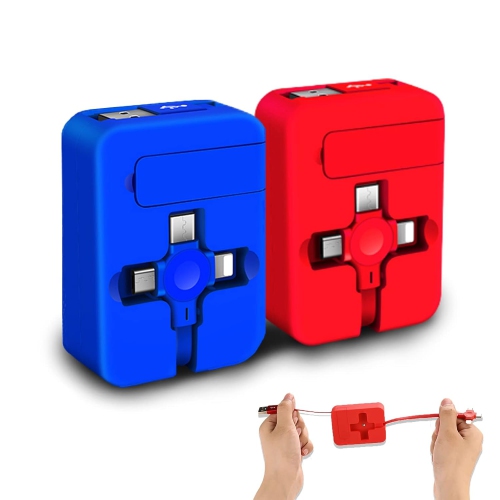
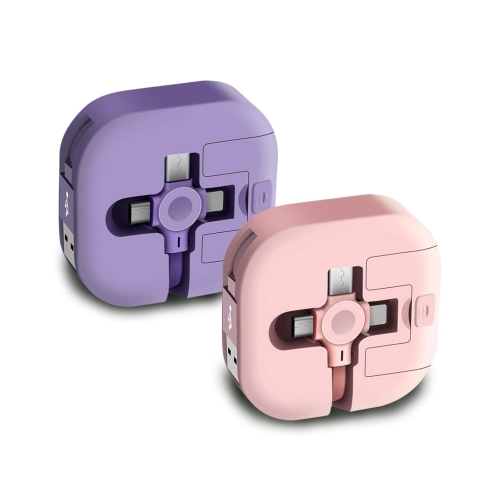
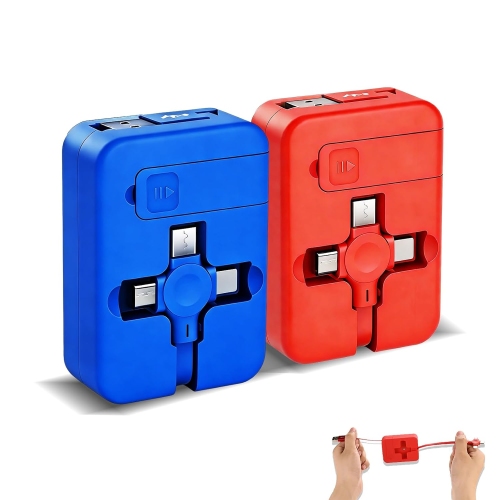
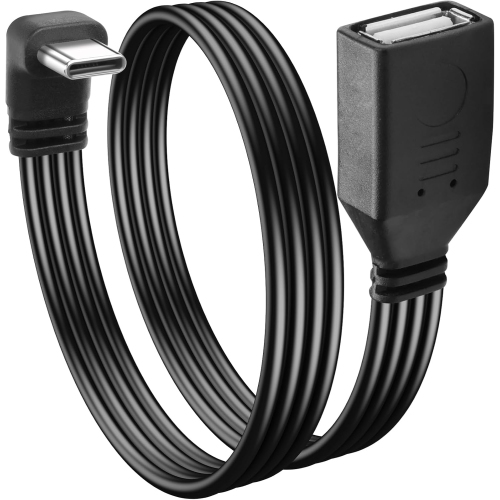
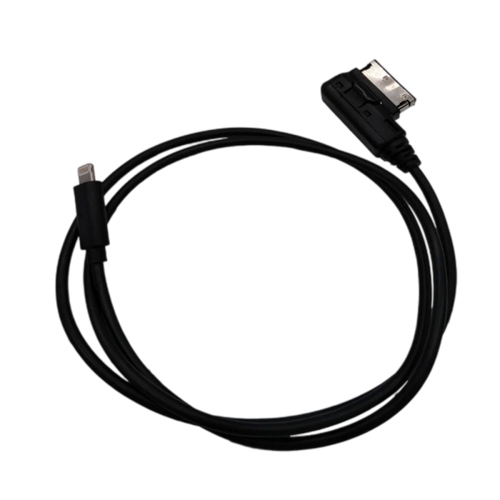
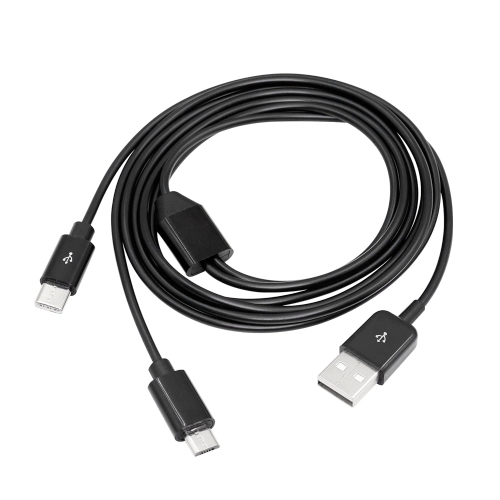
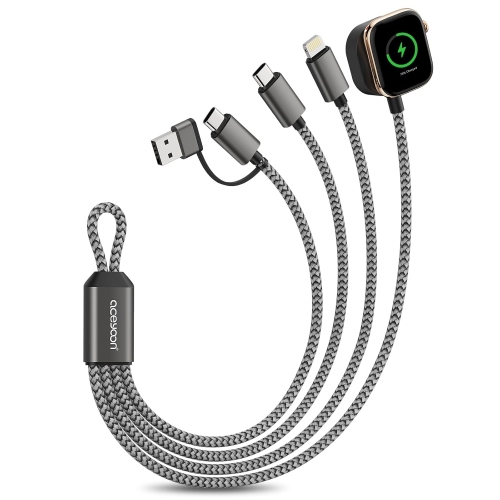
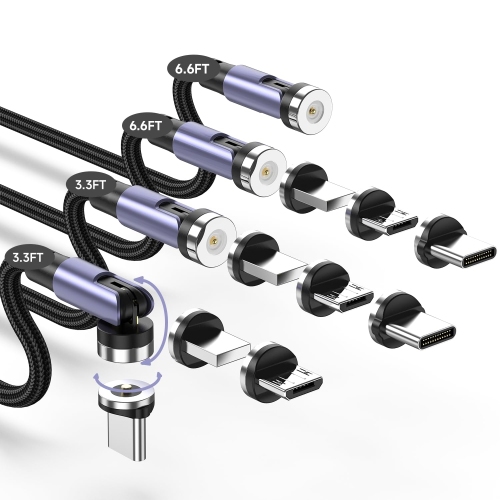
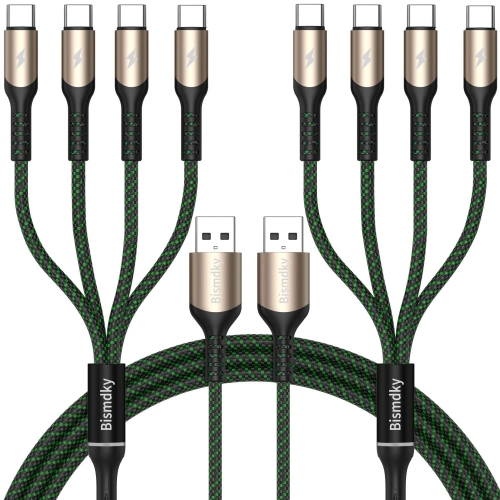
Universal charging cables are multi-connector cables that combine more than one charging connection in a single cord, often with USB-C, Micro-USB, and Lightning ends. Common designs include 3-in-1 cables with separate branches, cables with interchangeable tips, and cords with adapters attached to one or both ends. These formats can simplify charging for a mix of phones, tablets, wireless headphones, portable speakers, and other rechargeable accessories without keeping a separate cord for every connector type. The term “universal” describes that versatility rather than compatibility with every device: the connector, power requirements, and supported charging features still need to match the equipment being connected. A cable may have a USB-A plug for a traditional charging port, a USB-C plug for a newer power adapter, or an arrangement that switches between the two. At the device end, USB-C is common across many newer electronics, while Micro-USB and Lightning remain relevant for compatible devices already in regular use. The distinctions between types of charging cables matter most in households where several generations of electronics share the same charging space. A multi-connector cable can sit beside an entryway tray for a phone and earbuds, stay in a backpack for classes, or travel between a home office and a workplace. Branched designs keep several connector options visible and attached, while interchangeable tips can create a less crowded connection when only one device needs power. Convertible ends may also make it easier to use different power sources without carrying an additional adapter. Physical fit matters as much as the connector name: a thick phone case, recessed charging port, or closely spaced ports on a power adapter can leave limited room around the plug. Slim connector housings and appropriately sized branches can make those everyday connections more comfortable without putting sideways pressure on the device’s charging port.
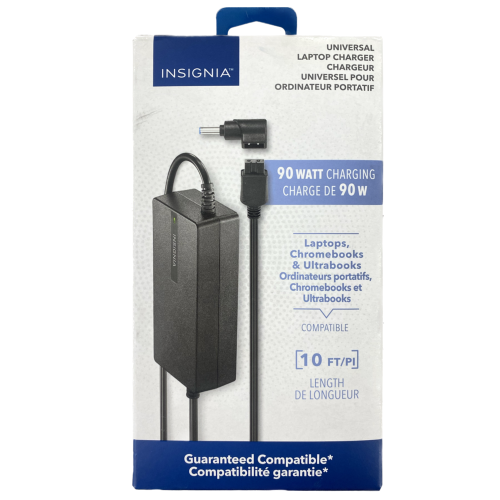
Charging performance depends on the complete connection, including the power source, cable, connector, and receiving device. A universal charging cable does not increase the output of a wall adapter or make an unsupported device charge faster. Its stated power rating describes what the cable is designed to support under the specified conditions, not a charging speed that every connected device will achieve. Fast charging may require a compatible charging protocol, an appropriately rated adapter, and a particular connector arrangement. USB Power Delivery, for example, requires compatible equipment and a suitable USB-C connection; the presence of a USB-C tip alone does not confirm support. This distinction is especially important when a cable includes several different ends, since the capabilities of one connection may differ from those of another. Multiple charging tips also do not automatically mean that several devices can charge at once. Some designs support simultaneous charging, while others are intended for one device at a time. Where simultaneous charging is supported, the available power may be shared, so connecting a second device can change how quickly the first one charges. A cable intended for small accessories may also be unsuitable for a laptop, even when the plug fits. Laptop charging requires sufficient power capacity throughout the connection, along with compatibility with the computer’s charging requirements. Data support is another separate consideration. Some multi-connector cables provide charging only, while others support data transfer through selected connectors. Moving photos to a computer, using a wired connection to a vehicle’s display, or connecting a device for syncing requires the relevant data capability rather than charging compatibility alone. Even a cable that supports data may not offer the transfer speed needed for large files or support video output. Clear specifications for power, supported connections, simultaneous use, and data transfer make it easier to distinguish a compact everyday charging cord from one suited to more demanding desktop or travel use.
Materials and construction influence how a universal charging cable feels, stores, and stands up to repeated handling. Braided nylon jackets can provide abrasion resistance where a cord rubs against the contents of a bag or the edge of a desk, while smooth, flexible jackets can be easier to wipe clean and coil into a small pouch. Neither finish guarantees durability on its own. Reinforced junctions, well-fitted connector housings, and flexible strain relief near the plugs help manage stress where a cable is frequently bent. On a multi-head design, the point where the cord divides into smaller branches deserves particular attention because each branch may be pulled in a different direction during use. Length affects convenience, too. A shorter cable keeps a power bank and phone close together inside a bag, while a longer cord can reach from a wall outlet to a bedside table or across a work surface. Extra reach can be useful, but loose cable across a walkway or hanging from a crowded desktop can catch on furniture and tug at connected devices. Retractable formats contain the cord between uses, although their extension mechanisms benefit from gentle handling. For routine care, disconnecting by the plug rather than pulling the cord reduces strain, and loose coils avoid the repeated sharp bends created by wrapping a cable tightly around an adapter. Connector ends should remain clean and dry, with damaged insulation, bent plugs, or loose connections signalling that a cable should no longer be used. Attached tips, storage clips, and colour-coded ends can make a shared cable easier to organize, particularly when several people use the same charging area. For students, commuters, frequent travellers, or family members with different devices, a well-matched multi-connector cable can be a practical everyday accessory or a useful gift. Its value comes from fitting the recipient’s actual devices and routines, whether that means keeping headphones charged at a desk, connecting a phone during a journey, or having the right connector ready in a small travel pouch.
Top selling and popular products
-
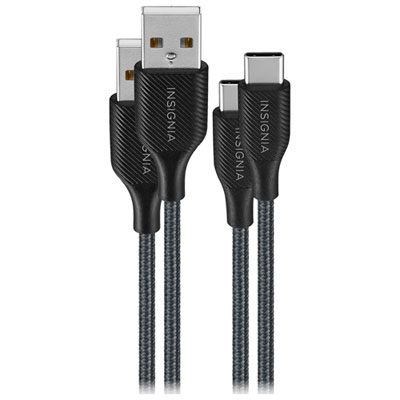 Your price for this item is $19.99
-
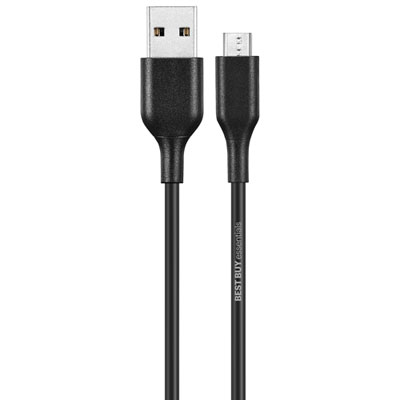 Your price for this item is $7.99
-
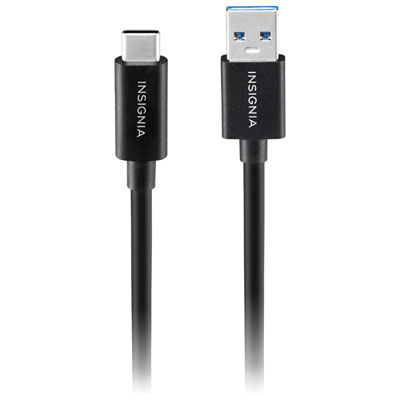 Your price for this item is $19.99
-
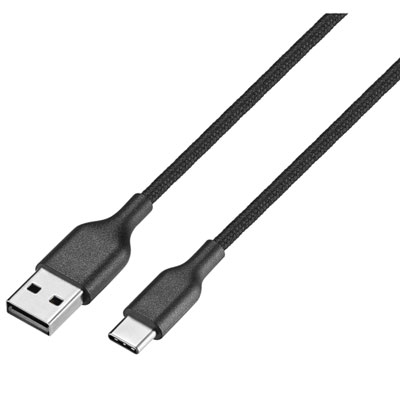 Your price for this item is $9.99
-
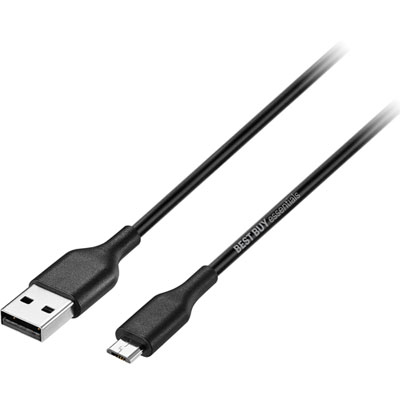 Your price for this item is $9.99
-
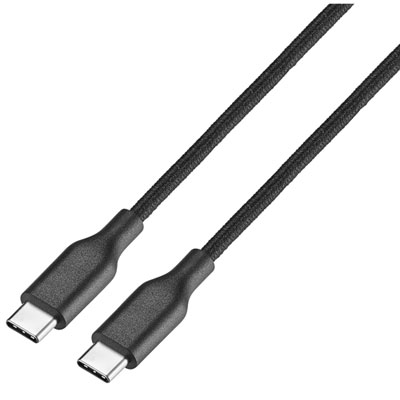 Your price for this item is $14.99
-
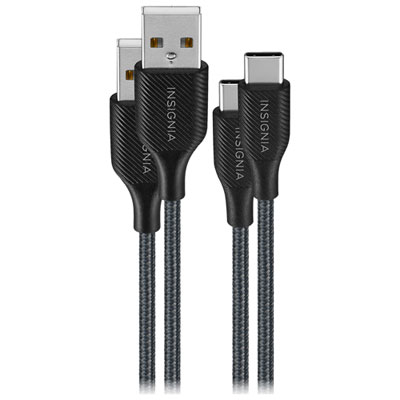 Your price for this item is $24.99
-
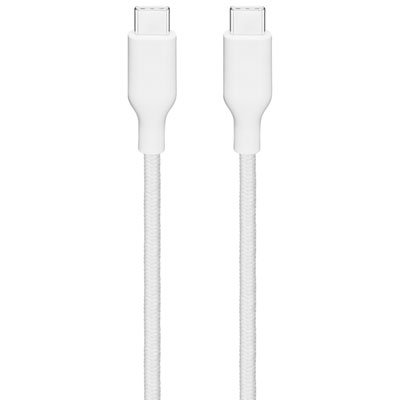 Your price for this item is $14.99
Discover more categories related to Universal Charging Cables
Top Collections:
Best Black Friday Deals This Year, Best Black Friday Deals On Electronics, Kindle Devices, Pokemon Centers, Best Black Friday Deals On Apple Products, Best Cameras for Sports Photography, Dyson Airwrap, Pokémon 30th Celebration Cards, Apple iPhone 17 Pro, Canon G7X Cameras
Some products may be subject to Environmental Handling Fees
(EHF) depending on your province.
Learn more about EHFs.