63 Inch Wide TV Stands
Upgrade your entertainment setup with our 63-inch wide TV stands. Whether you're looking for a modern or traditional look, we have a variety of options to suit almost any decor. Explore our collection today and find the perfect TV stand to elevate your viewing experience.
Sort
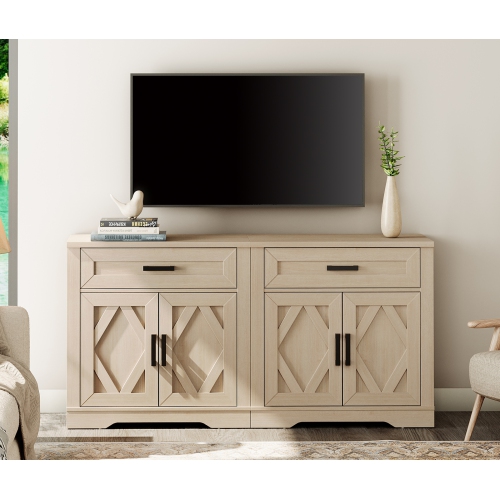
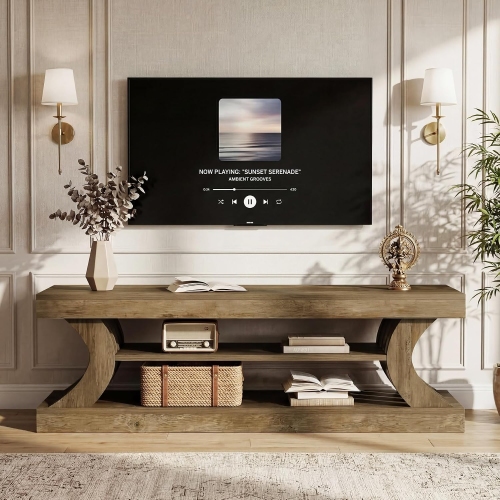
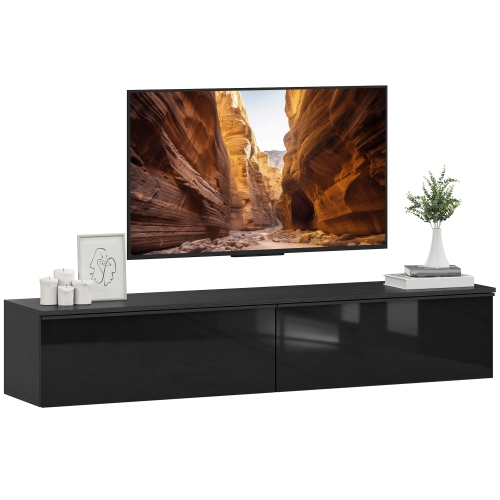
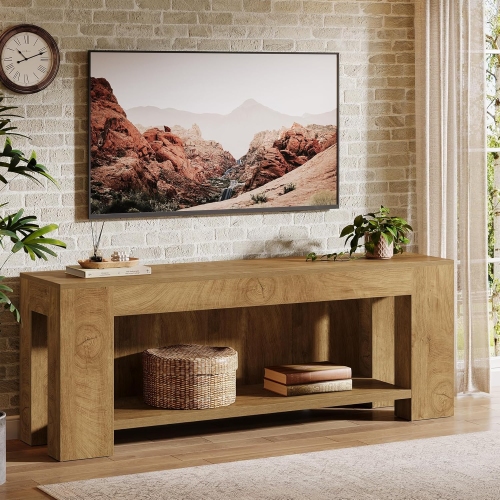
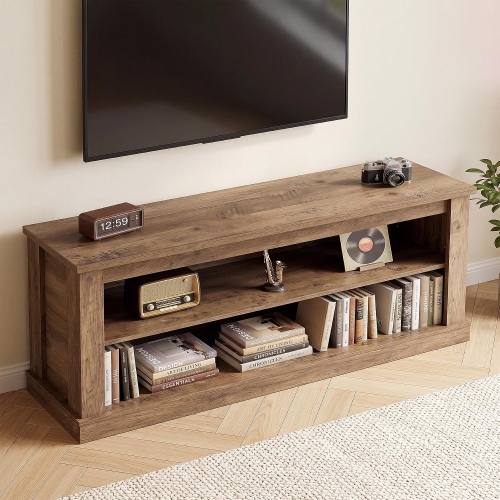
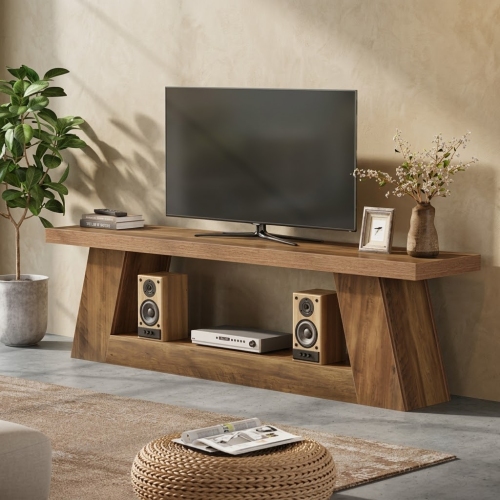
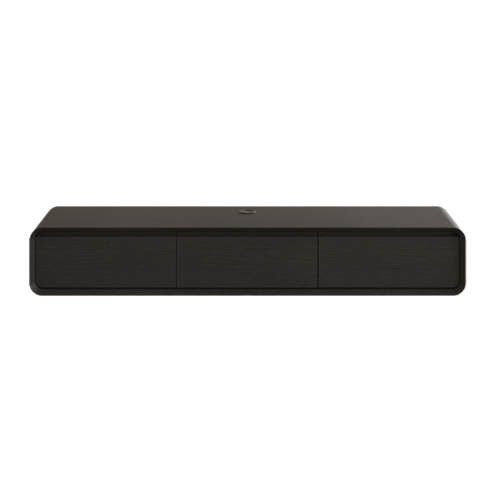
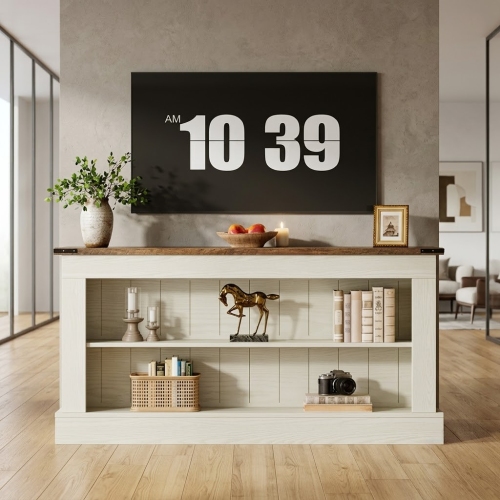

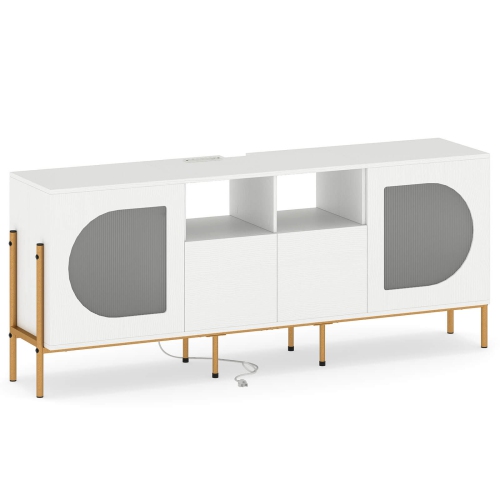
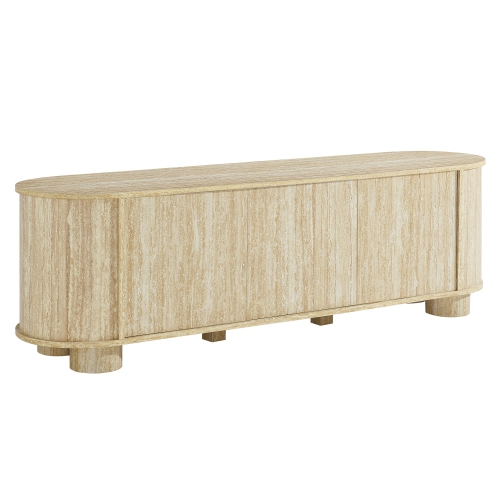
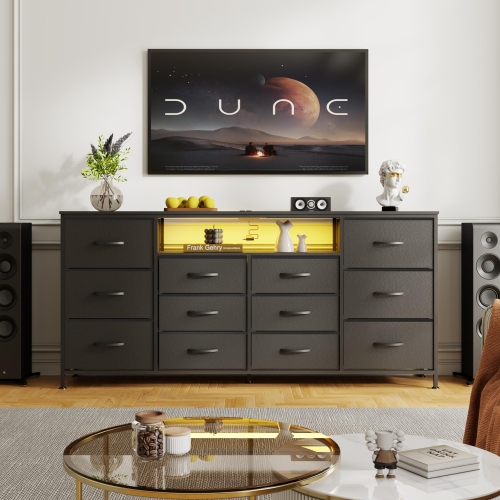
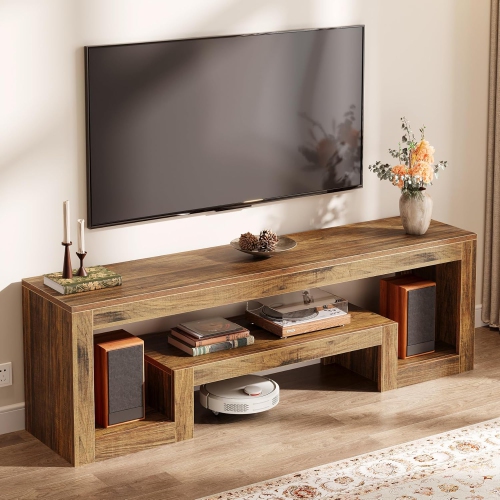
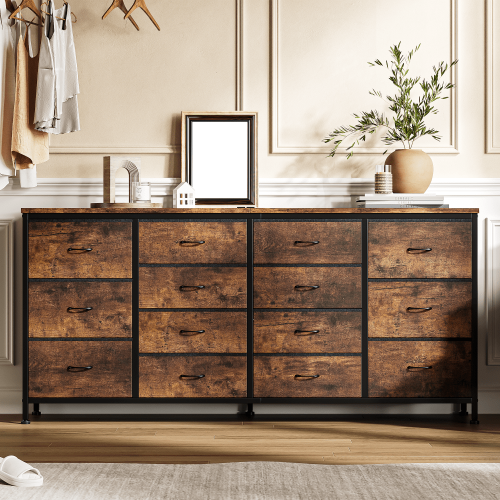
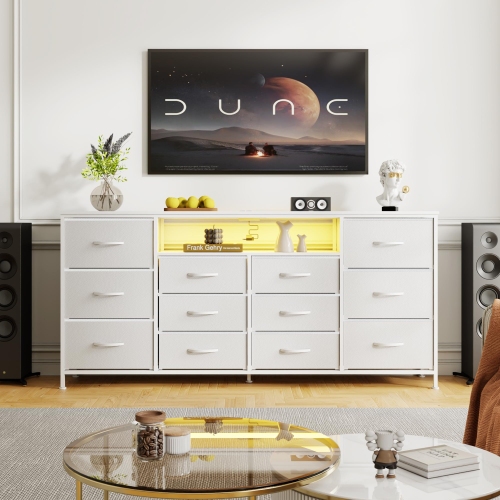
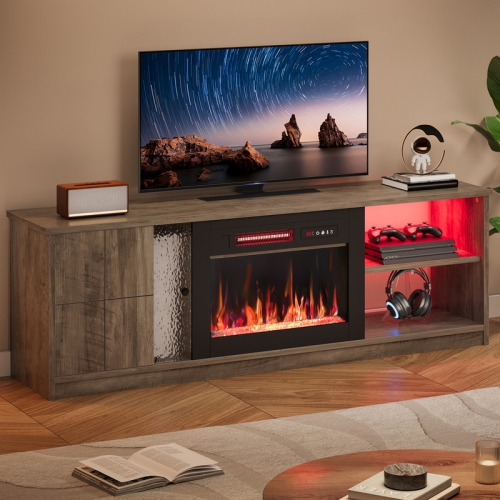
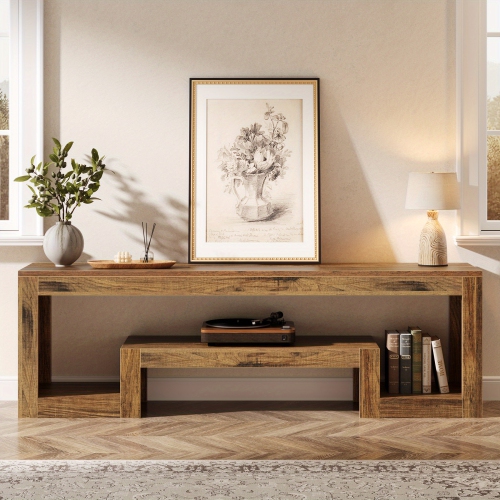
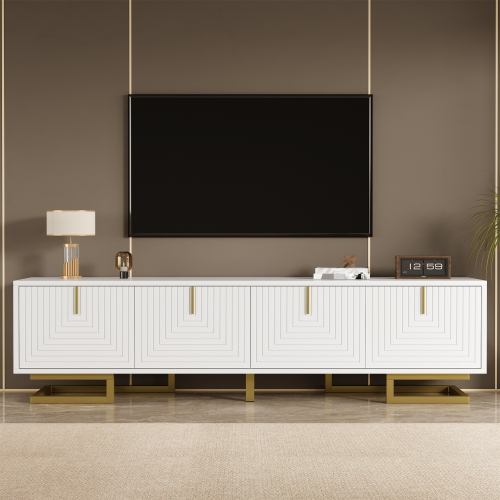
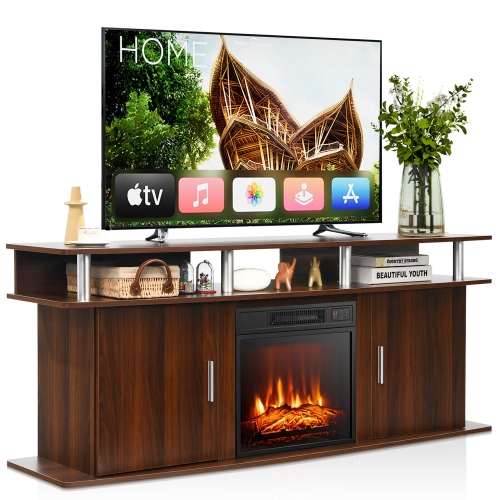
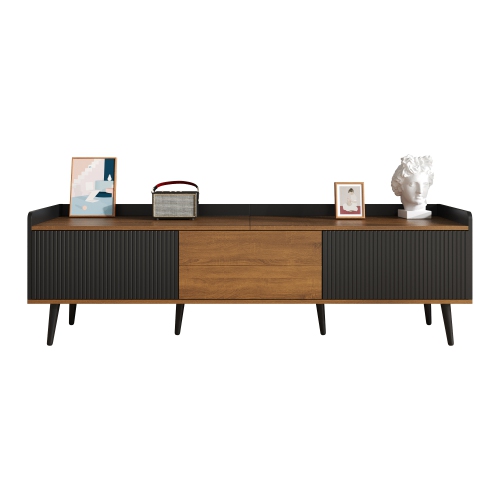
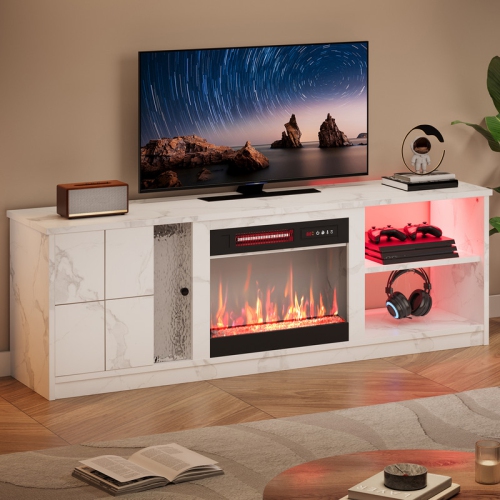
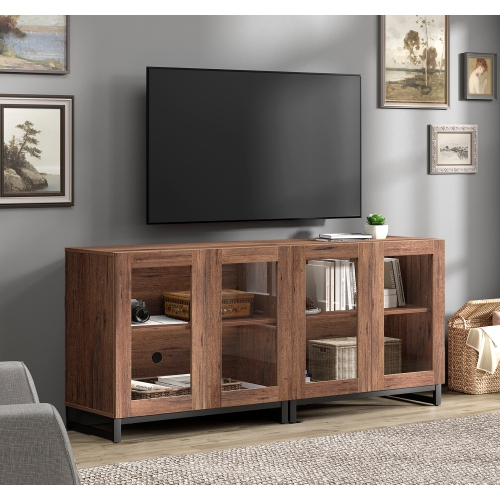
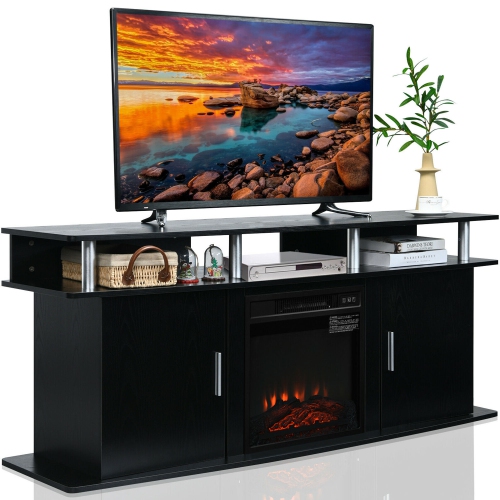
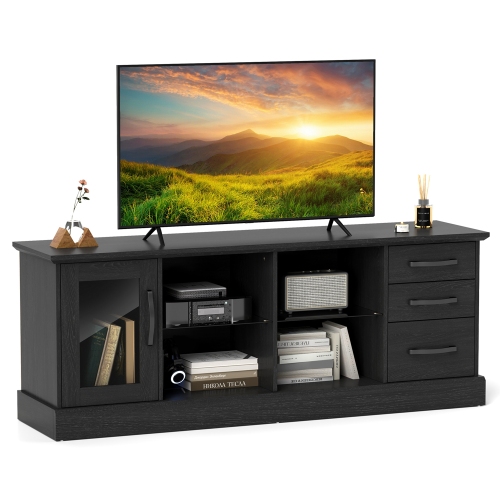
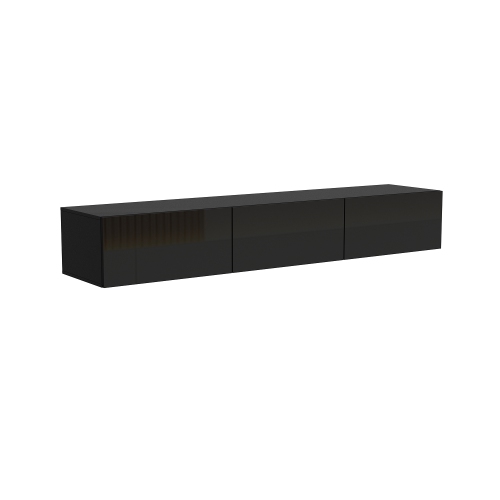
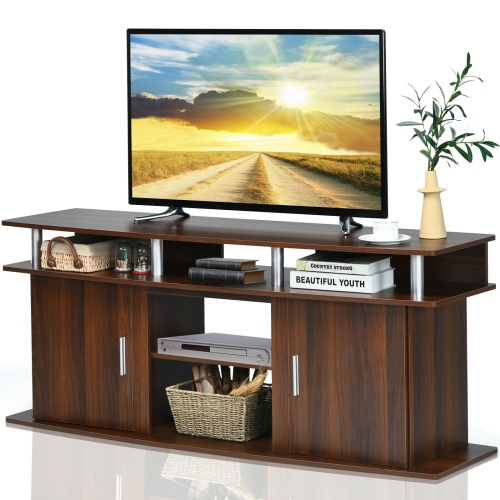
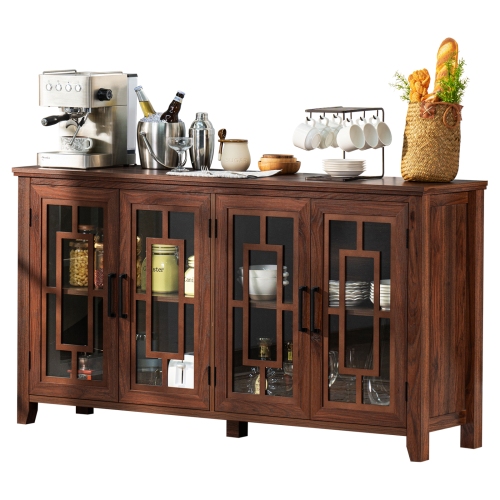
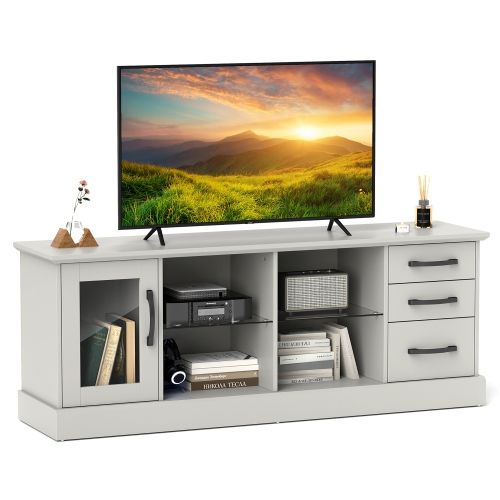

Room planning and storage tips for your TV setup
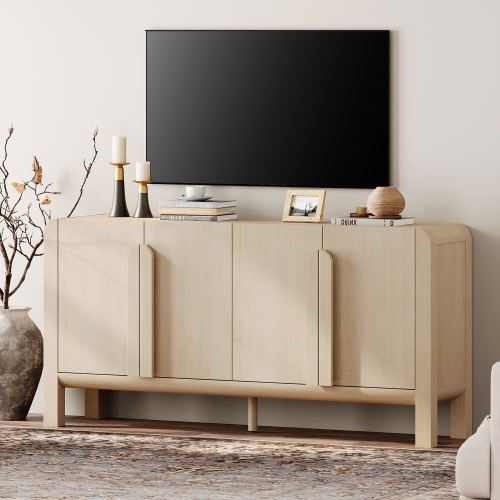
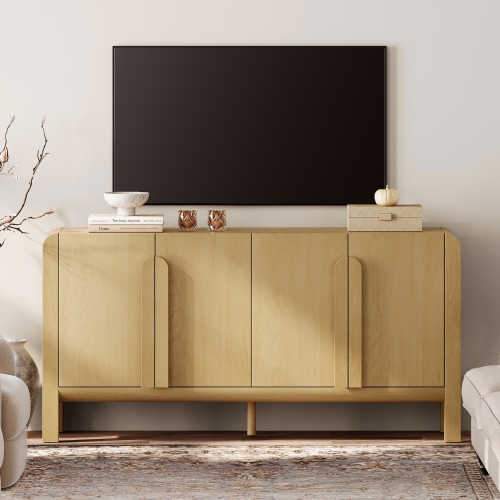
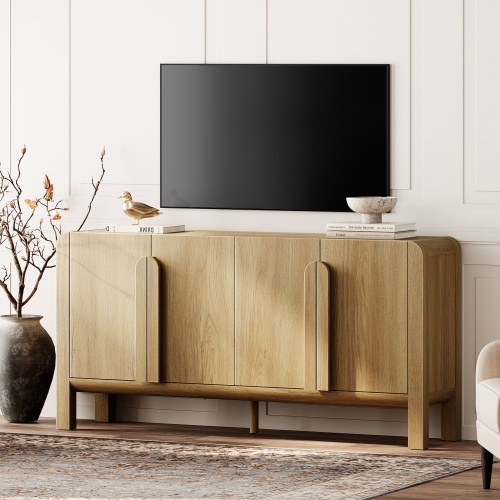
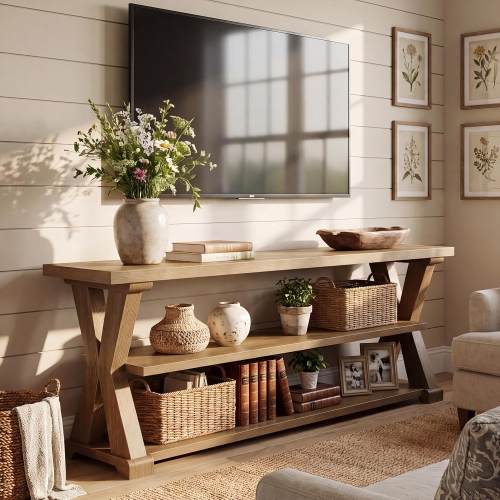
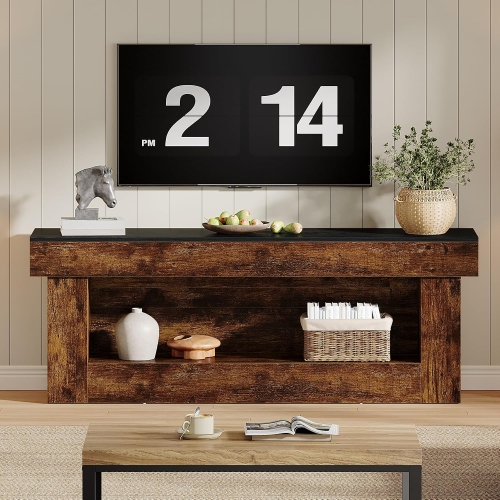
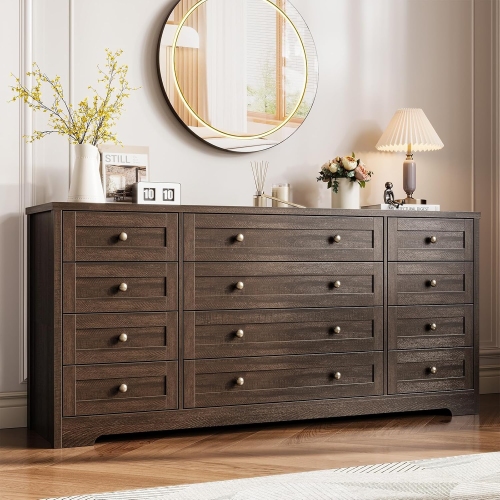
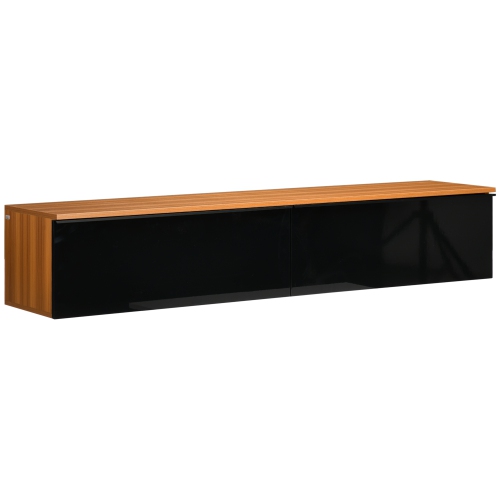
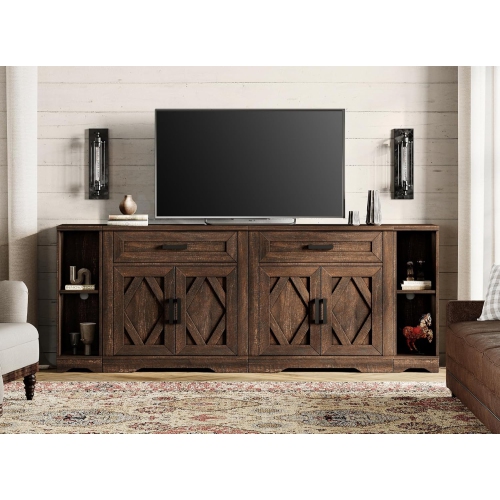
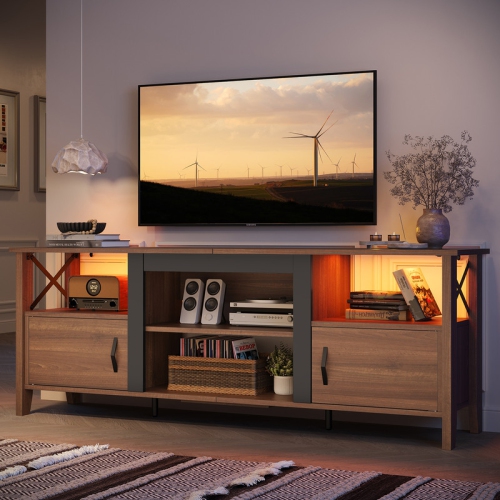
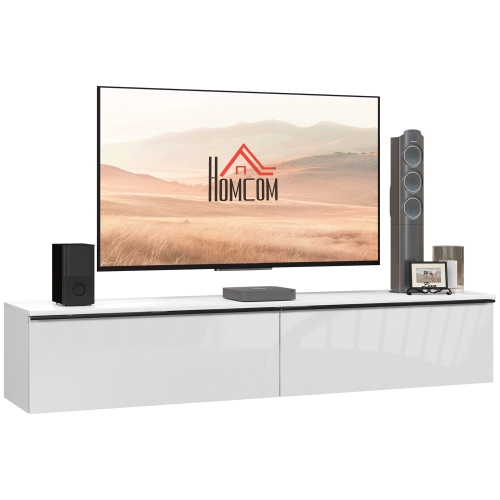
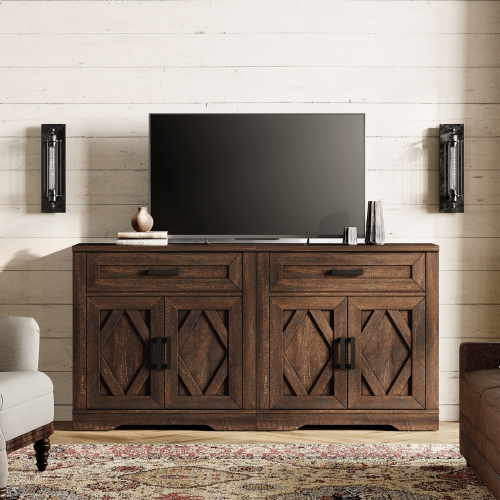
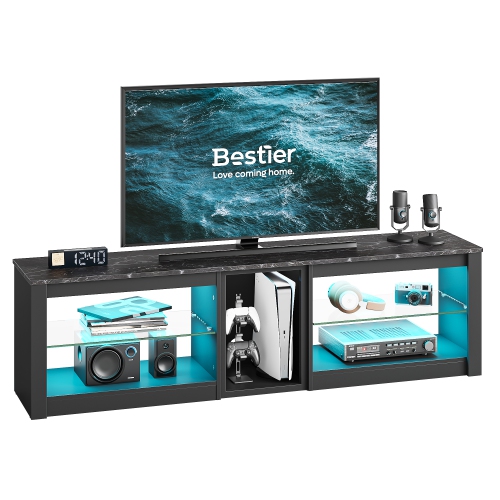
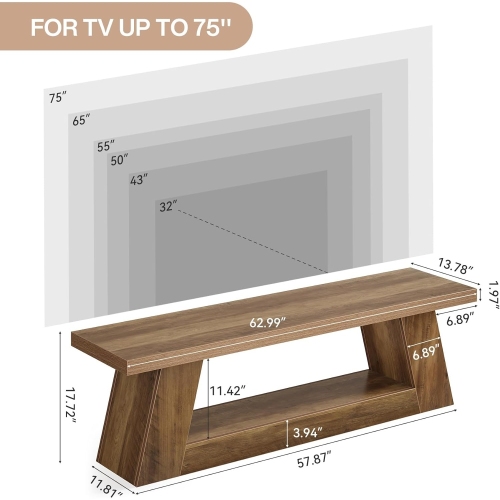
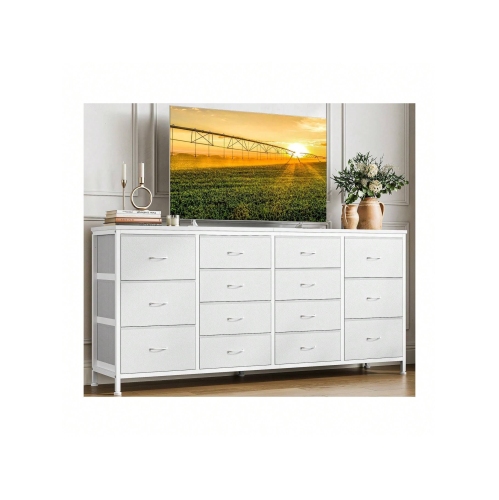
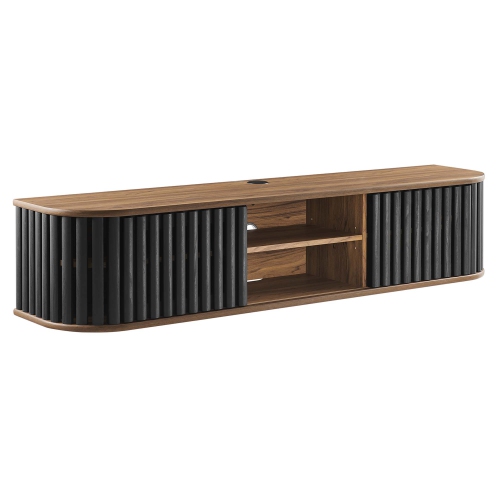
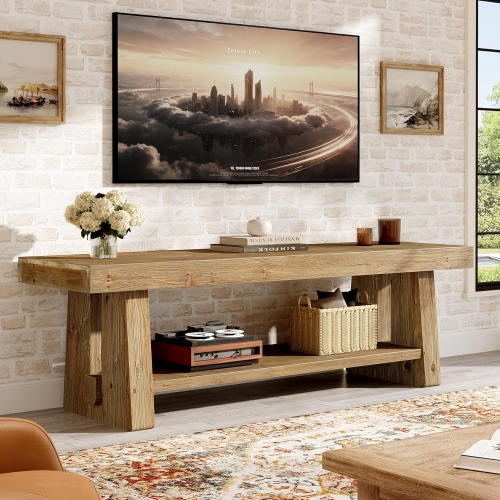
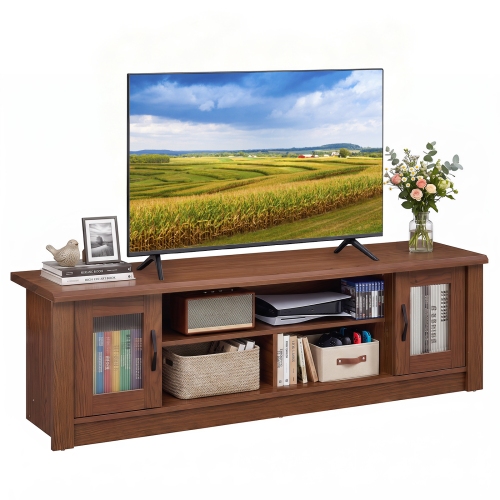
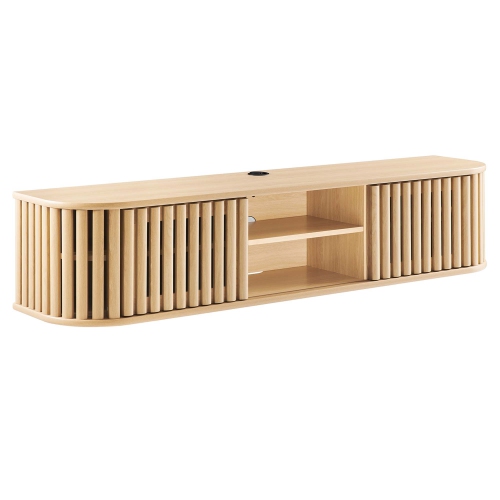
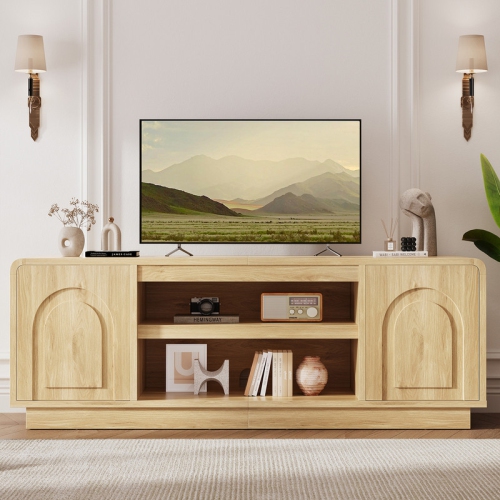
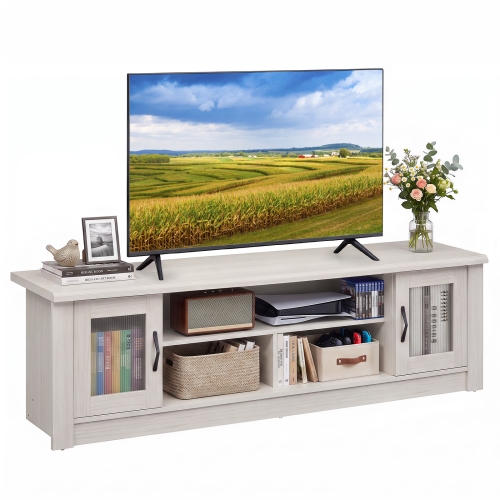
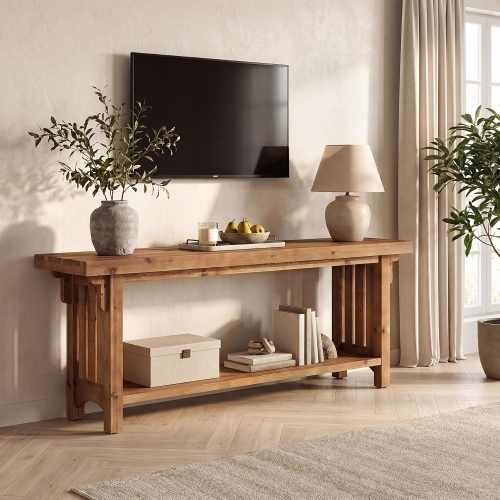
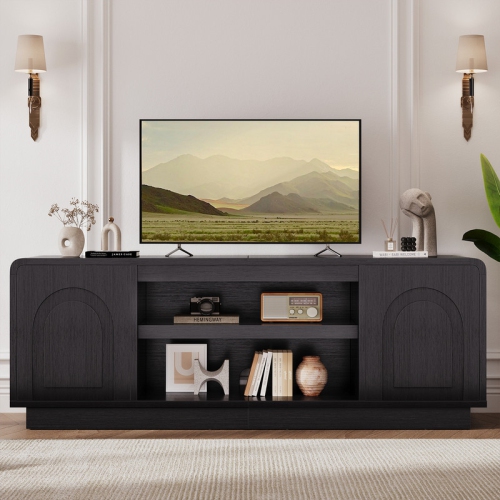
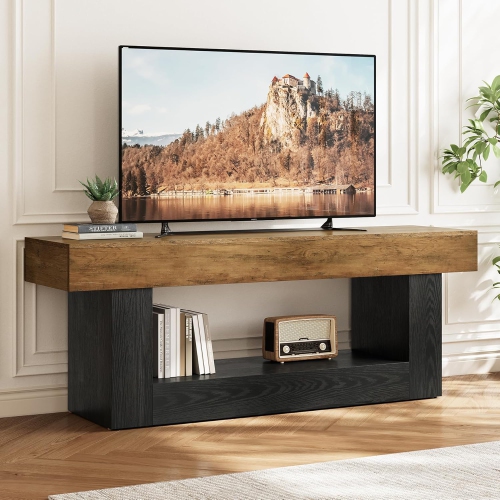
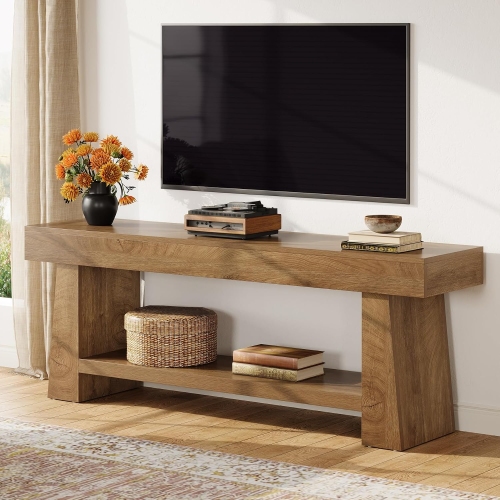
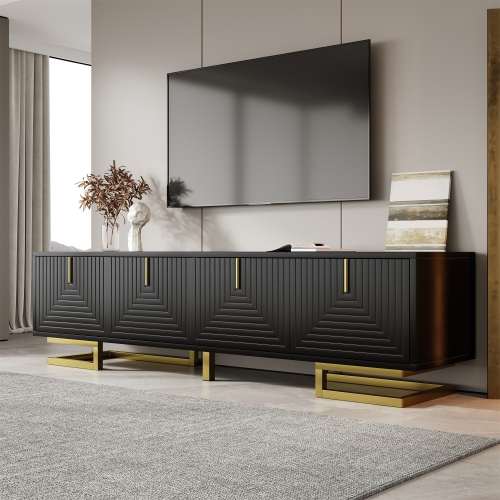
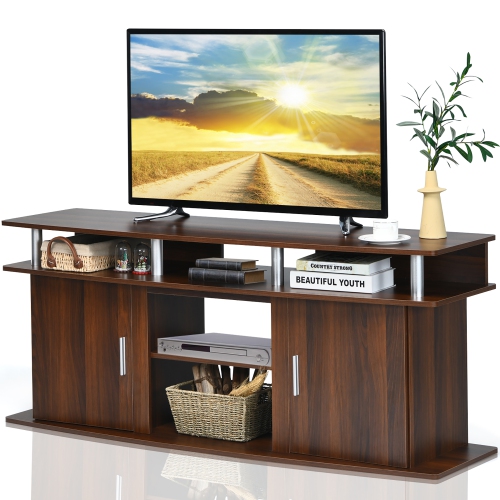
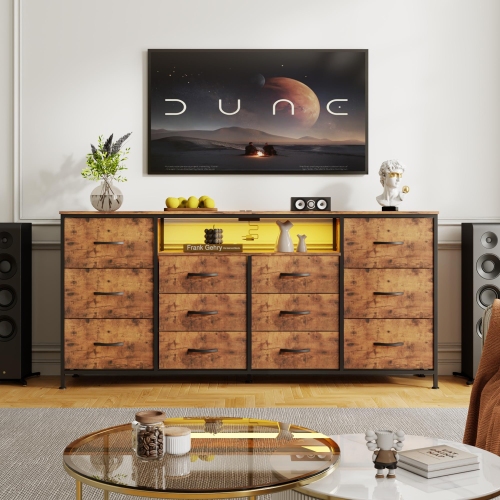
A 63-inch wide TV stand can create a balanced foundation for a home entertainment area while giving your television, media devices, and everyday accessories a dedicated place to live. This width is often well suited to flat-screen TVs in the 55-inch to 75-inch range, although the actual dimensions of the television should always be checked before choosing a stand. Screen size is measured diagonally, so two televisions with the same advertised screen size may have slightly different widths and foot placements. For a stable, proportional arrangement, look for a stand that extends at least 2 to 3 inches beyond each side of the television whenever possible. That extra surface area helps the setup feel grounded rather than crowded and leaves room for a soundbar, décor, or a small lamp without pressing everything against the edges. Measure the wall, corner, or entertainment area first, including the available depth and the distance between the floor and any nearby windows or shelves. A 63-inch wide stand can work well beneath a wall-mounted TV as a lower storage console, or as the main support for a screen placed at a comfortable viewing height. In a family room, it may anchor a large sectional and provide a clear focal point for movie nights; in an apartment or basement, it can help define the entertainment zone without requiring a full media wall. During the cooler months, a well-organized TV area becomes an inviting place for streaming, gaming, and relaxing indoors, while the broad surface can also make the room feel finished when the television is not in use.
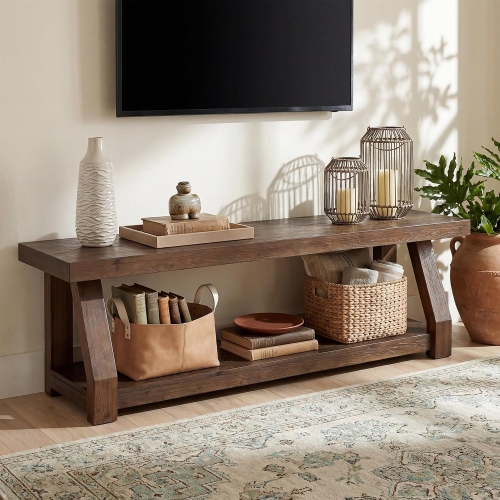
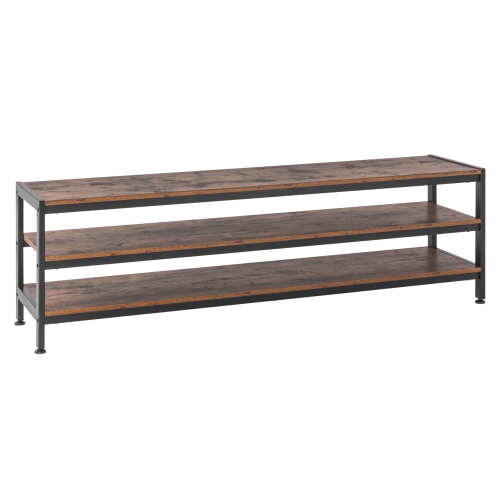
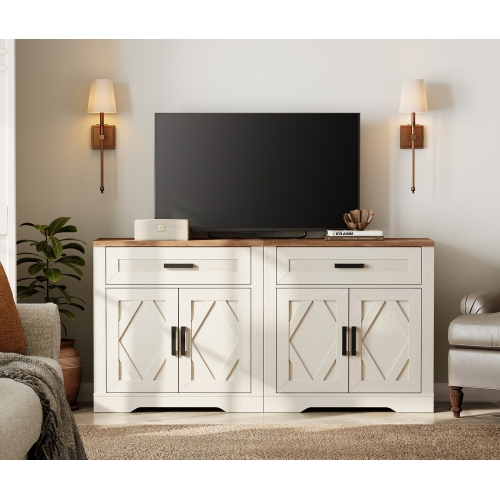
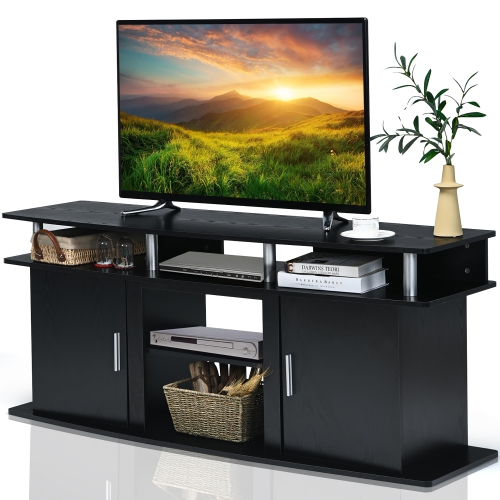
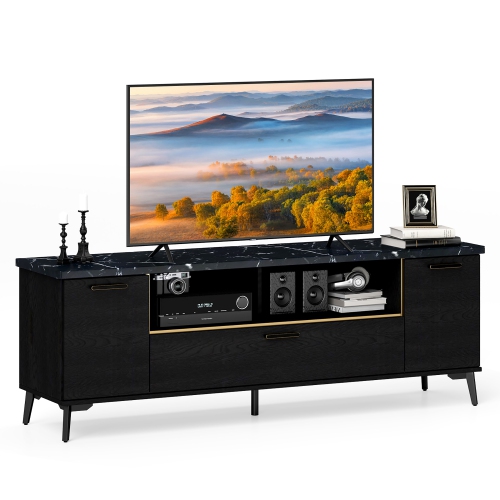
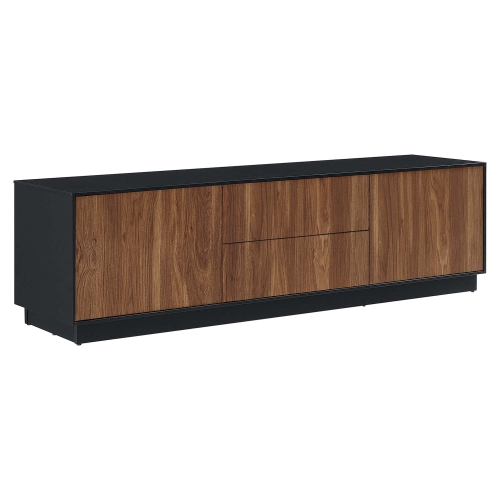
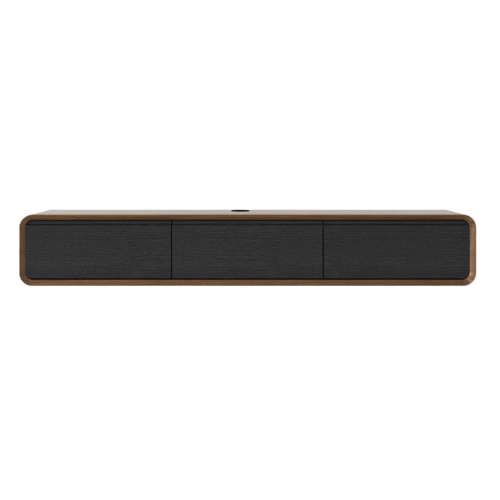
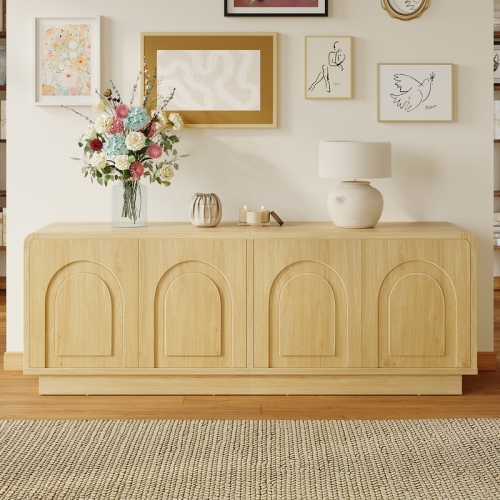
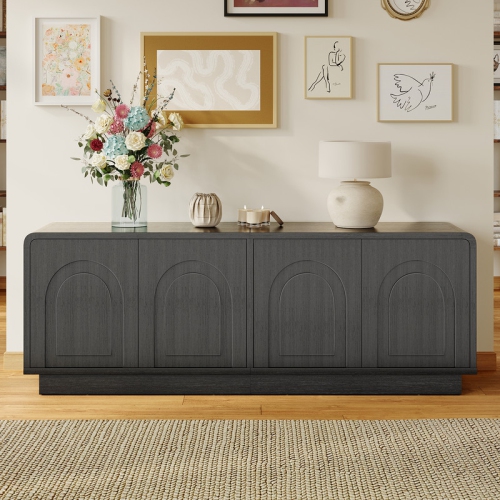
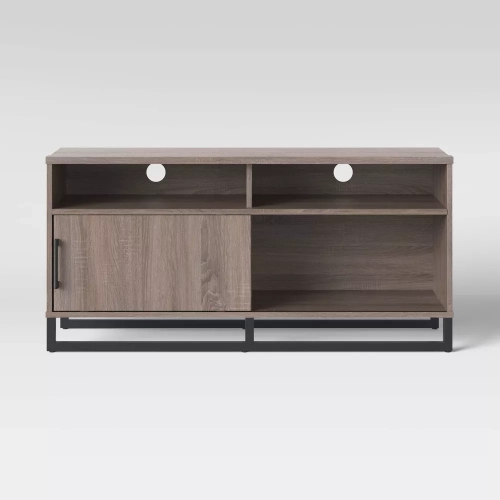
Storage and access are equally important when comparing 63-inch wide TV stands. Open shelving keeps streaming devices, game consoles, speakers, and controllers within easy reach, and it allows air to circulate around electronics that produce heat during extended use. Shelves are also useful for displaying a small collection of books, records, decorative objects, or baskets for remote controls. Closed cabinets and drawers offer a cleaner appearance by concealing cables, accessories, and items that do not need to remain visible, which can be especially helpful in a shared living space. Some designs combine both approaches, giving frequently used equipment an open compartment while keeping extra controllers, discs, manuals, and chargers behind doors. Pay close attention to the dimensions of each storage area rather than relying on the overall width alone. A deep gaming console, a centre channel speaker, or a cable box may need more clearance than a compact streaming device. Cable management cutouts at the back can guide power and signal cables towards an outlet, reduce tangles, and help the stand sit closer to the wall. Ventilation openings are worth prioritizing when electronics will be stored inside a cabinet or used for long periods. Check the stand’s stated weight capacity and compare it with the combined weight of the television and anything placed on top. A sturdy, level base is essential, particularly in homes with children or pets, and televisions should be secured according to the manufacturer’s instructions where appropriate. Materials, finishes, and hardware also influence how the stand fits into the room. Wood-look surfaces can add warmth, while smooth painted finishes, glass elements, metal accents, or textured doors can complement contemporary interiors. Rounded corners may suit a relaxed family room, whereas clean lines and simple handles can create a more streamlined look in a condo or open-concept space.
These TV stands can suit many households and can also be a practical gift for someone settling into a new home, updating a basement, furnishing a student residence, or creating a more comfortable gaming area. They are useful when a television has outgrown a smaller table, when a room needs additional storage, or when scattered equipment and loose cables are making the space feel untidy. Before making a selection, consider how the stand will be used from day to day: a household that watches broadcast television and streams films may need only a soundbar shelf and discreet cable routing, while a gaming setup may require generous ventilation, wider compartments, and convenient access to multiple consoles. If the stand will hold a turntable, speakers, or other audio equipment, check for a surface and storage layout that accommodates those components without crowding the screen. Households with a larger television may also want to compare nearby widths, including 65 Inch Wide TV Stands, when a little extra surface area would improve fit or storage. Think about viewing height as well: the centre of the screen should generally sit near eye level from the primary seating position, reducing the need to tilt the head upward during a long film or gaming session. Leave enough clearance for doors and drawers to open fully, and confirm that the stand’s depth will not interfere with walkways. A carefully chosen 63-inch wide TV stand can make the whole area easier to use, from reaching for a remote on a quiet evening to hosting friends for a game or sharing a film with family. By matching the stand’s width, storage style, ventilation, cable features, weight rating, and finish to the room, it becomes more than a place to set a television—it provides an organized centre for entertainment and everyday living.
Storage and access are equally important when comparing 63-inch wide TV stands. Open shelving keeps streaming devices, game consoles, speakers, and controllers within easy reach, and it allows air to circulate around electronics that produce heat during extended use. Shelves are also useful for displaying a small collection of books, records, decorative objects, or baskets for remote controls. Closed cabinets and drawers offer a cleaner appearance by concealing cables, accessories, and items that do not need to remain visible, which can be especially helpful in a shared living space. Some designs combine both approaches, giving frequently used equipment an open compartment while keeping extra controllers, discs, manuals, and chargers behind doors. Pay close attention to the dimensions of each storage area rather than relying on the overall width alone. A deep gaming console, a centre channel speaker, or a cable box may need more clearance than a compact streaming device. Cable management cutouts at the back can guide power and signal cables towards an outlet, reduce tangles, and help the stand sit closer to the wall. Ventilation openings are worth prioritizing when electronics will be stored inside a cabinet or used for long periods. Check the stand’s stated weight capacity and compare it with the combined weight of the television and anything placed on top. A sturdy, level base is essential, particularly in homes with children or pets, and televisions should be secured according to the manufacturer’s instructions where appropriate. Materials, finishes, and hardware also influence how the stand fits into the room. Wood-look surfaces can add warmth, while smooth painted finishes, glass elements, metal accents, or textured doors can complement contemporary interiors. Rounded corners may suit a relaxed family room, whereas clean lines and simple handles can create a more streamlined look in a condo or open-concept space.
These TV stands can suit many households and can also be a practical gift for someone settling into a new home, updating a basement, furnishing a student residence, or creating a more comfortable gaming area. They are useful when a television has outgrown a smaller table, when a room needs additional storage, or when scattered equipment and loose cables are making the space feel untidy. Before making a selection, consider how the stand will be used from day to day: a household that watches broadcast television and streams films may need only a soundbar shelf and discreet cable routing, while a gaming setup may require generous ventilation, wider compartments, and convenient access to multiple consoles. If the stand will hold a turntable, speakers, or other audio equipment, check for a surface and storage layout that accommodates those components without crowding the screen. Households with a larger television may also want to compare nearby widths, including 65 Inch Wide TV Stands, when a little extra surface area would improve fit or storage. Think about viewing height as well: the centre of the screen should generally sit near eye level from the primary seating position, reducing the need to tilt the head upward during a long film or gaming session. Leave enough clearance for doors and drawers to open fully, and confirm that the stand’s depth will not interfere with walkways. A carefully chosen 63-inch wide TV stand can make the whole area easier to use, from reaching for a remote on a quiet evening to hosting friends for a game or sharing a film with family. By matching the stand’s width, storage style, ventilation, cable features, weight rating, and finish to the room, it becomes more than a place to set a television—it provides an organized centre for entertainment and everyday living.
Top selling and popular products
-
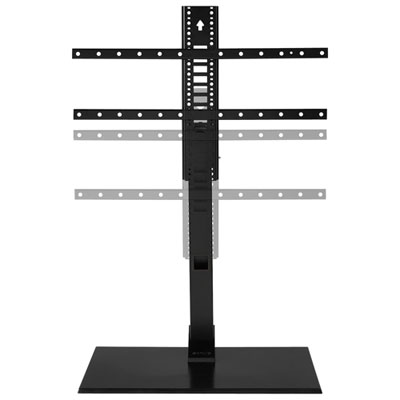 Your price for this item is $249.99
 -
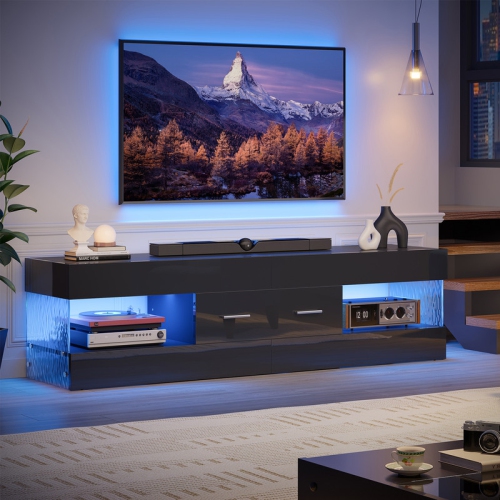 Your price for this item is $179.99
 -
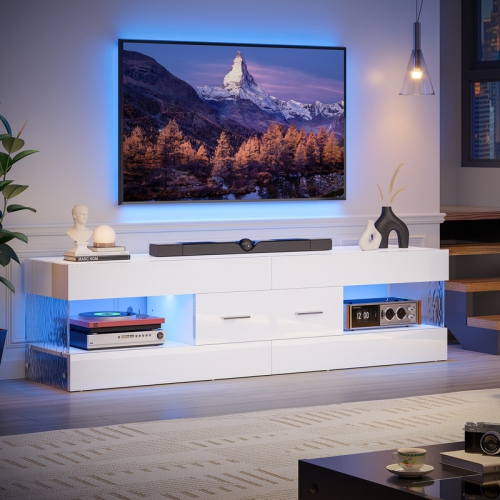 Your price for this item is $169.99
 -
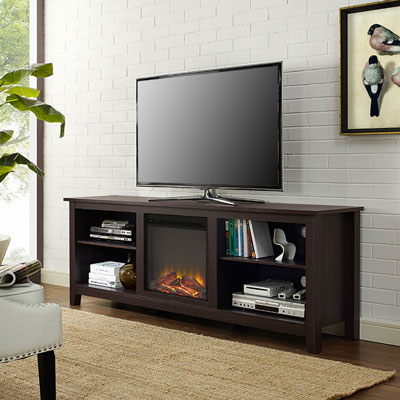 Your price for this item is $689.99
 -
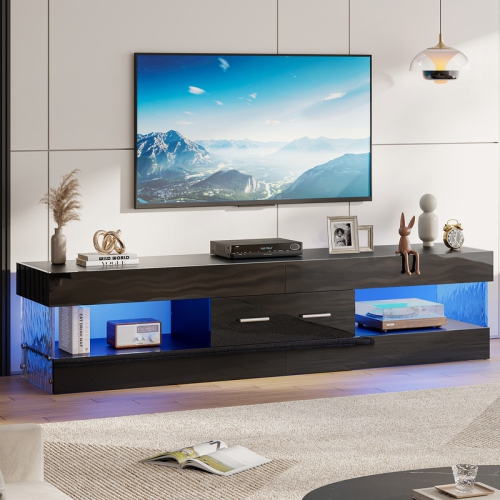 Your price for this item is $199.99
 -
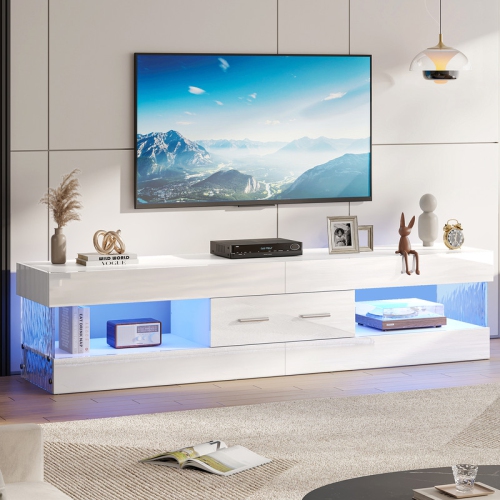 Your price for this item is $199.99
 -
 Your price for this item is $941.25
 -
 Your price for this item is $269.99
Discover more categories related to 63 Inch Wide TV Stands
Top Collections:
Pokemon Centers, Best Cameras for Sports Photography, Kindle Devices, Samsung Galaxy Phones, Canon G7X Cameras, Pokémon 30th Celebration Cards, Refurbished Apple Laptops, iPhone 15 Apple, Laptops for Students, Budget Smartphones
Some products may be subject to Environmental Handling Fees
(EHF) depending on your province.
Learn more about EHFs.