Audio Equipment Stands
If you're looking for the perfect audio equipment stand to elevate your sound system, look no further! This wide selection of audio equipment stands is designed to provide the ideal support and organization for your speakers, amplifiers, and other audio components. Whether you're a music enthusiast or a professional DJ, this range of sturdy and stylish stands will help you create a sleek and functional setup that enhances your listening experience.
Sort







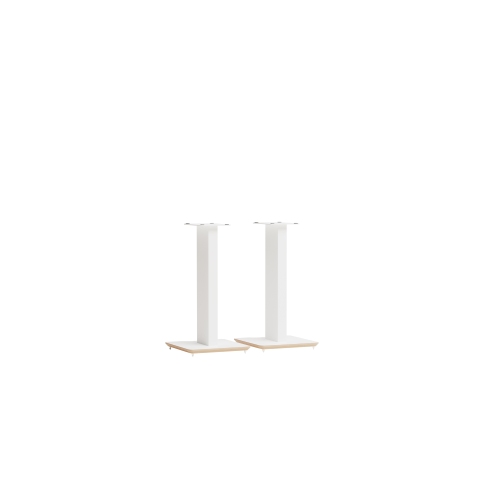
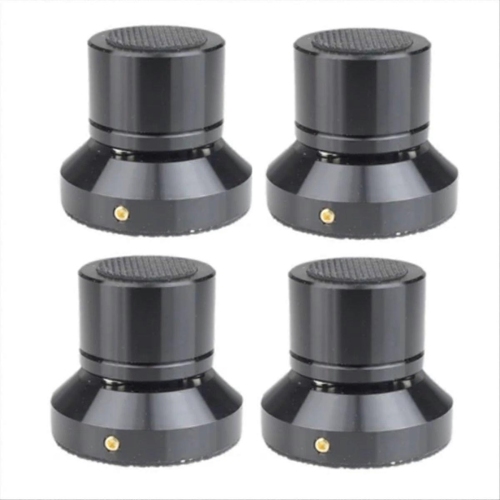


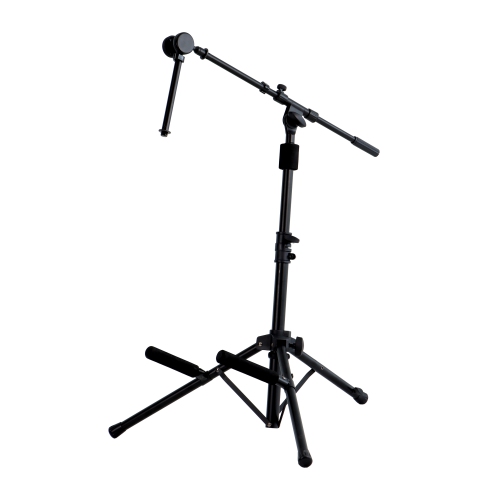

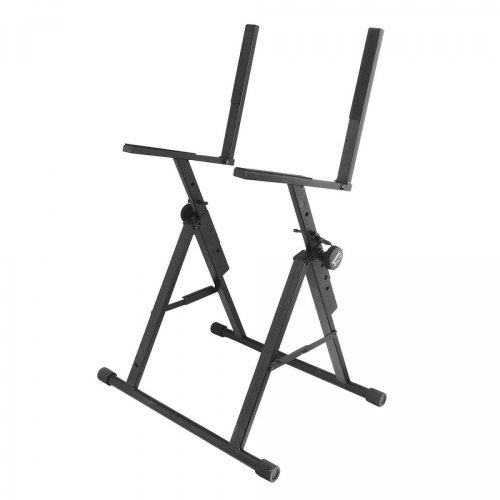














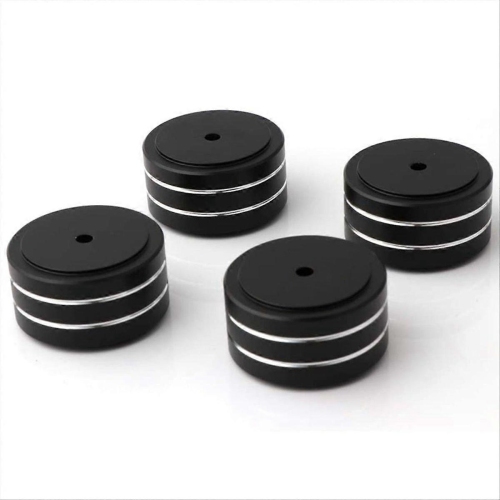


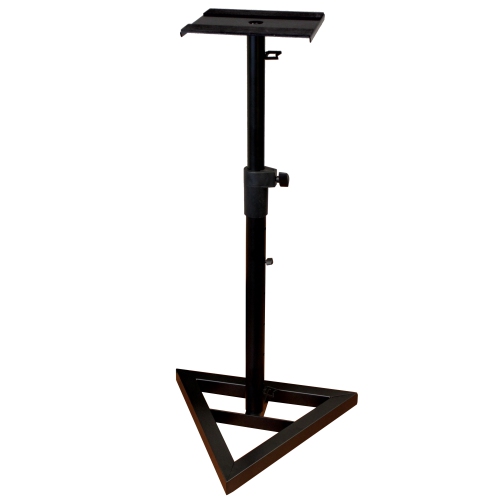


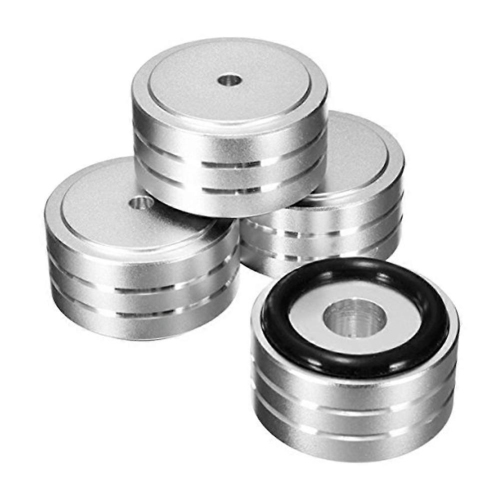


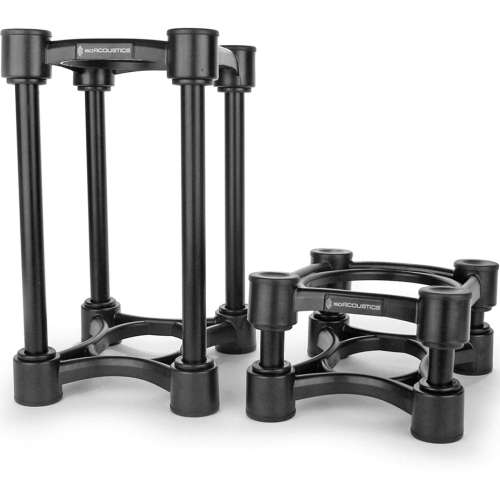


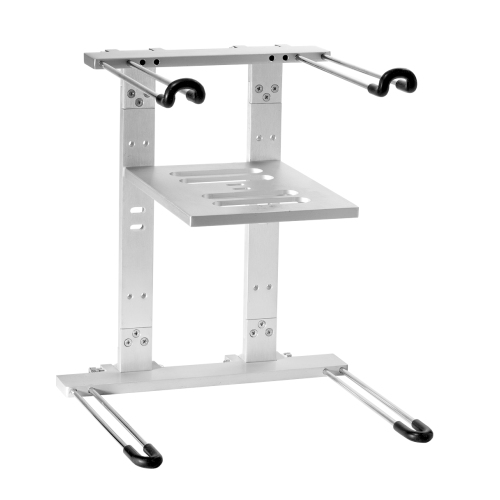


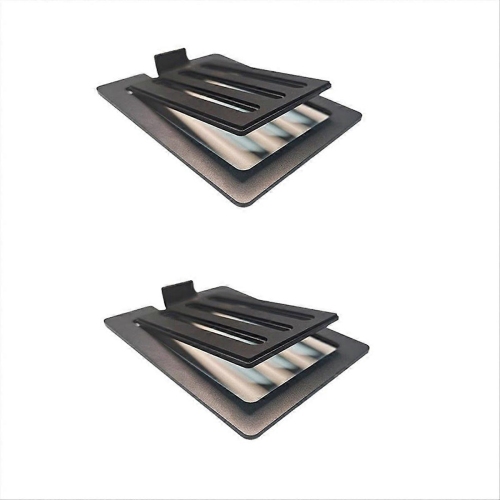

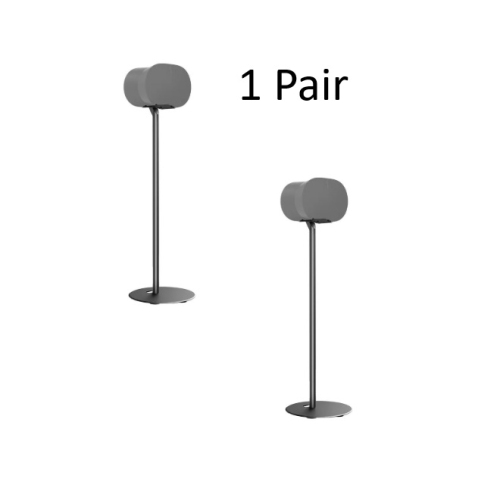

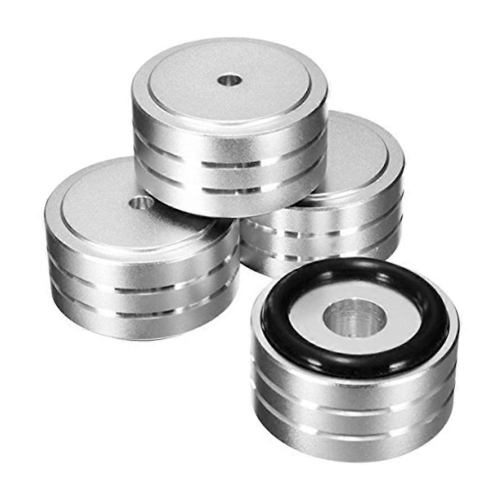

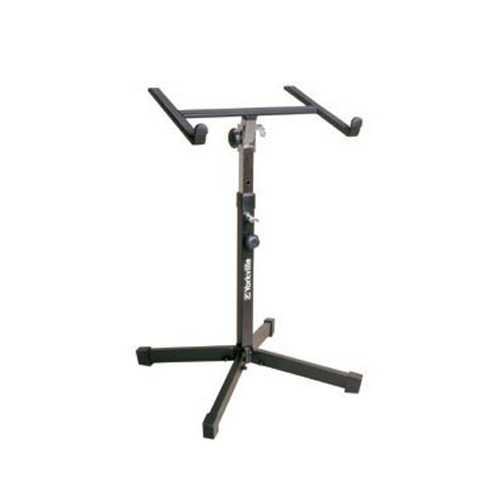
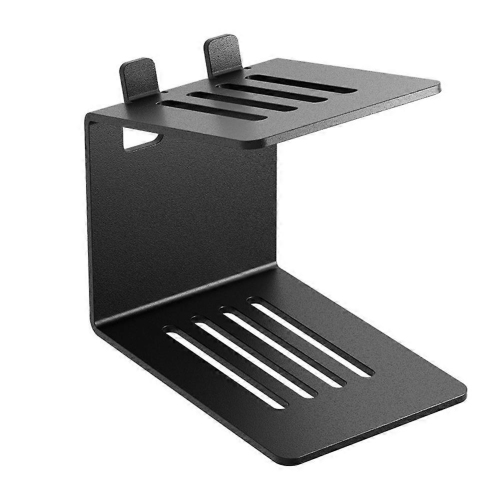


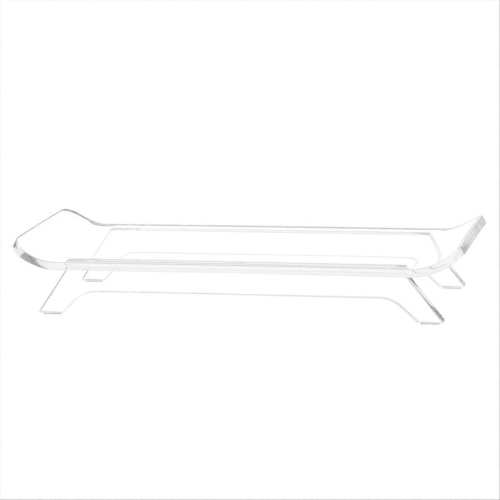
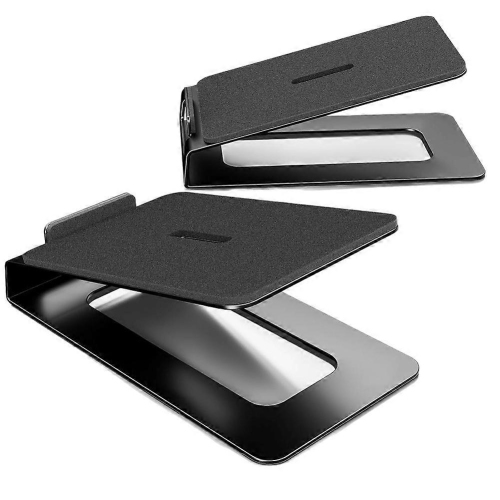










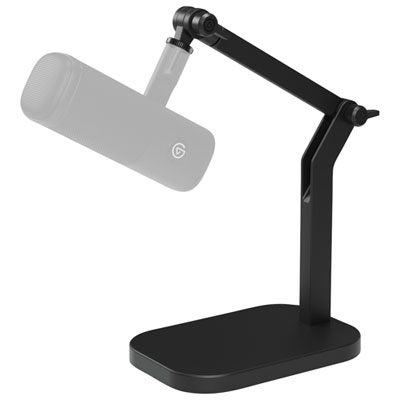


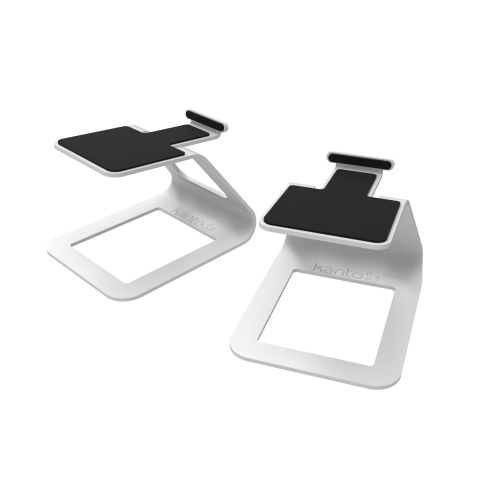
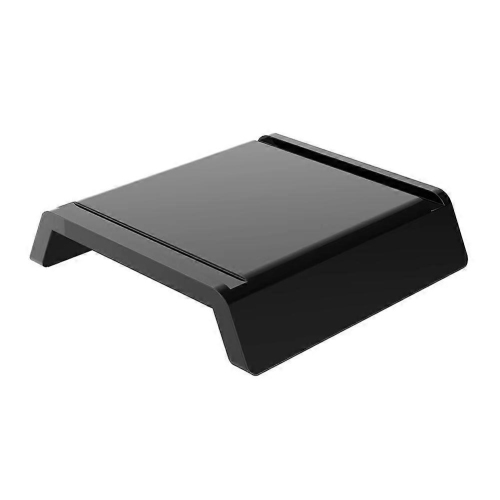

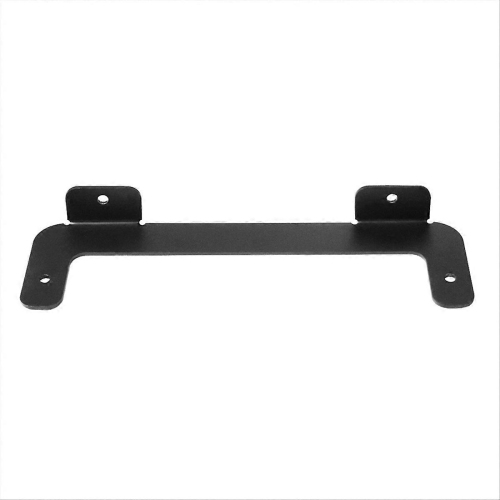





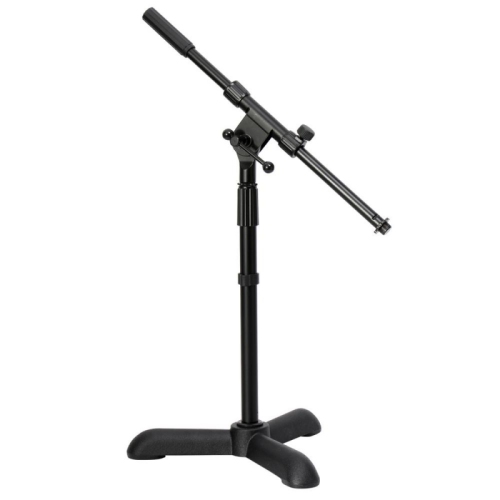

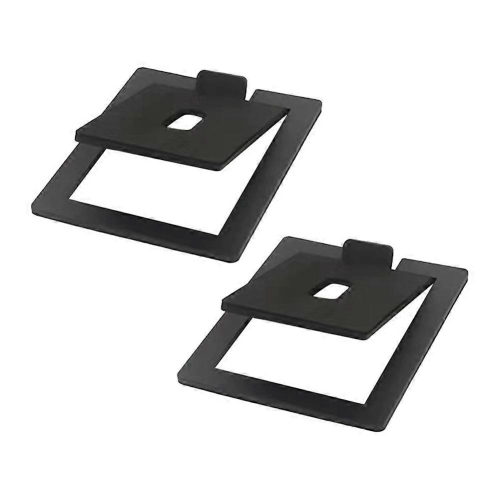
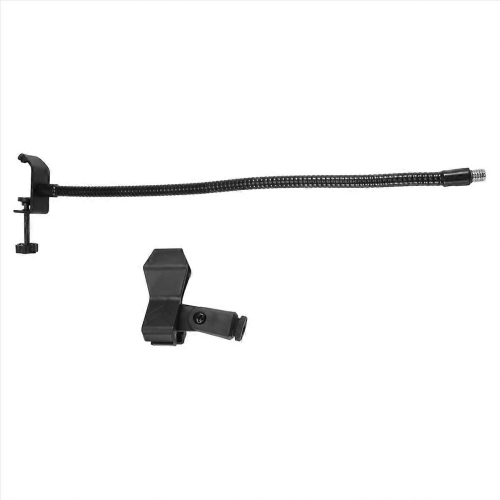
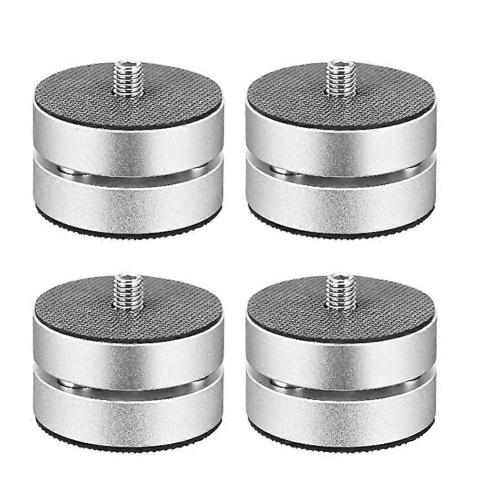

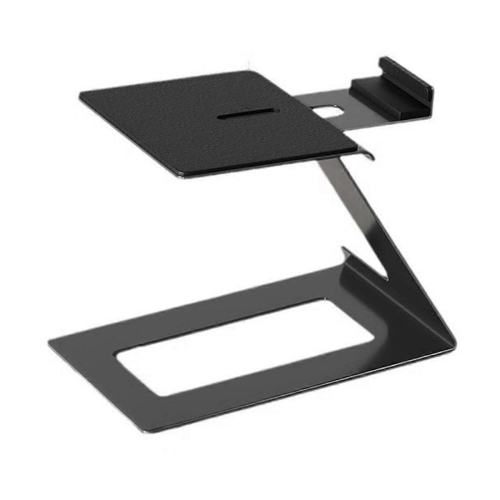
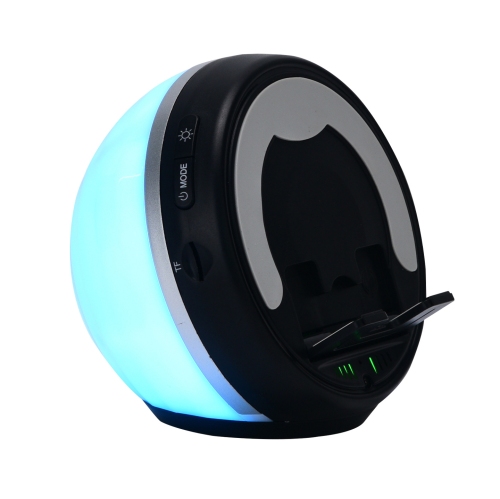
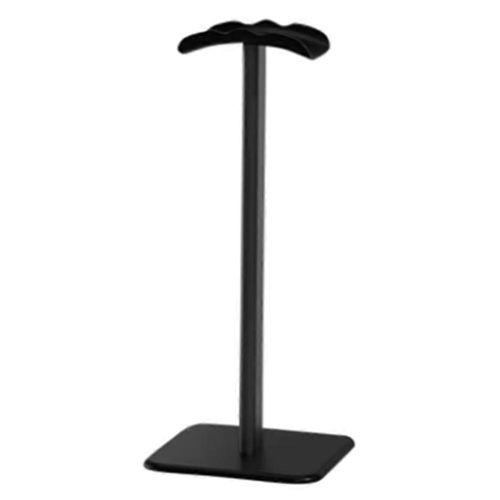
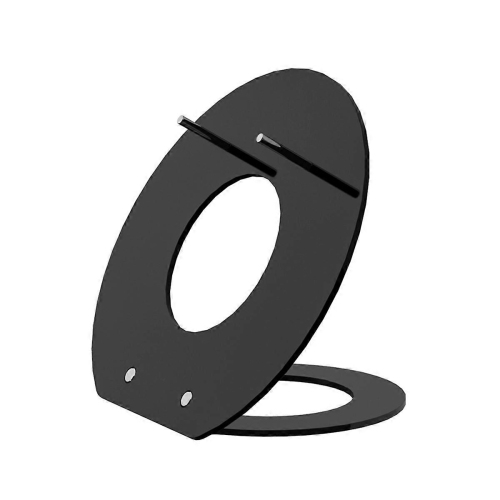

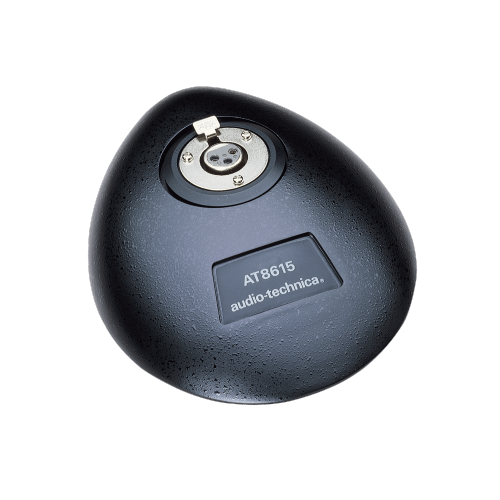
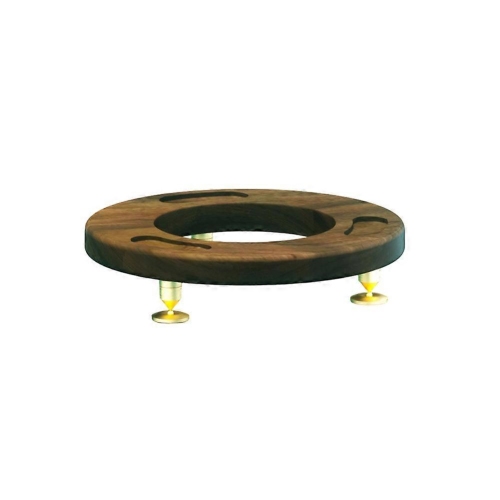
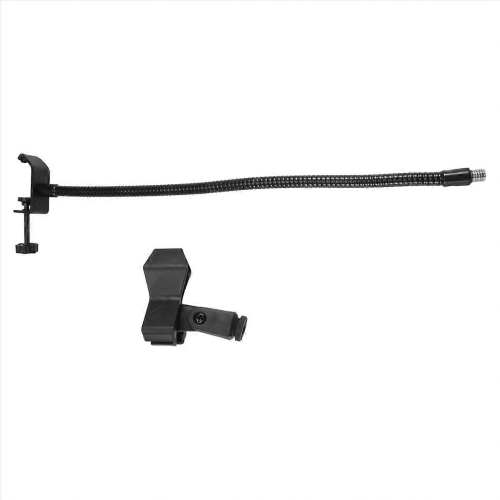
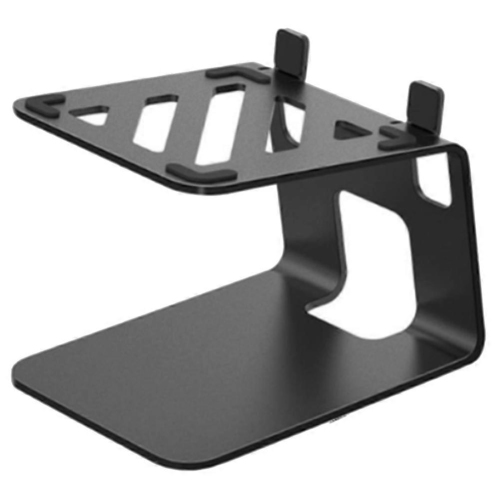

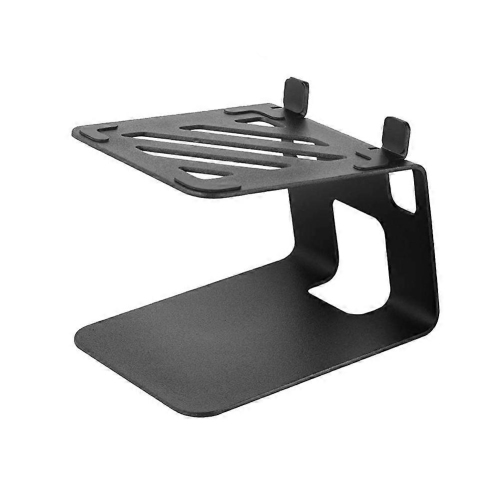
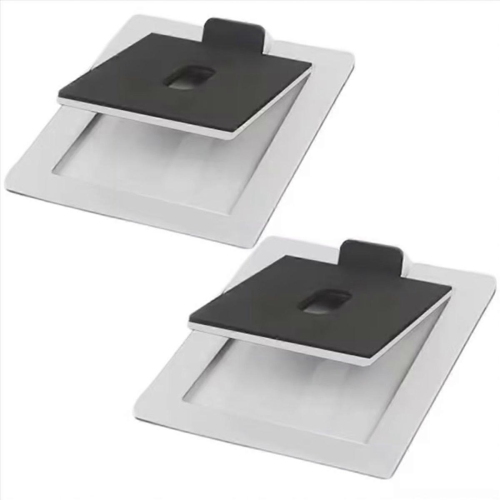

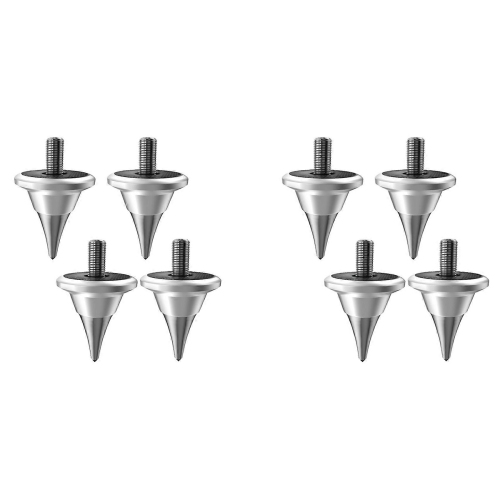
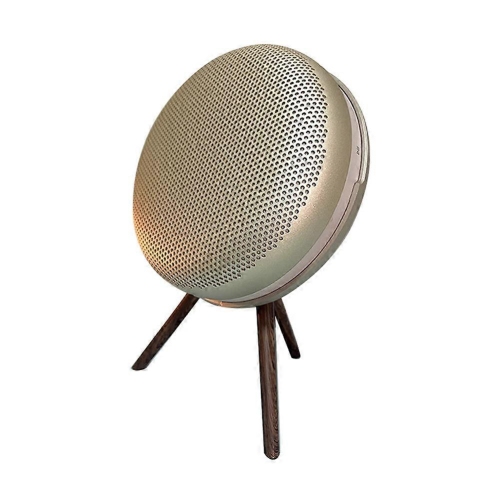
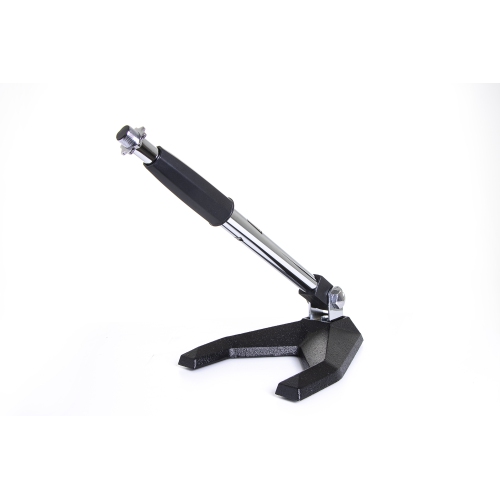



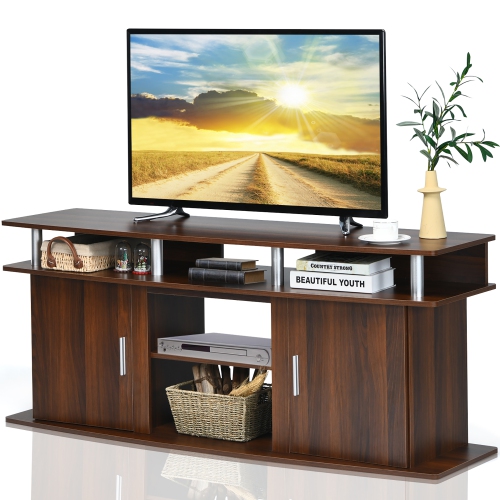

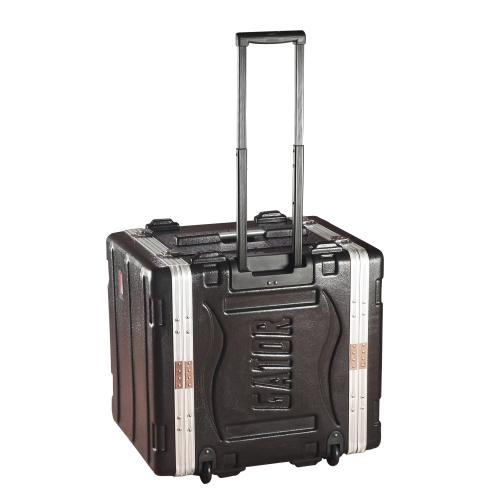
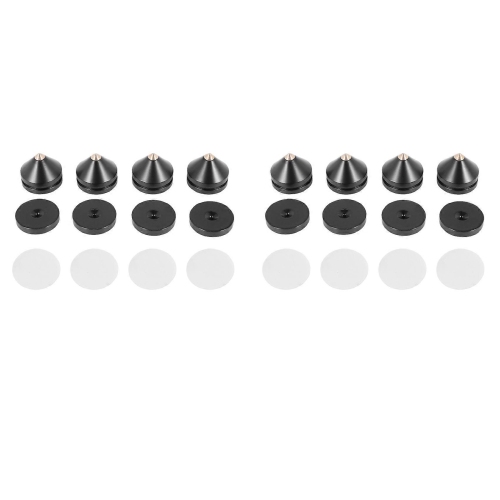


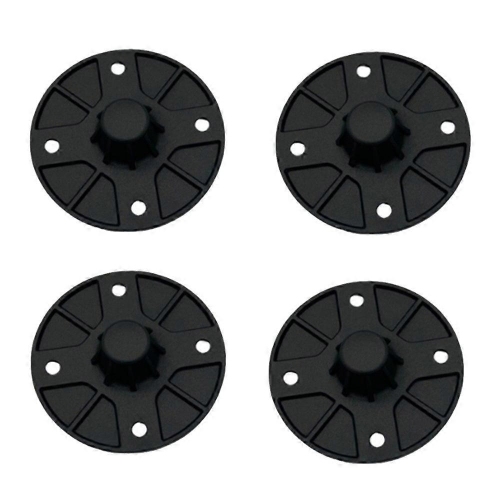
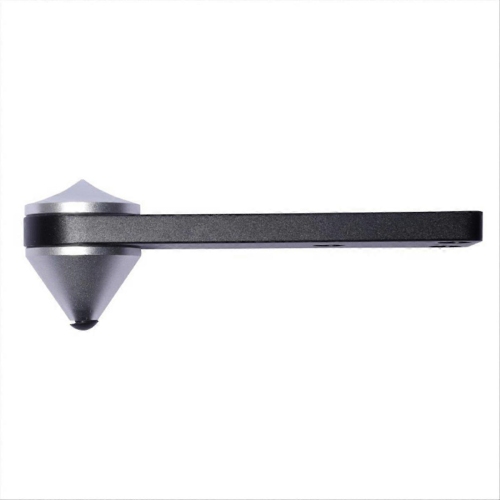
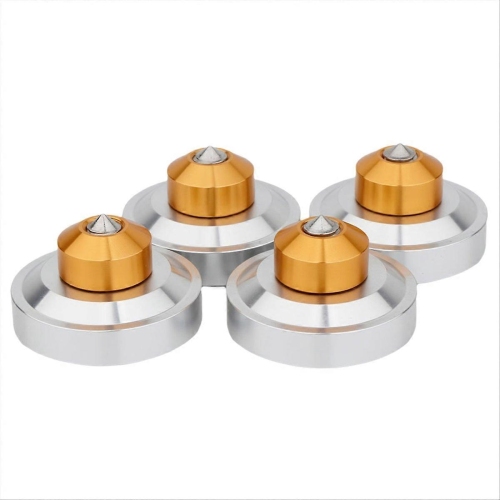
Stable support for better speaker placement and component access
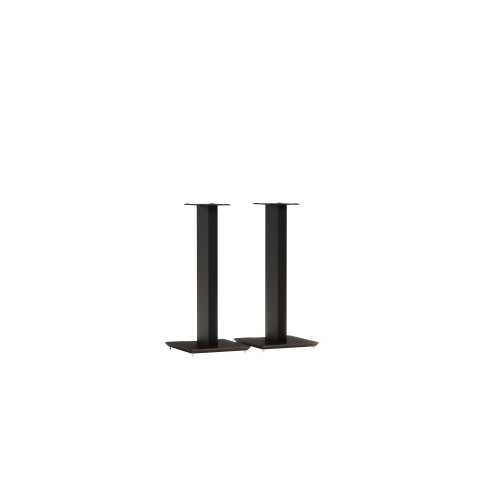
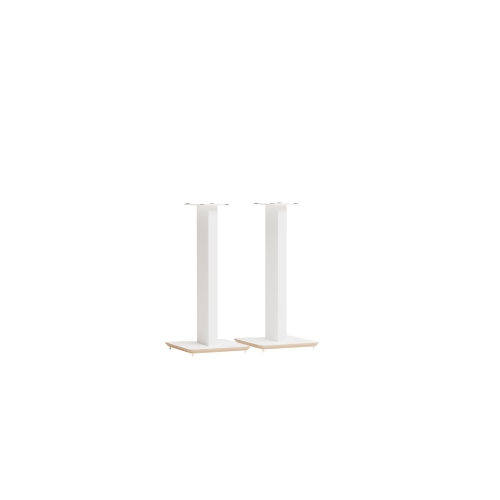
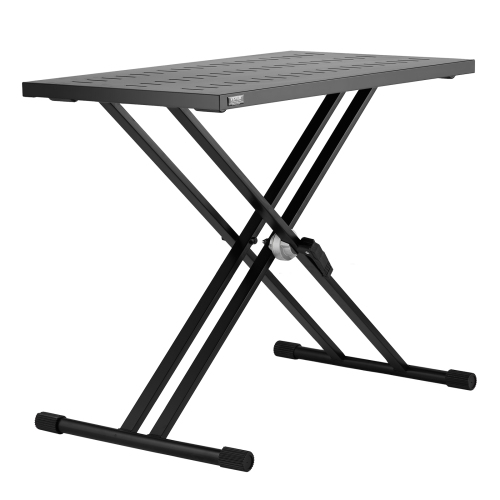
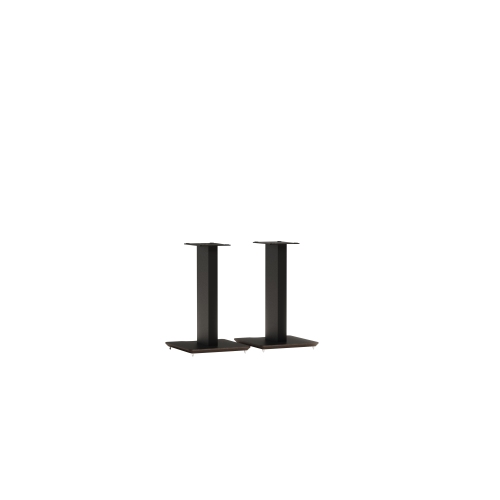
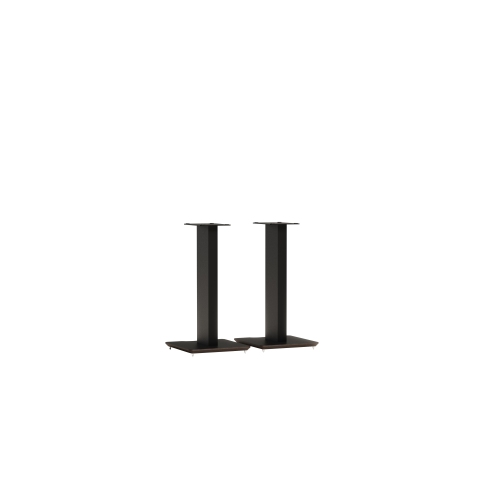
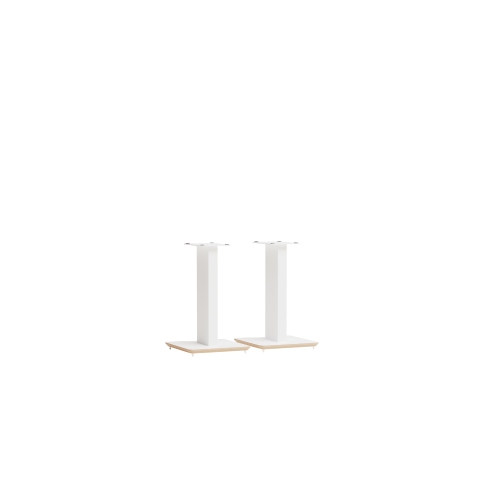
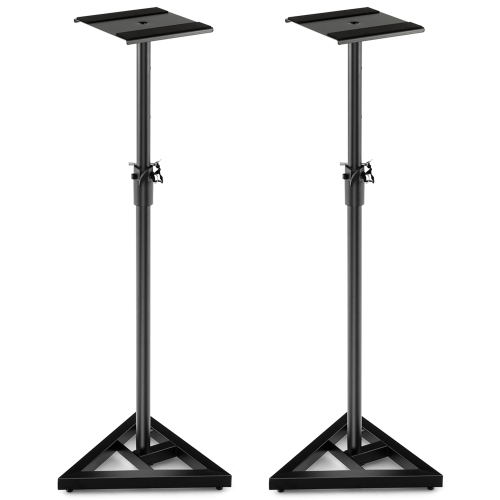
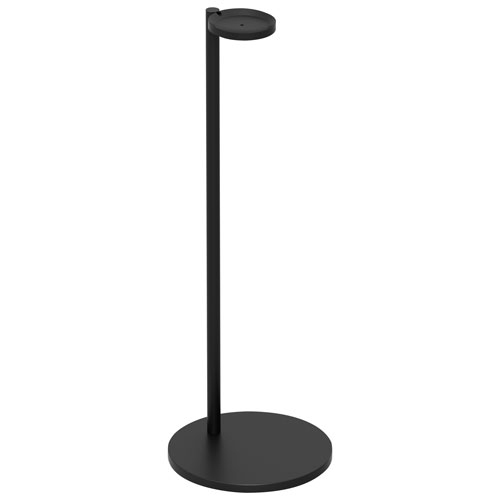
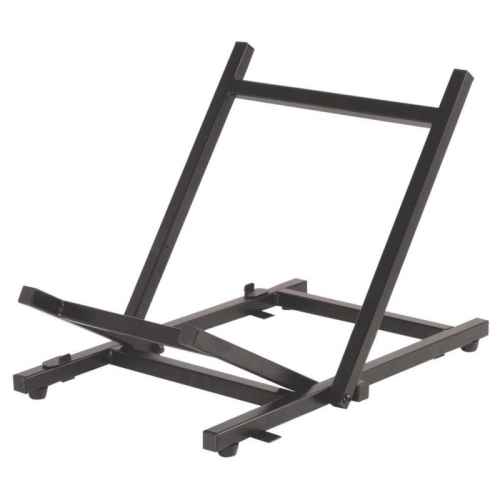
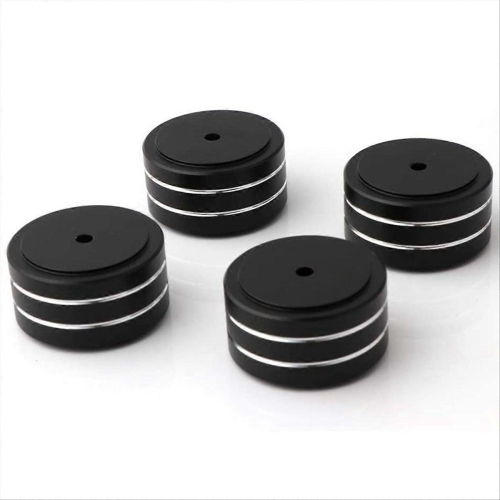
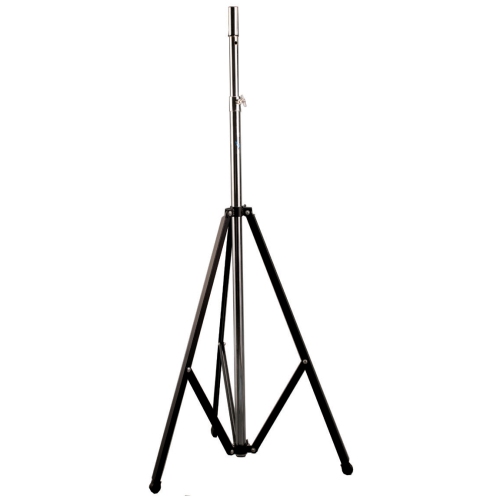
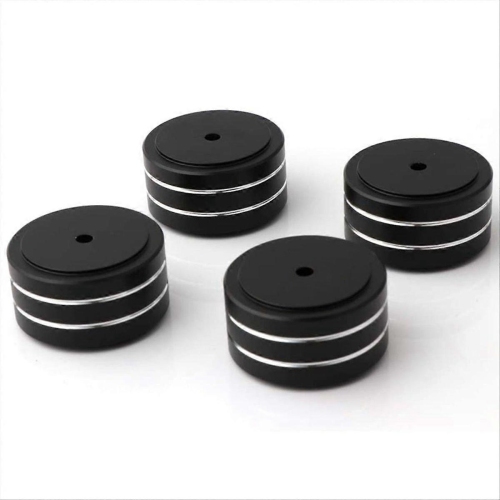
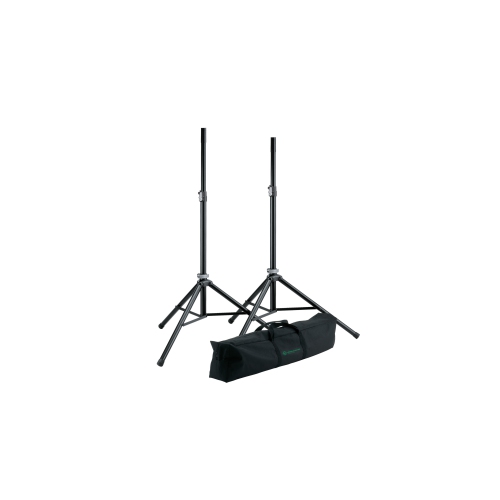
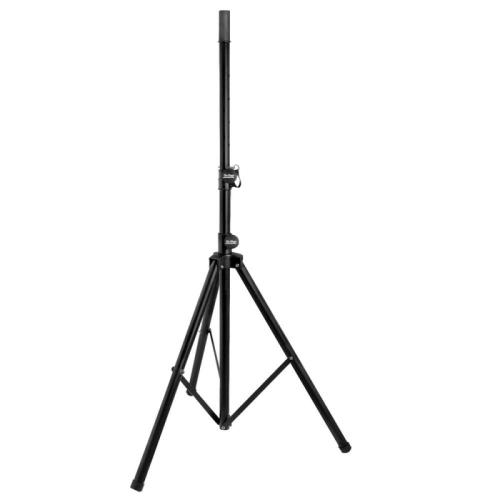
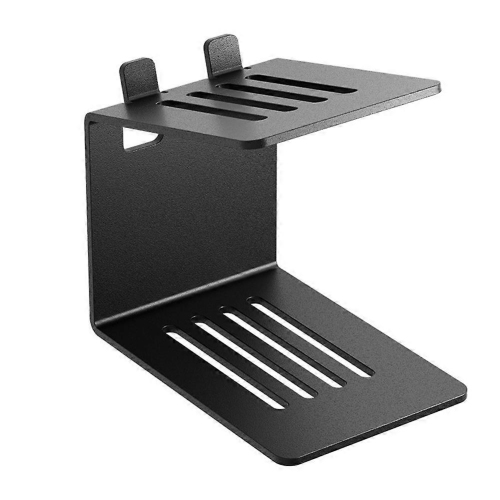
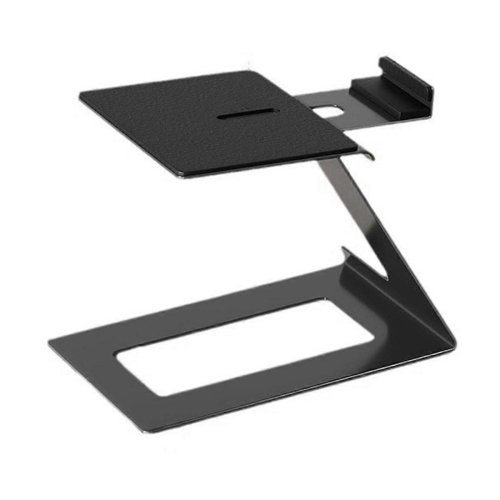
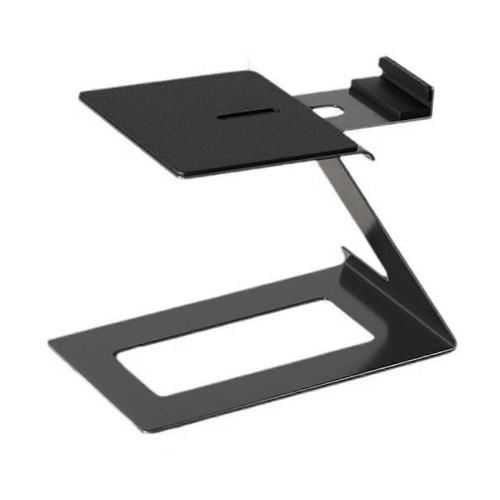
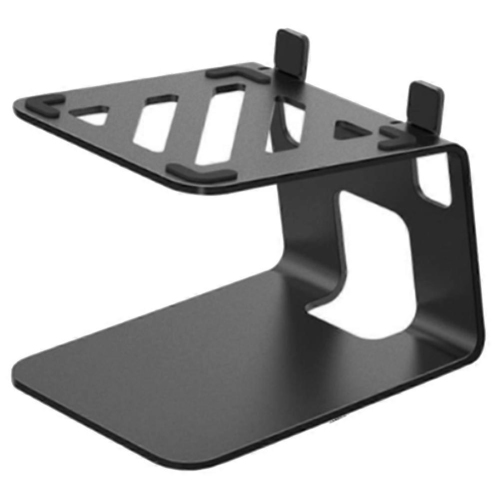
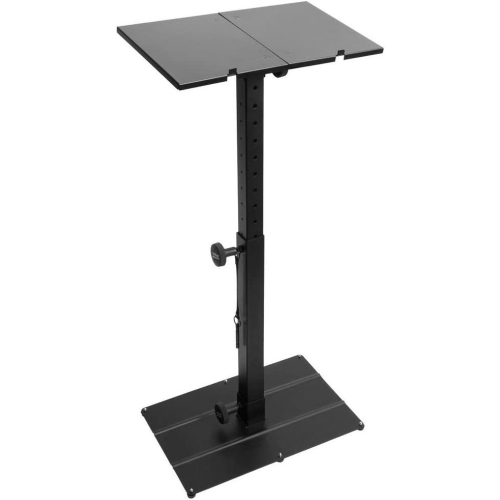
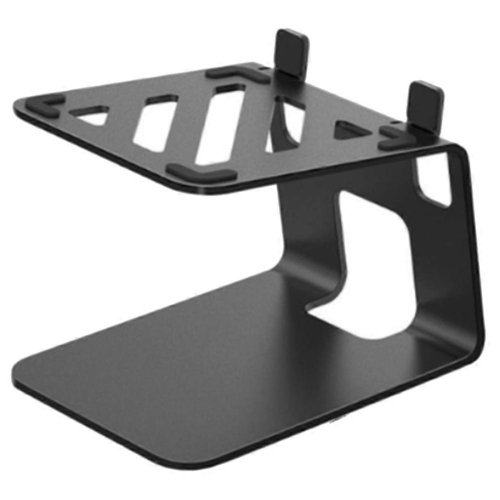
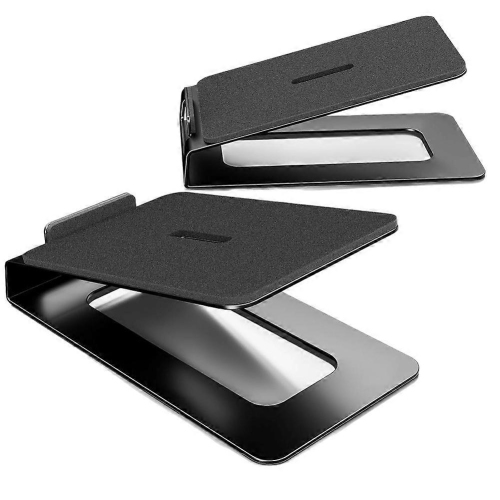
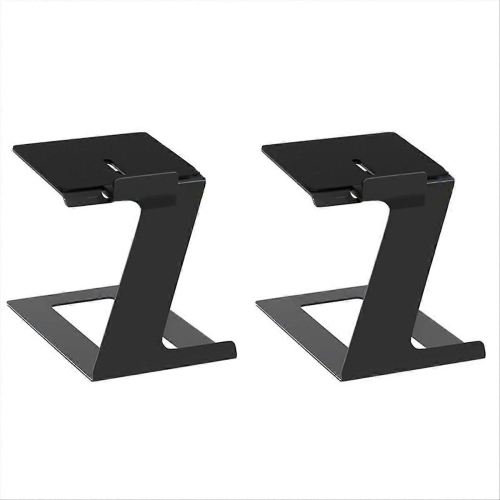
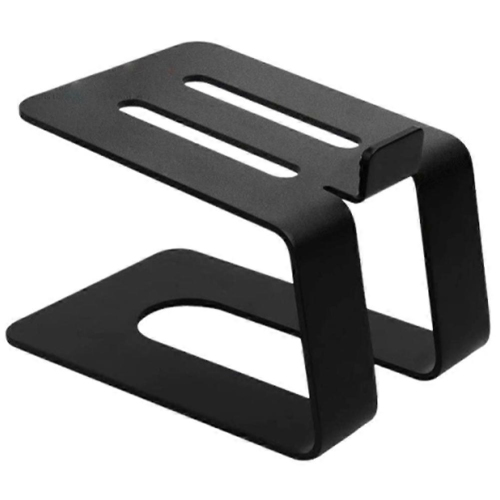
Audio equipment stands give speakers, amplifiers, receivers, turntables, and other audio components a dedicated place to sit, with support suited to their size, weight, and everyday use. The category includes speaker stands that raise loudspeakers to a useful listening height, desktop supports for compact monitors, and hi-fi racks that organize several components on separate shelves. Each serves a different purpose: a speaker stand helps position sound, while an equipment rack keeps components accessible and allows room for connections and ventilation. For a stereo setup beside a sofa, floor-standing speaker supports can place the tweeters closer to seated ear level without occupying a cabinet or side table. At a desk, shorter stands can lift monitors above the work surface or angle them towards the listener, leaving more space for a keyboard, audio interface, or recording notes. Monitor Speaker Stands are especially relevant to listening desks and home recording setups, where stable placement and repeatable positioning matter. A stand’s height alone does not establish compatibility; the top plate, mounting method, speaker dimensions, and rated load all need to suit the equipment. A bookshelf speaker resting on a platform requires adequate support and suitable contact pads, whereas a speaker attached with screws needs the correct mounting points and hardware. Adjustable height can be useful when a room serves several purposes, but fixed-height supports offer a straightforward arrangement when the listening position stays the same. Base dimensions deserve attention, too. A broad base may provide reassuring stability but needs enough clearance beside furniture and walkways. Cable channels or clips can keep speaker wire close to the stand rather than trailing across the floor, provided the cable fits and has enough slack at both ends. For paired speakers, matching heights and consistent placement help establish a balanced listening arrangement, whether the space is used for music, films, gaming, or mixing a recording.
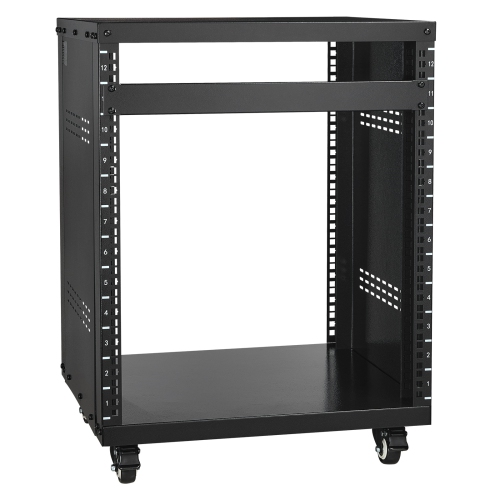
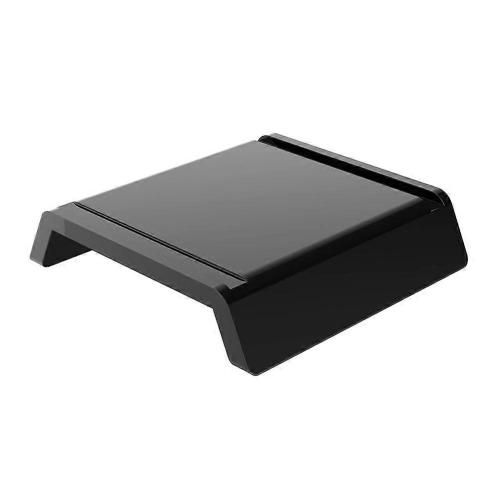
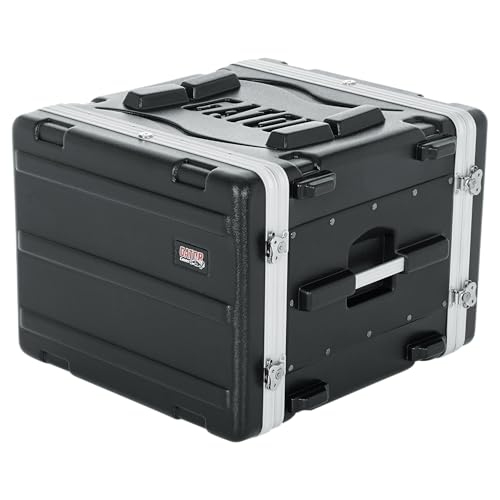
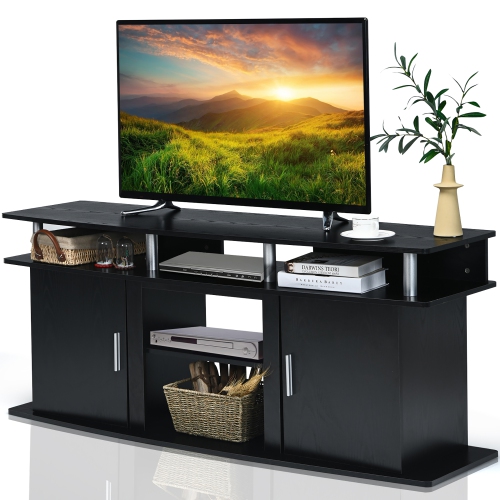
Hi-fi racks and component stands address a different set of practical needs, particularly when an audio system includes several pieces of equipment. A receiver, integrated amplifier, network player, and turntable may fit within the same setup, but their dimensions and access requirements can vary considerably. Usable shelf width and depth matter more than the rack’s outside measurements: rear connectors, stiff power cables, and controls that project from the front can all require additional space. Shelf spacing should also accommodate the clearance specified by the equipment manufacturer, especially above components that release heat. An open-backed rack makes connections easier to reach and can leave a clearer path for airflow, though cables still need to be arranged so they do not obstruct vents. A turntable often benefits from a top surface that leaves room to lift its dust cover and handle records comfortably. Heavy amplifiers require particular care when checking capacity, since a rack may have both an overall weight limit and a separate limit for each shelf. Keeping heavier components lower can improve stability, as long as shelf ratings and ventilation needs are respected. Materials influence both the appearance and the feel of the setup. Steel frames can provide rigid support for substantial components, while aluminum frames may suit designs where lower weight is useful. Wood and wood-based shelves offer a furniture-like finish that can blend with a living room or media cabinet; their construction, thickness, and stated load rating remain important. Glass shelves offer a more open appearance, but their edges need protection from impacts, and capacity should never be judged by appearance alone. Adjustable shelves or modular sections can accommodate changes to a system when the rack is designed for that use. In a compact room, a vertical rack can consolidate equipment within a smaller footprint. In a shared living space, a lower stand may keep controls within reach without dominating the room. Finish and colour can help the stand sit comfortably alongside existing furniture, but reliable support, access, and fit should come first.
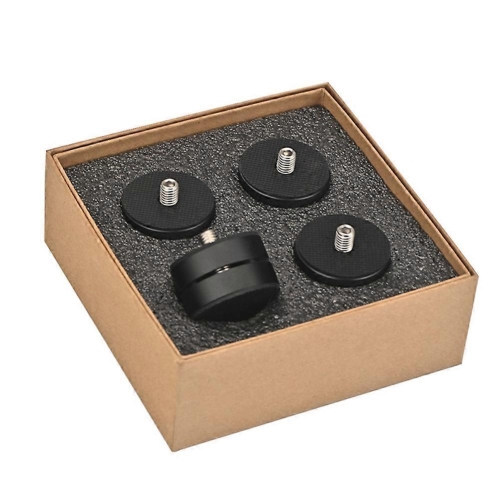
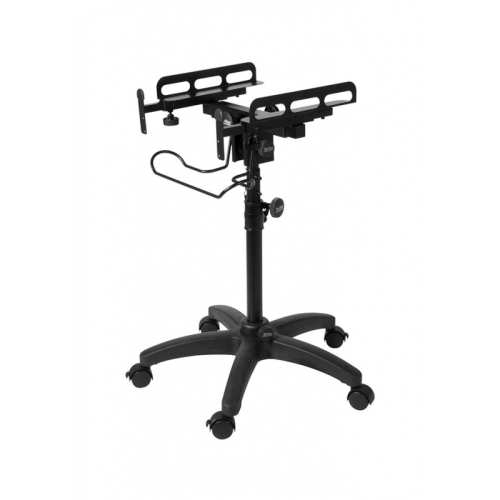
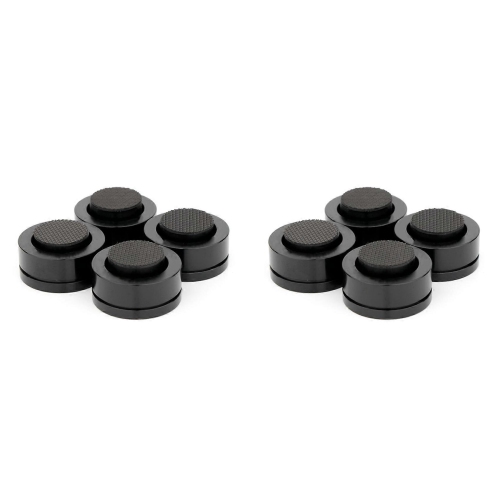
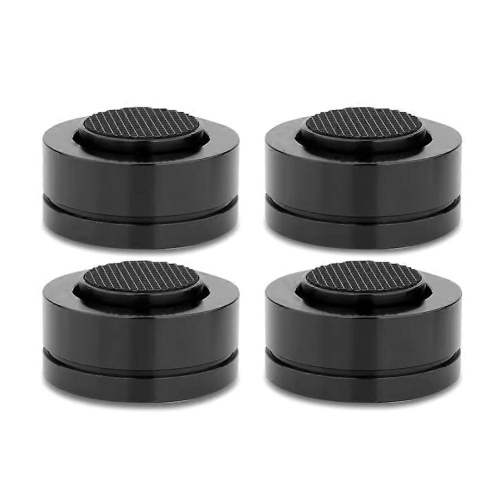
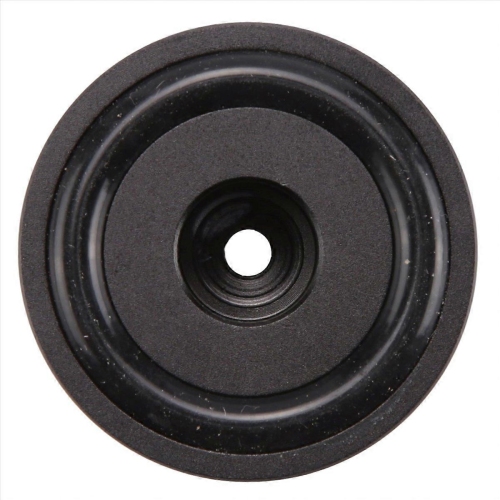
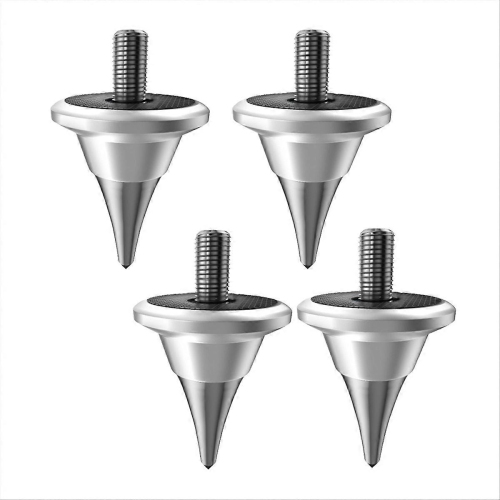
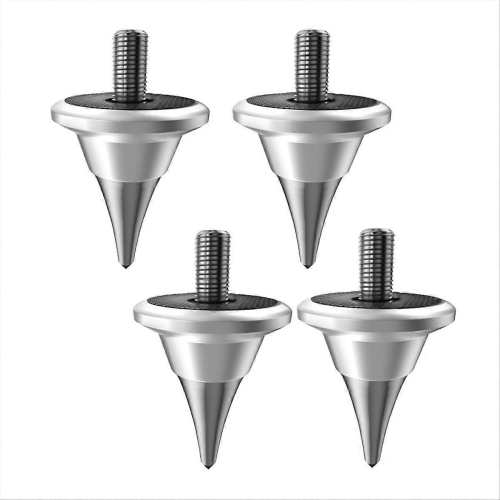
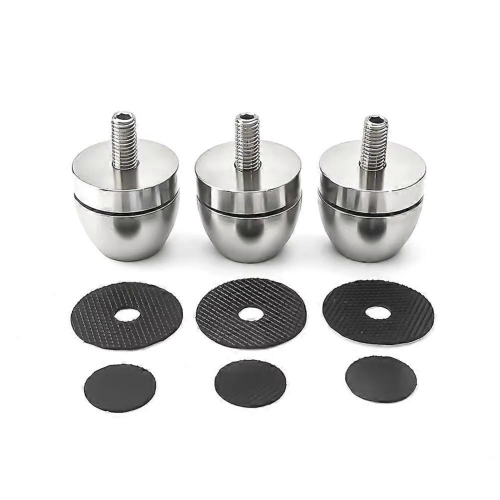
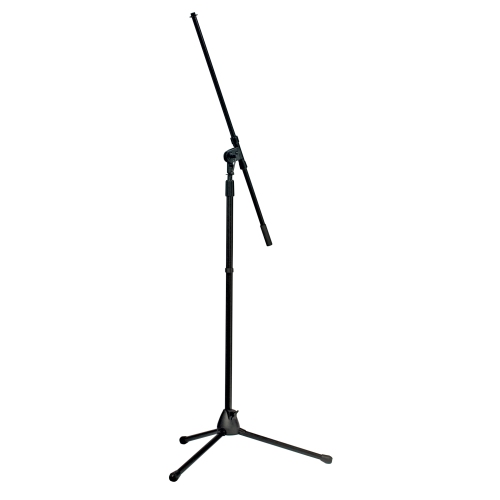
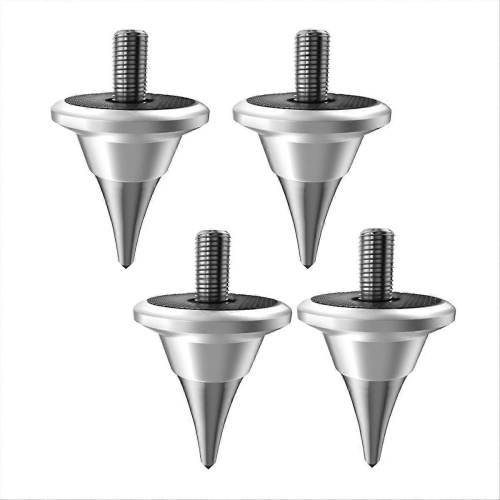
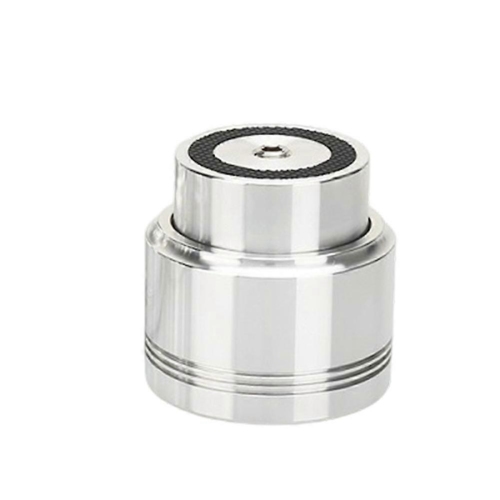
The contact between audio equipment, its stand, and the floor can also affect how a setup behaves in daily use. A turntable near a busy walkway may be sensitive to footsteps, while a speaker placed directly on a desk can transfer vibration into the work surface. Isolation platforms, compliant pads, and purpose-designed supports may help reduce vibration transfer, but their effectiveness depends on the equipment’s weight, the support design, and the surface beneath it. Spiked feet serve a different role from soft isolation pads: they can provide firm contact through carpet, but they are not a universal vibration absorber. On hardwood or other hard flooring, appropriate protective cups or pads can help prevent marks, and levelling feet can compensate for minor unevenness where the stand’s design permits. A level, stable surface is particularly important for a turntable and worth checking after moving the rack or rearranging equipment. Intended use matters beyond the home as well. Portable speaker stands for presentations, rehearsals, or small performances often use folding tripod bases and height-adjustable poles. These need compatible speaker sockets, secure locking mechanisms, and enough clear floor space for fully opened legs; a stand designed for a compact home speaker is not interchangeable with one intended for a larger public-address speaker. Care is generally straightforward but should match the material and finish. A soft cloth removes dust from frames and shelves, while any cleaning solution should follow the stand manufacturer’s directions. Avoid spraying liquid near electronics, dragging loaded stands across floors, or using shelves as steps. Periodic checks of fasteners, adjustable joints, and cable routing can catch looseness or strain before it becomes a problem. When moving a rack, removing the equipment first helps protect both the components and the structure. For a music lover, home recording enthusiast, or someone building a first stereo system, a well-matched stand can be a thoughtful gift when the equipment dimensions and room layout are known. Its lasting value comes from making the system easier to place, connect, use, and care for.
Top selling and popular products
-
 Your price for this item is $69.99
-
 Your price for this item is $259.99
-
 Your price for this item is $179.99
-
 Your price for this item is $379.99
-
 Your price for this item is $59.99
-
 Your price for this item is $259.99
-
 Your price for this item is $379.99
-
 Your price for this item is $179.99
Discover more categories related to Audio Equipment Stands

Top Collections:
Pokemon Centers, Kindle Devices, Best Budget Office Chairs, Canon G7X Cameras, Apple iPhones 16, Samsung Galaxy Phones, Refurbished Apple Laptops, Laptops for Students, iPhone 15 Apple, Budget Smartphones
Some products may be subject to Environmental Handling Fees
(EHF) depending on your province.
Learn more about EHFs.