Audio Equipment Racks
Organizing and displaying your audio equipment has never been easier with our wide selection of audio equipment racks. Whether you're a professional DJ, a home theater enthusiast, or simply someone who appreciates high-quality sound, our racks provide the perfect solution for keeping your audio gear neat, accessible, and stylishly showcased. With various sizes and designs to choose from, you can find the ideal rack to suit your space and personal style. Say goodbye to cluttered cables and tangled wires – our audio equipment racks are here to elevate your audio setup to the next level.
Sort


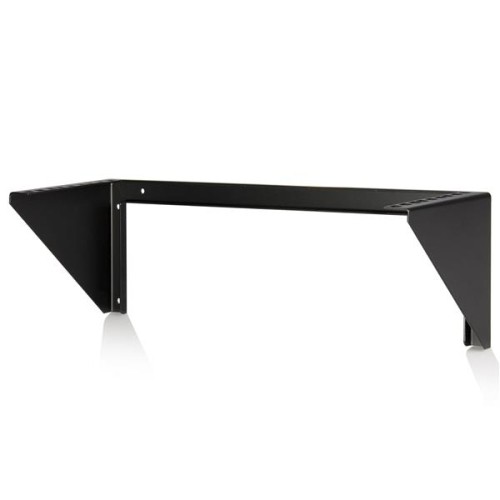
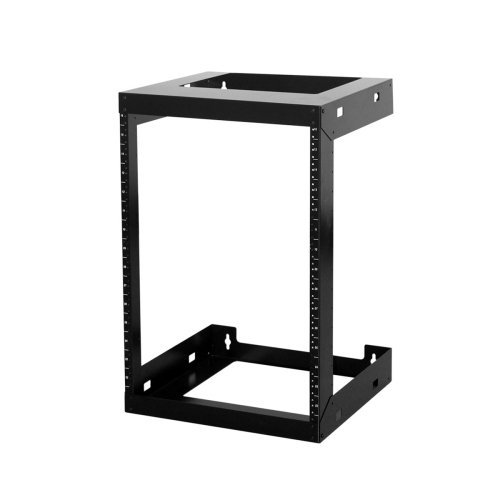
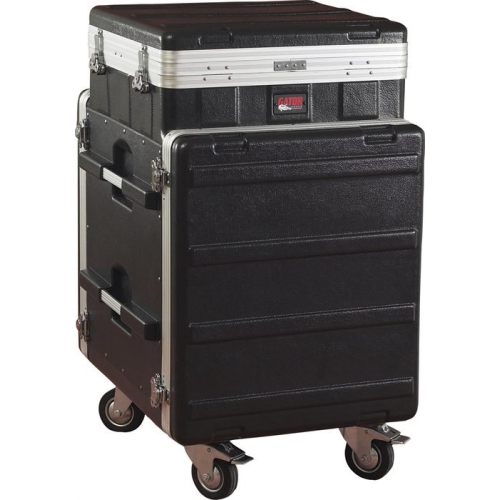
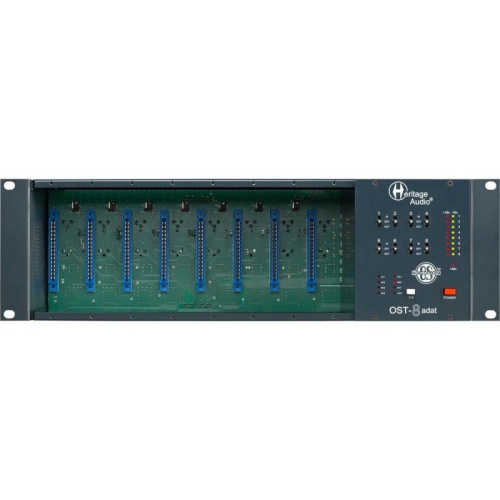

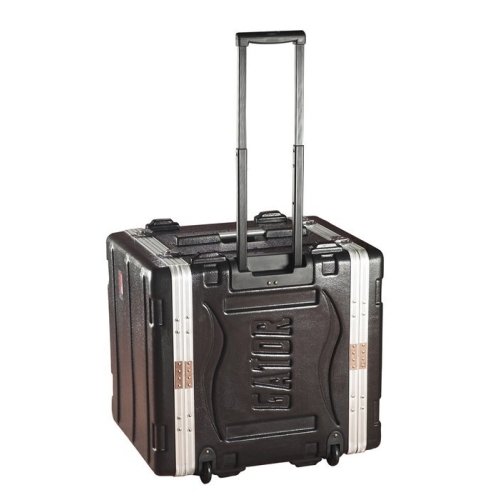
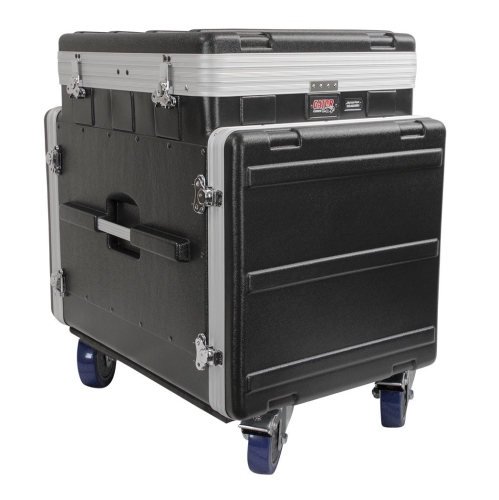
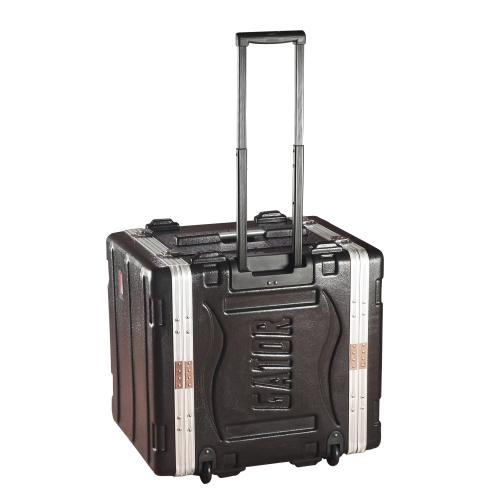
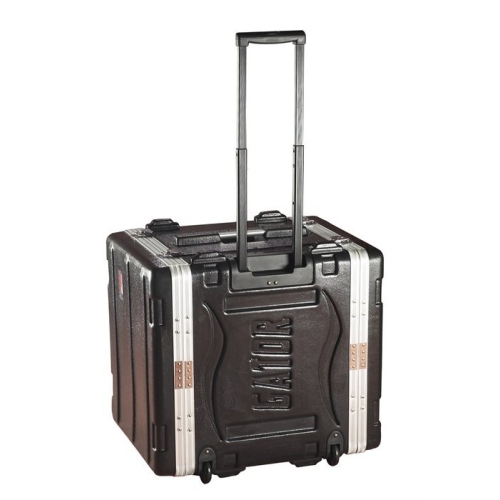


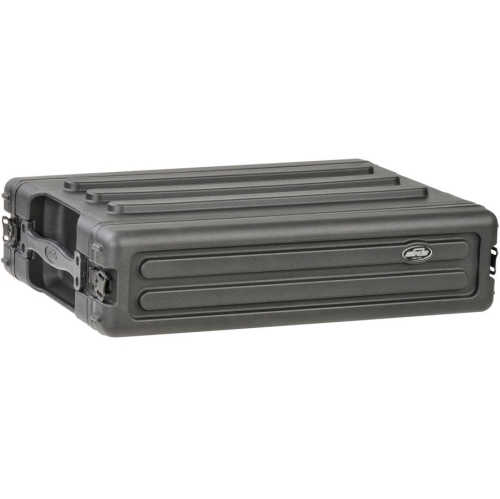
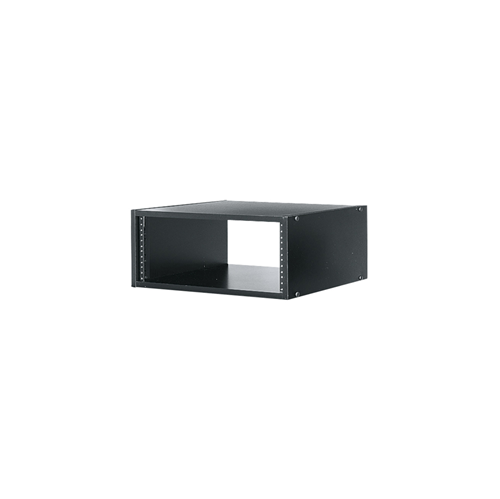

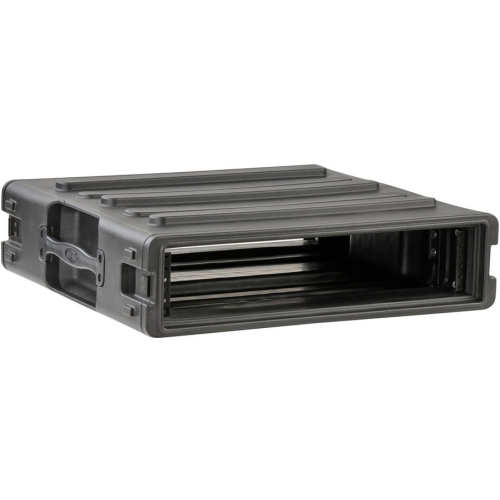
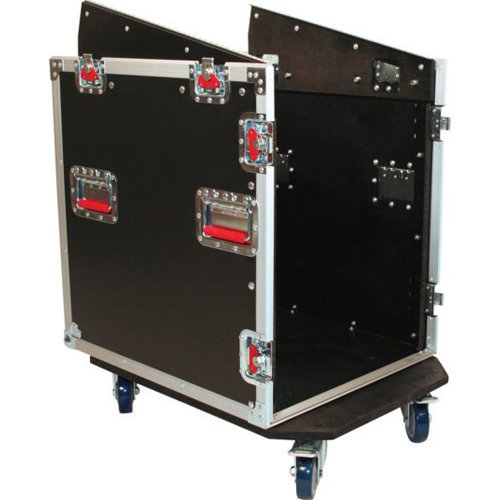

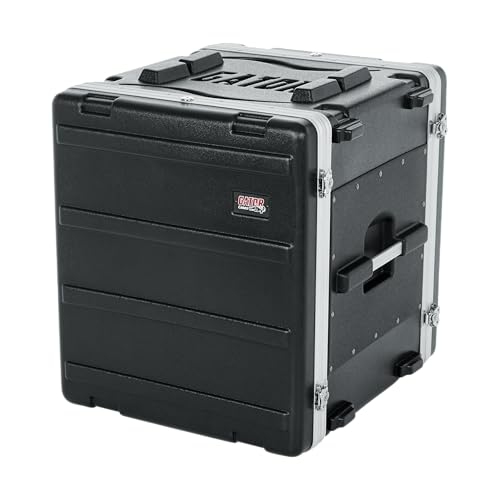
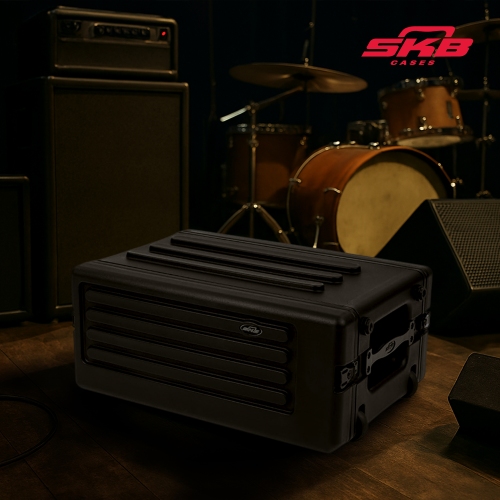
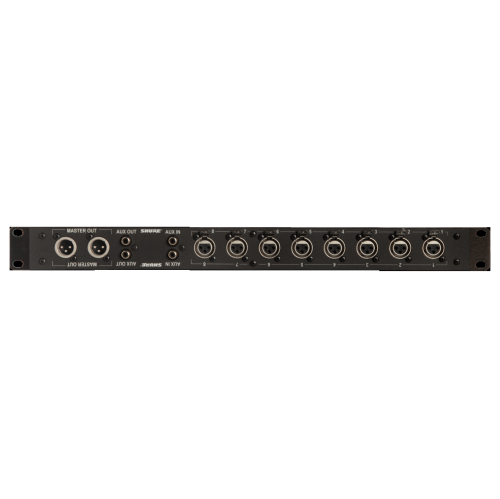
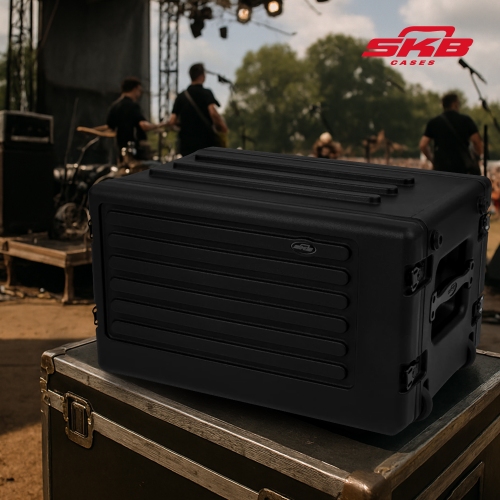

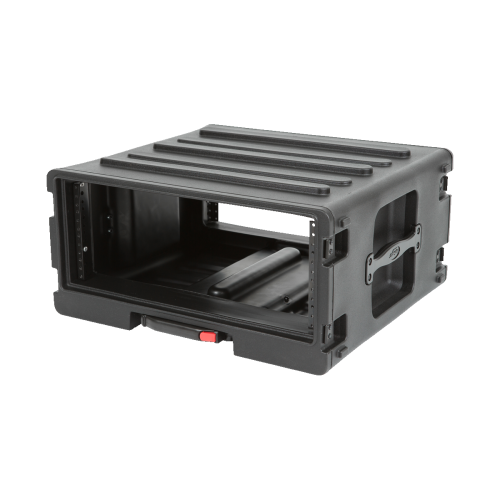
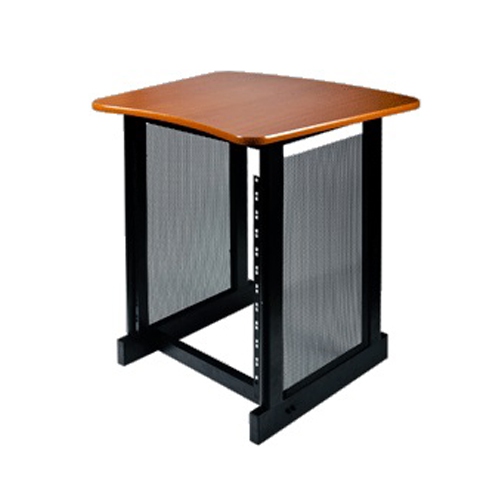


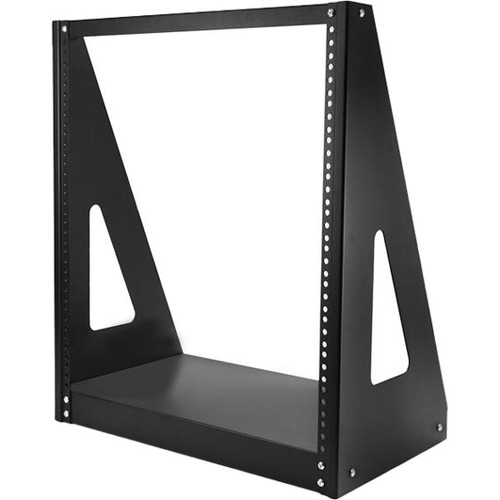


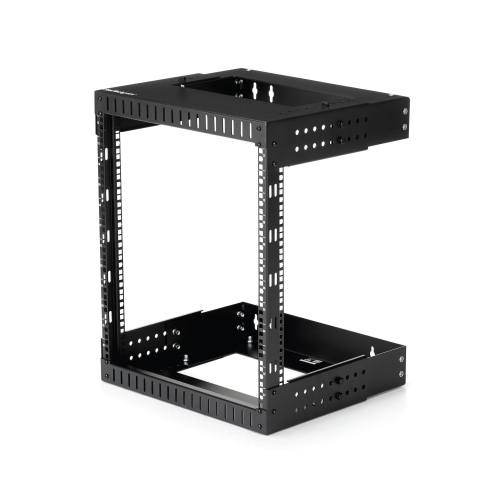








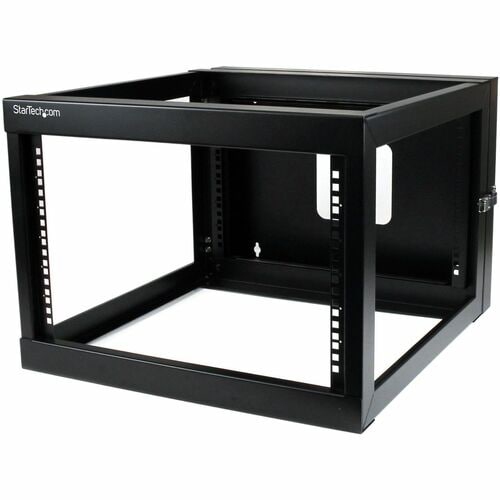
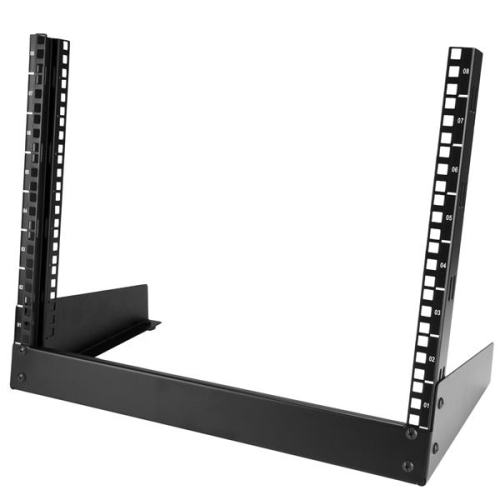

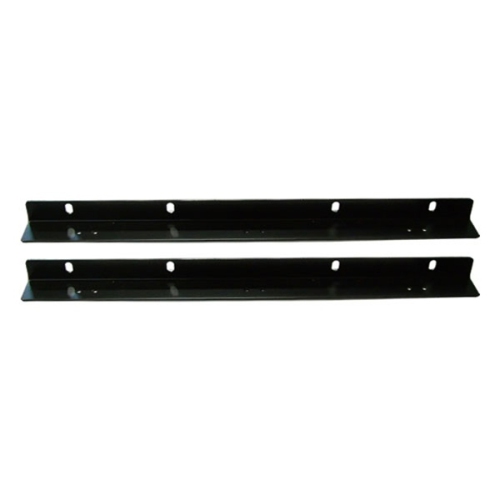
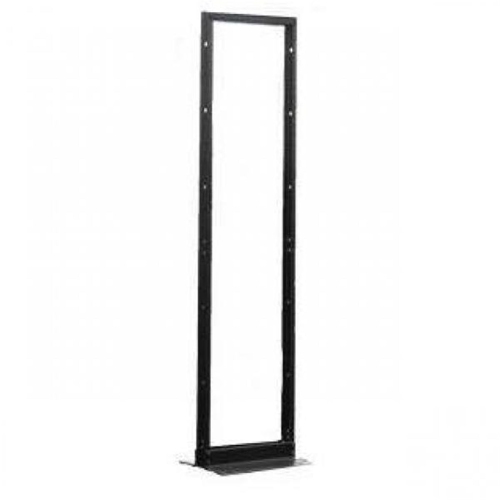



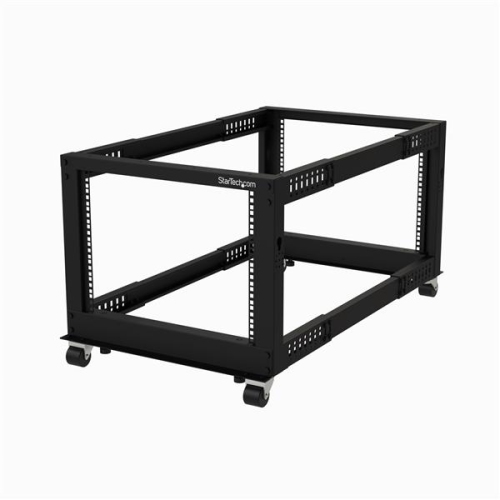

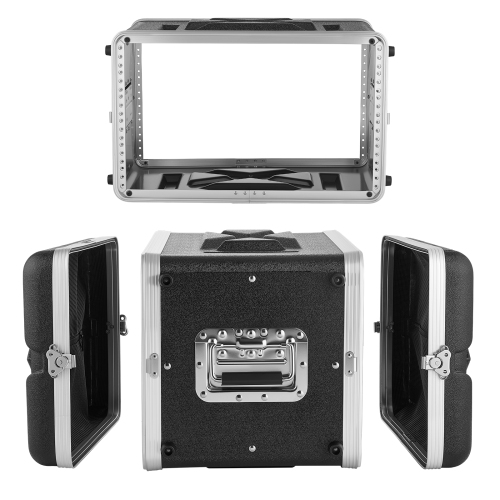
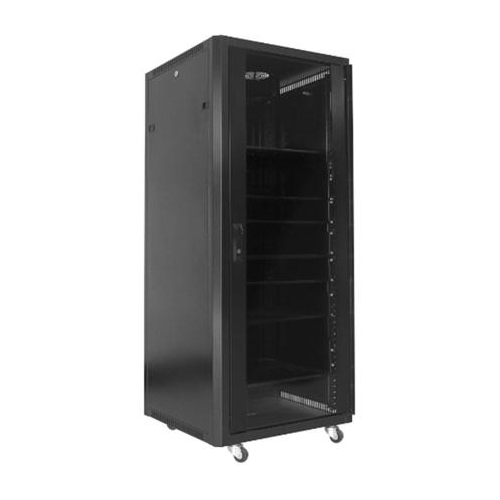


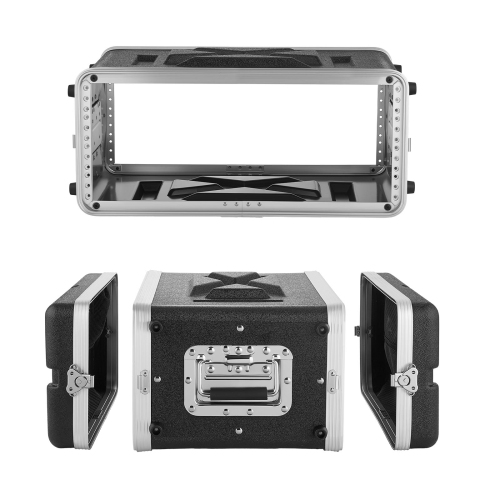



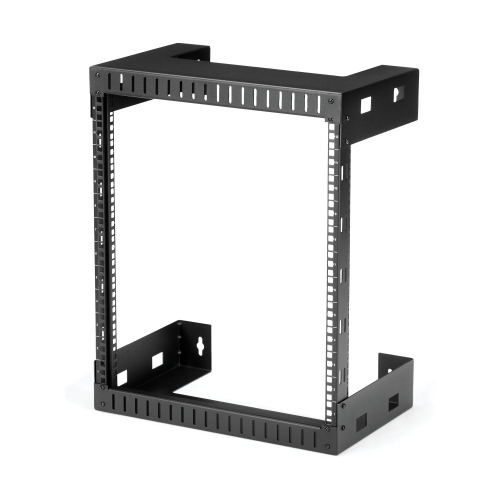
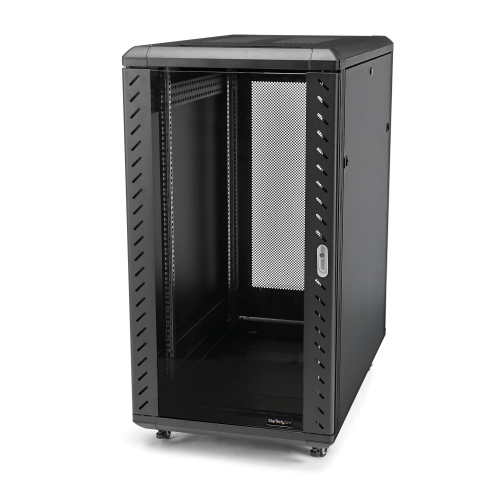
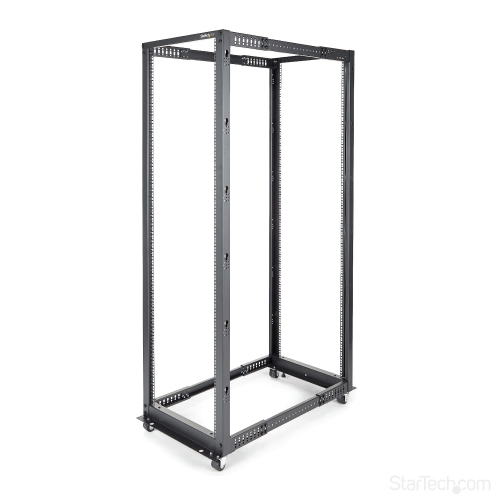
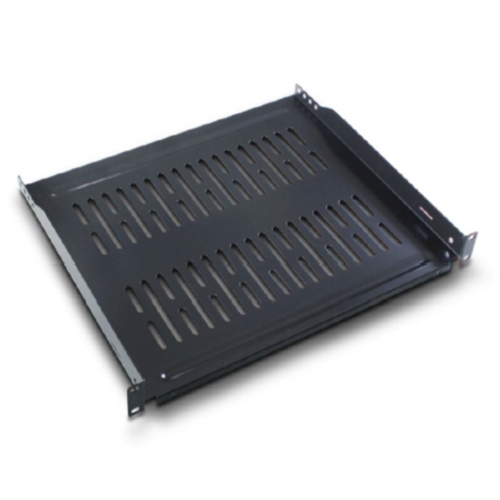




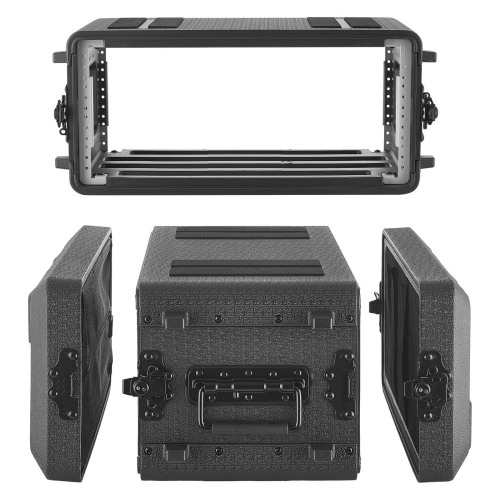


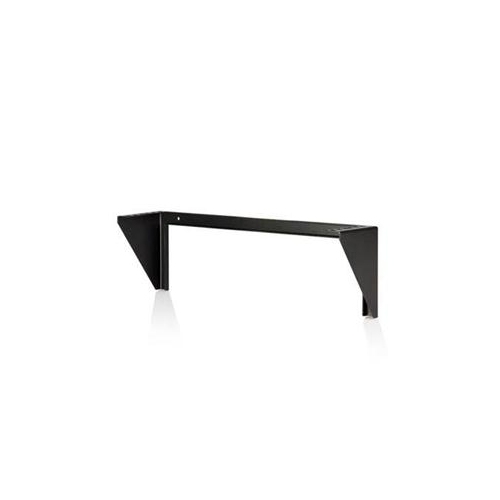
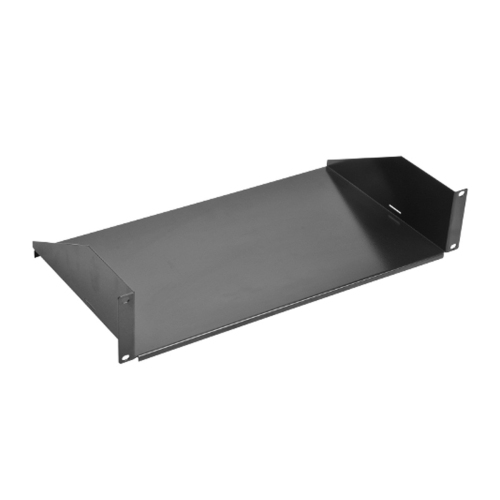
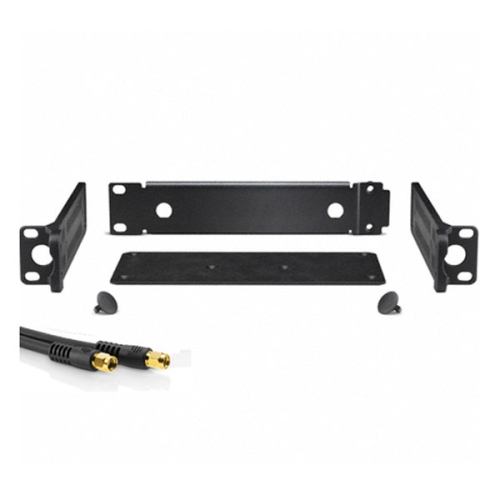
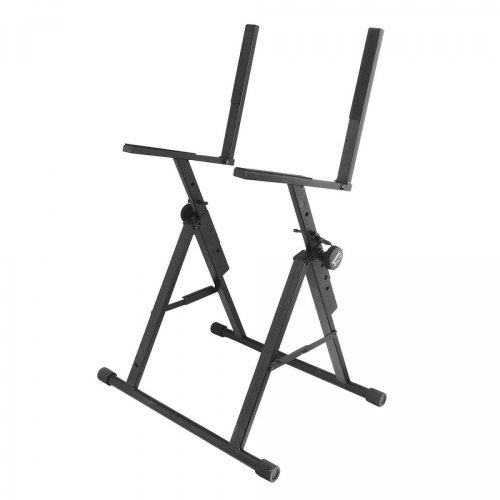
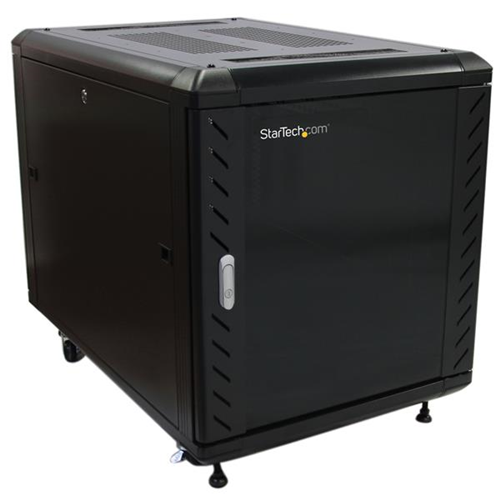
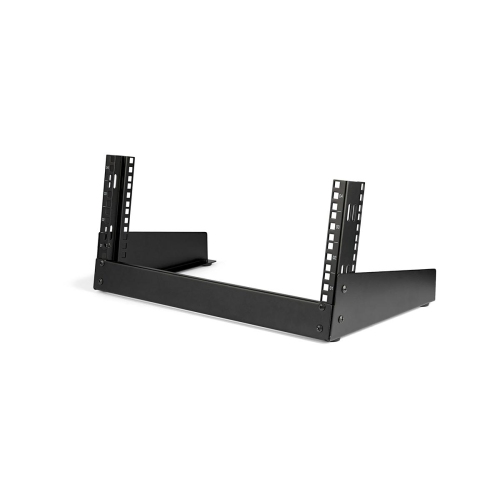
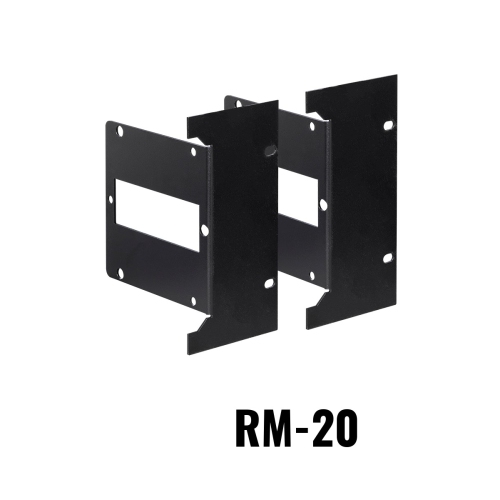
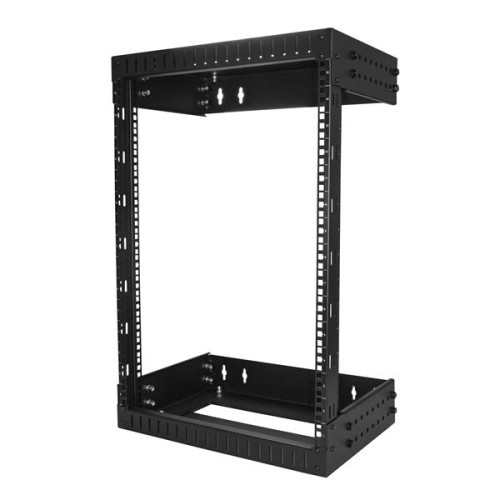
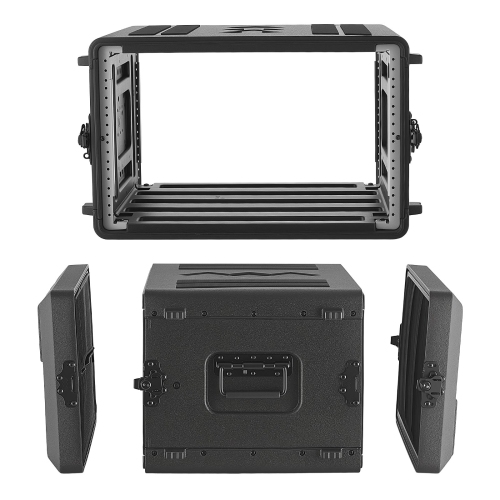
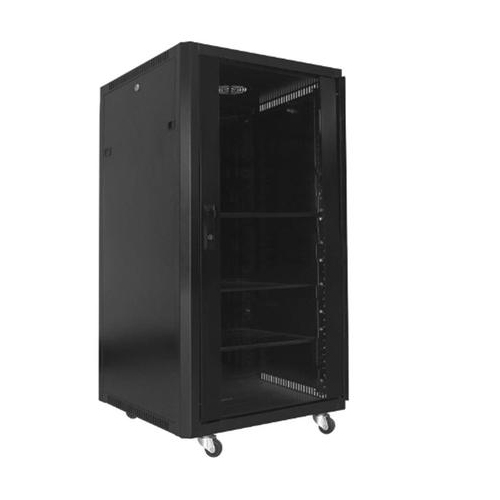
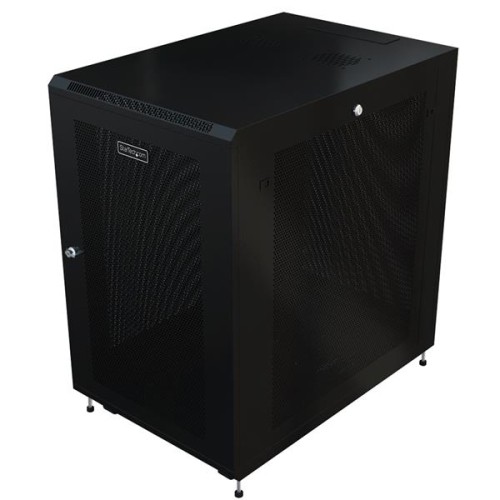


Your audio setup needs more than shelf space
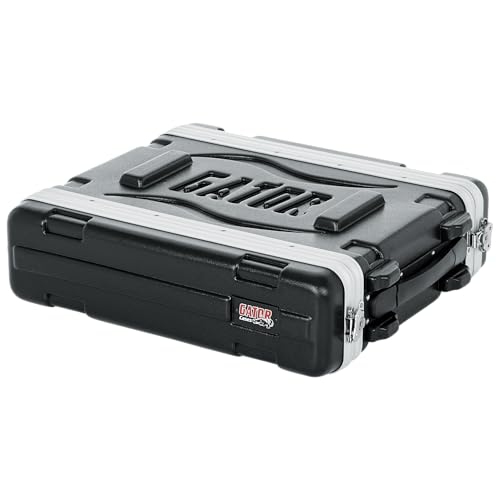
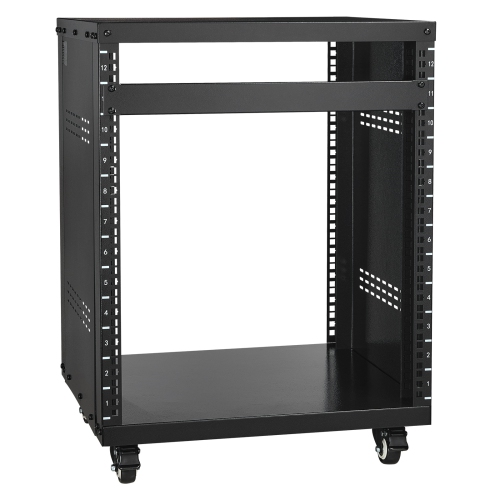
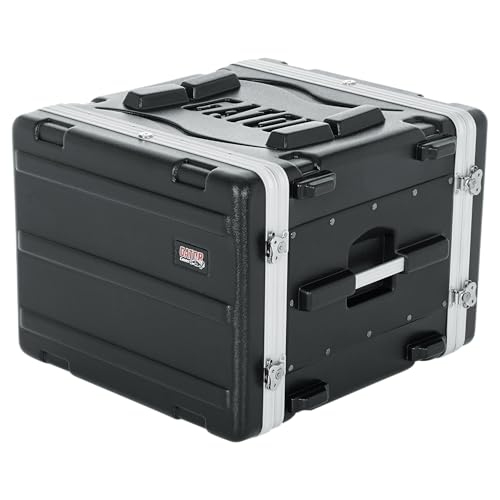
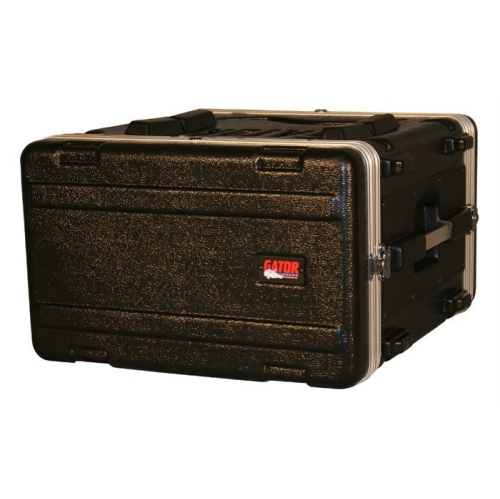
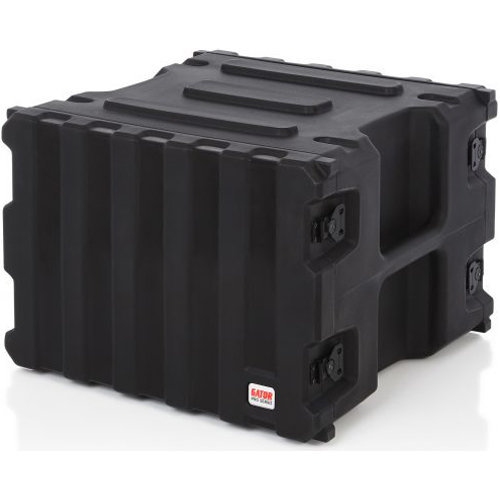
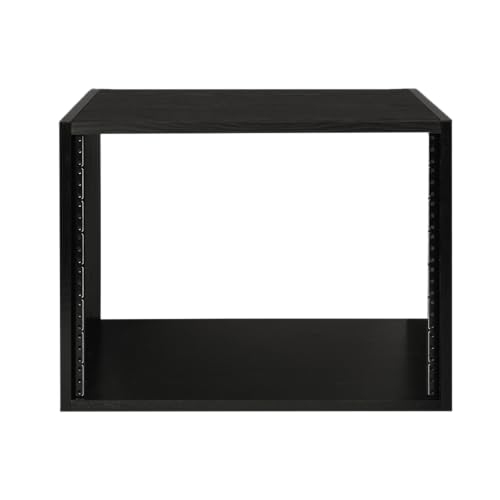
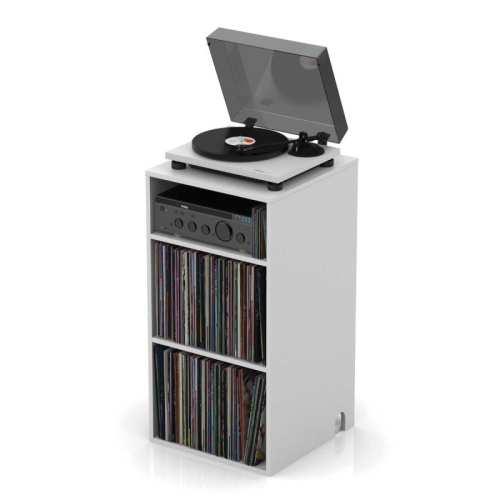
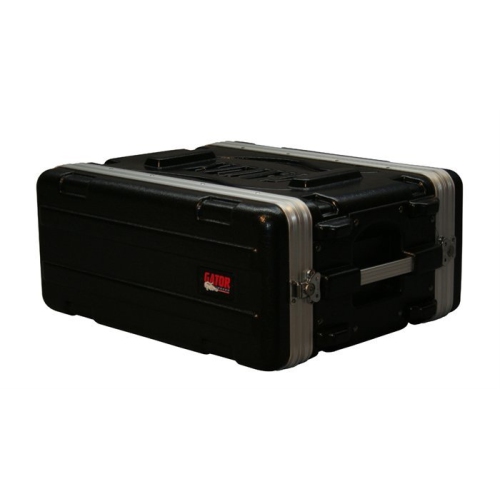
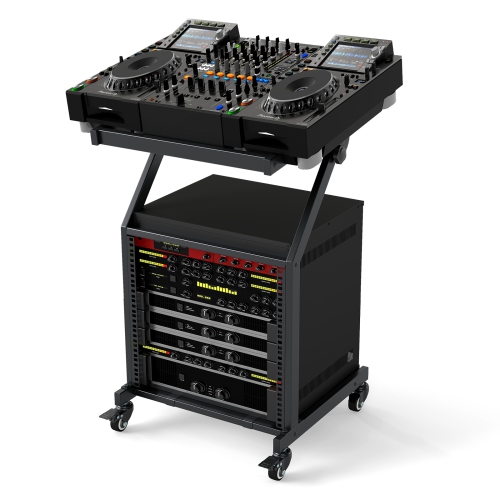
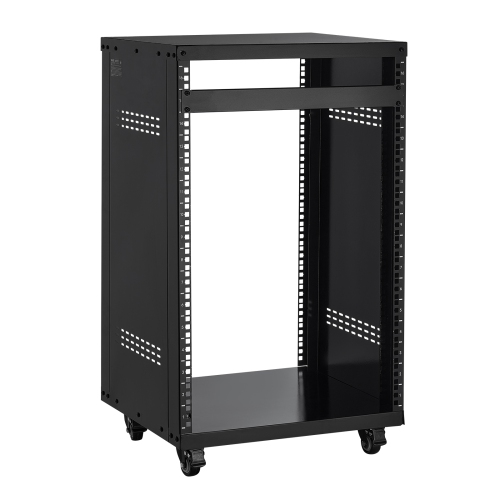
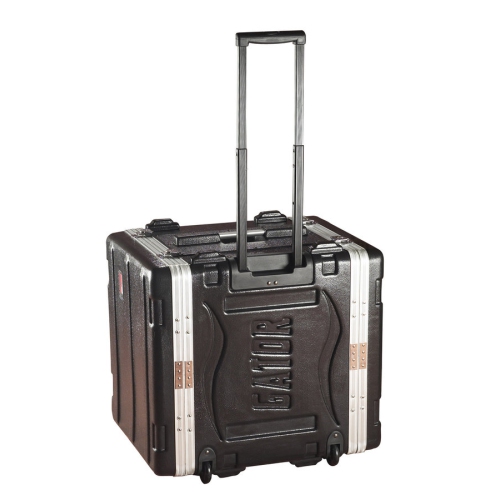
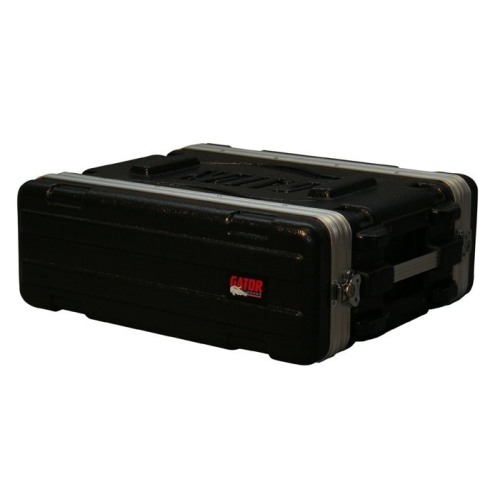
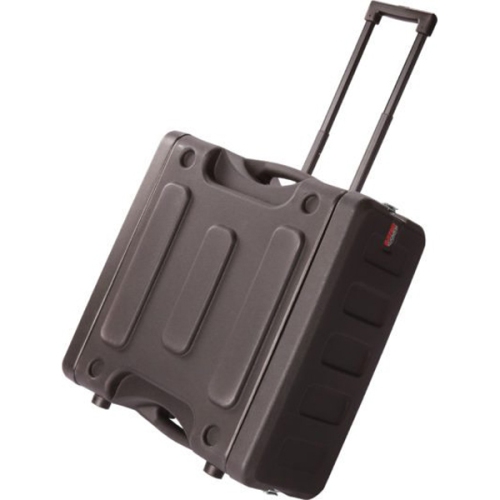
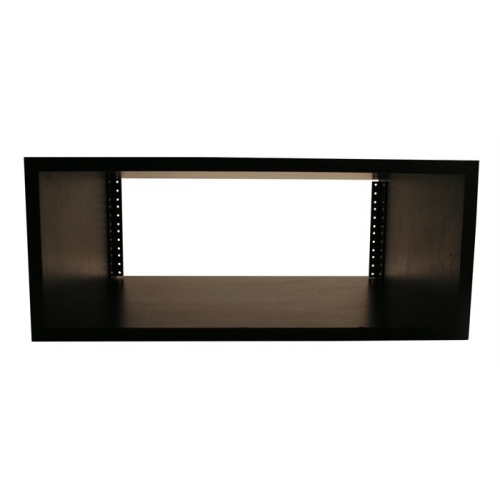
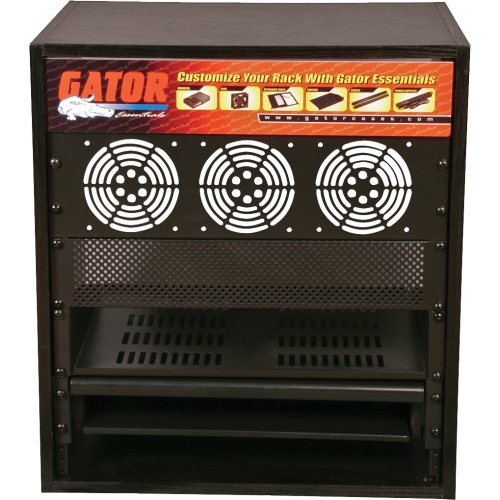
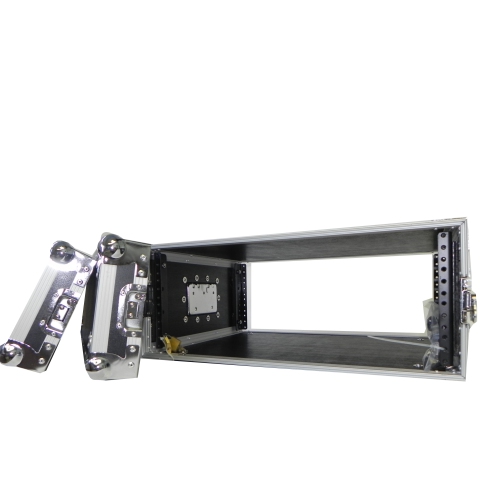
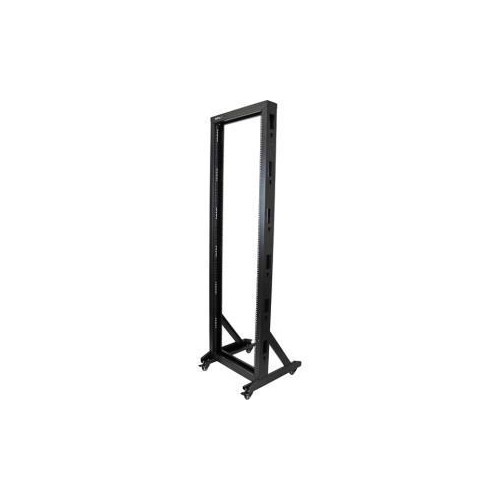
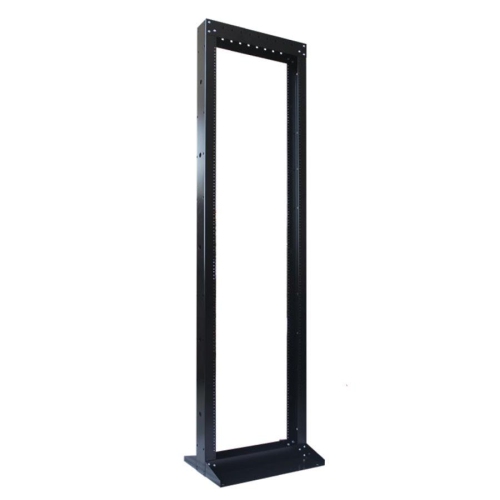
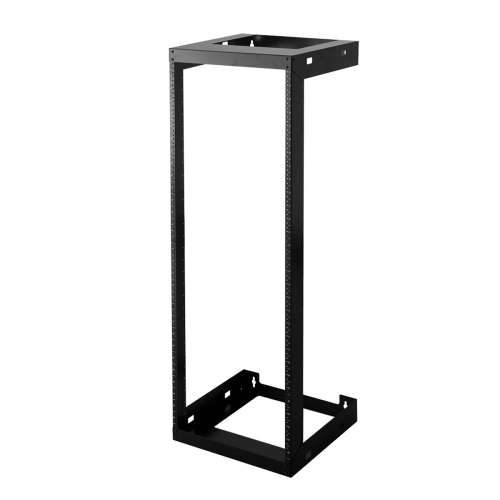
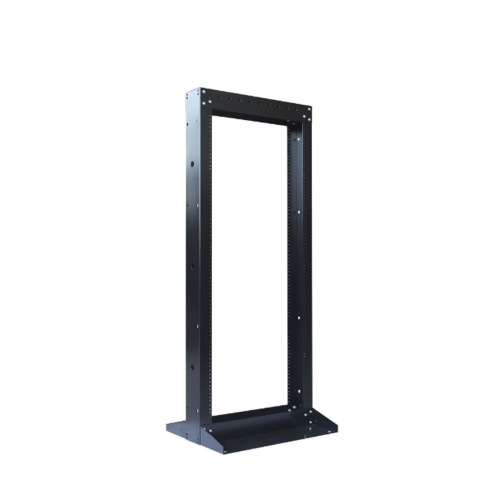
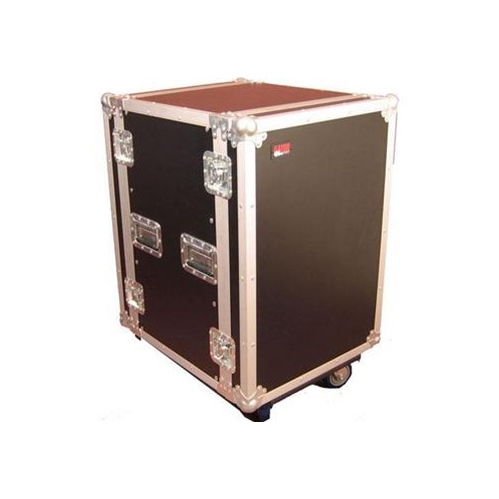
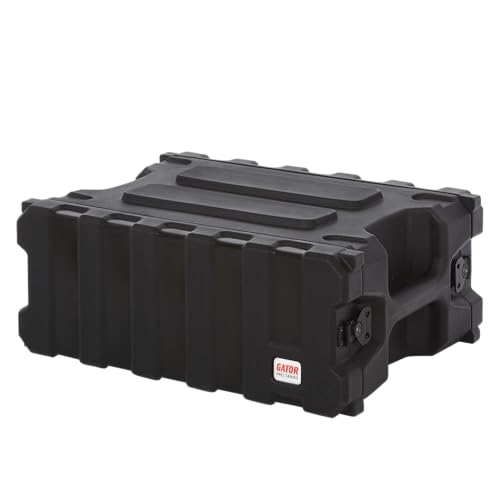
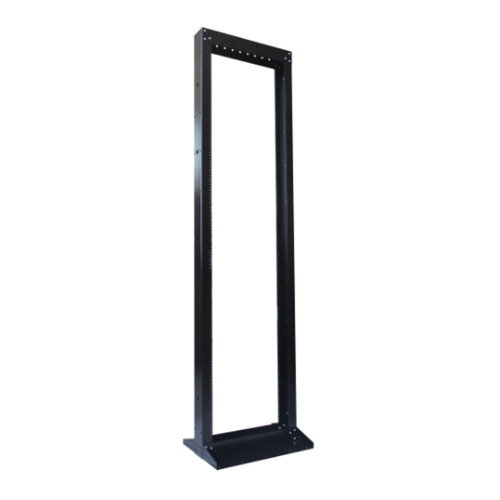
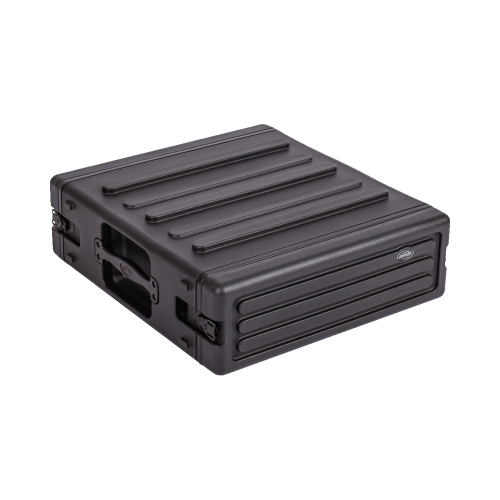
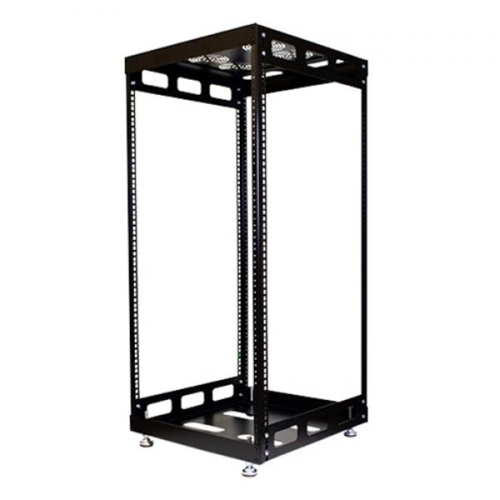
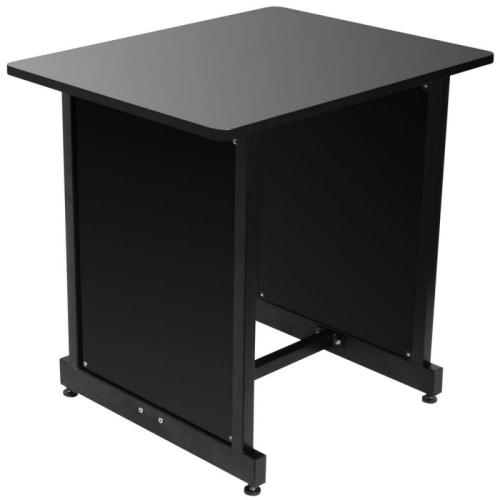
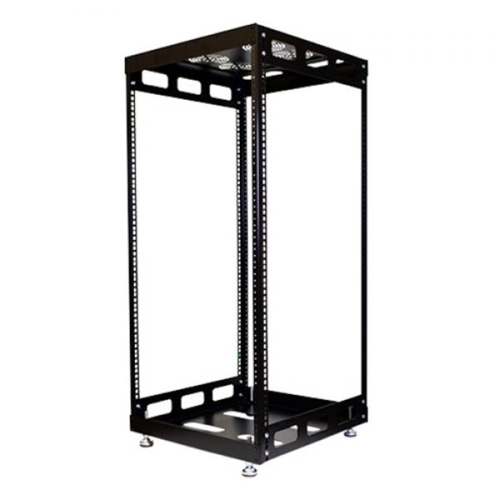
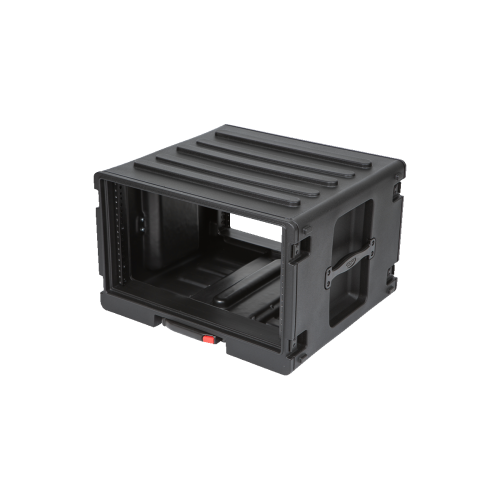
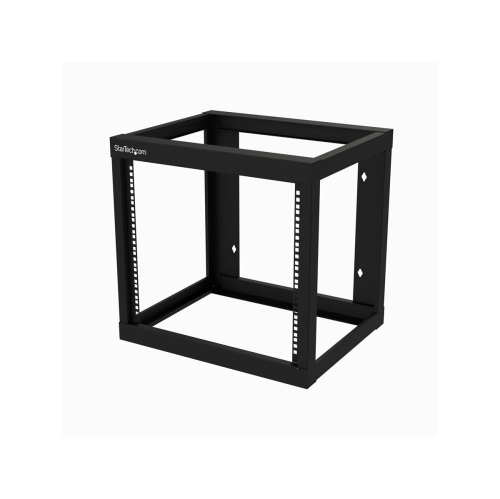
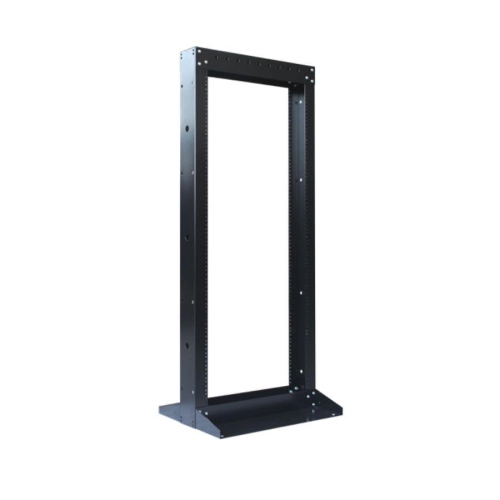
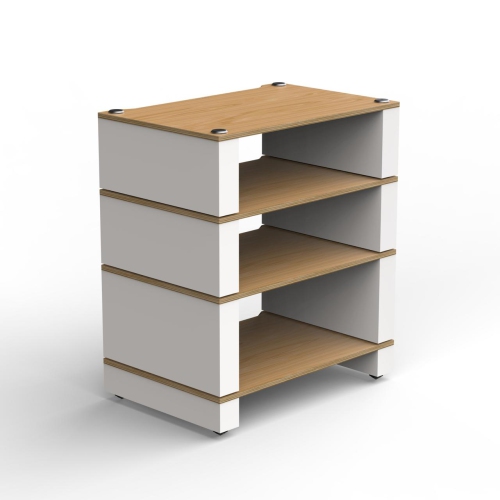
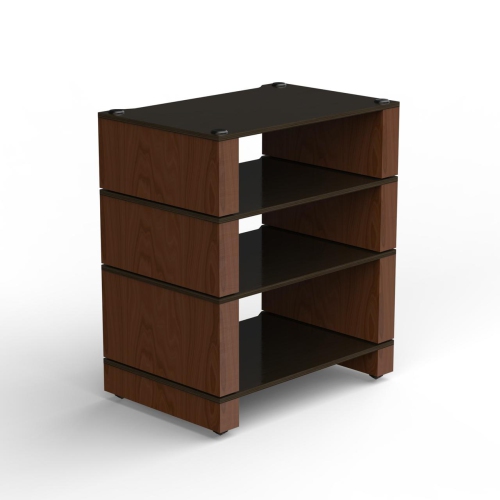
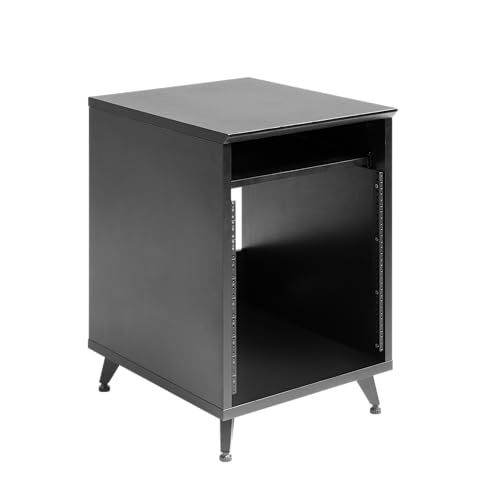
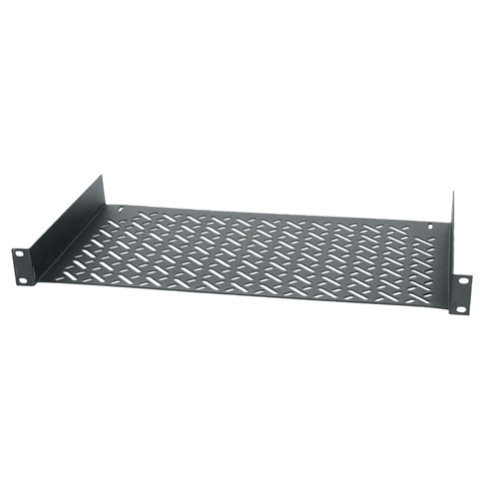
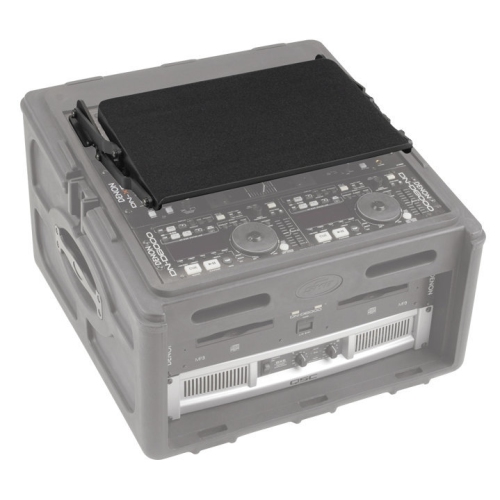
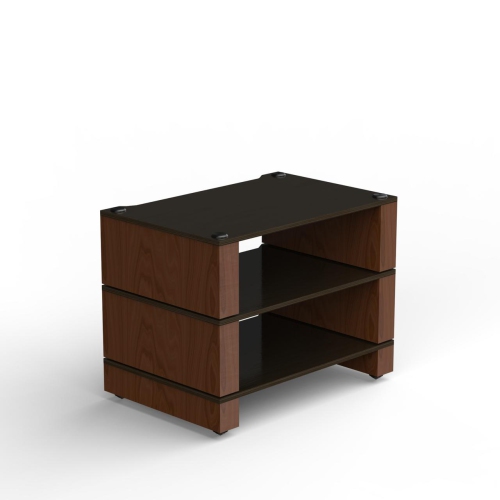
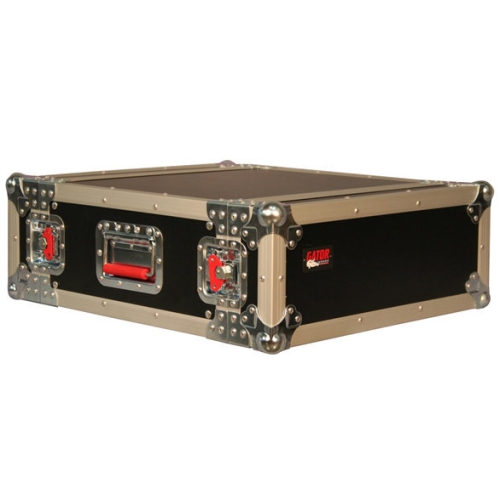
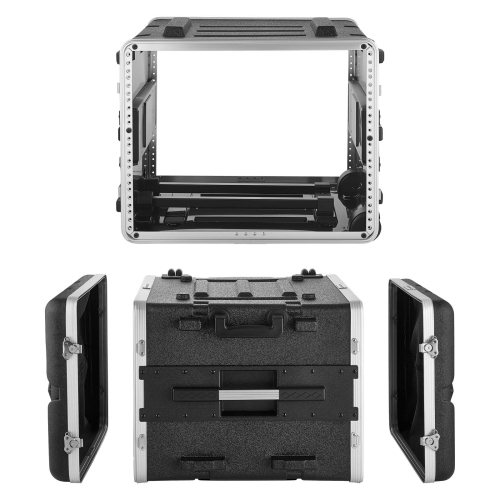
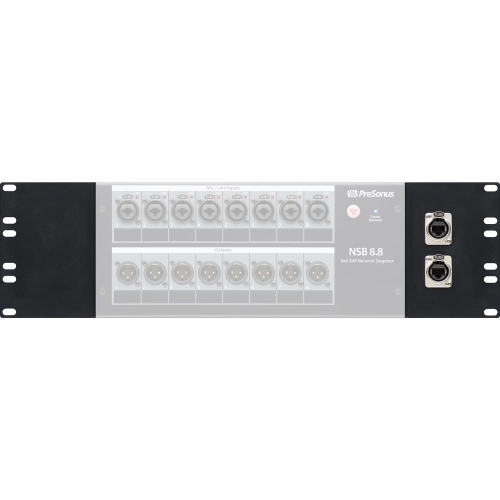
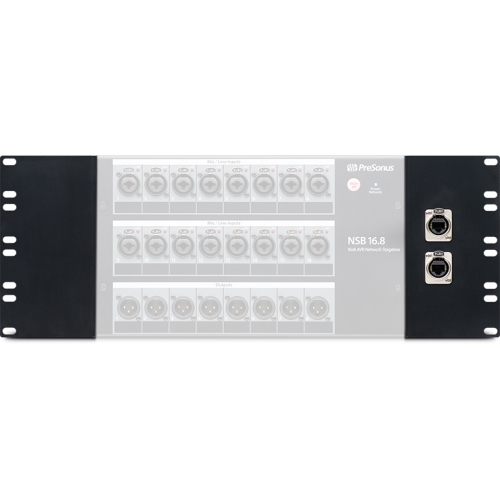
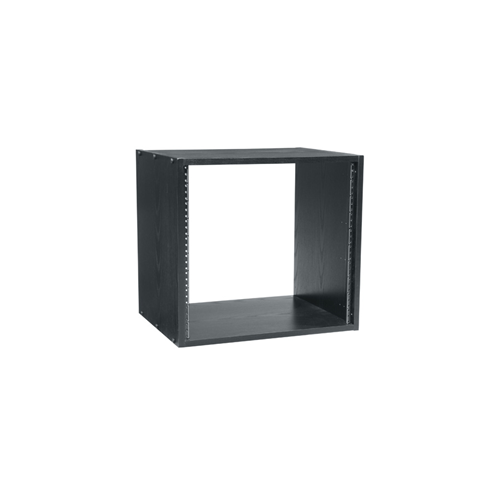
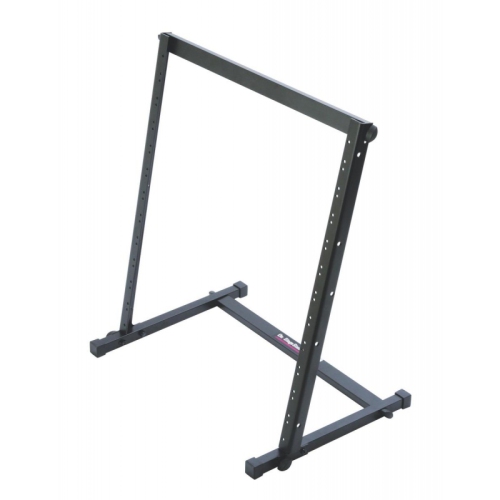
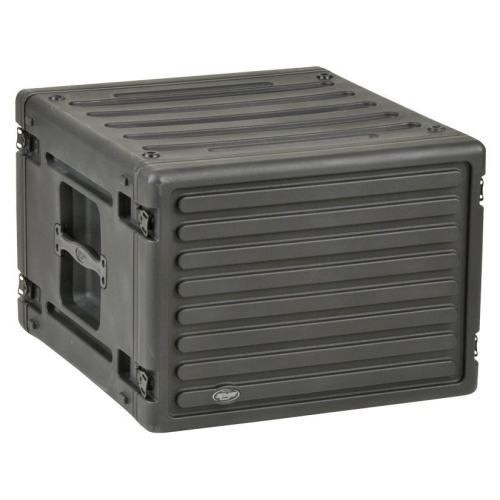
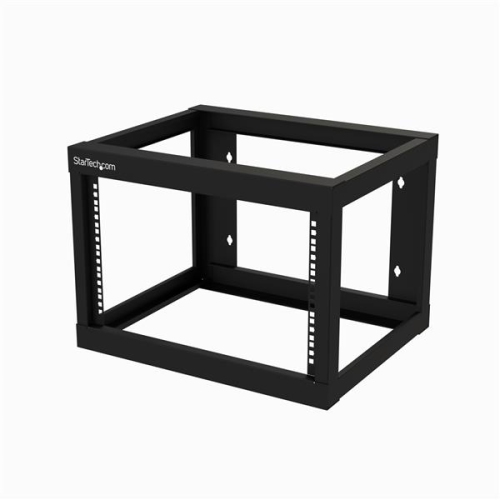
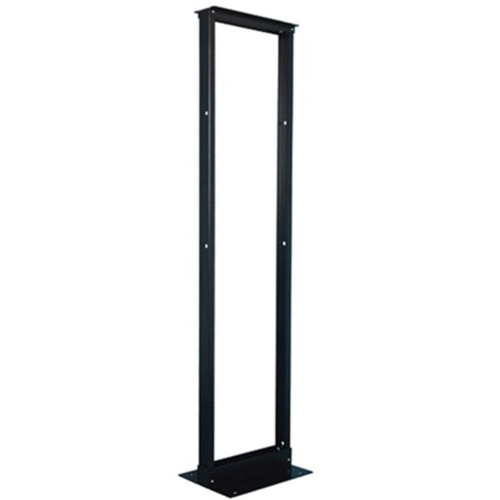
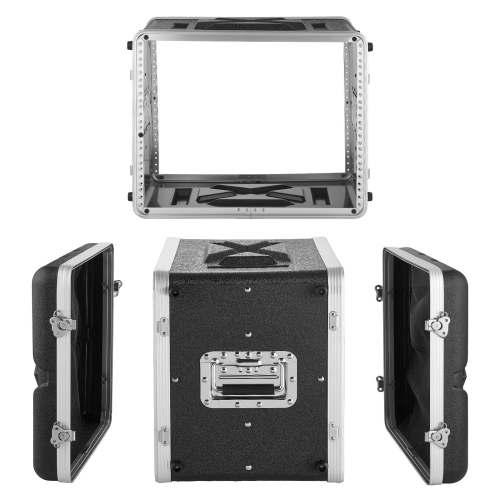
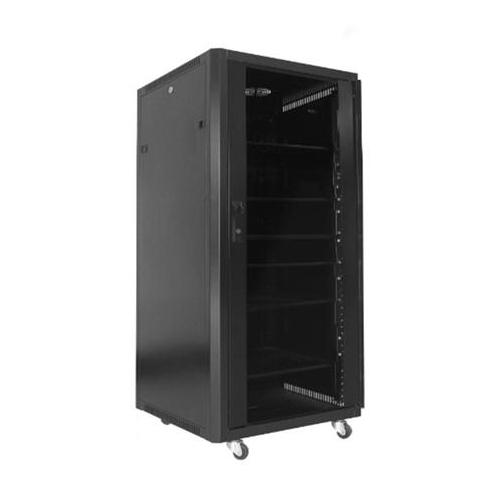
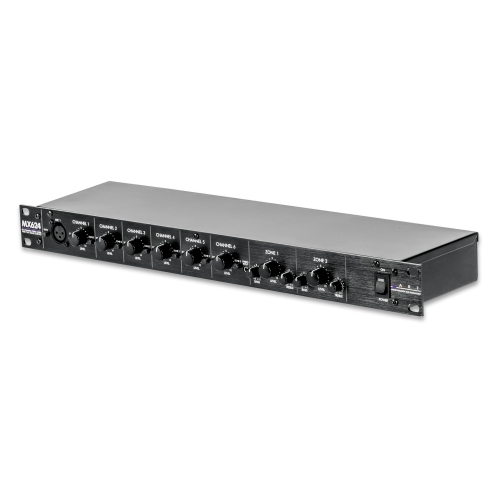
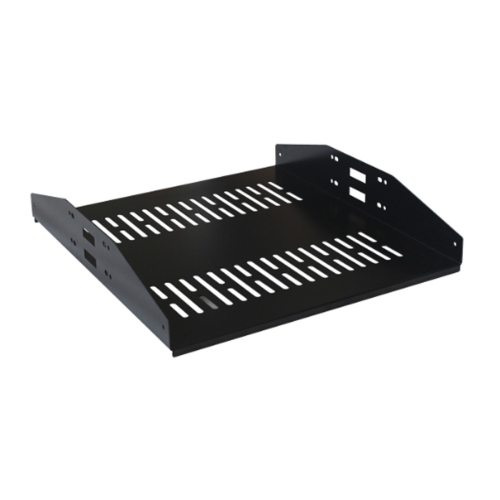
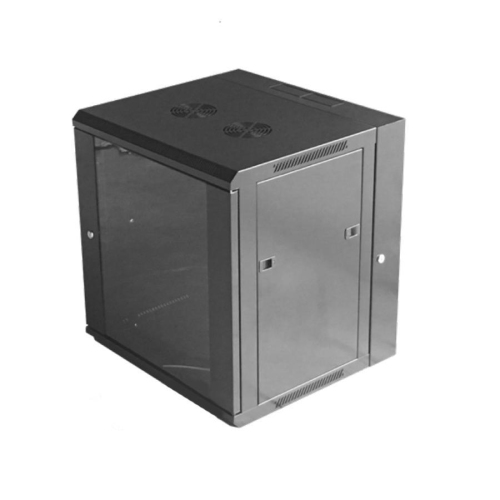
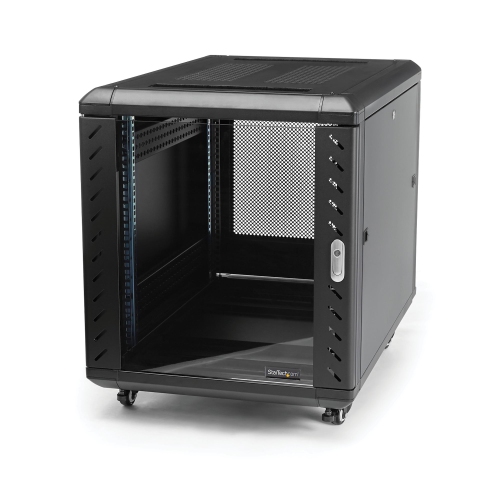
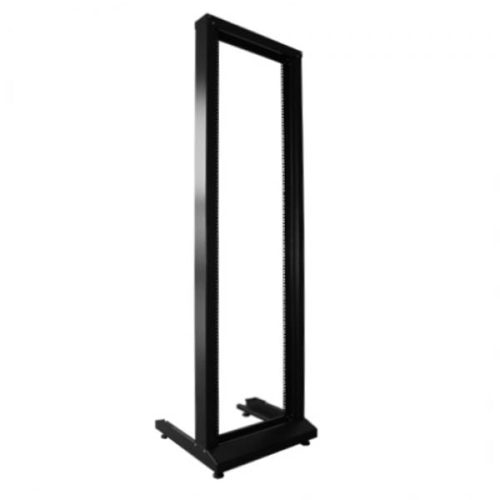
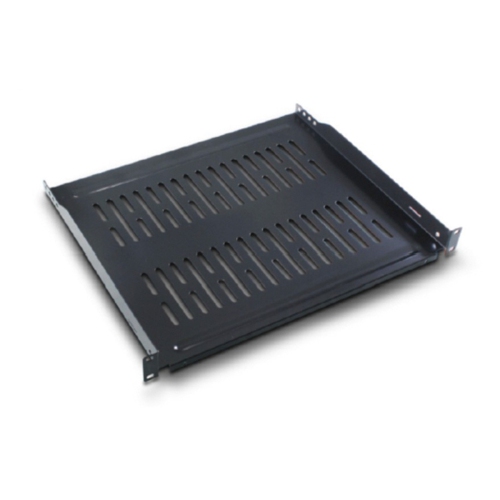
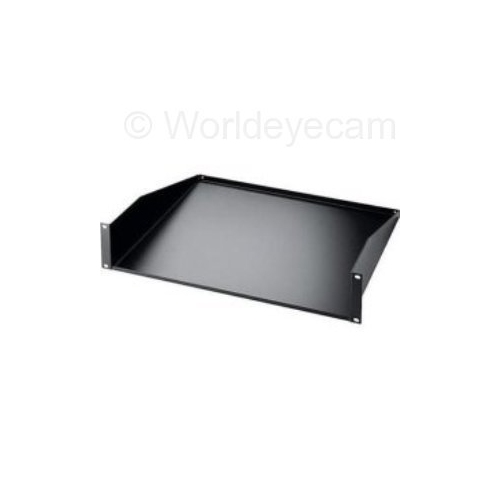
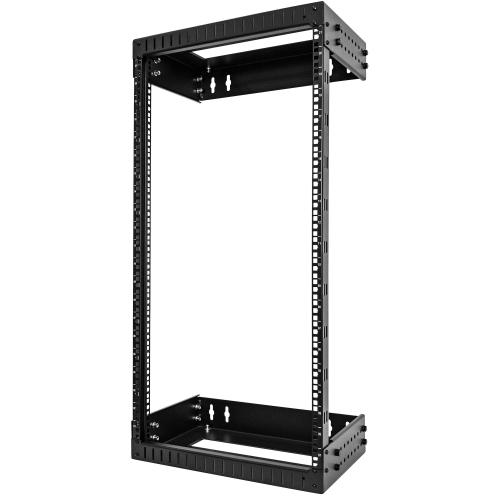
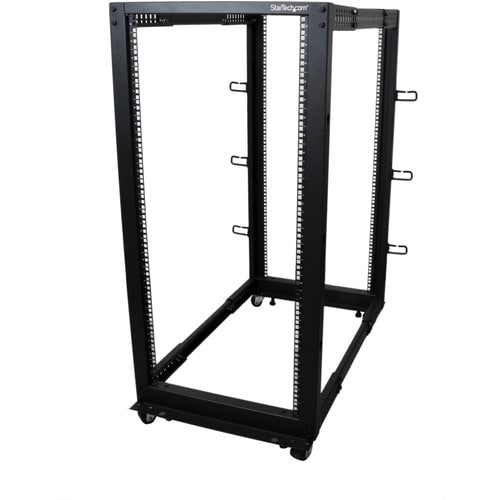
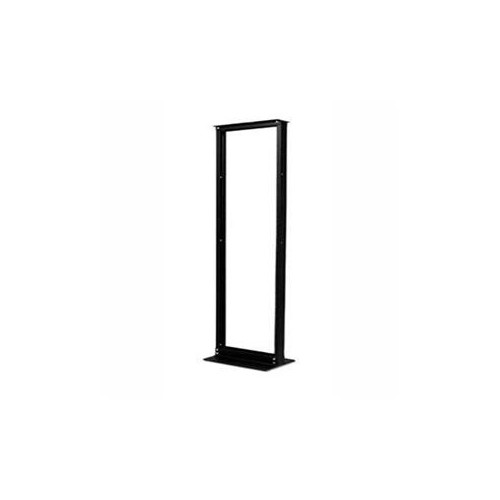
Audio equipment racks give amplifiers, receivers, turntables, and studio processors a dedicated place in a listening room, recording space, or performance setup. Beyond keeping components together, a well-matched rack makes controls easier to reach, leaves room for connections, and supports an organized layout that can grow with a system. The category includes furniture-style shelving for home audio, frames for rack-mounted equipment, and protective rack cases for gear that travels between locations. These formats serve different purposes: a home hi-fi rack accommodates components resting on their own feet, while a studio rack typically holds compatible equipment by its mounting ears. Standard 19-inch rack equipment uses a defined mounting format; that measurement does not describe the full exterior width of the cabinet or guarantee that every audio component will fit. Vertical capacity is commonly expressed in rack units, written as U, with each unit representing 1.75 inches of mounting height. A component marked 2U therefore occupies twice the vertical mounting space of a 1U component, although ventilation requirements may call for additional space between devices. For shelf-based audio racks, the useful measurements are shelf width, shelf depth, and the clear height between shelves. An amplifier may fit within those dimensions yet still need extra clearance behind it for speaker terminals and power connections. A turntable also needs enough space for its dust cover to open without meeting the shelf above. Measuring the complete setup, rather than just the component chassis, helps account for protruding knobs, feet, cable plugs, and access to rear switches. Rack depth varies considerably, so the distance between mounting rails, usable internal depth, and overall footprint each deserve attention. In a compact living room, a narrow footprint can keep the listening area uncluttered; in a studio, deeper equipment and dense cabling may make rear access more important than a small cabinet size. Capacity is most useful when it reflects both the equipment being housed and the space needed to operate and connect it comfortably.
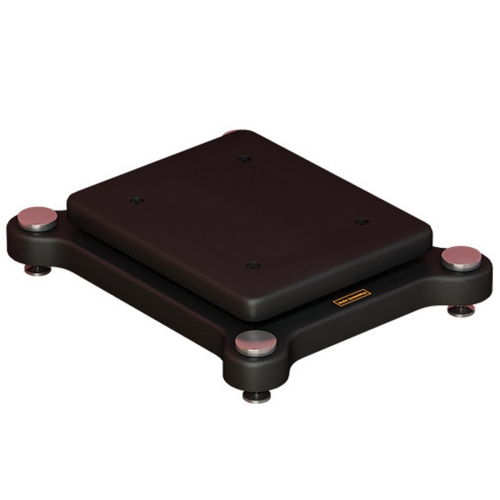
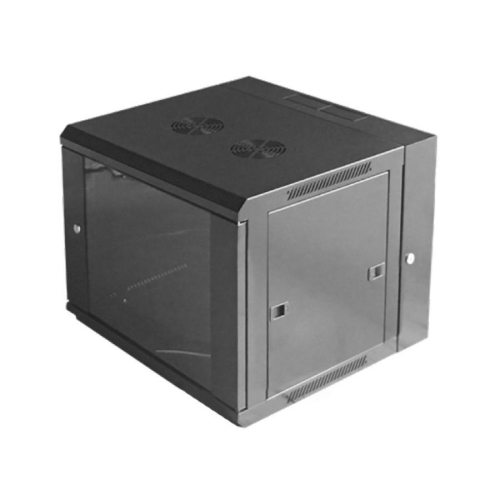
Materials and construction influence how an audio equipment rack looks, carries weight, and stands up to regular use. Steel frames provide rigid support and suit utility-focused spaces, while wood and wood-based shelves can blend more naturally with living room furniture. Glass shelves create a lighter visual profile, but their load ratings and handling requirements still matter, especially beneath a heavy receiver or power amplifier. Protective finishes, securely joined frames, and well-supported shelf edges contribute to everyday durability. Weight capacity should be checked for each shelf as well as for the complete rack: an overall rating does not necessarily mean that every level can hold an equal share. Placing heavier components lower down generally improves stability, provided the arrangement also meets the equipment’s ventilation requirements. Tall units, uneven flooring, and households with children or pets may call for additional precautions, including manufacturer-recommended anchoring where applicable. Adjustable shelving makes it easier to accommodate a taller amplifier, a compact streamer, or a later change in equipment, while fixed shelving offers a straightforward layout when component sizes are already known. Open frames allow easy access and airflow, whereas enclosed cabinets can provide a tidier appearance and greater separation from everyday contact. Enclosures still need suitable ventilation; blocking an amplifier’s vents or crowding its sides can interfere with cooling. The clearance specified by the component manufacturer is a better reference than assuming that a small gap will be sufficient. For turntable use, a level, stable surface helps maintain proper operation, and some racks offer isolation features intended to reduce transmitted vibration. Their effectiveness depends on the construction, flooring, placement, and equipment, so a rack alone should not be treated as a guarantee of improved sound. Cable management is another practical distinction. Rear openings, routing channels, and accessible panels can keep connections orderly without forcing tight bends or putting strain on sockets. Leaving some cable slack makes servicing easier, while separating signal cables from power cables where practical can help limit unwanted interference in sensitive setups.
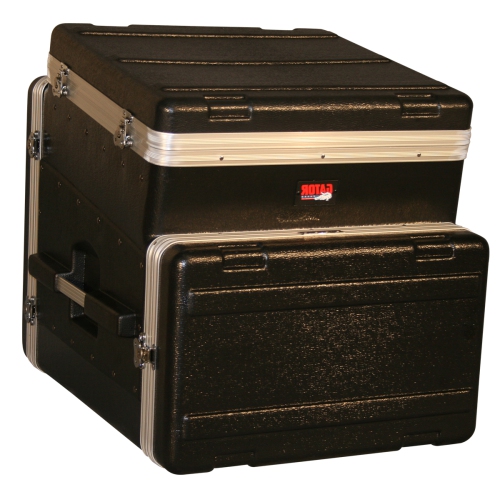
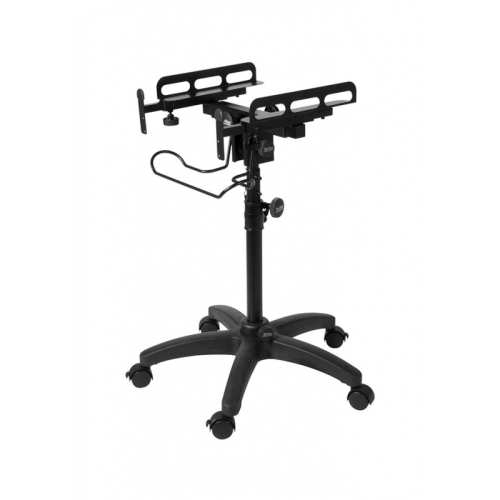
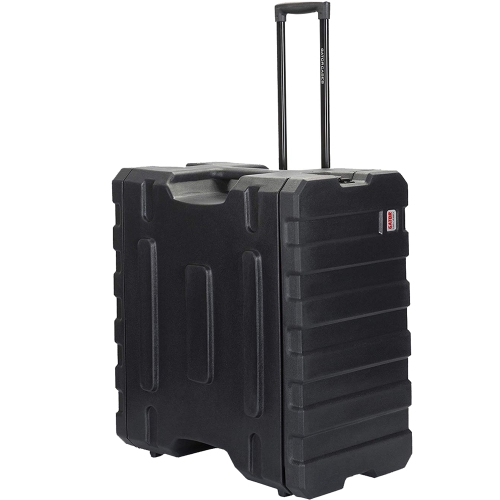
Audio equipment racks suit a range of routines, from settling into an album at home to recording several instruments in a project studio. A dedicated shelf for a turntable keeps its controls accessible, while space beneath it can bring an amplifier and source components together without stacking them directly on one another. In a production space, rack-mounted interfaces, preamps, and signal processors can sit within reach of the working position, with front panels clearly visible during a session. Casters are useful when a loaded rack needs to move forward for rear connections or shift between work areas, but wheel ratings, floor surfaces, and locking mechanisms affect how safely it can be moved and parked. Stationary feet or levelling supports are often better suited to equipment that stays in one place. A wheeled studio rack is not automatically designed for transport outside the room; mobile rack cases require suitable protection, secure closures, and support for the equipment they carry. For home arrangements that need open shelving rather than rack-mount rails, Audio Equipment Stands offer a related format to consider alongside the dimensions and weight of the components. Everyday care is usually straightforward: regular dusting with a soft cloth, cleaning finishes according to their care instructions, and keeping ventilation openings clear help maintain the setup. Liquids should stay away from electronics, and cleaning products should not be sprayed directly onto installed equipment. Periodic checks of shelf fittings, mounting screws, and caster locks can catch loosened hardware before it becomes a problem, particularly after a rack has been moved. An audio rack can also make a thoughtful gift for a music enthusiast, home theatre owner, or musician building a recording space, though it is most useful when the recipient’s equipment dimensions and preferred layout are known. The right match combines secure support, comfortable access, and a style that belongs in the room, making the system easier to enjoy and maintain.
Top selling and popular products
-
 Your price for this item is $35
-
 Your price for this item is $35
-
 Your price for this item is $52.68
-
 Your price for this item is $18.99
-
 Your price for this item is $18.68
-
 Your price for this item is $39.99
-
 Your price for this item is $89.99
-
 Your price for this item is $38
Discover more categories related to Audio Equipment Racks

Top Collections:
Pokemon Centers, Kindle Devices, Best Budget Office Chairs, Canon G7X Cameras, Apple iPhones 16, Samsung Galaxy Phones, Refurbished Apple Laptops, Laptops for Students, iPhone 15 Apple, Budget Smartphones
Some products may be subject to Environmental Handling Fees
(EHF) depending on your province.
Learn more about EHFs.