Back To School Classroom Ready Projectors

Get ready for back to school with classroom projectors for lessons, presentations, and shared learning. Compare brightness, resolution, connection options, and placement requirements to find a projector that suits your classroom size, lighting, and teaching devices.
Read More

Sort

Back To School Classroom Ready Projectors
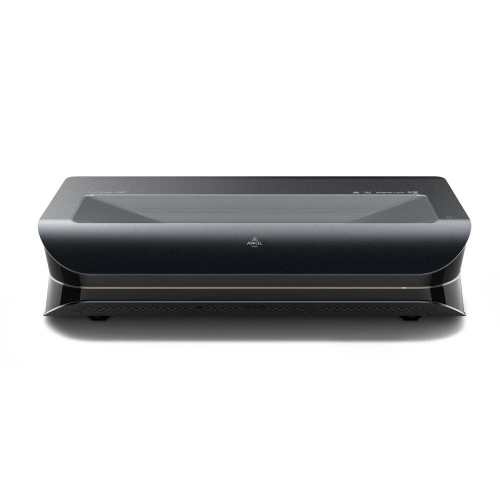
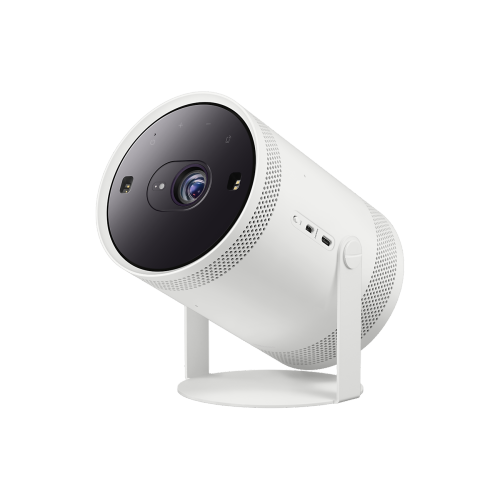
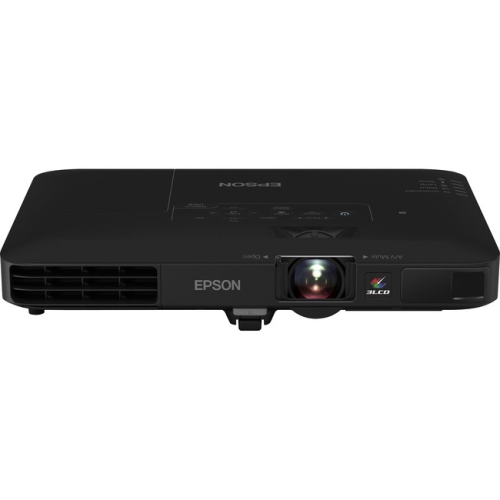
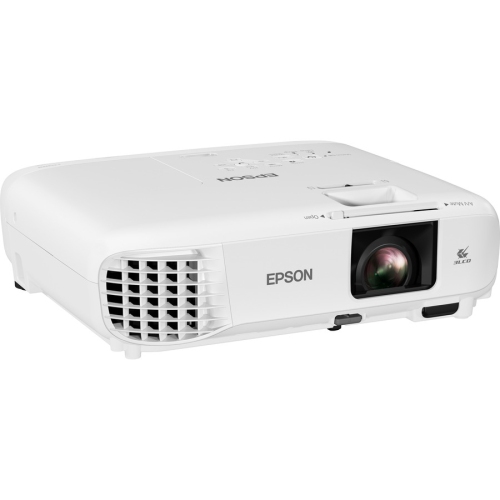
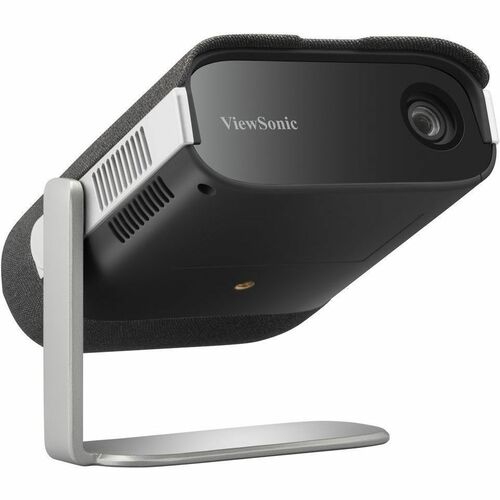
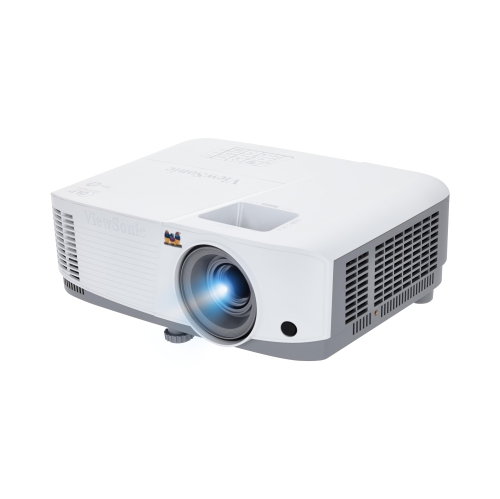
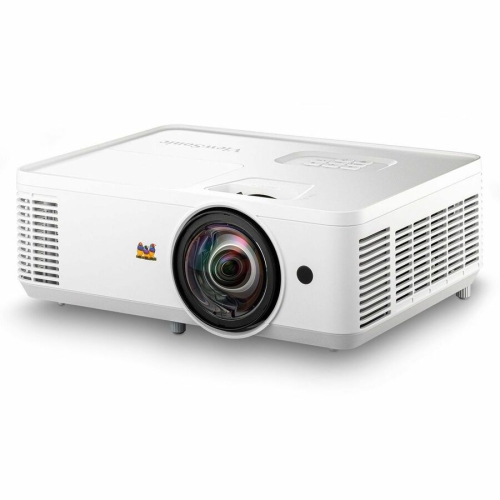
Back To School Classroom Ready Projectors bring lessons into focus, giving teachers and students a shared view of everything from a morning agenda to a detailed science diagram. In a busy classroom, a large, readable image helps make everyday teaching materials easier to follow, whether students are reviewing a passage together, discussing a map, or presenting a group assignment. The right fit starts with the room itself: how much daylight comes through the windows, how far the projector can sit from the screen, and how large the image needs to be for students at the back. Brightness matters especially when lights need to stay on for note-taking, but compare brightness ratings measured using the same standard rather than treating all lumen figures as equivalent. Native resolution is another important consideration. Higher resolution can keep small text, graph labels, and spreadsheet cells clearer, provided the source material is suitably detailed. For a classroom that moves between slides, video clips, and handwritten annotations, readable text and consistent image quality are often more useful priorities than image size alone.
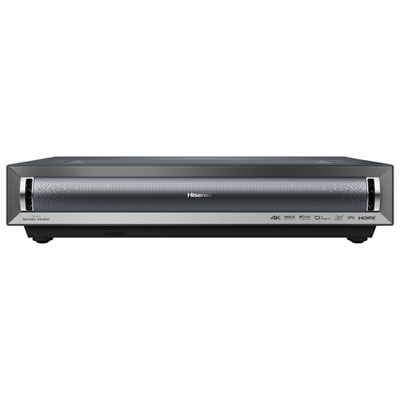
A little attention to placement and connections can make the difference between a smooth start to class and several minutes spent rearranging equipment. Throw ratio describes the relationship between projector distance and image width, so check it against the available space before choosing a model. A short-throw design can be useful where floor space is limited, although the distance required varies by projector. For permanent installations, mounting compatibility, cable routing, and access for maintenance deserve a close look; for shared equipment, manageable weight and a protective carrying case may matter more. Picture a teacher wheeling a cart into a different room just before the bell: accessible controls, quick setup, and a dependable connection to the teaching computer become practical advantages. HDMI is a common connection option, while USB-C video support and wireless screen sharing should be checked carefully for compatibility with the devices being used. Where Wi-Fi features are available, school network permissions may affect setup. Keystone correction can help straighten an angled picture, but placing the projector square to the screen generally gives better results than relying heavily on digital adjustments.

Classroom-ready projectors can also suit tutors, college instructors, librarians, and families creating a dedicated space for shared learning at home. A tutor might use one to work through maths problems with a small group, while a library programme could display illustrations or instructions for a hands-on activity. As a practical back-to-school gift for an educator or student teacher, a projector is most useful when it matches their teaching space and works with their existing equipment; checking school policies before purchasing can help avoid compatibility or installation surprises. Beyond the picture, consider how the projector will sound and feel during a full lesson. Built-in speakers may be sufficient for a small space, but larger rooms or spoken-word recordings may benefit from compatible external audio. Fan noise is worth considering during quiet reading or discussion, particularly when the unit will sit near students. Light-source life, replacement lamp availability where applicable, filter care, warranty coverage, and the cost of any necessary screen, mount, or adapters all contribute to long-term value. Choosing around these everyday details helps make a projector a useful part of the teaching routine, from the first welcome slide in September to end-of-term presentations.

Read More

FAQ

Some products may be subject to Environmental Handling Fees (EHF) depending on your province. Learn more about EHFs.