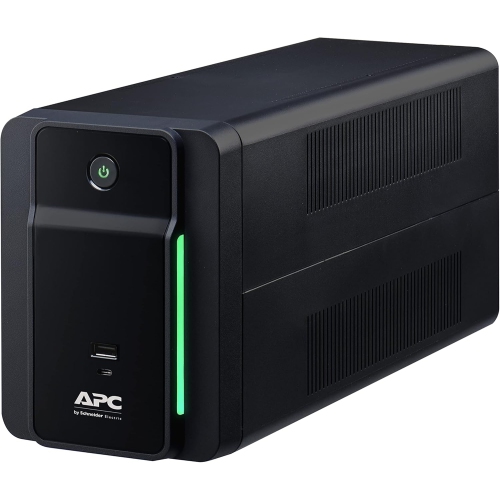
Back To School Surge Protectors For Dorm Room Protection

Find back-to-school surge protectors for dorm room protection to help safeguard your laptop, monitor and other electronics against power surges. Compare outlet counts, cord lengths and joule ratings to find a surge protector that fits your desk setup, and check your residence’s rules before choosing a model.
Read More

Sort

Back To School Surge Protectors For Dorm Room Protection
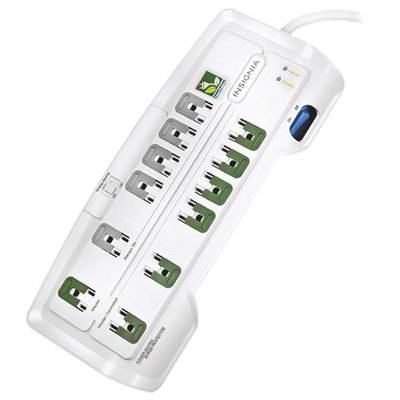
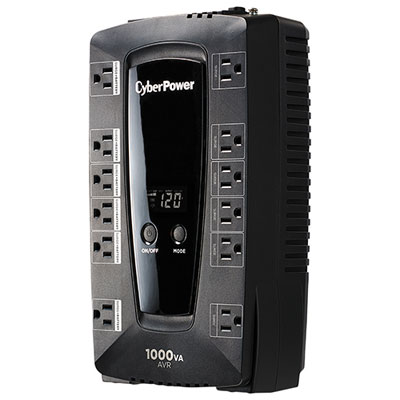
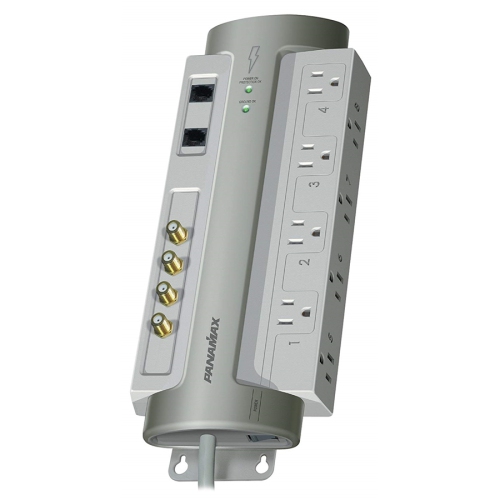
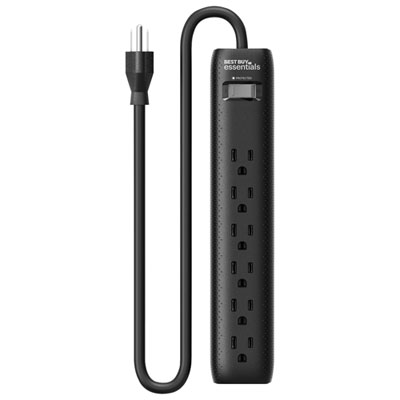
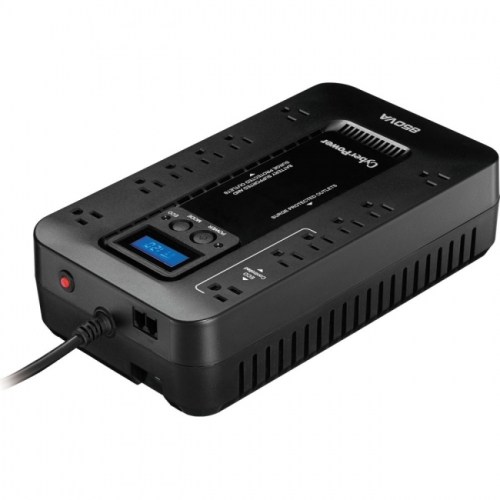
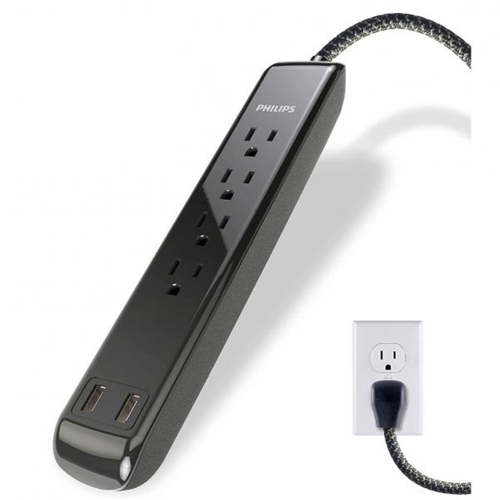
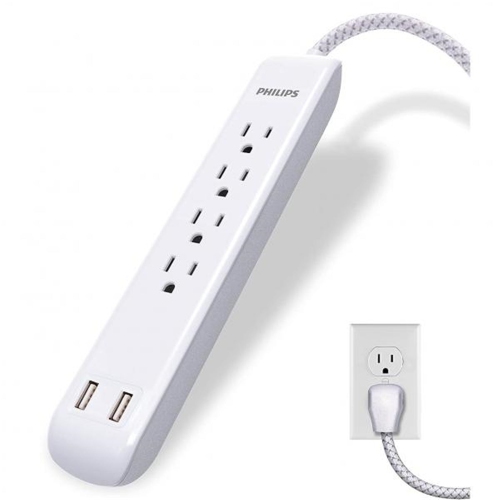
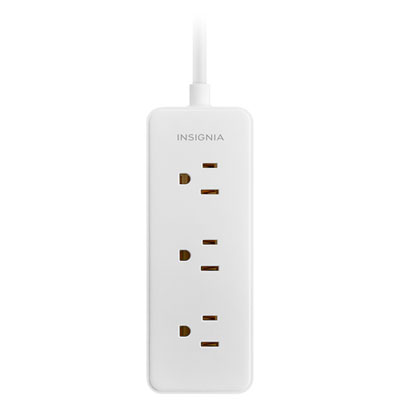
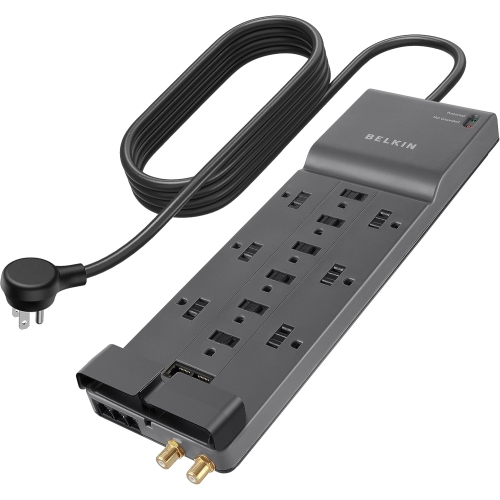
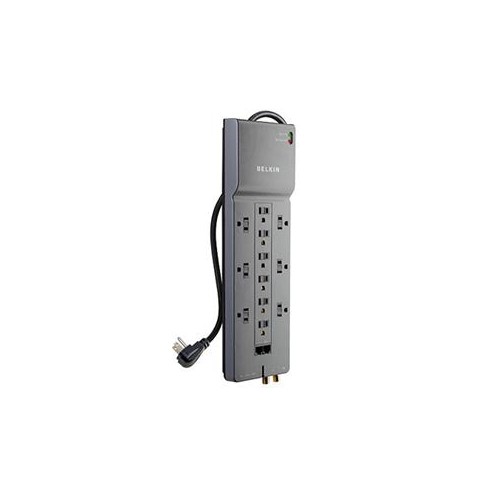
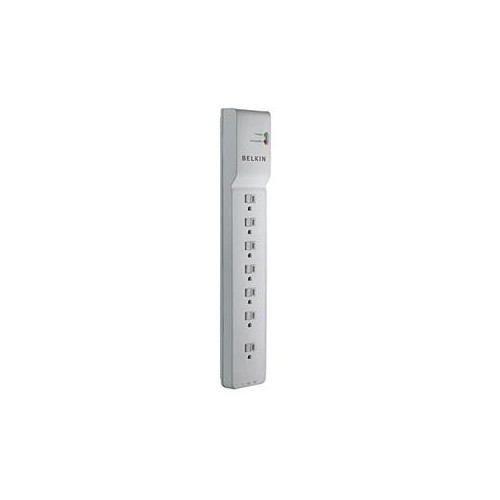
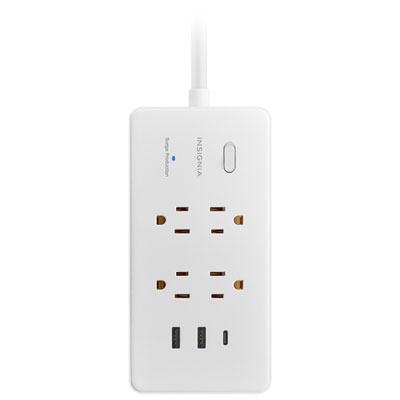
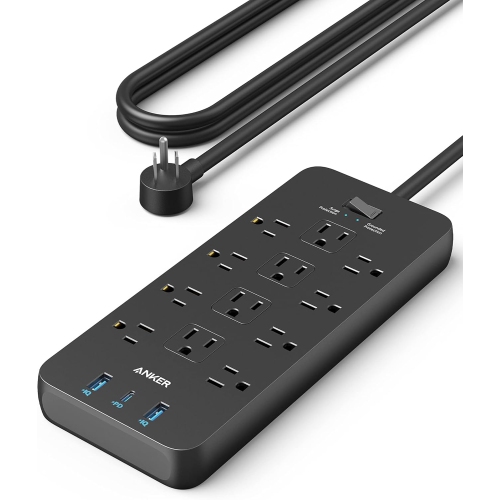
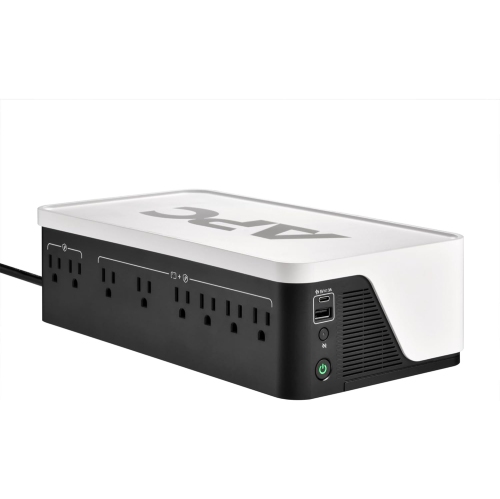
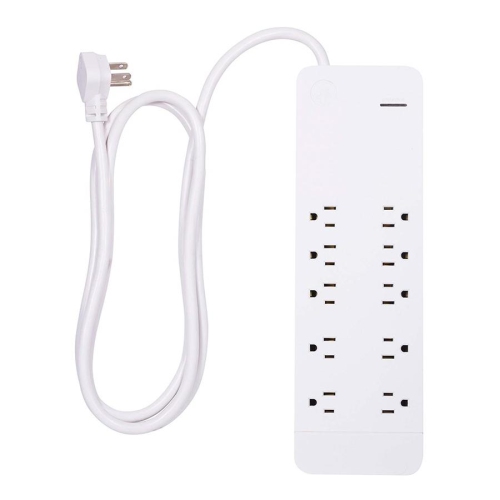
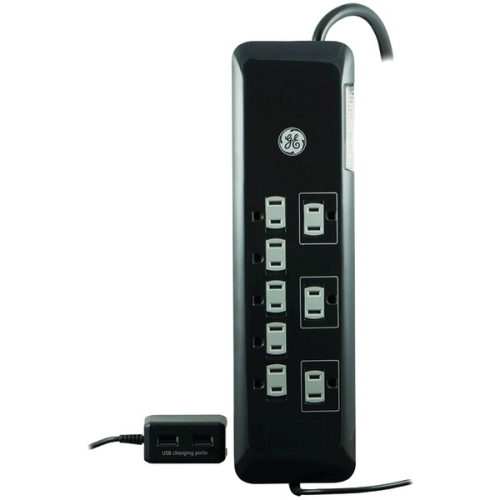
Moving into a dorm room usually means finding space for a laptop, a phone charger, a desk lamp, and all the small essentials that make a new room feel familiar. Back to School Surge Protectors for Dorm Room Protection bring a practical layer of protection to that setup, helping safeguard connected electronics against brief voltage spikes while keeping power connections within reach. For students settling into residence, a well-chosen surge protector can make the difference between an awkward tangle behind the desk and a more manageable study space. Picture a laptop open for an evening assignment, a monitor tucked beside a stack of textbooks, and a phone charging nearby: outlet spacing matters just as much as outlet count when several devices share one spot. Look for a layout that accommodates bulky power adapters without blocking neighbouring sockets, and choose a cord length that reaches the wall outlet without stretching across a walkway. A compact design can suit a narrow desk, while a flat plug may fit more comfortably behind furniture, provided the cord is not pinched.

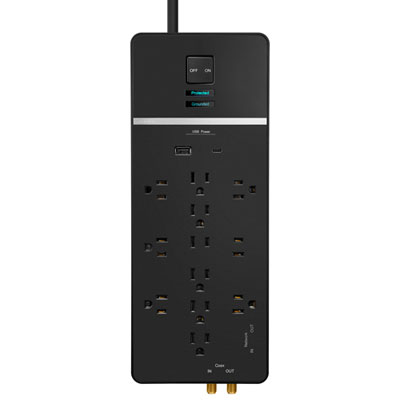
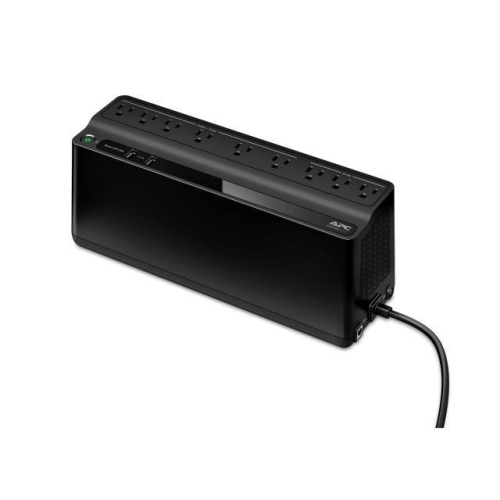
The most useful features depend on what a student plans to plug in and where the surge protector will sit. A higher joule rating generally indicates a greater capacity to absorb surge energy, but it is only one part of the purchase decision; electrical ratings, safety certification for use in Canada, and clear protection-status indicators also deserve attention. A power light does not necessarily mean surge protection is still active, so a dedicated protection indicator is a helpful feature to check for. Surge protection wears down over time, and replacement should follow the manufacturer’s instructions, particularly when an indicator shows that protection is no longer available. Built-in USB ports can free up AC outlets for other devices, although charging speed depends on the port’s output, compatible charging standards, and whether power is shared across multiple ports. Students charging a laptop through USB-C should check that the stated wattage meets their computer’s needs rather than assuming any USB-C port will be sufficient. A surge protector is also different from a basic power strip: extra outlets alone do not establish surge protection, and neither option provides battery backup during an outage.

For a first-year student, a returning resident, or someone furnishing a small off-campus room, a surge protector is a practical back-to-school purchase that earns its place long after move-in day. It can also be a thoughtful addition to a gift of study essentials, especially when chosen around the devices the student already owns. Before buying, check residence rules, since schools may specify permitted designs, certifications, or cord lengths. Plug the unit directly into a suitable wall outlet, stay within its total electrical load rating, and never connect surge protectors or power strips together. Keep cords uncovered and away from places where chair wheels, bed frames, or foot traffic could damage them. High-wattage appliances such as space heaters, kettles, and microwaves generally need a direct wall connection and should always be used according to their manufacturer’s instructions and residence policies. With the right fit, a surge protector helps keep everyday electronics connected and adds protection against transient surges, whether the desk is hosting an early-morning lecture or a late-night call home.

Read More

FAQ

Some products may be subject to Environmental Handling Fees (EHF) depending on your province. Learn more about EHFs.