Banana Plugs
Banana plugs are essential accessories for any audio enthusiast looking to enhance their sound system setup. These connectors are designed to provide a secure and reliable connection between your speakers and audio equipment, ensuring optimal performance and minimal signal loss. With their convenient plug-and-play design, banana plugs make it easy to connect and disconnect your devices without the hassle of dealing with traditional speaker wire connections. Upgrade your audio experience today with high-quality banana plugs that deliver crystal-clear sound and seamless connectivity.
Sort
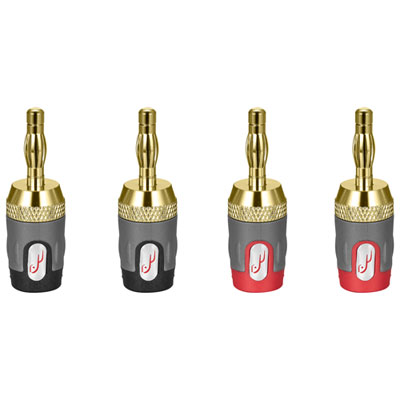
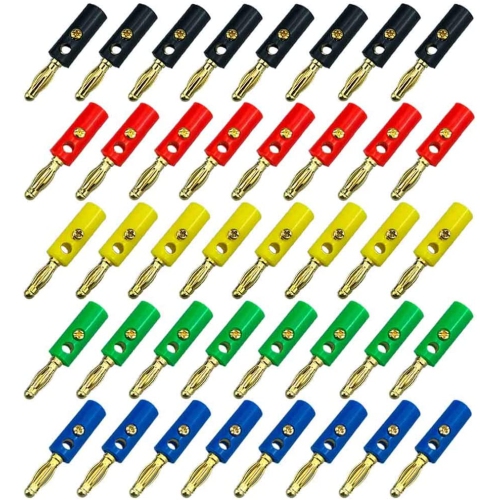
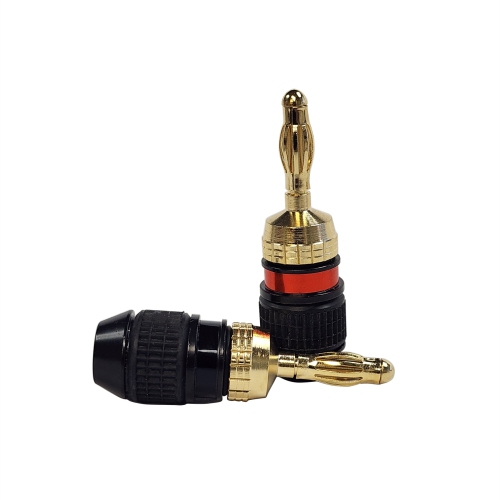
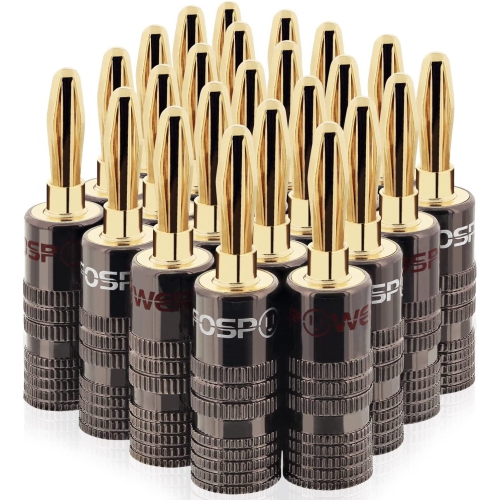
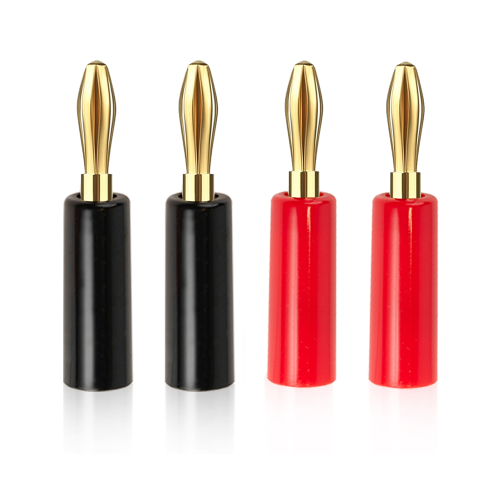
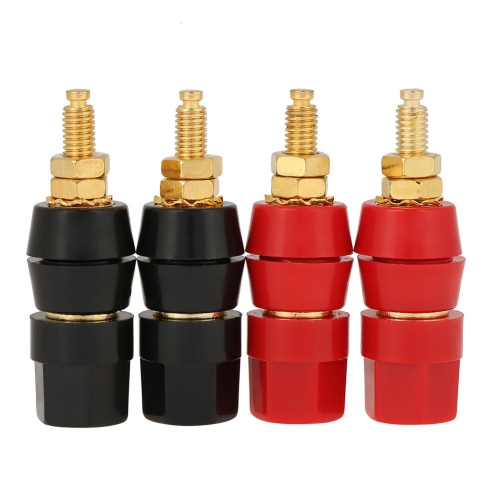
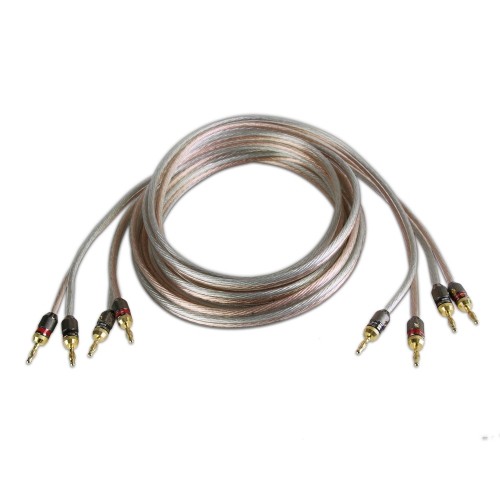
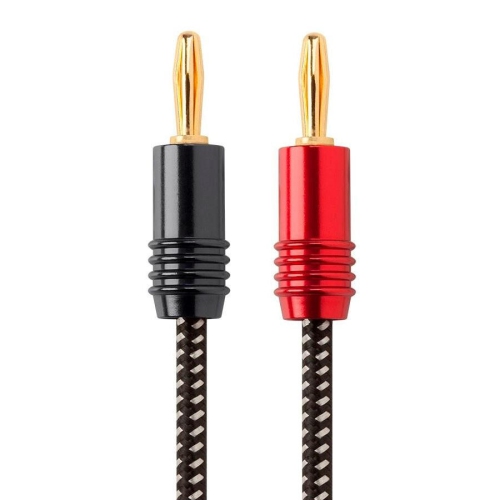
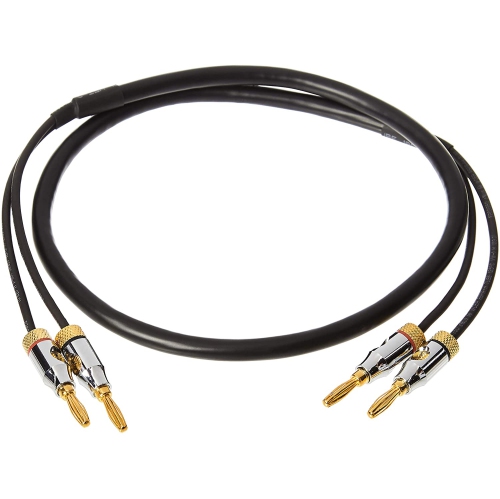
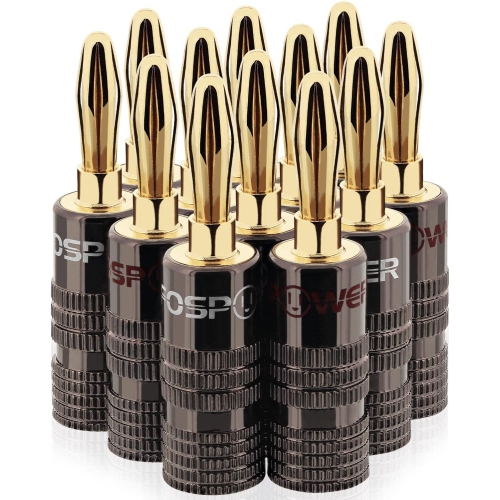
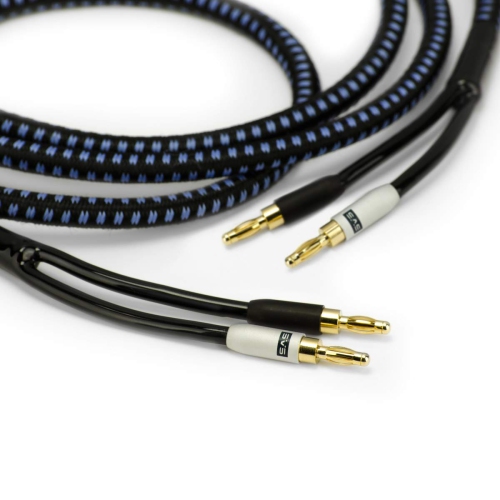
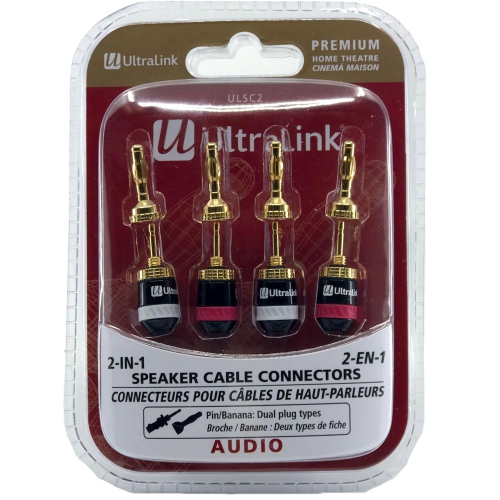
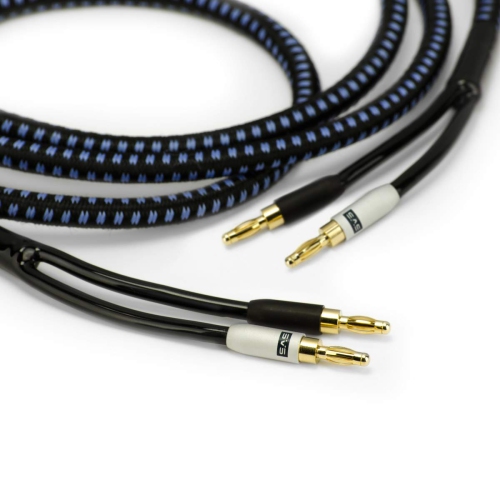
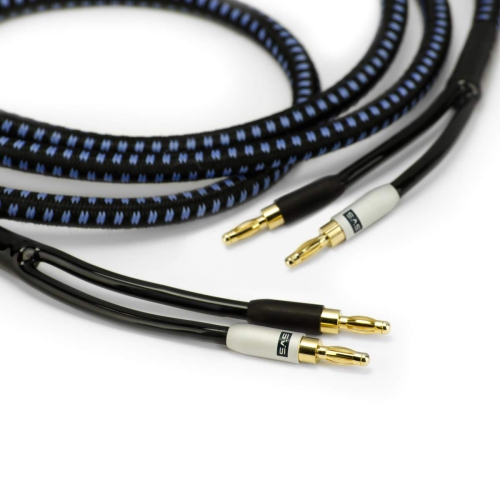
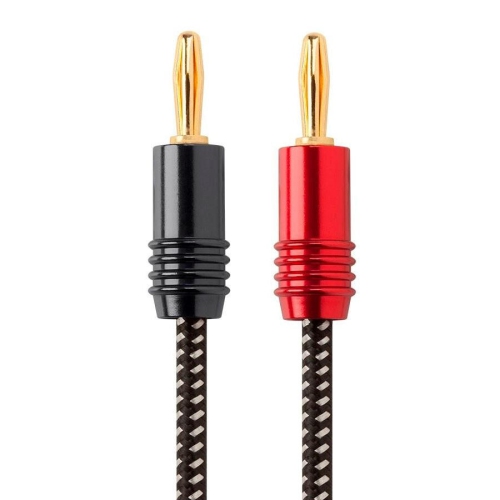
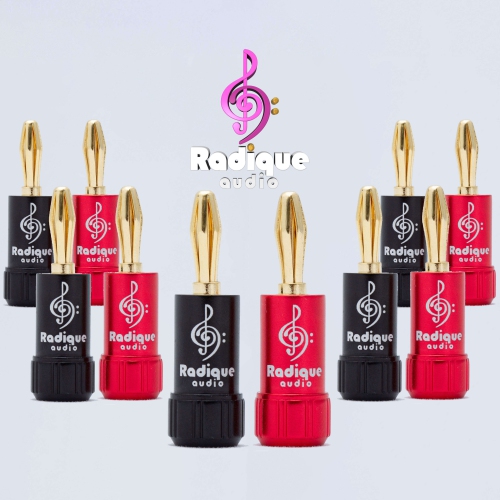
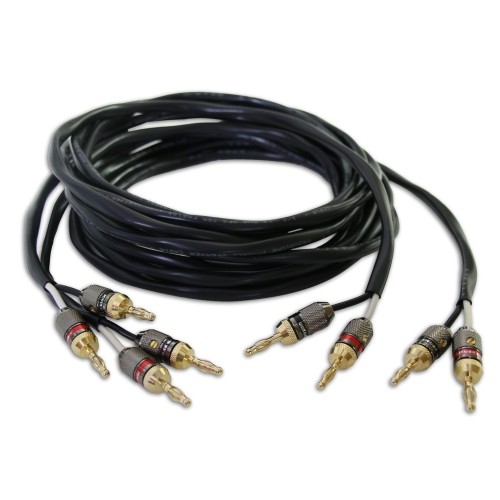
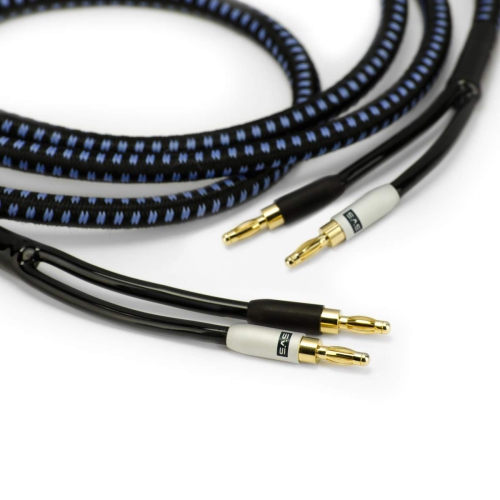
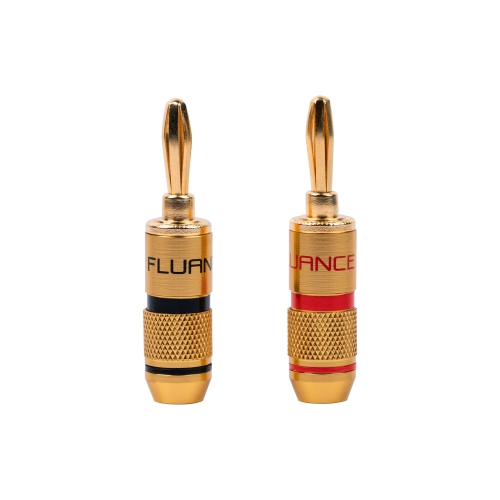
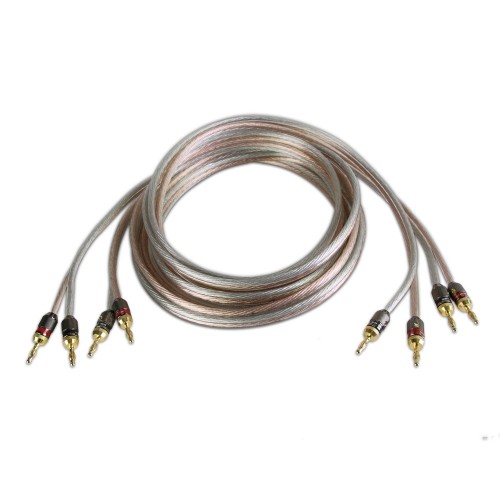
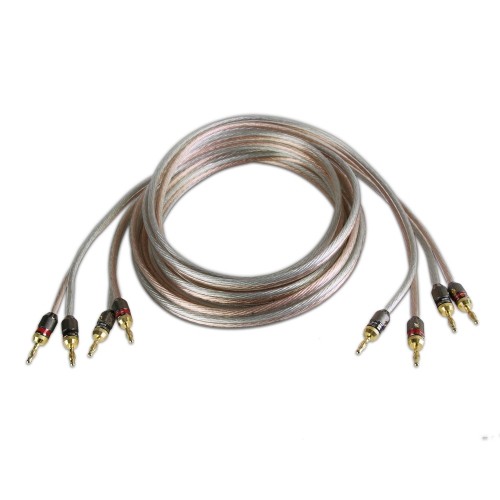
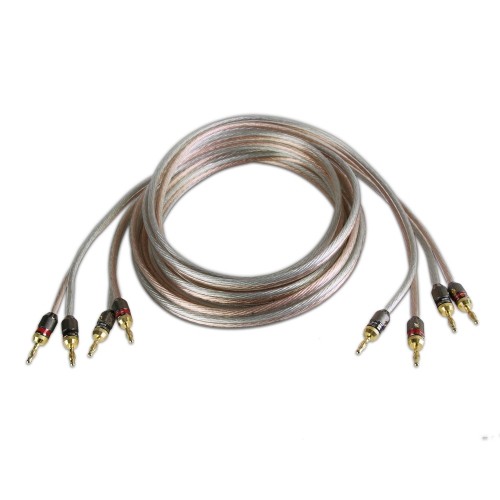
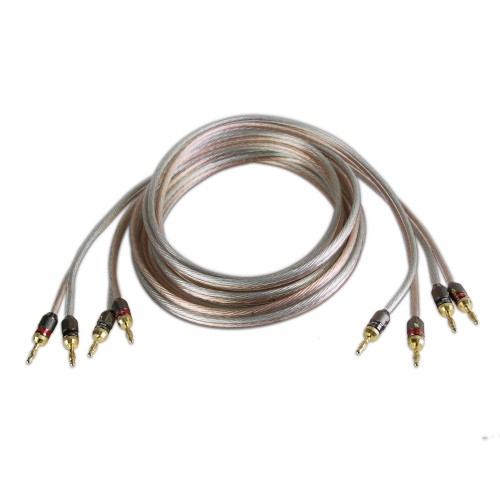
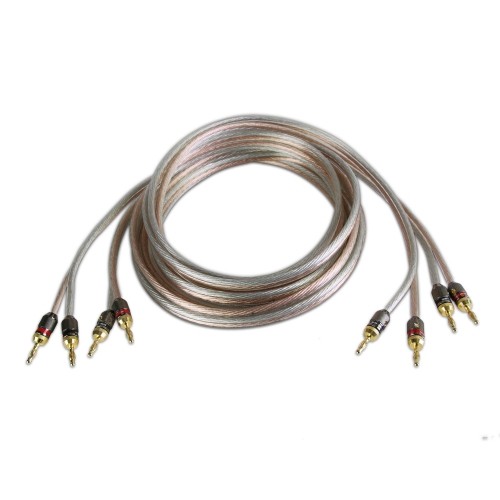
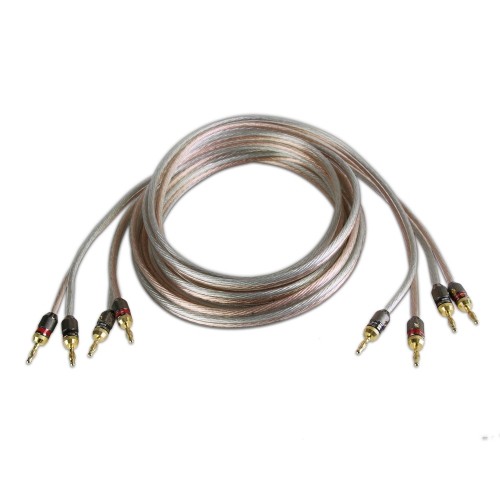
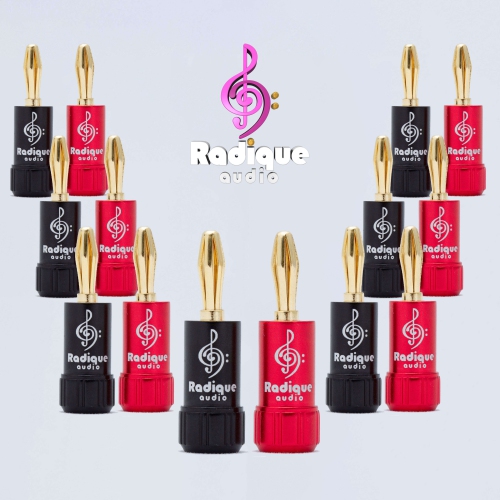
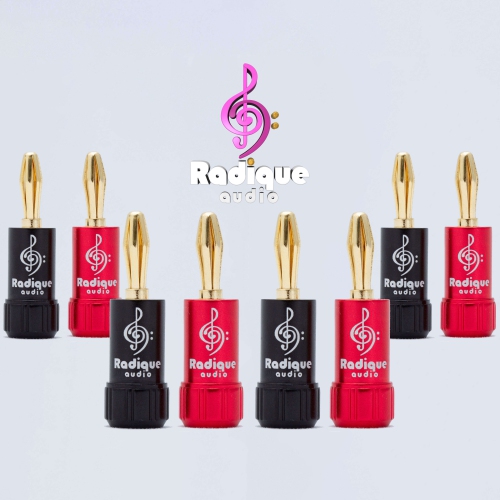
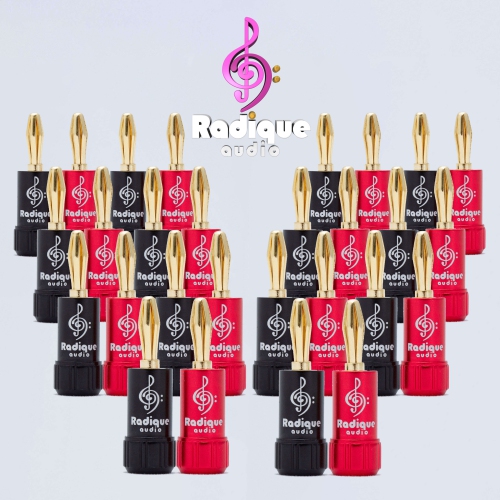
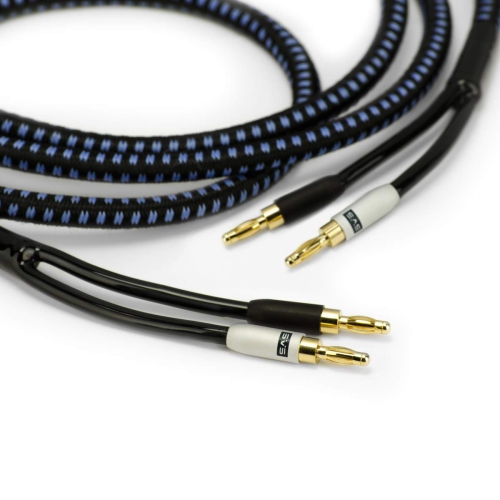
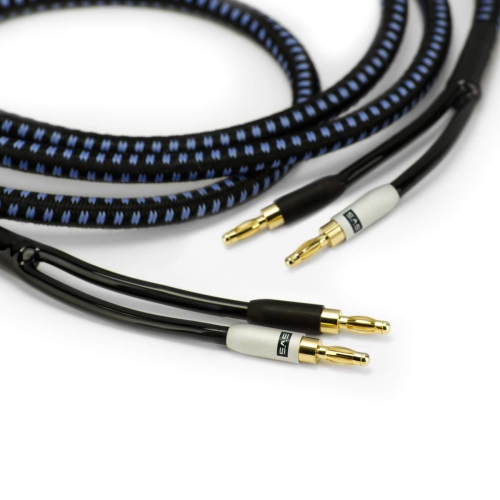
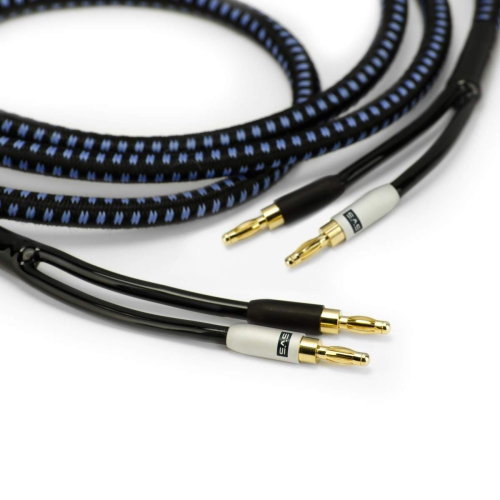

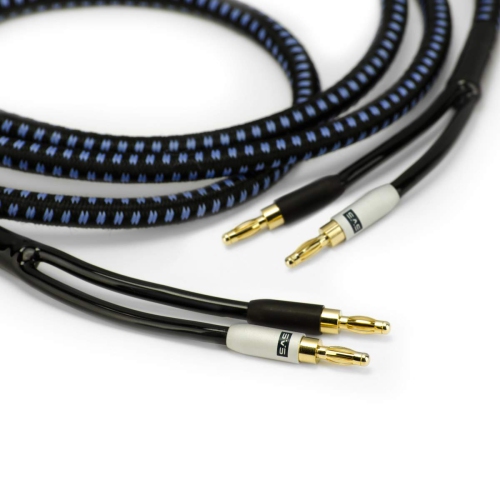

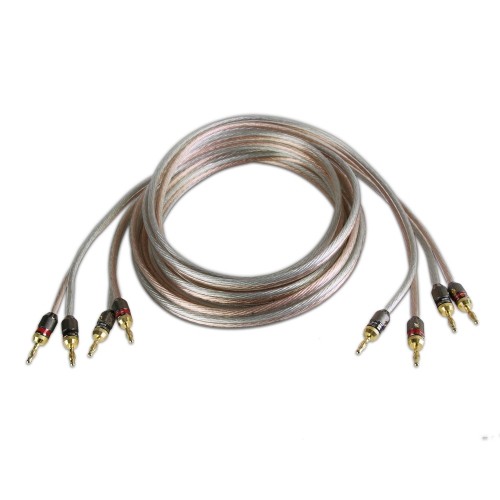
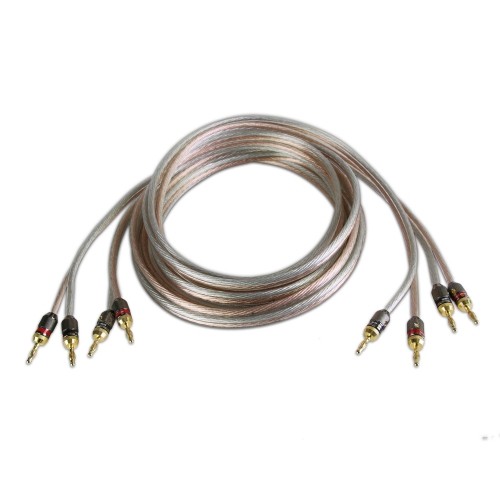
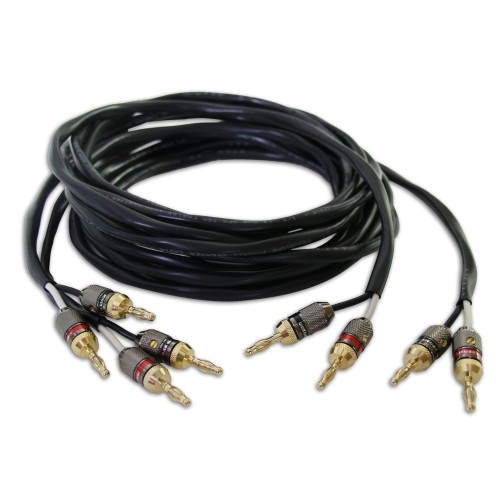
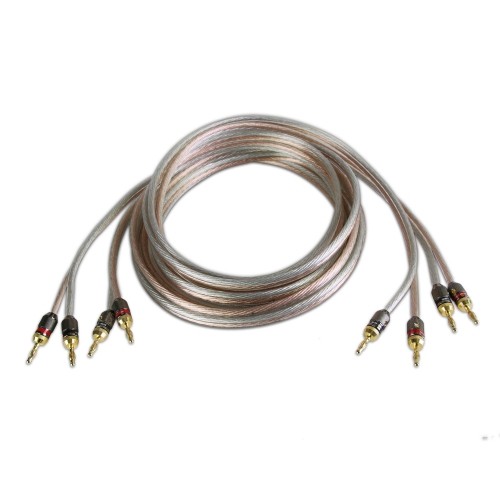
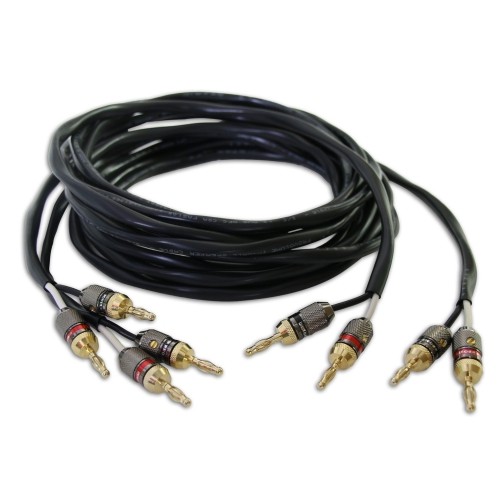
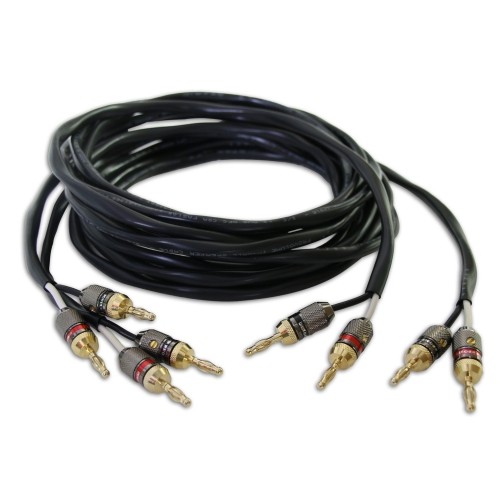
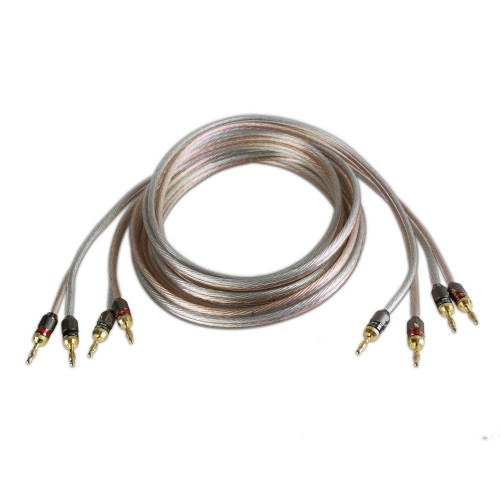
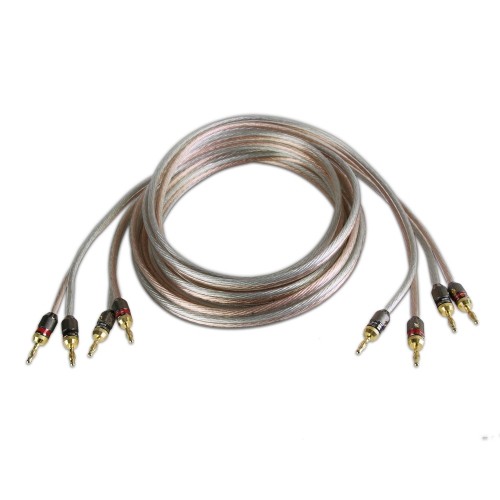
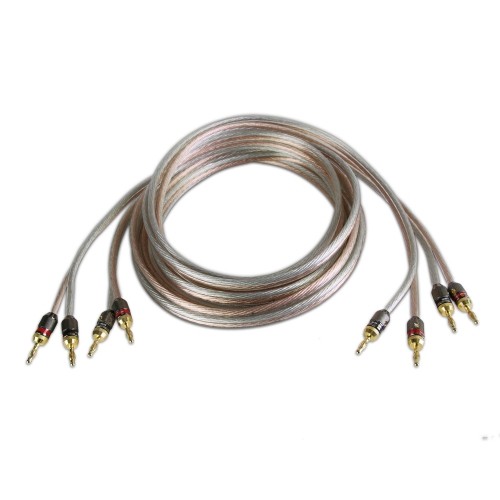
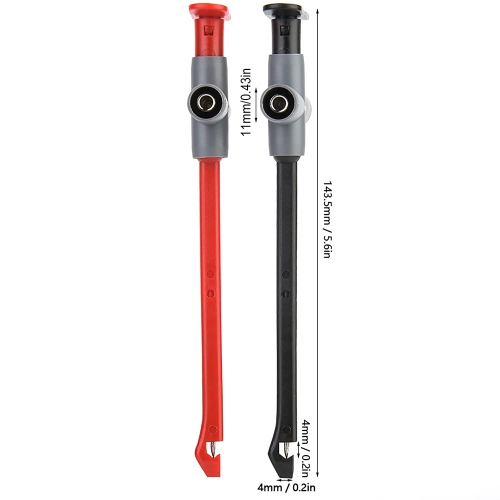
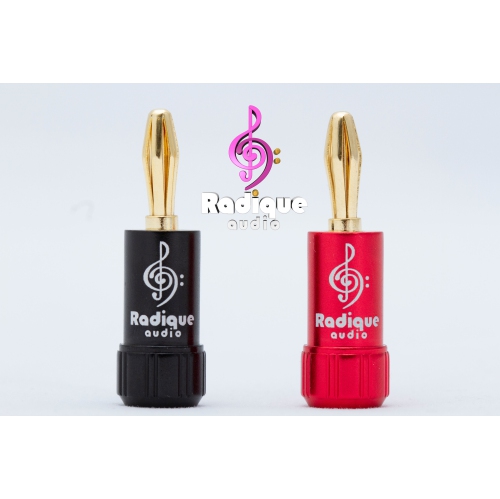
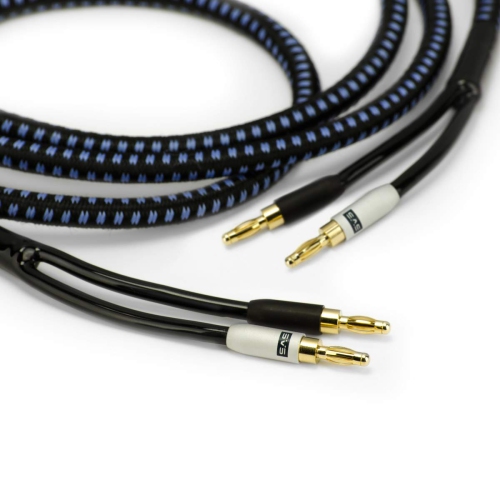
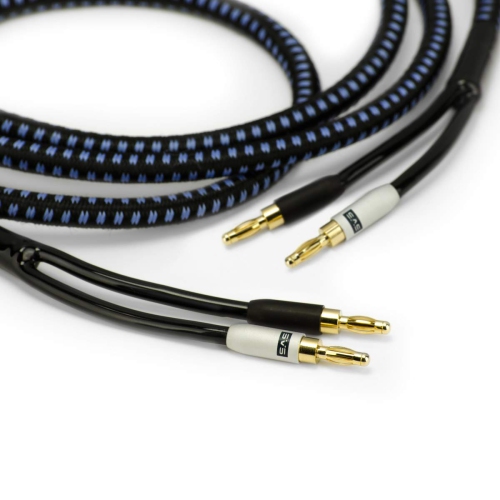
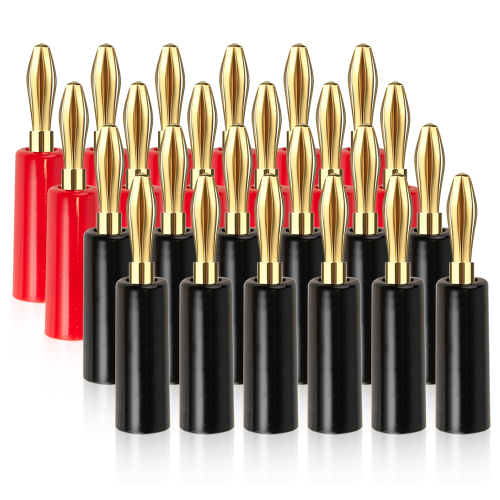
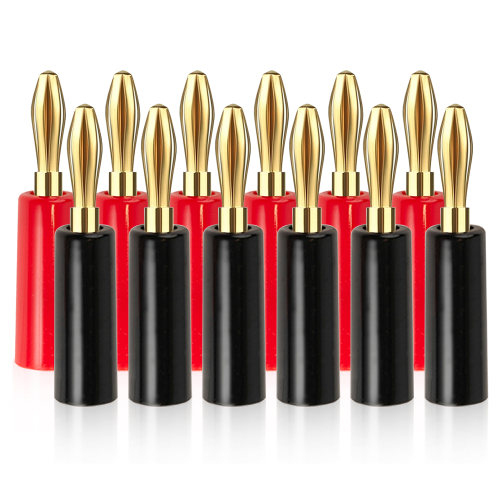
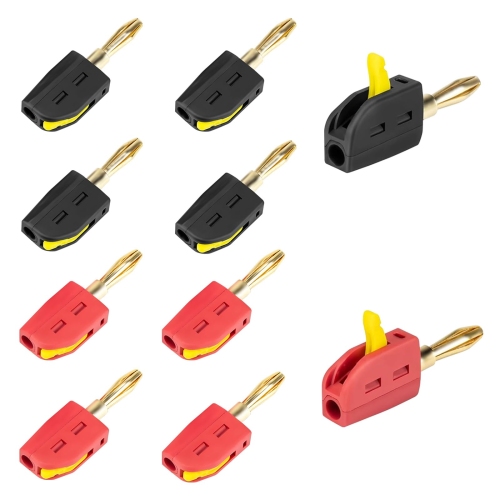
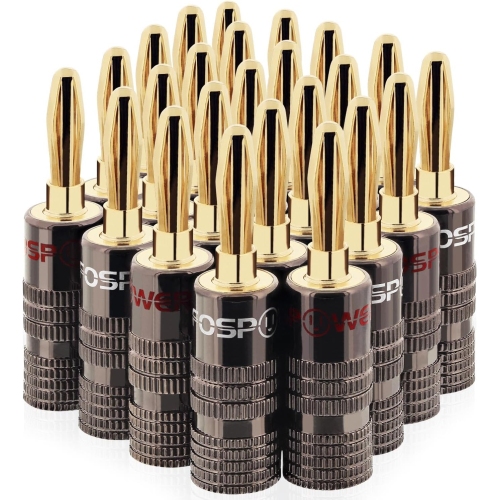
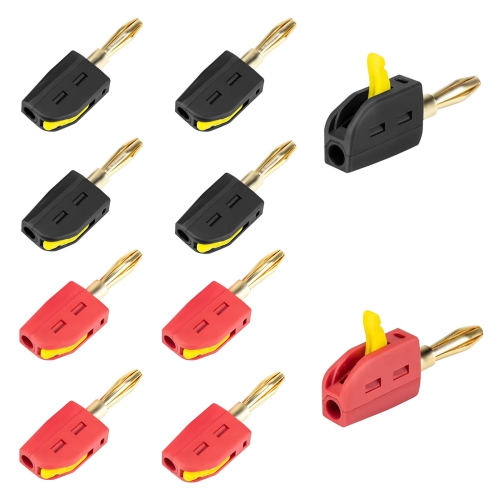
Secure connections for speakers, receivers, and test equipment
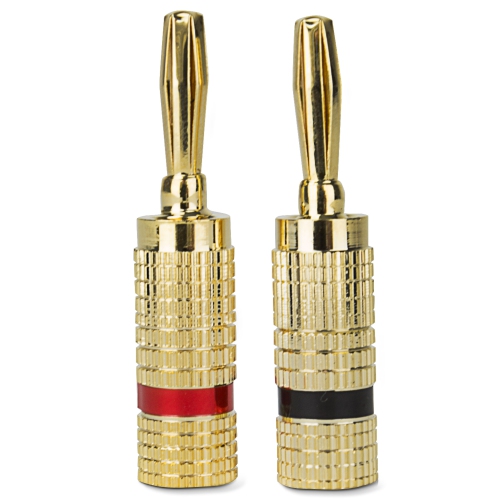
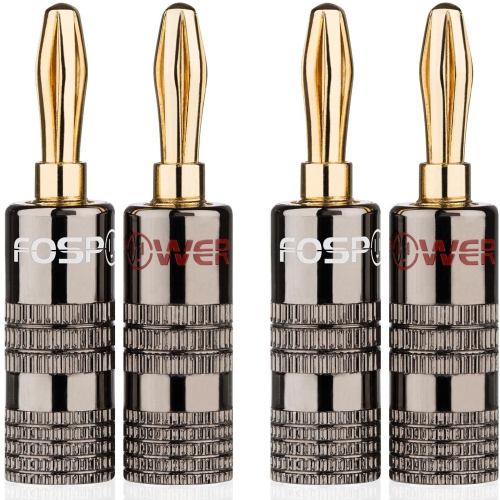
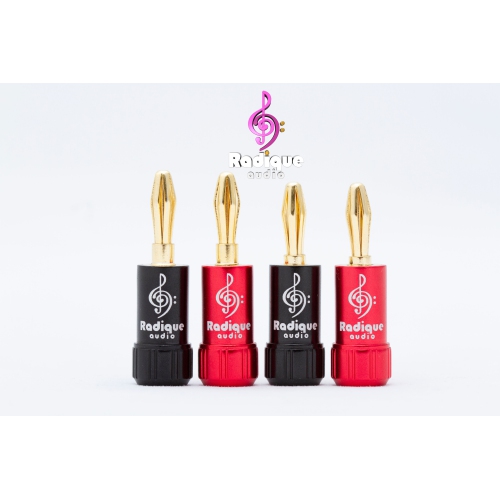
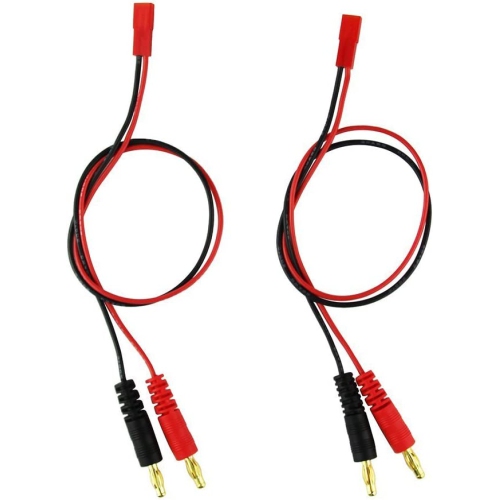
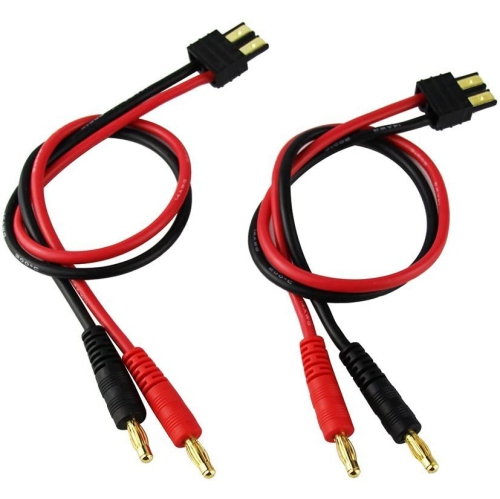
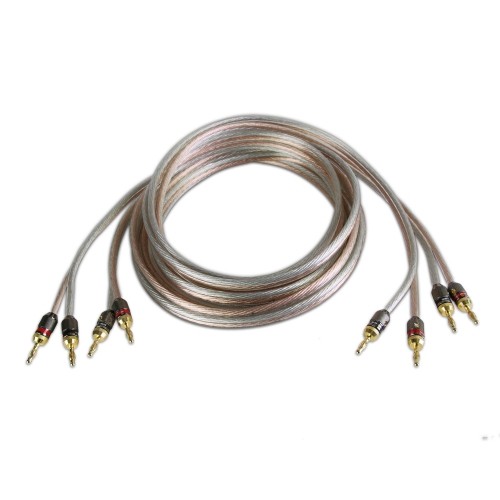
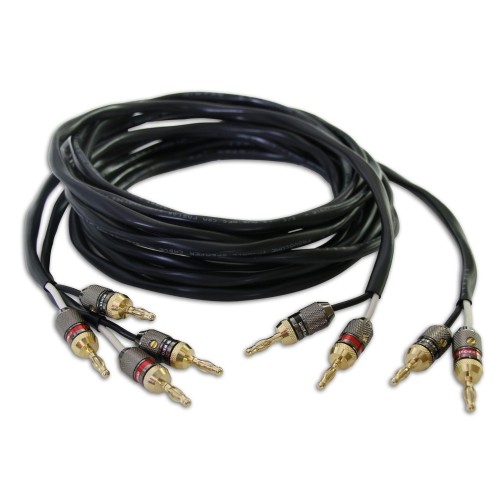
Banana plugs are single-wire electrical connectors designed to make clean, dependable connections between speaker wire and compatible binding posts, jacks, receivers, amplifiers, test equipment, and other low-voltage electronics. A typical banana plug has a cylindrical metal pin measuring about 4 mm across, with spring-metal segments or another expandable design that presses outward inside a matching socket. That spring action helps maintain steady contact, reducing the loose fit that can occur when bare wire is repeatedly inserted, removed, or tightened under a binding post. Banana plugs are especially useful in home audio and home theatre setups, where speaker cables may need to be connected during installation and occasionally disconnected for rearranging furniture, moving equipment, or troubleshooting. They also create a neater finish at the back of a receiver or speaker, keeping individual wire strands contained rather than splayed around a terminal. This matters because stray strands can touch an adjacent terminal and create a short circuit, potentially affecting the equipment or interrupting the signal. Before choosing banana plugs, check that the connected equipment has compatible binding posts or banana jacks; some posts accept plugs only after a protective cap is removed, while others are designed for bare wire, spade connectors, or more than one connection style. It is also important to match the plug design to the speaker wire being used. Heavier speaker cable may require a larger entry point or a plug that accommodates a wider range of wire gauges, while thinner cable should be secured firmly so it cannot pull free. Different banana plugs use different termination methods, including screw, compression, and solder connections. Screw and compression styles can be convenient for home installation because they generally require fewer specialised tools, while soldered connections may appeal to someone comfortable working carefully with cable ends and a soldering iron. In every case, turn off and unplug connected audio equipment before installing or changing cables, keep positive and negative conductors from touching, and follow the instructions supplied with the receiver, amplifier, speakers, or test instrument. Banana plugs are not intended for household mains wiring, and they should only be used with equipment and circuits rated for the connector and application.
For a home audio system, banana plugs can make speaker installation feel more orderly and repeatable. A cable that once had to be twisted into a small bundle and held beneath a binding-post cap can instead terminate in a firm plug that slides into place with a noticeable fit. This is helpful behind a television stand or equipment cabinet, where access may be limited and visibility is poor. It can also be useful in a room that changes function during the year: a surround-sound system may be adjusted when furniture is moved indoors during the cooler months, or a pair of speakers may be disconnected temporarily to make space for guests. Labelled cables and matching connectors can make those changes less frustrating, particularly when several channels run behind a cabinet. Banana plugs may be used with front, centre, rear, height, and stereo speaker connections when the equipment supports them, but the plug does not improve the quality of an incompatible cable or compensate for an incorrect connection. The main advantages are convenience, secure termination, tidy cable management, and easier access for future adjustments. They can be a practical addition for someone setting up a first stereo system, improving a home theatre, assembling a music room, or maintaining equipment used for demonstrations and lessons. They may also make a thoughtful gift for an audio enthusiast who enjoys refining a listening space, a student learning basic electronics, or a family member who is reorganising a media room. For a gift or shared household purchase, versatility is useful: consider connector compatibility, wire-gauge support, the number of connections needed, and whether the design is insulated or exposed. Shrouded or insulated options can help reduce the chance of accidental contact around closely spaced terminals, while stackable designs may be useful in certain test or demonstration setups where one connection must share a jack. Exposed plugs can be suitable in controlled applications, but they deserve extra care around conductive surfaces and powered equipment. A good connection should feel secure without requiring excessive force, and the finished cable should not pull against the terminal when routed into position.
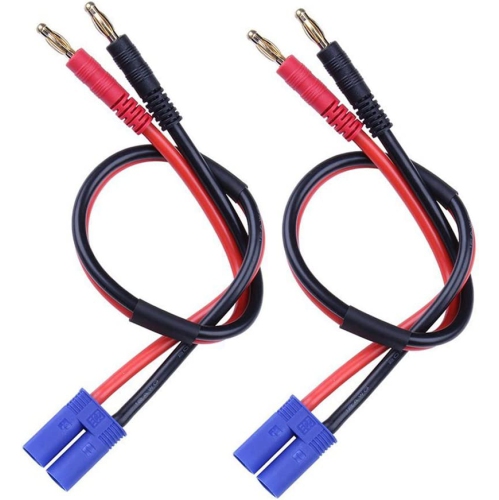
Banana plugs are also used beyond everyday speaker connections. Electronics hobbyists, technicians, educators, and students may use them to terminate patch leads for compatible multimeters, bench power supplies, signal equipment, and laboratory instruments. In these settings, the connector provides a quick way to attach and remove a lead while keeping the conductor enclosed and the end easy to handle. Compatibility is particularly important with test equipment: confirm the required plug diameter, socket depth, insulation arrangement, polarity, and electrical rating before connecting anything. Some instruments use banana-style sockets alongside other input types, but a similar-looking opening does not automatically mean every plug is suitable. For speaker cables, verify the positive and negative markings at both ends, strip only the recommended amount of insulation, and ensure that no loose strands remain outside the plug body. A poorly prepared cable can create intermittent sound, crackling, channel dropouts, or a short circuit even when the connector itself is well made. In a multi-speaker system, using consistent connector styles and clearly identified cable ends can simplify installation and make future servicing more straightforward. Banana plugs should be stored where their metal ends will not contact one another or other conductive objects, especially when they are attached to leads used for testing. When comparing options, focus on construction, strain relief, wire compatibility, insulation, connection method, and the fit required by the equipment rather than choosing by appearance alone. If the project involves joining or extending separate lengths of wire instead of terminating a lead for a socket, a different connector category may be more appropriate, such as Butt Connectors. With the right match between connector, cable, and equipment, banana plugs offer a practical way to keep audio and low-voltage connections secure, organised, and ready for the next listening session, classroom demonstration, repair, or system adjustment.
For a home audio system, banana plugs can make speaker installation feel more orderly and repeatable. A cable that once had to be twisted into a small bundle and held beneath a binding-post cap can instead terminate in a firm plug that slides into place with a noticeable fit. This is helpful behind a television stand or equipment cabinet, where access may be limited and visibility is poor. It can also be useful in a room that changes function during the year: a surround-sound system may be adjusted when furniture is moved indoors during the cooler months, or a pair of speakers may be disconnected temporarily to make space for guests. Labelled cables and matching connectors can make those changes less frustrating, particularly when several channels run behind a cabinet. Banana plugs may be used with front, centre, rear, height, and stereo speaker connections when the equipment supports them, but the plug does not improve the quality of an incompatible cable or compensate for an incorrect connection. The main advantages are convenience, secure termination, tidy cable management, and easier access for future adjustments. They can be a practical addition for someone setting up a first stereo system, improving a home theatre, assembling a music room, or maintaining equipment used for demonstrations and lessons. They may also make a thoughtful gift for an audio enthusiast who enjoys refining a listening space, a student learning basic electronics, or a family member who is reorganising a media room. For a gift or shared household purchase, versatility is useful: consider connector compatibility, wire-gauge support, the number of connections needed, and whether the design is insulated or exposed. Shrouded or insulated options can help reduce the chance of accidental contact around closely spaced terminals, while stackable designs may be useful in certain test or demonstration setups where one connection must share a jack. Exposed plugs can be suitable in controlled applications, but they deserve extra care around conductive surfaces and powered equipment. A good connection should feel secure without requiring excessive force, and the finished cable should not pull against the terminal when routed into position.
Banana plugs are also used beyond everyday speaker connections. Electronics hobbyists, technicians, educators, and students may use them to terminate patch leads for compatible multimeters, bench power supplies, signal equipment, and laboratory instruments. In these settings, the connector provides a quick way to attach and remove a lead while keeping the conductor enclosed and the end easy to handle. Compatibility is particularly important with test equipment: confirm the required plug diameter, socket depth, insulation arrangement, polarity, and electrical rating before connecting anything. Some instruments use banana-style sockets alongside other input types, but a similar-looking opening does not automatically mean every plug is suitable. For speaker cables, verify the positive and negative markings at both ends, strip only the recommended amount of insulation, and ensure that no loose strands remain outside the plug body. A poorly prepared cable can create intermittent sound, crackling, channel dropouts, or a short circuit even when the connector itself is well made. In a multi-speaker system, using consistent connector styles and clearly identified cable ends can simplify installation and make future servicing more straightforward. Banana plugs should be stored where their metal ends will not contact one another or other conductive objects, especially when they are attached to leads used for testing. When comparing options, focus on construction, strain relief, wire compatibility, insulation, connection method, and the fit required by the equipment rather than choosing by appearance alone. If the project involves joining or extending separate lengths of wire instead of terminating a lead for a socket, a different connector category may be more appropriate, such as Butt Connectors. With the right match between connector, cable, and equipment, banana plugs offer a practical way to keep audio and low-voltage connections secure, organised, and ready for the next listening session, classroom demonstration, repair, or system adjustment.
Top selling and popular products
-
 Your price for this item is $19.99
 -
 Your price for this item is $26.99
 -
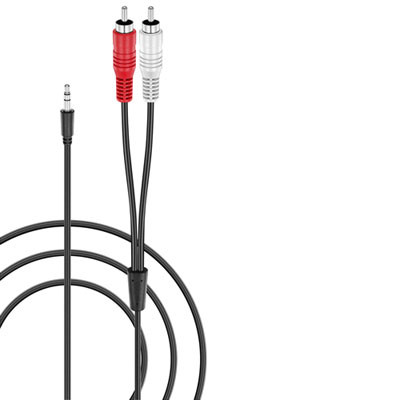 Your price for this item is $14.99
 -
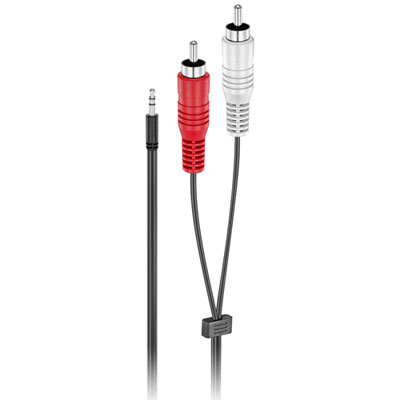 Your price for this item is $14.99
 -
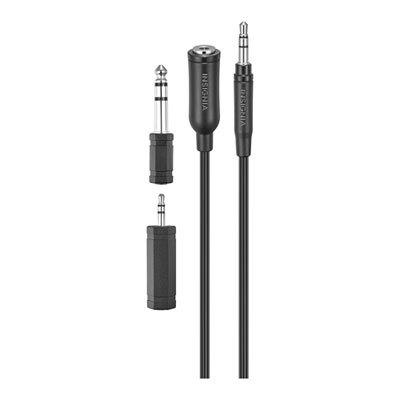 Your price for this item is $19.99
 -
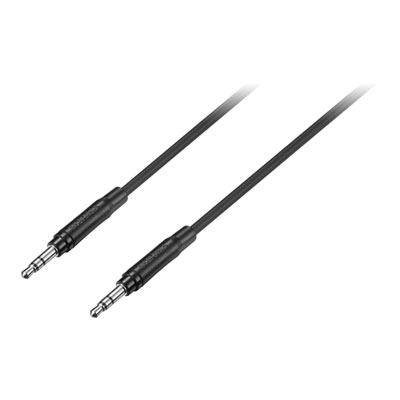 Your price for this item is $19.99
 -
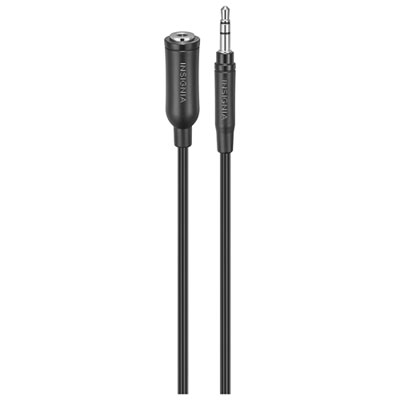 Your price for this item is $9.99
 -
 Your price for this item is $17.5
Discover more categories related to Banana Plugs

Top Collections:
Pokemon Centers, Kindle Devices, Best Budget Office Chairs, Apple iPhones 16, Best Laptops for Writers, iPhone 15 Apple, Canon G7X Cameras, Refurbished Apple Laptops, Alarm Clock, Motorola Razr Phones
Some products may be subject to Environmental Handling Fees
(EHF) depending on your province.
Learn more about EHFs.