Black Industrial TV Stands
Add a touch of modern style to your living room or entertainment area with our black industrial TV stands. Whether you're looking to display your television, store media devices, or showcase decorative items, our black industrial TV stands provide ample storage and a stylish focal point for your home. Explore our wide selection of TV stands today and find the perfect fit for your needs.
Sort

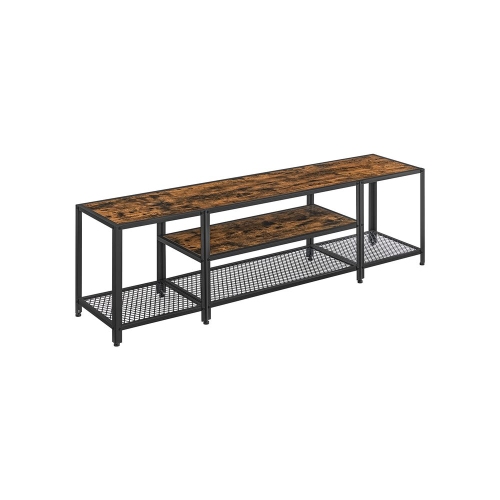


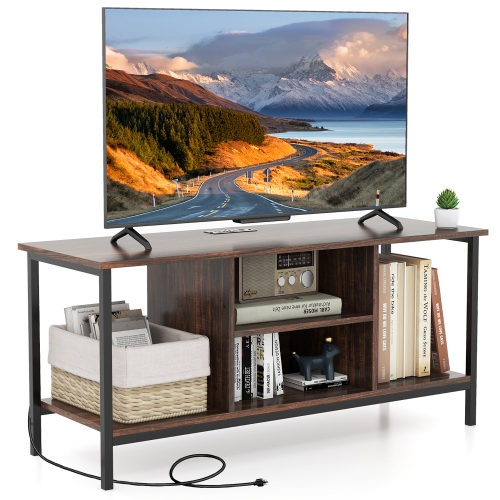
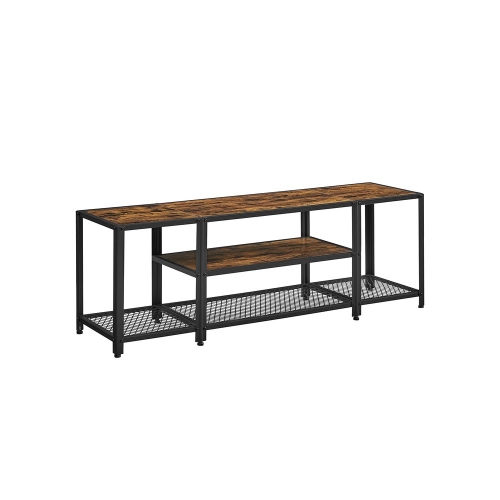
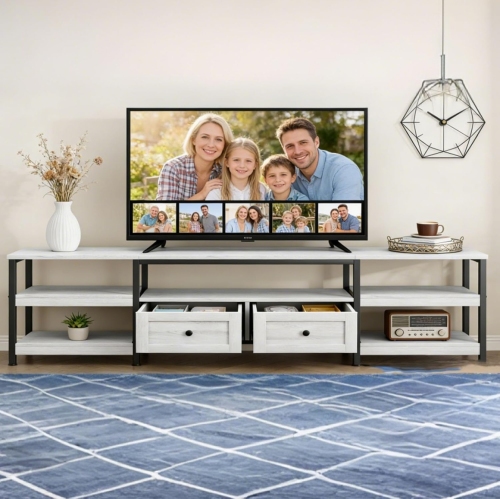


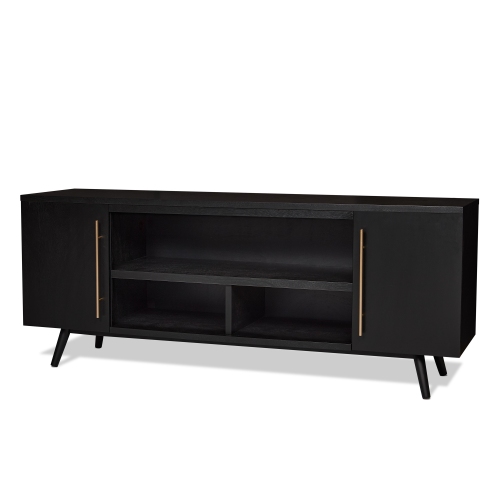


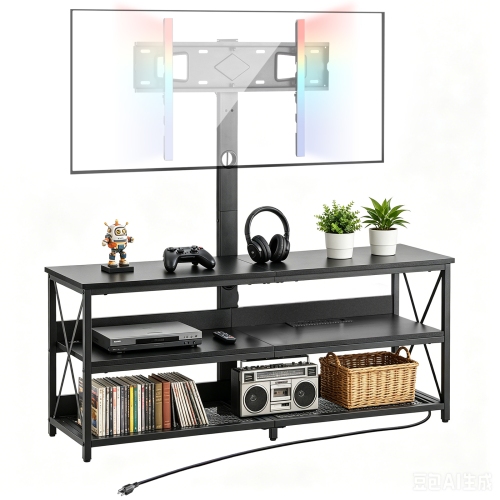
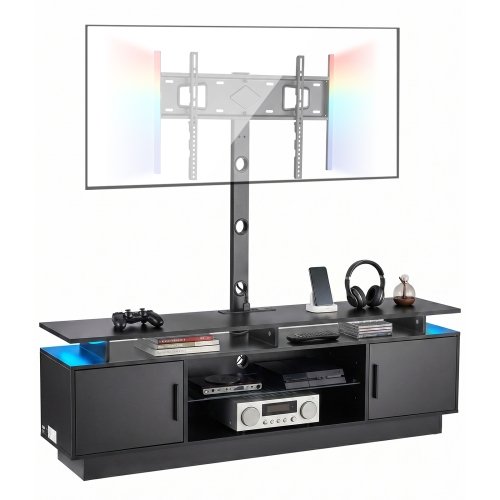

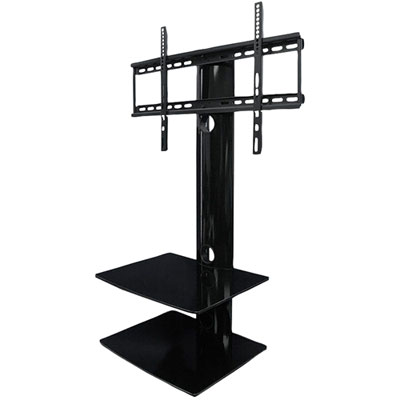


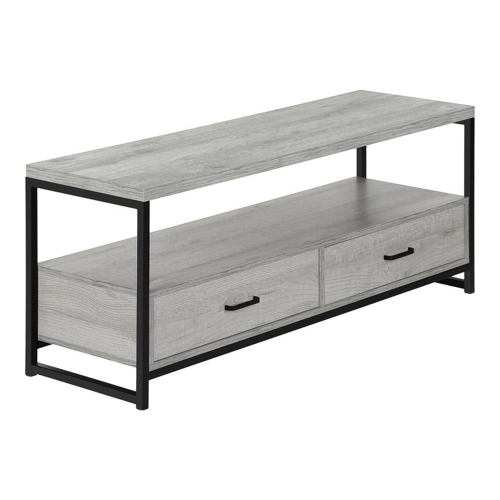


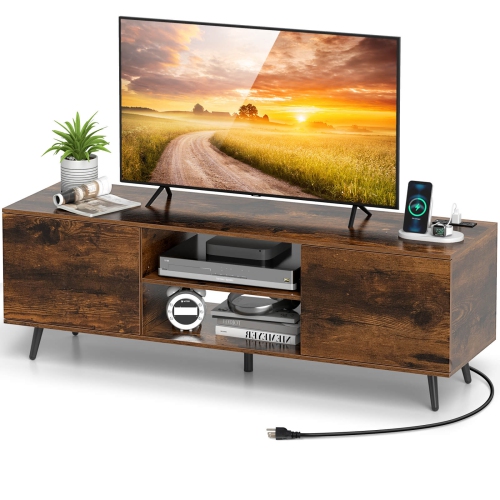

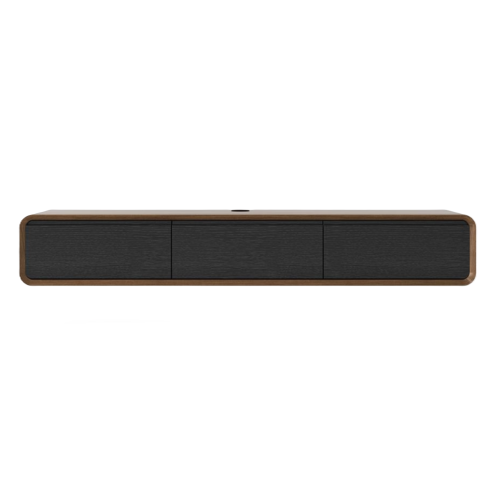

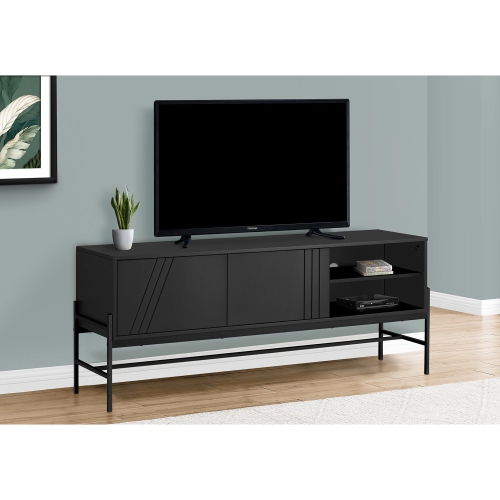


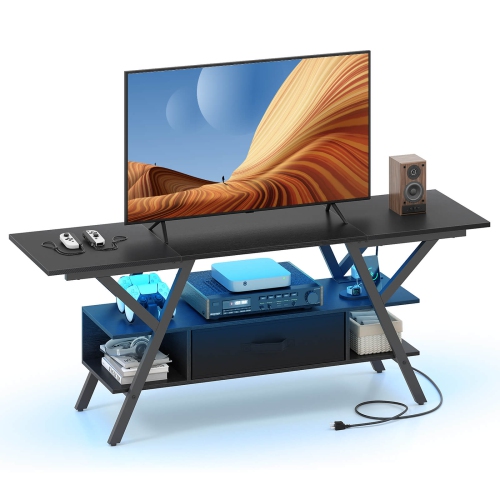


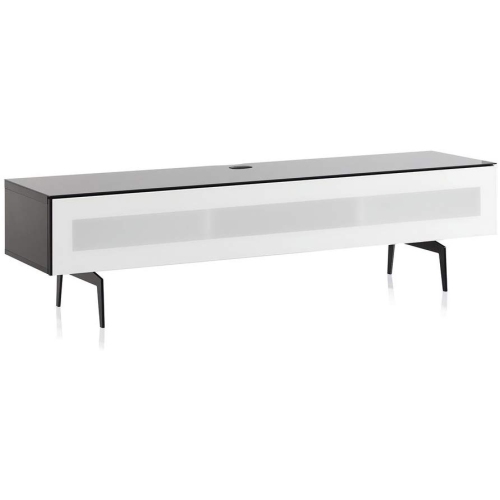

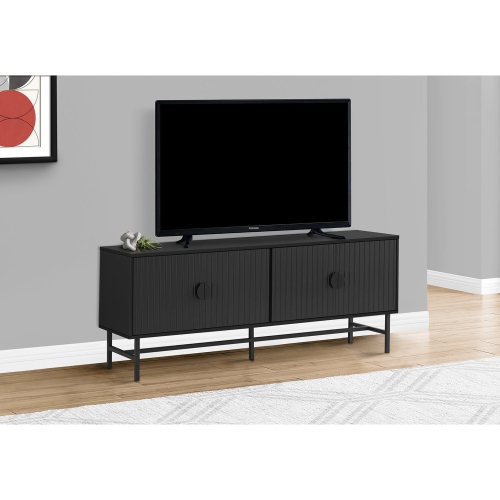
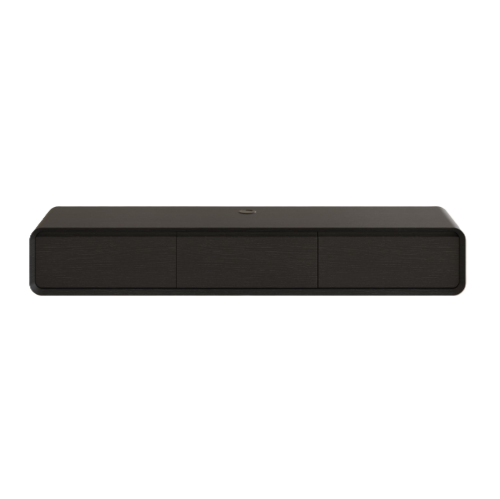


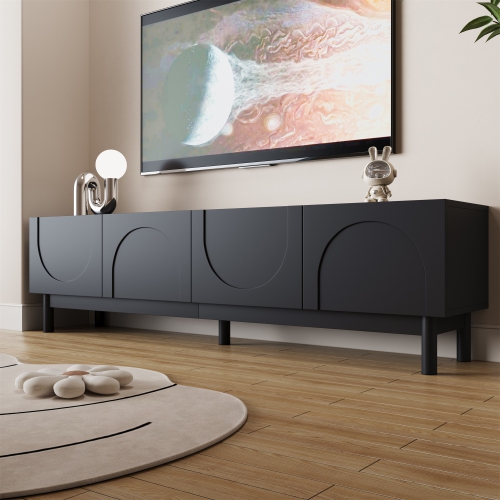


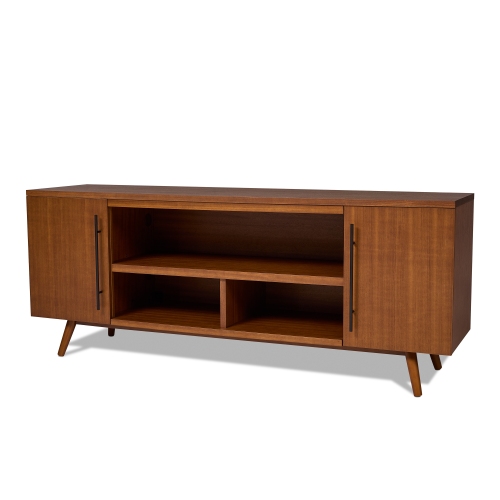


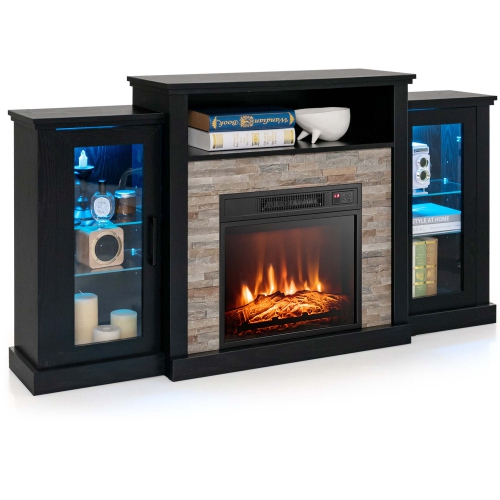


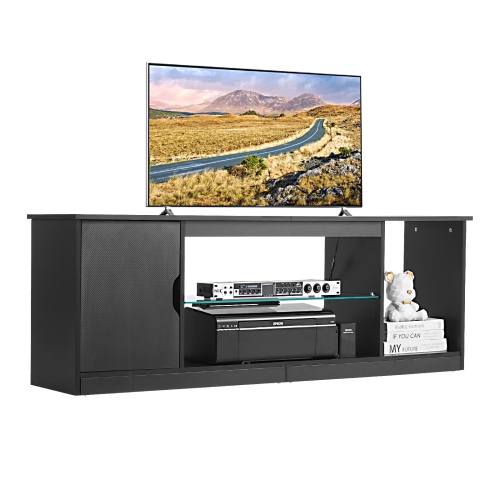
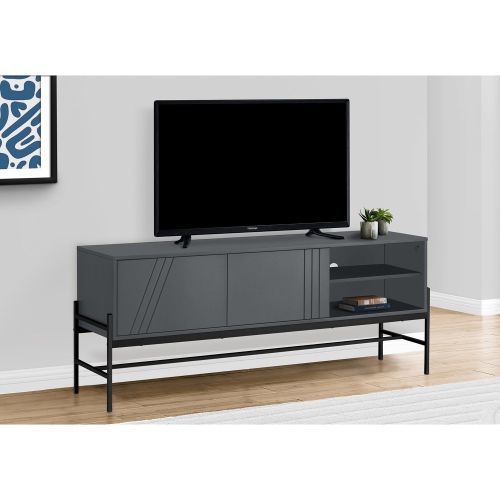
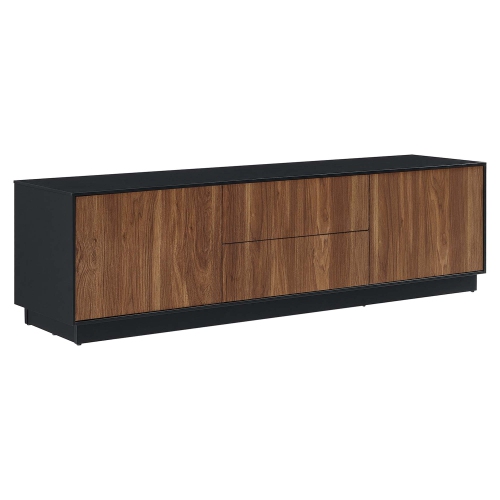
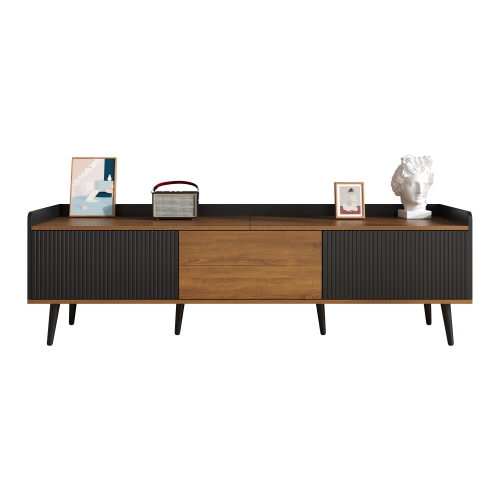

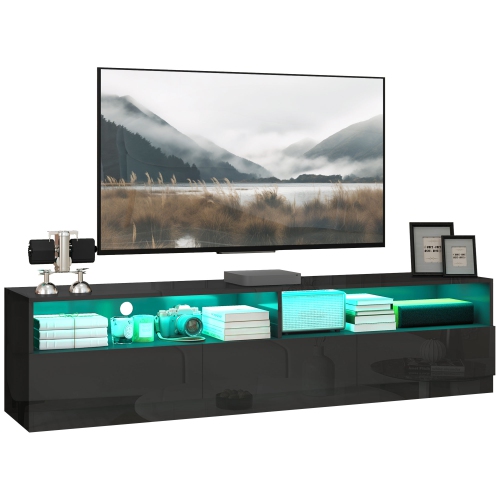

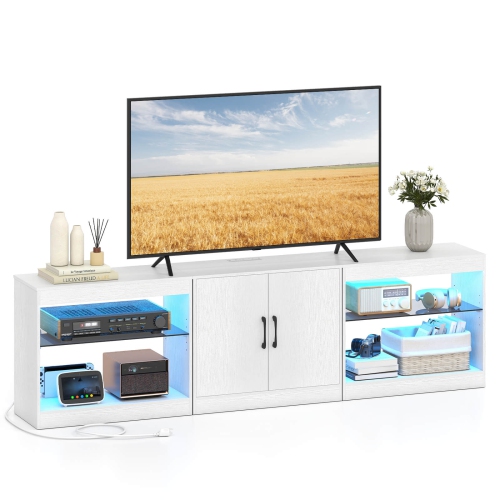


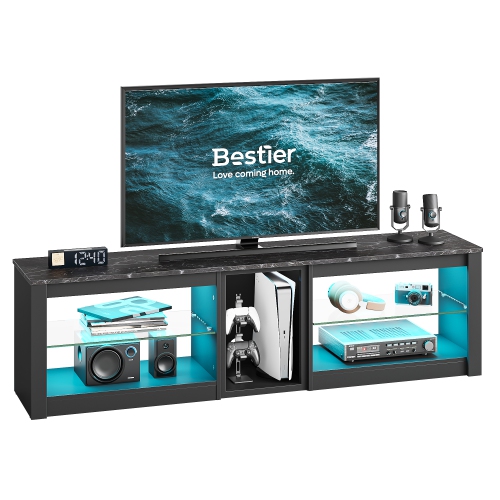


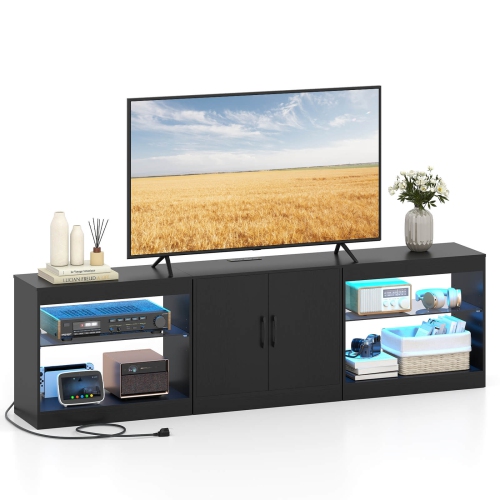
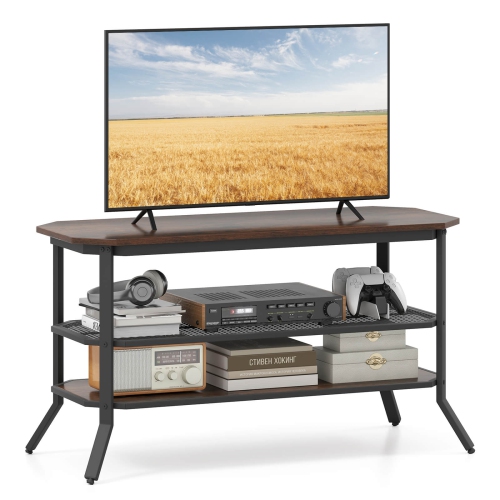
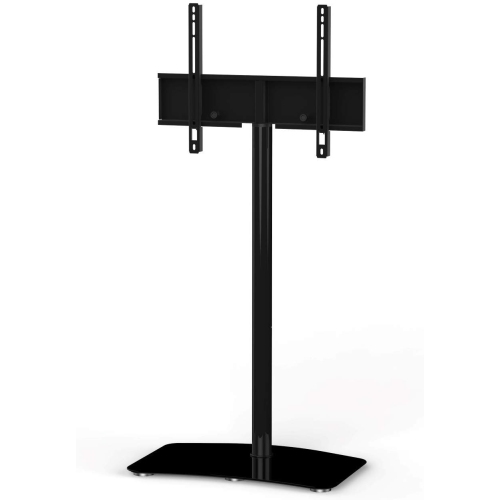
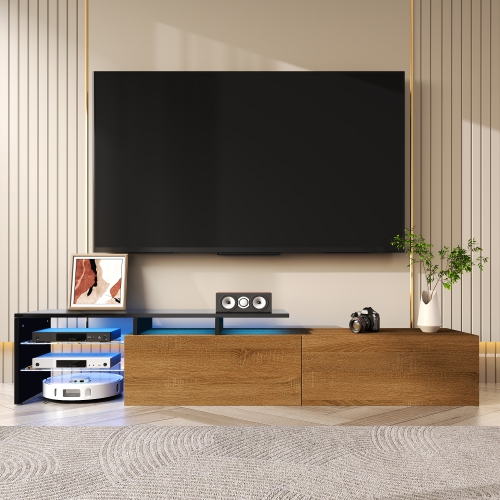


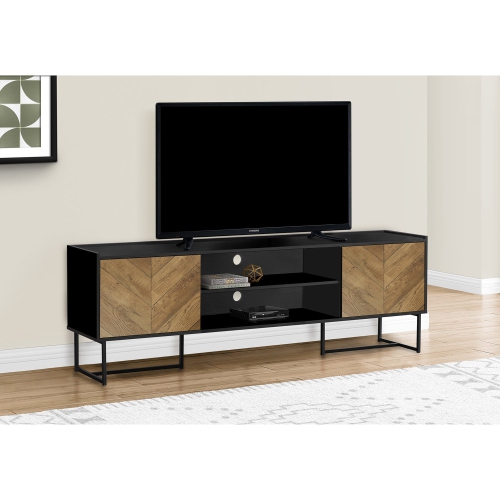
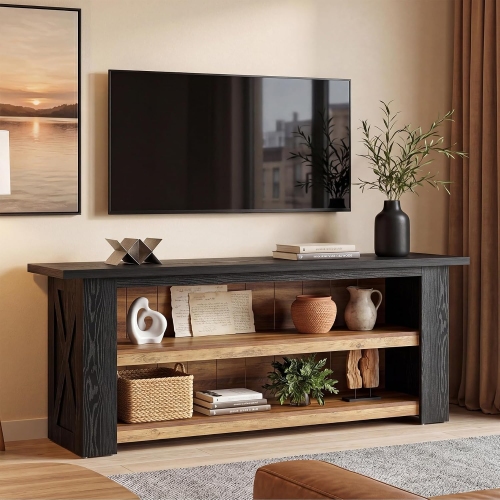
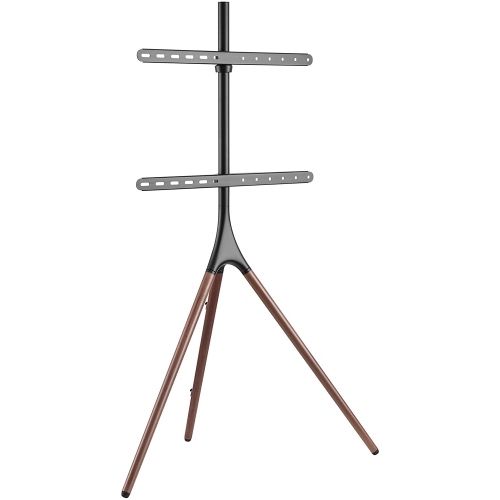
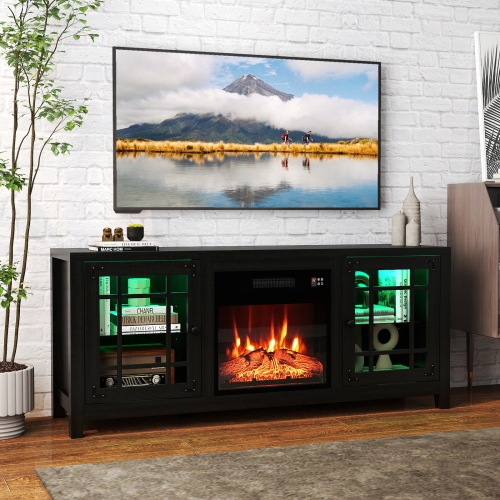
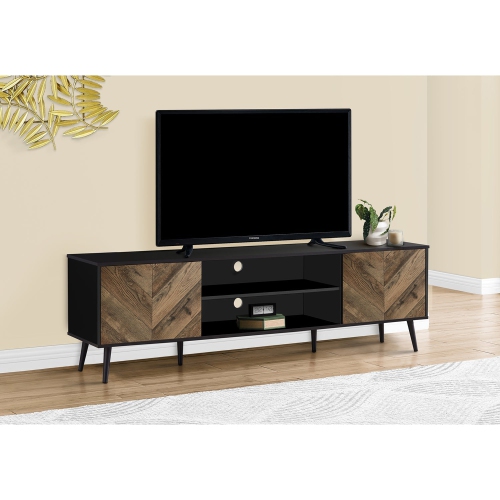
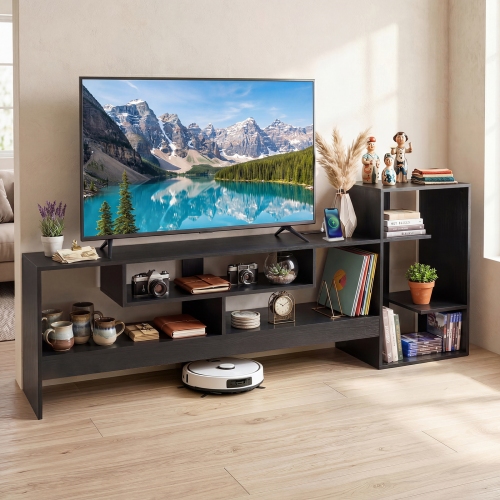


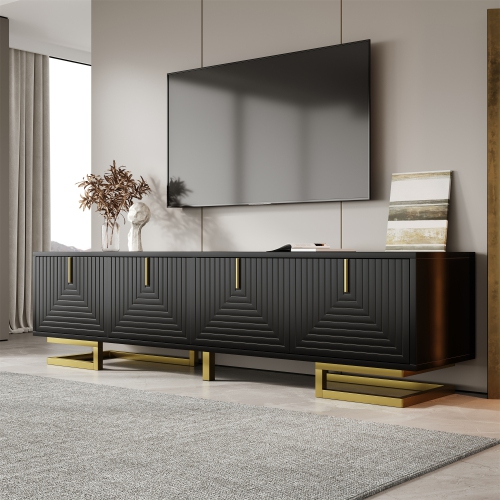
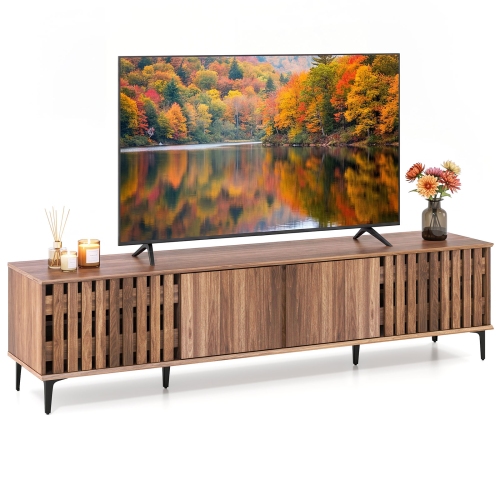


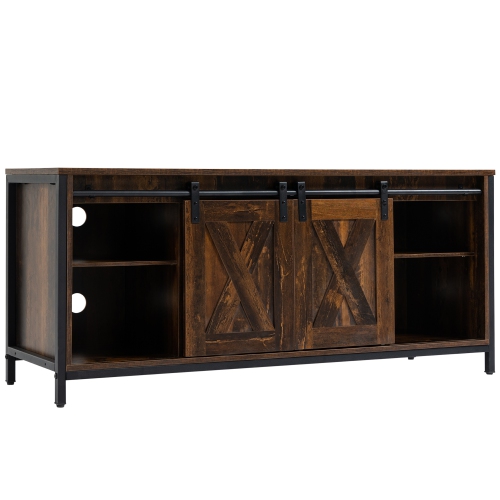
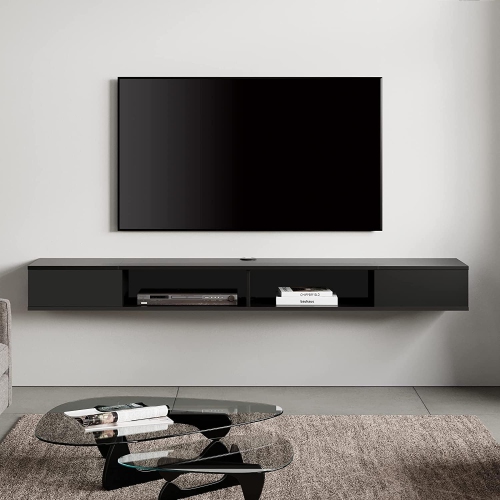

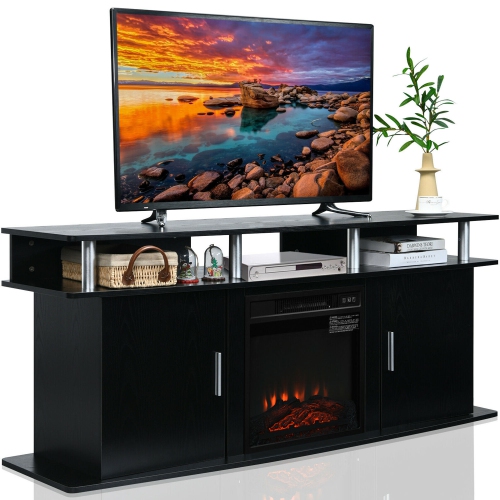


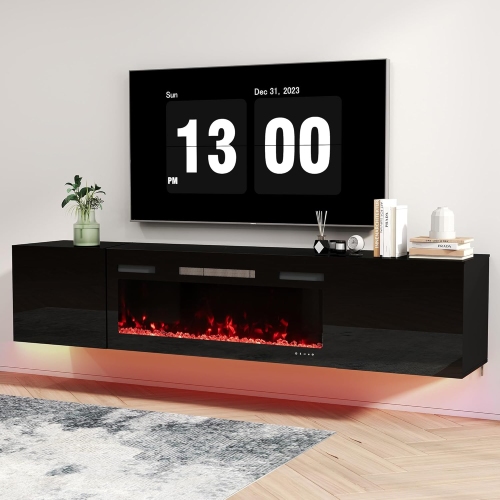

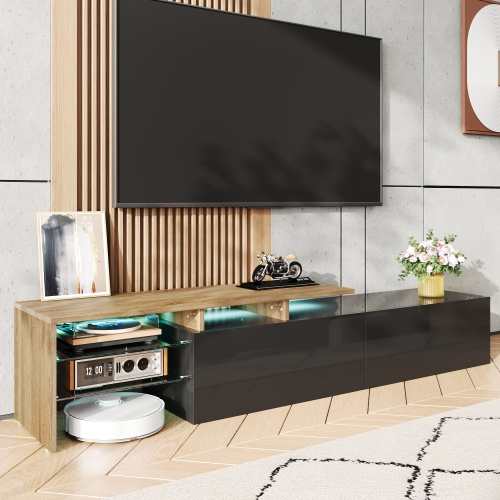
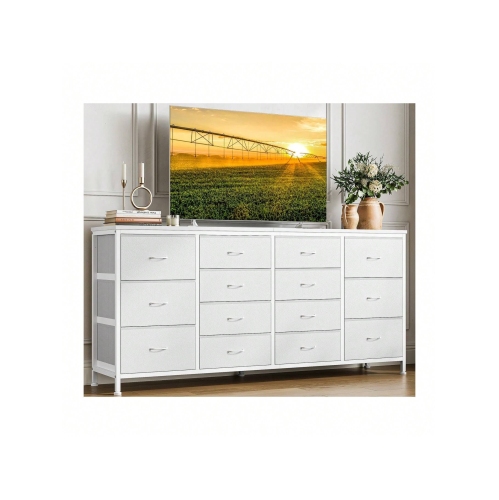
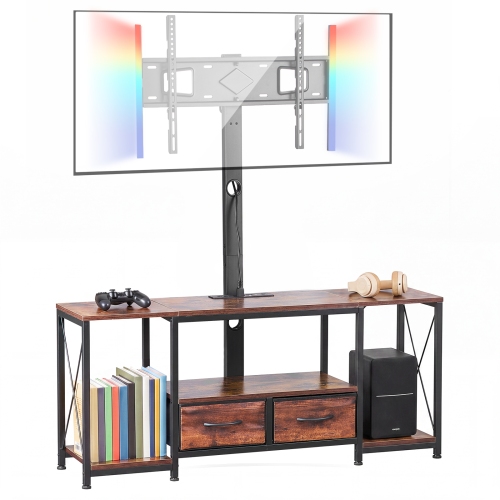

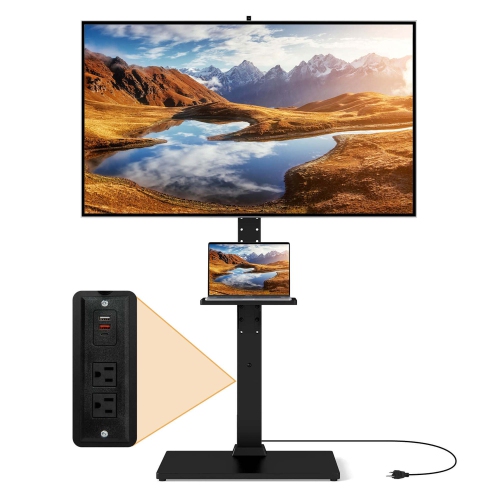
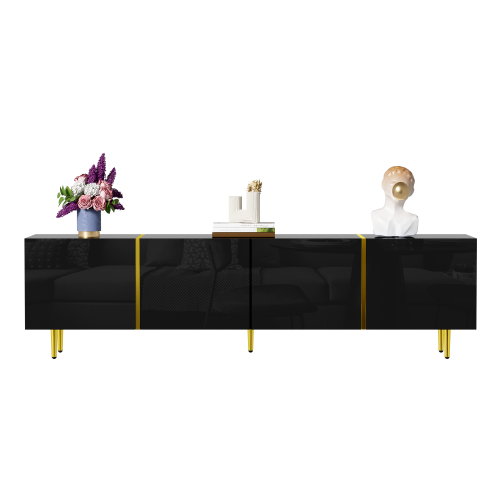
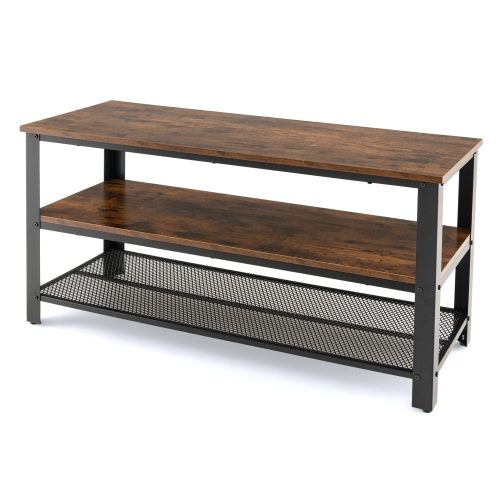
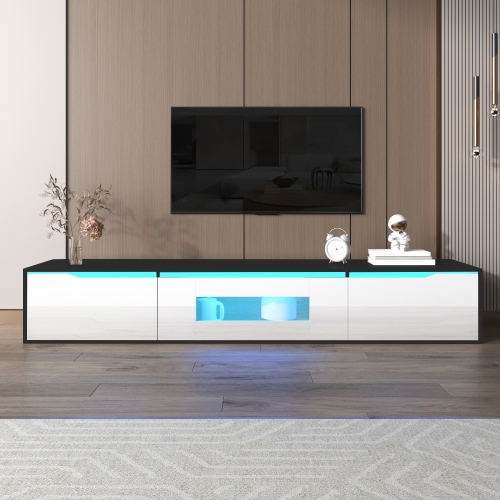
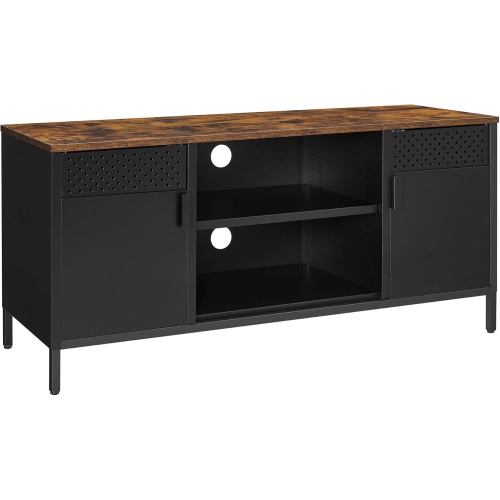


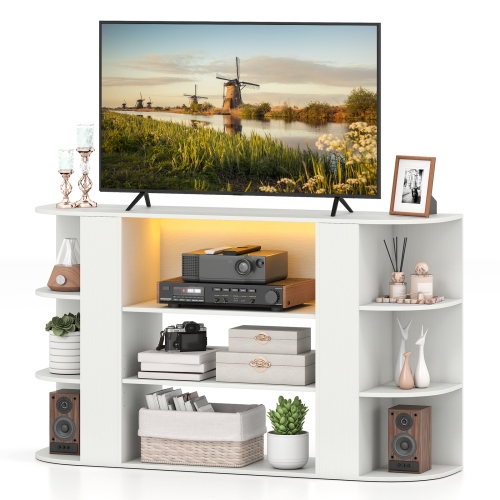

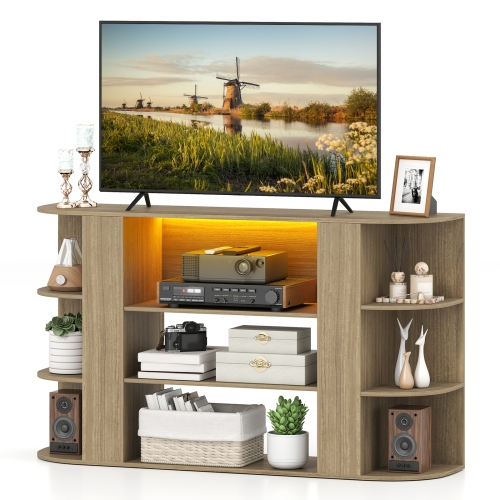

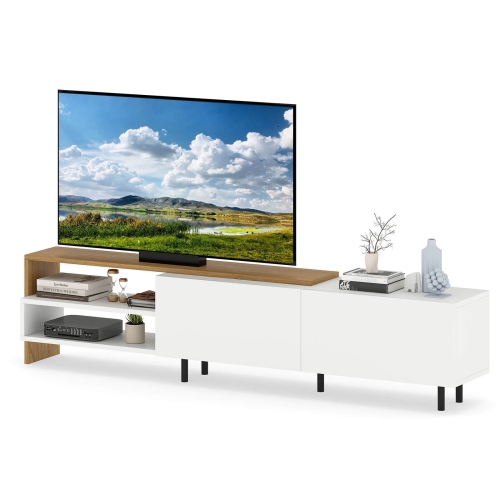

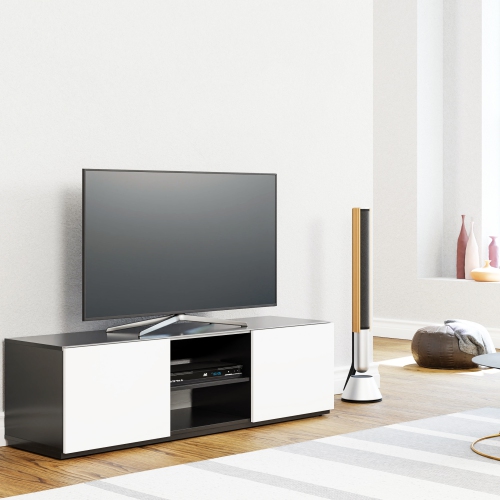

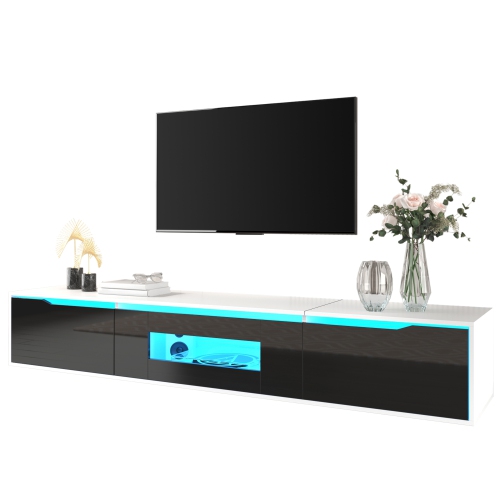
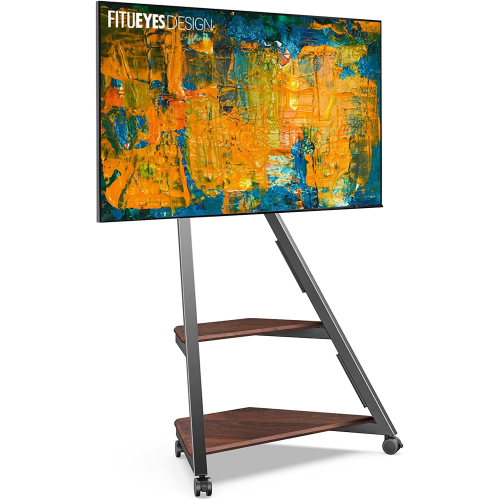
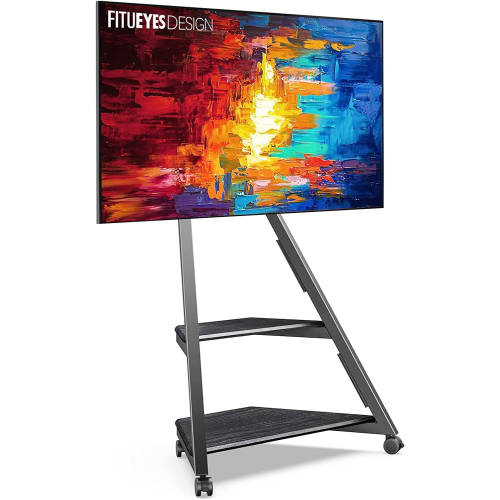
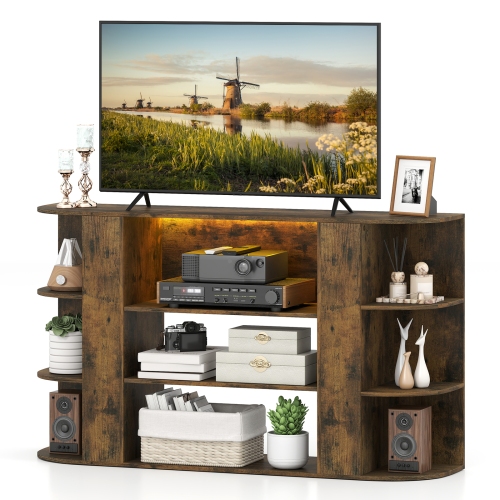
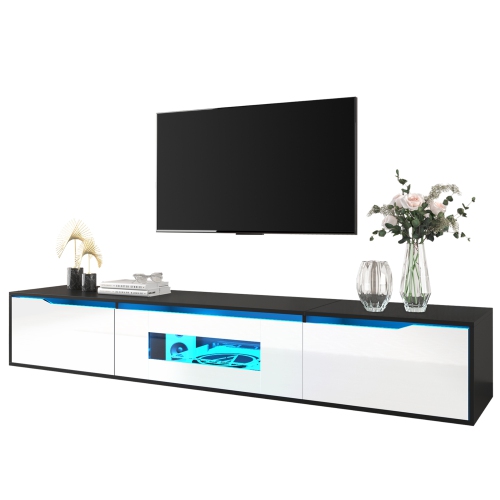
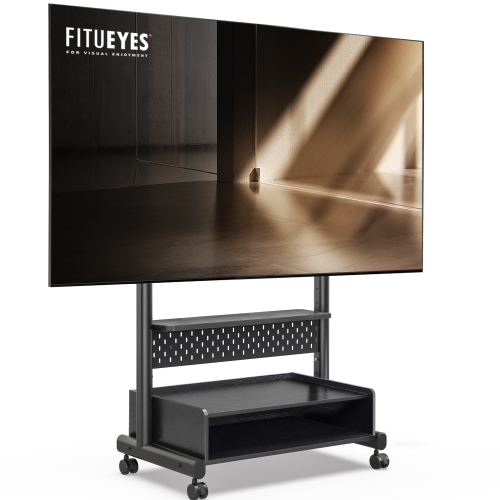


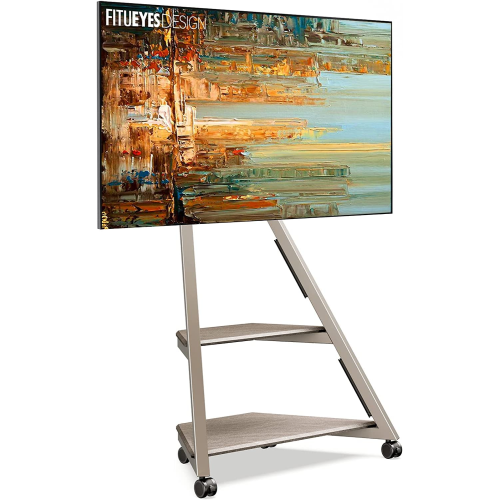
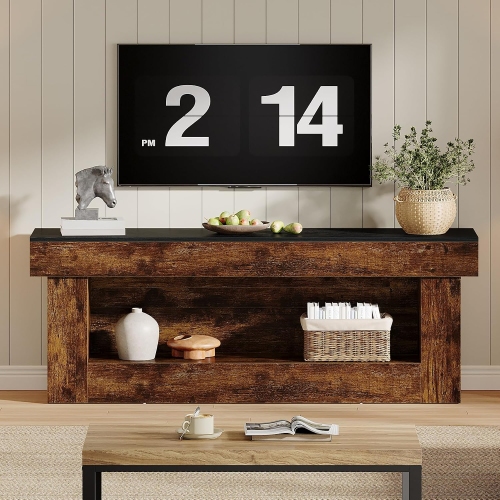


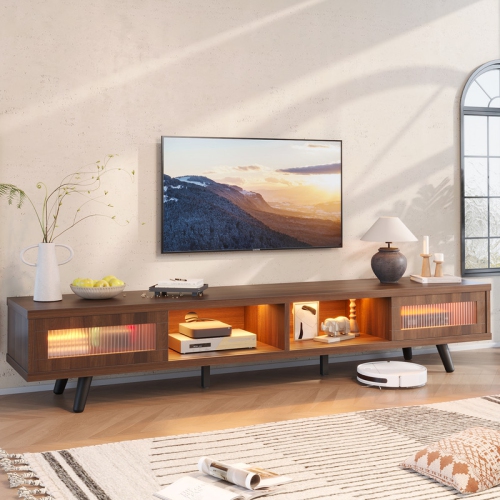
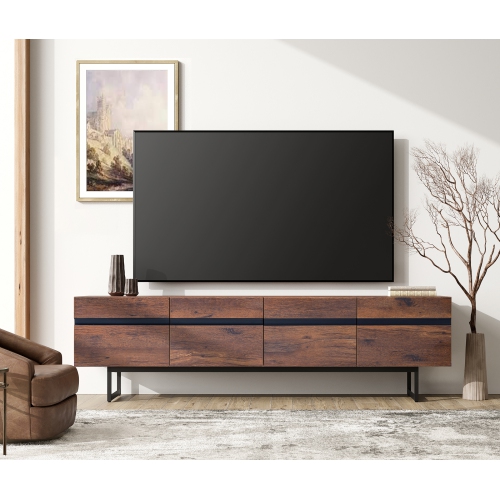
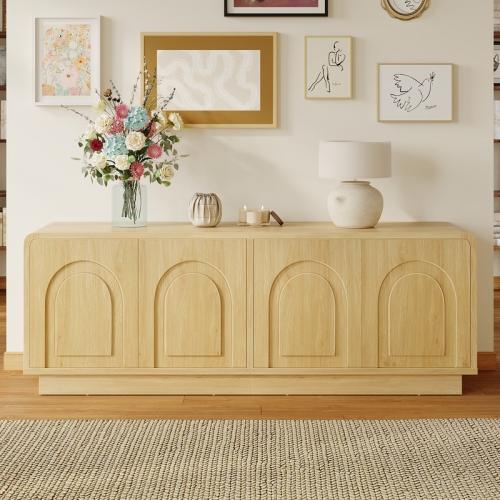

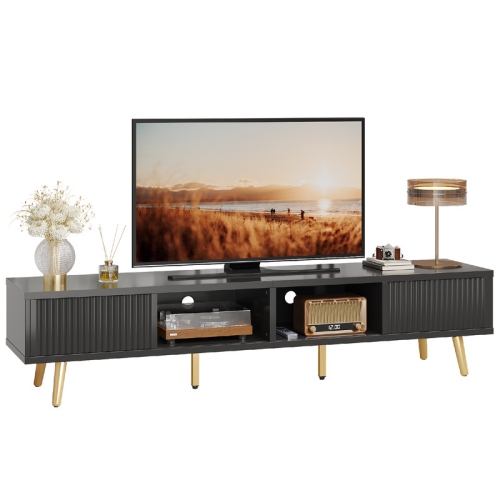


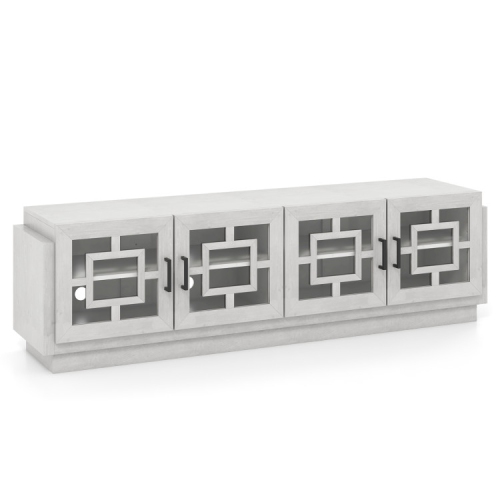
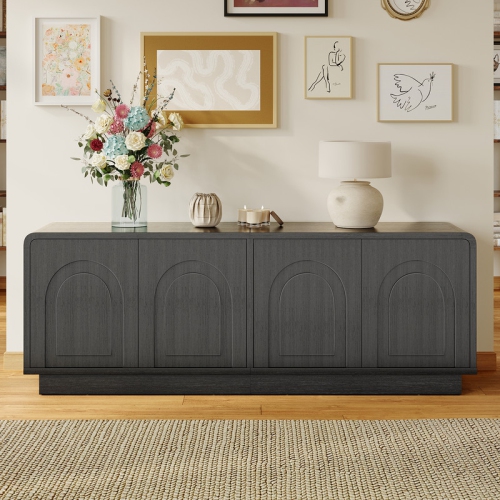

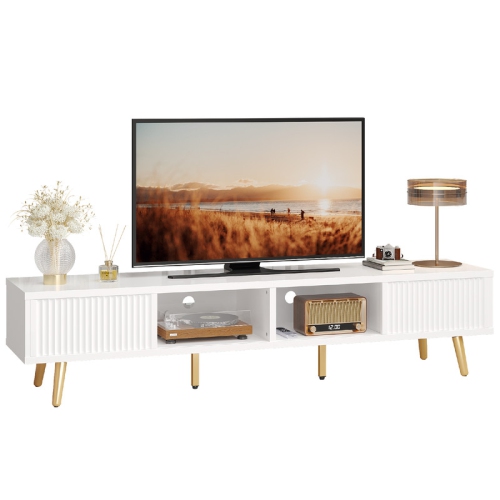


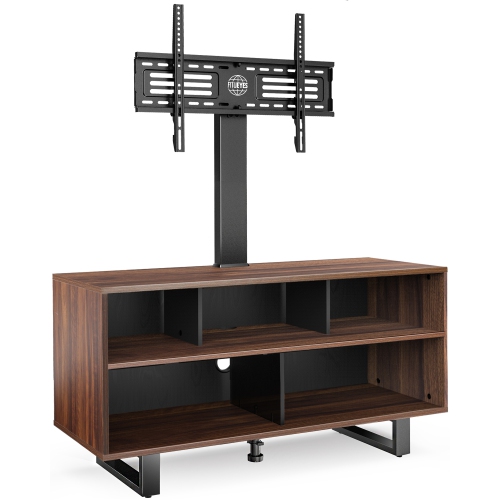
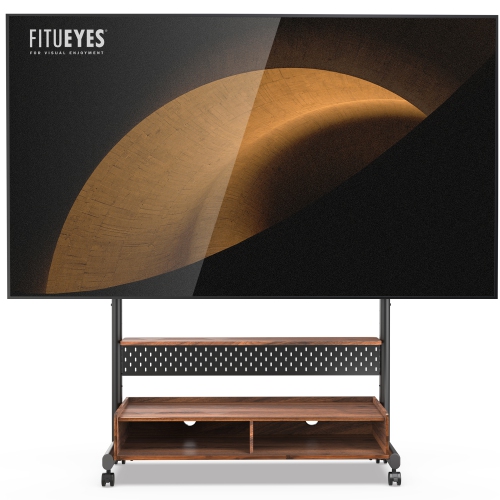


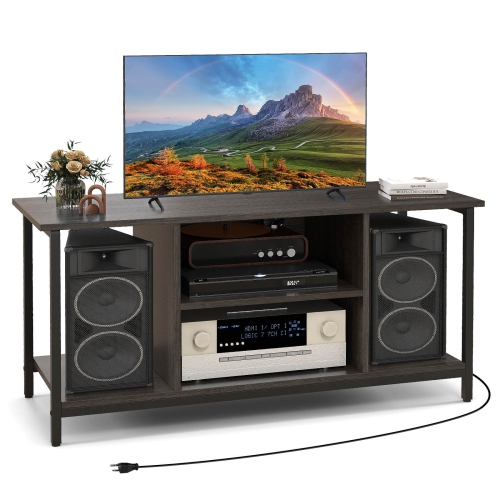
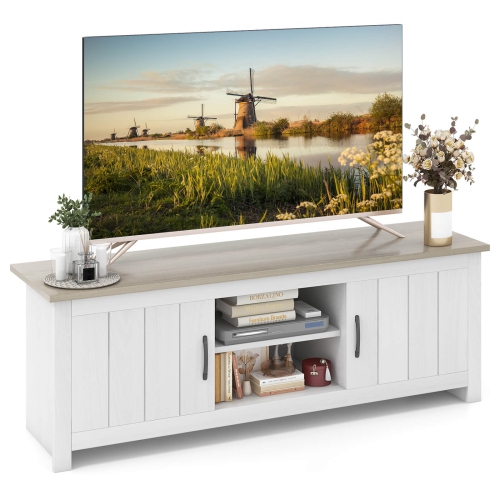

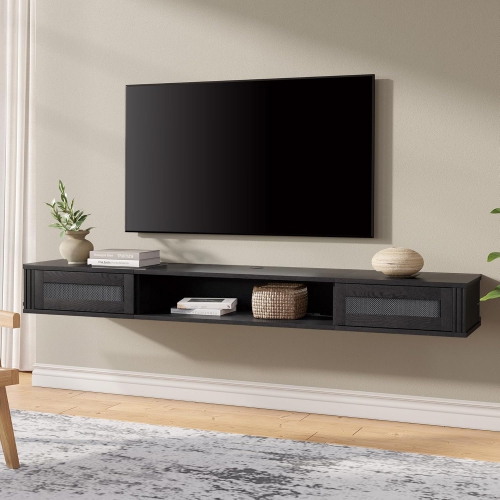

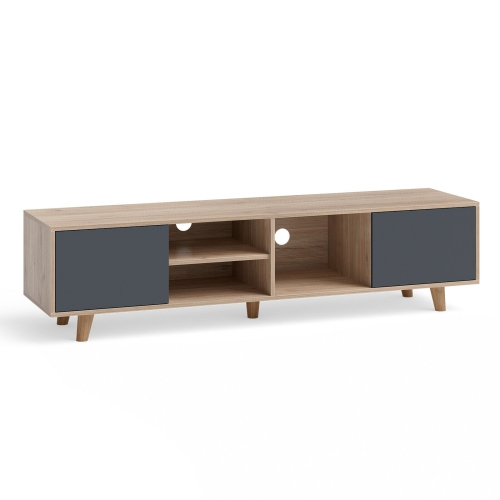

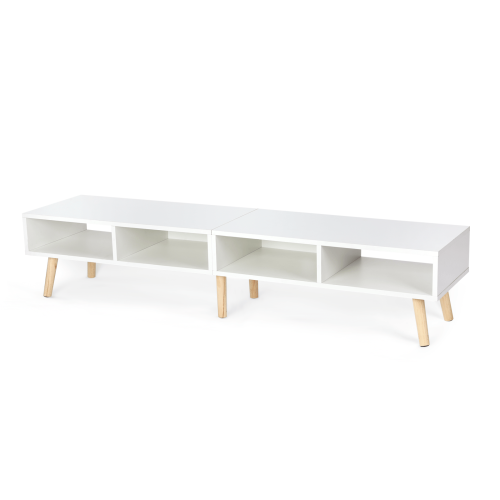

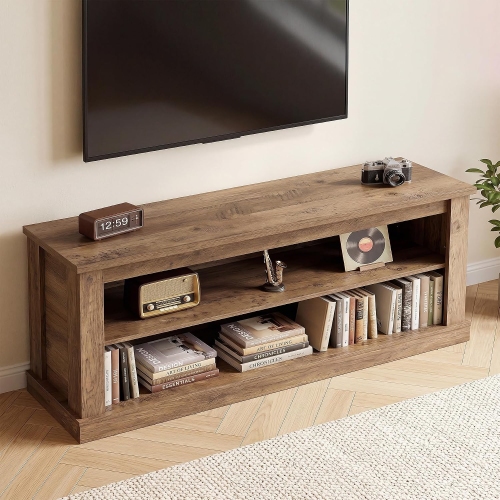


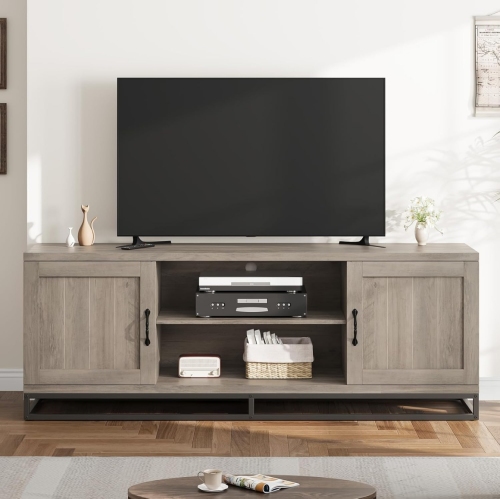
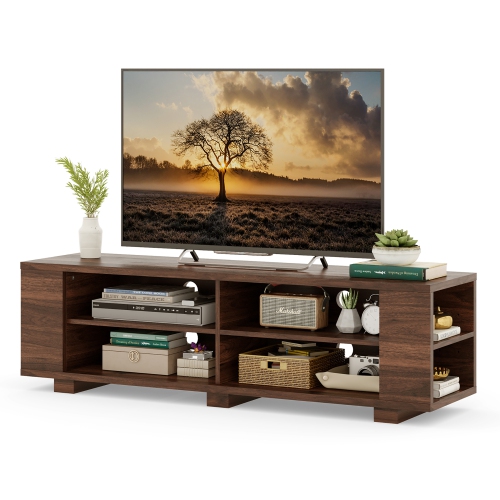


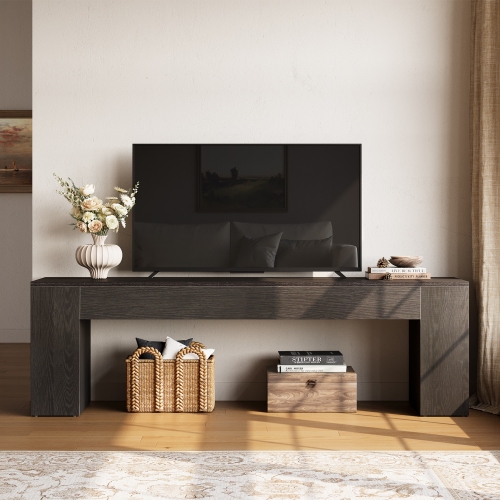
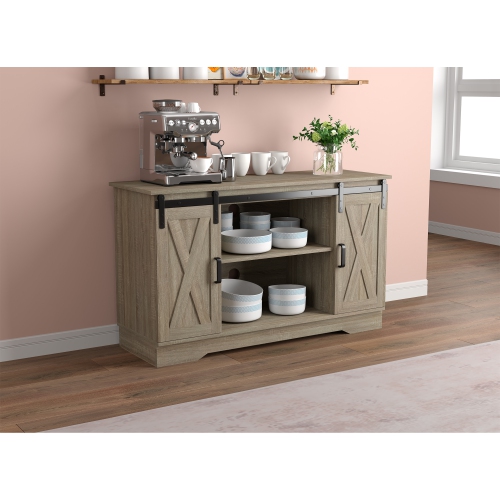

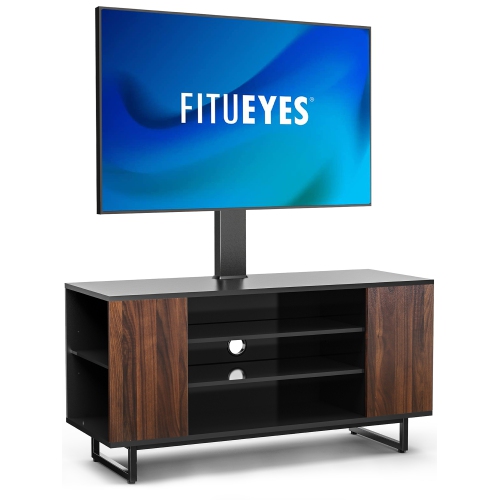
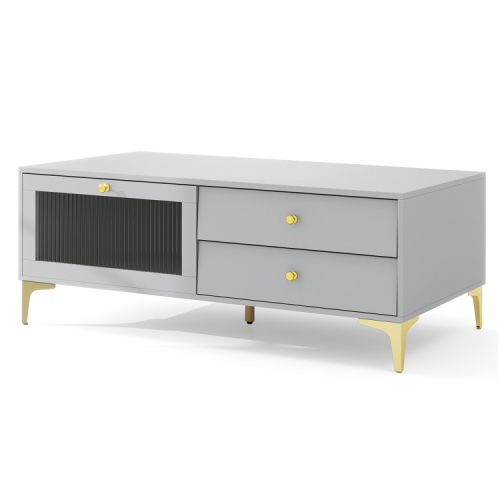
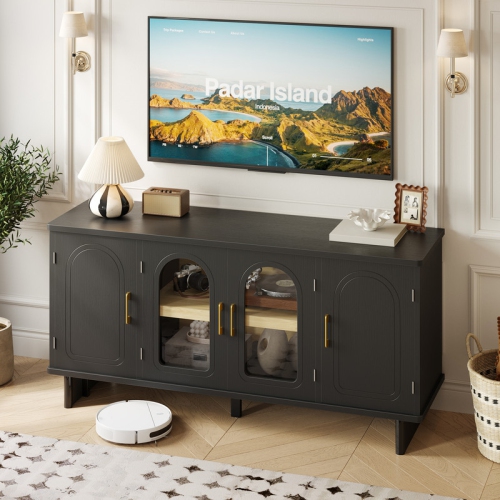
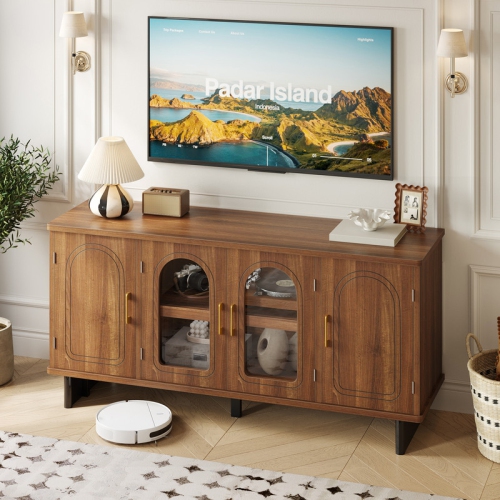
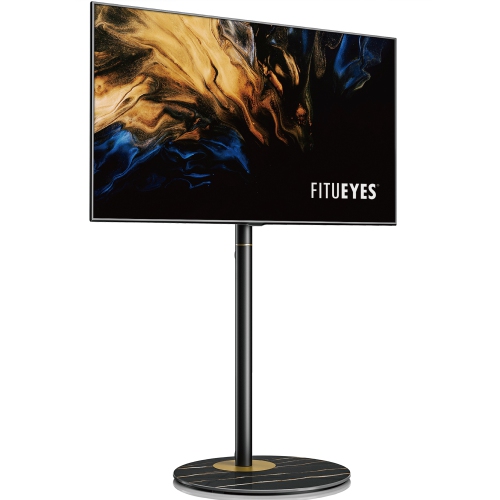
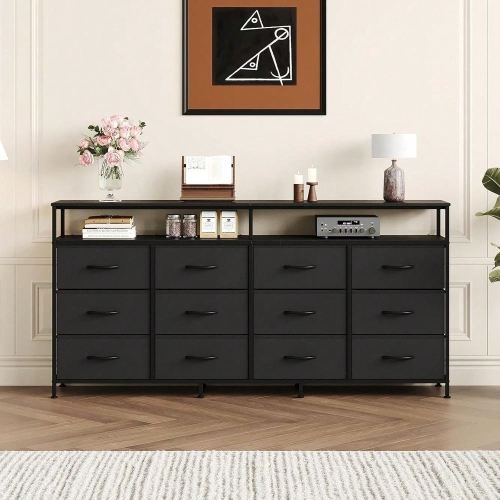

Exposed metalwork meets practical storage for your TV
Black industrial TV stands pair dark finishes with exposed metalwork and practical storage, creating a grounded focal point for a living room, den, or open-plan apartment. Their defining features often include steel or iron frames, straight lines, visible hardware, and wood or wood-look surfaces. Some lean towards a workshop-inspired appearance, with cross-braced sides and textured shelving; others use slim black supports and smooth panels for a quieter interpretation of the style. An all-black finish can draw attention to the shape of the frame, while a black base paired with brown wood tones adds contrast and brings out the grain. Matte and satin finishes offer different effects, too: matte surfaces tend to look understated, while satin finishes catch a little light without the reflective appearance of a high-gloss surface. These stands work especially well alongside leather seating, woven rugs, brick accents, and simple upholstered furniture, though a room does not need exposed pipes or concrete walls to suit the look. In a small condo, an open metal frame can leave more of the floor and wall visible, helping the media area feel less crowded. In a larger family room, a broad cabinet with substantial legs can give a large screen a more balanced setting. Materials influence both appearance and everyday use. Solid wood has natural variations in grain and may respond to changes in indoor humidity, while wood veneer provides a real wood surface over a supporting core. Engineered wood with a laminate finish can offer a more uniform appearance and a surface that is straightforward to wipe clean, provided moisture does not sit along seams or edges. Metal framing adds structure, but frame thickness, joinery, shelf construction, and the quality of the finish all contribute to durability. A sturdy-looking silhouette alone does not establish how much weight a stand can safely hold.
The best fit for a television depends on the stand’s dimensions and load rating, not just the screen size named in a description. Television sizes are measured diagonally, whereas the furniture must accommodate the actual width and depth of the TV’s base or feet. For example, two televisions with the same diagonal measurement may have very different support footprints: one might sit on a central pedestal, while another has feet positioned near the outer edges. Both feet or the entire pedestal should rest fully on the top, with enough clearance to avoid balancing close to an edge. The stand’s maximum supported TV size and top-surface weight capacity should both suit the television, and individual shelf limits matter for receivers, game consoles, and other equipment. A wider stand can also create visual breathing room beside the screen, although any space used for a soundbar or accessories still needs to stay within the stated load limits. Height affects comfort during everyday viewing. With the television on its base, the centre of the screen should generally sit near seated eye level, allowing for the height of the sofa and individual viewing preferences. A low industrial media console may suit deep lounge seating, while a taller unit can be a better match for a more upright chair. Depth deserves equal attention: a cabinet that fits neatly along a wall may still be too shallow for an amplifier once its plugs and cables are connected. Allow room behind equipment for connections and the ventilation clearances specified by its manufacturer. Measuring the usable shelf space, rather than relying only on exterior dimensions, helps prevent awkward surprises. In a narrow room, door swings, open drawers, and nearby walkways also affect fit. For a wall-mounted screen, a black industrial TV stand can provide storage below, but the wall mount must support the television independently. In homes with children or pets, furniture restraints and appropriate TV anchoring add important protection against tipping; installation should follow the relevant manufacturer’s directions.
Storage details determine how comfortably a black industrial TV stand handles daily routines. Open shelves keep frequently used devices accessible and can make it easier for infrared remote signals to reach compatible equipment. They also leave cables and accessories more visible, so a few well-sized storage baskets can help contain controllers, spare leads, and headphones without crowding the electronics. Closed cupboards and drawers create a calmer front view and offer a place for game cases or small accessories, but enclosed equipment needs adequate airflow. A receiver should not be squeezed into a tight compartment simply because its front panel fits through the opening. Adjustable shelves can make storage more flexible, especially when a media setup changes over time, while fixed shelves may suit a simpler arrangement with fewer components. Rear cable openings help route leads towards wall outlets, and their position matters as much as their presence. An opening aligned with a device’s connections reduces sharp bends and makes it easier to move equipment forward for cleaning or maintenance. A little slack in each cable is useful, but loose cords should stay clear of walkways and moving cabinet parts. Care is usually straightforward when matched to the materials: remove dust with a soft cloth, use only cleaning methods suitable for the finish, and dry any permitted damp wiping promptly. Black surfaces can make pale dust and fingerprints noticeable, particularly around handles and shelf edges. Abrasive pads may scratch coated metal or decorative panels, and liquids left on wood-based surfaces can cause swelling or marks. Coasters beneath drinks and protective pads beneath suitable decorative objects help preserve the top, while periodically checking fasteners can address loosening from regular use. When moving the stand, empty it and lift it with enough help rather than dragging the frame across the floor. For shared living spaces, the appeal of industrial styling is its balance of visible structure and useful storage: a place for movie-night equipment that still looks intentional when the screen is off. Those drawn to black furniture but seeking smoother fronts and less exposed metalwork may also appreciate Black Contemporary TV Stands. The distinction comes down to the details that remain visible every day, from the shape of the legs to the way shelves, doors, and cables sit within the room.
Top selling and popular products
-
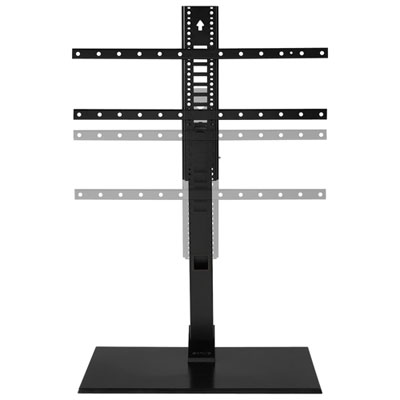 Your price for this item is $249.99
-
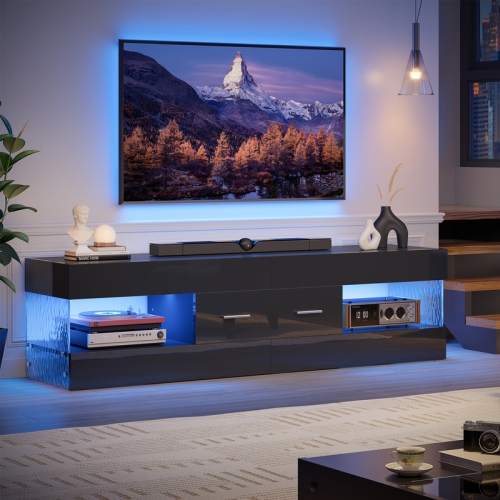 Your price for this item is $179.99
-
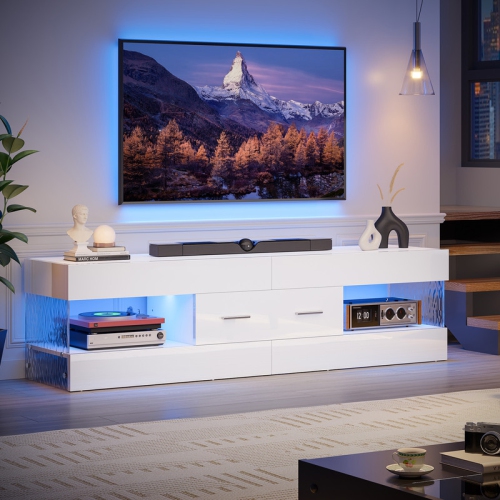 Your price for this item is $169.99
-
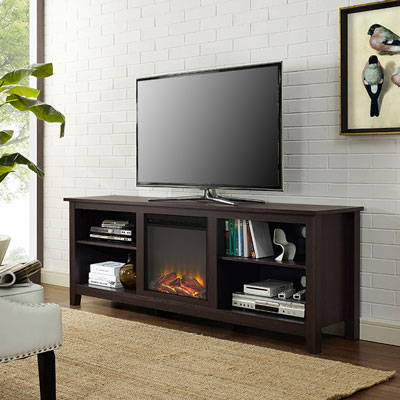 Your price for this item is $689.99
-
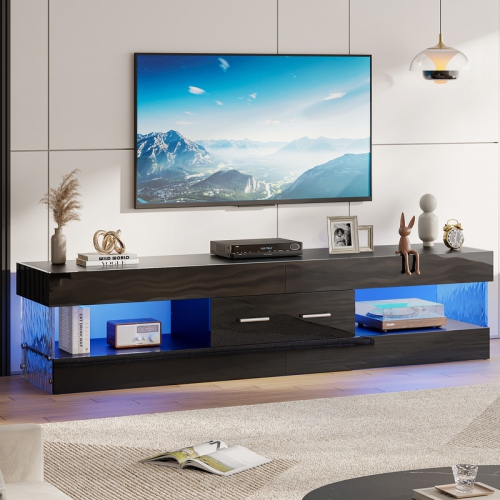 Your price for this item is $199.99
-
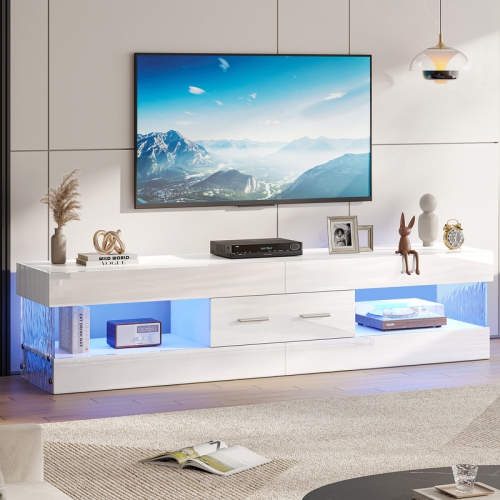 Your price for this item is $199.99
-
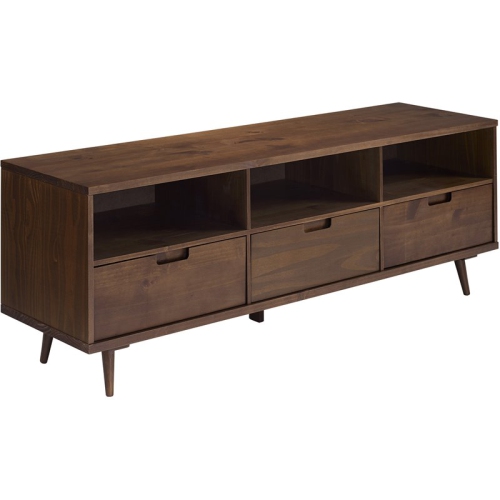 Your price for this item is $941.25
-
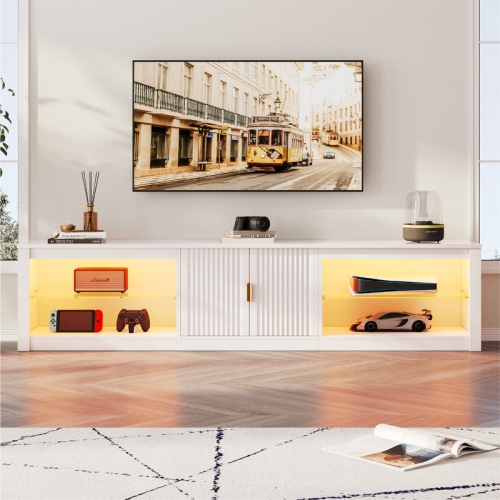 Your price for this item is $269.99
Discover more categories related to Black Industrial TV Stands
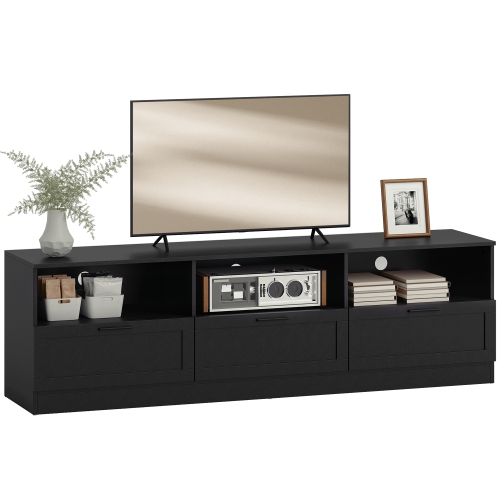
Top Collections:
Pokemon Centers, Best Cameras for Sports Photography, Kindle Devices, Samsung Galaxy Phones, Canon G7X Cameras, Pokémon 30th Celebration Cards, Refurbished Apple Laptops, iPhone 15 Apple, Laptops for Students, Budget Smartphones
Some products may be subject to Environmental Handling Fees
(EHF) depending on your province.
Learn more about EHFs.