Digiwave Antennas
Discover a wide selection of Digiwave Antenna options designed to help you enjoy clear and reliable signal reception at home. Whether you're setting up a new entertainment center or looking to enhance your current setup, Digiwave Antenna solutions offer a variety of choices to suit different needs and preferences. Explore models that are easy to install and compatible with numerous devices, making it simple to find the right fit for your space. With Digiwave Antenna products, you can elevate your viewing experience and stay connected to your favorite channels.
Sort
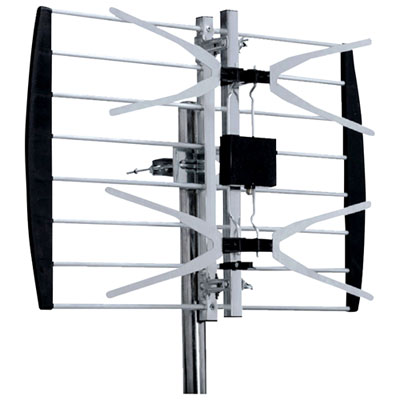
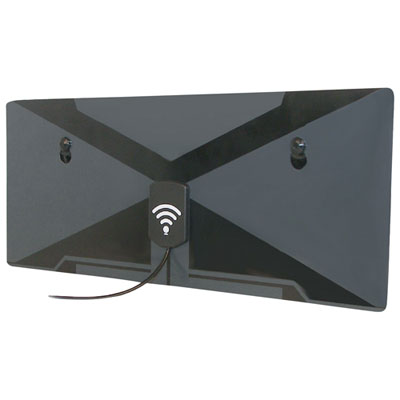
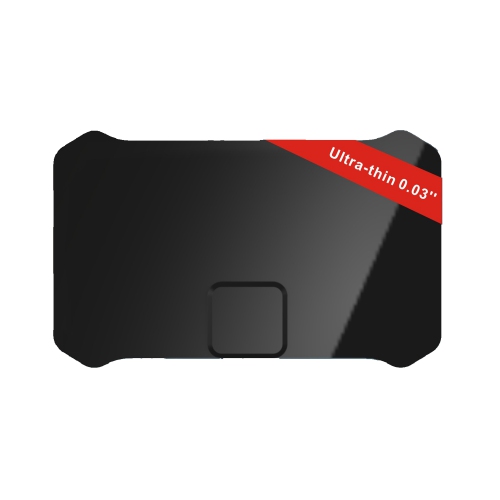
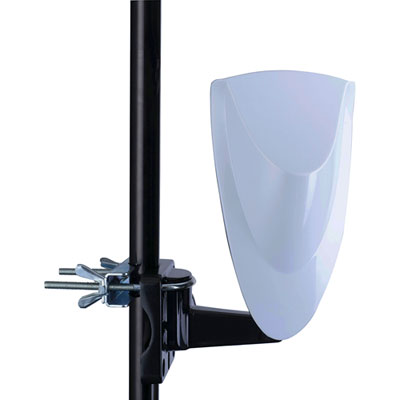
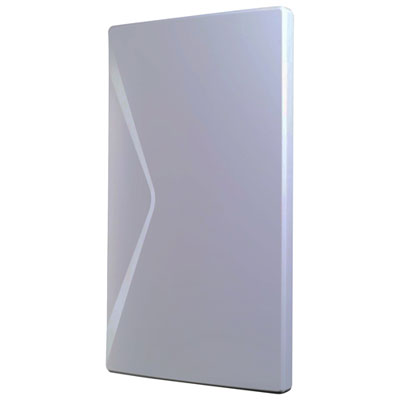

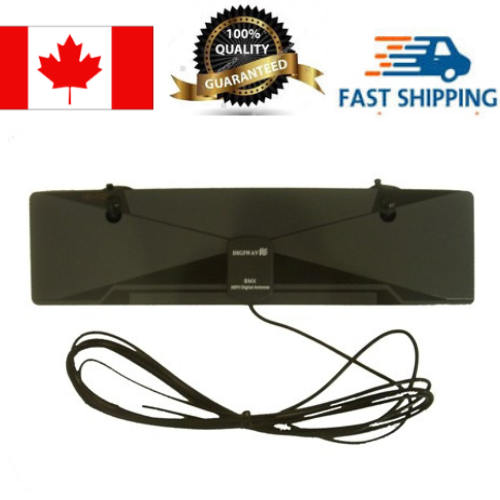
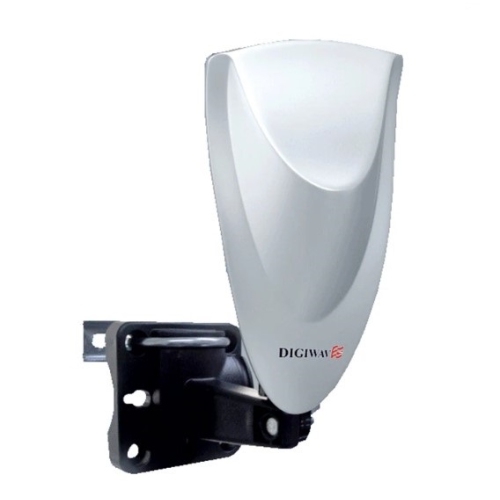
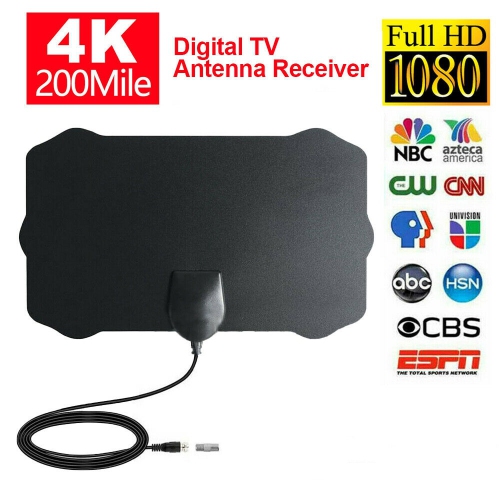
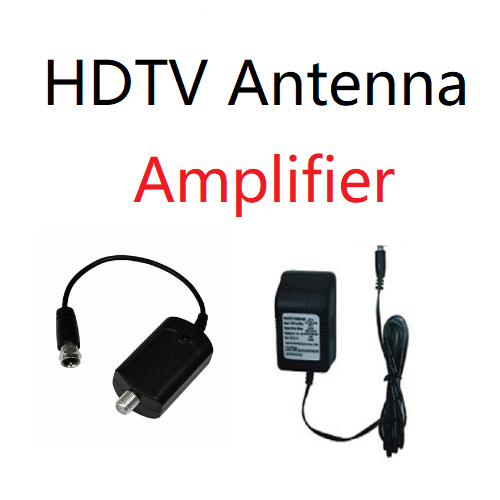
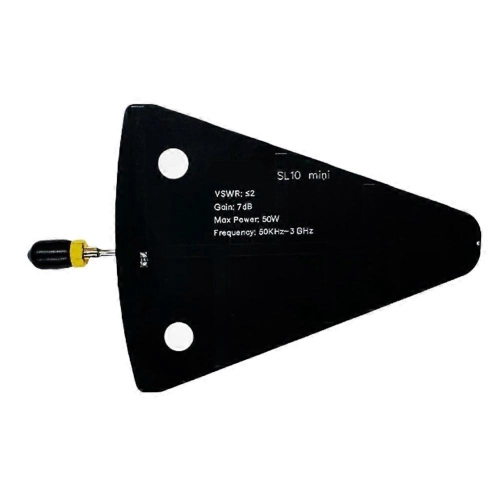
How antenna design and placement affect local TV reception
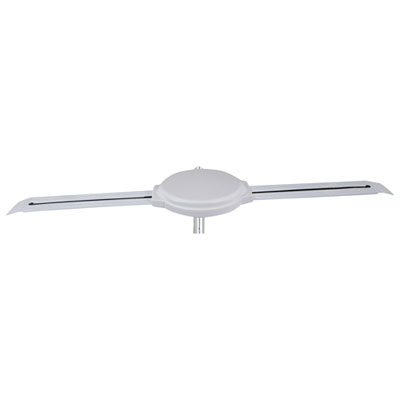
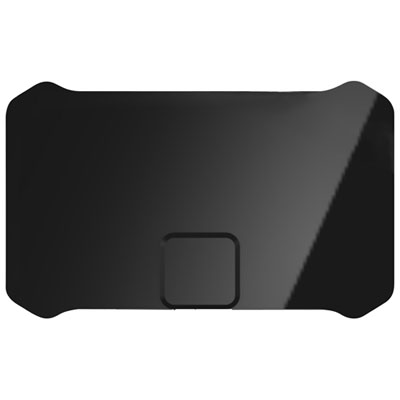
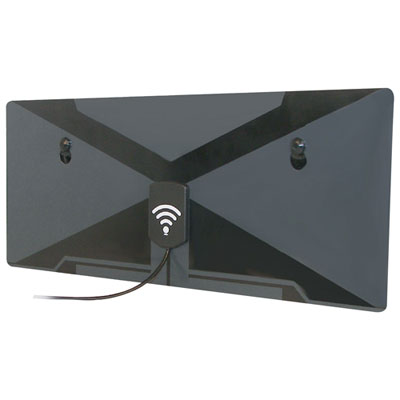
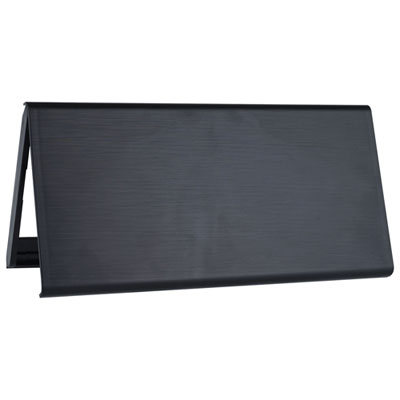
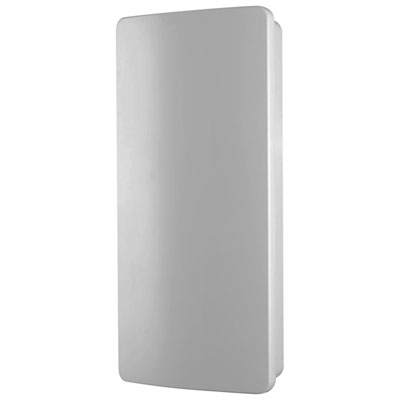
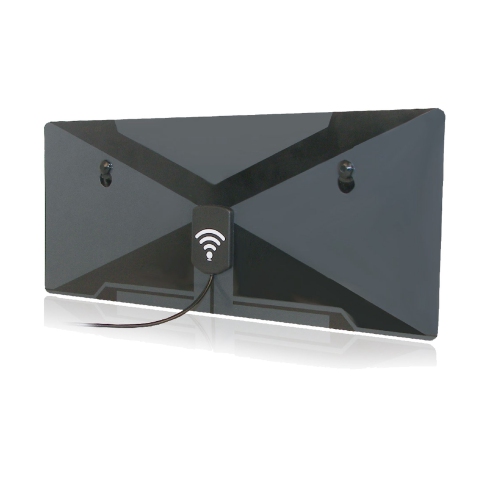
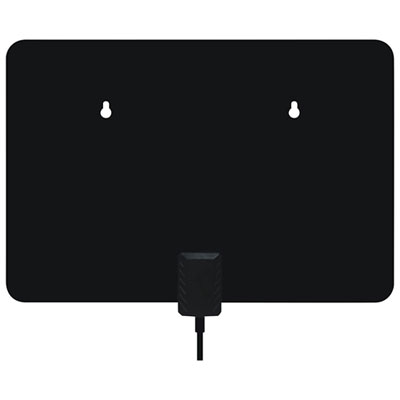
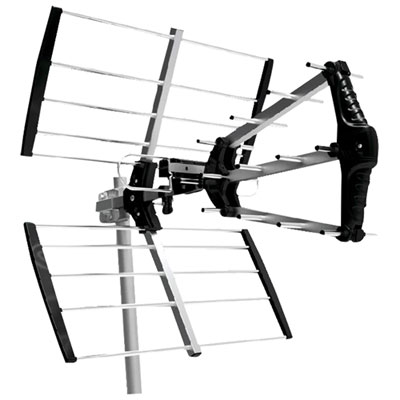
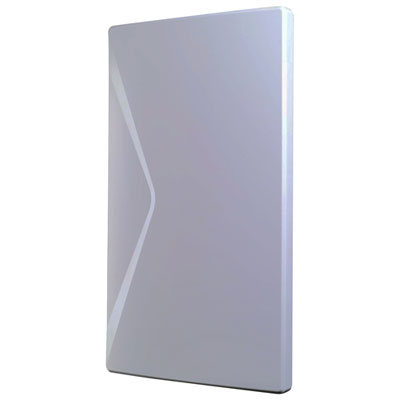
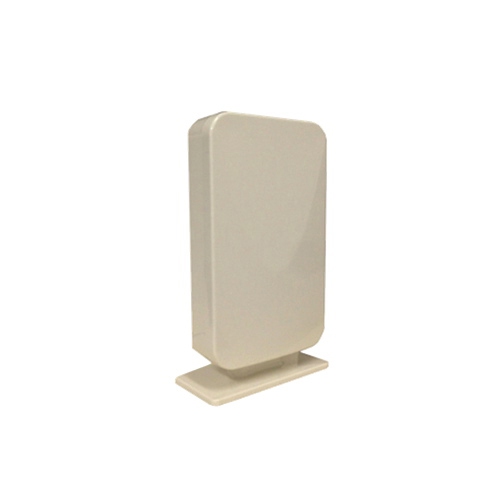
Over-the-air TV antennas receive local television broadcast signals and pass them to a compatible TV tuner, making them a practical choice for watching regional news, live sports, public broadcasting, and other programming carried by nearby stations. Reception depends on the broadcast coverage at a particular address, the antenna’s design, and its placement; no antenna can guarantee the same channel selection in every home. Canadian television broadcasts use VHF and UHF frequencies, so support for the frequencies used by local stations matters more than a broad distance claim alone. A channel’s familiar on-screen number may differ from its actual broadcast frequency, which is why coverage information is useful when comparing antenna types. Indoor TV antennas suit spaces where a compact installation is preferable, such as a condo living room, a bedroom, or a home office with a television. Slim panels can sit discreetly near a window, while tabletop designs offer flexibility when a shelf or media unit provides a better reception position. Outdoor antennas offer more placement options and can help in locations where building materials interfere with indoor reception. Attic installations keep the antenna out of sight, although roofing materials, insulation with foil backing, and nearby metal can weaken incoming signals. Directional antennas concentrate reception toward a particular area and are well suited to homes where the desired transmitters are grouped together. Multidirectional designs can be useful when stations broadcast from different directions, but their performance still depends on the antenna’s reception pattern and surrounding obstructions. High-gain and multi-bay designs are often considered for more demanding reception needs, particularly when a compact indoor antenna cannot collect a usable signal. Distance from a transmitter is only one part of that picture: a home on open ground may receive a station differently from another home at a similar distance behind a hill or a row of tall buildings.
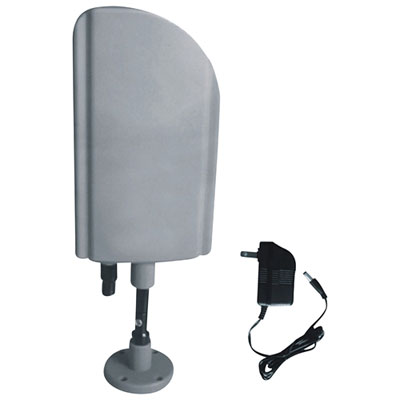
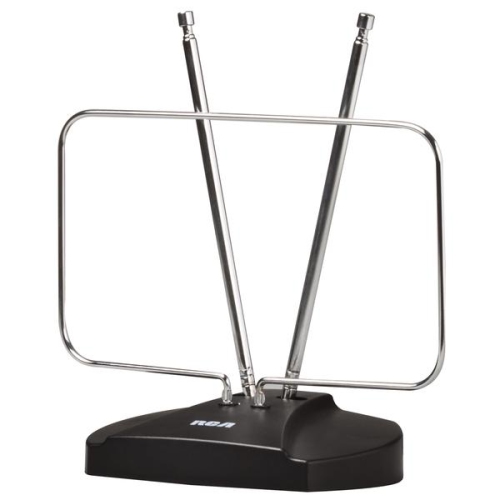
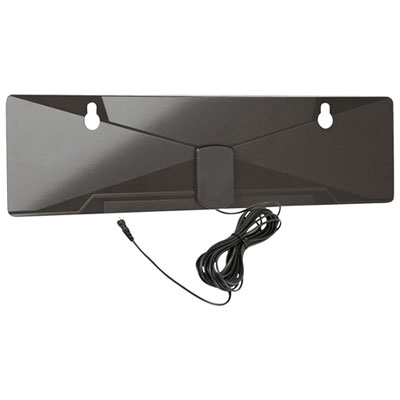
The physical design of a television antenna affects where it fits, how it mounts, and how well it stands up to its intended use. Indoor models commonly combine lightweight housings with a stand, adhesive mounting points, or wall-mounting hardware, allowing the antenna to remain separate from the television rather than being tucked behind a large screen. That separation can matter because nearby electronics, metal furniture, and the television itself may interfere with reception. Outdoor designs commonly use metal receiving elements, brackets, and a mast connection, with materials and finishes selected to resist corrosion and exposure. Secure element connections, a rigid mounting assembly, and protected cable entry points contribute to lasting performance. An antenna’s dimensions also affect installation: a broad multi-bay assembly needs more mounting space and clearance than a small flat panel. For renters, placement options may be shaped by lease terms or building rules, while homeowners may have more flexibility to use a suitable exterior mounting point. Professional installation is worth considering when the work involves roof access, grounding, or routing cable through exterior walls. Outdoor installations require appropriate grounding and bonding, and antennas and masts must remain safely clear of overhead electrical lines. The signal path deserves as much attention as the antenna itself. Properly fitted coaxial connectors, suitable cable, and fewer unnecessary joins help limit signal loss between the receiving elements and the TV. Long cable runs and splitters serving several televisions can reduce the signal reaching each tuner. An amplifier may help offset some of those losses, but it does not create a broadcast signal where none can be received. In an area with strong nearby transmissions, excessive amplification can overload the tuner and make reception worse rather than better. Amplified antennas also require a power source, sometimes through a separate adapter or a compatible USB connection. Cable length, access to power, connector type, and mounting hardware are therefore useful considerations alongside the antenna’s size and reception pattern.
A well-matched antenna setup fits both the household’s viewing habits and the equipment already in place. A television with a compatible over-the-air digital tuner can generally accept an antenna connection directly, while a display without the required tuner needs a suitable external receiver. An antenna does not add cable-only networks or streaming services, and it does not determine whether a programme is broadcast in high definition or another resolution. Picture quality and format depend on the station’s transmission and the receiving equipment. Labels referring to display resolution are therefore not a substitute for checking frequency support, tuner compatibility, and local coverage. Digital reception often has a noticeable threshold: a sufficiently strong, clean signal produces a stable picture, while interference or a weaker signal may cause pixelation, audio interruptions, or a missing channel. Small changes in placement can make a meaningful difference, especially indoors, where moving an antenna away from a metal cabinet or closer to a less obstructed wall may improve reception. A channel scan allows the tuner to identify receivable stations, and another scan may be needed after a substantial change in antenna position or local broadcasting arrangements. For a family that follows local news, an antenna can become part of the main living-room setup; for someone who mainly streams entertainment, it can provide a separate way to watch local broadcasts on the same screen. Compatible recording equipment can add scheduling and playback functions, subject to the receiver’s capabilities. An antenna can also make a thoughtful gift for someone setting up a television in a new home, provided its placement requirements and local reception needs are understood. Routine care is straightforward: indoor housings benefit from gentle dusting, cables should remain free of sharp bends, and accessible connections should be kept secure. Exterior hardware and cable protection may need periodic inspection by someone equipped to do so safely. For listening setups, Radio Antennas serve compatible radio equipment, with frequency support and connections suited to that separate use.
Top selling and popular products
-
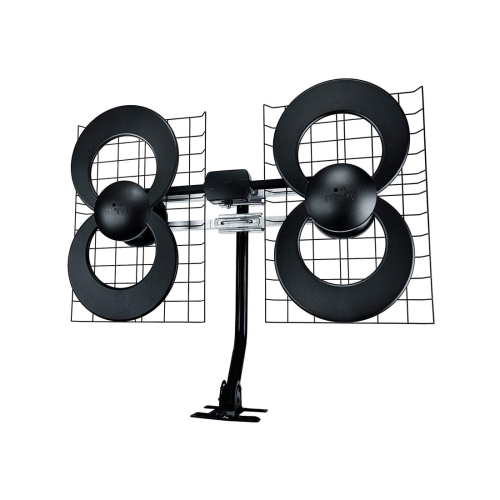 Your price for this item is $316.54
-
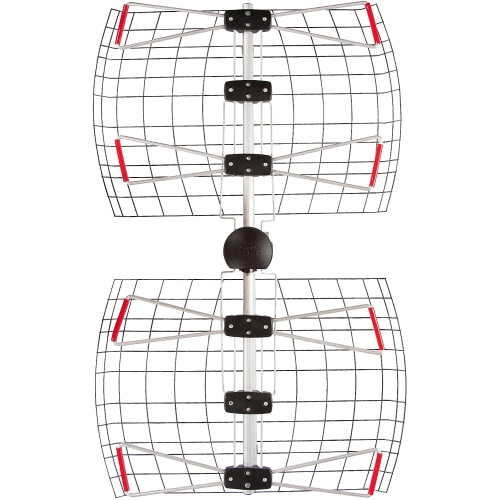 Your price for this item is $99.99
-
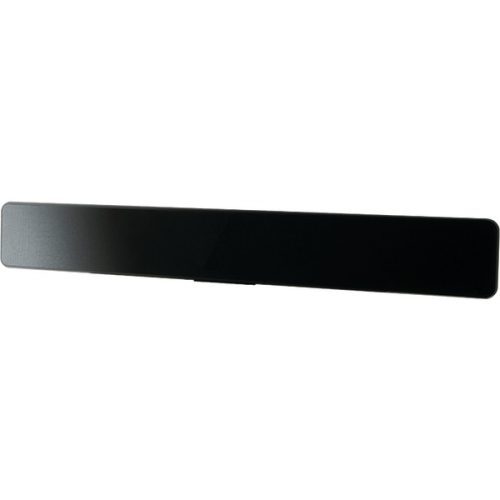 Your price for this item is $29
-
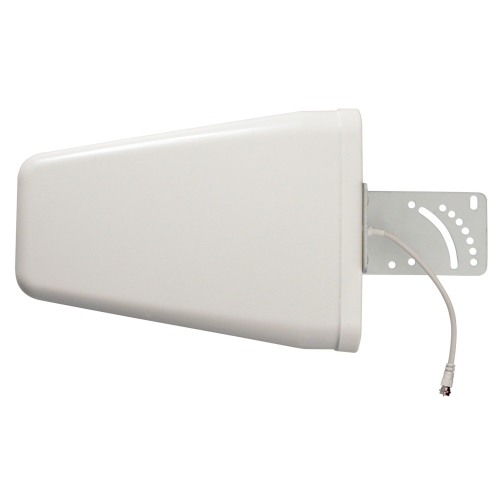 Your price for this item is $139.99
-
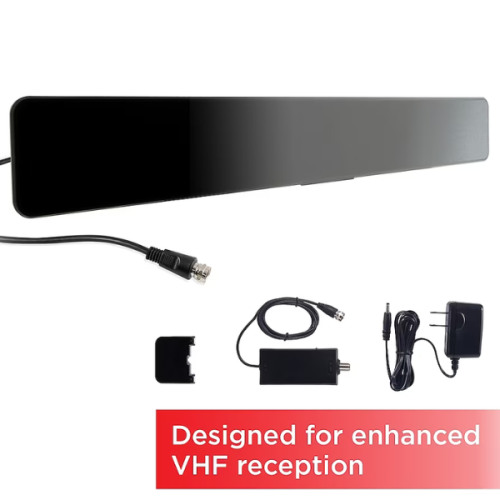 Your price for this item is $34.99
-
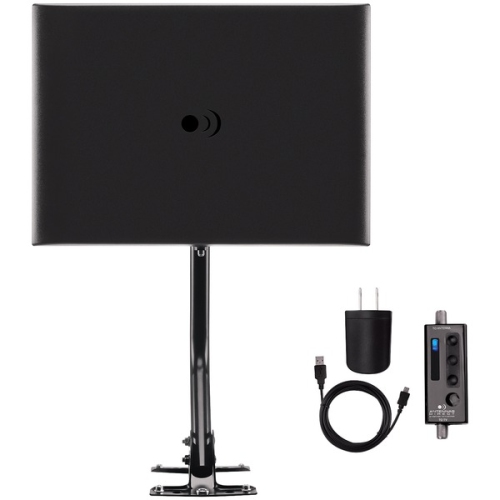 Your price for this item is $59
-
 Your price for this item is $38.68
-
 Your price for this item is $26.99
Discover more categories related to Digiwave Antennas
Top Collections:
Pokemon Centers, Best Cameras for Sports Photography, Kindle Devices, Samsung Galaxy Phones, Canon G7X Cameras, Pokémon 30th Celebration Cards, Refurbished Apple Laptops, iPhone 15 Apple, Laptops for Students, Budget Smartphones
Some products may be subject to Environmental Handling Fees
(EHF) depending on your province.
Learn more about EHFs.