Electronics for Sports
Whether you're a professional athlete, a weekend warrior, or just someone who likes to stay in shape, electronics can be a great tool for improving your performance and helping you reach your goals. From heart rate monitors and fitness trackers, here are a variety of electronic gadgets that can help you stay motivated and maximize your results.
Sort

























































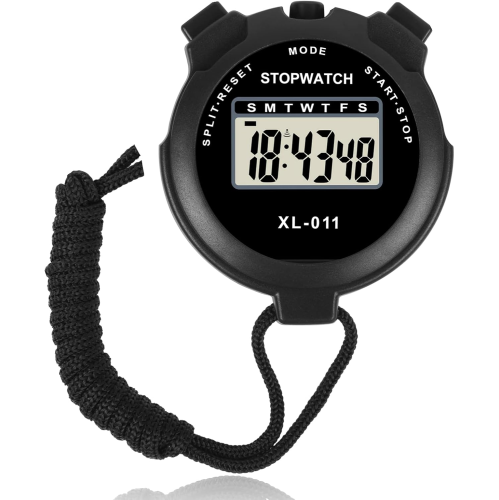

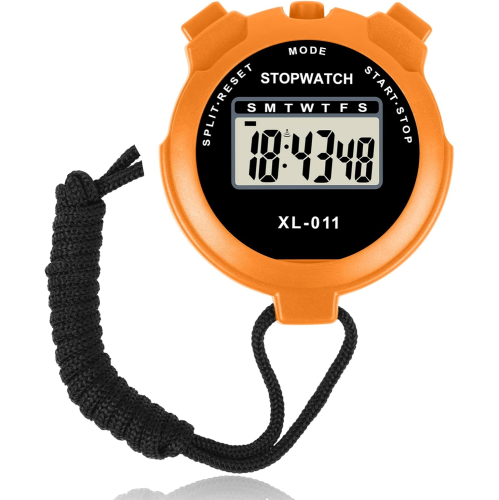
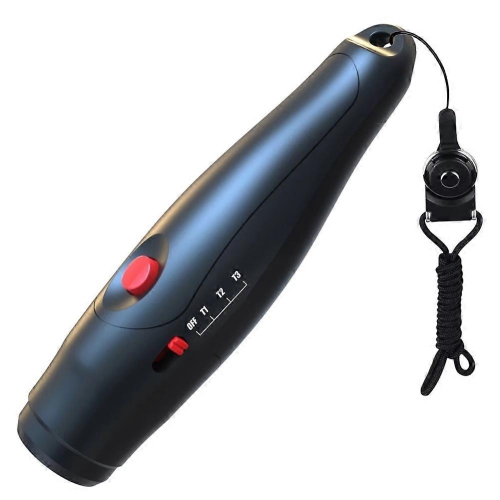
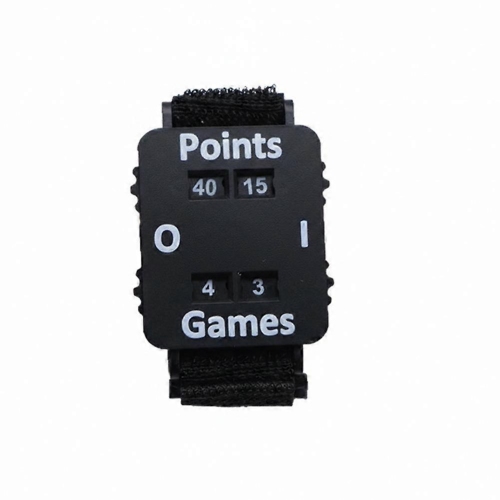

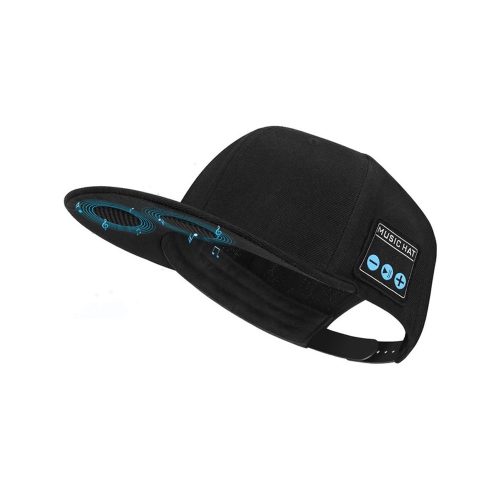


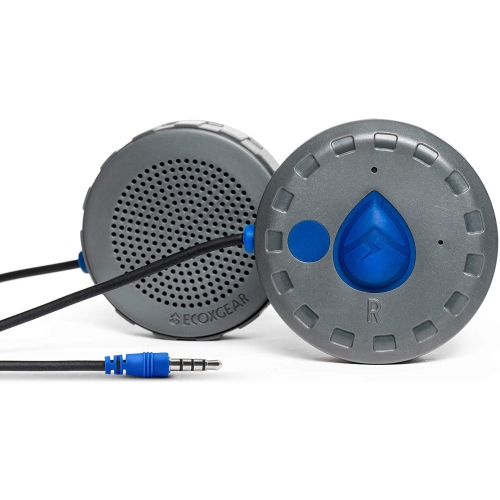


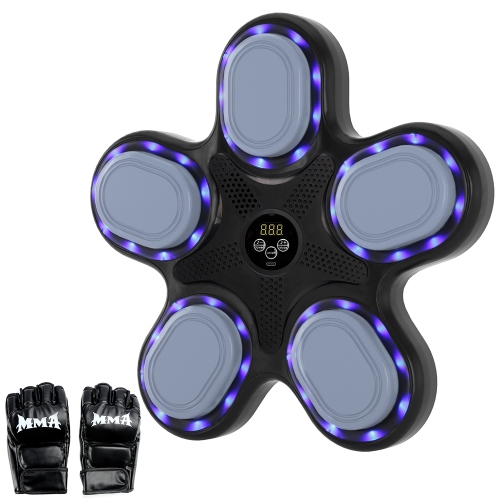

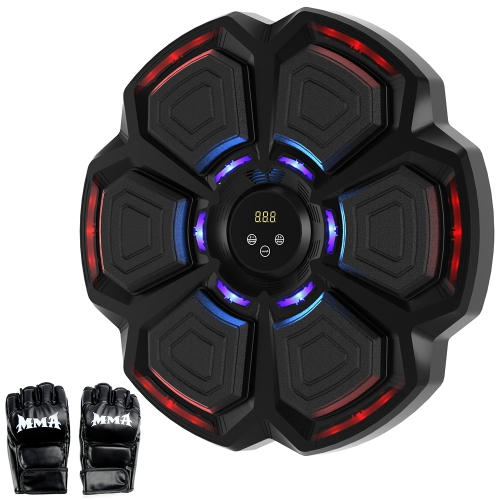


Why workout tech should match how you move
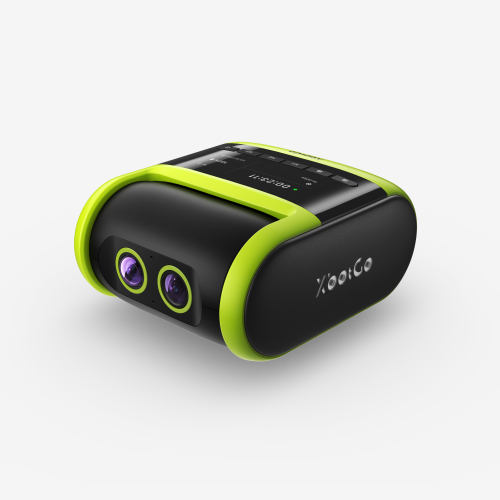
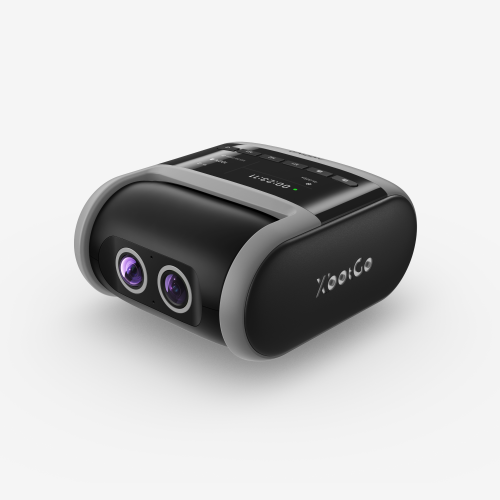
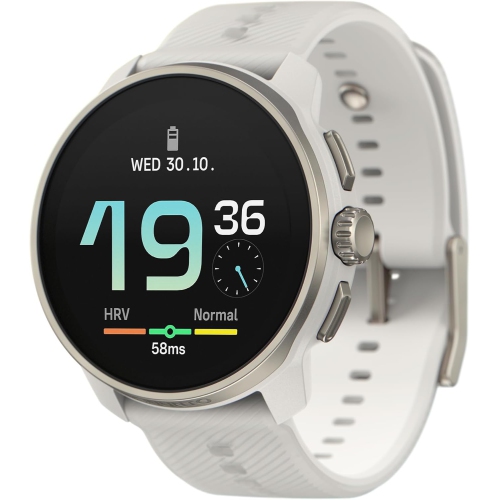
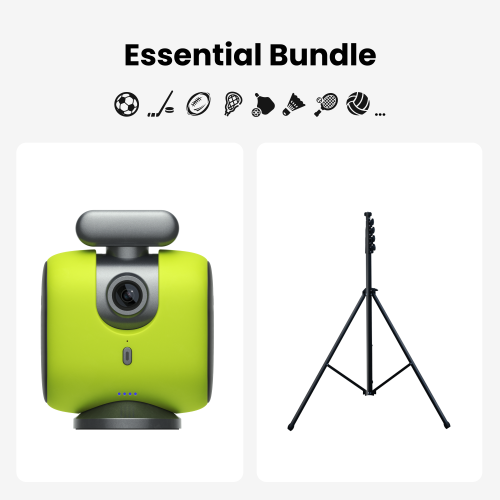
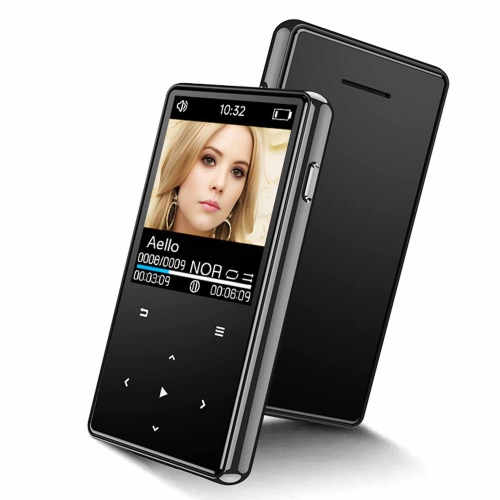
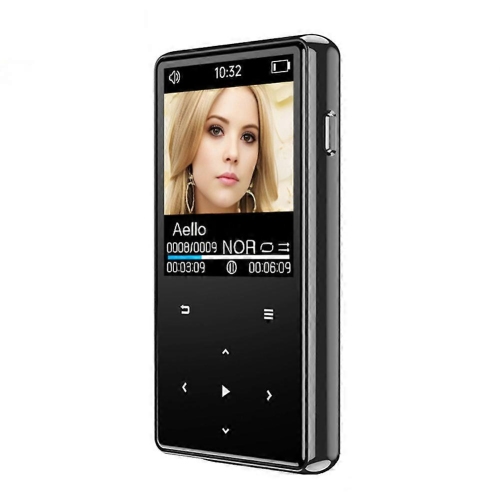
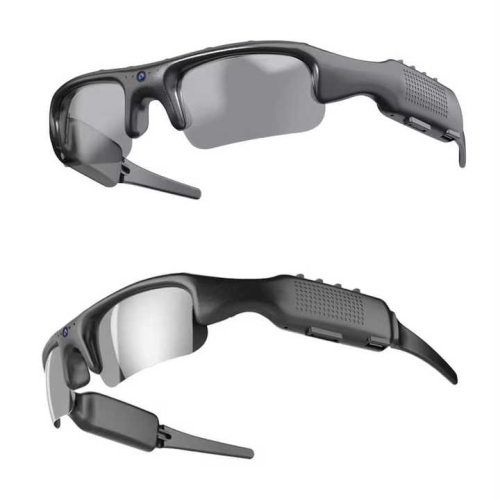
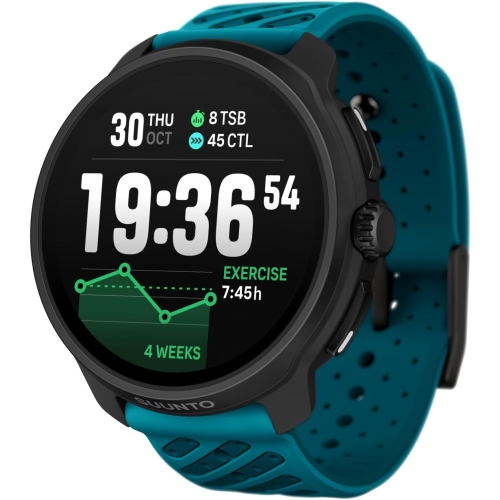
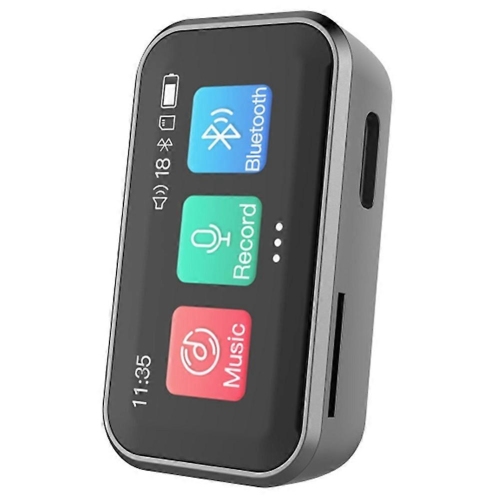
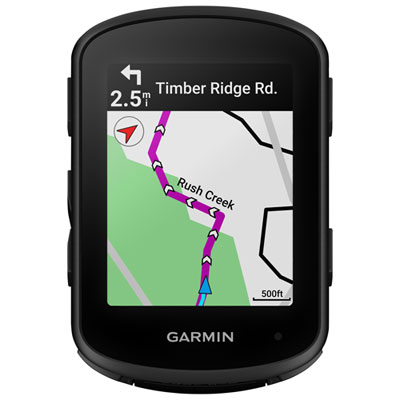
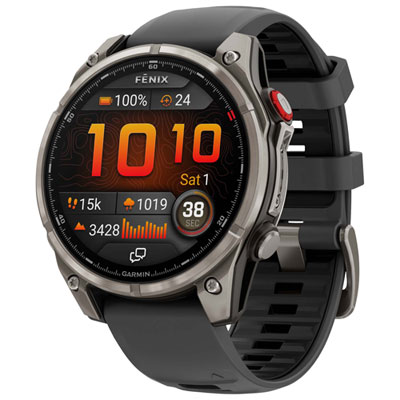
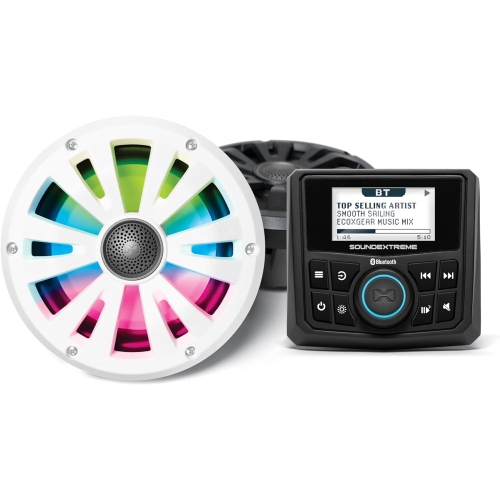
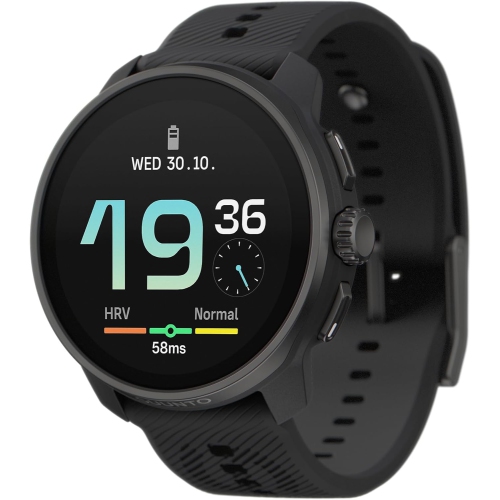
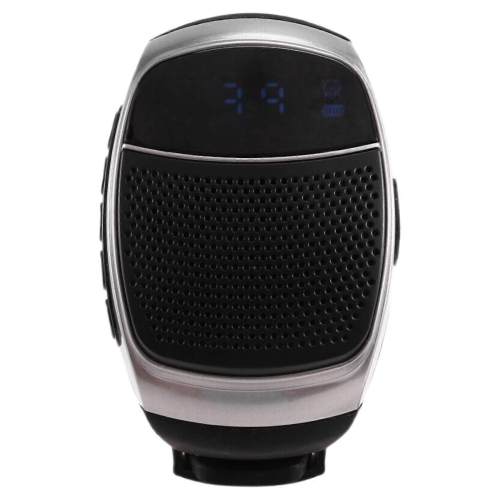
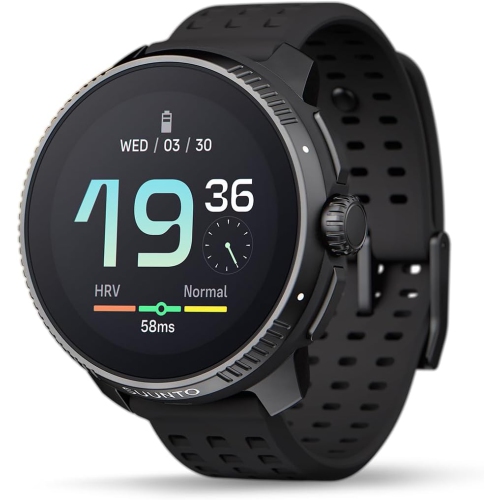
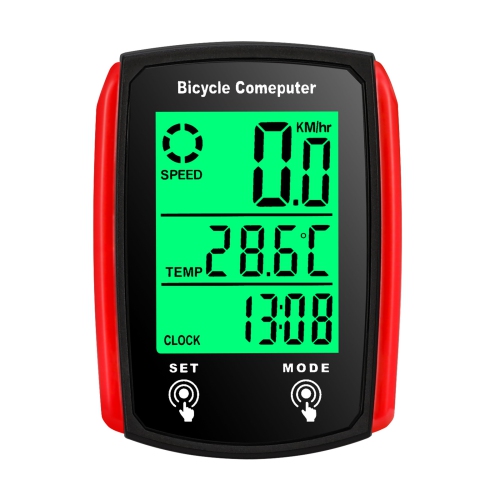
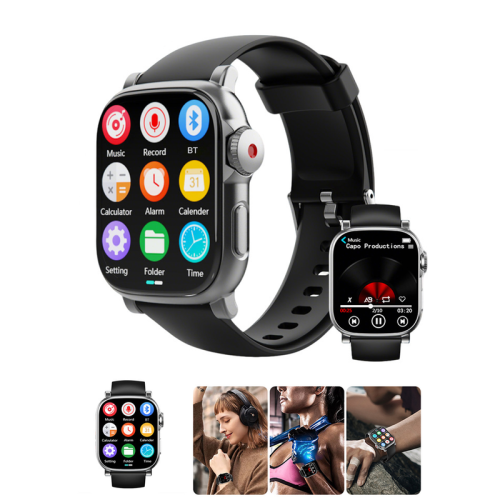
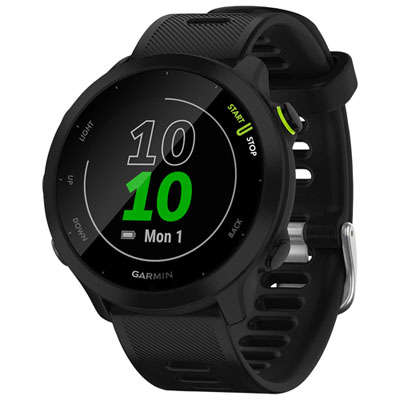
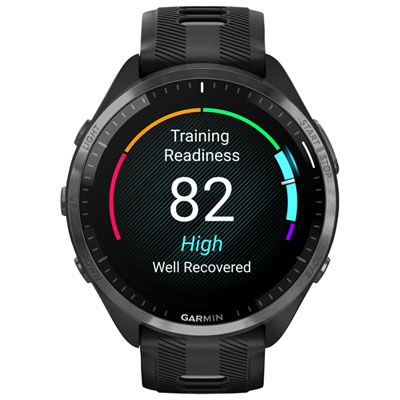
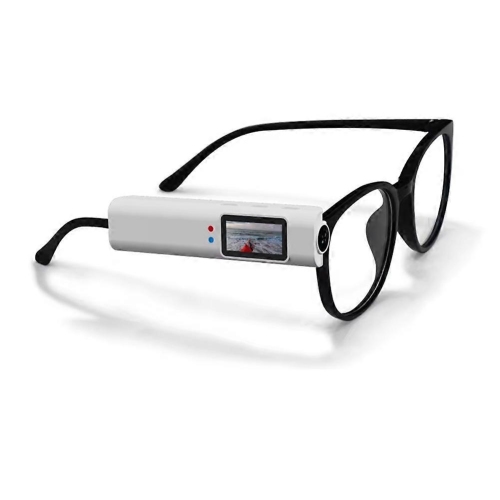
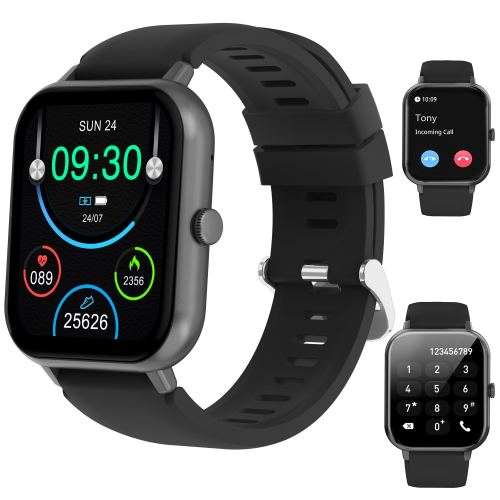
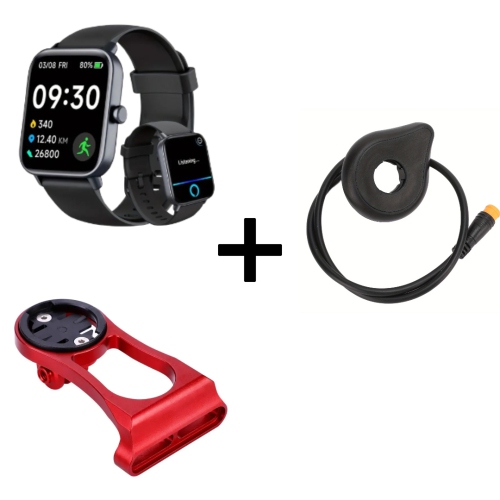
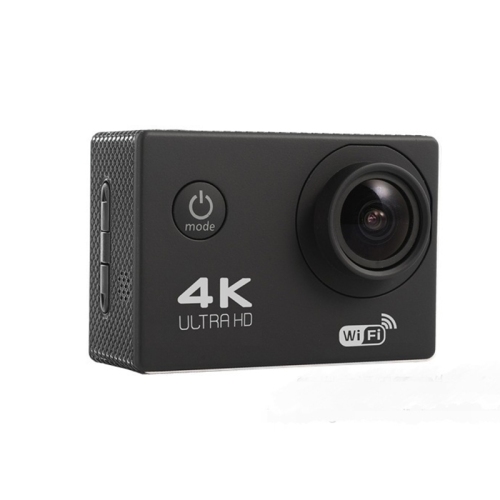
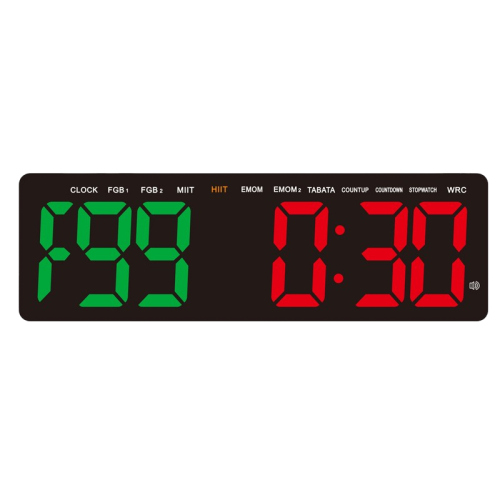
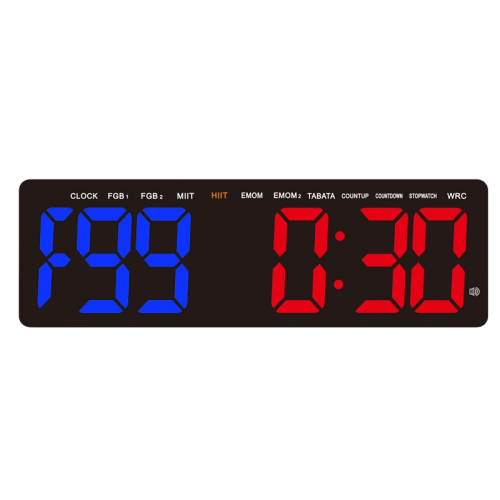
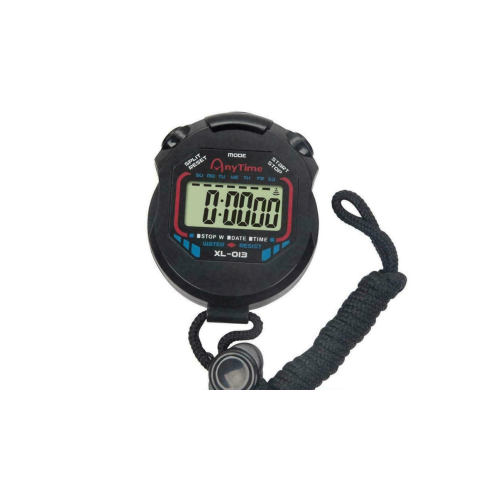
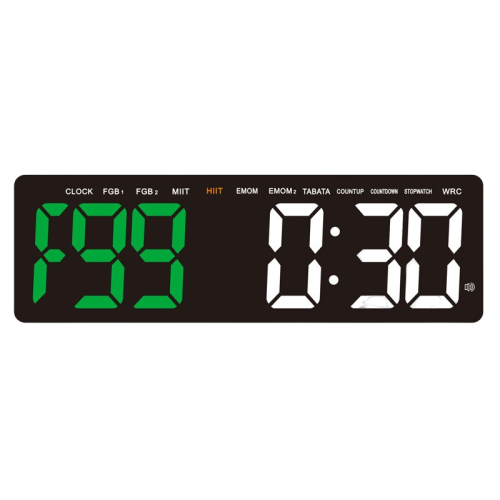
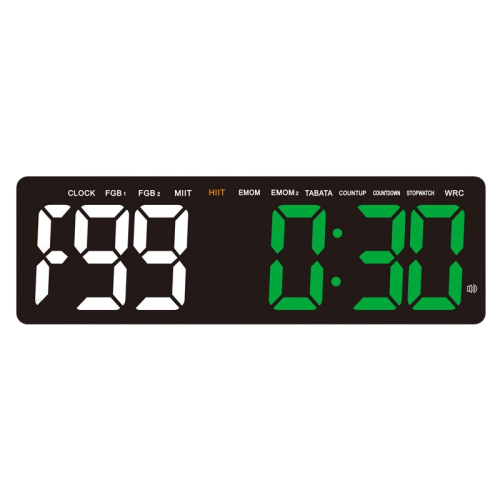
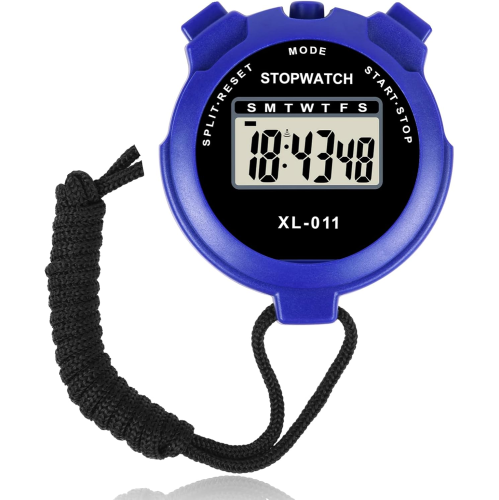
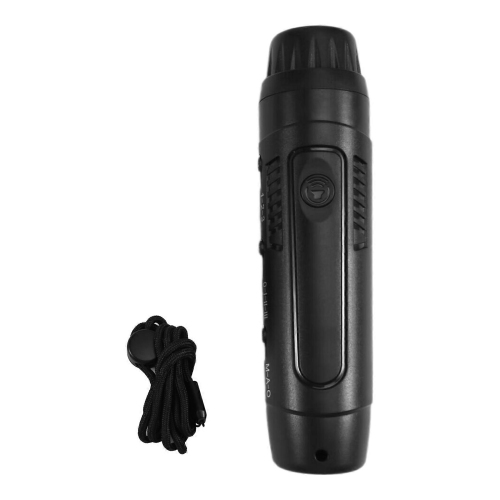
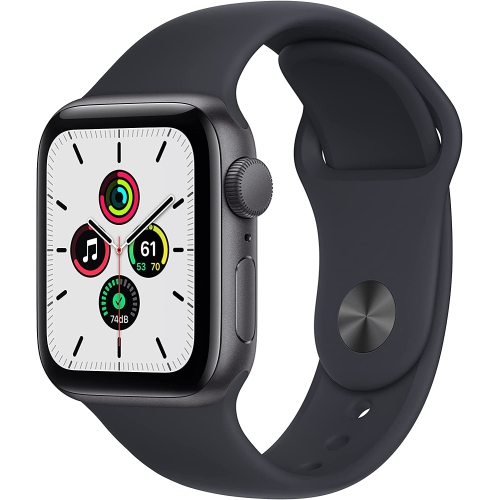
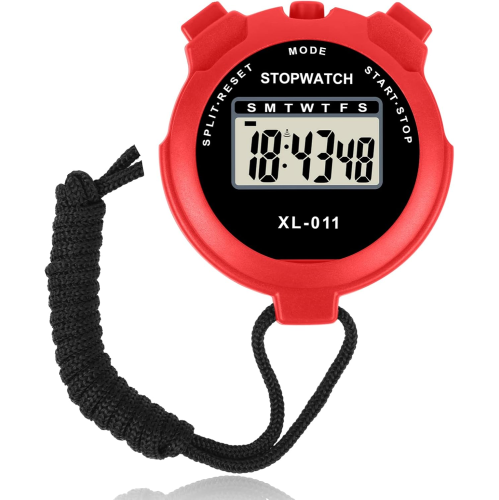
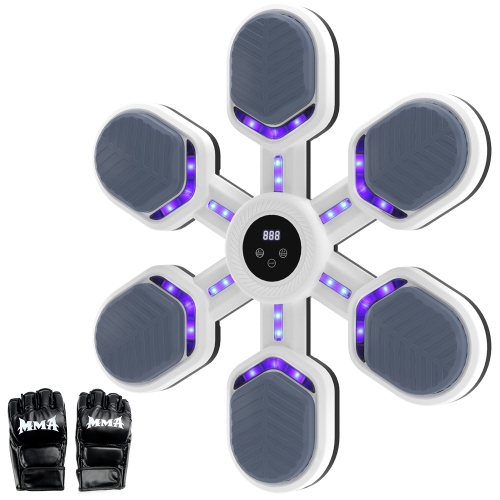
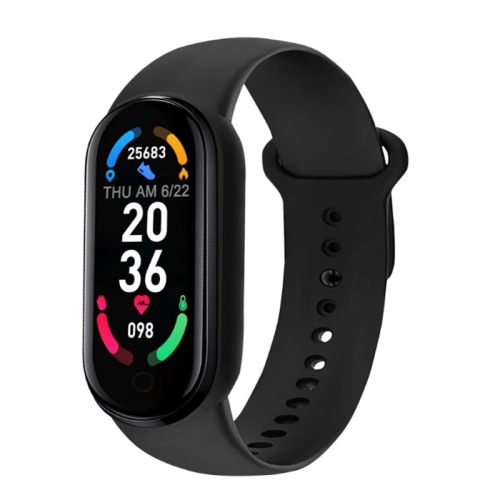
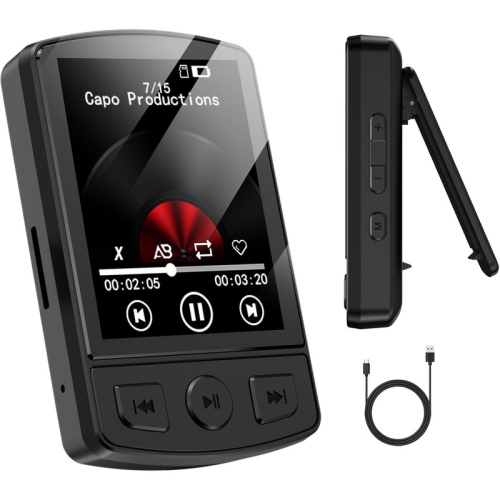
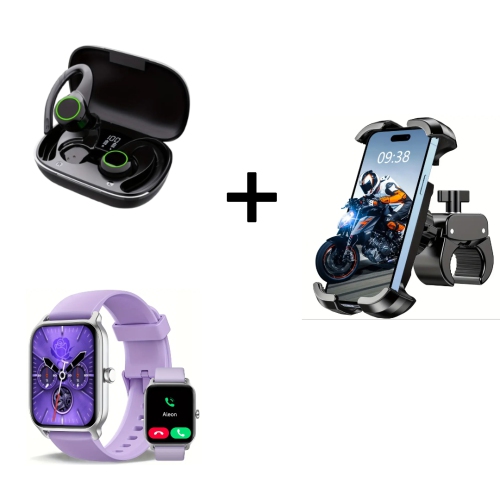
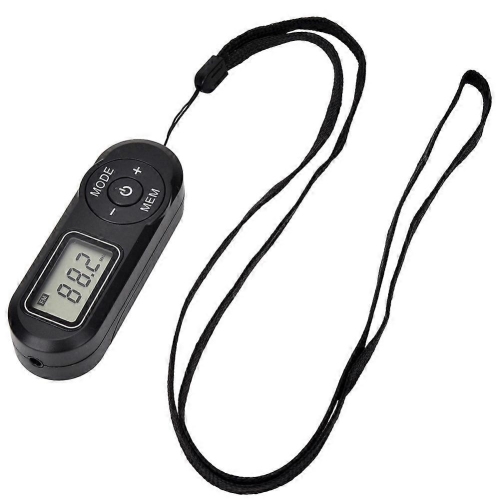
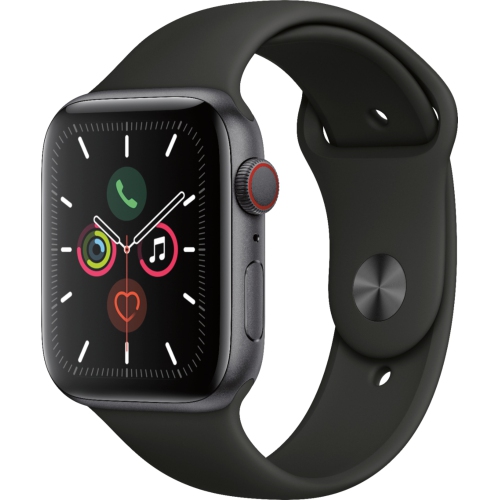
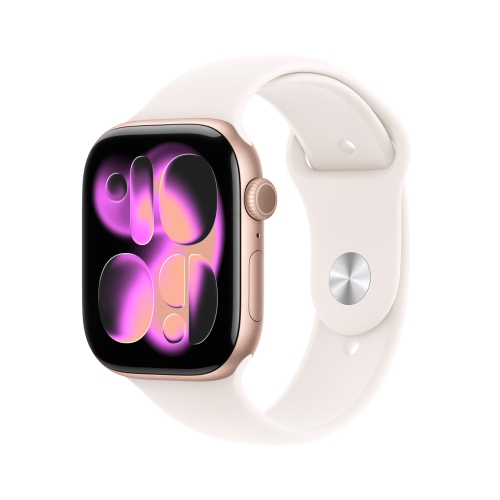
Electronics for sports bring activity tracking, audio, video capture, and post-workout comfort into training and recreation. The category spans GPS smartwatches, fitness trackers, sports headphones, action cameras, electronic training sensors, and powered massage tools, with different features suited to different ways of moving. For a runner, useful information might be elapsed time, distance, and pace displayed clearly enough to read without breaking stride. A cyclist may value navigation and compatibility with cadence or heart rate sensors, while someone who trains at a gym may prefer straightforward workout logging and interval timers. Team sports introduce another use: recording a practice or match so players and coaches can revisit positioning, passing, and technique. These devices make the most sense when their functions match the activity rather than simply offering the longest feature list. Built-in GPS can record a route without relying on a phone for location, although maps, messaging, and other connected functions vary by device. Phone-assisted GPS generally requires a compatible phone nearby. Heart rate readings and estimated training metrics can reveal patterns across workouts, but accuracy depends on factors such as movement, sensor contact, and the activity being measured; they are not a substitute for medical assessment. Clear displays, readable text, accessible controls, and comfortable straps often matter as much as detailed statistics, especially during a fast interval or a busy circuit session. Everyday exercisers may appreciate a simple record of consistent activity, while athletes following structured programmes may look for sport-specific modes and compatibility with their training apps. Someone returning to regular movement may prefer gentle reminders and an uncomplicated interface over a screen crowded with numbers. Within this category, electronics can serve as a training log, a navigation aid, a soundtrack, or a way to review movement, depending on their design. For shoppers considering technology beyond exercise, Top Electronics offers a broader starting point alongside sports-focused gear.
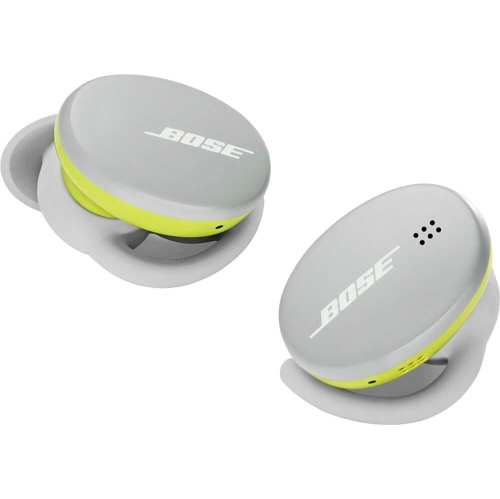
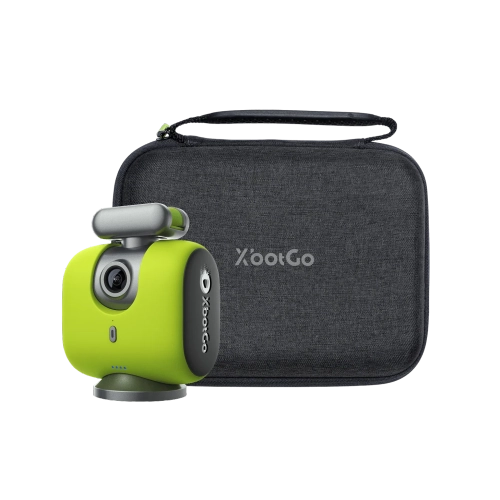
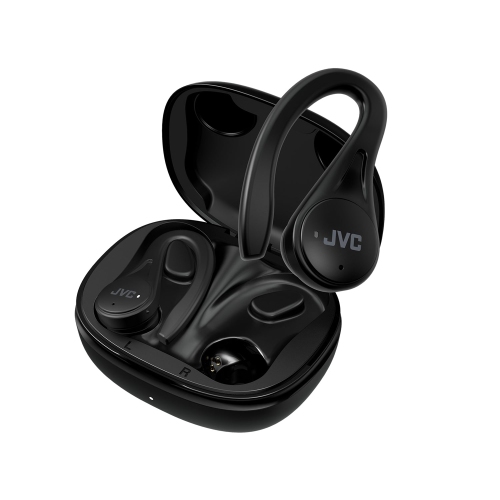
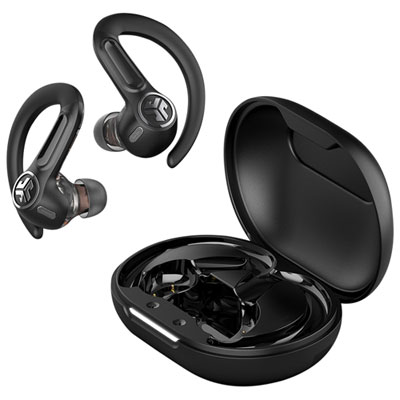
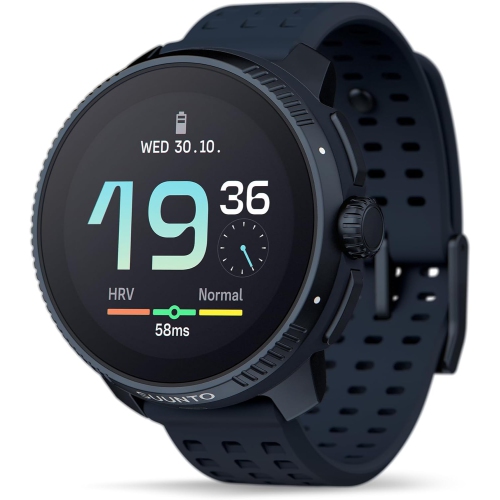
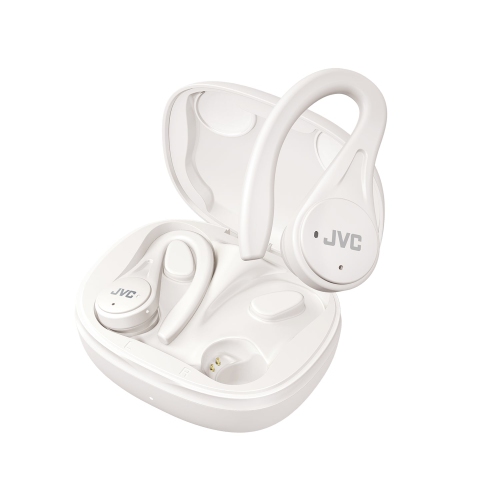
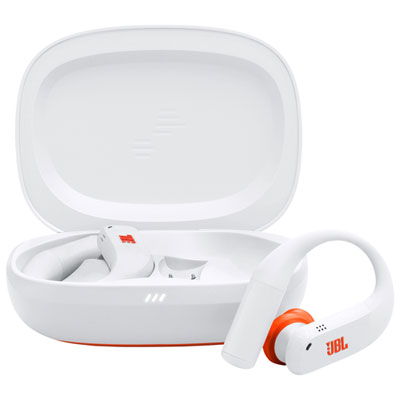
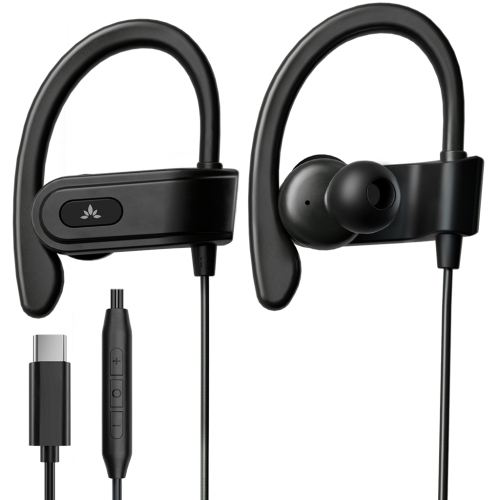
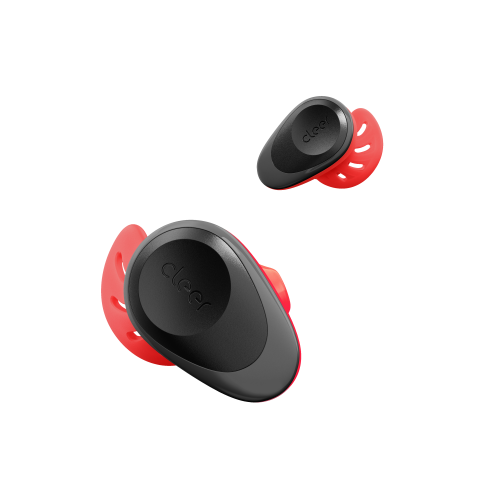
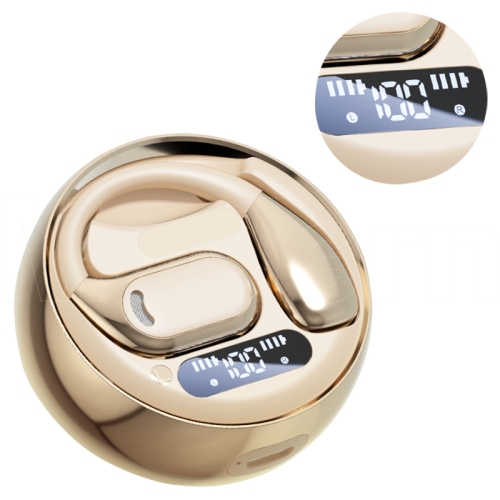
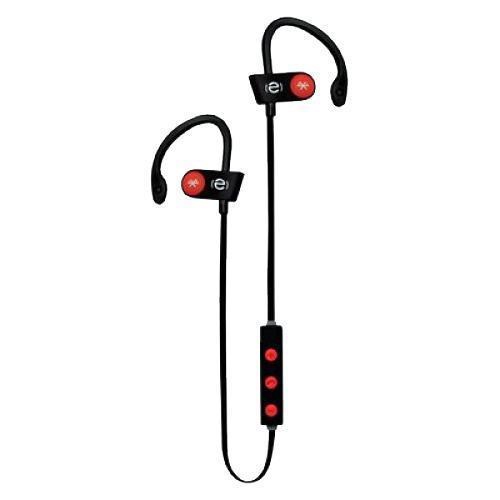
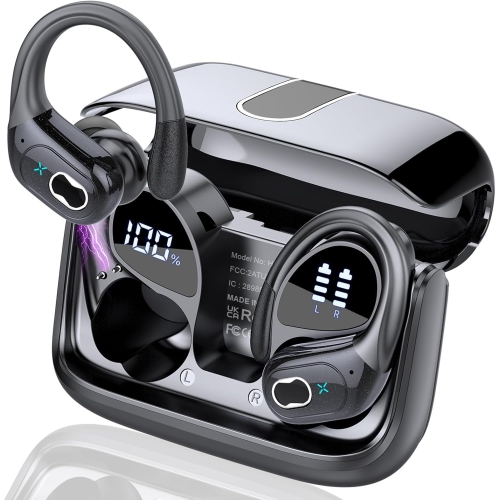
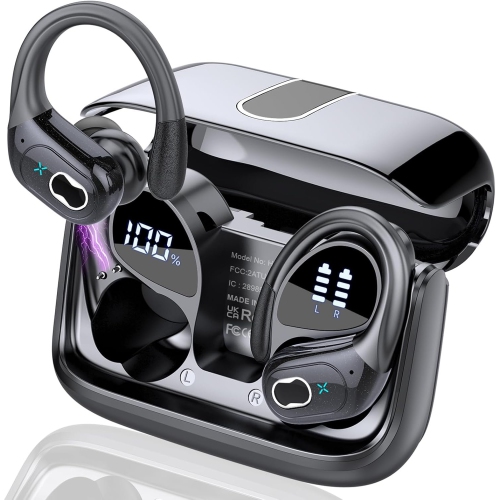
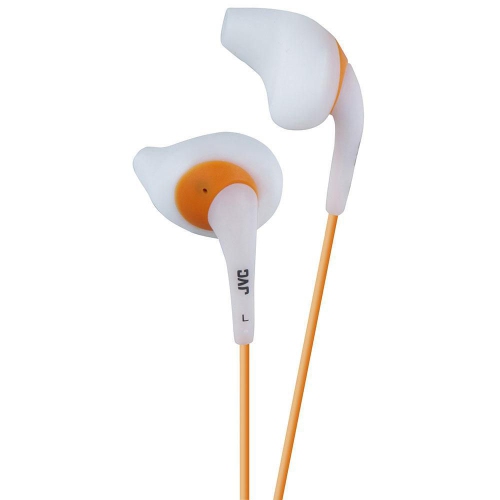
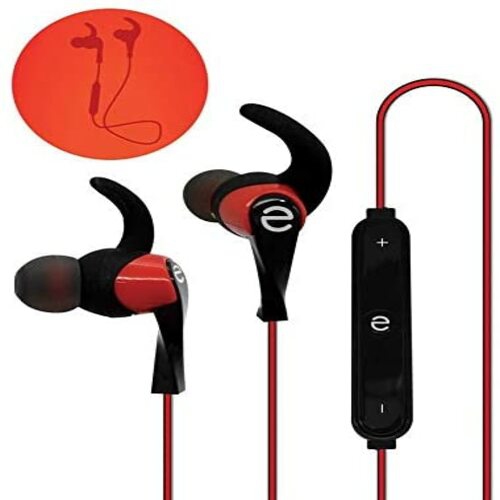
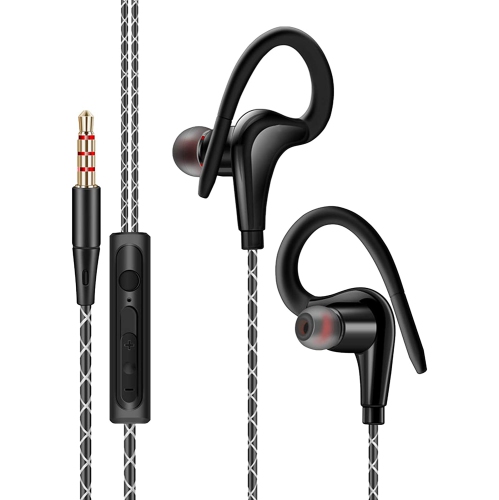
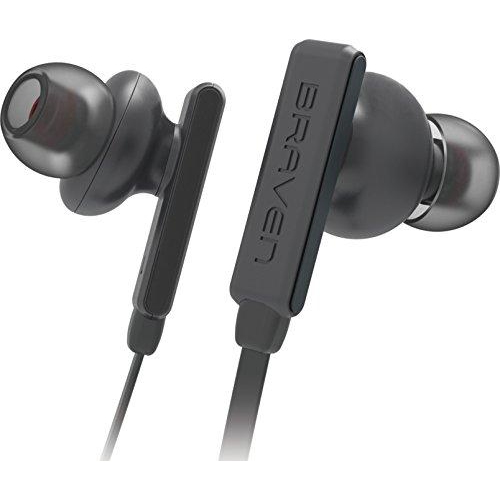
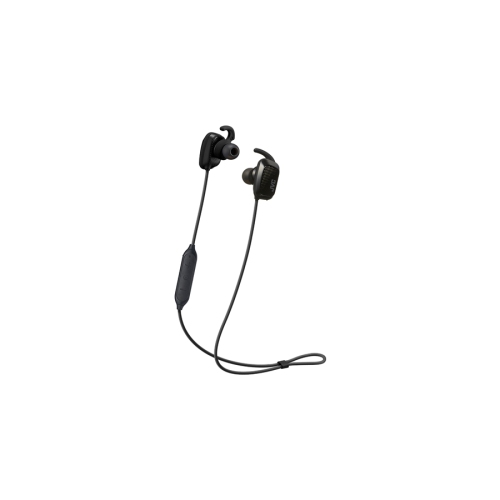
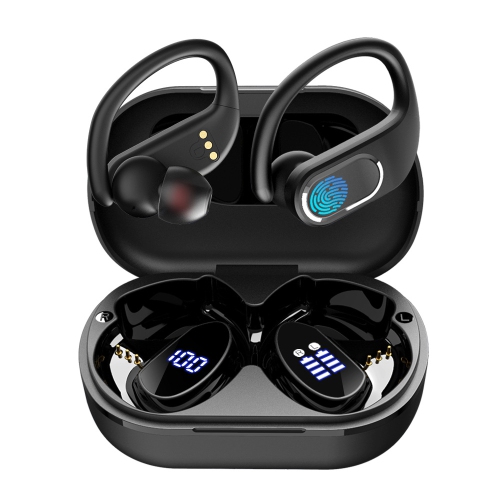
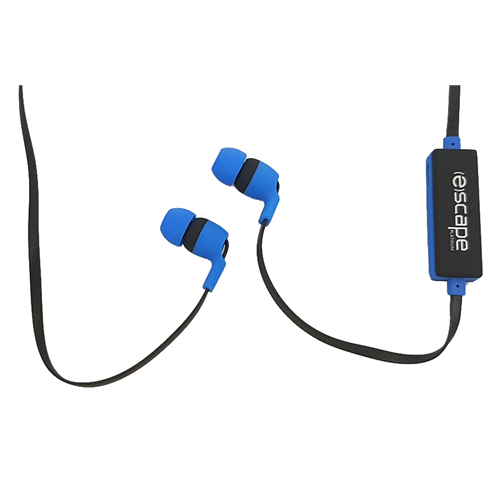
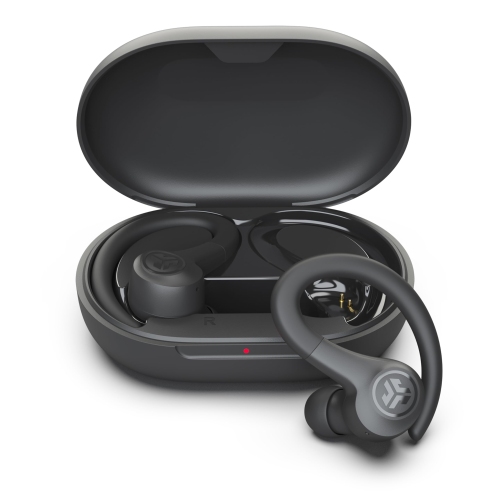
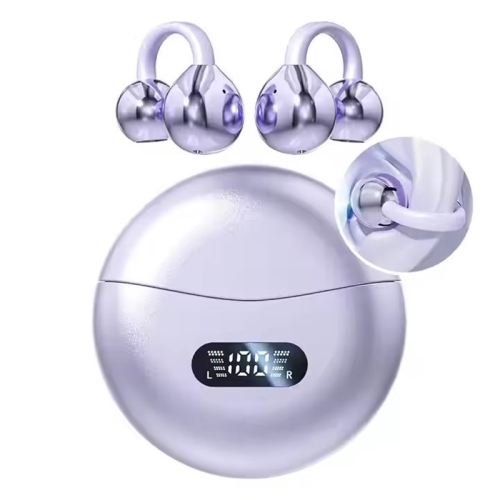
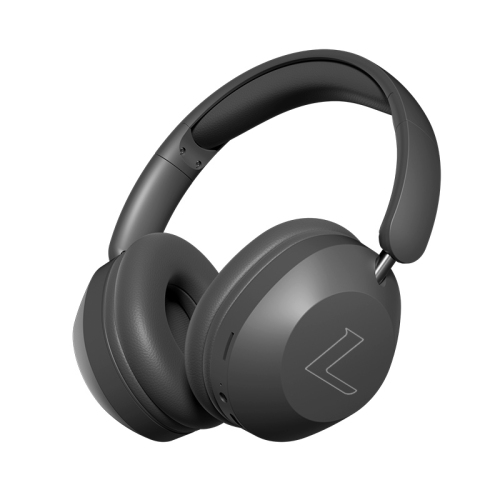
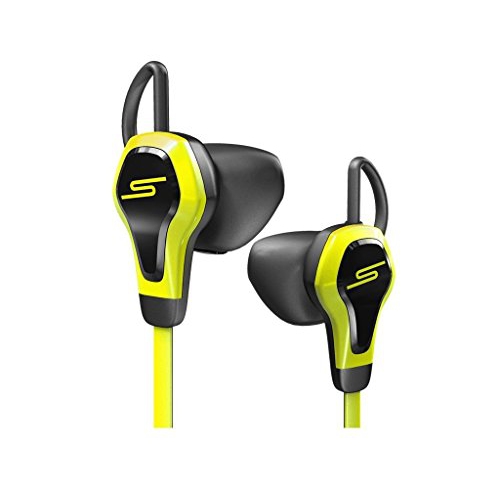
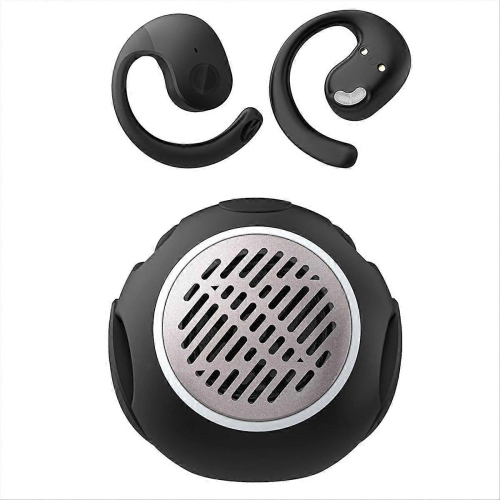
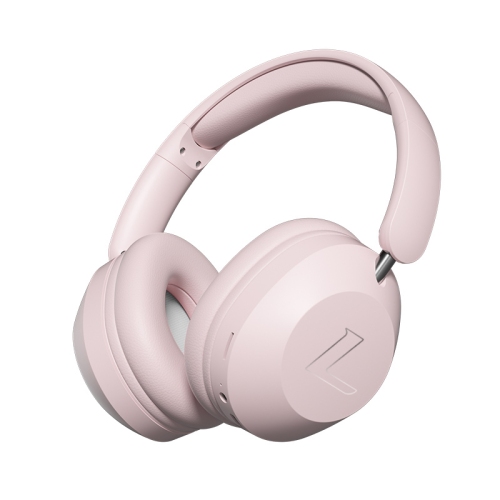
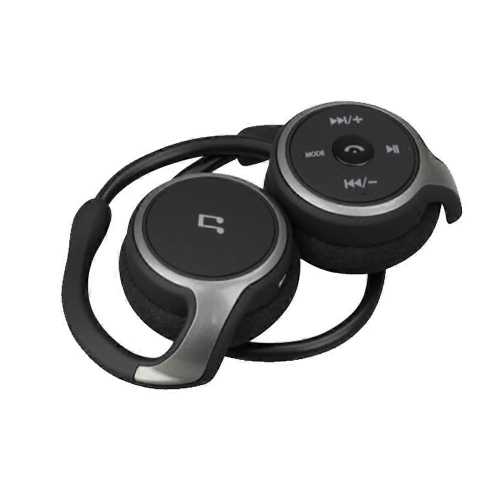
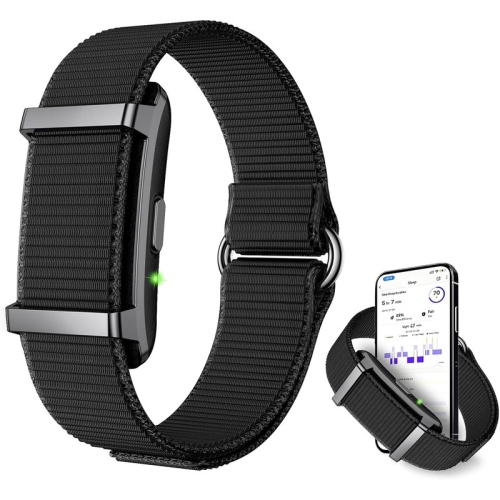
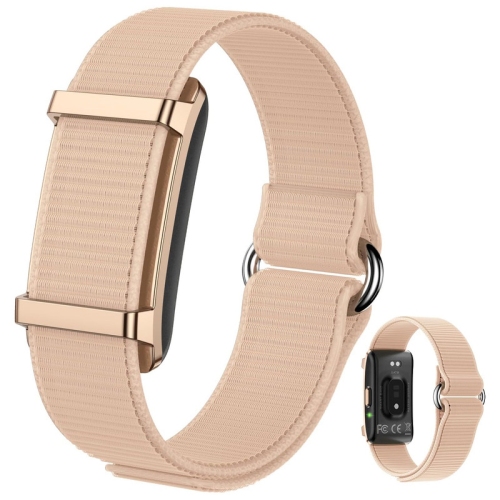
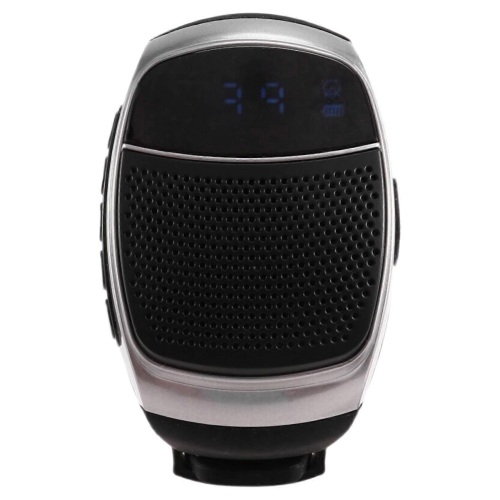
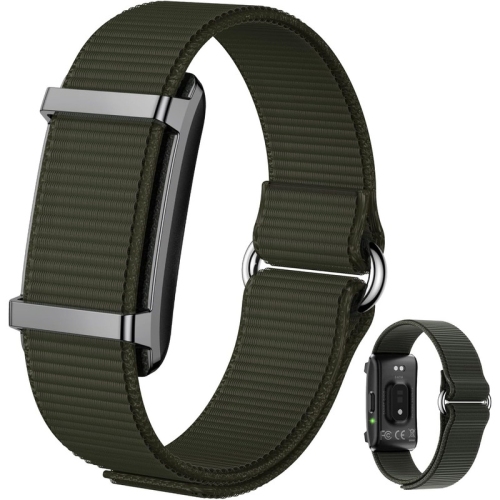
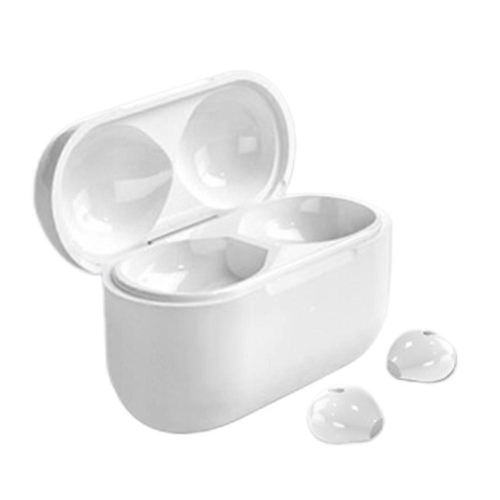
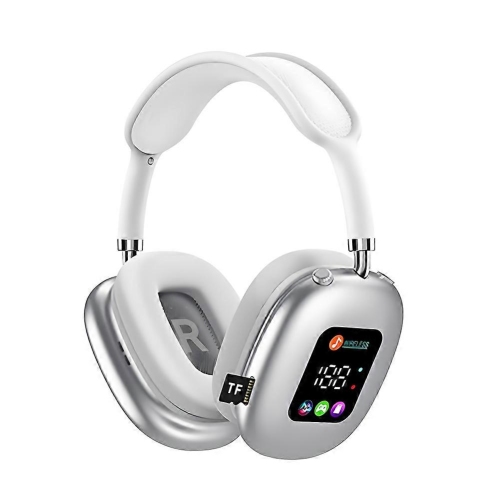
Comfort and construction have a direct effect on how well sports electronics fit into a routine. A wrist-worn sensor needs steady skin contact without feeling restrictive, and an adjustable strap helps accommodate different wrist sizes. Soft silicone is common in sports straps because it is flexible and easy to wipe down, while woven straps may offer a different feel but need more drying time after cleaning. Device weight, case thickness, and buckle placement become noticeable during repetitive movement, particularly when bending the wrist for strength exercises. Sports headphones introduce their own fit considerations: interchangeable ear tips, ear hooks, and stabilizing fins can help maintain a secure position, but individual comfort varies. Open-ear designs leave the ear canal uncovered, whereas in-ear designs can provide a closer seal. Neither design guarantees awareness of nearby traffic or other hazards, so listening volume and the setting still matter. Physical buttons can be easier to operate than touch controls when hands are damp with perspiration, and a quick mute or pause function is useful when speaking with a training partner. Resistance ratings deserve attention across wearables, headphones, and cameras. Splash resistance does not automatically mean suitability for swimming, and depth ratings should be read alongside the manufacturer’s stated activities and limitations. Repeated impacts, vibration, and contact with equipment also place demands on housings, screens, fasteners, and mounts. For an action camera, a secure attachment and a compact shape can be more useful than an accessory arrangement that gets in the way of movement. After use, care generally involves removing perspiration with a soft cloth, cleaning removable parts as directed, and allowing charging contacts to dry fully before connecting power. Harsh cleaners, abrasive cloths, and charging a damp device can damage components. Replaceable straps, ear tips, and compatible mounting parts can help maintain a comfortable setup as those components wear. A padded storage compartment also helps keep lenses and screens from rubbing against keys, tools, or other equipment inside a sports bag.
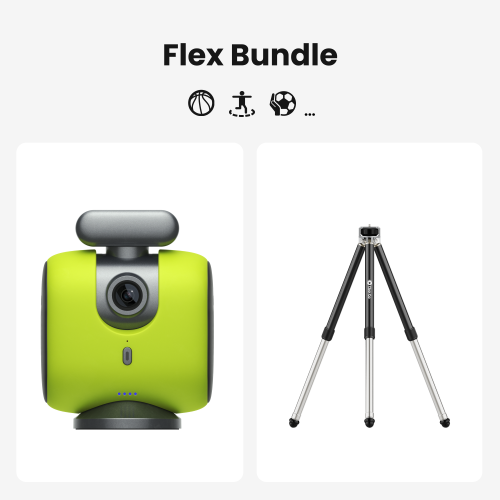
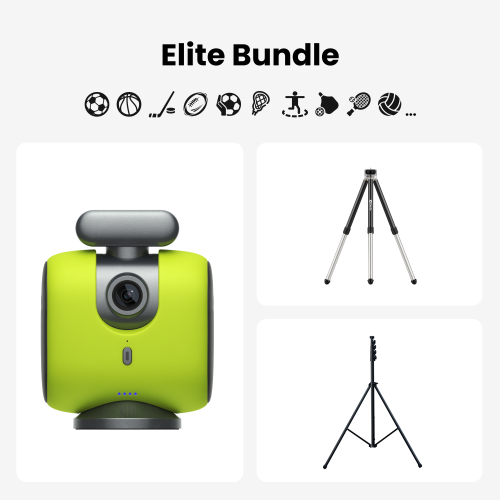
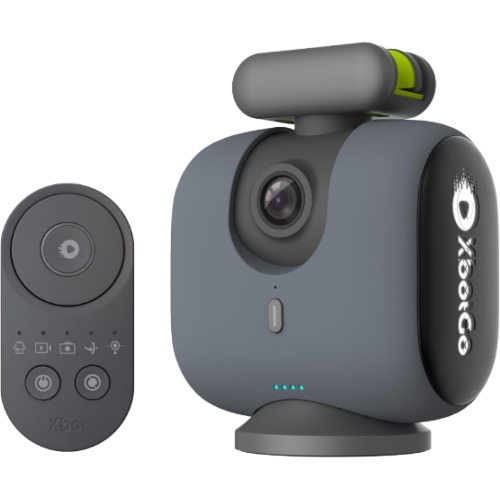
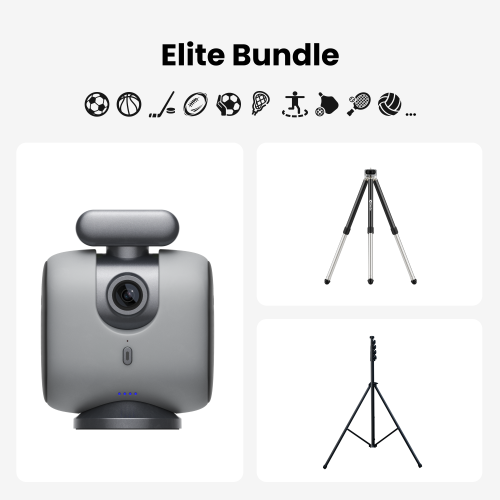
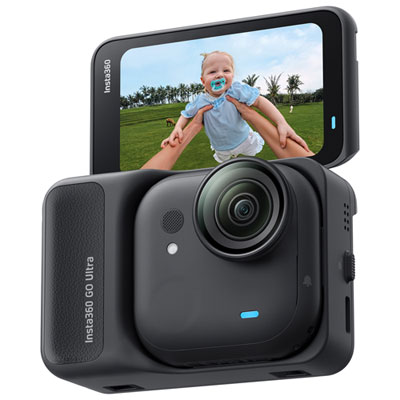
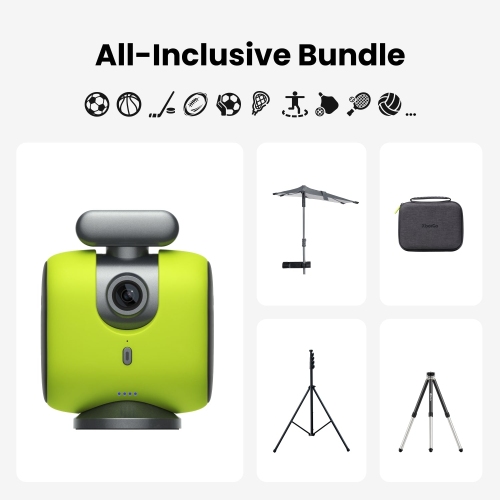
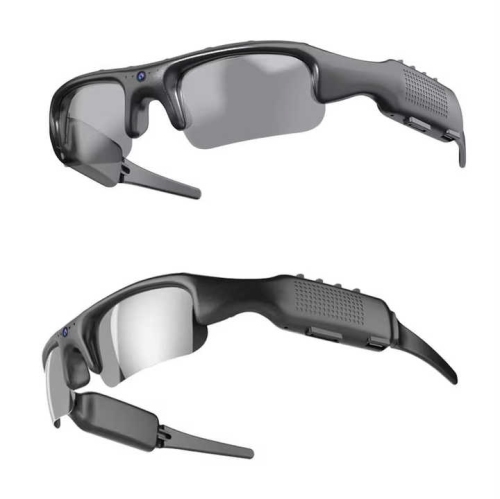
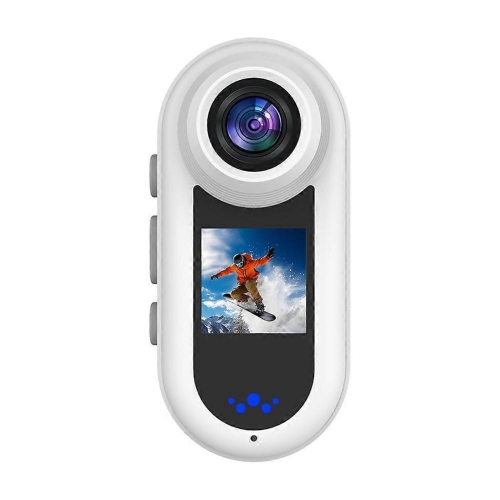
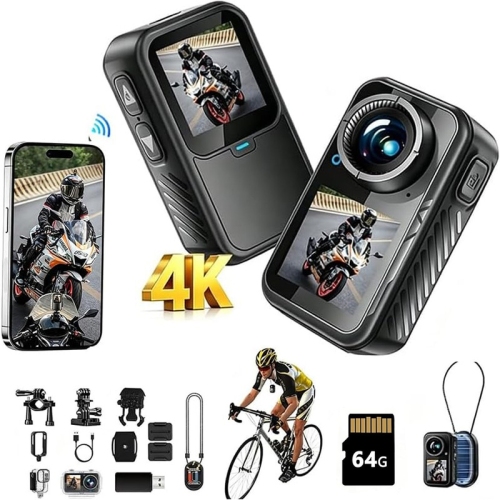
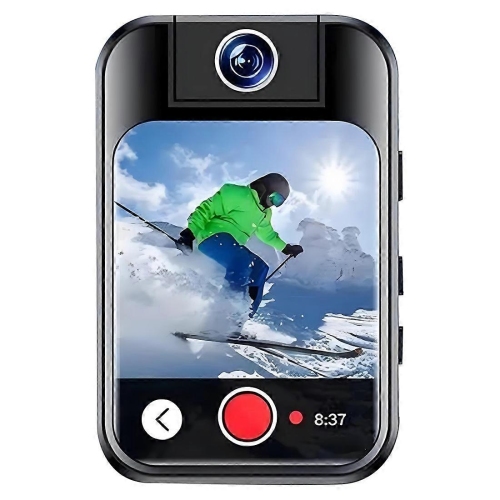
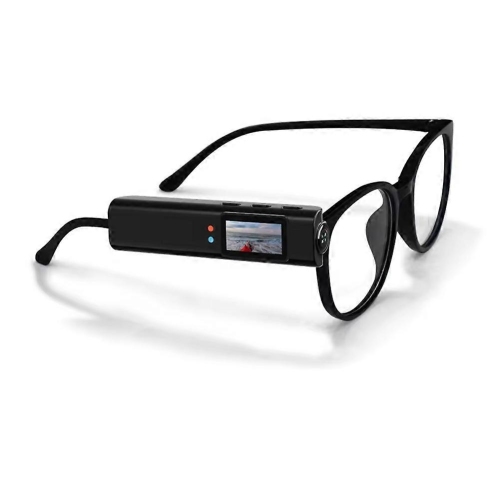
Battery life and connectivity shape the day-to-day experience just as much as fit. A device that lasts comfortably through short gym sessions may behave differently during extended GPS tracking, continuous video capture, or music playback. Published battery estimates depend on the settings used, so the relevant figure is the one closest to the intended activity. Charging connections, cable compatibility, and the time needed for a full charge affect how easily electronics fit between sessions. Wireless syncing can simplify workout records, but phone operating systems, app requirements, optional subscriptions, and sensor compatibility deserve attention before building a connected setup. Some functions work independently, while others need a nearby phone or an internet connection. For cameras, resolution is only part of the picture: stabilization, field of view, mounting position, and storage capacity influence how useful footage will be. A wide view can show team formations, while a closer angle may make footwork easier to examine. Automatic subject tracking can help follow play, though obstructions, camera placement, and the pace of action can affect results. Recording should also respect venue rules and participants’ privacy, particularly at youth activities. Powered massage tools serve a different purpose, offering adjustable pressure or percussion for muscle comfort after exercise. Handle shape, weight, noise, attachment material, and accessible speed controls all influence ease of use. Their intended role is comfort rather than diagnosing or treating an injury; use should follow the manufacturer’s directions, avoiding injured areas and stopping if it causes pain. Across the category, thoughtful matching matters more than complexity. Recreational walkers, dedicated runners, cyclists, gym members, coaches, and families recording sporting milestones may all use sports electronics differently. As gifts, these devices are most personal when they suit the recipient’s chosen activity, existing phone, preferred fit, and comfort with technology. Someone who enjoys reviewing every split may welcome detailed tracking, while another person may simply want secure audio and controls that stay out of the way. The strongest fit is technology that feels useful during the activity and remains straightforward to charge, clean, store, and use again.
Top selling and popular products
-
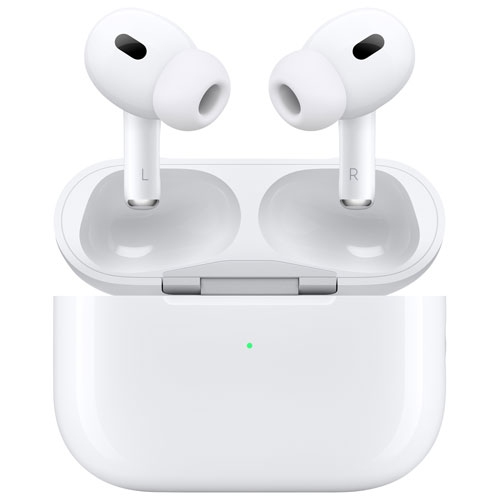 Your price for this item is $349.99
-
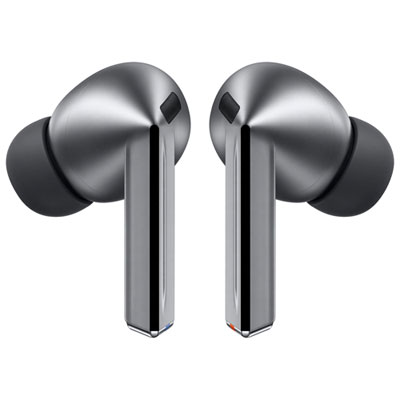 Your price for this item is $329.99
-
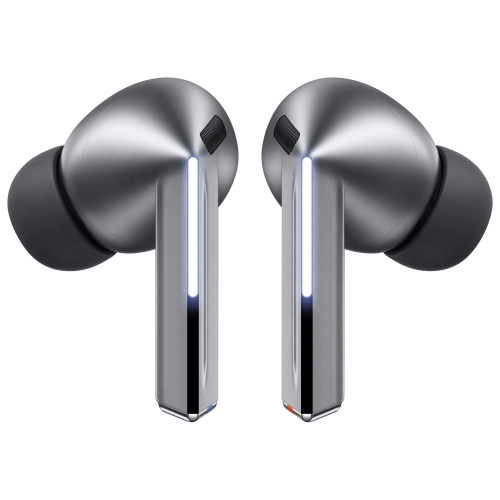 Your price for this item is $229
-
 Your price for this item is $215
-
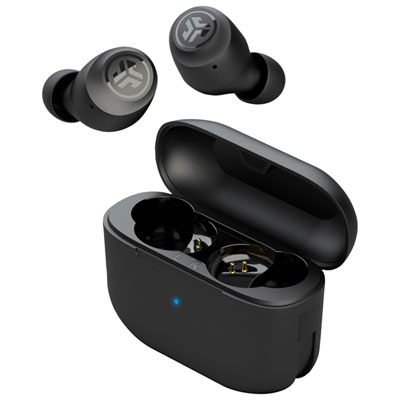 Your price for this item is $34.99
-
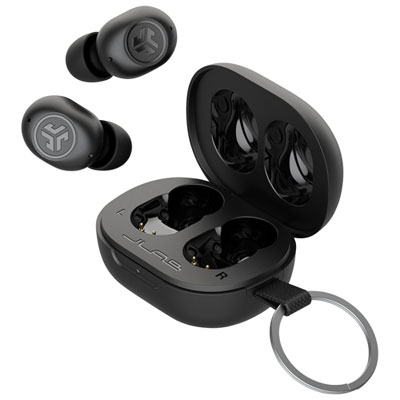 Your price for this item is $59.99
-
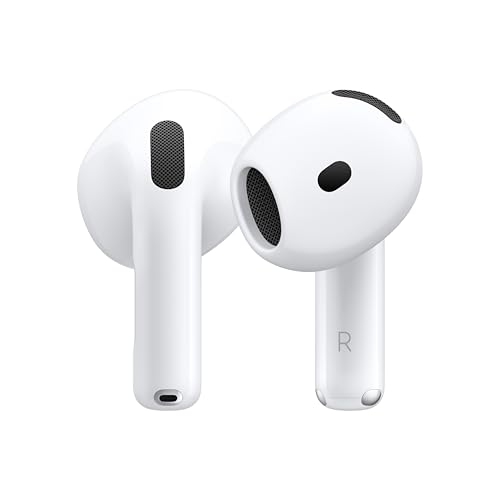 Your price for this item is $189
-
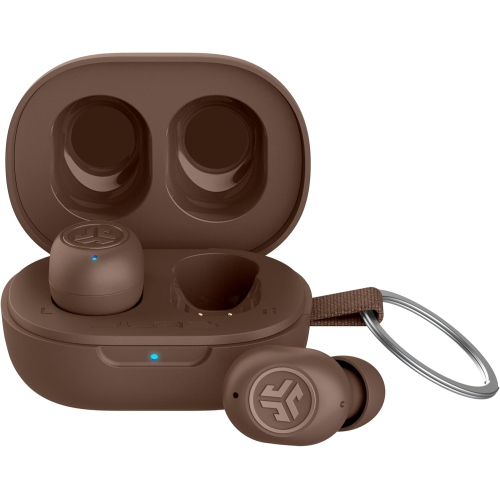 Your price for this item is $89.99
Discover more categories related to Electronics for Sports

Top Collections:
Pokemon Centers, Best Budget Office Chairs, Kindle Devices, Best Cameras for Sports Photography, Pokémon 30th Celebration Cards, Best Laptops for Writers, Apple iPhones 16, Laptops for Business Work, Canon G7X Cameras, iPhone 15 Apple
Some products may be subject to Environmental Handling Fees
(EHF) depending on your province.
Learn more about EHFs.