Electronics for Audio
If you're an audio enthusiast, you probably already know that the gear you use can make a big difference in the quality of your listening experience. But if you're looking to upgrade your setup, or just want to try something new, there are some great options for audio electronics.
Sort
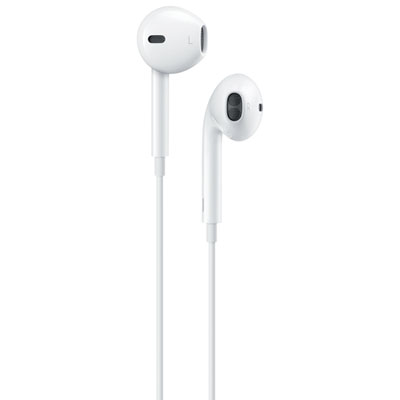


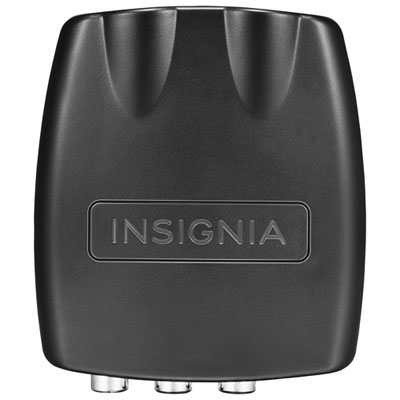
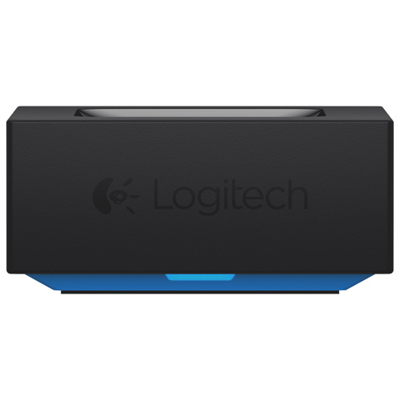
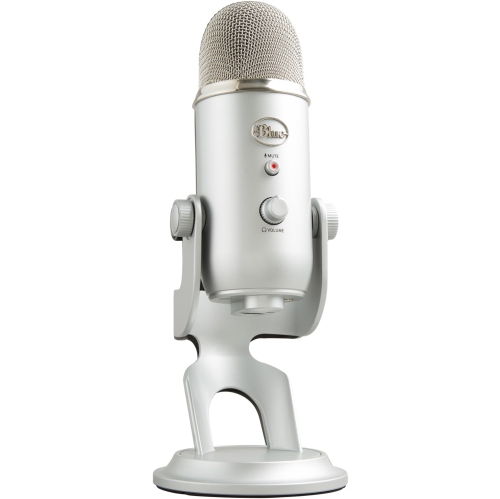
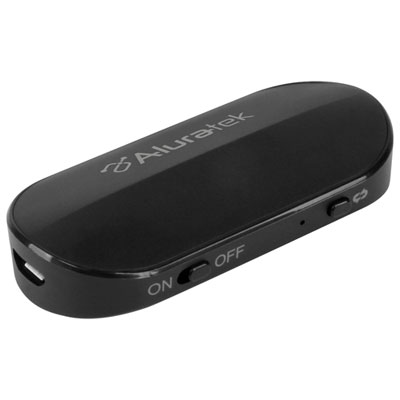
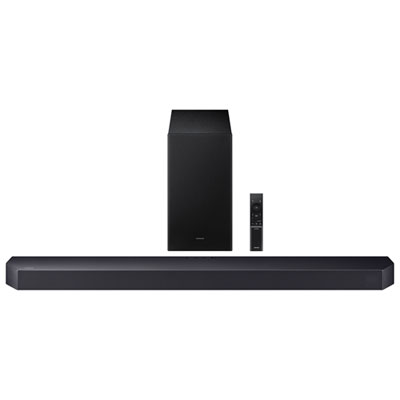
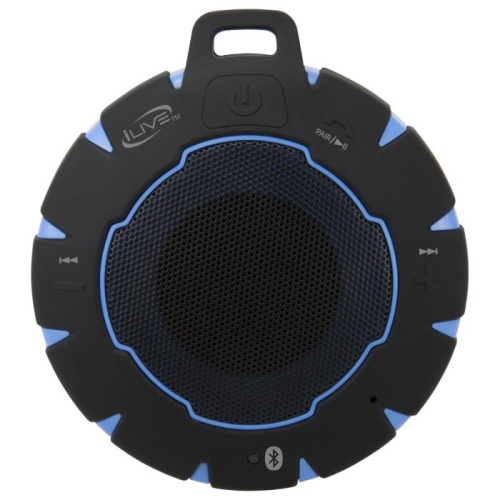
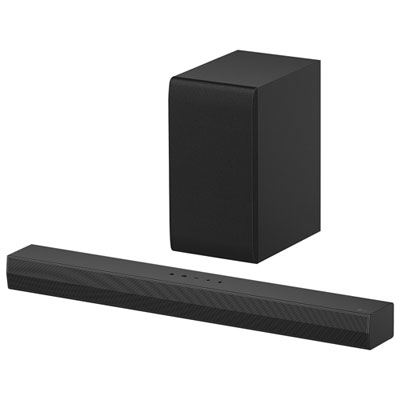
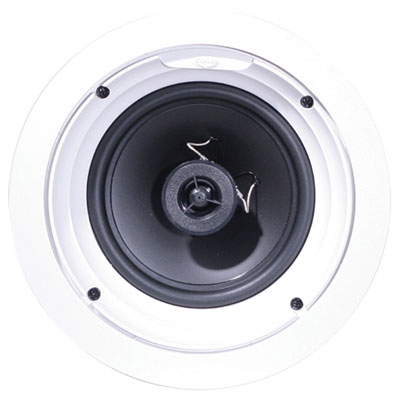
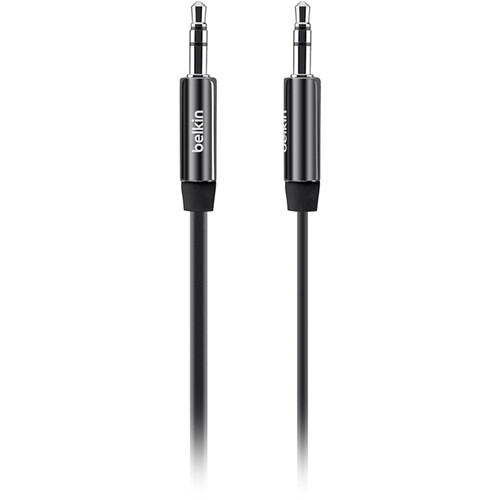
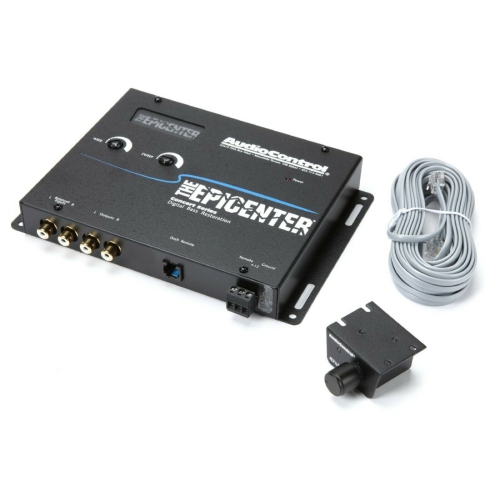
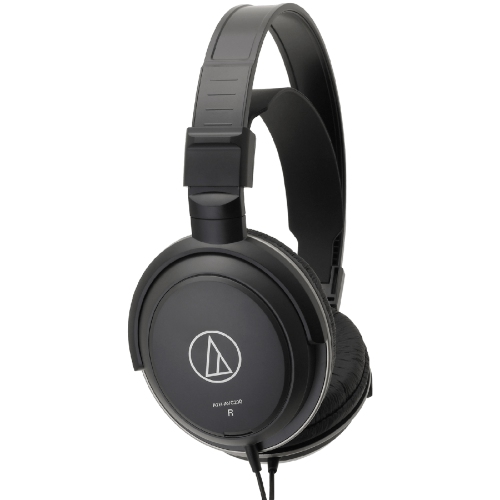
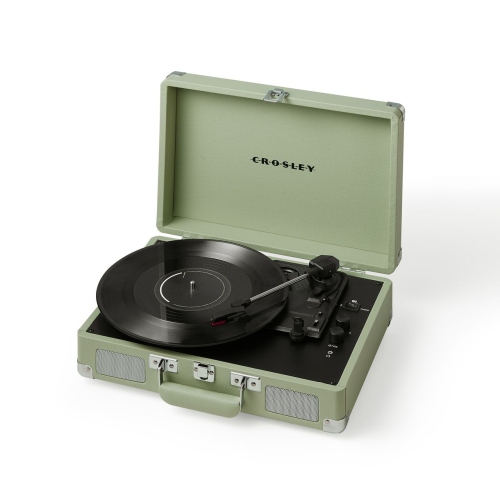

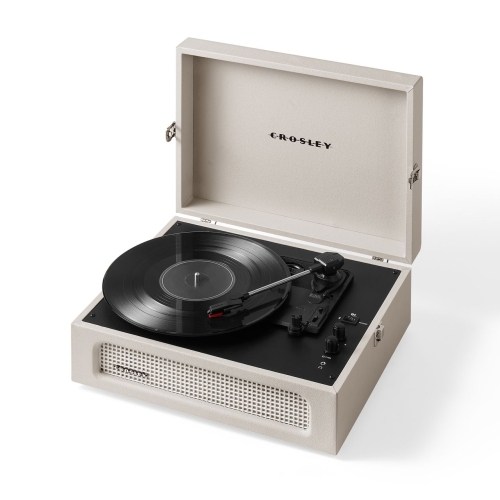
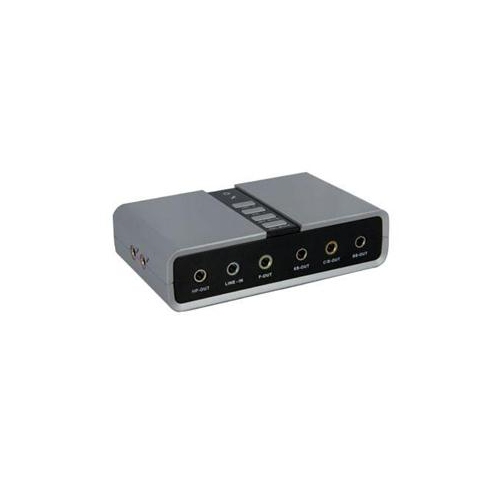
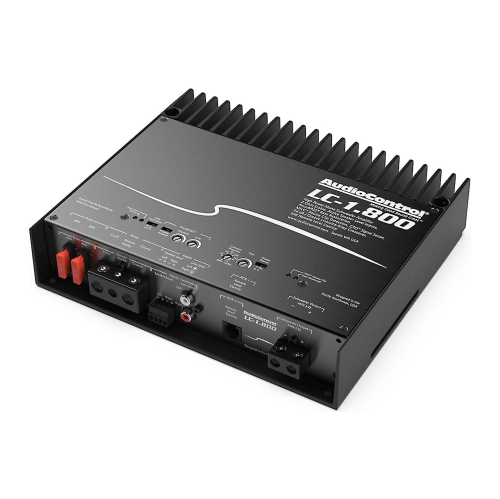
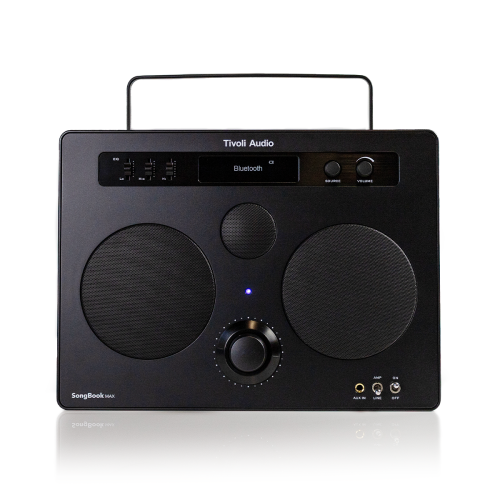
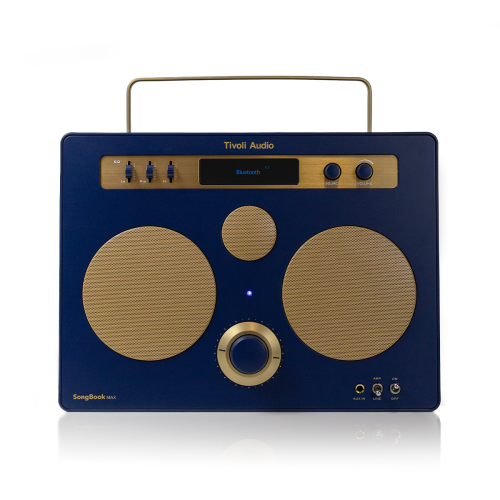
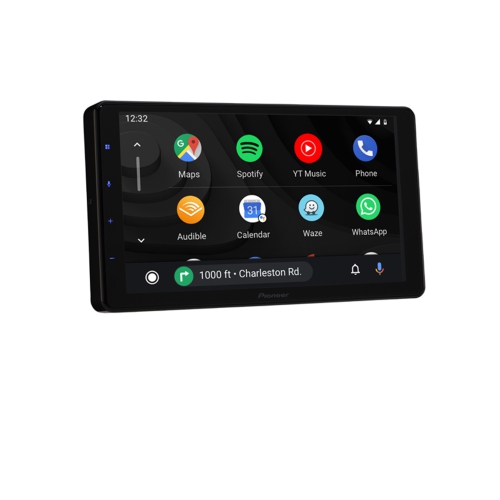
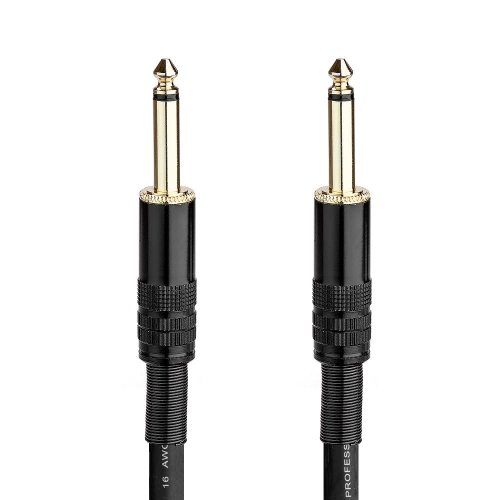
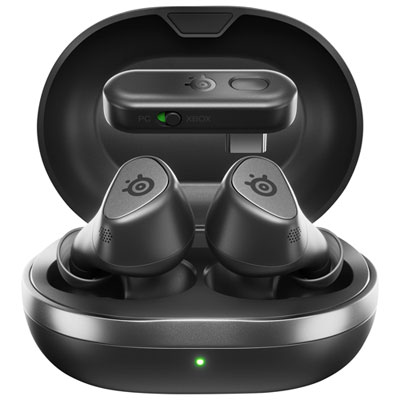
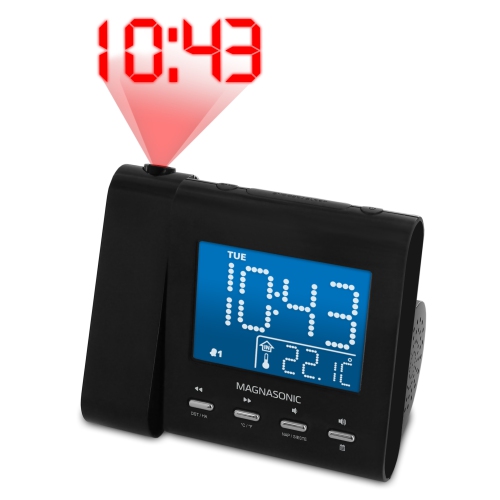
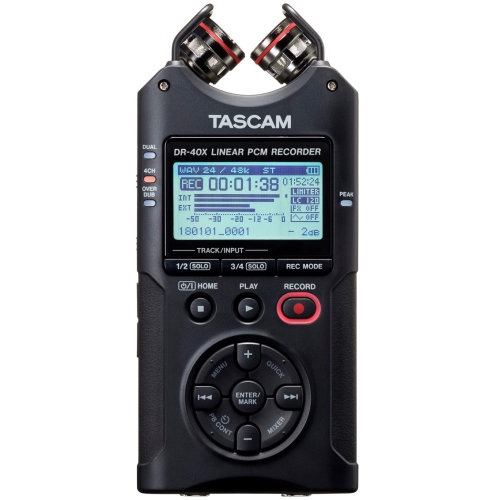
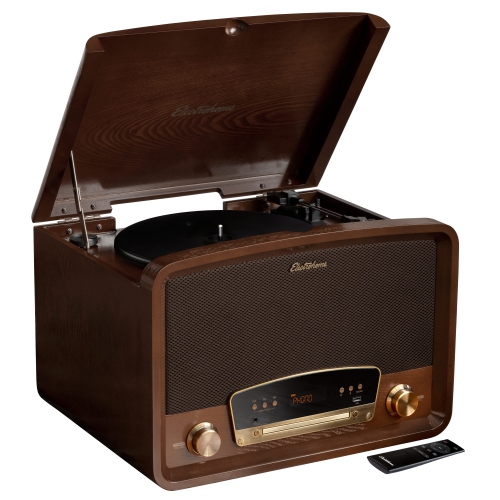
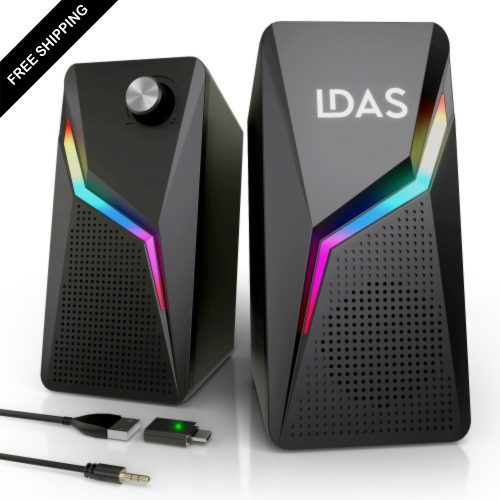
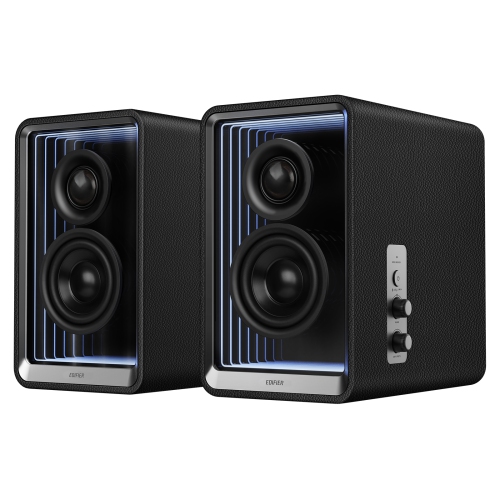
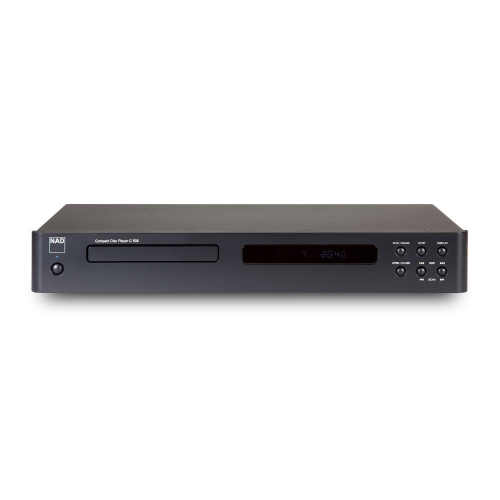
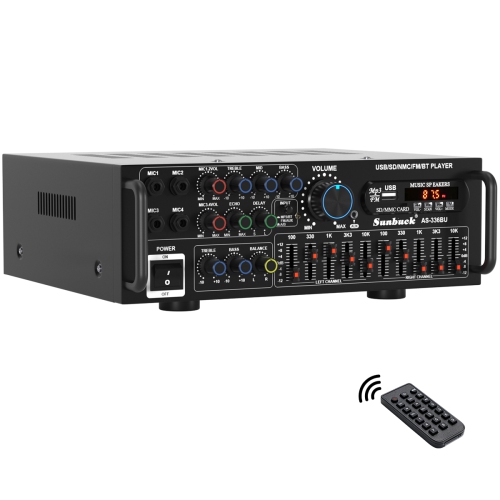
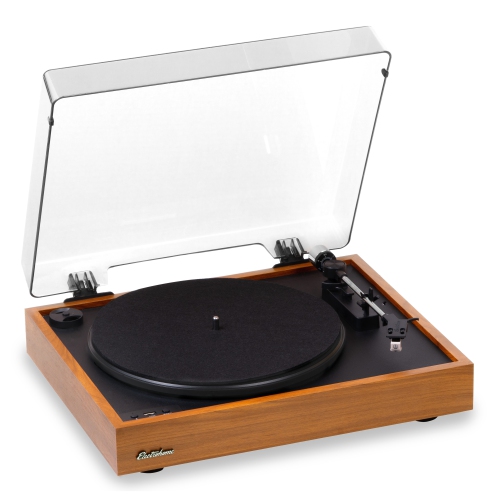
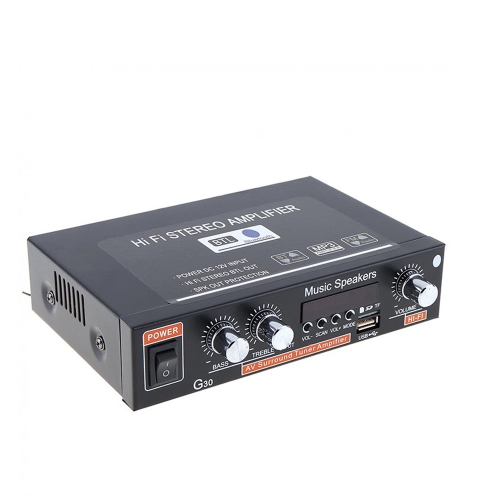
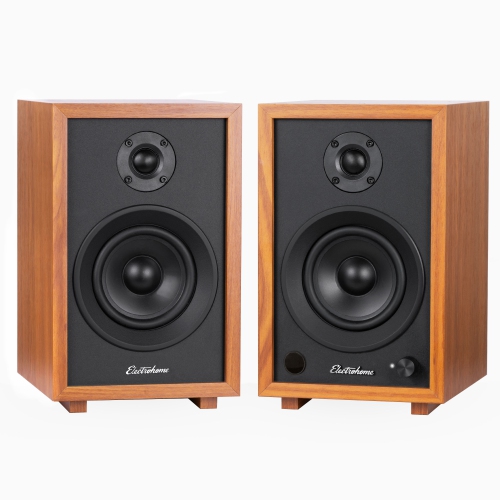

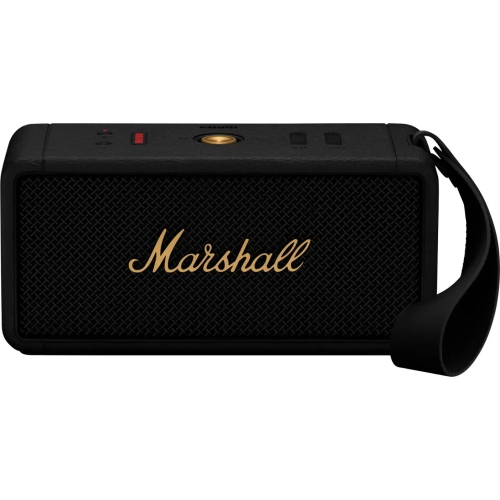
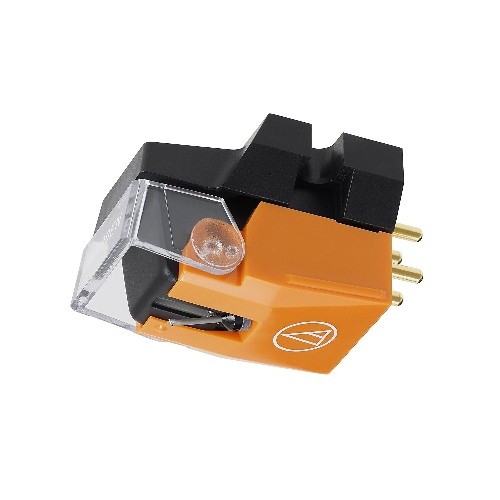
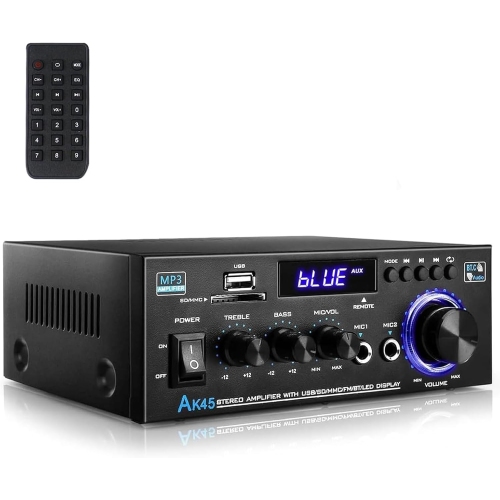
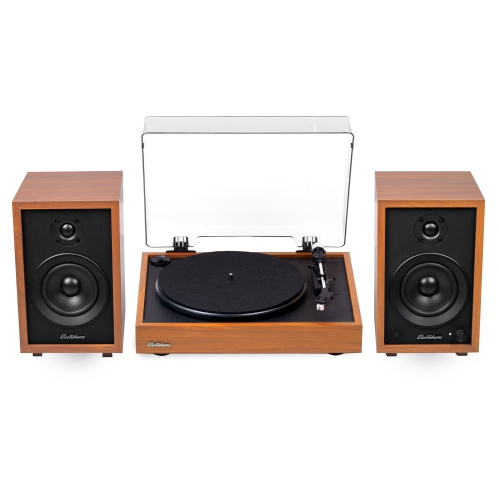
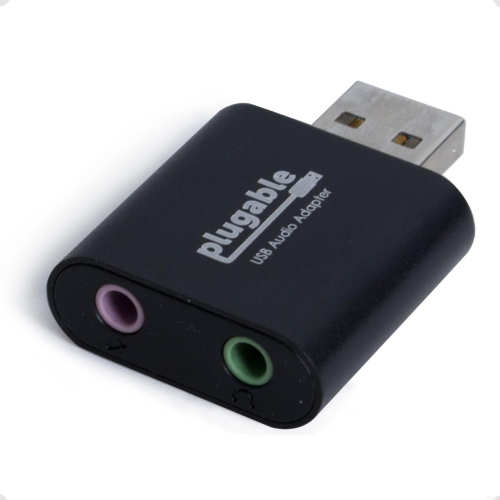
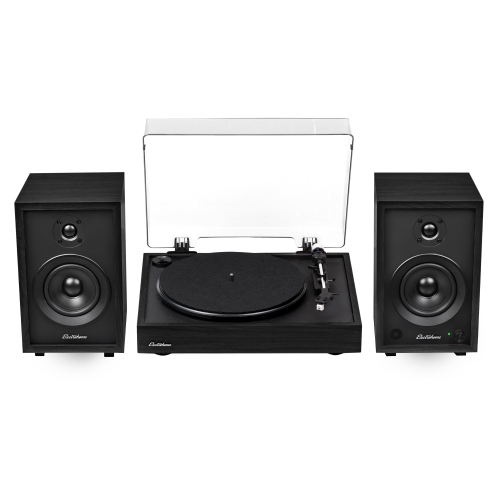
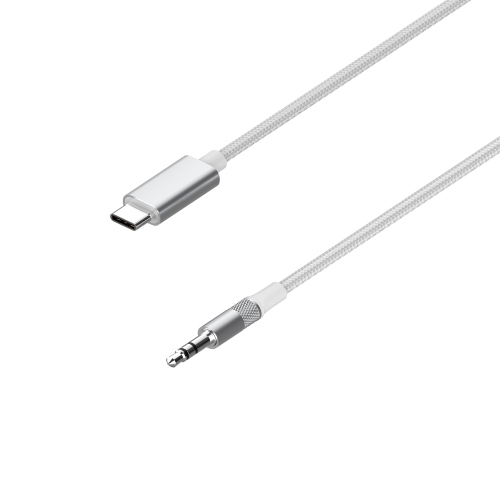
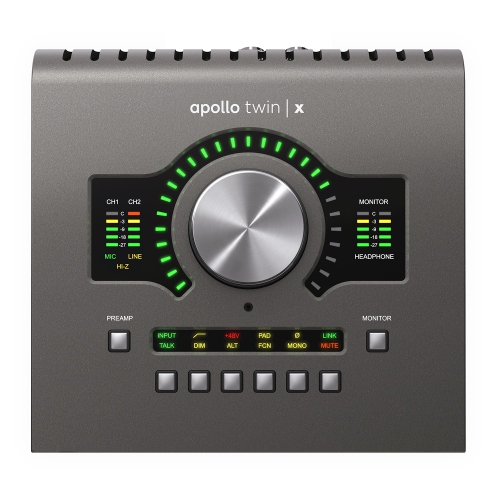
![BITTY BOOMERS Fortnite Wireless Bluetooth Speaker - Leviathan [Electronics]](https://multimedia.bbycastatic.ca/multimedia/products/500x500/166/16658/16658571.jpeg)
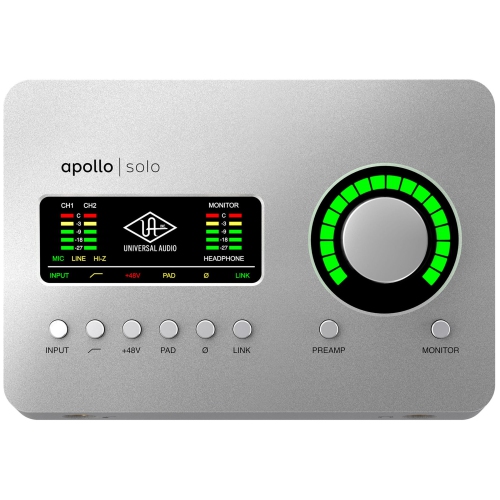


![THE VOICE : Knockout Bluetooth Speaker W/ Lightshow [Electronics]](https://multimedia.bbycastatic.ca/multimedia/products/500x500/188/18884/18884560.jpeg)

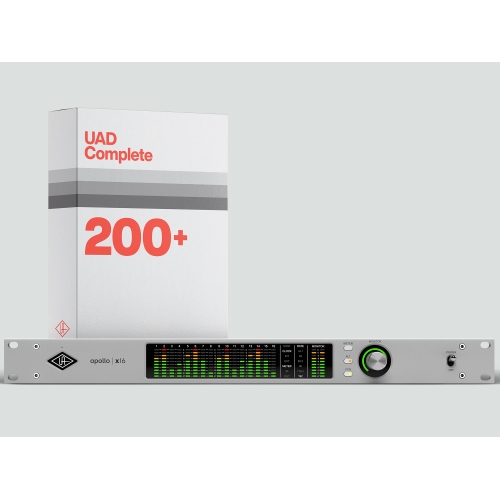
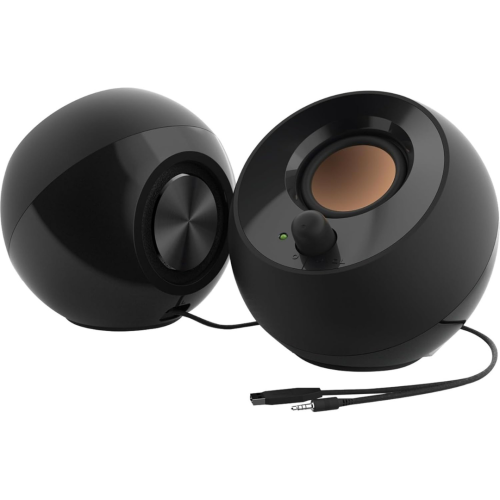
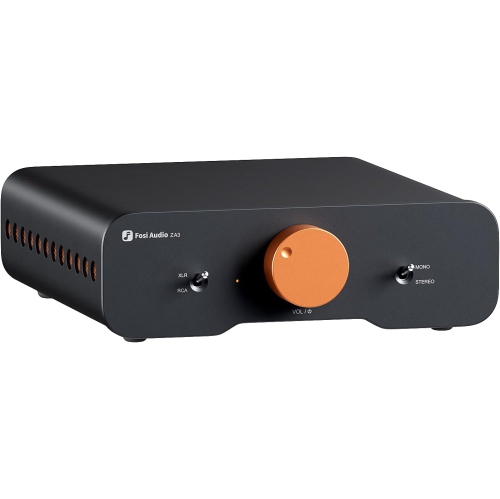
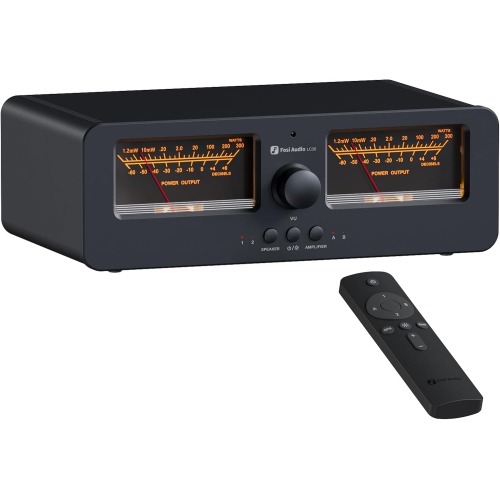
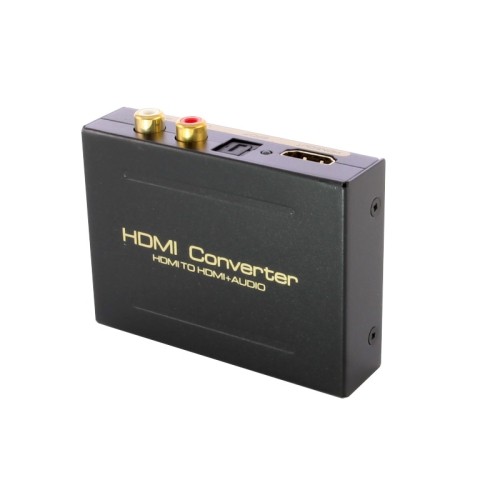
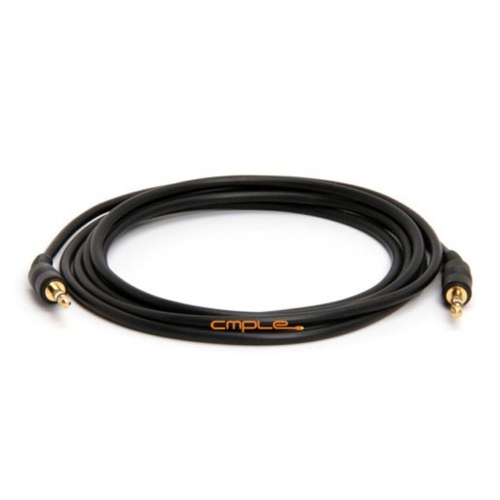
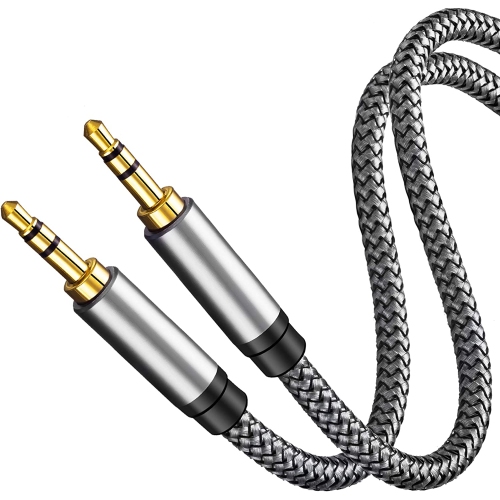
![ALBERTATECH Cable - [Flawless Audio, Aluminum Shell, Nylon Braided] - Slim Audio Cable Digital Audio Cable](https://multimedia.bbycastatic.ca/multimedia/products/500x500/160/16065/16065444.jpeg)
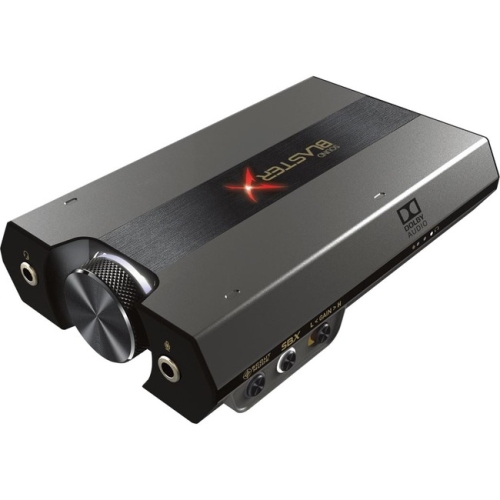
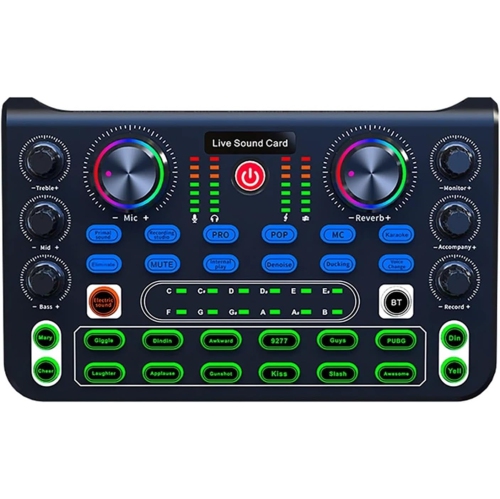
![THE VOICE : Wired Earbuds W/ Mic - [Electronics] In Black](https://multimedia.bbycastatic.ca/multimedia/products/500x500/188/18884/18884575.jpeg)
![THE VOICE : Wired Earbuds W/ Mic - [Electronics] In White](https://multimedia.bbycastatic.ca/multimedia/products/500x500/188/18884/18884524.jpeg)
![THE VOICE : Stage Earbuds With Power Display And Led Lights [Electronics]](https://multimedia.bbycastatic.ca/multimedia/products/500x500/188/18884/18884526.jpeg)
![THE VOICE : Talent Portable Bluetooth Speaker - [Electronics] In Black](https://multimedia.bbycastatic.ca/multimedia/products/500x500/188/18884/18884563.jpeg)
![THE VOICE : Electrify Tailgate Party Speaker With Led Lights [Electronics]](https://multimedia.bbycastatic.ca/multimedia/products/500x500/188/18884/18884569.jpeg)
![THE VOICE : Audition Active Noise Cancelling Headphones [Electronics]](https://multimedia.bbycastatic.ca/multimedia/products/500x500/188/18884/18884558.jpeg)
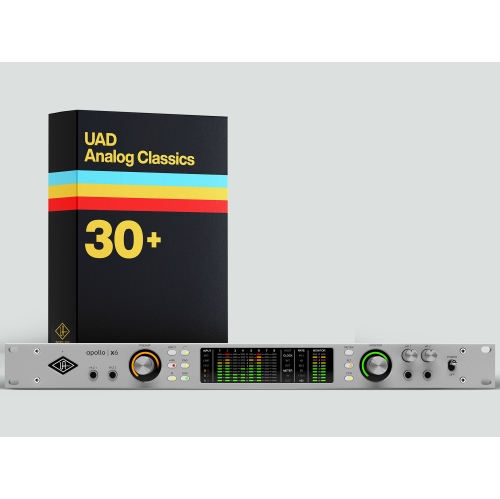
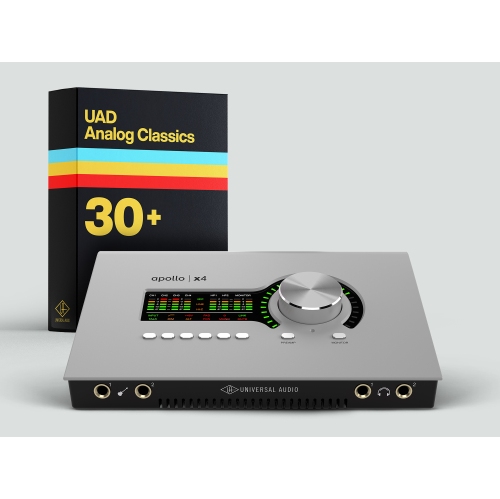
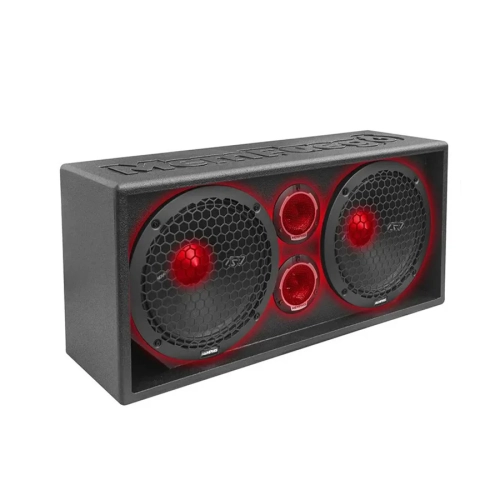
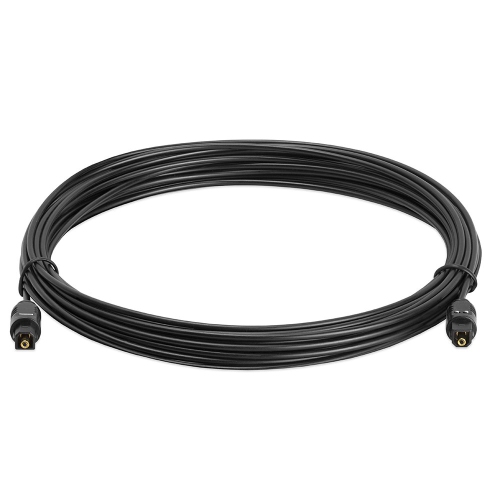
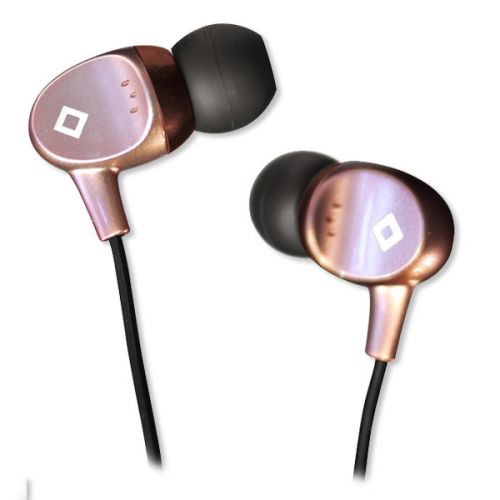
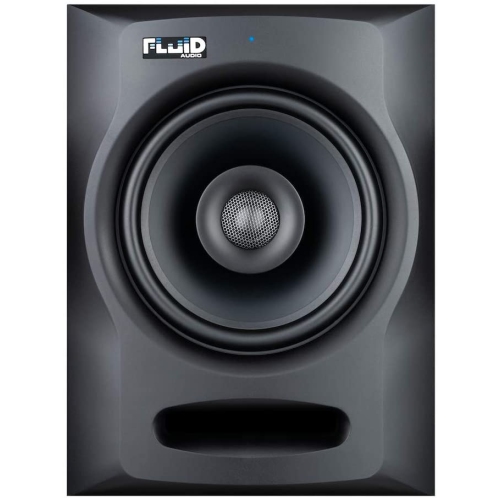
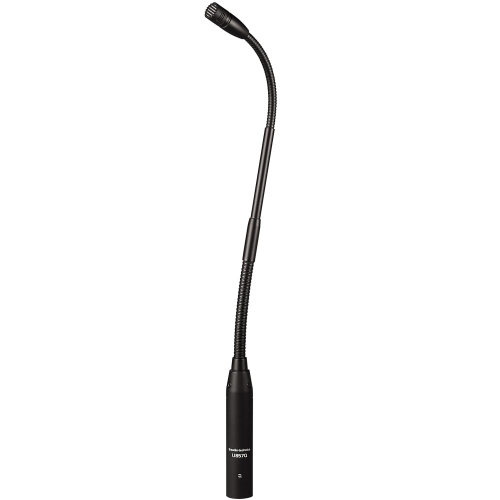
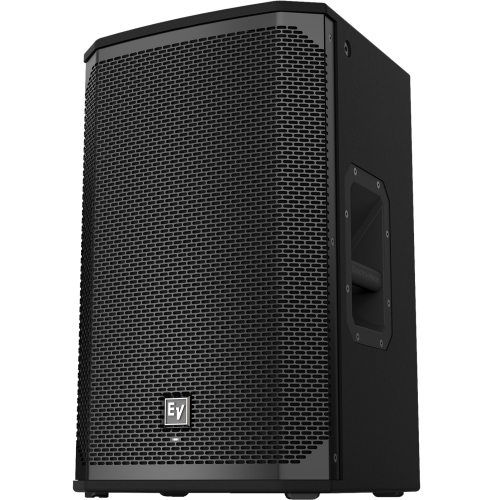
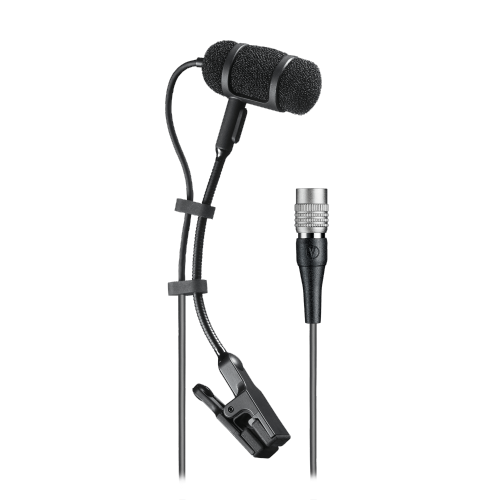
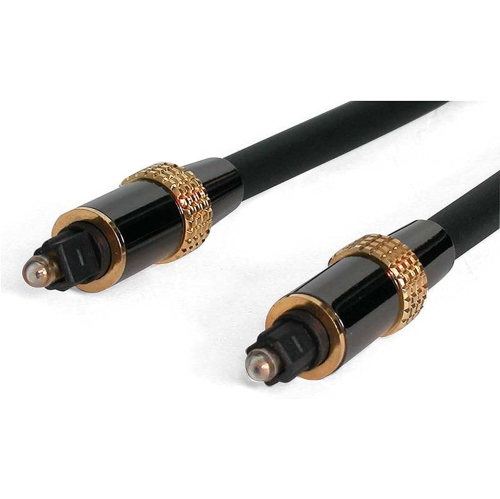
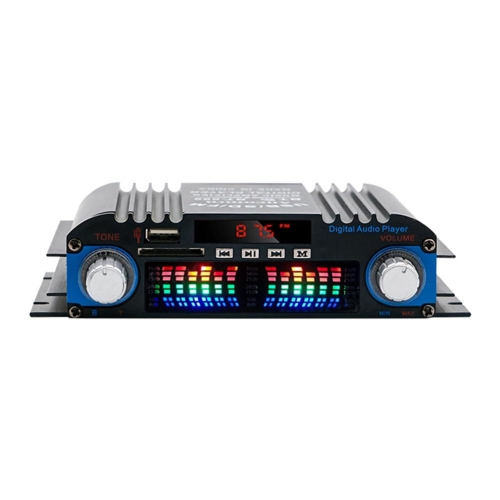
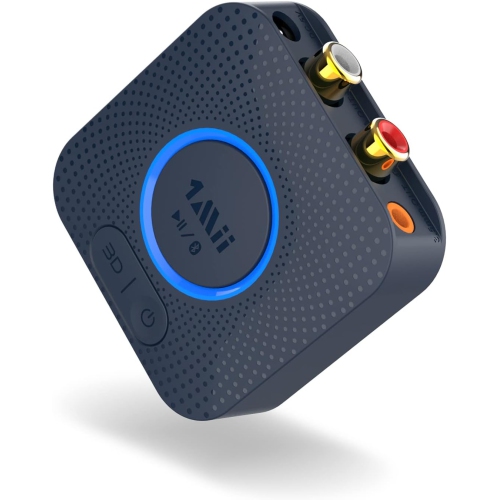
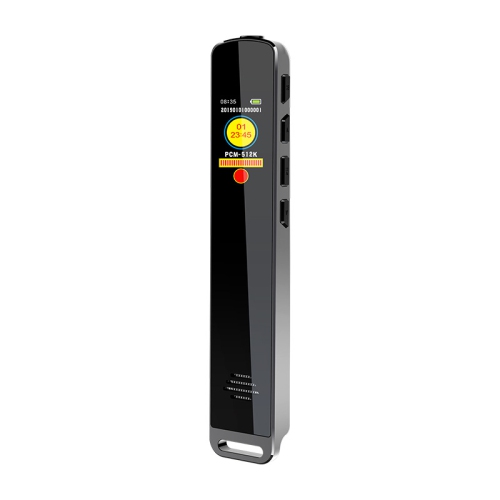
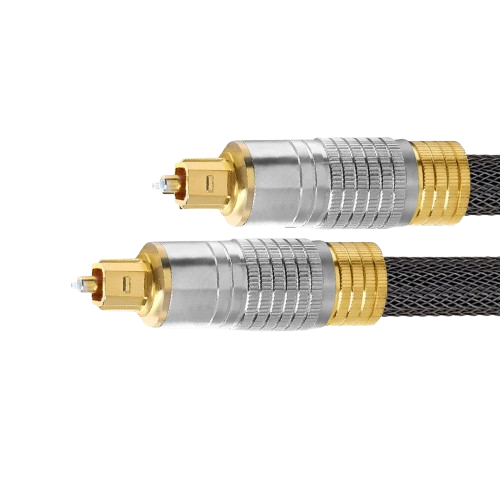
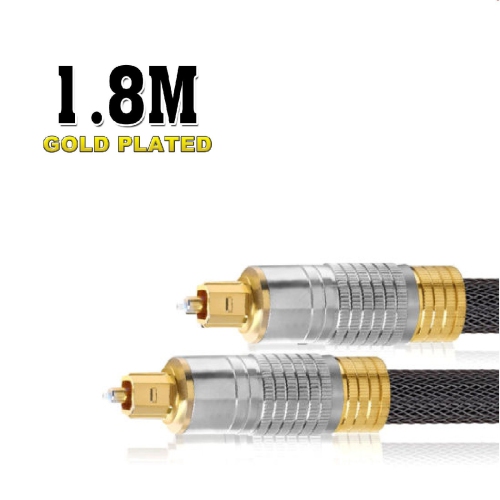

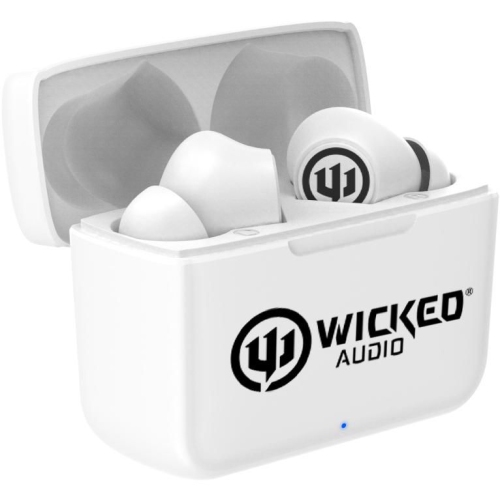
![BITTY BOOMERS Fortnite Wireless Bluetooth Speaker - Knight [Electronics] In Black](https://multimedia.bbycastatic.ca/multimedia/products/500x500/166/16658/16658574.jpeg)
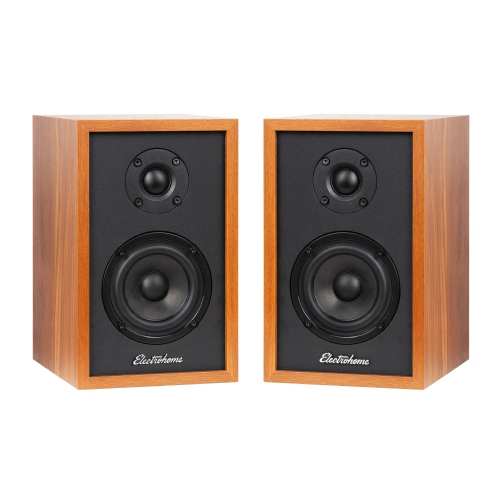

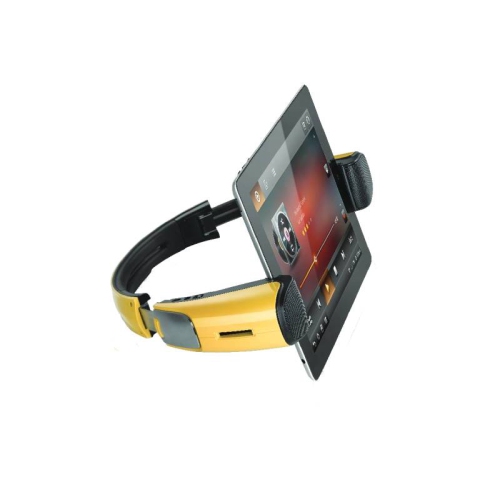
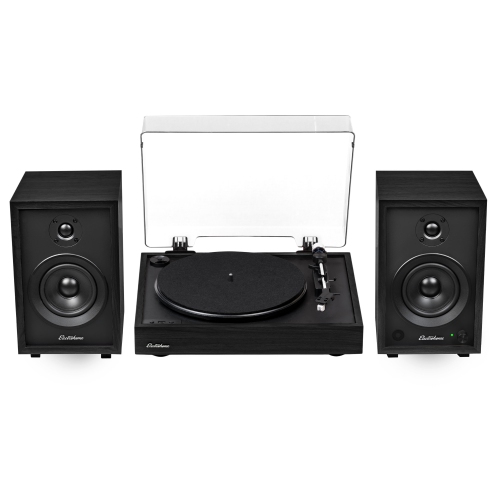
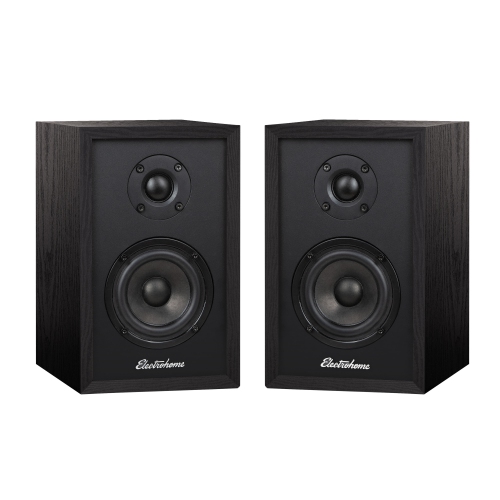
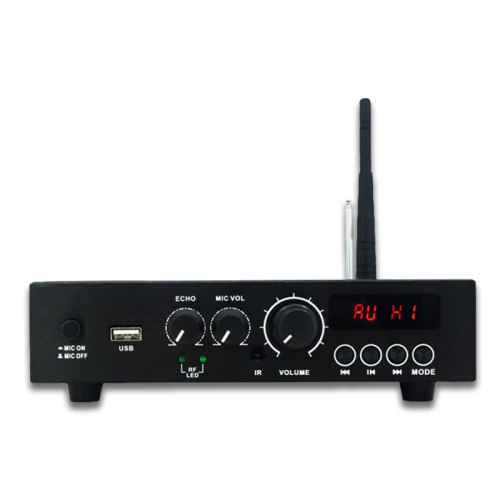
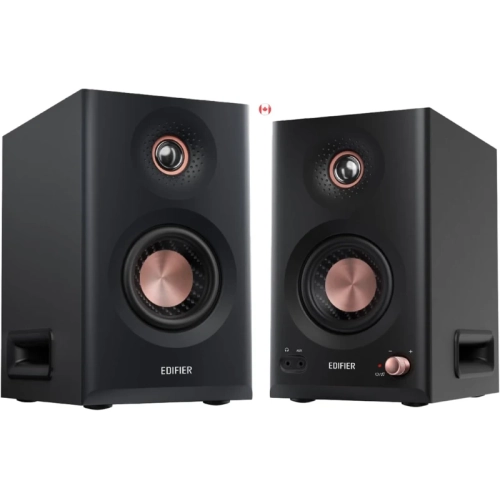
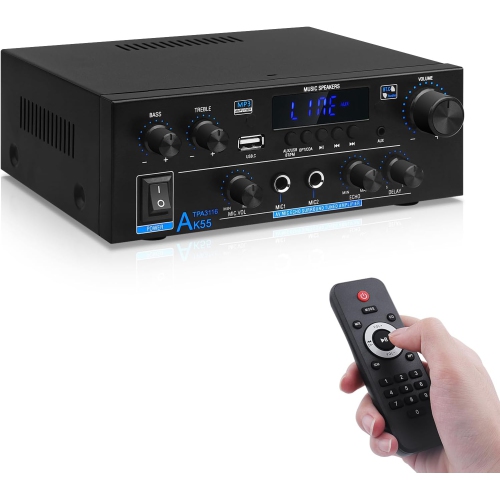
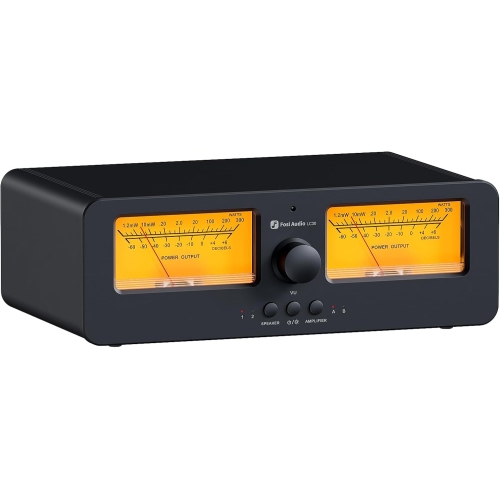

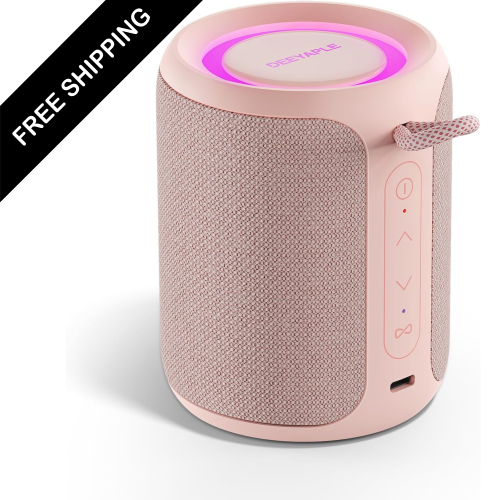
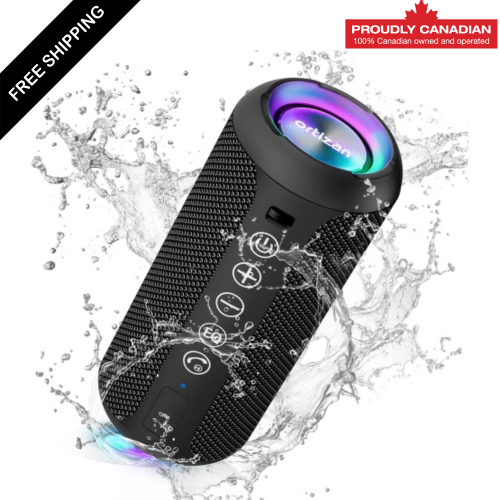
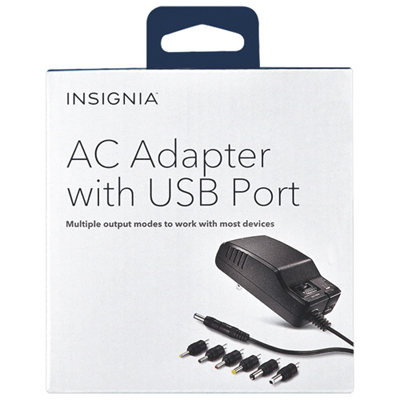
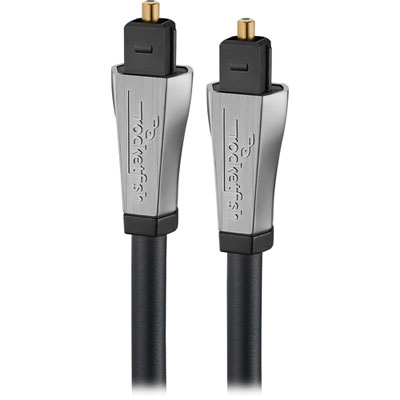
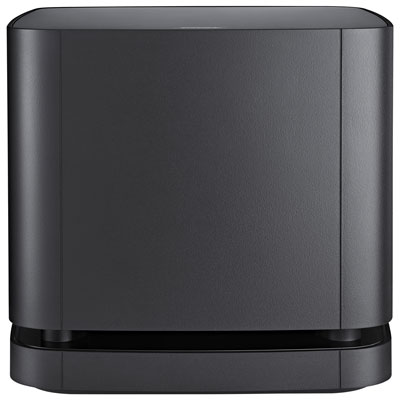
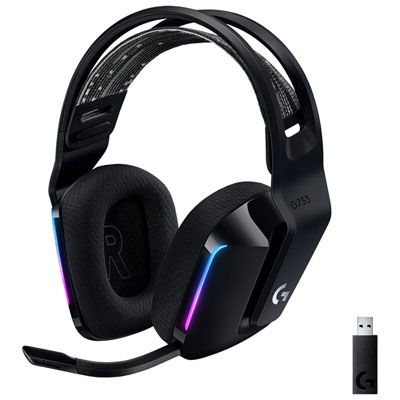
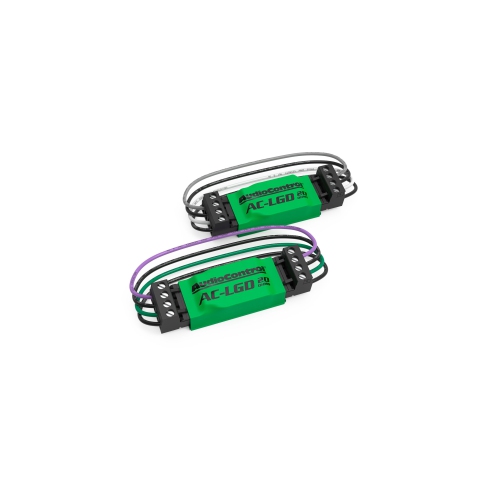
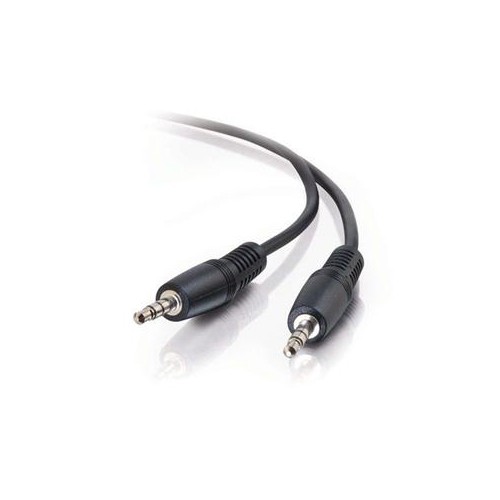
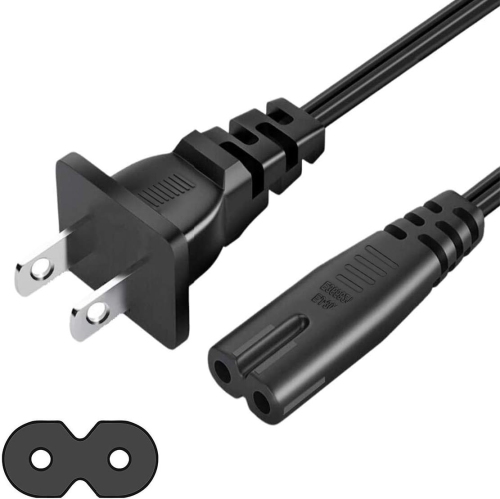
![GENERIC [Ul Listed] Cable 6Ft 2 Prong Ac Wall Cable Power Cord for Ps2 Ps3 Slim Ps4 Game Console Sony Dell Asus Lenovo](https://multimedia.bbycastatic.ca/multimedia/products/500x500/171/17117/17117426.jpeg)
![THE VOICE : Winner Transparent Bluetooth Karaoke Party Speaker [Electronics]](https://multimedia.bbycastatic.ca/multimedia/products/500x500/188/18884/18884582.jpeg)

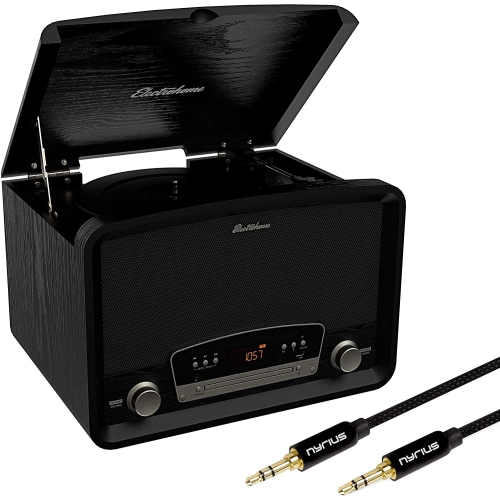
![THE VOICE : Power Light Up Bluetooth Karaoke Speaker [Electronics]](https://multimedia.bbycastatic.ca/multimedia/products/500x500/188/18884/18884552.jpeg)
![JUST4GAMES Sound Of Sky [Audio CD] Yokota, Susumu](https://multimedia.bbycastatic.ca/multimedia/products/500x500/150/15090/15090648.jpg)
![JUST4GAMES Off Beat: A Selection Of Urban Electronics Derived From Notes Leading Into Jazz Step [Audio CD] Various In Blue](https://multimedia.bbycastatic.ca/multimedia/products/500x500/150/15095/15095595.jpg)
How audio components work together to shape sound
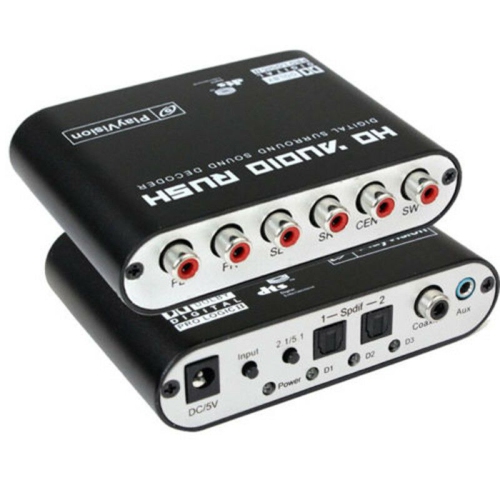
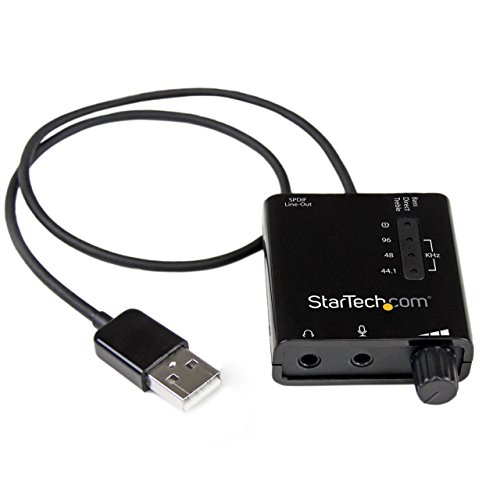
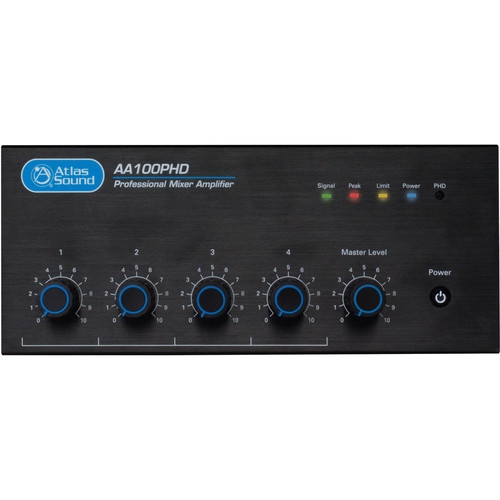
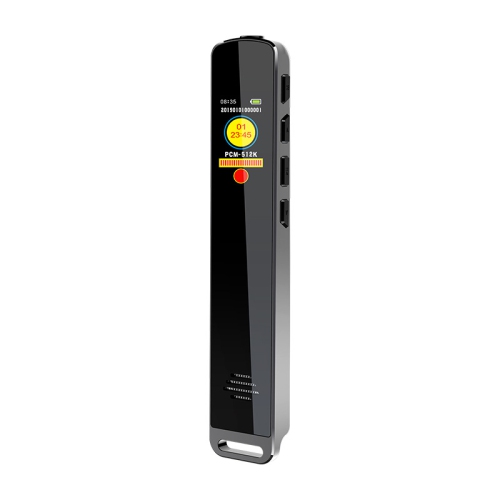
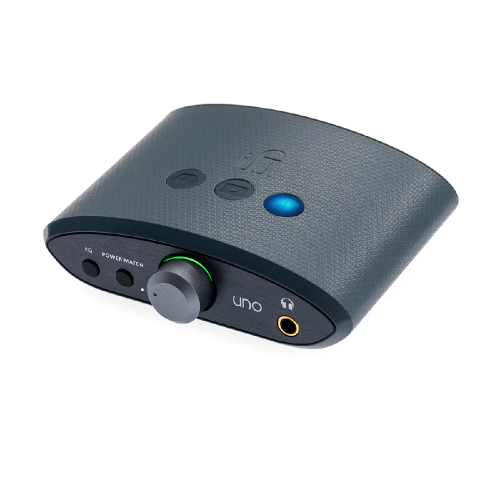
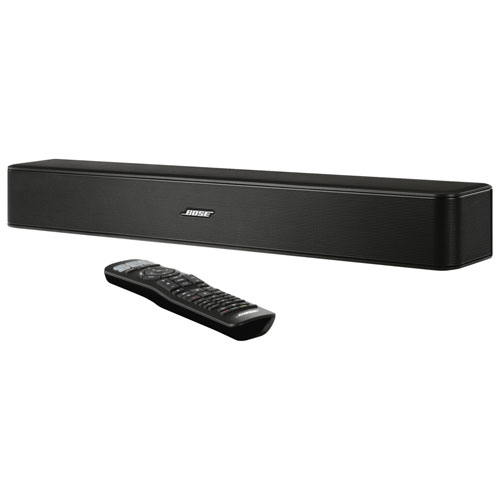
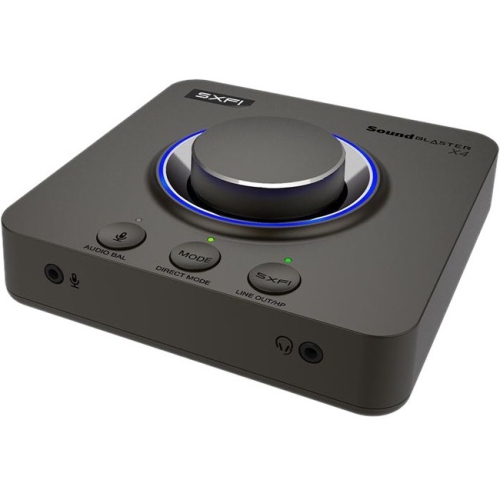
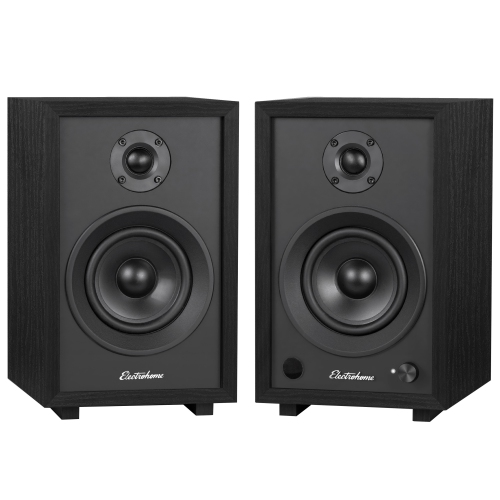
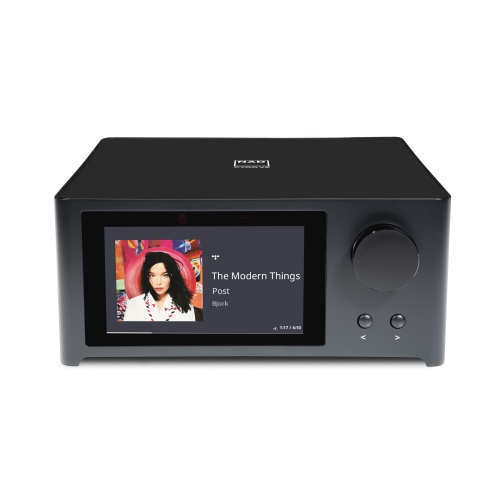
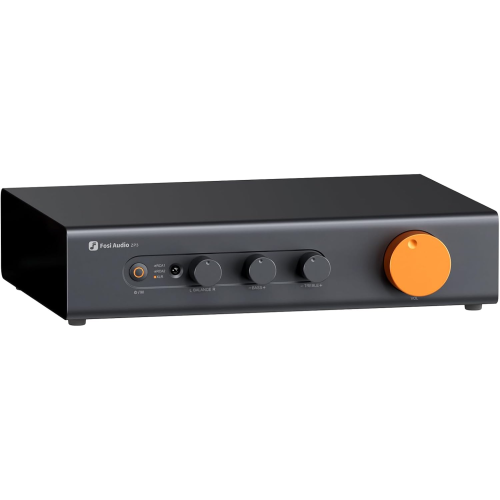
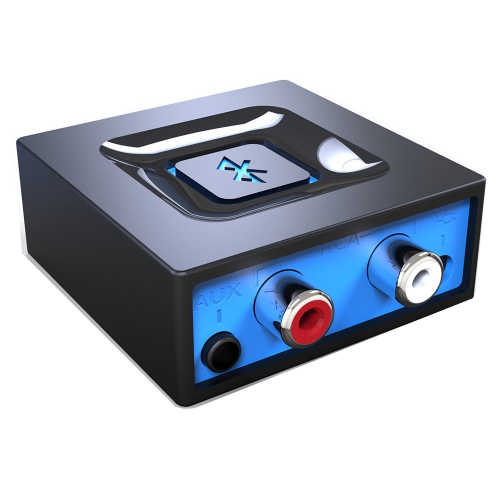
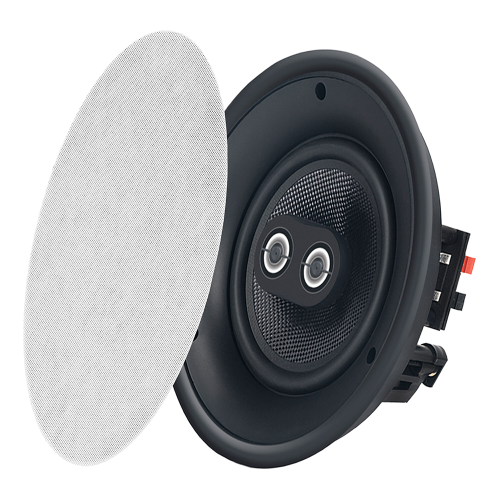
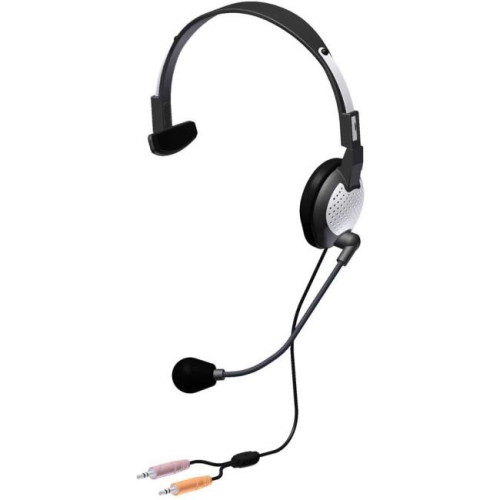
Electronics for audio includes equipment that captures, converts, processes, amplifies, and plays back sound, from a microphone picking up a voice to a speaker filling a room with music. Each part of an audio system has a distinct role. Microphones convert sound waves into electrical signals, while speakers and headphones turn electrical signals back into audible sound. A digital-to-analogue converter, often called a DAC, converts digital audio from a computer, phone, or player into an analogue signal for an amplifier. The amplifier then supplies the power needed to drive compatible speakers or headphones. These functions may sit inside separate components or share a single enclosure, which explains why a compact desktop system can need fewer connections than a component-based stereo. Powered speakers have amplification built in, while passive speakers require a suitable external amplifier or receiver. A stereo receiver typically combines amplification with source selection and radio reception; a home theatre receiver can also manage video connections and multiple surround-sound channels. Audio streamers bring network-based music playback to compatible systems, with Wi-Fi or Ethernet connections depending on the design. For listeners interested in dedicated music systems, Hi Fi Electronics relates to the same focus on faithful playback, compatible components, and sound suited to the listening space. Everyday uses range from hearing the texture of an acoustic guitar at a desk to following quiet dialogue on a television or enjoying a playlist throughout a shared living area. The best fit is not necessarily the system with the most components. A straightforward arrangement can suit someone who wants easy playback from a phone, while separate sources and amplification can appeal to listeners who enjoy adjusting their setup over time. Clear vocals, controlled bass, and comfortable listening levels depend on how the equipment works together, the quality of the source, and where the sound is heard—not simply on the largest power rating.
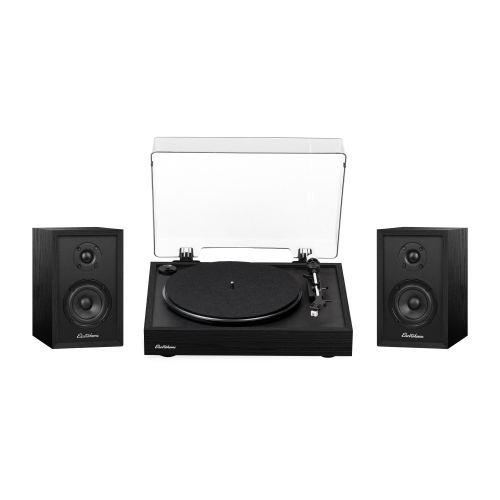
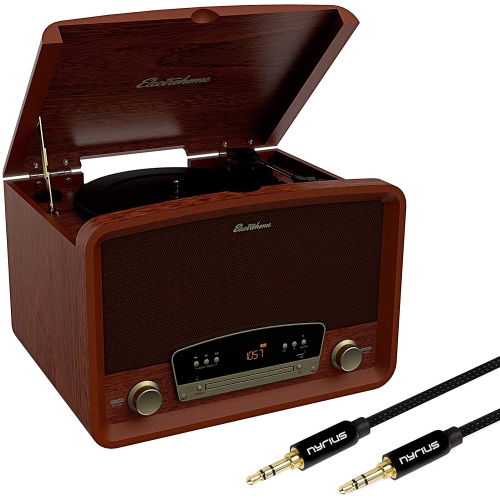
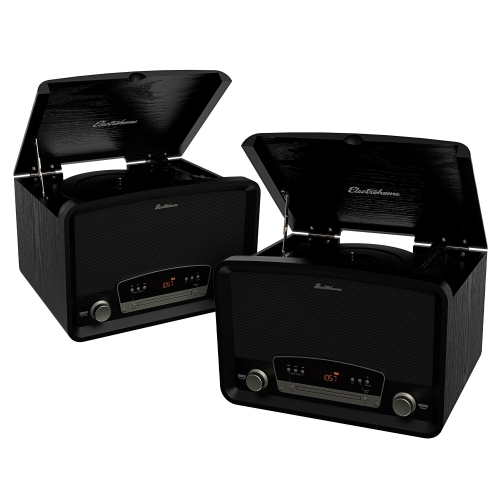
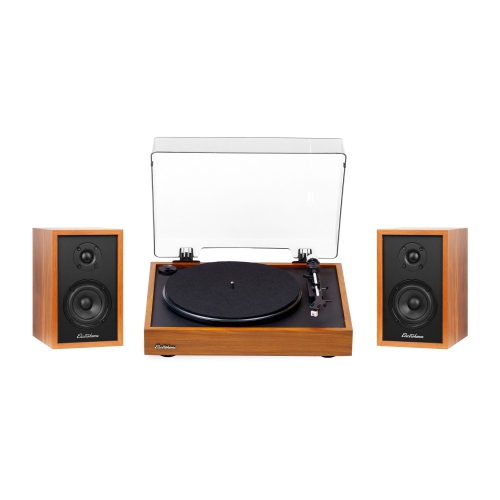
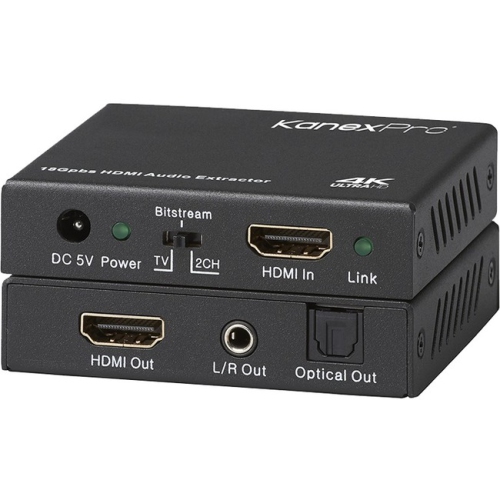
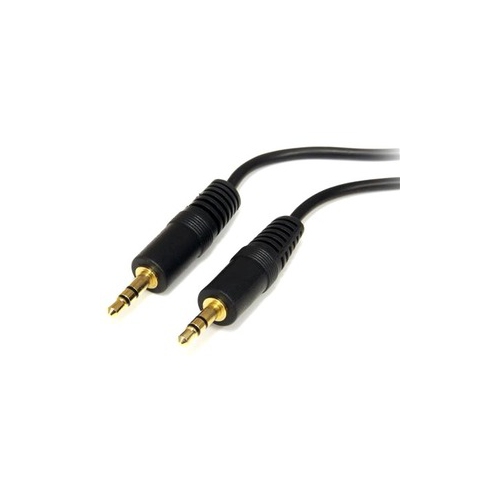
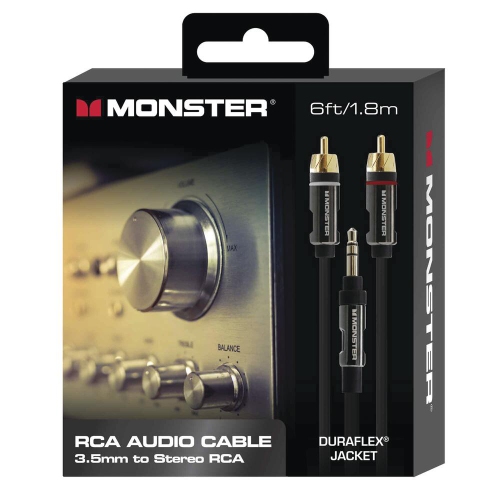
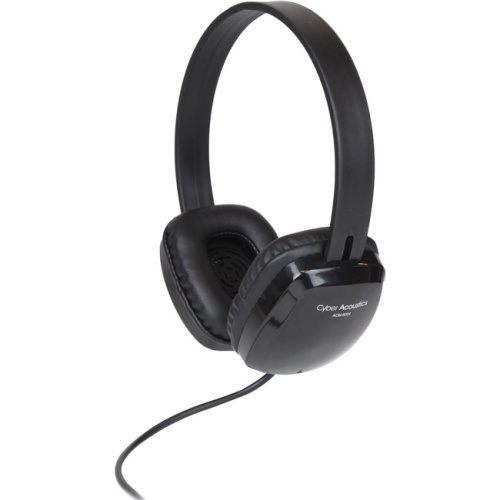
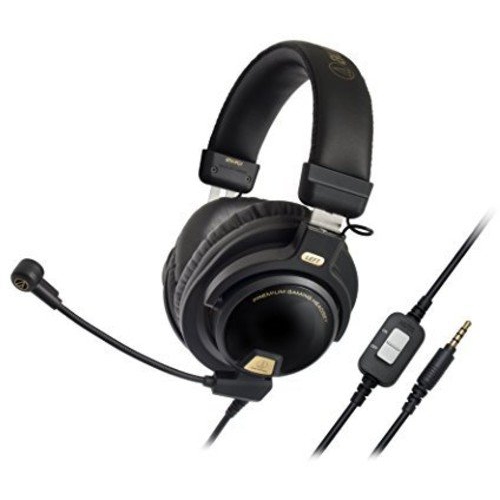
Connections and physical placement make a noticeable difference to how audio equipment fits into daily life. Bluetooth offers convenient wireless playback between compatible devices, while network-connected equipment may support streaming services or coordinated playback across rooms. Those capabilities vary, and wireless connectivity alone does not guarantee that different components will share every feature. Wired connections remain useful for predictable routing between sources, amplifiers, and speakers. Analogue inputs accept an already converted audio signal, while optical, coaxial digital, and compatible USB connections carry digital audio for conversion elsewhere in the system. Matching connector shapes is only part of compatibility: the input must also support the signal being sent. A turntable without a built-in phono preamplifier, for example, generally needs an appropriate phono stage before connecting to a standard line-level input. Passive speakers also need an amplifier suited to their impedance and power requirements; wattage figures are most meaningful when their measurement conditions are comparable. In a small office, speakers placed near ear height and away from a crowded corner can provide a more balanced presentation than larger speakers squeezed behind a monitor. In a living room, seating distance, open doorways, rugs, and upholstered furniture all influence the sound that reaches the listener. Strong bass in one seat may sound much lighter a short distance away because of room acoustics. Cabinet dimensions, cable clearance, and ventilation space matter as much as the visible footprint when equipment sits on a shelf. Headphones introduce a different kind of fit: headband adjustment, ear-cup depth, cushion softness, and overall weight affect comfort through a long album or an evening call. Closed-back designs help limit sound leakage, while open-back designs allow more sound to pass in both directions. Active noise cancellation can reduce some steady background noise, but its effectiveness varies with fit and the type of sound around the listener. For television or gaming, connection latency also matters because a delay between picture and sound can make dialogue and actions feel disconnected.
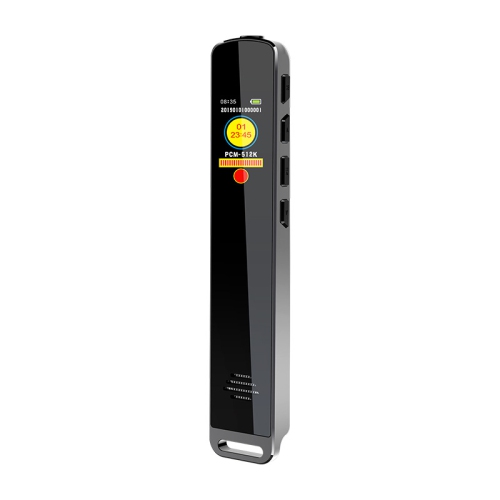
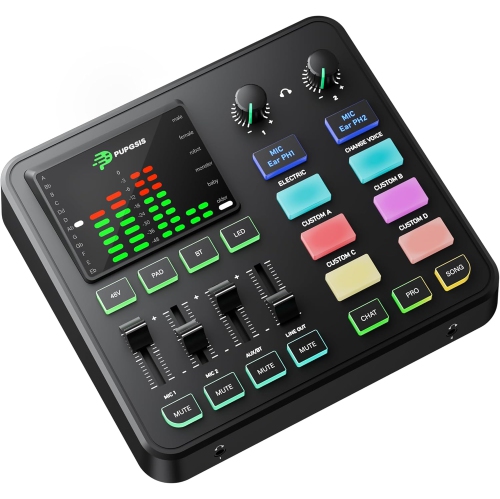
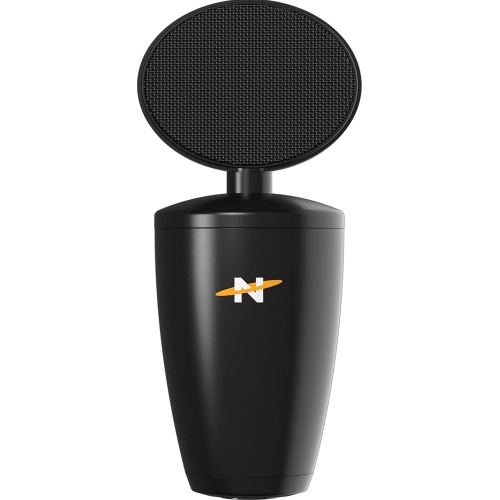
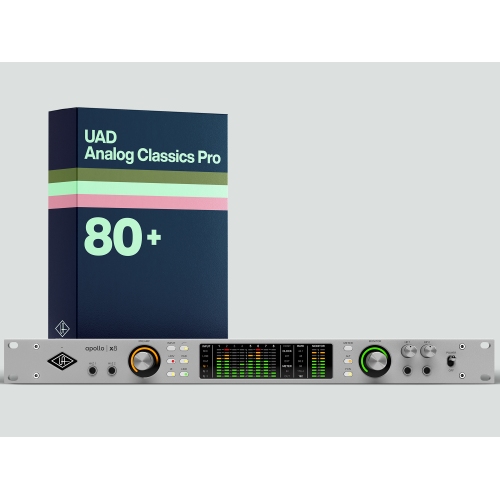
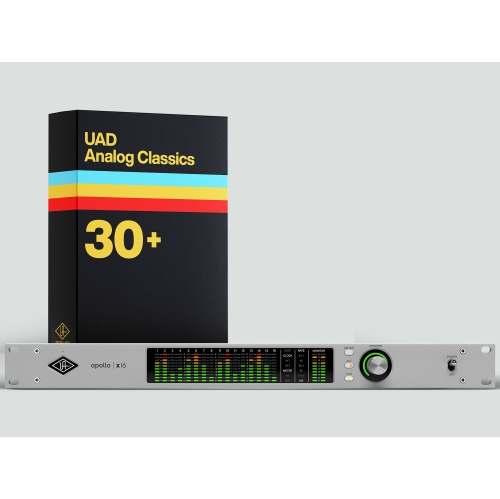
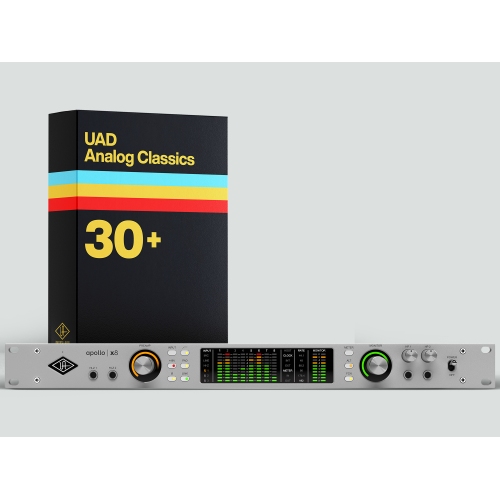
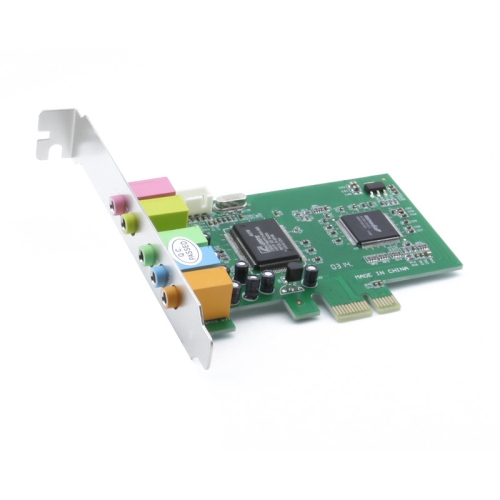
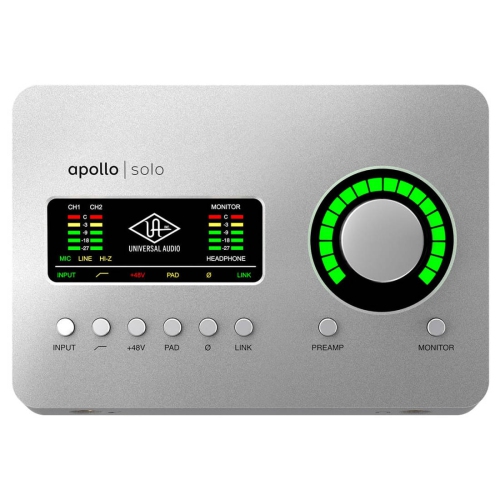
Audio electronics also supports the people making the sound, whether that means a student recording a presentation, a musician capturing a practice session, or a remote worker speaking clearly during meetings. An audio interface connects compatible microphones or instruments to a computer and typically handles both analogue-to-digital conversion for recording and digital-to-analogue conversion for playback. Microphone inputs may include preamplifiers to raise low-level signals, and some microphones require phantom power from a compatible input. Direct monitoring, where supported, lets a performer hear the incoming signal without the distracting delay that computer processing can introduce. Microphone directionality is another practical consideration: a directional design can help emphasize a speaker's voice, although positioning and room noise still affect the result. Durable construction matters across listening and recording equipment, especially when devices move between a desk, rehearsal space, and carrying bag. Metal housings can provide rigidity, while well-designed plastic enclosures can keep portable equipment lighter. Speaker cabinets commonly use wood-based panels or moulded materials, with bracing and construction helping control unwanted vibration. For headphones, replaceable ear cushions and detachable cables can make routine wear easier to address, particularly around frequently handled connectors. Care usually involves gentle cleaning with a soft cloth, keeping moisture away from openings, and following the manufacturer's directions for cushions, grilles, and finishes. Ventilation slots need to stay clear, and cables last better when they are loosely arranged rather than sharply bent or pulled out by the cord. Rechargeable equipment brings charging connections and battery care into the routine, while mains-powered components need a suitable location near an outlet. Audio equipment can make a thoughtful gift for a music lover, film enthusiast, gamer, or aspiring creator when it matches an existing setup and the way that person listens or works. Someone sharing a home may value comfortable private listening more than room-filling output; someone recording spoken-word projects may benefit most from clear voice capture and simple controls. Across these uses, practical compatibility, accessible controls, dependable construction, and sound that remains enjoyable at moderate volume give audio electronics a lasting place in everyday routines.
Connections and physical placement make a noticeable difference to how audio equipment fits into daily life. Bluetooth offers convenient wireless playback between compatible devices, while network-connected equipment may support streaming services or coordinated playback across rooms. Those capabilities vary, and wireless connectivity alone does not guarantee that different components will share every feature. Wired connections remain useful for predictable routing between sources, amplifiers, and speakers. Analogue inputs accept an already converted audio signal, while optical, coaxial digital, and compatible USB connections carry digital audio for conversion elsewhere in the system. Matching connector shapes is only part of compatibility: the input must also support the signal being sent. A turntable without a built-in phono preamplifier, for example, generally needs an appropriate phono stage before connecting to a standard line-level input. Passive speakers also need an amplifier suited to their impedance and power requirements; wattage figures are most meaningful when their measurement conditions are comparable. In a small office, speakers placed near ear height and away from a crowded corner can provide a more balanced presentation than larger speakers squeezed behind a monitor. In a living room, seating distance, open doorways, rugs, and upholstered furniture all influence the sound that reaches the listener. Strong bass in one seat may sound much lighter a short distance away because of room acoustics. Cabinet dimensions, cable clearance, and ventilation space matter as much as the visible footprint when equipment sits on a shelf. Headphones introduce a different kind of fit: headband adjustment, ear-cup depth, cushion softness, and overall weight affect comfort through a long album or an evening call. Closed-back designs help limit sound leakage, while open-back designs allow more sound to pass in both directions. Active noise cancellation can reduce some steady background noise, but its effectiveness varies with fit and the type of sound around the listener. For television or gaming, connection latency also matters because a delay between picture and sound can make dialogue and actions feel disconnected.
Audio electronics also supports the people making the sound, whether that means a student recording a presentation, a musician capturing a practice session, or a remote worker speaking clearly during meetings. An audio interface connects compatible microphones or instruments to a computer and typically handles both analogue-to-digital conversion for recording and digital-to-analogue conversion for playback. Microphone inputs may include preamplifiers to raise low-level signals, and some microphones require phantom power from a compatible input. Direct monitoring, where supported, lets a performer hear the incoming signal without the distracting delay that computer processing can introduce. Microphone directionality is another practical consideration: a directional design can help emphasize a speaker's voice, although positioning and room noise still affect the result. Durable construction matters across listening and recording equipment, especially when devices move between a desk, rehearsal space, and carrying bag. Metal housings can provide rigidity, while well-designed plastic enclosures can keep portable equipment lighter. Speaker cabinets commonly use wood-based panels or moulded materials, with bracing and construction helping control unwanted vibration. For headphones, replaceable ear cushions and detachable cables can make routine wear easier to address, particularly around frequently handled connectors. Care usually involves gentle cleaning with a soft cloth, keeping moisture away from openings, and following the manufacturer's directions for cushions, grilles, and finishes. Ventilation slots need to stay clear, and cables last better when they are loosely arranged rather than sharply bent or pulled out by the cord. Rechargeable equipment brings charging connections and battery care into the routine, while mains-powered components need a suitable location near an outlet. Audio equipment can make a thoughtful gift for a music lover, film enthusiast, gamer, or aspiring creator when it matches an existing setup and the way that person listens or works. Someone sharing a home may value comfortable private listening more than room-filling output; someone recording spoken-word projects may benefit most from clear voice capture and simple controls. Across these uses, practical compatibility, accessible controls, dependable construction, and sound that remains enjoyable at moderate volume give audio electronics a lasting place in everyday routines.
Top selling and popular products
-
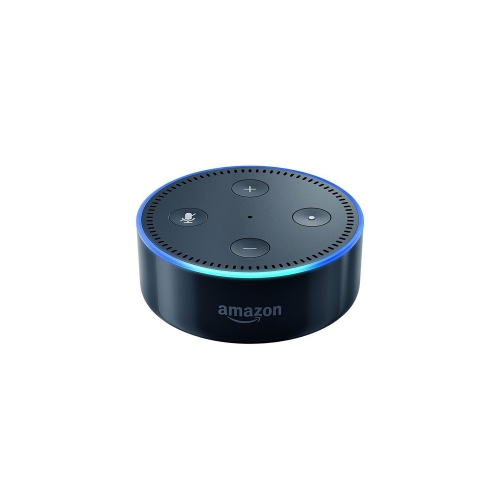 Your price for this item is $48.99
 -
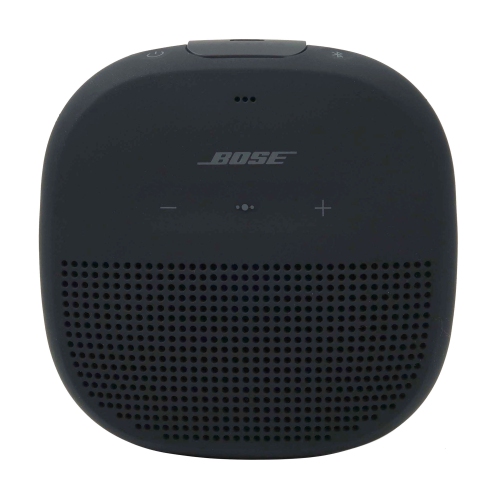 Your price for this item is $110
 -
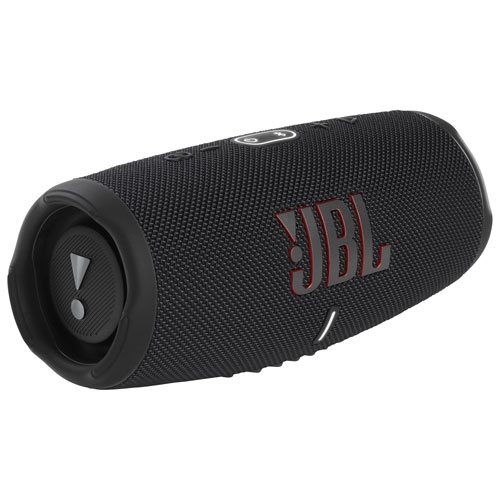 Your price for this item is $239.98
 -
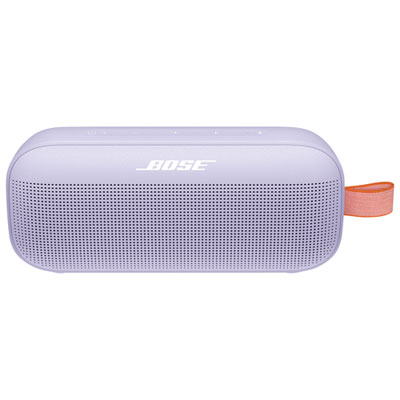 Your price for this item is $149.99
 -
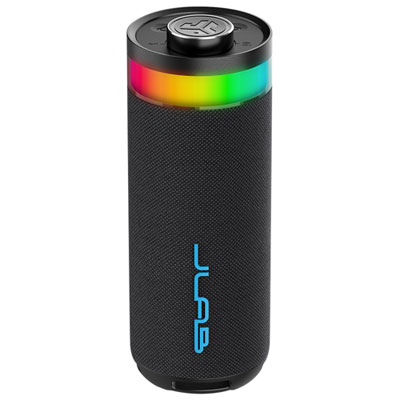 Your price for this item is $59.99
 -
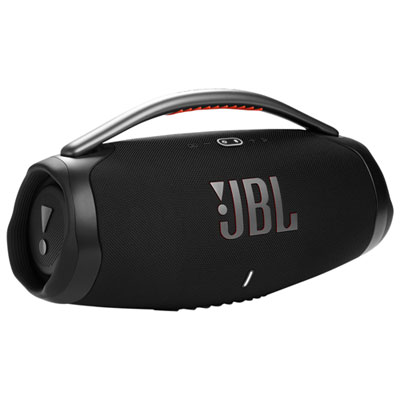 Your price for this item is $399.99
 -
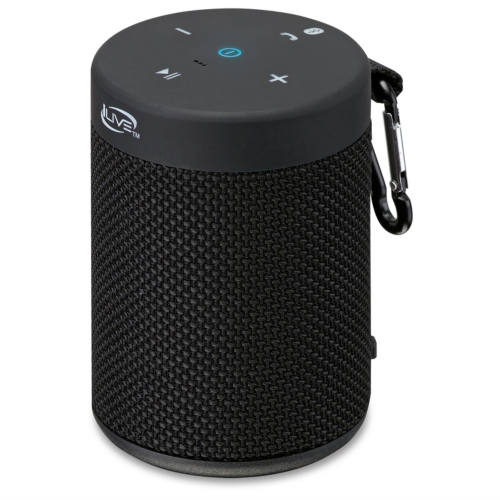 Your price for this item is $23.68
 -
 Your price for this item is $379.98
Discover more categories related to Electronics for Audio
Top Collections:
Pokemon Centers, Kindle Devices, Best Budget Office Chairs, Apple iPhones 16, Best Laptops for Writers, iPhone 15 Apple, Canon G7X Cameras, Refurbished Apple Laptops, Alarm Clock, Motorola Razr Phones
Some products may be subject to Environmental Handling Fees
(EHF) depending on your province.
Learn more about EHFs.