Entertainment Centers for Living Room
Upgrade your living room with an entertainment center that combines style and functionality. Transform your space into a hub of entertainment where you can gather with friends and family for movie nights, gaming sessions, or simply to relax and unwind. Our wide selection of entertainment centers offers a variety of designs, sizes, and storage options to suit any living room decor and accommodate all your media devices. From sleek modern designs to classic and rustic styles, find the perfect entertainment center that will elevate your living room to the next level.
Sort




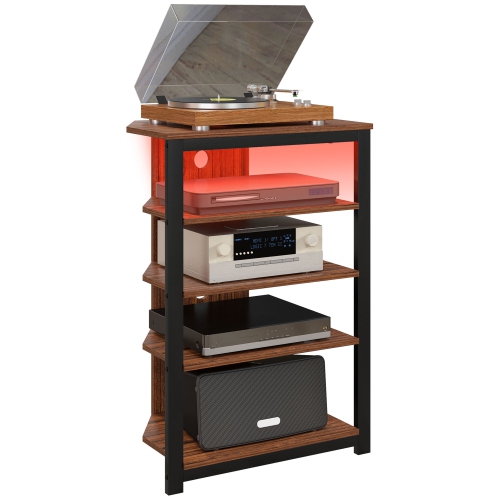

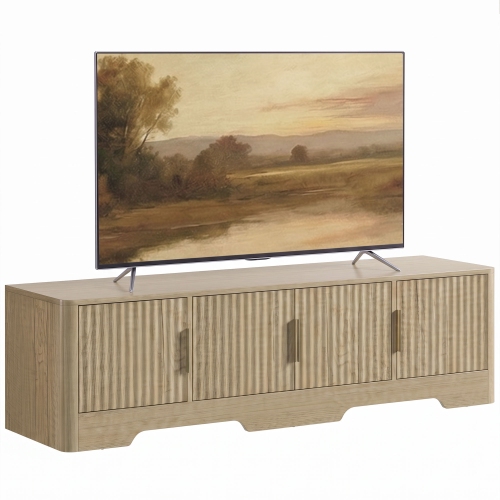


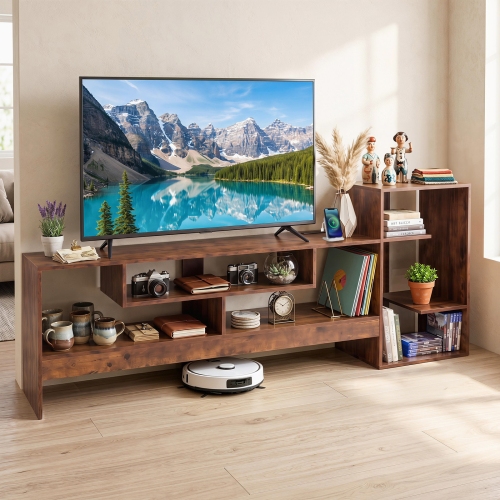


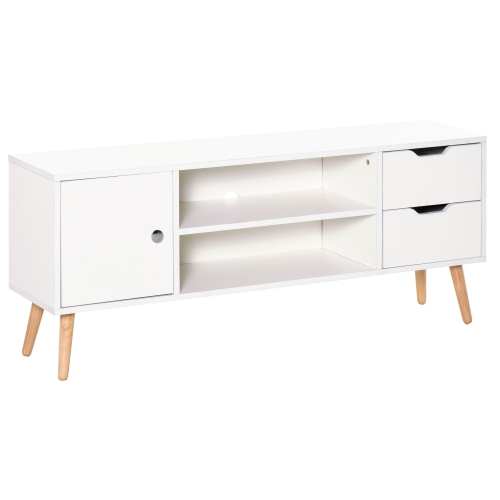






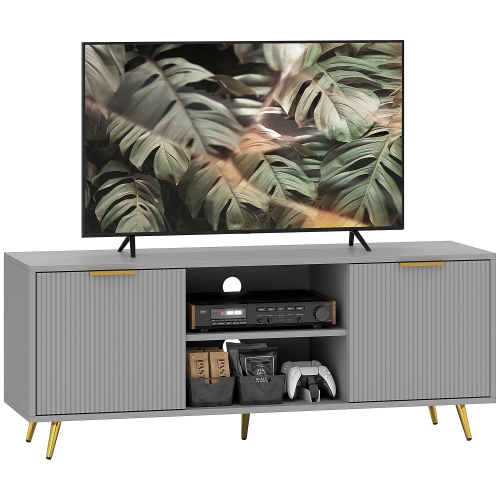


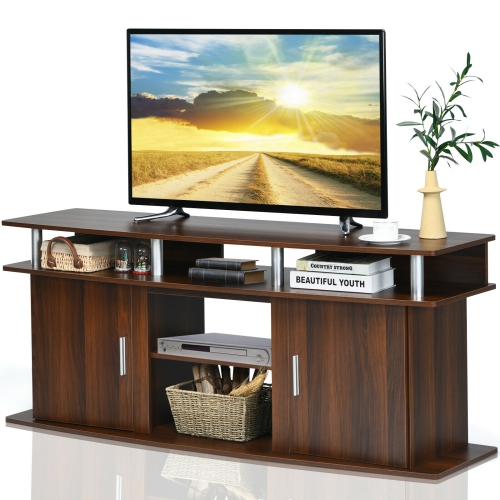
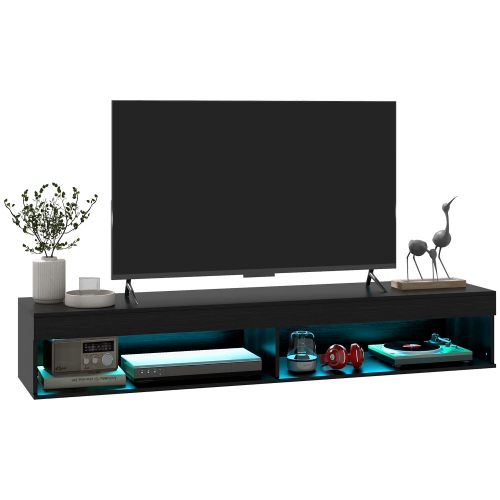


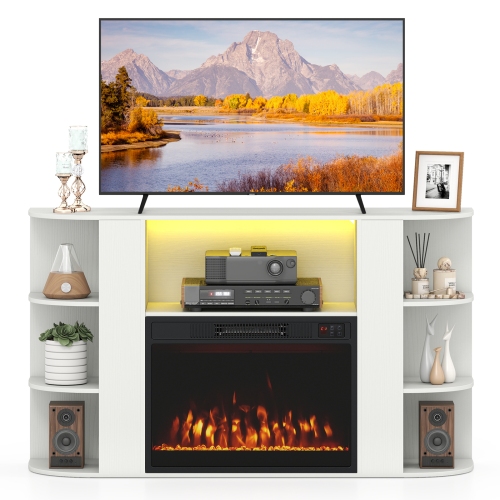

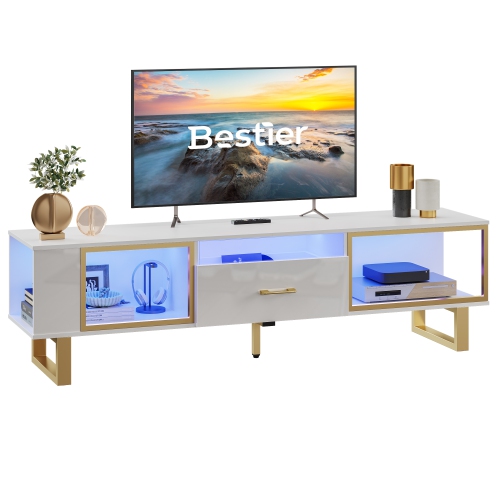

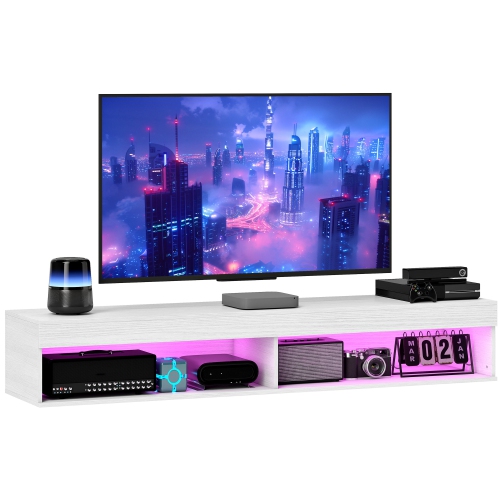

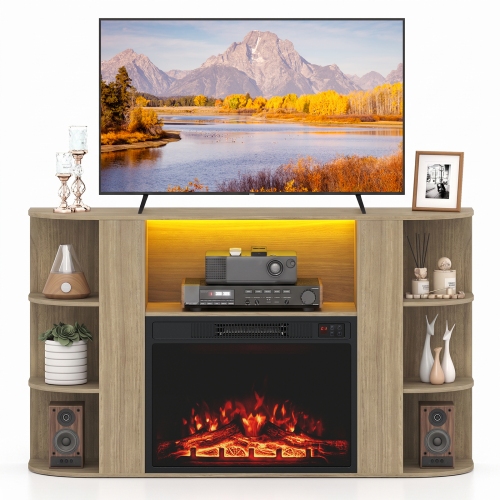
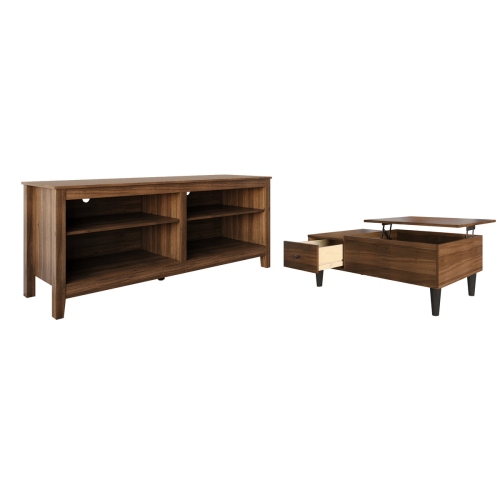


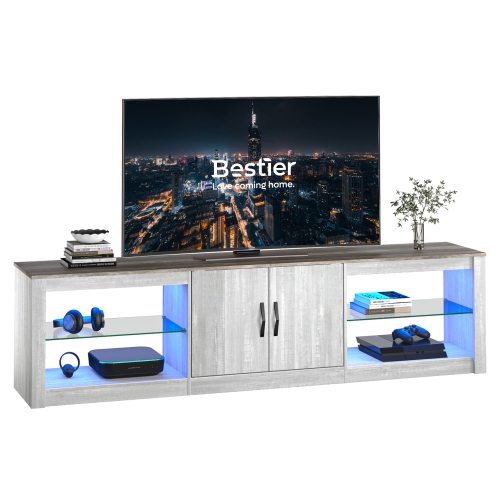


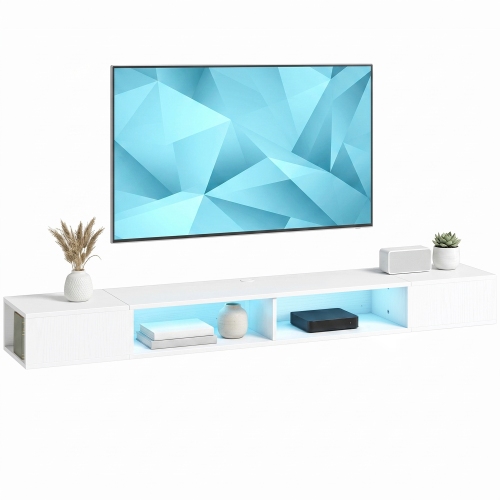


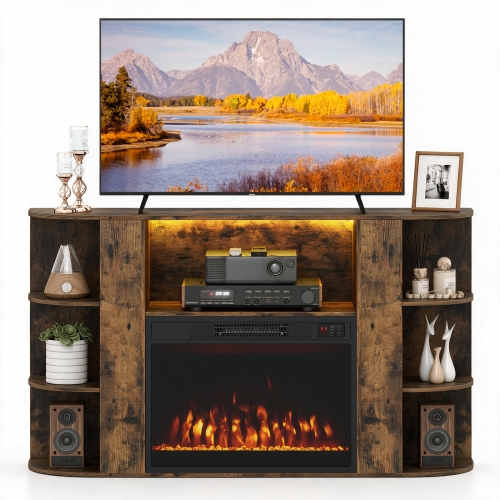
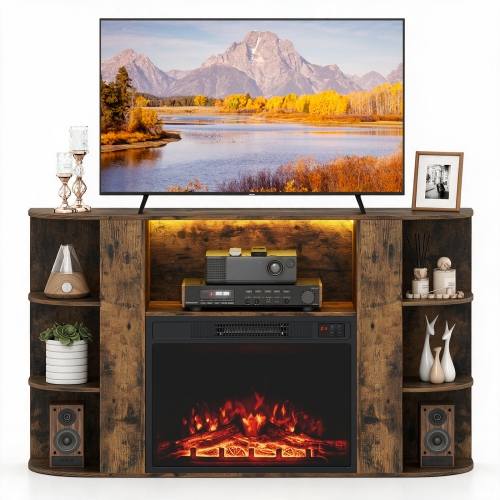






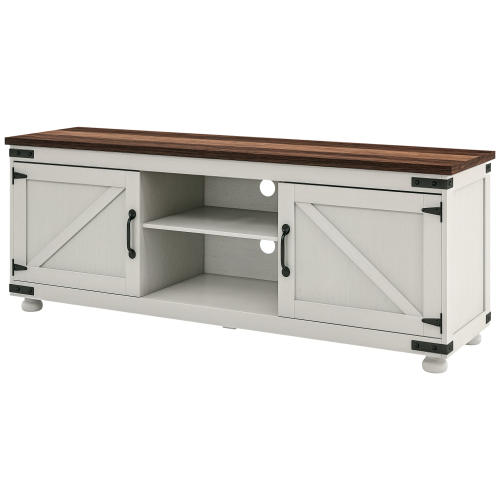

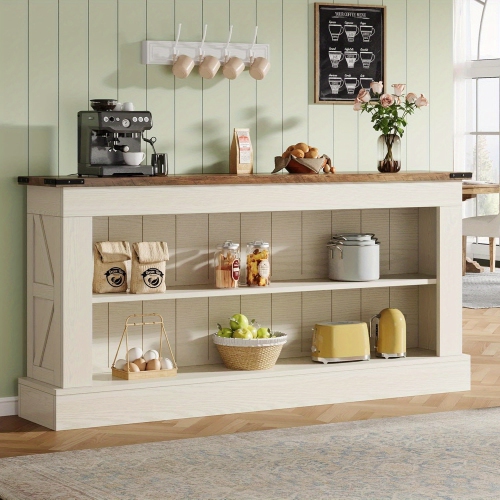
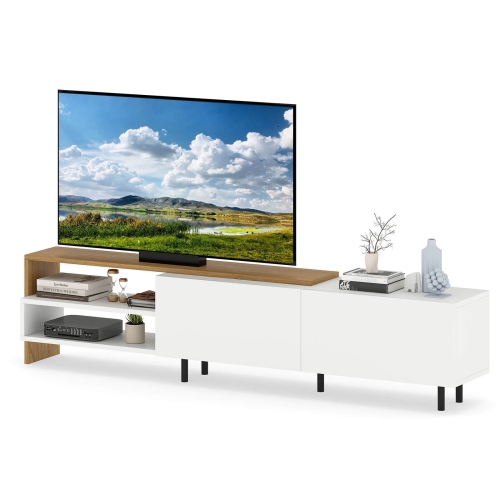


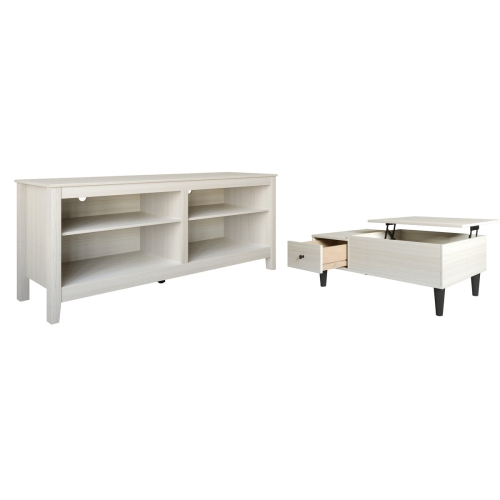
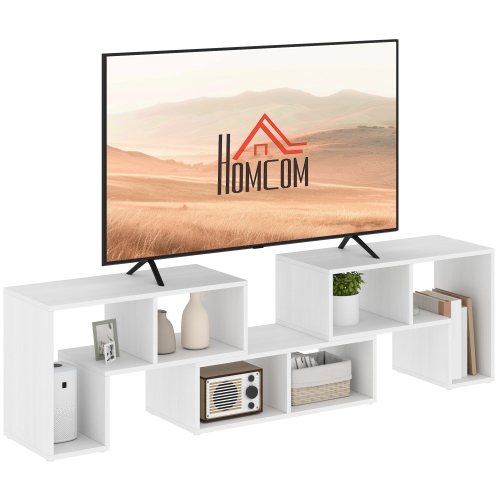
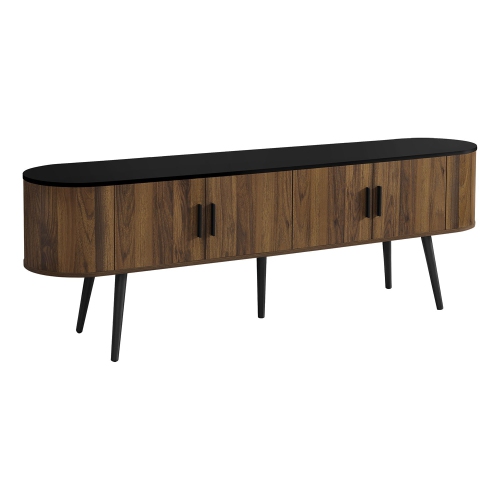
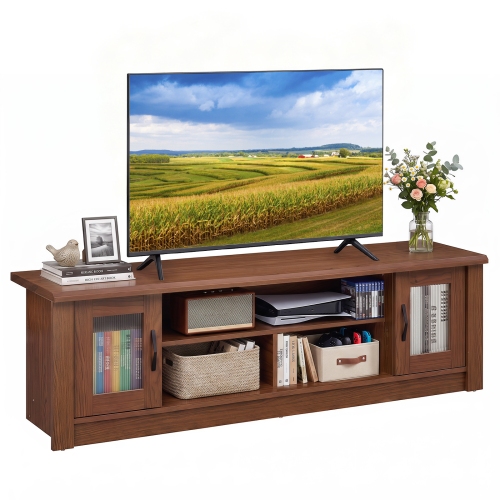


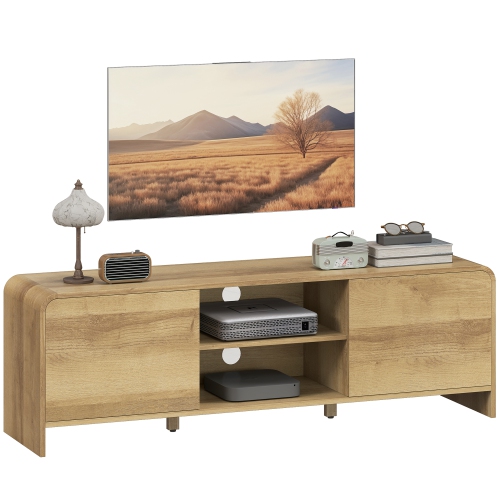





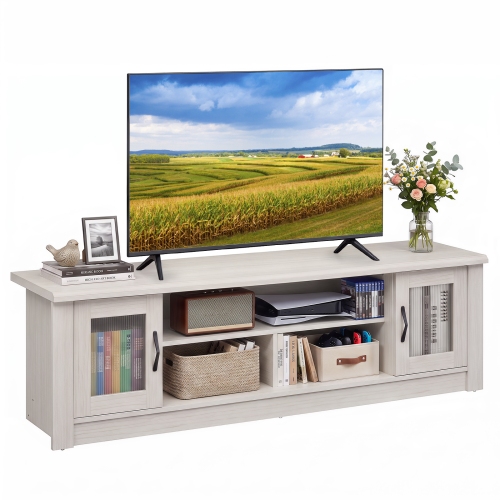


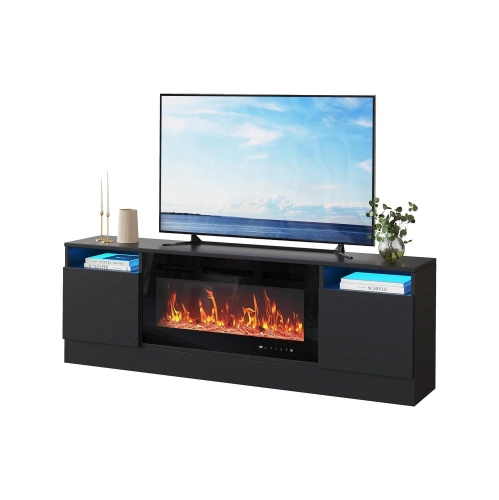
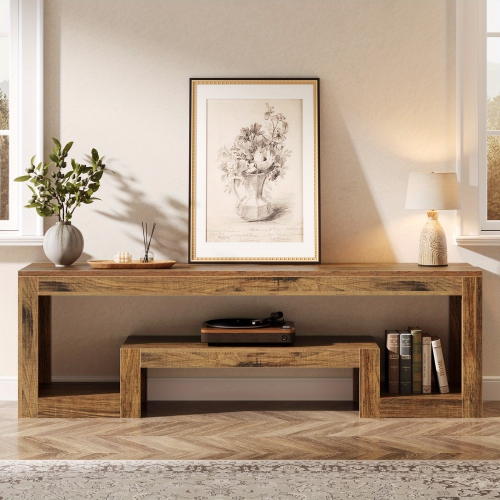

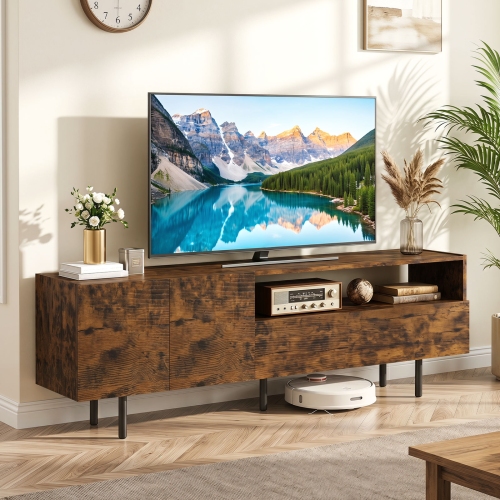
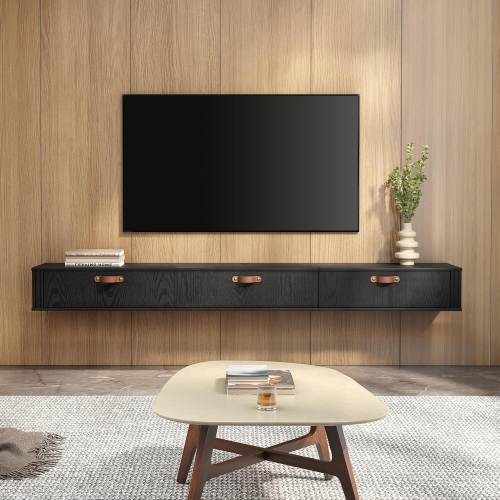

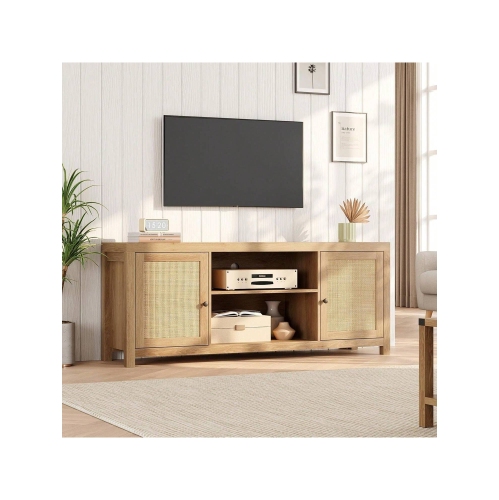
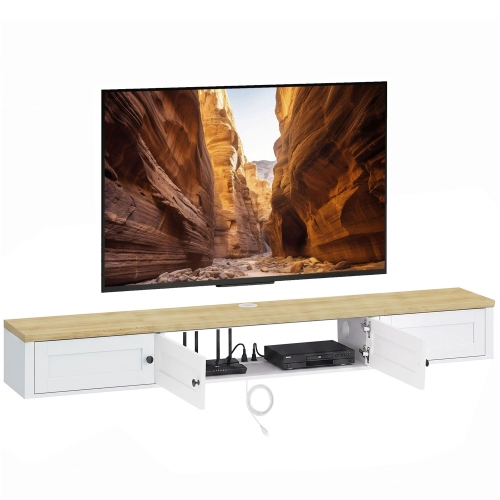

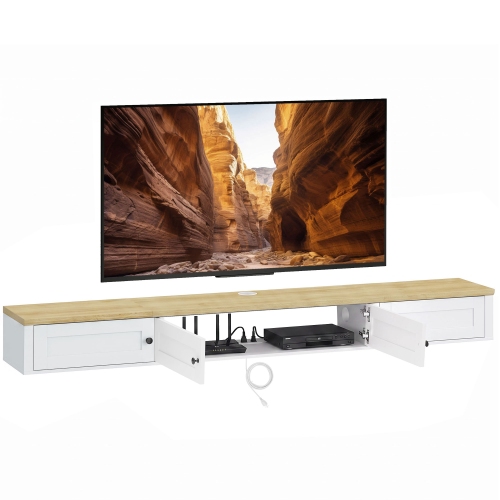

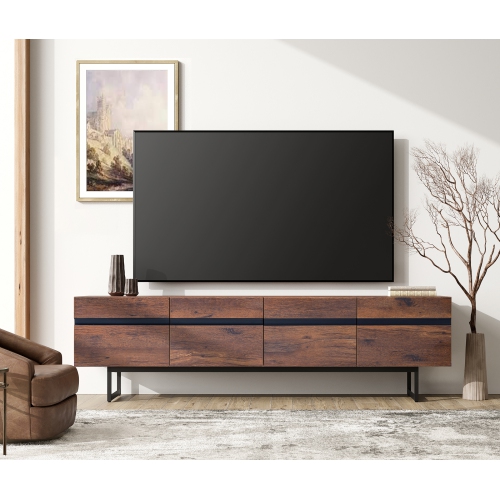
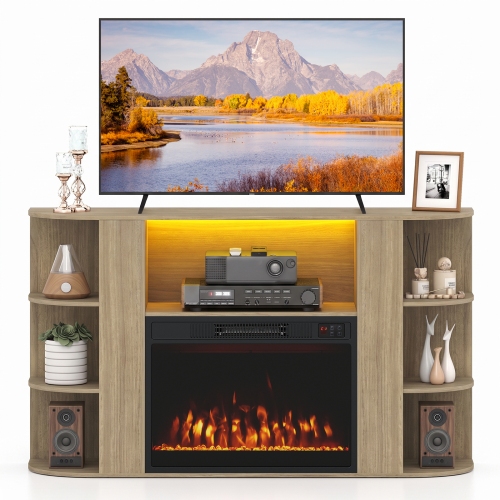

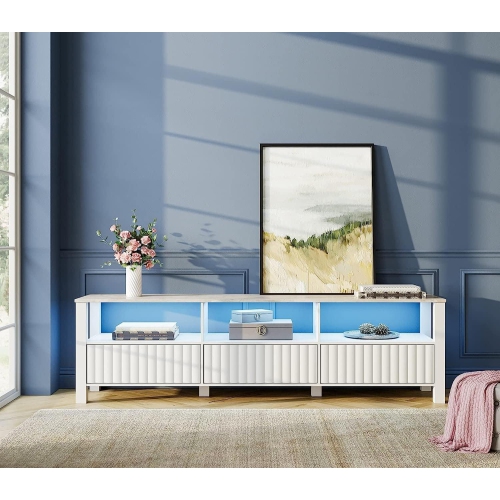

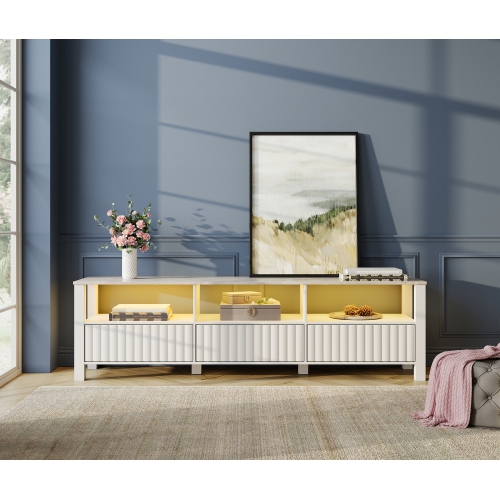


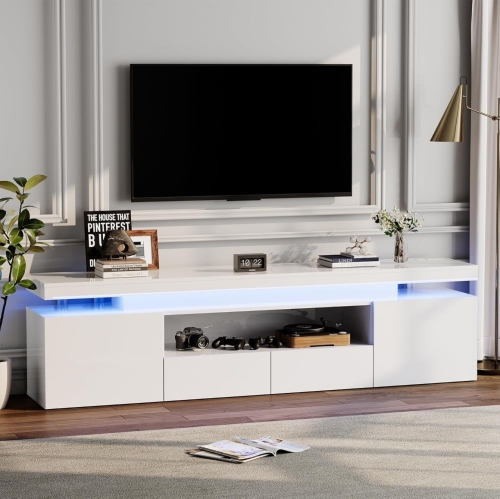
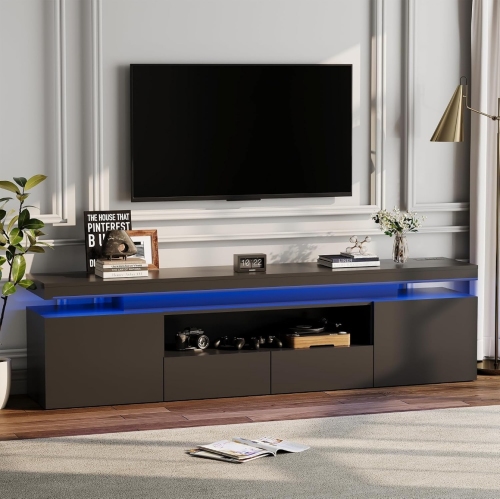
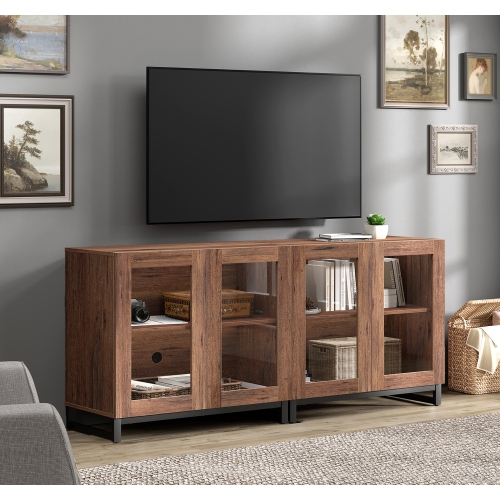


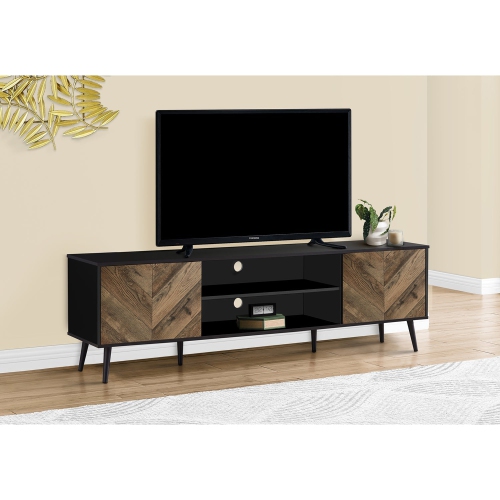

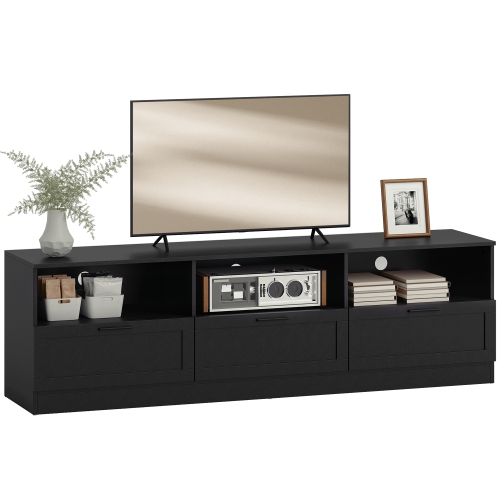

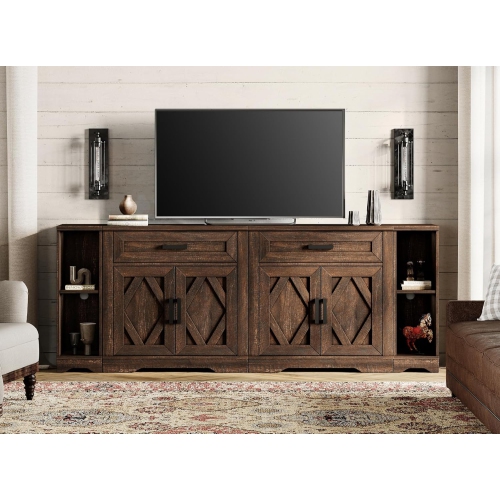

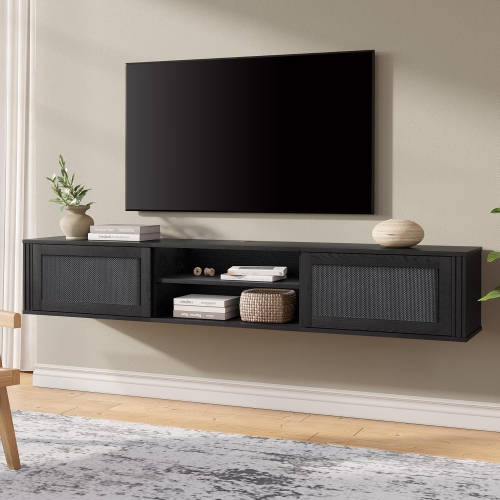

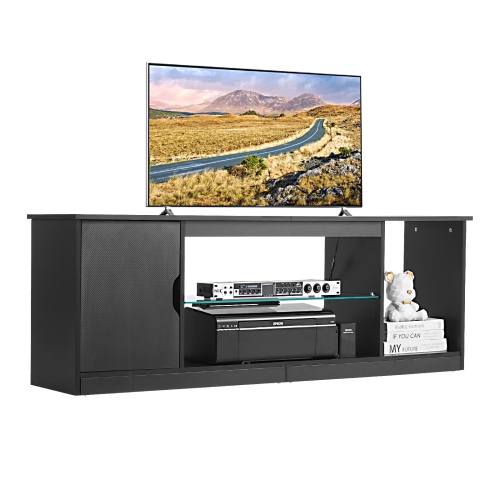








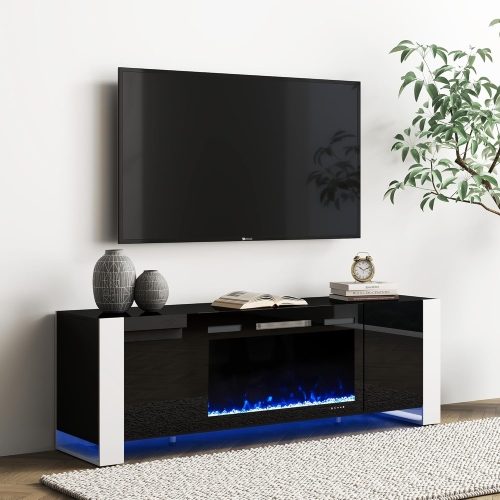

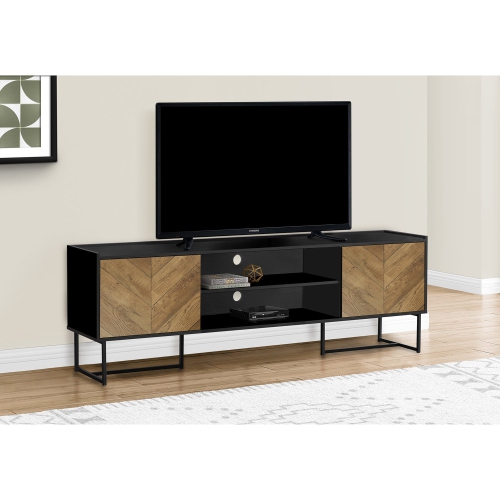
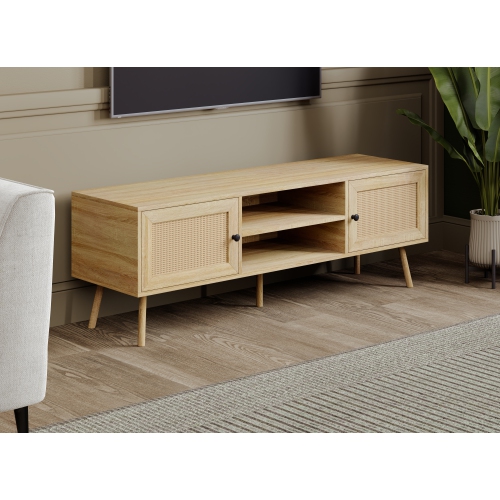
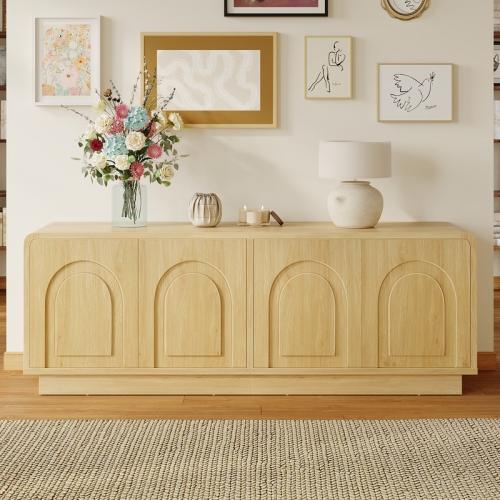


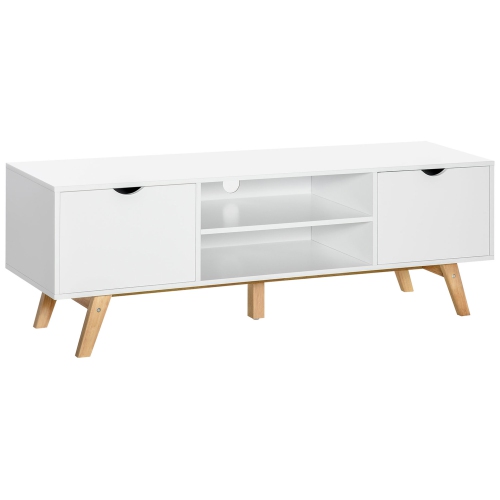


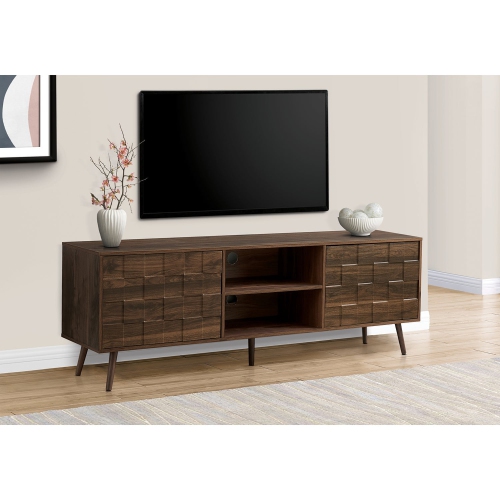


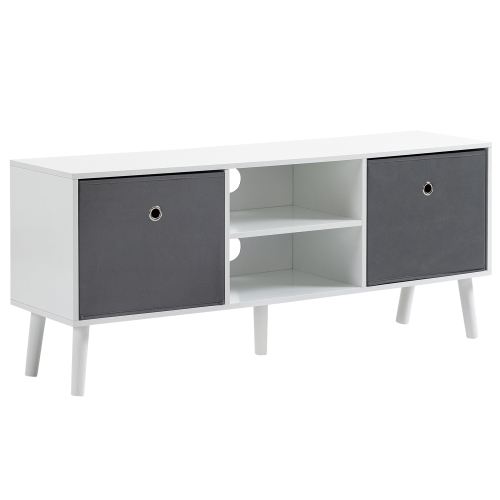
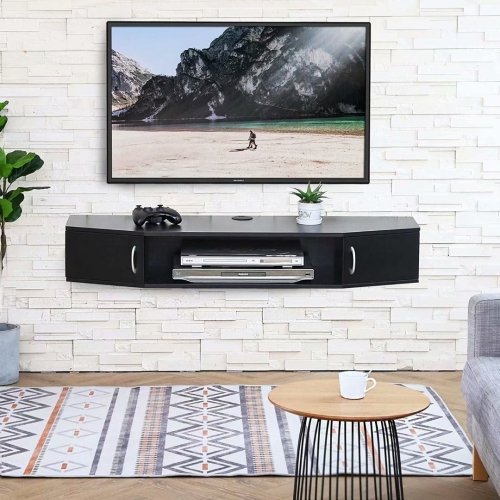


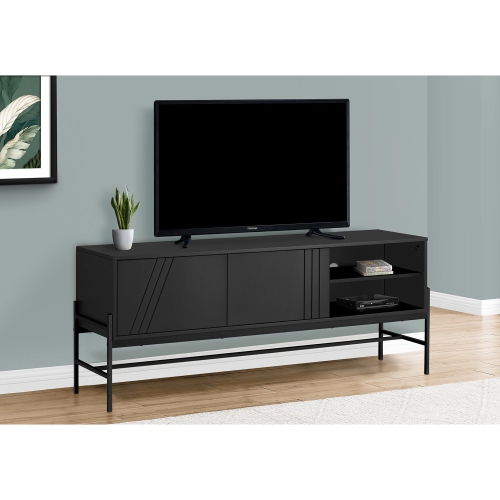
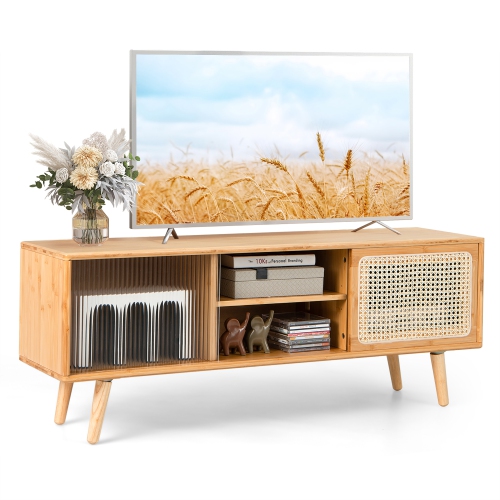


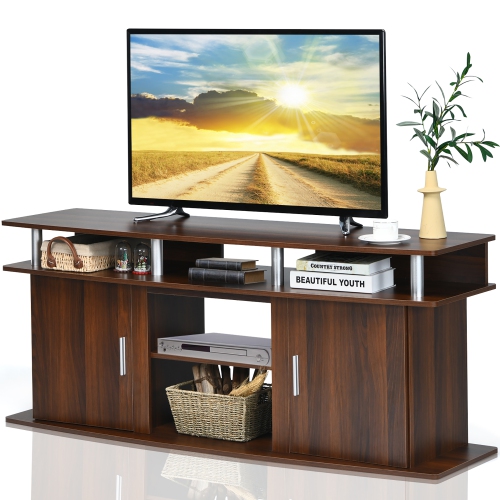
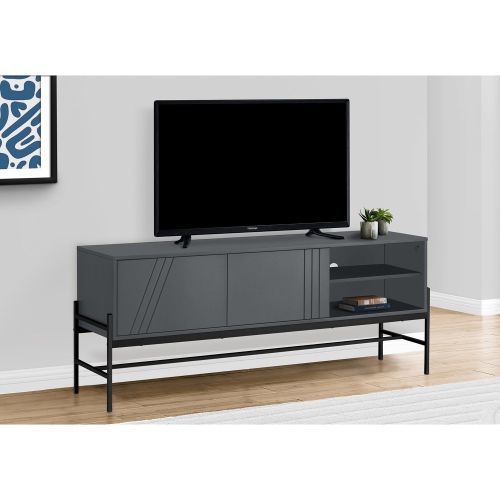


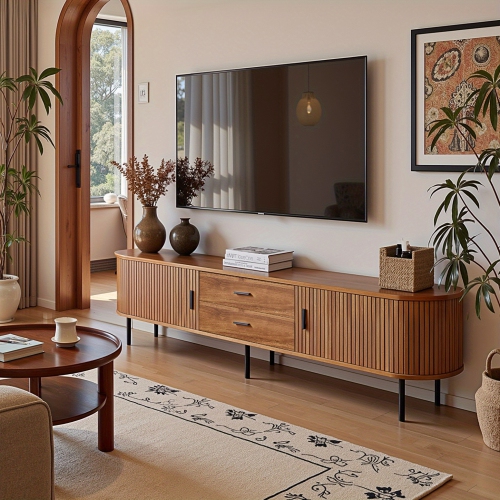


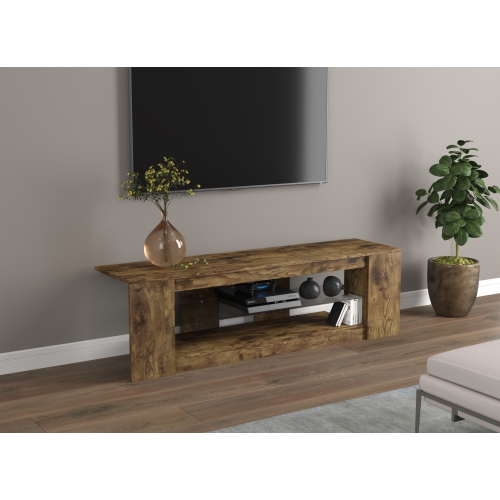
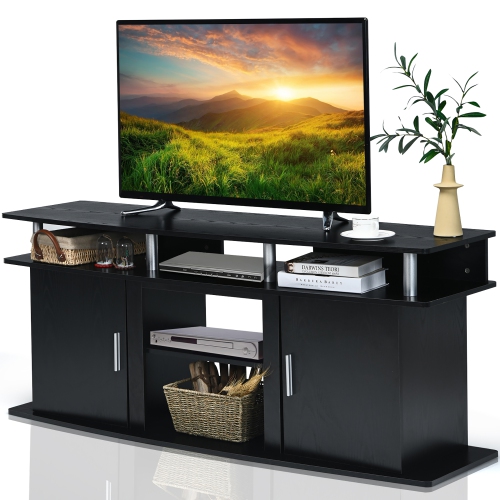
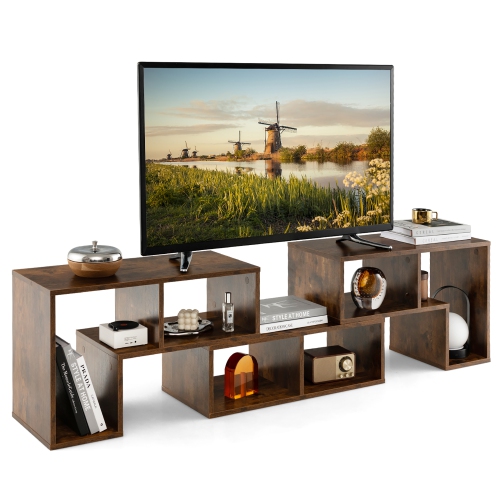


TV furniture that works beyond movie night
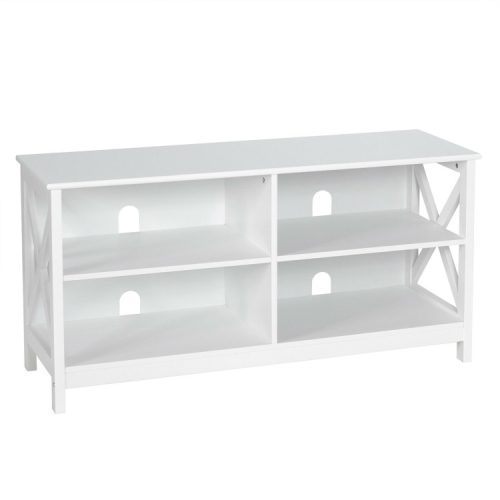
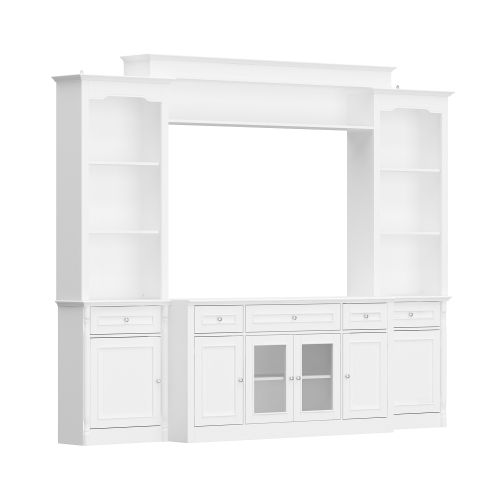
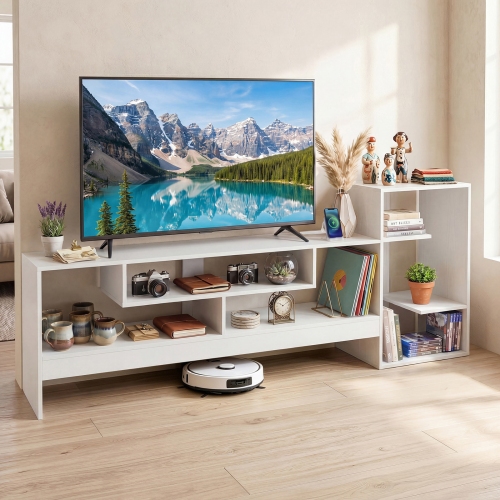
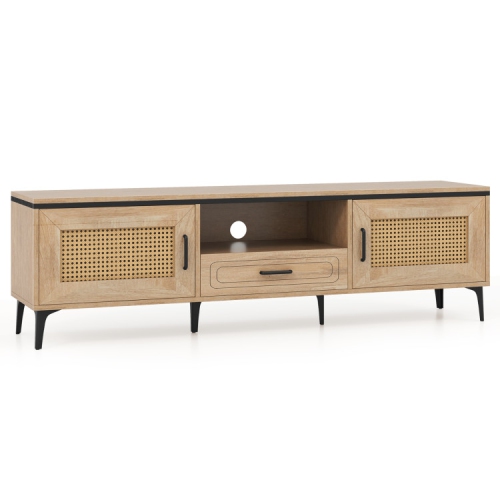
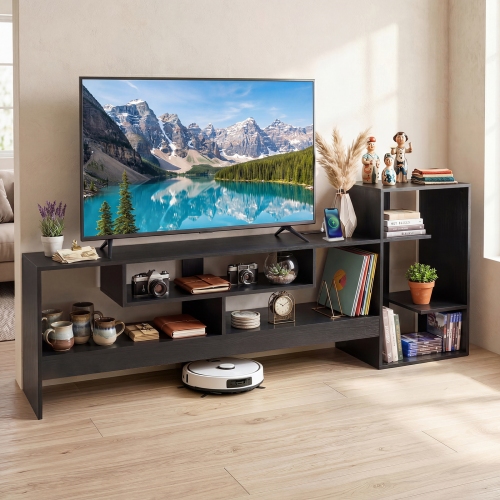
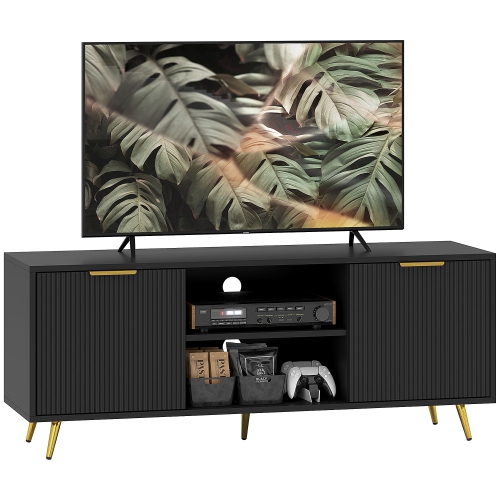
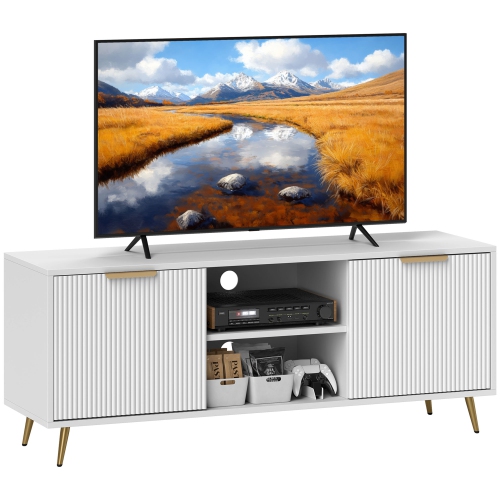
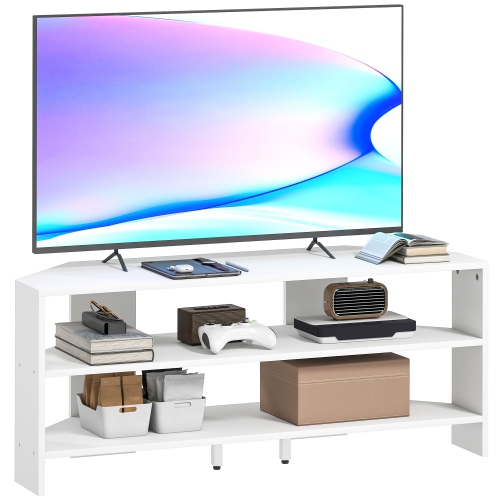
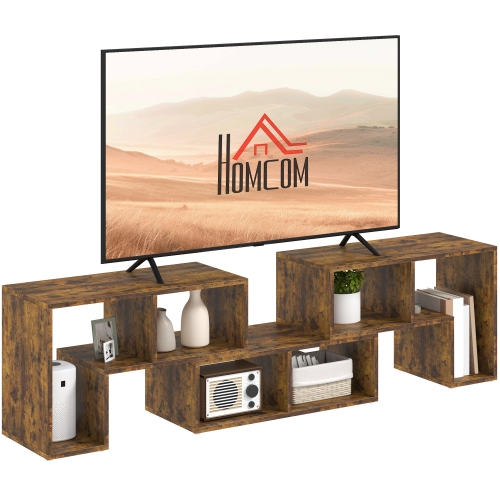
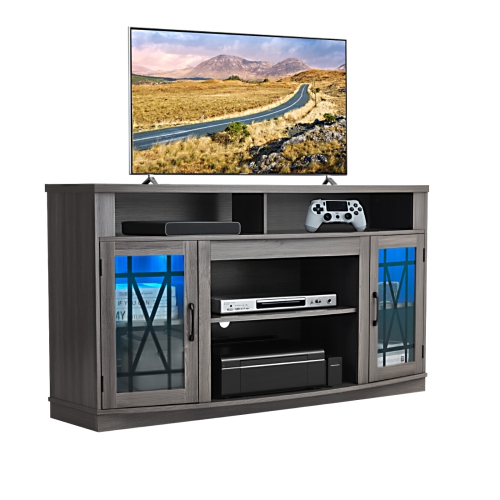
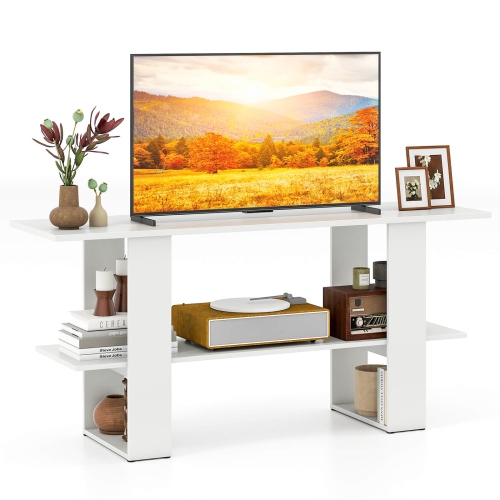
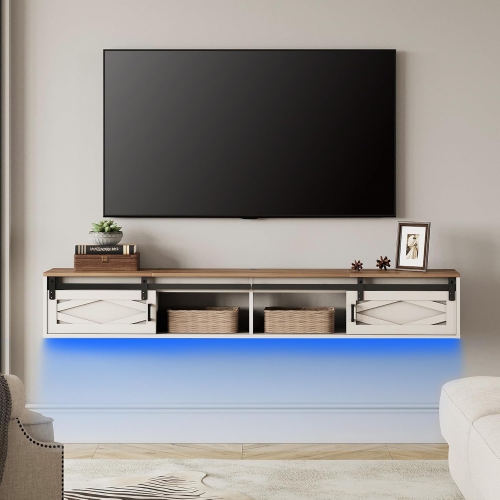
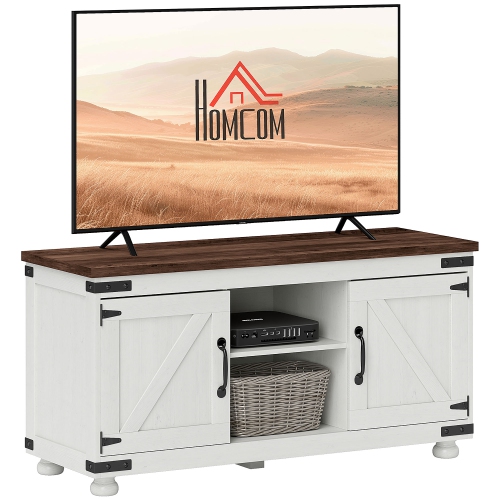
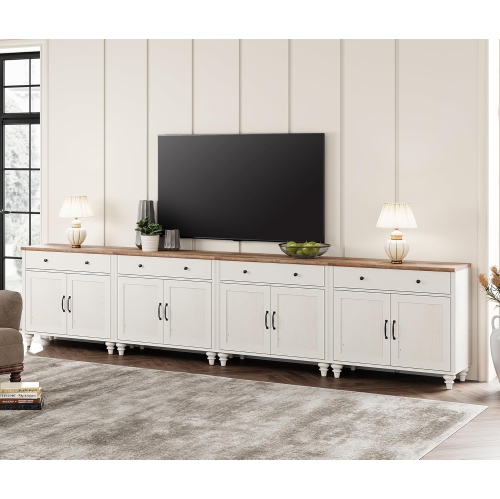
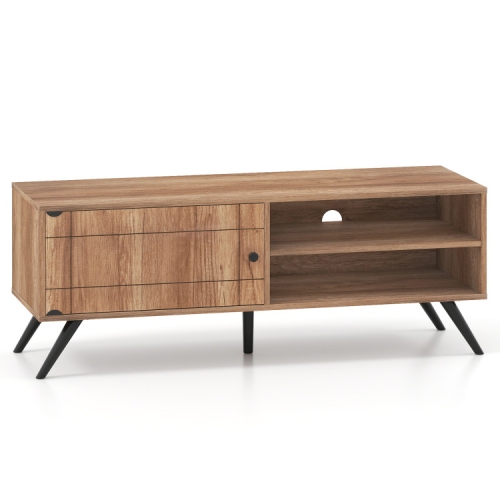
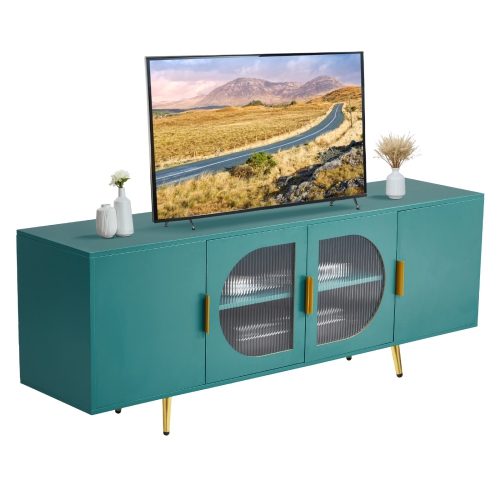
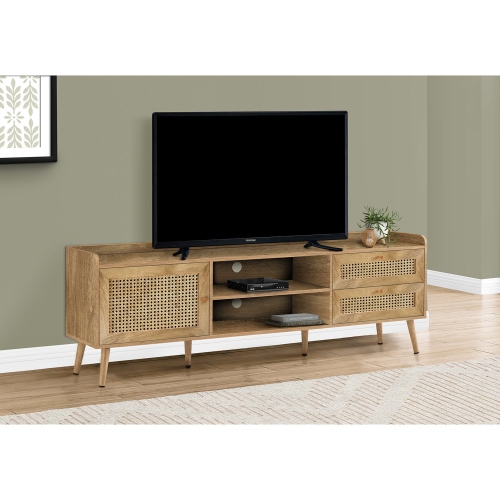
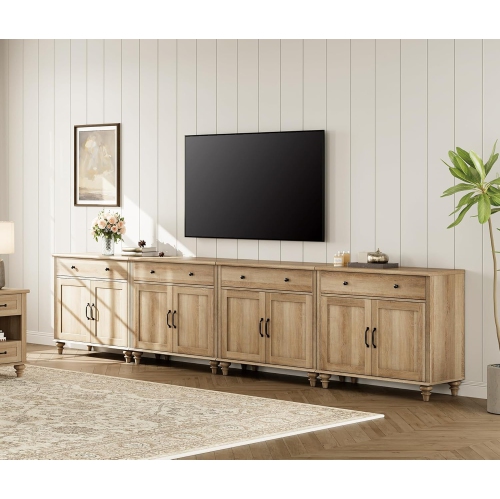
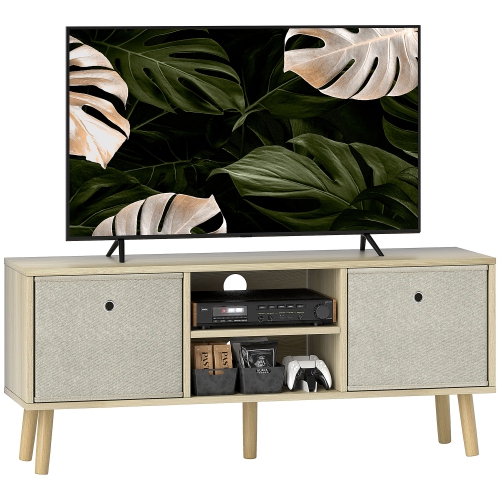
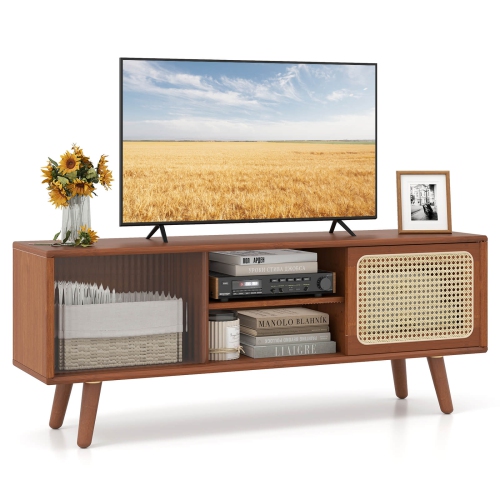
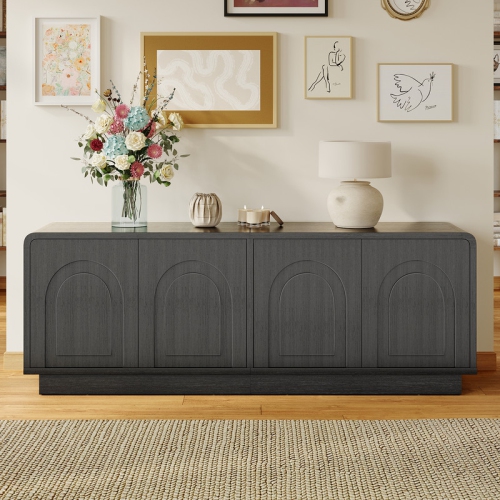
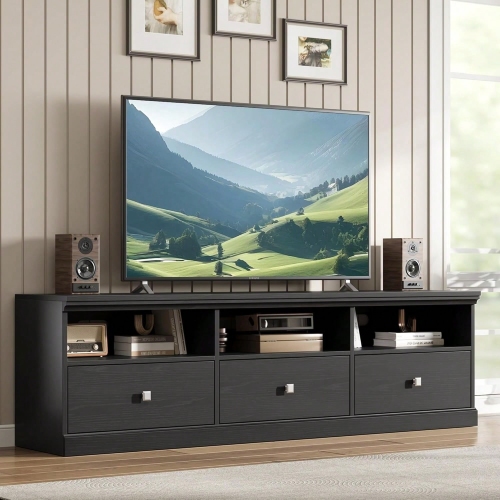
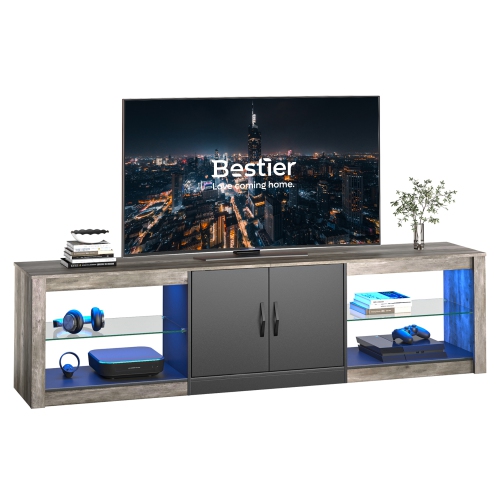
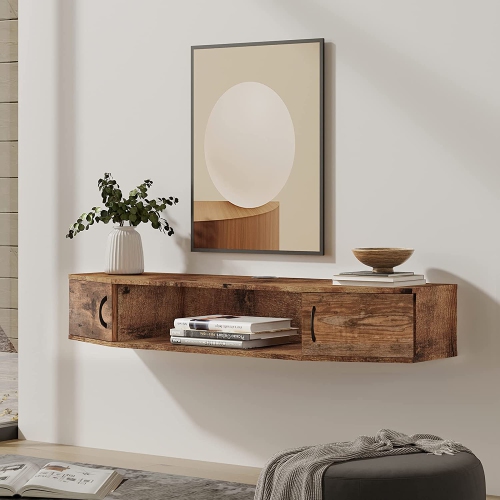
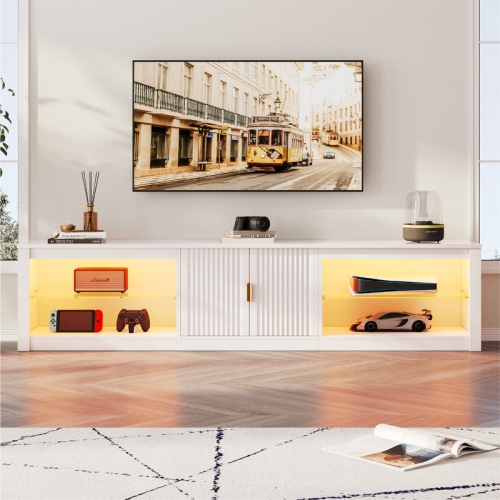
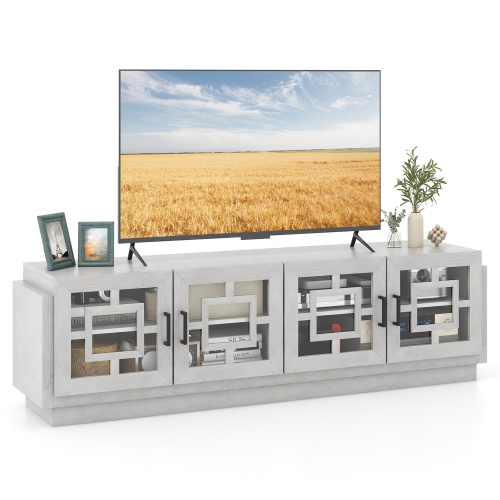
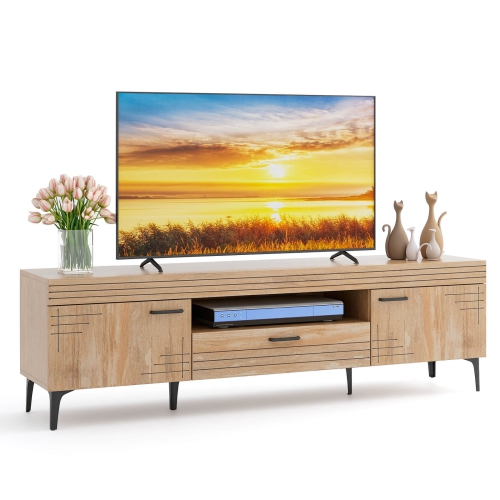
Entertainment centres for living rooms bring the television, media equipment, and everyday storage together in a single area, helping the room feel organized without making technology its only focal point. They range from low media consoles with a few compartments to wide wall units that combine a central TV space with tall shelving and enclosed cabinets. A media console or TV stand suits a room where the screen needs a stable base and there is only a small collection of equipment to store. Larger entertainment wall units provide more space for books, speakers, games, and display pieces, making them useful in shared living rooms that serve several purposes. Floating entertainment centres attach to the wall and leave the floor underneath visible, while corner units use angled shapes to fit layouts where a straight console would interrupt a doorway or seating arrangement. Modular configurations offer separate sections that can be arranged to suit the wall, although each section still needs appropriate support and clearance. The distinction between these formats is not just appearance: it affects how much wall space the furniture occupies, how easily equipment can be reached, and where cables can run. For a smaller setup, TV stands for home entertainment centres keep the focus on supporting the screen and storing essential components without surrounding it with cabinetry. A broad, low console can balance a large sofa, whereas a taller arrangement can bring useful storage to a room with limited floor space. Open shelves keep frequently used devices within reach; doors and drawers give controllers, spare cables, and board games a place out of sight. In a household where movie nights share space with reading, conversation, and children’s activities, that combination helps the living room move between uses with less rearranging. The most suitable format depends on the space, the equipment it must accommodate, and how much of that equipment should remain visible.
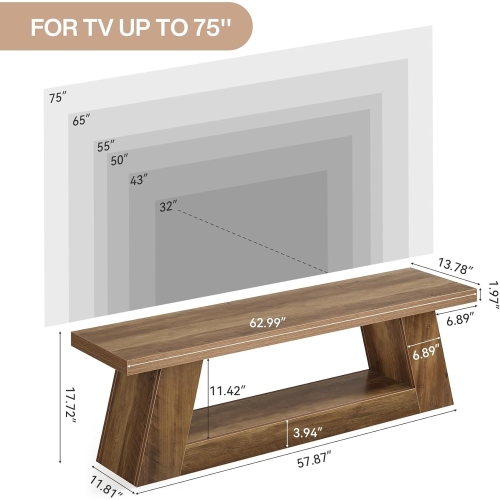
Fit involves more than matching an entertainment centre to the television’s advertised screen size. A TV’s inch measurement describes its screen diagonal, not its overall width or the distance between its feet. Furniture dimensions, supported TV sizes, and weight limits all matter, along with the depth needed to seat the television’s base securely on the top surface. A stand can be wide enough for the screen yet too shallow for its feet, so the television’s actual footprint is an important point of comparison. For wall units with a framed opening, the width and height of that opening also need to leave the clearances specified by the television manufacturer. Viewing comfort depends on the relationship between the screen and the seating: a low console often works well opposite a sofa, but the right height varies with seat height, viewing distance, and personal preference. Room measurements should account for skirting boards, nearby outlets, door swings, and enough space to walk past the furniture comfortably. Drawers need room to extend, and cabinet doors should open without hitting a coffee table. Equipment compartments deserve similar attention. A receiver may fit on a shelf but still need extra depth for plugs and cables, plus ventilation space around it. Adjustable shelves help accommodate components of different heights, while cable openings make it easier to route connections without trapping cords behind the cabinet. A soundbar needs an unobstructed position that does not cover the bottom of the screen or interfere with the television’s remote sensor. Solid cabinet doors can block infrared remote signals, whereas some wireless controls do not require a direct line of sight. For gamers, accessible connections and ventilated console storage can be more useful than extra display shelves. Wall-mounted furniture requires hardware and wall support appropriate to its load, and freestanding units should be secured wherever the manufacturer specifies, particularly in homes with children or pets.
Materials and construction influence both the character of living room entertainment furniture and how it holds up to daily use. Solid wood brings natural grain and variation, though its surface can dent or scratch and its care requirements depend on the finish. Wood veneer provides a real-wood surface over a supporting core, while engineered wood with a laminate or other applied finish can offer a consistent colour and texture. The quality of the edges, joints, hardware, and shelf supports matters as much as the material name. A long shelf carrying heavy equipment needs a suitable load rating, and drawers used daily benefit from smooth runners and firmly attached handles. Metal frames can create a lighter-looking outline or an industrial style, while glass shelves and doors introduce a more open appearance but tend to show fingerprints. Tempered glass still requires careful handling and adherence to its weight limits. Finish choice also changes how the furniture sits within the room. Light wood tones and pale cabinetry can blend with bright walls; darker finishes give a media area more visual weight. A matte surface generally reflects less light than a glossy one, which may be noticeable when lamps or windows face the television. Matching every piece of furniture is not essential: repeating a wood tone, handle finish, or simple line can connect the entertainment centre with nearby tables and shelving. Practical care helps preserve those details. A soft cloth removes routine dust, and spills are best wiped promptly using methods approved for the finish. Excess moisture, abrasive pads, and unsuitable cleaners can damage wood-based surfaces or leave marks on coatings. Accessible backs and sensible cable routing make occasional cleaning around electronics easier, provided equipment is handled according to its instructions. For renters, first-time homeowners, and families updating a shared living space, an entertainment centre can provide useful structure without dictating the entire room’s style. A furniture gift is most successful when dimensions and preferences are agreed upon beforehand, since the recipient’s television, storage needs, and room layout determine whether it will be a comfortable everyday fit.
Top selling and popular products
-
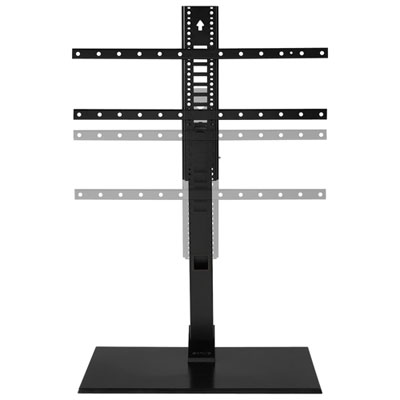 Your price for this item is $249.99
-
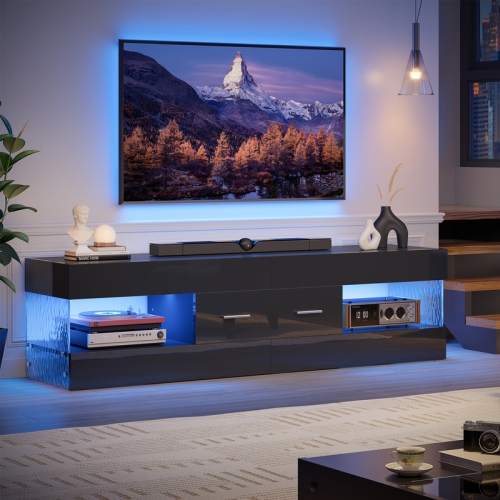 Your price for this item is $179.99
-
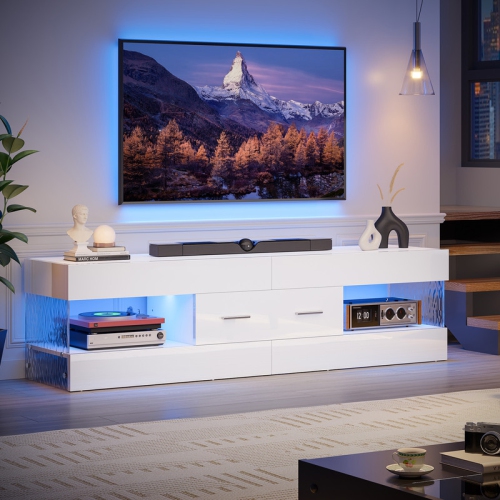 Your price for this item is $169.99
-
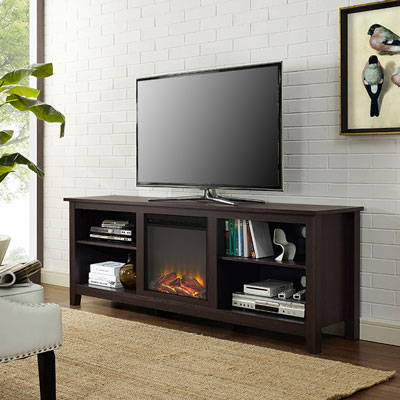 Your price for this item is $689.99
-
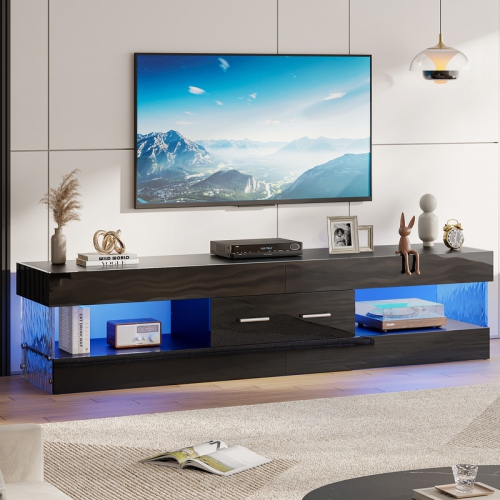 Your price for this item is $199.99
-
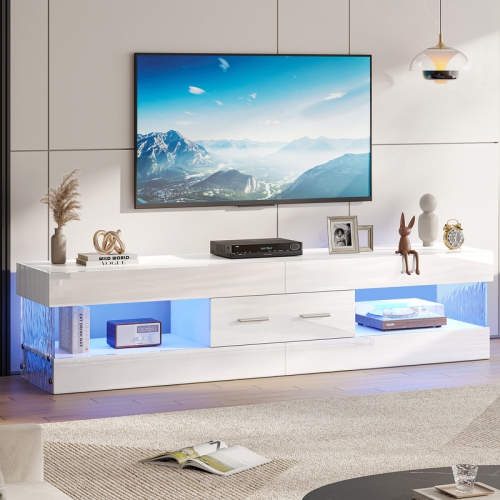 Your price for this item is $199.99
-
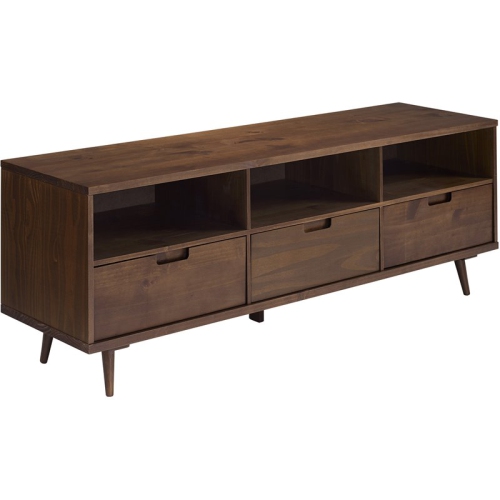 Your price for this item is $941.25
-
 Your price for this item is $269.99
Discover more categories related to Entertainment Centers for Living Room


Top Collections:
Pokemon Centers, Best Cameras for Sports Photography, Kindle Devices, Samsung Galaxy Phones, Canon G7X Cameras, Pokémon 30th Celebration Cards, Refurbished Apple Laptops, iPhone 15 Apple, Laptops for Students, Budget Smartphones
Some products may be subject to Environmental Handling Fees
(EHF) depending on your province.
Learn more about EHFs.