Entertainment Units
Upgrade your living room with our stylish and functional entertainment units designed to elevate your home entertainment experience. Whether you're looking for a sleek modern design or a classic piece that complements your decor, this selection offers a range of options to suit your style and storage needs. From spacious TV stands to versatile media consoles, discover the perfect solution to organize your electronics and create a focal point in almost any room.
Sort
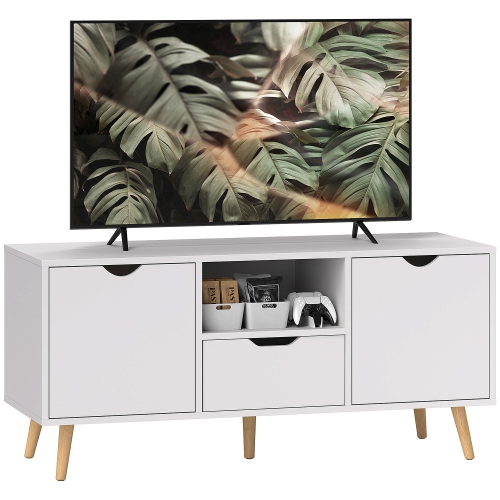
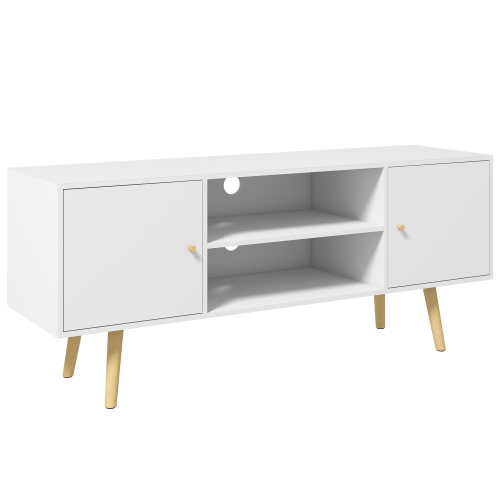
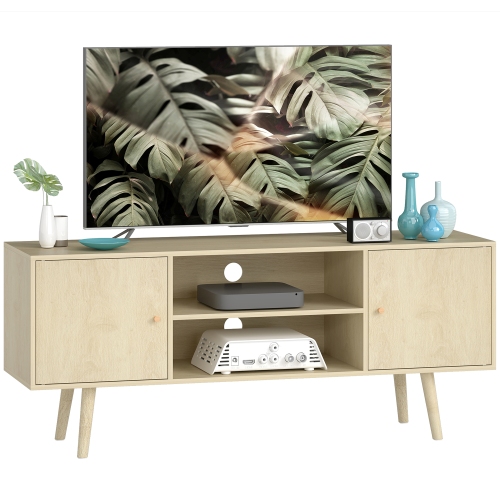
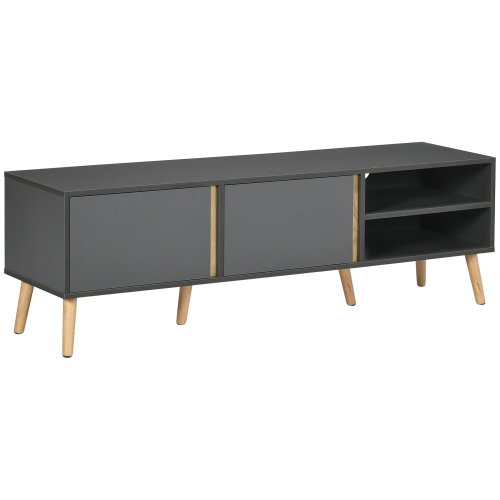
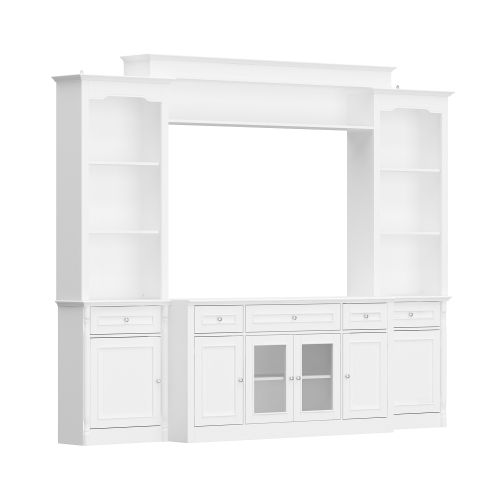
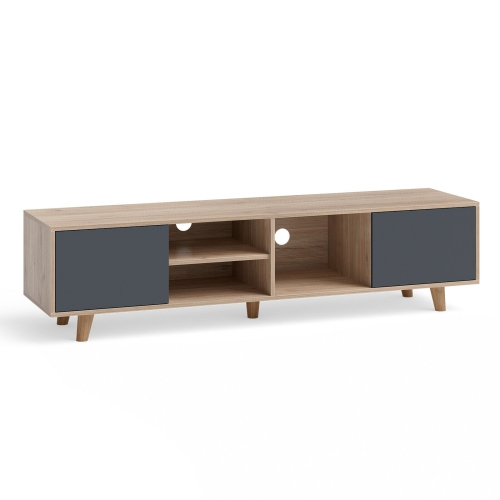
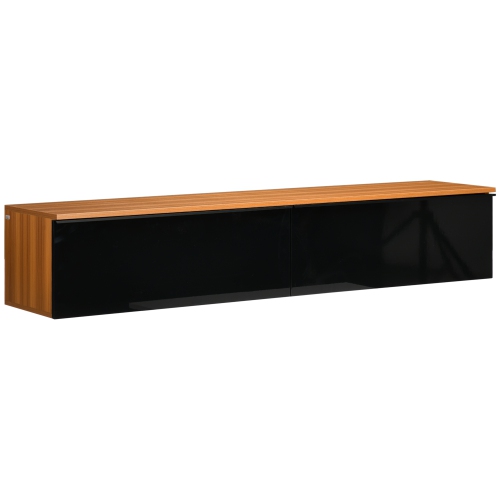

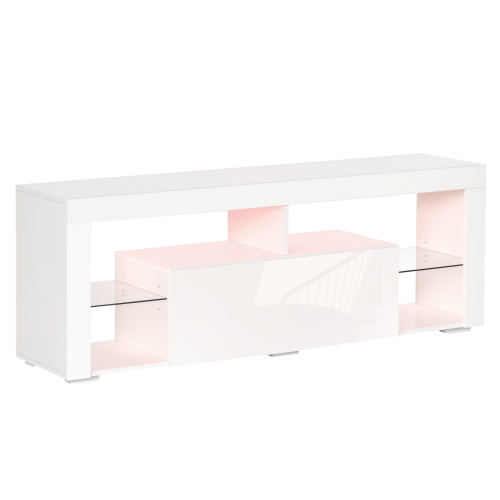
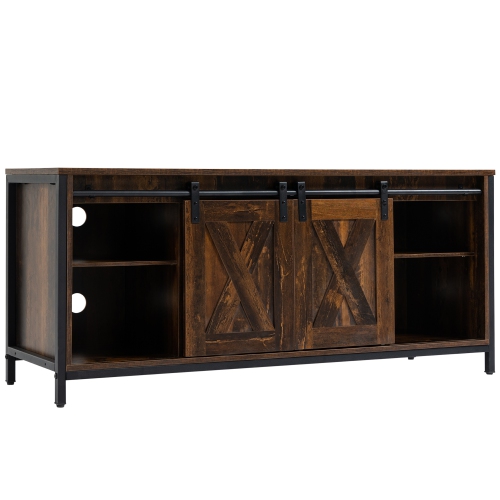
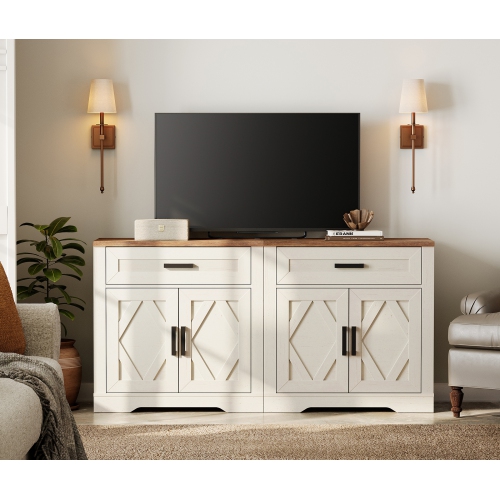

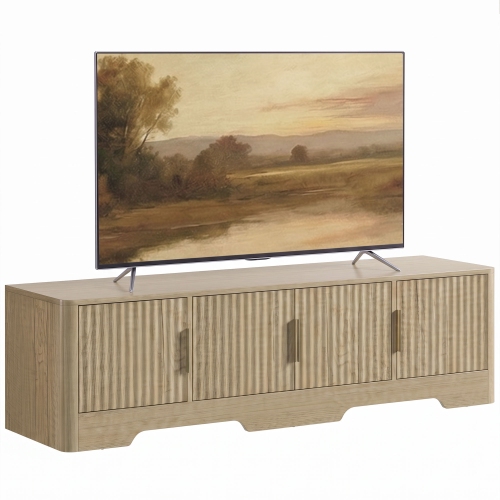

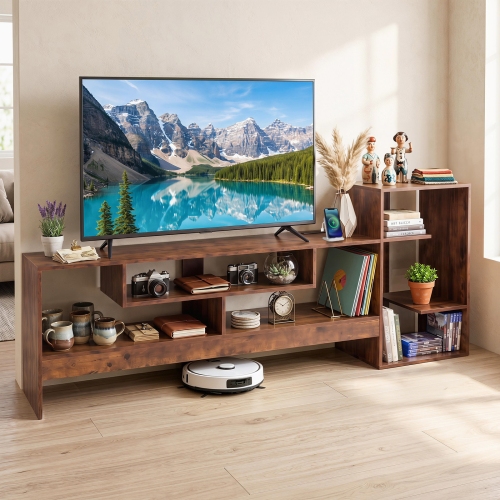
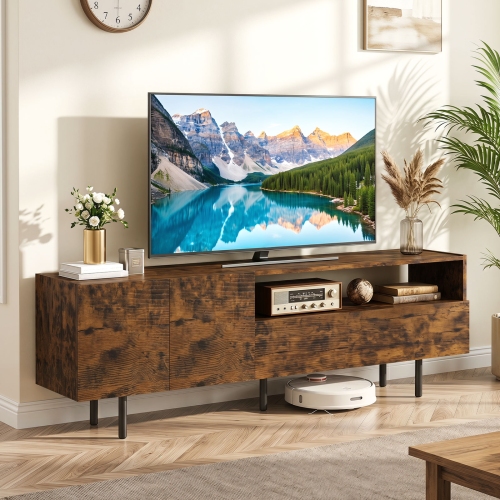
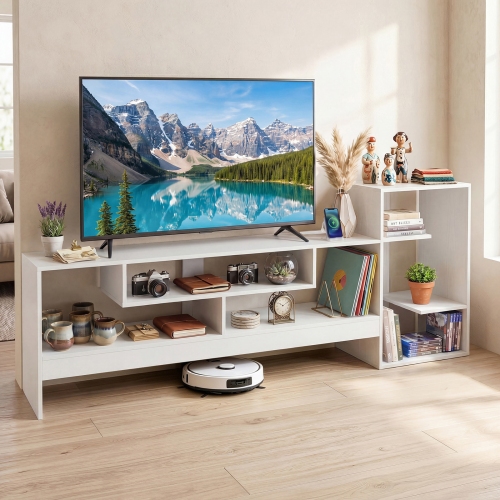
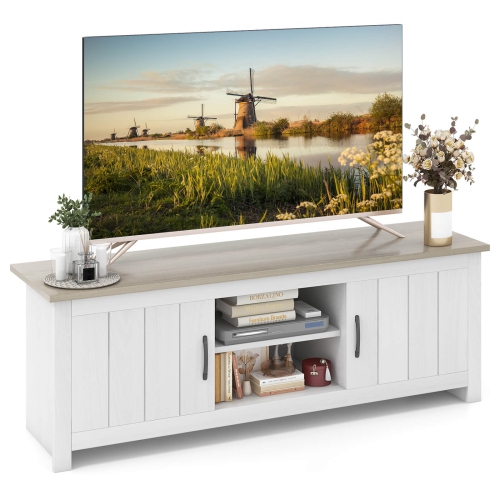


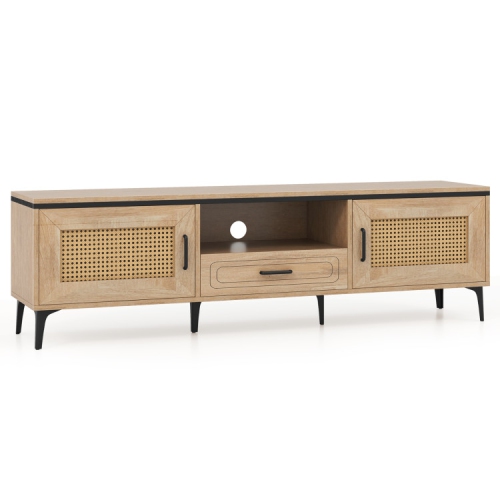
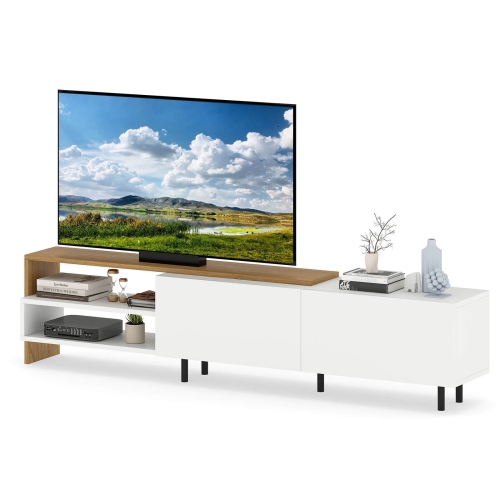
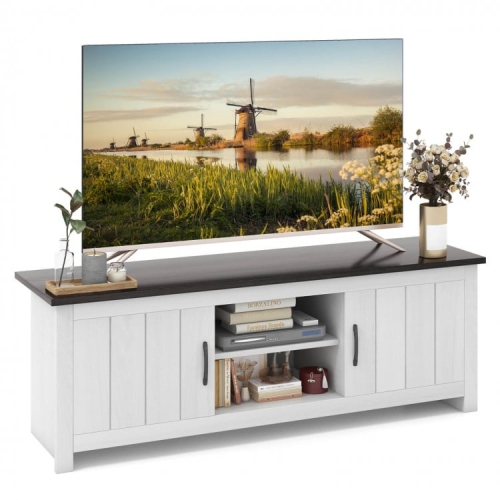


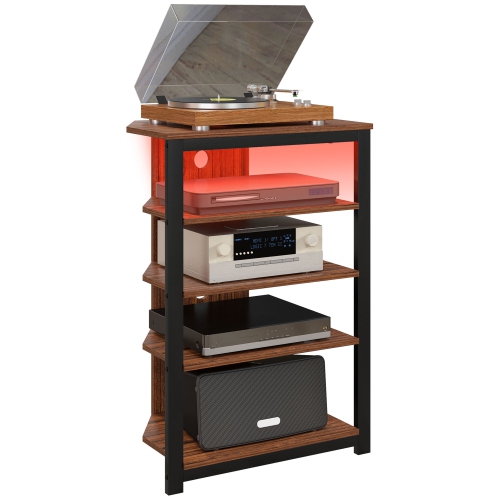
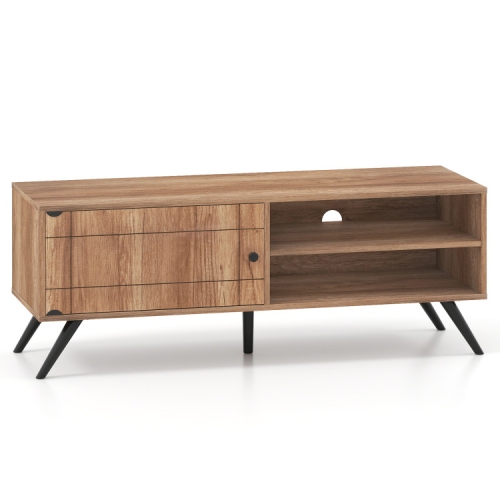


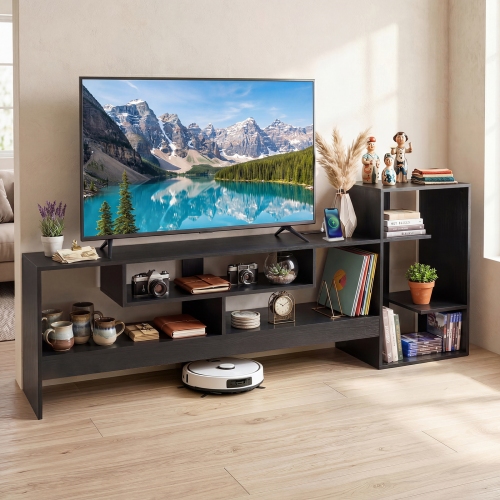

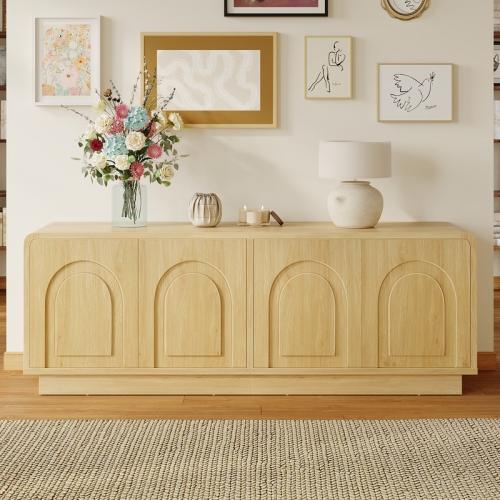
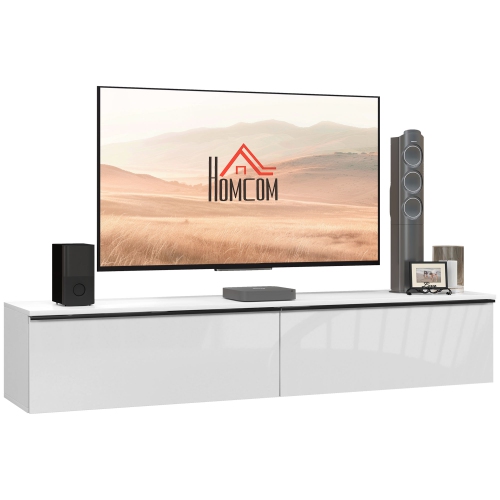
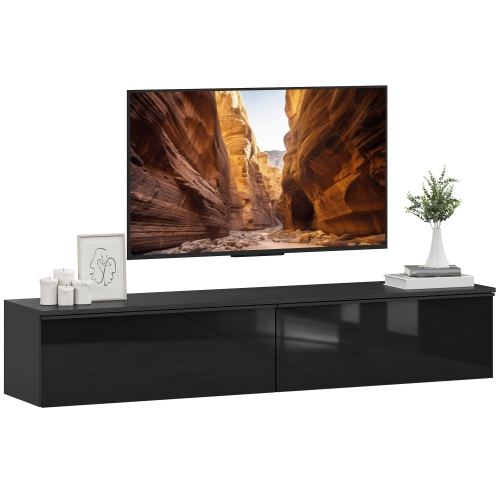


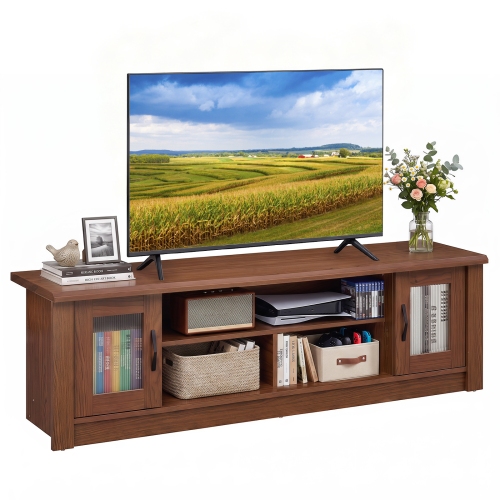
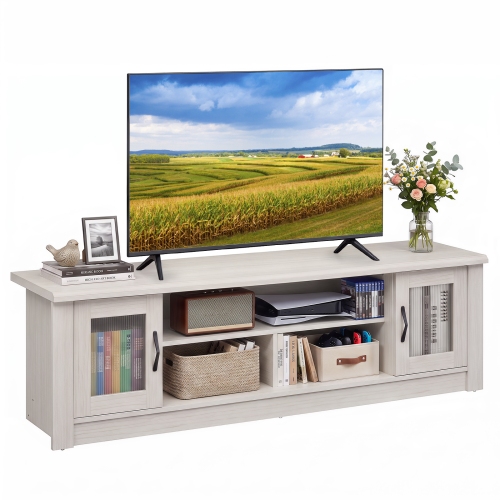

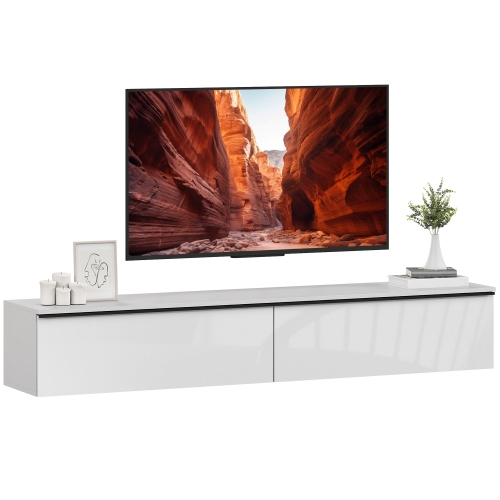
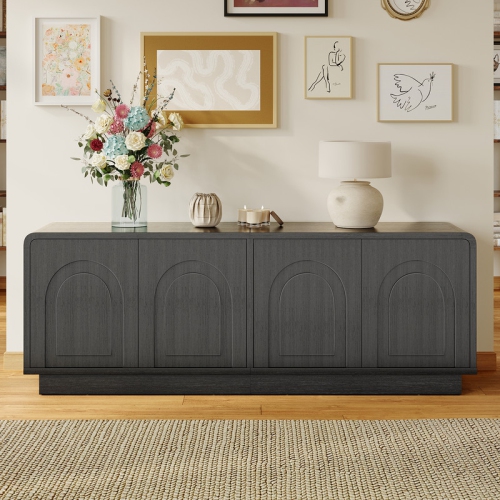

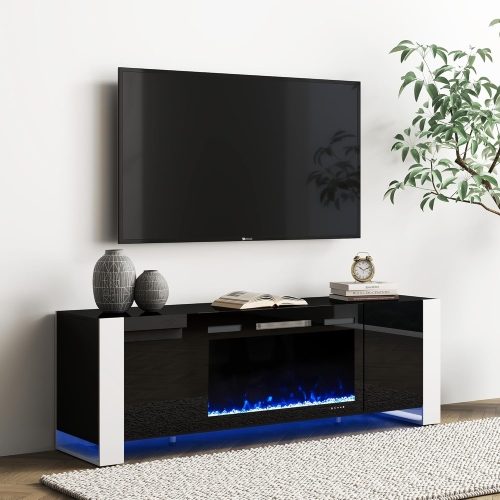


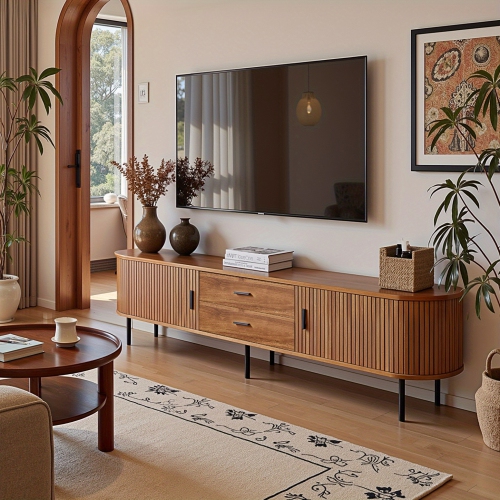


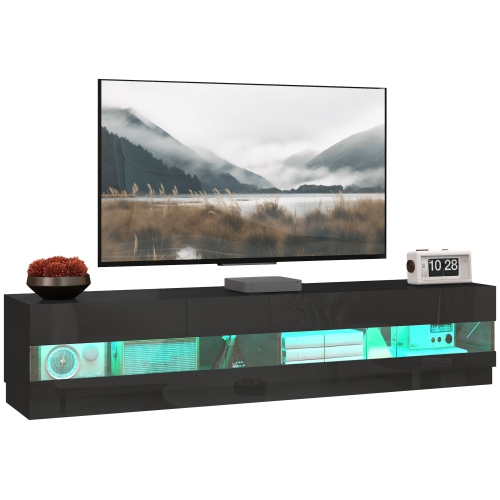
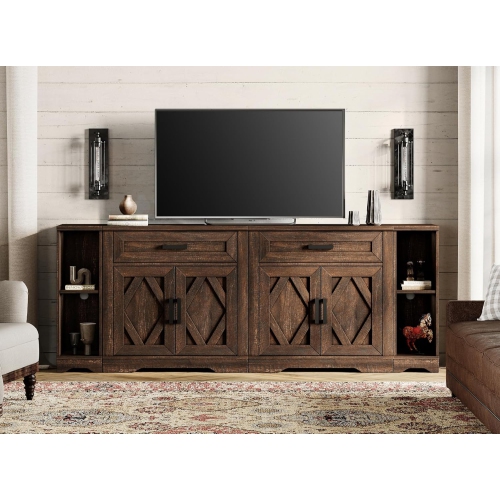
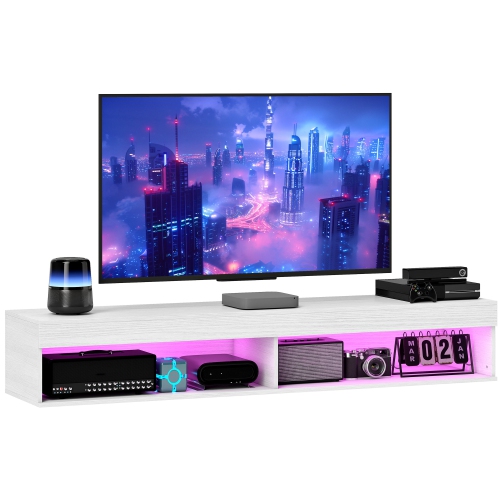


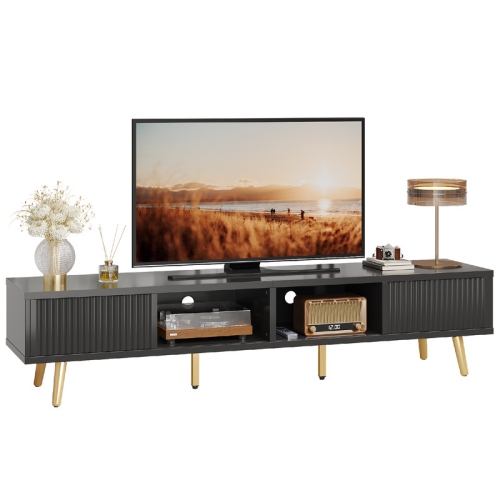
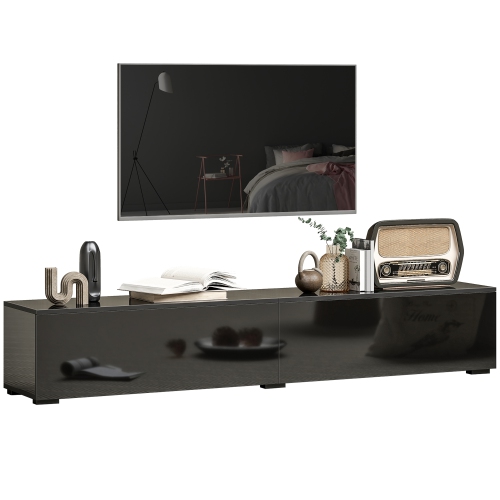

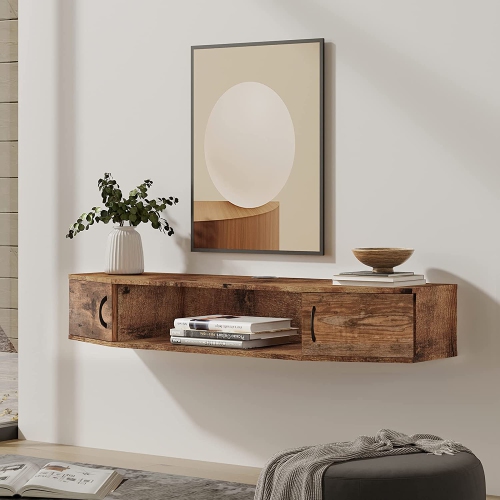
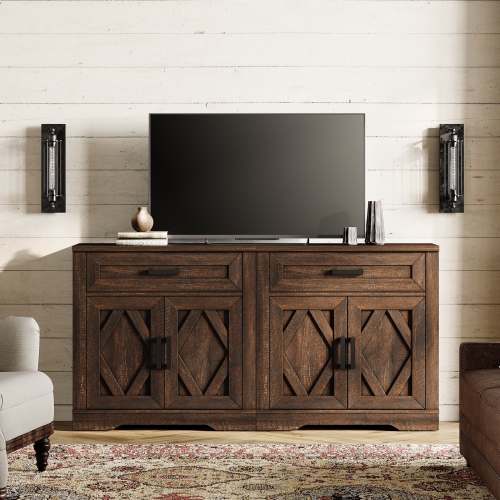
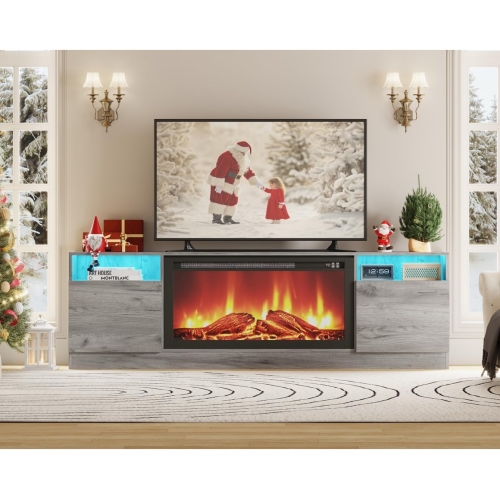
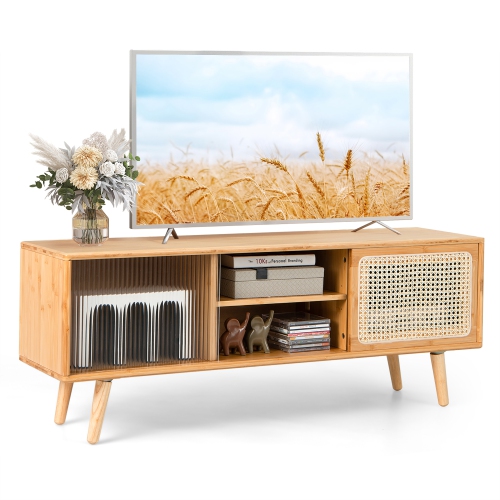
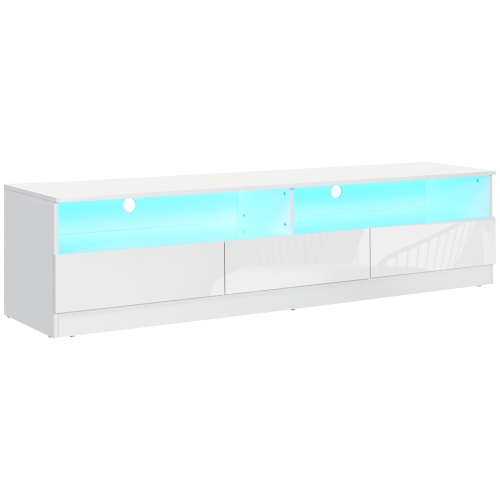
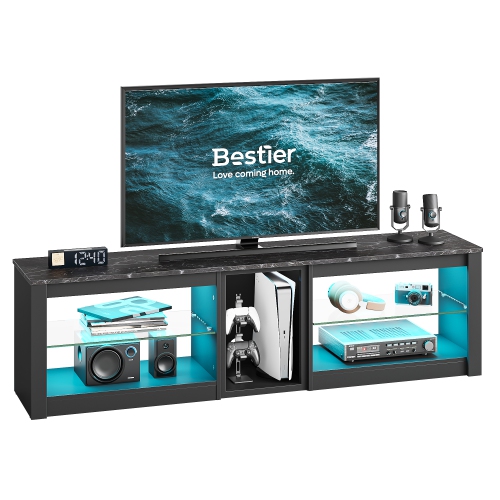

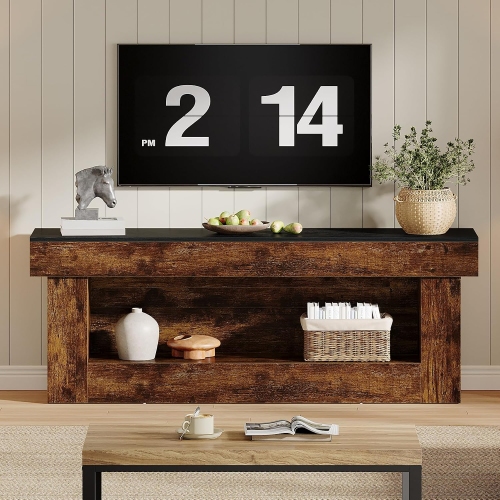

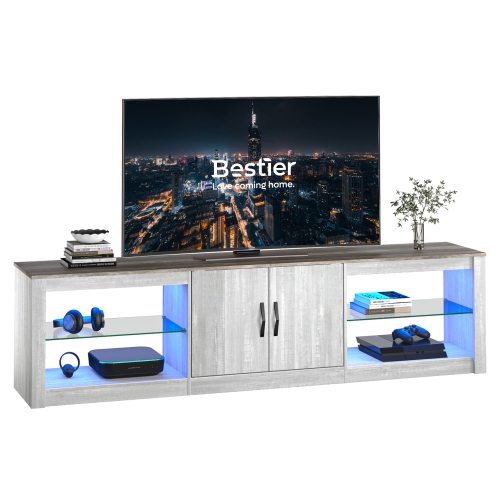


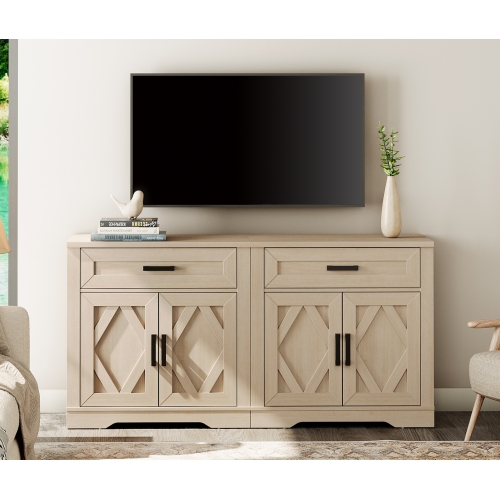

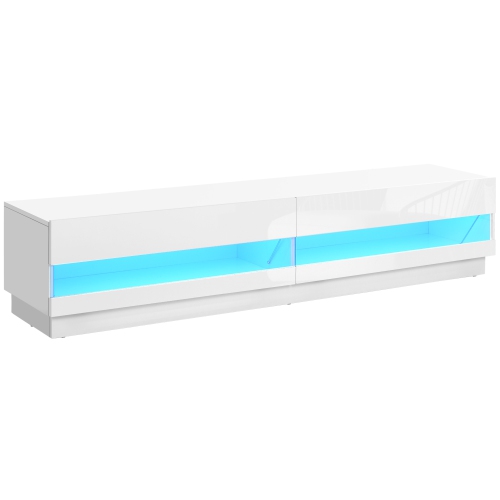
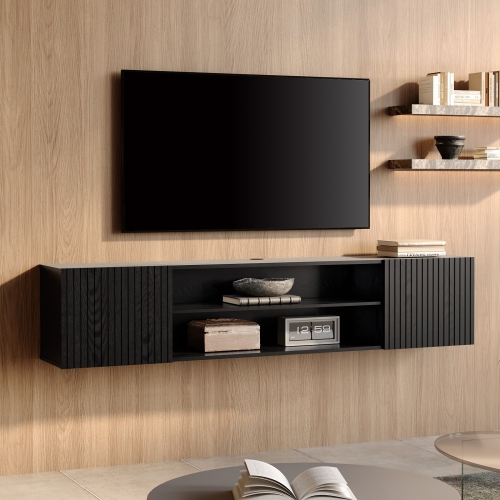
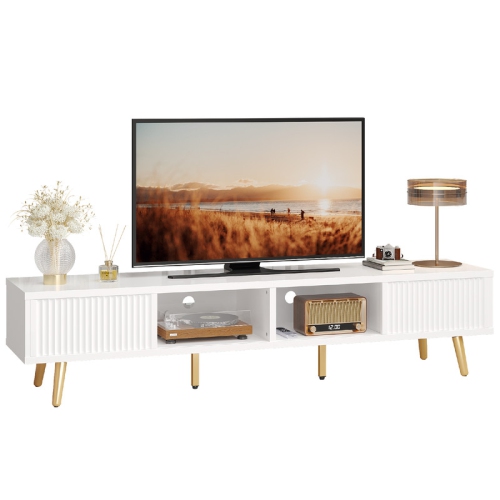

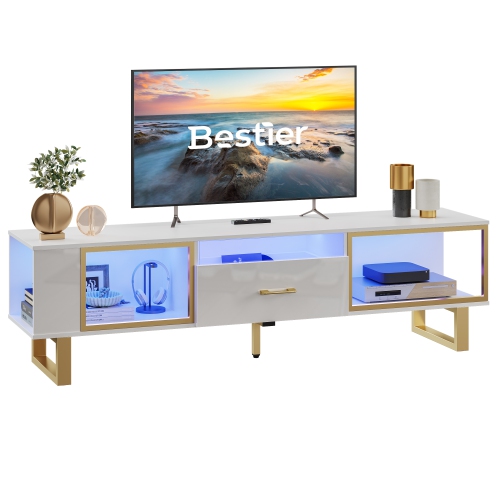
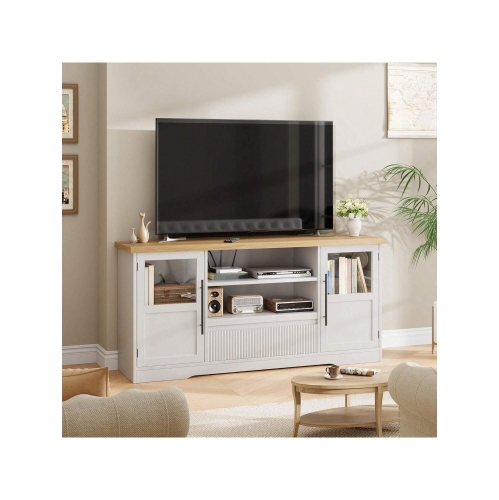


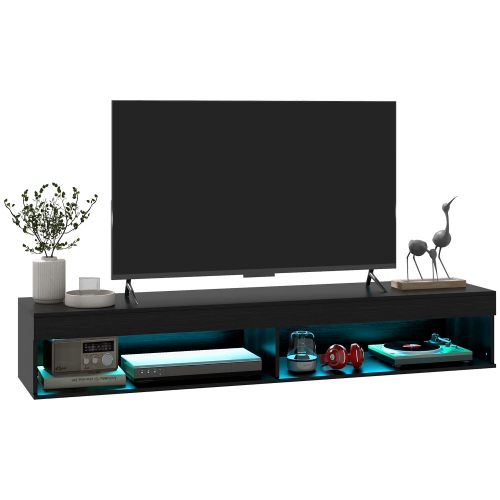
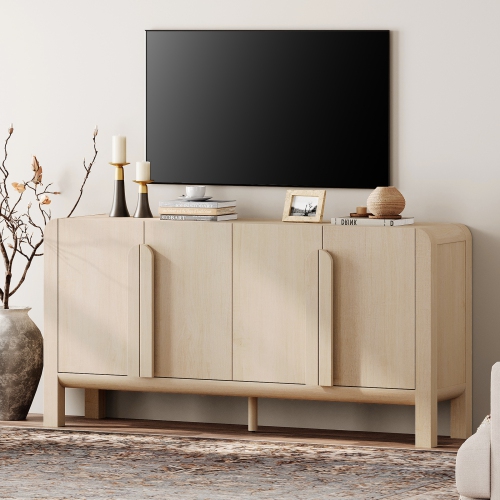
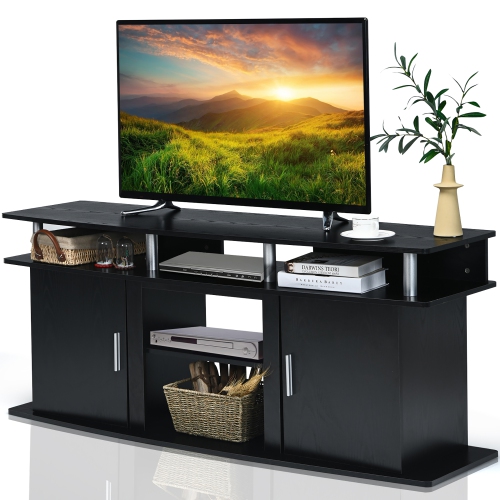
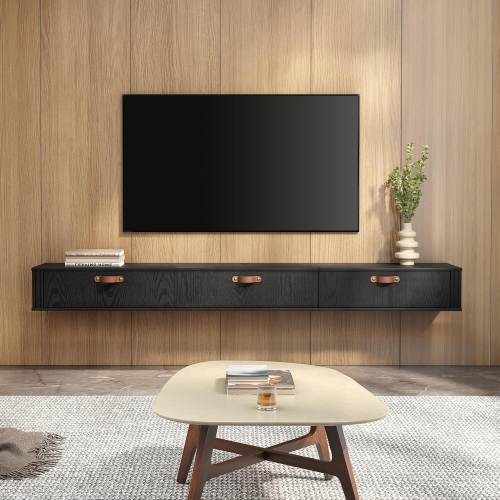
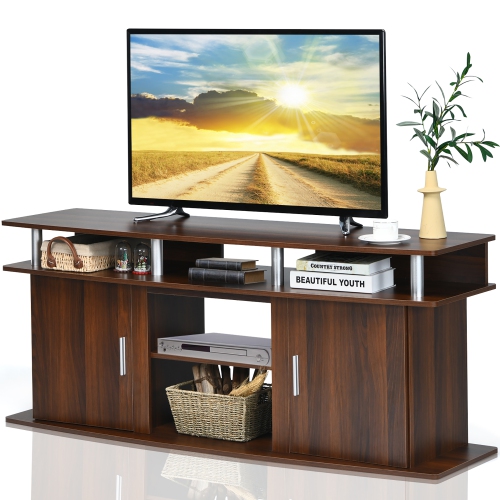
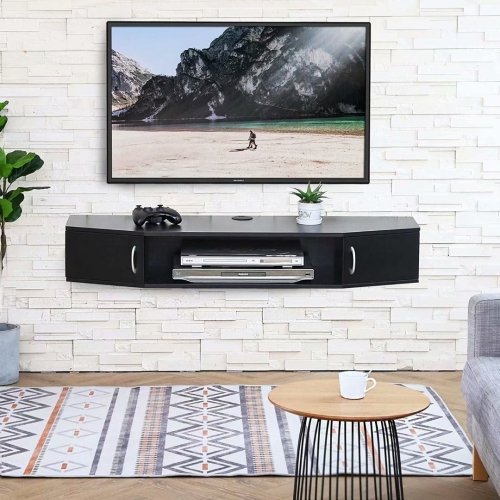


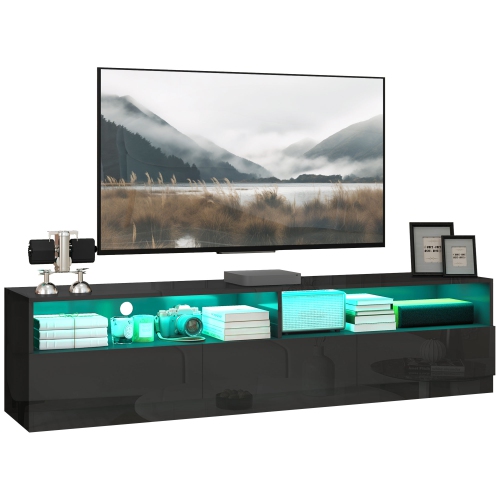
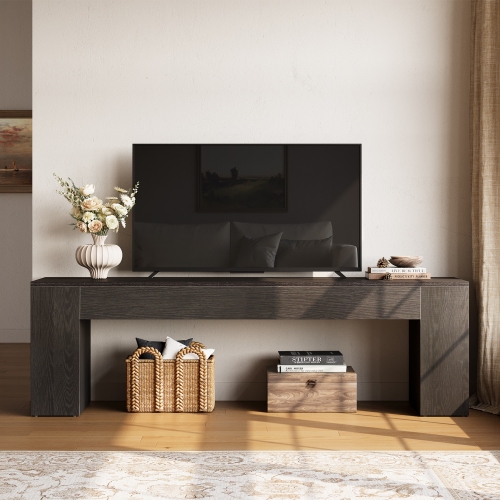


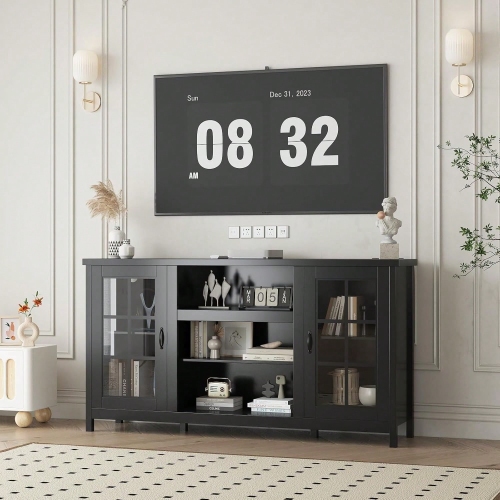
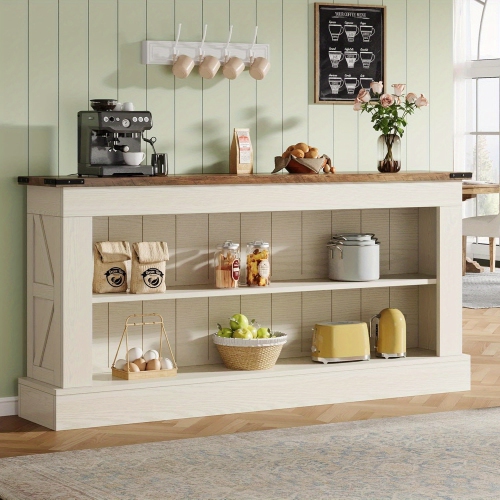

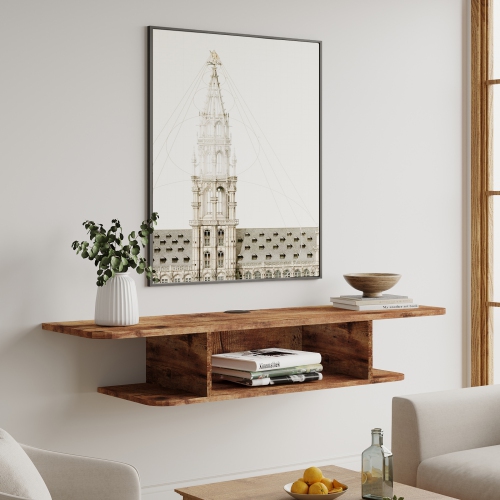
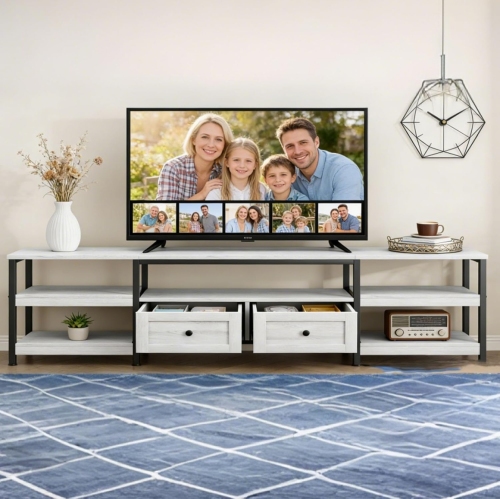
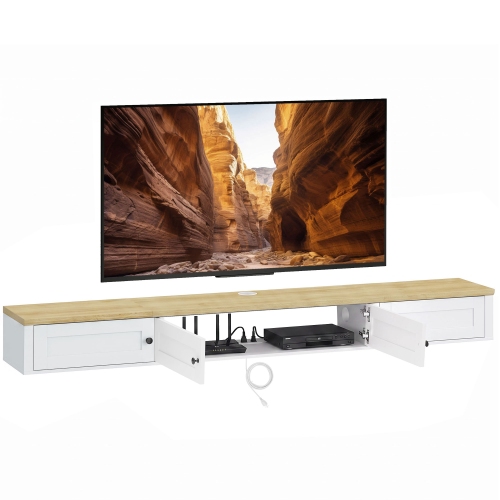
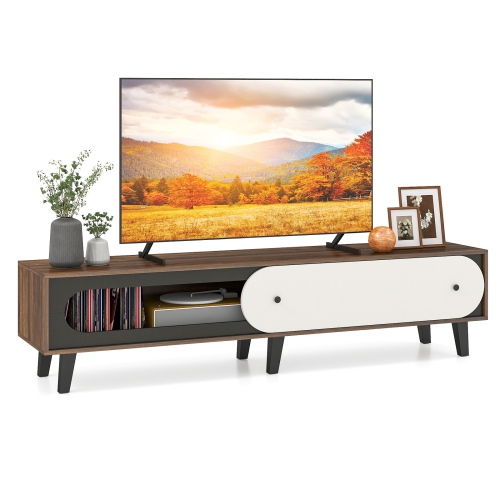
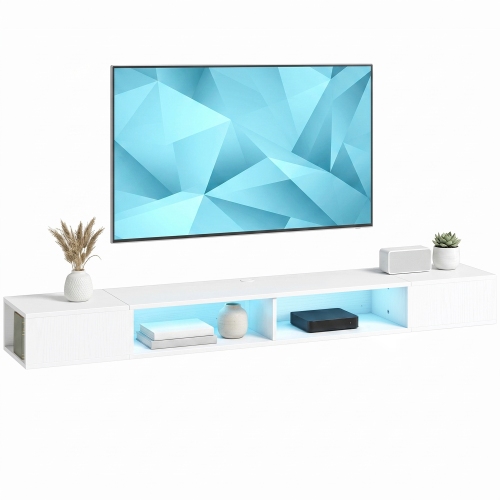
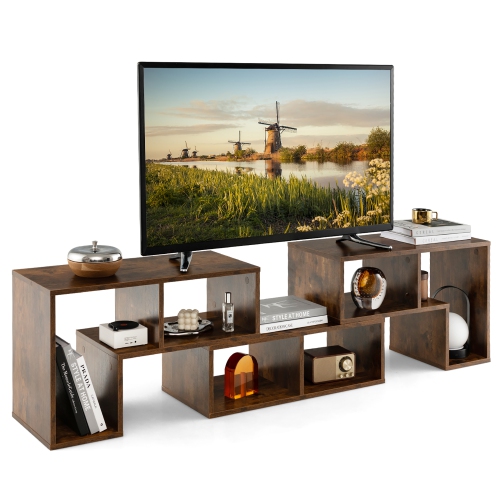
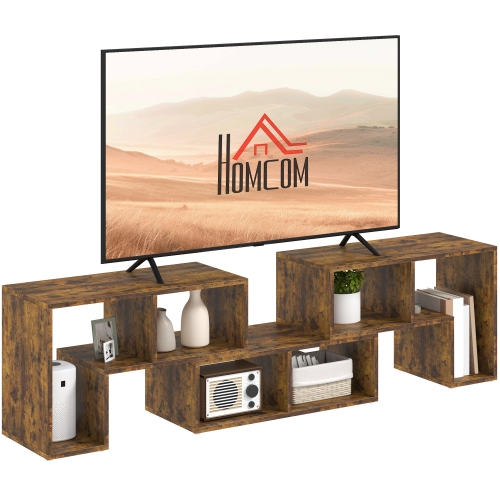


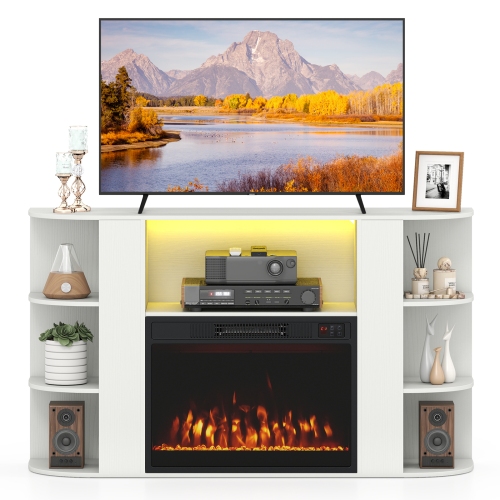
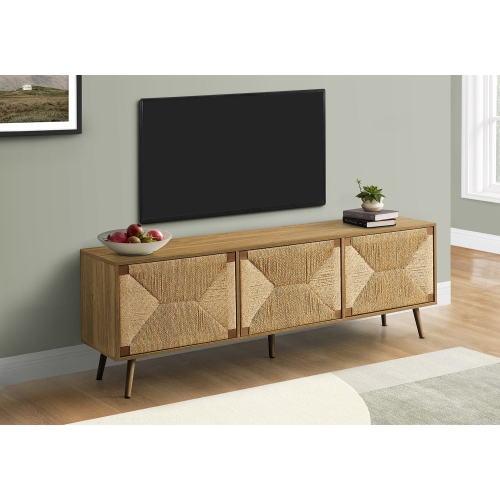
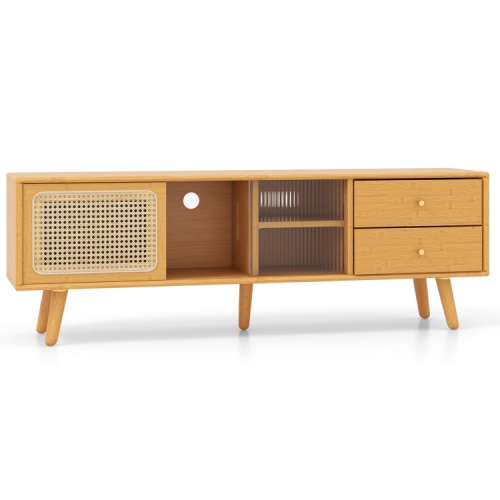


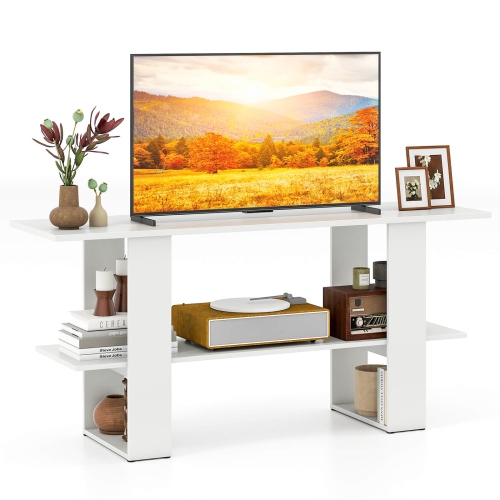
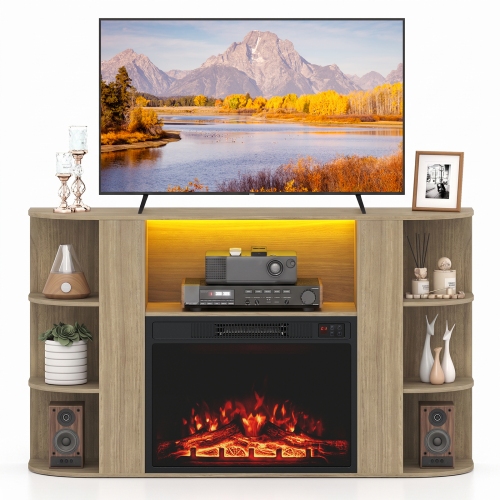
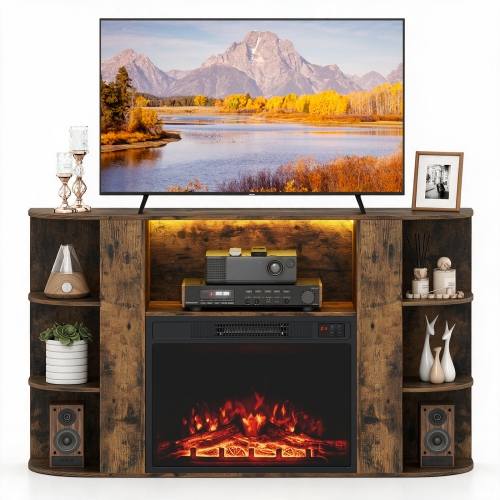


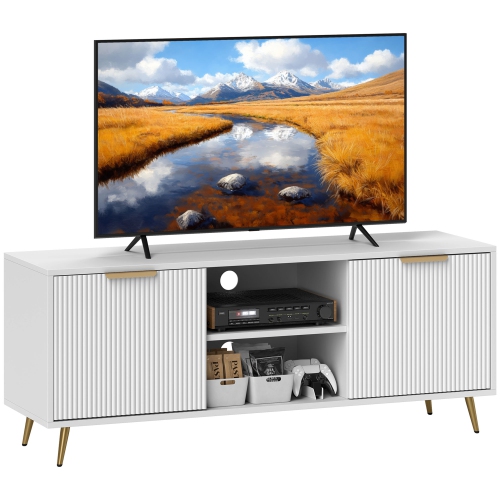

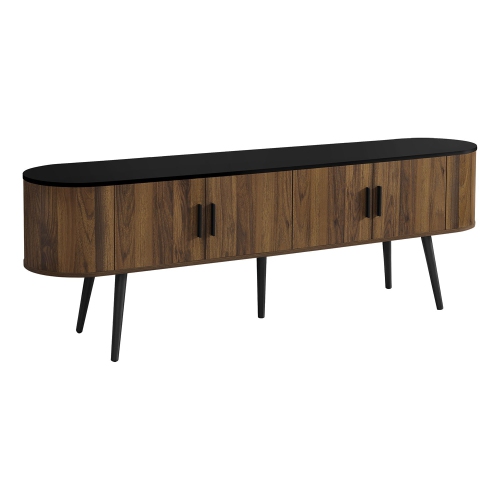


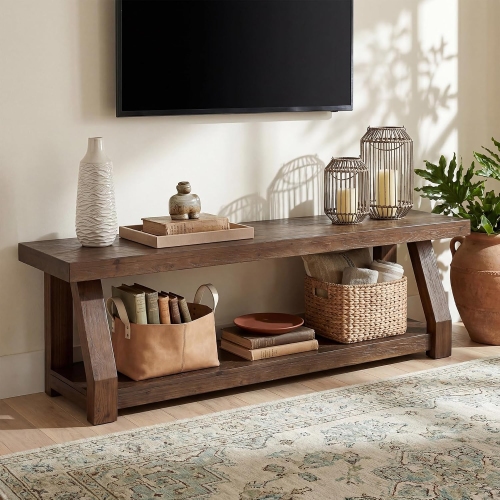
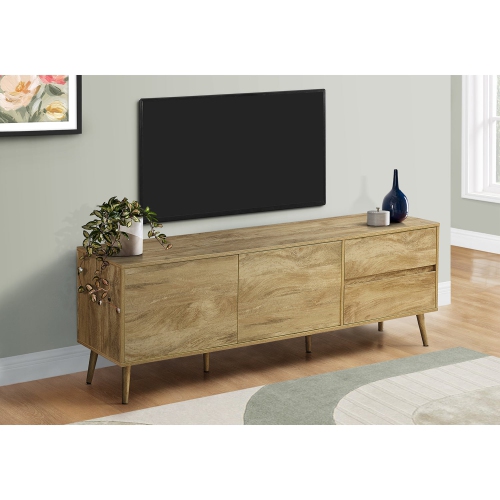
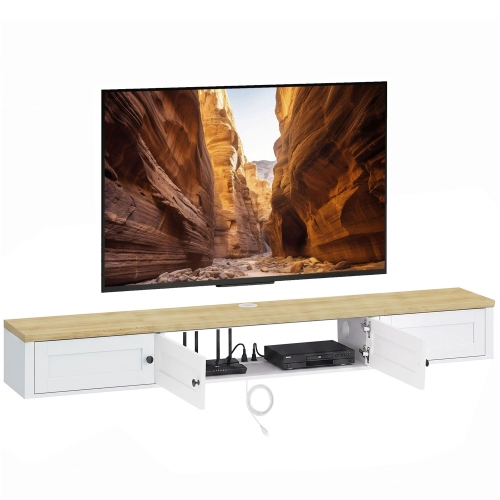
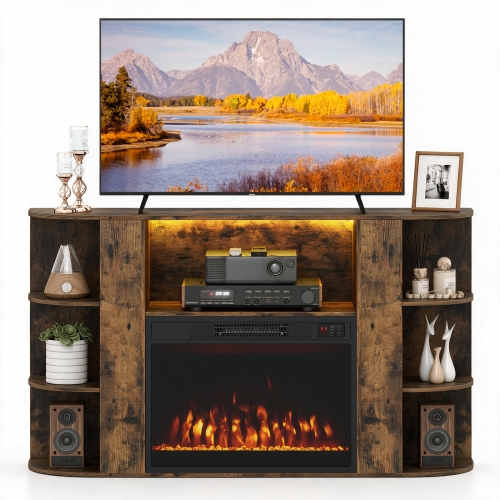
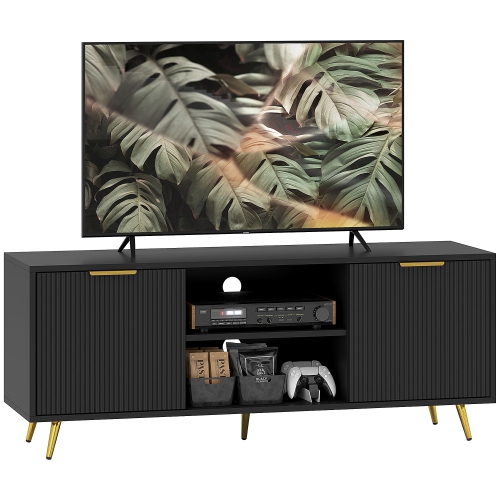


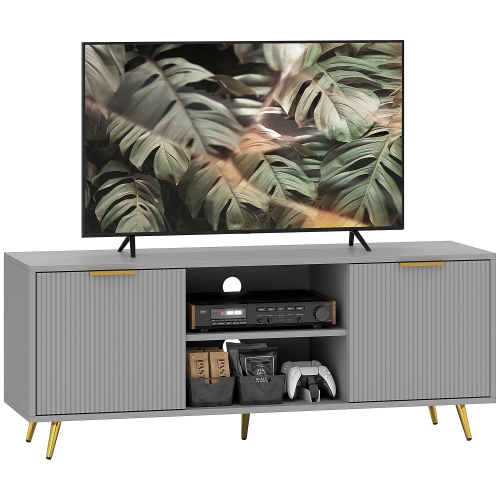
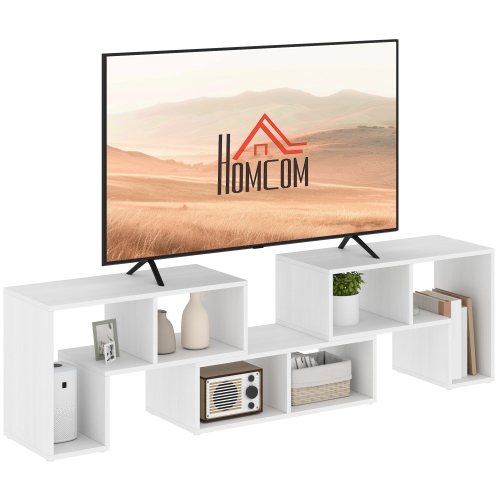


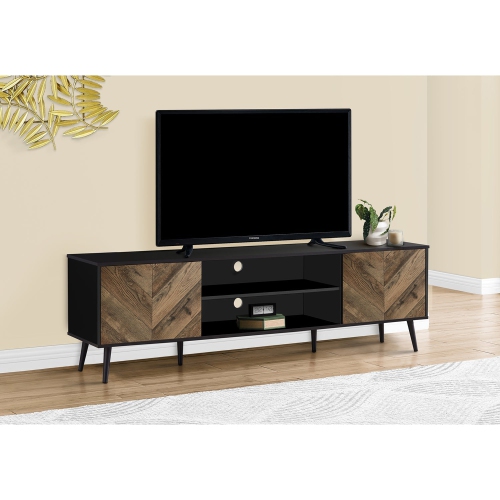

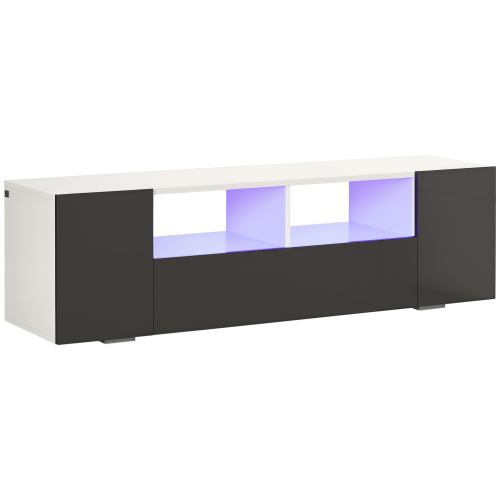

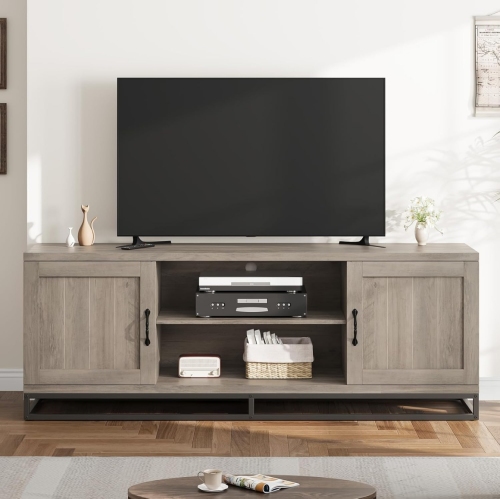

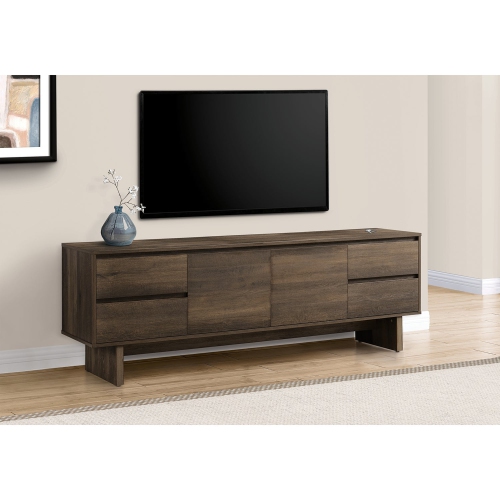
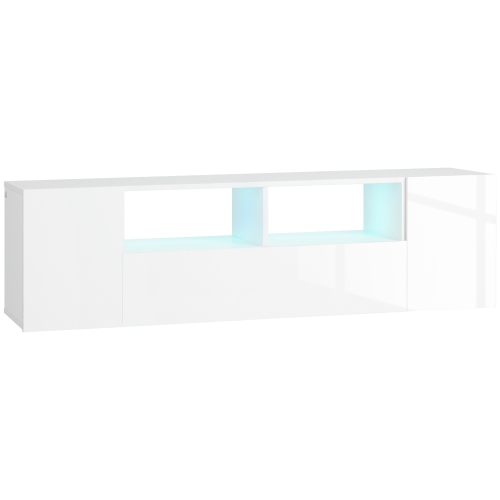
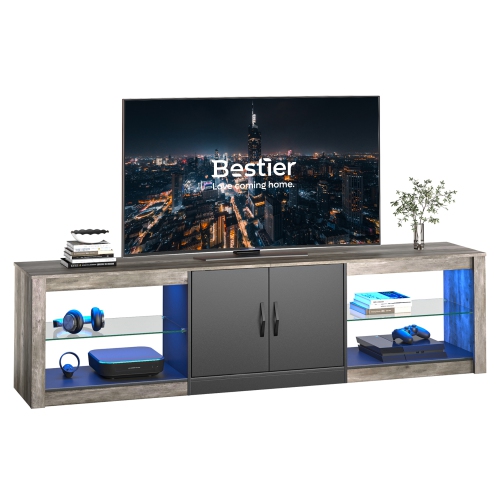

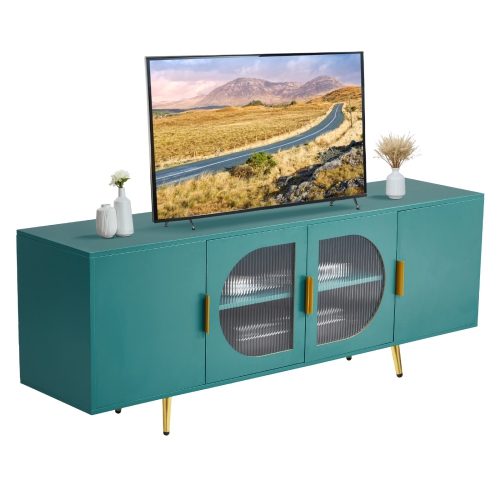


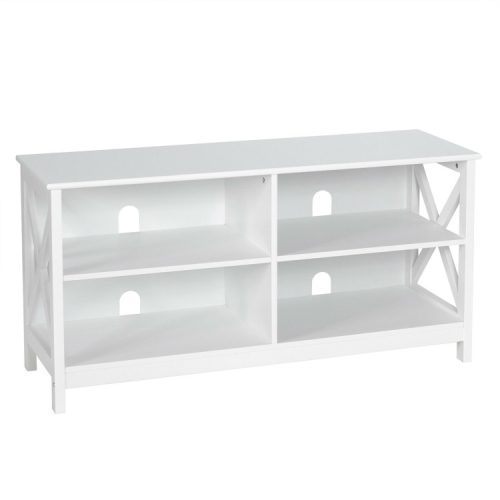
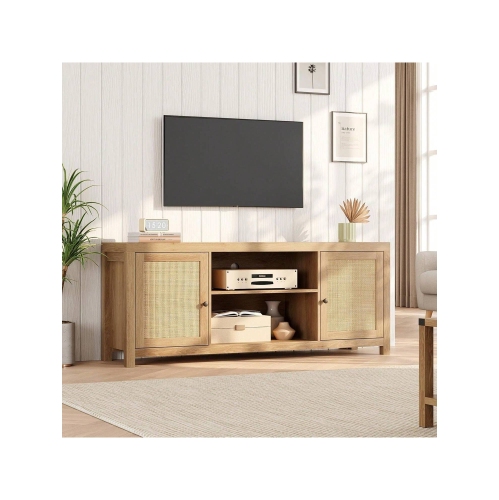
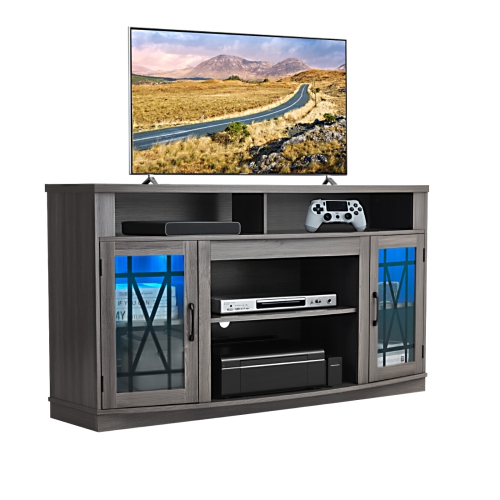
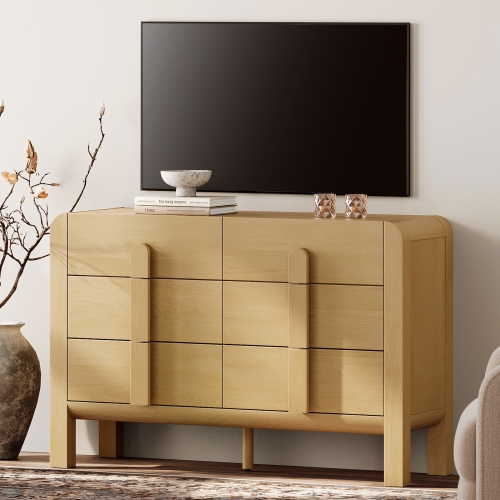

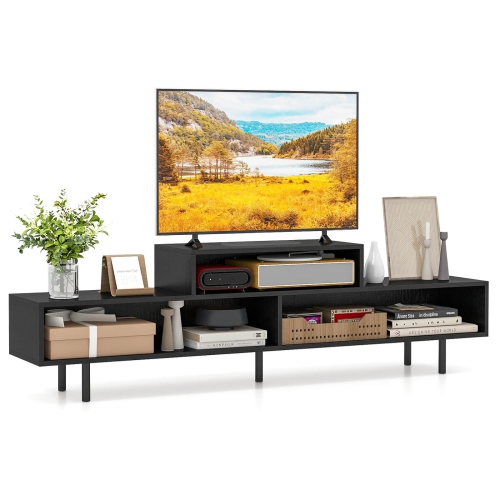
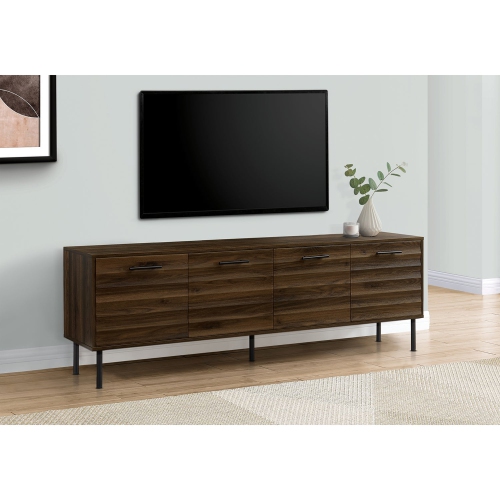
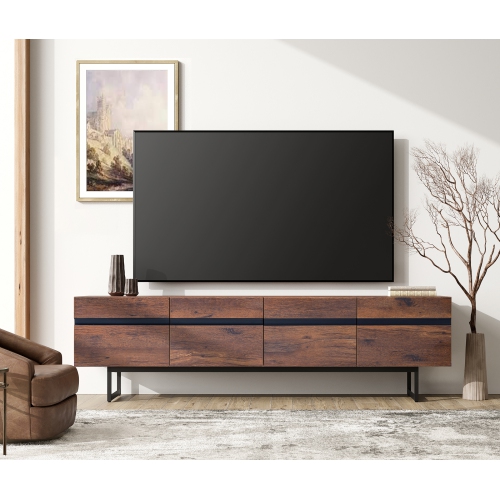

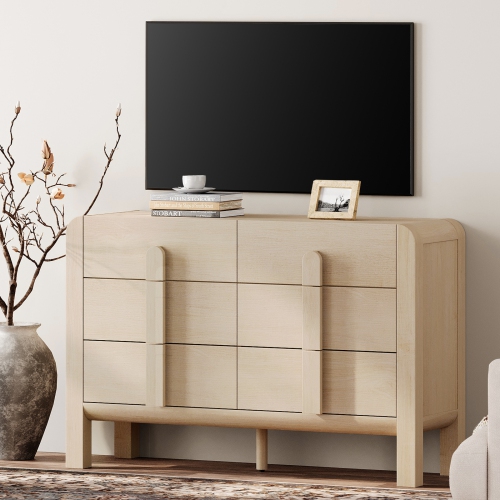
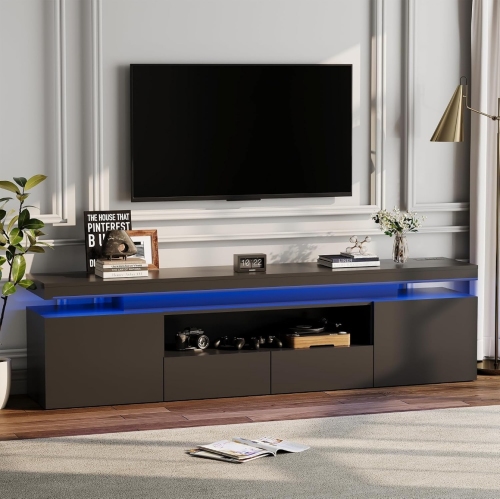
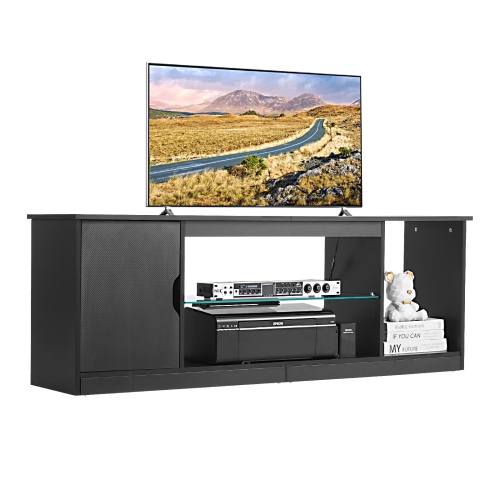
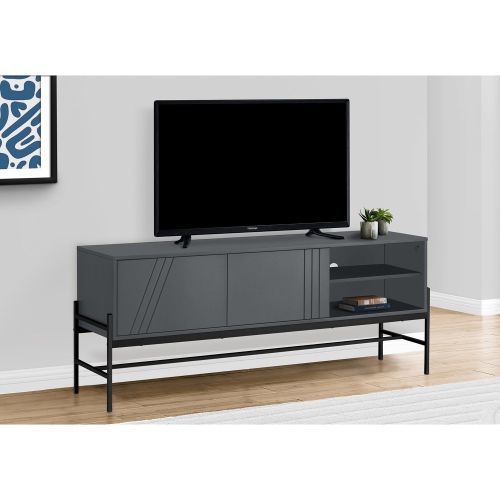
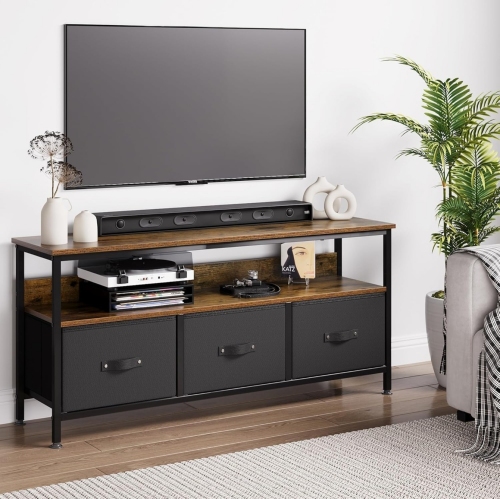

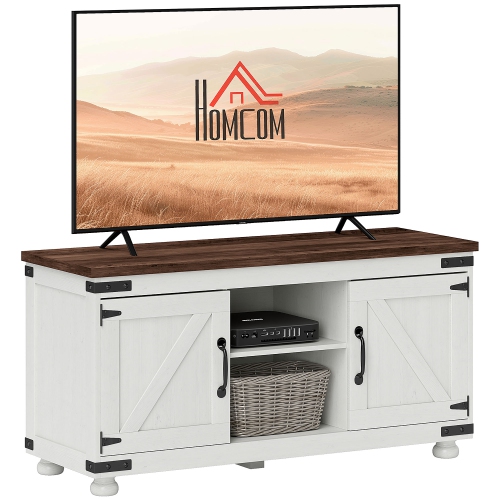
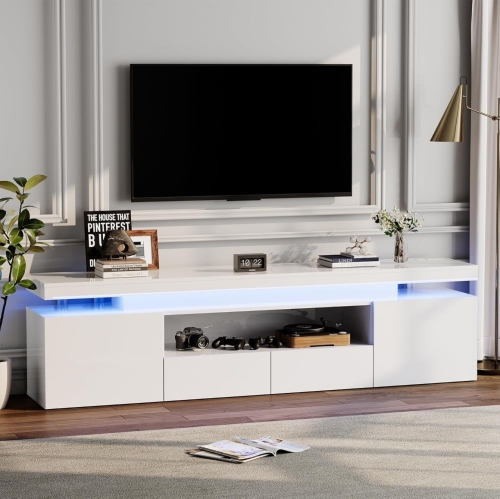
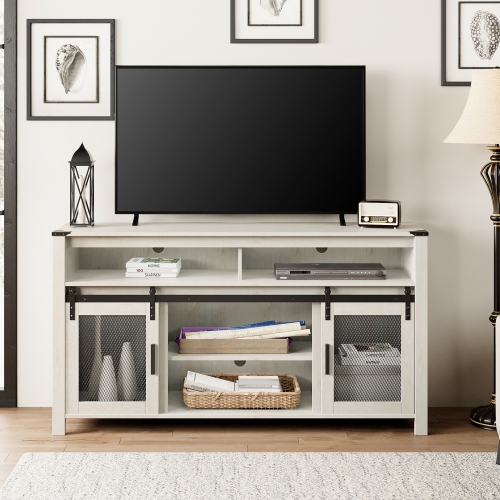
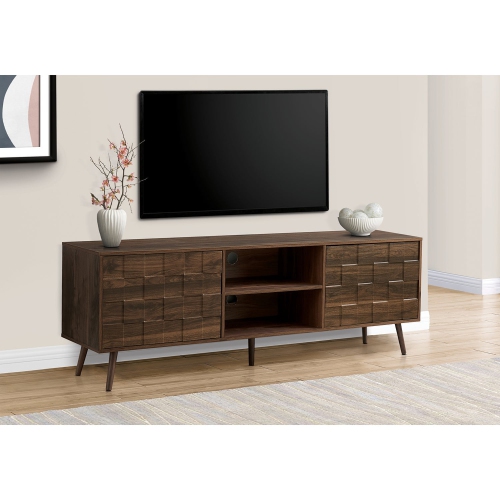
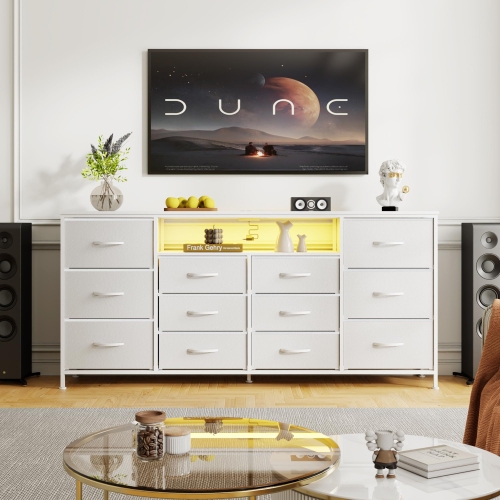

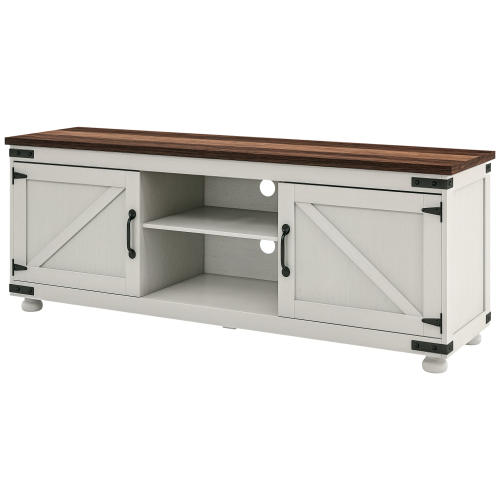
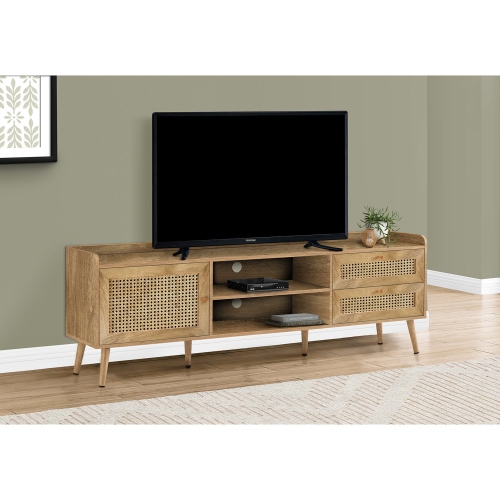
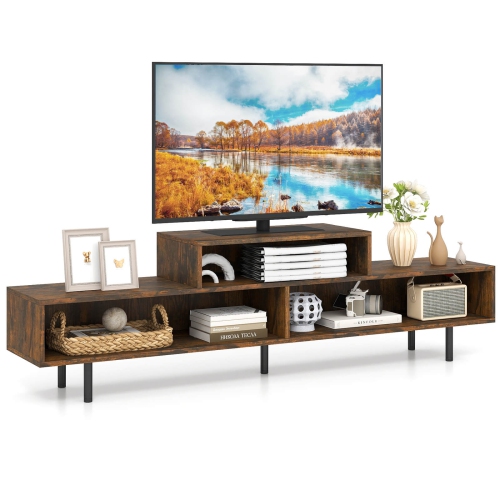
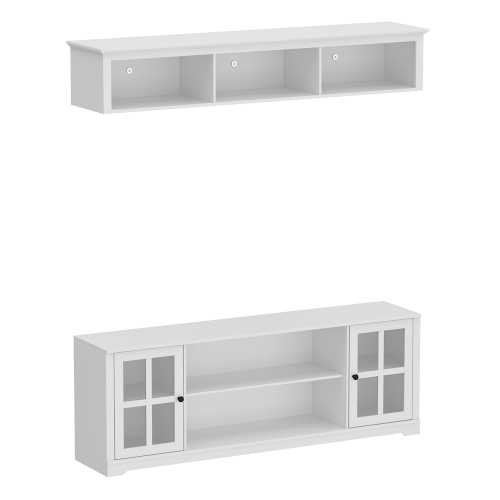


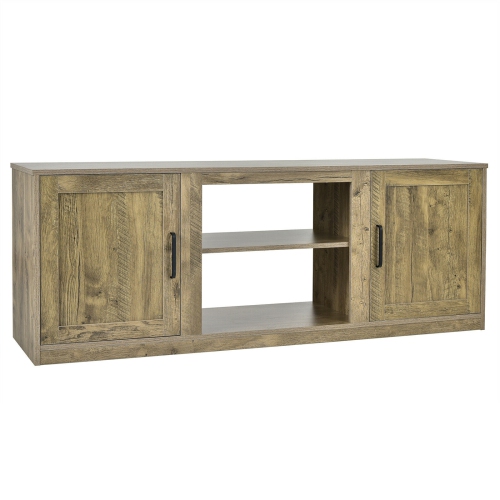
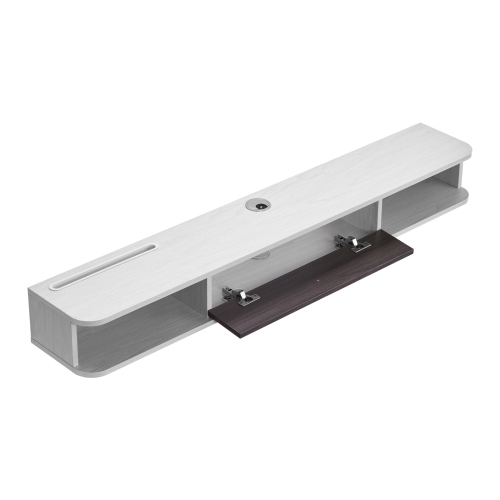

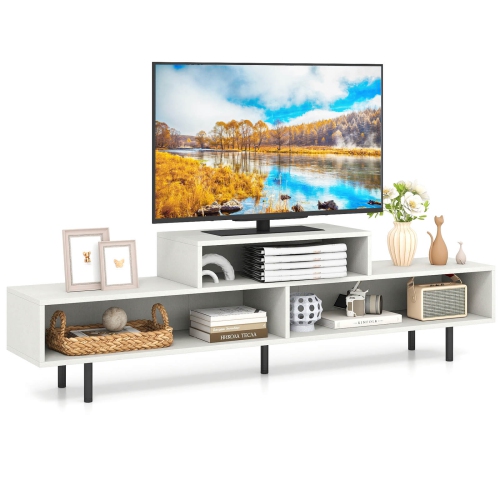
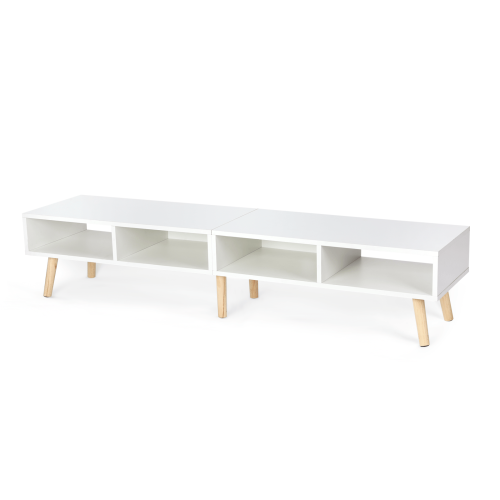
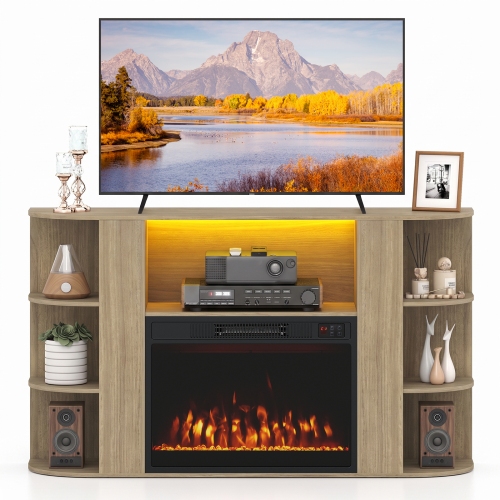
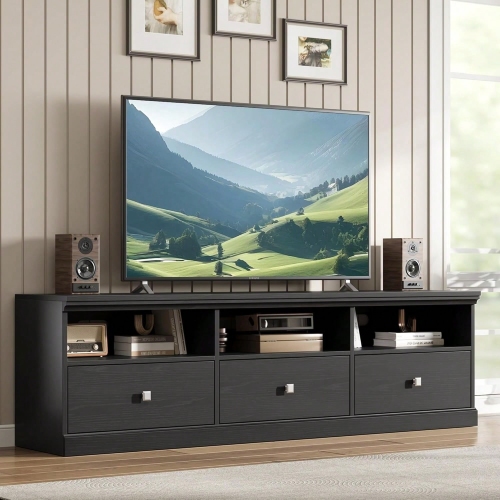
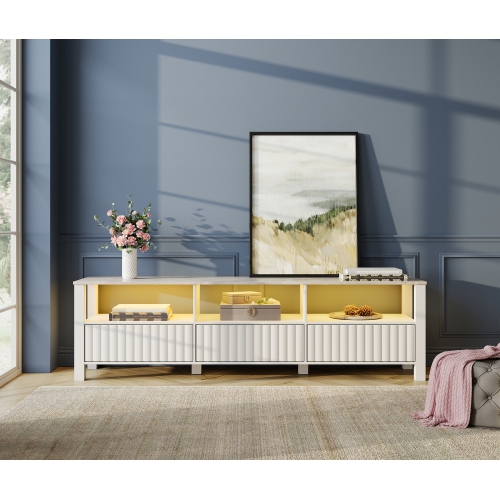
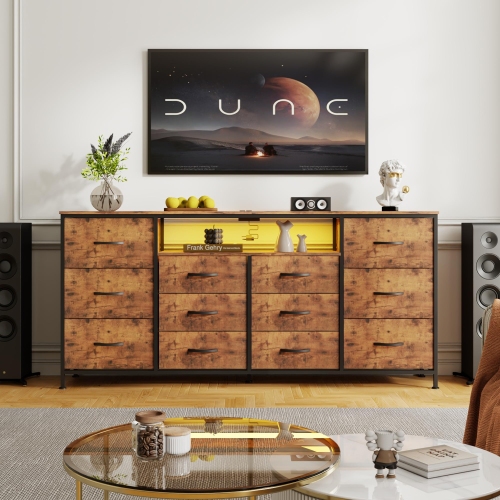
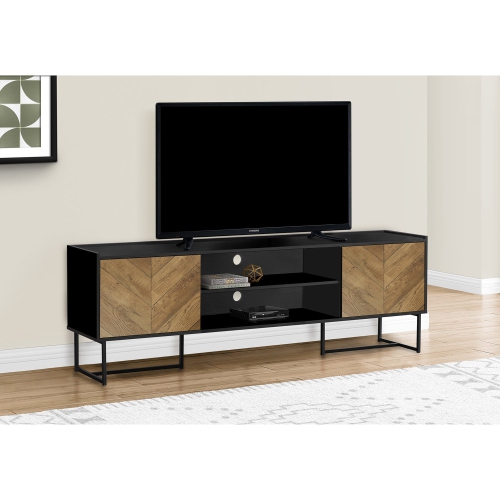
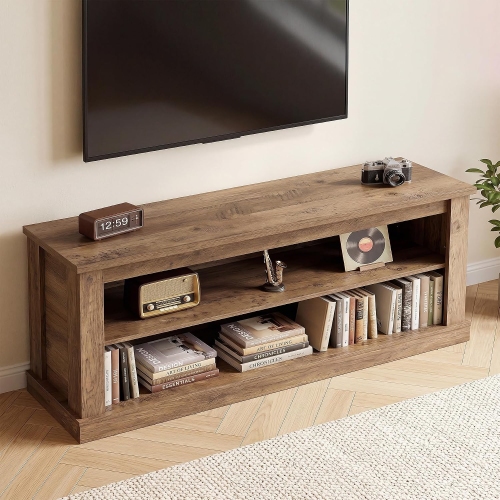
The right fit balances screen size and storage needs
An entertainment unit is a central piece of furniture designed to support a television, organize media components and bring a finished look to a living room, family room, den or bedroom. More than a place to set a screen, it can help define the layout of the room by creating a natural focal point for movie nights, sports broadcasts, gaming sessions and relaxed evenings with streaming shows. Entertainment units are available in a range of configurations, from compact TV benches and low media consoles to tall storage cabinets and multi-piece wall systems. Some have open shelving for consoles, speakers, books and decorative accents, while others include drawers or doors to keep remotes, cables, games and accessories out of sight. A well-chosen unit can make a room feel more settled, especially when furniture has been rearranged for the cooler months and the television becomes a more frequent gathering point. For a broader selection of coordinating pieces, explore Entertainment Furniture. When comparing entertainment units, begin with the television itself. Measure the screen width, not only the advertised diagonal size, and check the manufacturer’s stand width and weight requirements before choosing a console. The unit should be wide enough to provide a stable surface with a little room on either side, while the overall height should place the centre of the screen at a comfortable viewing level from the main seating area. A wall-mounted television may pair well with a lower console that provides storage without making the room feel crowded, while a television placed on its stand may need a deeper surface with suitable ventilation around the components.
Room size, traffic flow and storage needs all play a part in finding the right entertainment unit. In a compact apartment, condo or bedroom, a streamlined media bench can provide a home for a television, soundbar and a few essentials without taking over the floor plan. In a larger family room, a wider console or full wall arrangement can make use of vertical space and offer room for books, décor, speakers, game systems and collections. Consider how doors and drawers open, whether shelves can accommodate taller equipment and whether the unit leaves enough clearance for baseboards, wall outlets and nearby furniture. Cable management is another practical detail that makes a noticeable difference in everyday use. Openings or channels at the back can help route power and connection cables, while enclosed compartments can conceal excess length and reduce visual clutter. Components that generate heat should have adequate airflow, and devices that rely on remote controls or wireless connections should remain accessible rather than being sealed behind solid doors. If a soundbar is part of the setup, check that the shelf height and front edge will not block the audio or interfere with the television. Families may appreciate durable surfaces and easy-access storage for controllers and games, while people who enjoy a quieter, more refined room may prefer closed cabinets and clean lines. Those who host often can look for a broad top surface that leaves space for seasonal décor, serving pieces or a compact speaker without crowding the screen.
Style is just as important as function because an entertainment unit often occupies one of the most visible walls in the home. Warm wood tones can add a relaxed, welcoming feel to a room with soft textiles and comfortable seating, while black, white or mixed finishes can complement modern interiors. Glass doors and open shelving make equipment and décor easy to see, whereas solid fronts create a calmer appearance by keeping visual details tucked away. Floating or wall-mounted designs can make the floor area appear more open, although they require careful installation and a wall that can safely support the load. Freestanding units are often easier to reposition when the room layout changes and may suit renters or households that prefer flexible furniture. Some larger designs include bookcase-style storage, display niches or a fireplace feature, creating a substantial focal point for gatherings during the cooler months. Before buying, compare the unit’s dimensions with the available wall space and leave room for ventilation, cable access and comfortable movement around the room. It is also worth considering delivery access, assembly requirements and whether the finish will be easy to maintain in a busy household. Entertainment units can make thoughtful gifts for someone moving into a first home, setting up a media room, furnishing a student space or refreshing a family living area. A compact unit may be especially useful for a recent graduate or new homeowner, while a larger storage-focused design can suit a household that enjoys hosting relatives and friends. Whether the goal is a simple place for a television or a complete media centre with organized storage, the best choice balances screen size, room proportions, equipment requirements and personal style for a comfortable setup that feels natural in daily life.
Top selling and popular products
-
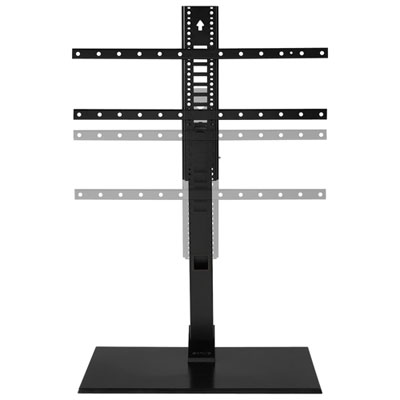 Your price for this item is $249.99
-
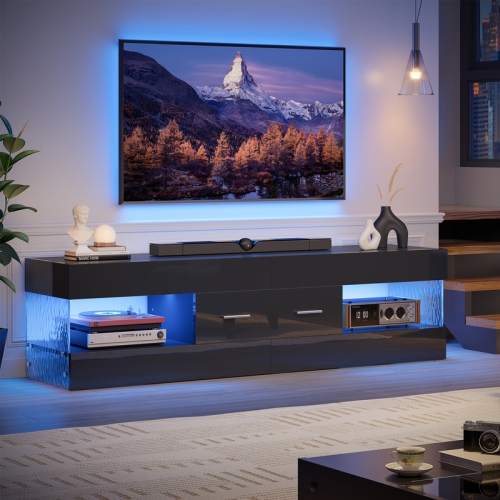 Your price for this item is $179.99
-
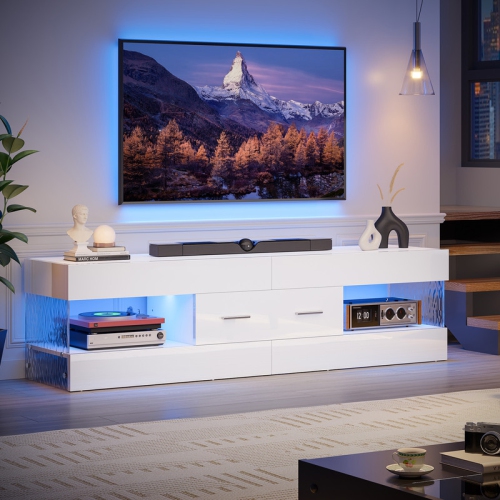 Your price for this item is $169.99
-
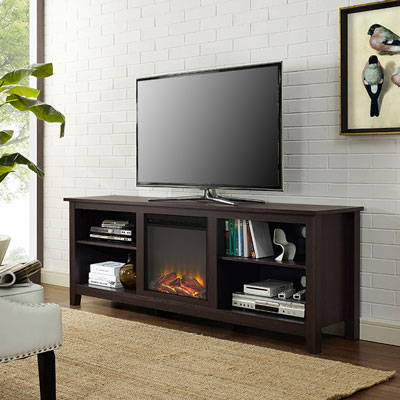 Your price for this item is $689.99
-
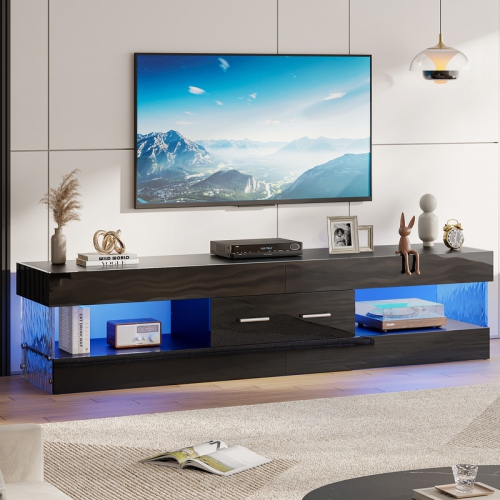 Your price for this item is $199.99
-
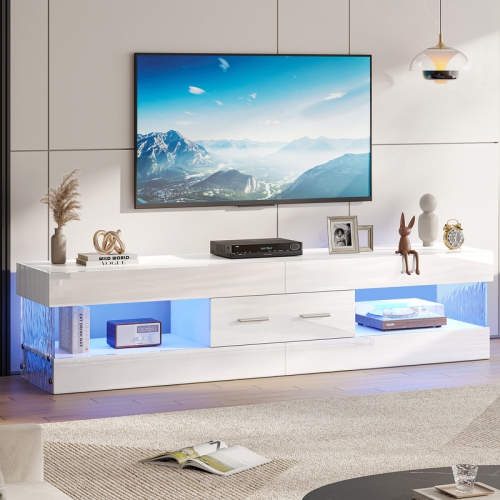 Your price for this item is $199.99
-
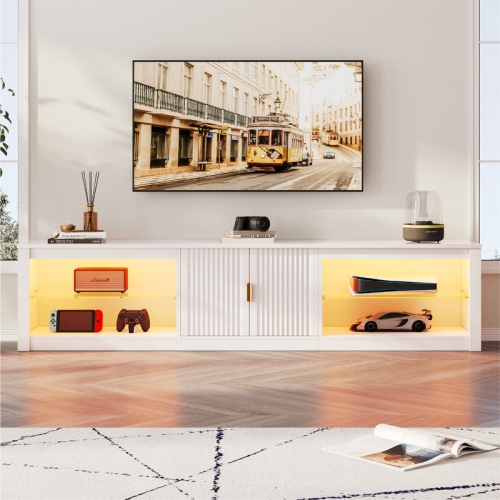 Your price for this item is $269.99
-
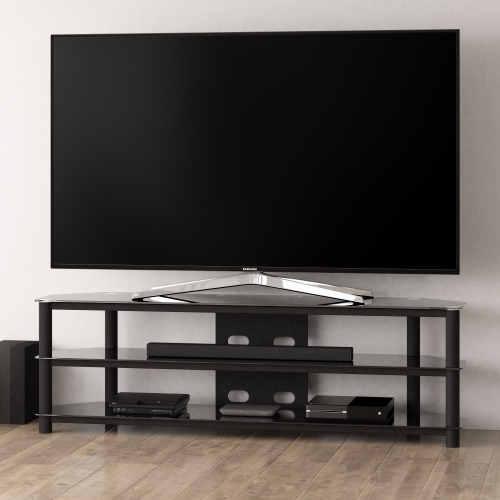 Your price for this item is $324.99
Discover more categories related to Entertainment Units


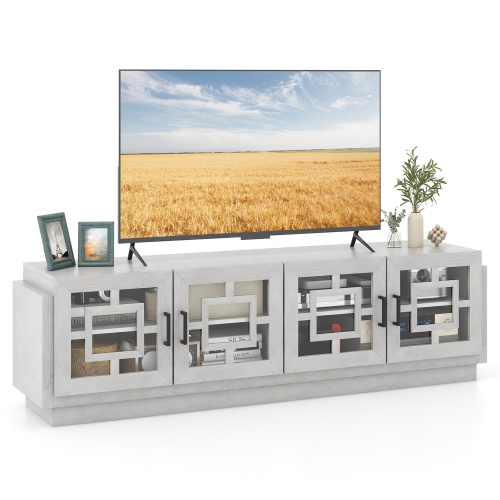
Top Collections:
Pokemon Centers, Kindle Devices, Best Budget Office Chairs, Canon G7X Cameras, Apple iPhones 16, Samsung Galaxy Phones, Refurbished Apple Laptops, Laptops for Students, iPhone 15 Apple, Budget Smartphones
Some products may be subject to Environmental Handling Fees
(EHF) depending on your province.
Learn more about EHFs.