Small Entertainment Units
Looking to upgrade your entertainment setup without taking up too much space? Look no further than our collection of small entertainment units. These compact yet stylish units are designed to seamlessly blend into almost any room while providing ample storage for your media devices and accessories. Whether you're looking for a sleek modern design or a rustic charm, our selection of small entertainment units offers something for every taste and budget. Discover the perfect solution to organize your entertainment essentials while adding a touch of sophistication to your space.
Sort




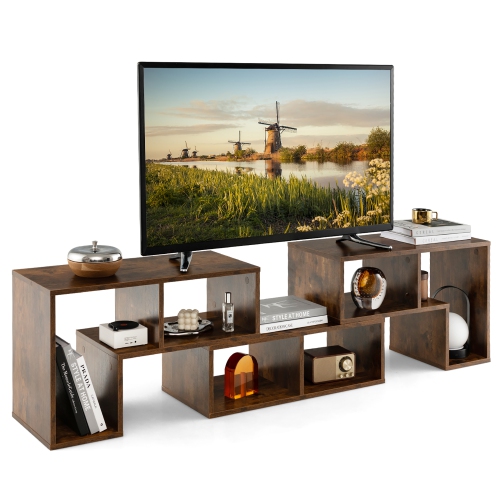
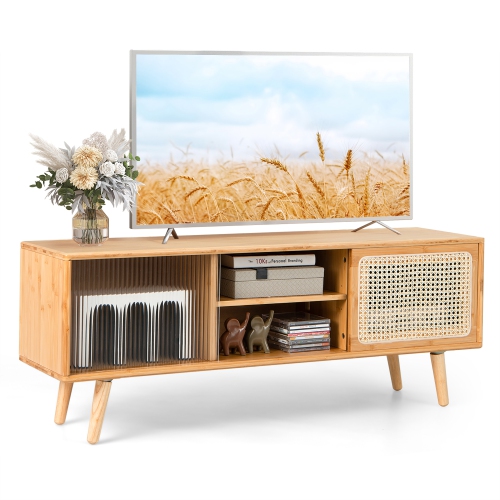

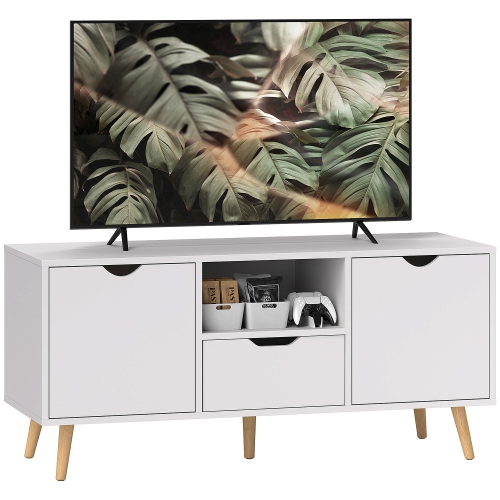





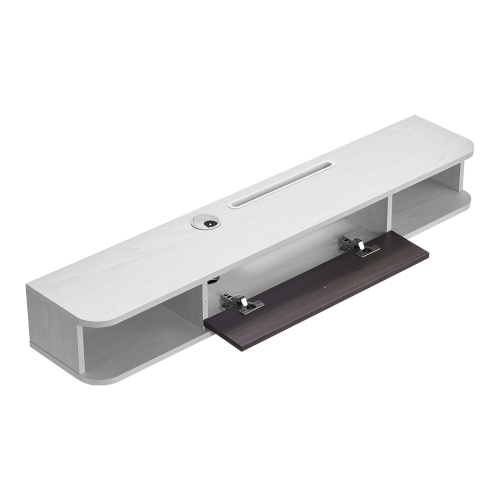
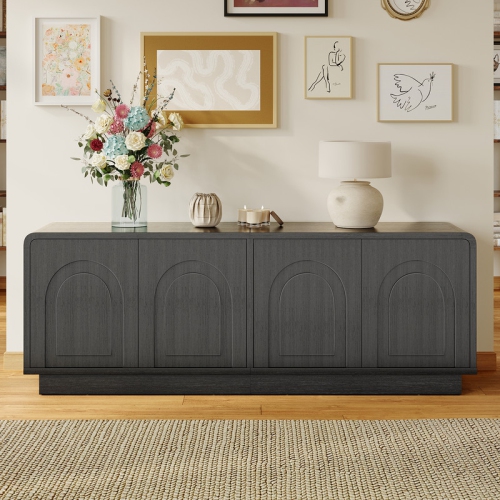
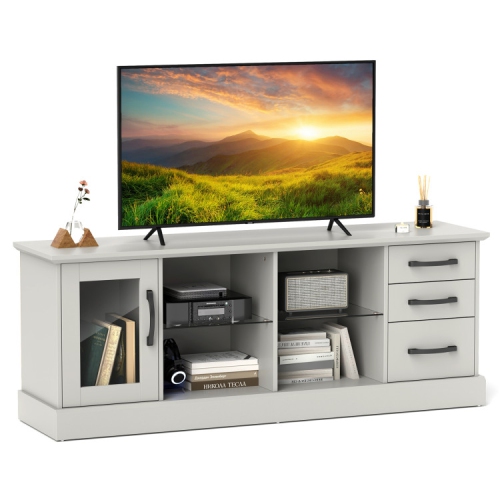


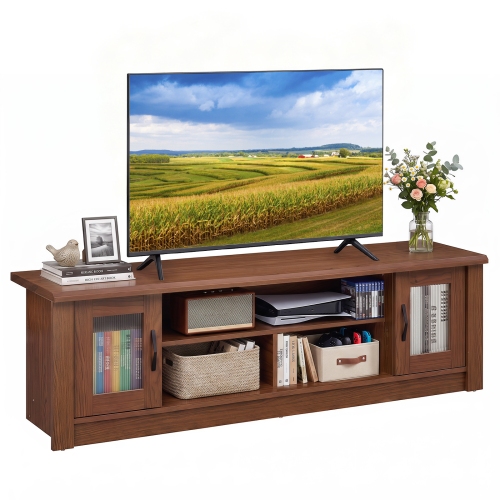

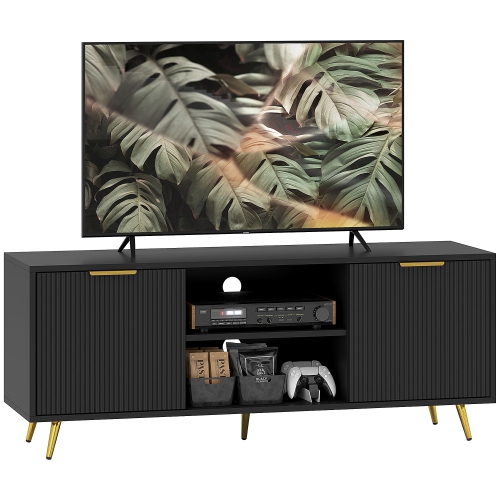


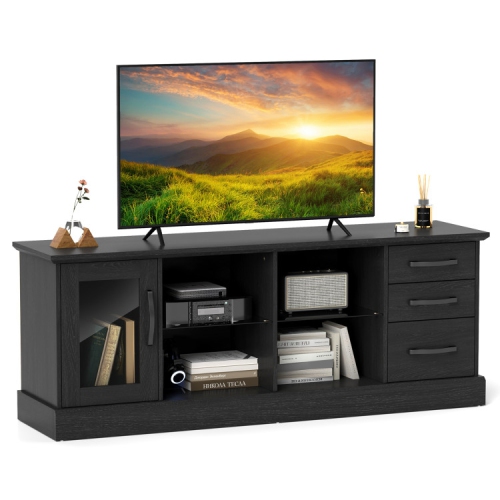


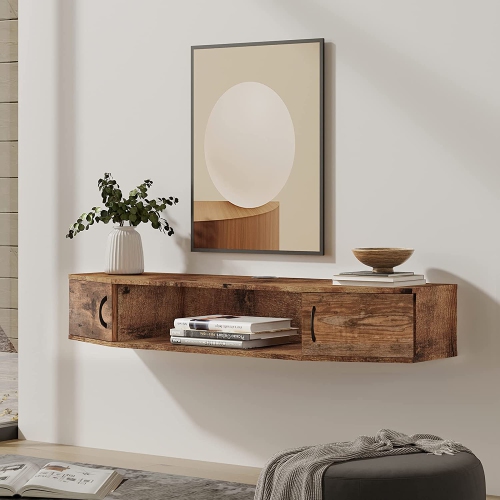


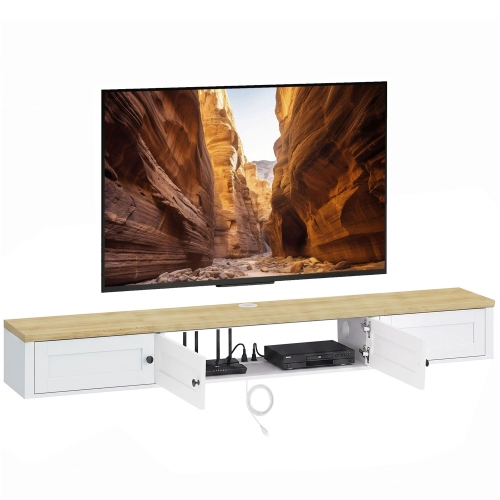





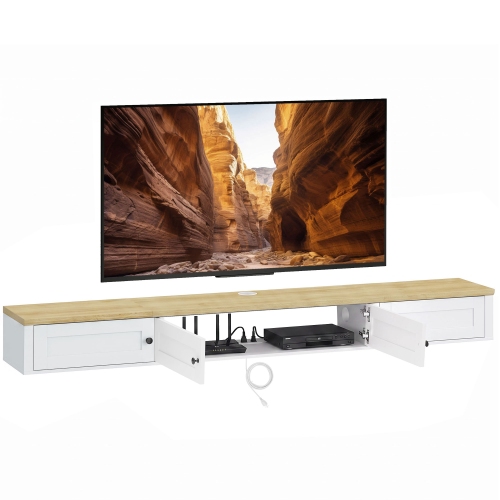

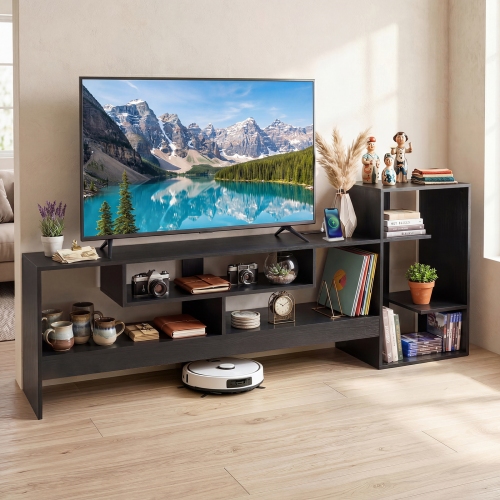

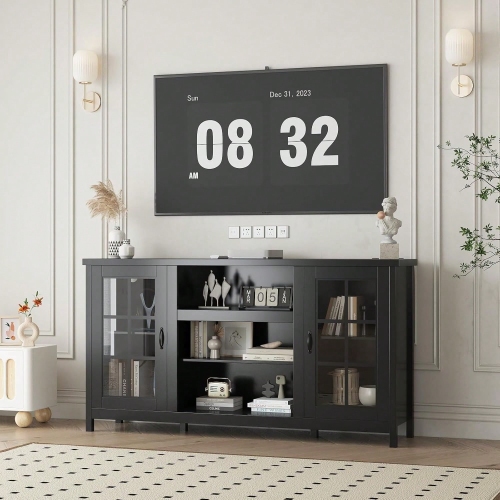
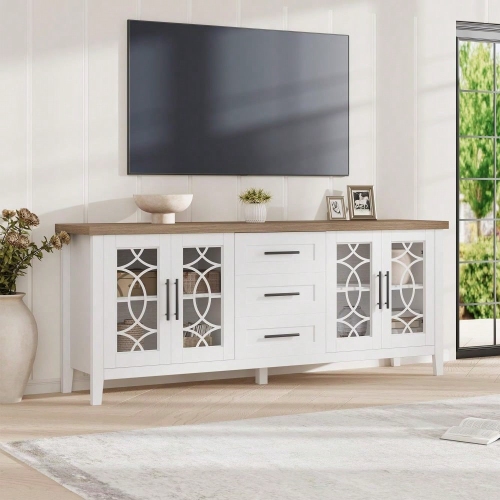
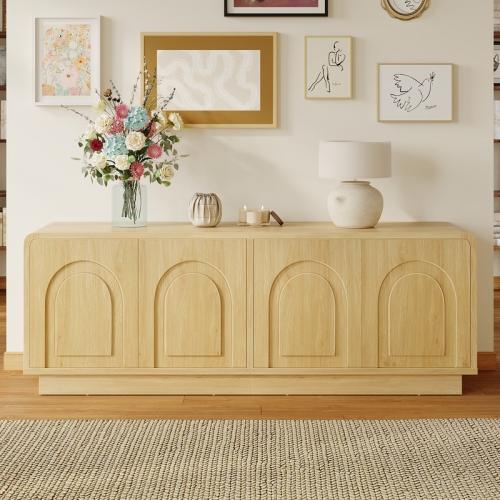
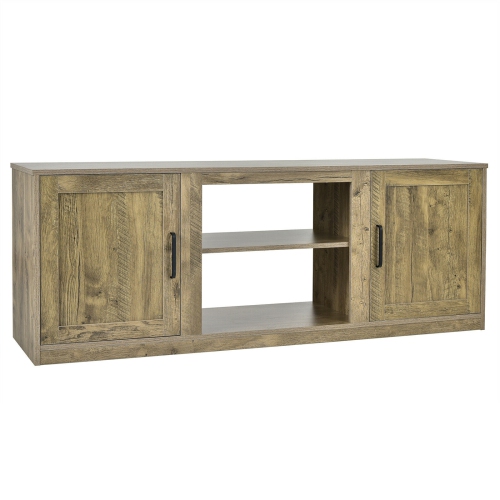
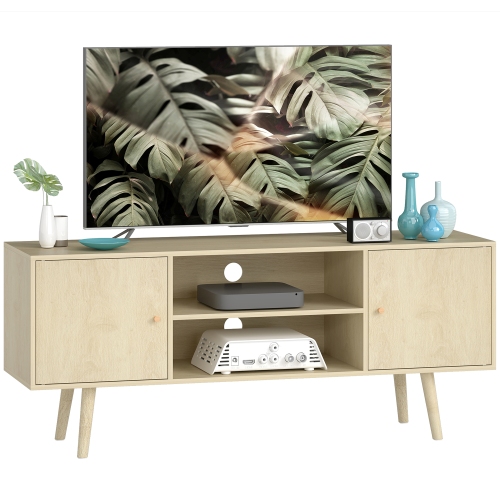
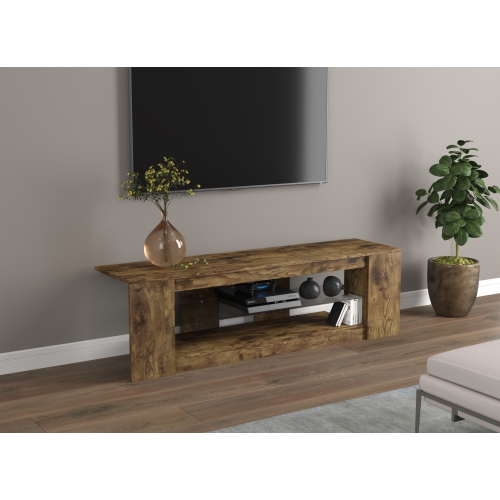


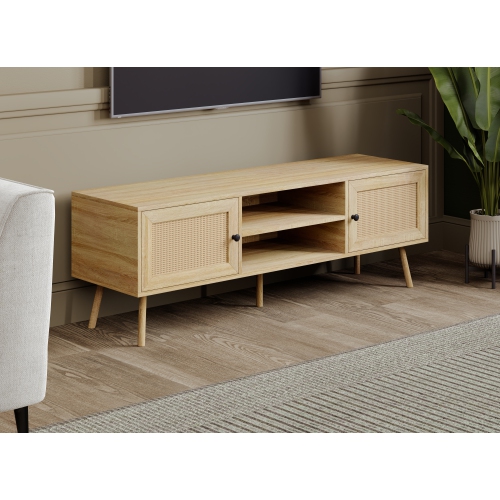

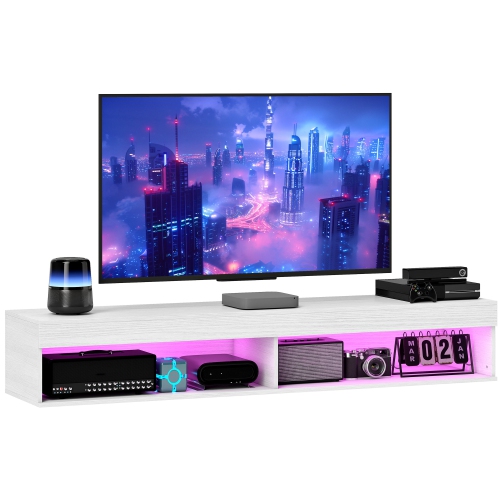
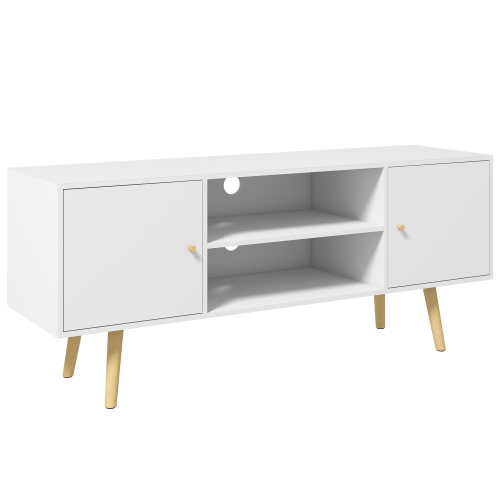
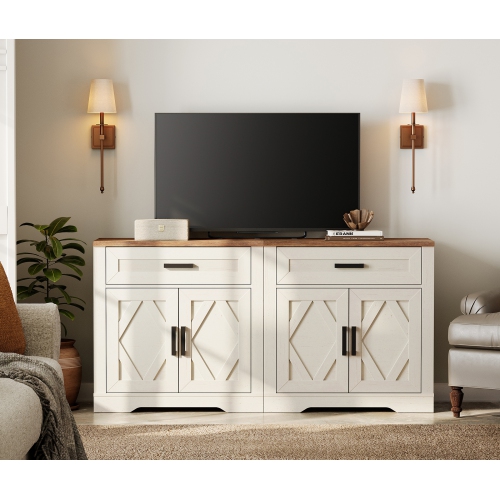









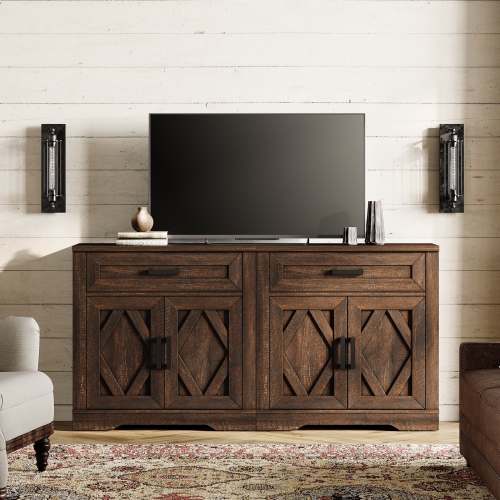
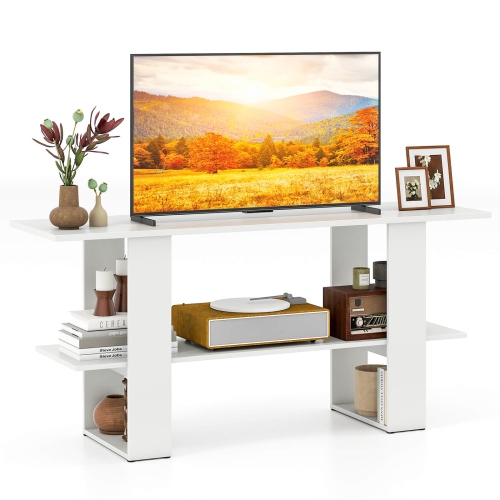


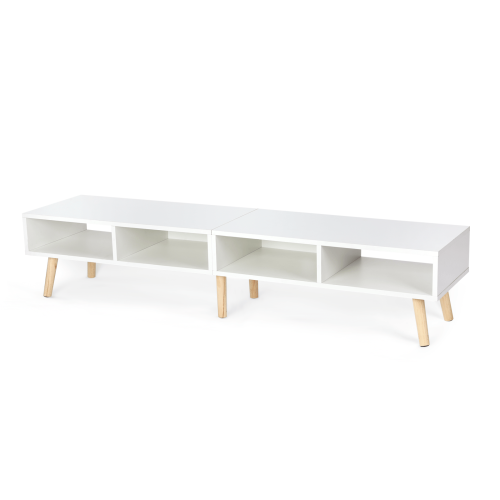
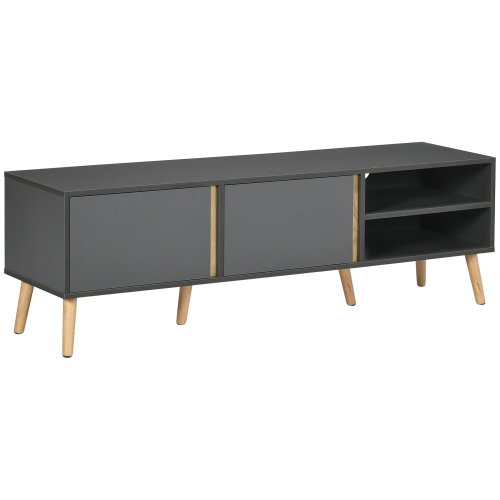
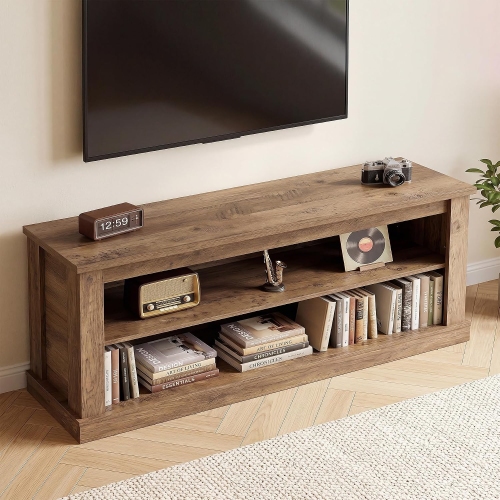


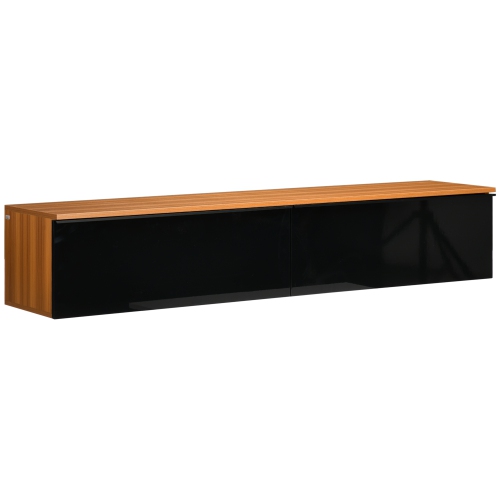


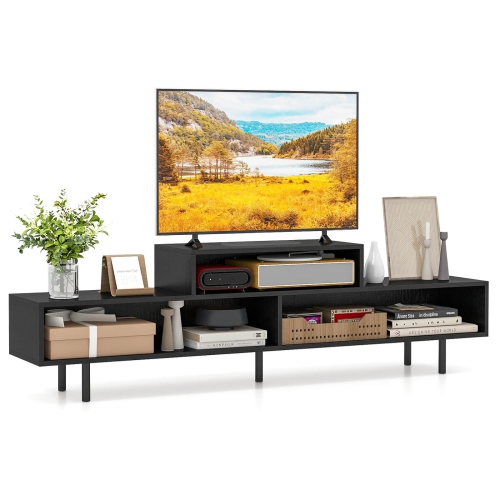
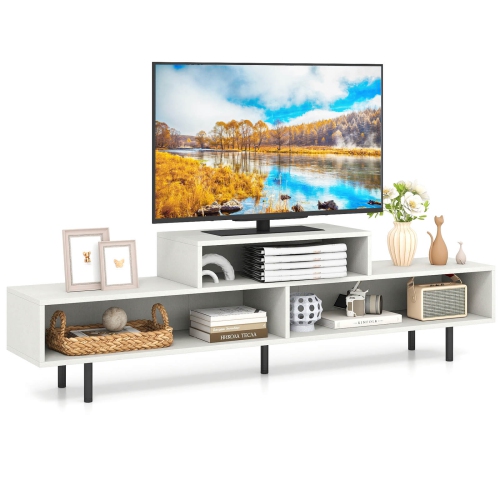
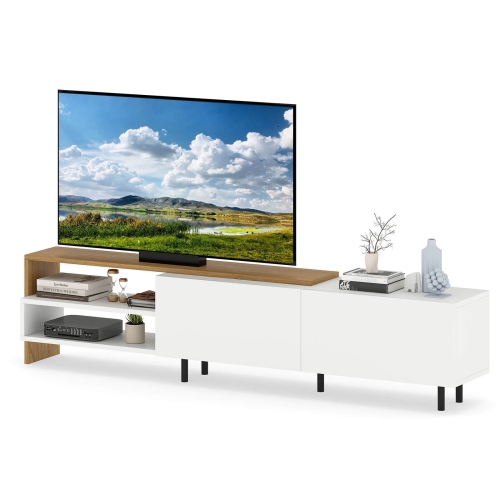


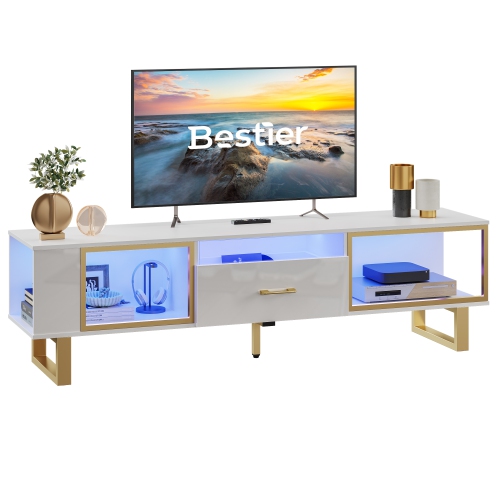

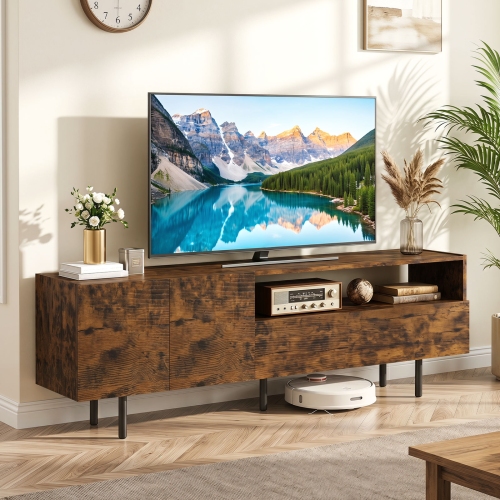


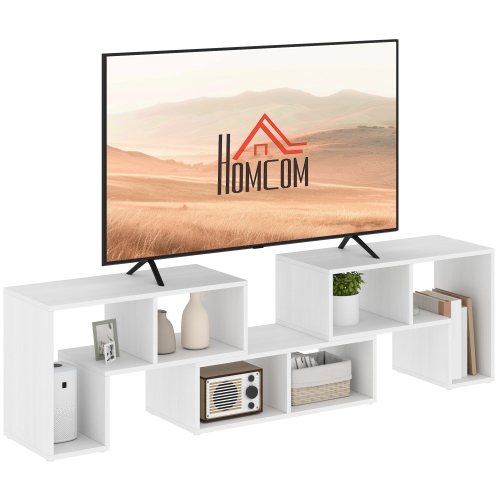


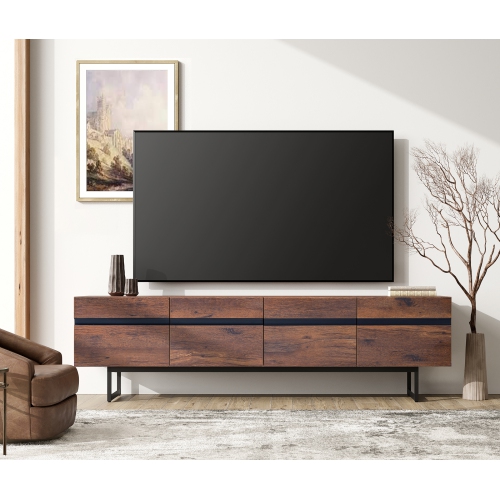


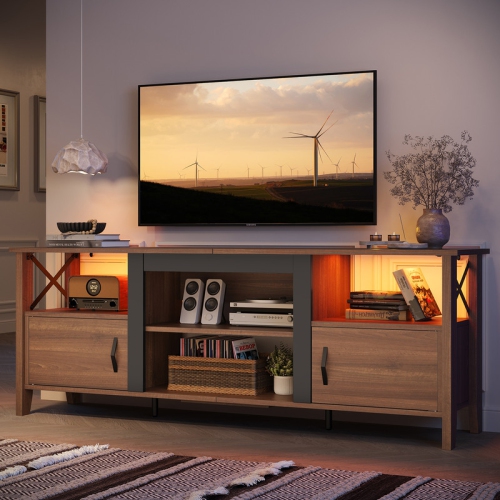

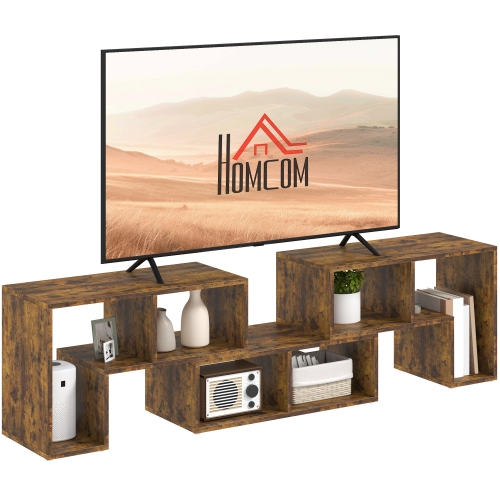







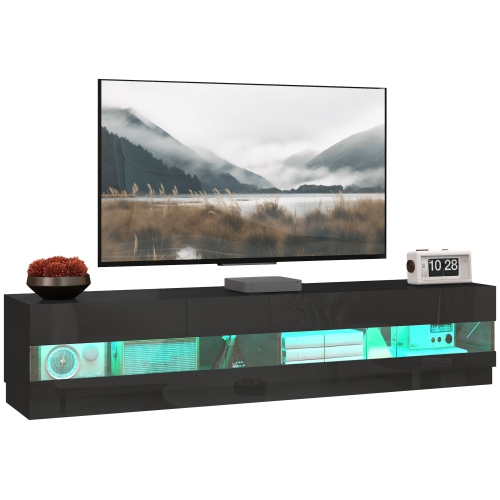


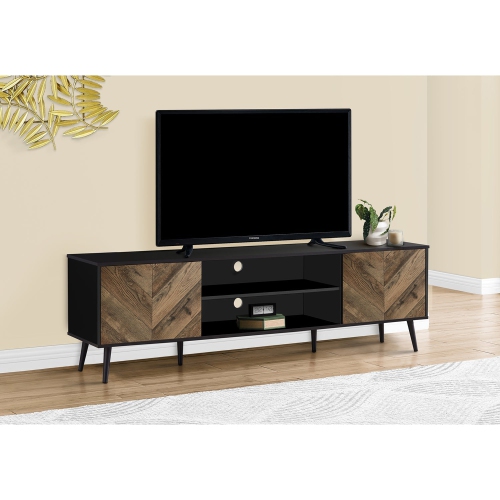


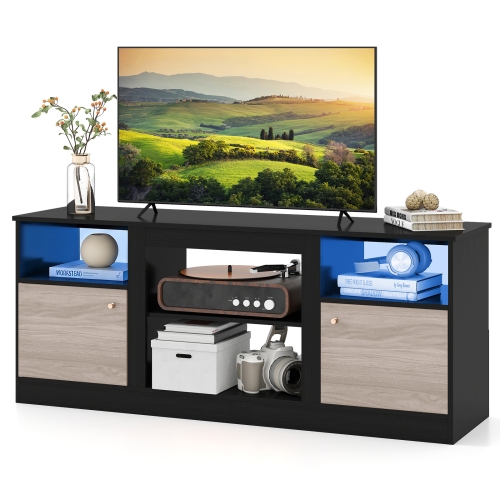

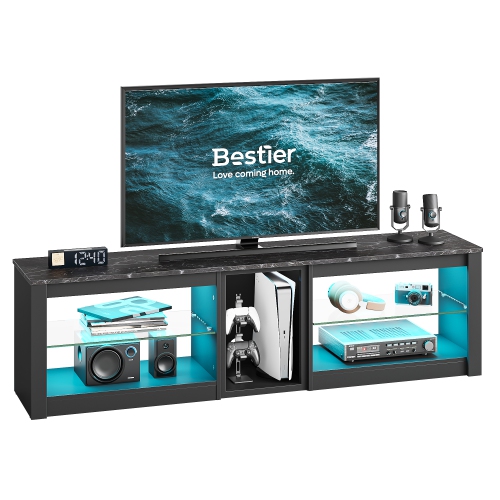

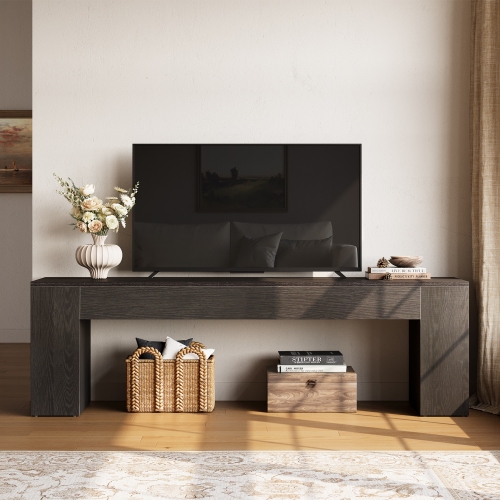
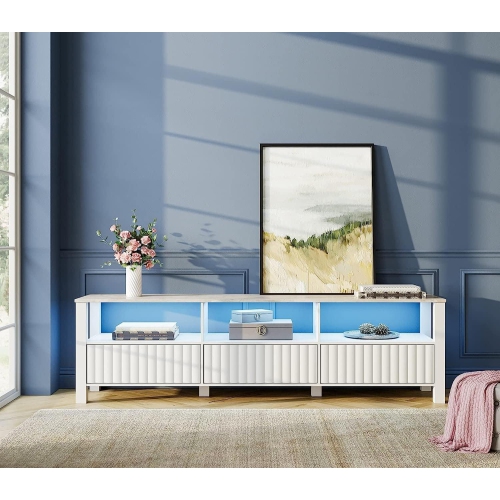
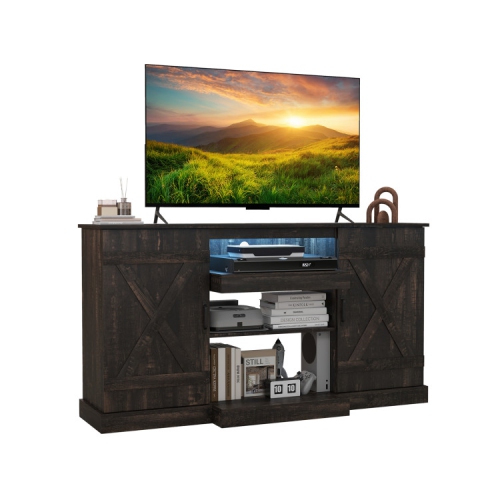
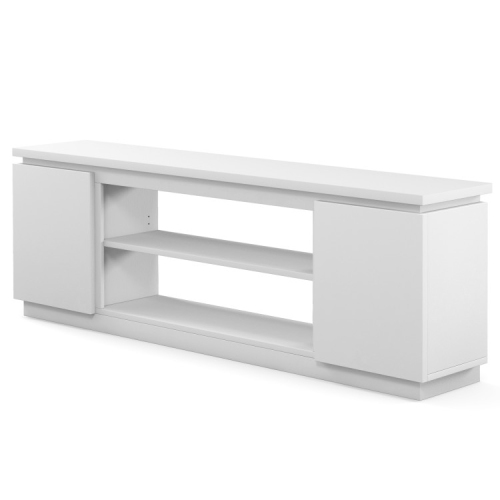



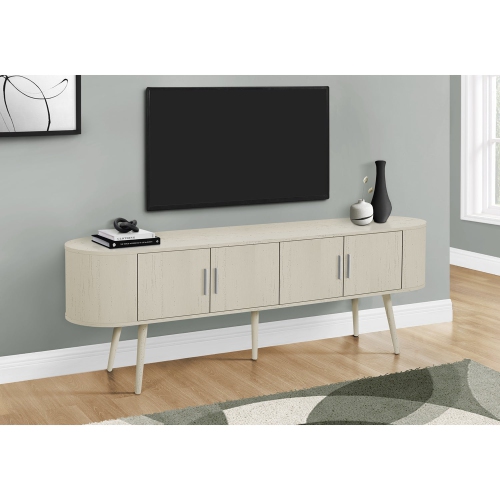
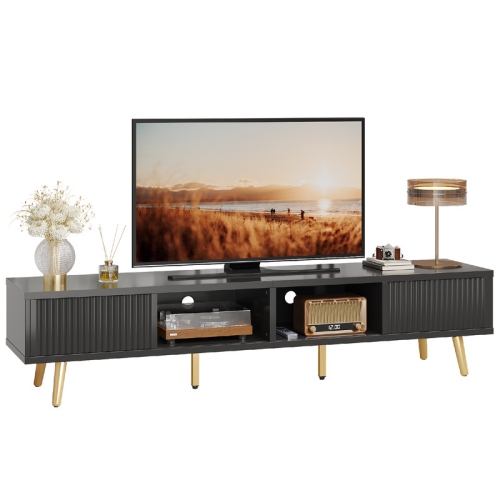
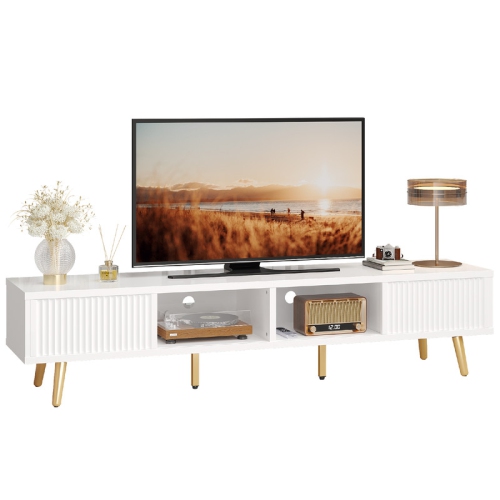

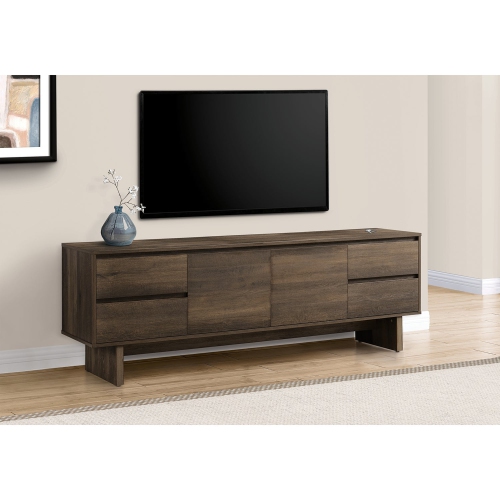
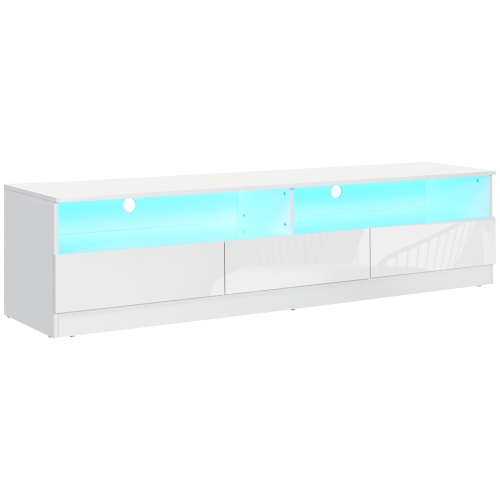

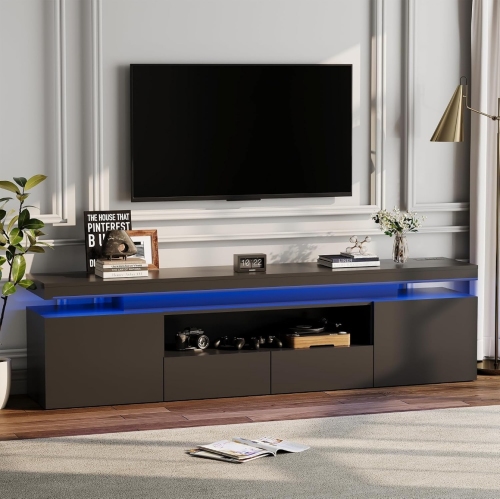
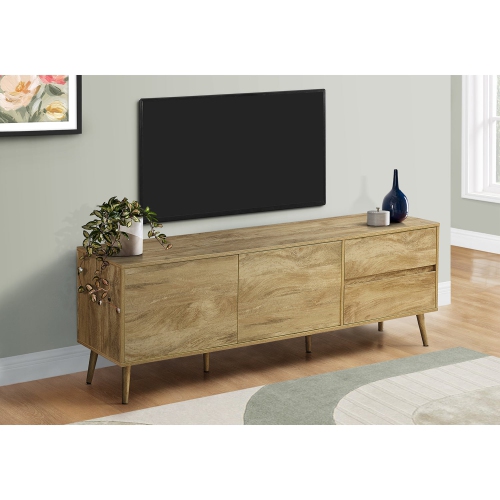
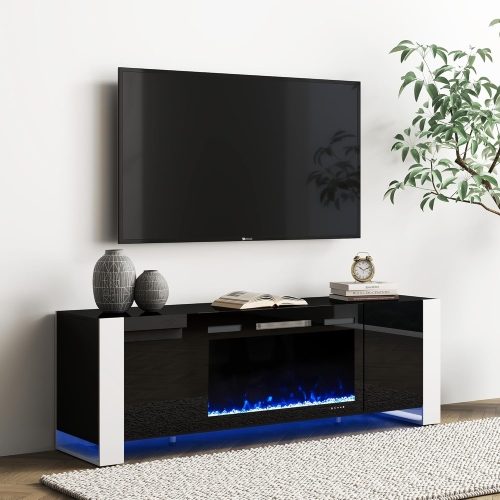
Smart storage and sizing tips for compact viewing spaces
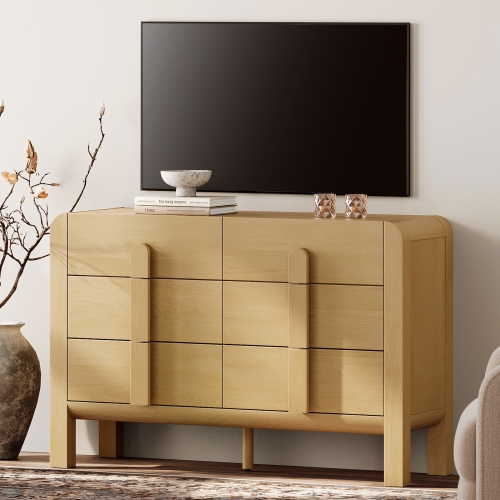
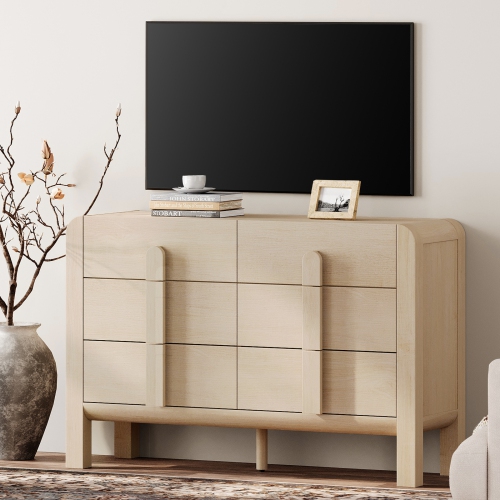
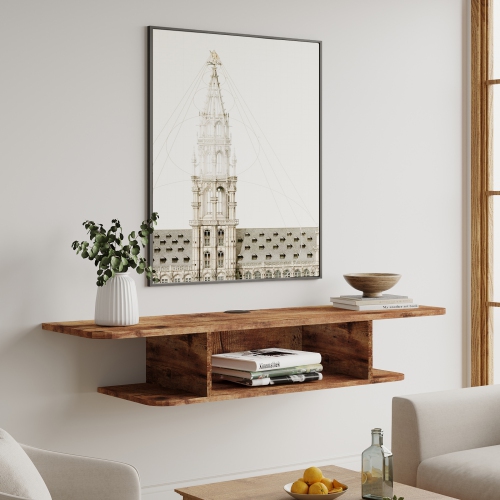
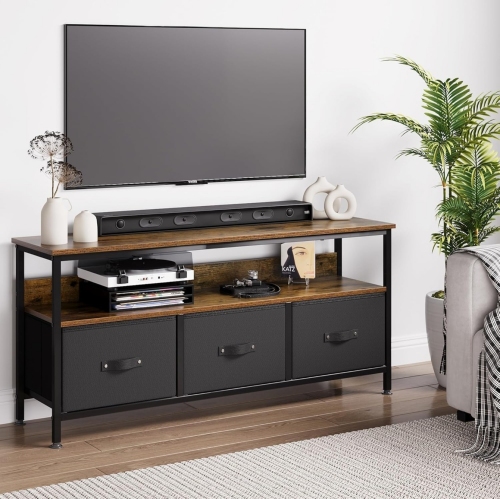
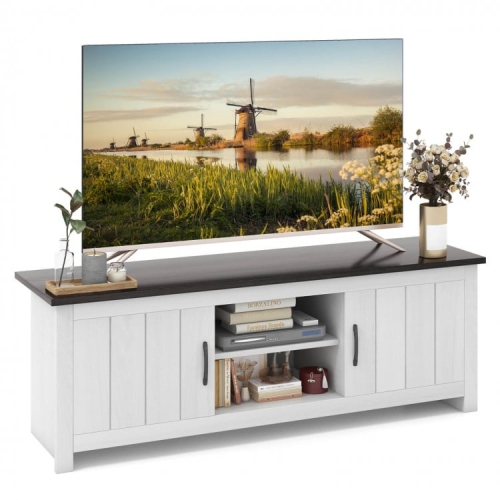
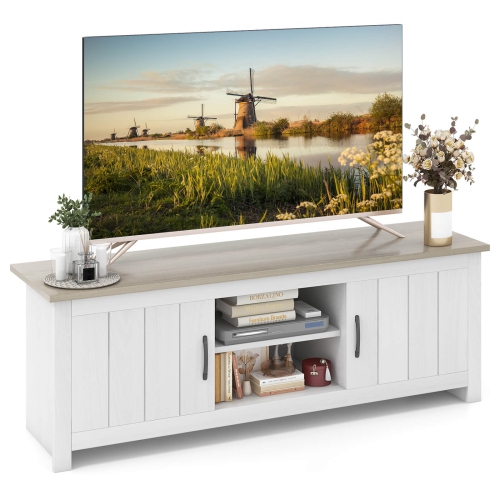
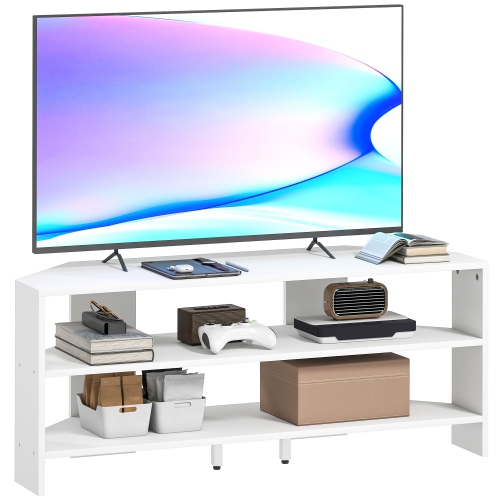
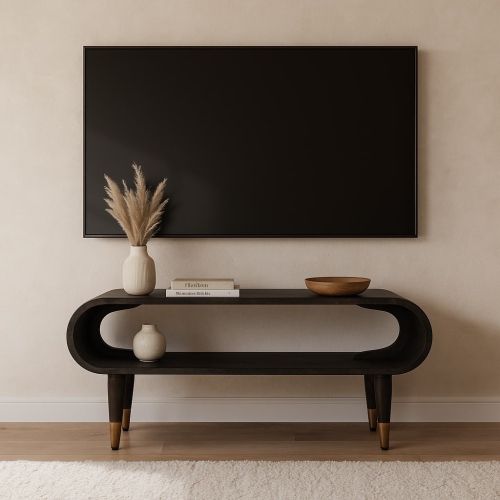
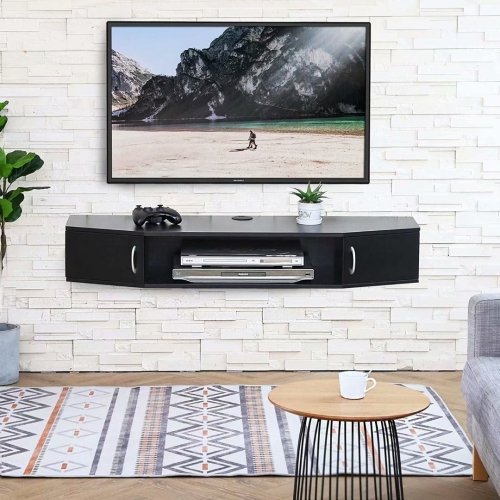
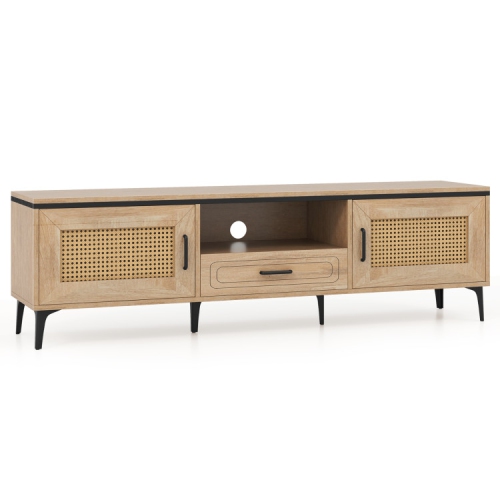
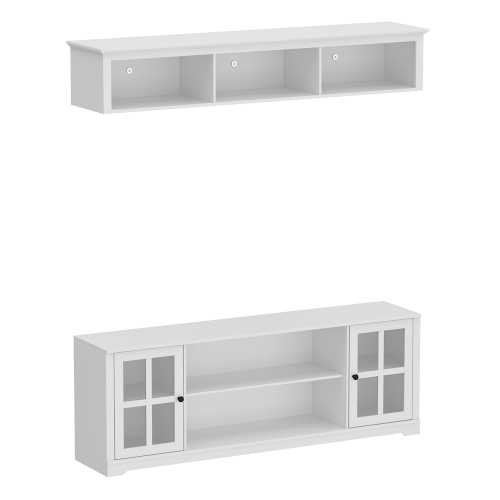
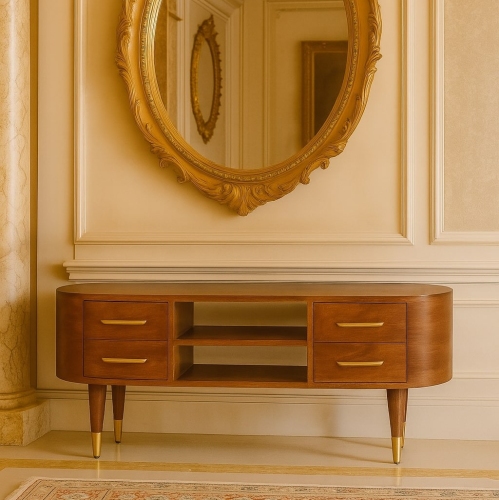
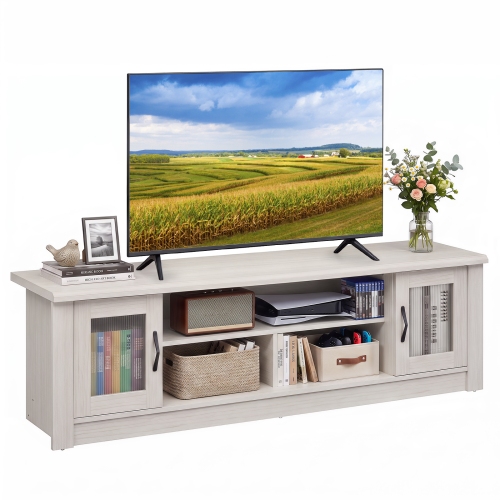
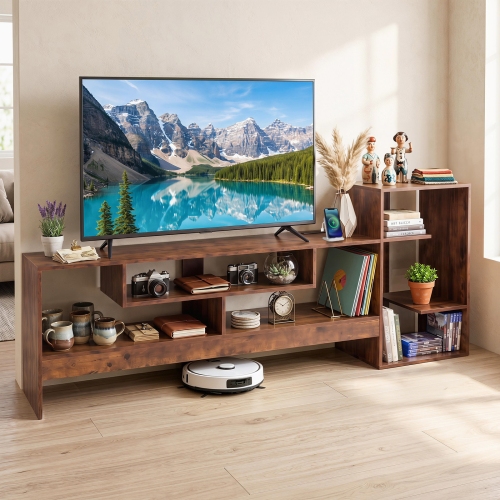
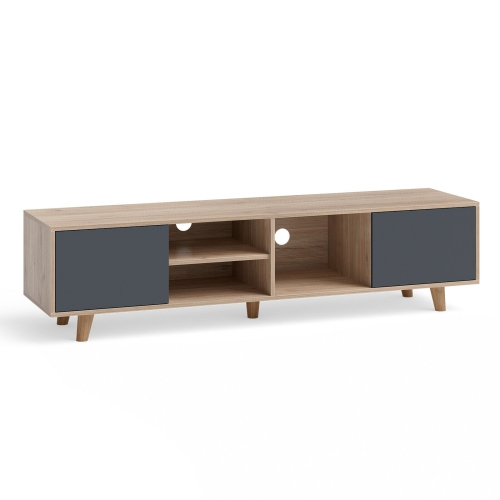
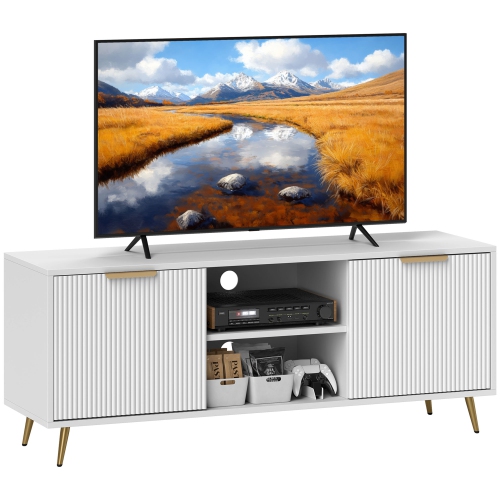
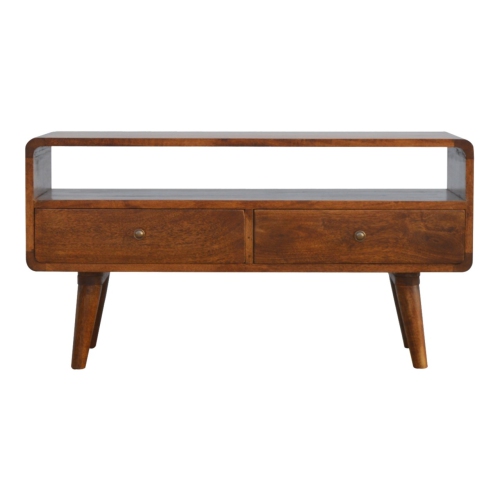
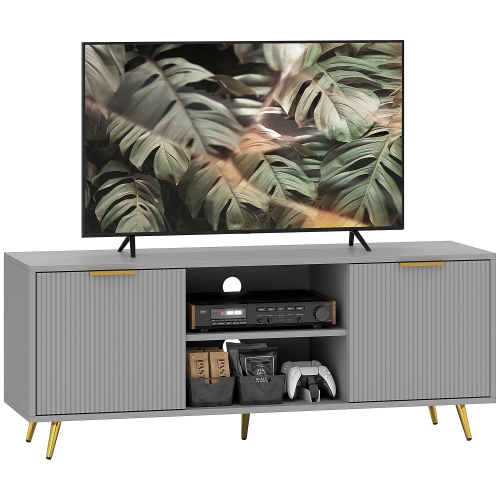
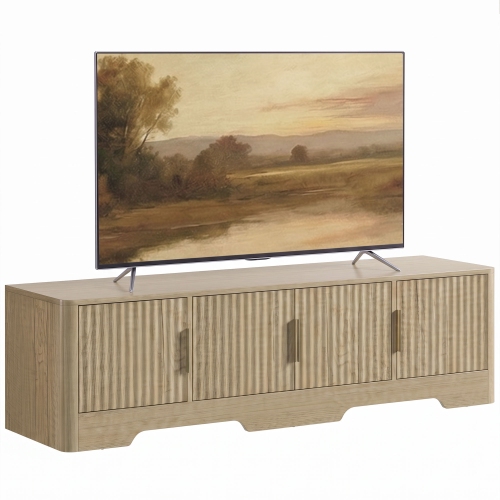
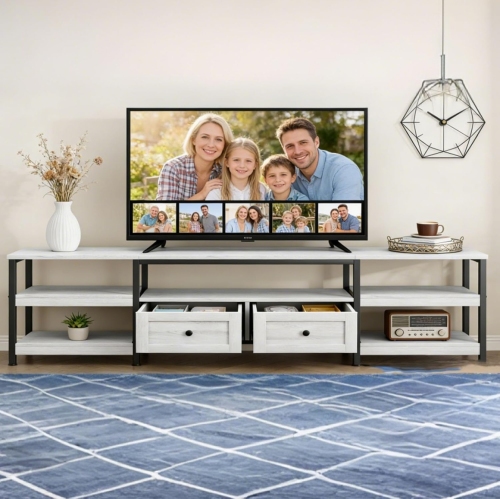
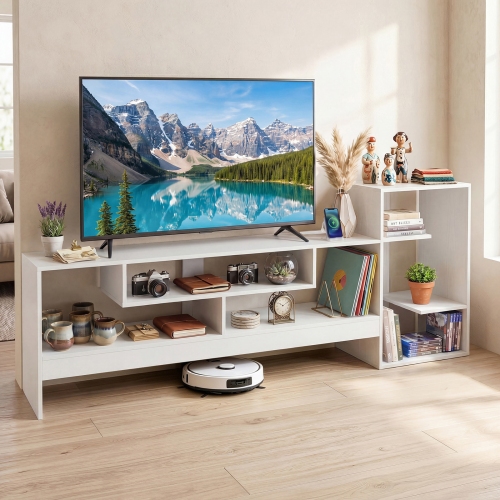
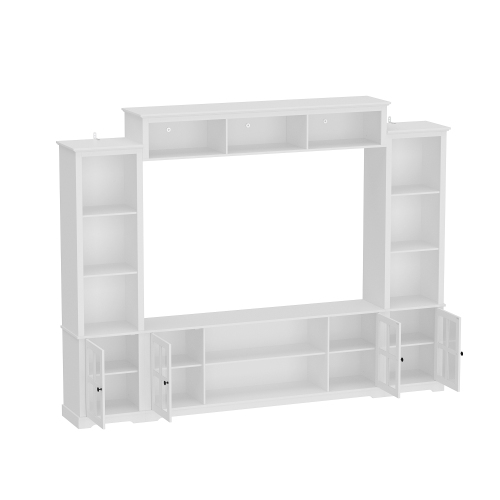
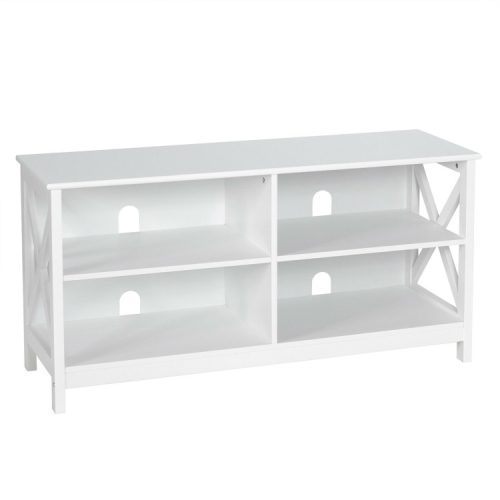
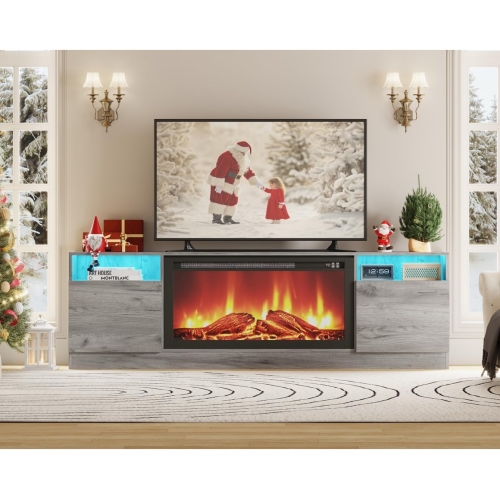
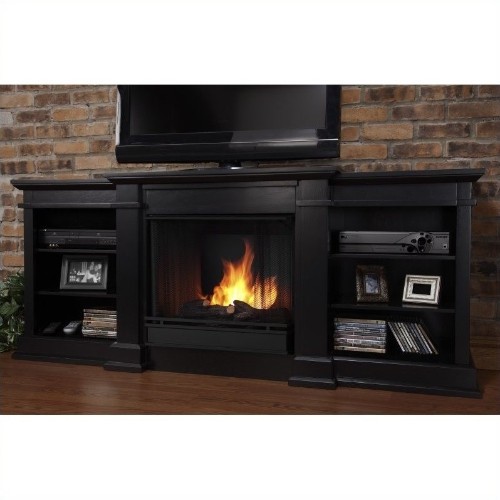
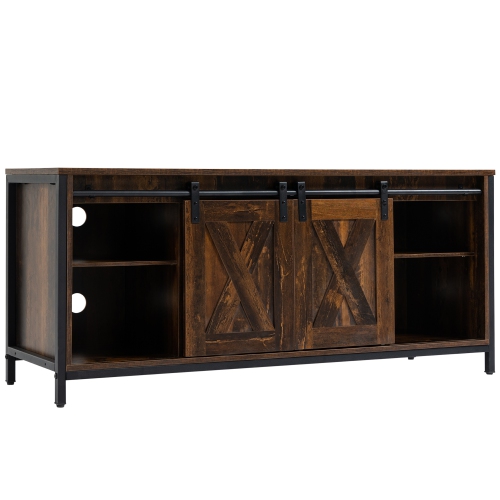
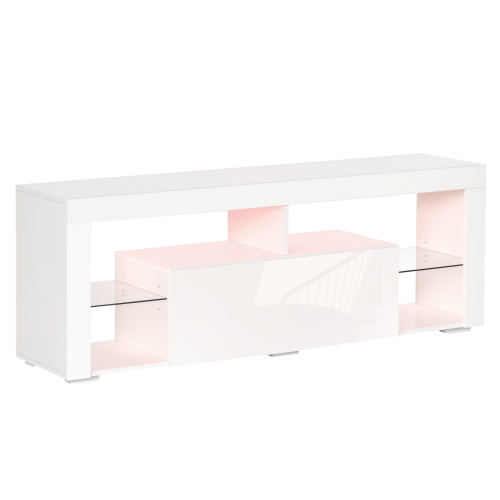
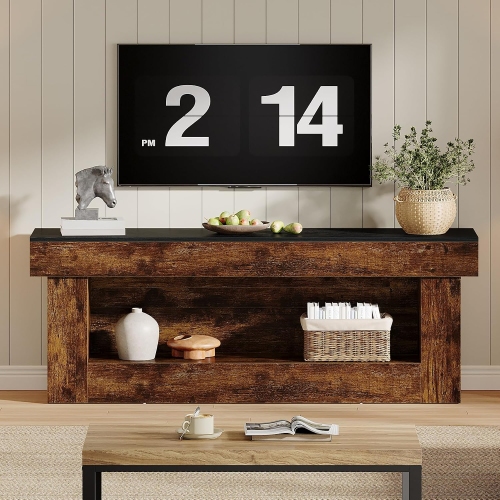
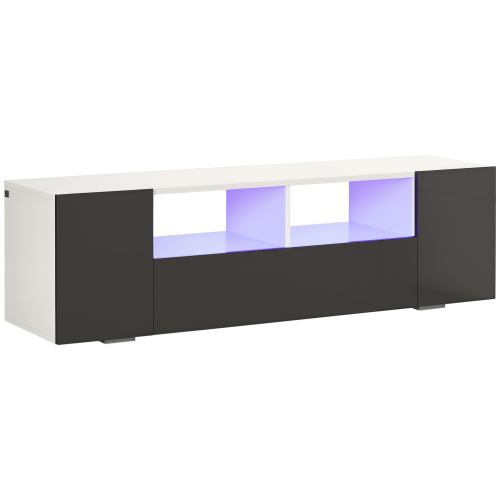
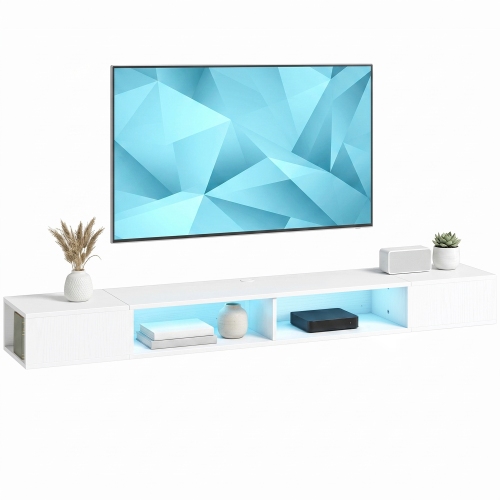
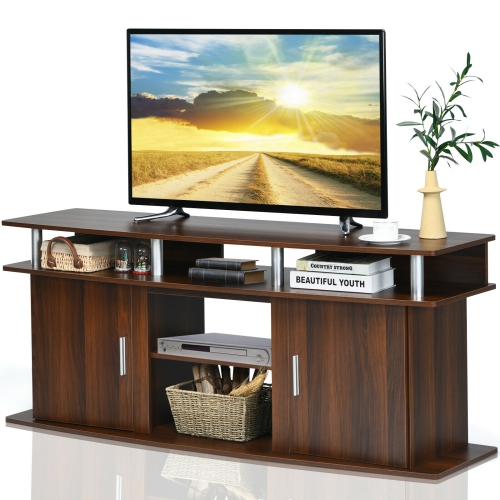
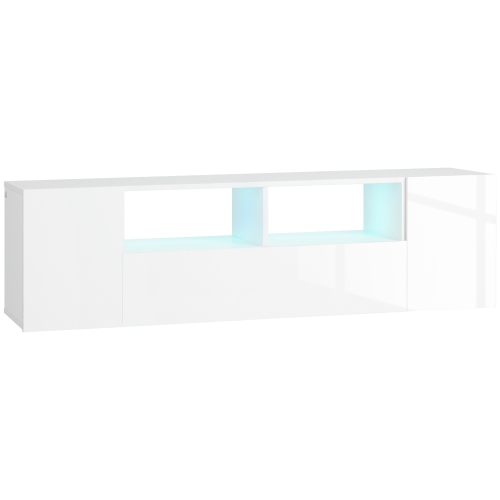
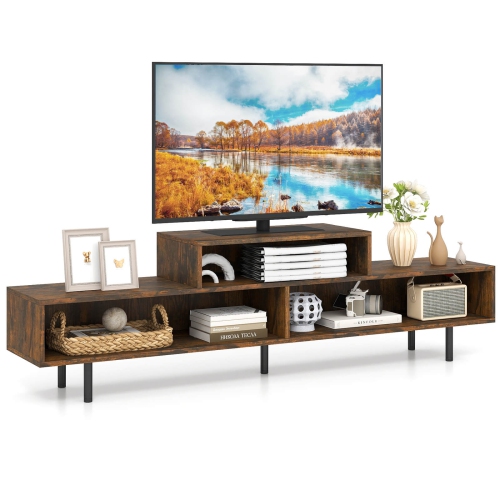
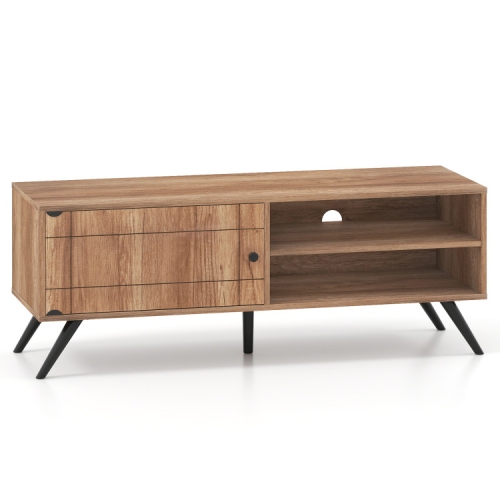
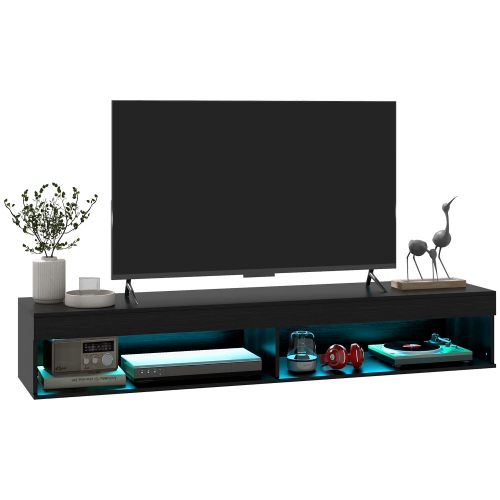
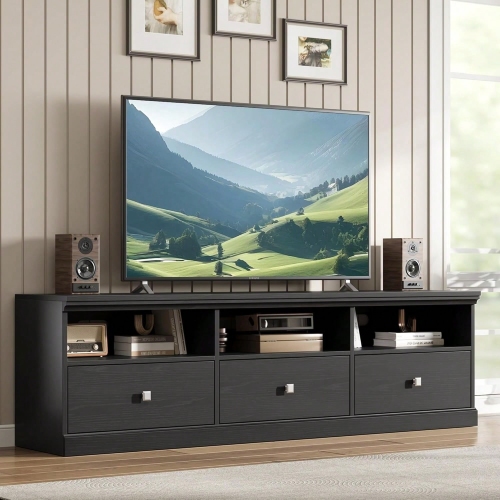
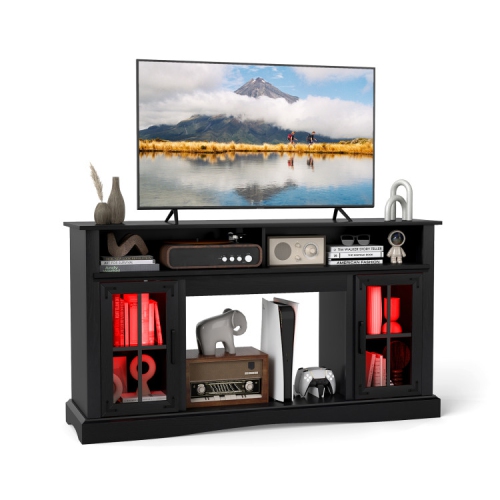
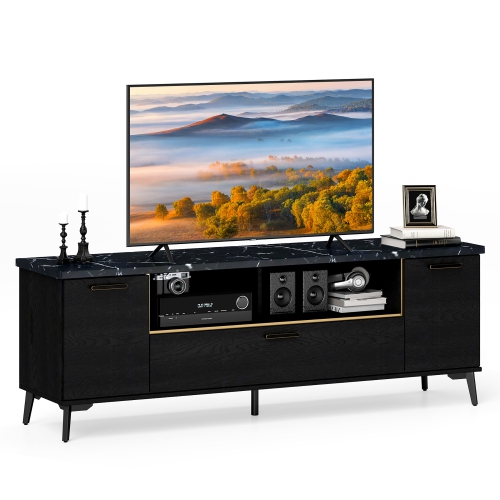
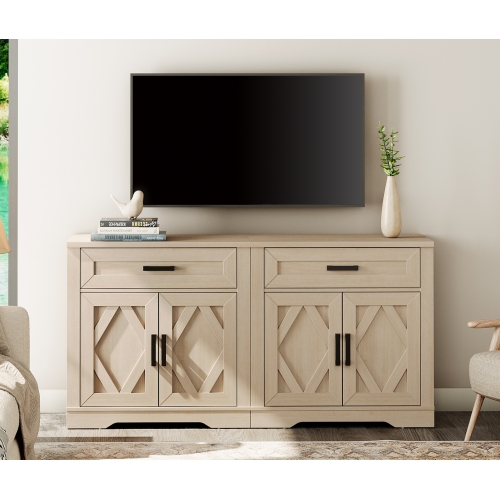
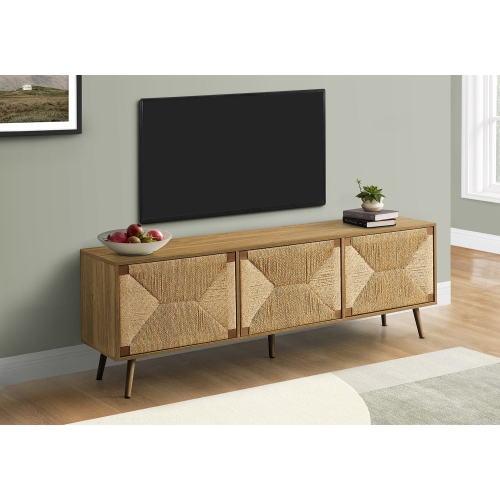
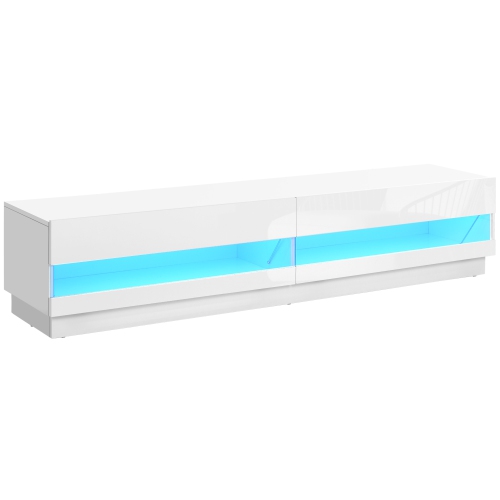
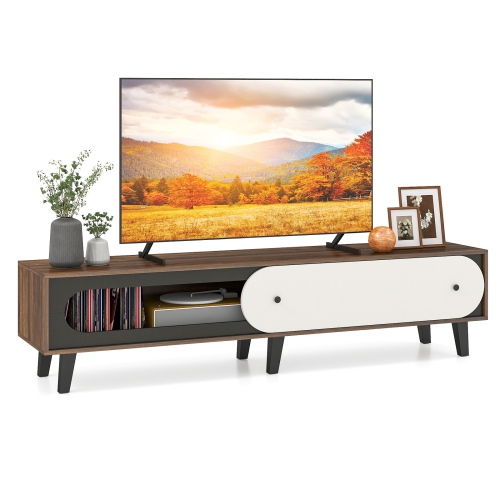
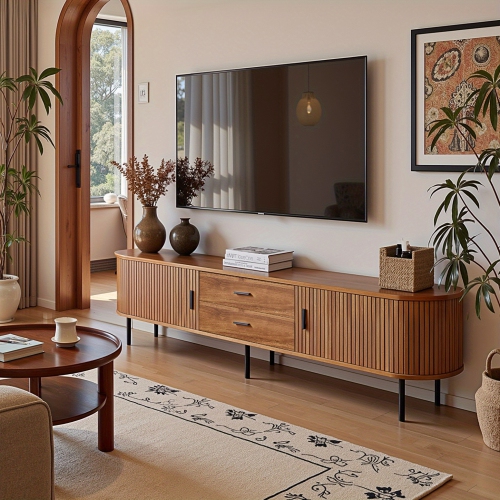
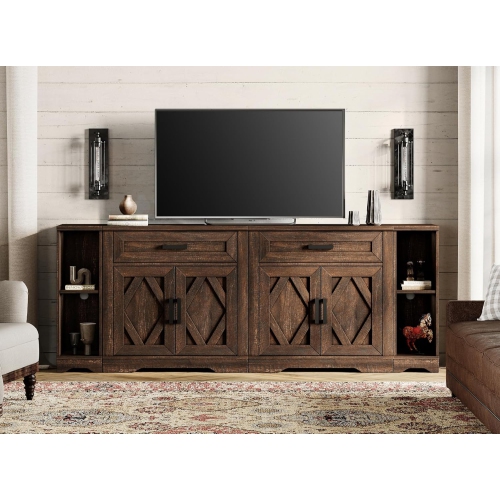
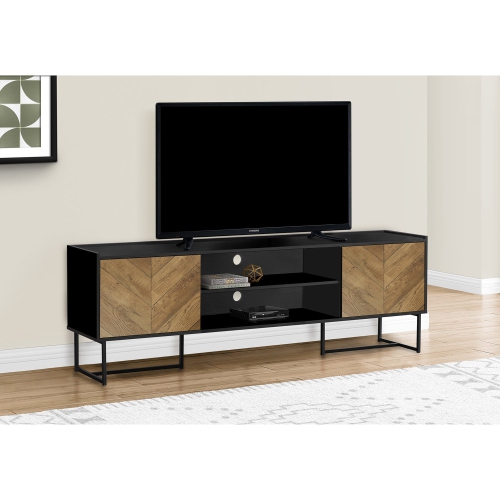
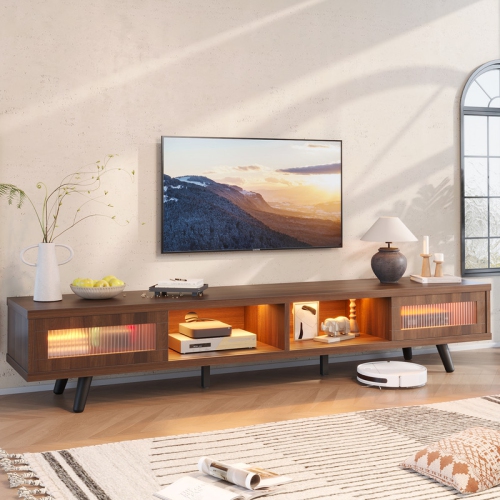
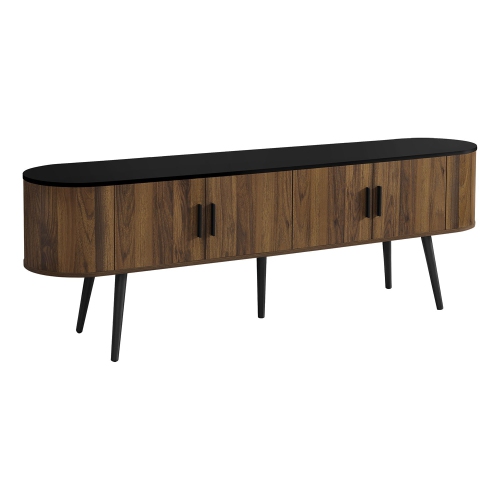
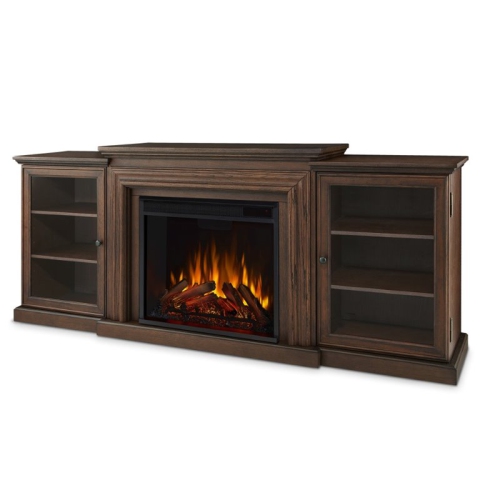
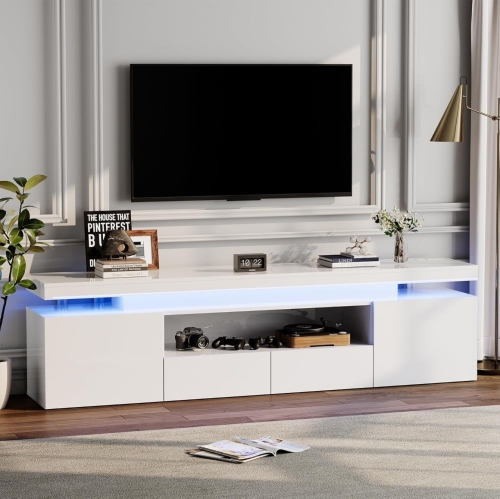
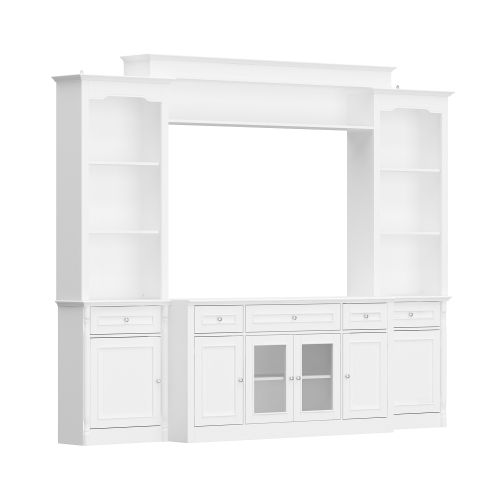
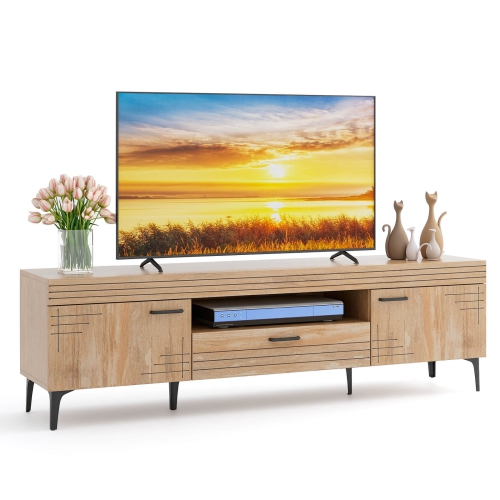
Small entertainment units are designed to bring order and function to rooms where every square foot matters. They can be a practical choice for apartments, condos, bedrooms, dens, guest rooms, home offices and smaller living rooms, providing a stable place for a television while helping the area feel less crowded. A well-chosen unit can create a defined viewing zone without overwhelming the rest of the room, leaving space for seating, storage or everyday movement. Low-profile designs work especially well beneath a wall-mounted television, while floor-standing units offer a convenient surface for a screen and additional shelves or cabinets. Corner units can make use of an awkward area that might otherwise go unused, particularly in rooms with narrow layouts or doors and windows that limit furniture placement. For a bedroom, a compact console can support a television at a comfortable viewing height while keeping game systems, remotes and media accessories close at hand. Browse Bedroom Entertainment Units for arrangements that suit a more personal viewing space. These units can also make thoughtful gifts for someone moving into a first apartment, setting up a basement lounge or refreshing a child’s or teen’s room, especially when their space needs practical furniture with a clean, uncomplicated footprint.
Before choosing among small entertainment units, measure the television, the available wall or floor area and the path used to bring the furniture into the room. The top surface should be wide and deep enough to support the television safely, with the screen centred and the stand or base positioned securely. Check the television’s width rather than relying only on its advertised screen size, since the frame and stand can change the amount of room required. A unit that is slightly wider than the screen often creates a balanced appearance and leaves a little space for décor or a remote, while a television that extends beyond the sides can look crowded and may be less secure. Pay attention to the unit’s weight capacity, especially if the television sits on top rather than being mounted to the wall. Wall-mounted screens can free up the surface entirely, but the wall, bracket and mounting hardware must be suitable for the television’s weight and the wall construction. It is also worth considering viewing height: when seated, the middle portion of the screen should generally feel natural to look at rather than requiring you to tilt your head upward for a long film or gaming session. In compact rooms, a lower unit can help preserve an open sightline, while a slightly taller cabinet may be useful when the television is viewed from a bed or a higher seat. Sketching the layout with painter’s tape on the wall or floor can make it easier to judge proportions before assembling furniture.
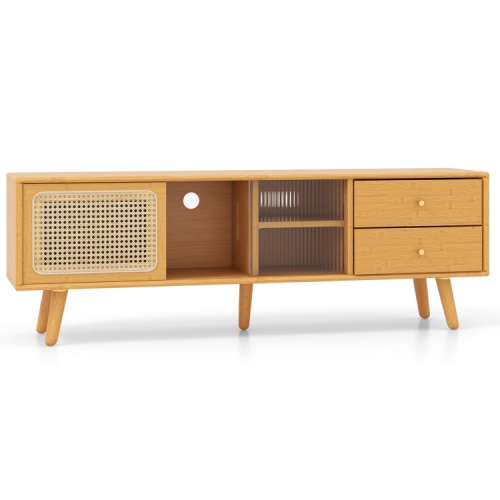
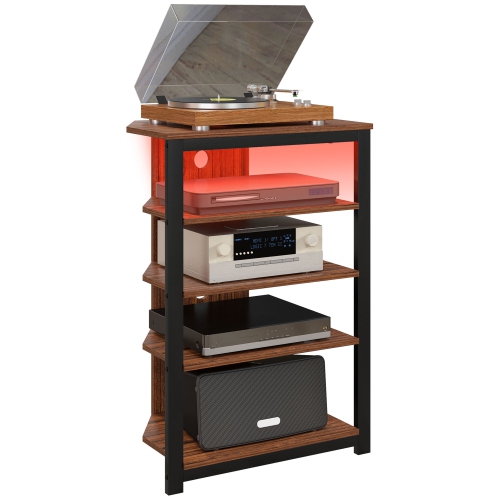
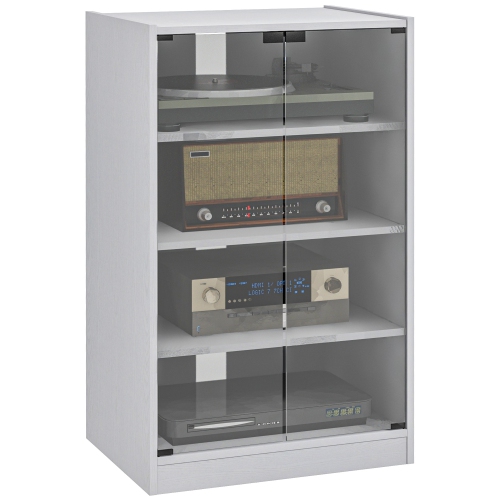
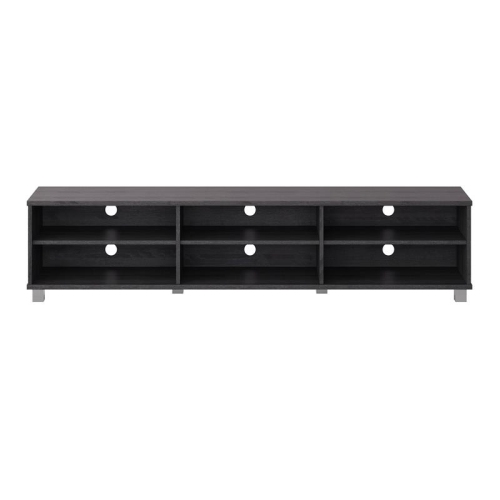
Storage style is another important consideration. Open shelves keep consoles, streaming devices, speakers and remotes within easy reach, making them convenient for households where equipment is used often. They also make it easier to see indicator lights and access buttons without opening a door. Closed cabinets, drawers and doors offer a tidier appearance by concealing controllers, discs, accessories and spare cables when they are not in use. Some households prefer a combination of both: an open area for devices that require ventilation and a closed section for items that tend to create visual clutter. Look for rear openings, cable cutouts or channels that allow power cords and signal cables to pass neatly from the television and components to the wall outlet. Keeping cords routed behind the unit reduces tangles and makes dusting easier, while leaving enough slack allows devices to be moved without pulling on connections. Ventilation matters as well, so avoid tightly enclosing equipment that produces heat unless the furniture is designed to allow airflow. Materials and finish can help the unit blend with the room, whether you prefer a warm wood appearance, a simple white or black finish, or a contemporary combination of shelves and doors. During the cooler months, when evenings often bring more time indoors, a compact entertainment unit can help turn a small corner into a comfortable place for films, music, gaming or catching up on favourite shows. The best choice is one that fits the television, supports the equipment, manages cords and storage, and leaves the room feeling comfortable rather than crowded.
Top selling and popular products
-
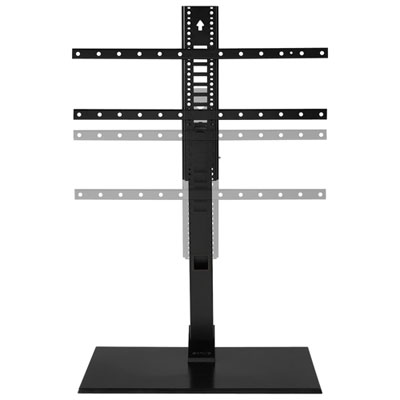 Your price for this item is $249.99
-
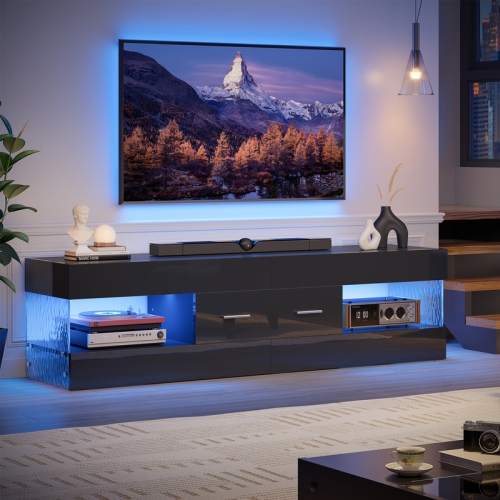 Your price for this item is $179.99
-
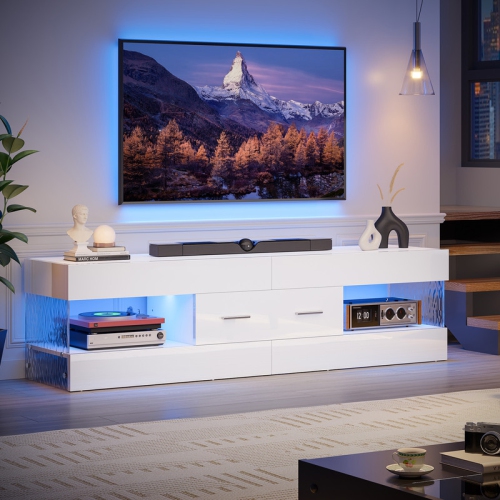 Your price for this item is $169.99
-
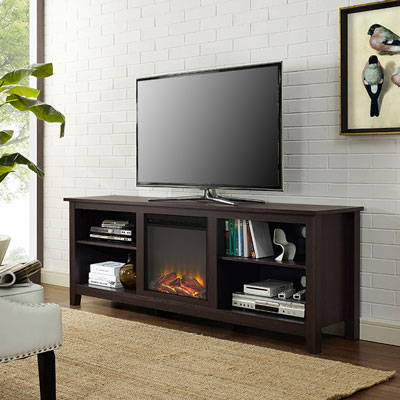 Your price for this item is $689.99
-
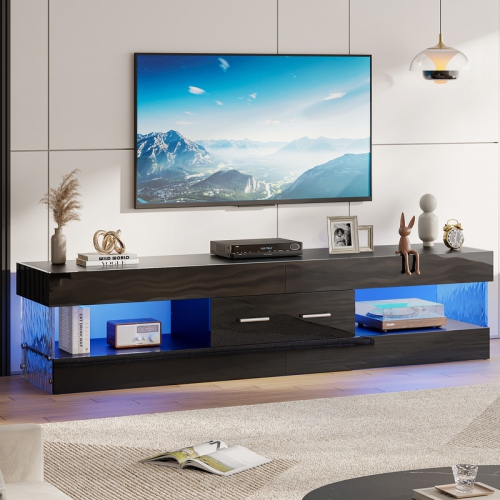 Your price for this item is $199.99
-
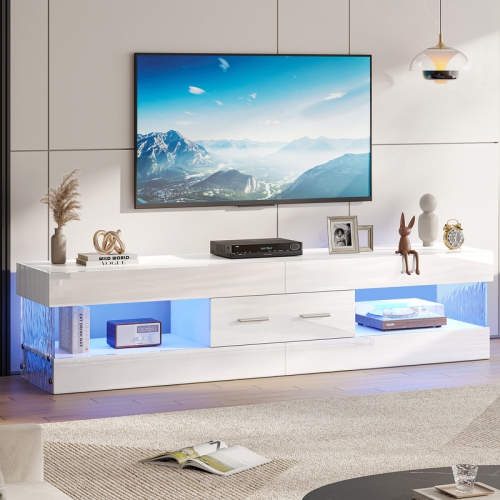 Your price for this item is $199.99
-
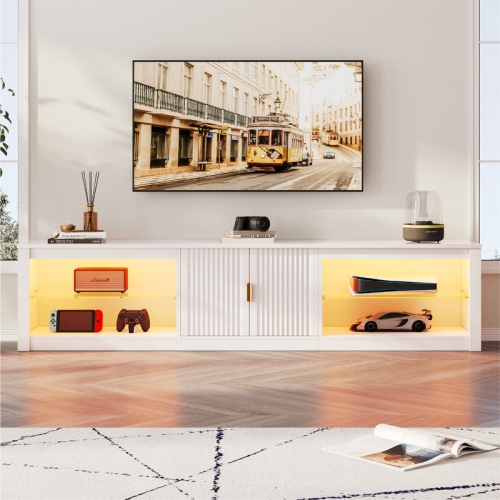 Your price for this item is $269.99
-
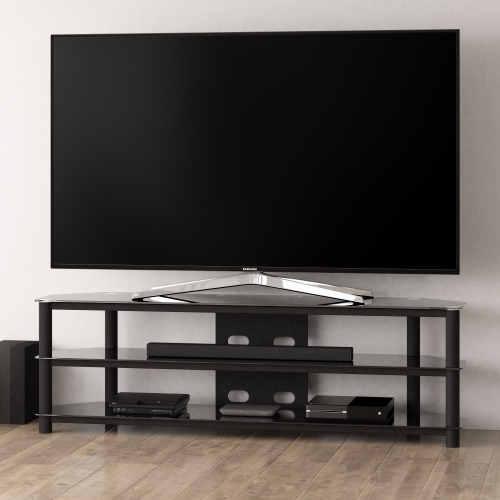 Your price for this item is $324.99
Discover more categories related to Small Entertainment Units


Top Collections:
Pokemon Centers, Kindle Devices, Best Budget Office Chairs, Canon G7X Cameras, Apple iPhones 16, Samsung Galaxy Phones, Refurbished Apple Laptops, Laptops for Students, iPhone 15 Apple, Budget Smartphones
Some products may be subject to Environmental Handling Fees
(EHF) depending on your province.
Learn more about EHFs.