Inexpensive Widescreen Televisions
Inexpensive Widescreen Televisions offer an affordable way to upgrade your home entertainment experience without stretching your budget. Discover a variety of options that combine impressive screen size with wallet-friendly pricing, perfect for movie nights, gaming sessions, or catching up on your favorite shows. Whether you’re outfitting a living room, bedroom, or dorm, these televisions make it easy to enjoy vivid visuals and immersive viewing at a great value. Explore the selection and find the right fit for your space and needs.
Sort



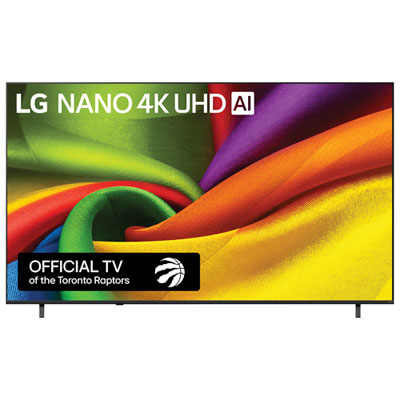
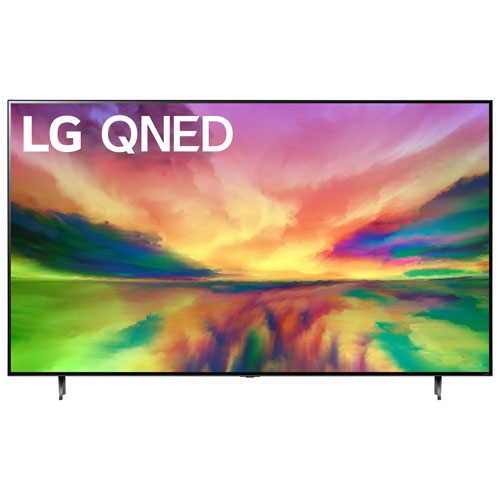
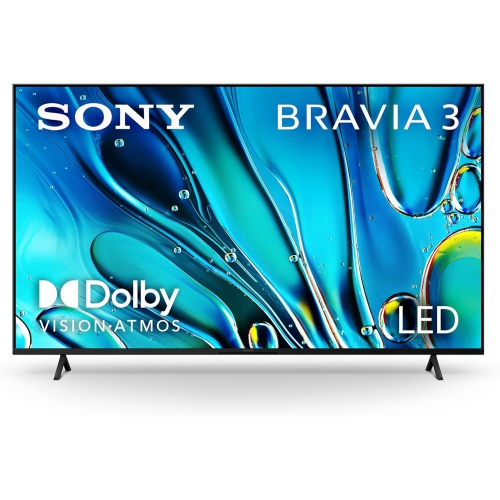


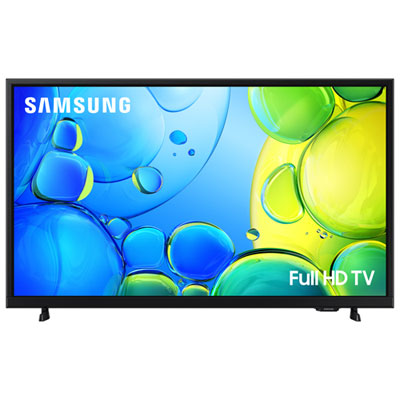

Why screen size is only part of the picture
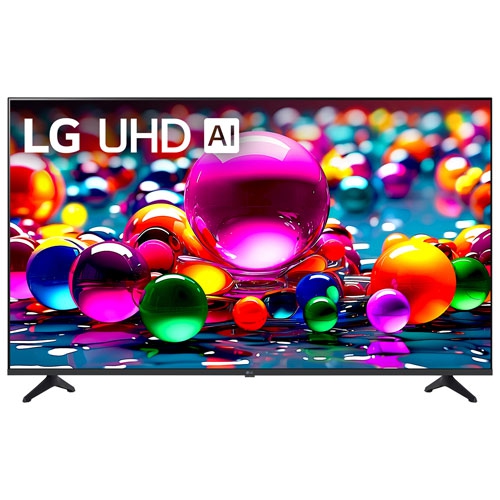
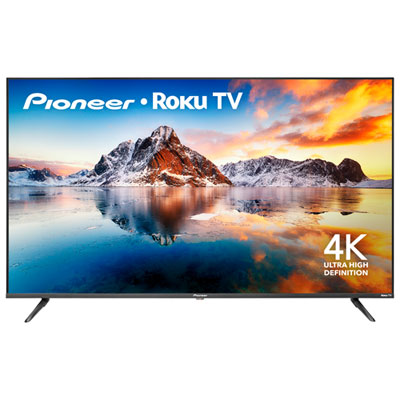
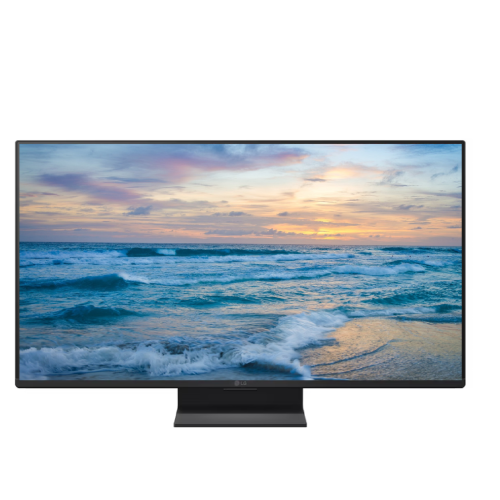
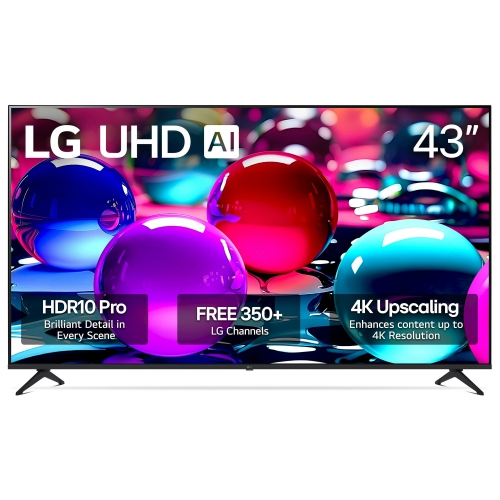
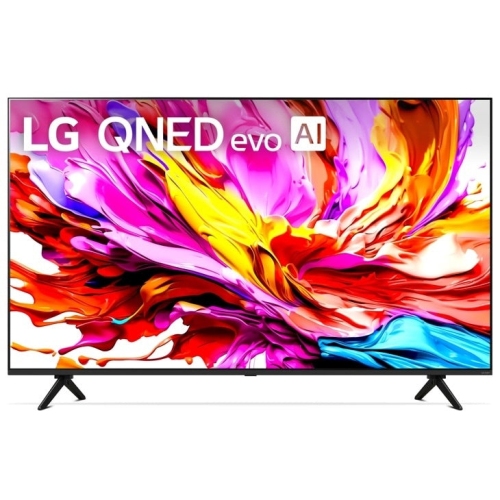
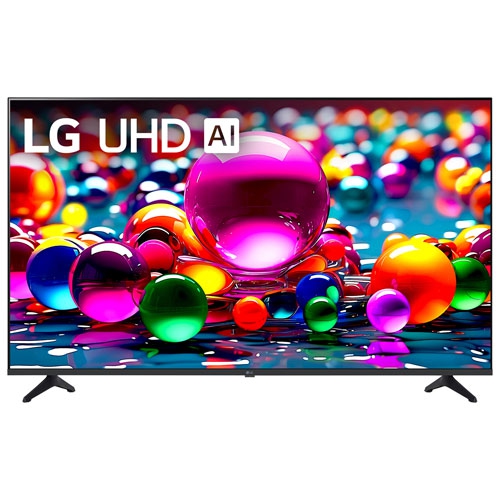
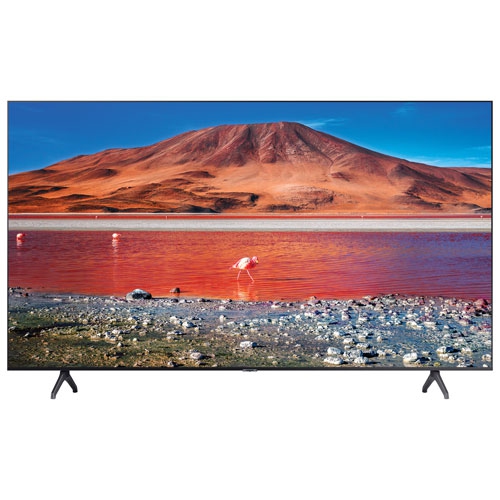
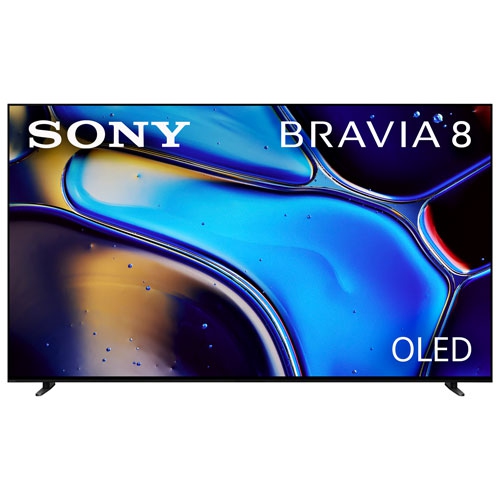
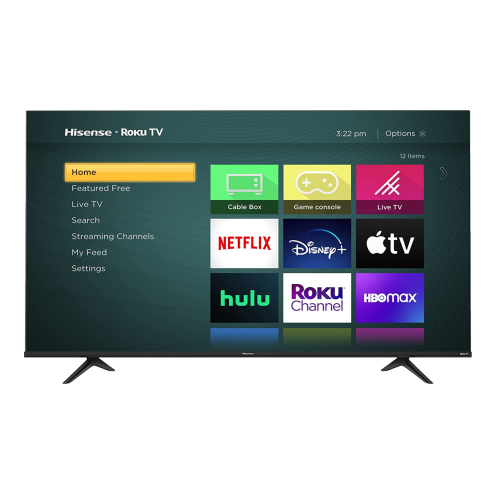
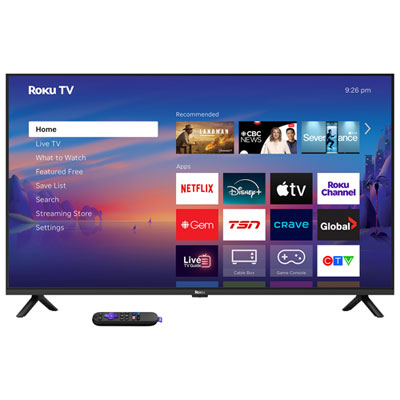
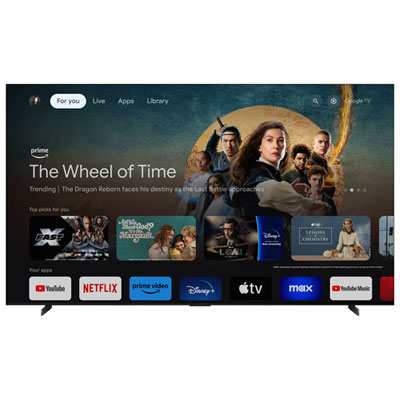
Inexpensive widescreen televisions suit everyday entertainment, from catching up on a favourite series to watching hockey, playing console games, or sharing family videos. Most use a 16:9 aspect ratio, meaning the screen is wider than it is tall. This shape matches much of today’s television programming, streaming video, and gaming content, although films recorded in wider formats may still display black bars above and below the picture. Screen size is measured diagonally, so a 43-inch television does not measure 43 inches across the cabinet. Its overall width, height, and depth determine how comfortably it fits on a media console or between shelving units. The position of the feet matters, too: widely spaced legs require a broader work surface than a central pedestal. In a bedroom, a smaller screen can provide comfortable viewing without dominating a dresser or wall; in a shared living room, a larger display can make subtitles, sports scores, and game menus easier to read from the sofa. Viewing distance helps put those dimensions in context. A screen that feels generous from a nearby chair may look quite small across an open-plan room, while a large display viewed at close range can make lower-resolution broadcasts look softer. Seating position is another practical consideration, especially when several people watch together. Some screens retain colour and contrast more consistently from the side than others. Room lighting also affects the experience: a window reflected in the picture can obscure a dark scene, even when the screen is otherwise clear and detailed. A layout that keeps direct reflections away from the display often contributes more to comfortable viewing than an extra feature that rarely gets used. Leaving room for a soundbar, keeping the remote within easy reach, and checking sightlines from the usual seats all help a television feel properly integrated into the space rather than simply placed wherever it fits.
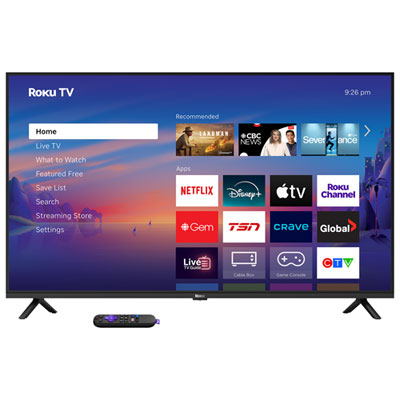
Picture quality depends on more than screen size. Resolution describes the number of pixels used to form the image, with HD, Full HD, and 4K offering different levels of detail. Full HD can look crisp on a smaller screen at a typical bedroom viewing distance, while 4K gives detailed source material more room to show fine textures, such as lettering on a jersey or individual strands of hair. The source still matters: a low-resolution video does not gain genuine detail simply because it appears on a higher-resolution panel. Contrast, colour accuracy, and motion handling shape the picture as well. Clear separation between dark and bright areas helps reveal details in dim scenes, while natural-looking colour keeps faces and familiar objects from appearing exaggerated. HDR support can add a broader range of brightness and colour with compatible content, but the visible result depends on the display’s capabilities as well as the programme being played. For sports and games, native refresh rate and response characteristics are more informative than motion-related marketing labels alone. Game modes may reduce the delay between pressing a controller button and seeing the action, although supported features vary. Connections deserve equal attention because they determine how the television works with equipment already in the home. HDMI inputs accommodate many consoles, streaming devices, and television receivers; an ARC or eARC connection can simplify audio connections to compatible sound equipment. Older accessories may need inputs that are less common on newer displays. Built-in smart features provide access to supported streaming apps, while an external streaming device can offer an alternative interface or app selection. Wi-Fi performance depends partly on the television’s location and the home network, and an Ethernet connection can be useful where supported. App support, account requirements, and separate subscriptions are worth checking, particularly when the television will mainly serve one household member’s favourite service. For antenna viewing, tuner compatibility and local signal conditions also influence what can be received.
The cabinet, stand, and screen finish contribute to day-to-day practicality as much as the picture does. Plastic housings help keep many televisions relatively light, while metal components may reinforce the stand or mounting points; neither material alone establishes how durable the complete television will be. Secure assembly, sensible placement, and careful handling are important because a large, thin screen can be damaged by pressure or twisting. A stable console needs enough depth for the entire stand, not just enough width for the screen, and an appropriate anti-tip restraint is particularly useful in homes with children or pets. Wall mounting requires a bracket that matches the television’s mounting pattern and weight, together with fasteners suited to the wall construction. Ventilation space should follow the manufacturer’s directions rather than allowing the cabinet to sit tightly against surrounding furniture. Routine care is straightforward: switch the television off, use a clean, soft microfibre cloth, and follow the manufacturer’s cleaning instructions. Spraying liquid directly onto the display or pressing hard on the panel can damage it. Daily comfort also depends on sound and controls. Slim cabinets leave limited space for speakers, so dialogue clarity matters when much of the viewing involves news, dramas, or conversation-heavy programmes. A compatible soundbar or headphones may help in particular rooms, while captions and available dialogue settings can make speech easier to follow. Remote layout, readable menus, voice controls, and accessibility features can be especially important for someone who wants straightforward operation. A television given as a housewarming gift or intended for a student’s room is most useful when its dimensions, connections, and controls match the recipient’s space and habits. For related browsing, explore Vizio Widescreen Flat Televisions. Across this category, the strongest fit is a screen that handles familiar viewing routines comfortably, connects to the equipment being used, and sits securely where people actually watch.
Top selling and popular products
-
 Your price for this item is $479.99
-
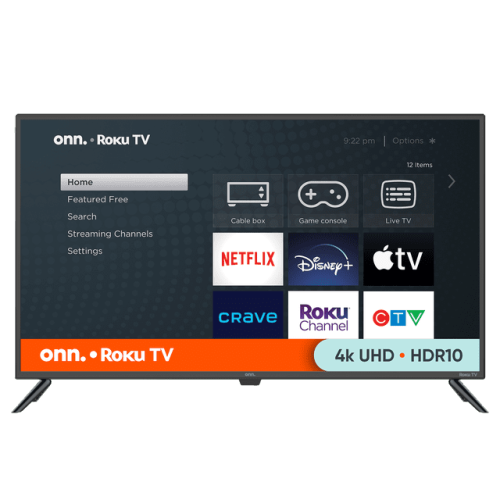 Your price for this item is $347.99
-
 Your price for this item is $1599.99
-
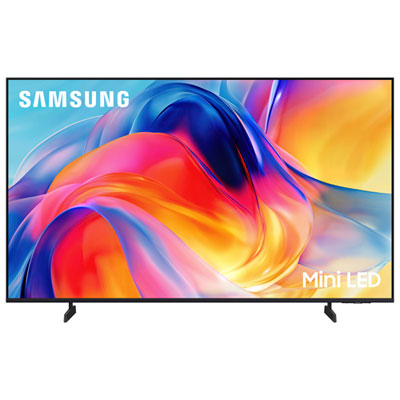 Your price for this item is $799.99
-
 Your price for this item is $499.99
-
 Your price for this item is $1999.99
-
 Your price for this item is $1999.99
-
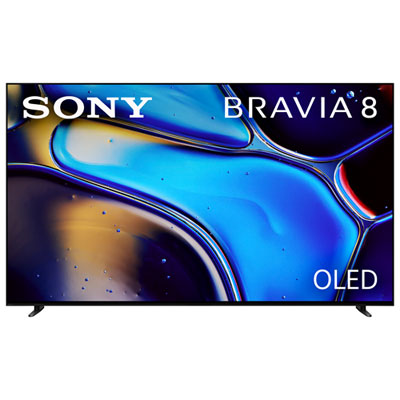 Your price for this item is $1999.99
Discover more categories related to Inexpensive Widescreen Televisions

Top Collections:
Best Black Friday Deals This Year, Best Black Friday Deals On Electronics, Kindle Devices, Pokemon Centers, Best Black Friday Deals On Apple Products, Best Cameras for Sports Photography, Dyson Airwrap, Pokémon 30th Celebration Cards, Apple iPhone 17 Pro, Canon G7X Cameras
Some products may be subject to Environmental Handling Fees
(EHF) depending on your province.
Learn more about EHFs.