Interactive Learning
Dive into the dynamic world of interactive learning, where education meets innovation to create an engaging and immersive experience for learners of all ages. Explore a diverse range of tools and resources designed to make learning fun, effective, and personalized. Whether you're looking to enhance your child's educational journey or seeking tools for adult learners, our selection offers something for everyone. From interactive software to hands-on kits, discover how technology can transform the way you absorb information and develop new skills. Embrace the future of education with solutions that cater to various learning styles and preferences, making knowledge accessible and enjoyable.
Sort



![OSMO - Genius Starter Kit: Family Game Night - Ipad [Electronics]](https://multimedia.bbycastatic.ca/multimedia/products/500x500/188/18884/18884551.jpeg)


![BYJU'S Byju’s Learning Kits: Disney 2Nd Grade Premium Edition [Electronics]](https://multimedia.bbycastatic.ca/multimedia/products/500x500/193/19384/19384273.jpeg)
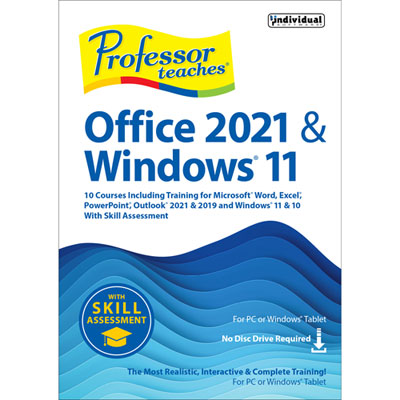
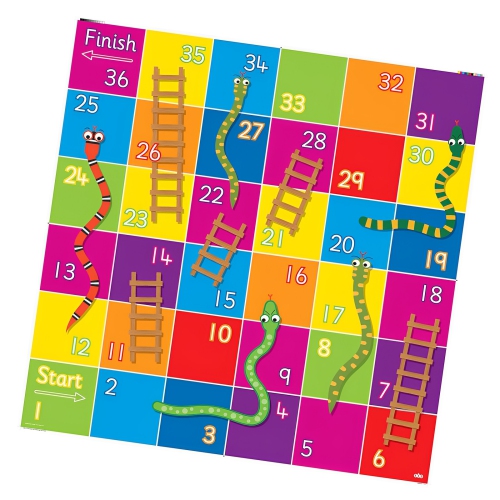

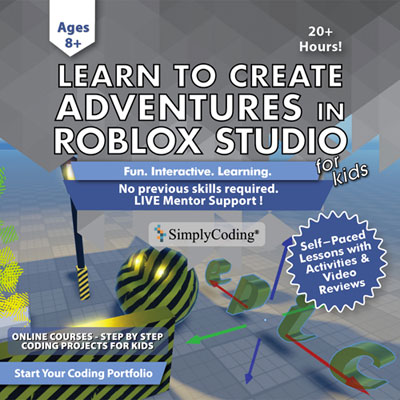
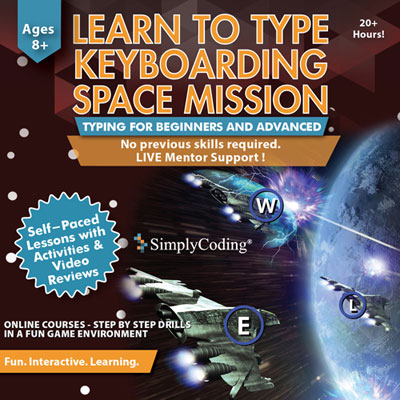
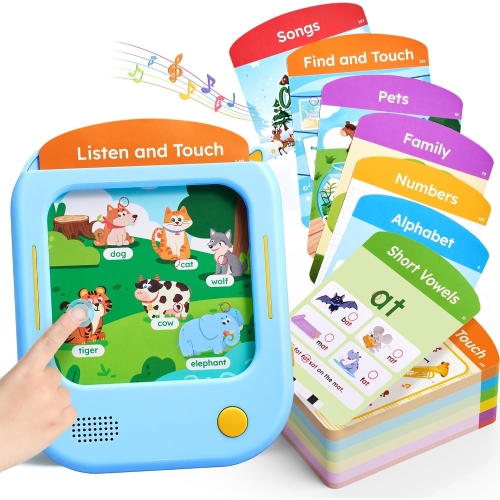
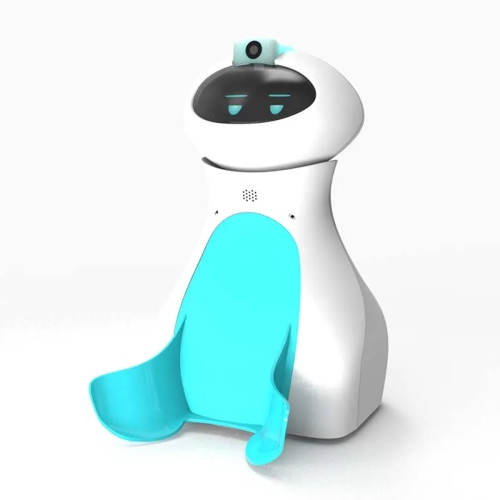
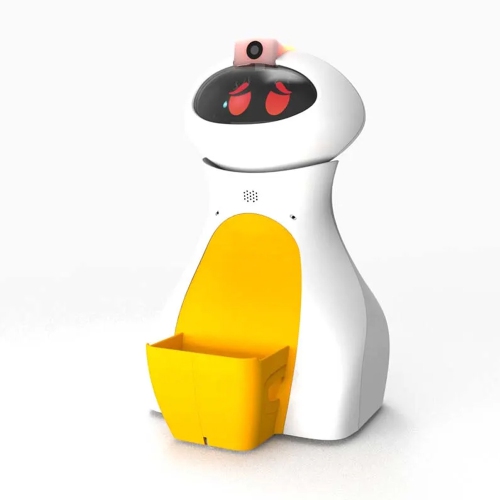
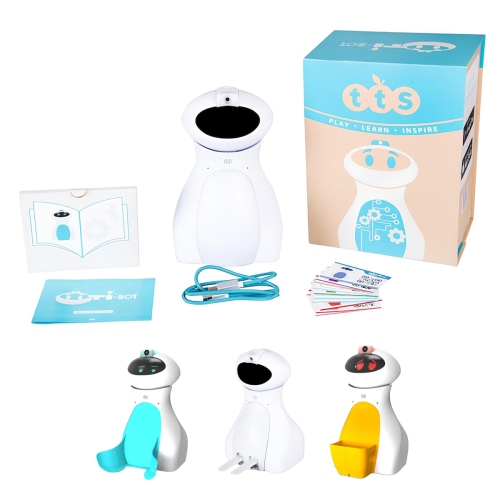
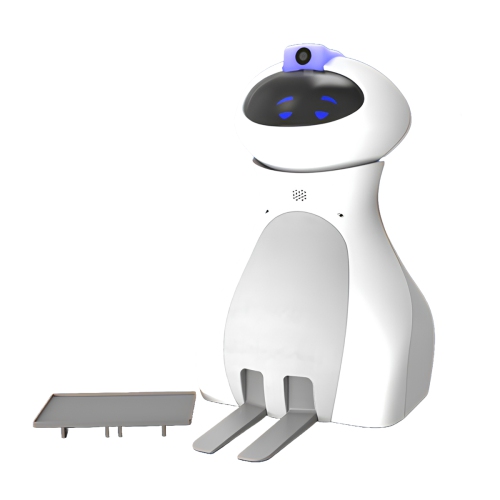
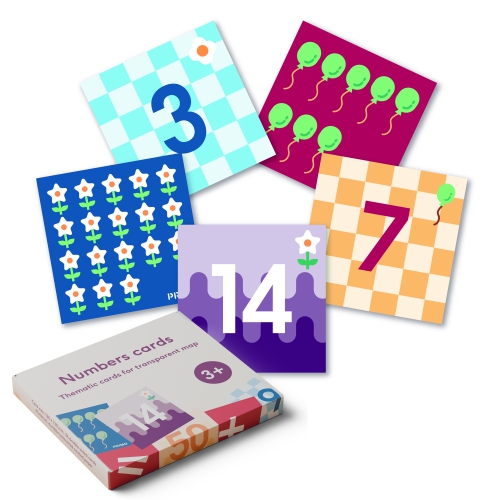
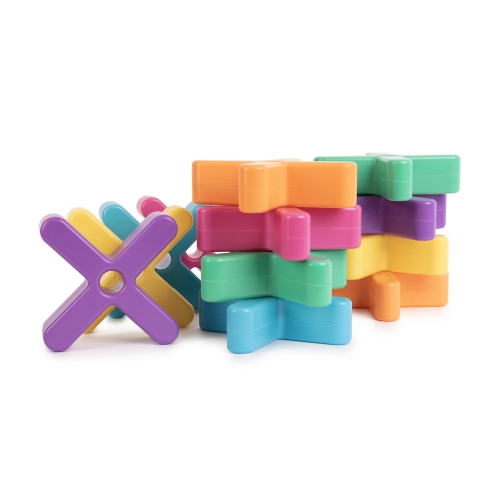
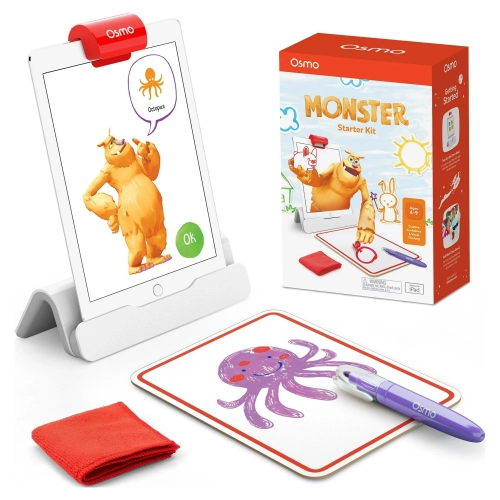
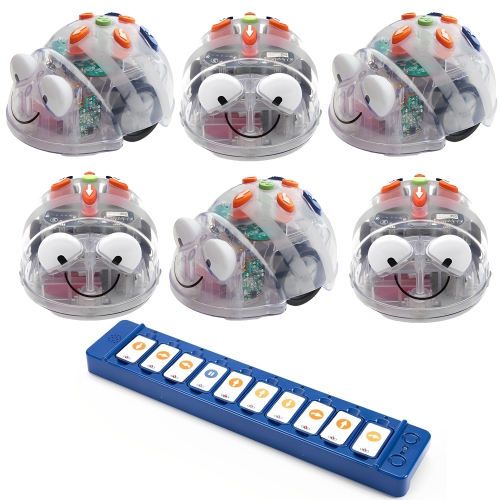
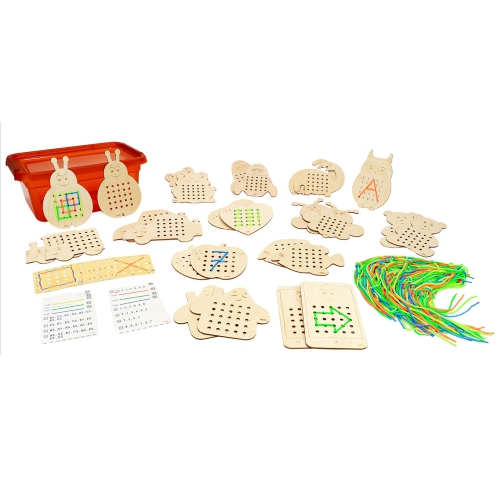

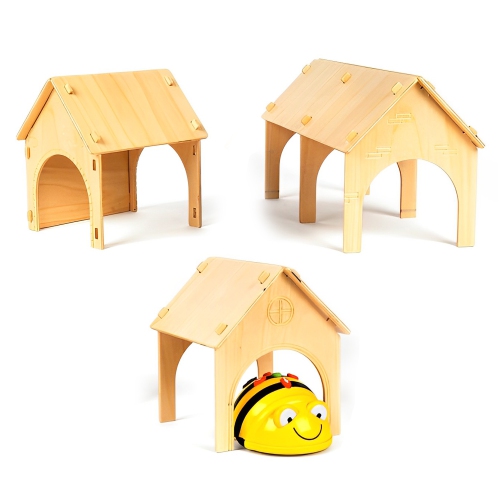
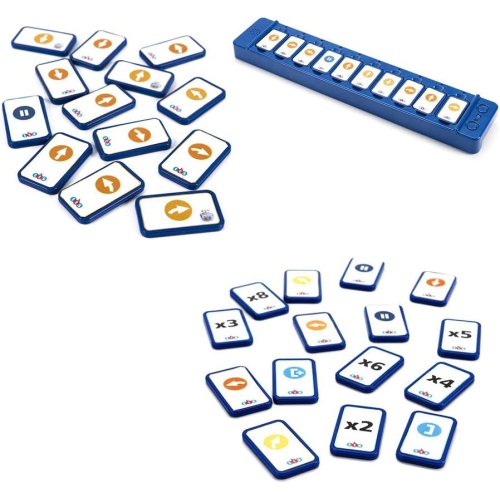

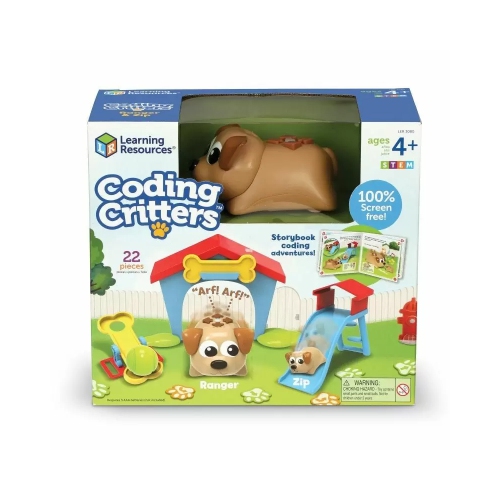

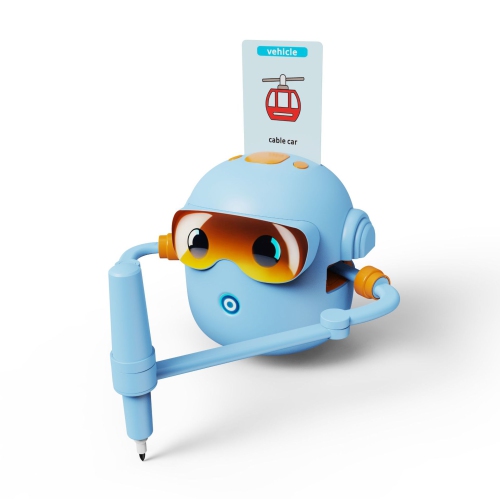
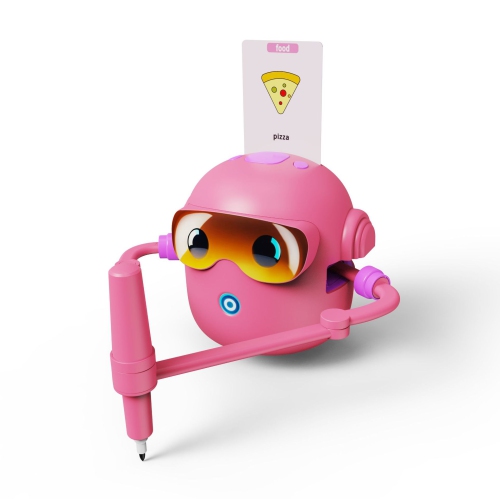
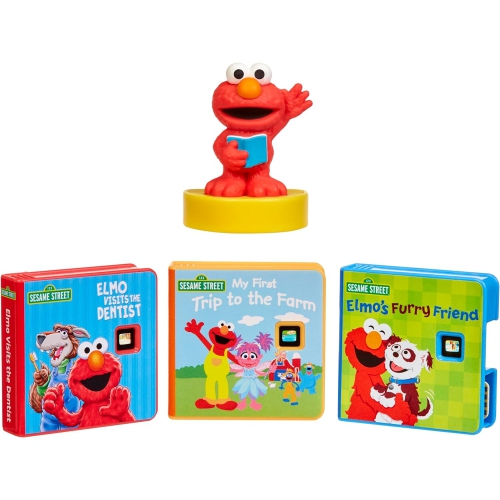

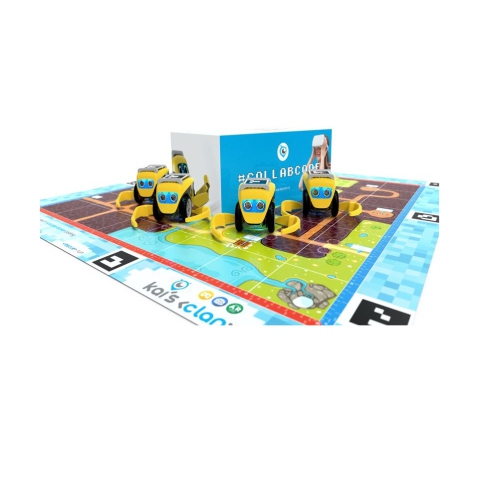
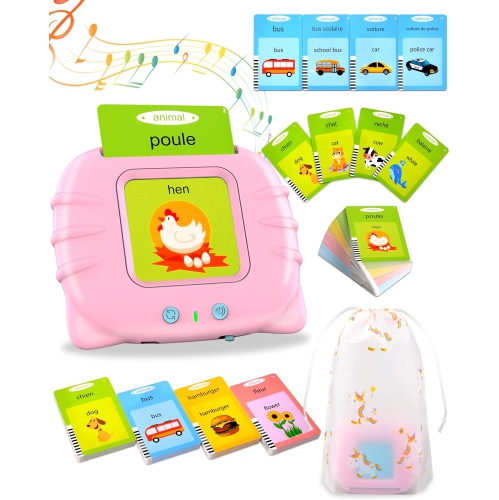
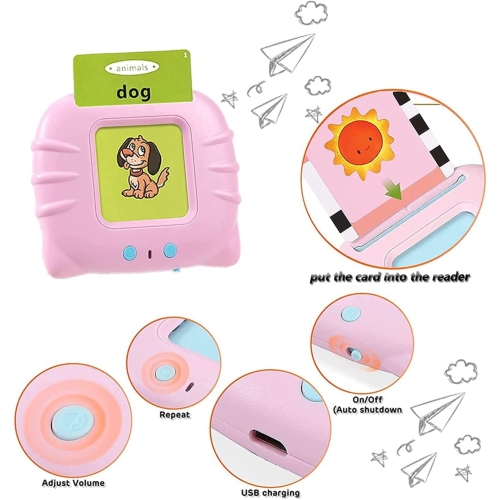
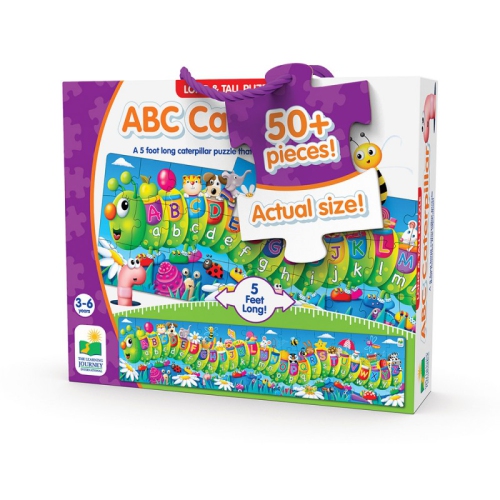
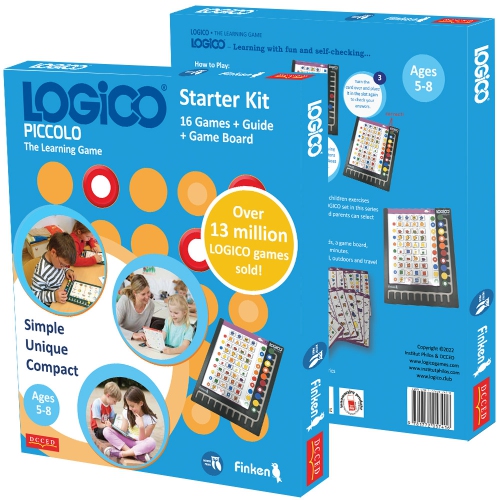
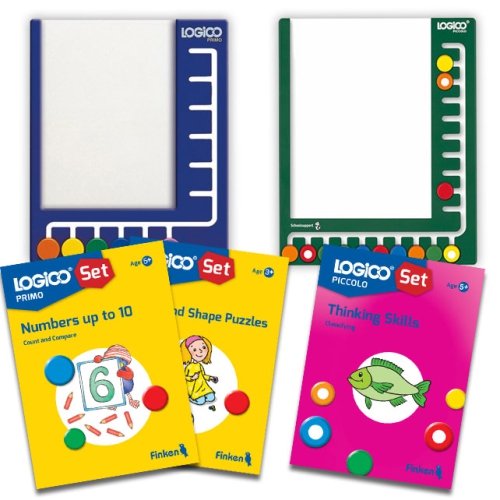
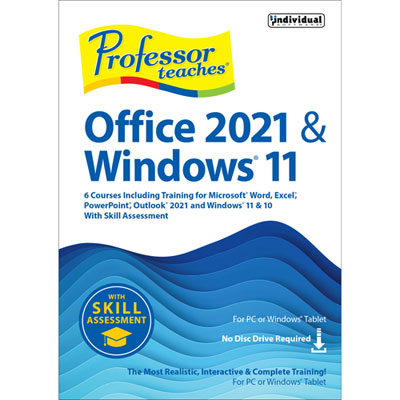
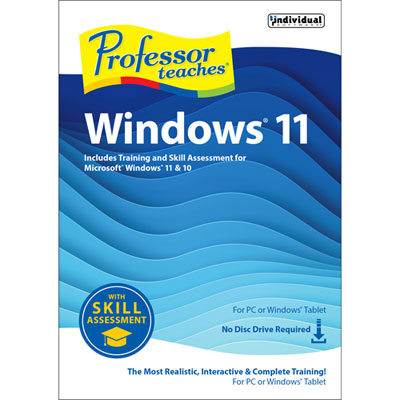
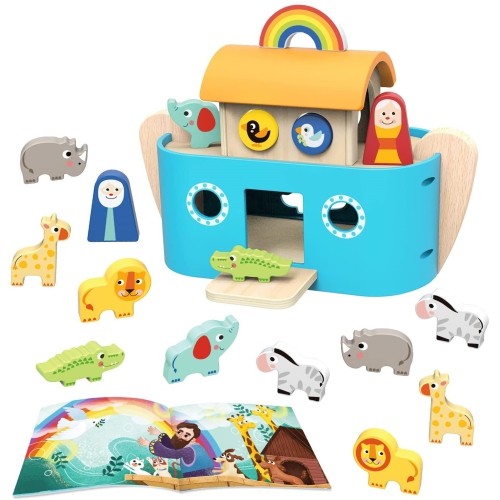
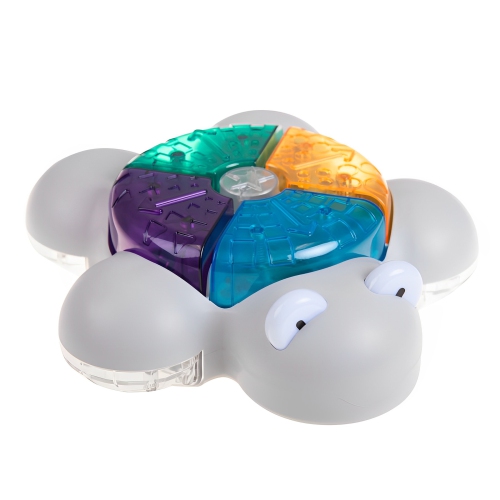
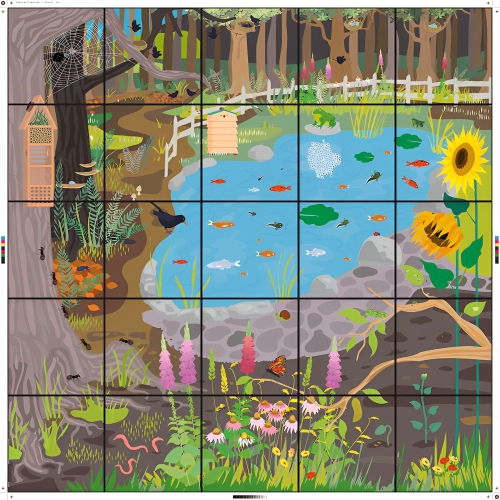
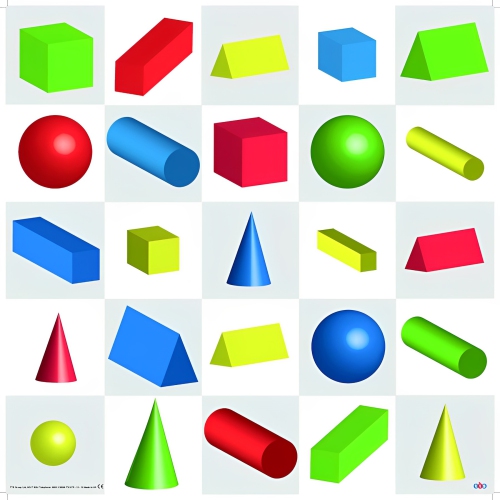
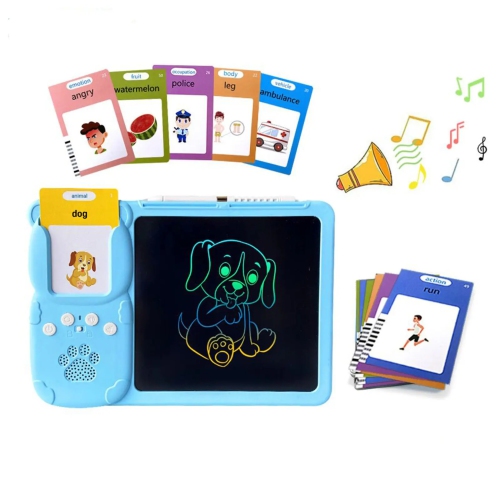
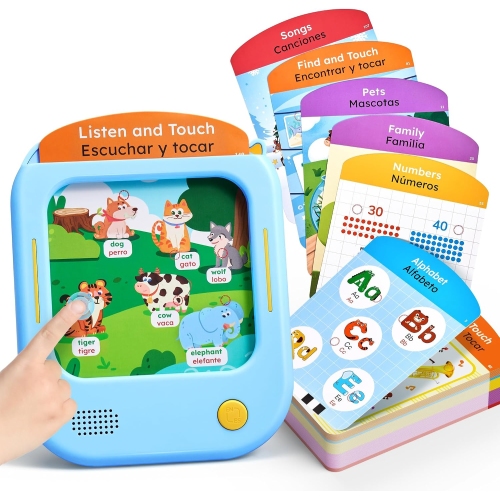
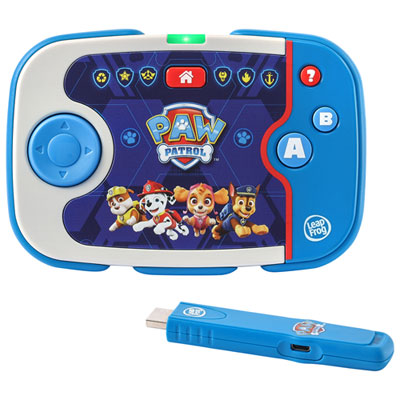
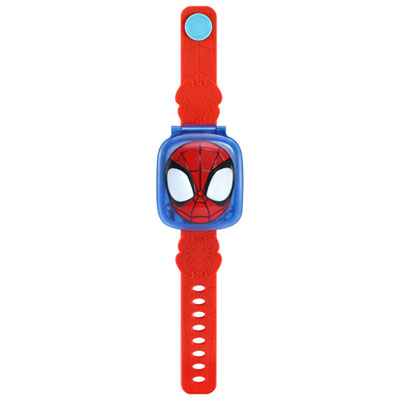
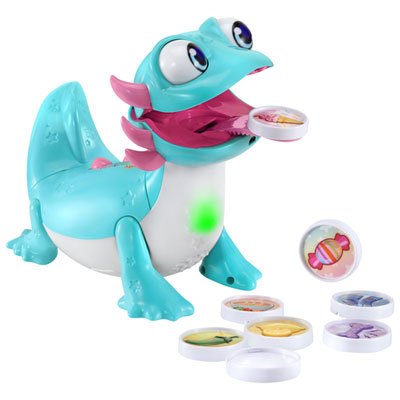
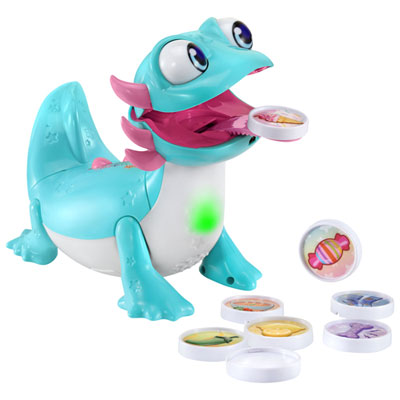
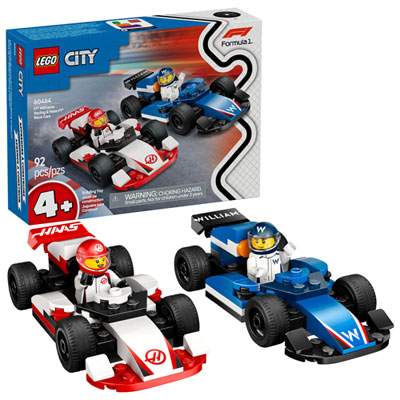
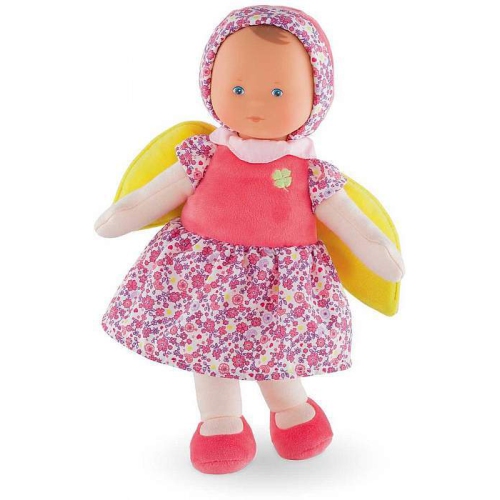
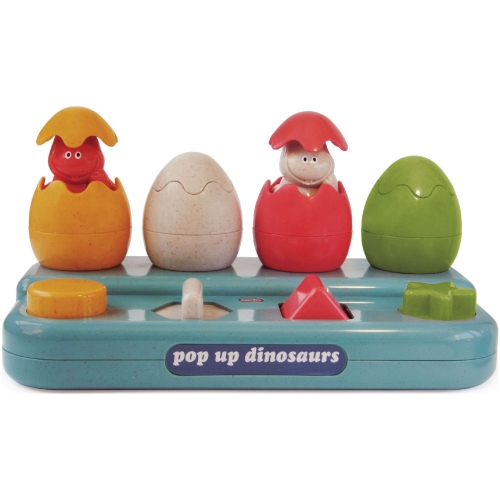
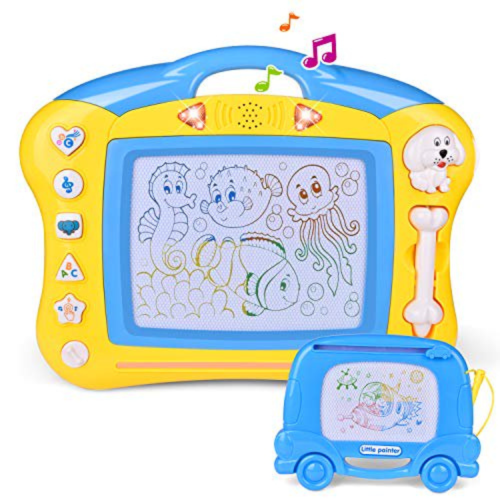
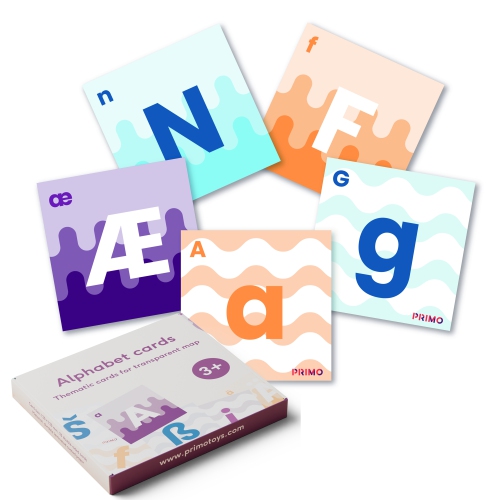
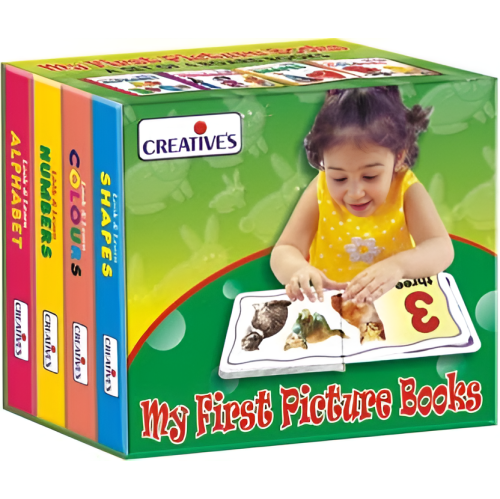
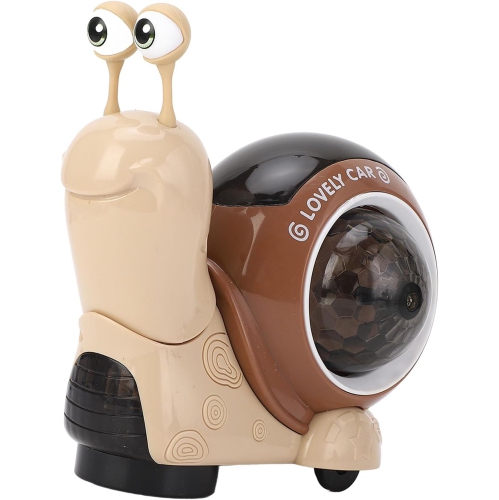
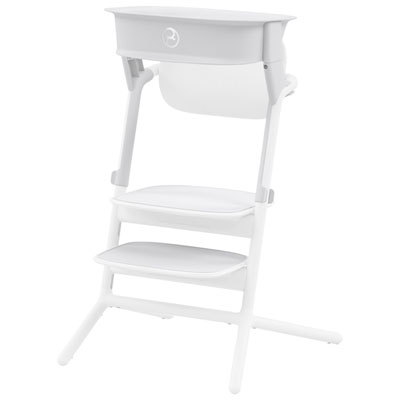
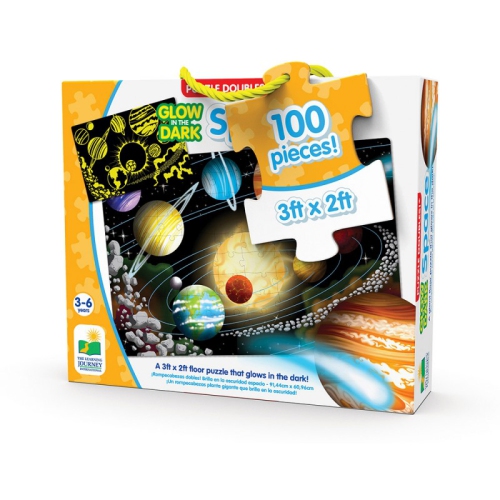
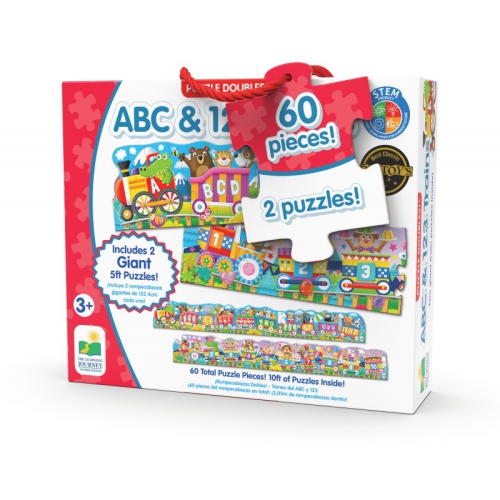
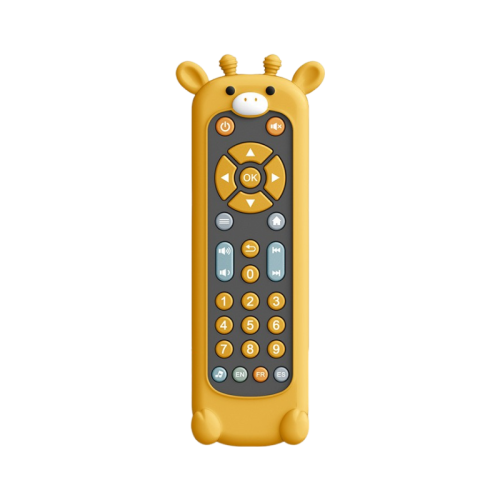
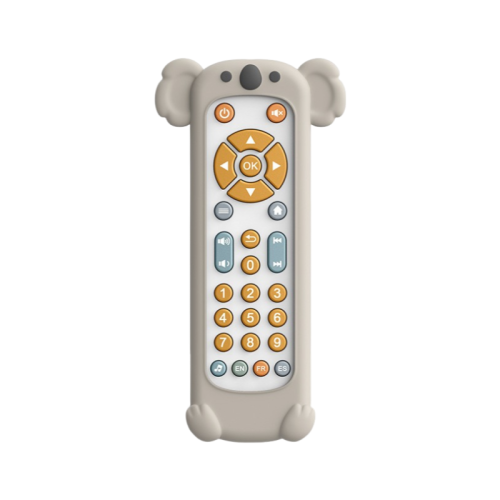

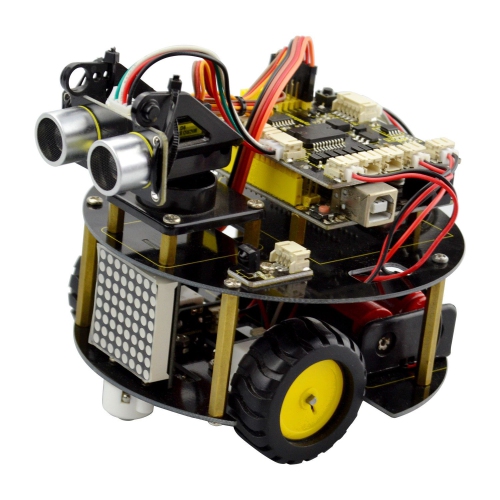
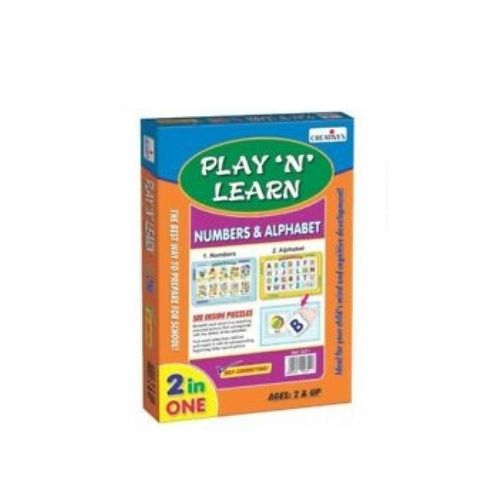
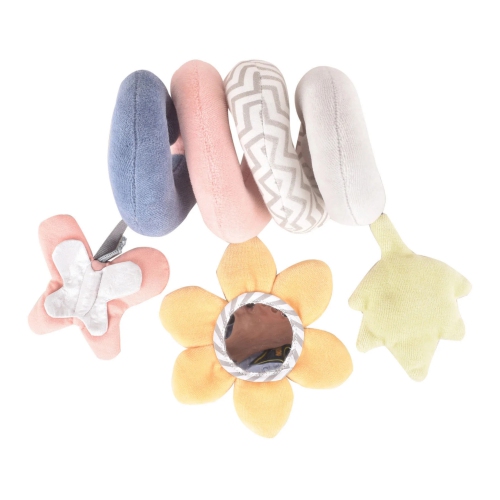
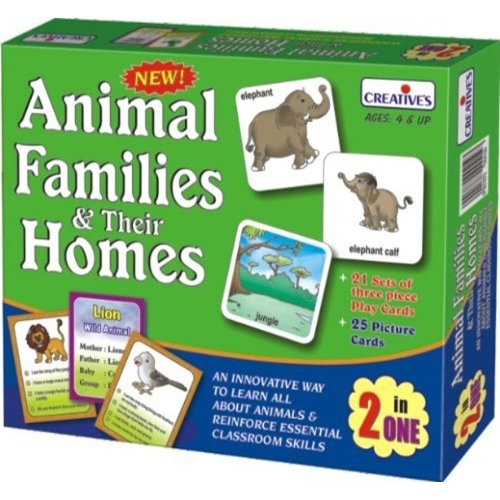

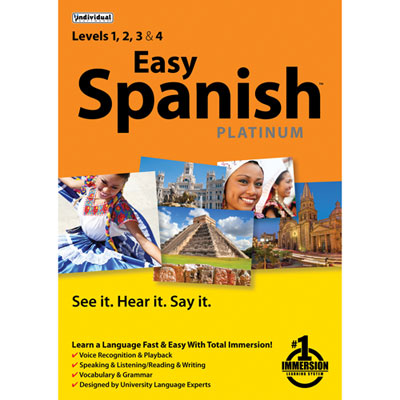
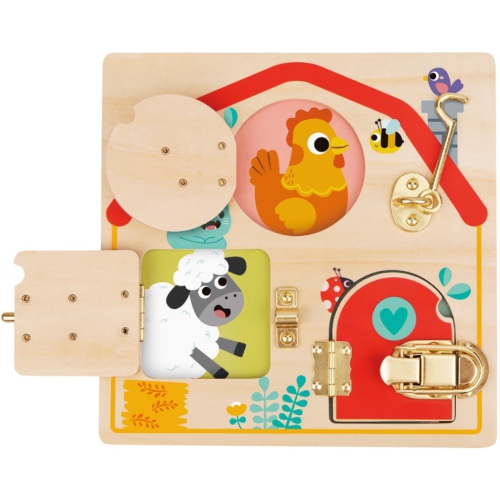
Hands-on activities help learners explore, practise and grow
Interactive learning turns education into an active experience. Instead of simply listening to a lesson or reading instructions, learners take part by making choices, testing ideas, solving problems and seeing what happens next. Interactive learning products can support this approach at home, in classrooms, libraries, childcare settings and study spaces, giving children and students practical ways to explore subjects at their own pace. Depending on the format, activities may involve touch, movement, sound, visual prompts, building, matching, coding, storytelling, quizzes or simulated real-world situations. The most effective options make the learner an active participant and provide clear feedback after each decision, helping them recognize patterns, correct mistakes and build confidence through practice. Younger children may benefit from colourful, tactile activities that introduce letters, numbers, shapes, language and cause-and-effect relationships, while older learners may enjoy logic challenges, science-based experiments, creative problem-solving and technology-focused activities. Interactive learning can also make abstract ideas easier to understand. A lesson about measurement becomes more memorable when a learner compares objects, adjusts values or observes a result, and a reading exercise can feel more engaging when the learner chooses what happens next. Parents and educators can use these resources to supplement formal instruction, encourage independent exploration or create a change of pace during the cooler months when indoor activities become especially appealing. For a broader selection of tools for group instruction and shared activities, explore Interactive Classroom Resources.
When choosing interactive learning products, start with the learner’s age, interests and current abilities, then consider how the activity fits into the space and routine where it will be used. A product intended for a preschooler should have simple instructions, sturdy construction and an immediately understandable response, while a resource for older children can offer multiple levels, open-ended challenges or more detailed feedback. Look for activities that balance guidance with discovery: prompts can help a learner get started, but there should also be room to try a different approach and reach an answer independently. The learning objective matters as well. Some activities focus on early literacy and numeracy, others support memory, reasoning, spatial awareness, creativity, communication or introductory technology skills. If several children will use the same resource, consider whether it encourages collaboration rather than competition alone. Shared challenges can prompt children to explain their thinking, listen to another point of view and teach one another, all of which reinforce understanding. Interactive quiz formats, matching activities and game-based lessons can add energy to review sessions, particularly when immediate feedback shows which answers need another look. Simulated environments are useful when learners benefit from practising a process safely before trying it in a more complex setting. For digital products, check the display size, controls, charging or power requirements, audio options and whether the interface is easy for the intended user to navigate. For physical products, think about storage, clean-up, the number of pieces and whether the activity can be used repeatedly without becoming predictable. Adults may also appreciate adjustable difficulty, progress tracking or activities that can be connected to a lesson plan. The best choice is not necessarily the most advanced option; it is the one that invites regular participation and matches the learner’s attention span, confidence and curiosity.
Interactive learning products can be useful gifts for children, students, families and educators because they combine play with meaningful practice. A child who enjoys building may respond to activities involving sequencing, structure or simple engineering concepts, while a budding storyteller may prefer interactive reading, sound and character-based play. Children who are fascinated by how things work may appreciate science, nature, coding or problem-solving activities that let them experiment and observe results. These products can also be thoughtful additions to a classroom or home learning area, especially when they support more than one type of use. A single activity might provide independent practice on a quiet afternoon, become the centre of a small group lesson or give a parent and child an opportunity to work through a challenge together. Adults can make the experience even more effective by asking the learner to explain a choice, predict an outcome or describe what changed after an attempt. Short, regular sessions often work well, since a focused ten or fifteen minutes can be more productive than an activity that continues after interest has faded. Keep materials organized and place frequently used resources within easy reach so learning becomes a natural part of the day. As children grow, look for options that introduce new challenges without making earlier skills feel irrelevant. Interactive learning is most engaging when it feels purposeful, responsive and appropriately challenging, helping learners connect ideas with actions while developing persistence, communication and confidence.
When choosing interactive learning products, start with the learner’s age, interests and current abilities, then consider how the activity fits into the space and routine where it will be used. A product intended for a preschooler should have simple instructions, sturdy construction and an immediately understandable response, while a resource for older children can offer multiple levels, open-ended challenges or more detailed feedback. Look for activities that balance guidance with discovery: prompts can help a learner get started, but there should also be room to try a different approach and reach an answer independently. The learning objective matters as well. Some activities focus on early literacy and numeracy, others support memory, reasoning, spatial awareness, creativity, communication or introductory technology skills. If several children will use the same resource, consider whether it encourages collaboration rather than competition alone. Shared challenges can prompt children to explain their thinking, listen to another point of view and teach one another, all of which reinforce understanding. Interactive quiz formats, matching activities and game-based lessons can add energy to review sessions, particularly when immediate feedback shows which answers need another look. Simulated environments are useful when learners benefit from practising a process safely before trying it in a more complex setting. For digital products, check the display size, controls, charging or power requirements, audio options and whether the interface is easy for the intended user to navigate. For physical products, think about storage, clean-up, the number of pieces and whether the activity can be used repeatedly without becoming predictable. Adults may also appreciate adjustable difficulty, progress tracking or activities that can be connected to a lesson plan. The best choice is not necessarily the most advanced option; it is the one that invites regular participation and matches the learner’s attention span, confidence and curiosity.
Interactive learning products can be useful gifts for children, students, families and educators because they combine play with meaningful practice. A child who enjoys building may respond to activities involving sequencing, structure or simple engineering concepts, while a budding storyteller may prefer interactive reading, sound and character-based play. Children who are fascinated by how things work may appreciate science, nature, coding or problem-solving activities that let them experiment and observe results. These products can also be thoughtful additions to a classroom or home learning area, especially when they support more than one type of use. A single activity might provide independent practice on a quiet afternoon, become the centre of a small group lesson or give a parent and child an opportunity to work through a challenge together. Adults can make the experience even more effective by asking the learner to explain a choice, predict an outcome or describe what changed after an attempt. Short, regular sessions often work well, since a focused ten or fifteen minutes can be more productive than an activity that continues after interest has faded. Keep materials organized and place frequently used resources within easy reach so learning becomes a natural part of the day. As children grow, look for options that introduce new challenges without making earlier skills feel irrelevant. Interactive learning is most engaging when it feels purposeful, responsive and appropriately challenging, helping learners connect ideas with actions while developing persistence, communication and confidence.
Top selling and popular products
-
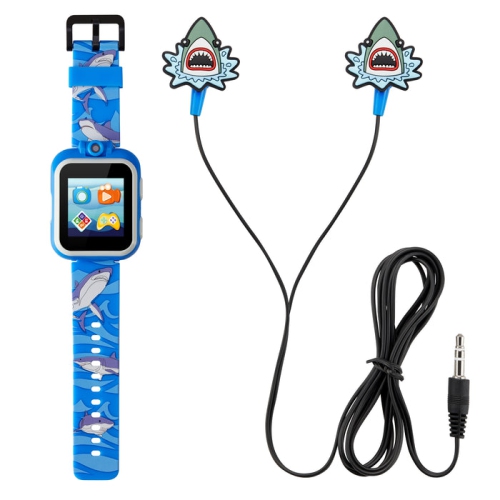 Your price for this item is $38.98
 -
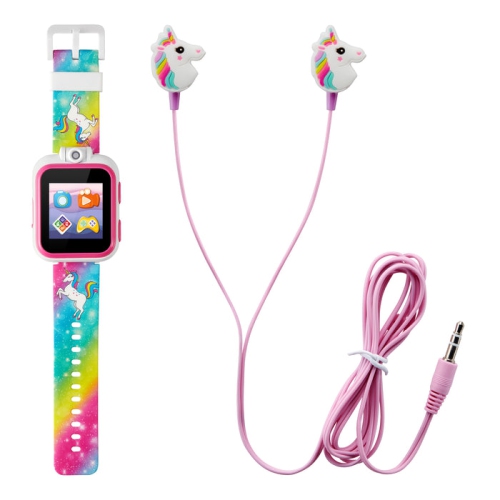 Your price for this item is $19.99
 -
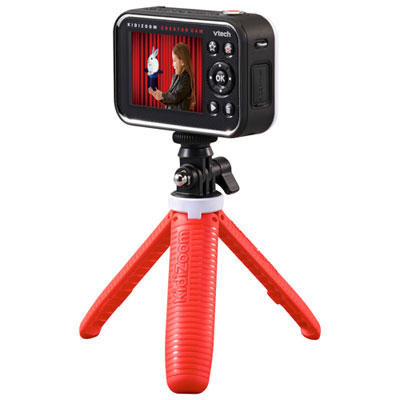 Your price for this item is $89.99
 -
![OSMO - Genius Starter Kit - for Ipad [Electronics]](https://multimedia.bbycastatic.ca/multimedia/products/500x500/188/18884/18884576.jpeg) Your price for this item is $199.99
Your price for this item is $199.99 -
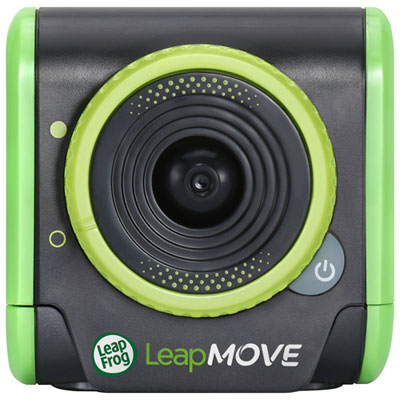 Your price for this item is $79.99
 -
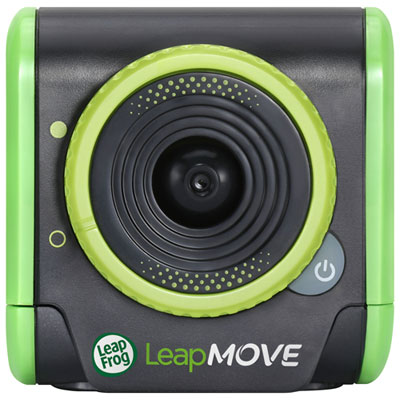 Your price for this item is $79.99
 -
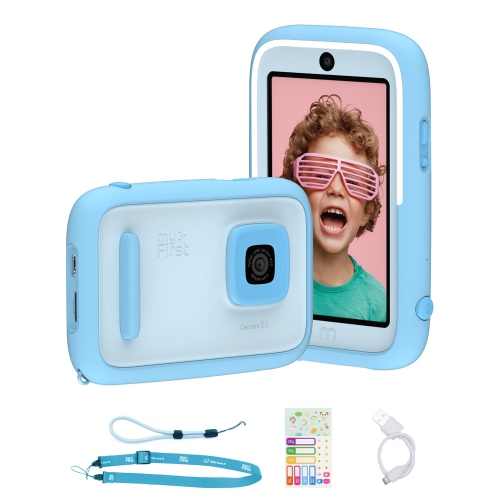 Your price for this item is $149
 -
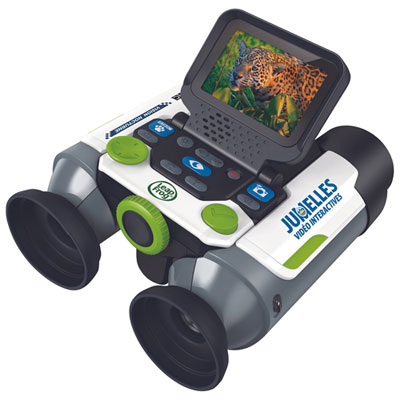 Your price for this item is $67.98
Discover more categories related to Interactive Learning
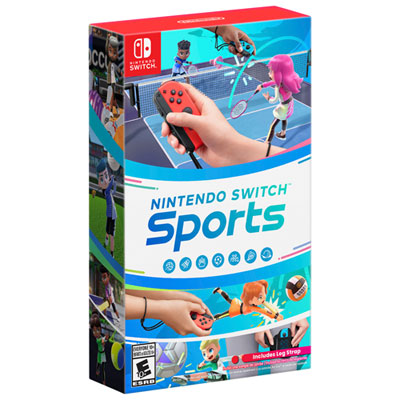
Top Collections:
Pokemon Centers, Kindle Devices, Best Budget Office Chairs, Apple iPhones 16, Best Laptops for Writers, iPhone 15 Apple, Canon G7X Cameras, Refurbished Apple Laptops, Alarm Clock, Motorola Razr Phones
Some products may be subject to Environmental Handling Fees
(EHF) depending on your province.
Learn more about EHFs.