LG Thin TVs
Discover a new way to elevate your home entertainment experience with LG Thin TV options available at Best Buy. Designed to blend seamlessly into any space, these sleek televisions offer a modern look that complements your living room, bedroom, or office. Explore a range of sizes and styles to find the perfect LG Thin TV for your needs, whether you’re upgrading your current setup or outfitting a new space. Enjoy exceptional quality and innovative design with every viewing session.
Sort
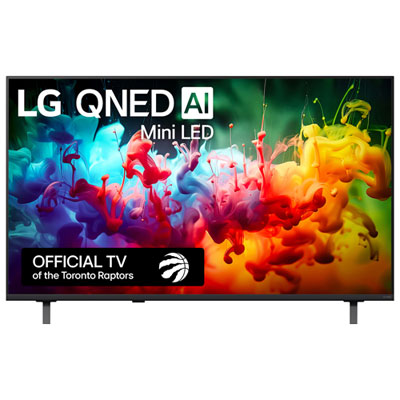


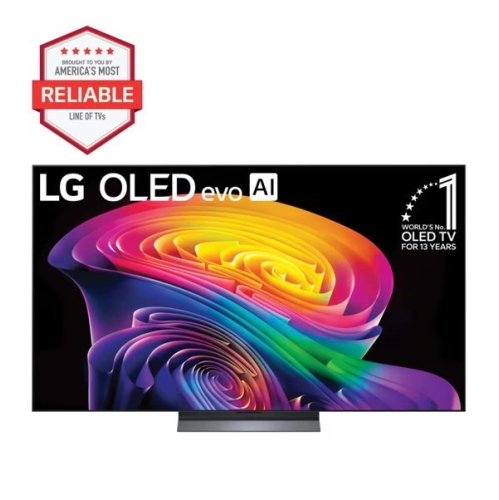
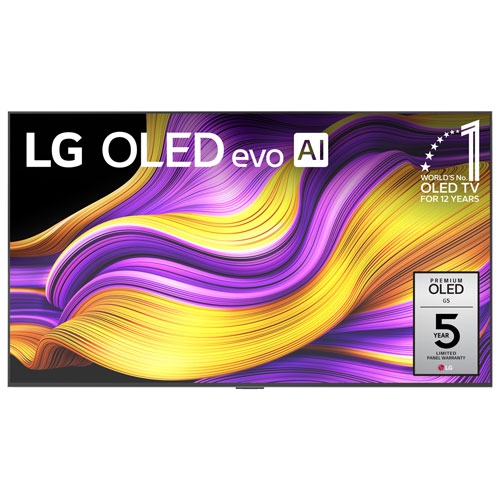
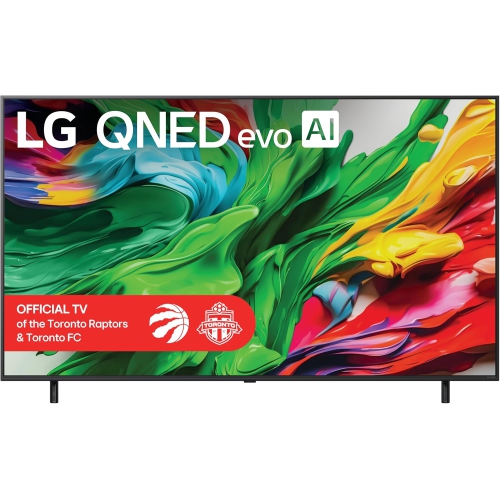
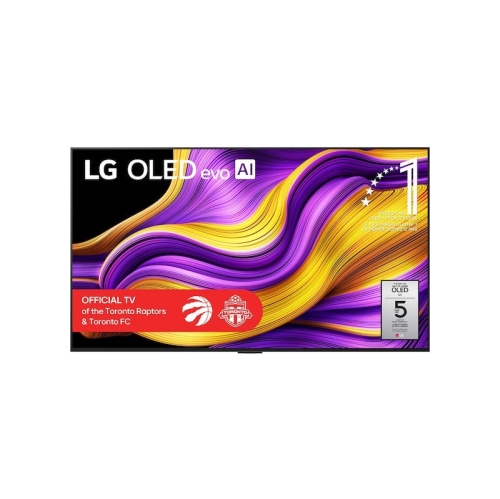
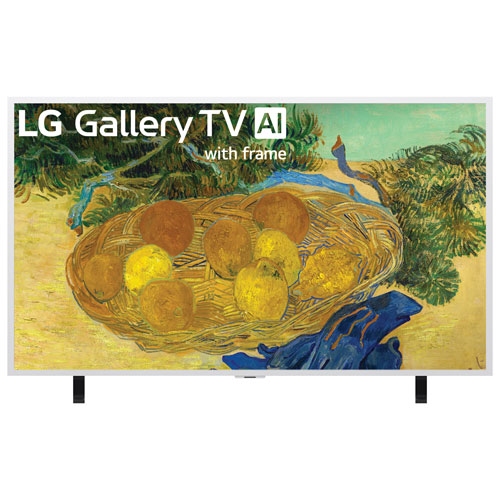
What a slim screen really means for your room
Thin TVs pair a shallow screen profile with the everyday functions of a home television, making them especially appealing where a bulky cabinet would interrupt the room’s layout. Their defining feature is physical depth, not a particular screen size, resolution, or set of smart functions. OLED displays can have exceptionally slender screen sections because their pixels produce their own light without a separate backlight. LCD-based televisions, including LED designs, use backlighting, with overall thickness influenced by the lighting arrangement, internal components, and cabinet construction. A very thin panel does not necessarily mean that the entire television has the same depth: the lower section may be thicker to accommodate electronics, speakers, and connections. For a wall-mounted setup, the useful measurement is the full installed depth, including the bracket and space needed for cables, rather than the narrowest point along the screen’s edge. Slim bezels can make the picture feel less enclosed, while restrained finishes help the television sit comfortably beside shelving, framed prints, or a low media unit. Materials vary, with metal, plastic, and glass used in different parts of the assembly; a premium-looking finish should not be mistaken for resistance to bending or impact. The display technology and surface treatment also matter more to picture quality than thinness alone. Deep blacks can give films a convincing sense of depth, while brightness and reflection handling affect how easily a picture can be seen opposite a window or beside a reading lamp. Wide viewing angles are useful when seating stretches across a sectional rather than facing the centre of the screen. Screen size remains a separate consideration: a shallow television may occupy little depth yet still dominate a narrow wall. The best visual fit leaves comfortable space around the display and keeps faces, subtitles, and on-screen menus easy to see from the seats used most often. A thin design is therefore as much about how a television occupies a room as how it looks from the side.
Placement has a large effect on whether a slim television feels neatly integrated or awkward to use. On a wall, a low-profile mount can create a close-fitting appearance, but the television and bracket must have compatible mounting patterns, load ratings, and installation requirements. Some designs require a particular mounting system to achieve their intended position. Wall construction matters too: suitable attachment to structural supports is essential, and a large screen should never rely on an unsuitable fixing simply because the cabinet looks light. Professional installation can be useful where the wall construction is uncertain or the cable route is complicated. A clean finish also depends on practical details that are easy to overlook. Rear-facing connections need clearance, thick cable plugs can push the screen farther forward, and an outlet directly behind the wrong section of the cabinet may interfere with the mount. Power cords should not be routed inside a wall unless the installation method and components are approved for that purpose. Manufacturer-specified ventilation space remains important even when the aim is a nearly flush appearance. A swivel or extending mount adds depth but can make sense in a combined living and dining area, where the screen needs to face different seats. On furniture, stand width and depth deserve as much attention as the screen measurements. Widely spaced feet may require a longer media unit, while a central stand can fit differently and may leave more room for nearby accessories. The furniture needs to support the television securely, with suitable restraint where recommended, particularly in homes with children or pets. Sound deserves space in the arrangement as well. Slim cabinets have limited room for speakers, so a soundbar or separate audio system may suit viewers who want clearer dialogue or fuller film sound. Its height should not obscure the bottom of the picture or block the television’s remote-control receiver. Keeping the screen near a comfortable seated eye level can also make extended viewing more relaxed than placing it high above furniture solely for appearance.
Everyday use gives thin TVs their purpose beyond a tidy silhouette. In a living room, a large, shallow display can support film nights without taking over the floor space needed for seating and movement. In a bedroom or smaller sitting area, a modest screen size and carefully positioned stand may be more useful than the largest panel that fits the wall. Sports viewers may value motion handling and a picture that remains clear from off-centre seats, while players should consider input lag, supported refresh rates, and compatibility with their gaming hardware. These capabilities vary independently of cabinet thickness. The same distinction applies to connected features: a slim profile describes physical design, while the functions associated with LG ThinQ TVs concern smart features and compatible device control. Streaming services, voice functions, accessibility settings, and app support should be assessed separately, since their requirements and supported features can differ. Reliable Wi-Fi helps with streaming, and a wired network connection may be useful where supported, especially when the television sits far from the router. Households using several devices benefit from enough suitable inputs for a game console, streaming player, and audio system without repeatedly swapping cables. Captions, dialogue settings, readable menus, and an easy-to-hold remote can make a television more comfortable for different viewers. As a gift, a thin television is most successful when its size, mounting needs, and connections match the recipient’s room and existing equipment. Its delicate profile also calls for sensible handling: larger screens generally need more than one person to move them, with support applied only where the manufacturer directs and no pressure against the display surface. For routine care, the television should be switched off and cleaned according to its instructions, typically with a soft, clean microfibre cloth. Liquids should never be sprayed directly onto the screen, and abrasive materials or unapproved cleaners can damage surface coatings. Clear ventilation openings, secure placement, and gentle cleaning help preserve both appearance and dependable everyday use without treating the television as something too delicate to enjoy.
Top selling and popular products
-
 Your price for this item is $1496.95
-
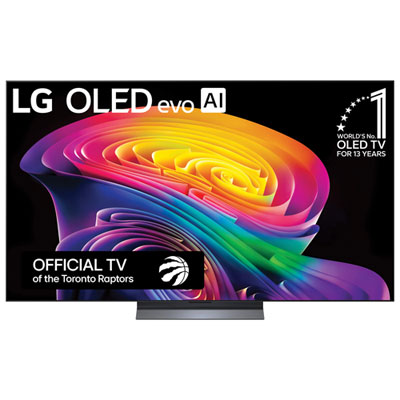 Your price for this item is $1999.99
-
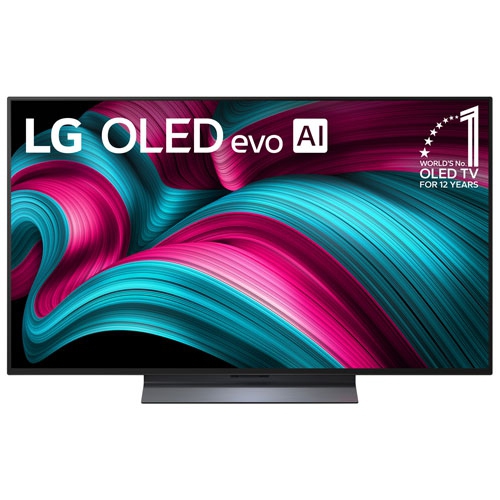 Your price for this item is $1749
-
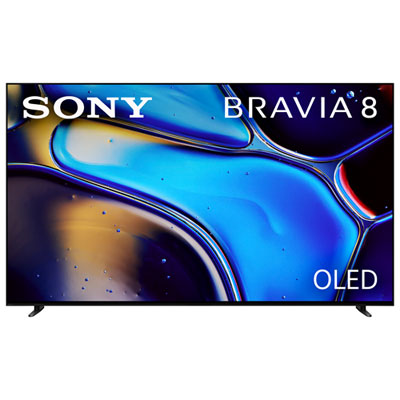 Your price for this item is $2399.99
-
 Your price for this item is $699.99
-
 Your price for this item is $599.99
-
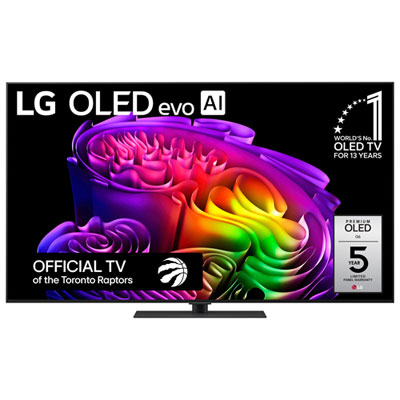 Your price for this item is $3999.99
-
 Your price for this item is $3999.99
Discover more categories related to LG Thin TVs

Top Collections:
Best Black Friday Deals This Year, Best Black Friday Deals On Electronics, Kindle Devices, Pokemon Centers, Best Black Friday Deals On Apple Products, Best Cameras for Sports Photography, Dyson Airwrap, Pokémon 30th Celebration Cards, Apple iPhone 17 Pro, Canon G7X Cameras
Some products may be subject to Environmental Handling Fees
(EHF) depending on your province.
Learn more about EHFs.