Living Room Smart TVs
Transform your entertainment space with a living room smart TV that brings your favorite shows, movies, and games to life. Designed to complement any décor, these TVs offer seamless integration into your home setup and provide a hub for streaming content, gaming, and more. Explore a wide selection of sizes and styles to find the perfect living room smart TV for your viewing needs and enjoy an enhanced home theater experience.
Sort

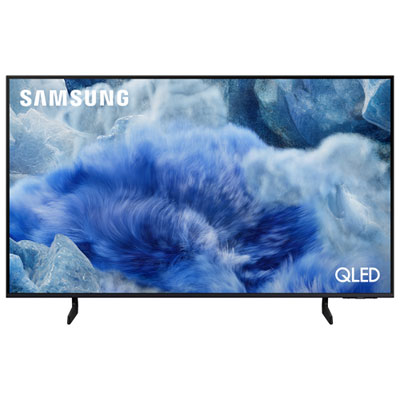
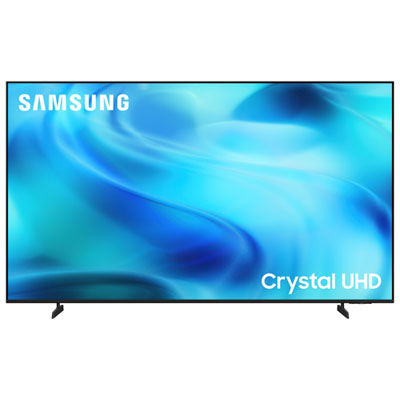




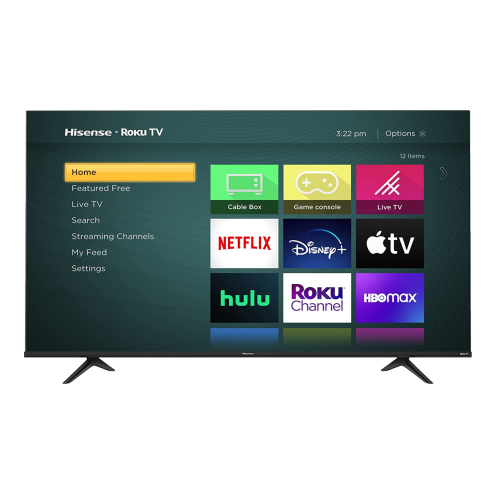
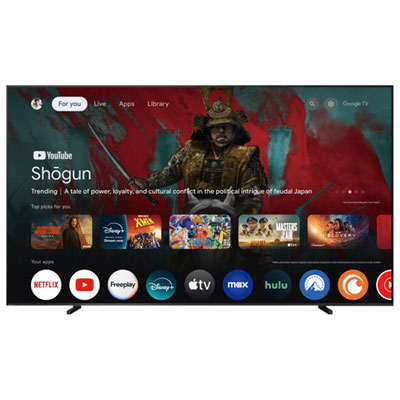






How your room shapes your TV viewing experience
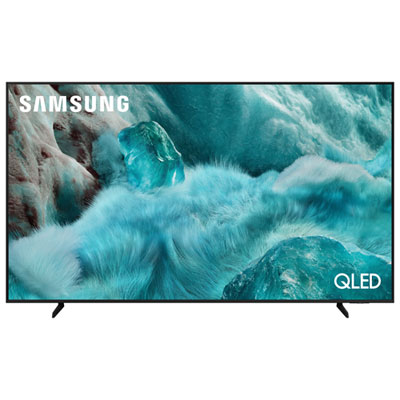
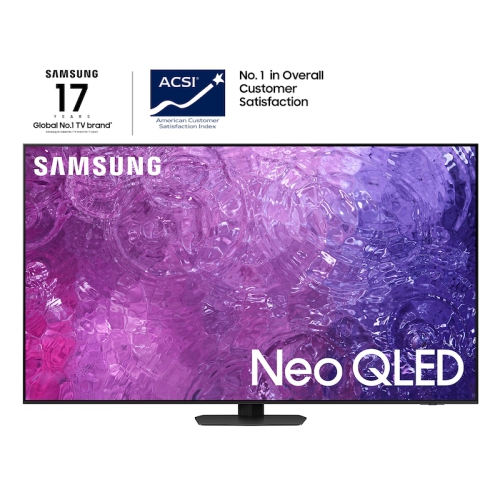
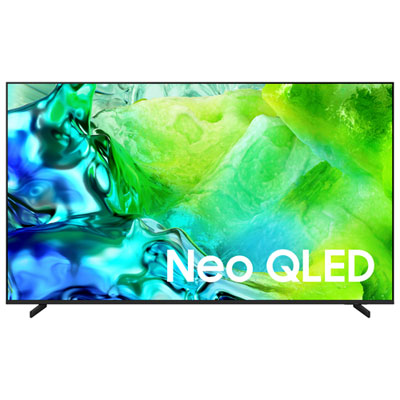
Living room smart TVs bring streaming, live television, films, and gaming together on a screen designed for shared viewing. The right fit depends on seating distance, room layout, lighting, and what the household watches most often. A 55-inch or larger screen can work well in many living rooms, while smaller spaces may suit a more compact display. Screen size is measured diagonally, so the television’s actual width, height, and stand depth matter when fitting it into a media unit or above a cabinet. A larger screen makes subtitles, scoreboards, and distant details easier to see, but it should still feel comfortable from the main seating position. A 4K display provides four times the pixel count of Full HD, helping detailed images look crisp when the source material supports that resolution. Upscaling can improve the appearance of lower-resolution video, although results depend on the original picture quality and the television’s processing. Lighting also shapes how a screen looks throughout the day. Brightness and reflection handling are especially useful in a living room with large windows or lamps facing the screen. QLED televisions use a quantum-dot layer with an LCD panel and LED backlighting to produce colour, while Mini-LED backlighting can provide more precise control over bright and dark areas. Some televisions combine both technologies. OLED screens control light at the individual pixel level, producing deep blacks and strong contrast that can be particularly appealing for films watched with the lights dimmed. Brightness, glare handling, and viewing angles vary by model, so panel type alone does not tell the whole story. A sectional sofa or a pair of chairs positioned off to the side makes wide-angle picture quality more important than it would be in a room where everyone sits directly ahead. High dynamic range, or HDR, can add detail to bright highlights and shadowed scenes when both the television and the content support it. The visible benefit depends on contrast, brightness, and colour performance, not simply the presence of an HDR label.
Connected features are central to smart TVs for living rooms, with built-in software providing access to supported streaming apps and other entertainment services. A clear home screen, responsive menus, and an easy-to-use remote can make everyday viewing more comfortable, especially in a shared household where people move between live broadcasts, children’s shows, and films. App support differs between smart TV platforms and can change over time; individual services may also require an account or subscription. Household profiles, parental controls, and accessibility settings can help different viewers use the same screen. Adjustable captions, voice guidance, and dialogue-related settings are worth considering for viewers who benefit from larger text or clearer speech. Voice search can simplify finding a programme without entering each letter with a remote, although supported functions and privacy settings vary. Reliable internet access is another part of the experience. Wi-Fi keeps the setup free of a network cable, while an Ethernet connection can offer a steady alternative when a suitable connection is nearby. Wireless performance depends on router placement, distance, and interference, particularly when several people are streaming or gaming at once. Compatible screen sharing or casting lets a phone, tablet, or computer send supported content to the television, making family photographs or a presentation easier to share from the sofa. Device compatibility matters, since not every television supports every casting method. Physical connections remain useful alongside wireless features. Enough HDMI inputs allow a game console, television receiver, and other sources to stay connected without frequent cable changes. For sports and gaming, a native 120Hz refresh rate can provide smoother motion with suitable content than a native 60Hz panel; advertised motion ratings are not necessarily the same as the panel’s refresh rate. Features such as variable refresh rate and automatic low-latency mode can also support responsive gaming with compatible equipment. Support for 4K at 120Hz depends on the television’s inputs, the connected device, and the cable, so those capabilities need to work together.
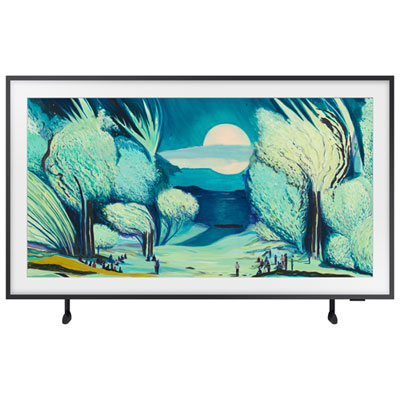
How a television sits in the room matters almost as much as what appears on its screen. Slim bezels and understated finishes can help a large display fit alongside shelving, framed photographs, and other furnishings without dominating the space when it is switched off. Cabinet materials and finishes vary, but the screen surface itself still needs protection from knocks, pressure, and unsuitable cleaning products. A stable media unit should accommodate the television’s weight and the full footprint of its feet or centre stand, with space left for ventilation and connected equipment. Wall mounting can free up the cabinet surface, provided the bracket matches the television’s mounting pattern and weight and is installed into suitable structural support. Screen height also affects comfort: a position close to seated eye level generally avoids the neck strain that can come from looking sharply upward through a long film. In homes with children or pets, secure mounting or appropriate anti-tip restraints help reduce the risk of the television being pulled forward. Cable routing keeps power leads and connections away from walkways and makes the seating area look tidier. Sound deserves similar attention. Built-in speakers may be sufficient for casual viewing, while a compatible soundbar or speaker system can make dialogue easier to follow and give films a fuller sense of space. HDMI ARC or eARC can simplify the connection to supported audio equipment, with eARC offering greater audio bandwidth when both devices support it. Everyday care is straightforward: follow the manufacturer’s instructions, use a clean microfibre cloth, avoid spraying liquid directly onto the display, and keep ventilation openings clear. Built-in panel-care features and sensible use of static images are particularly relevant for OLED screens. For a shared household or a housewarming gift, the most useful living room television is one that suits the room’s dimensions, connects to familiar devices, and feels comfortable for everyone gathering around it.
Top selling and popular products
-
 Your price for this item is $479.99
-
 Your price for this item is $347.99
-
 Your price for this item is $1599.99
-
 Your price for this item is $799.99
-
 Your price for this item is $499.99
-
 Your price for this item is $1999.99
-
 Your price for this item is $1999.99
-
 Your price for this item is $1999.99
Discover more categories related to Living Room Smart TVs


Top Collections:
Best Black Friday Deals This Year, Best Black Friday Deals On Electronics, Kindle Devices, Pokemon Centers, Best Black Friday Deals On Apple Products, Best Cameras for Sports Photography, Dyson Airwrap, Pokémon 30th Celebration Cards, Apple iPhone 17 Pro, Canon G7X Cameras
Some products may be subject to Environmental Handling Fees
(EHF) depending on your province.
Learn more about EHFs.