Lounge TV Units
A TV stand is a piece of furniture that holds your TV and other media equipment. It's an essential piece of furniture for almost any home, as it provides a place to store your TV, video games, video game consoles, DVD players, and more. Here are some of the best TV stands for your lounge room.
Sort
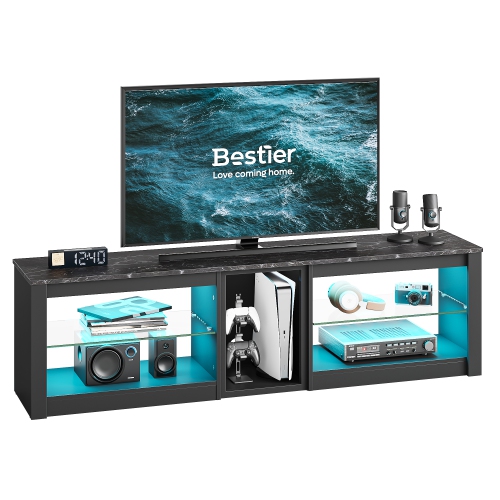
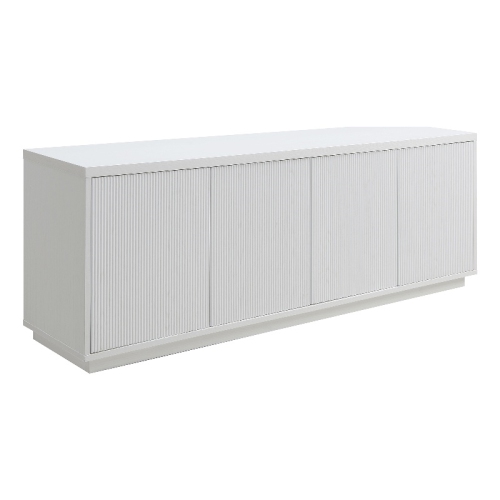
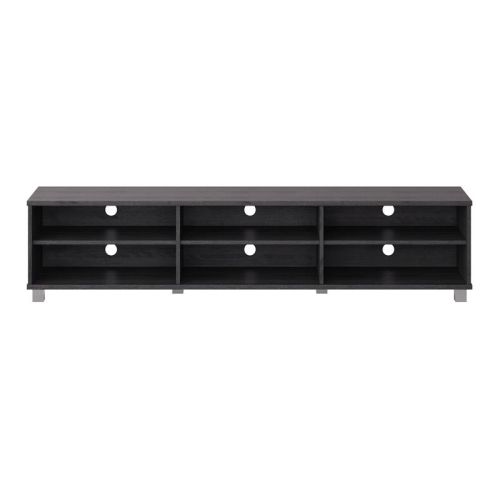
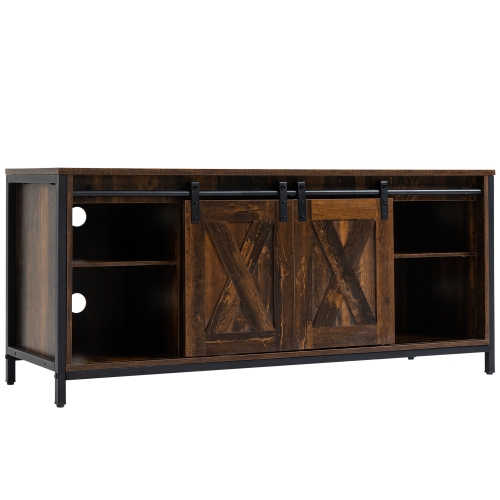
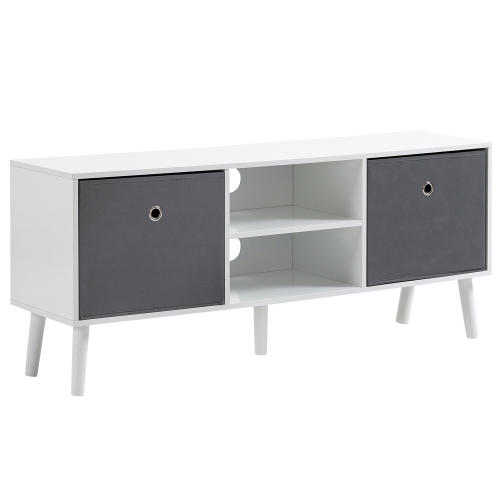
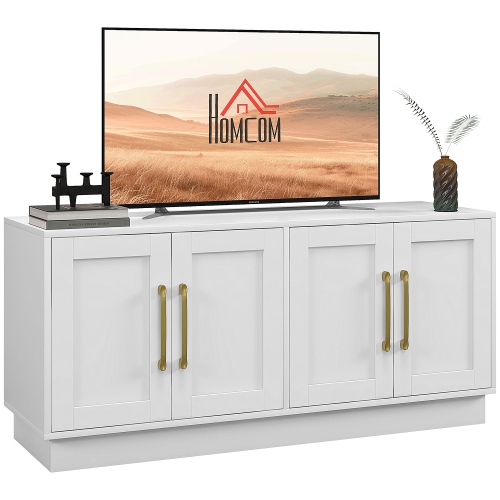
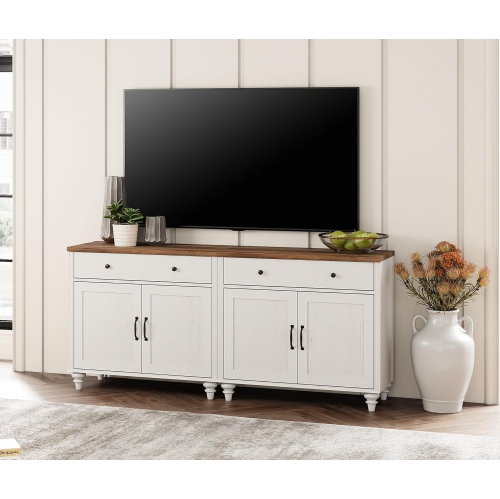
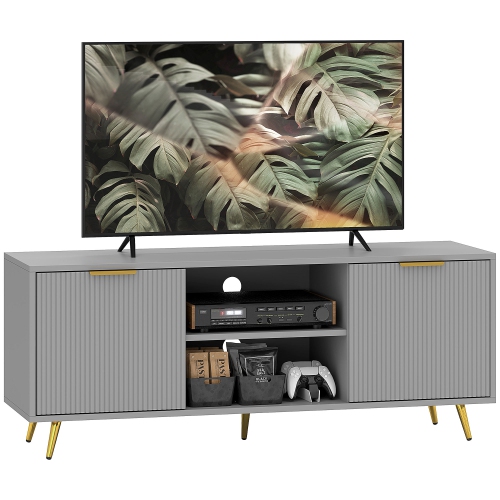
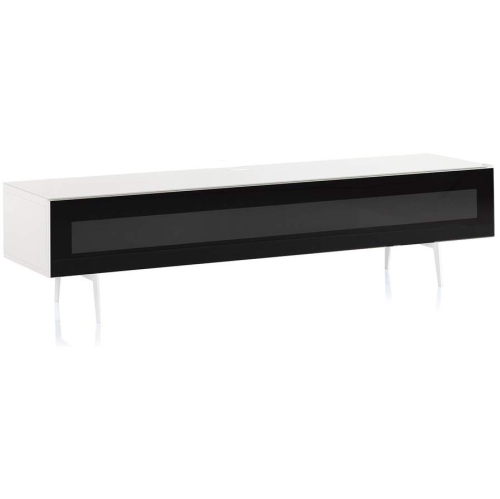
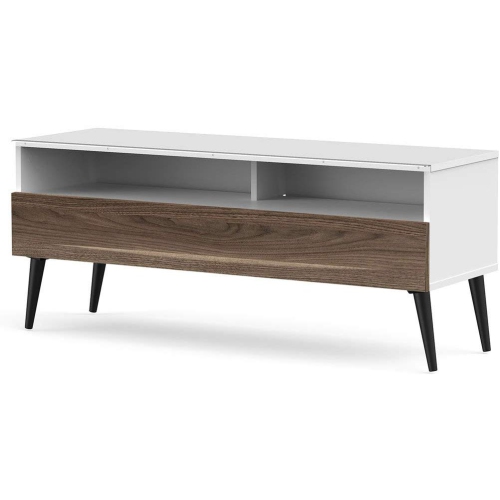
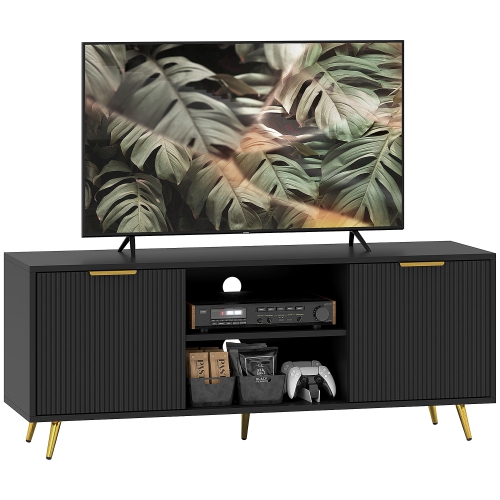
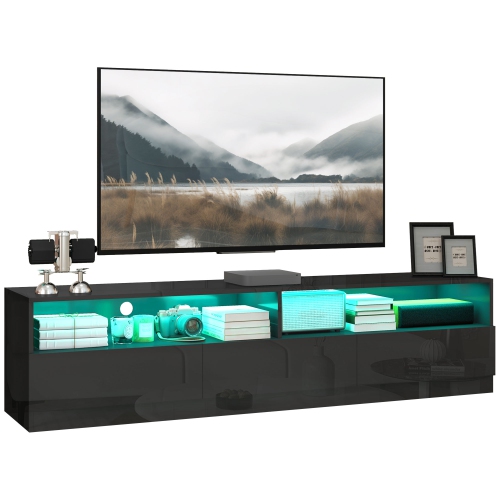
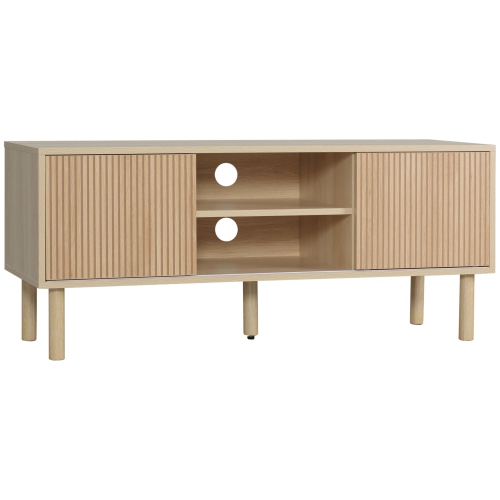
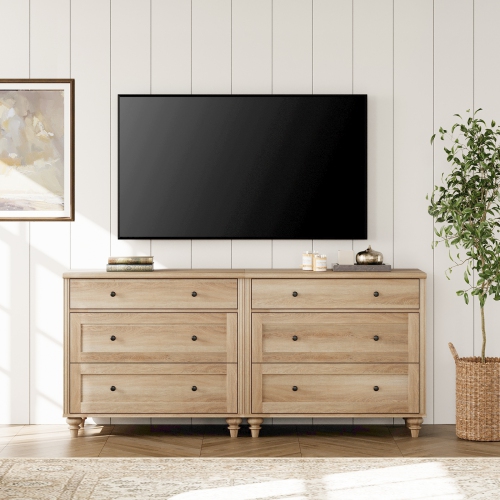
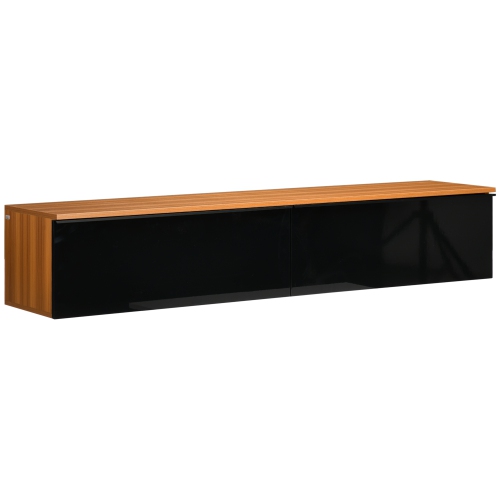
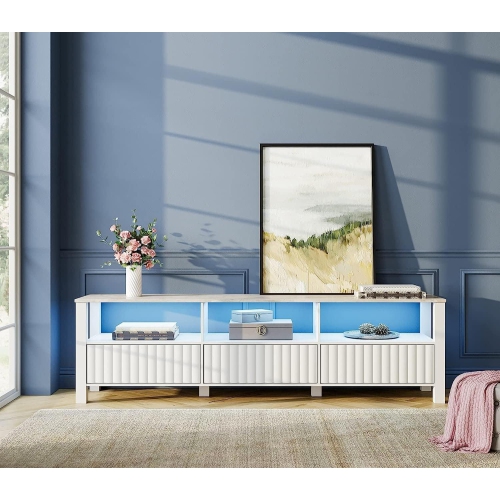
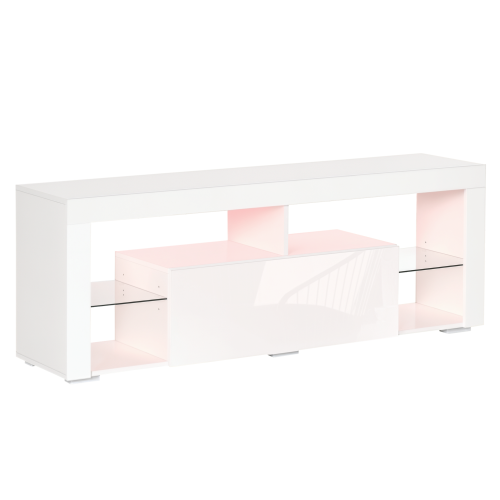
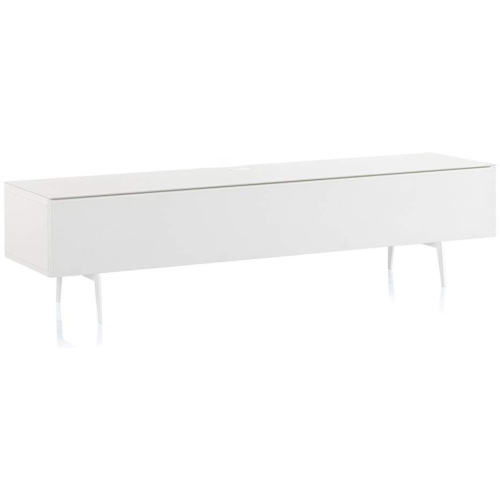

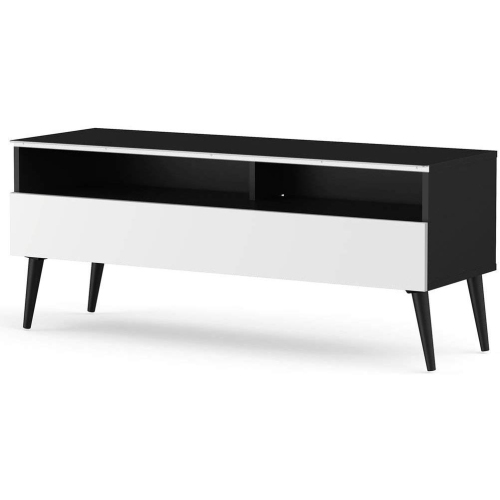
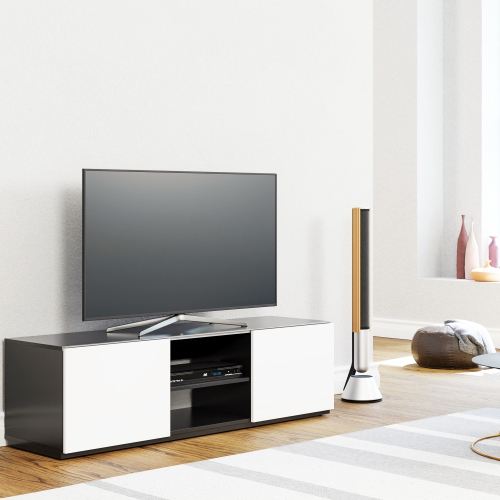
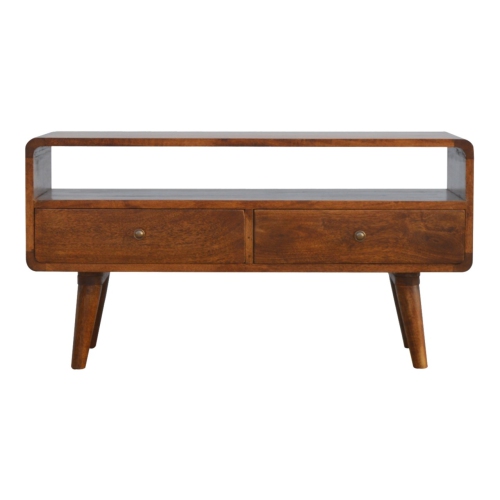

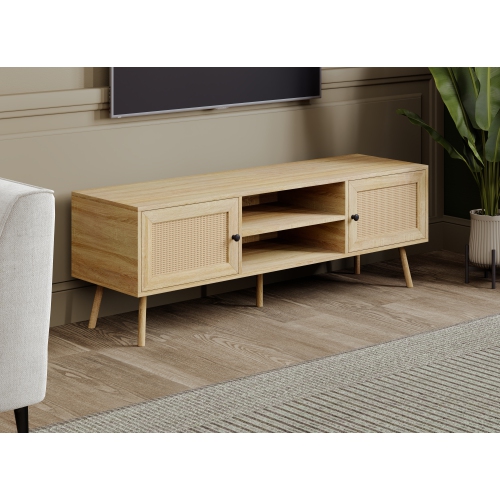
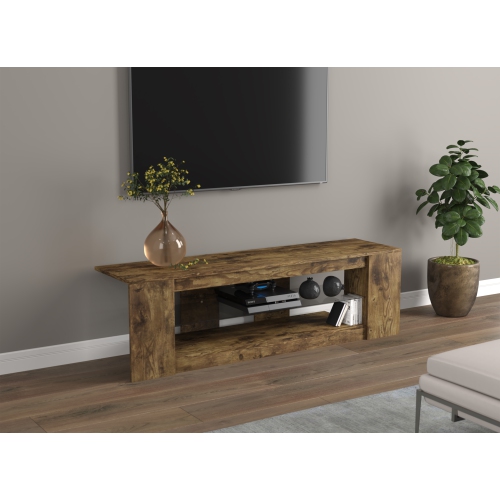
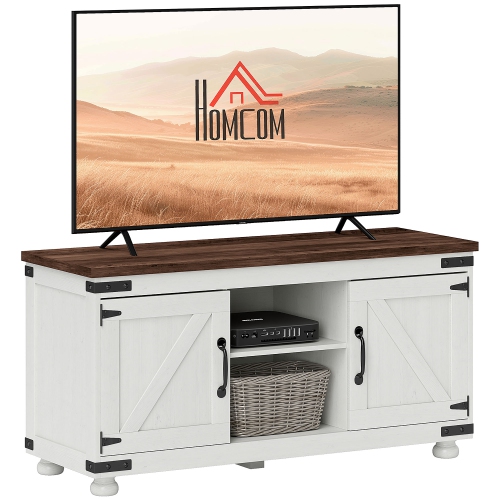
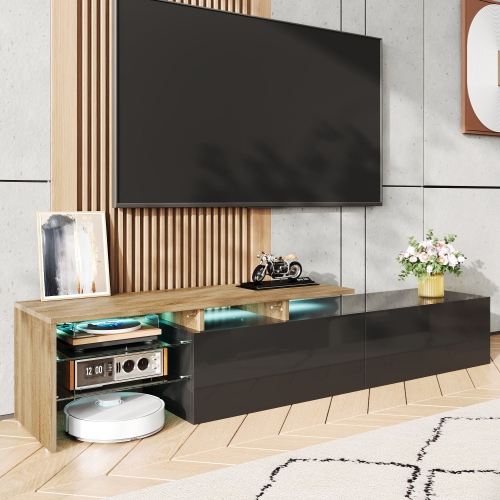
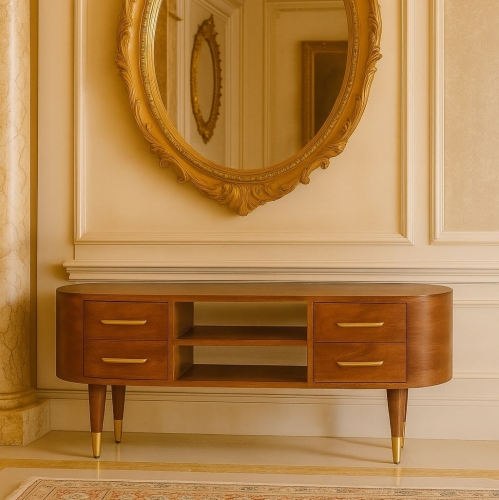
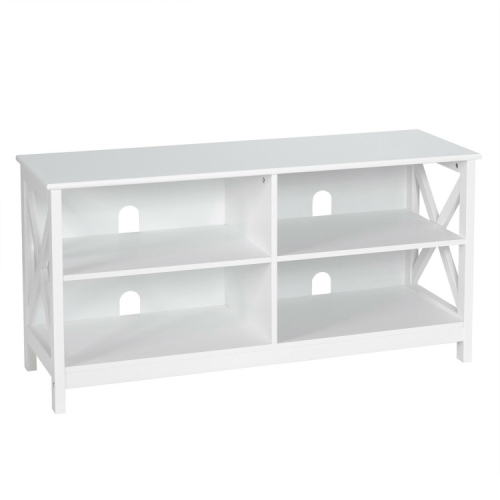
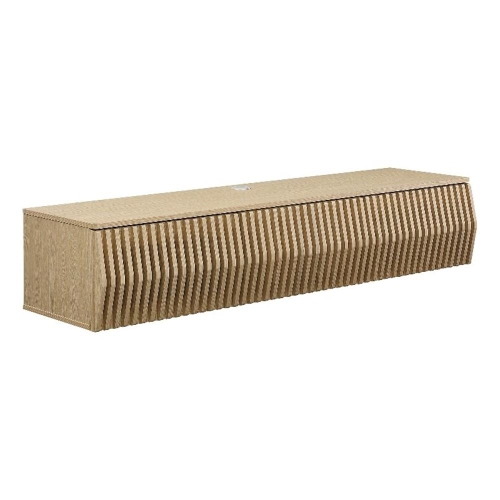
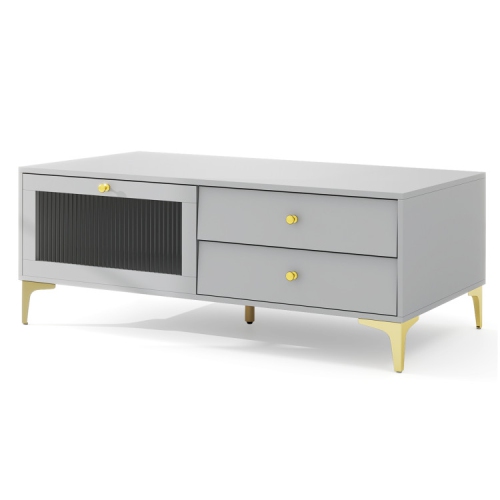
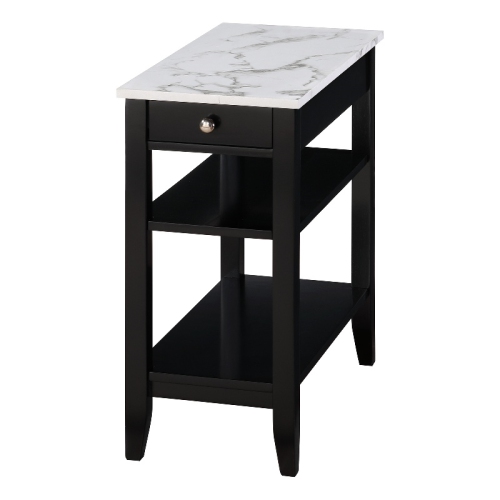
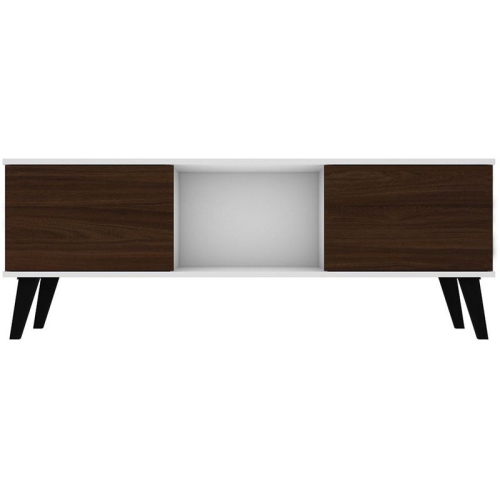
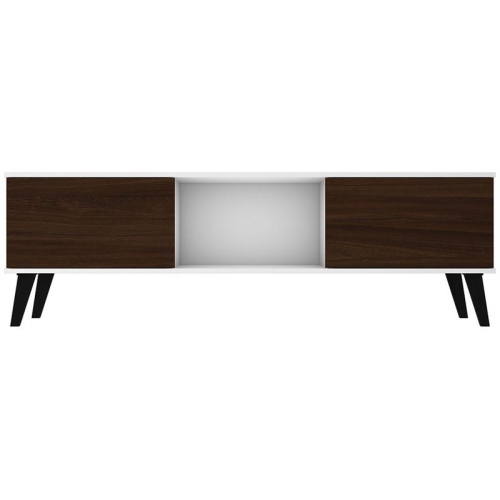
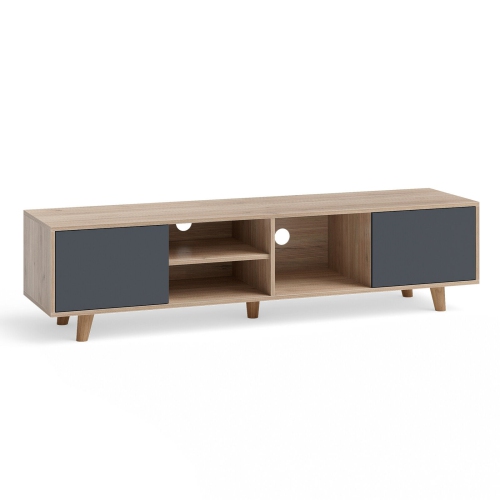
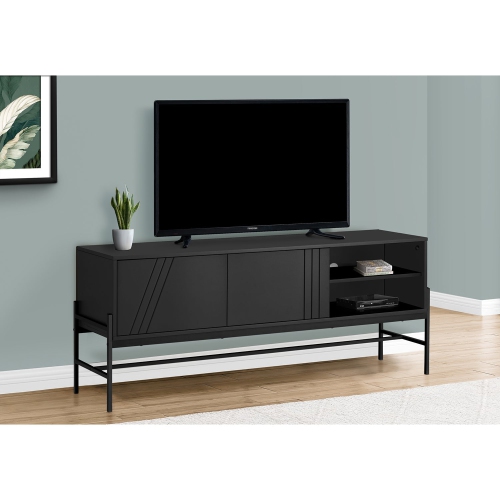
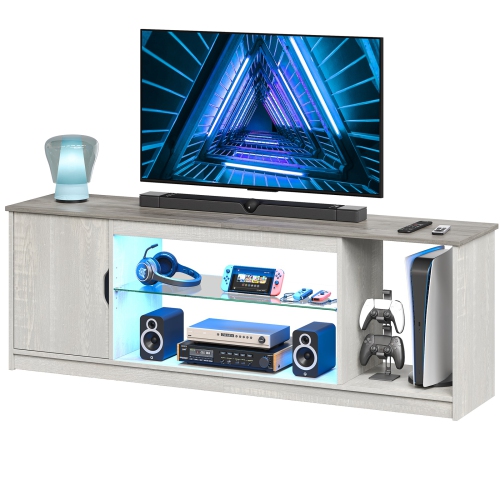
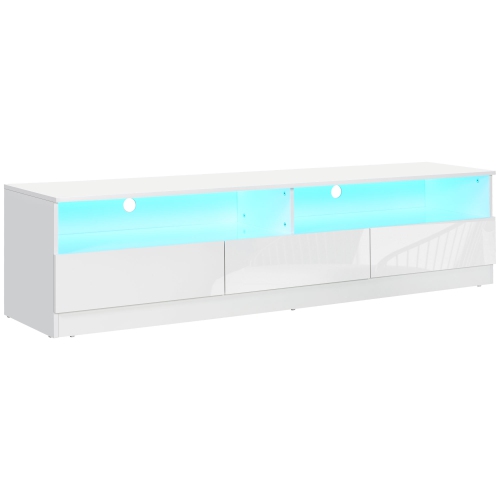
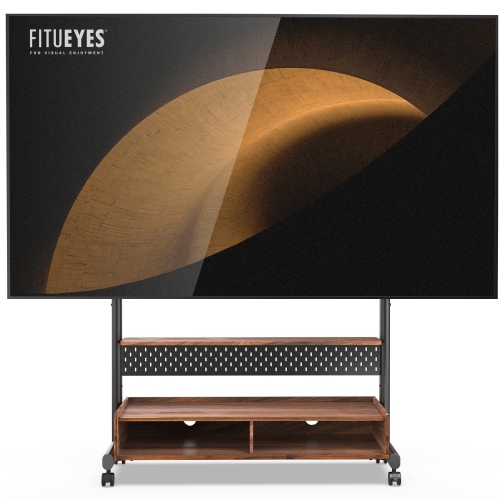
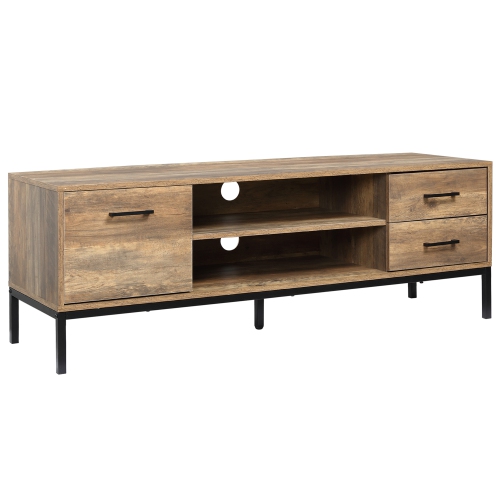
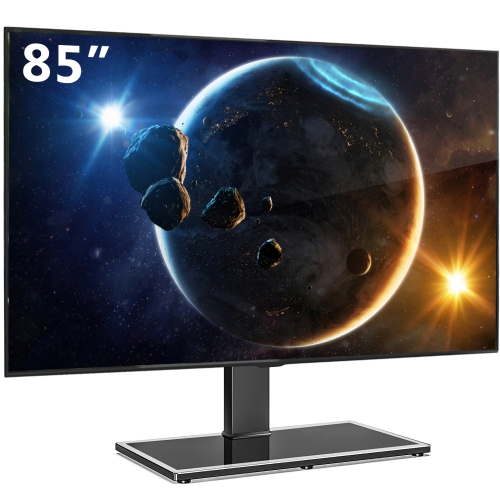
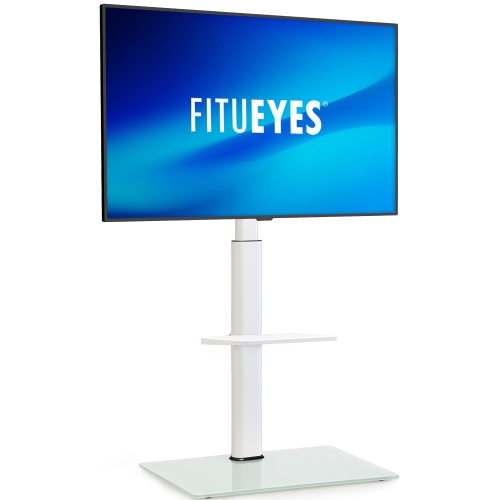

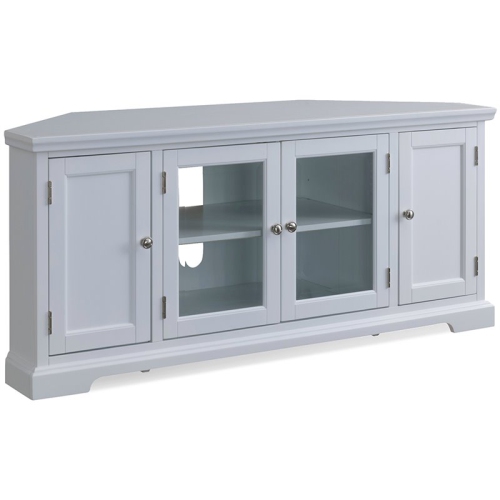
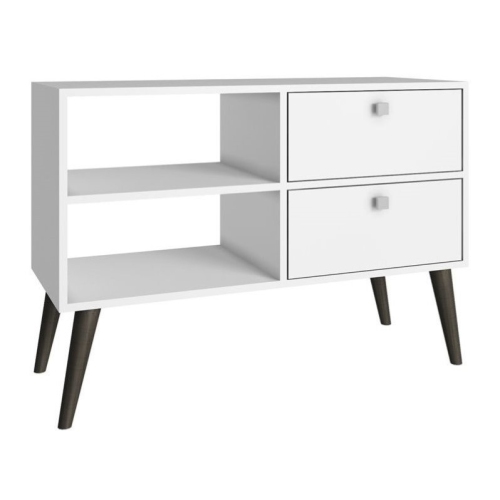

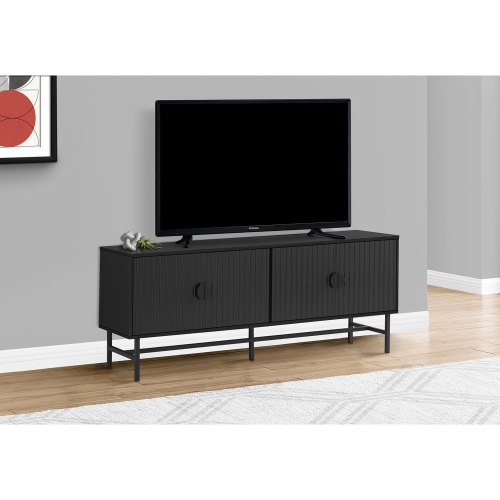
A place for your screen and everything around it
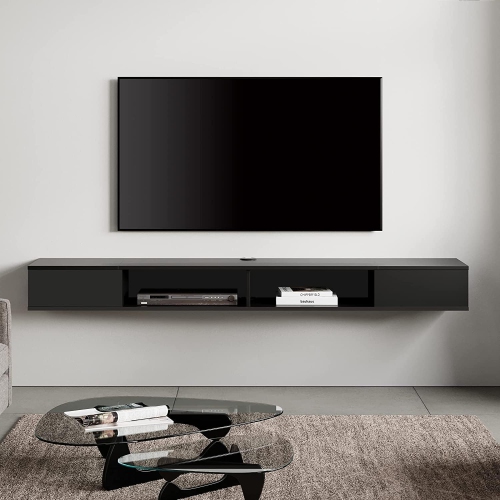
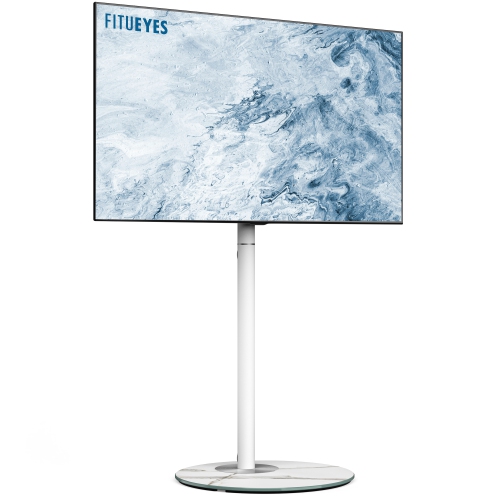
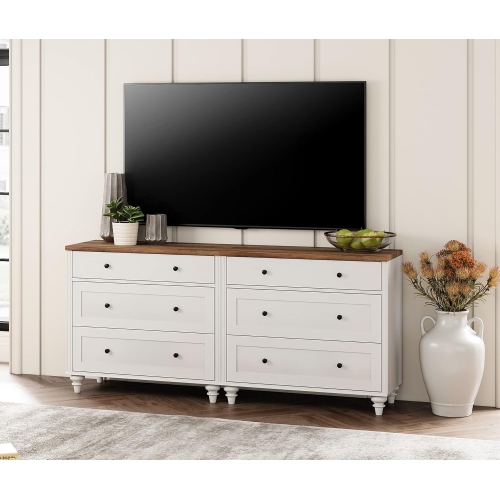
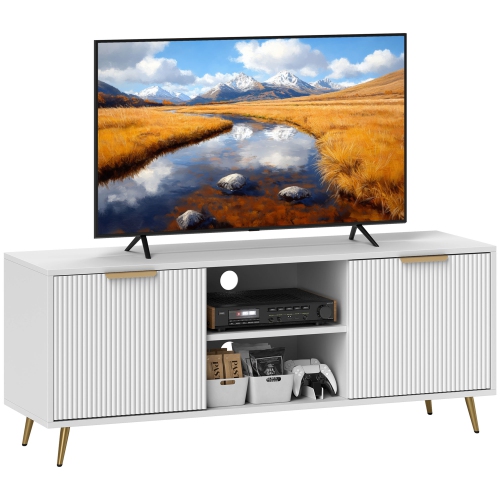
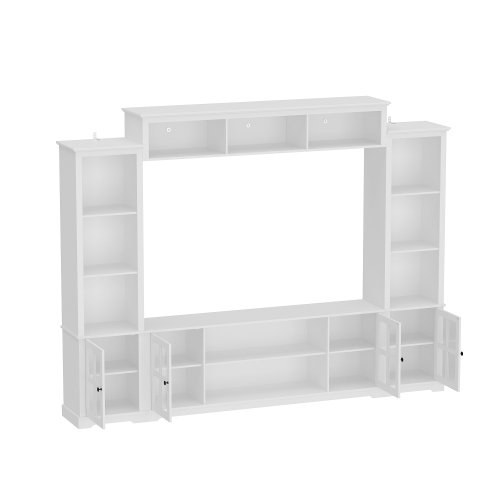
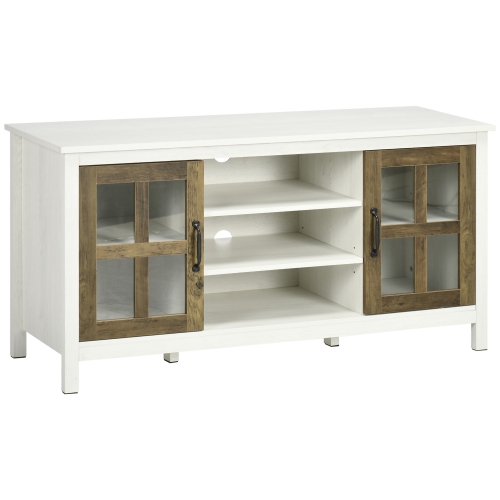
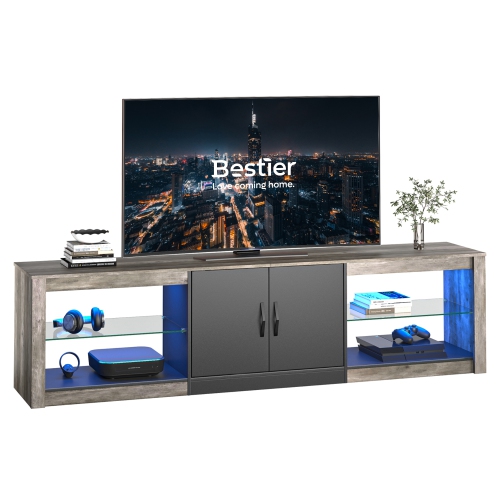
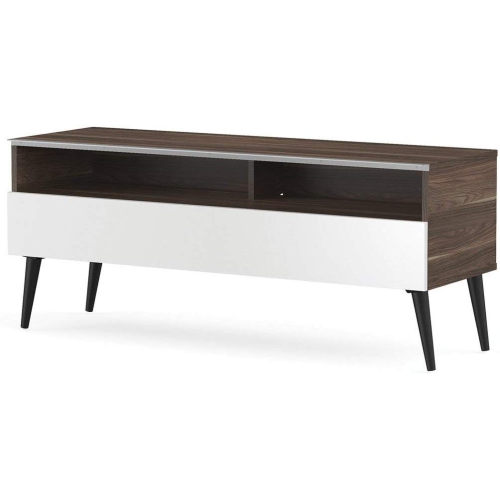
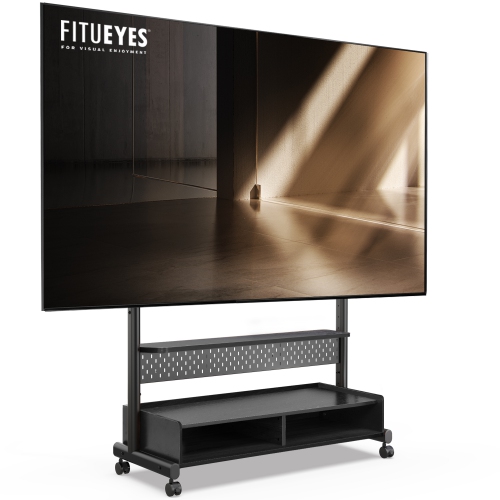
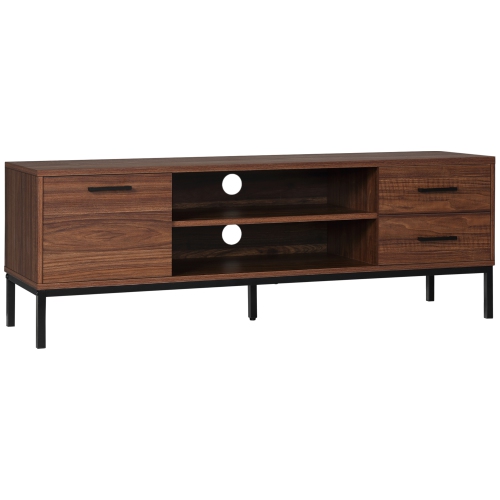
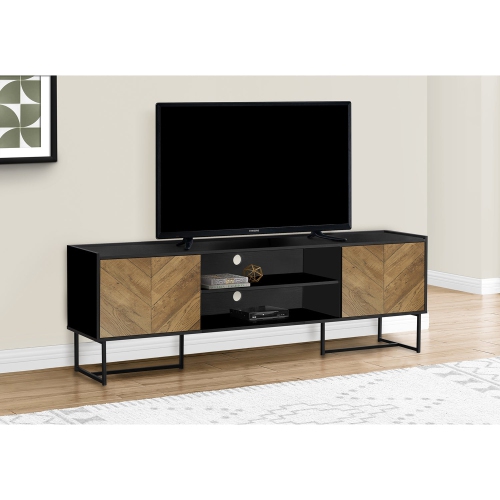
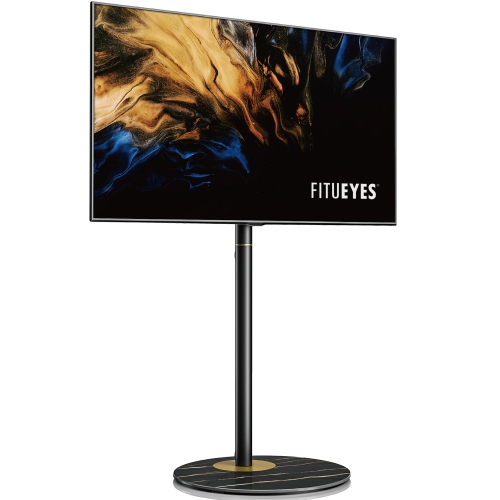
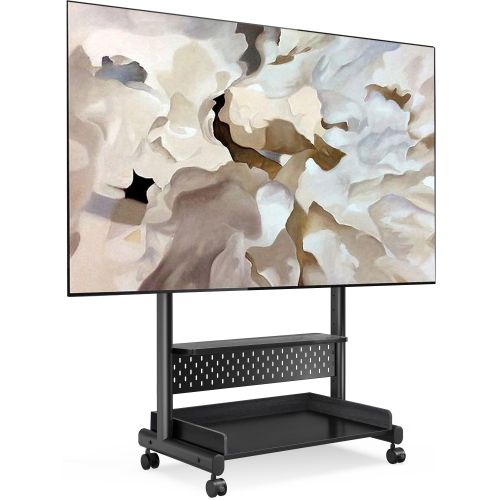
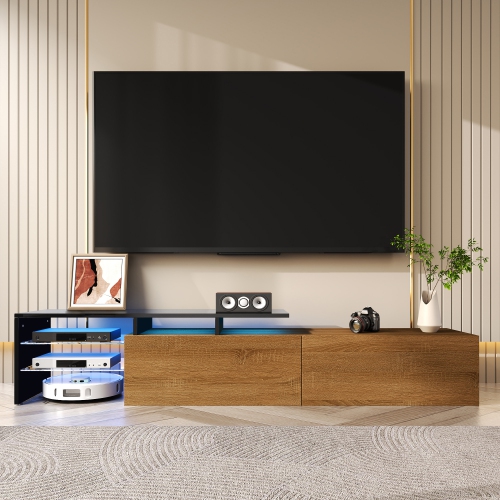
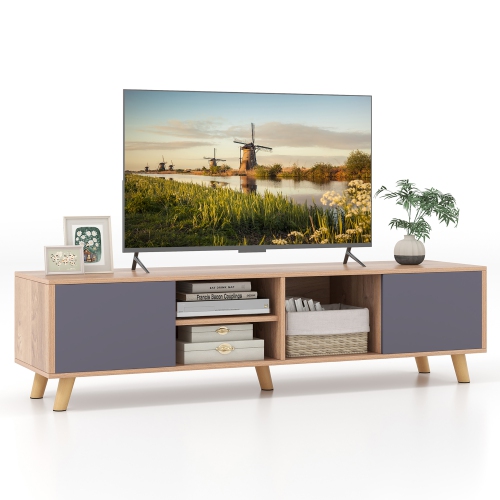
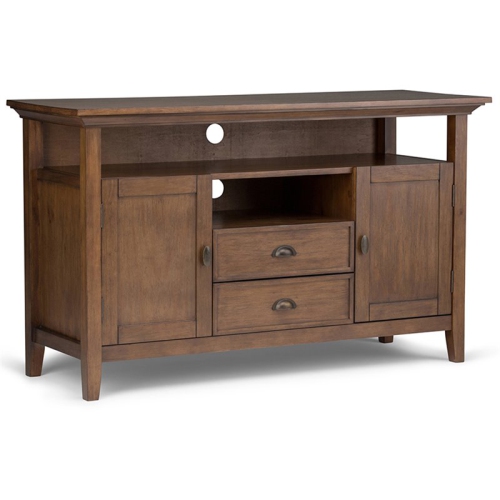
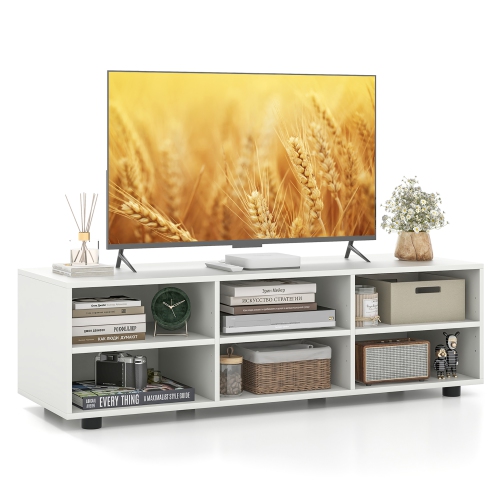
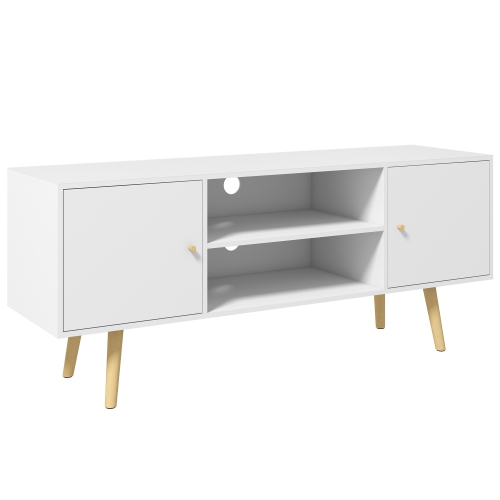
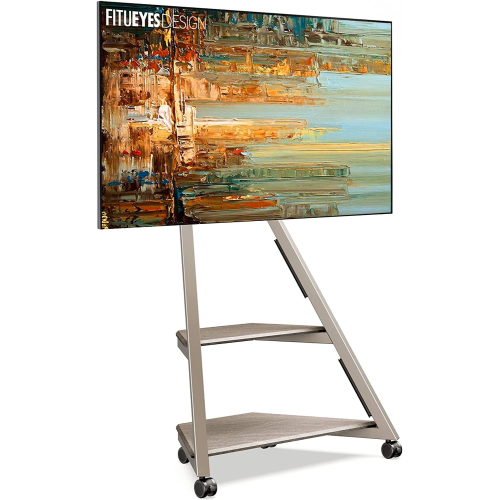
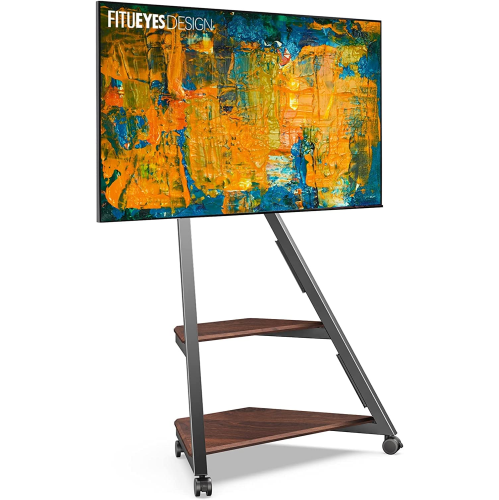
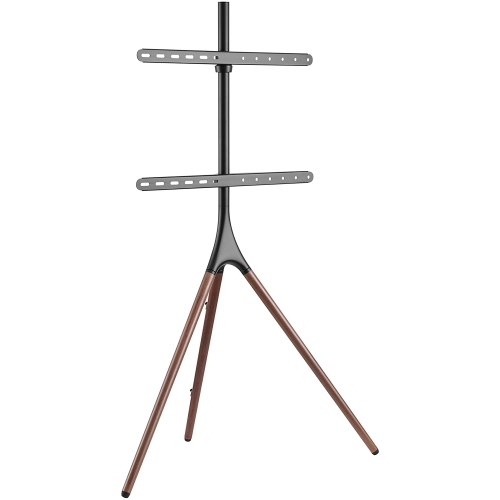
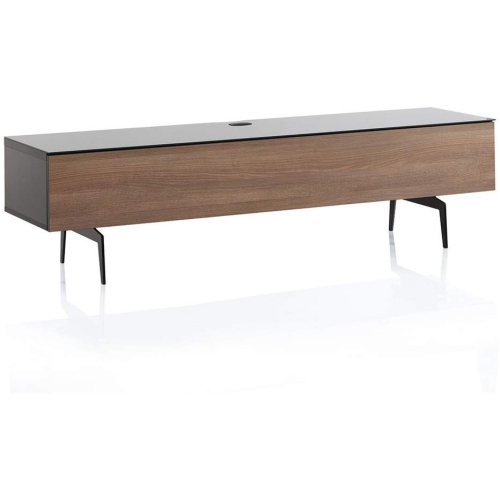
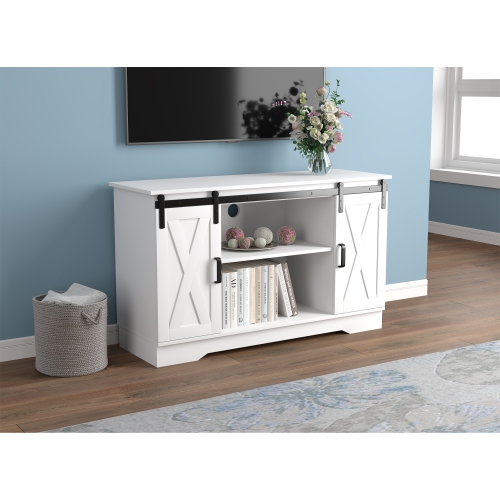
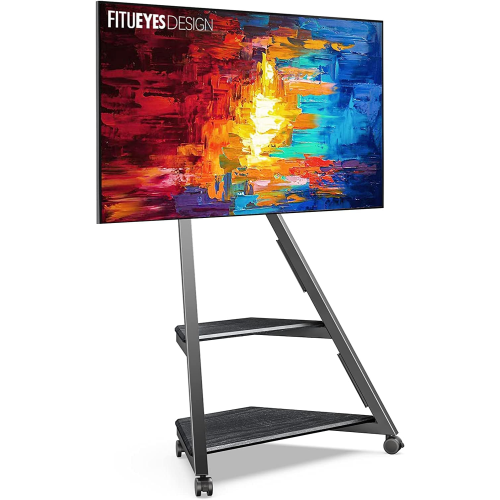
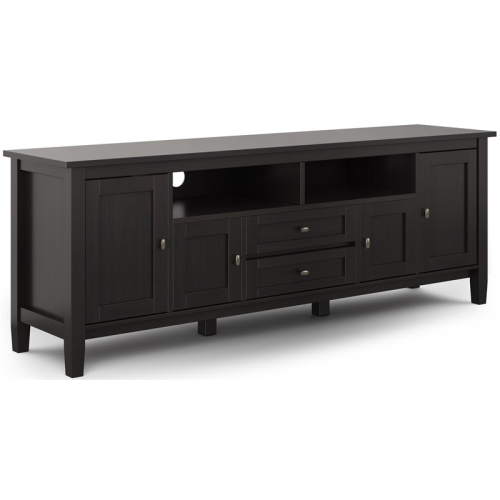
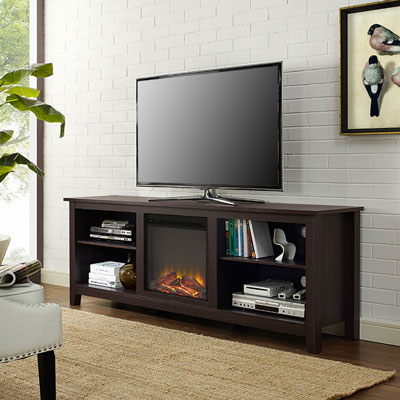
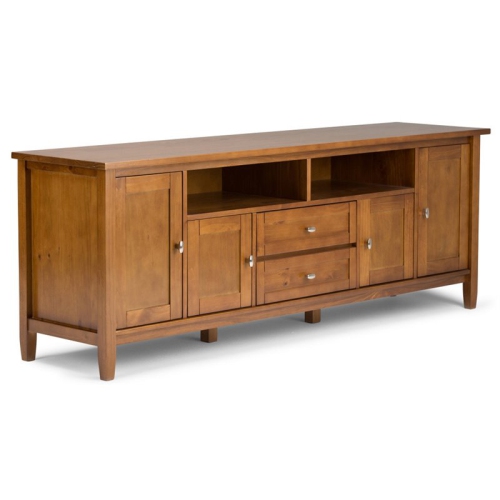
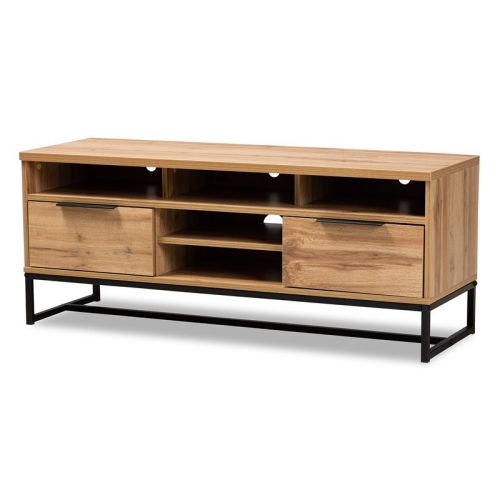
Lounge TV units give the screen a natural place in the room while keeping the everyday pieces of home entertainment close at hand. More than a surface for a television, a well-proportioned unit can bring together a soundbar, game consoles, streaming devices, and the small essentials that otherwise gather on a coffee table. In a shared family lounge, that might mean closed cupboards for controllers and charging cables, with an open shelf for equipment that needs airflow. In a quieter sitting room, a low cabinet with a simple profile can help the television sit comfortably alongside books, artwork, and upholstered furniture rather than dominate the space. The shape of the room often suggests the most practical format. A long, low unit can anchor a broad wall, while a compact stand can leave more space for walking between the sofa and an adjacent doorway. Corner units make use of an angled layout, although their usable top surface and internal storage deserve careful attention when matching them to a screen and other equipment. Wall-mounted designs create a lighter visual effect and leave the floor beneath easier to clean, but they require suitable wall construction, appropriate fixings, and installation that follows the manufacturer’s directions. Style makes just as much difference to how settled the room feels. Wood tones bring warmth beside fabric seating, darker finishes provide a strong contrast against pale walls, and painted cabinets can blend into surrounding shelving. For a streamlined look, Contemporary TV Units offer a related direction centred on clean lines and uncluttered forms. Matching every piece of furniture is not essential; repeating a finish, handle shape, or metal detail can create a connection without making the lounge feel overly coordinated. A unit with room for both equipment and a few personal touches helps the space feel lived in, whether it hosts film nights, afternoon sports, or a quiet evening with music playing through the television.
Fit involves more than the diagonal measurement printed on a TV’s packaging. The screen’s actual width, the spacing and depth of its feet, and its total weight all matter when pairing it with a lounge TV unit. A cabinet may look wide enough from the front yet be too shallow for a television with widely angled legs. The entire base should rest securely on the top, within the unit’s stated dimensions and weight capacity, with any required clearances maintained. A slightly wider cabinet can also give the screen visual breathing room, provided it does not obstruct a doorway or squeeze the route around nearby seating. Viewing height depends on the seat height, screen size, and preferred sitting position; a low sofa and a tall cabinet can be an uncomfortable combination during a long film. With a wall-mounted screen, the unit below still needs a useful relationship to the TV, leaving space for a soundbar without blocking the picture or access to connections. Storage works best when it reflects the equipment actually used in the room. Adjustable shelves can accommodate devices of different heights, while deeper compartments may be needed for receivers and larger consoles. Allow space behind those devices for plugs, cable bends, and the ventilation specified by their manufacturers rather than measuring only the equipment casing. Cable openings positioned near the right shelf can keep leads from bunching at the back and help the cabinet sit where intended. Closed doors are useful for hiding accessories, but they can interfere with some remote-control signals and restrict airflow unless the design accounts for both. In a busy household, a drawer for spare batteries and controllers can be more useful than another display shelf. Renters and people who rearrange their furniture frequently may prefer a freestanding format, while a dedicated media room may suit a wider unit with separate spaces for audio equipment, games, and everyday storage.
Materials and construction influence both the appearance of lounge TV units and how they stand up to daily use. Solid wood has natural grain variation and can develop character with age, though it may respond to changes in indoor humidity and needs care suited to its finish. Veneered panels provide a real wood surface over a supporting core, while laminate and other finished engineered-wood surfaces offer a consistent appearance and can be straightforward to wipe clean when cared for as directed. Edges, joints, and hardware deserve attention alongside the main surface: neatly finished corners, properly fitted hinges, and drawers that move smoothly all contribute to a cabinet that feels dependable in regular use. Metal frames can give a unit a slim outline, while glass shelves create a more open look but tend to show fingerprints and dust. Shelf capacities can differ from the maximum load allowed on the top, so heavier equipment needs an appropriately rated position. Care is usually easiest with a soft cloth and a cleaning method approved for the material, avoiding excess moisture around joins and promptly wiping up spills. Drinks, plant pots, and anything that might scratch the finish are better kept on suitable protective supports, away from equipment and ventilation openings. Leaving access to the back makes occasional dusting and cable checks less awkward, especially where pet hair gathers near warm devices. Stability is particularly important in homes with children or pets: follow the assembly instructions, fit supplied restraints as directed, and secure the television according to its manufacturer’s guidance. A lounge TV unit should never double as a seat or climbing surface. For a first apartment, a growing household, or a shared home, the most useful design balances a comfortable viewing setup with storage that makes tidying feel simple. During the cooler months, when more evenings may be spent indoors, that balance is easy to appreciate: the screen sits at a comfortable level, the remote has a familiar place, and the room still has space for conversation once the television is switched off.
Fit involves more than the diagonal measurement printed on a TV’s packaging. The screen’s actual width, the spacing and depth of its feet, and its total weight all matter when pairing it with a lounge TV unit. A cabinet may look wide enough from the front yet be too shallow for a television with widely angled legs. The entire base should rest securely on the top, within the unit’s stated dimensions and weight capacity, with any required clearances maintained. A slightly wider cabinet can also give the screen visual breathing room, provided it does not obstruct a doorway or squeeze the route around nearby seating. Viewing height depends on the seat height, screen size, and preferred sitting position; a low sofa and a tall cabinet can be an uncomfortable combination during a long film. With a wall-mounted screen, the unit below still needs a useful relationship to the TV, leaving space for a soundbar without blocking the picture or access to connections. Storage works best when it reflects the equipment actually used in the room. Adjustable shelves can accommodate devices of different heights, while deeper compartments may be needed for receivers and larger consoles. Allow space behind those devices for plugs, cable bends, and the ventilation specified by their manufacturers rather than measuring only the equipment casing. Cable openings positioned near the right shelf can keep leads from bunching at the back and help the cabinet sit where intended. Closed doors are useful for hiding accessories, but they can interfere with some remote-control signals and restrict airflow unless the design accounts for both. In a busy household, a drawer for spare batteries and controllers can be more useful than another display shelf. Renters and people who rearrange their furniture frequently may prefer a freestanding format, while a dedicated media room may suit a wider unit with separate spaces for audio equipment, games, and everyday storage.
Materials and construction influence both the appearance of lounge TV units and how they stand up to daily use. Solid wood has natural grain variation and can develop character with age, though it may respond to changes in indoor humidity and needs care suited to its finish. Veneered panels provide a real wood surface over a supporting core, while laminate and other finished engineered-wood surfaces offer a consistent appearance and can be straightforward to wipe clean when cared for as directed. Edges, joints, and hardware deserve attention alongside the main surface: neatly finished corners, properly fitted hinges, and drawers that move smoothly all contribute to a cabinet that feels dependable in regular use. Metal frames can give a unit a slim outline, while glass shelves create a more open look but tend to show fingerprints and dust. Shelf capacities can differ from the maximum load allowed on the top, so heavier equipment needs an appropriately rated position. Care is usually easiest with a soft cloth and a cleaning method approved for the material, avoiding excess moisture around joins and promptly wiping up spills. Drinks, plant pots, and anything that might scratch the finish are better kept on suitable protective supports, away from equipment and ventilation openings. Leaving access to the back makes occasional dusting and cable checks less awkward, especially where pet hair gathers near warm devices. Stability is particularly important in homes with children or pets: follow the assembly instructions, fit supplied restraints as directed, and secure the television according to its manufacturer’s guidance. A lounge TV unit should never double as a seat or climbing surface. For a first apartment, a growing household, or a shared home, the most useful design balances a comfortable viewing setup with storage that makes tidying feel simple. During the cooler months, when more evenings may be spent indoors, that balance is easy to appreciate: the screen sits at a comfortable level, the remote has a familiar place, and the room still has space for conversation once the television is switched off.
Top selling and popular products
-
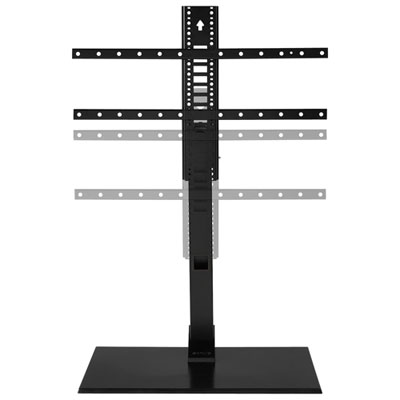 Your price for this item is $249.99
 -
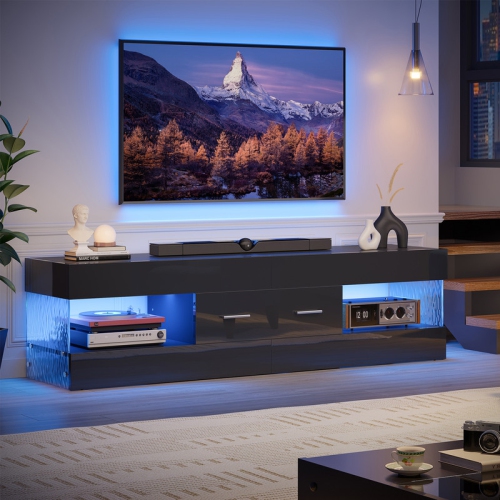 Your price for this item is $179.99
 -
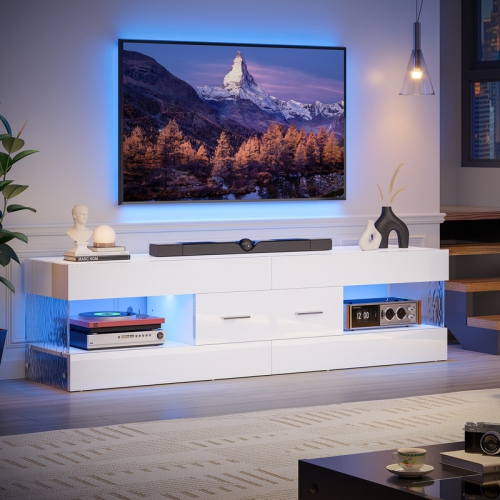 Your price for this item is $149.99
 -
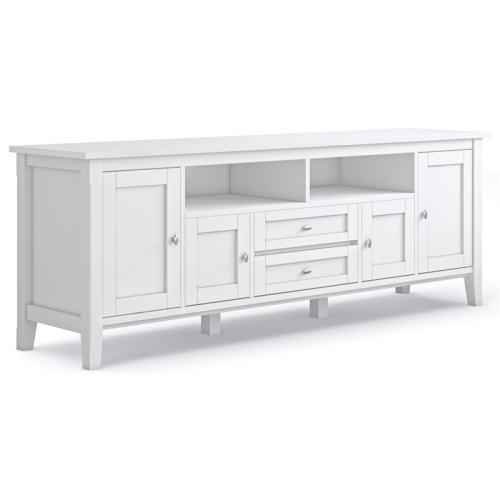 Your price for this item is $1522.15
 -
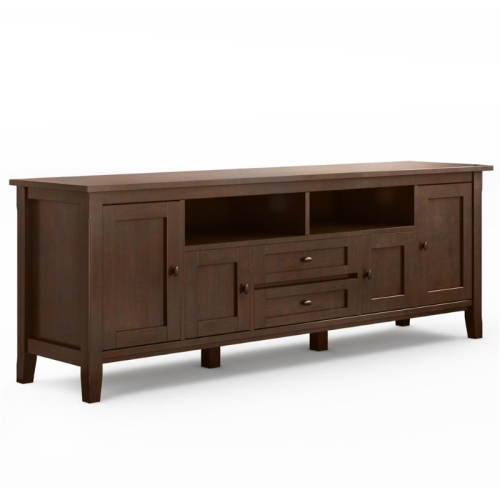 Your price for this item is $1535.26
 -
 Your price for this item is $1505.85
 -
 Your price for this item is $689.99
 -
 Your price for this item is $1522.01
Discover more categories related to Lounge TV Units
Top Collections:
Pokemon Centers, Kindle Devices, Best Budget Office Chairs, Apple iPhones 16, Best Laptops for Writers, iPhone 15 Apple, Canon G7X Cameras, Refurbished Apple Laptops, Alarm Clock, Motorola Razr Phones
Some products may be subject to Environmental Handling Fees
(EHF) depending on your province.
Learn more about EHFs.