Living Room Wall Mounted TV Units
Transform your living space with a stylish and functional living room wall-mounted TV unit. Elevate your entertainment experience by creating a sleek and organized look that seamlessly integrates your television and accessories into your home decor. Whether you're seeking a modern minimalist design or something more classic, our selection of wall-mounted TV units offers the perfect solution to keep your living area tidy and visually appealing. Explore our range to find the ideal fit for your home, combining both practicality and elegance in one sophisticated package.
Sort
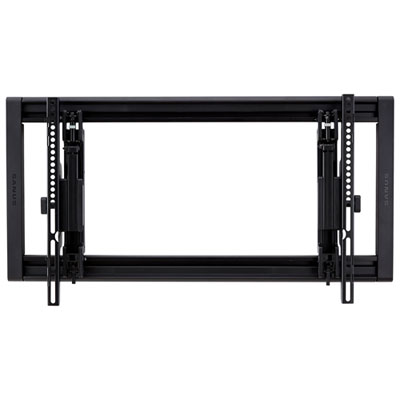
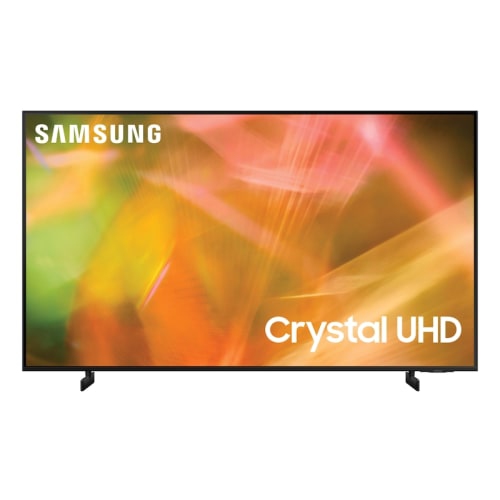
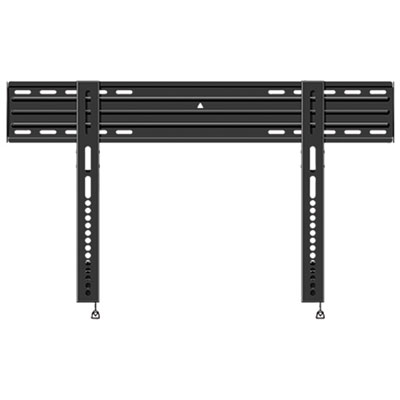
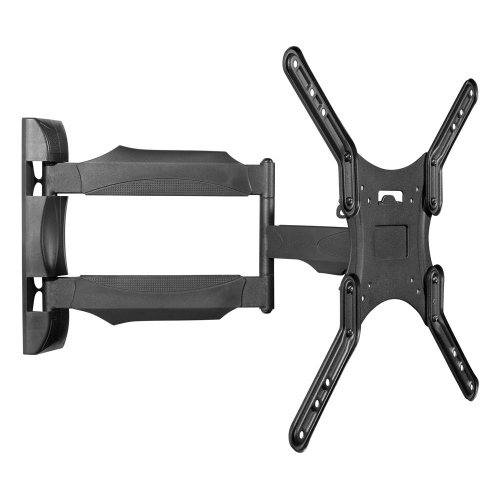
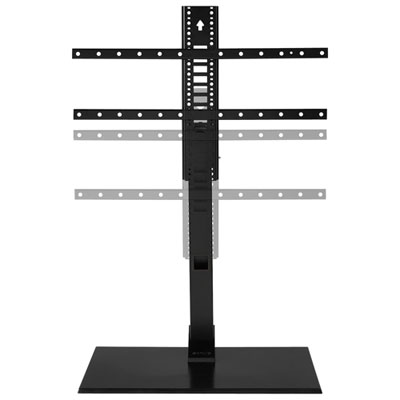
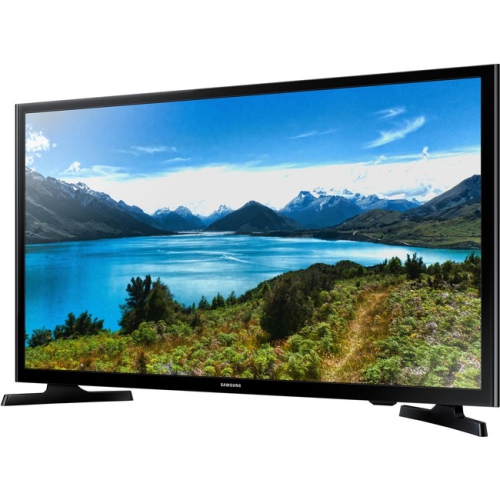

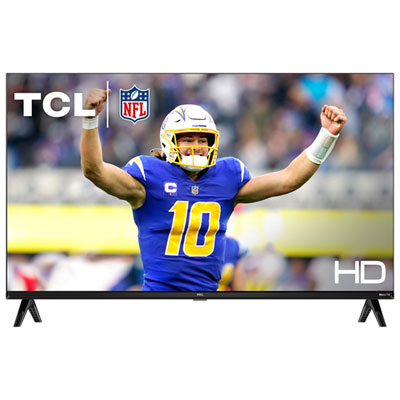
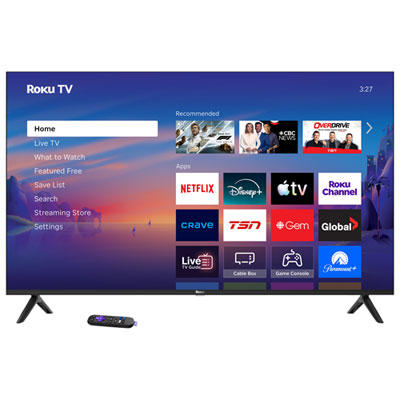
Media storage that leaves the floor below open
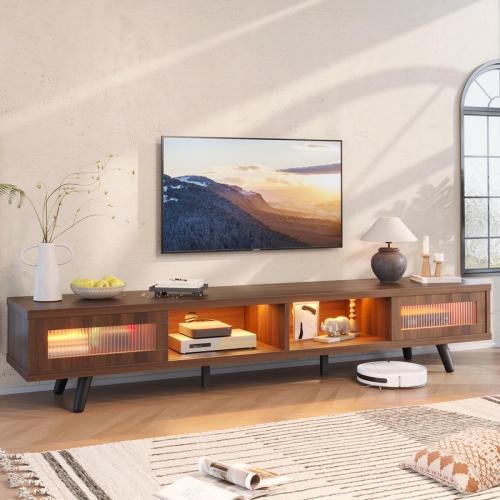
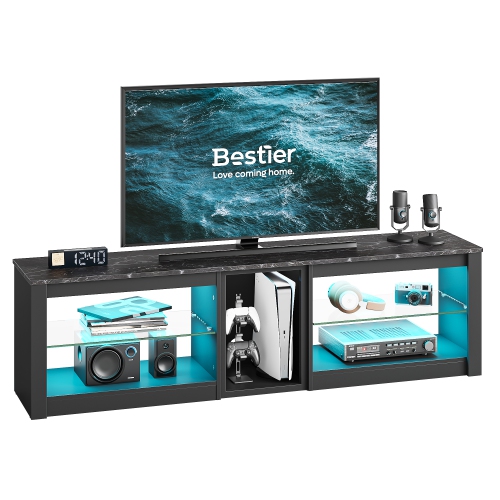
Living room wall mounted TV units, also called floating media consoles, provide storage beneath a television while leaving the floor below open. Secured to the wall rather than supported by legs, these units create a lighter visual footprint than many freestanding cabinets and make it easier to clean underneath. They are particularly useful in condos, apartments, and smaller living rooms where a bulky entertainment centre can crowd the seating area. In a larger room, a long floating console can help anchor the television wall without filling it from floor to ceiling. The appeal is practical as much as visual: a designated place for streaming devices, gaming consoles, remotes, and cables keeps everyday entertainment essentials close at hand. Picture a shared living room after a film night, with controllers tucked into a drawer and the coffee table clear again; well-planned media storage makes that reset simple. Designs range from slim shelves with a few compartments to wider cabinets with drawers, doors, and a mix of open and enclosed storage. A wall-mounted TV unit is not necessarily a television mount, however. Many floating consoles are designed to hold media equipment and accessories beneath a separately mounted screen, not to support the television itself. The intended use and stated load limits matter more than the furniture’s appearance. For households comparing floating storage with floor-standing options, Living Room TV Cabinets offer another way to bring entertainment equipment and living room storage together. Floating units suit people who prefer an uncluttered layout, families looking for an organised home for shared devices, and anyone furnishing a room that serves several purposes. A compact console can keep a television corner distinct from a nearby dining table or work area, while a broader arrangement gives a main living room a more settled, cohesive feel.
Proportion, storage layout, and finish all influence how comfortably a wall-mounted media console fits into daily life. Television sizes describe the screen diagonally, so the TV’s actual width is the more useful measurement when comparing it with a cabinet. A console that extends beyond either side of the screen often creates a balanced arrangement and provides room for accessories, although the best proportions depend on the available wall space. Cabinet depth deserves equal attention: a shallow unit may look tidy beside a narrow walkway but leave too little room for a receiver, a larger gaming console, or the bend of a power cable behind a device. Internal compartment dimensions can be more useful than overall dimensions when checking equipment fit. Open shelves give frequently used devices easy access and can suit equipment that needs a clear path for a remote signal. Enclosed cupboards and drawers are useful for spare cables, game cases, and the small accessories that otherwise collect beside the sofa. Adjustable shelves offer flexibility as the household’s entertainment setup changes. Ventilation is especially important for equipment that produces heat; an enclosed compartment needs suitable airflow and the clearances specified by the device manufacturer. A rear cable opening alone does not guarantee enough ventilation. Finishes help connect the television area to the rest of the room. Wood-look surfaces can add warmth alongside fabric seating, while white, black, or grey finishes can either blend into the wall or create a stronger contrast. Matte surfaces tend to show reflections less prominently than glossy ones, and textured fronts can add interest without requiring additional ornaments. Households with young children may appreciate rounded corners and easy-to-wipe surfaces, while soft-close doors and drawers can make shared spaces feel quieter. Integrated lighting, where included, adds another visual layer, but its brightness, controls, and access to power are worth considering. During the cooler months, when an evening indoors might move from a family film to a game with friends, storage that accommodates both activities feels especially useful.
Installation requirements are a defining purchase consideration for living room wall mounted TV units. The wall, mounting hardware, and fixing points must be suitable for the cabinet’s own weight as well as everything stored inside or placed on top. Drywall alone may not provide adequate support; the appropriate fixing method depends on the wall construction and the manufacturer’s installation requirements. Timber studs, metal studs, masonry, and walls with added backing can call for different hardware and preparation. Included fittings should not be assumed suitable for every wall, and professional installation can be valuable when the wall structure or concealed wiring is uncertain. Renters also need to consider permission to drill and any requirements for restoring the wall later. A floating cabinet’s weight capacity is separate from the load rating of a TV bracket, and neither should be treated as permission to exceed the other’s limits. Placement brings together viewing comfort, equipment access, and the room’s everyday traffic. A comfortable television height generally puts the centre of the screen near seated eye level, though sofa height, posture, screen size, and viewing distance all affect the final position. The console can sit below that arrangement with enough clearance for a soundbar, access to controls, and any ventilation space the equipment requires. Soundbars also need a position that leaves their speakers unobstructed, particularly models with upward-firing drivers. Cable management features such as rear cut-outs and concealed channels can reduce visible clutter, but the route to sockets still needs planning. Power cords should not simply be fed through a wall; concealed wiring requires an approved approach that meets applicable electrical requirements. Accessible outlets and some spare room for connections make later changes less frustrating. Secure installation matters in homes with children, and a mounted cabinet should never be treated as a step or climbing surface. With the right dimensions, useful storage, and suitable wall support, a floating TV unit becomes a practical part of the room: equipment has breathing space, accessories have a home, and the area around the television feels thoughtfully arranged rather than crowded.
Proportion, storage layout, and finish all influence how comfortably a wall-mounted media console fits into daily life. Television sizes describe the screen diagonally, so the TV’s actual width is the more useful measurement when comparing it with a cabinet. A console that extends beyond either side of the screen often creates a balanced arrangement and provides room for accessories, although the best proportions depend on the available wall space. Cabinet depth deserves equal attention: a shallow unit may look tidy beside a narrow walkway but leave too little room for a receiver, a larger gaming console, or the bend of a power cable behind a device. Internal compartment dimensions can be more useful than overall dimensions when checking equipment fit. Open shelves give frequently used devices easy access and can suit equipment that needs a clear path for a remote signal. Enclosed cupboards and drawers are useful for spare cables, game cases, and the small accessories that otherwise collect beside the sofa. Adjustable shelves offer flexibility as the household’s entertainment setup changes. Ventilation is especially important for equipment that produces heat; an enclosed compartment needs suitable airflow and the clearances specified by the device manufacturer. A rear cable opening alone does not guarantee enough ventilation. Finishes help connect the television area to the rest of the room. Wood-look surfaces can add warmth alongside fabric seating, while white, black, or grey finishes can either blend into the wall or create a stronger contrast. Matte surfaces tend to show reflections less prominently than glossy ones, and textured fronts can add interest without requiring additional ornaments. Households with young children may appreciate rounded corners and easy-to-wipe surfaces, while soft-close doors and drawers can make shared spaces feel quieter. Integrated lighting, where included, adds another visual layer, but its brightness, controls, and access to power are worth considering. During the cooler months, when an evening indoors might move from a family film to a game with friends, storage that accommodates both activities feels especially useful.
Installation requirements are a defining purchase consideration for living room wall mounted TV units. The wall, mounting hardware, and fixing points must be suitable for the cabinet’s own weight as well as everything stored inside or placed on top. Drywall alone may not provide adequate support; the appropriate fixing method depends on the wall construction and the manufacturer’s installation requirements. Timber studs, metal studs, masonry, and walls with added backing can call for different hardware and preparation. Included fittings should not be assumed suitable for every wall, and professional installation can be valuable when the wall structure or concealed wiring is uncertain. Renters also need to consider permission to drill and any requirements for restoring the wall later. A floating cabinet’s weight capacity is separate from the load rating of a TV bracket, and neither should be treated as permission to exceed the other’s limits. Placement brings together viewing comfort, equipment access, and the room’s everyday traffic. A comfortable television height generally puts the centre of the screen near seated eye level, though sofa height, posture, screen size, and viewing distance all affect the final position. The console can sit below that arrangement with enough clearance for a soundbar, access to controls, and any ventilation space the equipment requires. Soundbars also need a position that leaves their speakers unobstructed, particularly models with upward-firing drivers. Cable management features such as rear cut-outs and concealed channels can reduce visible clutter, but the route to sockets still needs planning. Power cords should not simply be fed through a wall; concealed wiring requires an approved approach that meets applicable electrical requirements. Accessible outlets and some spare room for connections make later changes less frustrating. Secure installation matters in homes with children, and a mounted cabinet should never be treated as a step or climbing surface. With the right dimensions, useful storage, and suitable wall support, a floating TV unit becomes a practical part of the room: equipment has breathing space, accessories have a home, and the area around the television feels thoughtfully arranged rather than crowded.
Top selling and popular products
-
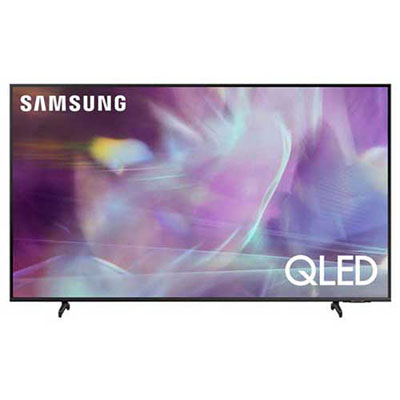 Your price for this item is $299.99
 -
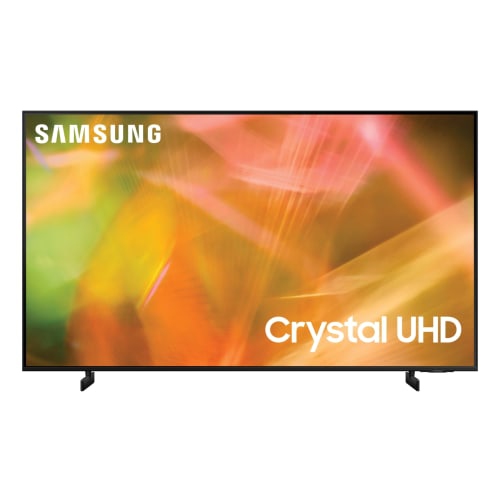 Your price for this item is $559.99
 -
 Your price for this item is $1799.99
 -
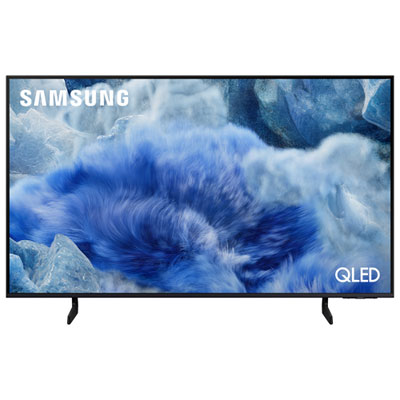 Your price for this item is $749.95
 -
 Your price for this item is $329.99
 -
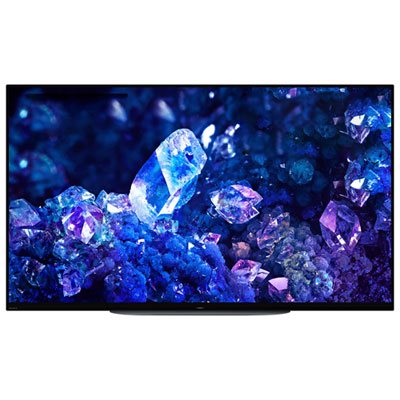 Your price for this item is $1599.99
 -
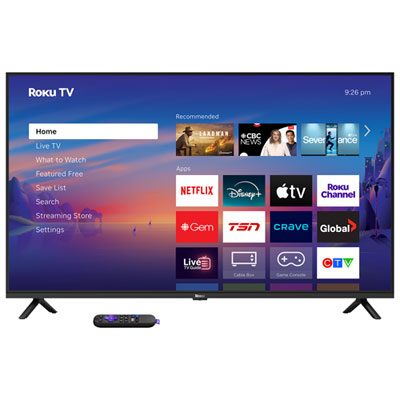 Your price for this item is $229.99
 -
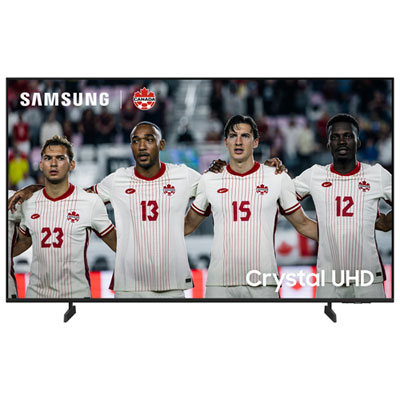 Your price for this item is $369.99
Discover more categories related to Living Room Wall Mounted TV Units
Top Collections:
Pokemon Centers, Kindle Devices, Best Budget Office Chairs, Apple iPhones 16, Best Laptops for Writers, iPhone 15 Apple, Canon G7X Cameras, Refurbished Apple Laptops, Alarm Clock, Motorola Razr Phones
Some products may be subject to Environmental Handling Fees
(EHF) depending on your province.
Learn more about EHFs.