Metal Speaker Stands
Enhance your audio experience with metal speaker stands, designed to provide a stable and stylish foundation for your speakers. Whether you're setting up a home theater, a professional studio, or simply looking to optimize your living room sound system, these durable stands offer the perfect solution. With their sleek design and robust construction, metal speaker stands not only improve the acoustics by elevating your speakers to the ideal height but also add a touch of modern elegance to any space. Explore our selection of metal speaker stands to find the perfect match for your audio setup and elevate your listening experience.
Sort


How height, stability and placement shape better listening
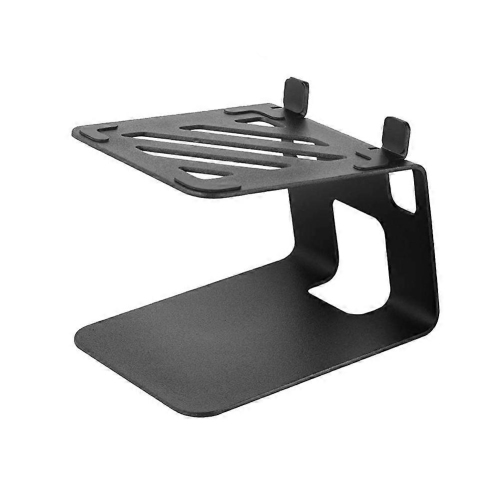
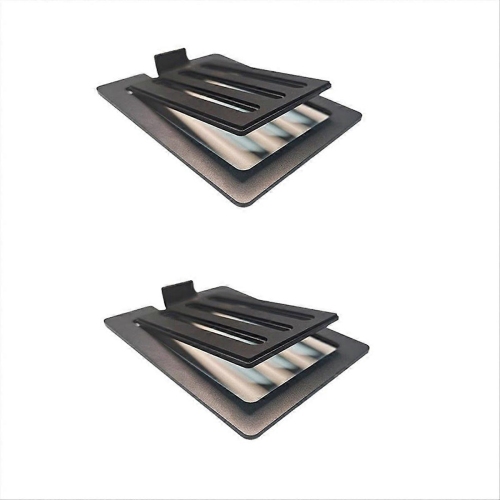
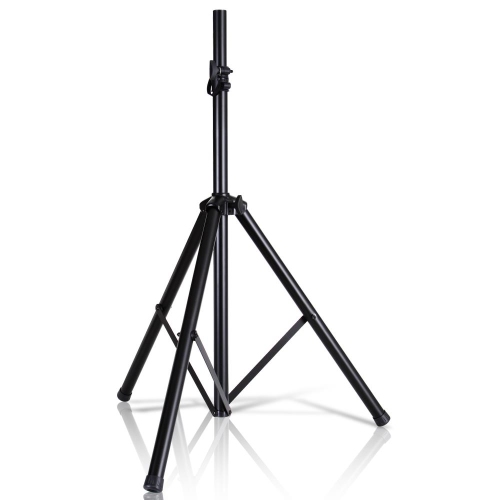
Metal speaker stands offer a practical way to position speakers at the ideal listening height while creating a more organised, focused audio setup. Built from materials such as steel or other durable metals, these stands can provide a stable platform for bookshelf speakers, studio monitors, satellite speakers and compact home theatre setups. Elevating speakers off the floor helps place the tweeter closer to seated ear level, which can make vocals, dialogue and high-frequency details sound more direct and balanced. Raising the speaker also helps prevent sound from being absorbed or reflected unpredictably by nearby furniture, rugs and other objects. In a living room, a pair of stands can frame a television or listening chair without taking up the surface of a media console; in a music room, they can help create a more consistent monitoring position; and in a smaller apartment, they can give compact speakers their own dedicated footprint. Metal construction is often chosen for its firm, supportive feel, particularly when speakers need to remain steady during louder playback. Some stands use broad cast-metal or steel bases, while others use tripod-style supports, weighted feet or rigid columns. The right design depends on the speaker’s size, the room layout and the amount of movement around the setup. A stand placed beside a sofa may need a smaller footprint, while one in an open family room may benefit from a wider base for added stability. It is also worth considering how the stands will work with cable routing, wall placement and walking paths, since a tidy cable route and secure speaker position can make daily listening more enjoyable.
Height is one of the most important purchase considerations. For seated listening, the speaker’s tweeter is generally best positioned near ear level, although the precise placement depends on the speaker design, listening chair and preferred sound. Adjustable metal speaker stands can be useful when several people use the room or when the same speakers move between a desk, lounge area and dedicated listening position. Common adjustable ranges may extend from roughly 26.8 inch to 43.3 inch, while taller designs may reach from approximately 34 inch to 53 inch. Before choosing a height, measure from the floor to the listener’s ear while seated, then compare that measurement with the height of the speaker itself and the stand’s platform. Weight capacity is equally important: confirm that the top plate or platform can safely support each speaker, including heavier studio monitors. A stand rated for up to 5 pounds per stand may suit lightweight satellite speakers, whereas a heavy-duty design with a capacity around 90 pounds can be more appropriate for larger monitors or substantial bookshelf speakers. The top plate should be large enough to support the speaker securely without creating an unstable overhang, and some designs include isolation pads, adjustable top plates or attachment hardware to help keep the speaker in place. Floor contact deserves attention as well. Spikes can grip carpet and help reduce unwanted movement, but they may not be suitable for hardwood, laminate, tile or other easily marked surfaces. Rubber feet or protective pads are generally better suited to hard floors and can help limit scratches and rattling. If a room combines carpet with hard flooring, interchangeable feet can make the stands easier to adapt. For additional placement ideas and complementary options, explore Metal Stands.
Metal speaker stands can suit many listeners, from someone building a first stereo system to a musician arranging a home recording space. They can also be a thoughtful gift for a person who enjoys music, films, gaming or podcasts and has recently upgraded to separate speakers. A stand is especially useful when a recipient has quality speakers but is placing them on a crowded shelf, directly on the floor or beside a television where the listening angle is less than ideal. When selecting a gift, it helps to consider the speaker type, approximate weight and the recipient’s flooring rather than choosing by appearance alone. A pair of matching stands should have enough height adjustment for the intended chair or sofa, a platform that fits the speaker cabinet, and a base suited to the room. Some metal stands have hollow columns that can be filled with an appropriate material for added mass, while others rely on thick steel, a weighted base or a tripod structure for rigidity. Assembly requirements also vary, so check whether the design uses simple bolts, adjustable spikes or other hardware. Once installed, place the stands symmetrically where possible, keep them clear of corners when the room allows, and angle the speakers toward the primary listening position. A little experimentation can reveal a noticeable difference: moving a stand a few inches forward, adjusting the toe-in or changing the height may improve stereo imaging and make dialogue easier to follow. Keep the speaker cables secured without pulling against the terminals, and periodically check that fasteners, feet and platforms remain tight. During the cooler months, when more evenings are spent indoors with music, films or games, a stable pair of metal speaker stands can help turn a casual room arrangement into a comfortable, purpose-built listening space.
Top selling and popular products
-
 Your price for this item is $303.46
-
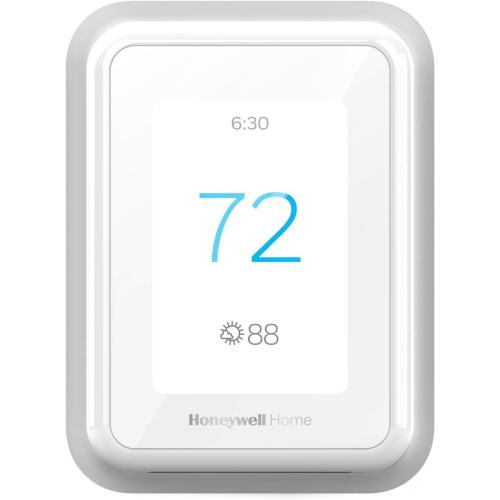 Your price for this item is $219.99
-
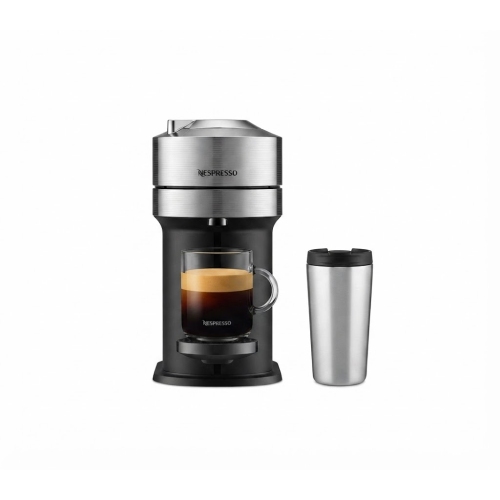 Your price for this item is $114.99
-
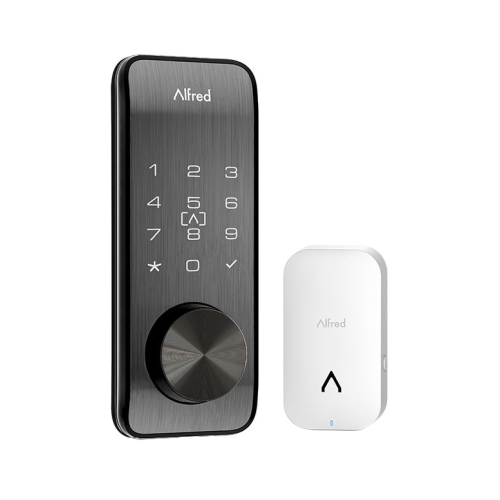 Your price for this item is $399.99
-
 Your price for this item is $542.64
-
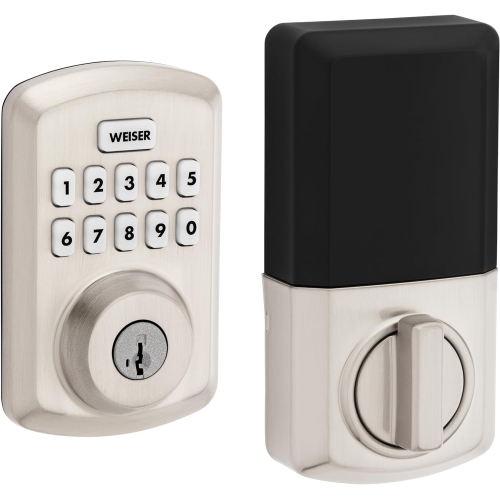 Your price for this item is $109.99
-
 Your price for this item is $249
-
 Your price for this item is $32.99
Discover more categories related to Metal Speaker Stands


Top Collections:
Pokemon Centers, Best Cameras for Sports Photography, Kindle Devices, Samsung Galaxy Phones, Canon G7X Cameras, Pokémon 30th Celebration Cards, Refurbished Apple Laptops, iPhone 15 Apple, Laptops for Students, Budget Smartphones
Some products may be subject to Environmental Handling Fees
(EHF) depending on your province.
Learn more about EHFs.