Meuble Audio Video
Meuble Audio Video offers the perfect solution for organizing and showcasing your home entertainment setup. Whether you're upgrading your living room, media room, or office, you'll find a variety of styles and sizes designed to complement any décor. Create a streamlined look while keeping your audio and video equipment easily accessible with options that blend functionality and style. Explore Meuble Audio Video to find the ideal piece that brings harmony and convenience to your entertainment space.
Sort

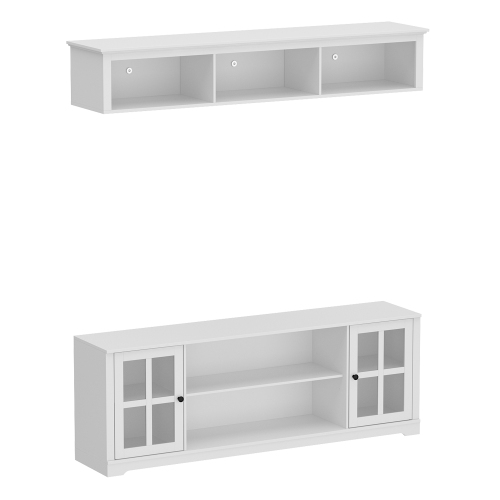
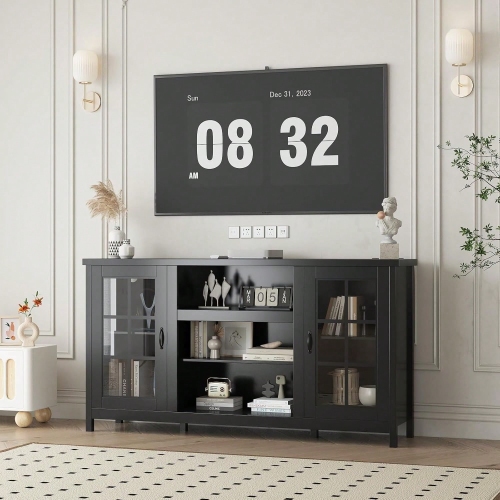
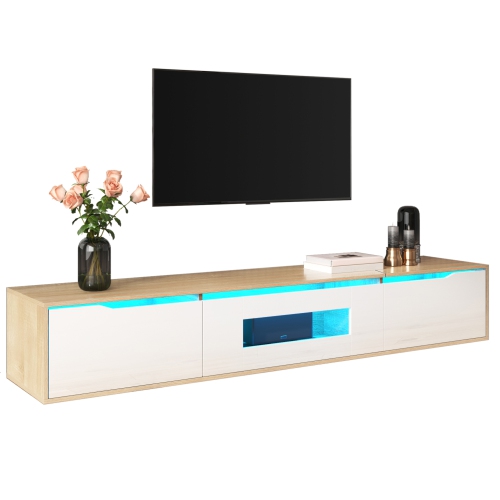
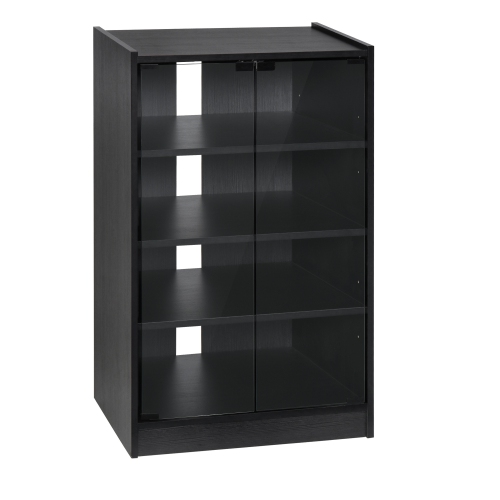
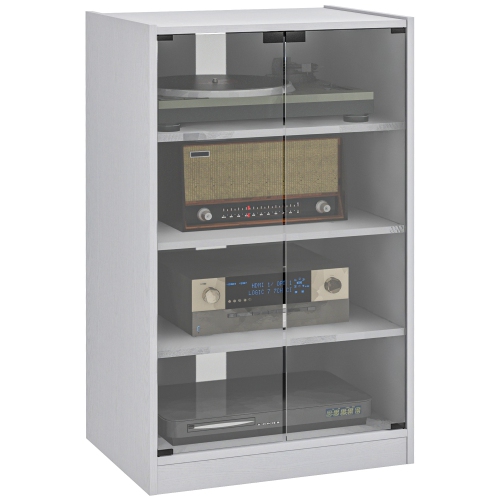
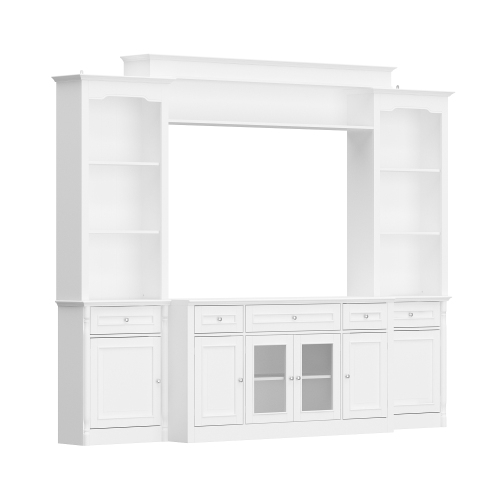
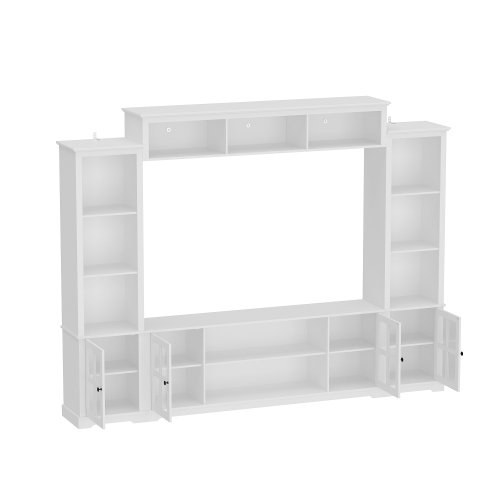
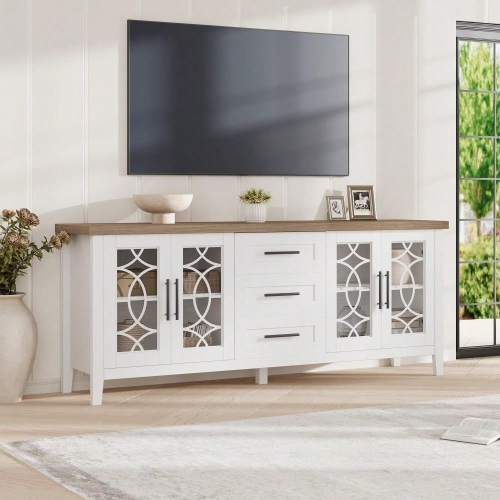
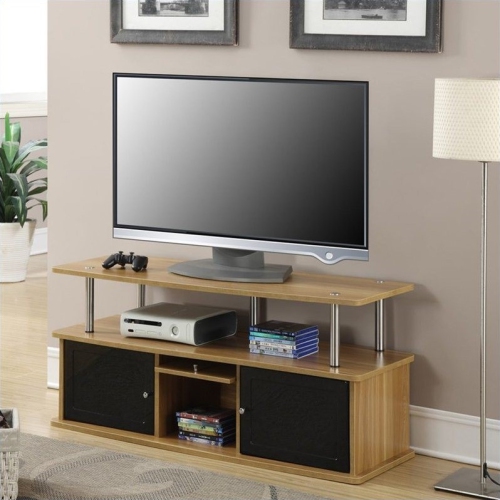
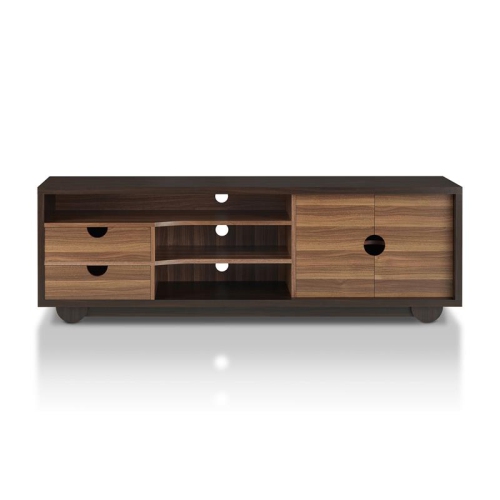
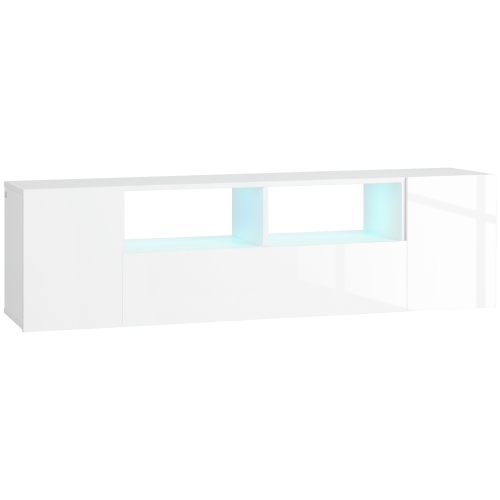
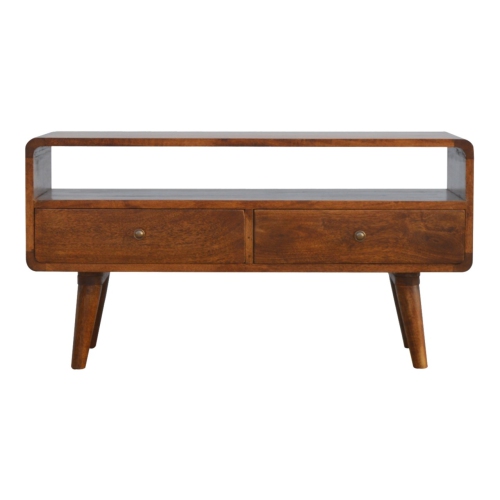
How media furniture fits your equipment and your room
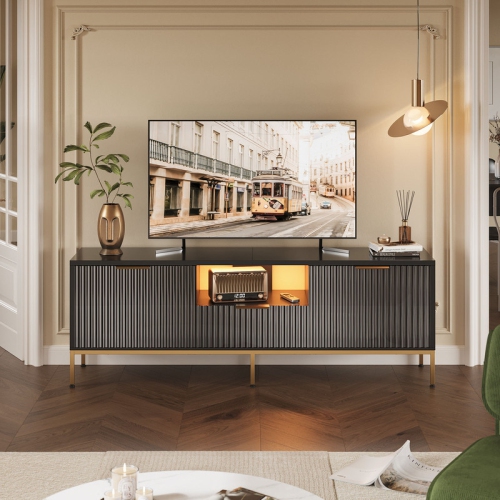
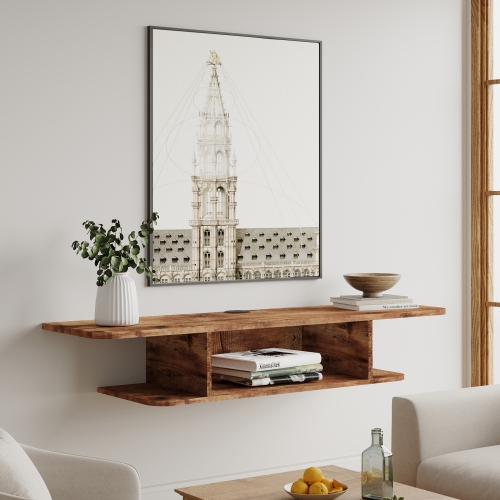
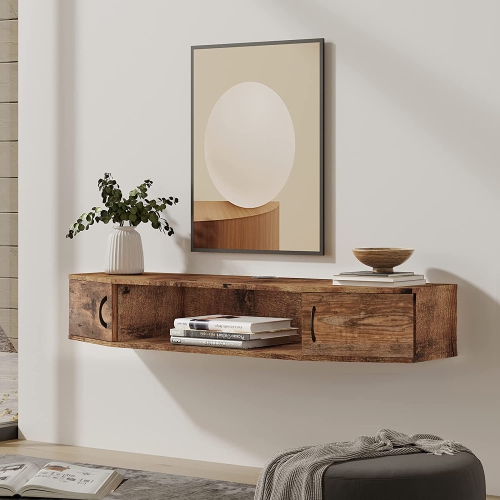
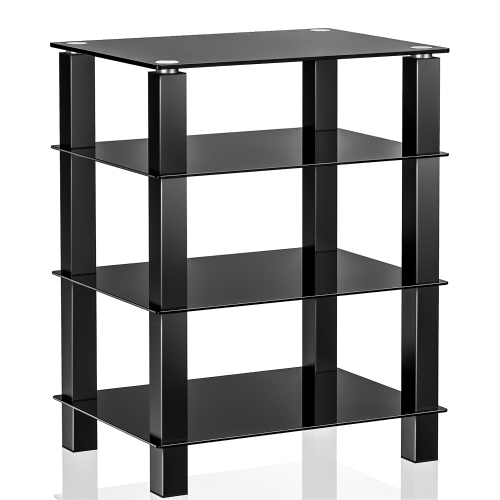
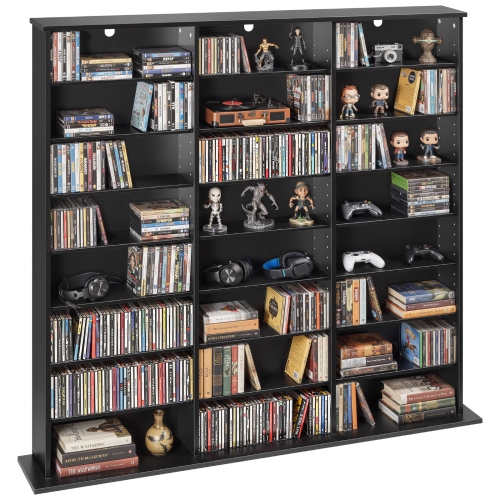
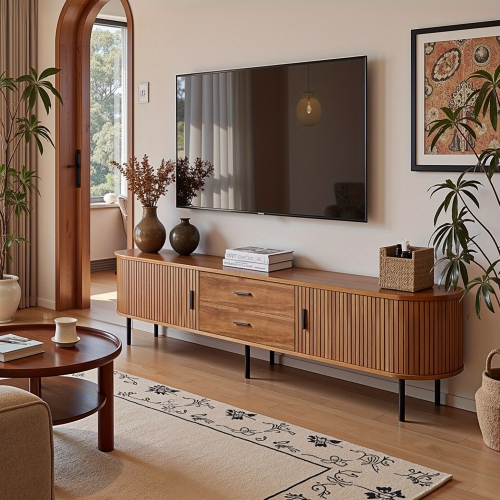
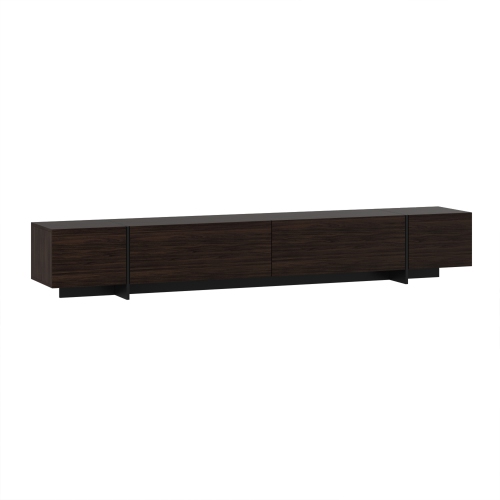
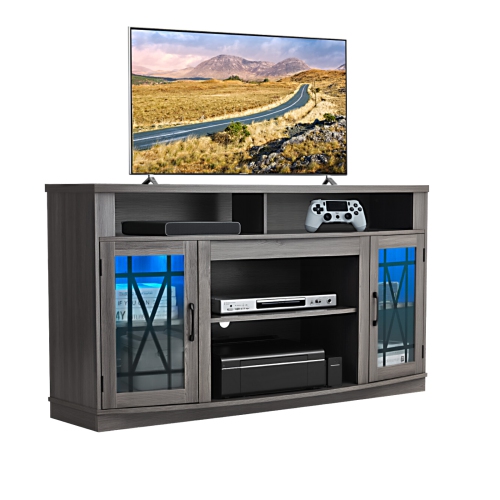
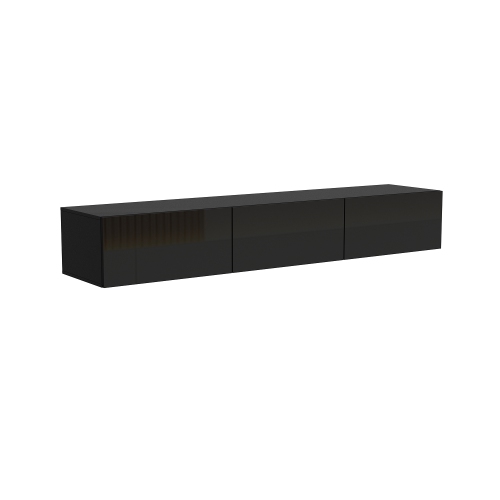
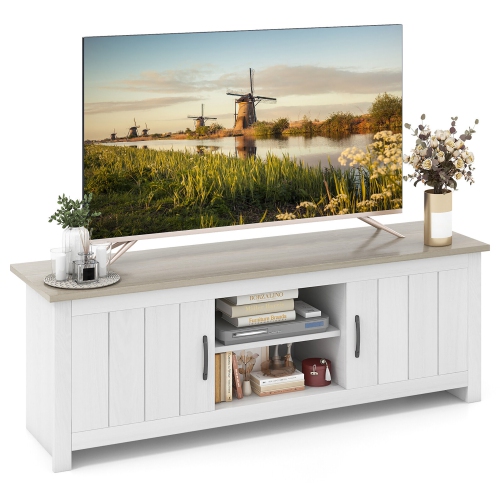
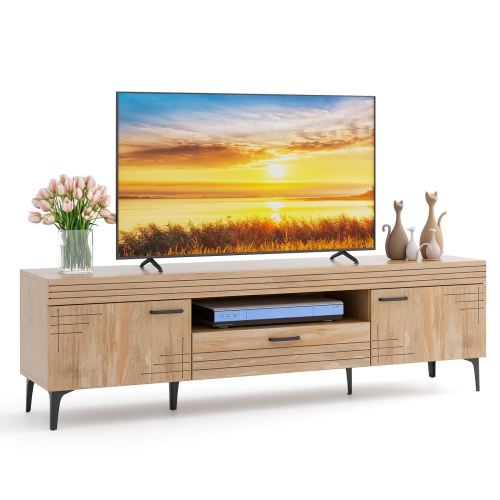
Audio-video furniture gives televisions, speakers, and entertainment equipment a dedicated place while helping a room feel comfortable and organized. A low media console can anchor a living room without dominating the wall, while a taller cabinet offers more enclosed storage where floor space is limited. Open audio stands suit setups with several components that need easy access, and corner units can make practical use of an awkward layout. The right proportions depend on both the equipment and the room around it. Television screen size is measured diagonally, so the width of the television and the position of its feet matter more than the screen measurement alone when assessing whether it will sit securely on a cabinet. A stand needs a surface large enough for the entire base, along with a stated weight capacity that supports the intended load. For wall-mounted televisions, the furniture beneath still plays an important role, providing space for a sound bar, media players, and everyday accessories while visually grounding the screen. Height affects comfort, too: a screen positioned near seated eye level generally makes longer viewing sessions more relaxed than one placed noticeably above the seating area. In a compact condo, a shallow console can preserve walking space between the sofa and television; in a larger family room, a wider unit can balance a substantial screen and provide room for shared storage. Doors and drawers also need clearance to open without hitting a coffee table or blocking a doorway. Households that move furniture between rooms may appreciate a versatile cabinet that works equally well beneath a television or along a dining-room wall. For a first apartment, a shared lounge, or an established home theatre, audio-video furniture brings the practical demands of electronic equipment into the same space as seating, lighting, and personal style.
Materials and construction influence how audio-video furniture looks, feels, and handles daily use. Solid wood brings natural grain and character, although its finish may need protection from spills, direct sunlight, and sharp objects. Wood veneer provides a real-wood surface over a supporting core, while laminate finishes offer a consistent appearance and can be straightforward to wipe clean according to the manufacturer’s care directions. Engineered wood construction varies, so shelf thickness, edge finishing, hardware, and load ratings are useful details to consider alongside appearance. Metal frames can give an audio stand an open, architectural look, while glass shelves create a lighter visual effect that suits smaller rooms. Glass also shows fingerprints readily, and its suitability for heavier equipment depends on the specific shelf rating rather than appearance alone. A well-supported centre shelf matters when housing a substantial receiver, just as sturdy drawer runners matter when a drawer holds a collection of movies or gaming accessories. Adjustable shelves offer flexibility for components of different heights, but their depth must accommodate plugs and cables as well as the equipment itself. Finish and form help establish the room’s character: warm wood tones soften the presence of large screens, matte surfaces are less visually reflective, and clean-lined cabinets can sit comfortably beside upholstered seating. Shoppers furnishing more than the entertainment area can explore Meuble Ashley when considering the surrounding furniture, with attention to compatible proportions, finishes, and storage needs. Pieces do not have to match exactly to feel cohesive; repeating a wood tone or a dark metal detail can create a connection across the room. Everyday care is usually uncomplicated when it follows the material’s requirements. A soft cloth helps remove dust, spills are best addressed promptly, and suitable surface protection can prevent scratches beneath accessories. Moving equipment by lifting rather than sliding it helps preserve the finish, while checking fasteners as directed can keep assembled furniture stable through regular use.
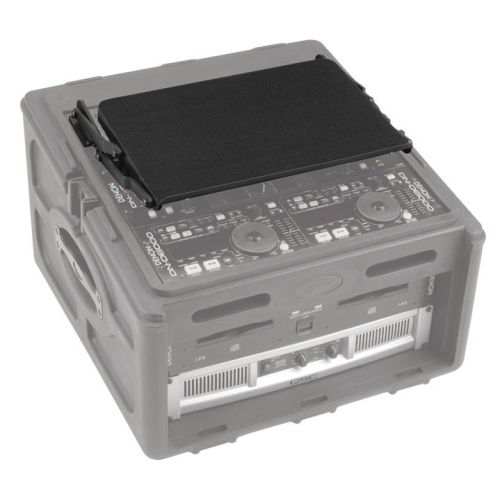
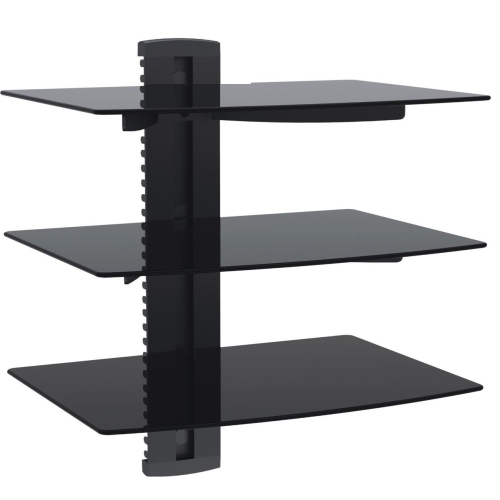
Storage design makes a noticeable difference once an entertainment setup becomes part of everyday life. Open shelves keep frequently used components within reach and allow clear sightlines for remote controls that rely on infrared signals. Closed cupboards conceal spare cables, controllers, and manuals, while drawers make small accessories easier to find without leaving them scattered across the top. A household that streams most of its entertainment may need little more than a compact console with space for a media player and sound bar; a gaming setup may require deeper shelving, controller storage, and room to reach ports without shifting the entire cabinet. Audio equipment introduces its own considerations. Receivers and amplifiers need the ventilation clearances specified by their manufacturers, and a closed cabinet is not automatically suitable simply because a component fits inside. Rear openings can help route cables, but they do not replace adequate airflow around equipment. A turntable benefits from a stable, level surface, and separating it from speakers can help reduce unwanted vibration. Sound bars also need an unobstructed position that does not cover the television’s lower edge or remote sensor; models with upward-firing drivers need suitable clearance above them. Cable management is most useful when it leaves enough room for connections without pinching cords against the wall. Accessible rear panels and generous openings can make it easier to add a console, replace a cable, or reach a power connection later. Safety remains part of the furniture’s intended use, especially in homes with children or pets. Televisions and cabinets should be secured with appropriate anchoring hardware as directed, and heavy components belong on shelves rated to hold them. Wall-mounted media units require suitable wall construction and correctly installed supports. For someone setting up a first home or refreshing a shared living space, audio-video furniture can be a thoughtful housewarming gift when room measurements and equipment requirements are known. Whether the room hosts movie nights, quiet listening sessions, or multiplayer games, a well-fitted unit keeps the focus on the experience rather than the clutter around it.
Materials and construction influence how audio-video furniture looks, feels, and handles daily use. Solid wood brings natural grain and character, although its finish may need protection from spills, direct sunlight, and sharp objects. Wood veneer provides a real-wood surface over a supporting core, while laminate finishes offer a consistent appearance and can be straightforward to wipe clean according to the manufacturer’s care directions. Engineered wood construction varies, so shelf thickness, edge finishing, hardware, and load ratings are useful details to consider alongside appearance. Metal frames can give an audio stand an open, architectural look, while glass shelves create a lighter visual effect that suits smaller rooms. Glass also shows fingerprints readily, and its suitability for heavier equipment depends on the specific shelf rating rather than appearance alone. A well-supported centre shelf matters when housing a substantial receiver, just as sturdy drawer runners matter when a drawer holds a collection of movies or gaming accessories. Adjustable shelves offer flexibility for components of different heights, but their depth must accommodate plugs and cables as well as the equipment itself. Finish and form help establish the room’s character: warm wood tones soften the presence of large screens, matte surfaces are less visually reflective, and clean-lined cabinets can sit comfortably beside upholstered seating. Shoppers furnishing more than the entertainment area can explore Meuble Ashley when considering the surrounding furniture, with attention to compatible proportions, finishes, and storage needs. Pieces do not have to match exactly to feel cohesive; repeating a wood tone or a dark metal detail can create a connection across the room. Everyday care is usually uncomplicated when it follows the material’s requirements. A soft cloth helps remove dust, spills are best addressed promptly, and suitable surface protection can prevent scratches beneath accessories. Moving equipment by lifting rather than sliding it helps preserve the finish, while checking fasteners as directed can keep assembled furniture stable through regular use.
Storage design makes a noticeable difference once an entertainment setup becomes part of everyday life. Open shelves keep frequently used components within reach and allow clear sightlines for remote controls that rely on infrared signals. Closed cupboards conceal spare cables, controllers, and manuals, while drawers make small accessories easier to find without leaving them scattered across the top. A household that streams most of its entertainment may need little more than a compact console with space for a media player and sound bar; a gaming setup may require deeper shelving, controller storage, and room to reach ports without shifting the entire cabinet. Audio equipment introduces its own considerations. Receivers and amplifiers need the ventilation clearances specified by their manufacturers, and a closed cabinet is not automatically suitable simply because a component fits inside. Rear openings can help route cables, but they do not replace adequate airflow around equipment. A turntable benefits from a stable, level surface, and separating it from speakers can help reduce unwanted vibration. Sound bars also need an unobstructed position that does not cover the television’s lower edge or remote sensor; models with upward-firing drivers need suitable clearance above them. Cable management is most useful when it leaves enough room for connections without pinching cords against the wall. Accessible rear panels and generous openings can make it easier to add a console, replace a cable, or reach a power connection later. Safety remains part of the furniture’s intended use, especially in homes with children or pets. Televisions and cabinets should be secured with appropriate anchoring hardware as directed, and heavy components belong on shelves rated to hold them. Wall-mounted media units require suitable wall construction and correctly installed supports. For someone setting up a first home or refreshing a shared living space, audio-video furniture can be a thoughtful housewarming gift when room measurements and equipment requirements are known. Whether the room hosts movie nights, quiet listening sessions, or multiplayer games, a well-fitted unit keeps the focus on the experience rather than the clutter around it.
Top selling and popular products
-
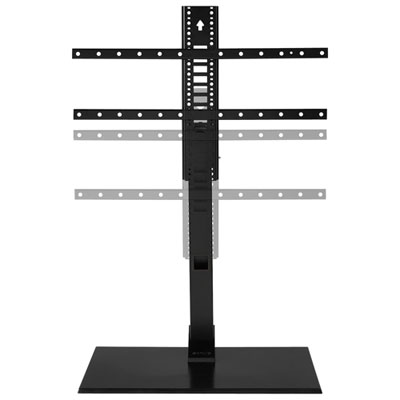 Your price for this item is $249.99
 -
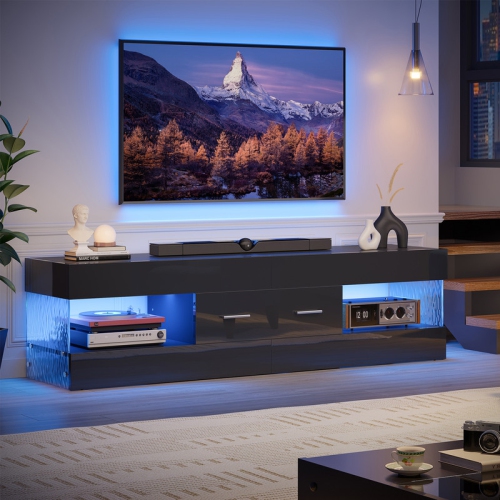 Your price for this item is $179.99
 -
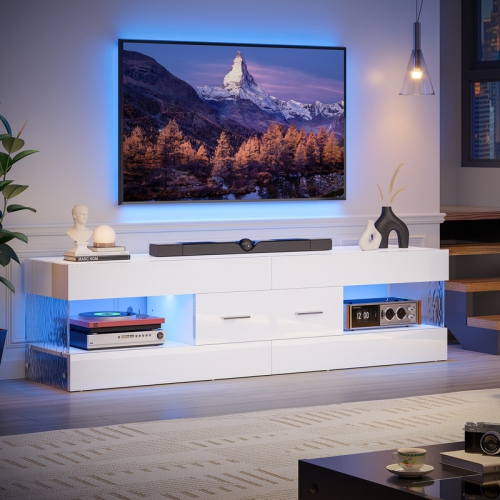 Your price for this item is $149.99
 -
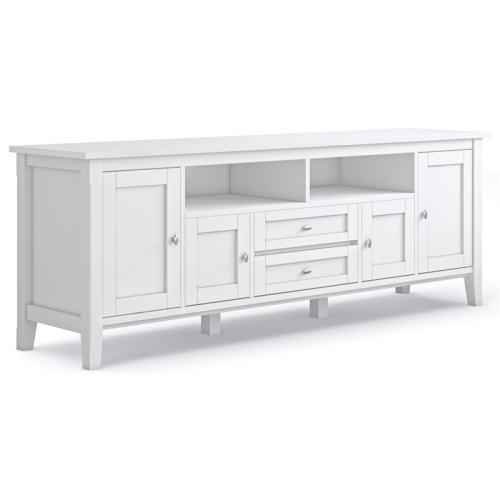 Your price for this item is $1522.15
 -
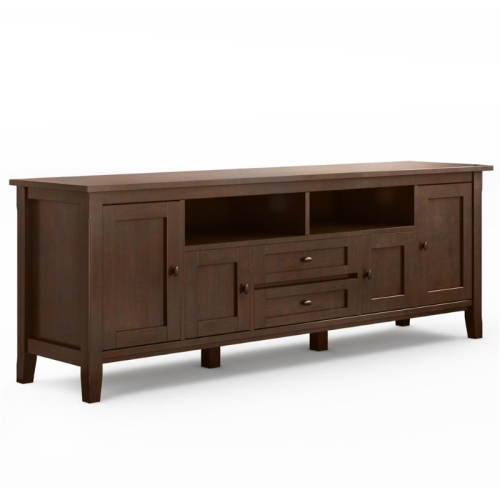 Your price for this item is $1535.26
 -
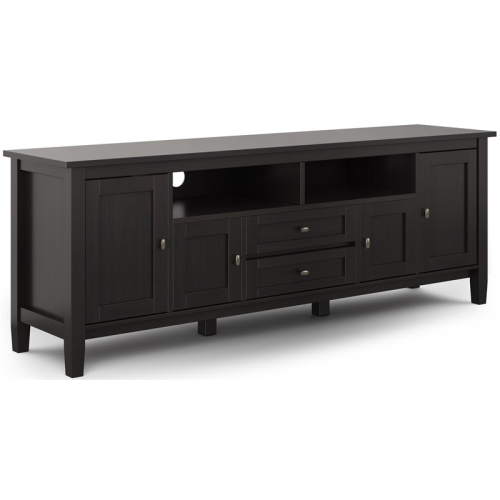 Your price for this item is $1505.85
 -
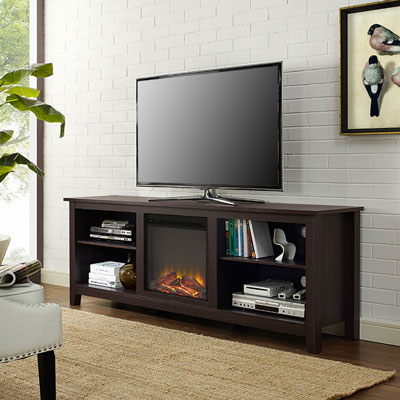 Your price for this item is $689.99
 -
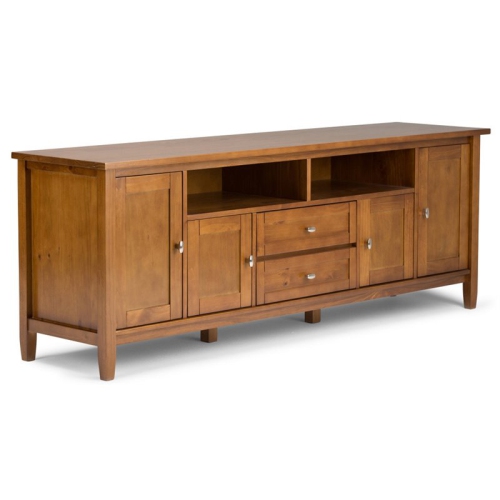 Your price for this item is $1522.01
Discover more categories related to Meuble Audio Video
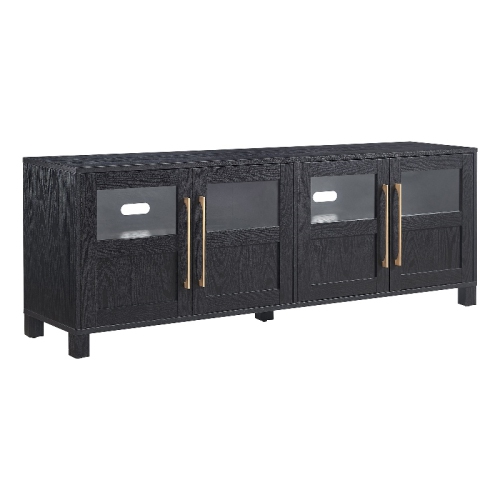
Top Collections:
Pokemon Centers, Kindle Devices, Best Budget Office Chairs, Apple iPhones 16, Best Laptops for Writers, iPhone 15 Apple, Canon G7X Cameras, Refurbished Apple Laptops, Alarm Clock, Motorola Razr Phones
Some products may be subject to Environmental Handling Fees
(EHF) depending on your province.
Learn more about EHFs.