Recommended 85-Inch TVs for Streaming Services
Elevate your home entertainment experience with recommended 85-inch TVs for streaming services, designed to bring your favourite shows and movies to life on a grand scale. Perfect for movie nights, sports events, or binge-watching the latest series, these impressive screens create a cinematic atmosphere right in your living room. Discover options that make every detail pop and transform how you enjoy streaming content at home.
Sort













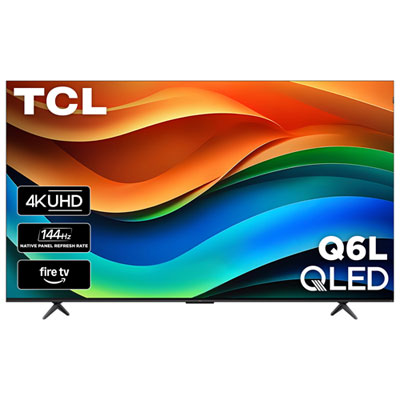
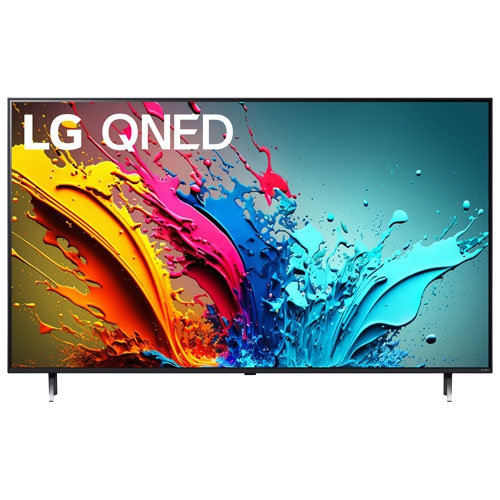
What a bigger screen reveals about streaming quality
For streaming services, the most useful features in an 85-inch TV are a 4K display, capable upscaling, strong HDR performance, reliable connectivity and access to the apps a household uses. The large screen gives films, live concerts, sports and series a more expansive presence, whether that means following a football across the pitch or noticing the textures in an elaborate costume. It also makes differences in source quality easier to see. Native 4K streams contain more detail than lower-resolution video, while a TV’s processing helps adapt HD programmes and older recordings to the panel. Good upscaling can make edges and textures look cleaner, but it cannot recreate every detail missing from the original picture. Compression in the stream can still appear as blockiness or uneven shading, particularly in dark scenes. HDR can bring greater depth to bright highlights and shadow detail when both the television and the content support compatible formats. Its impact depends on the screen’s brightness, contrast and picture processing, not simply an HDR label. QLED displays use quantum dots to help produce a broad range of colours, while Mini-LED describes a backlighting technology that can provide more precise illumination when paired with effective local dimming. These technologies can appear together in the same television. Local dimming can help a night-time skyline retain bright windows against dark buildings, although performance varies and some glow around bright objects may remain visible. In a room with windows opposite the sofa, reflection handling matters alongside brightness; in a dim viewing space, black levels and shadow detail become especially noticeable. A native 120Hz panel can display 24-frame-per-second films with an even cadence when the source and playback settings support it. Motion smoothing is a separate feature that changes how movement looks, and its strongest settings can make a film resemble a live broadcast. For streamed sports, motion handling also depends on the frame rate and quality of the incoming feed, so the panel’s refresh rate is only part of the picture.
The smart TV platform shapes everyday streaming just as much as the display. A straightforward home screen, responsive menus and a remote with clearly arranged controls make it easier to move from a family film to a documentary without navigating several layers of settings. Canadian app compatibility is particularly important, since a television’s operating system determines which services it can run directly and which playback features those apps support. Support for a service does not automatically mean every title plays in 4K or HDR; the programme, subscription, app and television must all support the relevant format. Household profiles, parental controls and accessible caption settings can make a shared screen more practical for families, while voice search may reduce the need to enter long titles with an on-screen keyboard. Voice features differ in what they can control, and their privacy settings are worth understanding. Stable connectivity helps preserve picture quality across a long film or live event. Some streaming services recommend around 25 Mbps for a single 4K stream, but their requirements differ, and simultaneous video calls, downloads and other streams add to the household’s needs. Strong Wi-Fi reception at the television matters more than the internet plan’s headline speed alone. A wired Ethernet connection can be useful where wireless reception is inconsistent, although it does not resolve every network or service issue. An external streaming device offers another way to access apps or use a preferred interface, making HDMI connections relevant even for a smart TV used mainly for streaming. Casting and screen-sharing features can also be useful, provided they work with the household’s phones and computers. For households that mainly use one service, the top 85-inch TVs for Netflix streaming collection offers a more focused selection.
An 85-inch television also needs to suit the room beyond its picture specifications. The measurement refers to the screen’s diagonal, not the cabinet’s width. A typical 16:9 screen of this size is approximately 74 inches wide before accounting for the frame, so the television’s full dimensions and stand position matter when matching it to furniture or a wall. A viewing distance of roughly 2.6 to 3.5 metres can be a useful starting range for 4K content, with personal preference, eyesight and room layout influencing what feels comfortable. At the closer end, a film can fill more of the viewer’s field of vision; farther back, the whole picture may feel easier to take in during casual viewing. Seating spread matters too. A sectional with seats well off to either side benefits from viewing-angle performance that keeps colours and contrast reasonably consistent. Screen height affects comfort during longer sessions, particularly when a wall mount would otherwise place the television well above seated eye level. A suitable mount must match the set’s mounting pattern and weight, and the wall structure and fixings must support the installation. For furniture placement, a stable stand with sufficient width and depth helps keep the screen secure, while an appropriate anti-tip restraint adds protection in homes with children or pets. Audio deserves room in the arrangement as well: clear dialogue can matter as much as a dramatic soundtrack, and HDMI eARC can simplify a compatible soundbar connection. Thin display assemblies, whether framed in metal or plastic, still require careful handling without pressure on the panel. Manufacturer-recommended ventilation space helps avoid heat buildup, and unobstructed access to connections makes future changes less awkward. For routine care, a clean, soft microfibre cloth is generally suitable for dusting, with cleaning methods checked against the manufacturer’s directions. Spraying liquid directly onto the screen or using abrasive cleaners can damage delicate surface treatments. With thoughtful placement and care, a large streaming TV can serve comfortably as a shared screen for family viewing, sports gatherings and quieter evenings following a favourite series.
Top selling and popular products
-
 Your price for this item is $1519.97
-
 Your price for this item is $1799.97
-
 Your price for this item is $1599.95
-
 Your price for this item is $1499.99
-
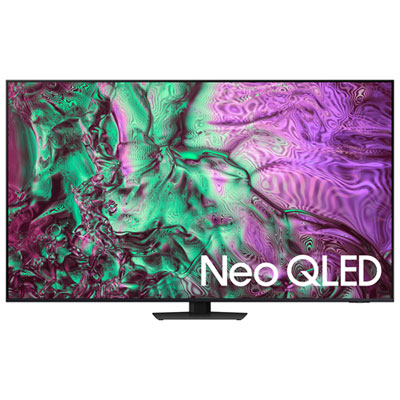 Your price for this item is $2879.97
-
 Your price for this item is $1099.99
-
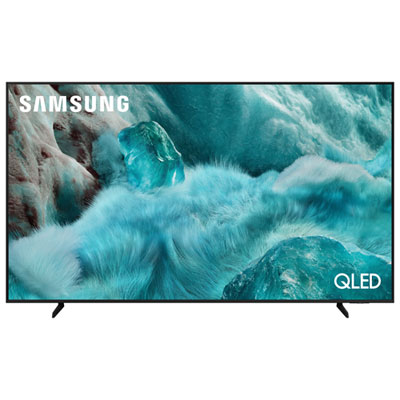 Your price for this item is $1999.95
-
 Your price for this item is $1799.99
Discover more categories related to Recommended 85-Inch TVs for Streaming Services

Top Collections:
Pokemon Centers, Kindle Devices, Best Budget Office Chairs, Canon G7X Cameras, Apple iPhones 16, Samsung Galaxy Phones, Refurbished Apple Laptops, Laptops for Students, iPhone 15 Apple, Budget Smartphones
Some products may be subject to Environmental Handling Fees
(EHF) depending on your province.
Learn more about EHFs.