Samsung 55 Frame Bezel
Elevate your home entertainment setup with the Samsung 55 Frame Bezel, designed to add a touch of style and sophistication to your living space. Perfect for those looking to personalize their TV, this bezel offers a seamless fit and a polished appearance that complements any décor. Explore a selection of options to find the ideal Samsung 55 Frame Bezel that matches your taste and enhances the look of your room.
Sort

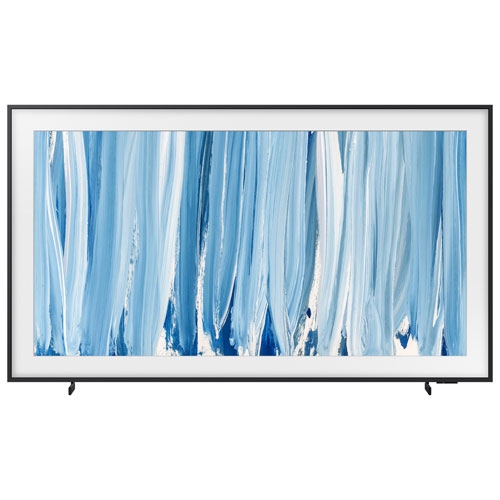
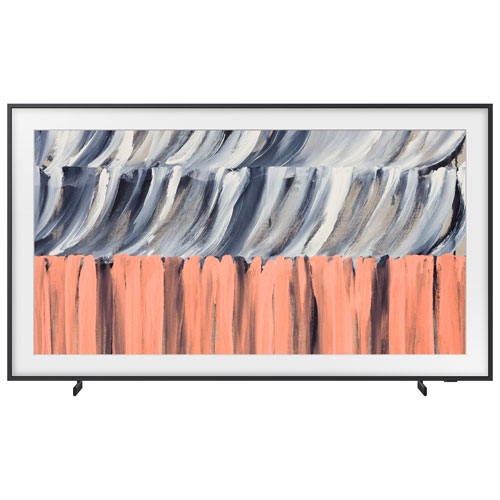
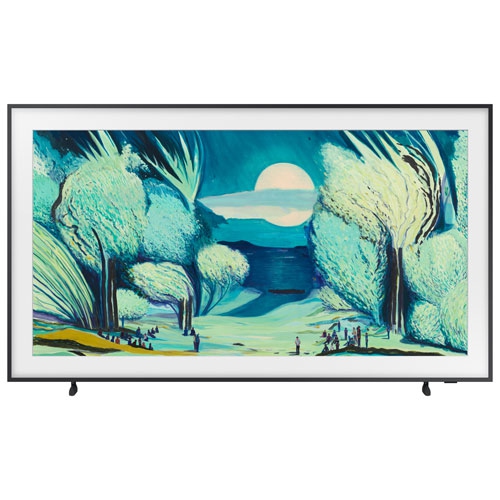
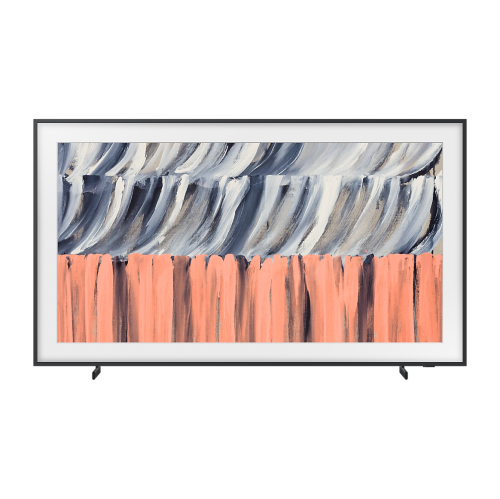
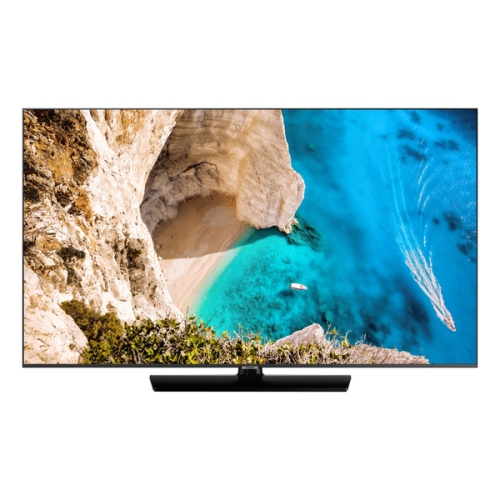
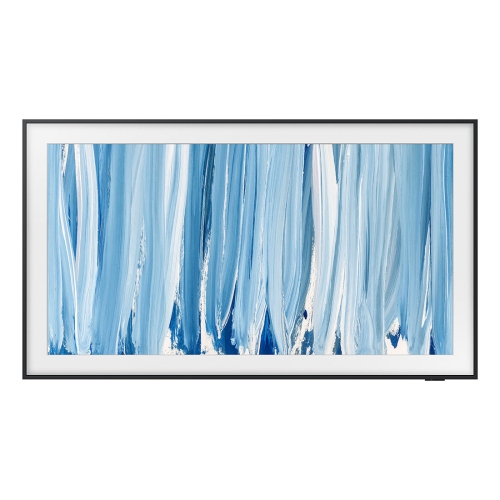
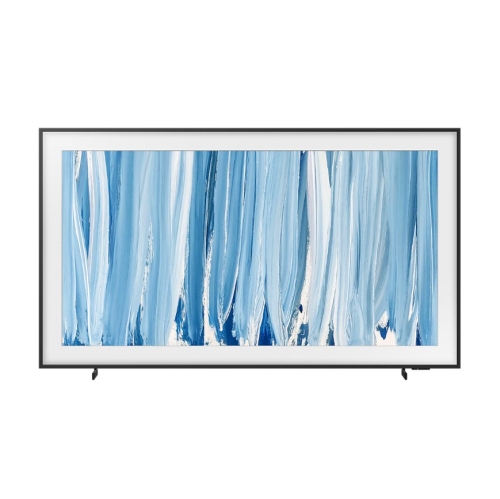
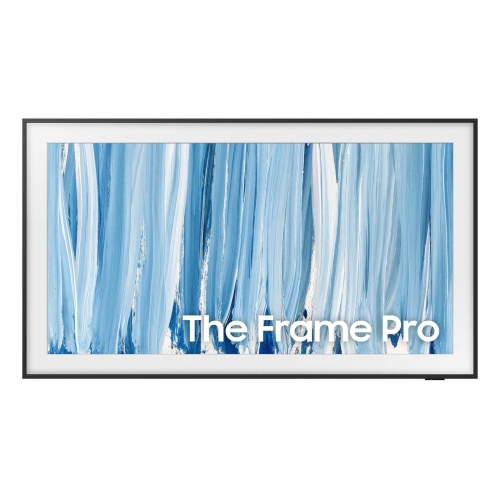
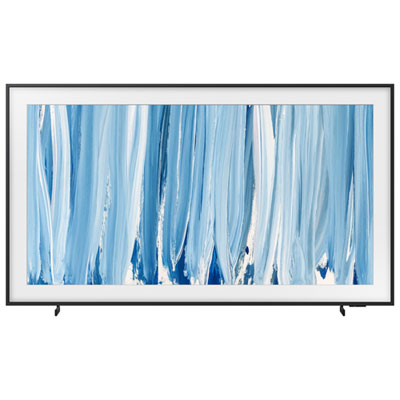



A picture-frame look starts with the right fit
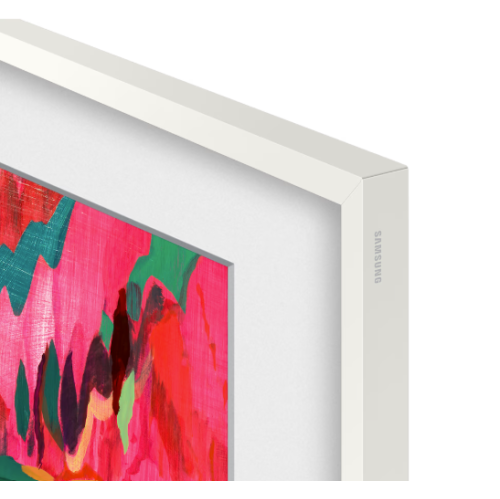
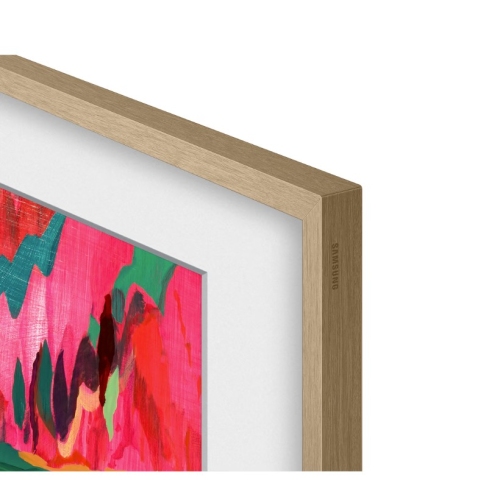
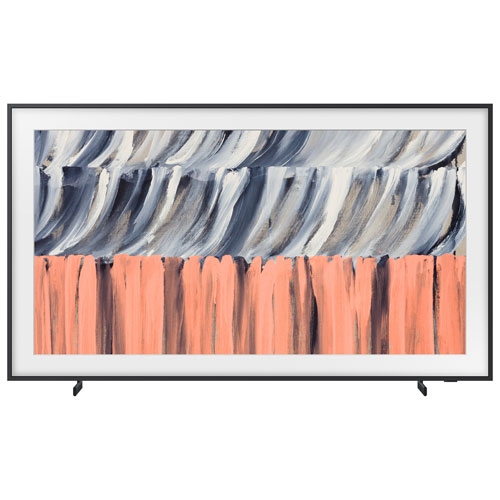
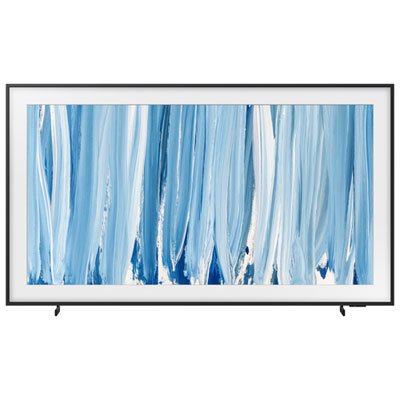
55-inch frame TV bezels are decorative surrounds that give a compatible television a more picture-like appearance without covering the screen. They sit around the display’s outer edges, adding a visible border that can complement artwork, furniture, and architectural details. The effect is especially useful when a television displays art or photographs between viewing sessions: a carefully chosen surround helps the screen look more at home among framed prints rather than standing apart as a dark rectangle. These accessories are finishing pieces, not replacement television housings, screen protectors, or wall mounts. Within the Frame TV Bezel category, the most important distinction is compatibility. A 55-inch measurement describes the screen’s diagonal, not the outside dimensions of the television or the length of its trim pieces. Two televisions with the same screen size can have different chassis shapes, attachment points, and edge depths, so a bezel intended for one model family may not fit another. Matching the accessory’s stated screen size, supported television series, and model-year compatibility is more reliable than judging by appearance alone. The television’s full model code, usually found in its settings or on its identification label, provides a useful reference. Compatibility should be explicitly confirmed rather than inferred from a similar model name or photograph. Many purpose-designed surrounds attach magnetically for a straightforward, tool-free fit, but the attachment method and any corner fittings depend on the accessory. A magnetic design does not make a bezel universal. The trim also needs to sit correctly around sensors, controls, and other features that may be positioned near the screen’s edges. Where the television sits close to shelving or within a fitted cabinet, the surround’s outer dimensions deserve attention as well. Even a modest change in border width or depth can affect the space around the display and the balance of the installation.
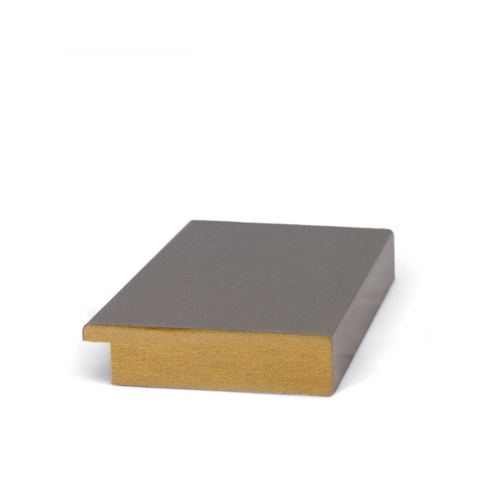
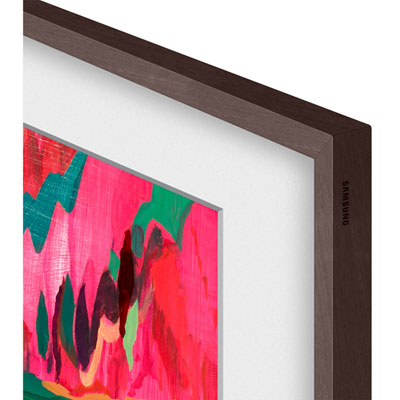
The profile and finish determine how strongly a bezel changes the room’s visual character. Flat, clean-edged trim creates a restrained outline that works well with simple cabinetry, low-profile furniture, and uncluttered walls. A bevelled profile adds an angled edge, producing a more pronounced transition between the wall and the image. Neither approach is inherently more suitable for artwork; the better match depends on the surrounding frames, the scale of the wall, and how much emphasis the television should receive. White can blend with pale walls or painted millwork, while brown and wood-look finishes can echo a console, bookcase, or dining table. Metallic-look finishes introduce a different accent and may relate to nearby lighting or cabinet hardware. Exact matching is not always necessary: a border with a similar warmth or undertone can connect the display to the room without making every surface identical. Material descriptions are worth reading closely because a wood-grain appearance does not necessarily mean solid wood, and a metallic appearance does not always indicate metal construction. Depending on the design, trim may use moulded polymer, metal, coatings, or a combination of materials. Magnetic attachment describes how the surround connects to the television, not what its visible surface is made from. Surface texture also matters at close range. A smooth, pale border creates a different impression from a darker finish with visible grain, particularly beside a gallery wall where several frame styles share the same space. Room lighting can change how a finish appears, so a colour seen on a phone or computer should be treated as a reference rather than an exact physical match. Consider the television during ordinary viewing as well as while displaying artwork. The border remains part of the setup during films, sports, and everyday programmes, so its appearance should suit both uses.
For day-to-day ownership, a good fit matters more than a trim piece that merely looks close to the right size. Sections should align neatly at the corners and sit as intended without being forced, bent, or improvised with extra adhesive. Where a design uses separate upper, lower, and side pieces, keeping track of their intended positions helps avoid uneven joints. Any supplied clips or connectors are part of that particular fitting system and should be used as directed. A decorative surround should not be used as a handle for moving the television, and its edges should not bear the weight of objects placed above or beside the display. Durability depends partly on the finish and partly on handling: corners can be vulnerable to knocks, while coated surfaces may show scratches if rubbed against hard objects. Gentle care usually starts with a clean, soft microfibre cloth and light pressure. Any additional cleaning should follow the care directions for the accessory, with liquid kept away from the screen, seams, and electrical components. Spraying cleaner directly onto the installed surround risks moisture reaching areas that are difficult to dry. If a bezel is removed to change the room’s look, storing the pieces flat or securely supported helps protect their shape and finish; keeping the fittings together also makes later reassembly simpler. These surrounds suit living rooms, bedrooms, home offices, and other spaces where the television has a prominent place in the room’s design. They can also make a thoughtful housewarming or home-refresh gift for someone who already owns a compatible display, provided the exact model and preferred finish are known. For a shared living space, choosing a border that relates to permanent features, such as flooring or built-in cabinetry, can give the setup continuity even when cushions, artwork, or smaller accessories change. The aim is a neatly fitted finishing detail that connects the television to its surroundings while leaving its everyday functions unobstructed.
Top selling and popular products
-
 Your price for this item is $479.99
-
 Your price for this item is $347.99
-
 Your price for this item is $1599.99
-
 Your price for this item is $799.99
-
 Your price for this item is $499.99
-
 Your price for this item is $1999.99
-
 Your price for this item is $1999.99
-
 Your price for this item is $1999.99
Discover more categories related to Samsung 55 Frame Bezel


Top Collections:
Best Black Friday Deals This Year, Best Black Friday Deals On Electronics, Kindle Devices, Pokemon Centers, Best Black Friday Deals On Apple Products, Best Cameras for Sports Photography, Dyson Airwrap, Pokémon 30th Celebration Cards, Apple iPhone 17 Pro, Canon G7X Cameras
Some products may be subject to Environmental Handling Fees
(EHF) depending on your province.
Learn more about EHFs.