Sony OLED 65
Elevate your home entertainment experience with the Sony OLED 65. Discover a stunning selection of televisions designed to deliver impressive visuals and immersive viewing for movies, sports, gaming, and more. Whether you’re upgrading your living room or creating a home theater, the Sony OLED 65 offers options to suit a variety of preferences and spaces. Explore models that combine advanced technology with sleek design to complement any décor. Find the perfect fit for your entertainment needs and enjoy an exceptional viewing experience.
Sort
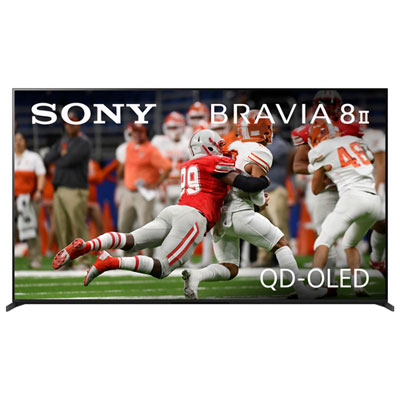
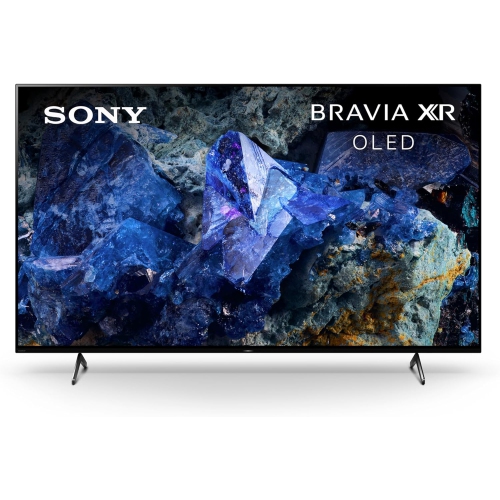
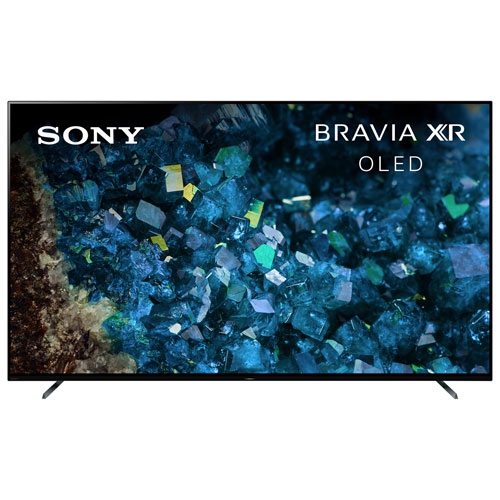
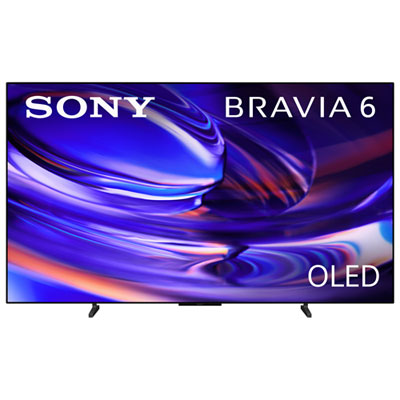
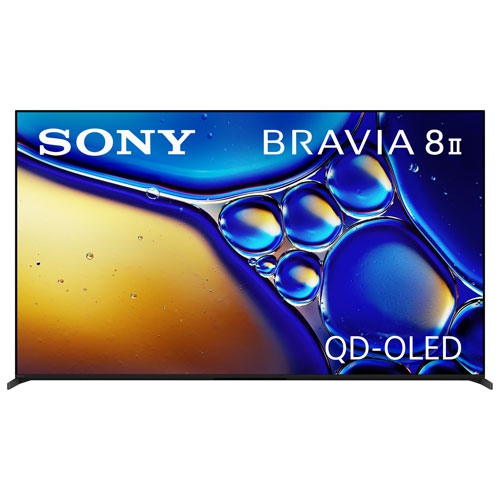
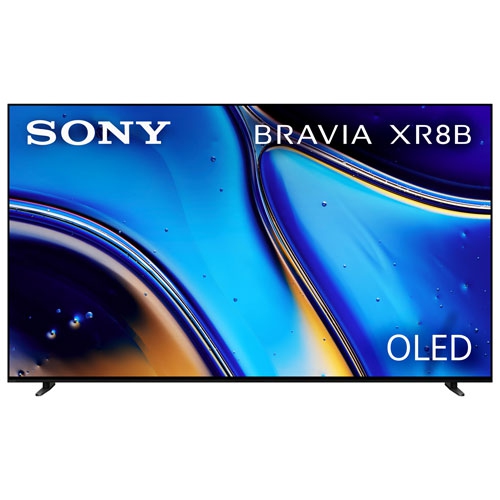
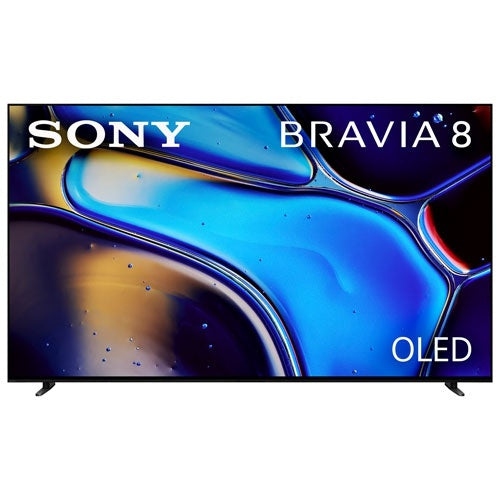
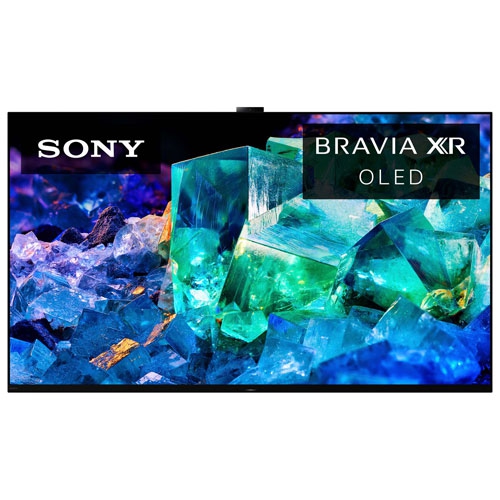

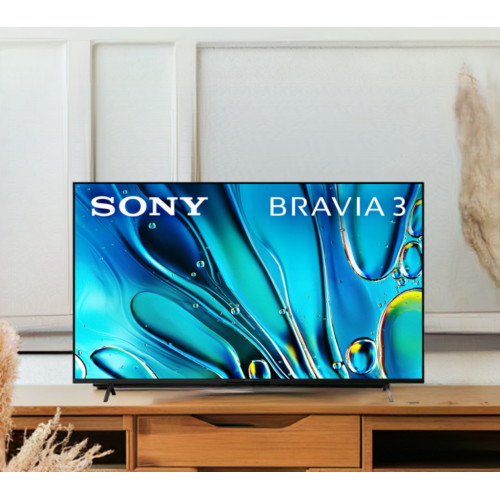
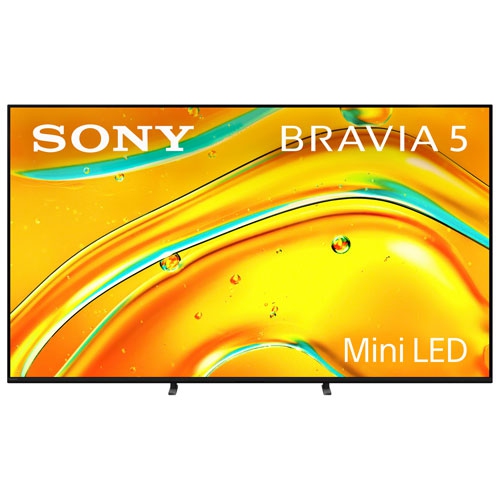
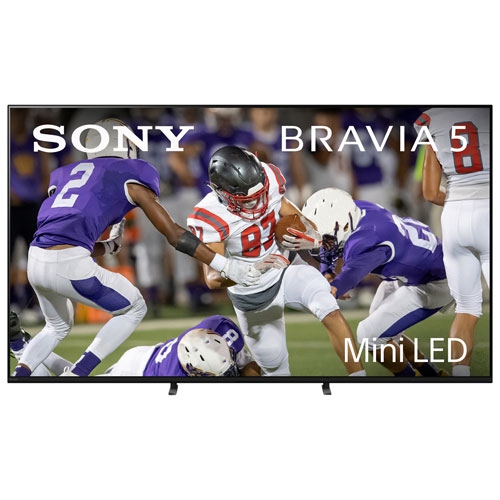
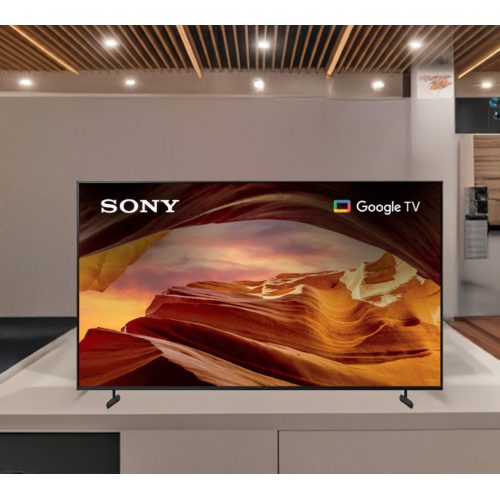
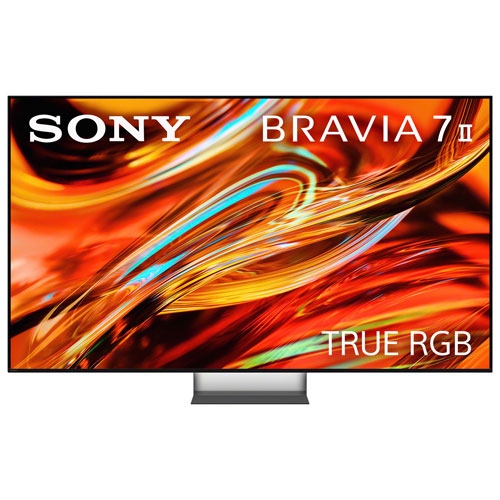
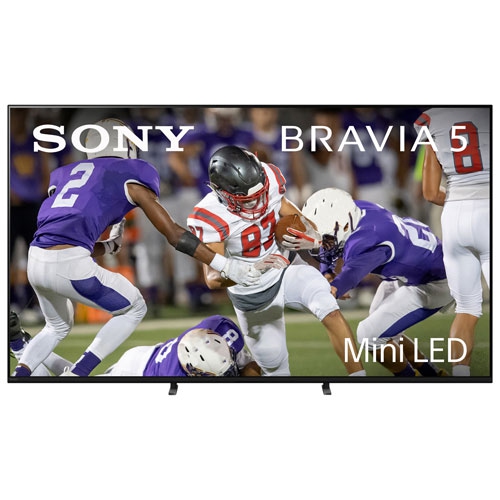
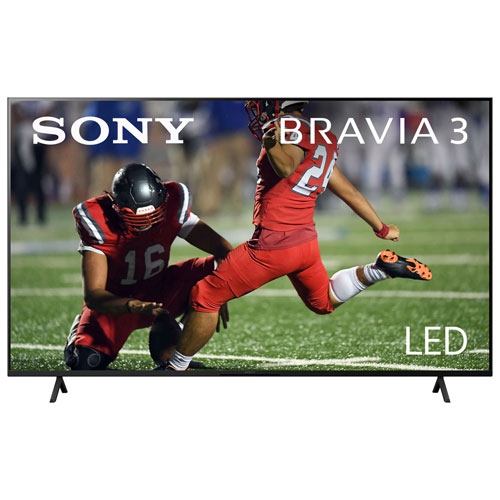
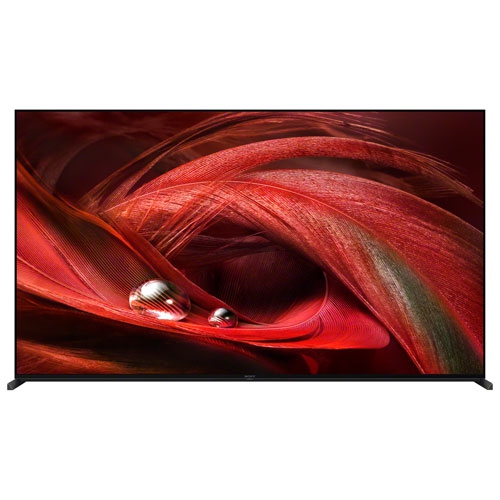
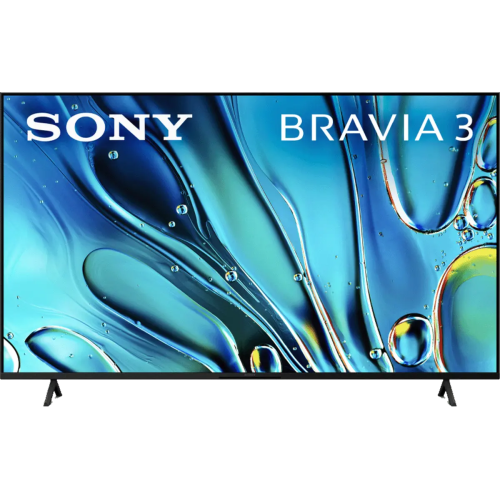
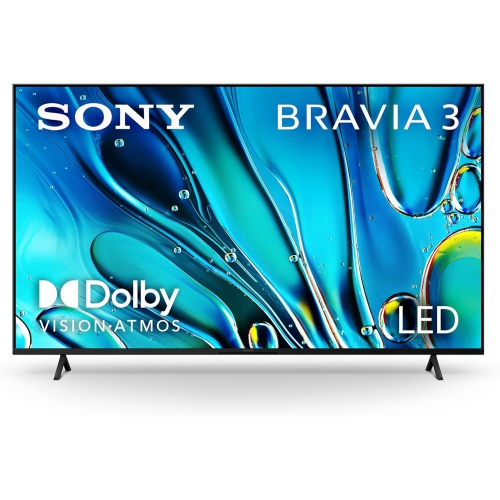
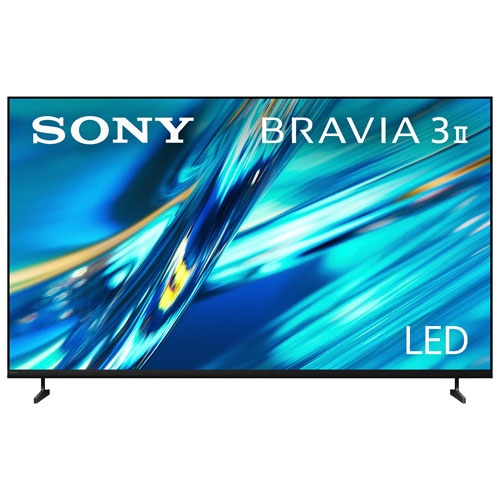
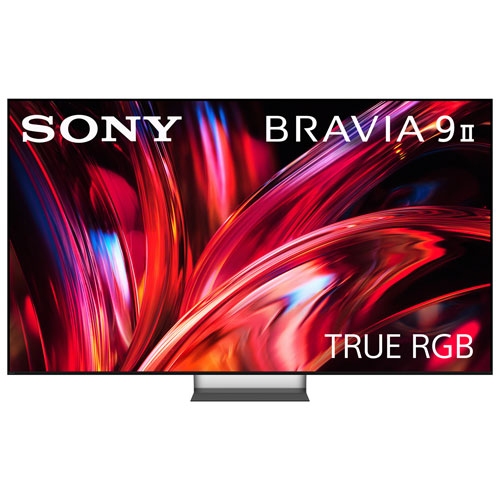
Deep blacks and bright details share the screen
65-inch OLED TVs pair a large, immersive screen with pixel-level light control, making them well suited to films, streaming series, sports, and console gaming. OLED pixels produce their own light rather than relying on a separate backlight, so individual pixels can switch off to create deep blacks beside bright details. That contrast is particularly noticeable in scenes with city lights, stars, or subtle shadows, where darker areas can retain depth without a halo around every bright object. A 4K display has a resolution of 3840 × 2160 pixels, providing fine detail for high-quality video and games at typical living-room viewing distances. Picture quality also depends on processing, colour accuracy, brightness, and the quality of the original content. Lower-resolution broadcasts and compressed streams benefit from capable upscaling, although processing cannot restore every detail missing from the source. Some OLED models use quantum-dot technology to support a wider range of vivid colours, while panel design and brightness capabilities vary across the category. HDR support can reveal brighter highlights and more nuanced shading when paired with compatible content, but the supported formats differ between televisions. For a film enthusiast, these qualities might bring out texture in a dark jacket or detail inside a dimly lit room; for a sports fan, they can make uniforms and on-screen graphics look crisp and distinct. Wide viewing angles are another useful OLED characteristic, especially when several people are watching from seats spread across a sofa rather than directly in front of the screen. Reflections and room lighting still influence the experience, and even a high-contrast panel benefits from thoughtful placement. Picture modes also affect the result: a cinema-oriented setting generally aims for a more restrained presentation, while other modes may emphasize brightness or motion smoothing. The most pleasing balance depends on the content and the viewer, particularly when choosing between the familiar cadence of a film and the smoother appearance some people prefer for live sport.
A 65-inch screen measures approximately 165 cm diagonally, with a typical widescreen display area about 144 cm wide before the frame is included. Those measurements help explain why this size can feel substantial without requiring a dedicated theatre room. In many living rooms, seating roughly two to three metres away provides a practical starting point, although eyesight, content, and personal preference all influence viewing comfort. The television’s overall width, stand footprint, and height are more useful than the diagonal measurement when assessing an existing media unit. Some stands sit near the outer edges of the screen, while others use a central base, so furniture needs enough usable surface area as well as the appropriate weight capacity. Wall mounting introduces different considerations, including the supported mounting pattern, bracket rating, wall construction, and access to connections once the screen is in place. Space beneath the display can matter just as much as space around it, particularly if a soundbar would otherwise obscure the lower edge or interfere with a remote-control sensor. Glass, metal, and moulded plastic are common elements of television construction, with finishes and rear housings varying by model. A slim profile can look clean on a wall, but it does not make a large panel easy to handle; the manufacturer’s lifting and installation directions remain important. In homes with children or pets, secure mounting or an appropriate anti-tip restraint adds practical protection. Routine care is usually straightforward when it follows the manufacturer’s instructions: gentle dusting with a clean, dry microfibre cloth avoids unnecessary rubbing, while liquid sprayed directly onto the display can reach sensitive components. OLED ownership also benefits from varied content rather than prolonged exposure to the same static logo, scoreboard, or desktop layout. Built-in panel-care features can help manage the risk of permanent image retention, and following the specified shutdown procedures allows automatic maintenance routines to work as intended.
Everyday convenience depends on the television’s connections, smart platform, and sound capabilities as much as its screen. Integrated streaming apps can make it easy to move from a drama series to a live broadcast, while Wi-Fi and wired network options provide different ways to connect to a home network. App support, voice controls, accessibility features, and account requirements vary, so the best fit is a platform that works comfortably with the household’s viewing habits. For gaming, many televisions in this category offer a native 120Hz refresh rate, but support for 4K at 120Hz depends on the model, input, connected device, and cable. Variable refresh rate can help reduce tearing when a compatible game’s frame rate changes, and automatic low-latency mode can switch the television into a setting intended to reduce input delay. These features are especially relevant for fast racing, competitive matches, and responsive action games; a household focused mainly on films may place more emphasis on picture processing and HDR performance instead. HDMI connections also need to accommodate the devices used together, such as a console, streaming player, and audio system. An HDMI port with eARC can pass supported audio formats to compatible equipment, although format support should be checked across the complete setup. Built-in sound varies, with some designs using conventional speakers and others incorporating screen-based audio. A soundbar or separate speaker system can add clearer dialogue, stronger bass, or a broader soundstage, particularly in a spacious room. A 65-inch OLED television can suit a shared family room, a film-focused apartment setup, or a gaming space where one screen serves several purposes. As a substantial gift, it is most successful when the recipient’s room dimensions, existing equipment, and installation preferences are already understood. For a broader selection at the same screen size, Sony 65 Inch TVs offers another place to compare display types and features. Panel technology, physical fit, connection options, and familiar controls together shape how naturally a television becomes part of daily viewing.
Top selling and popular products
-
 Your price for this item is $1496.95
-
 Your price for this item is $1999.99
-
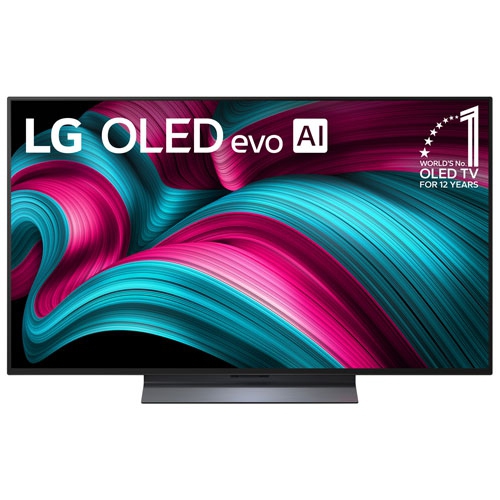 Your price for this item is $1749
-
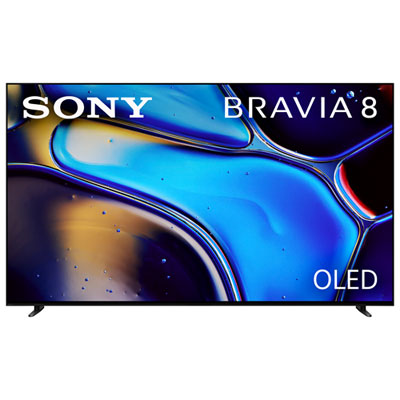 Your price for this item is $2399.99
-
 Your price for this item is $699.99
-
 Your price for this item is $599.99
-
 Your price for this item is $3999.99
-
 Your price for this item is $3999.99
Discover more categories related to Sony OLED 65
Top Collections:
Best Black Friday Deals This Year, Best Black Friday Deals On Electronics, Kindle Devices, Pokemon Centers, Best Black Friday Deals On Apple Products, Best Cameras for Sports Photography, Dyson Airwrap, Pokémon 30th Celebration Cards, Apple iPhone 17 Pro, Canon G7X Cameras
Some products may be subject to Environmental Handling Fees
(EHF) depending on your province.
Learn more about EHFs.