Speaker Cables
Elevate your audio experience with premium speaker cables that ensure every note and beat is delivered with clarity and precision. Whether you're setting up a home theater system or enhancing your music studio, the right speaker cable can make all the difference in sound quality. Designed to provide optimal conductivity and durability, these cables are essential for connecting your speakers to amplifiers or receivers seamlessly. Explore options that cater to different lengths, gauges, and connection types, ensuring you find the perfect fit for your setup. Enhance your listening experience today with speaker cables that bring out the best in your audio equipment.
Sort
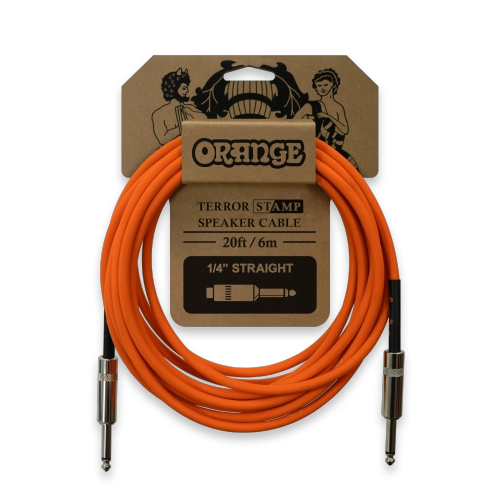
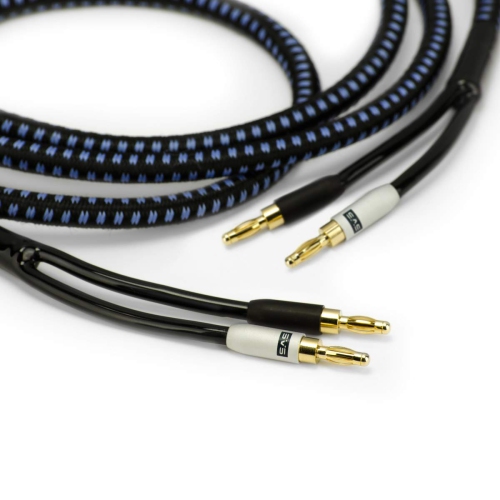
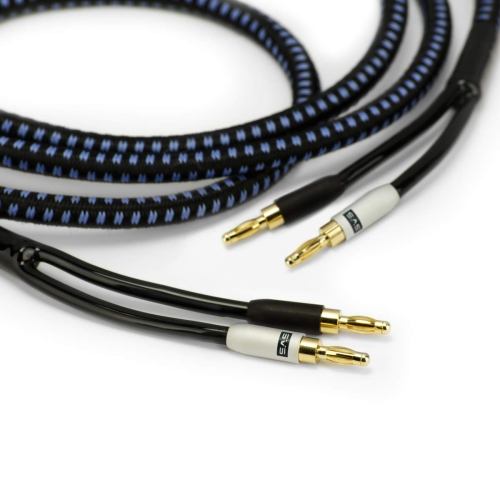


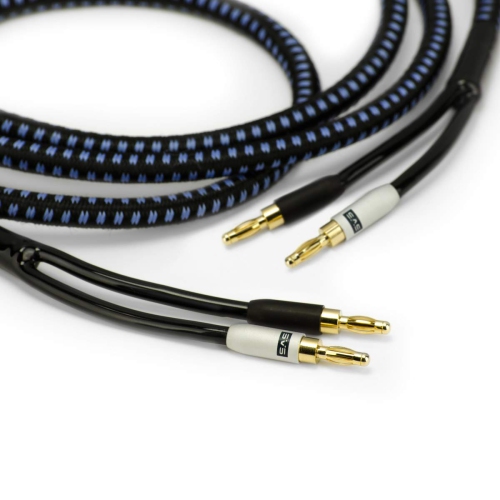
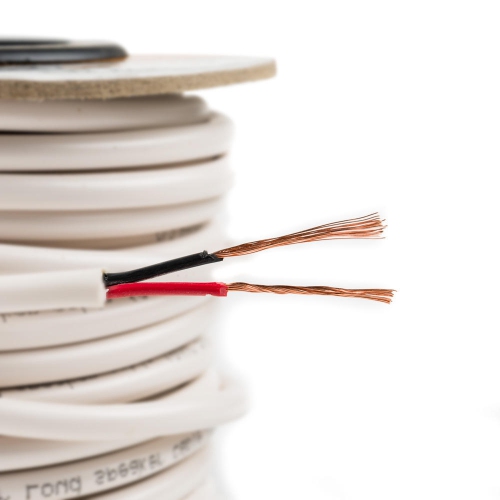
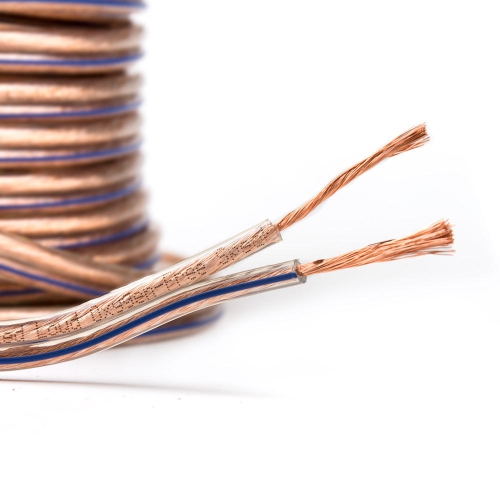

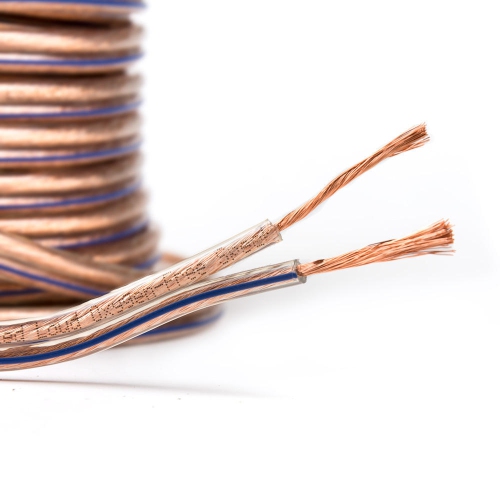


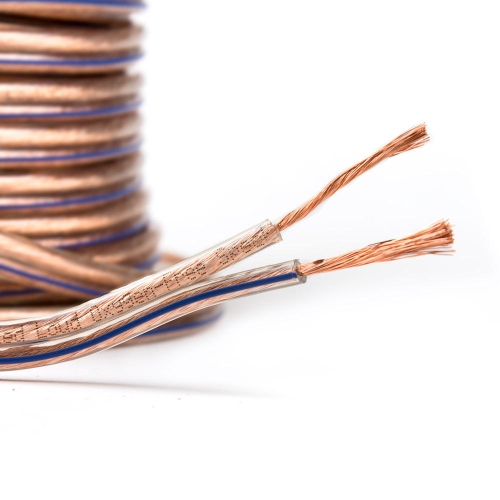


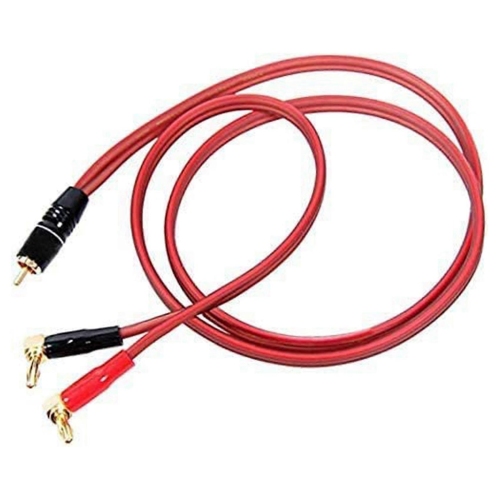


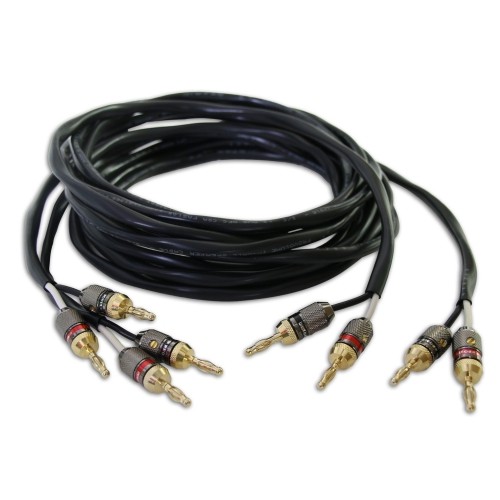


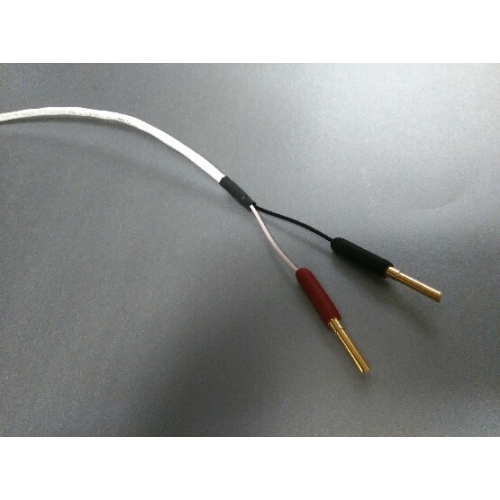
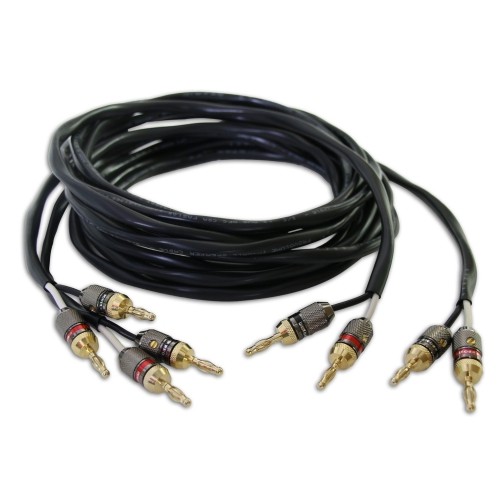

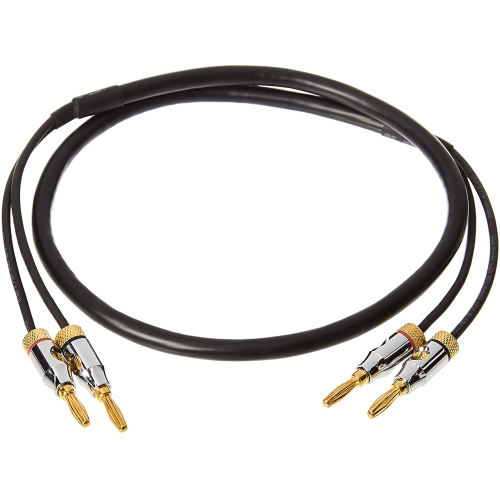



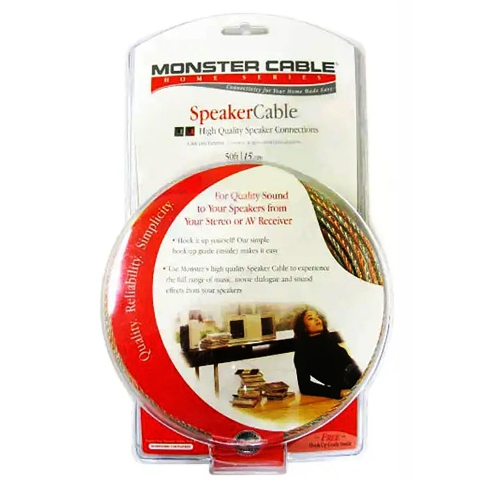


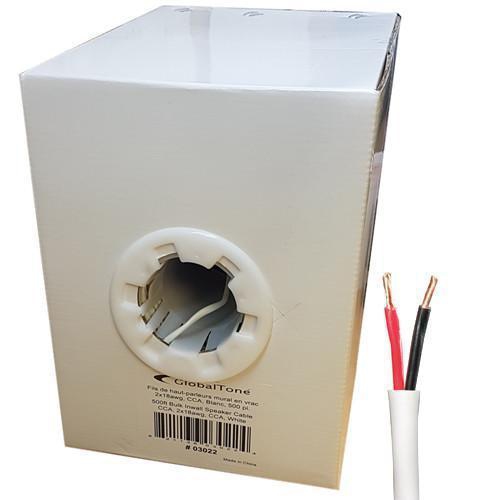
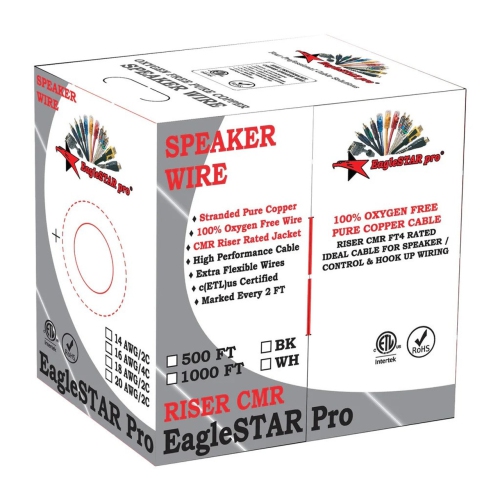







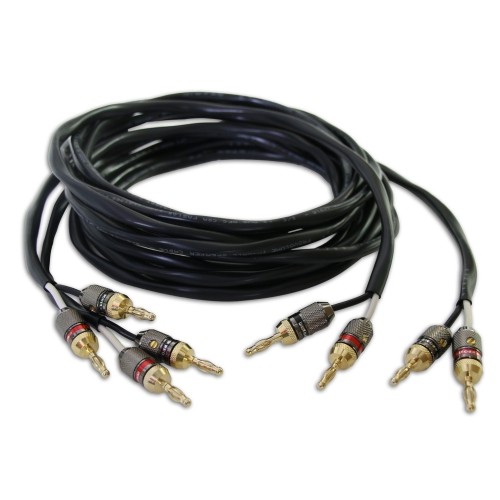
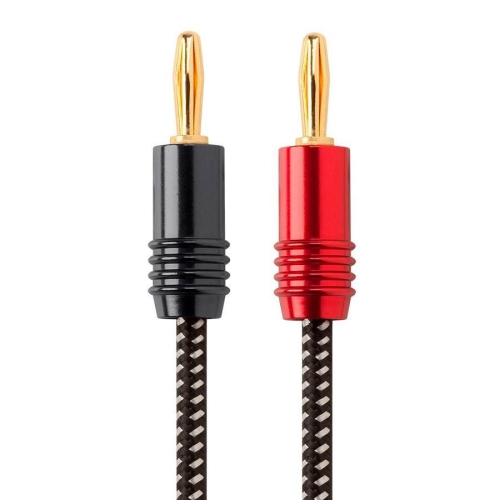

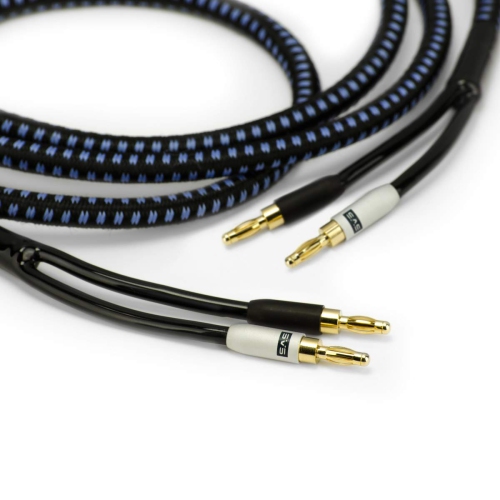
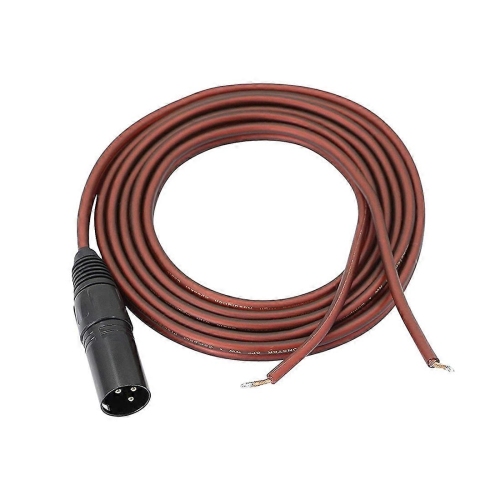

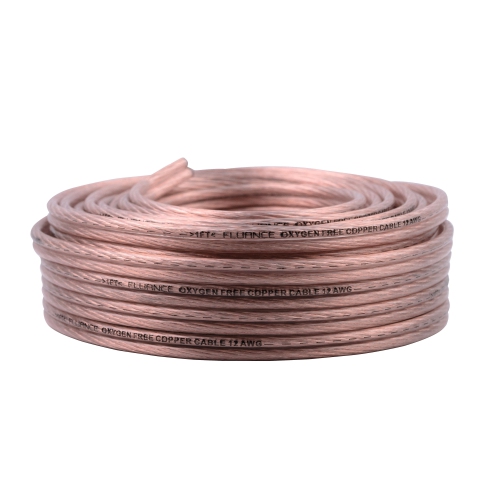
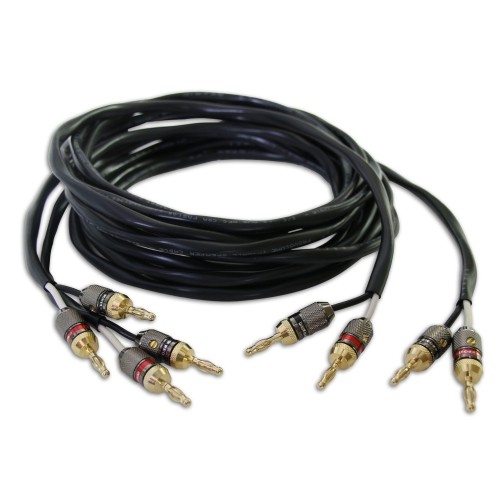
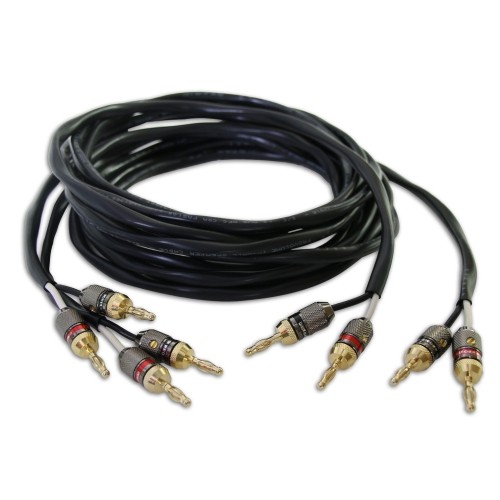
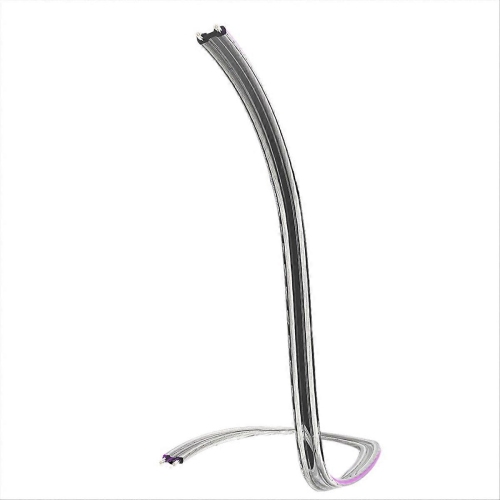
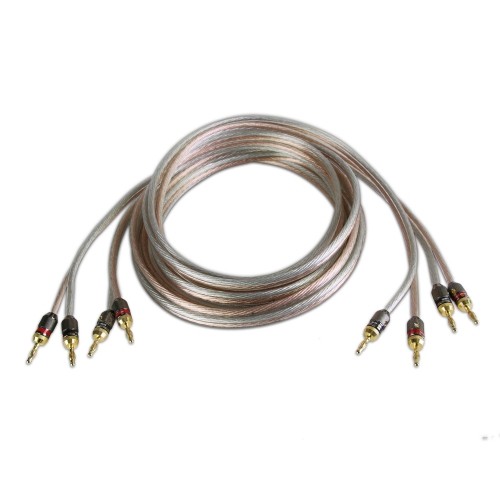
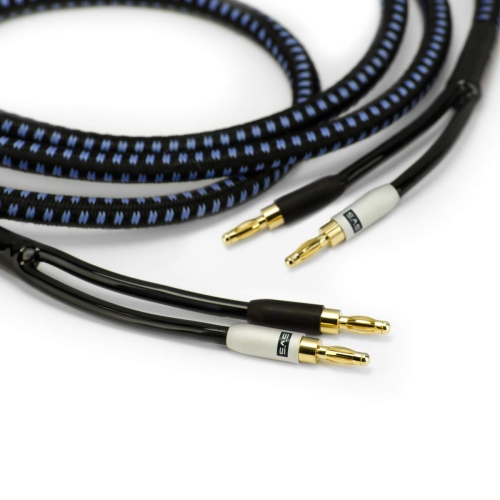
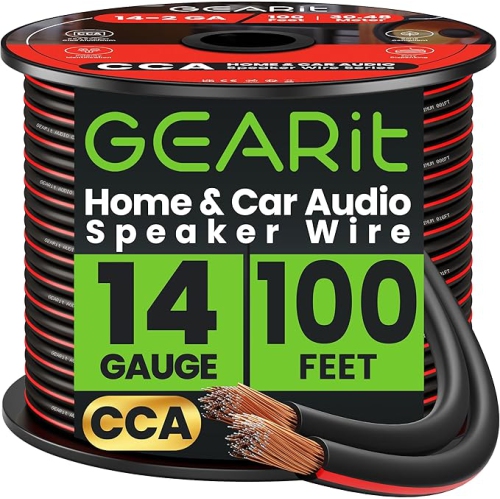
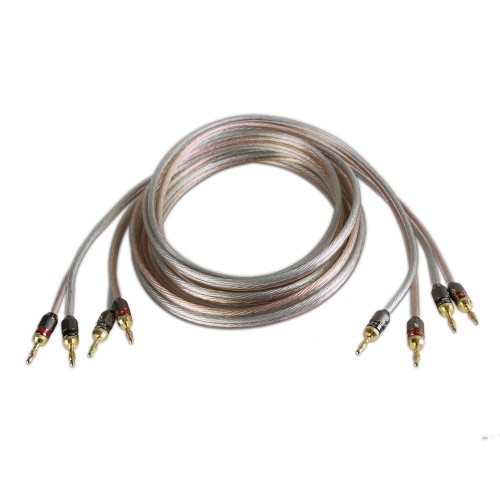
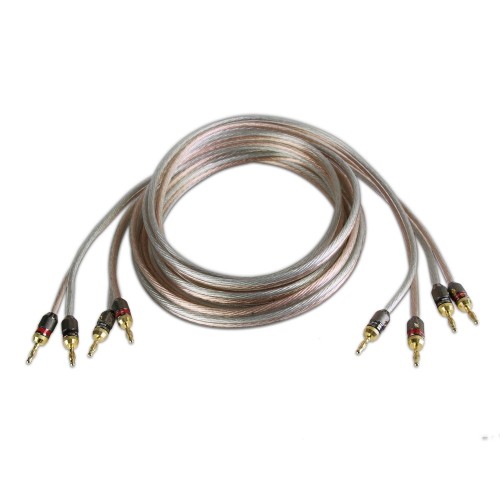

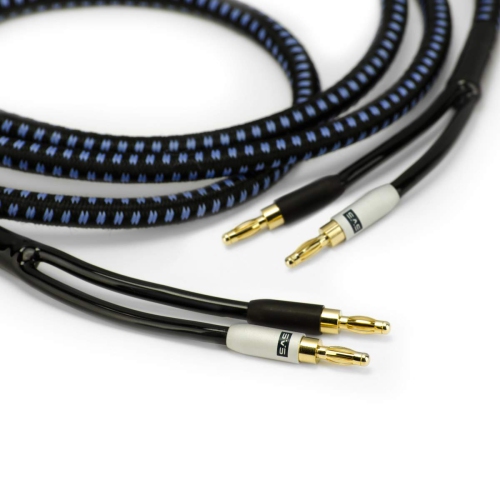
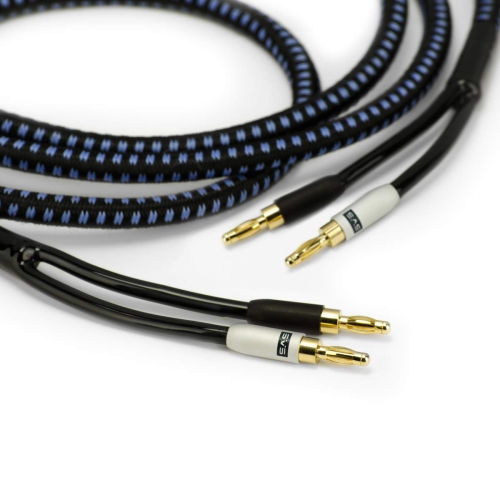
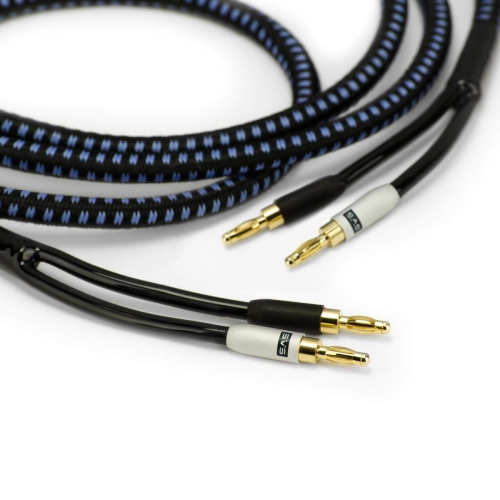


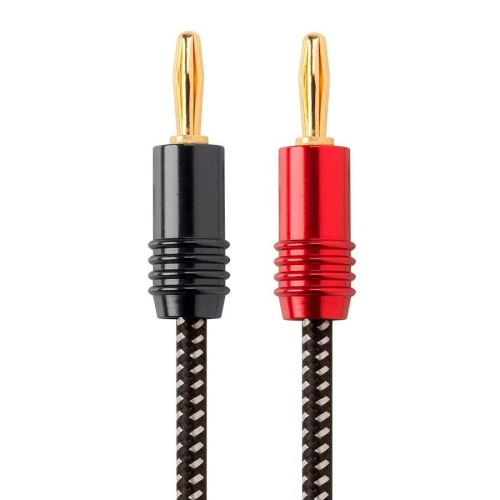

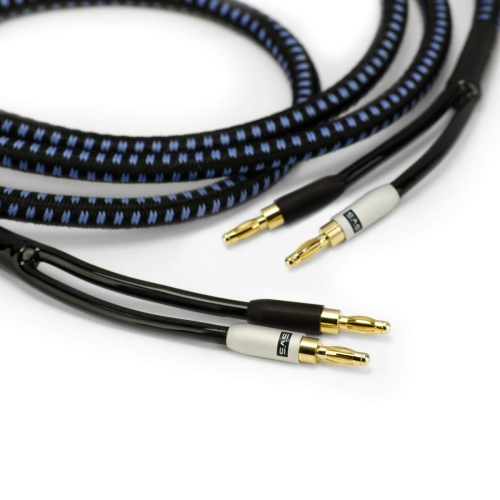

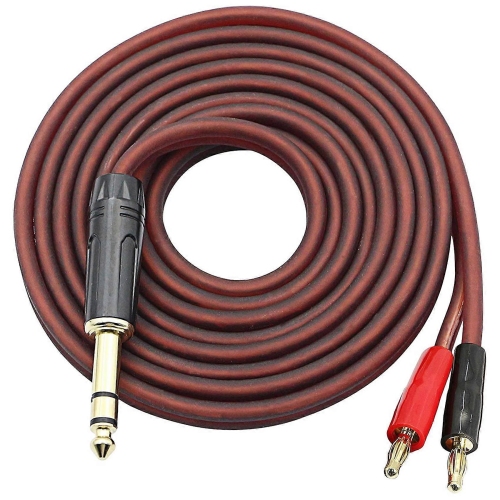

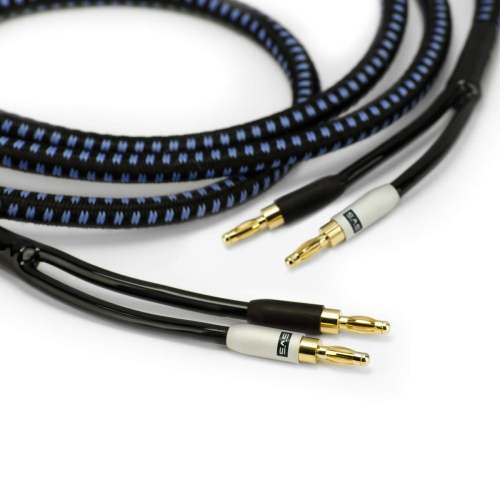

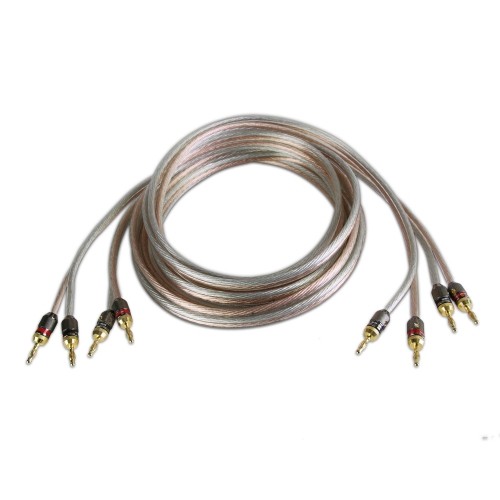
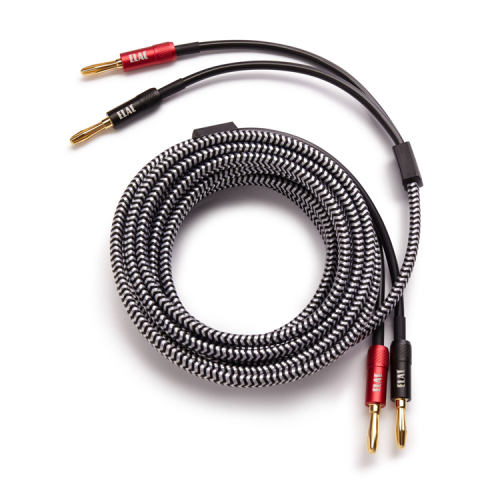
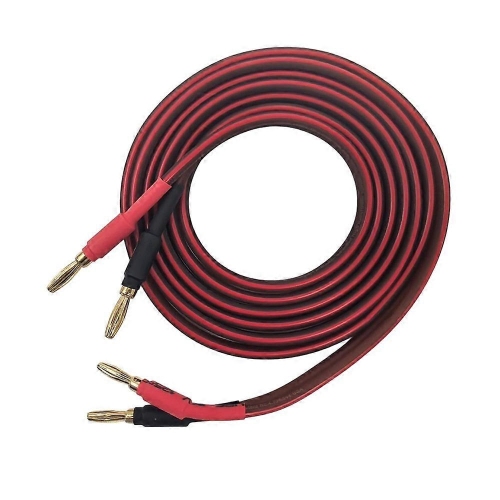

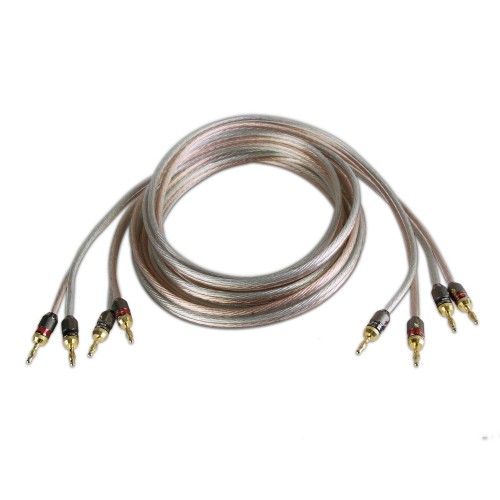
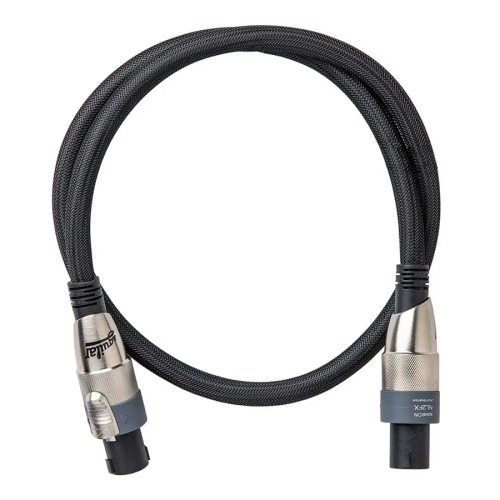
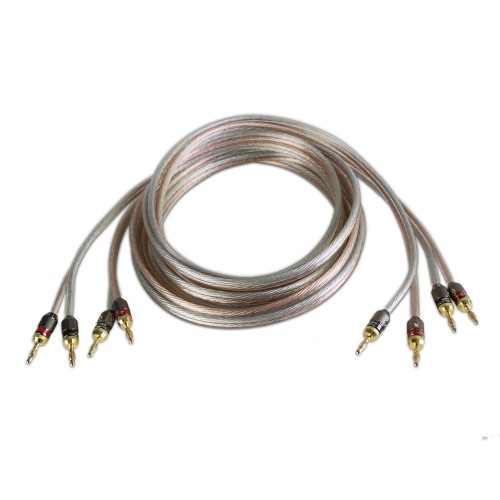
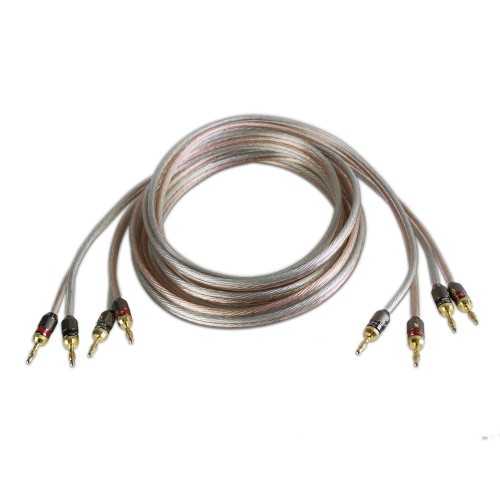
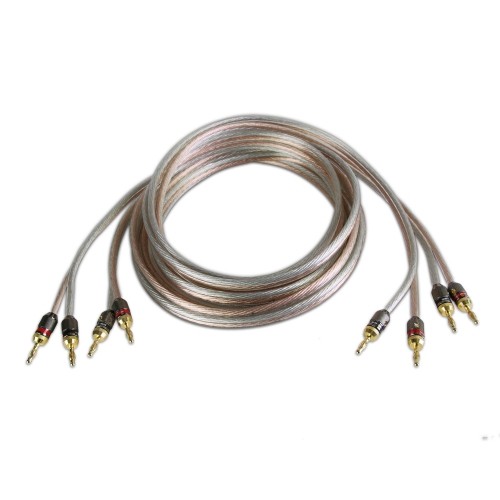
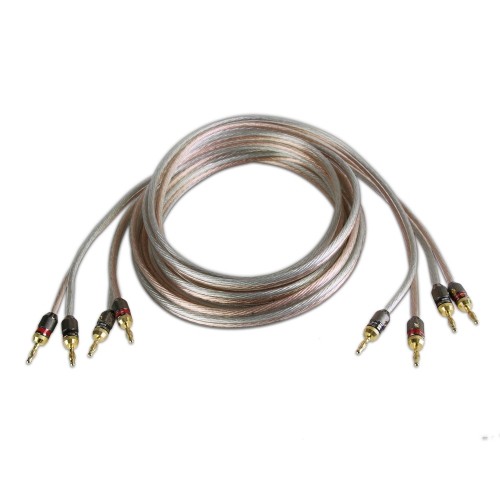
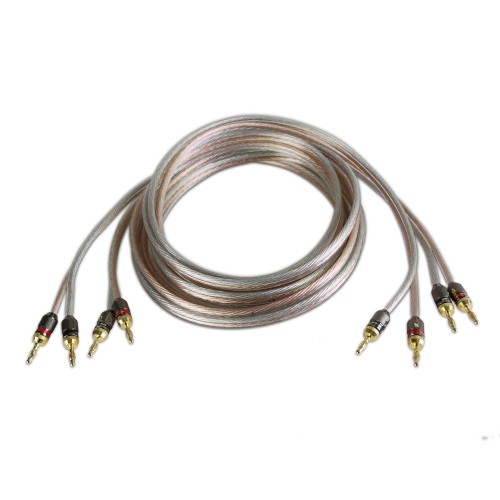
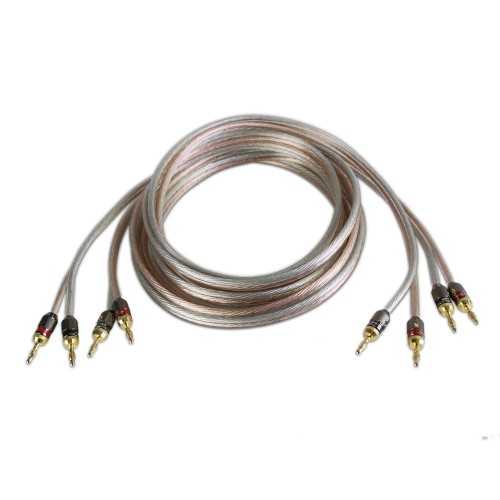
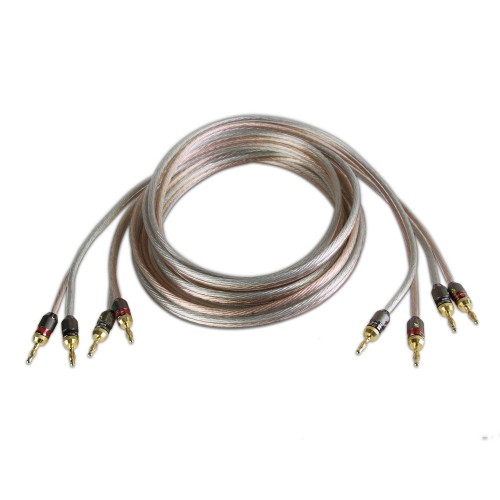
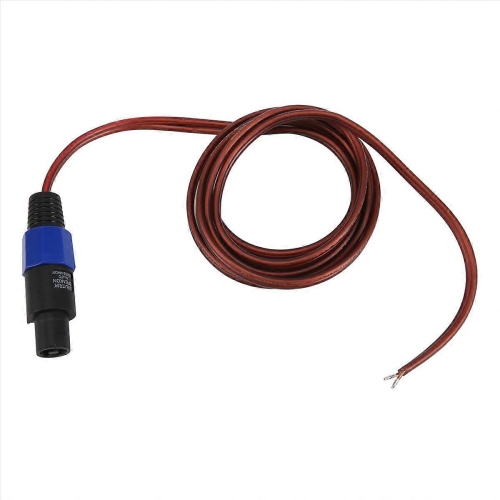
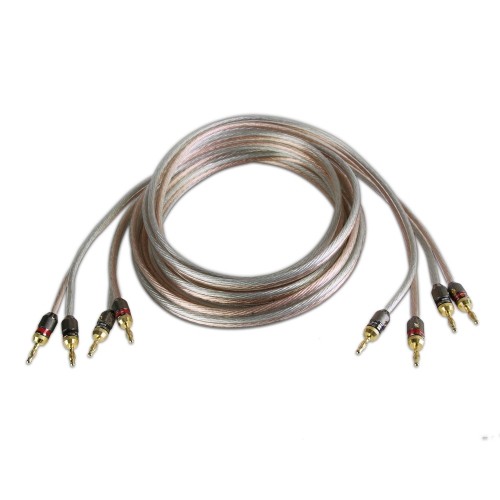
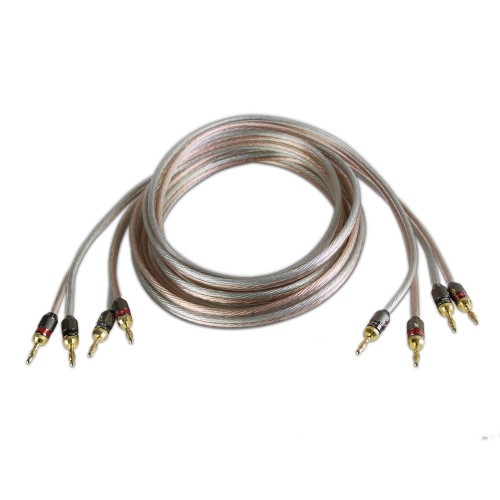
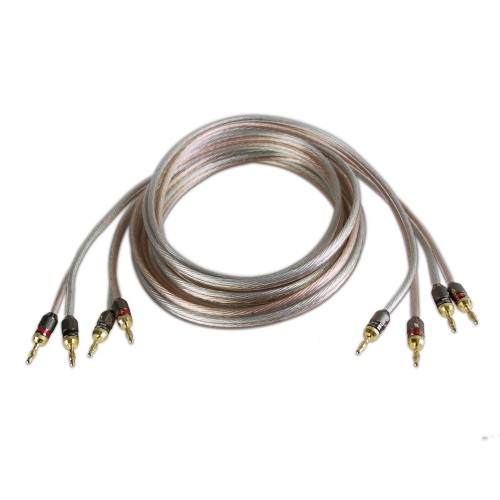
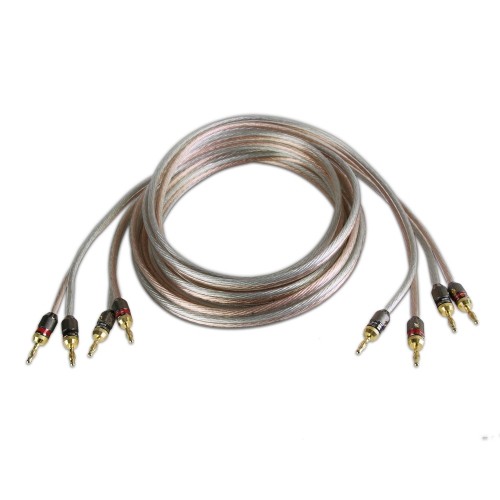
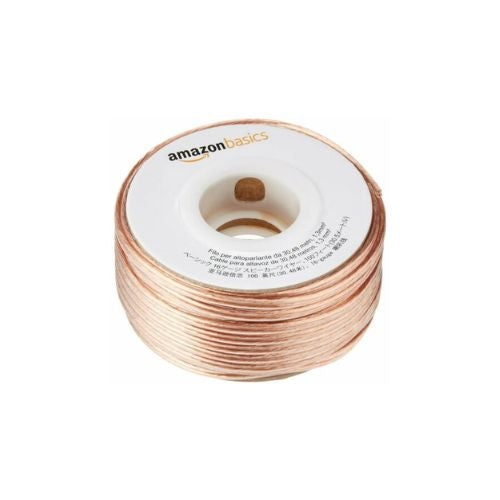
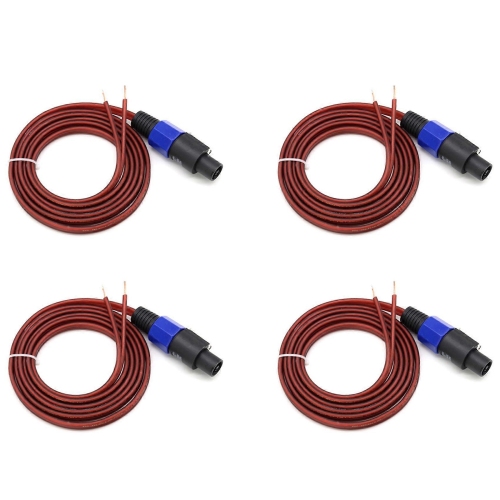


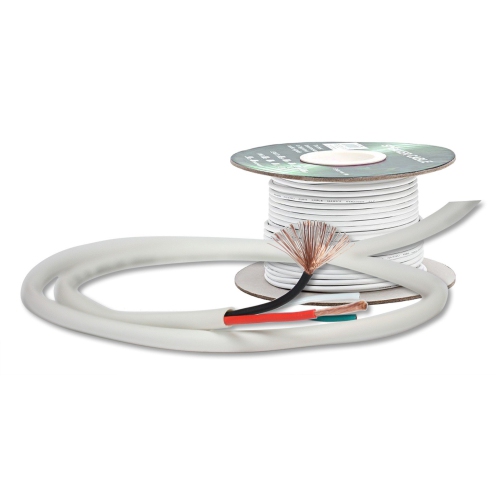


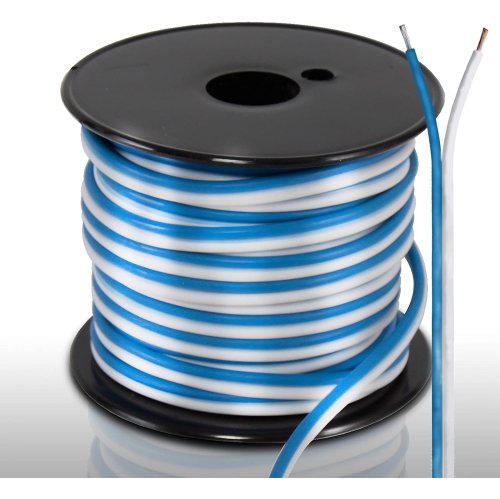
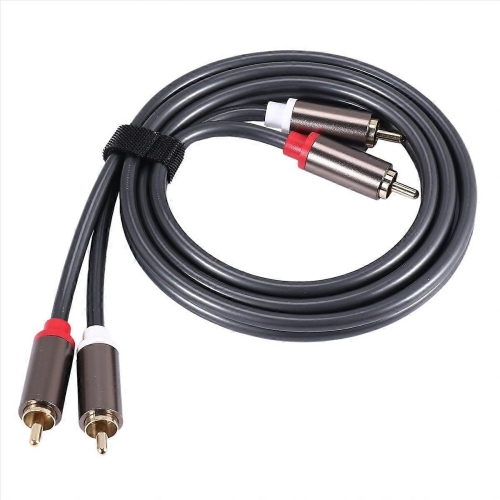


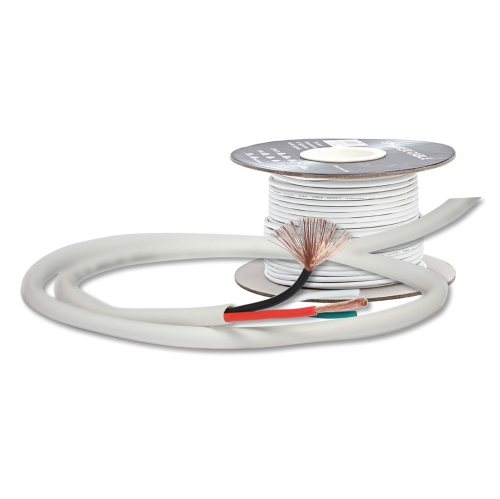
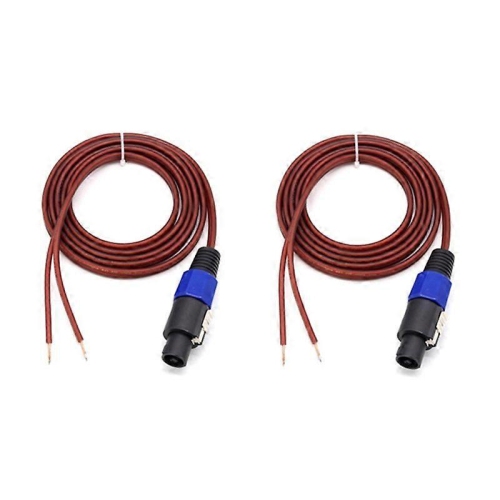






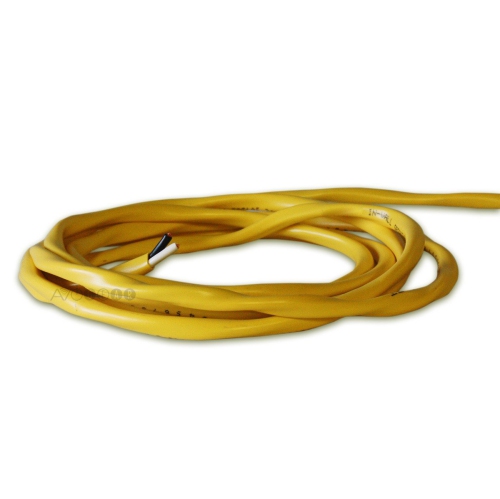


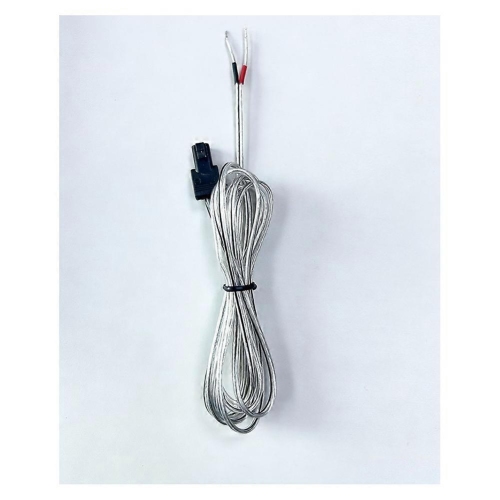
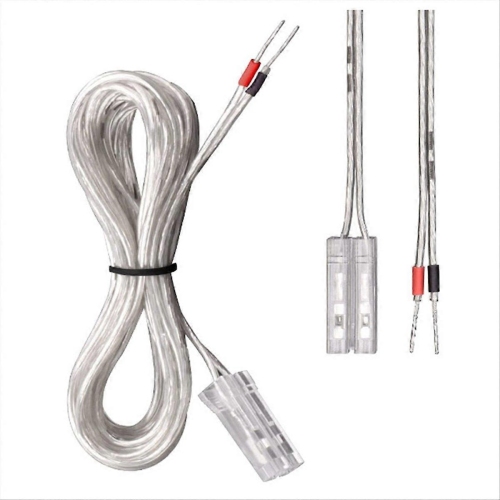
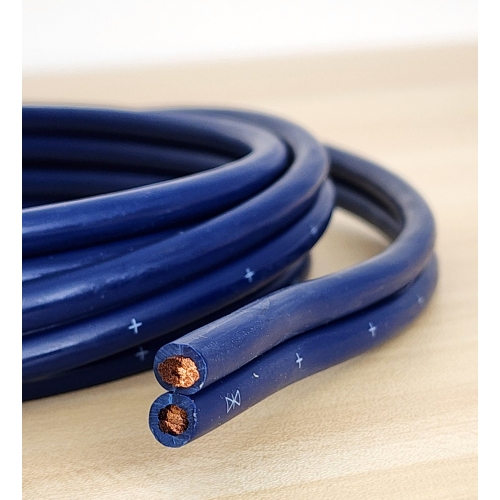

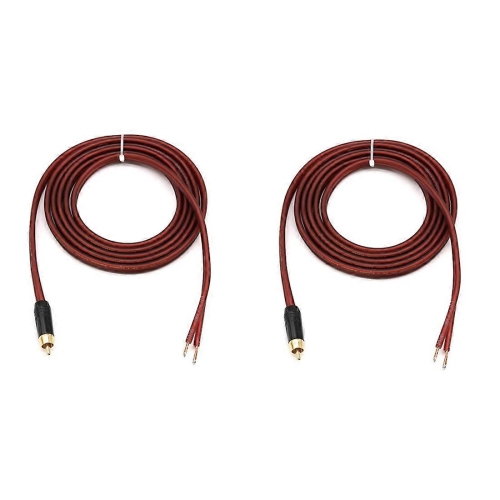
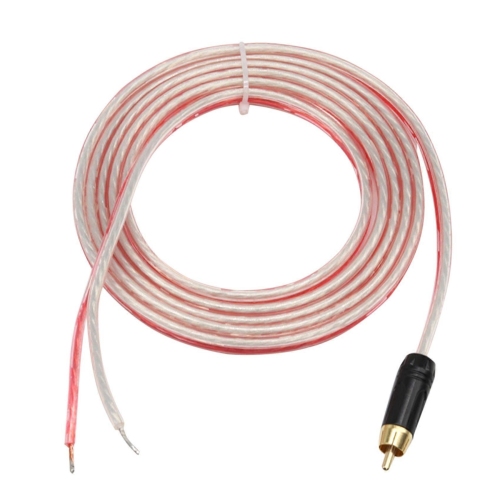


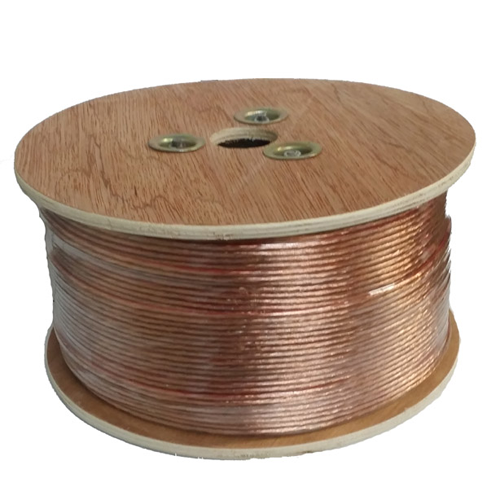
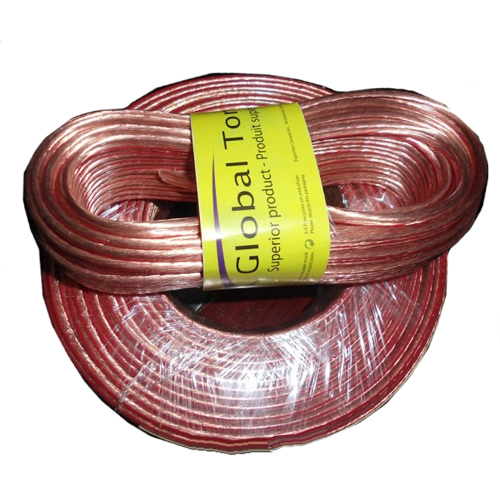
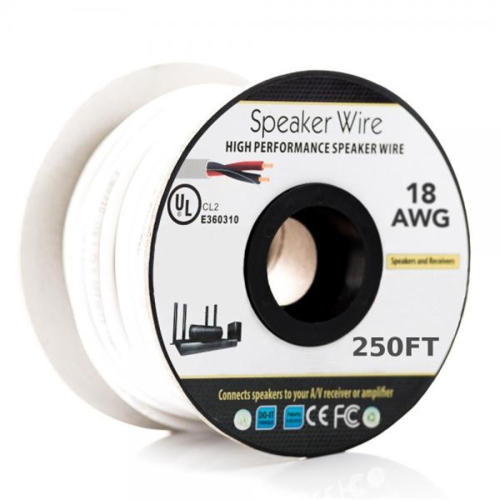


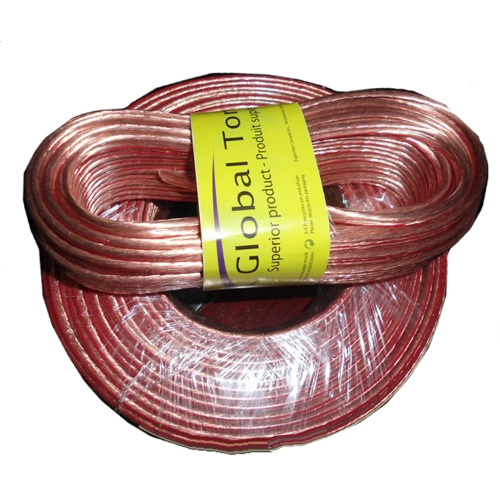

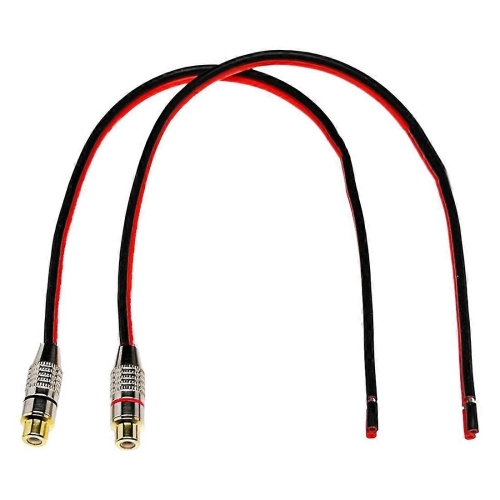


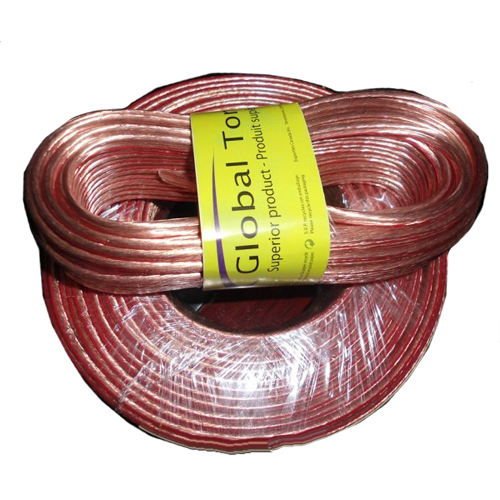
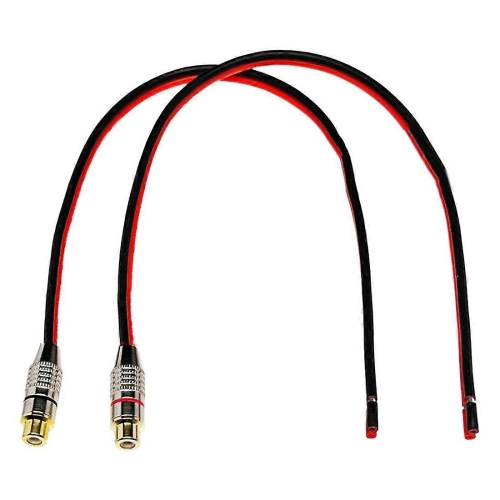


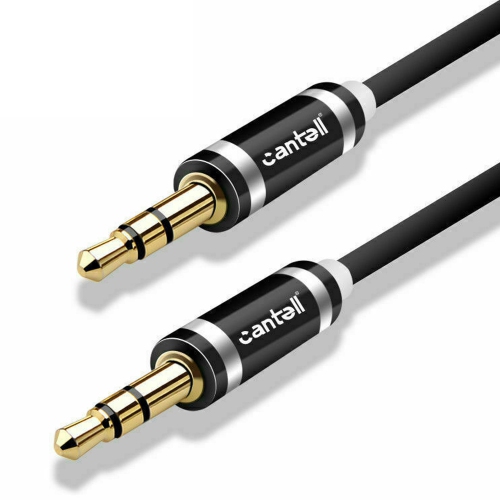
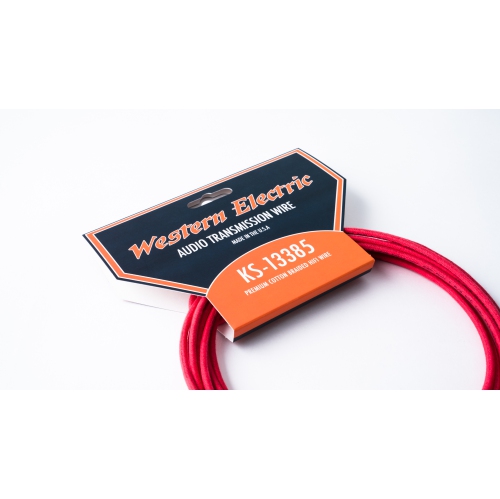


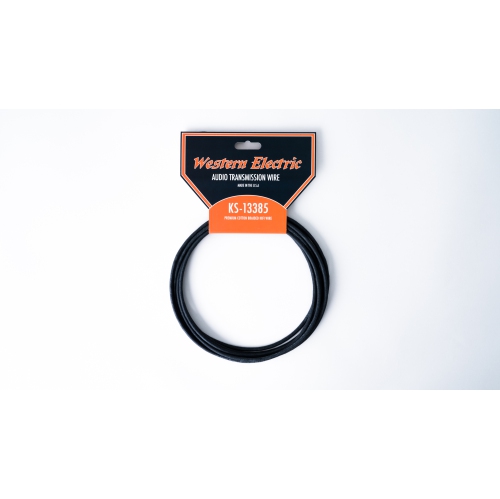
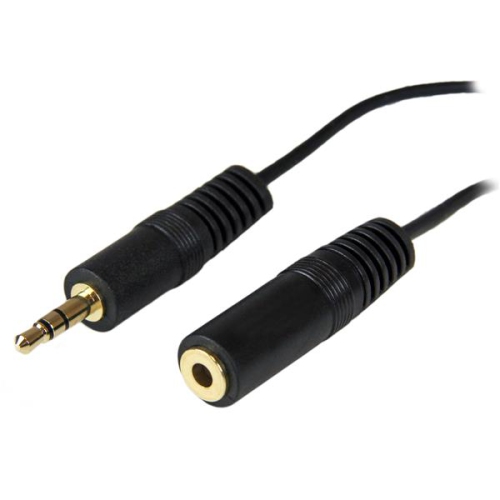

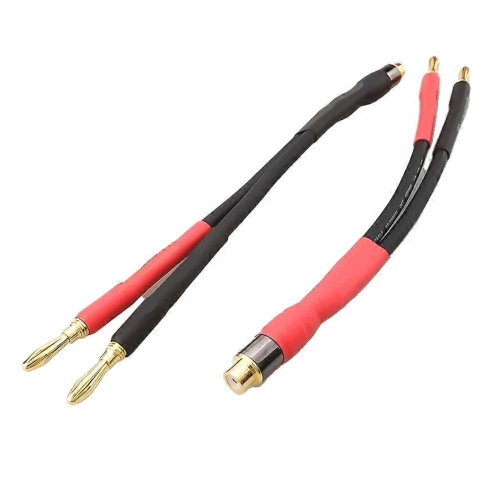


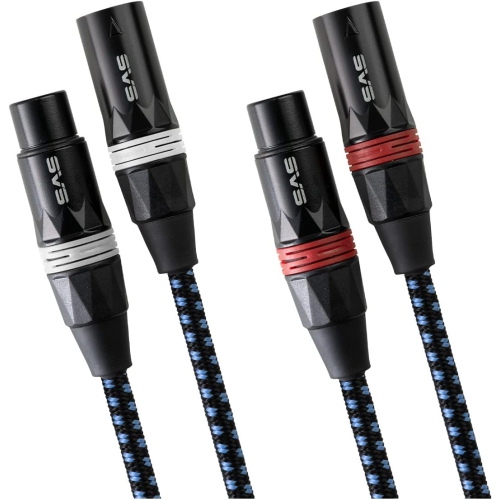

How cable thickness and length affect your setup
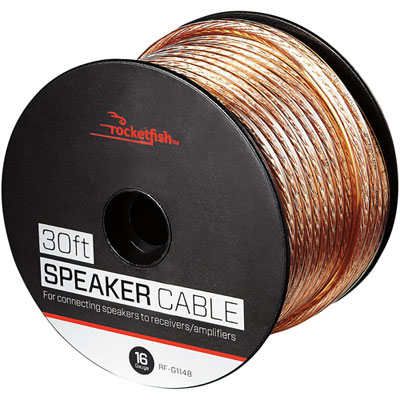
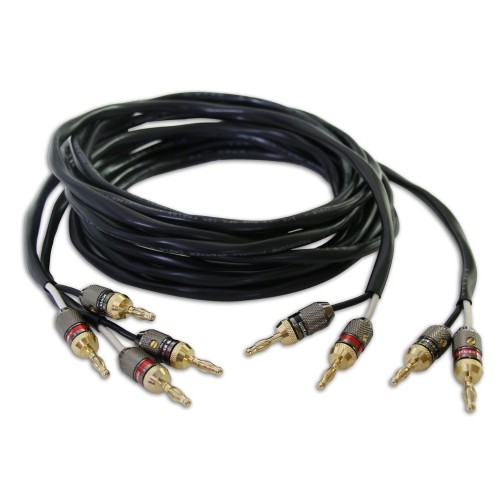
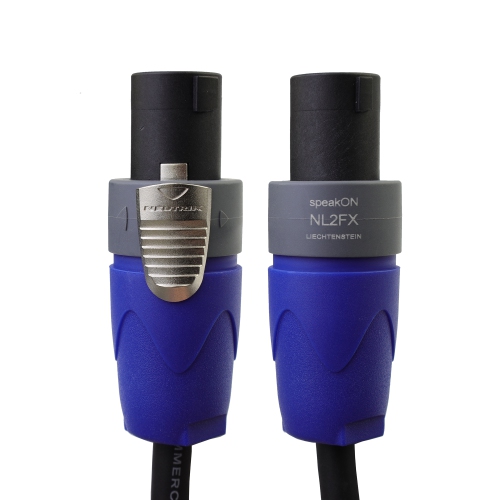
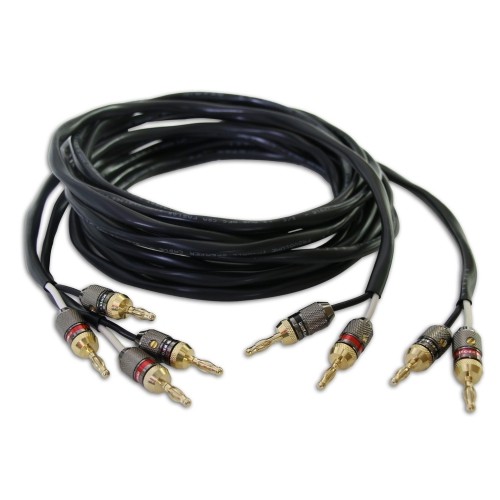
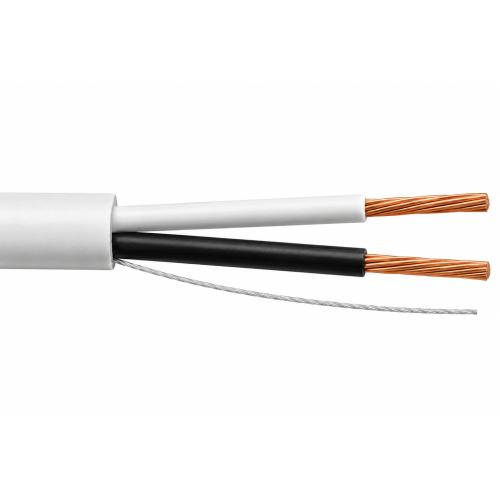
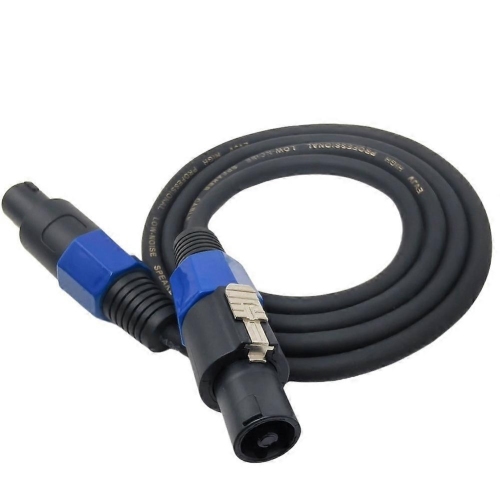
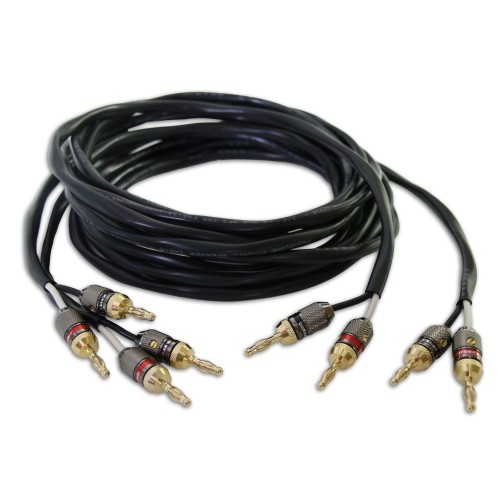
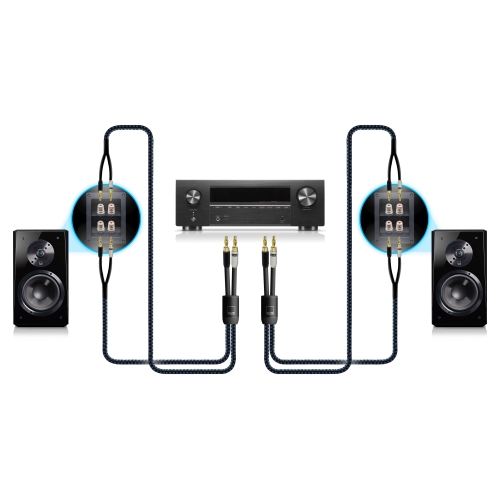
Speaker cables carry amplified audio signals from an amplifier or receiver to passive loudspeakers, forming the electrical connection that lets a stereo or home theatre system produce sound. Unlike an auxiliary lead or a digital audio cable, a speaker cable carries the power needed to move a speaker’s drivers. Its suitability depends mainly on conductor material, wire thickness, cable length, and the connection types at each end. Low electrical resistance helps limit power loss along the cable, particularly when speakers sit far from the amplifier or present a low-impedance load. A pair of bookshelf speakers beside an entertainment centre has different cabling needs from surround speakers positioned across a living room, even when both systems use similar terminals. Wire thickness is commonly expressed as American Wire Gauge, or AWG: a lower gauge number means a thicker conductor with less resistance for a given material and length. For many home systems, 16 AWG copper cable is suitable for short runs to 8-ohm speakers, while 14 AWG offers more flexibility for longer routes. Thicker 12 AWG cable can be useful for extended runs, lower-impedance speakers, or systems with greater power demands. These are general starting points rather than universal rules; the amplifier and speaker specifications, together with the actual cable route, determine the appropriate choice. A route around a doorway or behind furniture may be considerably longer than the straight-line distance between components. A little extra length allows a speaker to be repositioned or an amplifier to slide forward for access without pulling on its terminals. Matching left and right cable lengths can make an installation tidy, but small differences in ordinary home setups do not usually create an audible imbalance. Correct polarity and sound connections matter more than making both runs precisely identical. For music listeners, film enthusiasts, and people building a dedicated listening space, the right cable is one that meets the system’s electrical requirements and fits comfortably into the room, rather than one chosen on appearance alone.
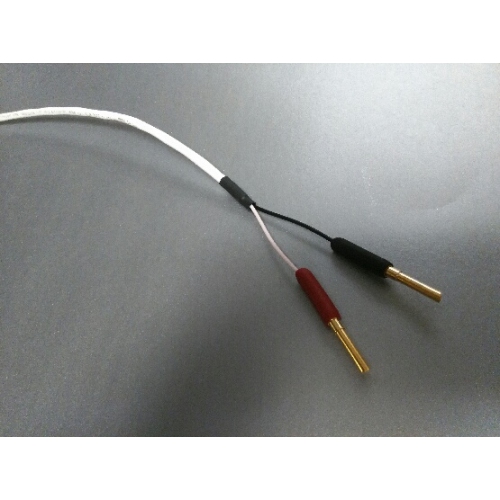
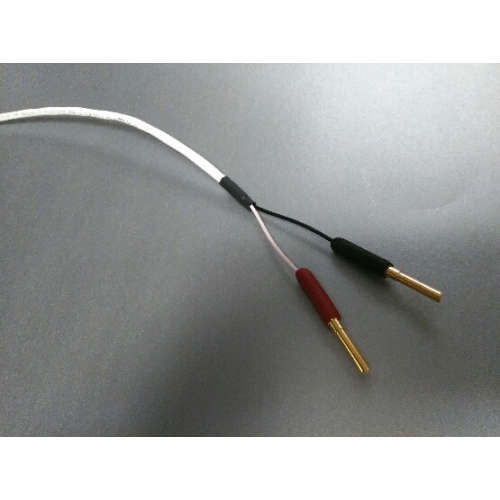
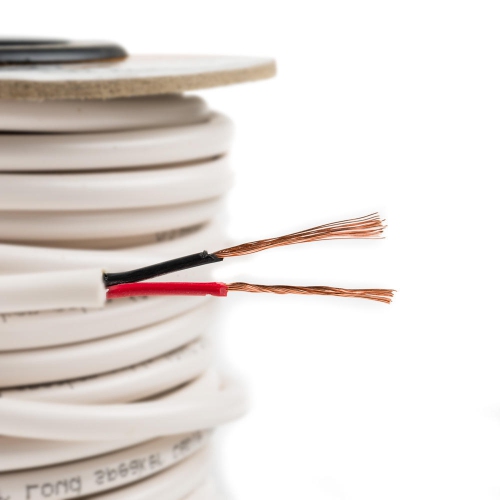
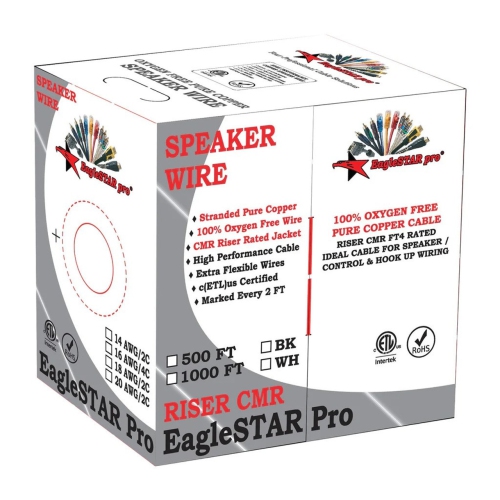
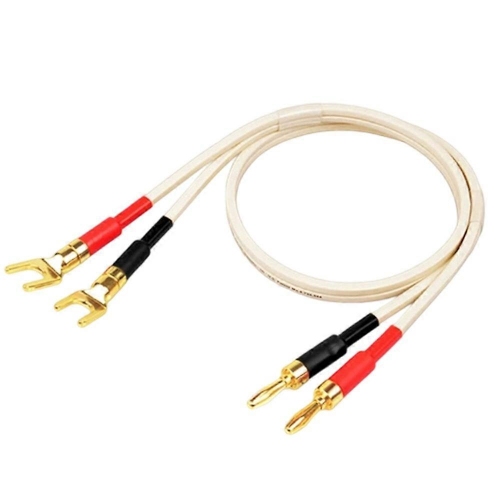
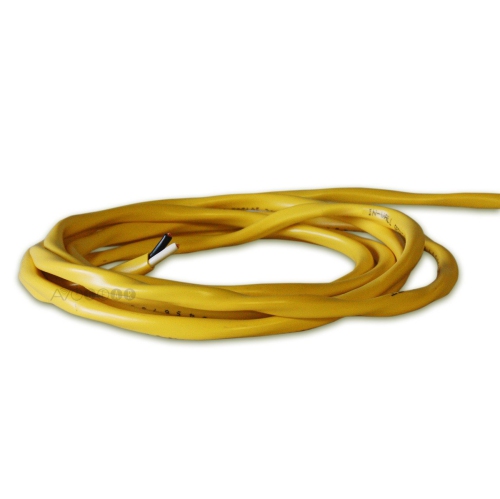
Conductor construction and insulation influence how speaker cables handle everyday use. Stranded copper is common because its fine wires bend more easily than a single solid conductor, making it practical for routing behind cabinets and connecting movable equipment. All-copper cable has lower resistance than copper-clad aluminium cable of the same gauge, so conductor material is worth checking alongside the AWG rating. Oxygen-free copper is another material description often associated with speaker wire, although that label alone does not establish a noticeable sound improvement in a typical home system. Adequate thickness, suitable length, and reliable terminations remain the more useful considerations. The outer jacket separates and protects the conductors, while markings, contrasting colours, or a ridge along one side help identify polarity throughout the run. Keeping the amplifier’s positive terminal connected to the speaker’s positive terminal, and negative to negative, maintains consistent polarity across the system. Reversing one speaker’s connections can weaken bass and make centrally placed voices or instruments sound less focused. Connector fit is equally important. Bare wire can work well with compatible binding posts or spring clips when the conductor is securely held and no loose strands touch neighbouring terminals. Banana plugs make repeated connections convenient on compatible binding posts, while spade connectors suit terminals designed to clamp them securely. Neither connector style automatically improves sound over a properly fitted bare-wire connection; their advantages are mainly convenience, consistent contact, and easier handling. Pre-terminated cables offer finished ends, whereas unterminated wire allows lengths to be tailored to the layout. The terminal opening still needs to accommodate the cable thickness or connector, since a heavy-gauge cable may not fit a small spring clip. Flexible jackets and manageable connector sizes are especially helpful where a receiver sits close to the back of a cabinet. For concealed routes through walls or ceilings, cable needs an appropriate in-wall rating and an installation that follows applicable electrical and building requirements. Ordinary speaker wire should not be assumed suitable for concealed installation simply because it reaches the speakers.
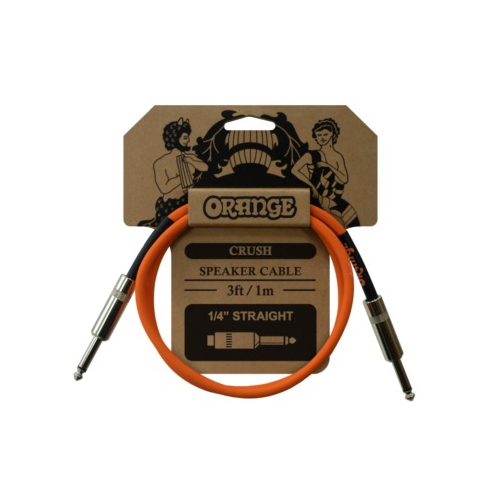
Speaker cables serve a range of listening spaces, from compact stereo systems used for records and streaming music to multi-speaker home theatres arranged around a sofa. They are also used between instrument amplifiers and passive speaker cabinets, where the distinction between a speaker cable and an instrument cable is particularly important. Even when plugs look alike, an instrument cable is not a substitute for a correctly specified speaker cable at an amplifier’s speaker output. Powered speakers generally receive a line-level or digital signal rather than amplified audio from an external receiver, so their connection requirements should be checked separately. The same applies to powered subwoofers, which commonly use a line-level connection, although some models also provide speaker-level inputs. In a home theatre, longer rear-speaker routes benefit from neat cable management: enough slack for access, gentle bends instead of tight kinks, and a path that avoids chair legs, cabinet doors, and walking areas. Cables should not be pinched under furniture, sharply stapled, or pulled by their connectors. Separating them from mains power wiring where practical can also make the installation easier to inspect and maintain. When an existing route needs additional reach, Extension Cables for Speakers relate to that need, with compatible connections, adequate conductor thickness, and secure joins remaining important. A continuous cable run can reduce the number of connection points, while a properly matched extension can accommodate changes to a room layout. Everyday care is straightforward: connections should remain secure, exposed strands should stay contained, and damaged insulation or corroded terminations warrant attention. Switching off the amplifier before connecting or disconnecting speakers helps avoid accidental shorts. Cables can also make a practical gift for someone assembling a stereo system or moving their listening setup, provided the required lengths, gauge, and terminal types are known. Their value lies in dependable operation and a clean installation: speakers positioned where they work best, connections that stay firmly seated, and sufficient reach to arrange the room without straining the equipment.
Top selling and popular products
-
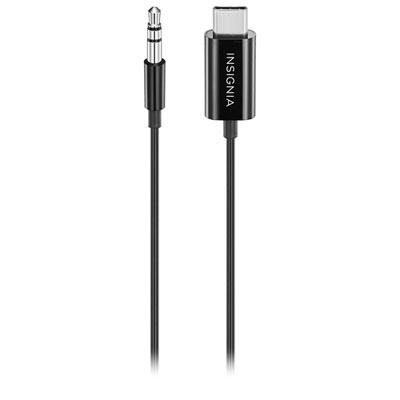 Your price for this item is $19.99
-
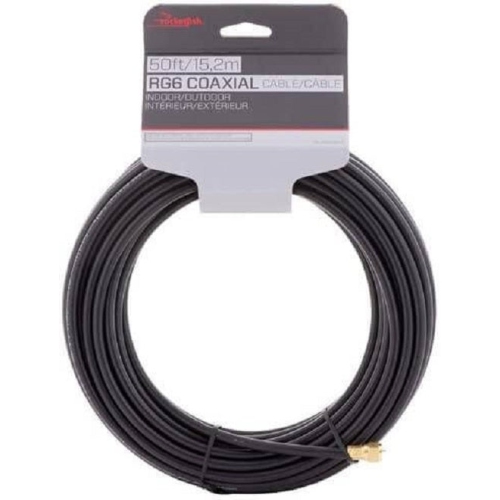 Your price for this item is $26.99
-
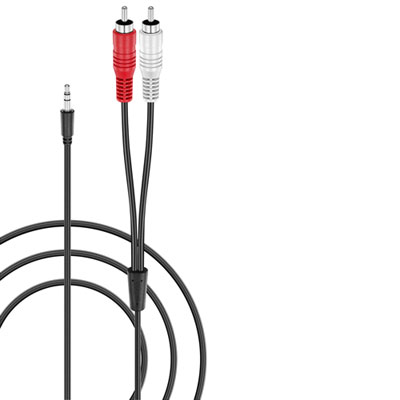 Your price for this item is $14.99
-
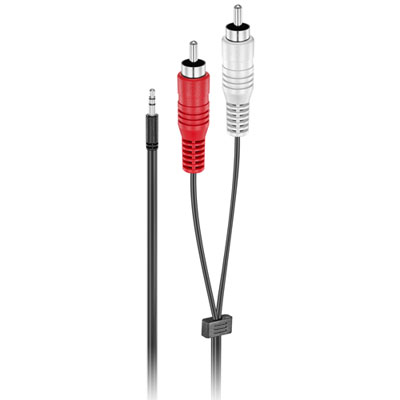 Your price for this item is $14.99
-
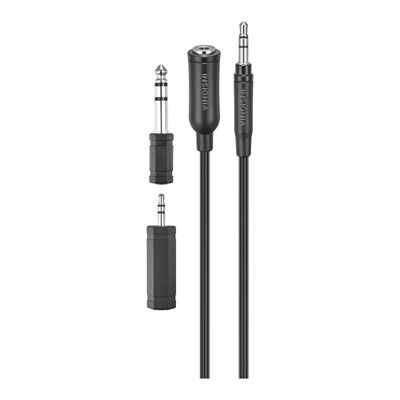 Your price for this item is $19.99
-
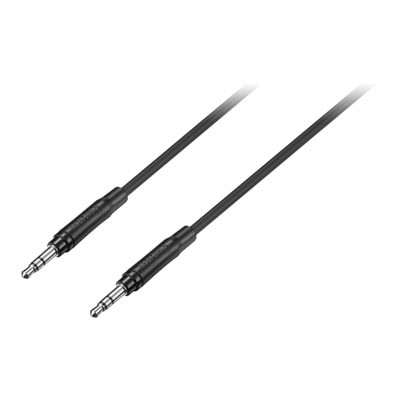 Your price for this item is $19.99
-
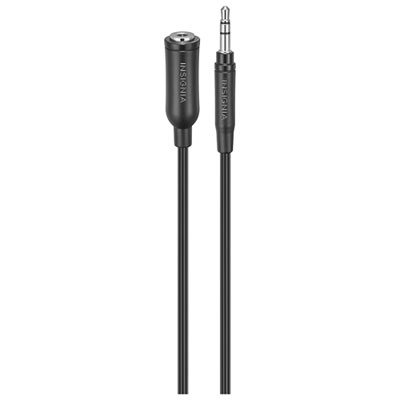 Your price for this item is $9.99
-
 Your price for this item is $17.5
Discover more categories related to Speaker Cables

Top Collections:
Pokemon Centers, Kindle Devices, Best Budget Office Chairs, Canon G7X Cameras, Apple iPhones 16, Samsung Galaxy Phones, Refurbished Apple Laptops, Laptops for Students, iPhone 15 Apple, Budget Smartphones
Some products may be subject to Environmental Handling Fees
(EHF) depending on your province.
Learn more about EHFs.