Speaker Cables 1 4
Speaker Cable 1 4 options are essential for anyone looking to achieve reliable audio connections in their setup. Whether you're outfitting a home studio, live performance space, or entertainment system, these cables provide the link you need between your speakers and audio equipment. With a range of lengths and designs available, it's easy to find the right fit for your sound needs. Explore the selection of Speaker Cable 1 4 solutions to help ensure clear, consistent audio performance for every occasion.
Sort


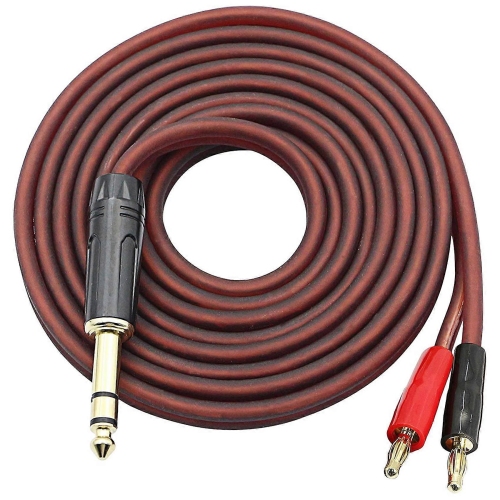
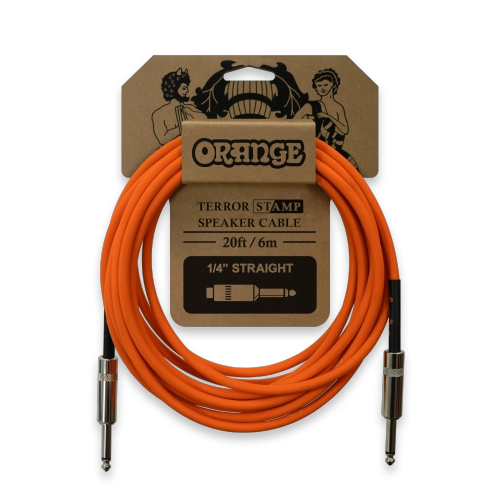
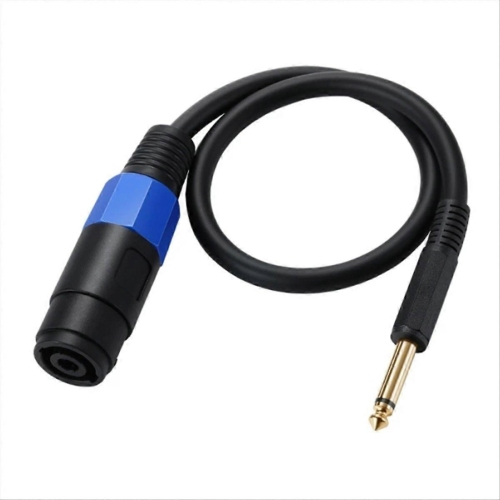


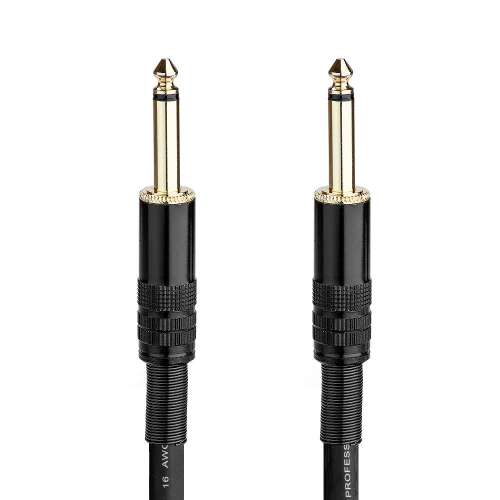






Why matching plugs do not guarantee compatible connections
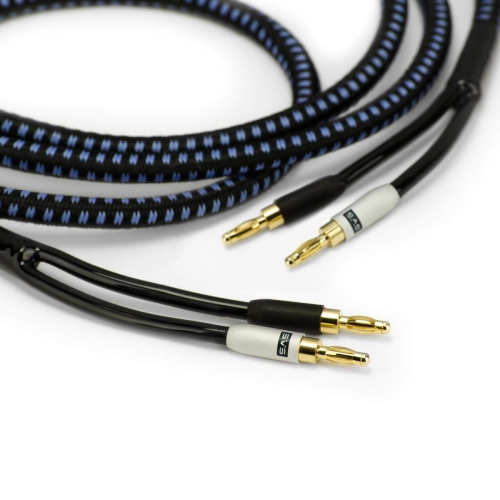
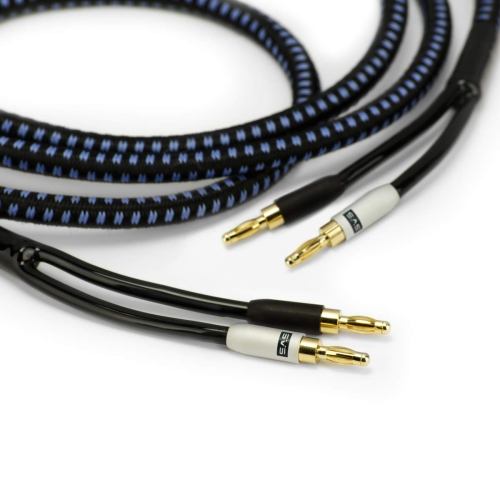
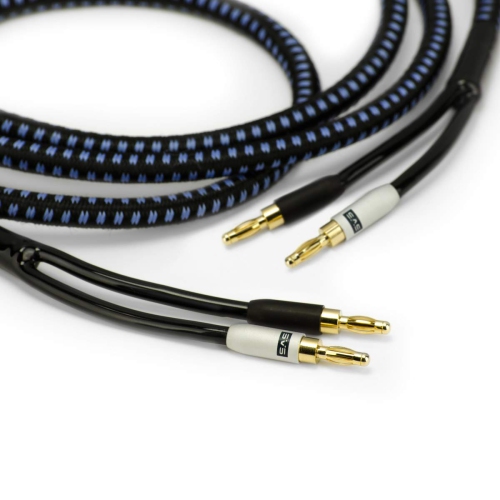
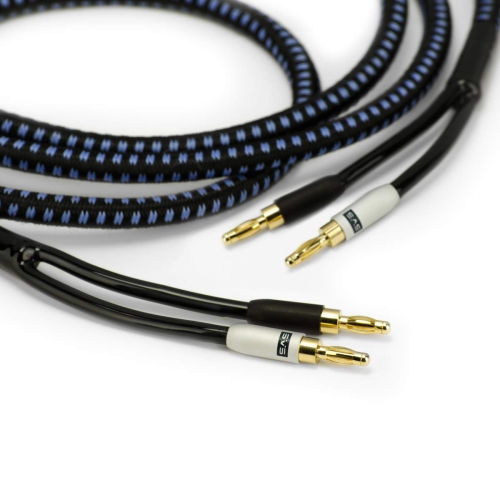
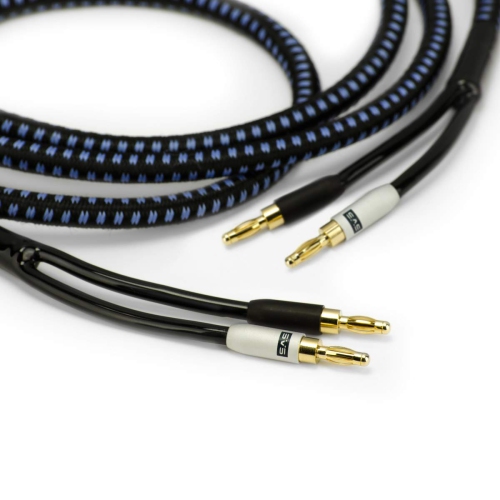
1/4-inch speaker cables connect a compatible amplifier to a passive speaker, carrying the amplified audio signal that drives the speaker. They are used with equipment such as guitar amplifier heads and cabinets, powered mixers, and some passive PA speakers. For a guitarist setting an amplifier head on top of a cabinet, a short cable can keep the connection tidy without leaving a large coil behind the equipment. A rehearsal space or small performance setup may need a longer run between a powered mixer and a speaker positioned across the room. In either case, the important distinction is that a speaker cable carries amplifier output, not the low-level signal travelling from a guitar to an amplifier input. Although both cables can have familiar 1/4-inch plugs, they are built for different jobs. A typical instrument cable has a shielded construction designed for low-level signals, while a conventional speaker cable uses two insulated conductors sized to carry the higher current between an amplifier and a passive speaker. Substituting an instrument cable for a speaker cable can cause excessive resistance, overheating, poor performance, and possible equipment damage. The connector alone does not identify the cable’s purpose: a 1/4-inch plug can appear on speaker, instrument, and balanced audio cables. Many speaker connections use TS plugs, identified by a single insulating ring, but the equipment’s connection requirements and the cable’s stated function remain the deciding factors. A passive speaker needs an external amplifier, whereas a powered speaker has amplification built in and generally receives a line-level signal through an appropriate input. An amplifier’s speaker output should never be connected to an ordinary line-level input. Clear labelling on the cable and equipment helps distinguish these connections, especially when several similar-looking leads share a rehearsal bag. Matching the correct cable type to the designated output and input matters more than simply finding two plugs that fit.
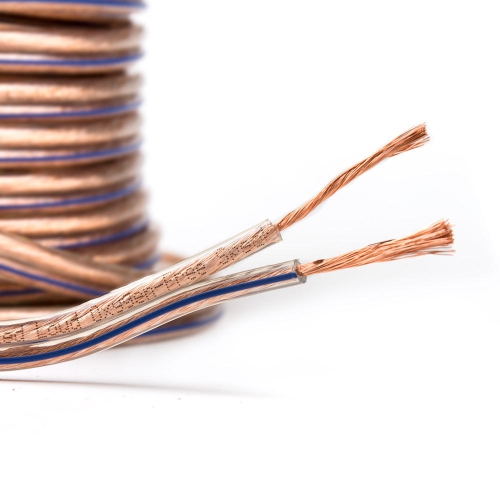
Construction, conductor thickness, and length all affect how well a speaker cable suits a particular setup. Wire gauge describes conductor size, with a lower American Wire Gauge number indicating a thicker conductor. For example, 14 AWG wire is thicker than 16 AWG wire. Both sizes are used in speaker cabling, but neither is a universal choice for every amplifier, speaker, and distance. Longer runs introduce more resistance, and lower-impedance speaker loads can make that resistance more significant. Suitable conductor sizing helps limit power loss and unwanted voltage drop between the amplifier and speaker. Equipment documentation is the best reference for the required cable specification, particularly with higher-output systems or unusual connection arrangements. A cable does not make an incompatible speaker load safe for an amplifier, and a thicker cable cannot correct an impedance mismatch. Conductor material also matters: copper is widely used for its conductivity, while copper-clad aluminium has different electrical characteristics and should not be assumed equivalent to an all-copper conductor of the same stated gauge. Stranded conductors provide the flexibility useful for cables that are repeatedly packed, carried, and laid out. The outer jacket protects the insulated wires from ordinary handling and abrasion, but its feel and thickness do not reveal the conductor size inside. A flexible jacket is easier to route around a cabinet or through a crowded equipment area, while sturdy connector housings and effective strain relief help protect the points where the cable enters each plug. Those junctions receive considerable stress when equipment is moved or cables are packed after practice. Length is another practical consideration: enough slack allows equipment to be positioned comfortably without pulling sideways on a jack, while unnecessary excess creates more cable to manage. A connection between stacked components may need very little reach; speakers positioned away from an amplifier require a route that accounts for furniture, stands, and safe walking space. The most useful length follows that actual route rather than just the straight-line distance between the two sockets.
Day-to-day usability often comes down to details that become obvious only once equipment is in place. A straight plug needs clearance behind a cabinet or amplifier, particularly when the equipment sits close to a wall. A right-angle plug can reduce the space needed in some layouts, provided its housing fits without obstructing another connection or putting pressure on the socket. Where the two pieces of equipment use different connector formats, the cable must be designed and wired for the intended speaker-level connection; a simple adapter does not turn an instrument lead into a speaker cable. The wider category of 1 4 Inch Cables includes connections for different audio tasks, so the stated application is essential when matching a cable to a setup. Musicians, rehearsal-space operators, and people assembling a passive PA system benefit from cables that are easy to identify, comfortably long enough, and durable enough for their handling routine. For a musician receiving one as a gift, confirmed connector types, required gauge, and useful length make the choice more personal than appearance alone. Once in use, thoughtful routing helps protect both the cable and the connected equipment. A lead stretched tightly between a cabinet and amplifier can place stress on the jacks, while a loose loop across a walkway can catch a foot or equipment case. Cable covers can help protect necessary crossings. Powering down the amplifier before connecting or disconnecting speaker cables helps avoid accidental shorts and interruptions at the output. Between uses, loose coils, a soft cable tie, and storage away from heavy objects help prevent sharp bends and crushed sections. Pulling on the connector housing rather than the cable reduces strain at the termination. Regular checks for cuts, loose plugs, exposed wire, or intermittent sound can reveal wear before it disrupts a practice session or performance. A well-matched speaker cable provides a dependable connection without getting in the way of playing, positioning equipment, or packing up.
Top selling and popular products
-
 Your price for this item is $35
-
 Your price for this item is $35
-
 Your price for this item is $62.68
-
 Your price for this item is $18.99
-
 Your price for this item is $38.37
-
 Your price for this item is $39.99
-
 Your price for this item is $89.99
-
 Your price for this item is $38
Discover more categories related to Speaker Cables 1 4

Top Collections:
Pokemon Centers, Best Cameras for Sports Photography, Kindle Devices, Samsung Galaxy Phones, Canon G7X Cameras, Pokémon 30th Celebration Cards, Refurbished Apple Laptops, iPhone 15 Apple, Laptops for Students, Budget Smartphones
Some products may be subject to Environmental Handling Fees
(EHF) depending on your province.
Learn more about EHFs.