Speaker Cables for Home Theater
Enhance your home theater experience with top-quality speaker cables designed to deliver unparalleled audio performance. These essential accessories are the backbone of any immersive sound system, ensuring crystal-clear sound reproduction and seamless connectivity between your speakers and audio components. Whether you're a seasoned audiophile or a casual movie enthusiast, our collection of speaker cables is carefully selected to meet the demands of every home theater setup. Explore our wide range of options and find the perfect cable that will elevate your audio setup to new heights.
Sort


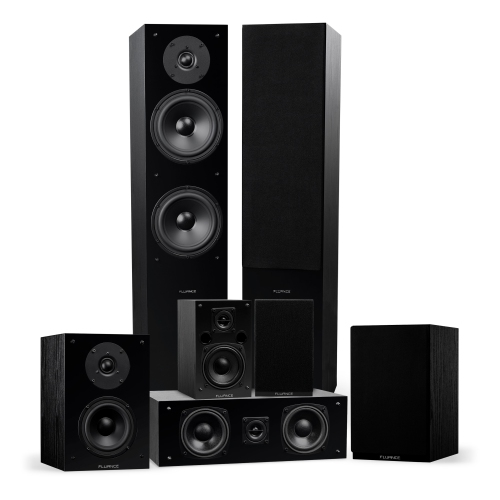
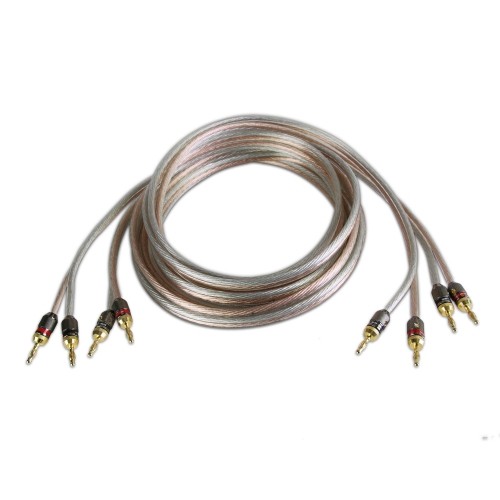
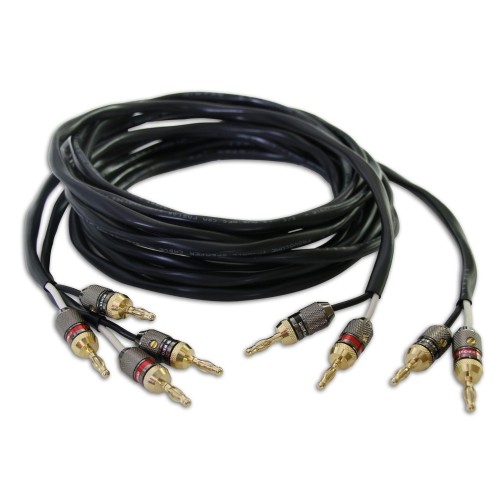
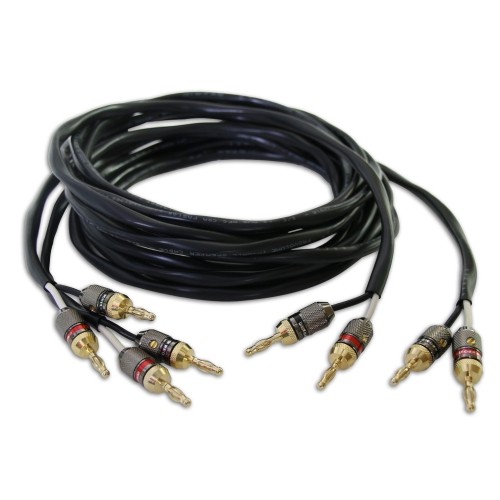
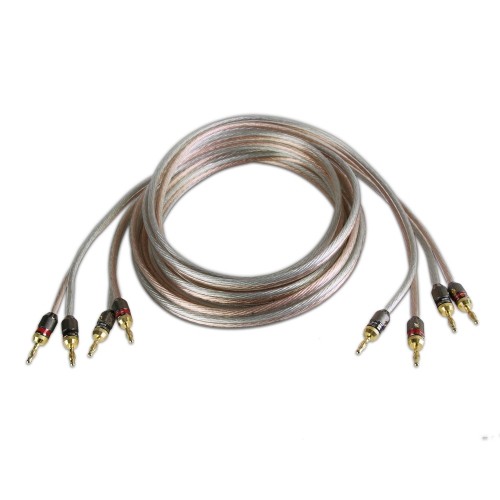
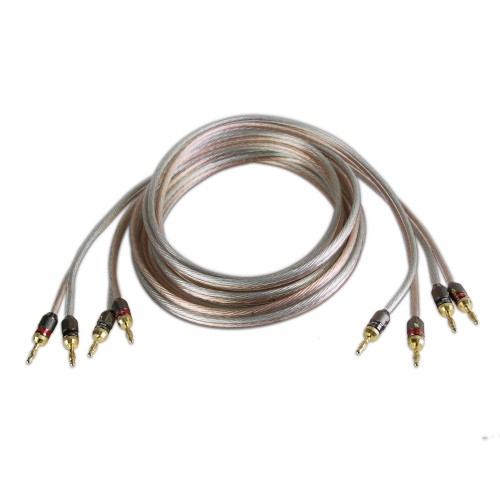
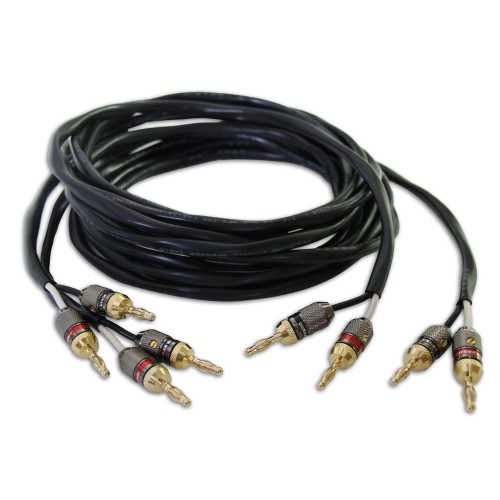
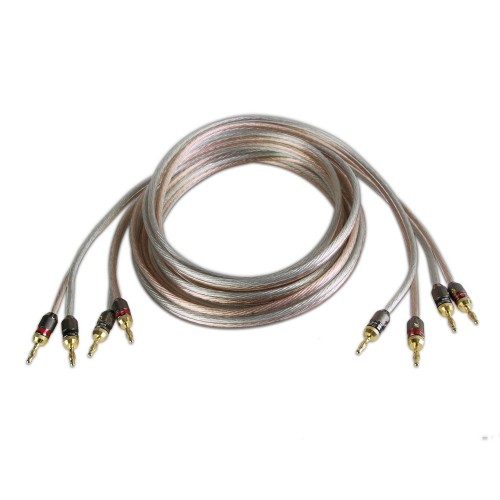

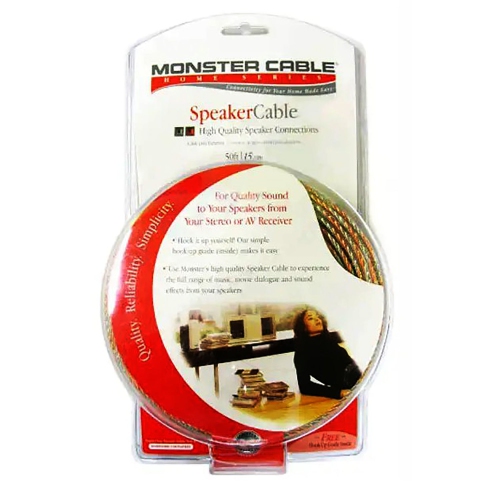
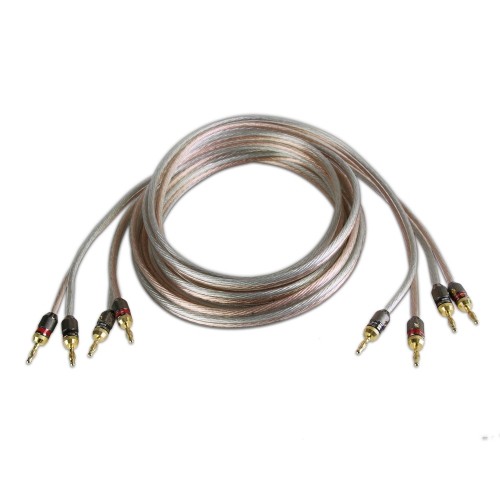
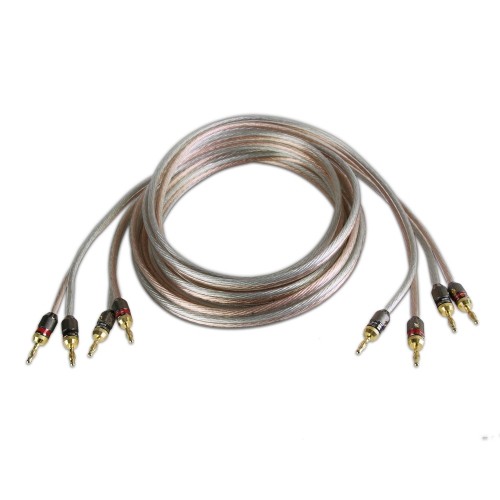
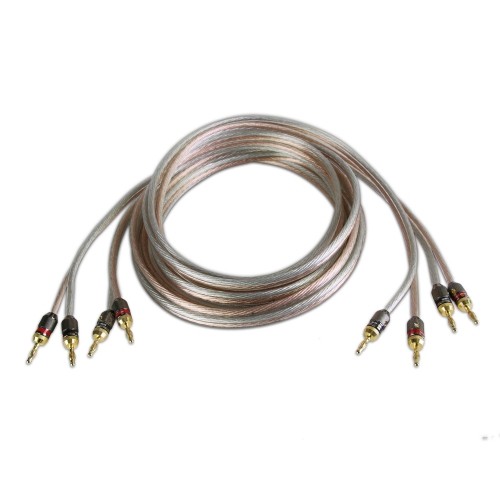
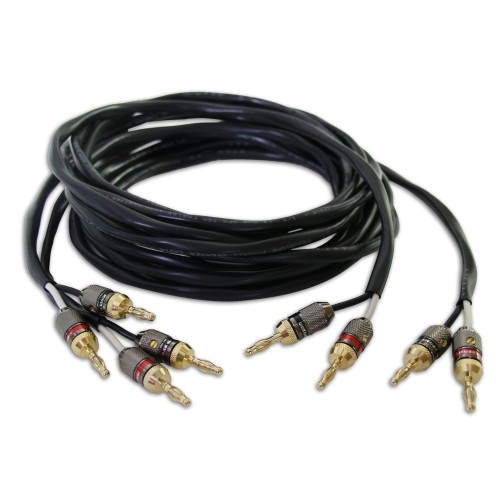
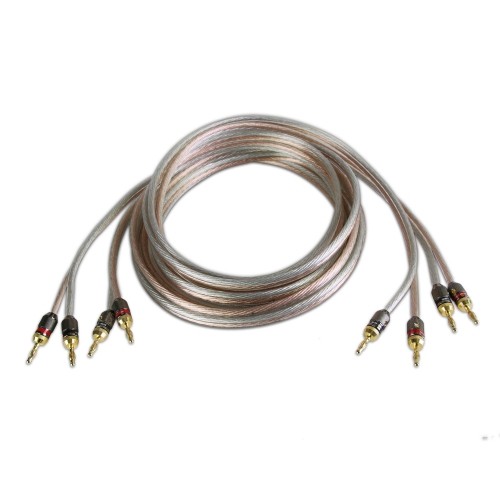
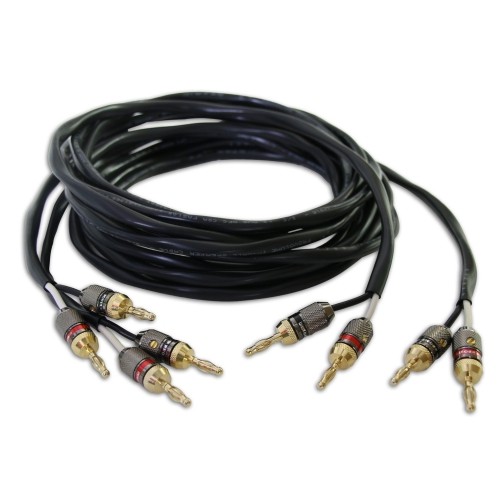
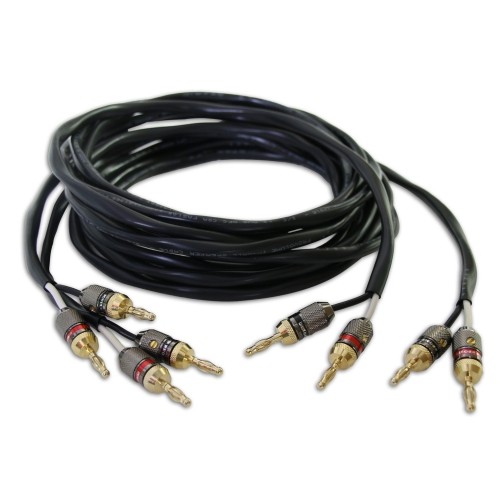
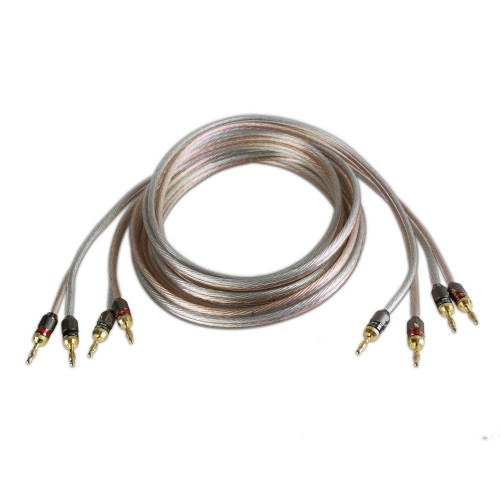
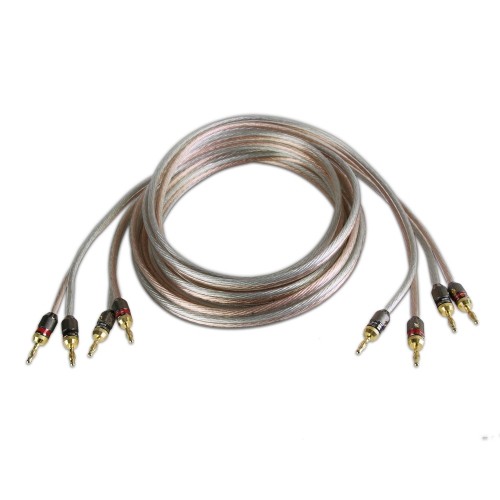
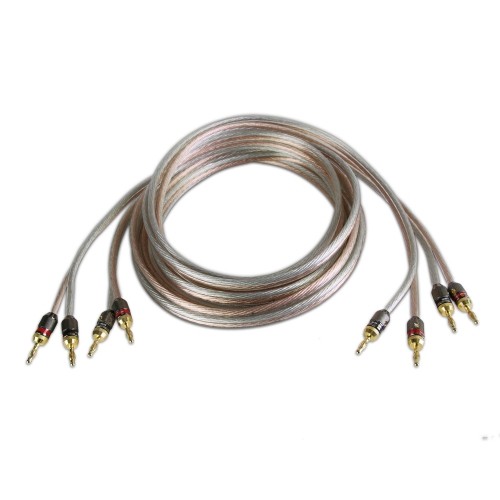
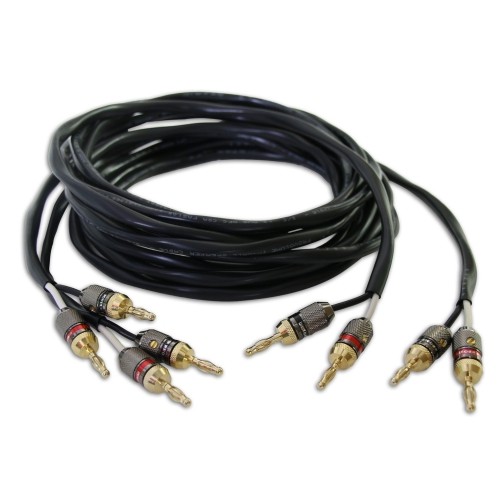
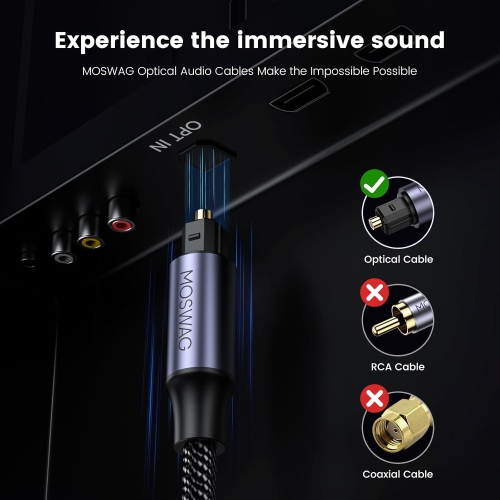
From wire gauge to routing, reliable speaker connections matter
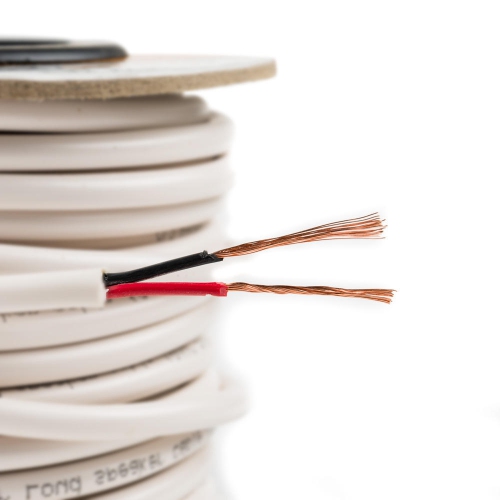
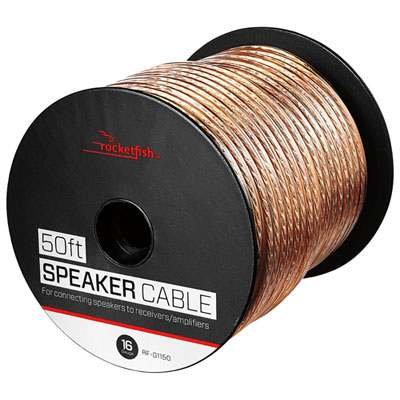
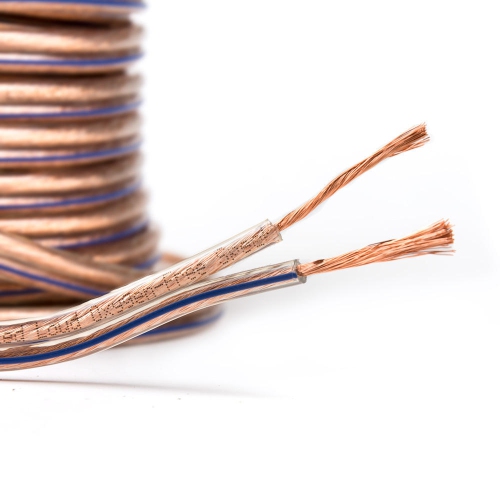
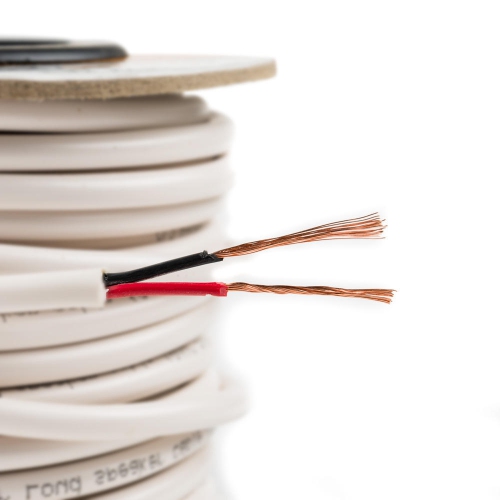
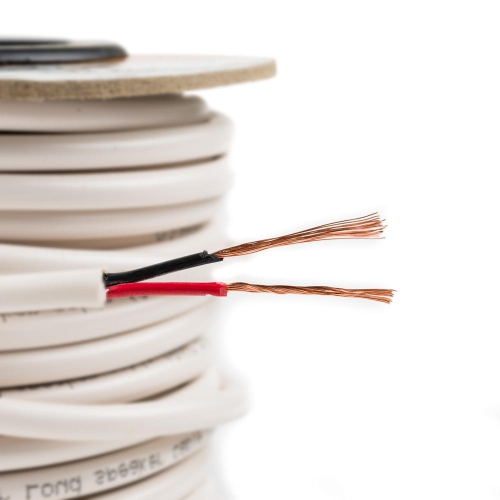
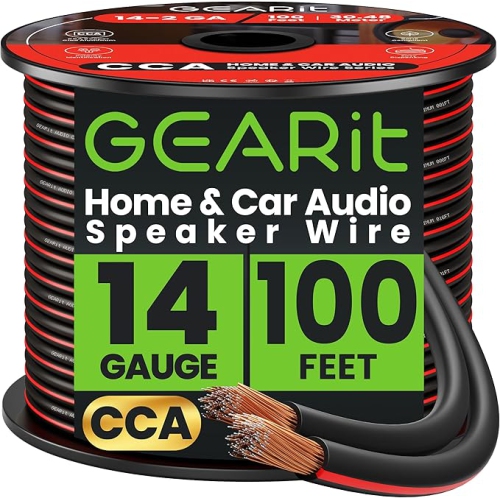
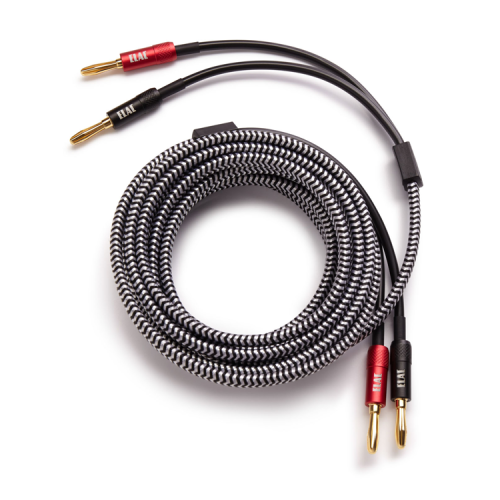
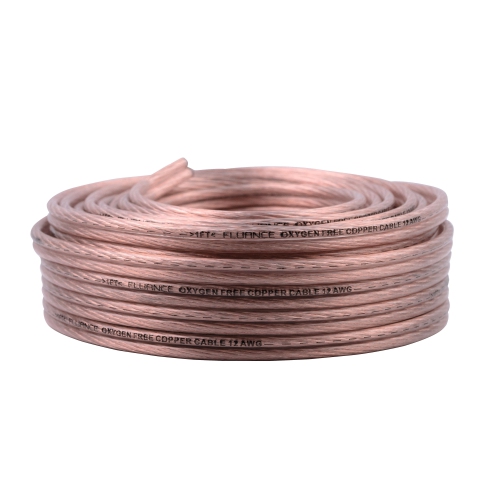
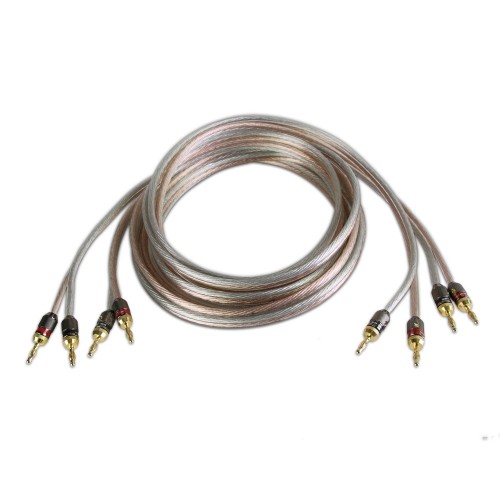
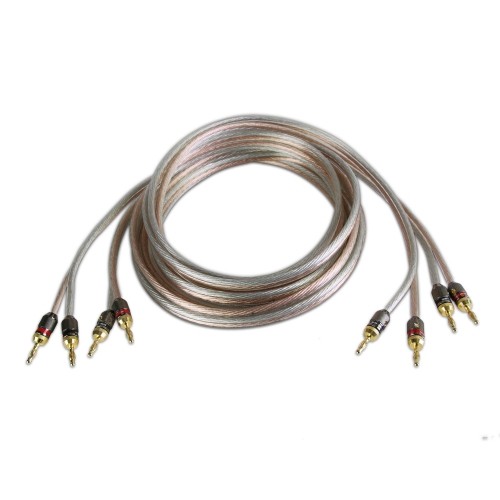
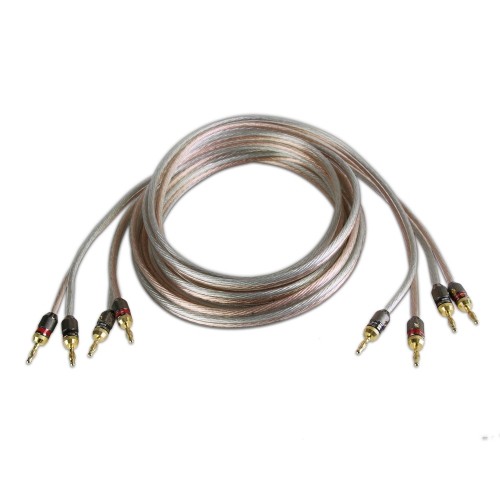
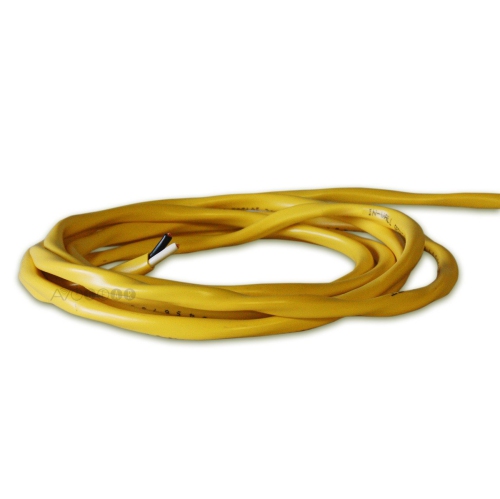
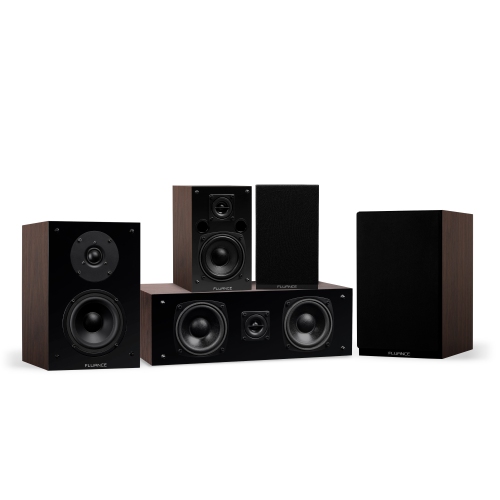
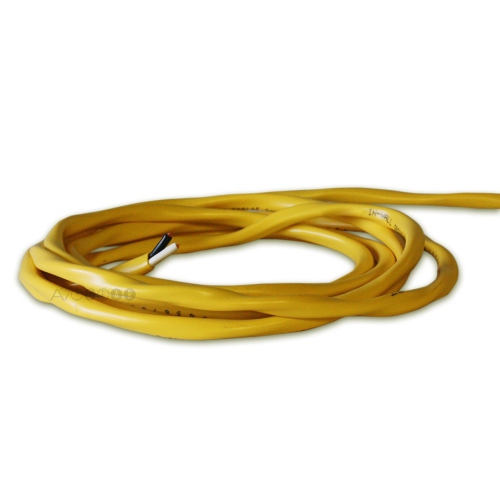
Speaker cables for home theater provide the connection between an AV receiver, amplifier, and passive speakers, carrying the audio signal that brings films, sports, music, and games to life. Although speaker wire can look simple, choosing the right cable makes installation easier and helps your system perform reliably. The most important details are wire gauge, cable length, conductor material, jacket construction, and how the cable will be routed through the room. A 16-gauge cable is a practical choice for many standard home theater installations with runs under 50 feet, while 14-gauge wire offers lower resistance over longer distances, with high-power amplifiers, or with speakers that have lower impedance. For very long runs or demanding setups, a thicker gauge may be appropriate. Measure the route from the receiver or amplifier to each speaker rather than measuring in a straight line across the room, and add enough extra length to make gentle bends and allow room for repositioning equipment. A little extra cable behind a cabinet or beside a wall-mounted speaker is useful; a cable cut too short can be difficult to replace once furniture and components are in place. For additional options, browse Speaker Wires to compare cables suited to different room layouts and installation needs. Conductor material is another consideration. Oxygen-free copper, often called OFC, is widely selected for its conductivity and dependable performance. Copper-clad aluminium, or CCA, can be lighter and less expensive, but it has higher resistance than copper and may require a thicker gauge for an equivalent run. For a home theater that will be used regularly, a well-made copper cable with a clearly marked polarity indicator is a sensible foundation.
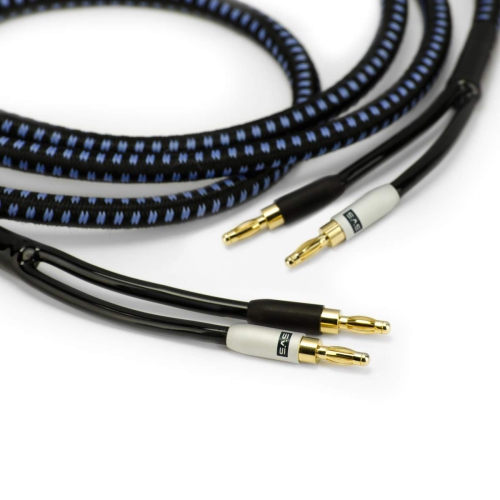
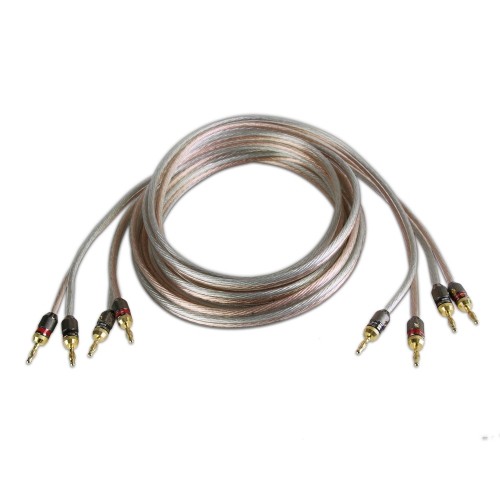
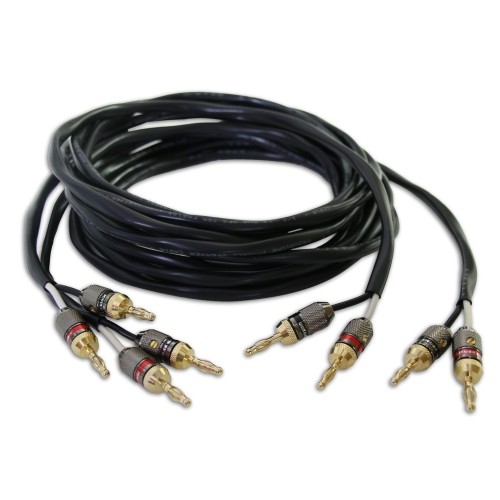
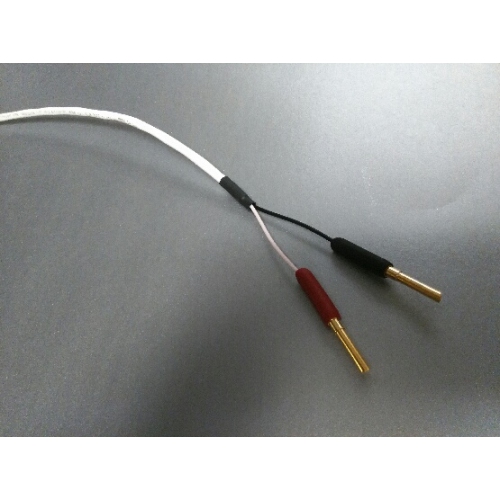
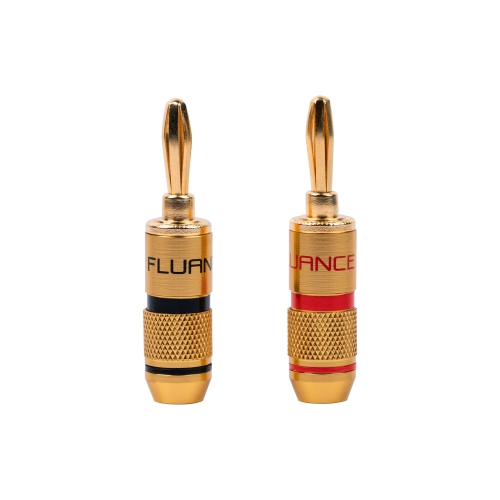
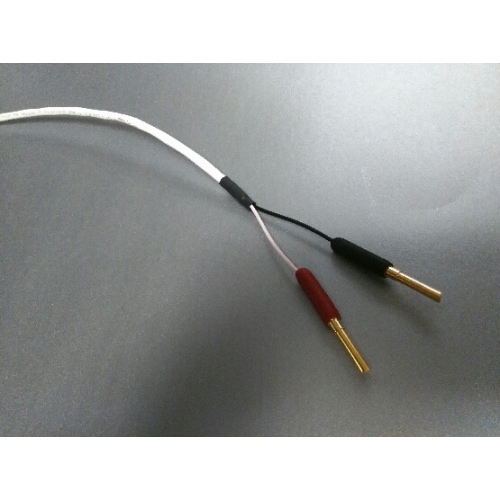
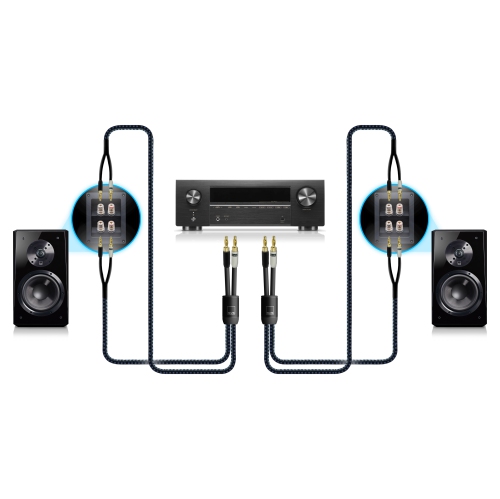
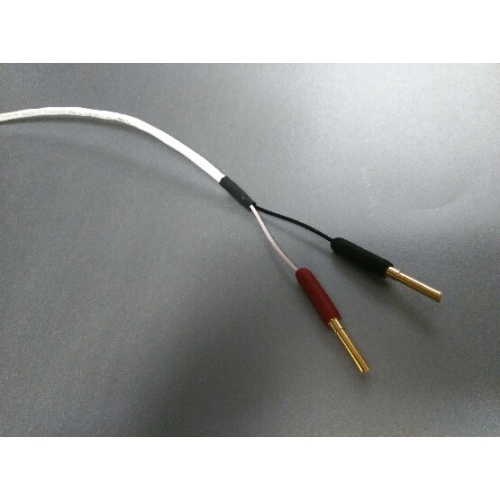
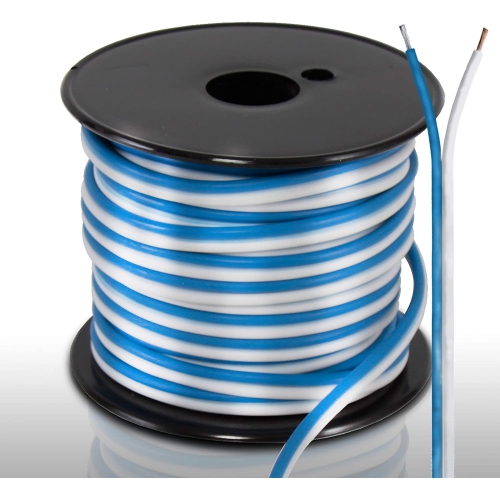
Before connecting speaker cables, plan the layout around the listening position, display, furniture, doors, heating vents, and areas where people walk. A typical surround sound arrangement may require separate runs to the front left and right speakers, a centre speaker, side or rear speakers, and sometimes additional height or surround channels. Keep the left and right cable runs as similar in length as practical, although small differences in length are not normally a concern in a home setting. Strip only the amount of insulation needed for the terminal, and twist the exposed strands neatly so none are left loose to touch another terminal. Speaker wire usually has one conductor marked by a stripe, ridge, printed text, or a different colour. Use that marking consistently for the positive connection at both ends, then connect the other conductor to the negative terminal. Maintaining this positive-to-positive and negative-to-negative arrangement keeps the speakers in phase, helping bass sound fuller and keeping voices and effects properly centred. Banana plugs can make repeated connections faster and provide a tidy fit with compatible binding-post terminals, while bare wire may be suitable for terminals designed to accept it. Confirm that the connector type matches the terminals on your receiver and speakers before beginning. When routing cable along a baseboard or behind furniture, leave it clear of sharp edges and avoid pinching it under heavy furniture. Cable clips, raceways, and low-profile channels can help create a cleaner appearance while reducing the chance of a loose wire becoming a trip hazard. If the cable must cross an area people regularly walk through, route it around the edge of the room whenever possible and use suitable floor protection rather than leaving it exposed.
In-wall installations require additional care because ordinary speaker cable is not automatically suitable for use behind drywall. Look for a cable with the appropriate fire-safety rating, such as CL2 or CL3, when local requirements and the installation location call for it. Check applicable building and electrical rules before running cable through walls or ceilings, and consult a qualified installer for permanent wiring, complex renovations, or routes near electrical wiring, plumbing, insulation, or other concealed services. Avoid placing speaker cable parallel and directly alongside power cables for long distances, as separation can help reduce the possibility of interference and makes the installation easier to service. Label both ends of every run before closing a wall or moving equipment into position. A small label identifying “front left,” “centre,” “surround right,” or another channel can save considerable time later, particularly when several identical cables come together behind an AV receiver. It is also worth checking the speaker and amplifier specifications before choosing a gauge, since power output, speaker impedance, cable length, and listening level work together. Use enough cable for the complete installation, including a little allowance for routing and future adjustments, and avoid relying on tightly stretched runs. Speaker cables can be a thoughtful gift for someone setting up a new entertainment room, adding surround sound, replacing worn or damaged wiring, or moving a system into a larger space. They are equally useful for a family room refresh during the cooler months, when movie nights and game sessions often become a regular part of time spent indoors. With the correct gauge, suitable conductor material, compatible connectors, clear polarity markings, and careful routing, speaker cables help create a neat, dependable connection between home theater components and the speakers that fill the room with sound.
Before connecting speaker cables, plan the layout around the listening position, display, furniture, doors, heating vents, and areas where people walk. A typical surround sound arrangement may require separate runs to the front left and right speakers, a centre speaker, side or rear speakers, and sometimes additional height or surround channels. Keep the left and right cable runs as similar in length as practical, although small differences in length are not normally a concern in a home setting. Strip only the amount of insulation needed for the terminal, and twist the exposed strands neatly so none are left loose to touch another terminal. Speaker wire usually has one conductor marked by a stripe, ridge, printed text, or a different colour. Use that marking consistently for the positive connection at both ends, then connect the other conductor to the negative terminal. Maintaining this positive-to-positive and negative-to-negative arrangement keeps the speakers in phase, helping bass sound fuller and keeping voices and effects properly centred. Banana plugs can make repeated connections faster and provide a tidy fit with compatible binding-post terminals, while bare wire may be suitable for terminals designed to accept it. Confirm that the connector type matches the terminals on your receiver and speakers before beginning. When routing cable along a baseboard or behind furniture, leave it clear of sharp edges and avoid pinching it under heavy furniture. Cable clips, raceways, and low-profile channels can help create a cleaner appearance while reducing the chance of a loose wire becoming a trip hazard. If the cable must cross an area people regularly walk through, route it around the edge of the room whenever possible and use suitable floor protection rather than leaving it exposed.
In-wall installations require additional care because ordinary speaker cable is not automatically suitable for use behind drywall. Look for a cable with the appropriate fire-safety rating, such as CL2 or CL3, when local requirements and the installation location call for it. Check applicable building and electrical rules before running cable through walls or ceilings, and consult a qualified installer for permanent wiring, complex renovations, or routes near electrical wiring, plumbing, insulation, or other concealed services. Avoid placing speaker cable parallel and directly alongside power cables for long distances, as separation can help reduce the possibility of interference and makes the installation easier to service. Label both ends of every run before closing a wall or moving equipment into position. A small label identifying “front left,” “centre,” “surround right,” or another channel can save considerable time later, particularly when several identical cables come together behind an AV receiver. It is also worth checking the speaker and amplifier specifications before choosing a gauge, since power output, speaker impedance, cable length, and listening level work together. Use enough cable for the complete installation, including a little allowance for routing and future adjustments, and avoid relying on tightly stretched runs. Speaker cables can be a thoughtful gift for someone setting up a new entertainment room, adding surround sound, replacing worn or damaged wiring, or moving a system into a larger space. They are equally useful for a family room refresh during the cooler months, when movie nights and game sessions often become a regular part of time spent indoors. With the correct gauge, suitable conductor material, compatible connectors, clear polarity markings, and careful routing, speaker cables help create a neat, dependable connection between home theater components and the speakers that fill the room with sound.
Top selling and popular products
-
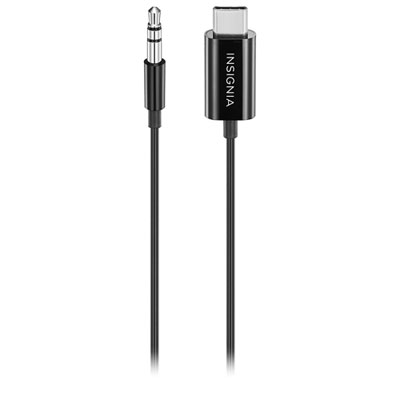 Your price for this item is $19.99
 -
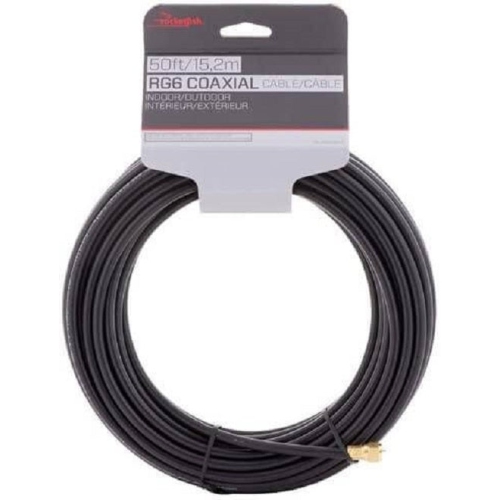 Your price for this item is $26.99
 -
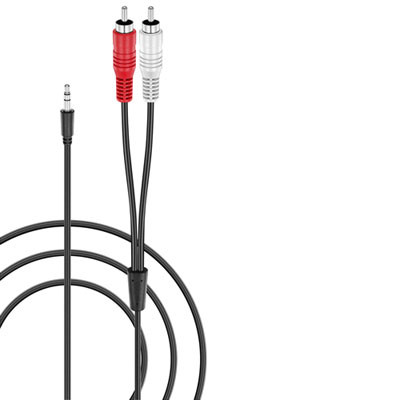 Your price for this item is $14.99
 -
 Your price for this item is $14.99
 -
 Your price for this item is $19.99
 -
 Your price for this item is $19.99
 -
 Your price for this item is $9.99
 -
 Your price for this item is $17.5
Discover more categories related to Speaker Cables for Home Theater
Top Collections:
Pokemon Centers, Kindle Devices, Best Budget Office Chairs, Apple iPhones 16, Best Laptops for Writers, iPhone 15 Apple, Canon G7X Cameras, Refurbished Apple Laptops, Alarm Clock, Motorola Razr Phones
Some products may be subject to Environmental Handling Fees
(EHF) depending on your province.
Learn more about EHFs.