Speaker Stands for Living Room
Speaker Stands For Living Room are the perfect addition to your home audio setup, offering a stylish and practical way to showcase your speakers. Designed to complement a variety of décor styles, these stands help you create an organized and inviting entertainment space. Whether you’re enhancing your movie nights or enjoying your favorite music, Speaker Stands For Living Room make it easy to find the ideal placement for optimal sound performance and room aesthetics. Explore a wide selection to discover options that fit seamlessly into your living room arrangement.
Sort







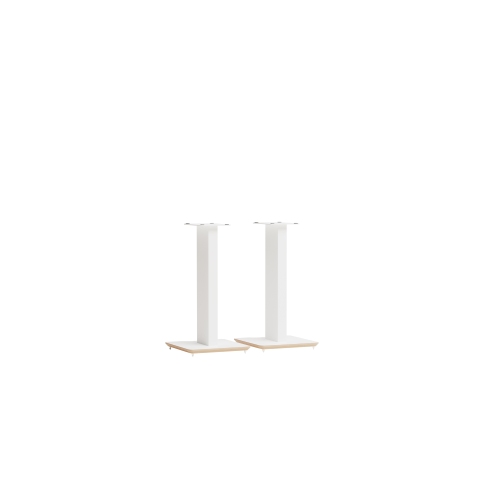


Better speaker placement without giving up shelf space
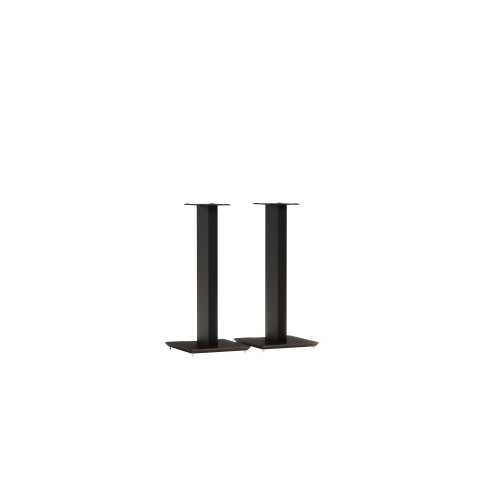
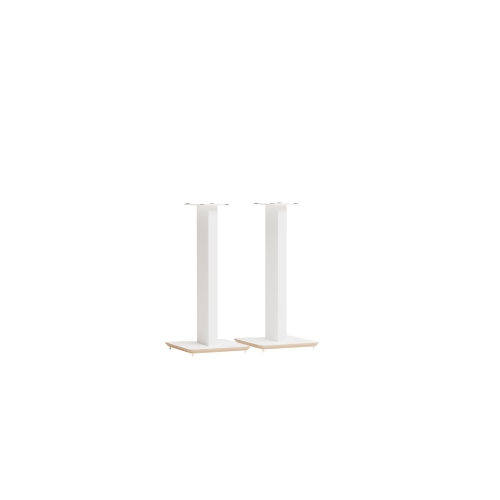
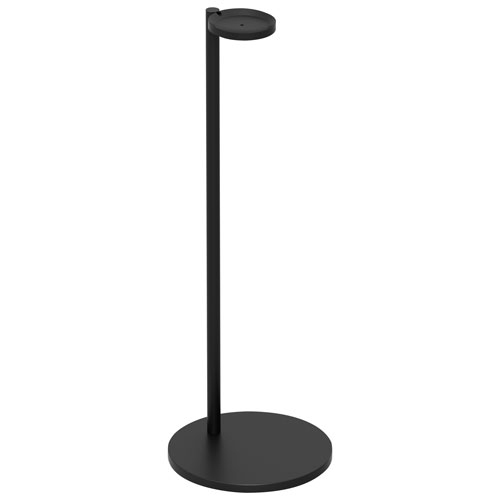
Speaker stands for a living room give compact speakers a dedicated place beside a television, near a media cabinet, or behind a sofa without taking up shelf space. Their main purpose is to support each speaker securely at a suitable listening height while allowing more flexibility in placement than a bookcase or entertainment unit. For many bookshelf speakers, a useful starting point is to position the tweeters—the small drivers that reproduce higher frequencies—close to ear level when seated, subject to the speaker manufacturer’s recommendations. The right stand height therefore depends on both the seating and the position of the tweeter within the speaker cabinet, not just the overall size of the room. Fixed-height stands offer a straightforward setup for a favourite listening spot, while height-adjustable stands provide flexibility for different sofas, chairs, and surround-speaker positions. In a stereo arrangement, a matching pair can help keep the left and right speakers at a consistent height and make balanced placement easier. In a home theatre setup, smaller stands can support compatible satellite speakers beside or behind the seating area, leaving side tables free for everyday use. A speaker placed inside a deep shelving unit may have limited clearance around its cabinet; a stand allows more room to adjust its distance from nearby surfaces. That freedom can help refine bass balance and the clarity of voices, although results depend on the speakers, the room, and the listening position. There is no single wall distance that suits every living room, especially when rear-facing ports, furniture, and walking routes all need consideration. Dedicated Bookshelf Speaker Stands are particularly relevant for listeners who want compact cabinet speakers positioned independently of their storage furniture. They suit music-focused spaces, shared television rooms, and multipurpose apartments where a carefully placed pair of speakers needs to work alongside daily life rather than dominate it.
Fit involves more than finding a top plate that looks large enough. A stand’s stated weight capacity should support the weight of the individual speaker it will carry, and its mounting method must suit that speaker’s construction. Some stands use a flat platform with pads beneath the cabinet; others secure compatible speakers through threaded inserts, brackets, or keyhole fittings. A stand described as universal may still have limits on mounting-hole position, cabinet depth, or the hardware it accepts. Bookshelf speakers with deeper cabinets also need a stable support arrangement that keeps their weight centred rather than hanging awkwardly beyond the platform. The base footprint matters just as much in a busy living room: a broad, well-balanced base can offer useful stability, but it still needs enough floor space to sit outside a walking route. Steel stands can provide rigidity and substantial weight, while aluminum designs may be lighter and easier to reposition. Wood and MDF constructions offer furniture-like finishes that can blend with a media console or shelving. Material alone does not determine performance or durability; secure joints, suitable dimensions, sound assembly, and the quality of the finish all play a part. Some hollow-column designs accept filling material specified by the manufacturer to add mass, but this is a feature to verify rather than assume. Floor contact is another practical distinction. Rubber or other non-marking feet may help protect hard flooring, although compatibility with the floor finish still matters. Spikes can provide firm contact through carpet when supplied for that purpose, but they can damage exposed wood, laminate, or tile unless suitable protective cups are used. Pads between a speaker and its platform may help prevent slipping or reduce some vibration transfer, depending on their design. No stand can remove every vibration or solve room acoustics on its own. The most useful combination is a secure speaker connection, an appropriate load rating, a stable base, and feet suited to the surface beneath it.
Appearance and everyday convenience often decide how comfortably speaker stands fit into a furnished living room. Slim columns can sit discreetly beside a low media cabinet, while wider platforms and heavier bases may look more proportionate beneath larger bookshelf speakers. Black, white, metallic, and wood-look finishes offer different ways to coordinate with furniture, speaker cabinets, and other visible equipment. A matte surface may make fingerprints less noticeable, while textured finishes and exposed joints can require a little more attention when dusting. Integrated cable channels help keep speaker wire close to the stand instead of trailing down the outside, creating a tidier view from the sofa and reducing loose cable around the base. Channel width and entry points matter, particularly when cables have connectors that must pass through a narrow opening. Powered speakers may need room for both a signal cable and a power cord, so a cable route that suits a passive speaker is not automatically suitable for every setup. Enough slack is needed for adjustments without pulling on terminals, but excess cable should stay clear of feet, doorways, and moving furniture. In homes with children or pets, placement away from busy routes and manufacturer-approved securing options deserve attention; a heavy base should never be treated as a guarantee against tipping. Routine care is generally simple: a soft, dry cloth removes dust, while any cleaner should be appropriate for the finish and kept away from speaker connections. Periodic checks of fasteners, adjustable collars, feet, and mounting hardware help identify looseness before it affects stability. Stands should be moved with the speakers removed unless the manufacturer explicitly permits otherwise, rather than dragged across the floor with the cabinets still attached. For someone setting up a first stereo system or giving an existing home theatre a more organized layout, well-matched stands can be a practical finishing touch. They can also make a thoughtful gift for an audio enthusiast when the speaker dimensions, weight, mounting requirements, and preferred listening height are known. The result is a setup that gives speakers purposeful positions while keeping the living room comfortable, usable, and visually balanced.
Top selling and popular products
-
 Your price for this item is $69.99
-
 Your price for this item is $259.99
-
 Your price for this item is $179.99
-
 Your price for this item is $379.99
-
 Your price for this item is $59.99
-
 Your price for this item is $259.99
-
 Your price for this item is $379.99
-
 Your price for this item is $179.99
Discover more categories related to Speaker Stands for Living Room

Top Collections:
Pokemon Centers, Best Cameras for Sports Photography, Kindle Devices, Samsung Galaxy Phones, Canon G7X Cameras, Pokémon 30th Celebration Cards, Refurbished Apple Laptops, iPhone 15 Apple, Laptops for Students, Budget Smartphones
Some products may be subject to Environmental Handling Fees
(EHF) depending on your province.
Learn more about EHFs.