Speaker Wire Adapters
Enhance your audio setup with our range of speaker wire adapters, designed to seamlessly connect your speakers and audio components for optimal sound quality. Whether you're setting up a home theater system or upgrading your existing audio configuration, these adapters are essential for ensuring compatibility and delivering crisp, clear audio. Explore our selection to find the perfect solution for your needs, whether you're dealing with different connector types or extending the reach of your speaker wires. With speaker wire adapters, achieving superior sound performance is just a connection away.
Sort
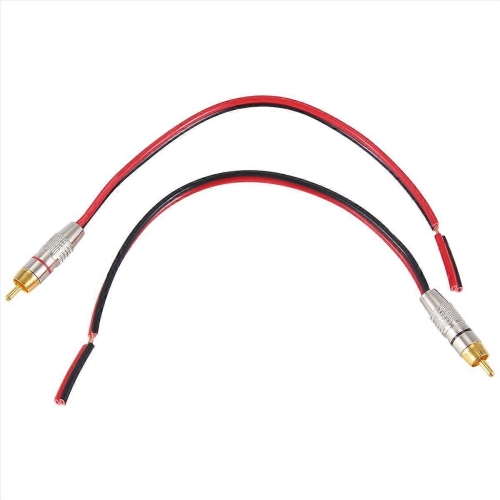
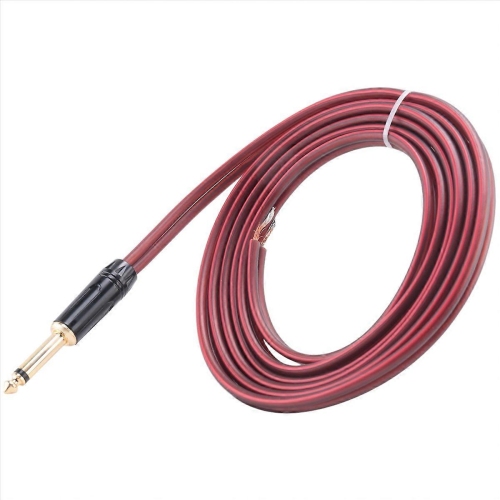
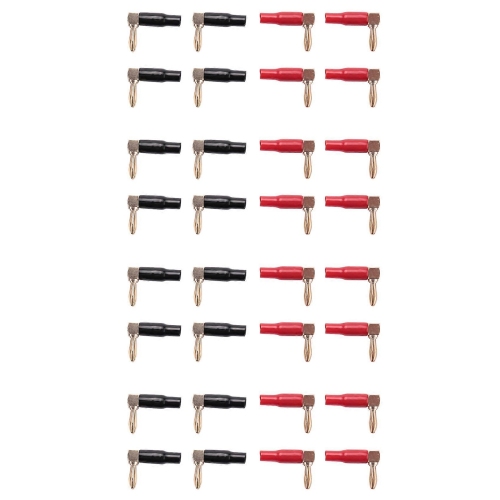
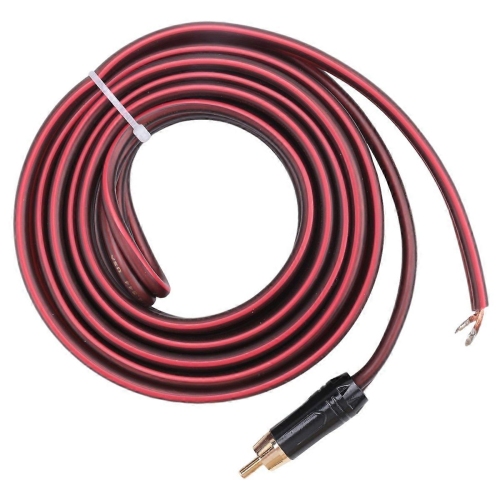
![SLOWMOOSE 16 PCs Total Hi-End Banana to Spade Adapter Plug/speaker Cable Connector [Wy-Yp01-8/spade De L/8]](https://multimedia.bbycastatic.ca/multimedia/products/500x500/201/20107/20107787.jpeg)
![SLOWMOOSE 16 PCs Total Hi-End Banana to Spade Adapter Plug/speaker Cable Connector [Wy-Yp01-8/spade De L/8]](https://multimedia.bbycastatic.ca/multimedia/products/500x500/201/20133/20133497.jpeg)
Connecting home and car audio systems with confidence
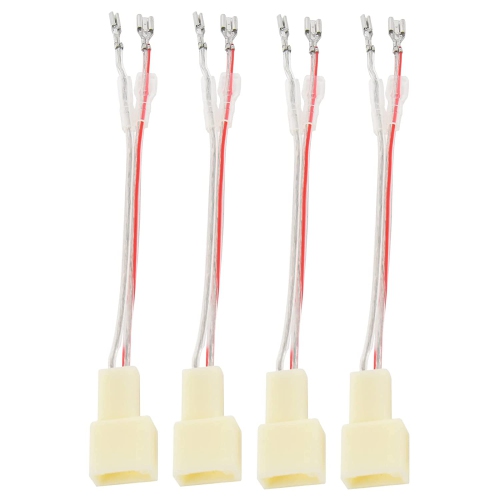
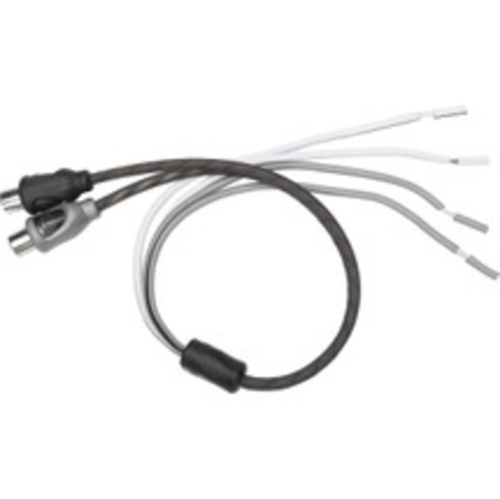
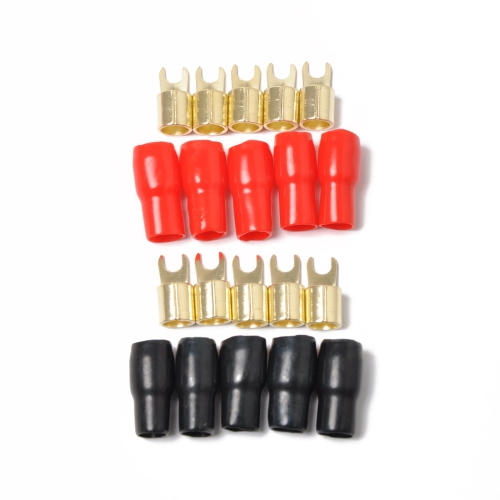
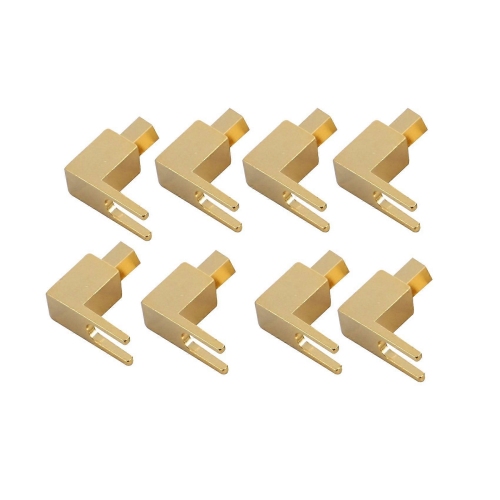
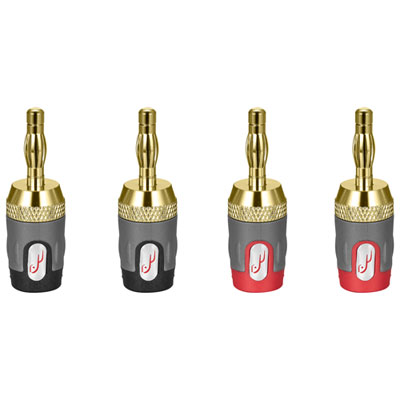
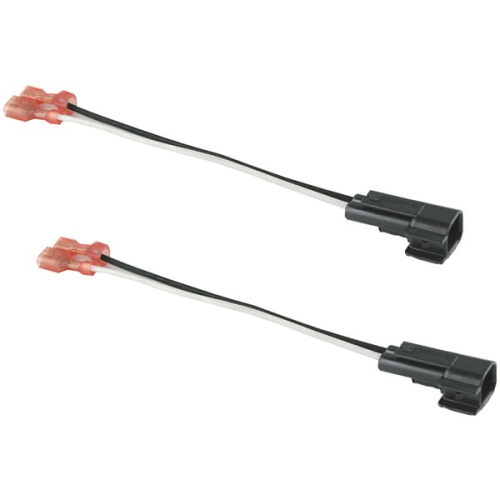
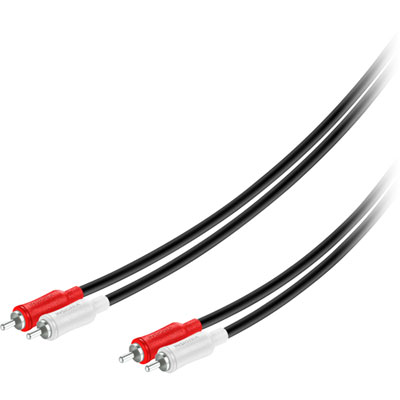
Speaker wire adapters help bridge the gap between different audio connections, making it easier to install, upgrade, or rearrange a sound system without replacing every component. They are commonly used when bare speaker wire needs to connect to a receiver, amplifier, speaker, subwoofer, or vehicle audio system with a different style of input. Depending on the design, an adapter may convert speaker wire to RCA connections, banana plugs, spade connectors, or a vehicle-specific wiring harness. Each type serves a different purpose, so matching the adapter to the equipment and signal path is essential. In a home audio setup, banana plugs and spade connectors provide a neat, secure way to terminate bare wire before connecting it to binding posts on a receiver or speaker. Banana plugs slide into compatible ports, while spade connectors fit around binding-post terminals and can be tightened into place. These connections can be especially helpful behind an entertainment unit where loose copper strands are difficult to handle, or when speakers are connected and disconnected more than once. A properly fitted connector keeps the wire tidy, reduces the chance of stray strands touching another terminal, and makes it easier to maintain consistent polarity from the positive terminal to the positive terminal and from the negative terminal to the negative terminal. For car audio installations, speaker wire to RCA adapters and related signal converters can help connect a factory stereo to an aftermarket amplifier. Factory head units often use speaker-level outputs rather than the low-level RCA outputs found on many amplifiers, so the right adapter must be designed to handle that signal type. Vehicle wiring harness adapters serve another role: they connect an aftermarket speaker or stereo to the vehicle’s existing plugs, helping preserve the factory wiring and simplifying removal or future upgrades. Shoppers looking for related vehicle connection accessories can also browse Wiring Adapters to find options suited to broader car audio installation needs.
Before choosing a speaker wire adapter, identify the equipment at both ends of the connection and confirm what kind of signal, terminal, and wire the adapter is intended to support. For home audio, check whether the receiver and speakers use binding posts, spring clips, RCA inputs, or another connection style. Binding posts generally accept banana plugs, spade connectors, or bare wire, but compatibility can vary, so the adapter’s plug dimensions and terminal design deserve attention. Consider the gauge of the speaker wire as well. A connector that is too small for the cable may be difficult to assemble and could create an unreliable connection, while one that is too large may not grip the conductor properly. Look for adapters that provide a firm fit, insulated housings, and clear markings for positive and negative polarity. If the cable will run behind furniture, through a cabinet, or near other equipment, a compact right-angle design may be easier to position than a straight connector. For car audio, confirm the vehicle’s make, model, year, factory connector style, and the location of the speakers or amplifier before ordering a harness. Some adapters are intended for speakers, while others are designed for stereos, amplifiers, subwoofers, or steering-wheel and accessory connections. A speaker-level to RCA adapter should be selected based on the amplifier’s input requirements, and it should not be confused with a simple physical plug converter that changes the shape of a connection without changing the signal. Installation also benefits from checking the system’s impedance and power specifications. The adapter itself does not make an incompatible speaker safe to use with an amplifier, and it cannot correct an amplifier that is being asked to deliver more power than the speaker can handle. When working with vehicle wiring, disconnecting the battery before beginning is a sensible precaution, and connections should be secured away from pedals, sharp metal edges, heat sources, and moving parts. For home systems, switch off and unplug the receiver or amplifier before attaching or removing speaker connections. These straightforward steps can help protect equipment and make troubleshooting easier if sound is missing from one channel or a connection becomes intermittent.
Speaker wire adapters are useful for people setting up a first stereo system, replacing older equipment, adding an amplifier, or cleaning up a collection of loose cables behind a television or audio cabinet. They can also be a practical gift for someone who enjoys building a listening room, restoring a classic vehicle, installing speakers in a recreational space, or experimenting with different receivers and amplifiers. A small set of connectors can make a thoughtful addition to a larger audio gift because it supports the hands-on part of the hobby without requiring knowledge of a particular music preference. For households that use speakers in more than one room, adapters can make seasonal rearranging or occasional entertainment setups less frustrating, whether the system is being connected in a living room during the cooler months or moved to a den for movie nights. They are also handy for renters, students, and anyone who wants a clean installation that can be adjusted later. The best choice depends on more than the appearance of the plug: consider the connection type, wire gauge, signal level, polarity markings, space available around the terminals, and whether the installation is for a home or vehicle. Some users prefer banana plugs for their quick-release convenience, while others choose spade connectors for the clamping security of a tightened binding post. In a car, a plug-and-play harness may be preferable when preserving the original connectors is important, whereas a signal adapter may be necessary when connecting a factory stereo to an amplifier with RCA inputs. Taking a few minutes to trace the signal path—from the source, through the receiver or amplifier, to the speaker—can prevent an adapter mismatch and help ensure that each component works as intended. With the right connection in place, speaker wire adapters can turn a confusing tangle of terminals and cables into a more orderly, dependable audio setup.
Before choosing a speaker wire adapter, identify the equipment at both ends of the connection and confirm what kind of signal, terminal, and wire the adapter is intended to support. For home audio, check whether the receiver and speakers use binding posts, spring clips, RCA inputs, or another connection style. Binding posts generally accept banana plugs, spade connectors, or bare wire, but compatibility can vary, so the adapter’s plug dimensions and terminal design deserve attention. Consider the gauge of the speaker wire as well. A connector that is too small for the cable may be difficult to assemble and could create an unreliable connection, while one that is too large may not grip the conductor properly. Look for adapters that provide a firm fit, insulated housings, and clear markings for positive and negative polarity. If the cable will run behind furniture, through a cabinet, or near other equipment, a compact right-angle design may be easier to position than a straight connector. For car audio, confirm the vehicle’s make, model, year, factory connector style, and the location of the speakers or amplifier before ordering a harness. Some adapters are intended for speakers, while others are designed for stereos, amplifiers, subwoofers, or steering-wheel and accessory connections. A speaker-level to RCA adapter should be selected based on the amplifier’s input requirements, and it should not be confused with a simple physical plug converter that changes the shape of a connection without changing the signal. Installation also benefits from checking the system’s impedance and power specifications. The adapter itself does not make an incompatible speaker safe to use with an amplifier, and it cannot correct an amplifier that is being asked to deliver more power than the speaker can handle. When working with vehicle wiring, disconnecting the battery before beginning is a sensible precaution, and connections should be secured away from pedals, sharp metal edges, heat sources, and moving parts. For home systems, switch off and unplug the receiver or amplifier before attaching or removing speaker connections. These straightforward steps can help protect equipment and make troubleshooting easier if sound is missing from one channel or a connection becomes intermittent.
Speaker wire adapters are useful for people setting up a first stereo system, replacing older equipment, adding an amplifier, or cleaning up a collection of loose cables behind a television or audio cabinet. They can also be a practical gift for someone who enjoys building a listening room, restoring a classic vehicle, installing speakers in a recreational space, or experimenting with different receivers and amplifiers. A small set of connectors can make a thoughtful addition to a larger audio gift because it supports the hands-on part of the hobby without requiring knowledge of a particular music preference. For households that use speakers in more than one room, adapters can make seasonal rearranging or occasional entertainment setups less frustrating, whether the system is being connected in a living room during the cooler months or moved to a den for movie nights. They are also handy for renters, students, and anyone who wants a clean installation that can be adjusted later. The best choice depends on more than the appearance of the plug: consider the connection type, wire gauge, signal level, polarity markings, space available around the terminals, and whether the installation is for a home or vehicle. Some users prefer banana plugs for their quick-release convenience, while others choose spade connectors for the clamping security of a tightened binding post. In a car, a plug-and-play harness may be preferable when preserving the original connectors is important, whereas a signal adapter may be necessary when connecting a factory stereo to an amplifier with RCA inputs. Taking a few minutes to trace the signal path—from the source, through the receiver or amplifier, to the speaker—can prevent an adapter mismatch and help ensure that each component works as intended. With the right connection in place, speaker wire adapters can turn a confusing tangle of terminals and cables into a more orderly, dependable audio setup.
Top selling and popular products
-
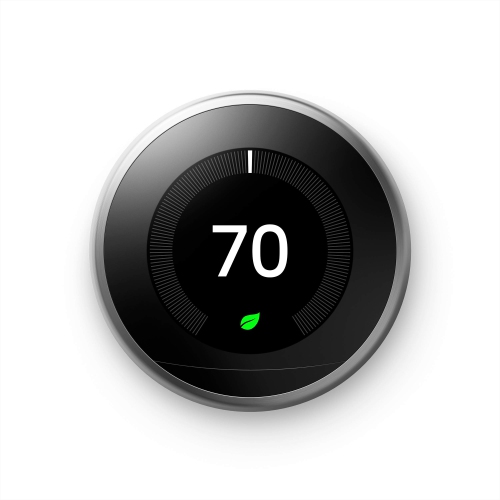 Your price for this item is $303.46
 -
 Your price for this item is $219.99
 -
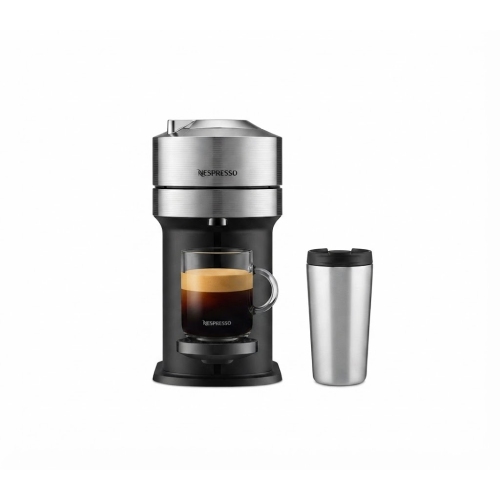 Your price for this item is $114.99
 -
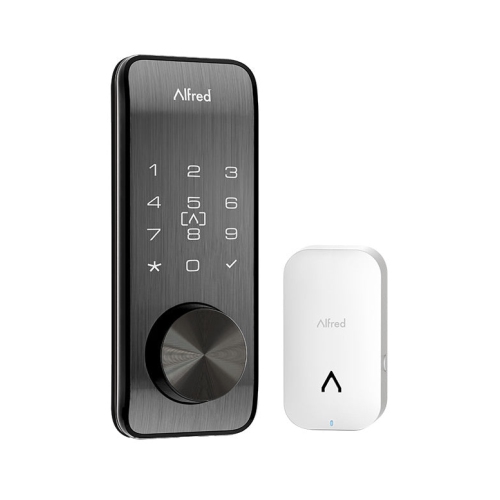 Your price for this item is $399.99
 -
 Your price for this item is $542.64
 -
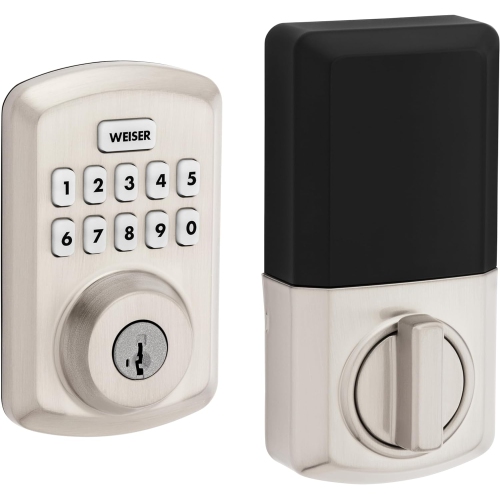 Your price for this item is $109.99
 -
 Your price for this item is $249
 -
 Your price for this item is $32.99
Discover more categories related to Speaker Wire Adapters
Top Collections:
Pokemon Centers, Best Cameras for Sports Photography, Kindle Devices, Samsung Galaxy Phones, Canon G7X Cameras, Pokémon 30th Celebration Cards, Refurbished Apple Laptops, iPhone 15 Apple, Laptops for Students, Budget Smartphones
Some products may be subject to Environmental Handling Fees
(EHF) depending on your province.
Learn more about EHFs.