Surge Protectors for Travel
Surge Protector for Travel is essential for keeping your devices powered and protected while you're on the go. Whether you're heading out for business or leisure, a reliable surge protector can help you stay connected and organized wherever your journey takes you. Explore a range of compact and travel-friendly options designed to fit easily into your luggage, so you can charge multiple devices with confidence at hotels, airports, or remote destinations. Find the right Surge Protector for Travel to ensure your electronics are ready whenever you need them.
Sort

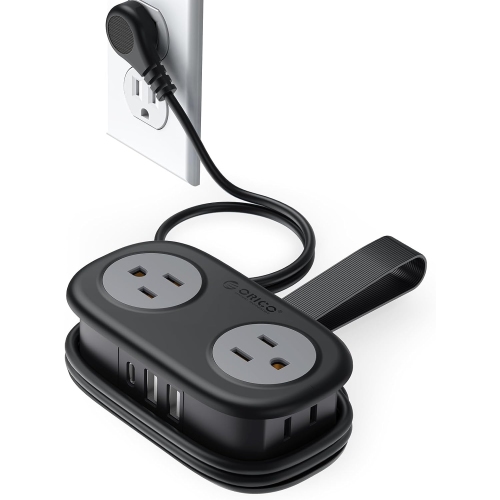
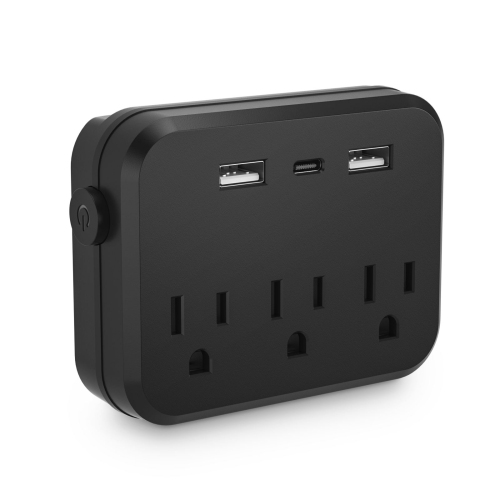
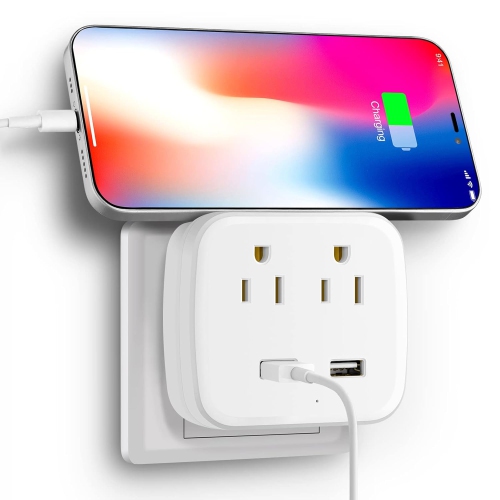
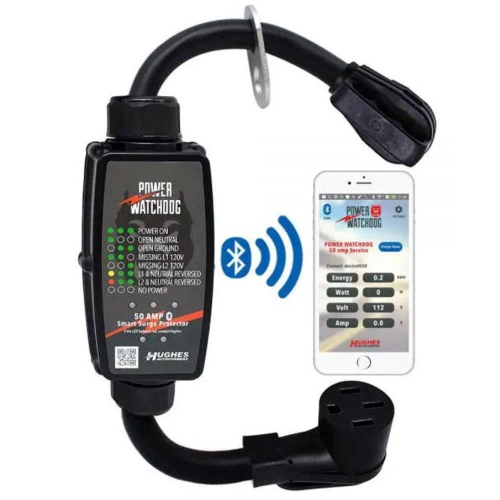


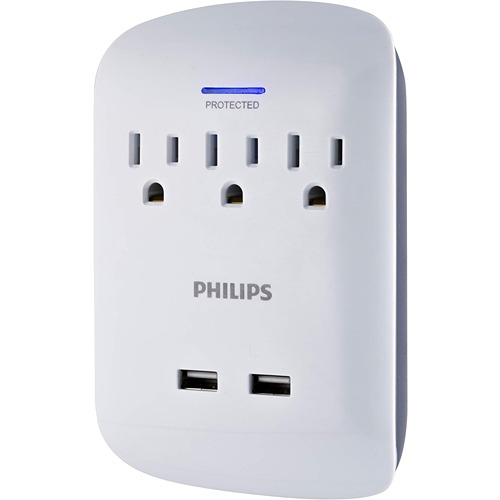


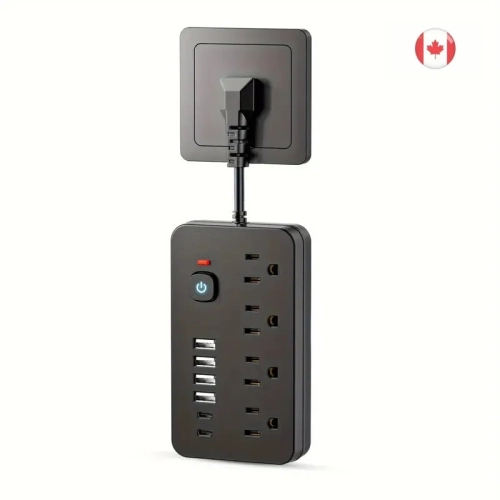
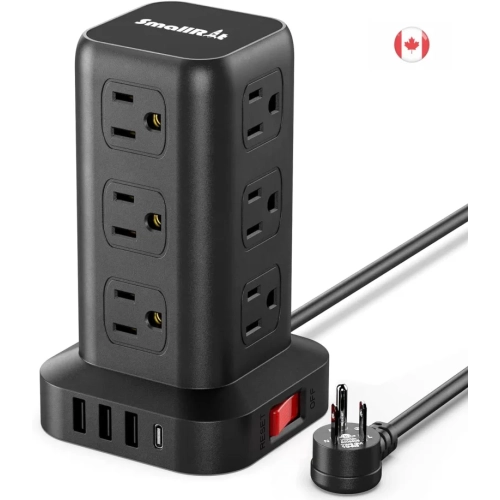


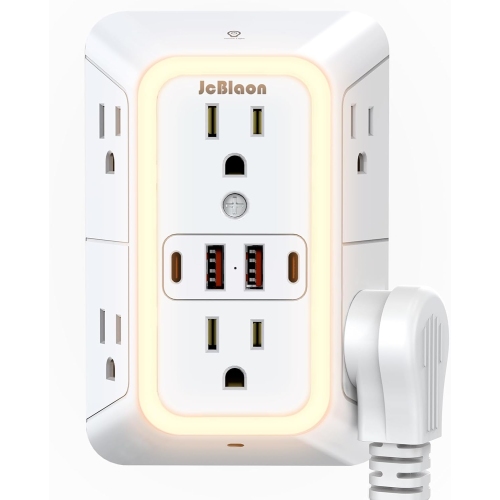

Extra outlets alone do not mean surge protection
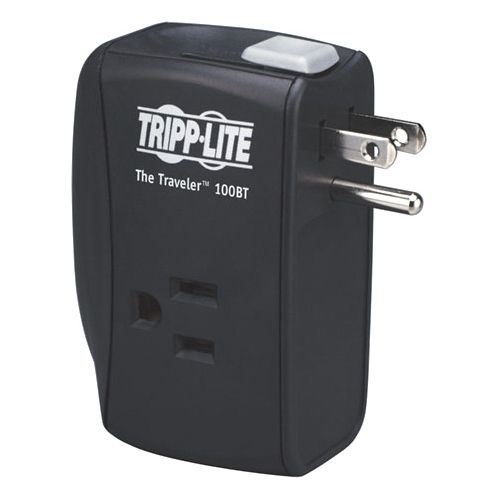
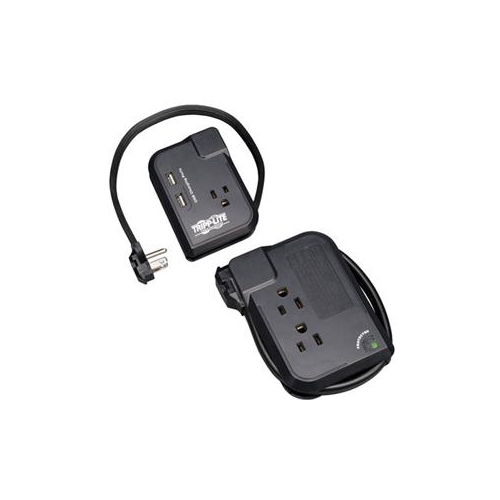
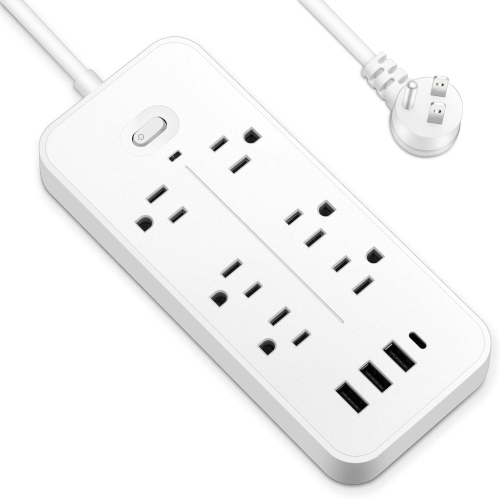
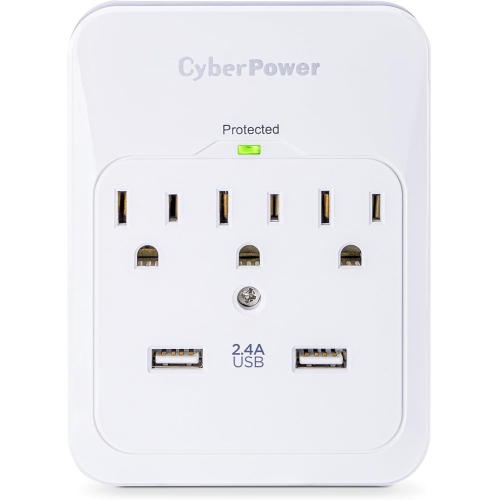
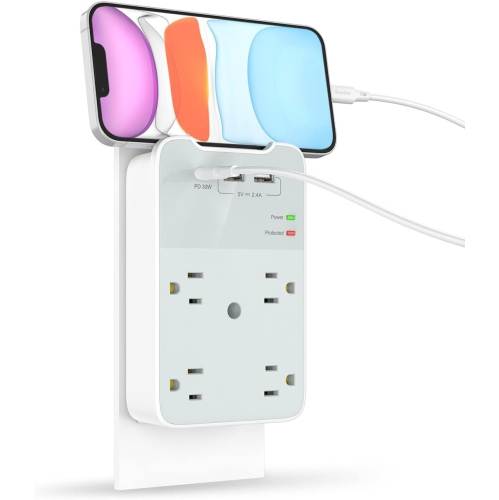
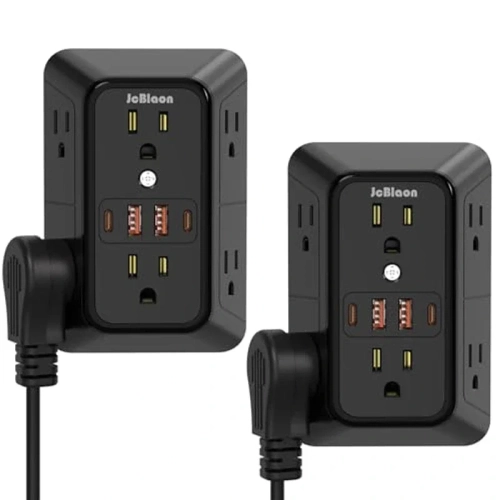
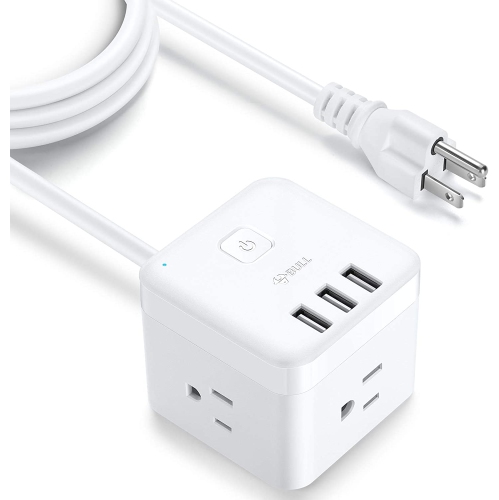
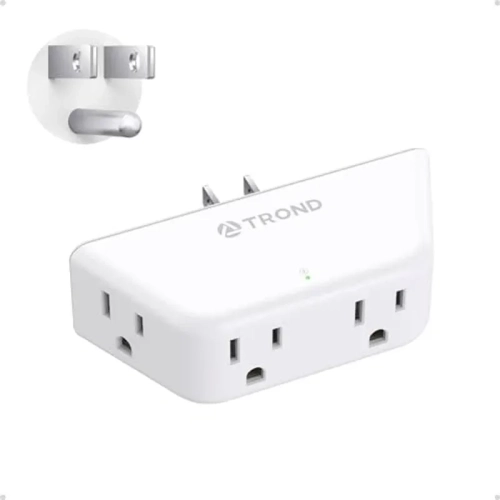
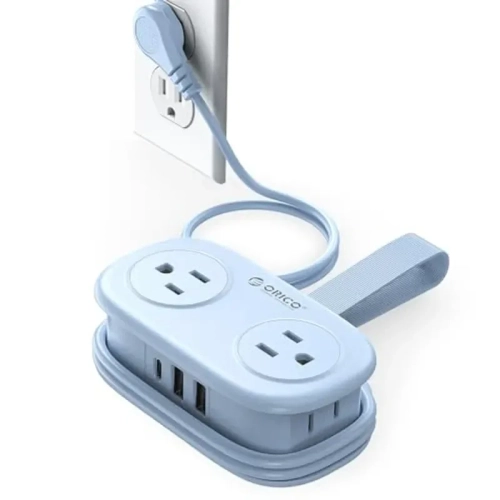
Travel surge protectors are compact power strips or plug-in units designed to help protect connected electronics from brief voltage spikes while making power outlets more convenient to use away from home. They suit the everyday realities of travel: a hotel desk with one accessible receptacle, a bedside outlet partly hidden by furniture, or a shared workspace where a laptop, phone, and camera battery charger all need power. Unlike a basic power strip, a surge protector includes components intended to limit transient voltage reaching connected equipment. That distinction matters because extra outlets alone do not provide surge protection. Portable designs balance this protective function with the practical demands of packing, offering features such as folding plugs, short cords, spaced receptacles, and integrated USB charging ports. A direct-plug design can keep a bedside charging setup tidy, while a corded model can reach an awkwardly placed wall outlet without leaving charging cables stretched across a room. Neither format suits every space: a bulky wall-mounted unit may cover an adjacent receptacle, and a heavy charger can put strain on a small plug-in unit. Outlet orientation and spacing also affect how comfortably larger power adapters fit side by side. For travellers carrying several chargers, a thoughtfully arranged layout can be more useful than a higher outlet count with little room between sockets. Durable housings, secure plug assemblies, and well-supported cord entry points are worthwhile details for equipment that moves repeatedly between a suitcase and a desk. Plastic housings keep many portable designs light, but material alone does not establish electrical safety or resistance to rough handling. Overall construction, appropriate Canadian electrical safety certification, and the manufacturer’s intended use provide more meaningful context. A slim shape may fit neatly into a laptop bag, while a cord that coils without tight bends can be easier to pack without stressing the cable. The most practical dimensions are those that leave room for the chargers and cables travelling alongside the protector, rather than simply occupying the smallest possible space.
Protection ratings and charging features describe different capabilities, so a travel surge protector’s usefulness depends on more than its size. A joule rating indicates the amount of surge energy a protector is rated to absorb; it is not a measure of charging speed or a guarantee against every electrical fault. Where a clamping voltage is specified, it describes the voltage level at which the protective components begin limiting a surge under defined test conditions. These ratings are most useful alongside the unit’s safety certification, electrical limits, and intended application. Surge protection components can wear out, and a protection-status indicator can help show whether protection remains functional. A power light alone may only indicate that electricity is reaching the unit. Depending on the design, outlets may continue supplying power after surge protection has been depleted, making the manufacturer’s indicator descriptions important. A resettable circuit breaker serves a different purpose: it responds to an overload and does not restore worn surge protection components. Likewise, adding outlets does not increase the capacity of the wall circuit. Travel surge protectors are generally intended for compatible electronics within their stated limits, not as a convenient way to run several high-wattage appliances together. Hair dryers, kettles, and portable heaters can draw substantial power and may be prohibited by the protector’s instructions. For phones, tablets, headphones, and other USB-powered devices, built-in charging ports can reduce the number of separate wall adapters needed. USB-A and USB-C describe connector types, however, rather than guaranteeing a particular charging speed. USB-C Power Delivery support, the wattage available from an individual port, and the total output shared across ports all influence charging performance. A laptop may need considerably more USB power than a phone, and connecting several devices can reduce the power available to each. Compatible cables matter as well. A clear separation between AC outlet ratings and USB charging specifications makes it easier to understand what a portable unit can support during a work trip or a longer stay.
International travel adds another consideration: a surge protector does not automatically convert voltage or adapt safely to every destination’s electrical system. A unit rated only for 120-volt use should not be connected to a 220–240-volt supply through a simple plug adapter. Similarly, a USB charger that accepts a wide input-voltage range does not establish that the surge protector’s AC outlets or protective circuitry support the same range. The rating of the entire unit, the destination’s supply, the connected equipment, and any required plug adapter all need to be compatible. Grounding also matters; a plug adapter cannot create a protective earth connection where none exists. Accommodation and transport rules can further affect suitability, with cruise operators often restricting or prohibiting surge-protected power strips. For frequent business travellers, students moving between residences, and families sharing a charging spot, these practical limitations are as important as portability. Someone who regularly unpacks a laptop and several small devices may appreciate accessible outlet spacing, while a traveller carrying only a phone and headphones may value a smaller footprint. Similar needs arise in compact living spaces, where Surge Protectors for Dorm Rooms address shared outlets and desk-side electronics in a more settled setting. A portable surge protector can also make a useful gift for a student heading away from home or someone whose work involves regular overnight stays, provided its ratings match the intended destinations and equipment. Care remains straightforward: the unit should be unplugged before cleaning, kept dry, and checked for cracked housings, loose sockets, damaged insulation, or bent plug pins. Cords belong loosely coiled rather than sharply folded or pulled tight around the housing. During use, keeping the protector uncovered and away from sinks or drinks helps maintain the conditions it was designed for. A damaged unit, or one whose indicator shows protection has been lost, needs replacement rather than an improvised repair. These everyday details help a travel charging setup remain tidy, practical, and suited to repeated trips.
Top selling and popular products
-
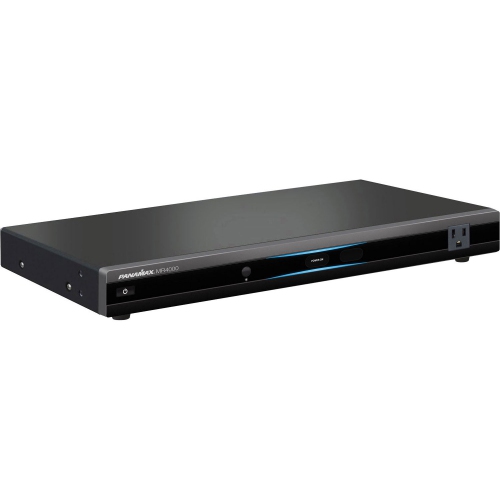 Your price for this item is $377.68
-
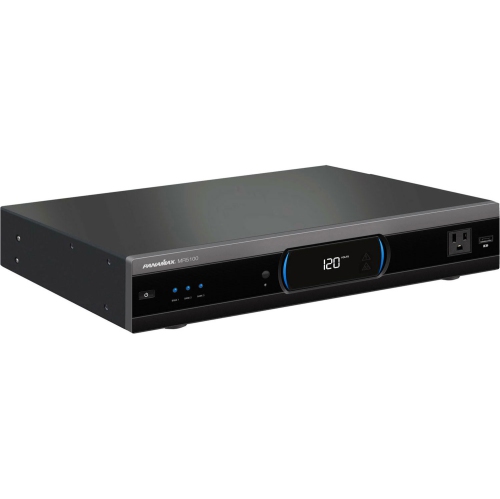 Your price for this item is $808.68
-
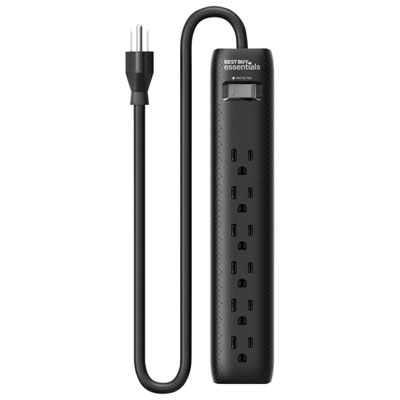 Your price for this item is $14.99
-
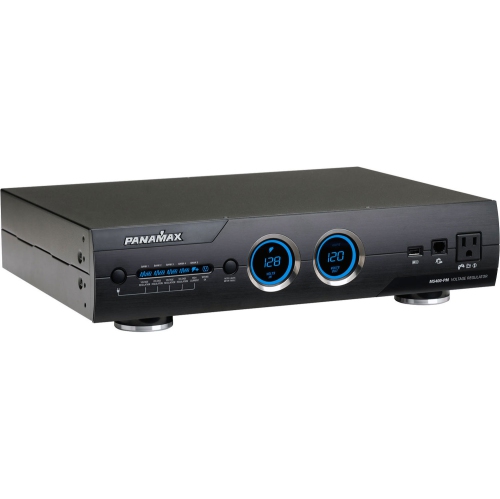 Your price for this item is $1069
-
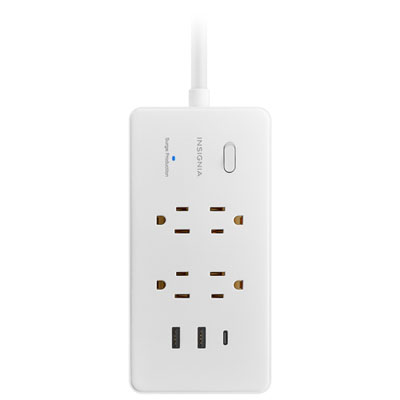 Your price for this item is $39.99
-
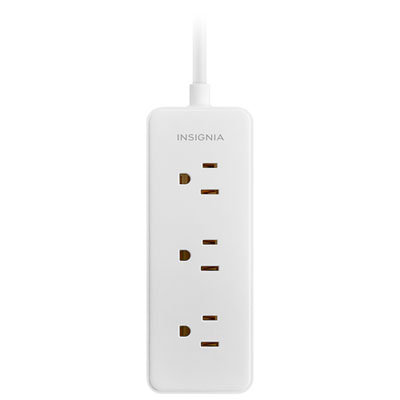 Your price for this item is $19.99
-
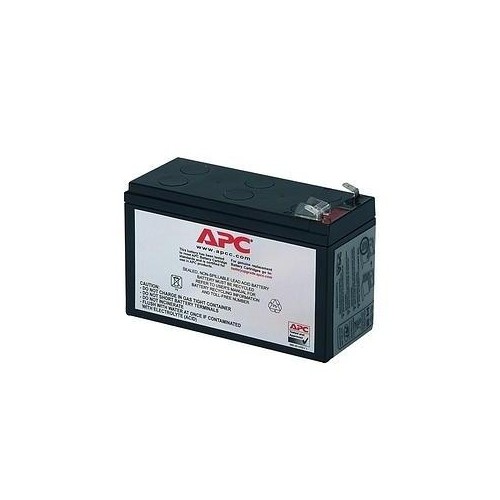 Your price for this item is $94.37
-
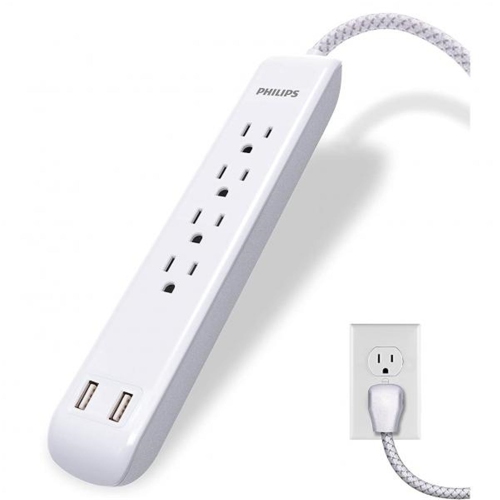 Your price for this item is $26.97
Discover more categories related to Surge Protectors for Travel
Top Collections:
Pokemon Centers, Best Black Friday Deals This Year, Best Black Friday Deals On Electronics, Kindle Devices, Best Budget Office Chairs, Best Black Friday Deals On Apple Products, Best Cameras for Sports Photography, Pokémon 30th Celebration Cards, Dyson Airwrap, Canon G7X Cameras
Some products may be subject to Environmental Handling Fees
(EHF) depending on your province.
Learn more about EHFs.