Tall Entertainment Centers
Looking to elevate your home entertainment experience? Look no further than our selection of tall entertainment centers. Designed to add style and functionality to your living space, these sleek and modern units provide the perfect solution for organizing your media devices, gaming consoles, and accessories in one centralized location. Whether you're a movie buff, a gamer, or simply enjoy streaming your favorite shows, our tall entertainment centers offer ample storage space while effortlessly blending with your existing decor. Explore our collection today and discover the perfect piece to showcase your entertainment setup in style.
Sort


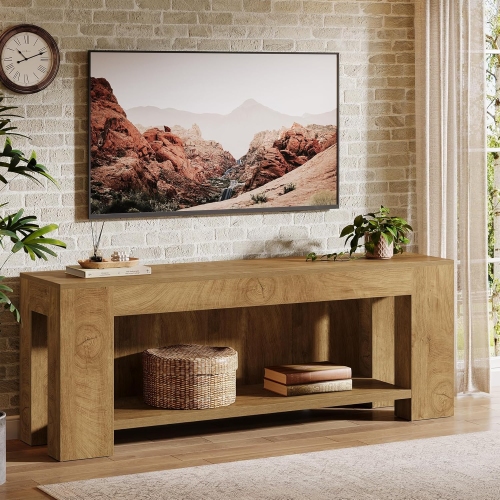

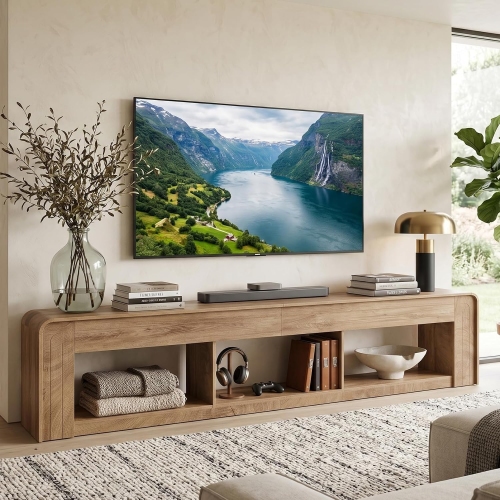
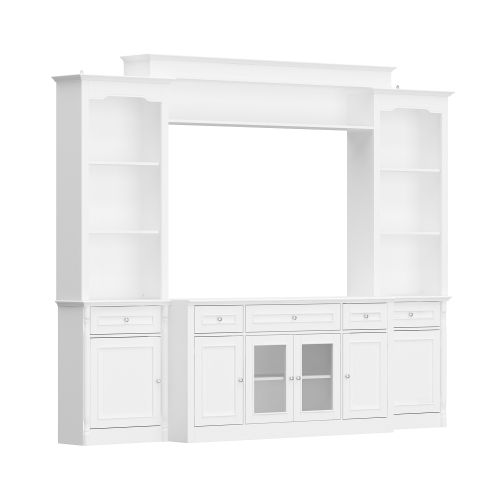
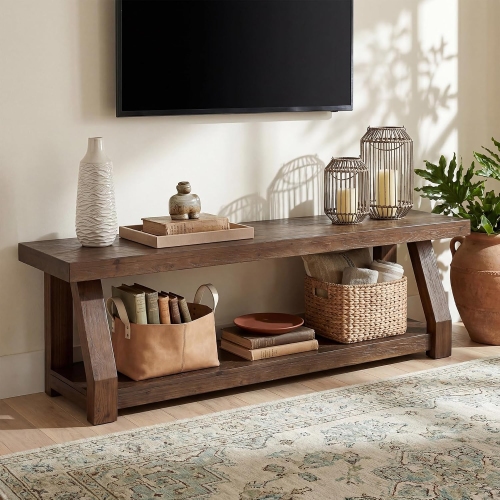







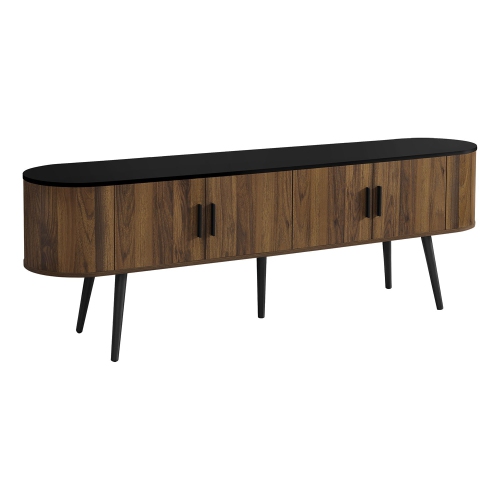
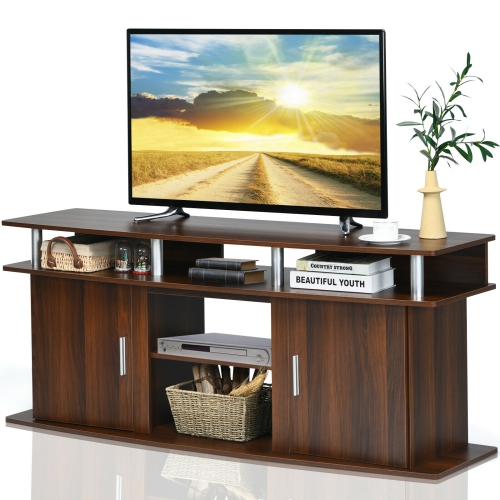


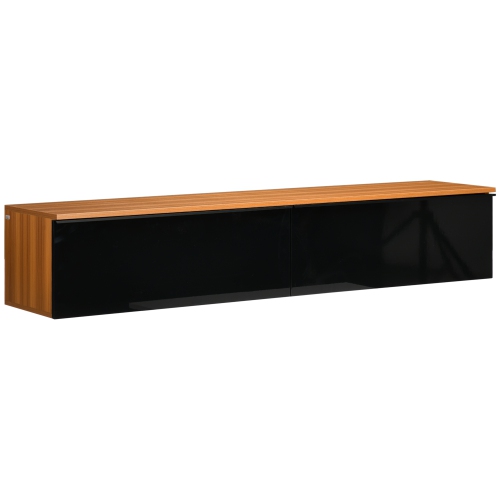


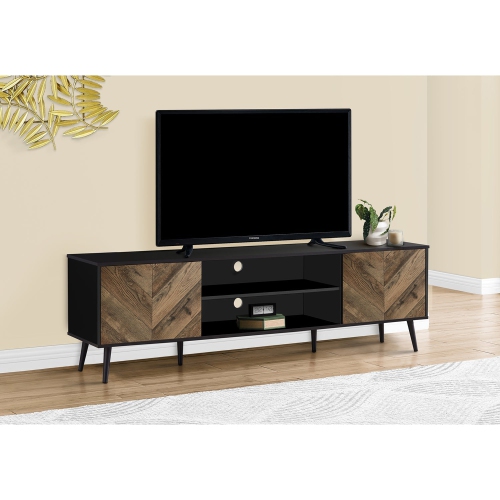






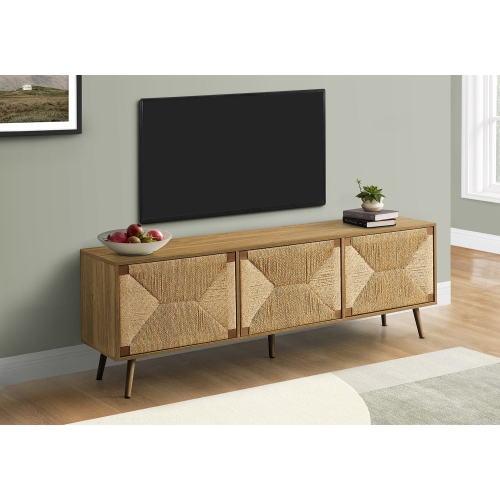


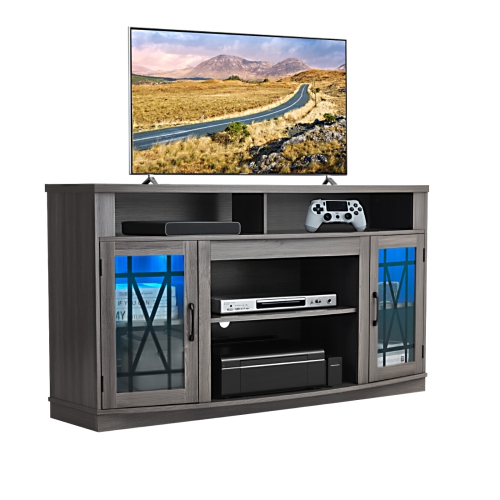


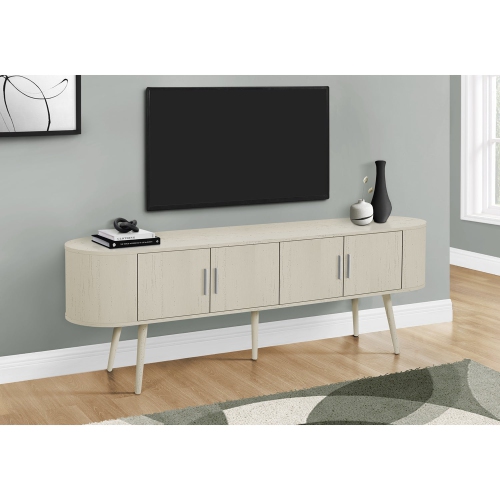

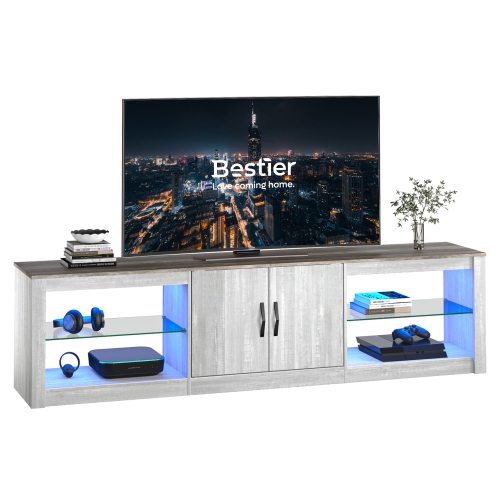
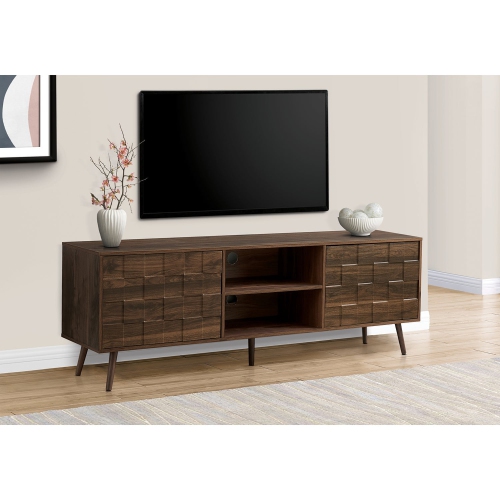

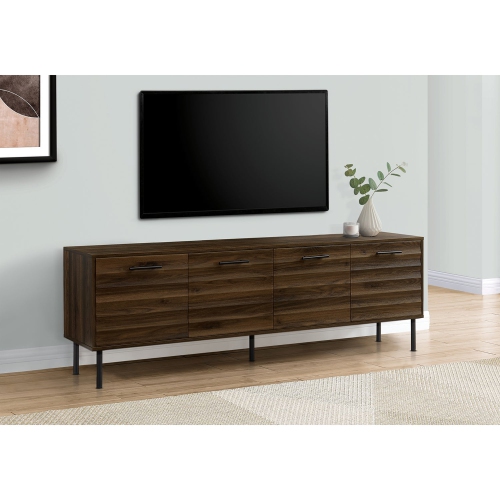


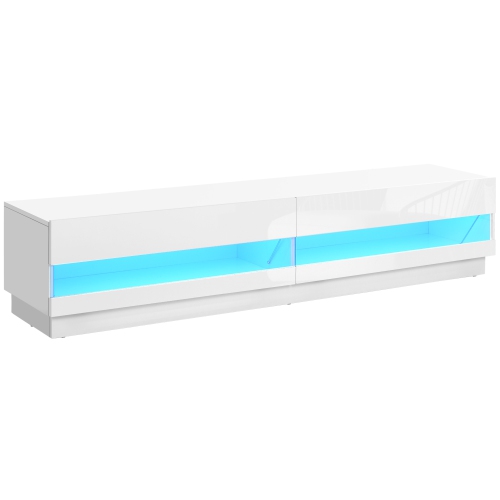


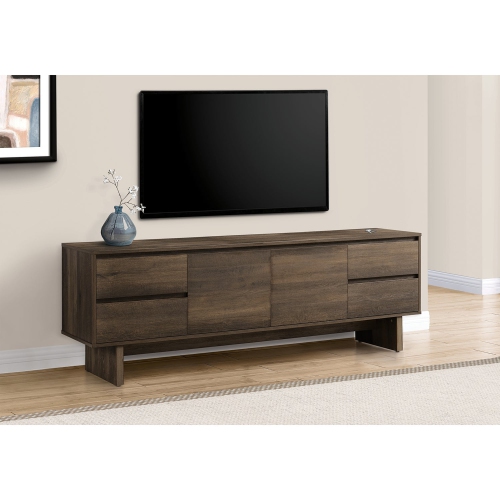

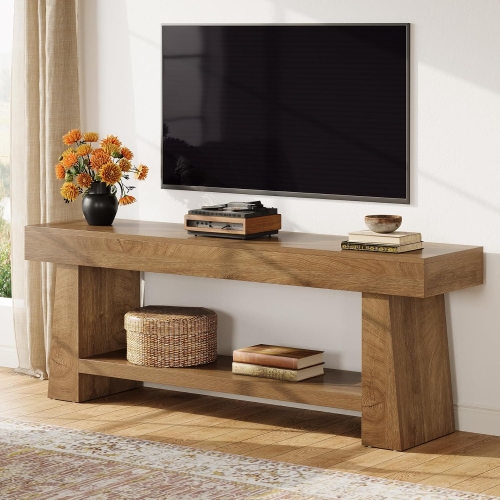
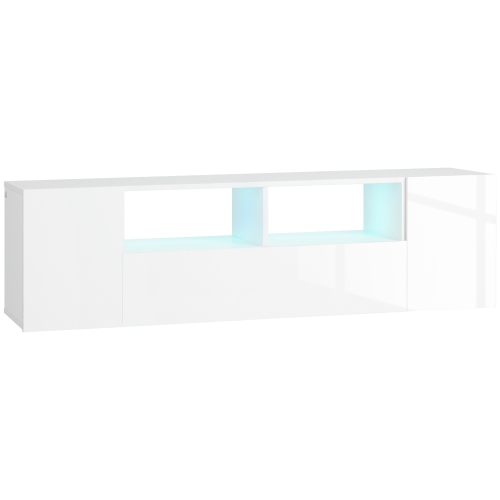
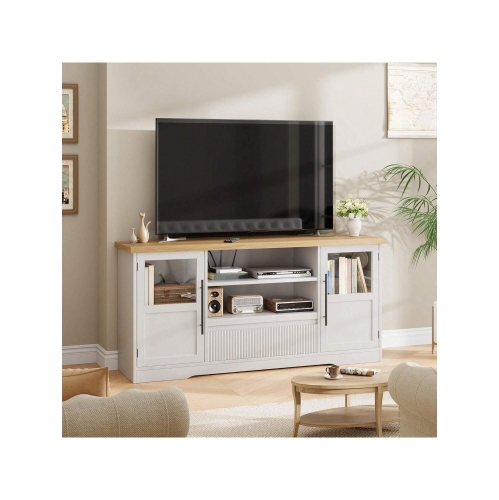


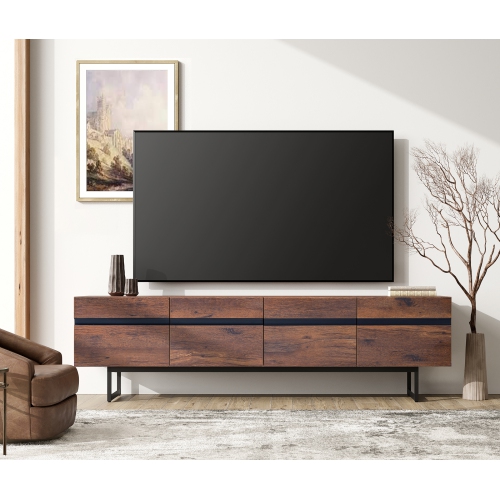



























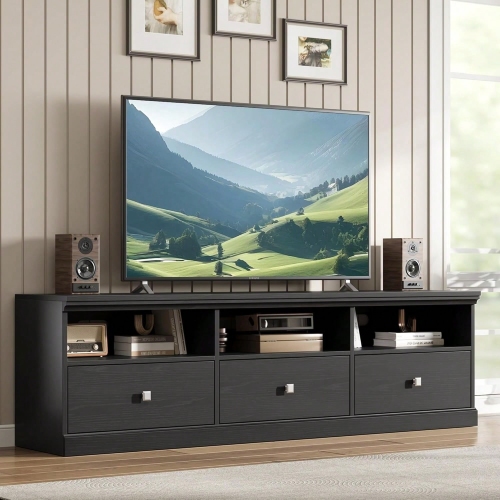

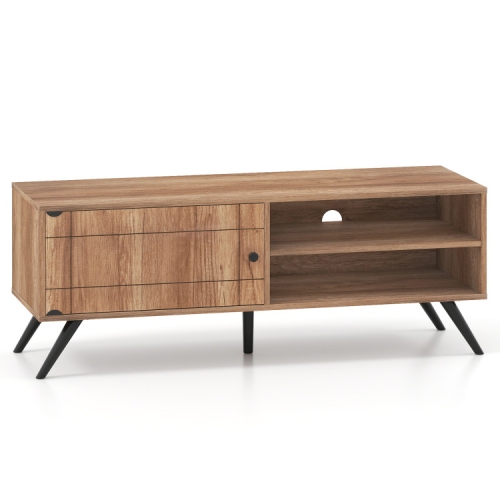

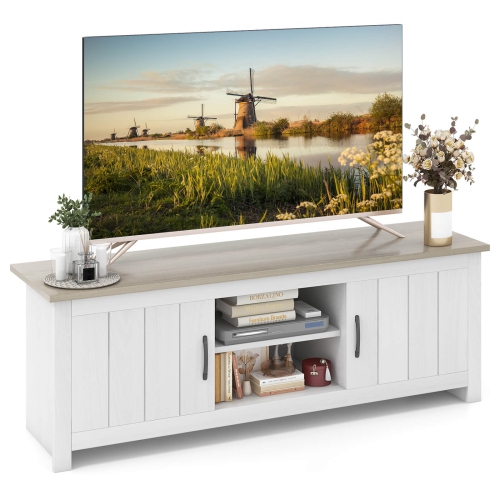


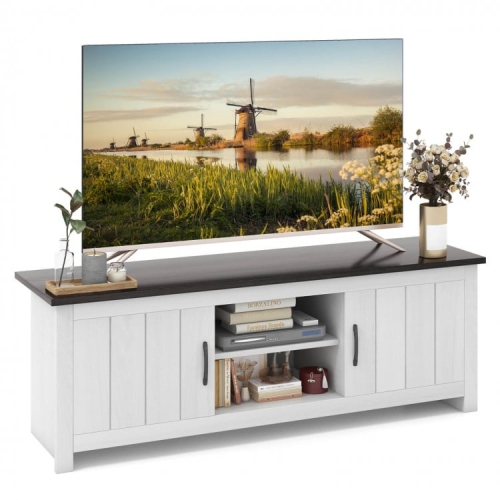





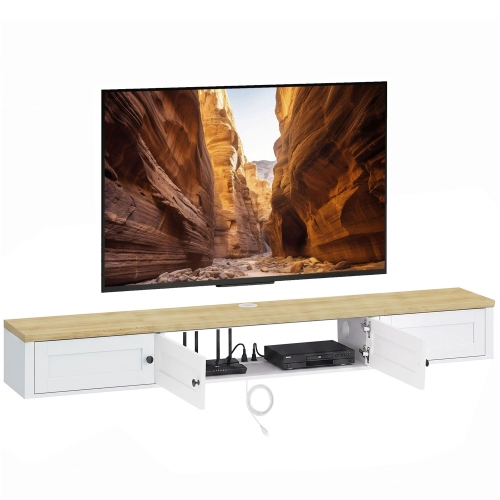
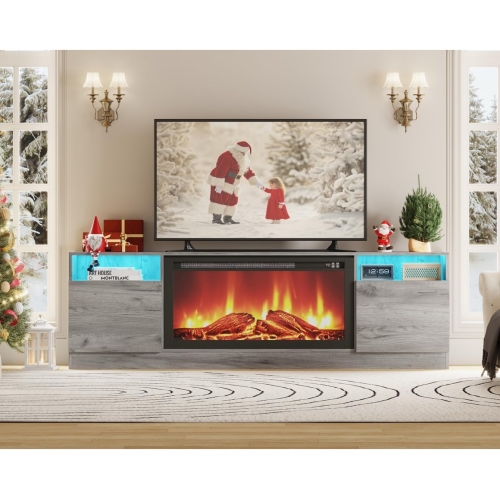
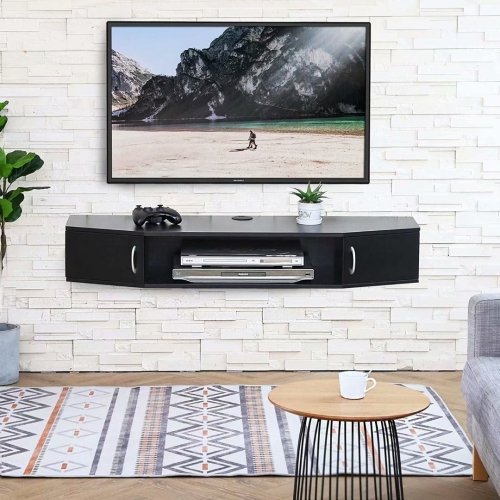

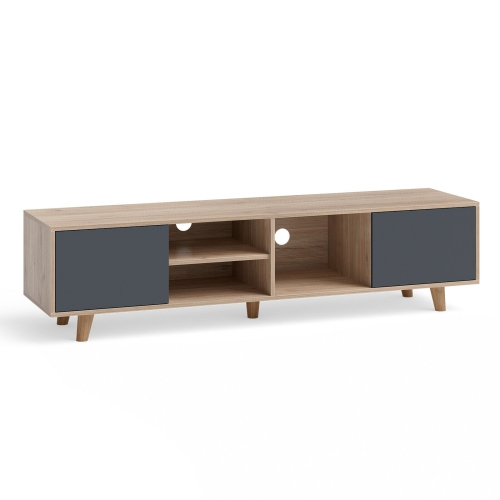

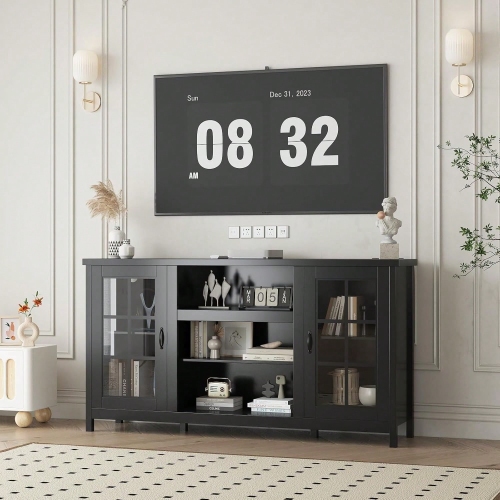

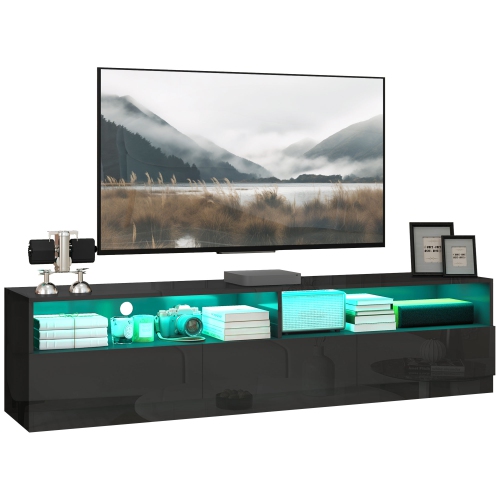
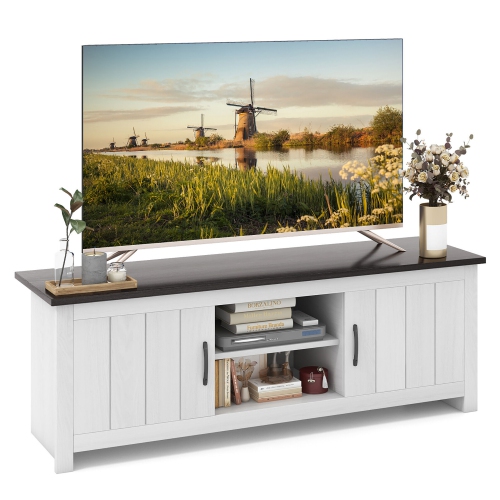


Taller storage doesn’t always mean a higher TV
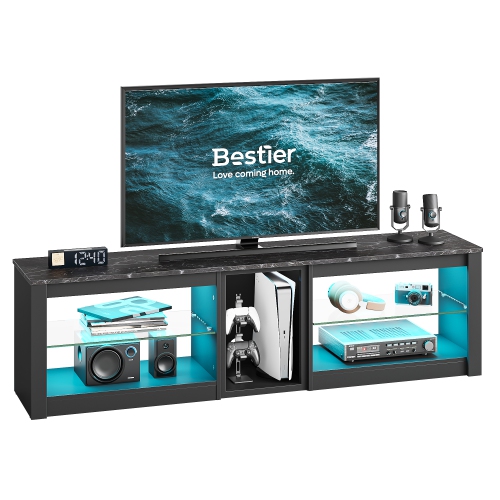
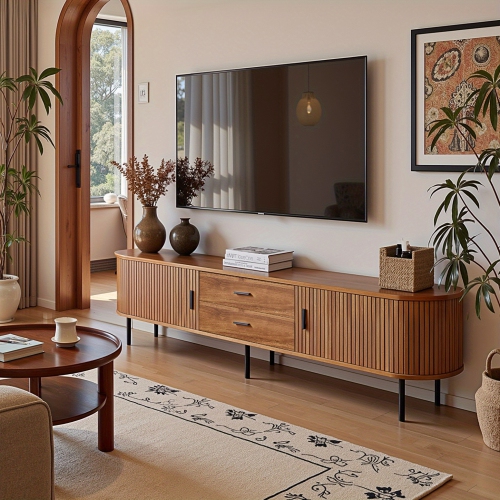
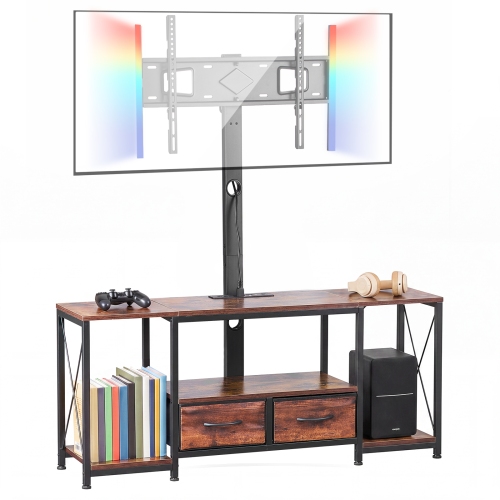
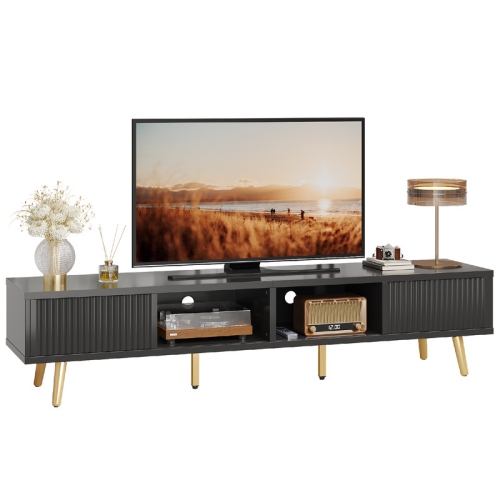
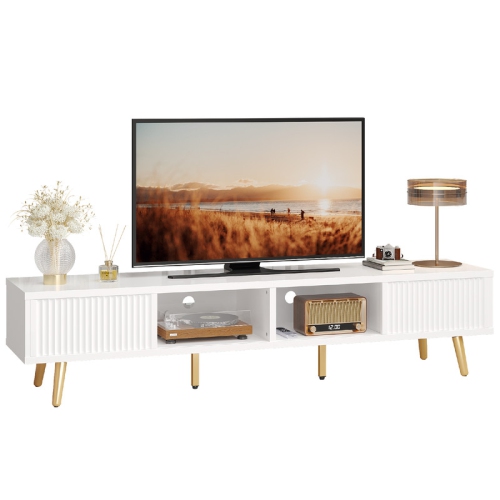
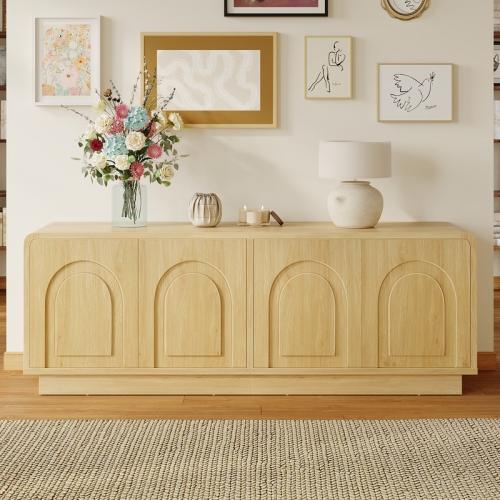
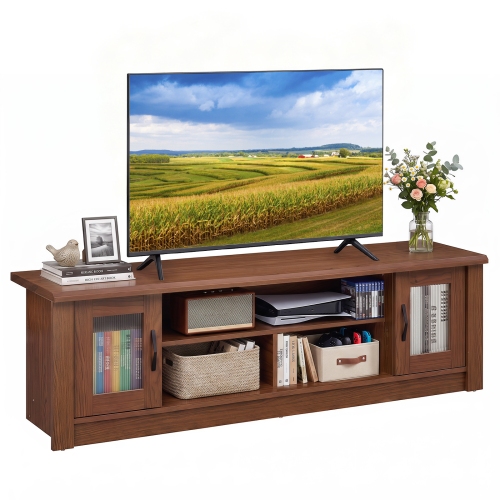
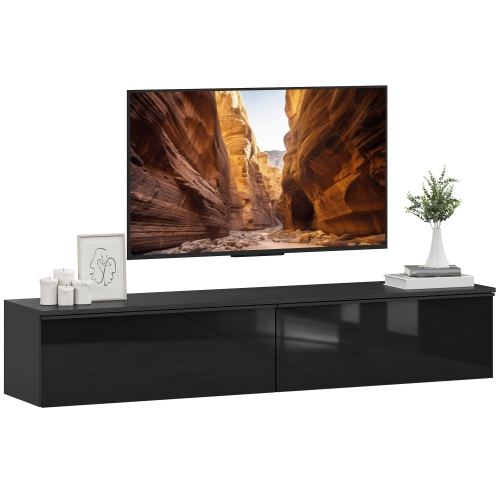
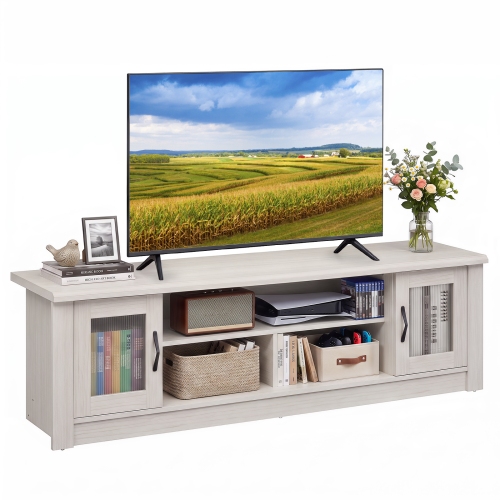
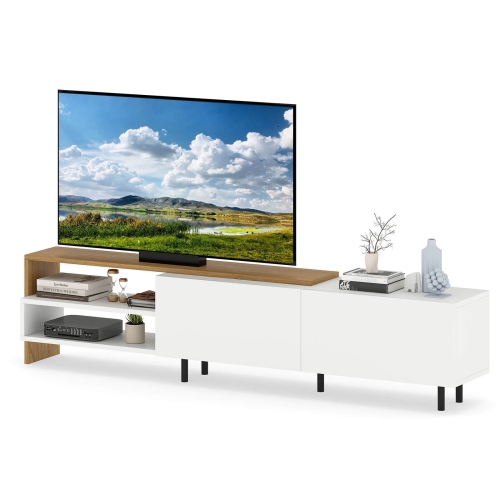
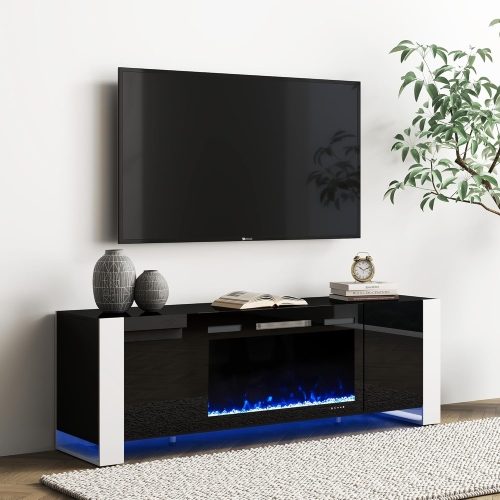
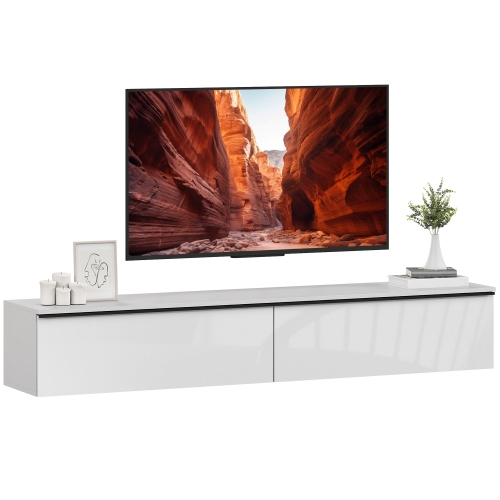
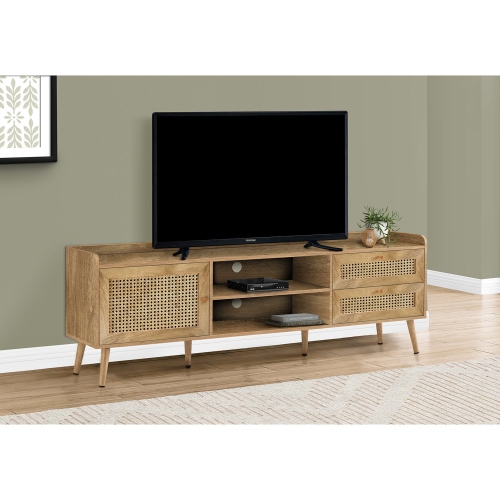
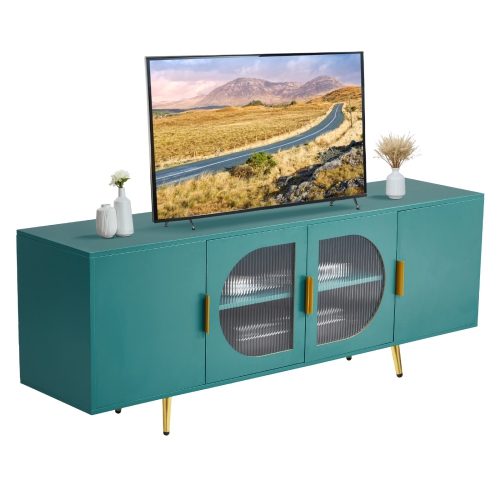
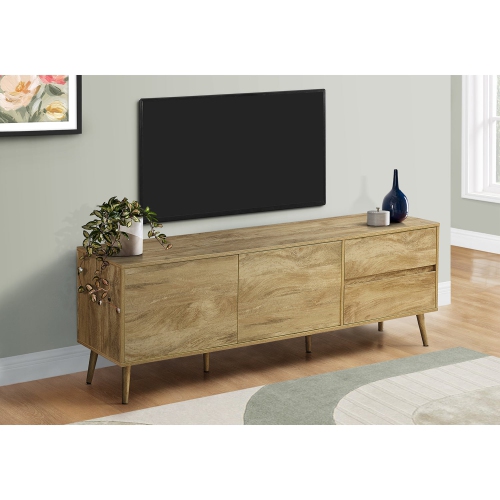
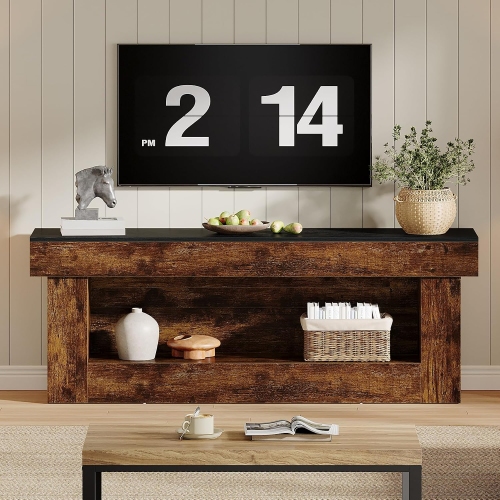
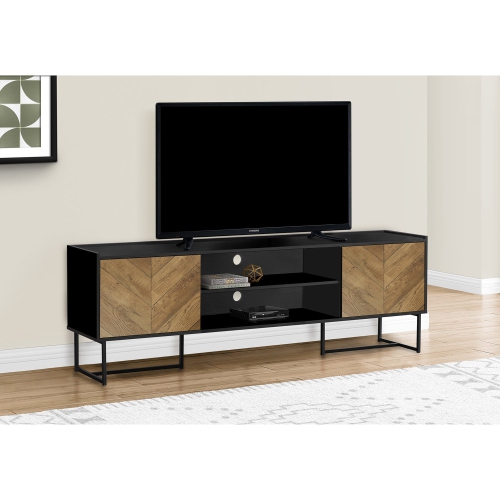
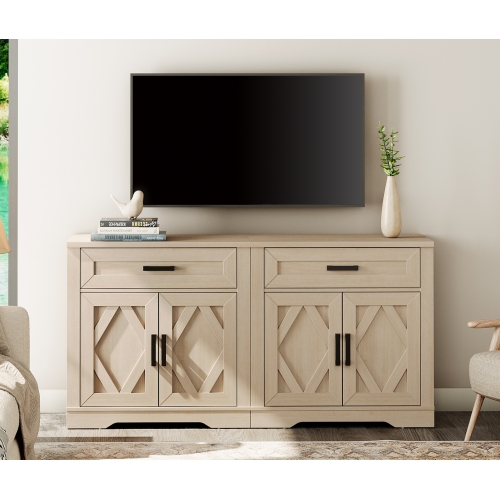
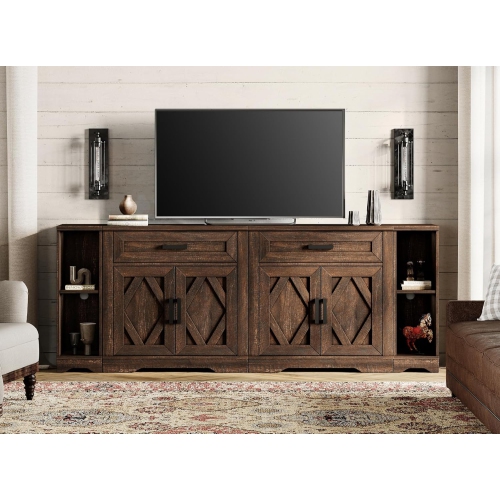
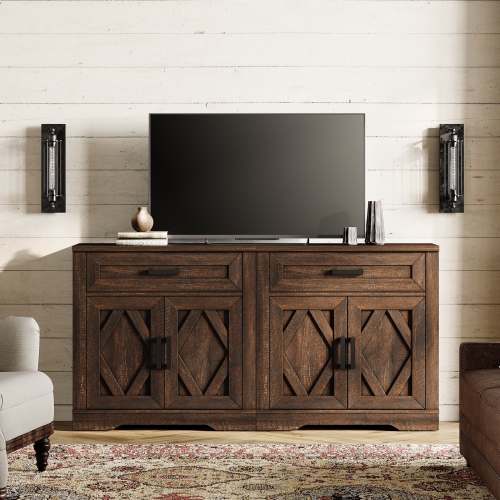
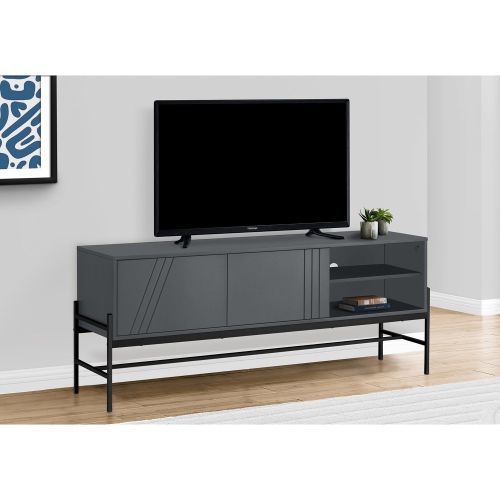
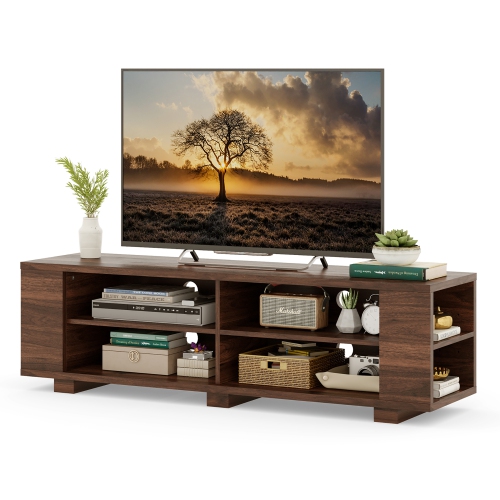
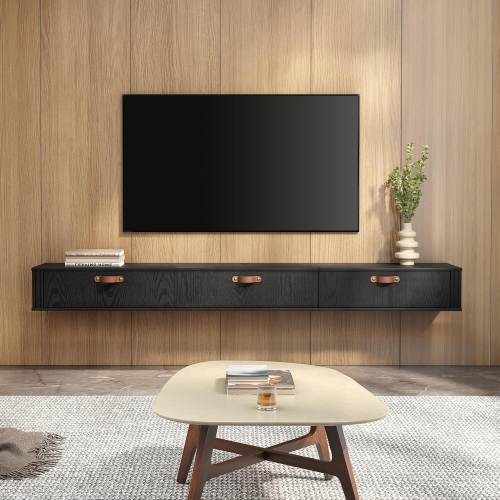
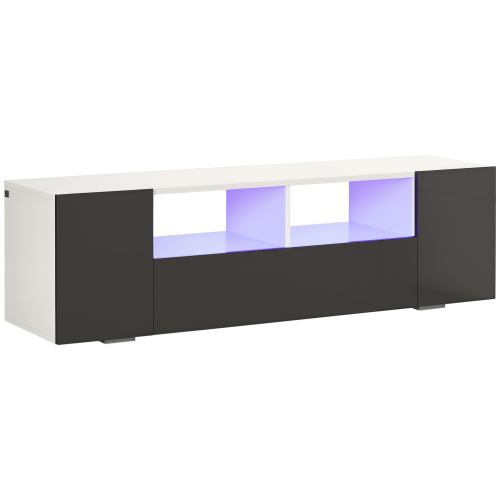
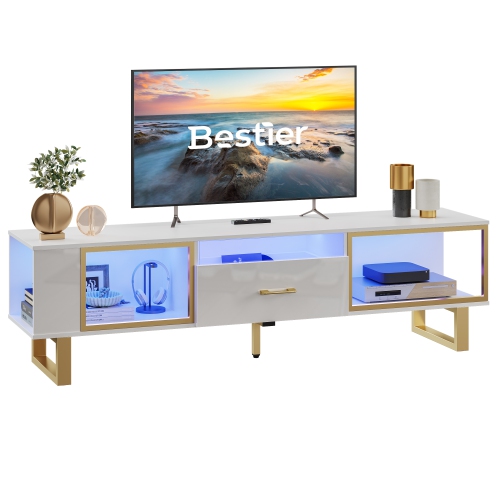
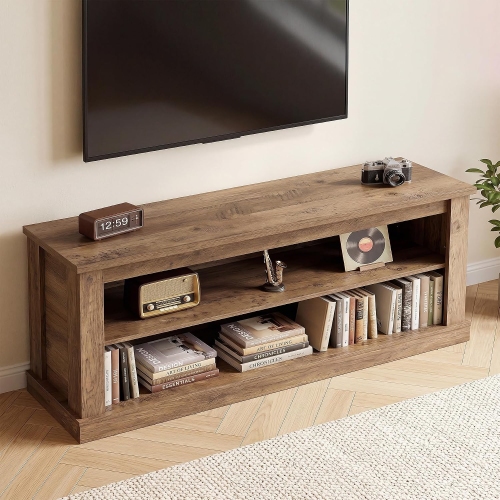
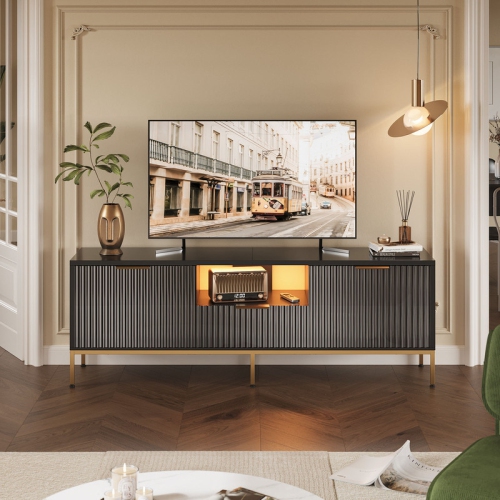
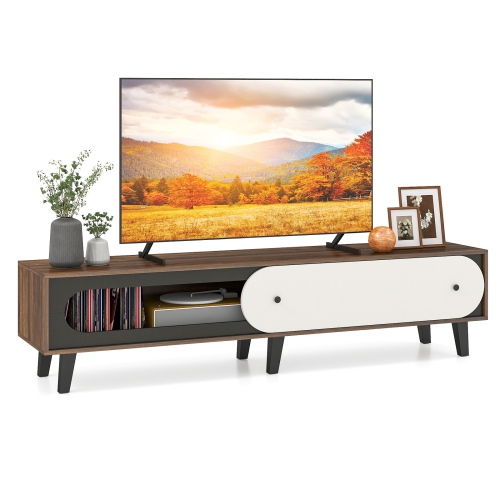
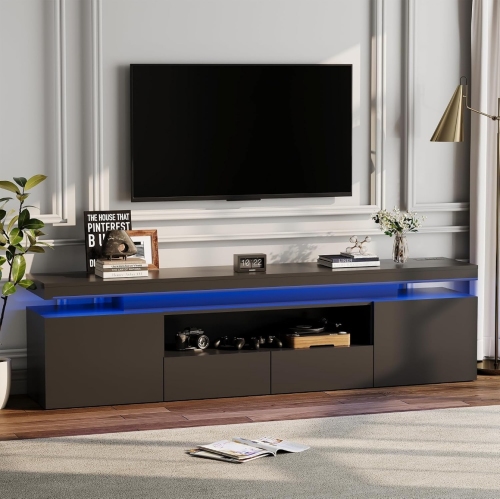
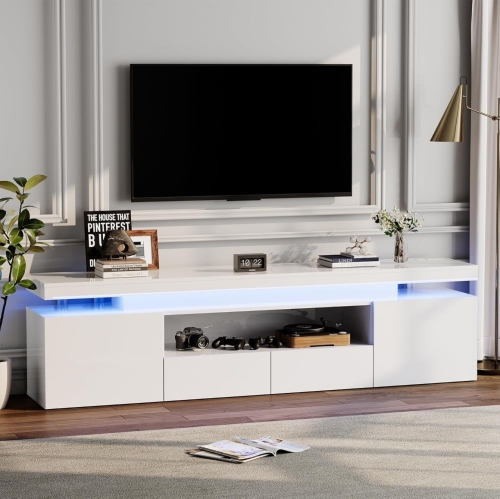
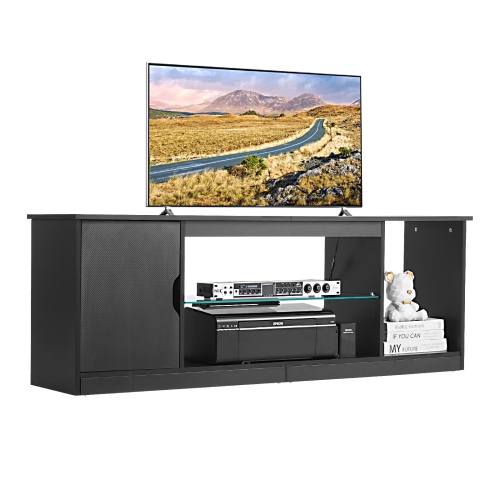
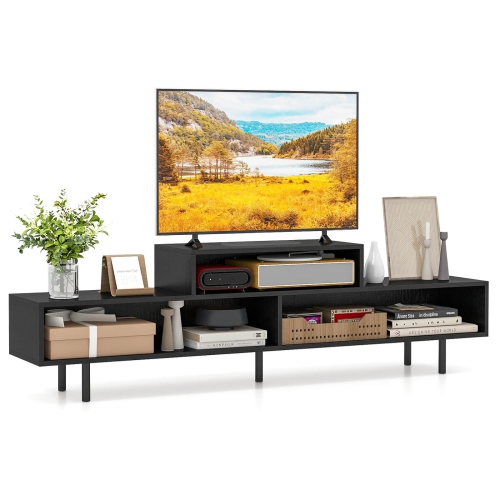
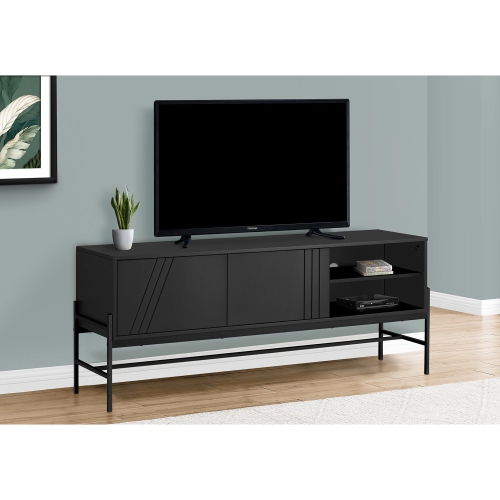
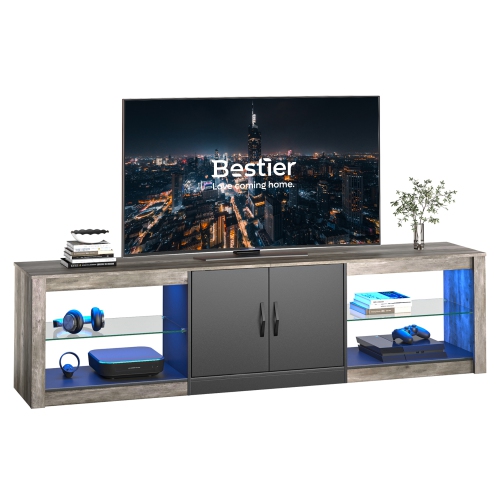
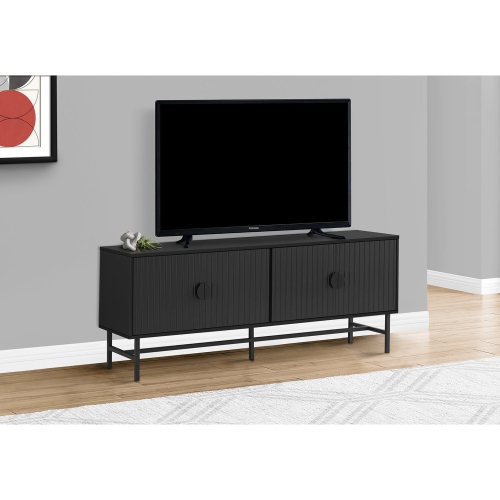
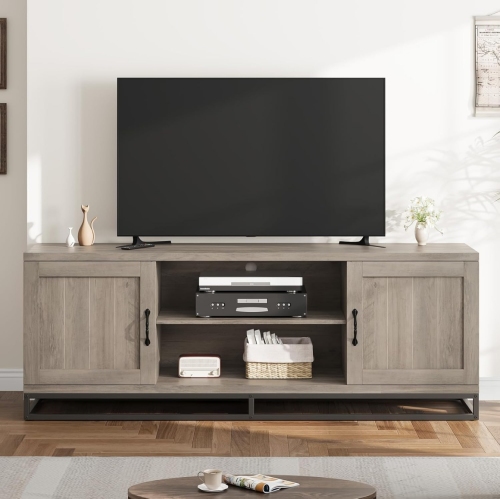
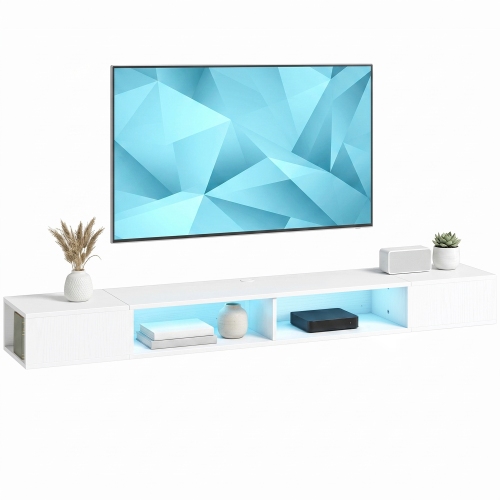
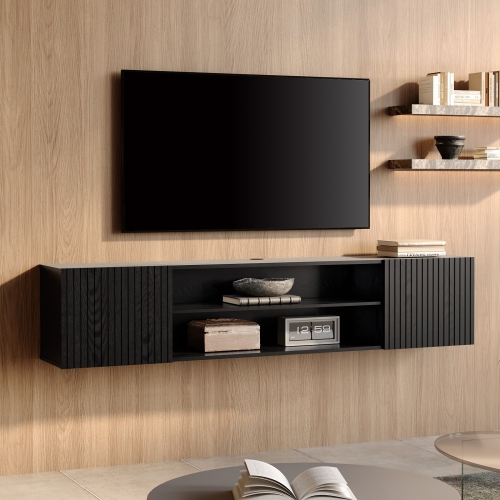
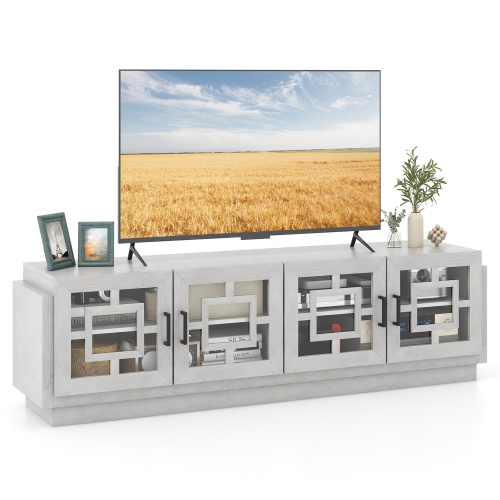
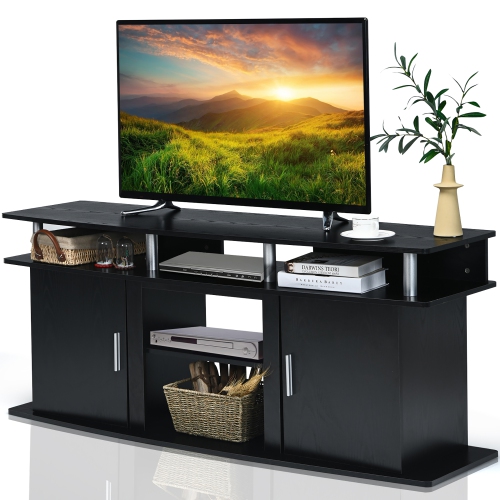
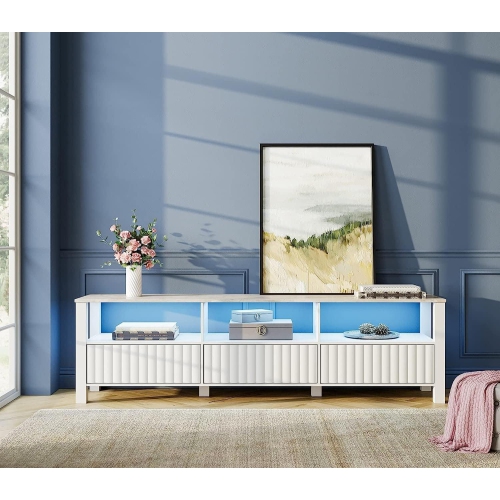
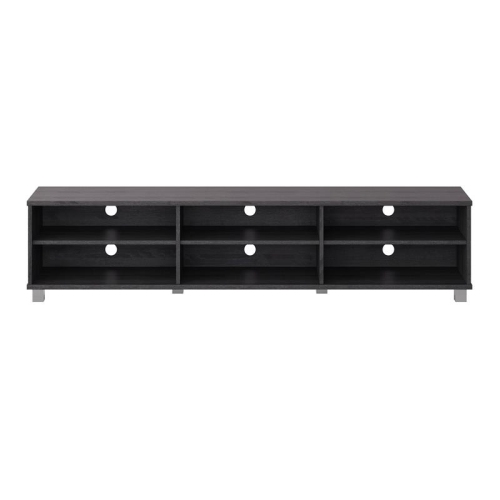
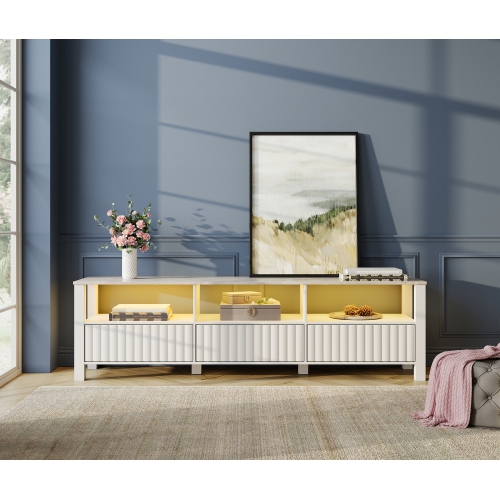
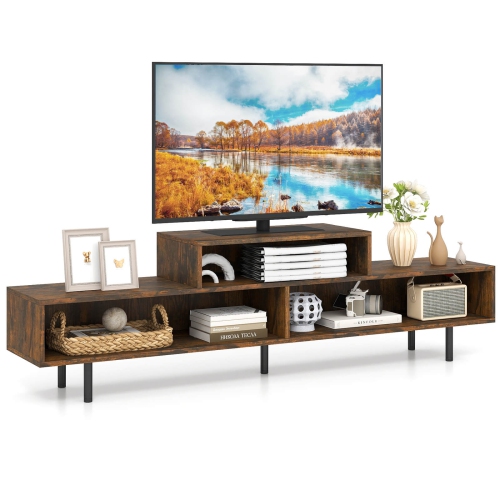
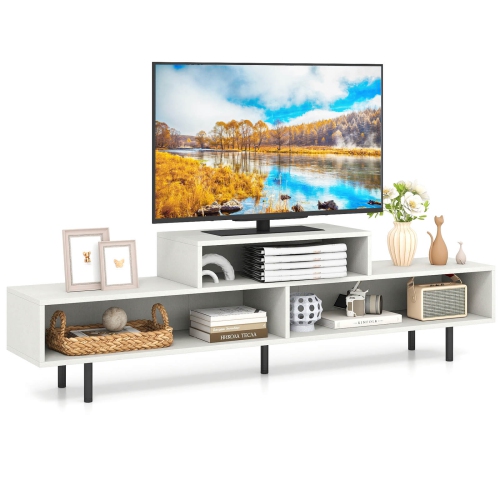
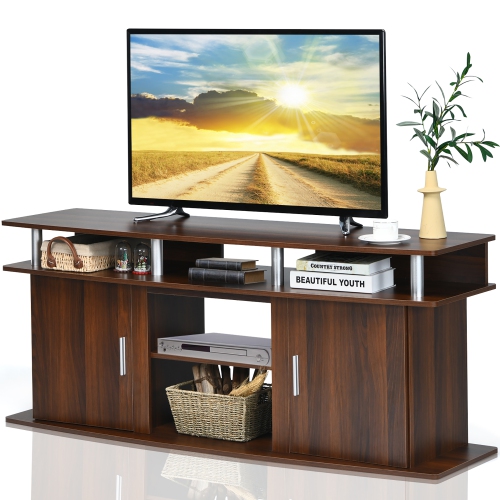
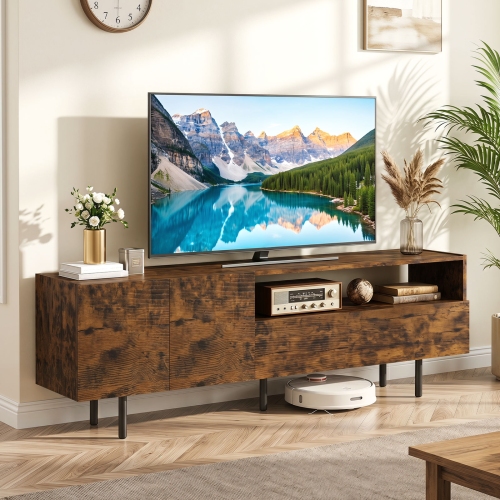
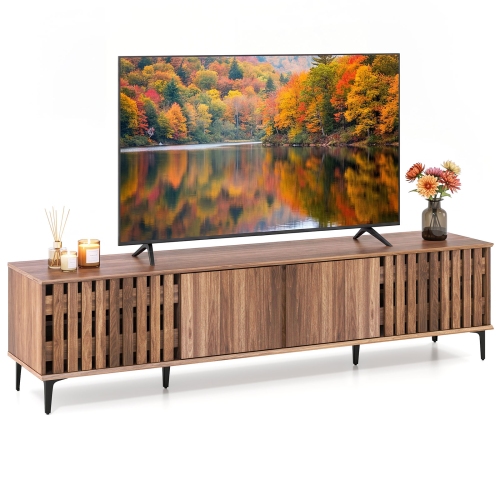
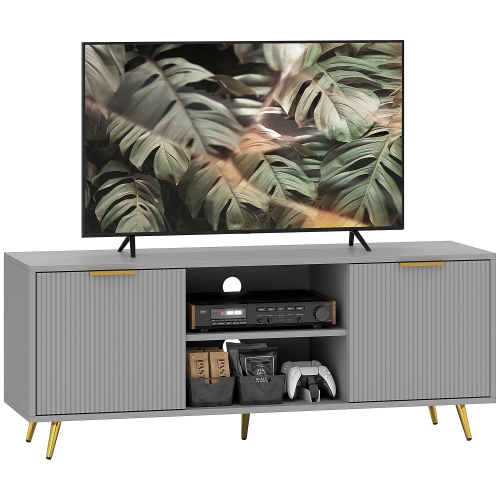
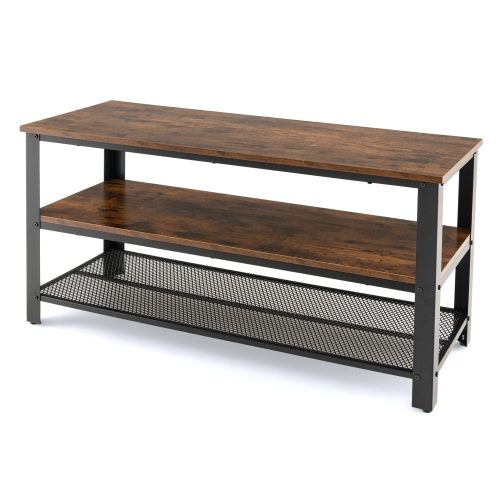
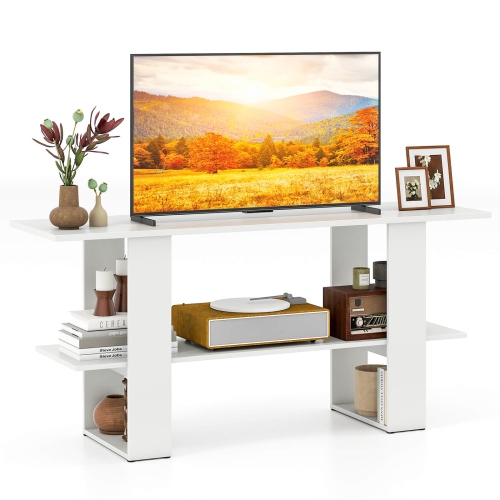
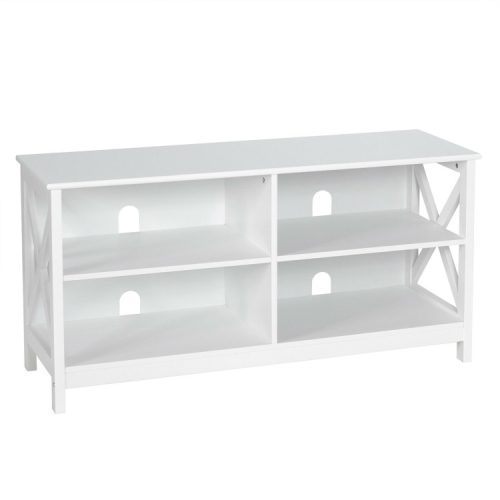
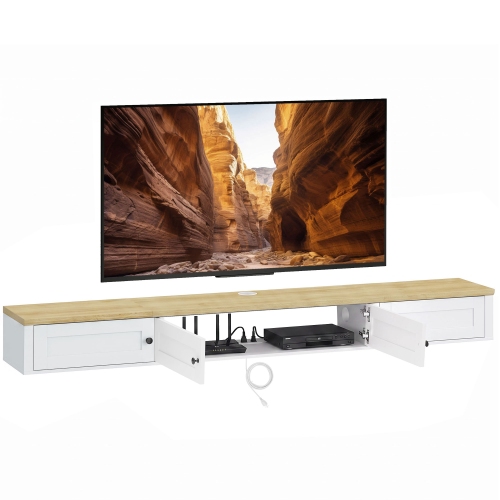
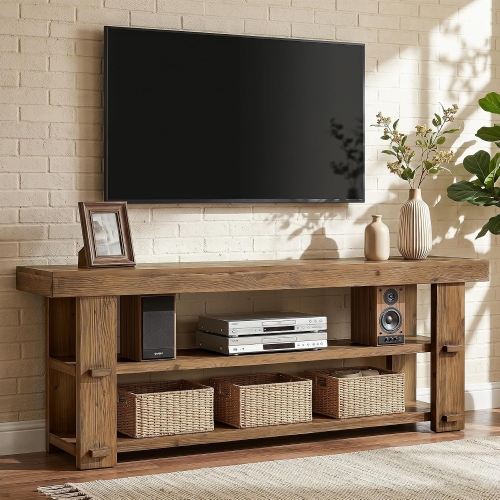
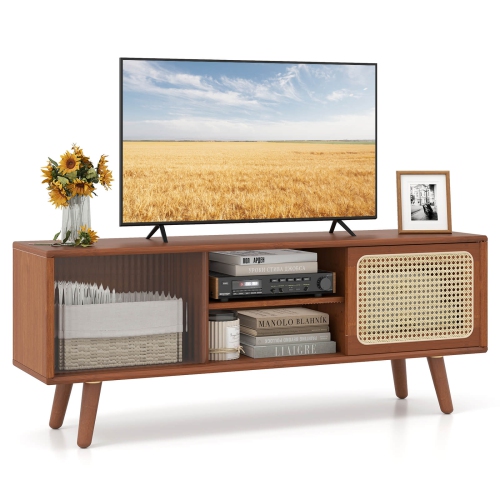
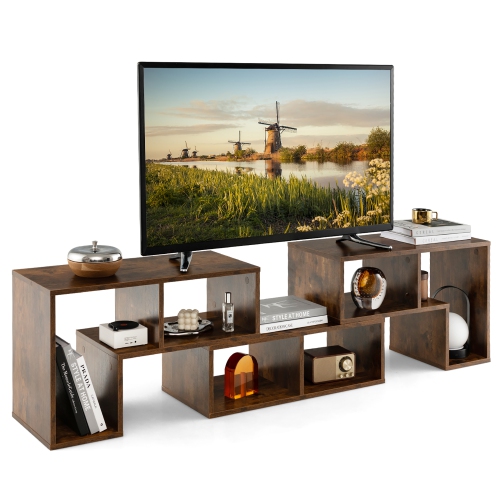
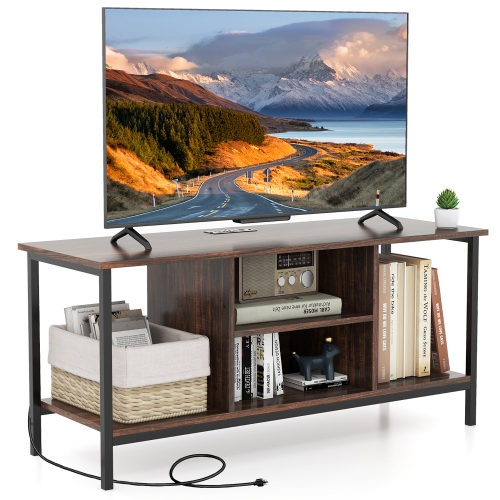
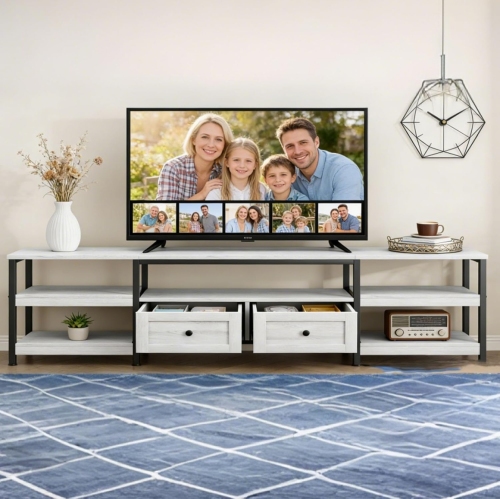
Tall entertainment centres bring television support, media storage, and display space into a furniture piece that makes use of a room’s height. The term can describe a raised TV console, a cabinet with upright shelving, or a full entertainment unit with side towers and an overhead hutch. Many taller consoles stand more than 32 inches high, while wall-style units with hutches can reach 70 inches or more; dimensions vary, so overall height alone does not tell the whole story. A tall console raises the television itself, whereas a unit with tall side shelves may keep the screen on a lower surface. That distinction matters in a living room where most viewing happens from a low sofa, or in a bedroom where the viewing position is higher. A comfortable arrangement generally keeps the centre of the screen close to seated eye level rather than requiring an upward tilt of the head. Vertical shelving adds room for books, framed photographs, speakers, and media accessories without necessarily requiring a wider base. It can help organize a compact apartment, give a family room a defined television area, or bring useful storage to a shared lounge. Still, tall does not automatically mean narrow: substantial hutches and paired bookcases can occupy much of a wall. For layouts where width and capacity matter as much as height, large entertainment centres offer a related furniture category to consider. The visual effect depends on the proportions and finish as well as the measurements. Open upper shelves tend to look lighter, while full-height doors create a more continuous cabinet appearance. Wood-grain finishes add texture alongside upholstered seating, and smooth painted surfaces can blend with nearby cabinetry. A balanced arrangement leaves enough open space around the television that shelving frames the screen rather than crowding it. Keeping favourite objects on a few shelves, rather than filling every opening, also makes everyday dusting and access easier.
Fit involves more than matching a television’s advertised screen size to a cabinet description. TV sizes are measured diagonally, but the furniture must accommodate the television’s actual width, the depth and spacing of its feet, and its weight. A screen with widely spaced legs needs a different support surface from one with a central pedestal. Both require the entire base to rest securely on the designated TV surface, within the manufacturer’s stated size and load limits. With an enclosed hutch, the opening must also provide the clearances specified for the television, including space for ventilation and cable connections. An integrated mounting bracket has its own weight and mounting-pattern requirements, separate from the capacity of the surrounding shelves. Room measurements deserve equal attention: baseboards can keep a cabinet from sitting flush against the wall, nearby doors need clearance, and drawers should open without striking a coffee table or the edge of a bed. Delivery paths, stair turns, and assembly space are worth measuring for a large upright unit, especially when a hutch must be attached after the base is in position. Inside the furniture, shelf depth and cable access determine how comfortably receivers, gaming consoles, and streaming equipment fit. Leave the ventilation space required by each device rather than pressing electronics against the back panel or stacking them tightly together. Adjustable shelves are useful when equipment changes, but each shelf still has a weight limit. A sound bar needs suitable clearance beneath the screen and a position that does not block the television’s remote sensor. Closed doors can hide controllers and loose accessories, although opaque doors may interfere with infrared remotes, and enclosed equipment may need additional airflow. Cable openings help route power and signal leads neatly while keeping connections accessible. For households that switch between films, games, and music, these small details make the difference between storage that simply looks tidy and storage that remains practical during daily use.
Materials and construction shape how a tall entertainment centre looks, feels, and holds up to repeated use. Solid wood brings natural grain variation and can develop small surface marks over time; its suitability for refinishing depends on the finish and construction. Wood veneer provides a real wood surface over a supporting core, while laminate finishes offer a consistent appearance and are often straightforward to wipe clean according to the care instructions. Engineered wood is used in many furniture designs, but durability depends on factors such as panel quality, supported shelf spans, edge finishing, and secure assembly rather than the material name alone. Metal frames can provide a slim outline around shelves, and glass doors allow display space to remain visible while limiting dust settling directly on the contents. Where glass is used, follow the stated load limits and avoid impacts at the edges. Doors and drawers receive frequent handling, so hinge alignment, smooth drawer movement, and firmly attached handles matter in a busy household. A family storing game controllers may benefit from lower drawers, while a film enthusiast may favour adjustable compartments for discs and equipment. Tall units also need particular attention to stability. Follow the manufacturer’s assembly and anchoring instructions, use wall fasteners suited to the wall construction, and secure the television as directed. Anti-tip restraints are especially important around children and pets, but stable installation matters in every home. Heavy belongings belong on lower shelves within their rated capacities, and shelves or drawers should never serve as steps. Routine care is usually simple: dust with a soft cloth, clean spills promptly, and use only cleaners approved for the surface. Avoid soaking joints or allowing moisture to sit along panel edges, and check accessible fasteners periodically as recommended. Felt pads beneath suitable display objects can reduce scratches, while an uncluttered route to cable connections makes maintenance less awkward. When its dimensions, storage layout, and construction suit the room, a tall entertainment centre can hold everyday essentials in one place while giving the television a considered setting.
Top selling and popular products
-
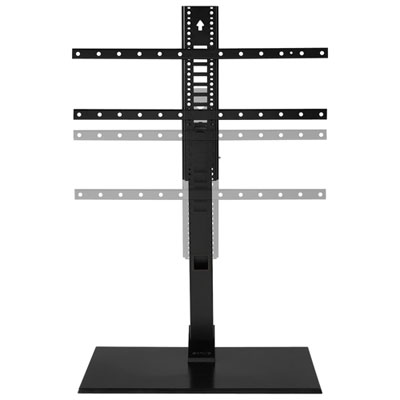 Your price for this item is $249.99
-
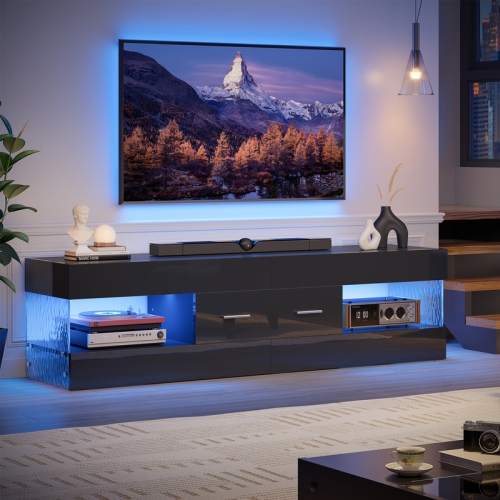 Your price for this item is $179.99
-
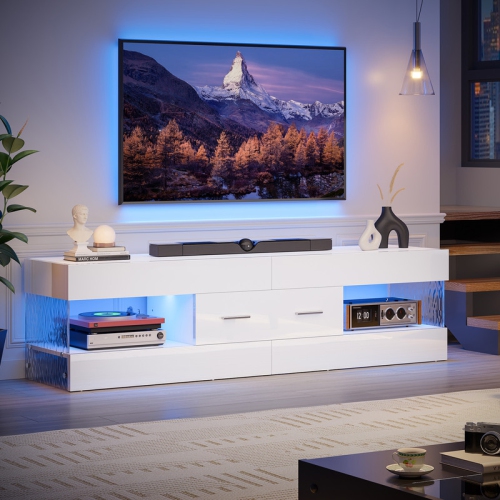 Your price for this item is $169.99
-
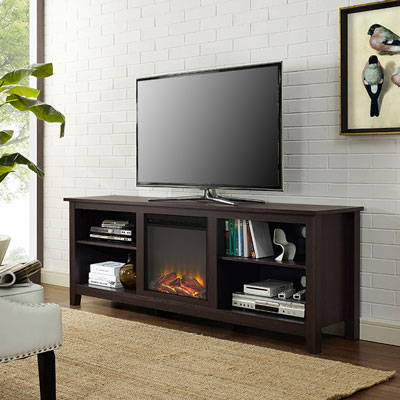 Your price for this item is $689.99
-
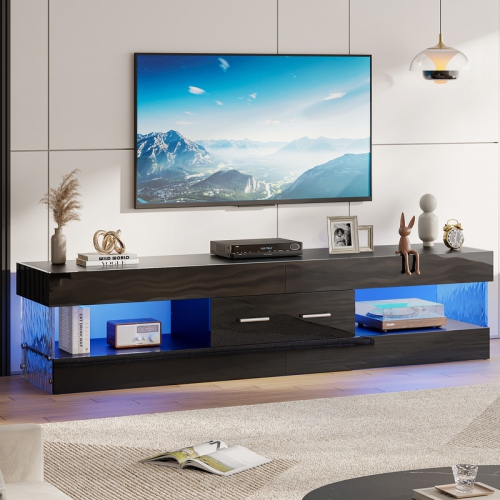 Your price for this item is $199.99
-
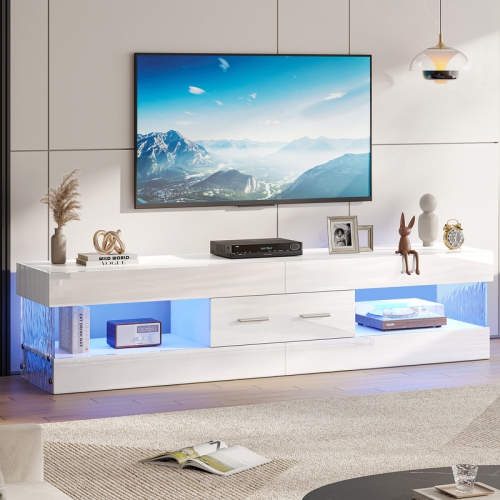 Your price for this item is $199.99
-
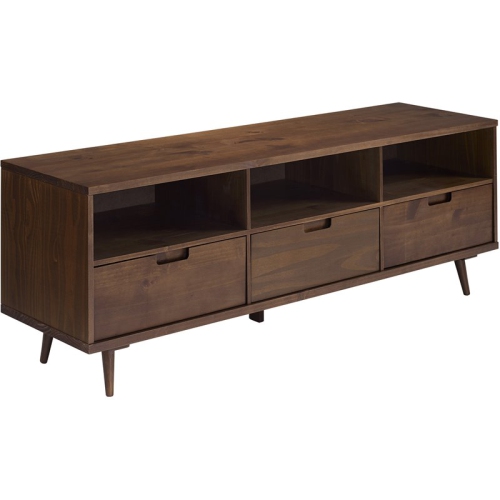 Your price for this item is $941.25
-
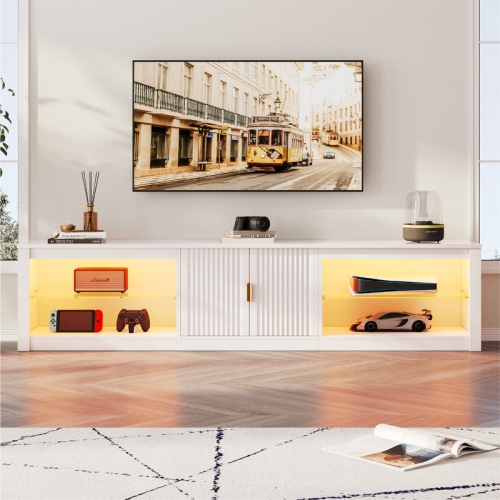 Your price for this item is $269.99
Discover more categories related to Tall Entertainment Centers

Top Collections:
Pokemon Centers, Best Cameras for Sports Photography, Kindle Devices, Samsung Galaxy Phones, Canon G7X Cameras, Pokémon 30th Celebration Cards, Refurbished Apple Laptops, iPhone 15 Apple, Laptops for Students, Budget Smartphones
Some products may be subject to Environmental Handling Fees
(EHF) depending on your province.
Learn more about EHFs.