TV Wall Units With Storage
Transform your living room into a sleek and organized space with our TV wall units with storage. Designed to maximize both style and functionality, these wall units offer the perfect solution for those looking to declutter their entertainment area. Whether you have a small apartment or a spacious home, our TV wall units are available in a variety of sizes and finishes to match any decor style.
Sort
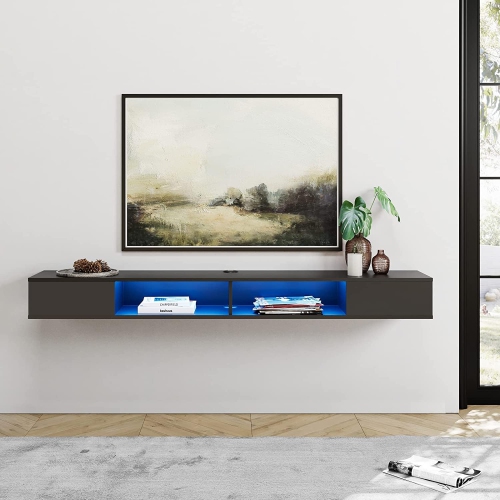


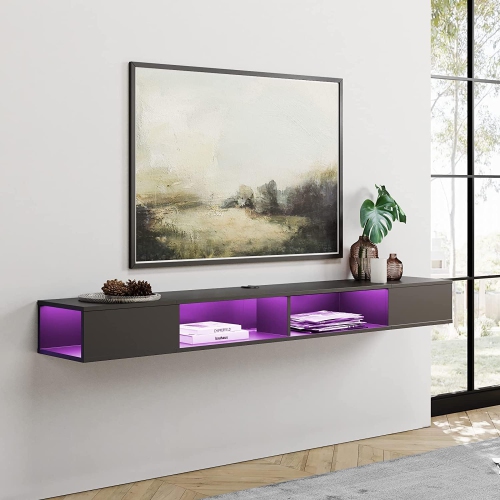
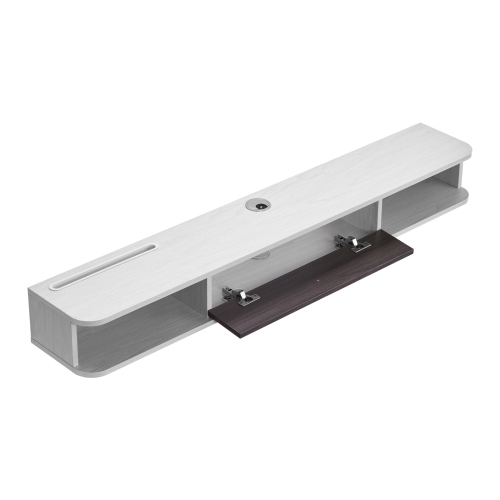

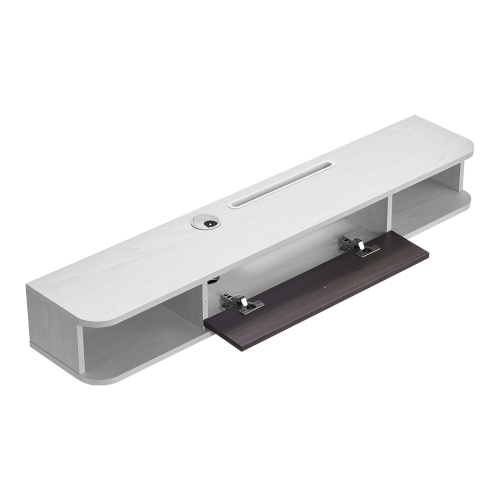
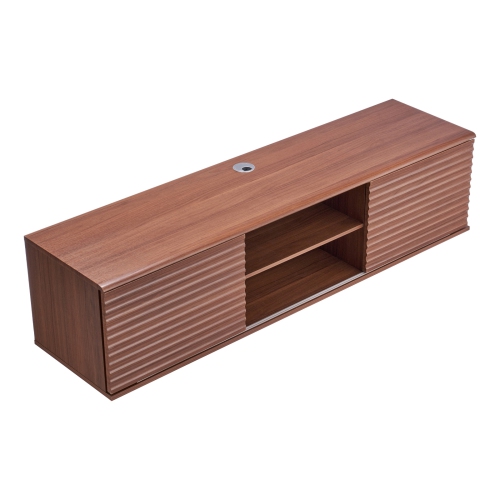


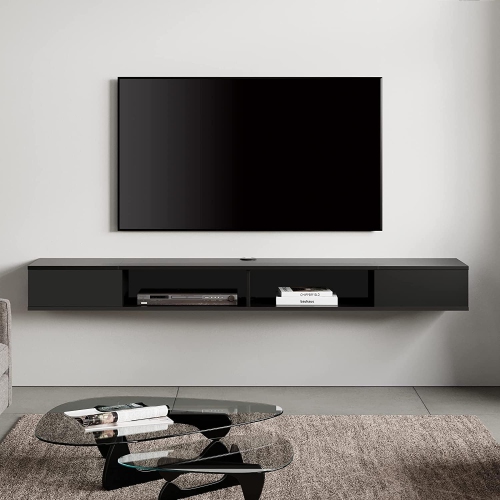
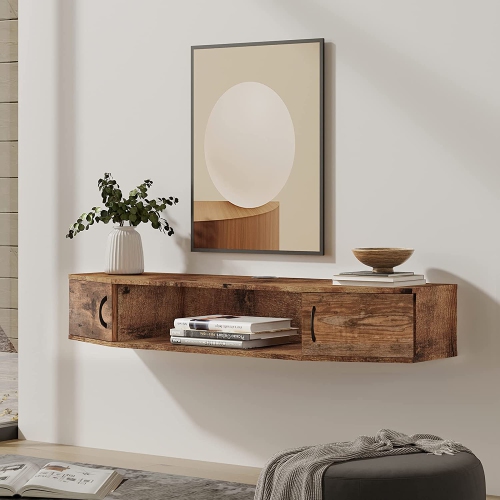

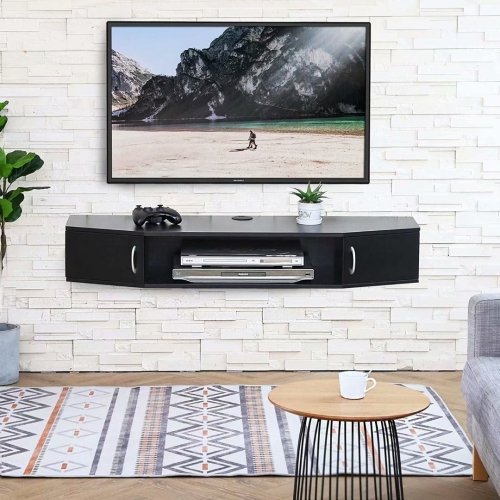
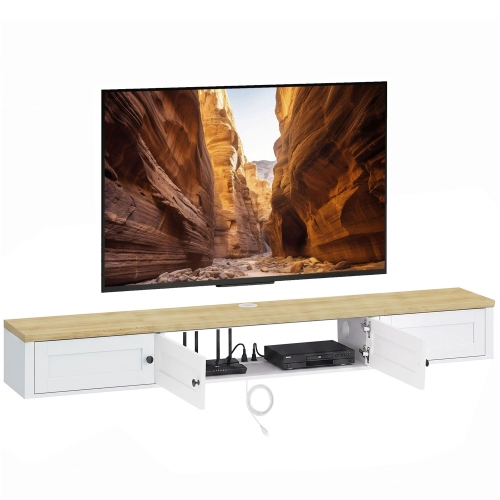
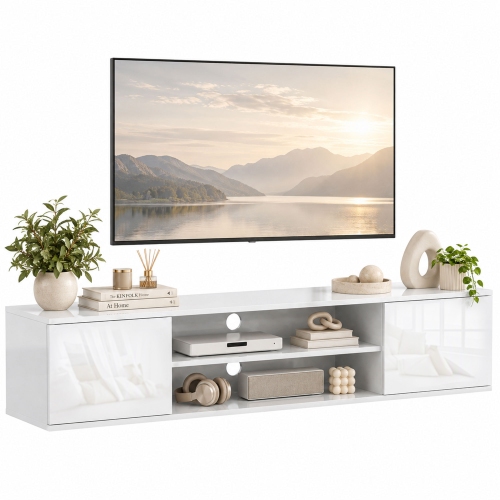
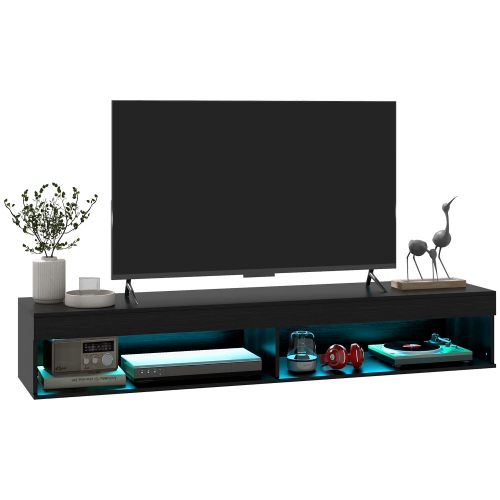
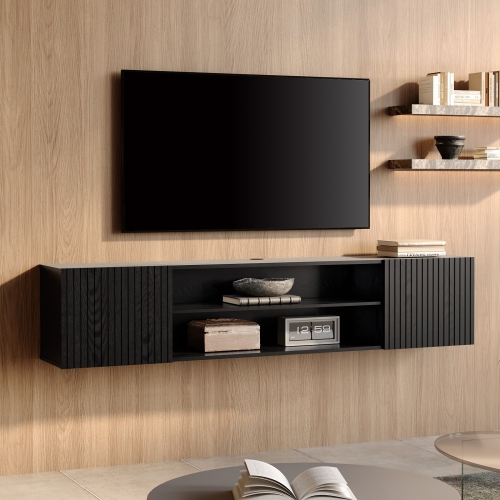
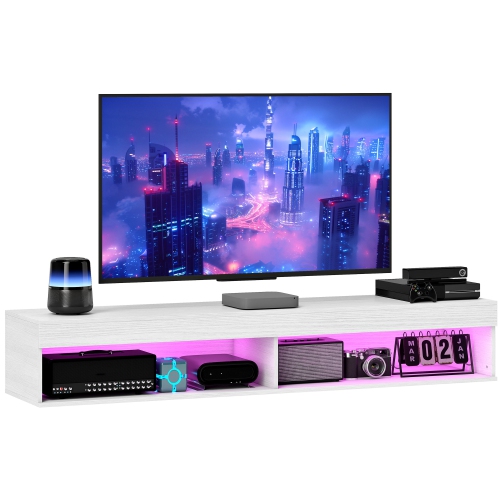
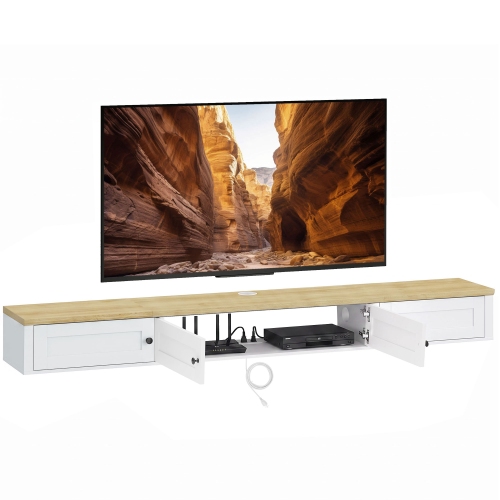
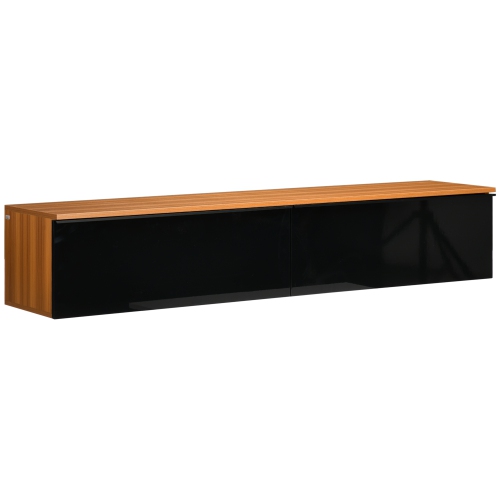


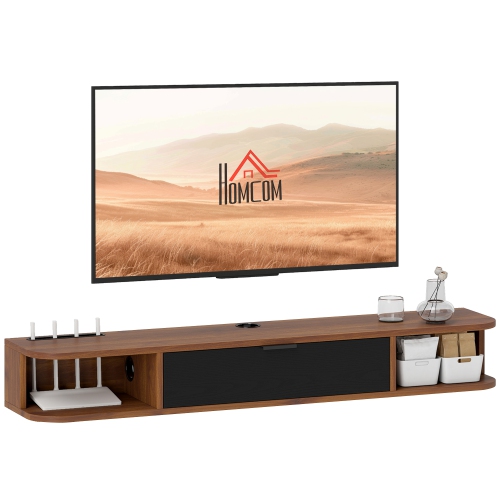







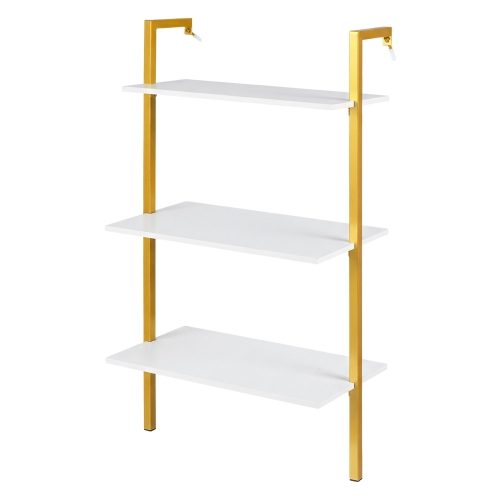


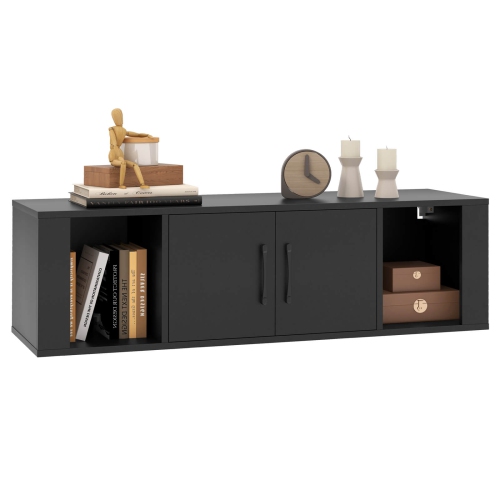
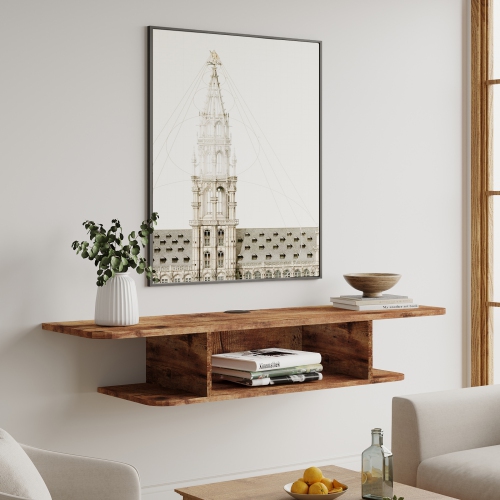


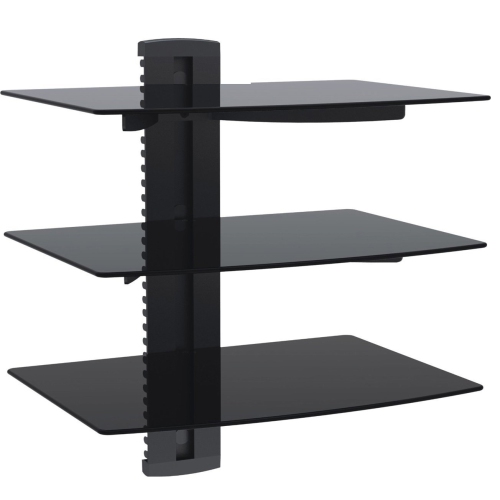


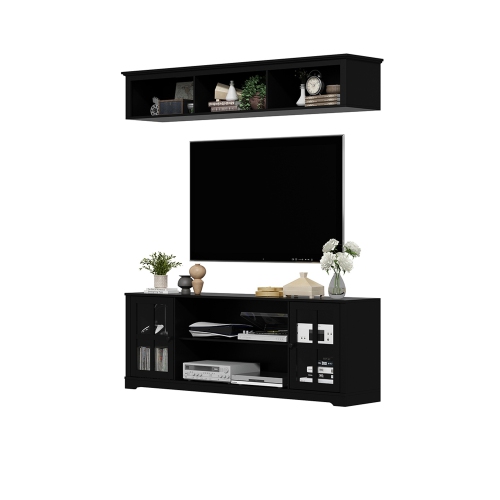
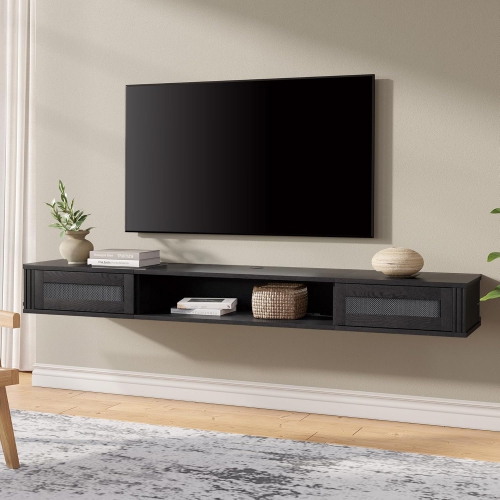

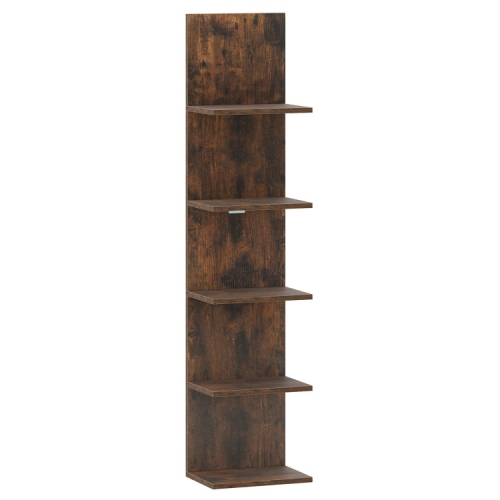


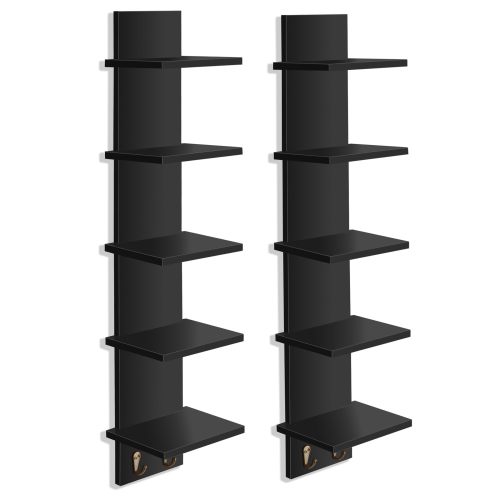
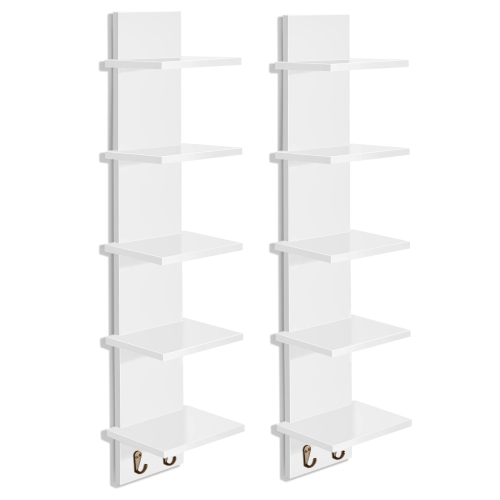
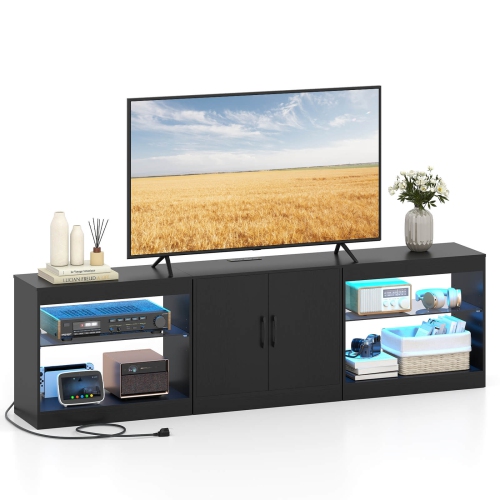

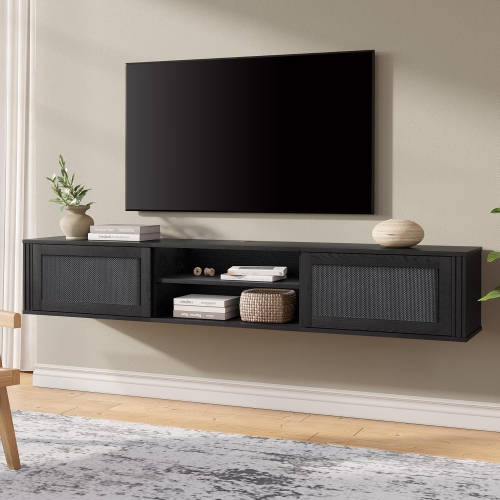
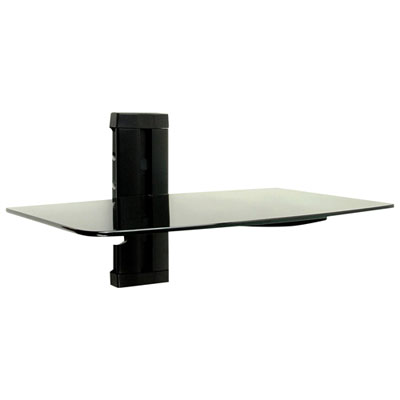
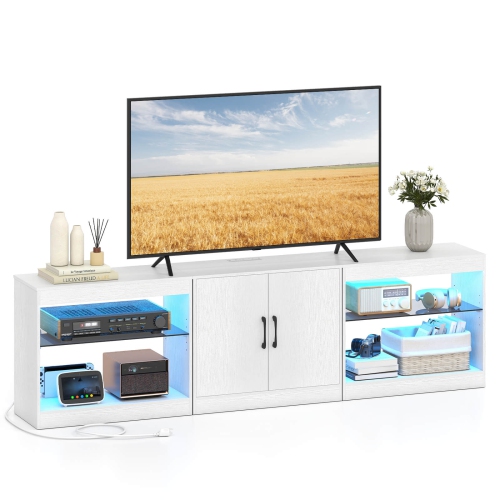

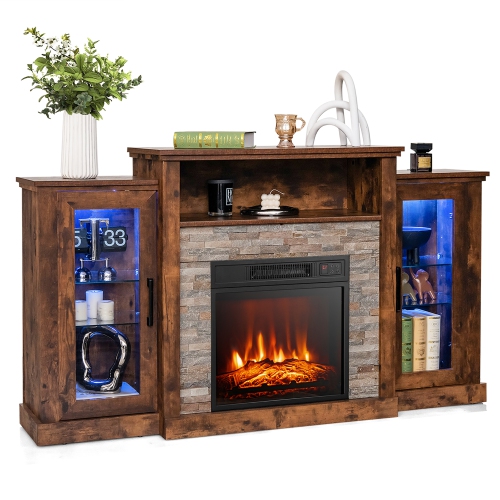

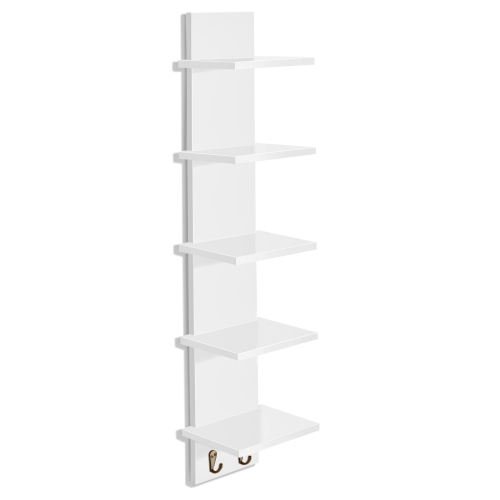
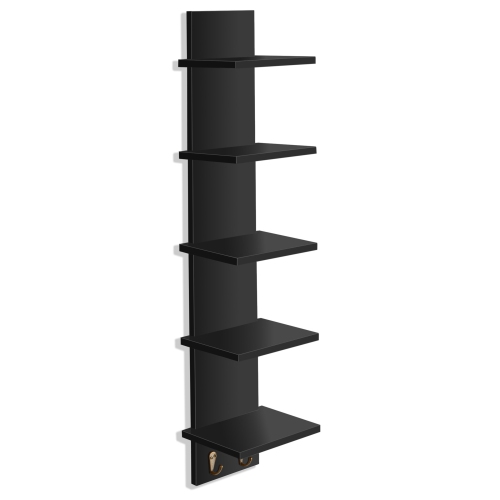

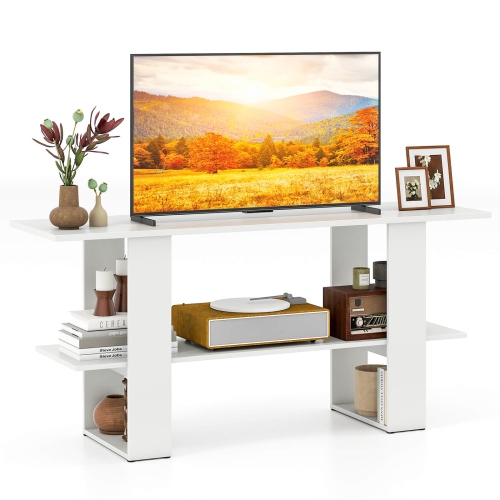

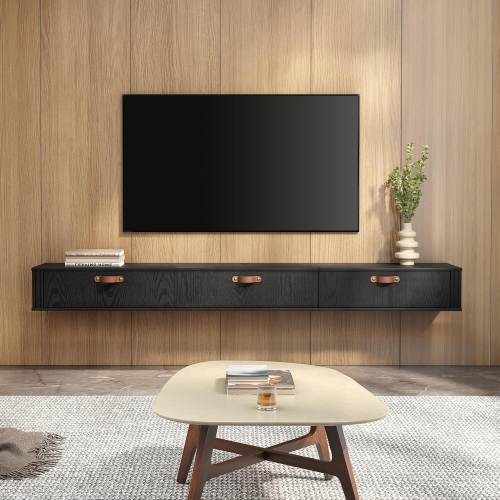
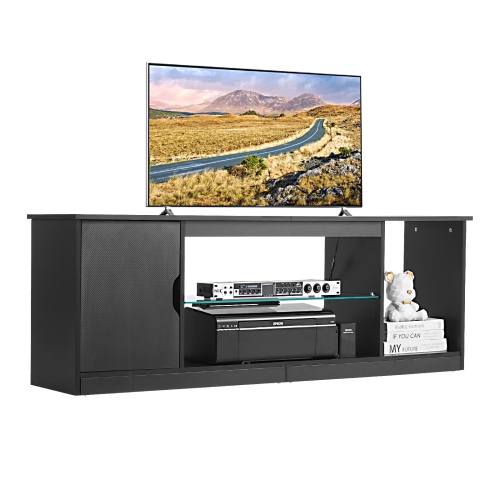
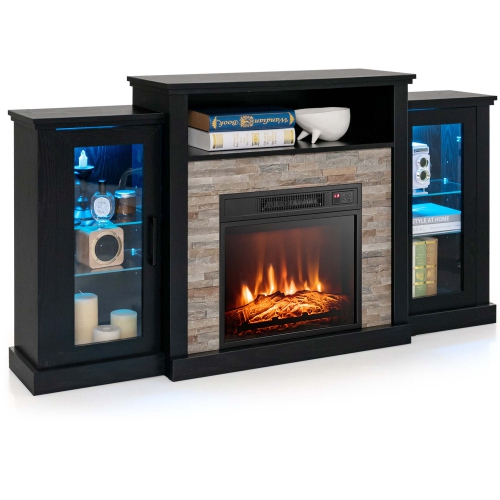

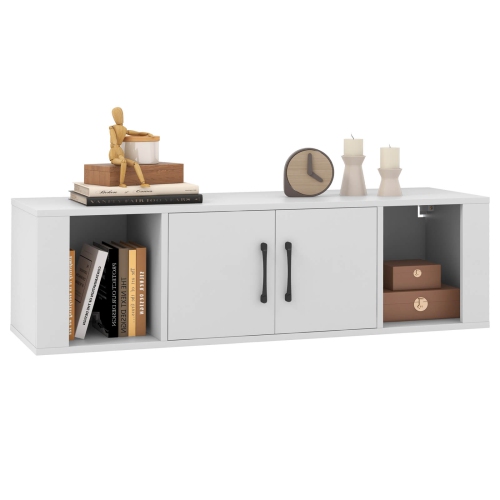
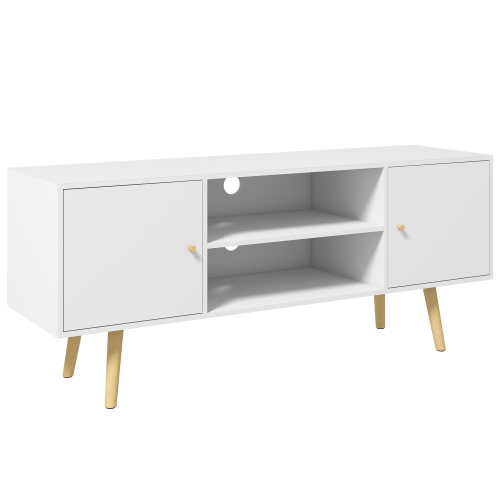
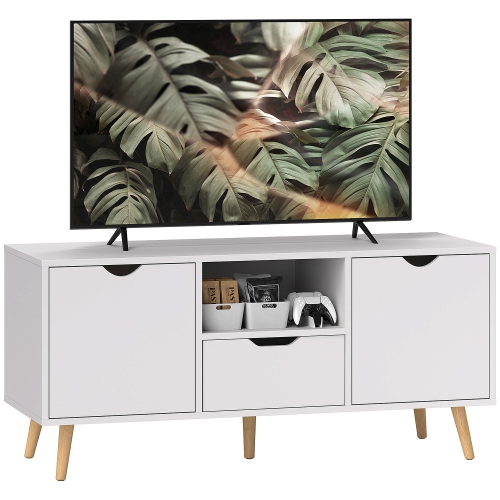
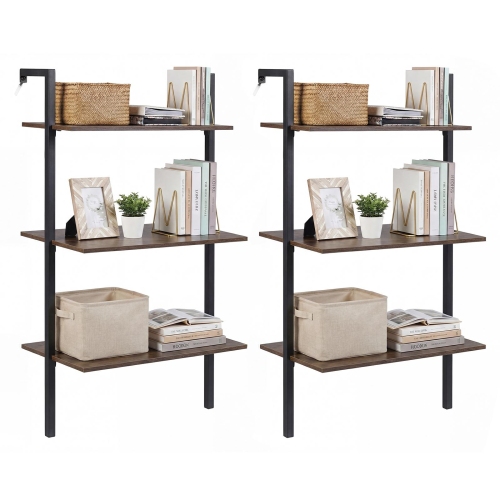

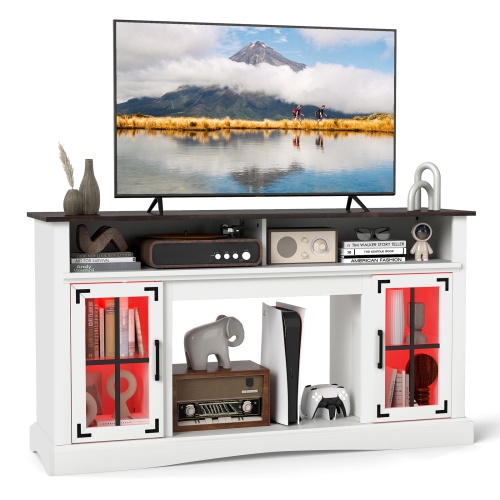
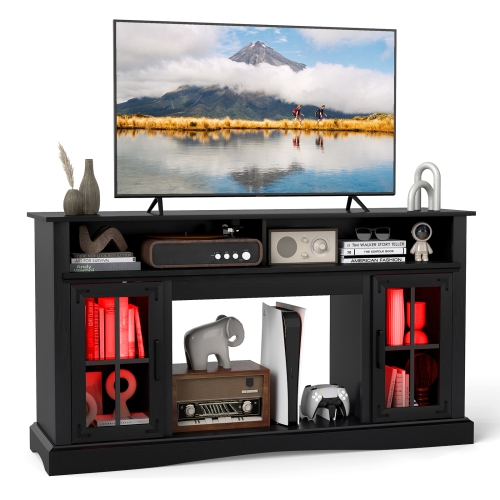
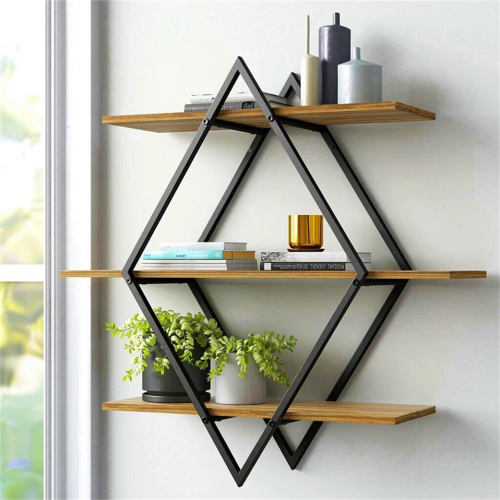
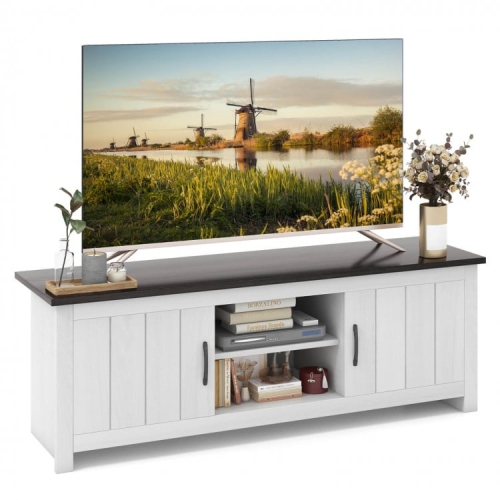
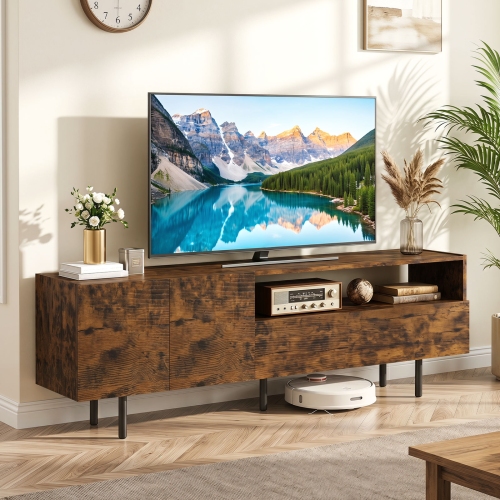

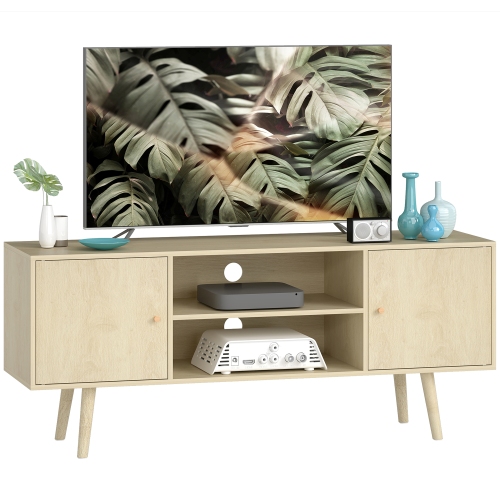

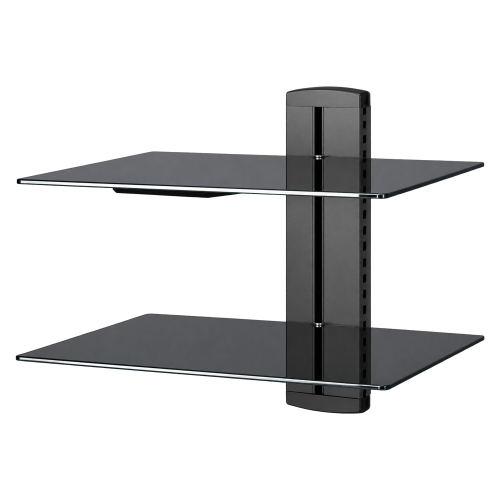
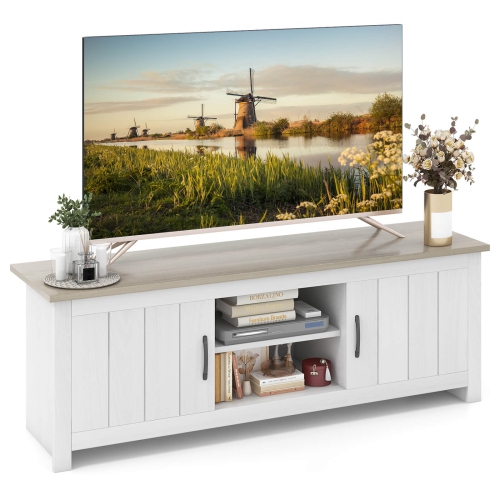
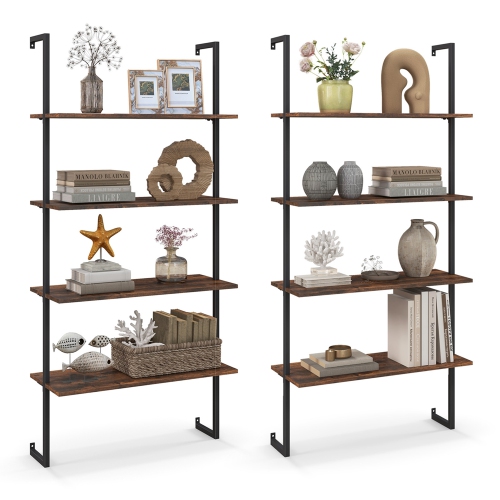

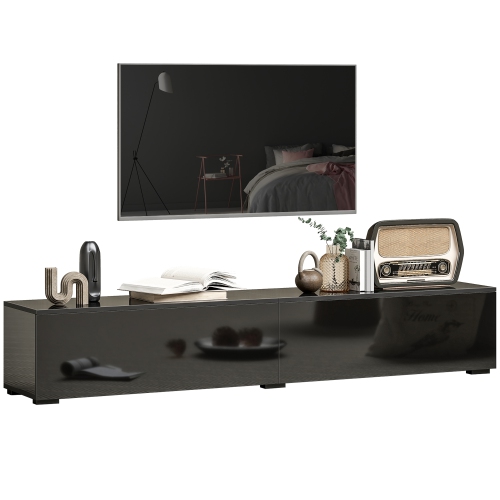
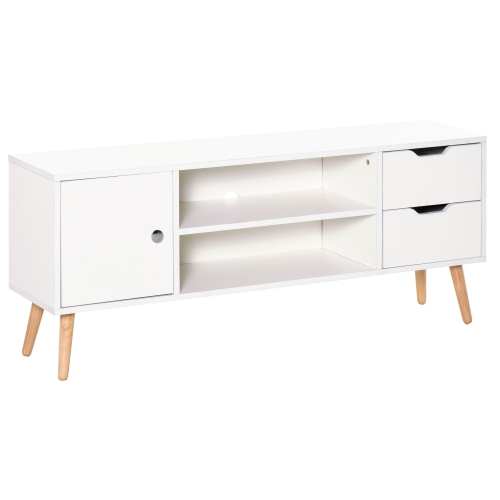
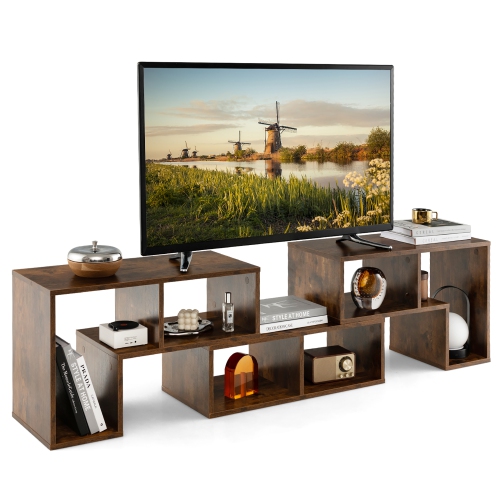


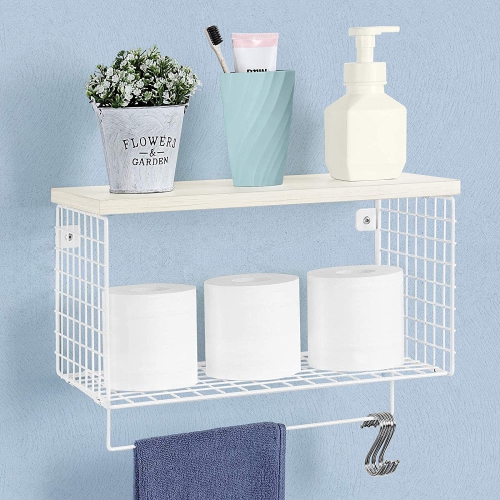
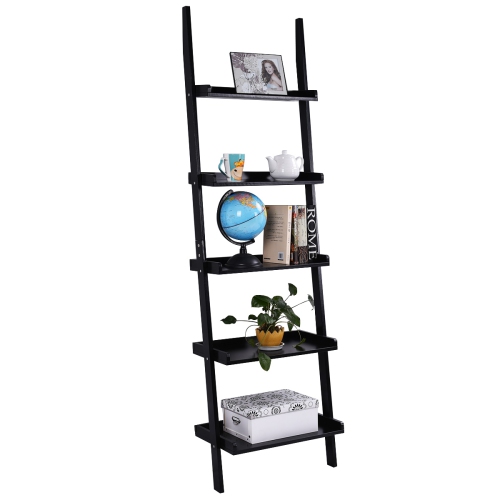
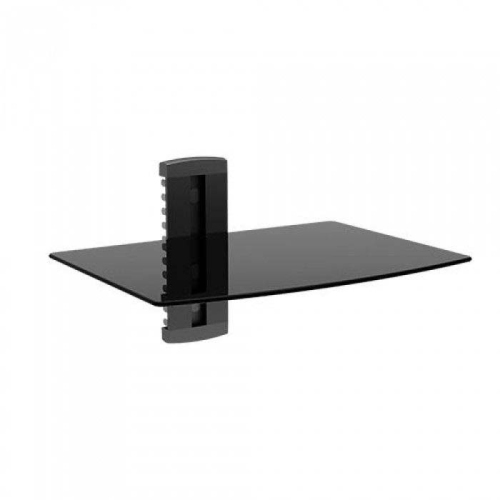

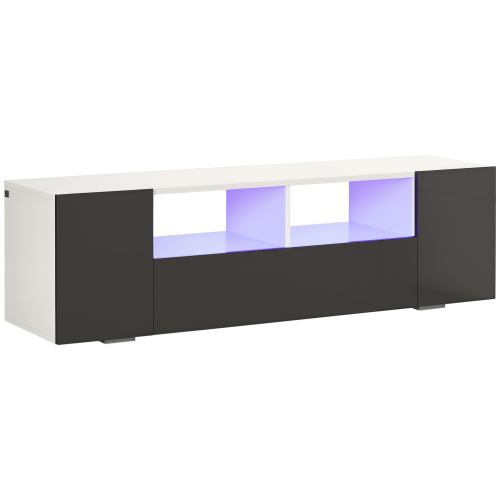
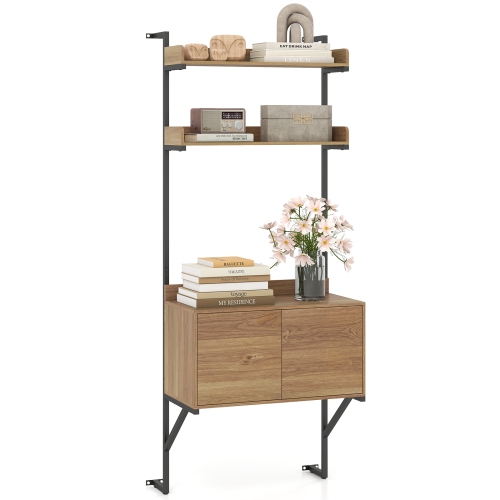
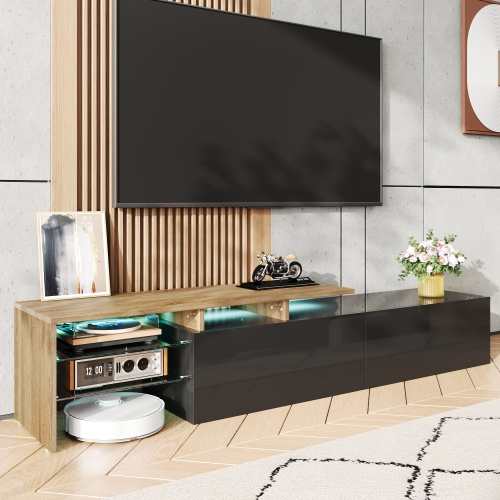
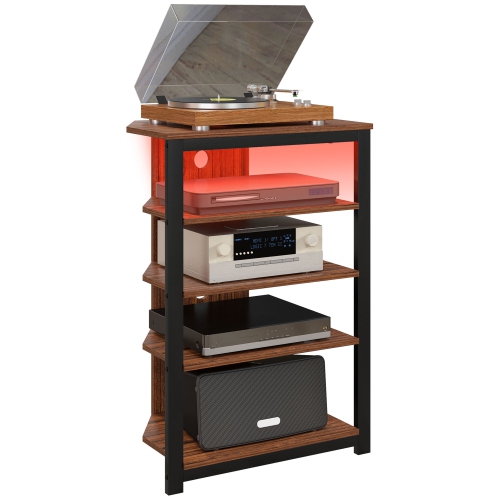
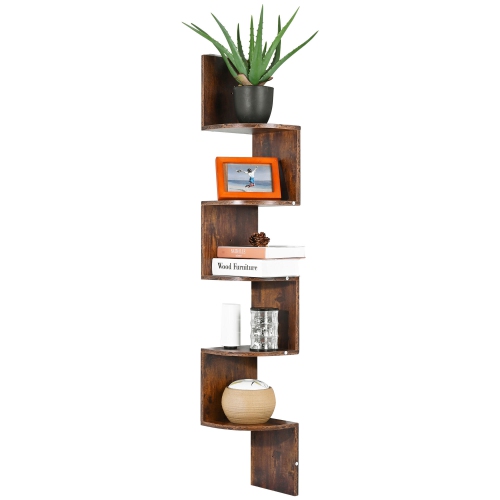
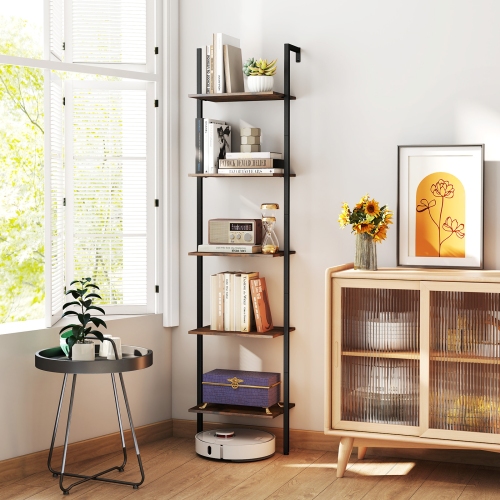
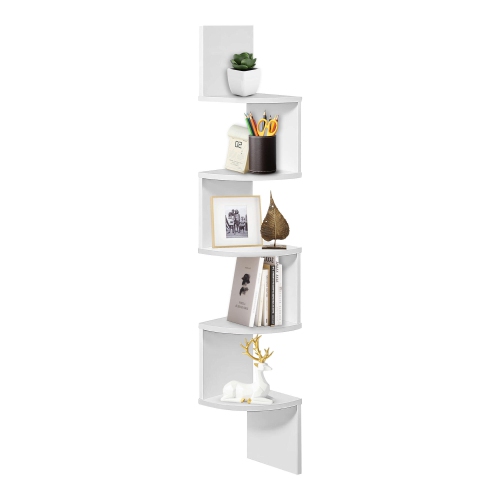


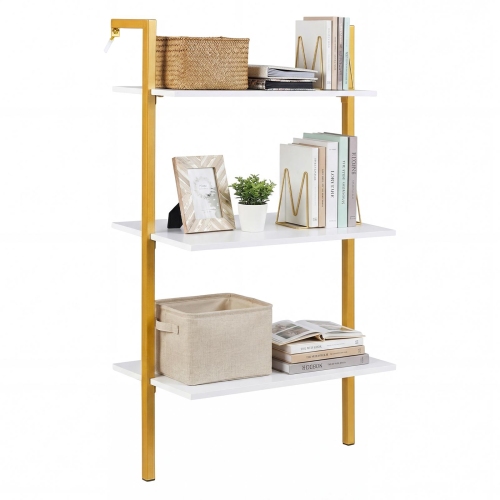

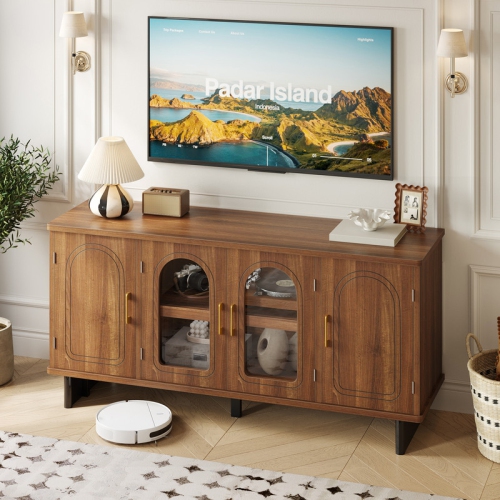
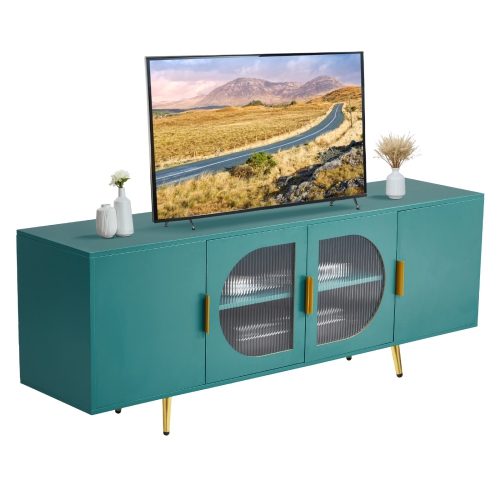
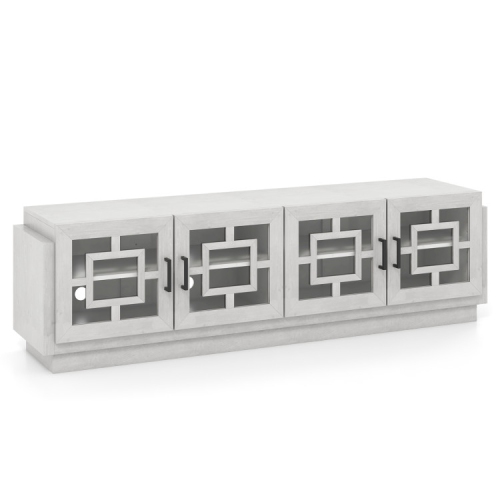

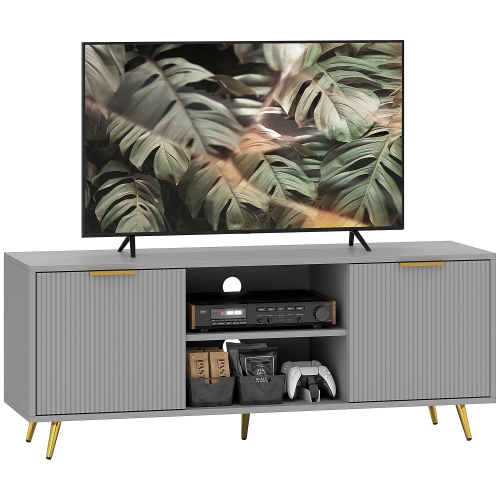
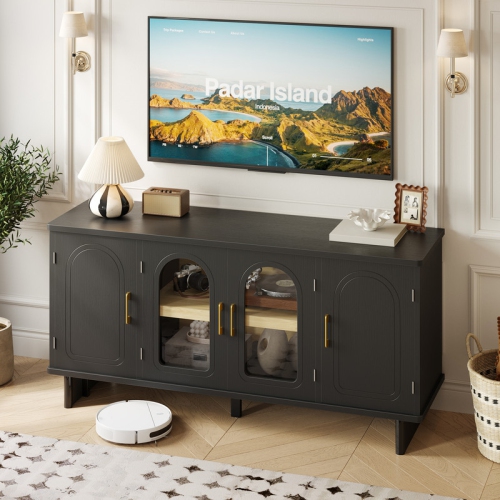
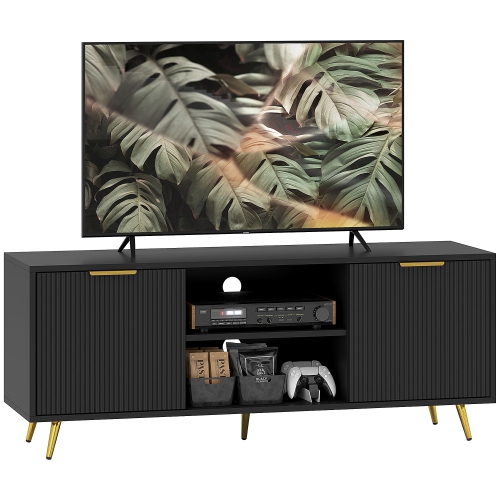
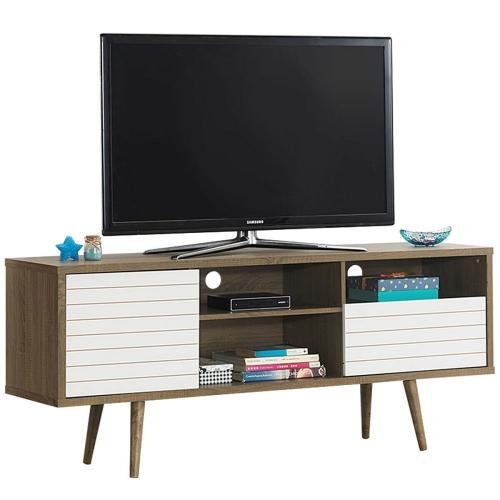
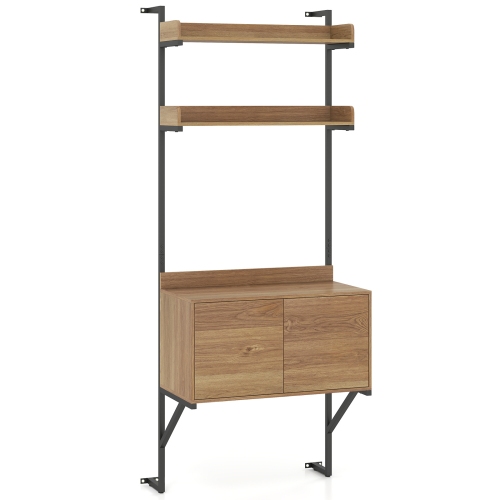

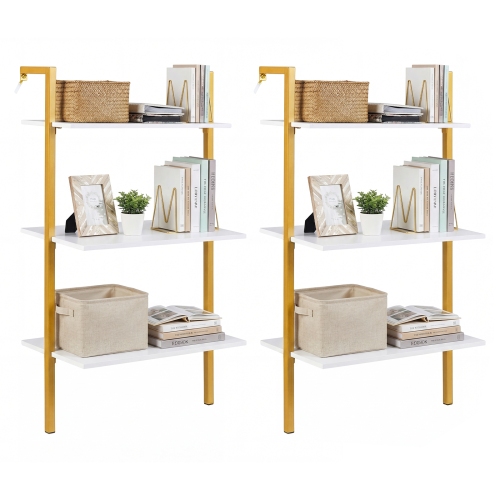
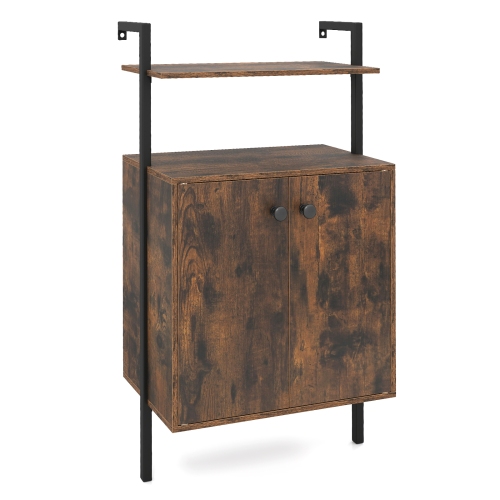


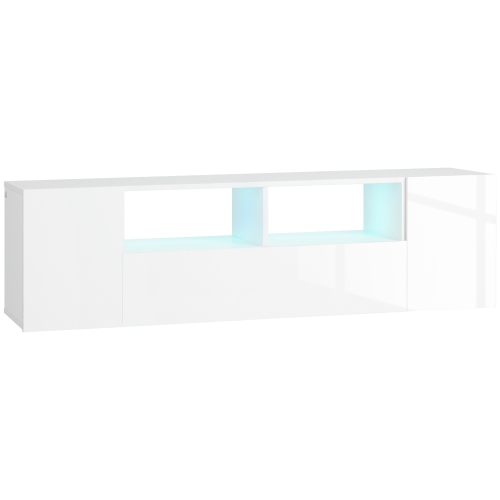
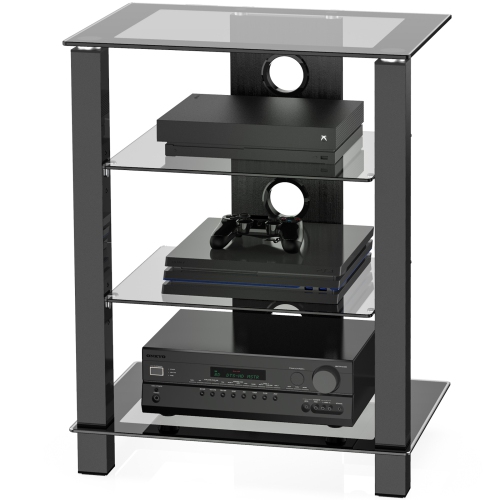

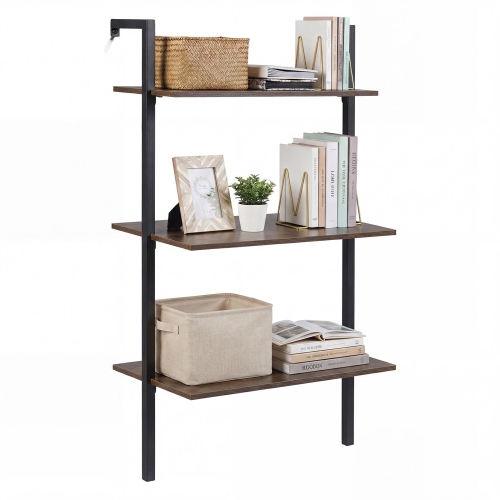
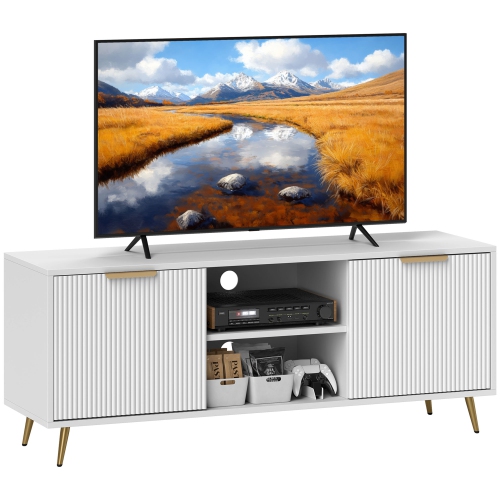

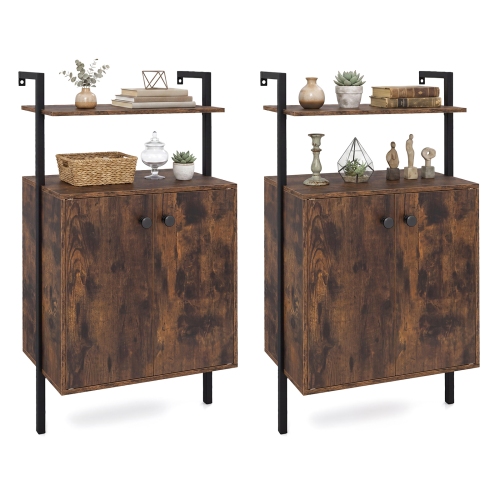
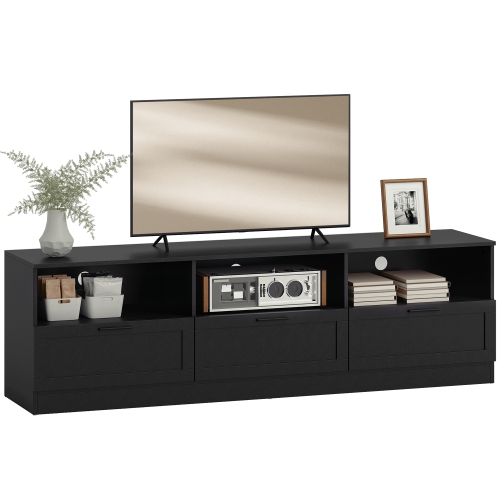
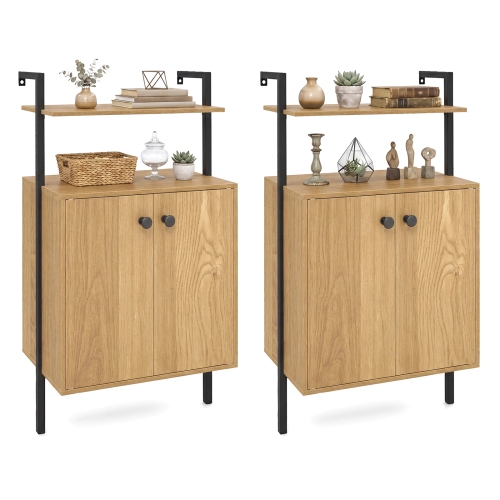

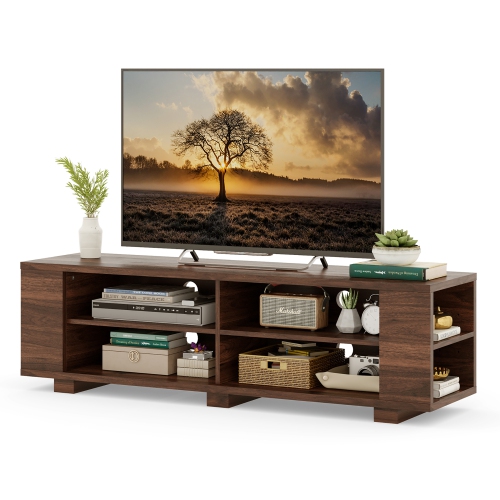
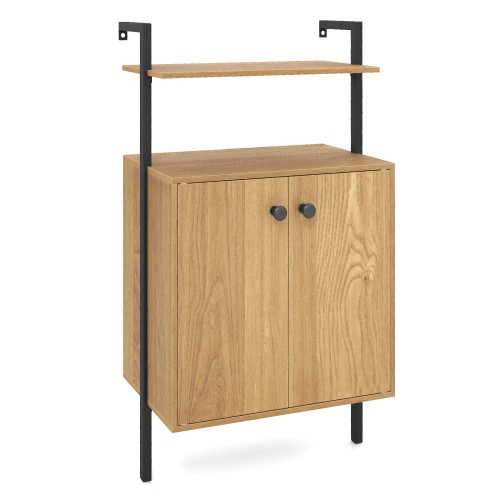

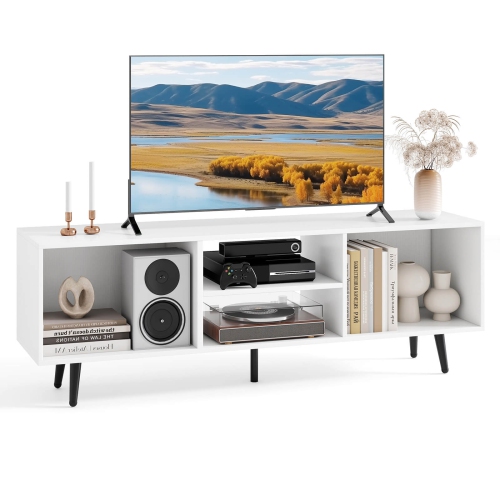

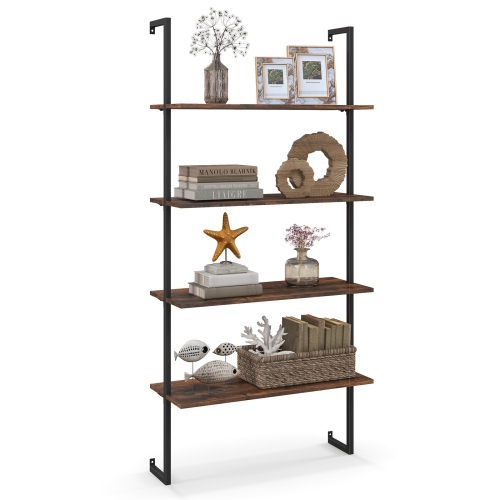

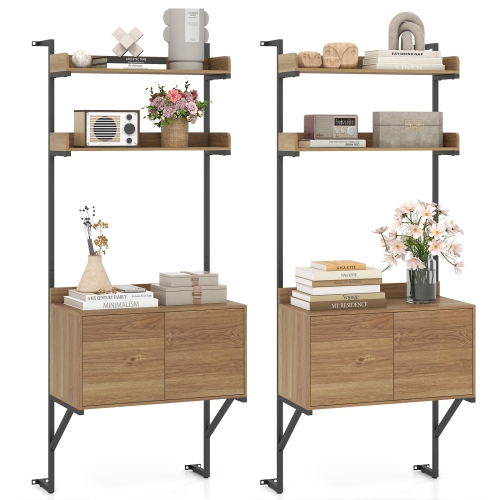


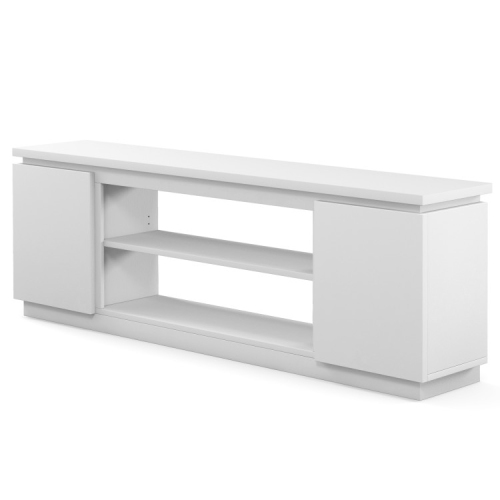

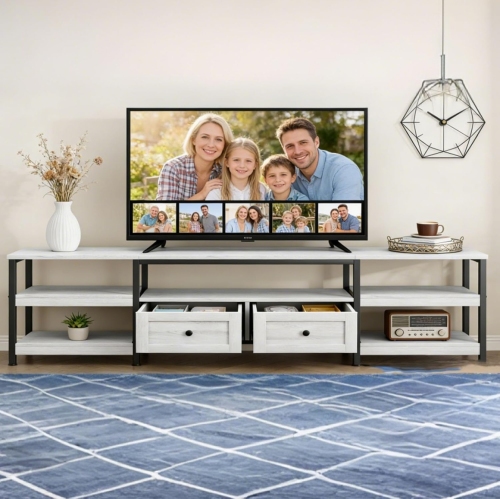


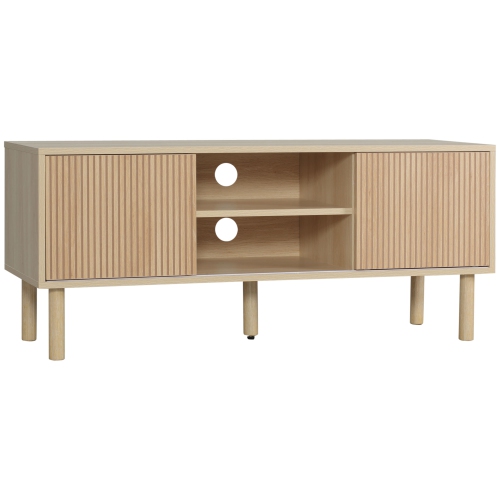
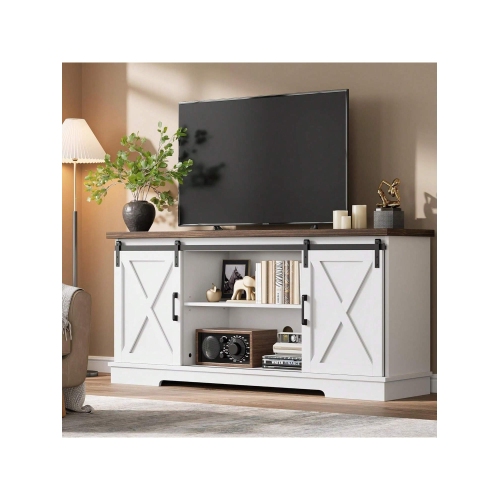

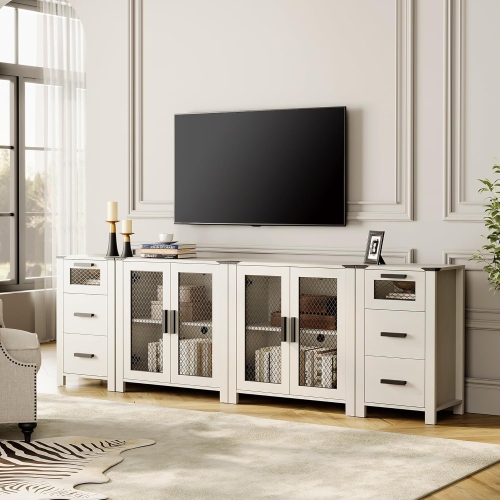

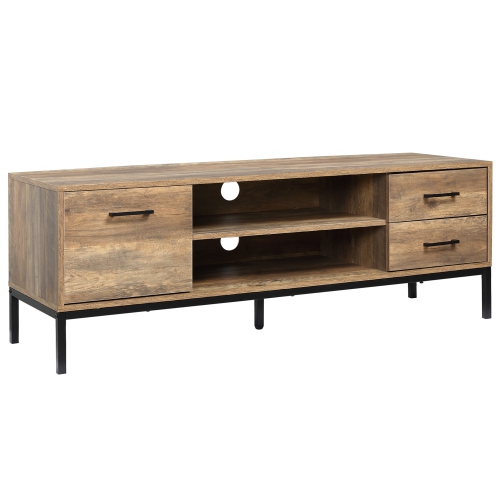
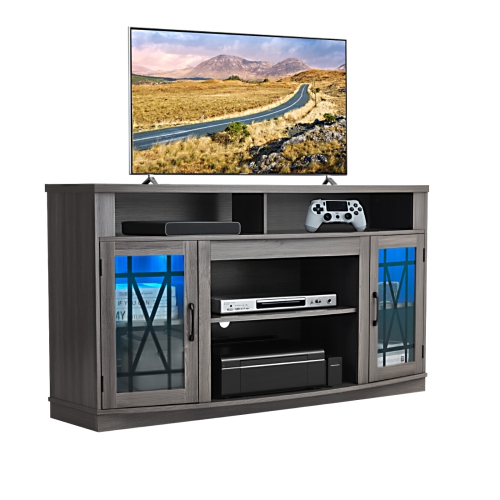

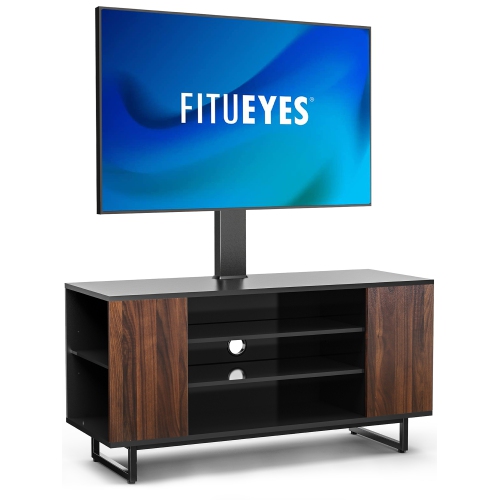

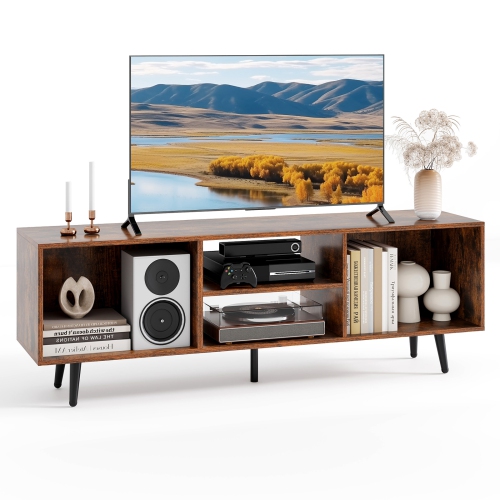
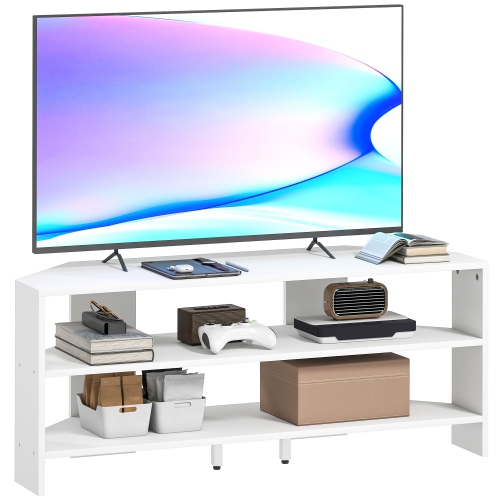
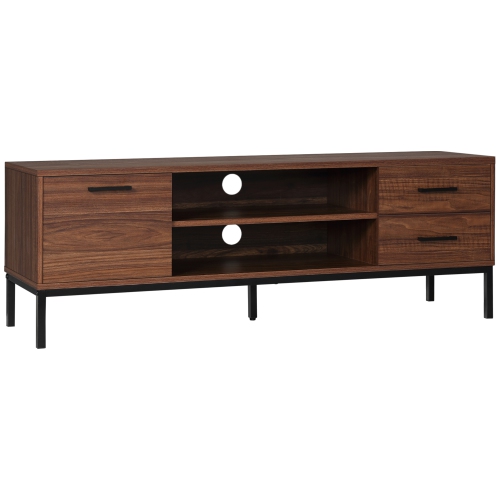


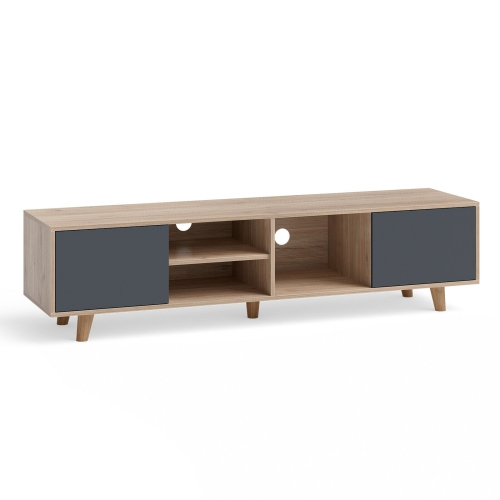


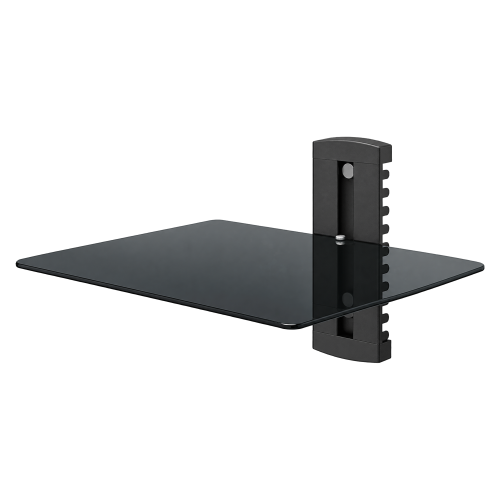


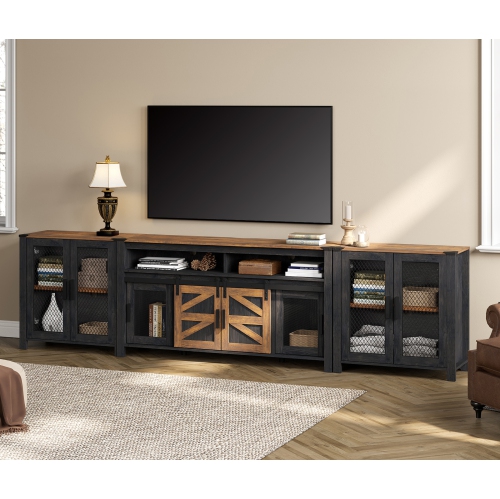
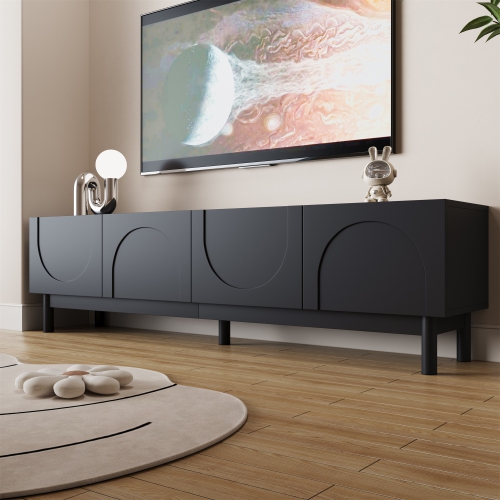
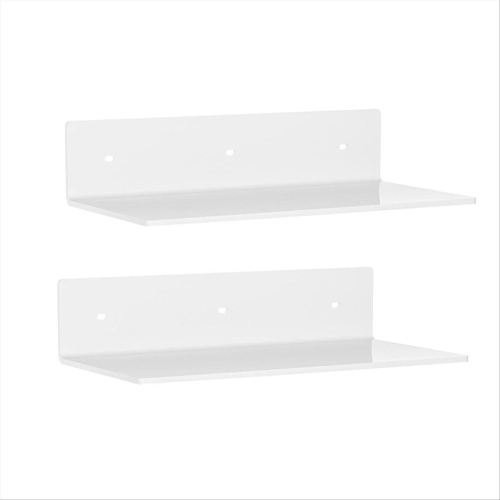
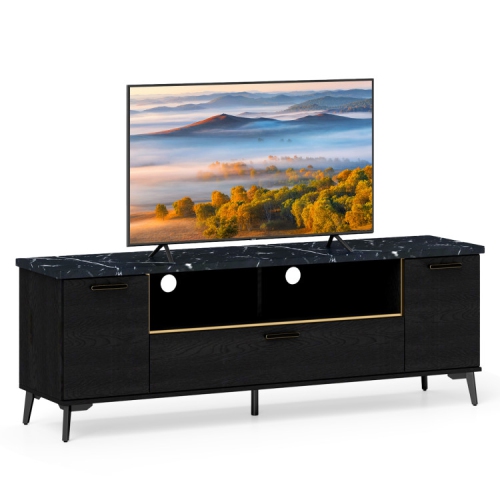
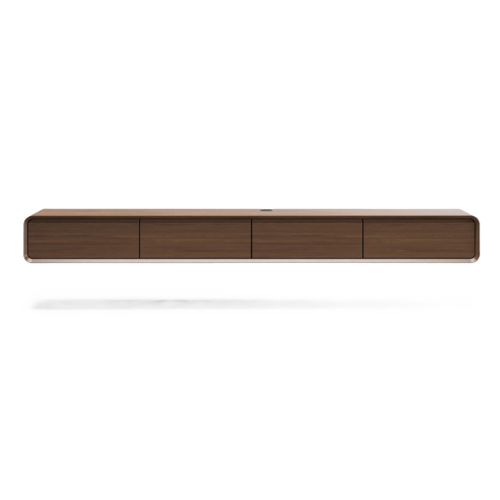

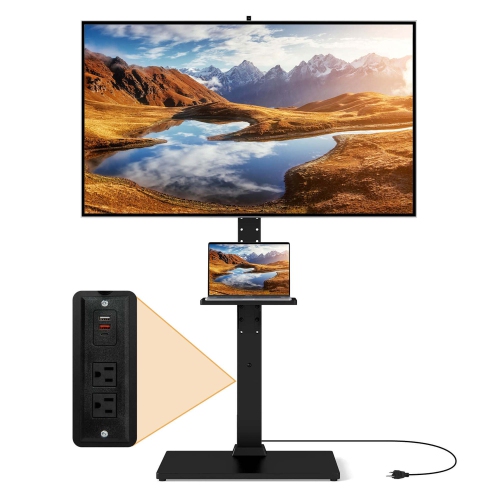
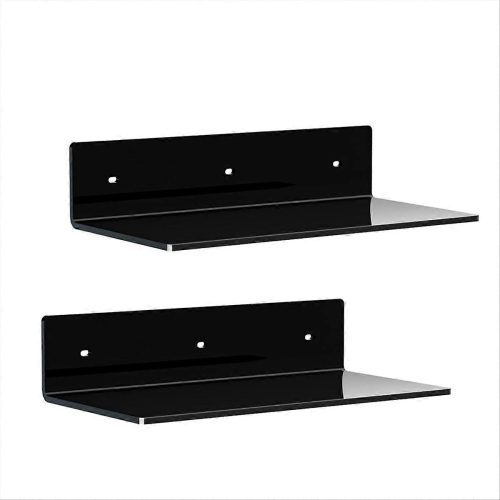
Thoughtful storage for life around the television
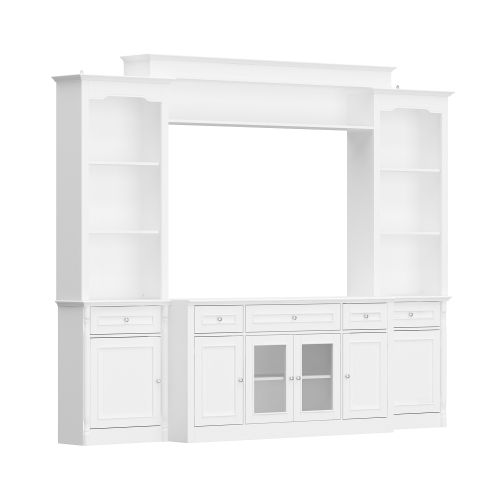
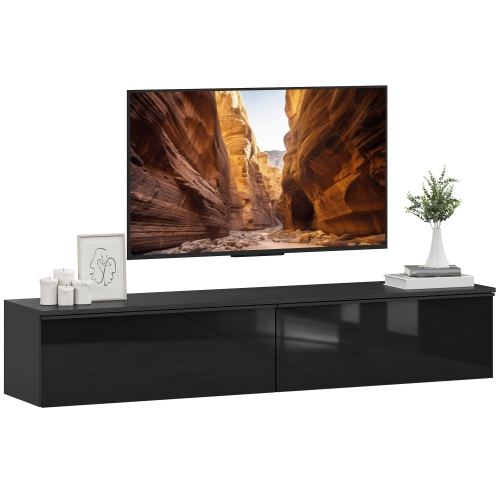
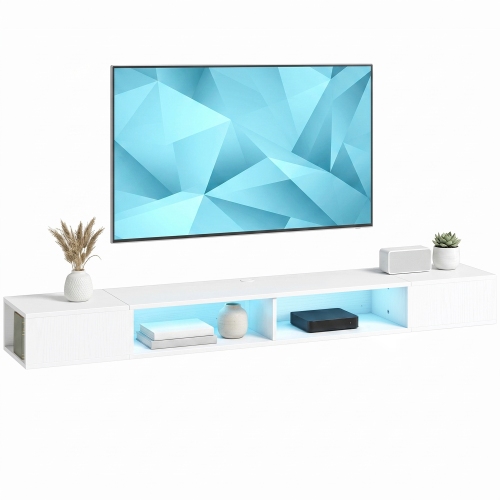
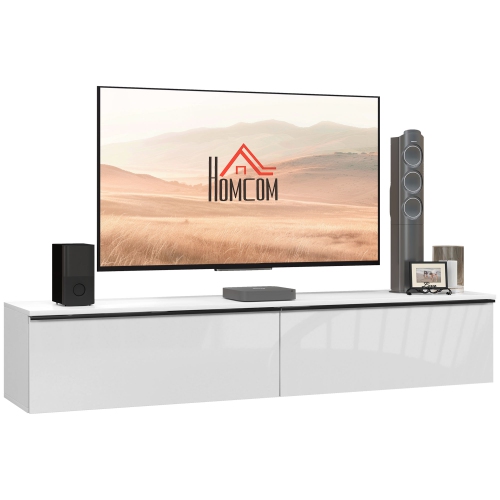
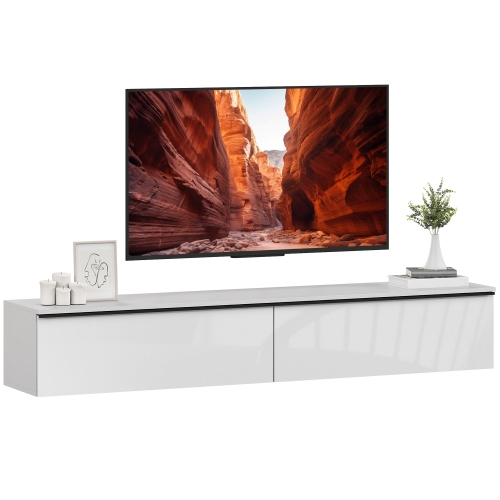
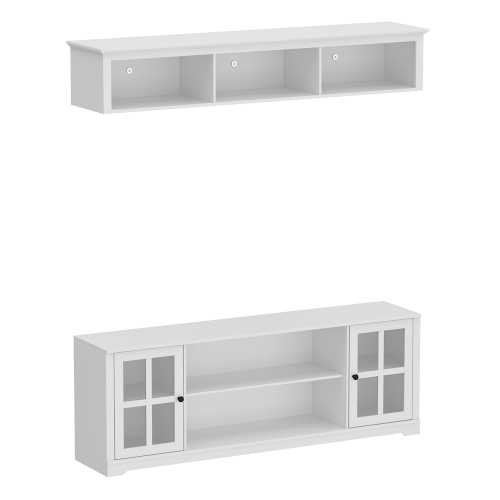
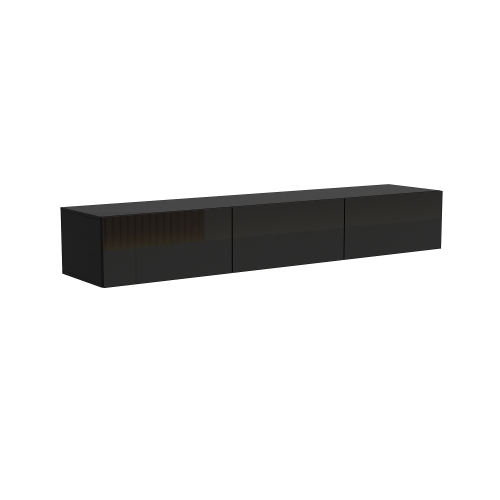
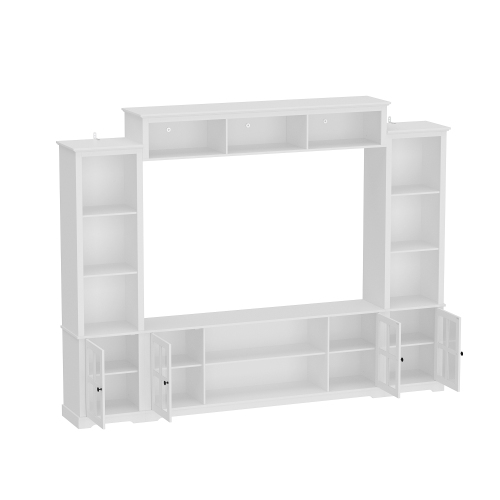
TV wall units with storage bring a television, media equipment, and everyday living room essentials into one coordinated furniture arrangement. Unlike a simple stand, a wall unit may combine a low media console with tall cabinets, display shelves, or wall-mounted cupboards, making use of the space beside and above the screen. This combination gives the television a defined place while creating room for books, board games, controllers, and the small accessories that otherwise collect on nearby tables. Designs range from compact arrangements with a few enclosed compartments to wider entertainment centres that occupy most of a wall. Open shelving keeps favourite objects visible, while cabinet doors and drawers give less decorative belongings a place out of sight. A balanced mix can leave the room feeling personal without making the area around the screen look crowded. The right proportions depend on more than the television’s advertised size: screen sizes describe a diagonal measurement, while furniture fit depends on the television’s actual width, height, depth, and base or foot spacing. A television resting on a console also needs a surface and weight rating suitable for it. For a wall-mounted screen, the furniture should leave enough clearance for the bracket, connections, and any intended adjustment. Shelves above or beside the display need room for the television without obstructing its edges or pressing against cables. Measuring the full arrangement, including open cabinet doors and extended drawers, helps account for nearby sofas, doorways, and walking routes. In a narrow living room, shallow cabinetry can preserve a comfortable path through the space; on a broad wall, taller side sections can provide storage without extending the console across the entire room. Floating components leave the floor beneath them visible and accessible for cleaning, while floor-standing units provide another way to arrange the same storage functions. Both styles require installation appropriate to their construction, with wall-mounted sections secured to suitable structural support and freestanding furniture anchored where specified.
Storage works best when its layout matches what will actually live around the television. A deep drawer can hold game controllers and spare cables, but an adjustable shelf may be more useful for equipment with different heights. Larger closed compartments suit board games, photo albums, and baskets of small accessories, while slim shelves offer a convenient place for books or a few framed photographs. Cabinet dimensions matter as much as overall capacity: a compartment that looks generous from the front may have less usable depth once the back panel, hinges, and cable connections are considered. Media equipment needs clearance behind it for plugs and leads, along with access that makes adding or replacing a connection manageable. Cable openings and rear routing channels, where included, can help keep wires from crossing display shelves or hanging along the sides of the furniture. They also make it easier to separate power cords from the cables running between the television, speakers, and other equipment. Closed storage can conceal electronics, but it is not automatically suitable for devices operating behind a shut door. Consoles, receivers, streaming devices, and networking equipment need the ventilation and clearances specified by their manufacturers; an enclosed compartment without adequate airflow can trap heat. Open-backed sections or ventilated cabinets may offer a more appropriate arrangement, depending on the device. Remotes that rely on a clear infrared signal may also need an unobstructed path, whereas other control systems work differently. A router’s placement deserves consideration because cabinet materials and its position within the room can affect wireless coverage. For a soundbar, an open position that does not block the television or place the speaker deep inside a cabinet generally allows a clearer path for sound, subject to its placement instructions. These details make a difference in everyday use: movie nights are easier to settle into when the remote has a regular home, the controller drawer opens freely, and connected equipment remains accessible without dismantling the display.
Materials, finishes, and hardware influence how a TV wall unit looks and how it holds up to repeated use. Solid wood can bring visible grain and natural variation, while wood veneer offers a real-wood surface over a supporting core. Engineered wood with a laminate or other finished surface can provide a consistent colour and texture, with care needs that depend on the particular finish. Metal frames and supports can create a lighter visual outline, and glass doors or shelves keep displayed objects visible while introducing their own cleaning and load-limit considerations. A pale finish can blend with light walls, a darker wood tone can give the television area a stronger presence, and matte surfaces may show reflections differently from glossy ones. Durability also comes from the less visible details: securely attached hinges, smoothly operating drawer slides, stable joints, and shelves rated for the weight placed on them. Adjustable shelving adds flexibility, though shelf supports must remain properly seated and loaded within their limits. Routine care usually centres on gentle dusting and cleaning according to the furniture maker’s instructions. Where permitted, a lightly dampened soft cloth can remove marks; excess moisture, abrasive cleaners, and prolonged contact with spills can damage some surfaces, particularly exposed edges or seams. Keeping drinks on coasters and avoiding dragging equipment across a finished top helps protect areas that receive regular use. In a family living room, reachable storage for shared games can be paired with higher display shelves, while cords and furniture anchoring deserve particular attention around children and pets. In a smaller apartment, one coordinated unit can serve several purposes, replacing separate bookcases and media storage without scattering furniture around the room. For spaces that need storage mainly beneath the screen rather than surrounding it, TV Stands With Storage offer a lower-profile furniture format. A well-proportioned wall unit leaves room for daily routines as well as entertainment, giving frequently used belongings accessible homes while keeping the television area visually settled.
Top selling and popular products
-
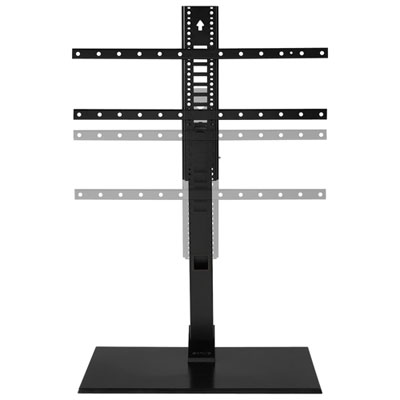 Your price for this item is $249.99
-
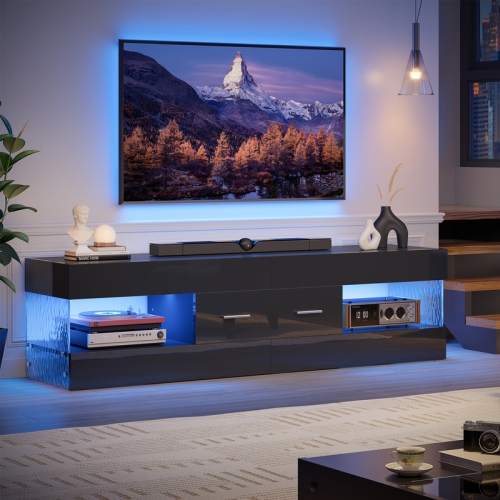 Your price for this item is $179.99
-
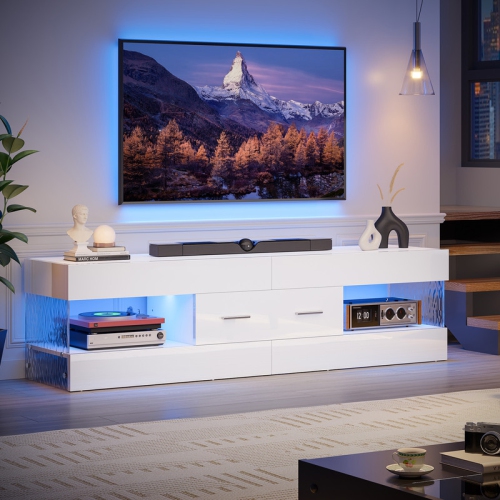 Your price for this item is $169.99
-
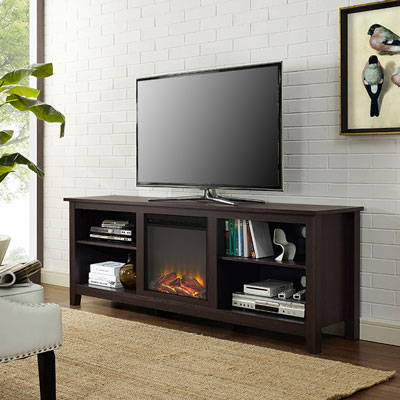 Your price for this item is $689.99
-
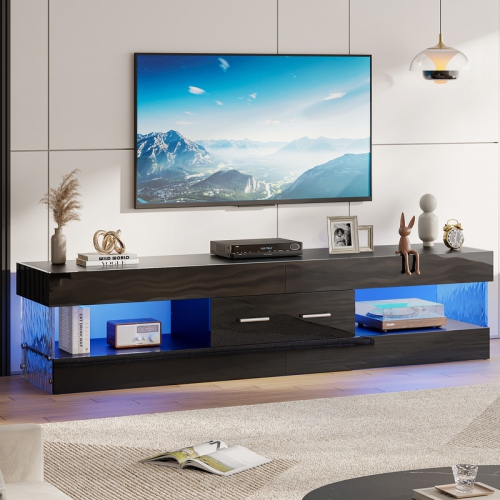 Your price for this item is $199.99
-
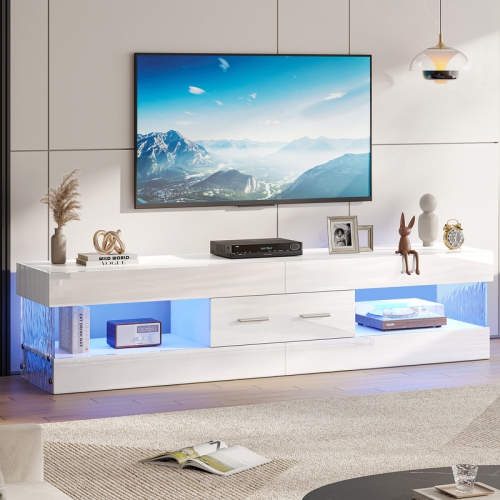 Your price for this item is $199.99
-
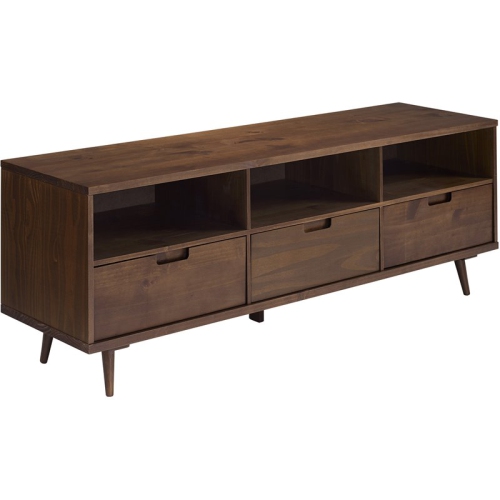 Your price for this item is $941.25
-
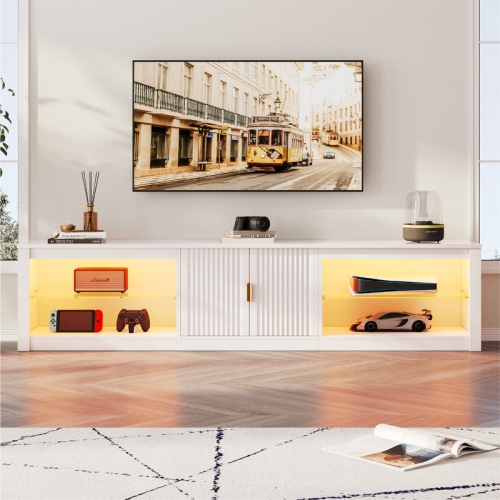 Your price for this item is $269.99
Discover more categories related to TV Wall Units With Storage
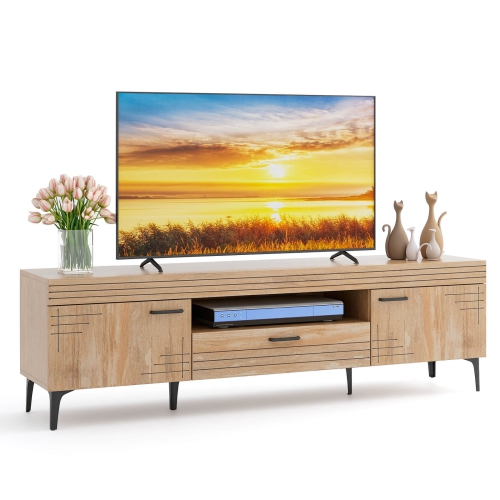

Top Collections:
Pokemon Centers, Best Cameras for Sports Photography, Kindle Devices, Samsung Galaxy Phones, Canon G7X Cameras, Pokémon 30th Celebration Cards, Refurbished Apple Laptops, iPhone 15 Apple, Laptops for Students, Budget Smartphones
Some products may be subject to Environmental Handling Fees
(EHF) depending on your province.
Learn more about EHFs.