Wall Tv Cabinets
Looking to maximize your living space while adding a touch of elegance to your home? Wall TV cabinets are the perfect solution. Designed to seamlessly blend with your existing decor, these stylish and functional cabinets provide a sleek and organized way to showcase your television. Whether you have a small apartment or a spacious living room, a wall TV cabinet offers the ideal combination of storage, style, and convenience. Here are some great options available.
Sort

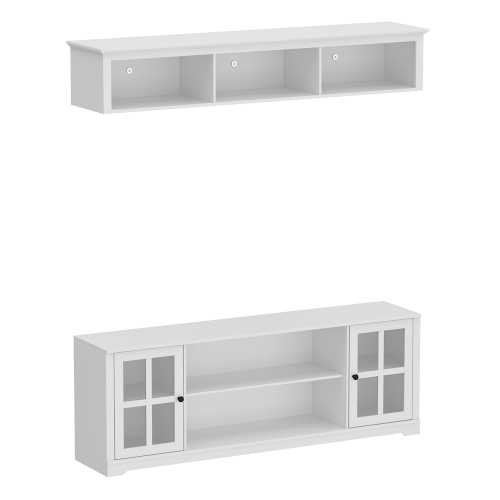
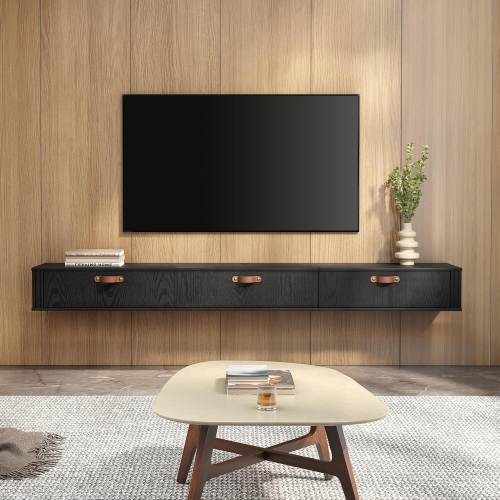


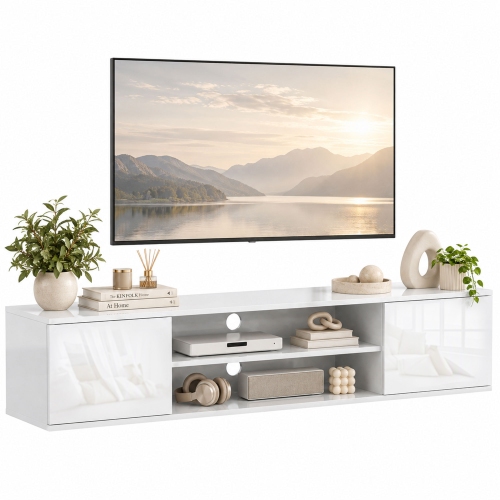


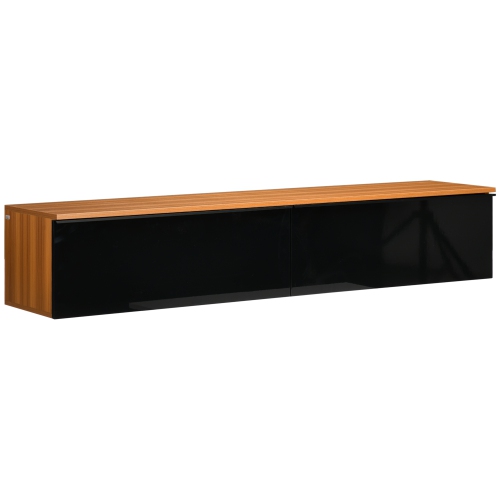

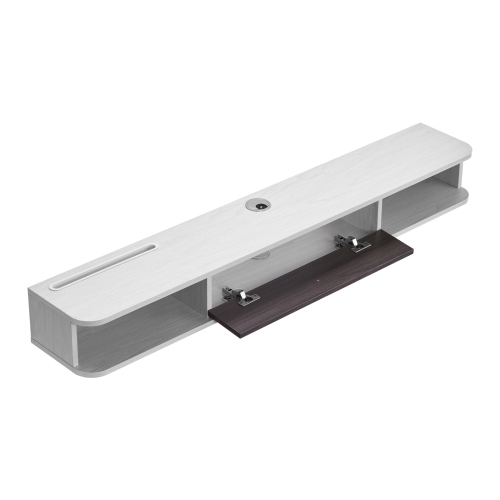
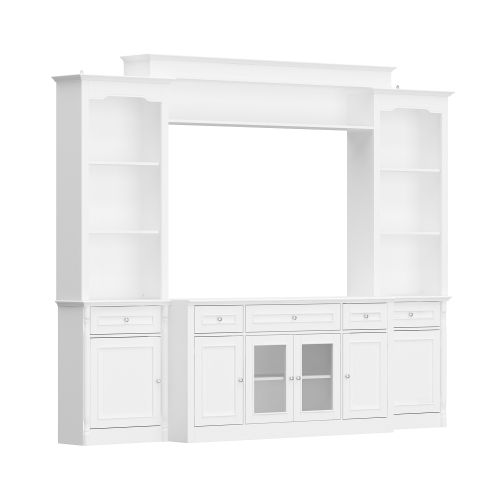


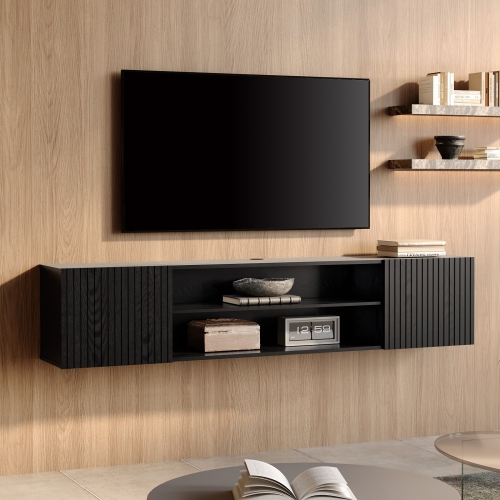

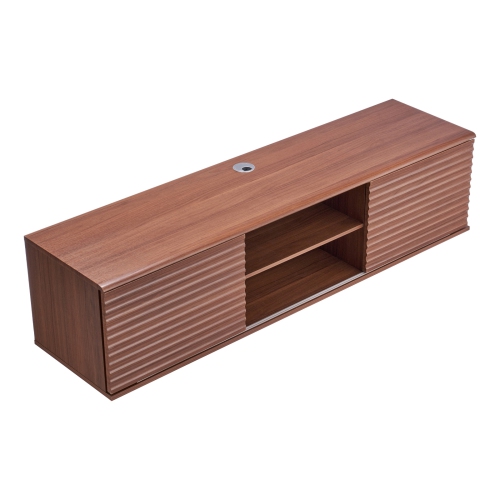
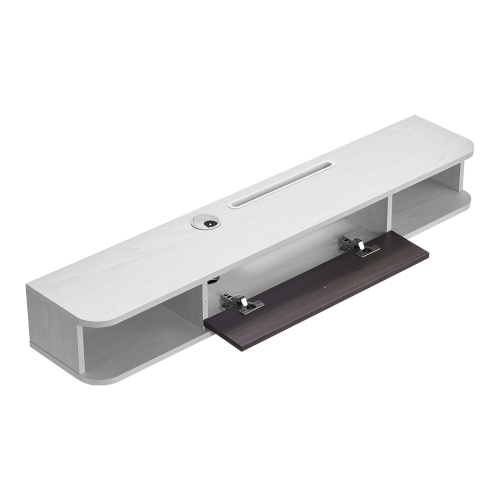


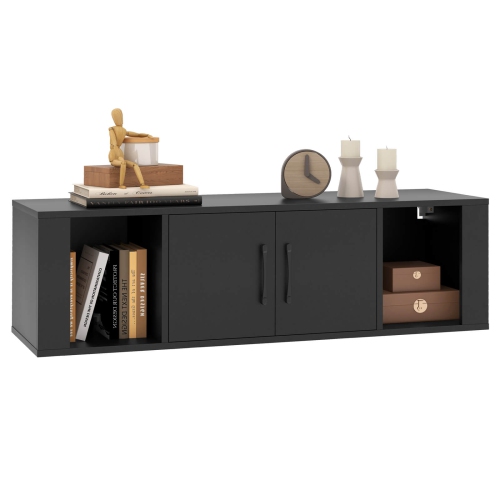


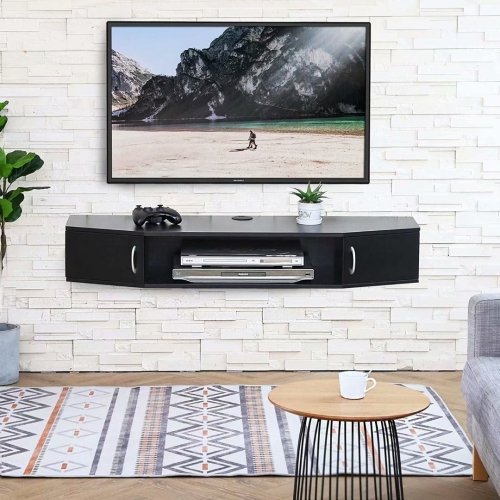
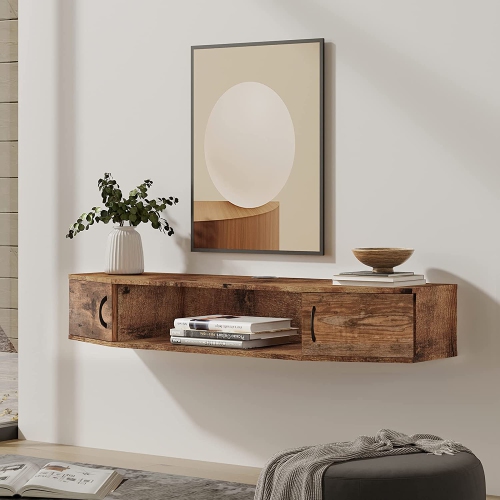
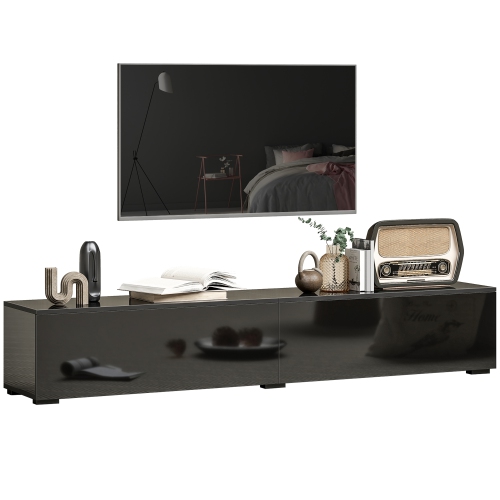

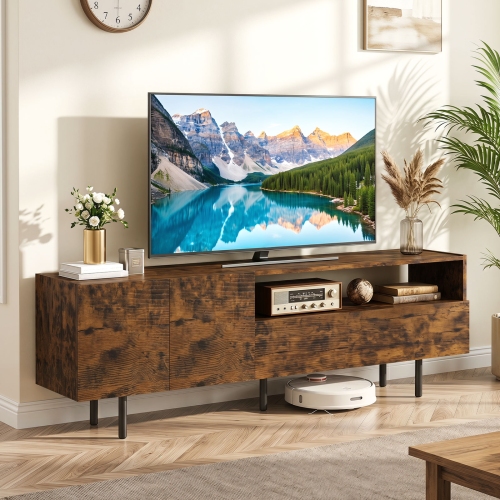
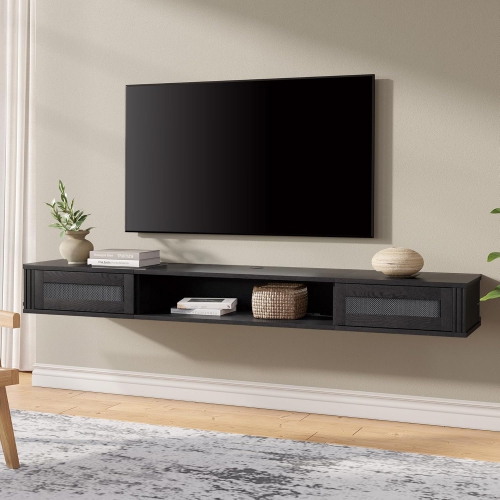
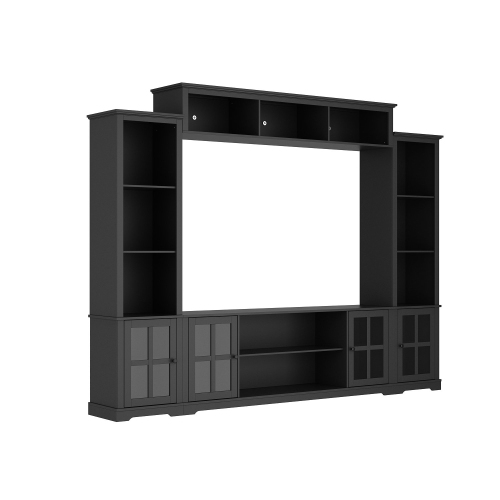
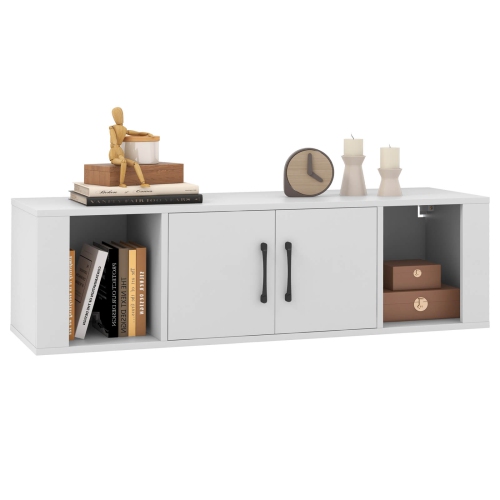
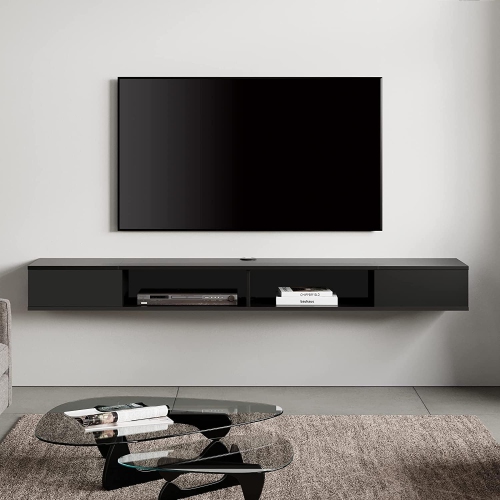

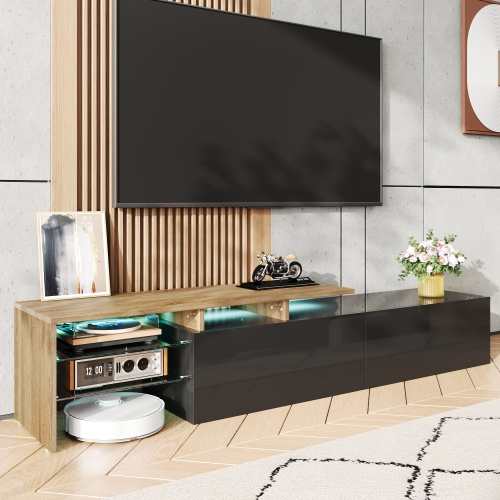
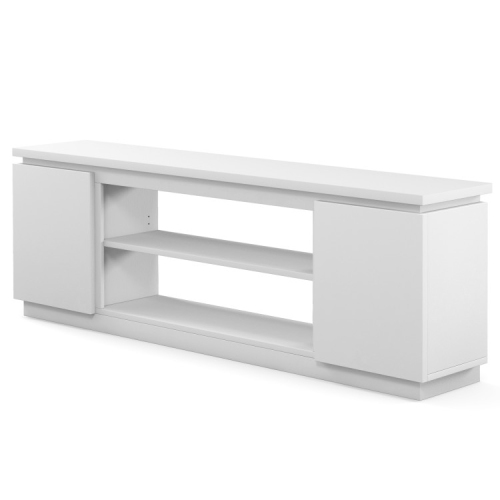

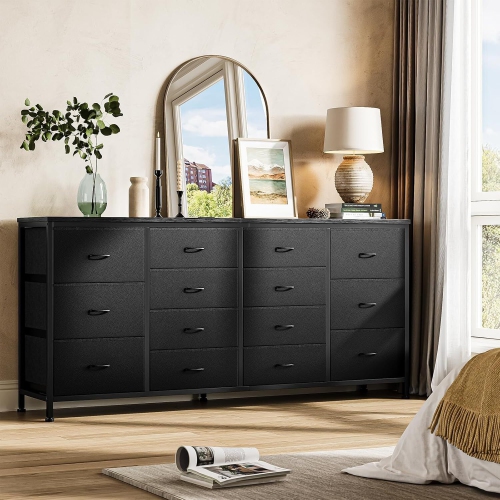
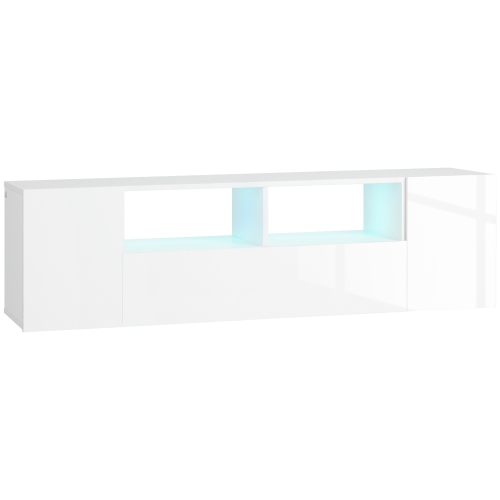
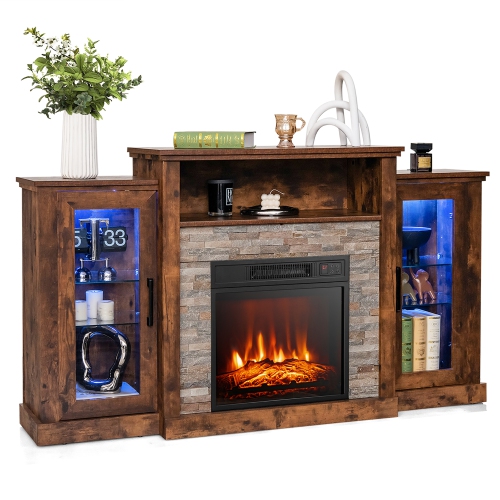


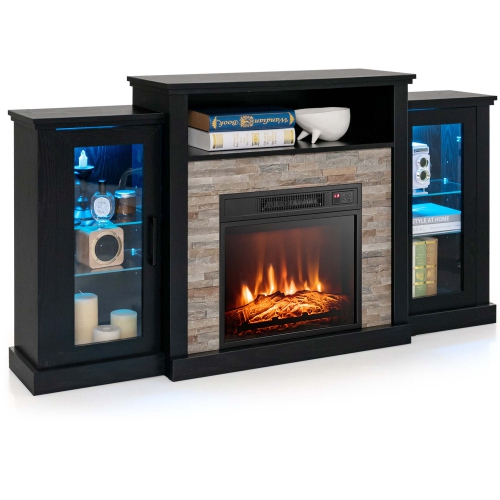

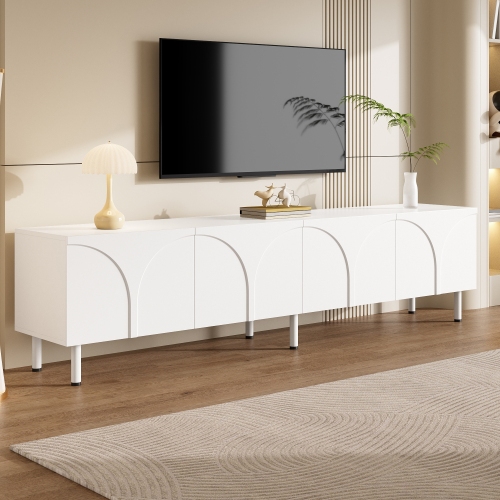

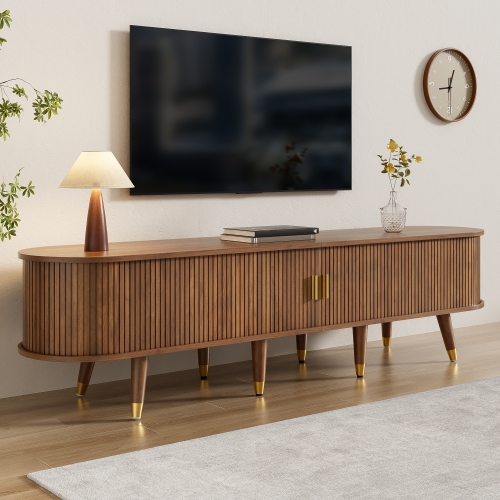
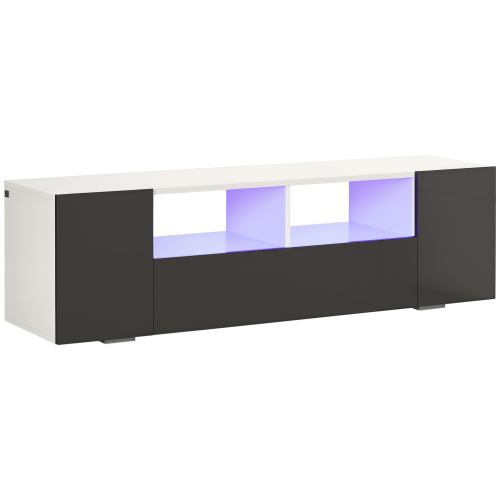
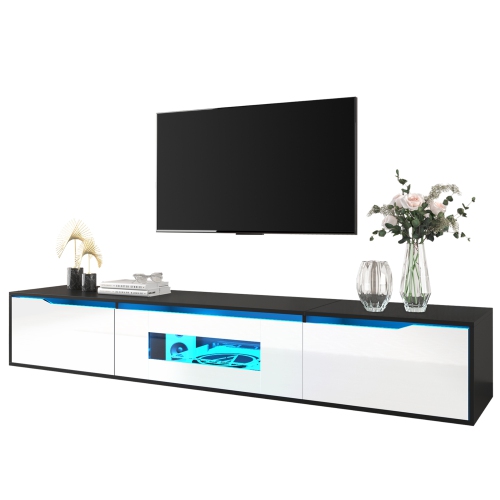

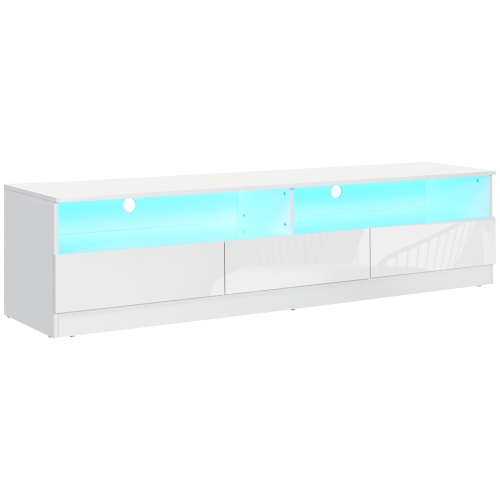
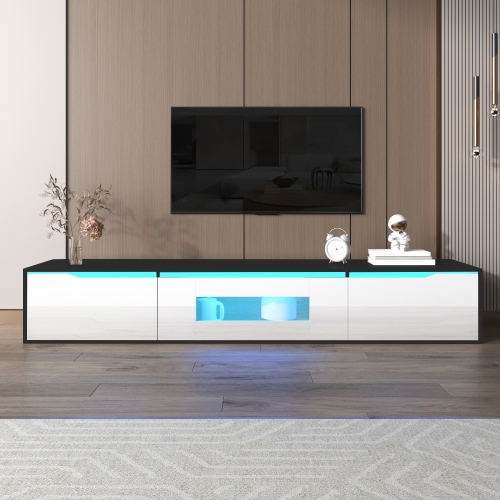
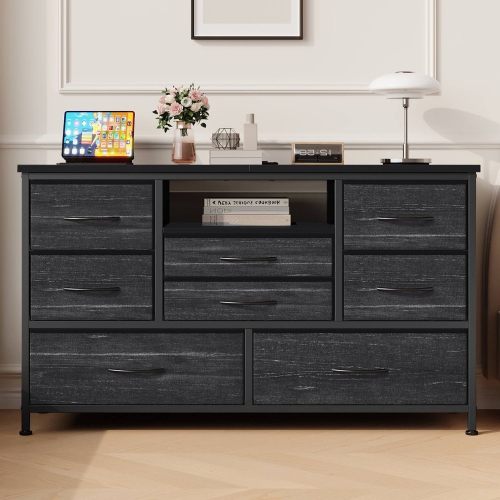
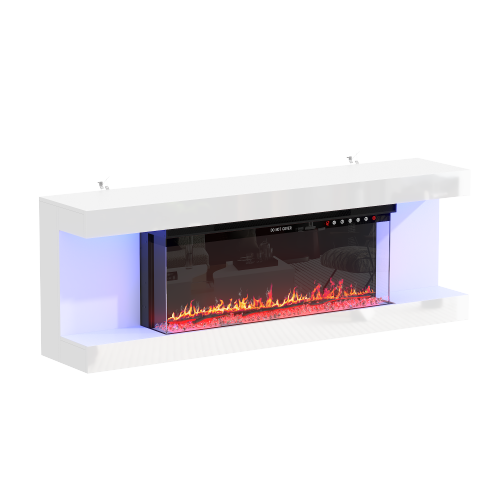
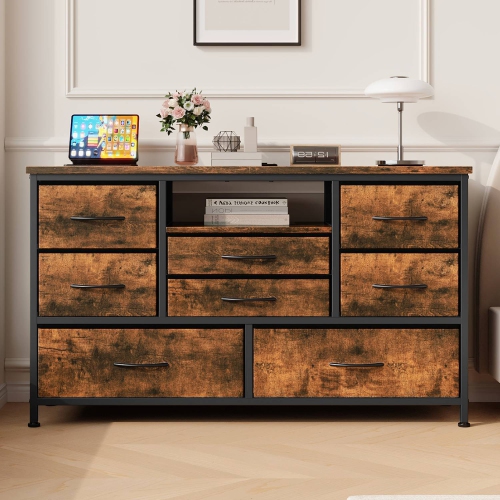
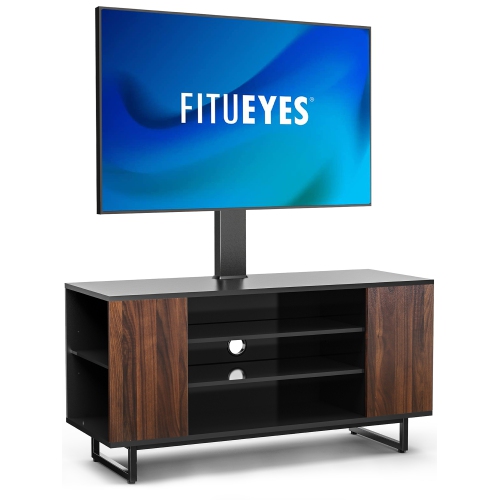

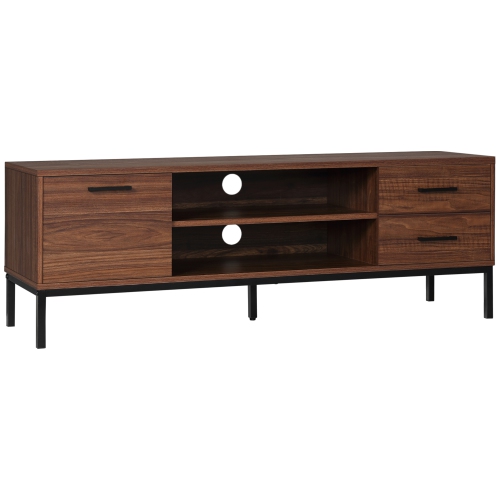

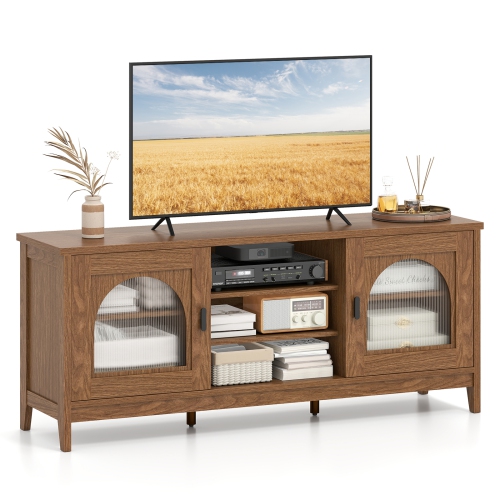


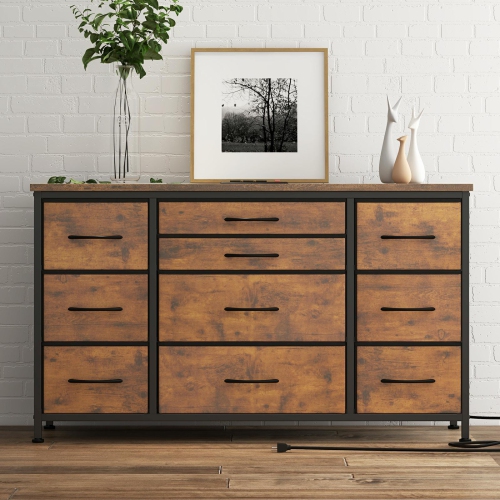
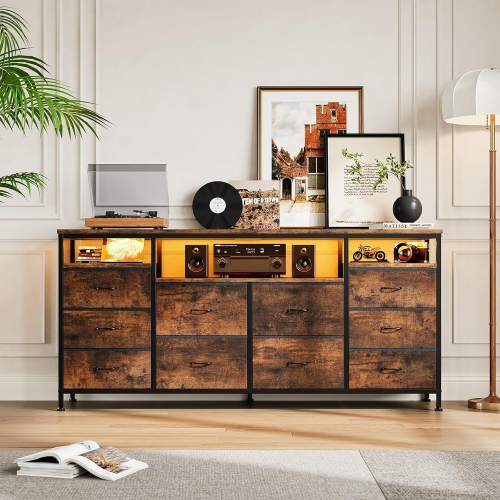

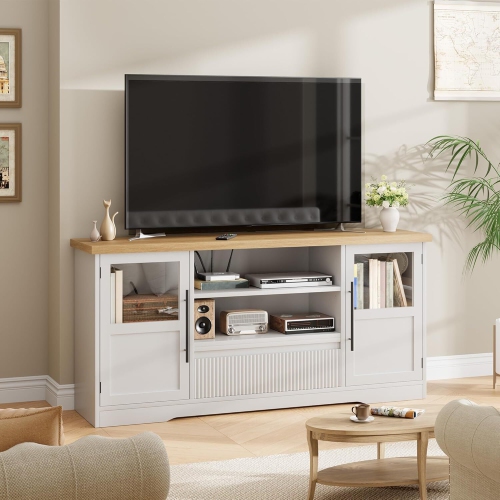
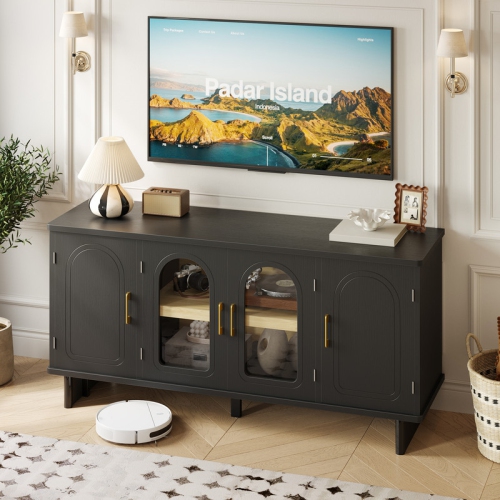


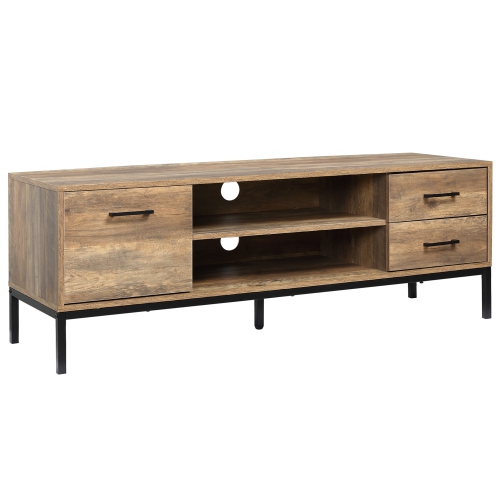
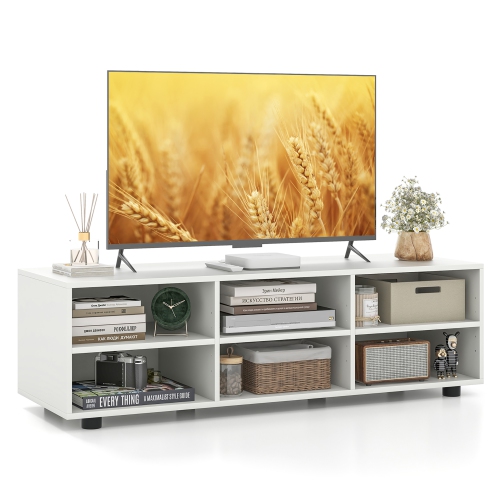
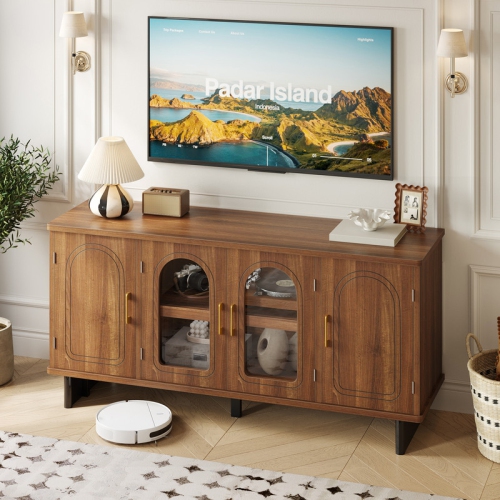


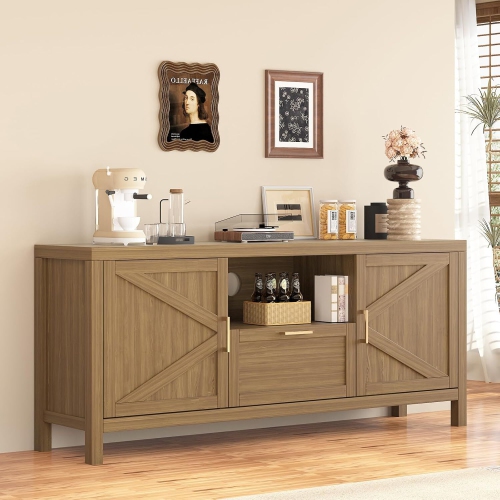


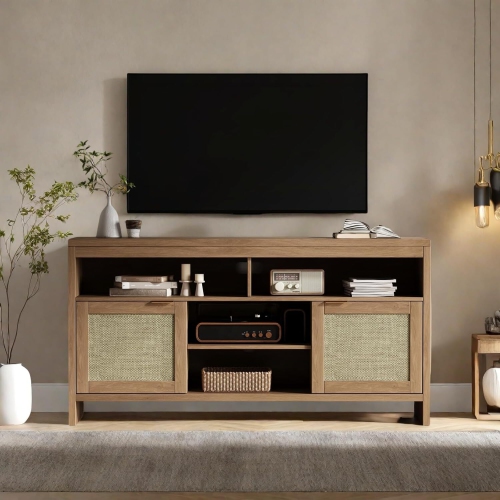
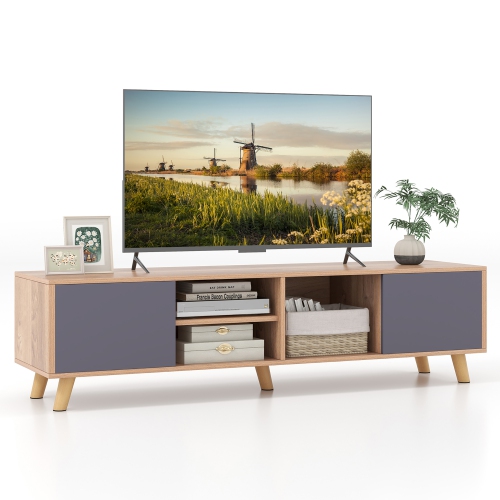
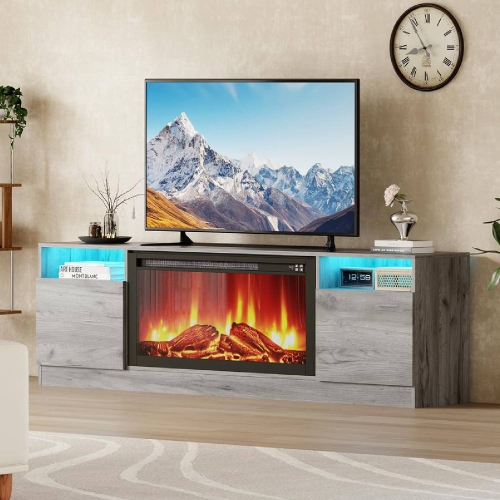
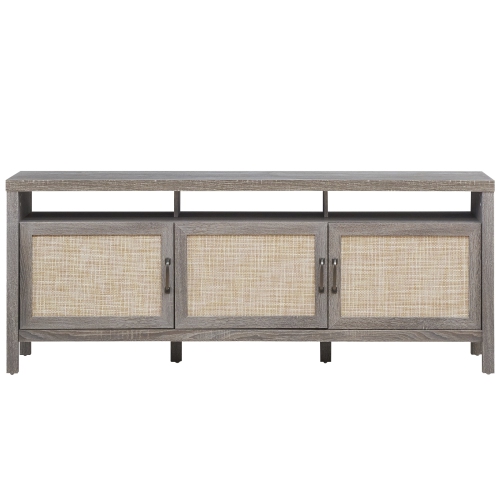
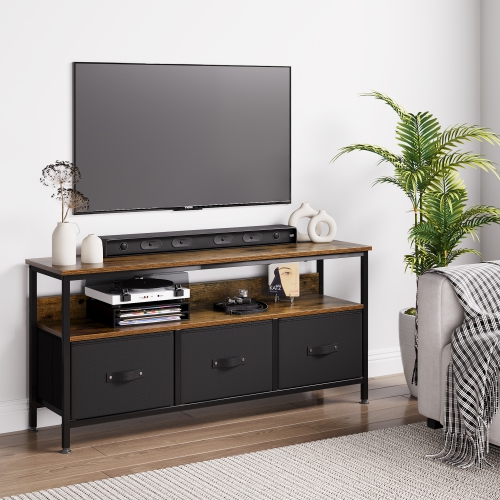
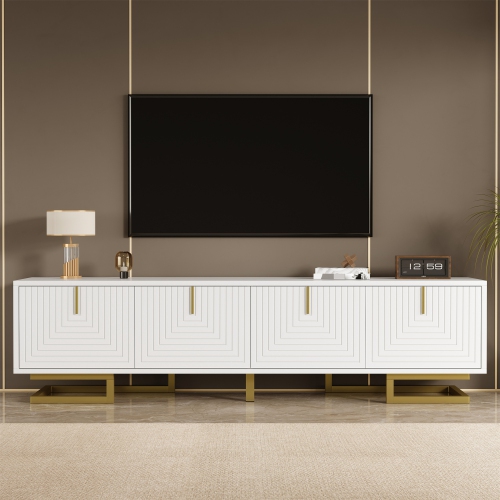
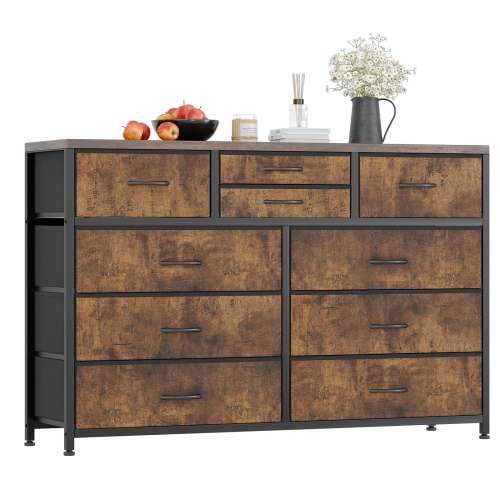
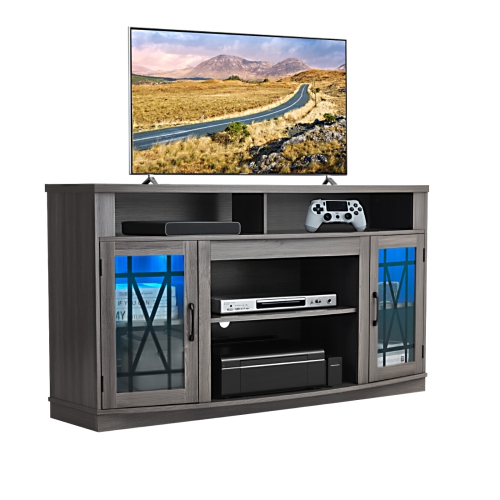




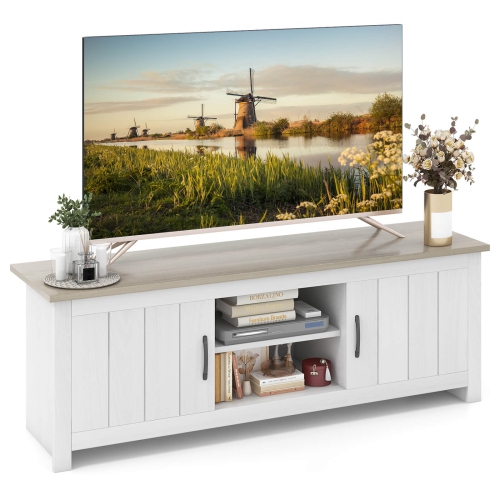
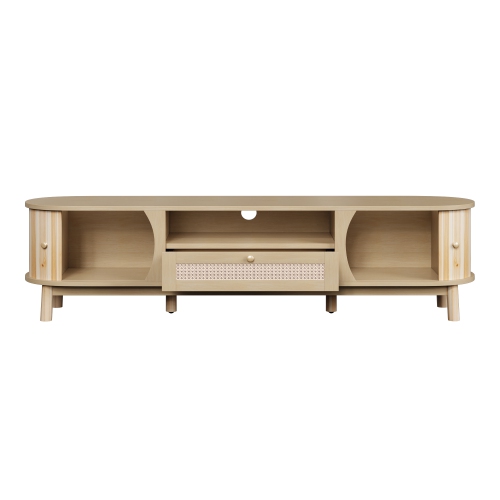
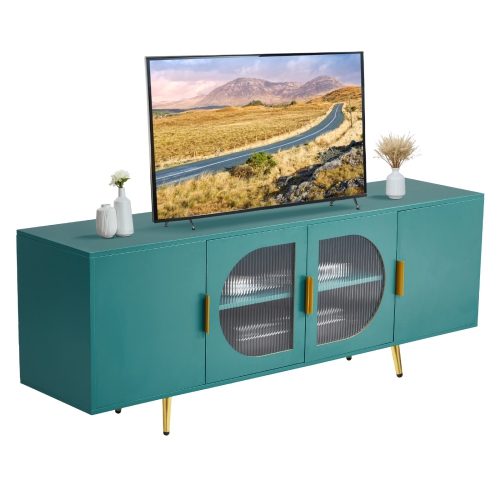


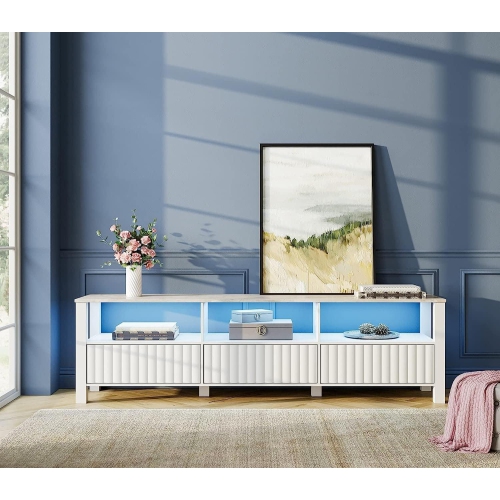
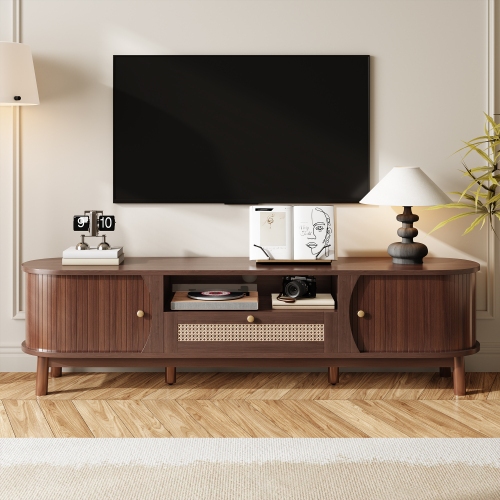


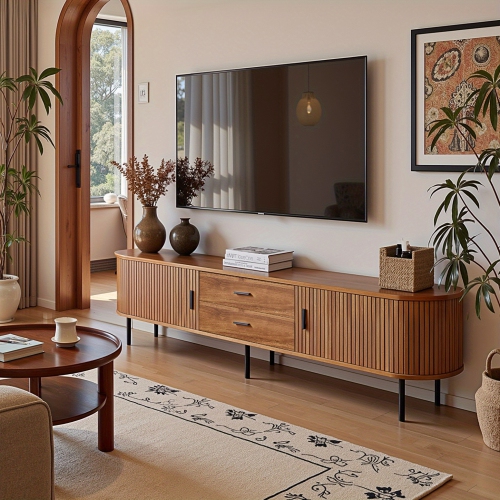
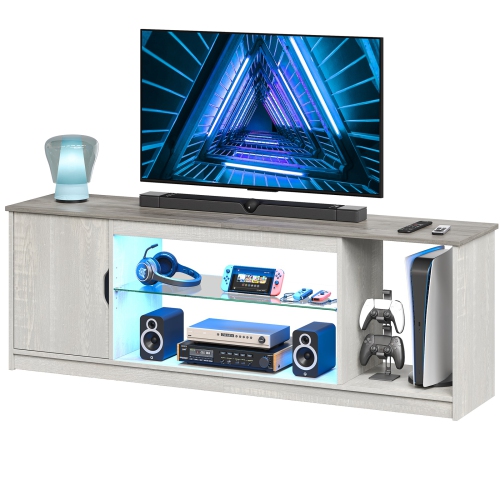


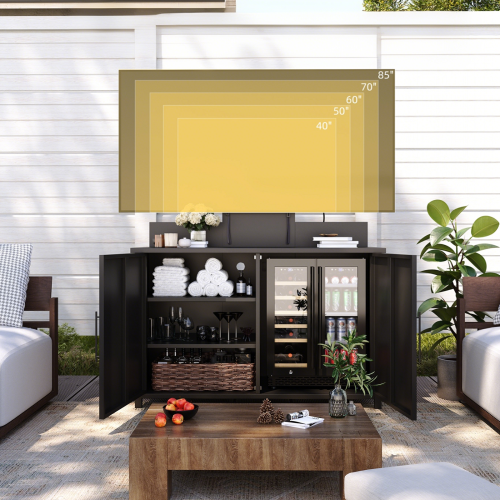
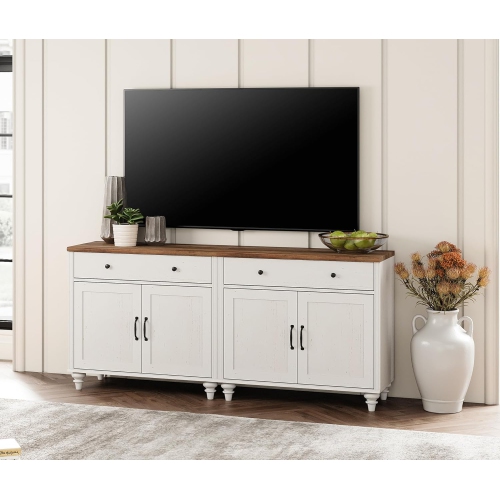
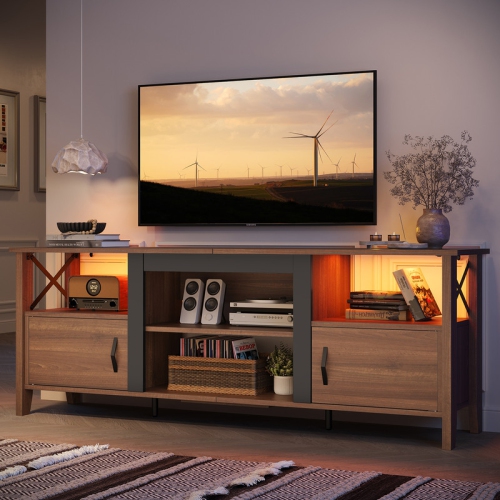

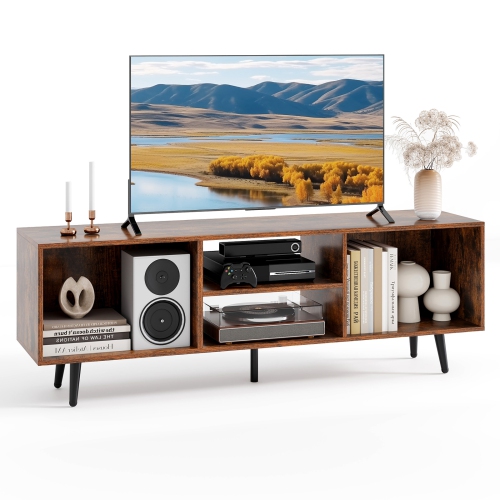
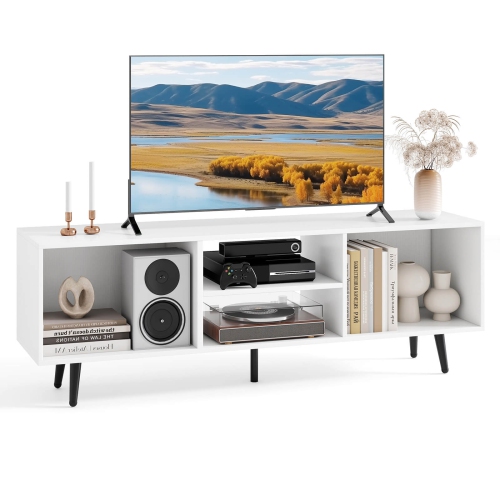
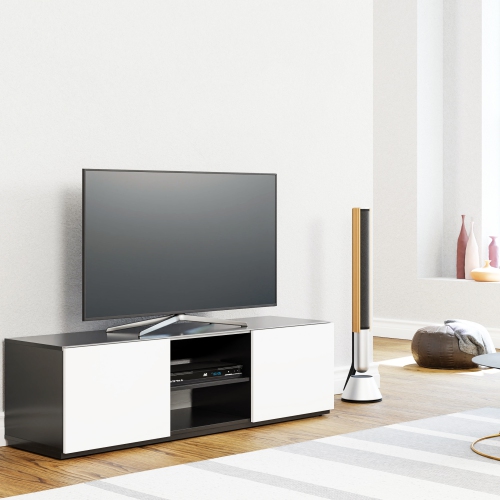

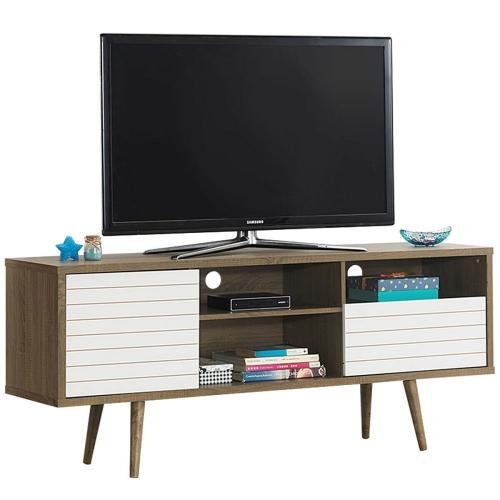


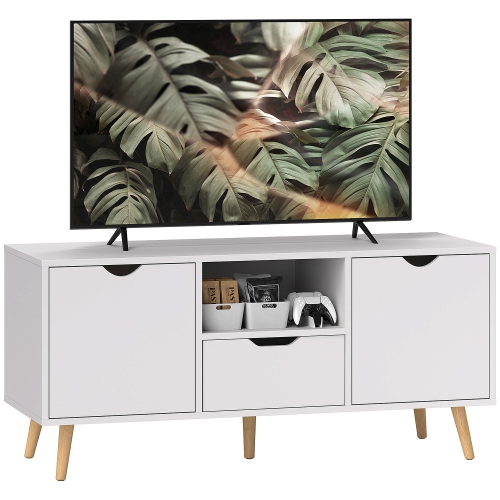
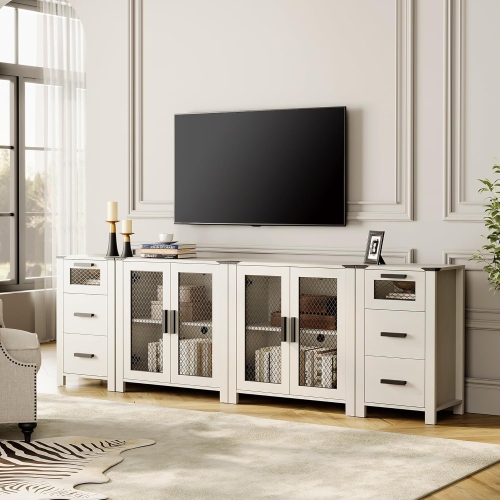
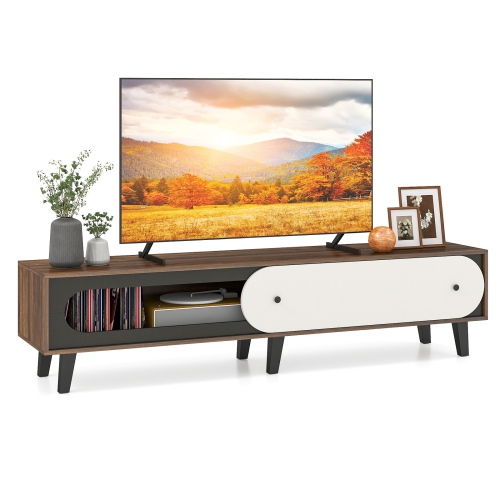


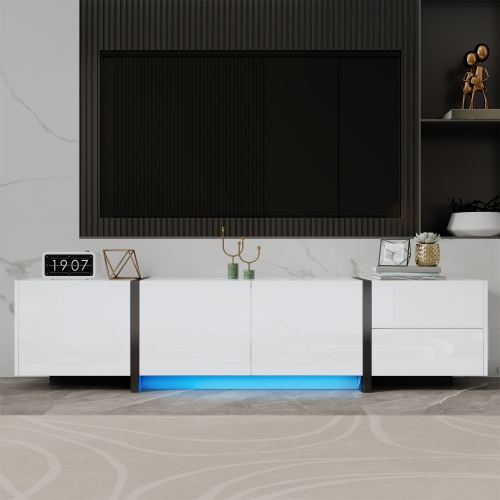

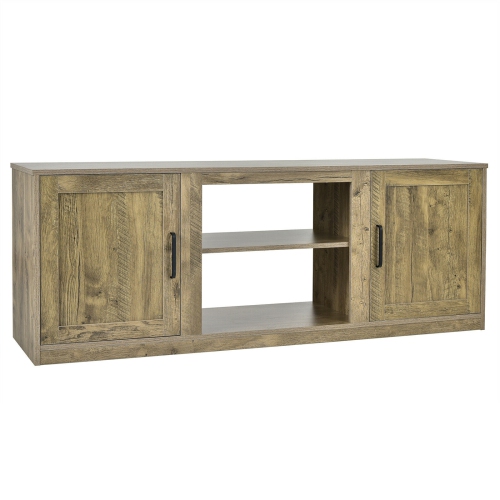
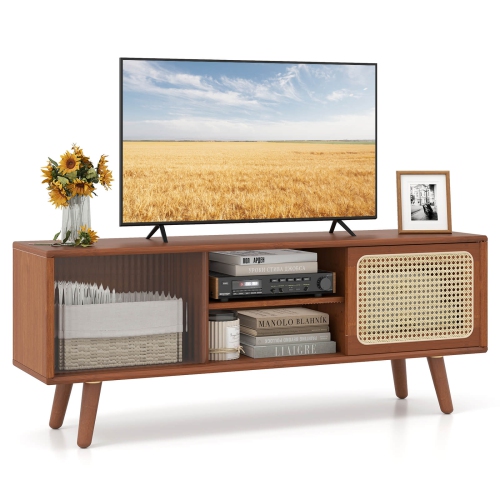

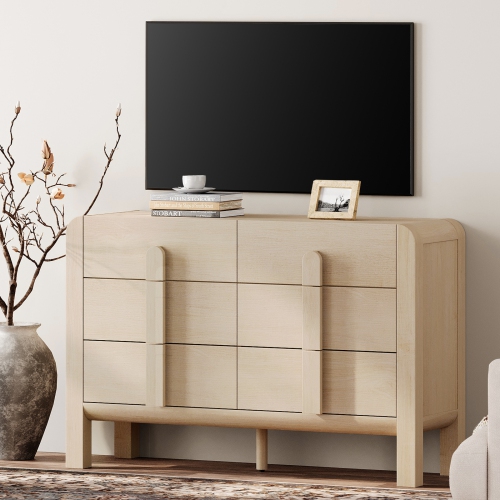
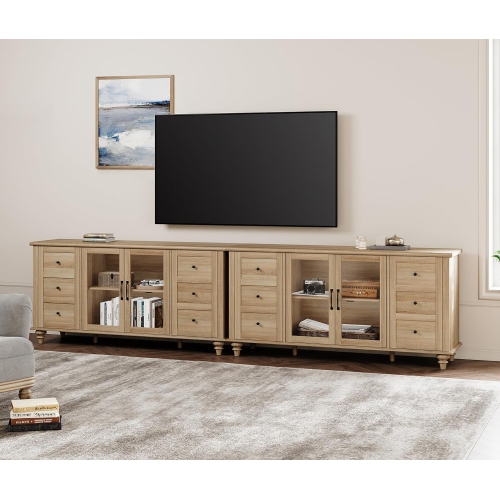
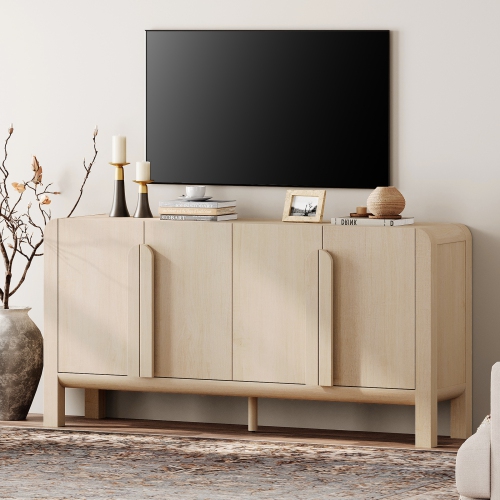
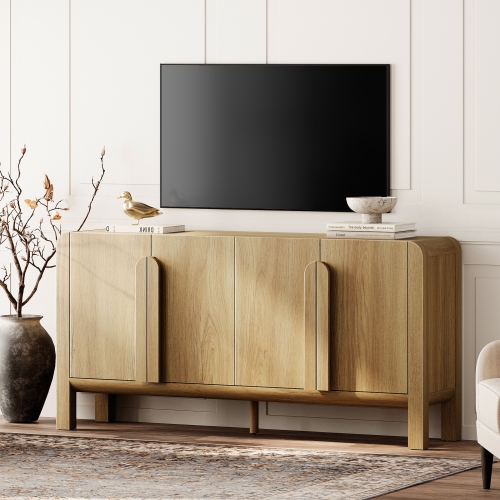

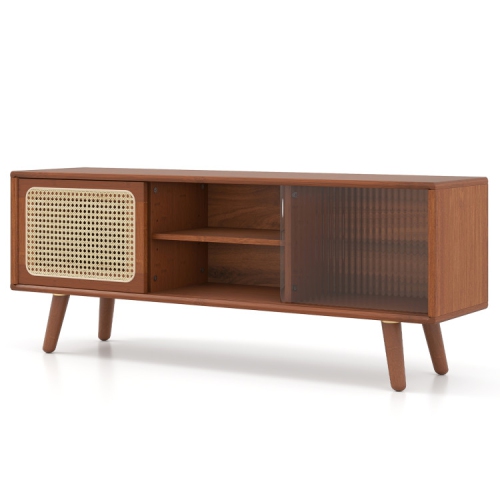

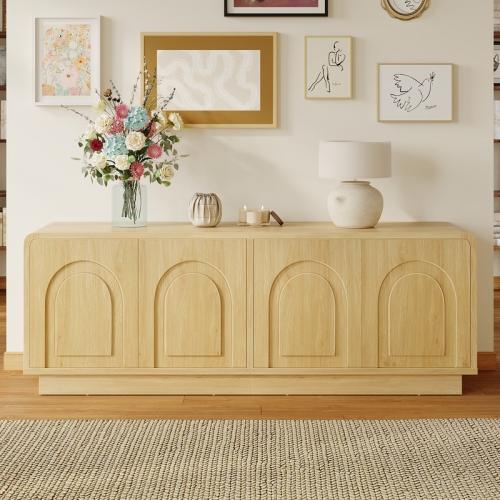
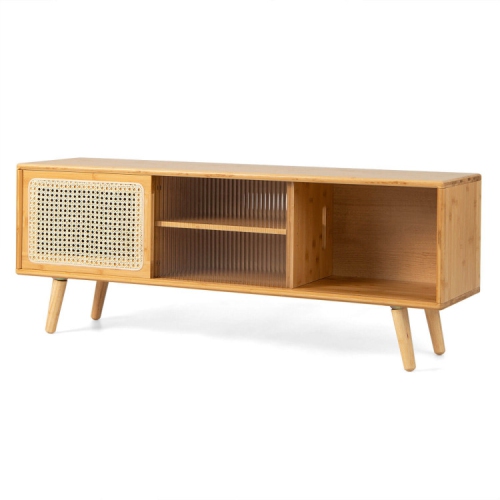
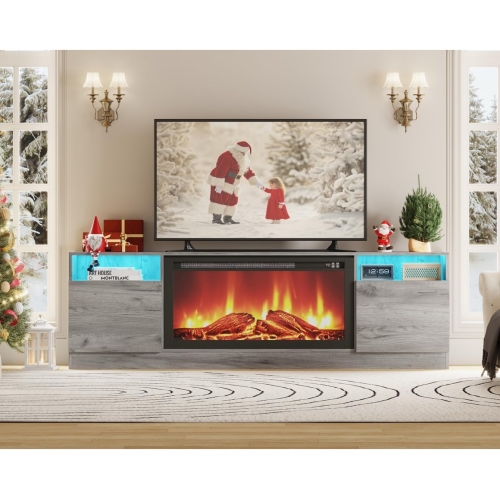

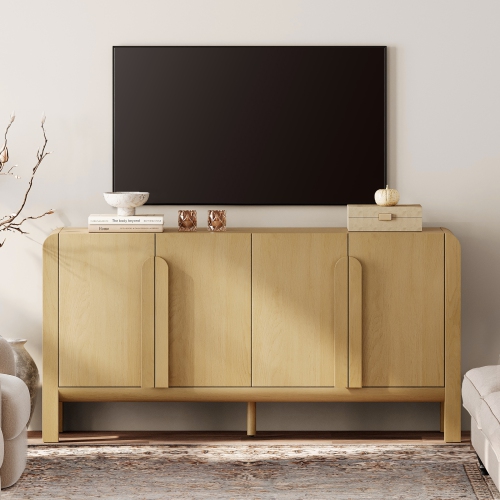
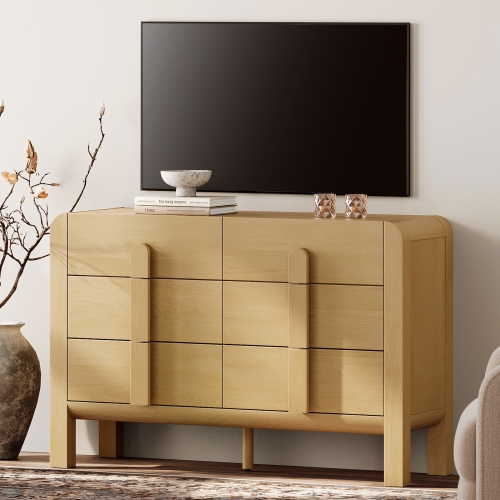
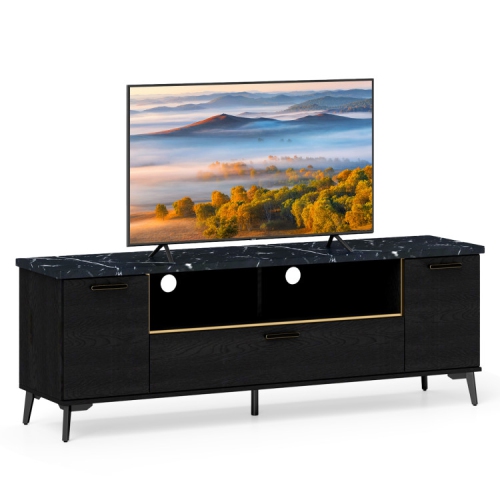
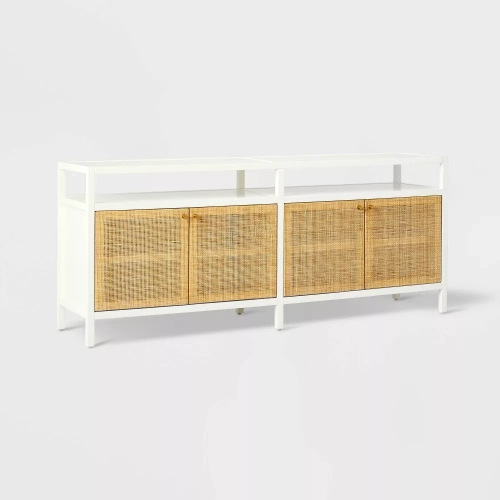
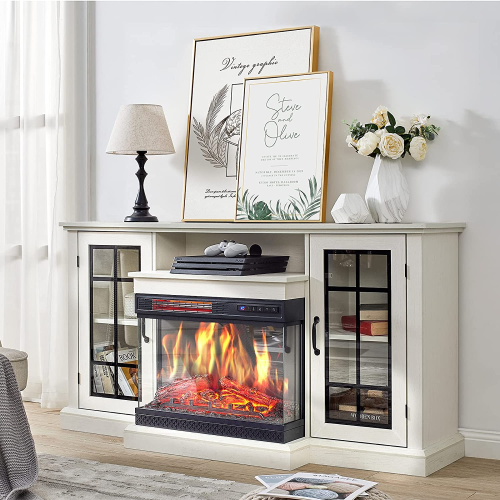


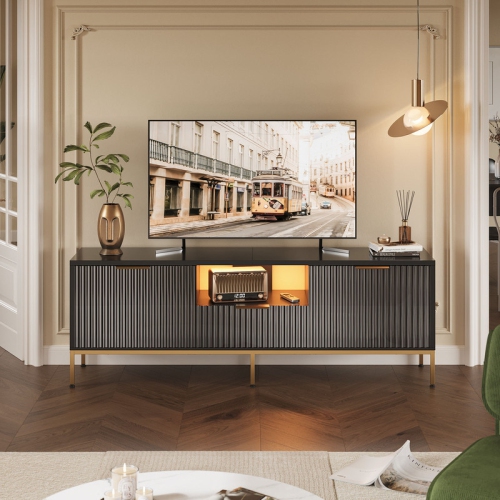
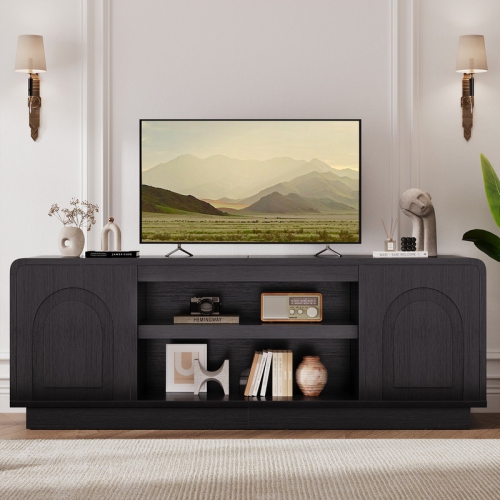


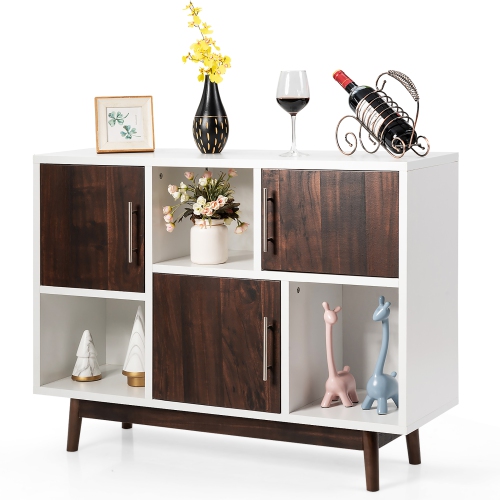


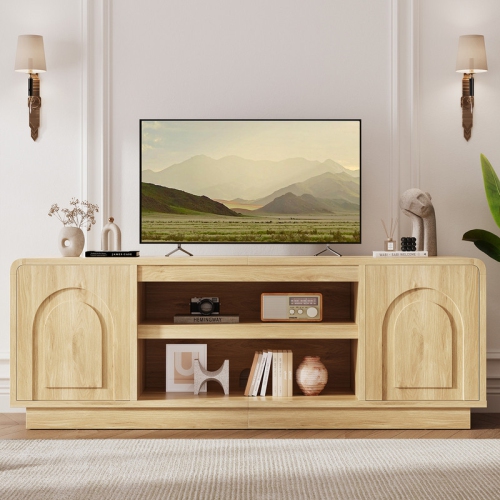

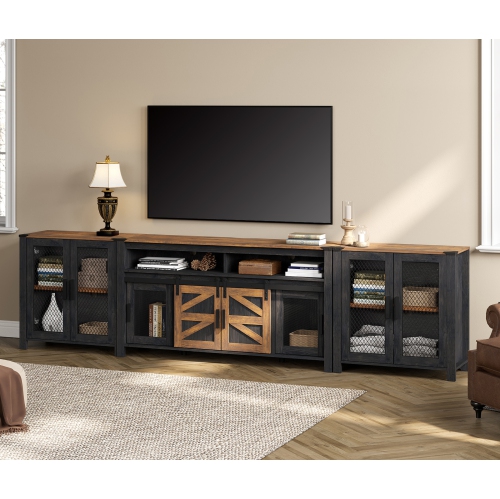


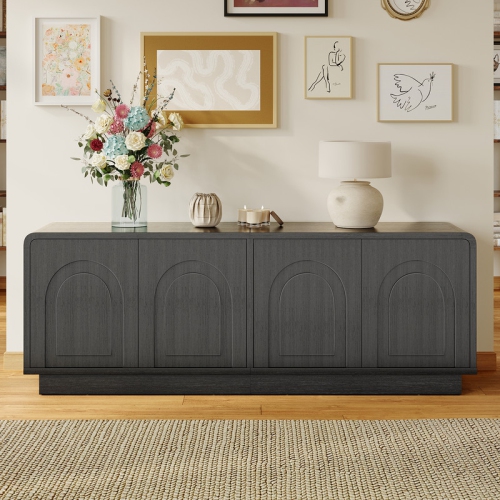


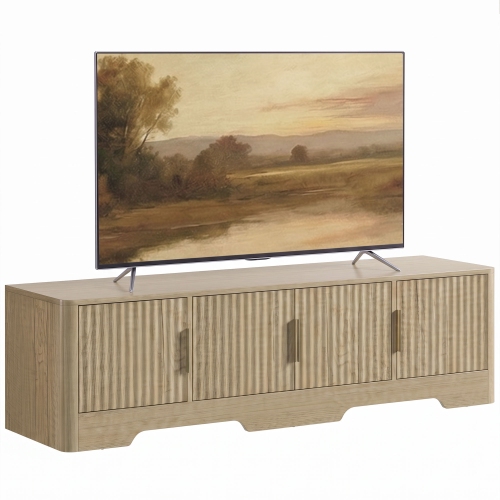


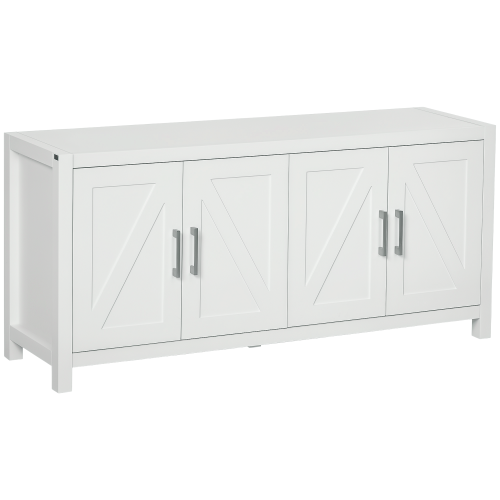


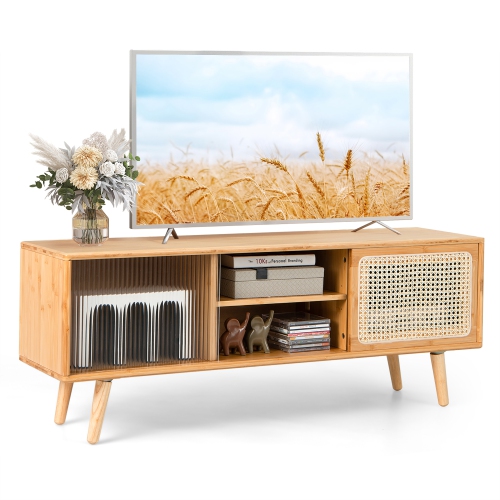
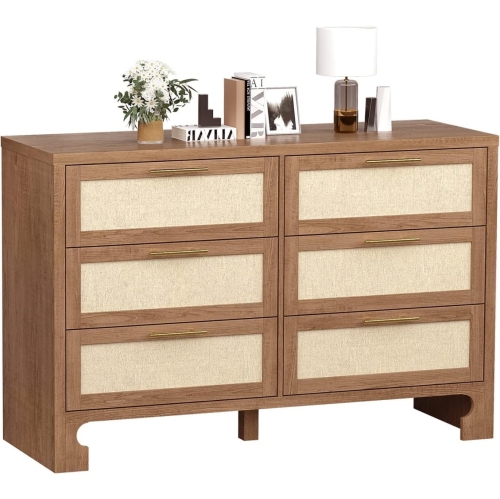

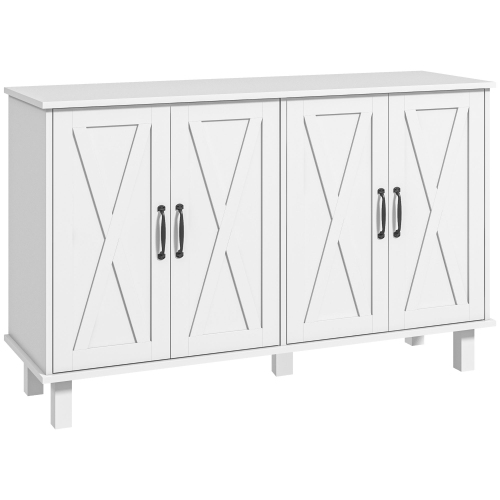


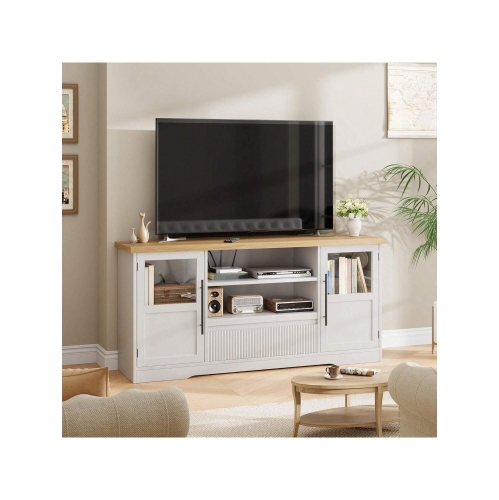
More room for entertainment without crowding your floor
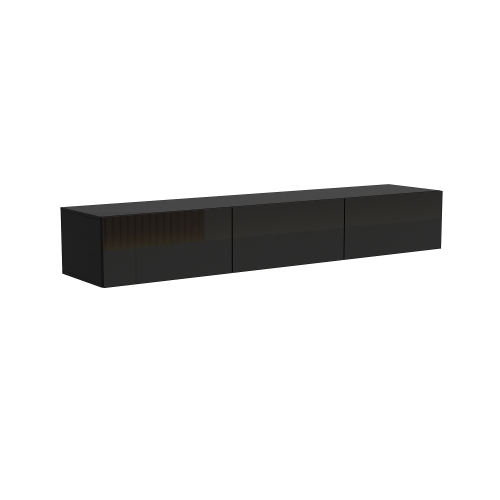
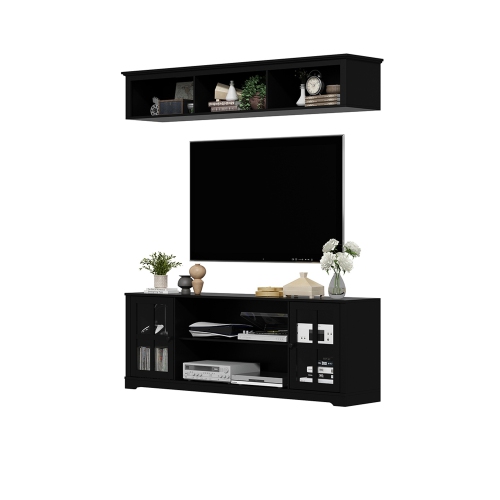
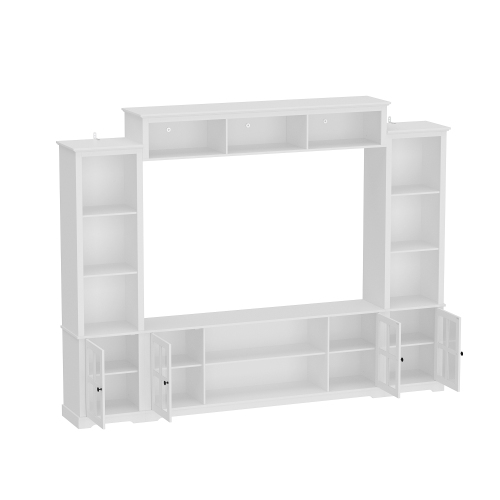
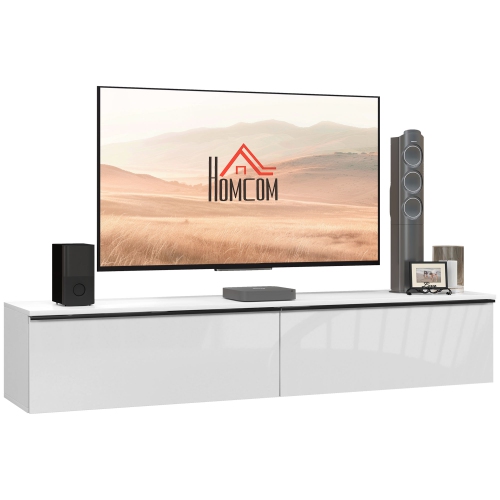
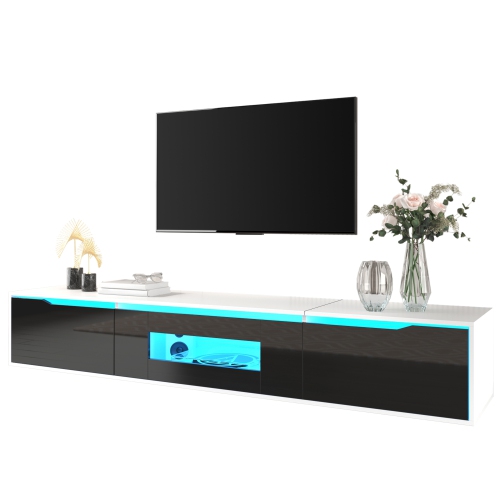
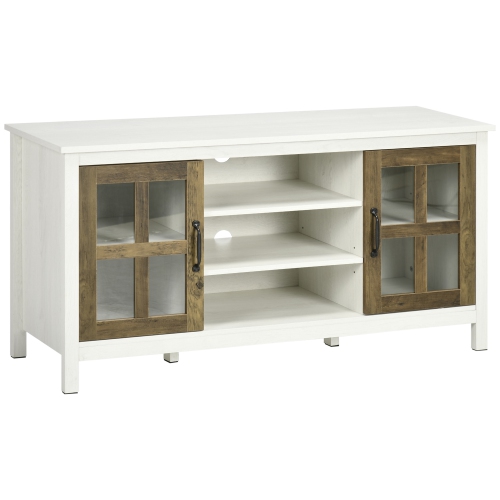
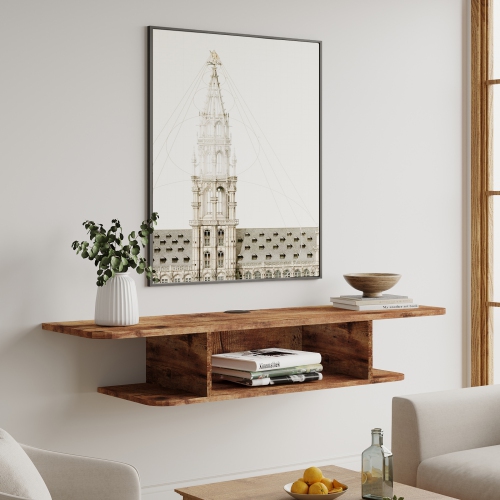
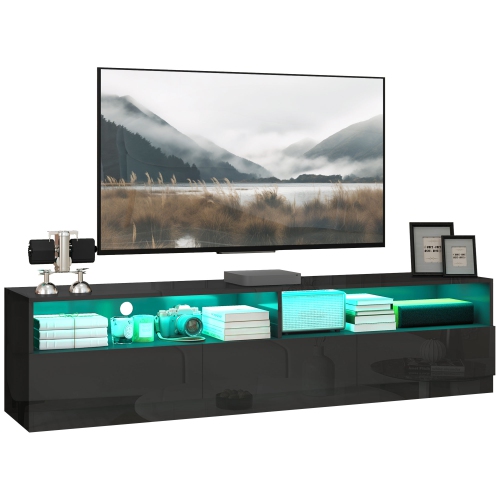
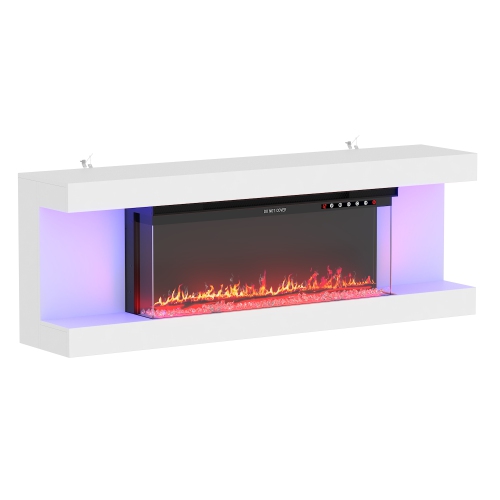
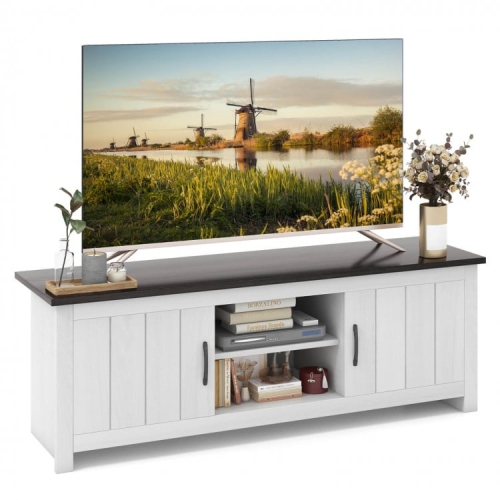
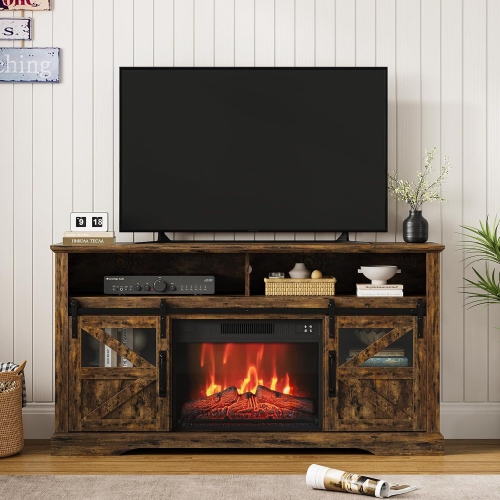
Wall TV cabinets bring television storage onto the wall, creating a defined place for screens, entertainment equipment, and everyday accessories without relying solely on a traditional floor-standing console. The category includes floating TV cabinets mounted beneath a screen, modular arrangements with matching side cupboards or shelves, and larger entertainment wall units that frame the television with storage. Not every wall unit is suspended: some have floor-supported bases with upper sections secured to the wall, so the mounting method is an important distinction. A floating console leaves the floor beneath it visible, giving a compact living room a more open appearance and making space easier to clean. A wider media wall can anchor a family room, with room for game controllers, films, books, and display pieces alongside the television. The right proportions depend on more than screen size. Television measurements describe the screen diagonally, while cabinet dimensions describe the furniture’s actual width, height, and depth. A cabinet wider than the television often creates a balanced arrangement, but the available wall space, nearby doorways, and seating position also shape the fit. Shallow cabinets suit narrow rooms where deeper furniture would interrupt a walkway; deeper designs provide more room for receivers and other components, including the clearance needed behind their plugs. In a condo, a simple wall-mounted TV cabinet can keep the entertainment area contained on one wall. In a shared living room, a combination of open shelves and closed cupboards can accommodate several people’s equipment without leaving every cable and controller on view. These cabinets generally provide storage rather than support for a separately wall-mounted television, which needs its own compatible mounting system. Where a cabinet is designed to hold a television on its top surface, its stated load capacity and usable surface dimensions must accommodate the screen and its stand. That distinction helps separate the visual appeal of a floating arrangement from the structural requirements of the complete setup.
Materials and construction influence both the appearance of a wall TV cabinet and how it stands up to daily use. Solid wood brings natural grain and variation, while wood veneer offers a real-wood surface over a supporting core. Engineered wood, including MDF and particleboard, is common in painted, laminated, and veneered cabinets, with performance depending on the panel construction, finish, joints, and hardware. Smooth laminate surfaces can be practical for regularly handled storage, although edges still need protection from impacts and moisture. Painted finishes create a uniform colour, while visible wood grain adds texture beside a dark television screen. Metal brackets and fittings play a structural role in suspended furniture; glass doors or shelves add a lighter visual touch but require careful handling and adherence to their individual weight limits. Drawers benefit from sturdy runners and secure handles, particularly in a household where controllers and charging leads are taken out several times a day. Soft-close hinges and slides can reduce the noise of closing doors and drawers, though they do not replace careful use. Inside, adjustable shelves make it easier to accommodate equipment of different heights, and separate compartments help keep small accessories from spreading across the cabinet top. An open shelf can give frequently used equipment a convenient home, while a closed cupboard keeps less attractive essentials out of sight. Electronics still need the ventilation specified by their manufacturers, even when the cabinet has cable openings at the back. A tightly enclosed compartment can trap heat, and an opening large enough for a cable may not provide adequate airflow. Door materials also affect access: some infrared remotes need a clear line of sight, so equipment behind a solid door may not respond while it is closed. For shoppers comparing suspended storage with other entertainment furniture layouts, TV Media Cabinets offers a related category to consider alongside wall-focused designs.
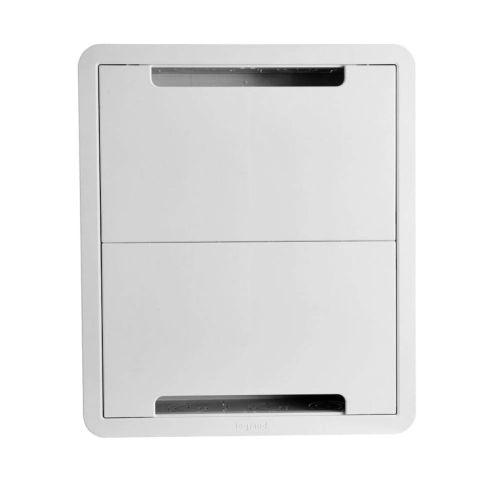
A well-planned wall TV cabinet feels useful during ordinary moments: putting a controller away after a game, reaching a streaming device without moving the television, or clearing the surface before guests arrive. Cable-management openings help route connections between compartments, while accessible outlets and enough space for connectors make the arrangement easier to maintain. A soundbar needs a position that does not block the screen or interfere with its speakers, and equipment with upward-firing drivers requires the clearance specified by its manufacturer. Viewing comfort matters just as much as storage capacity. The cabinet’s height should work with the intended television position rather than pushing the screen uncomfortably high, particularly when most viewing happens from a low sofa. Wall construction is another practical consideration for suspended cabinets. Drywall alone may not provide suitable support; attachment must follow the furniture manufacturer’s instructions and use hardware appropriate to the wall structure and the fully loaded cabinet. Masonry, wood studs, and metal studs can call for different fixing methods, and professional installation may be appropriate when the wall construction or concealed services are uncertain. Larger floor-supported wall units may also require anchoring to reduce the risk of tipping. Once installed, straightforward care helps preserve the furniture’s finish and function. A soft cloth removes dust from shelves and door fronts, and cleaning products should suit the specific surface rather than being chosen on appearance alone. Spills are best wiped up promptly, especially around seams and exposed panel edges, without saturating the material. Weight should stay within the stated limits for the whole cabinet and for individual shelves or drawers. Visually, handleless fronts can create a quiet backdrop for a prominent screen, while framed doors and wood finishes suit rooms with more traditional furniture. Open shelving leaves room for a few personal objects; closed storage keeps busy household essentials contained. Whether the room serves one viewer or a family sharing films and games, wall TV cabinets combine an intentional television setting with storage shaped around everyday habits.
Top selling and popular products
-
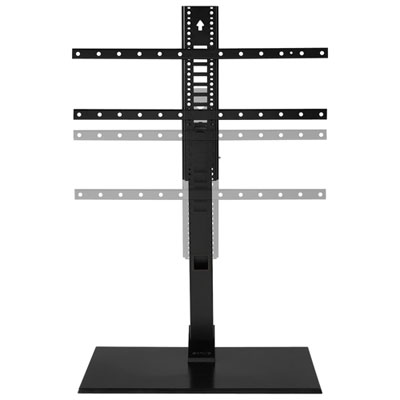 Your price for this item is $249.99
-
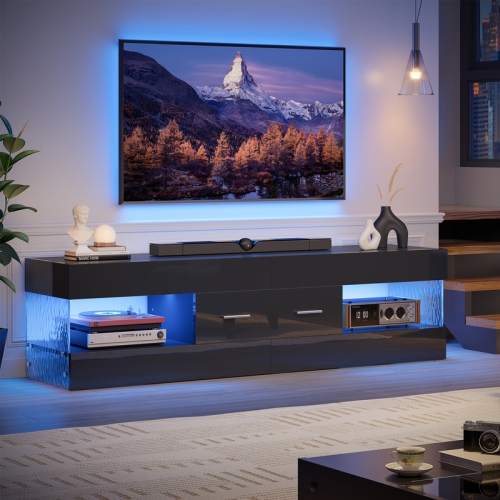 Your price for this item is $179.99
-
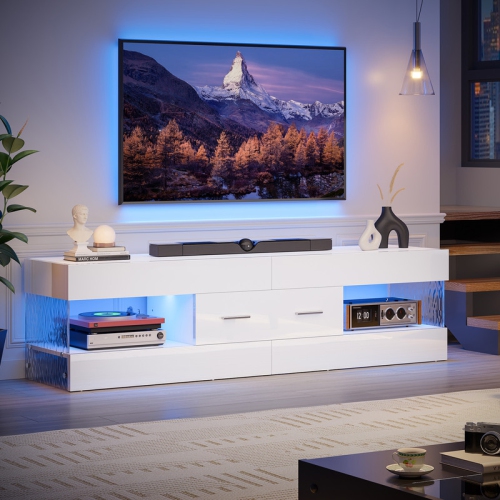 Your price for this item is $169.99
-
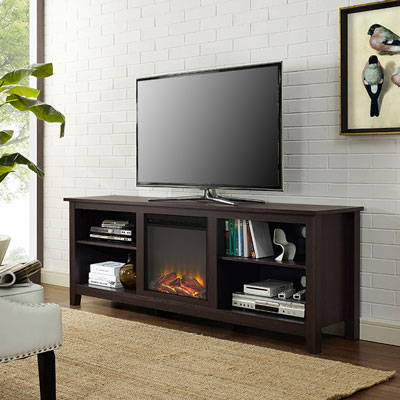 Your price for this item is $689.99
-
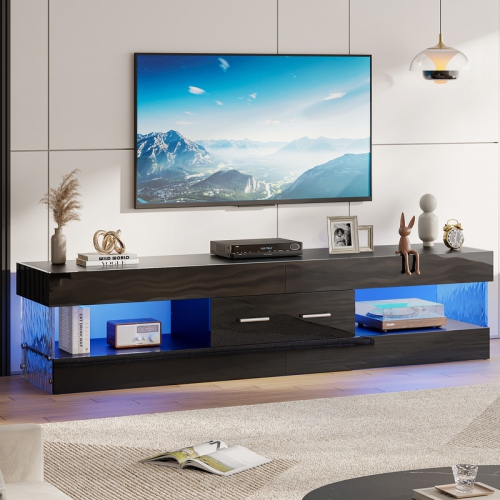 Your price for this item is $199.99
-
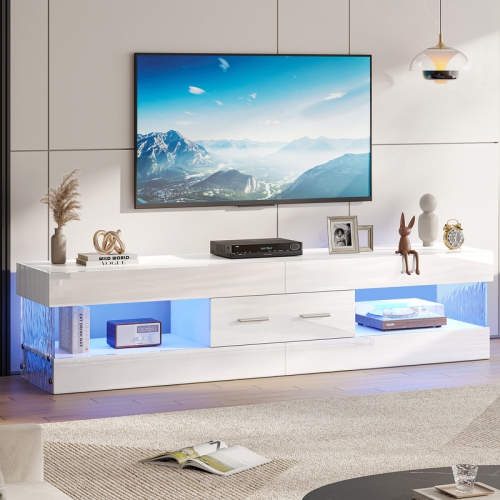 Your price for this item is $199.99
-
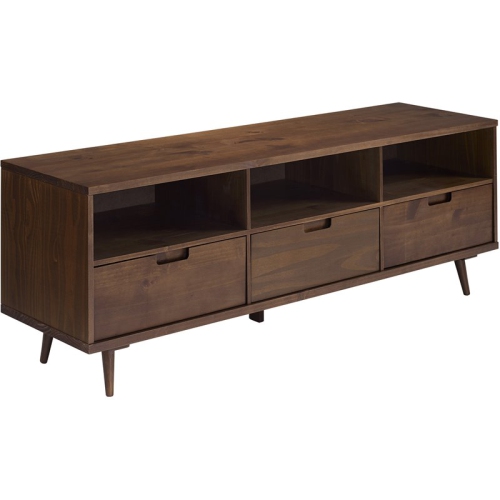 Your price for this item is $941.25
-
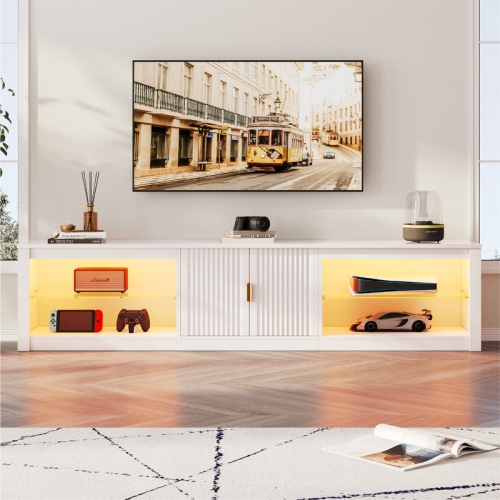 Your price for this item is $269.99
Discover more categories related to Wall Tv Cabinets

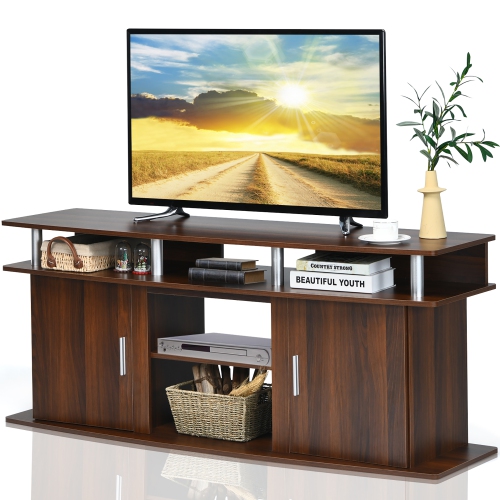

Top Collections:
Pokemon Centers, Best Cameras for Sports Photography, Kindle Devices, Samsung Galaxy Phones, Canon G7X Cameras, Pokémon 30th Celebration Cards, Refurbished Apple Laptops, iPhone 15 Apple, Laptops for Students, Budget Smartphones
Some products may be subject to Environmental Handling Fees
(EHF) depending on your province.
Learn more about EHFs.