White Wood TV Stands
Enhance your living room's aesthetic with a sleek and stylish white wood TV stand. Designed to seamlessly blend with almost any decor, these versatile pieces of furniture add a touch of modern elegance to your entertainment setup. With ample storage options and smart cable management features, these TV stands ensure that your media components are neatly organized and easily accessible. Here are some great options available.
Sort




















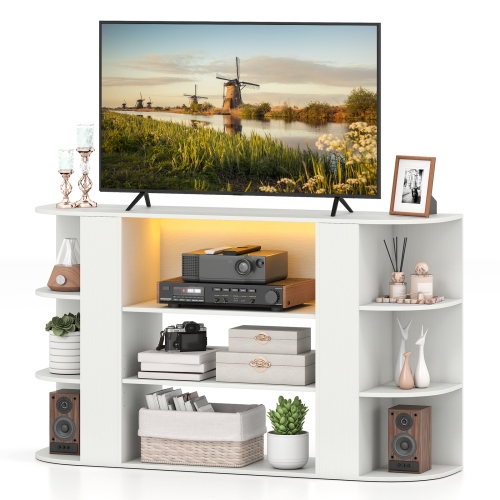
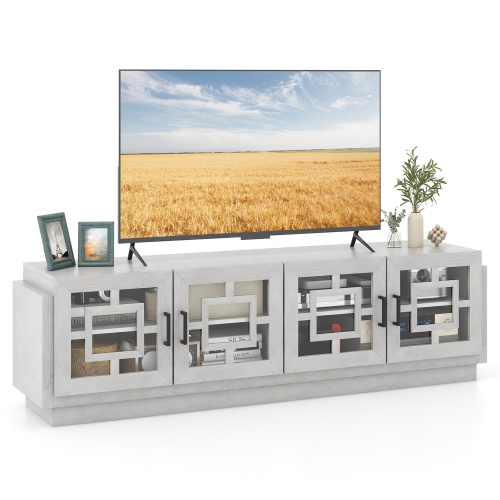
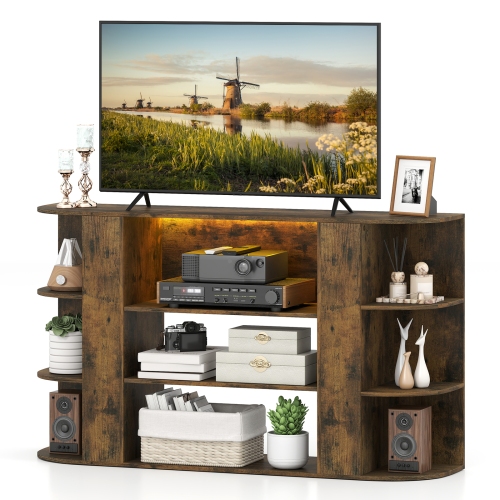
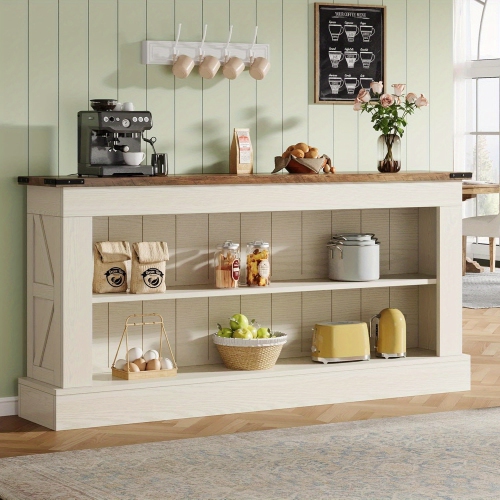
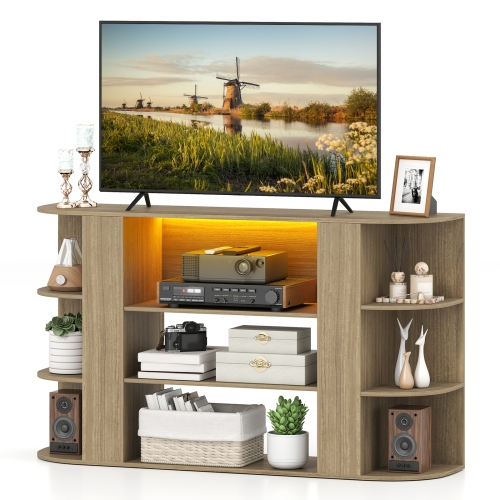


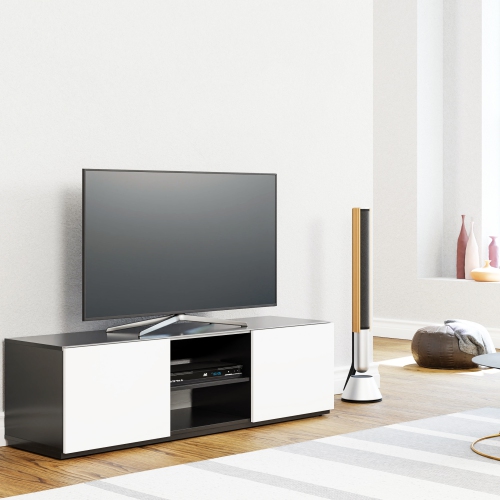

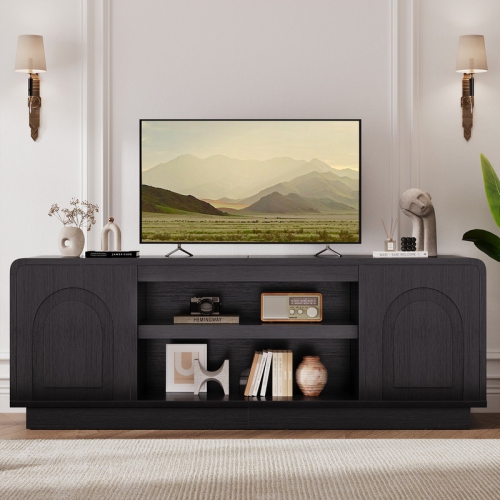
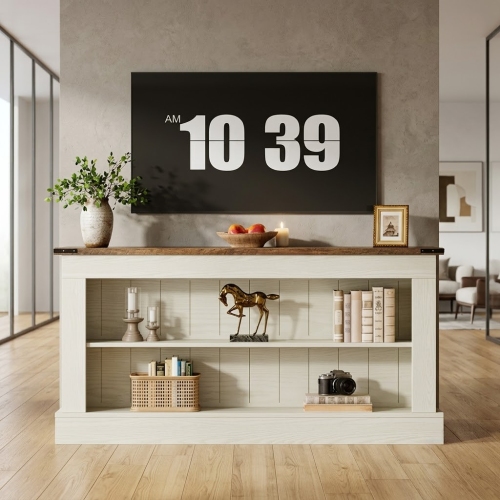

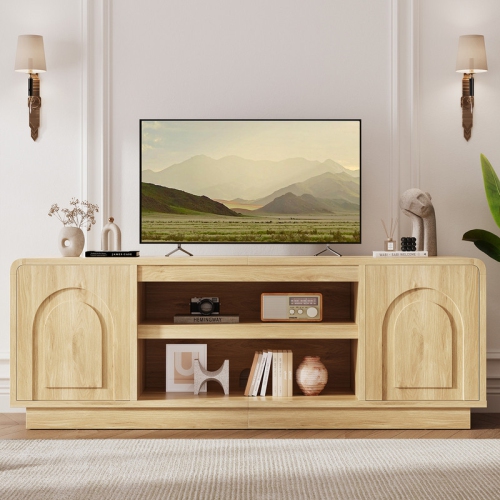
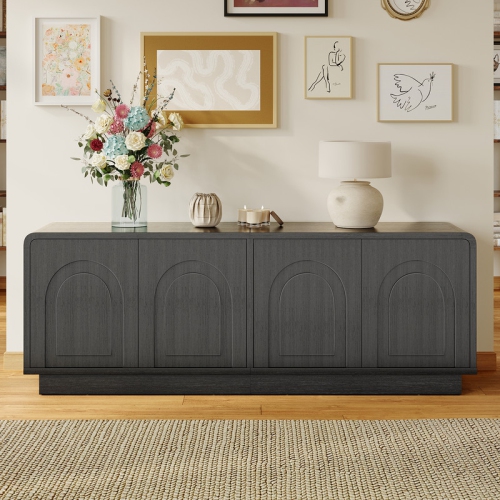
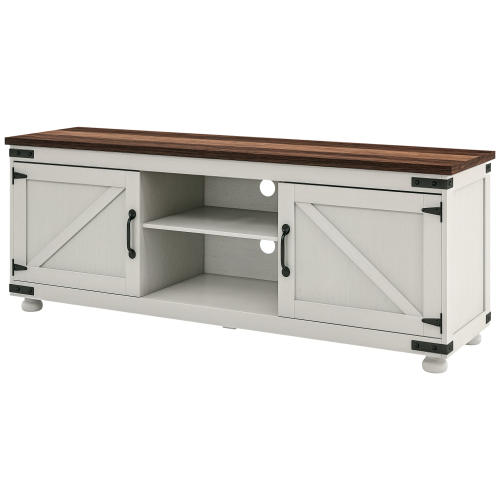


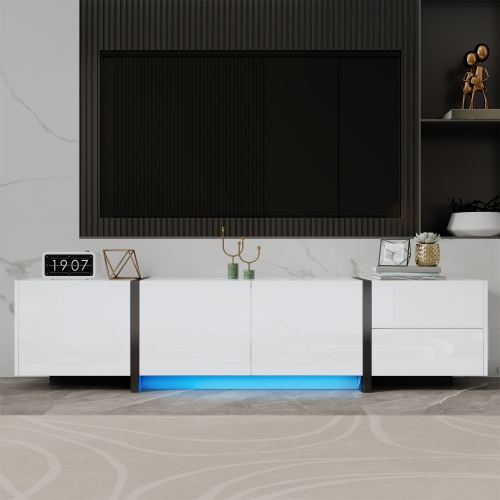


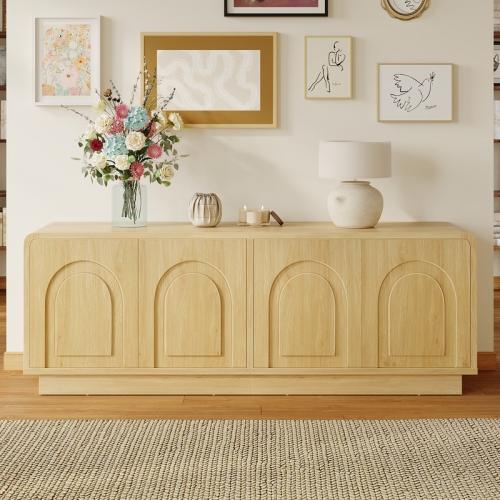
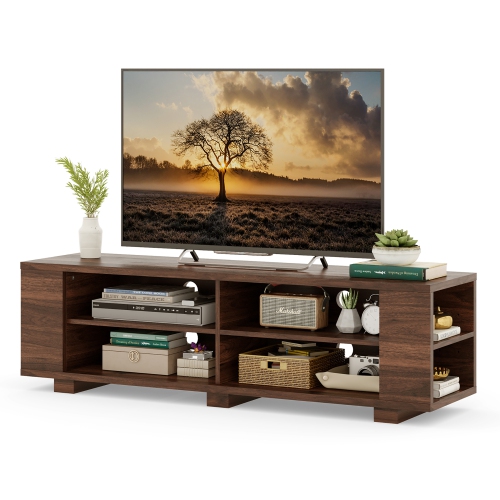

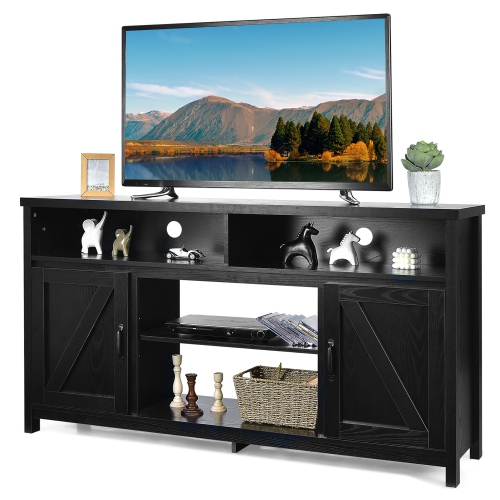
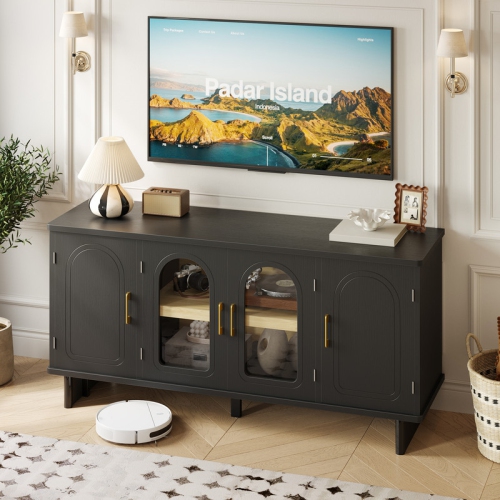








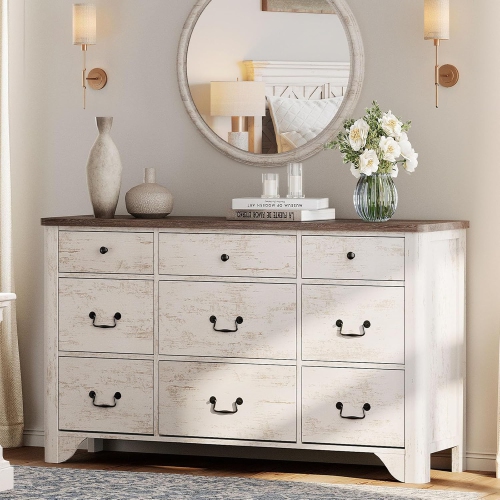

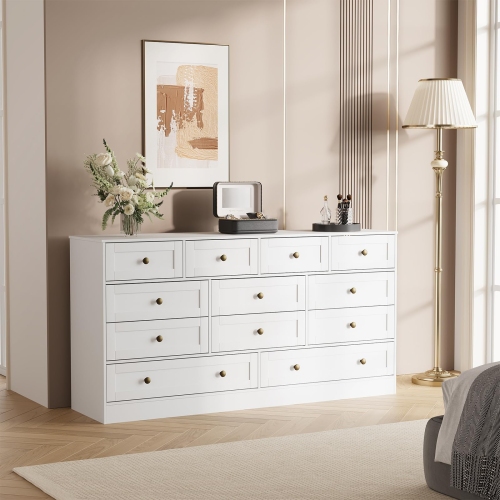

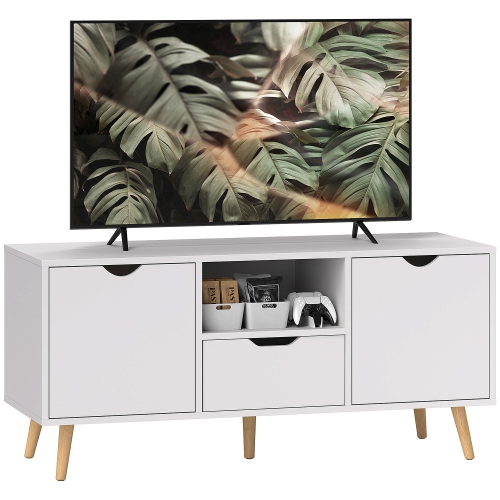
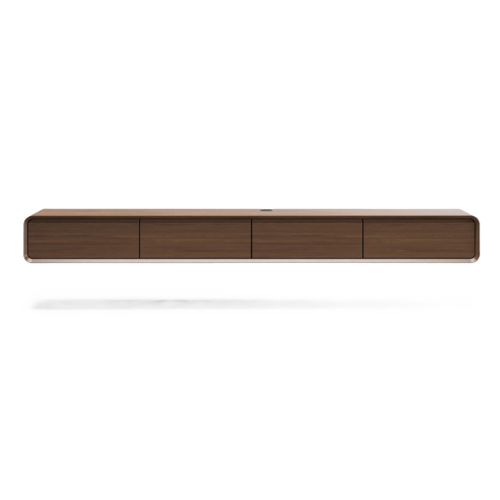










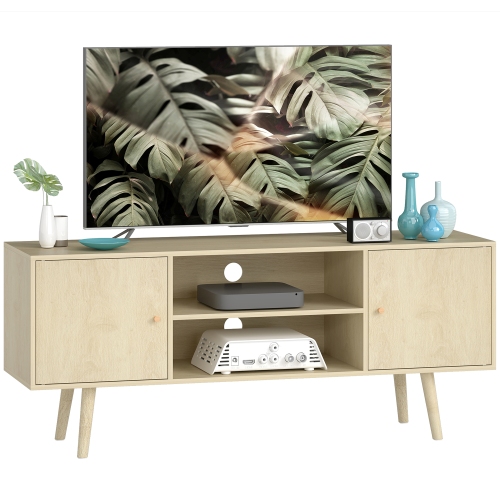
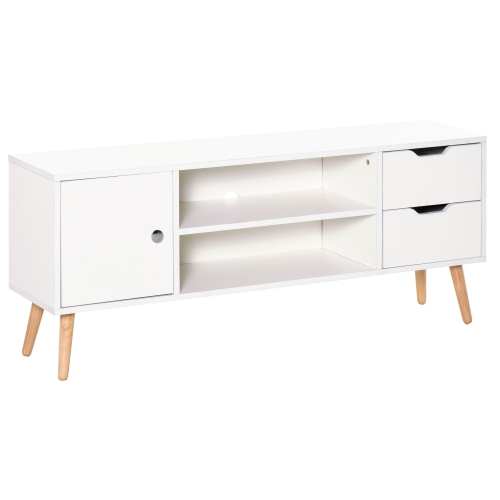
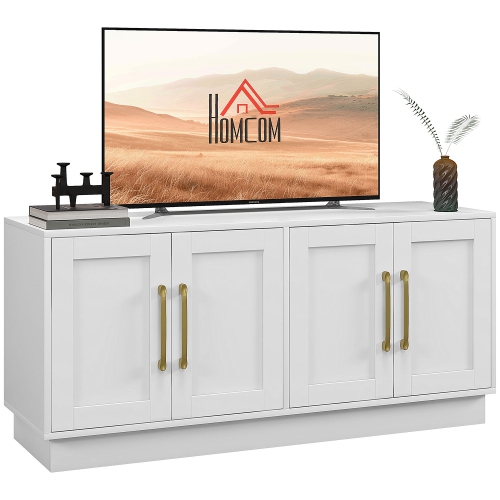

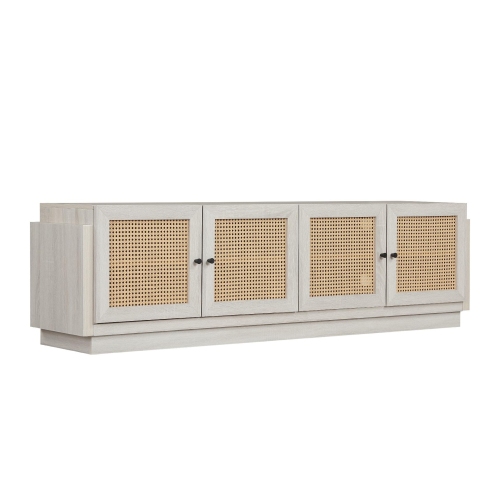








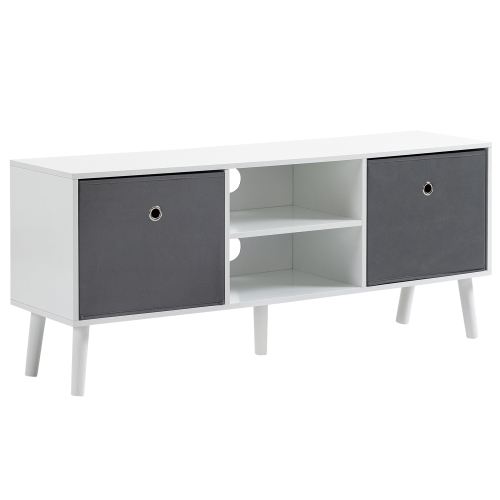


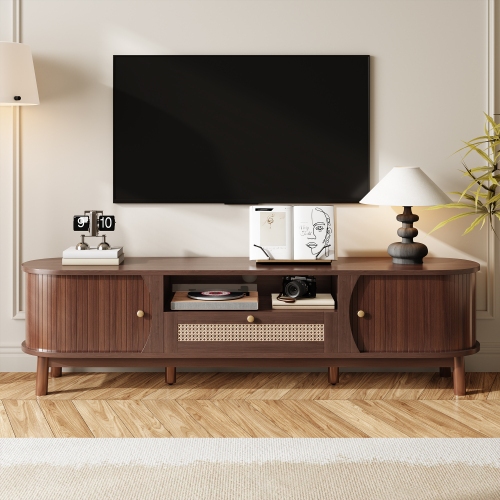


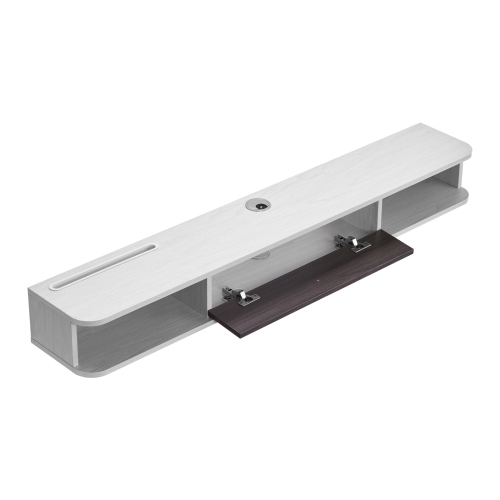

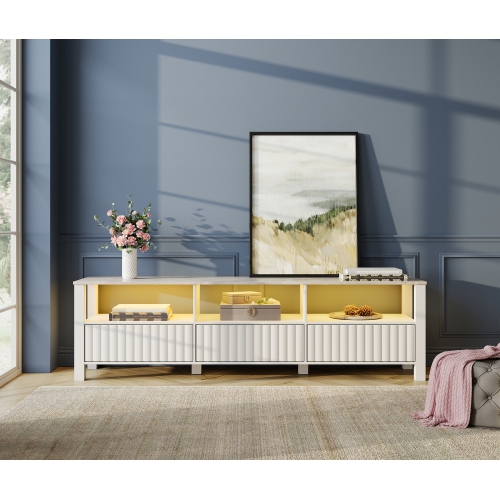
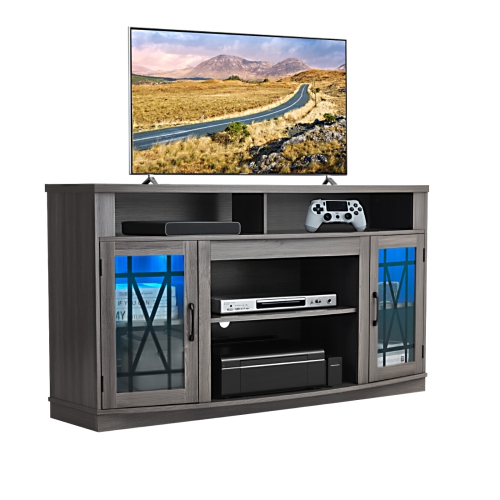
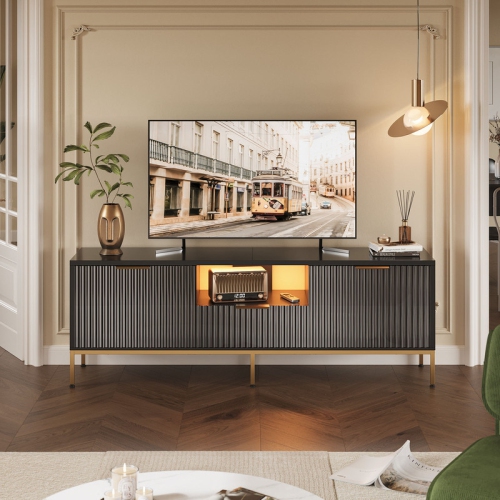


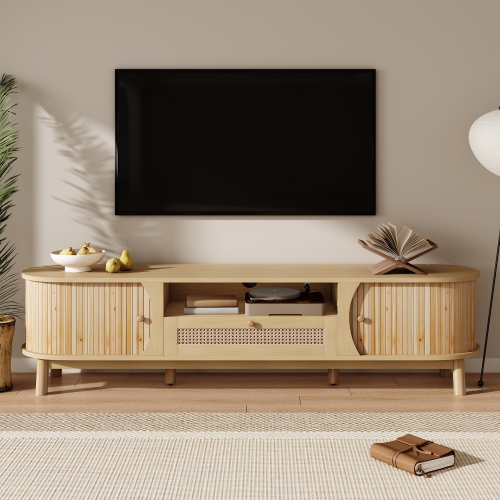
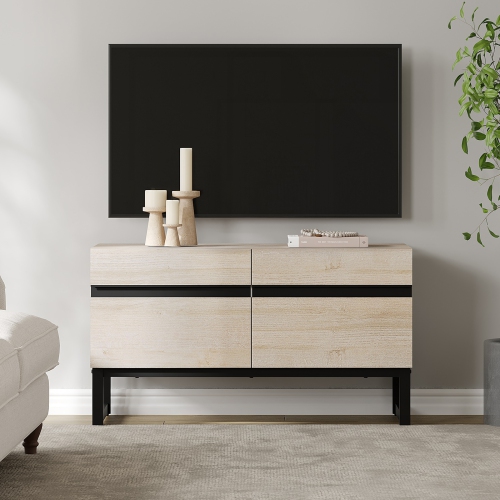



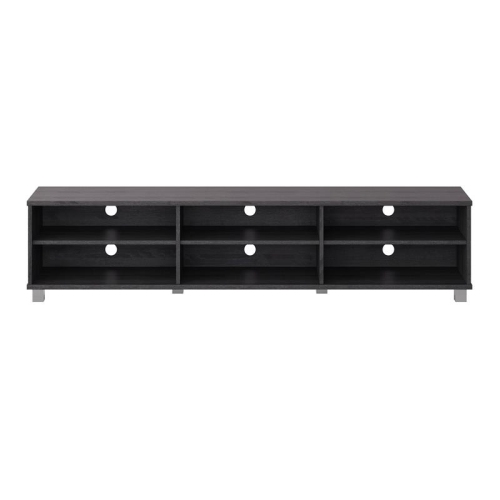
How white finishes soften a large screen's presence
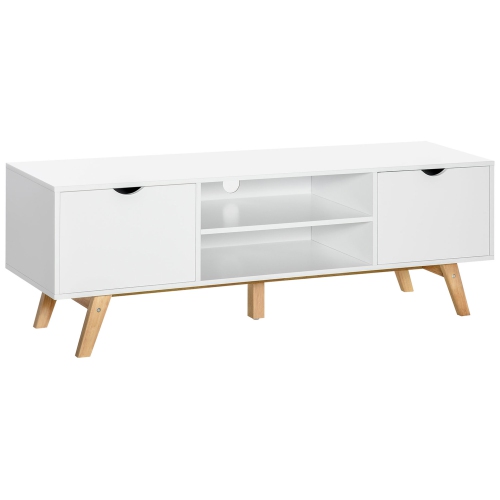
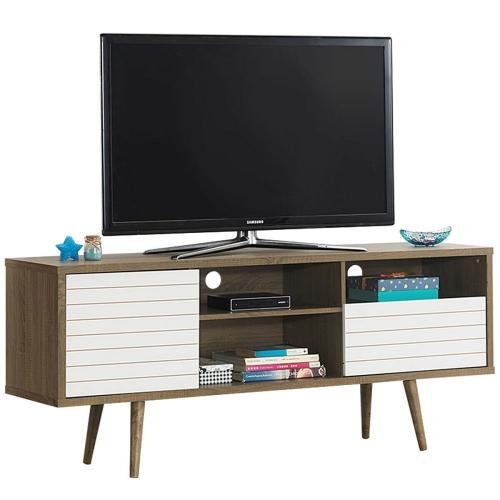
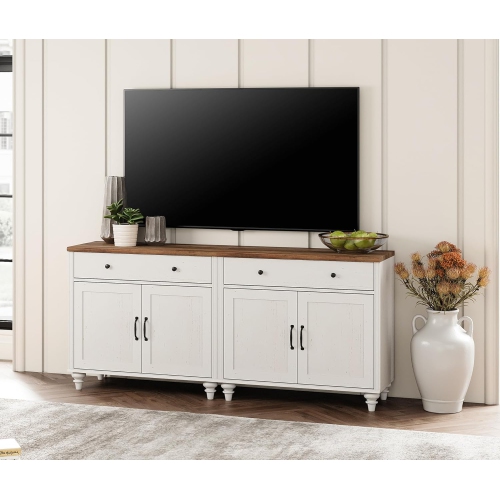
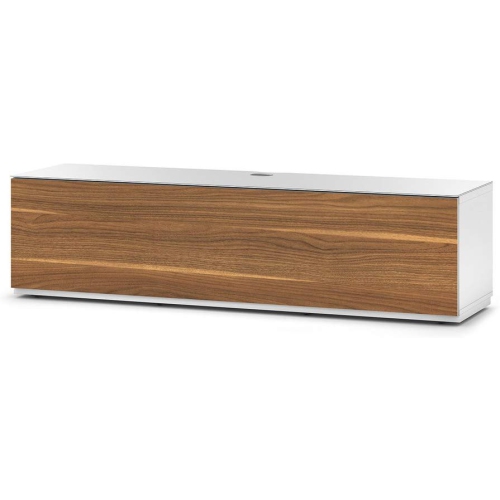
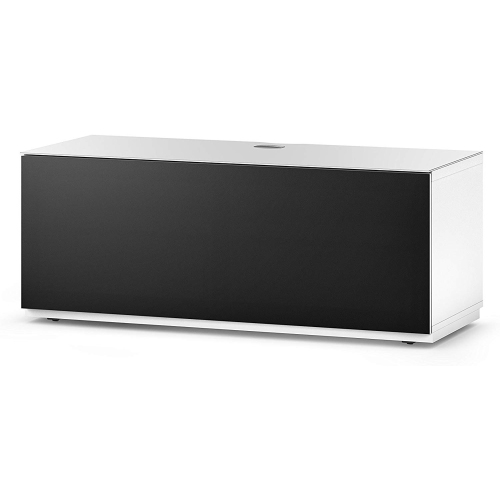
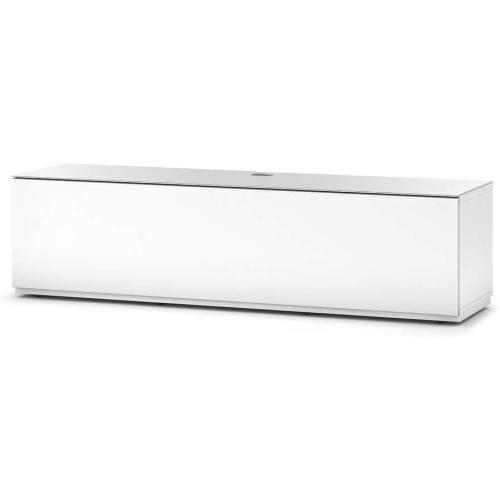
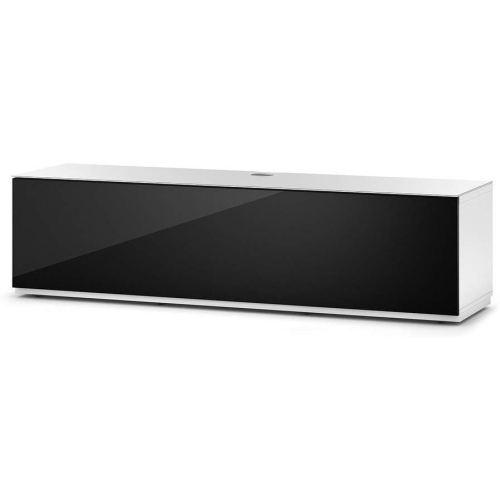
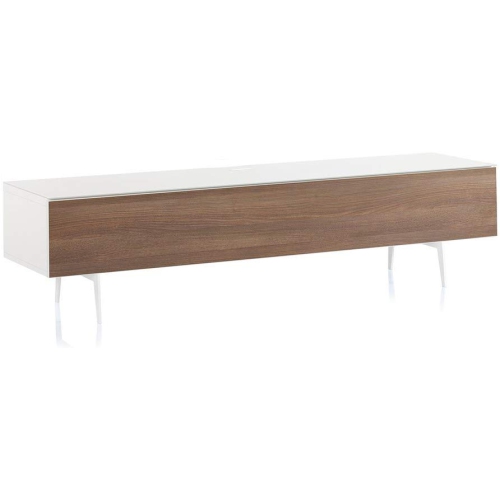
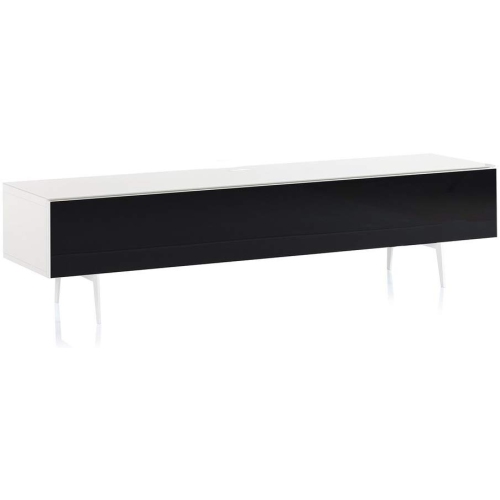
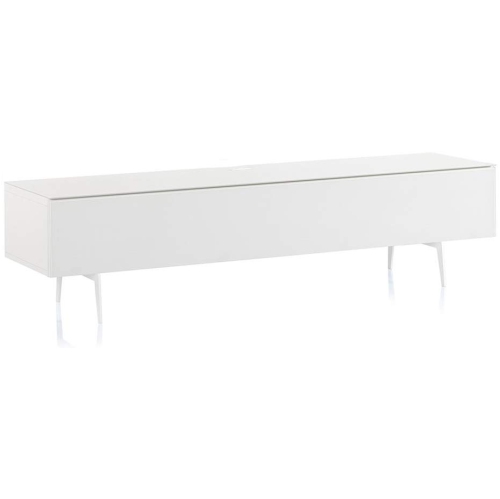
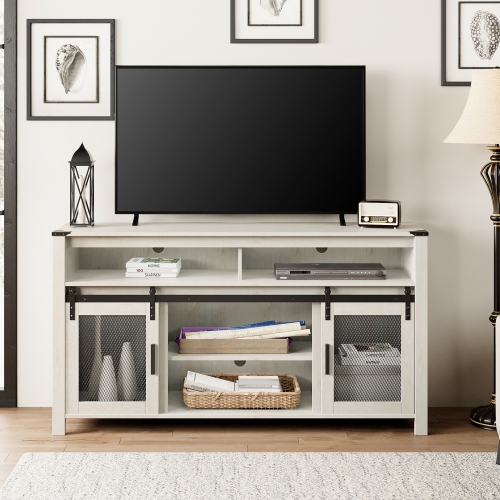
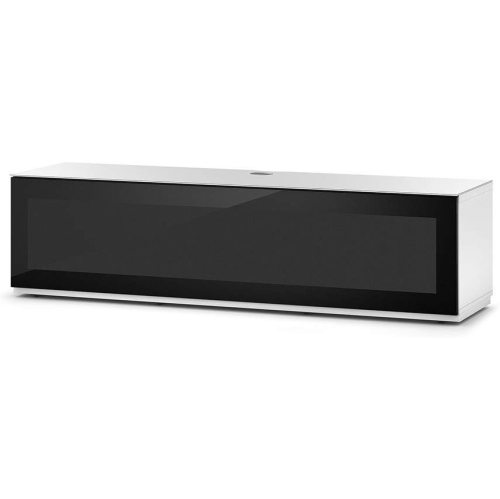
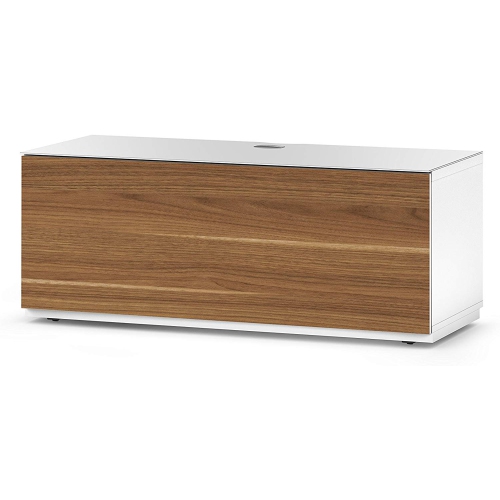
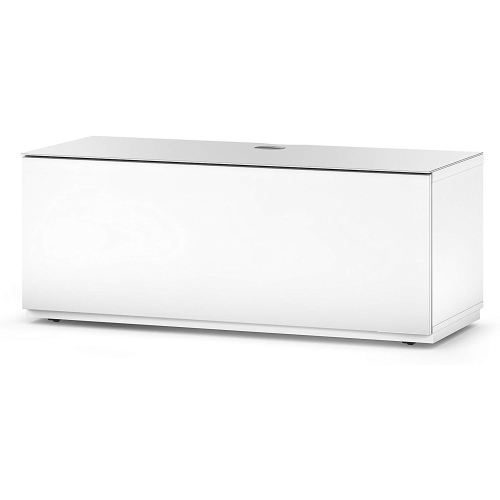
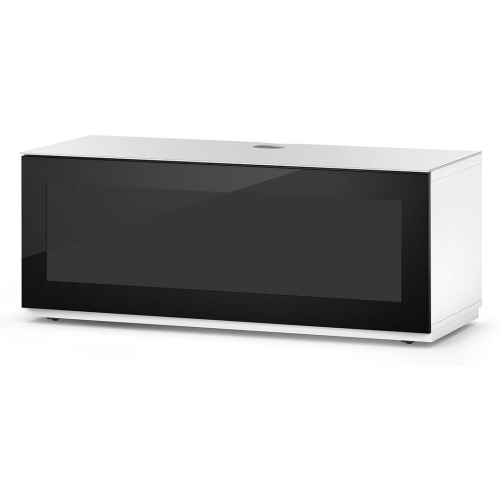
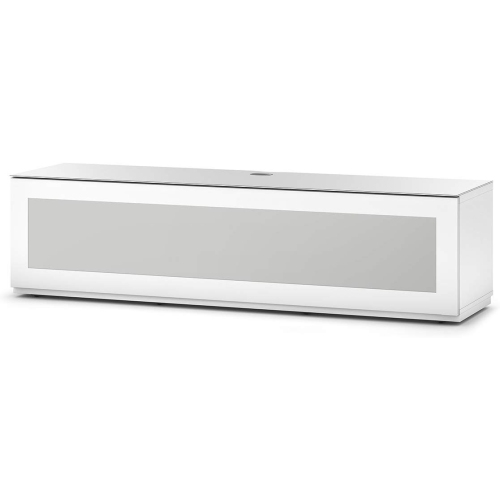
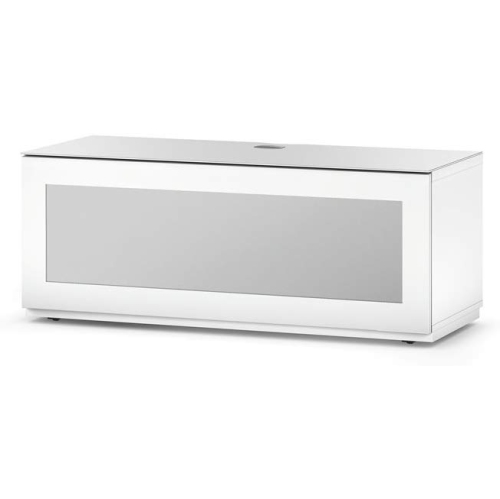
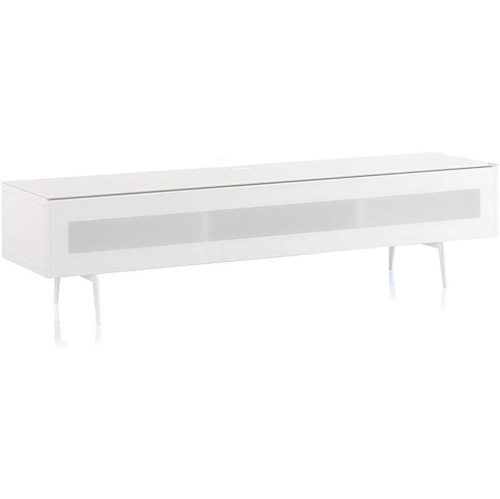
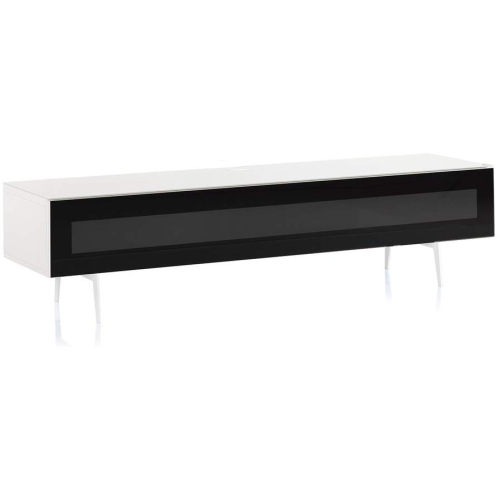
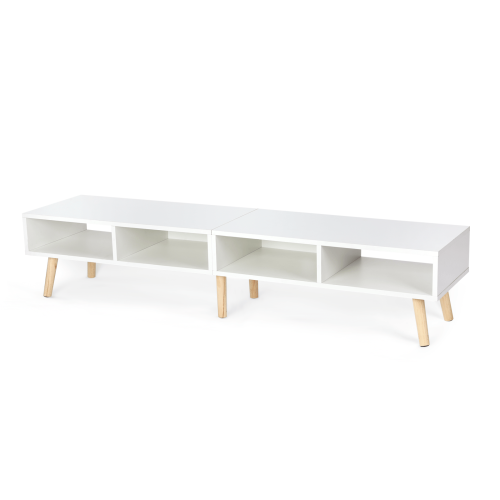
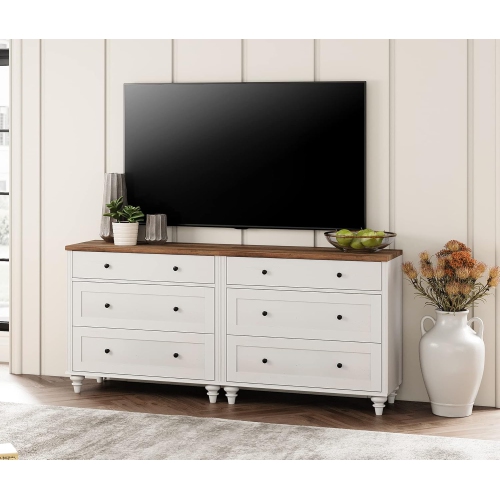
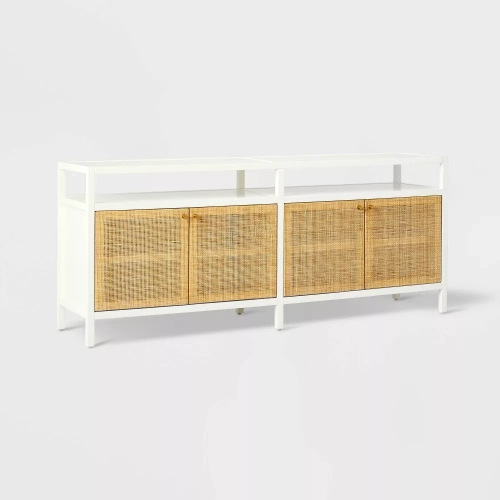
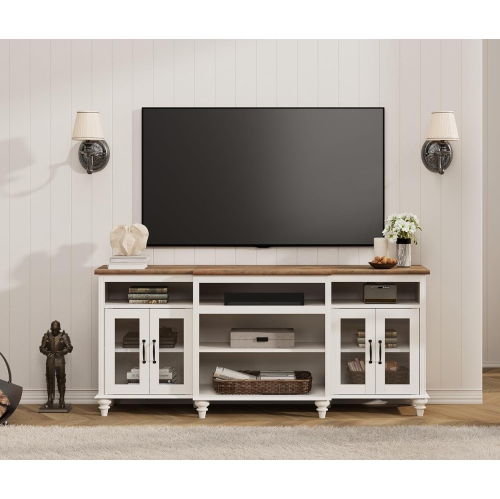
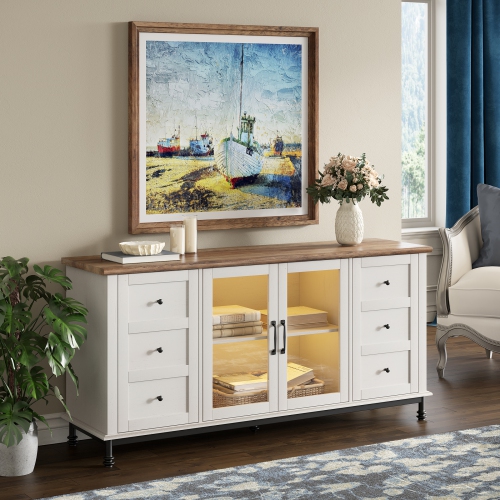
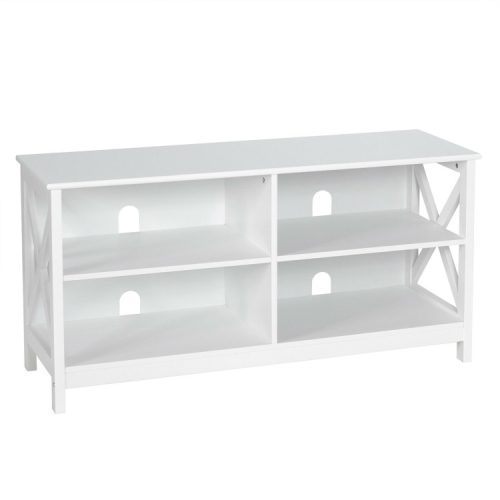
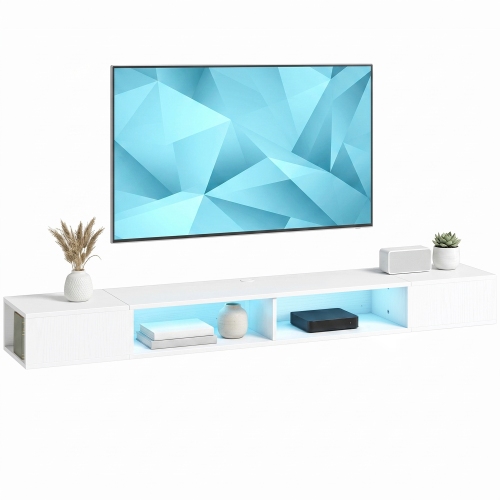
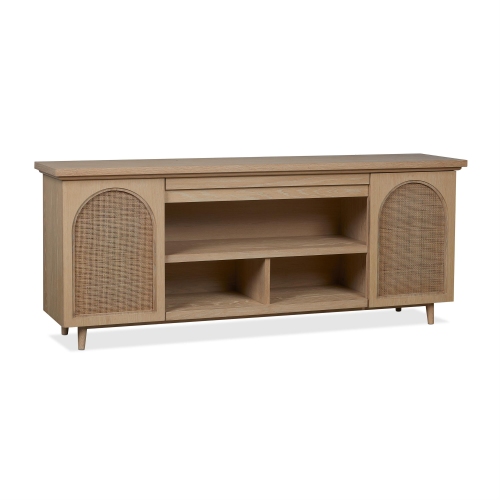
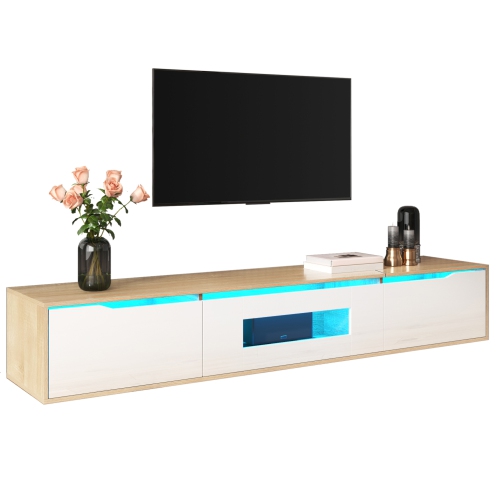
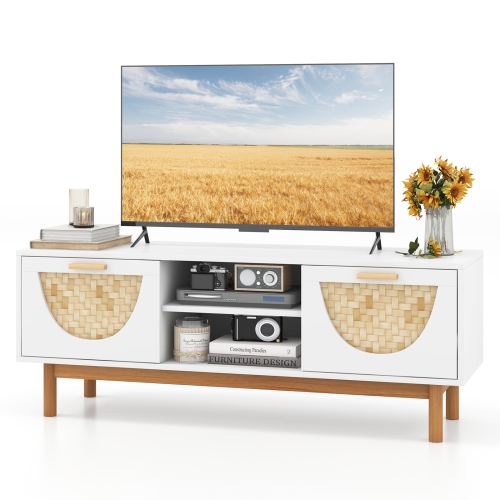
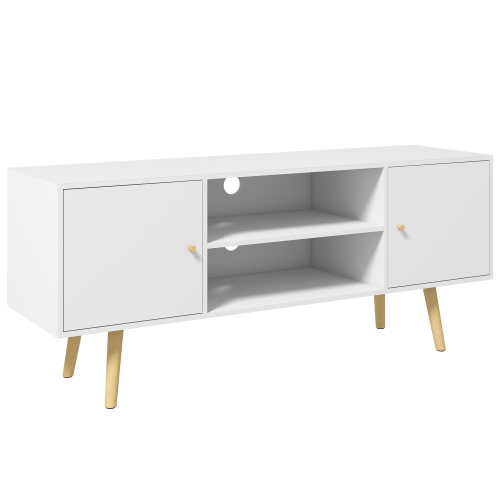
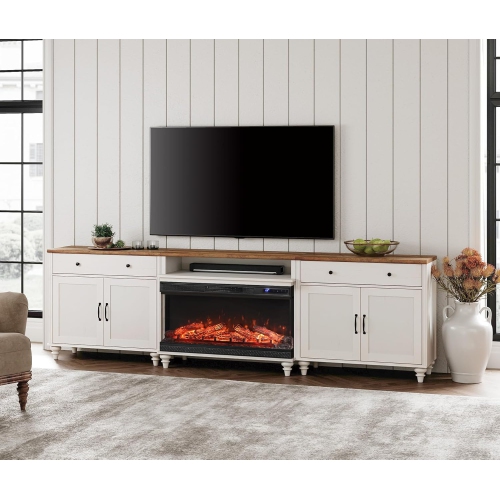
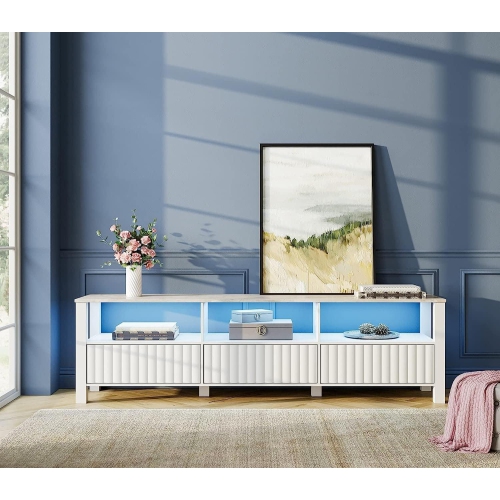
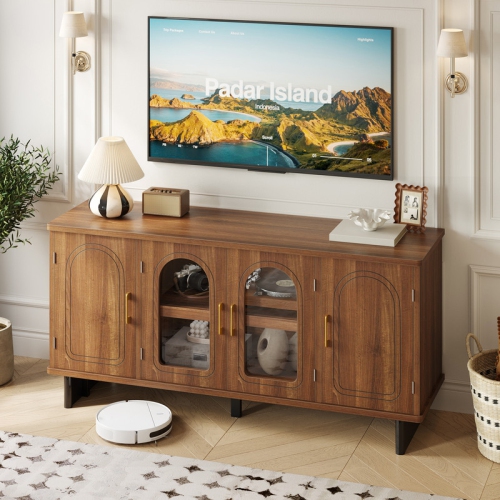
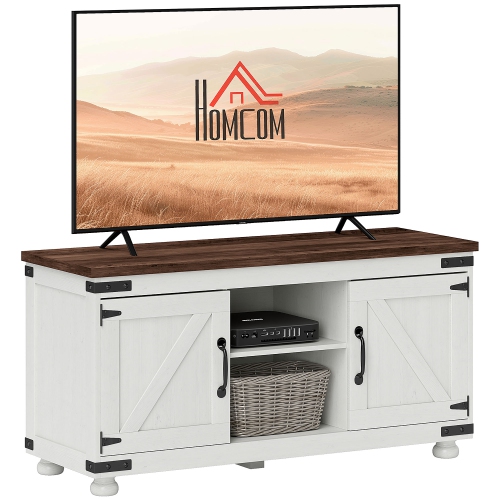
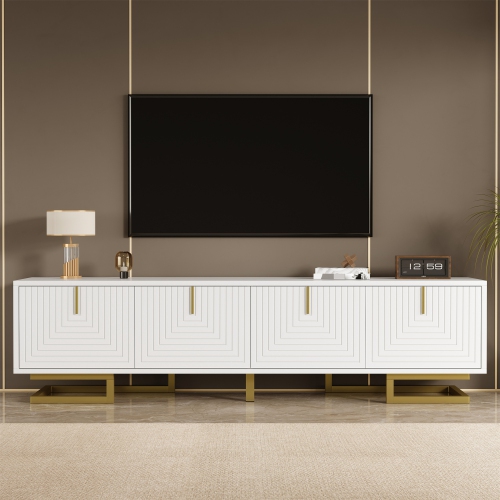
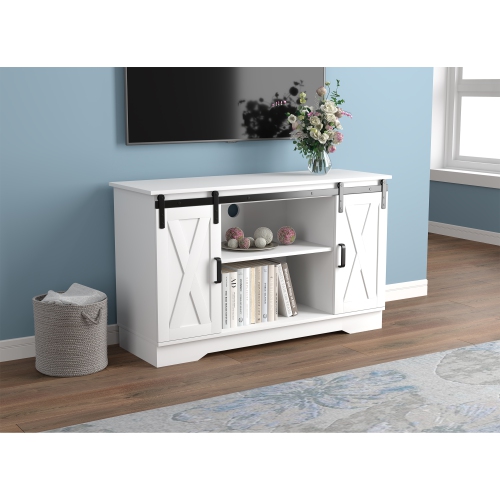
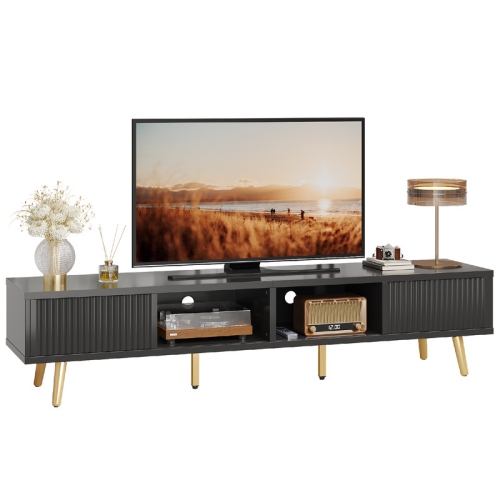
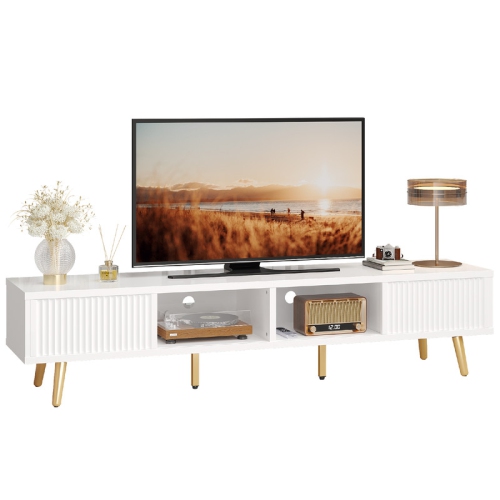
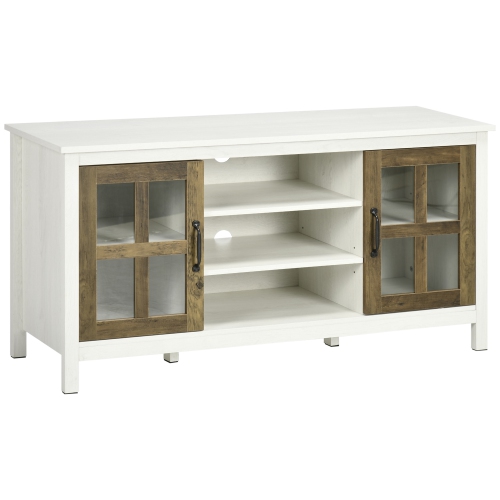
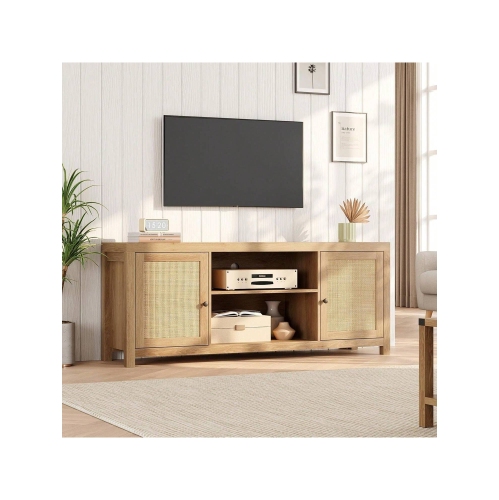
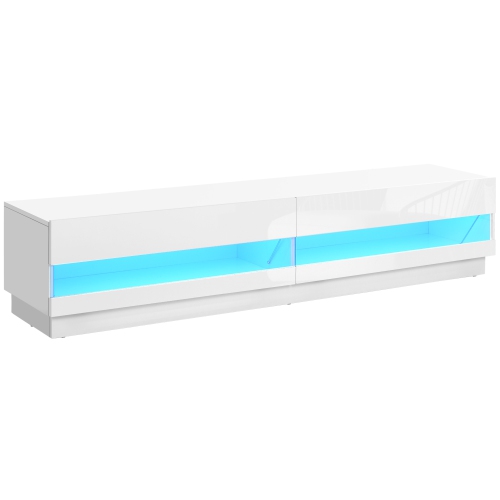
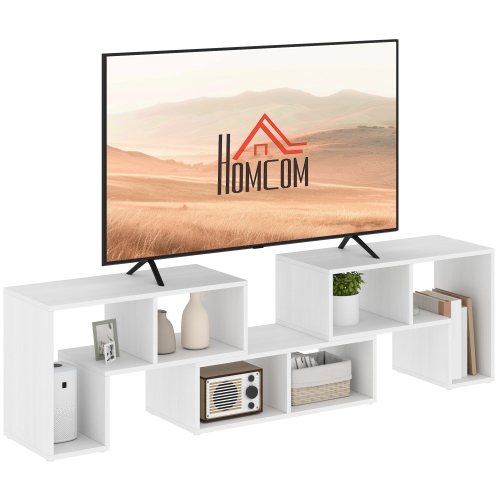
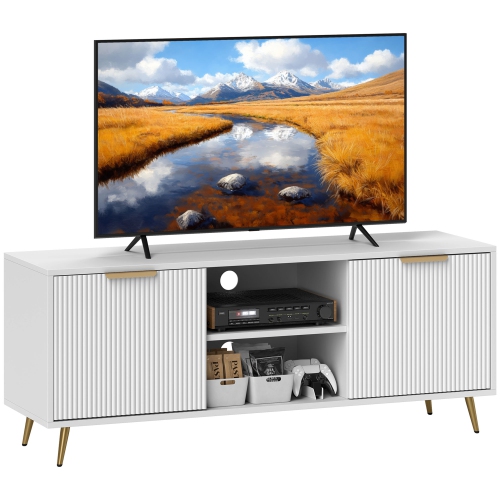
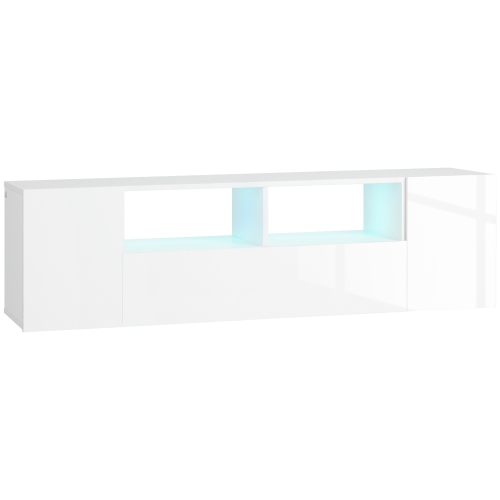
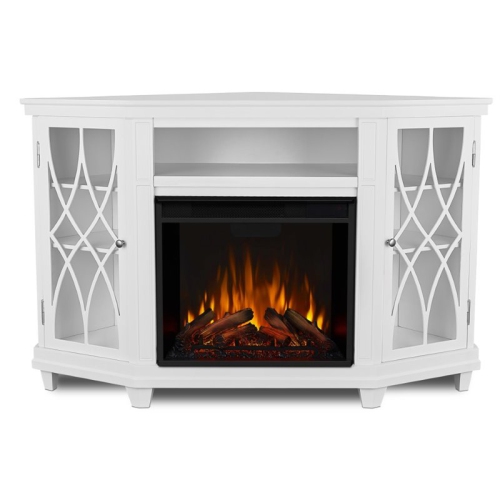
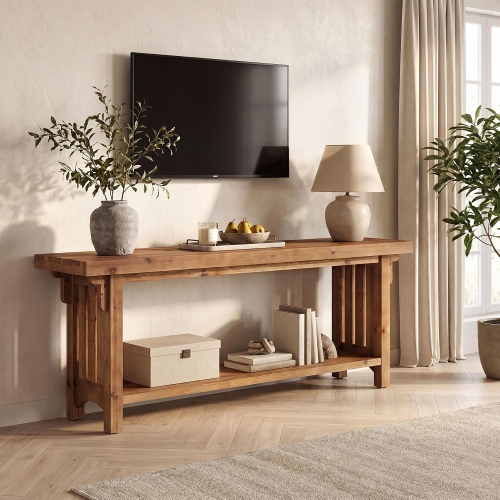
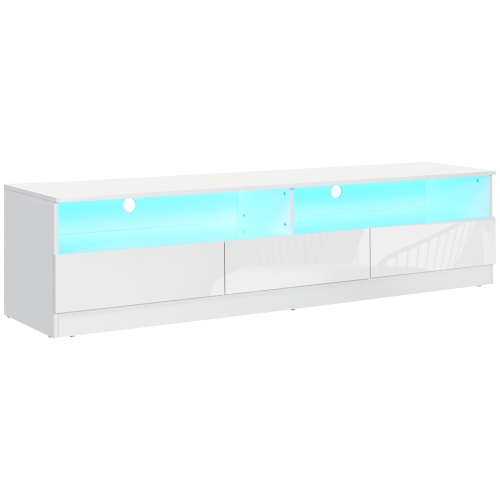
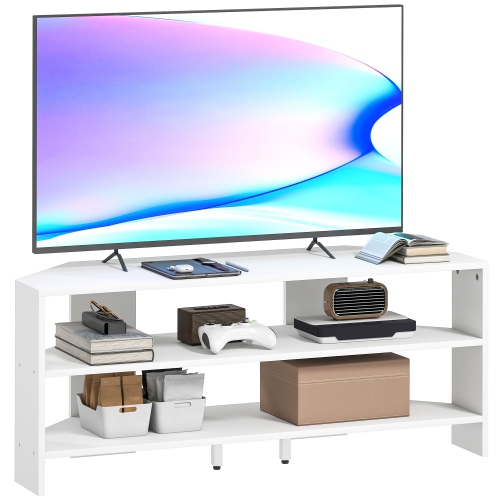
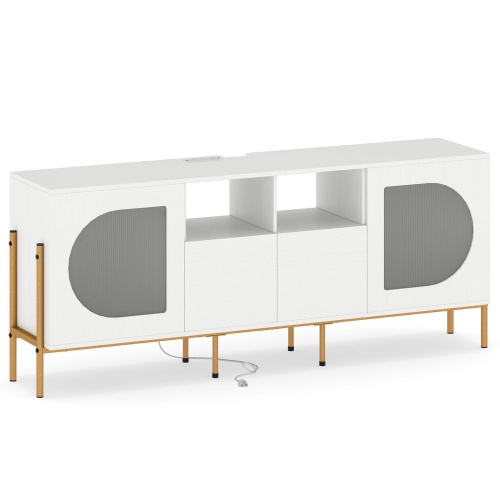
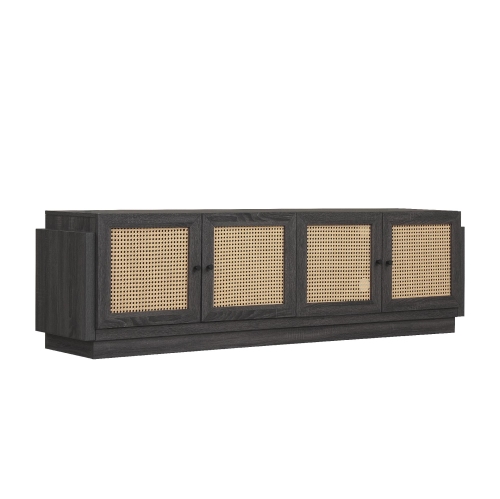
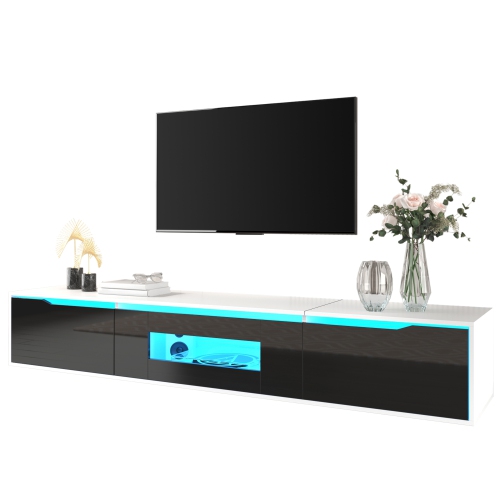
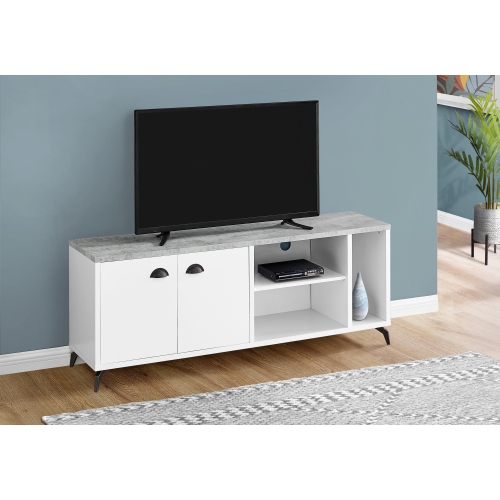
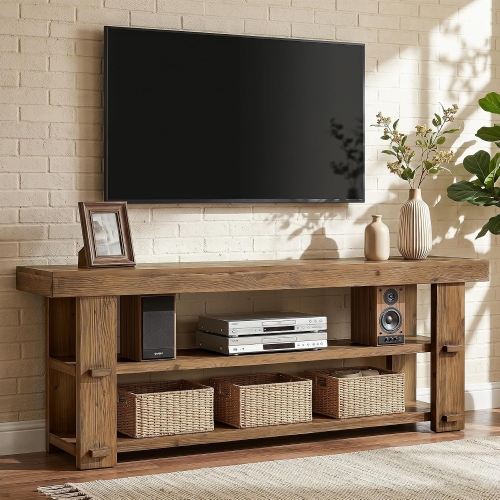
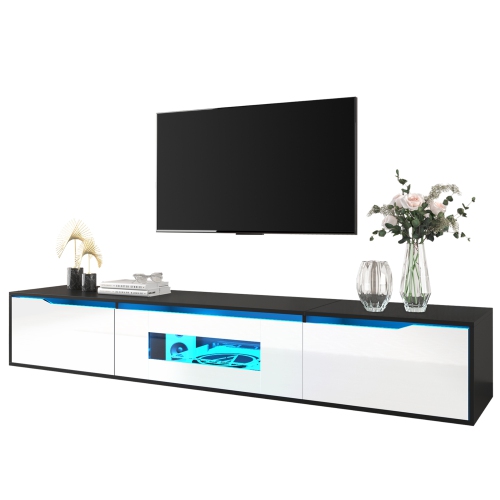
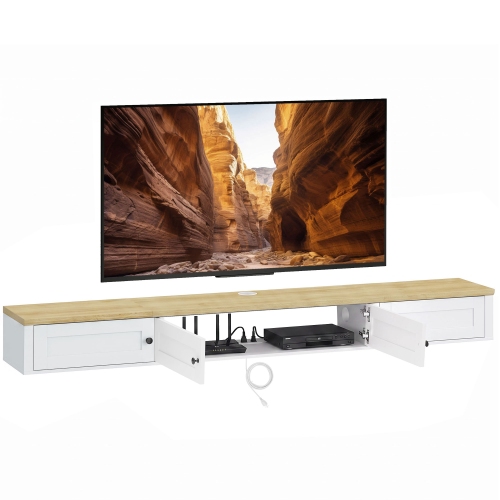
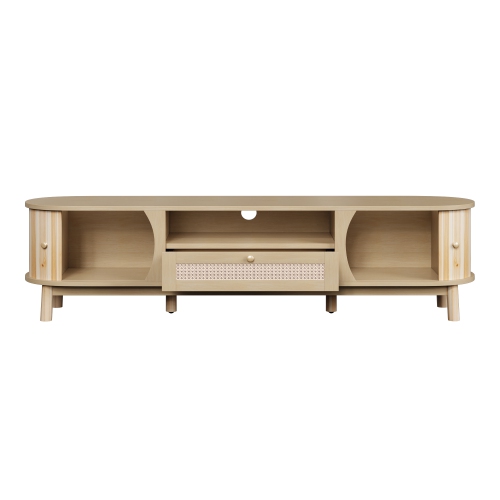
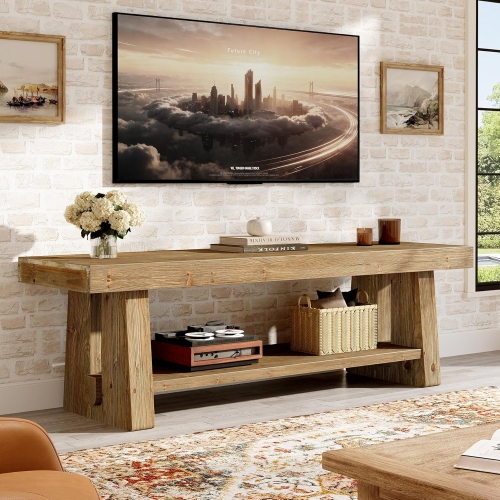
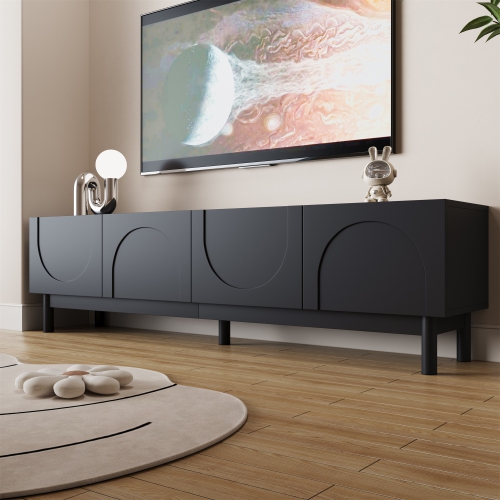
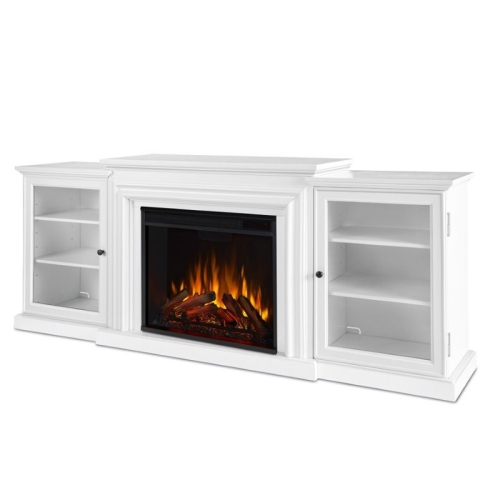
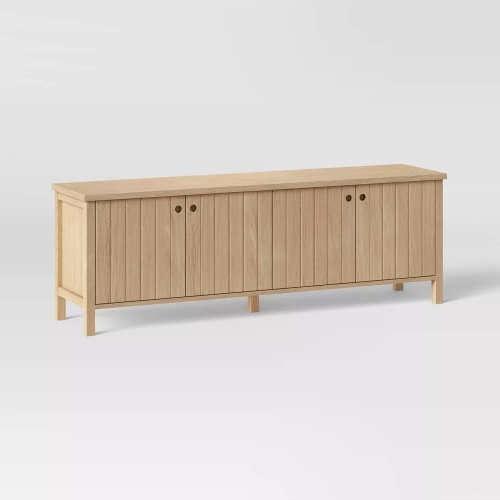
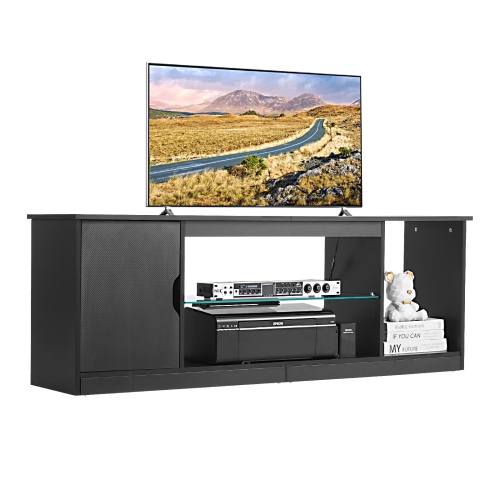
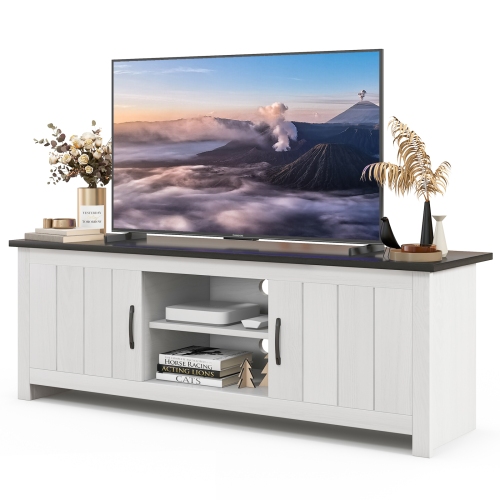
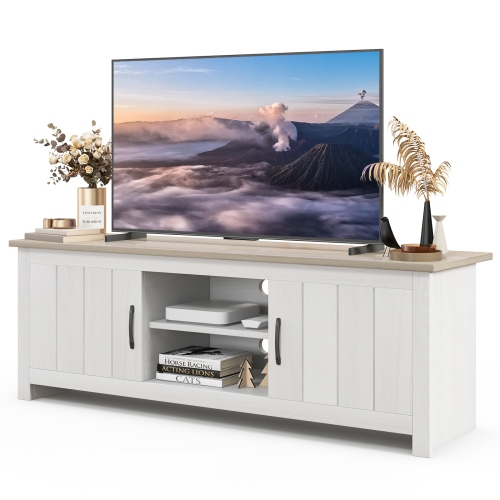
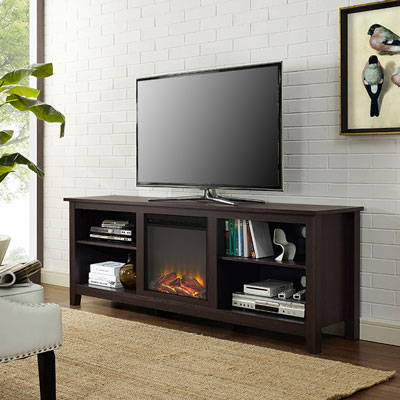
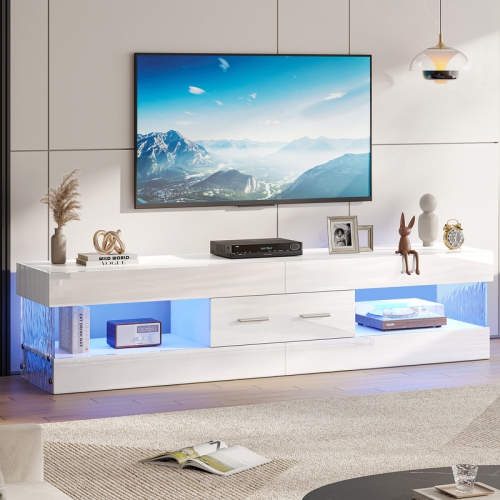
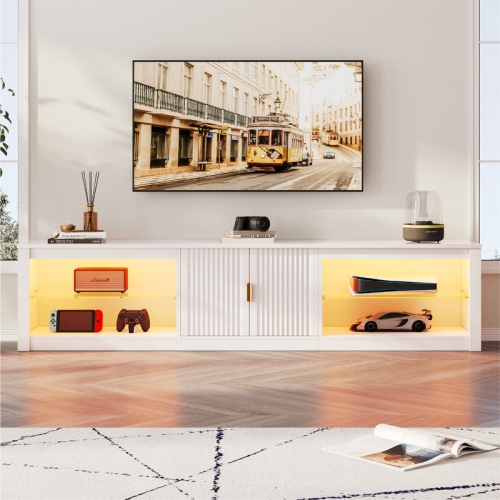
White wood TV stands bring a lighter visual presence to an entertainment area while providing a practical home for the screen, media equipment, and everyday living room essentials. A white finish can soften the look of a large black television, especially against pale walls, and create a clear contrast with darker flooring or a richly coloured sofa. The effect depends on the details: flat doors and slim legs suit a clean, modern room, while framed cabinet fronts, moulded edges, and substantial bases feel more traditional. Slatted doors and visible wood grain add texture without making the space feel busy. White also comes in different tones, from crisp, bright finishes to warmer shades that sit comfortably beside cream upholstery and natural timber. In a room with several white furnishings, differences in undertone may be noticeable, particularly in daylight, so finish descriptions and close-up images are useful points of comparison. For a softer contrast that lets more natural grain show, Light Wood TV Stands offer another look that pairs easily with neutral textiles and simple furniture. A white wood stand can anchor a main living room, make a compact apartment feel less visually crowded, or provide storage beneath a television in a bedroom or guest room. In shared homes, its usefulness often extends beyond watching television: a cabinet might hold game controllers, puzzles, headphones, and the small accessories that otherwise gather on a coffee table. Open shelves keep frequently used equipment within reach, while closed compartments give the room a calmer appearance when screens are off. A mix of both can work particularly well for households that move between streaming, gaming, and relaxed evenings with family. During the cooler months, when the living room gets more use, having a place for each accessory helps keep a comfortable seating area from feeling cluttered. The most suitable style is one that complements the room while accommodating the way that space is used every day.
Construction makes a meaningful difference to the appearance, weight, and upkeep of white wood TV stands. The category can include solid wood, wood veneer over a core material, and engineered wood with painted, laminated, or other applied finishes. Solid wood may display subtle grain or small variations beneath the finish, and it can respond to changes in indoor humidity. Veneer provides a real wood surface over another material, while engineered wood can offer a smooth, uniform appearance with crisp edges. A white finish alone does not identify the underlying construction, so material descriptions matter when comparing designs. Durability also depends on the quality of the joints, the support beneath long shelves, the hardware, and the protection around exposed edges. Doors should have enough clearance to open comfortably, and drawers need room to extend without meeting the coffee table or an armchair. In a busy family room, easy-to-grip handles and surfaces that wipe clean may be more useful than intricate trim that catches dust. Raised legs leave space underneath for cleaning, although the clearance needs to suit the vacuum or cleaning tool used in the home. A low, enclosed base offers a more grounded appearance but may make access beneath the cabinet less convenient. White surfaces can make dark scuffs and spills more noticeable, particularly around handles and along the top edge. Routine care generally involves a soft cloth and prompt attention to spills, with cleaning methods matched to the manufacturer's instructions. Too much moisture, abrasive pads, and harsh cleaners can damage some finishes or affect seams, especially on engineered wood. A coaster beneath a drink and a protective pad under a vase help limit marks on the top surface. Keeping the stand away from direct heat sources and managing strong, prolonged sunlight can also help preserve its appearance. For a household with children or pets, a sturdy structure, secure hardware, and a layout that keeps fragile accessories out of busy pathways are practical considerations alongside colour and style.
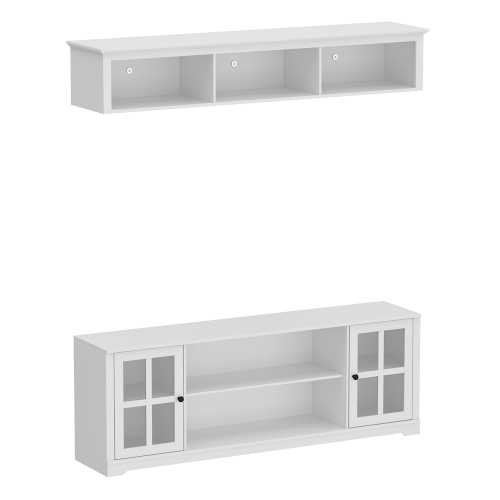
Fit involves more than the television's advertised screen size. That measurement is taken diagonally, while the stand must accommodate the actual width and depth of the television's base or feet. Widely spaced feet can require a broader surface than a central pedestal, and the television must sit fully supported without any overhang at its contact points. Both the furniture's maximum supported television size and its weight capacity need to match the intended setup; shelf limits matter separately for receivers, consoles, and other equipment. A stand wider than the television can give the arrangement a balanced appearance, but the overall dimensions still need to leave comfortable walking space and access to nearby doors. Height affects everyday comfort as well. A low sofa generally pairs better with a lower screen position than a taller seating arrangement, with the centre of the screen ideally near seated eye level. Beneath a wall-mounted television, the cabinet can provide useful storage without supporting the screen itself, though the gap above it should allow room for a sound bar without blocking the picture. Equipment compartments deserve equal attention. A receiver may fit through the opening yet need extra depth for plugs and cable bends, while a game console requires the ventilation clearance specified by its manufacturer. Open-backed sections, cable openings, and adjustable shelves can make these arrangements easier to manage, but enclosed spaces are not suitable for every device. Remotes that rely on a clear signal path may also work less reliably behind solid doors. In rental apartments or multipurpose rooms, a freestanding stand offers flexibility as seating and room layouts change, provided it is moved and reassembled according to its instructions. Properly securing the furniture and television with the recommended anti-tip hardware is important, particularly where children might climb or pull on drawers. With suitable proportions, accessible storage, and a finish that fits the surrounding furniture, a white wood TV stand gives entertainment equipment a tidy place without making the whole room feel centred on a screen.
Top selling and popular products
-
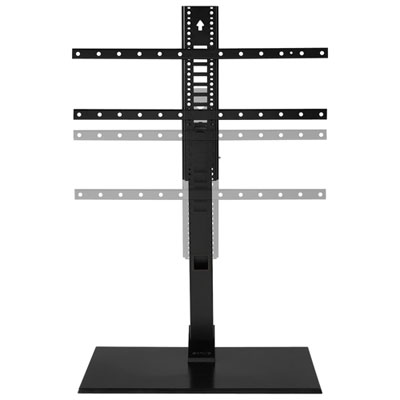 Your price for this item is $249.99
-
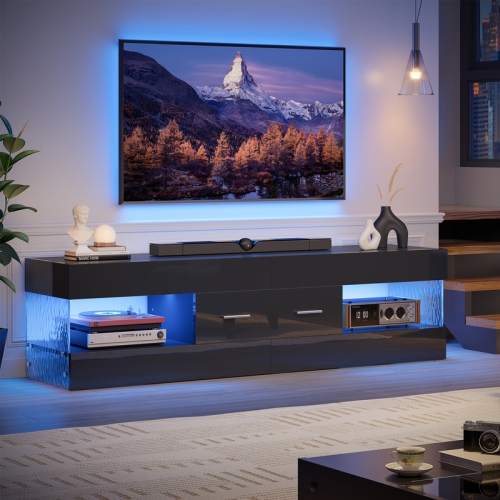 Your price for this item is $179.99
-
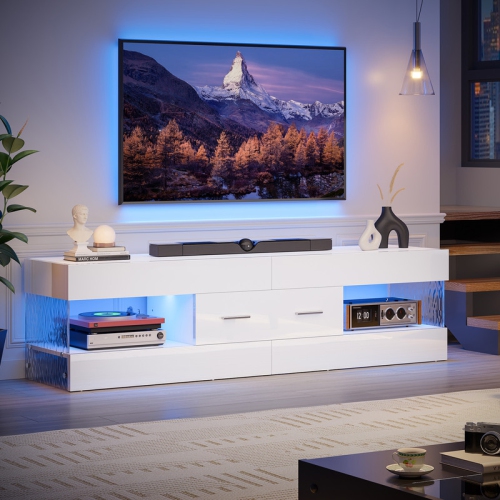 Your price for this item is $169.99
-
 Your price for this item is $689.99
-
 Your price for this item is $199.99
-
 Your price for this item is $199.99
-
 Your price for this item is $941.25
-
 Your price for this item is $269.99
Discover more categories related to White Wood TV Stands
Top Collections:
Pokemon Centers, Best Cameras for Sports Photography, Kindle Devices, Samsung Galaxy Phones, Canon G7X Cameras, Pokémon 30th Celebration Cards, Refurbished Apple Laptops, iPhone 15 Apple, Laptops for Students, Budget Smartphones
Some products may be subject to Environmental Handling Fees
(EHF) depending on your province.
Learn more about EHFs.