Wood Credenza
Enhance the elegance and functionality of your living space with these wood credenzas. Crafted with precision and style, these versatile pieces of furniture bring a touch of sophistication to almost any room. Whether you're looking to declutter your home office, organize your entertainment essentials, or simply add a chic storage solution to your living room, a wood credenza is the perfect choice. Here are some of the great options available.
Sort
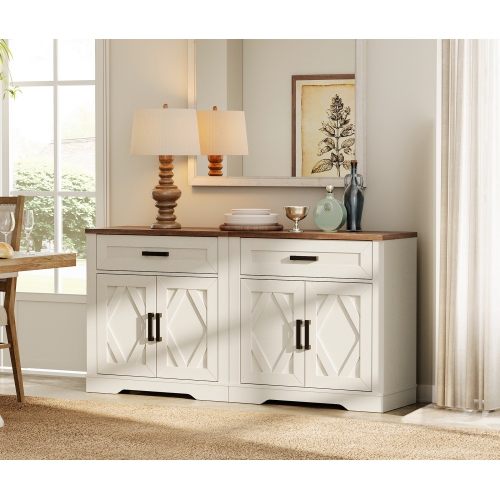
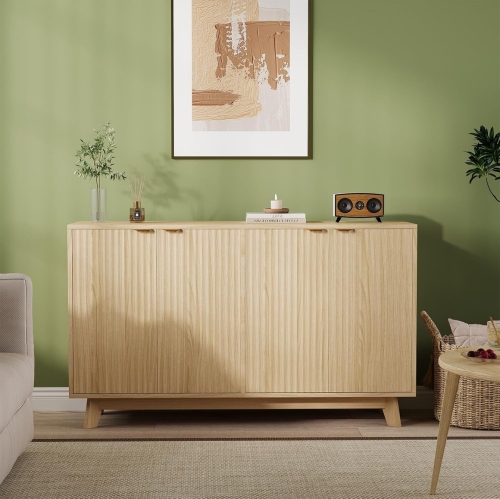

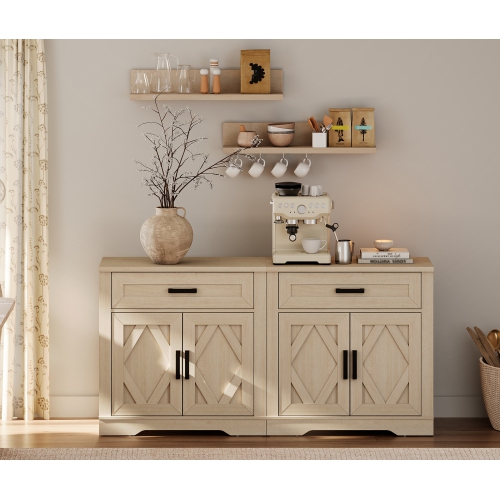

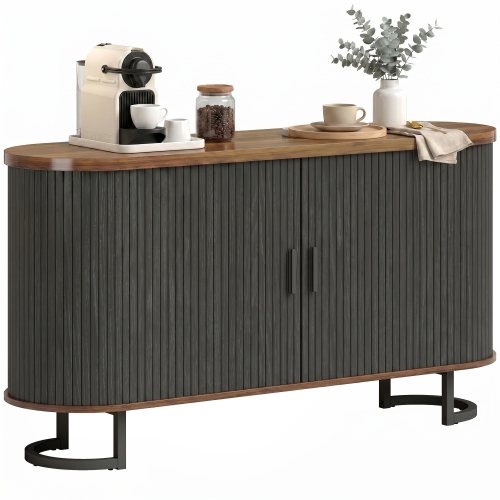
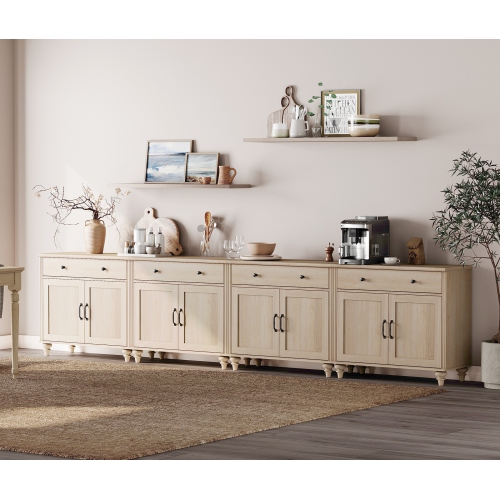
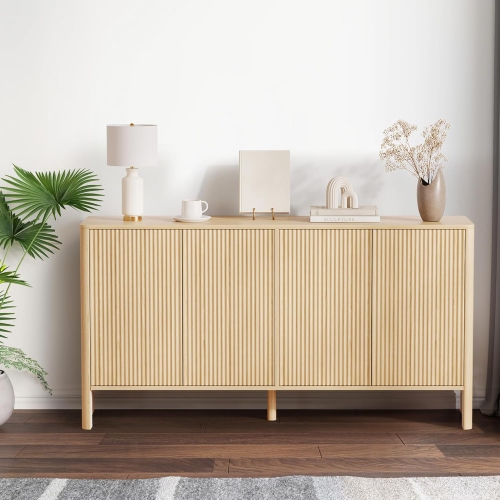


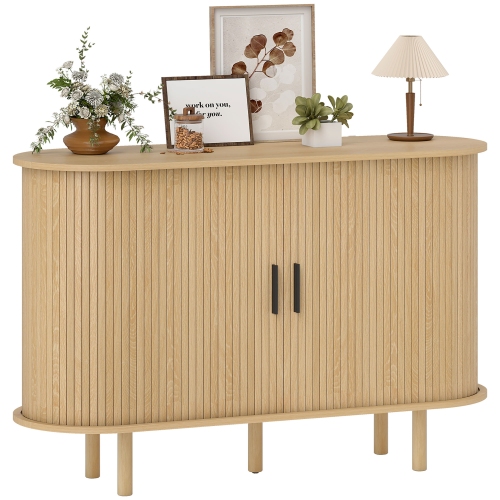

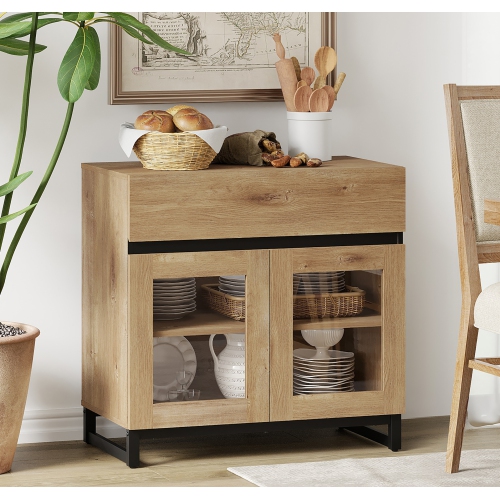


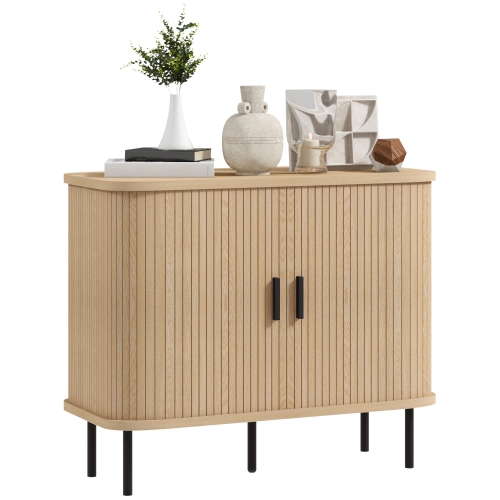


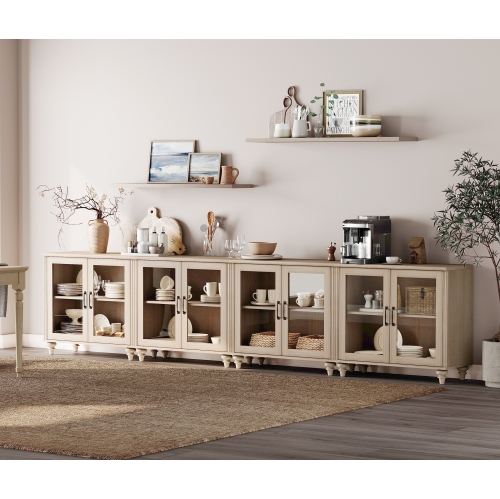


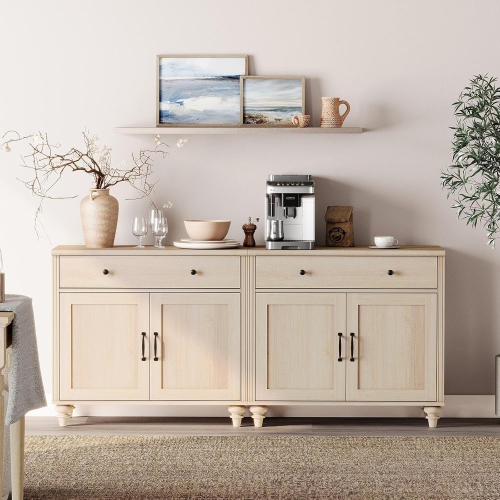
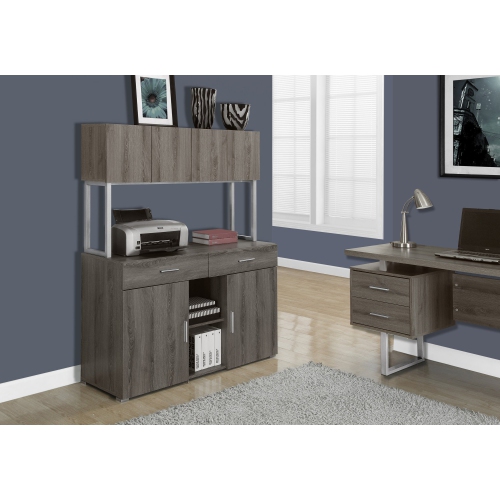

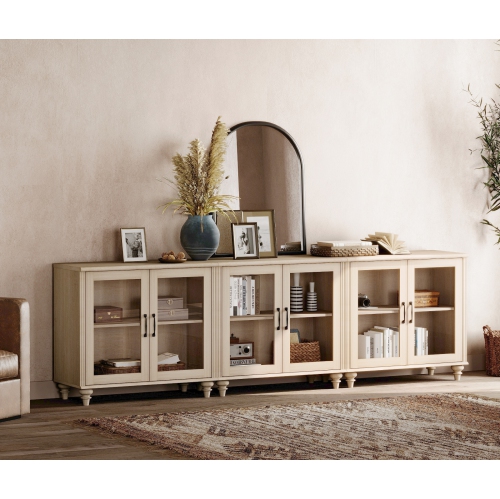
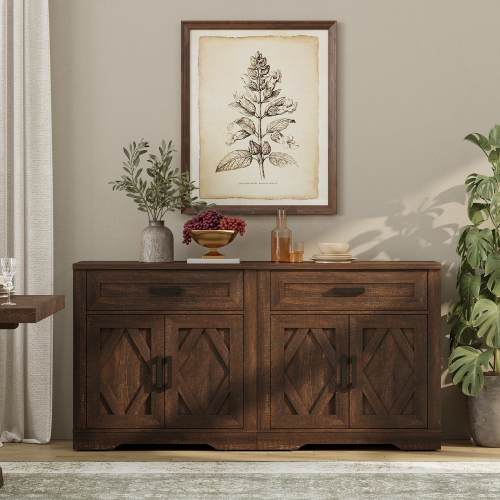

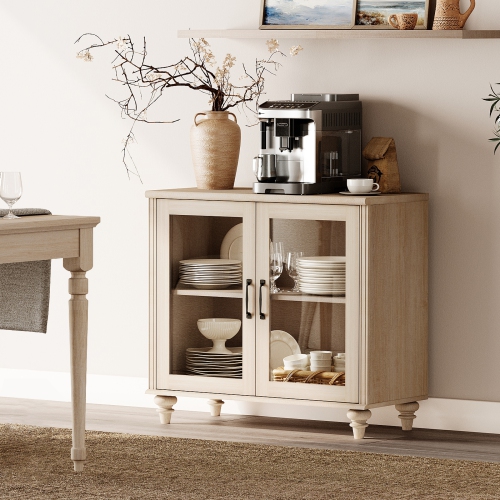
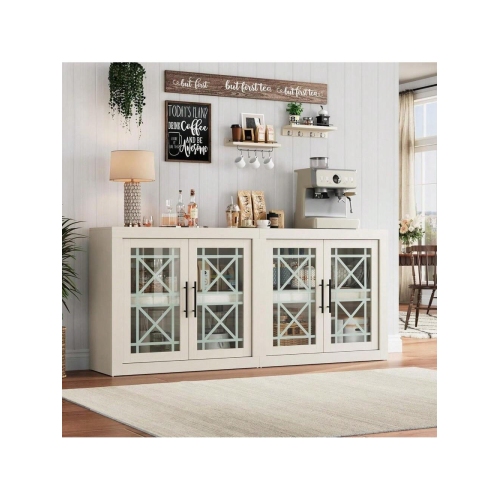
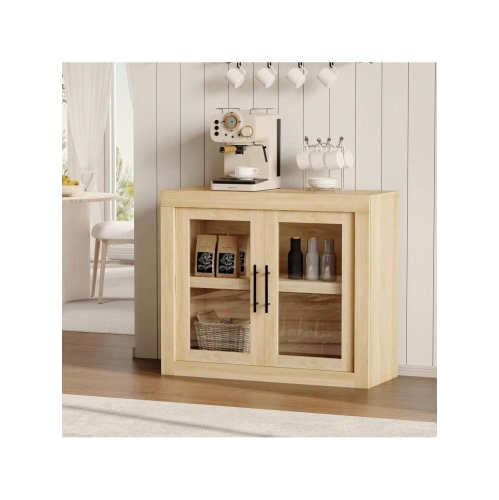
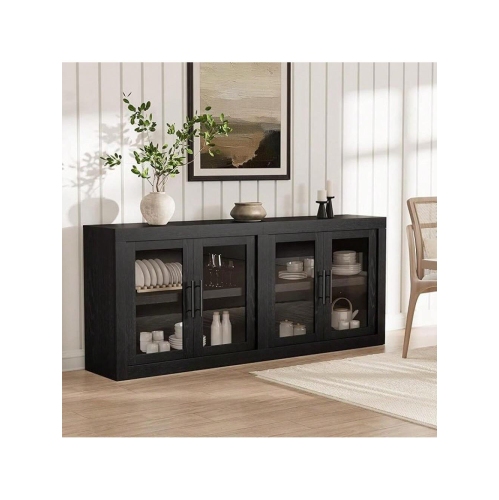


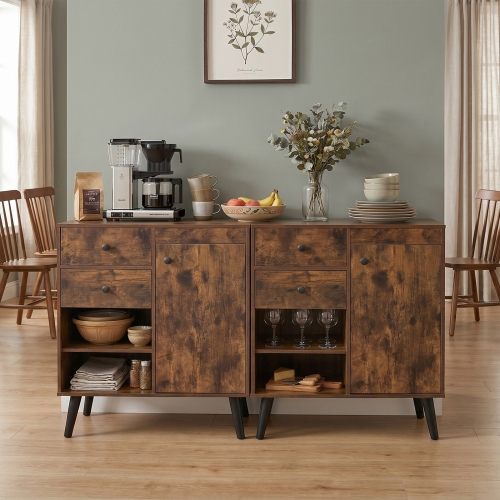
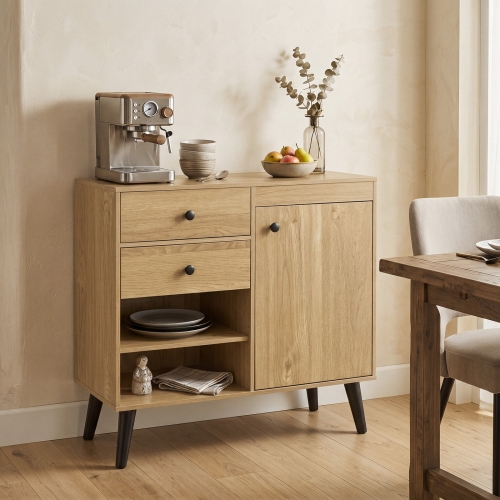


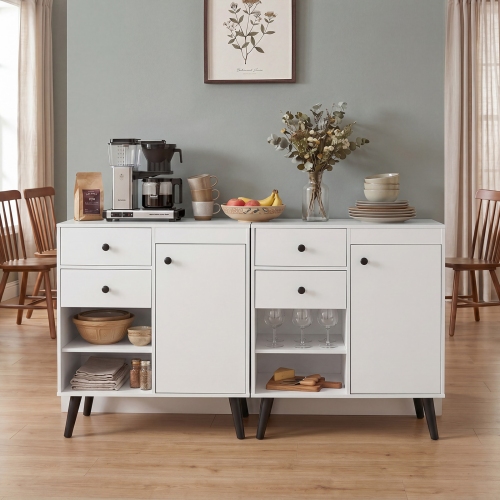
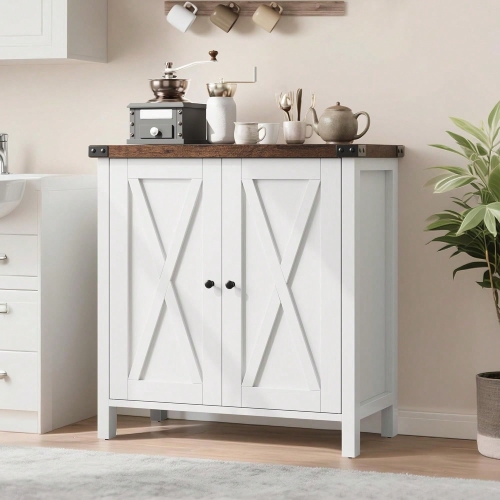
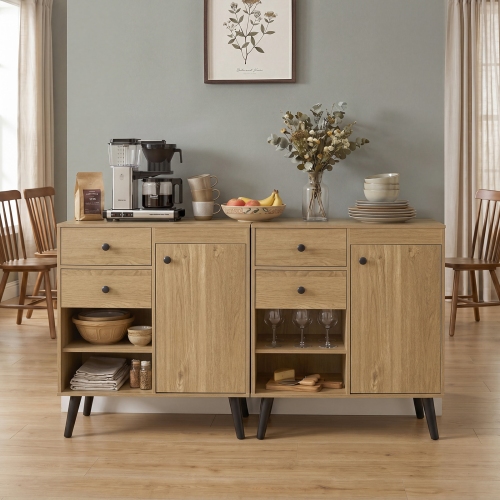
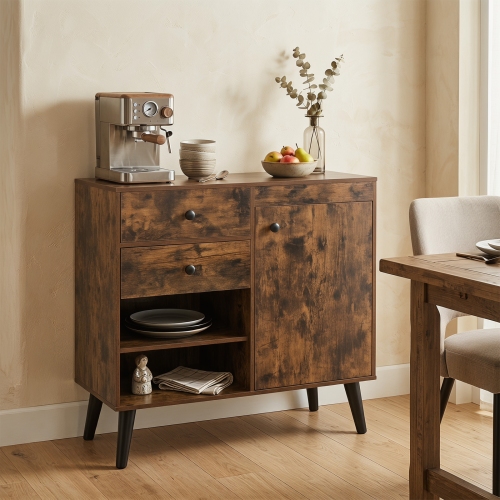
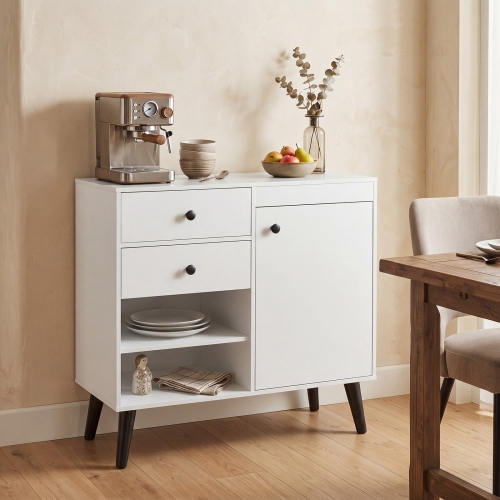
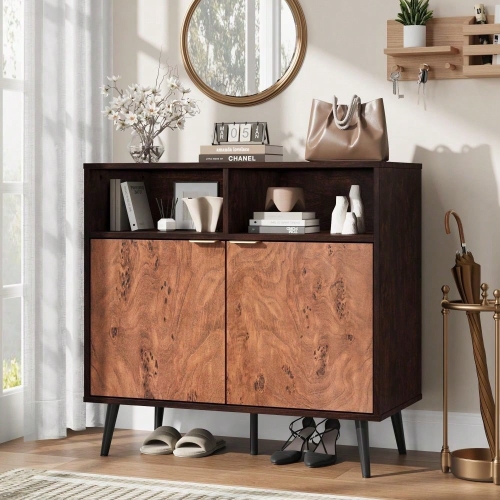
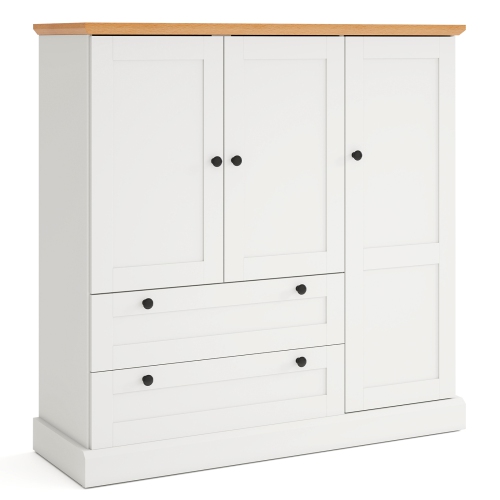


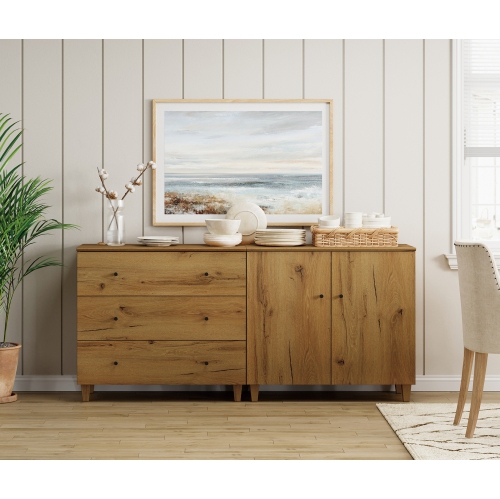


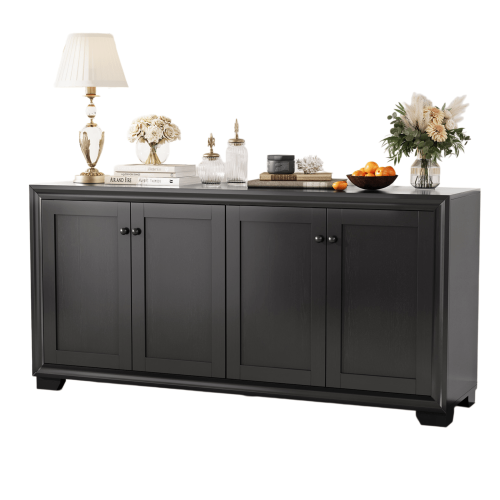

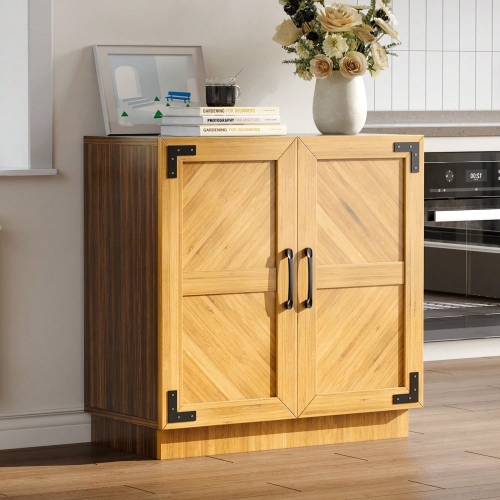
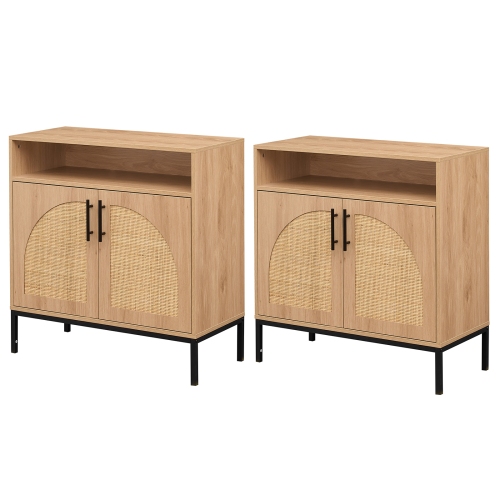
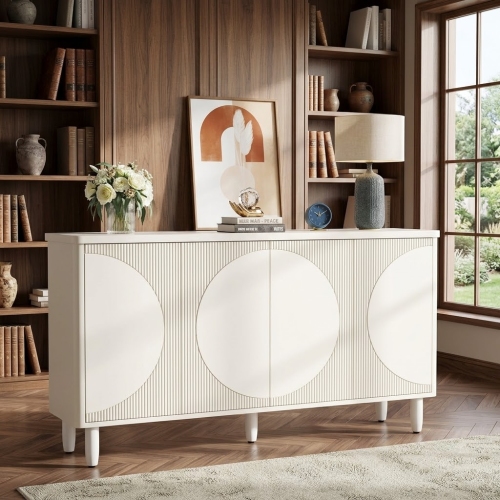
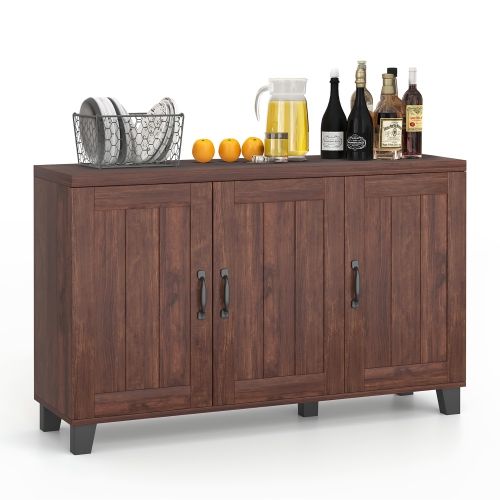
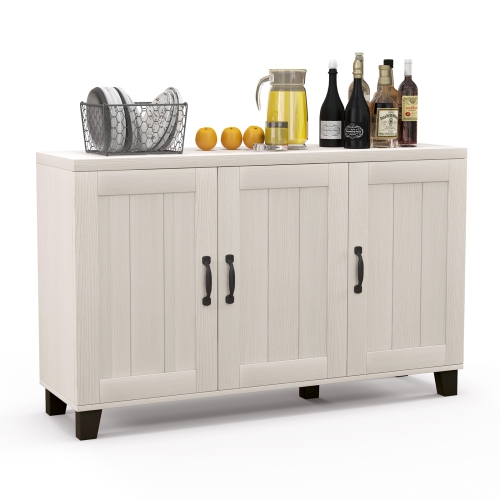
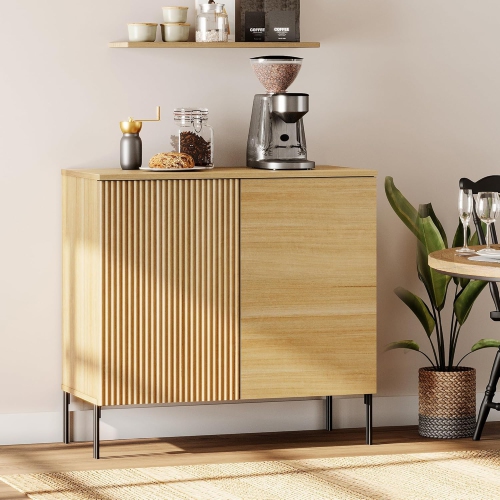

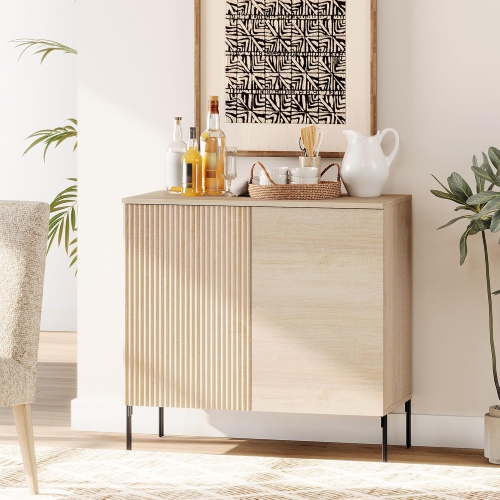
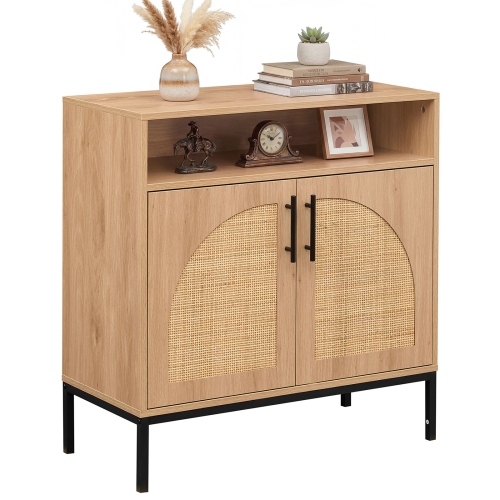
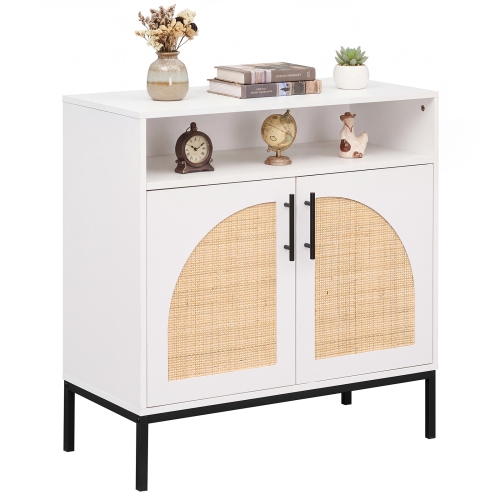
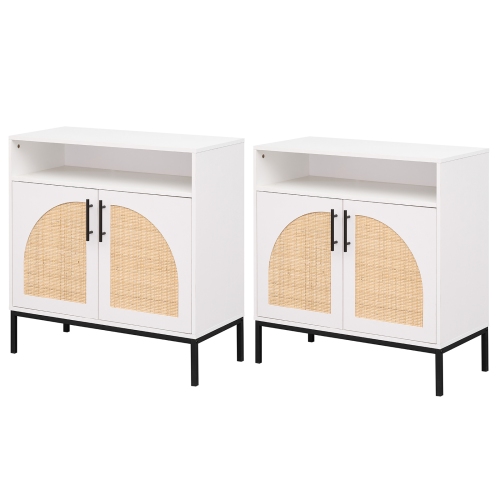
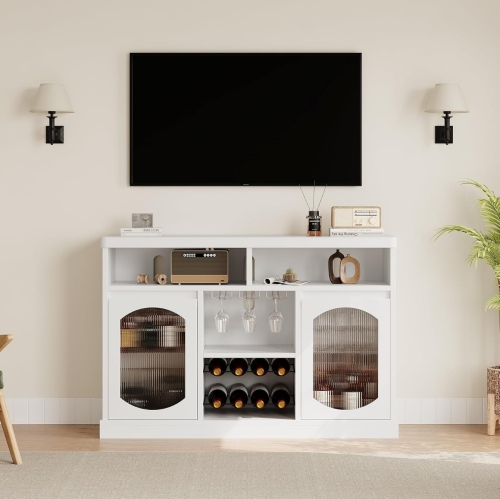
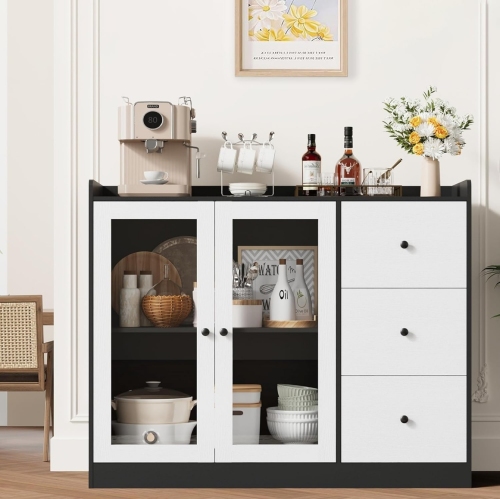
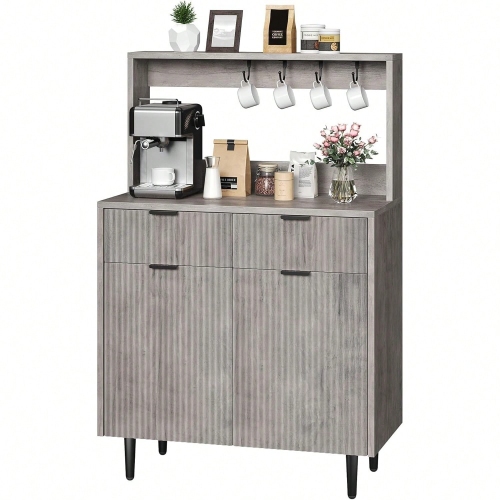

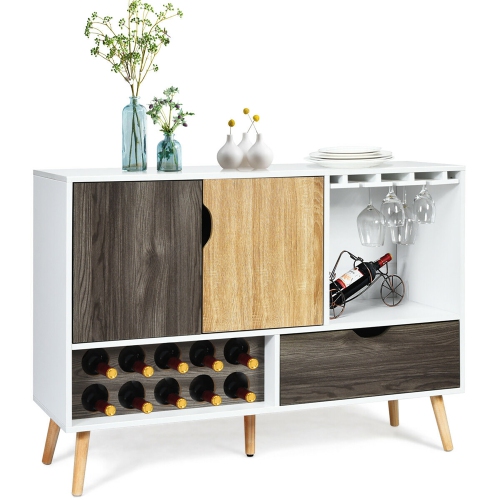
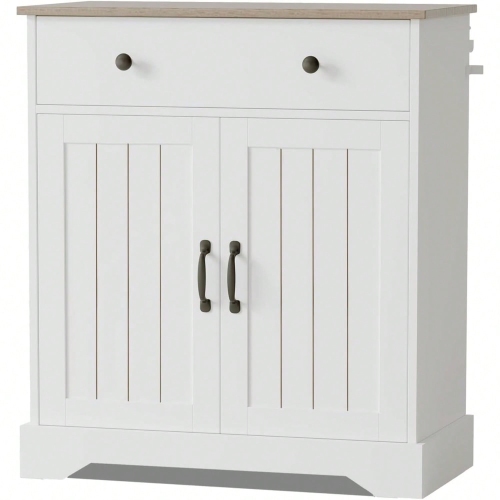
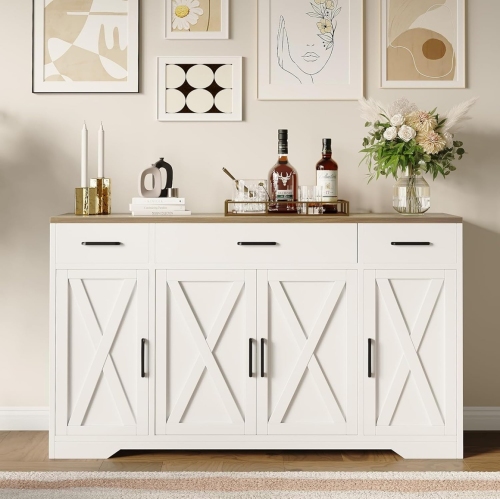
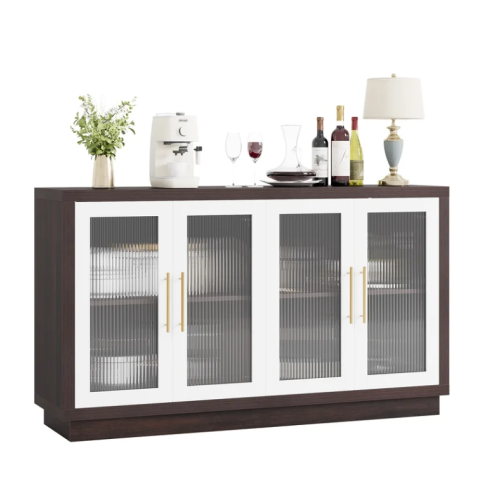

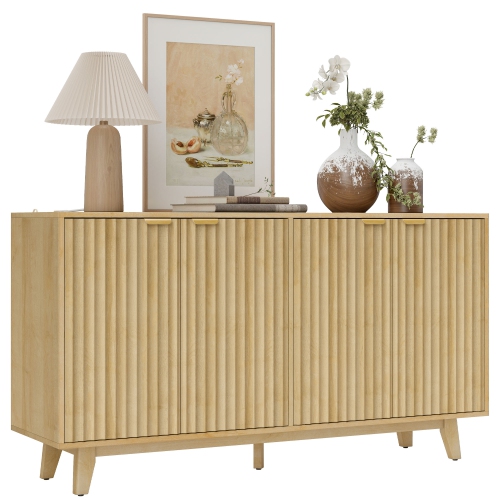
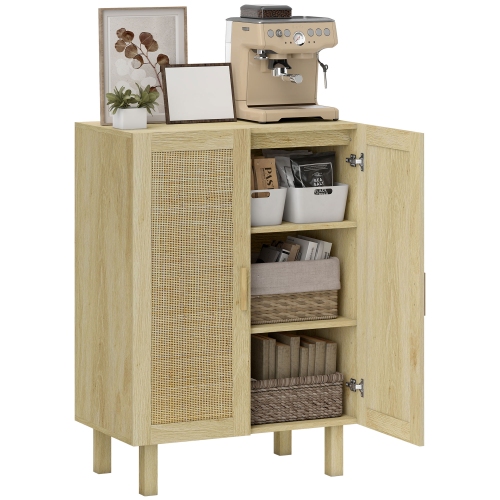
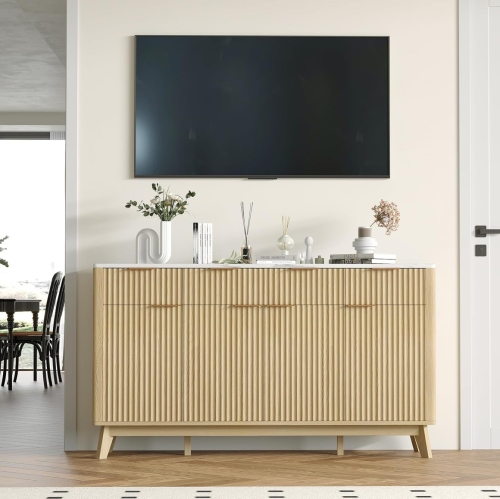
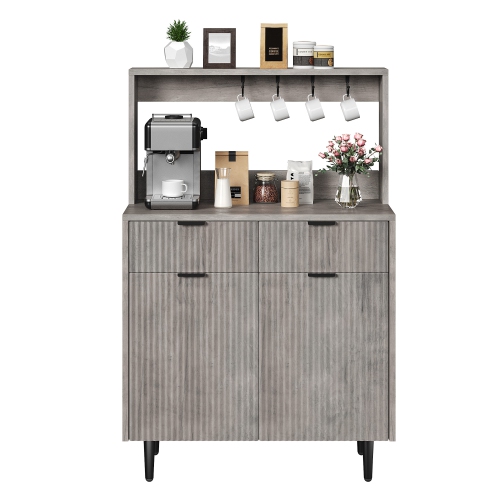
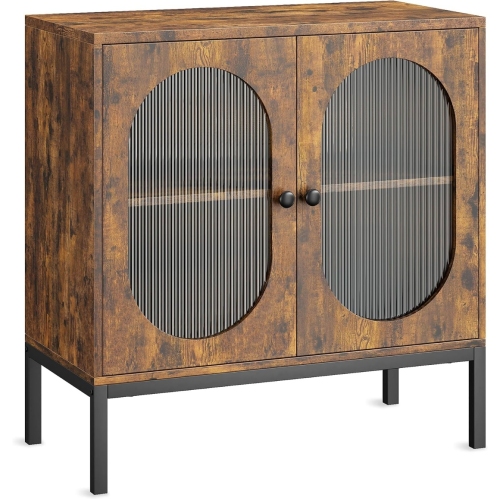

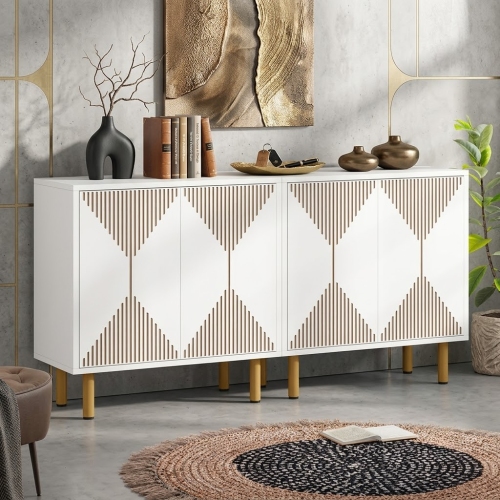
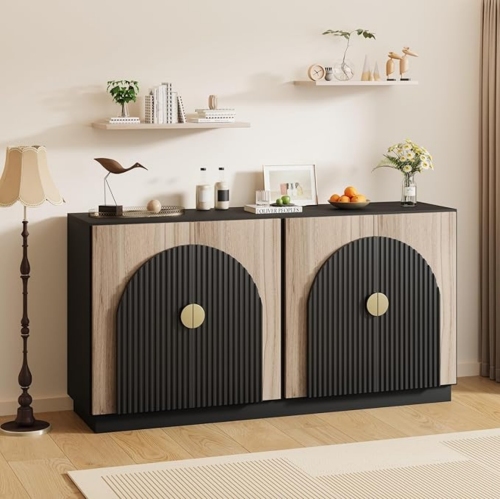
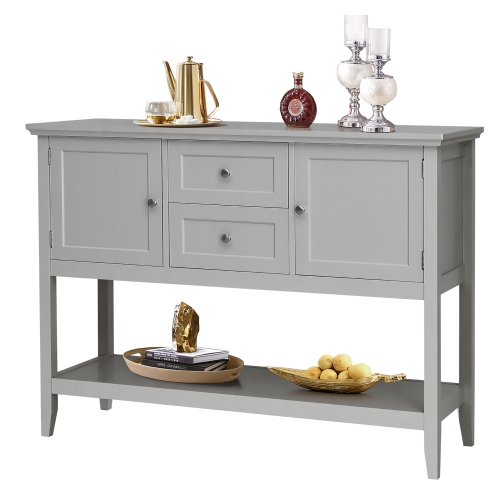
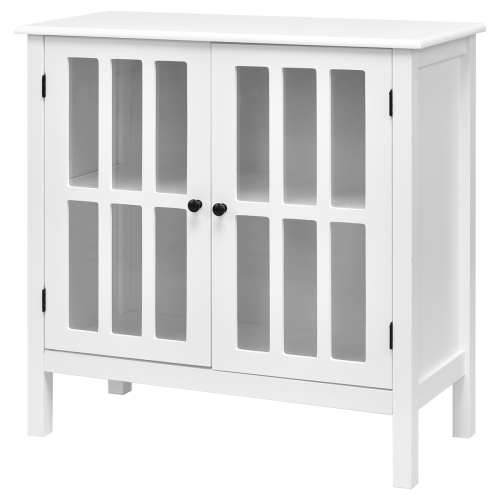
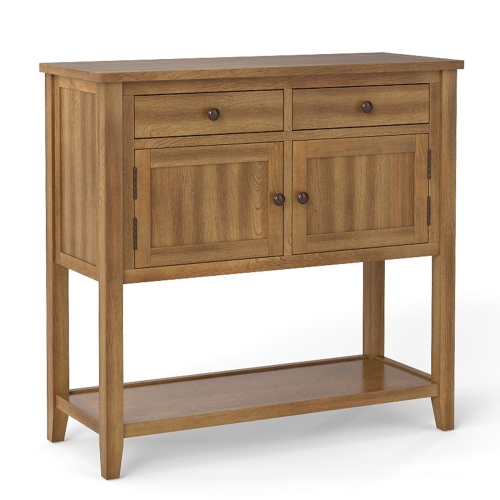
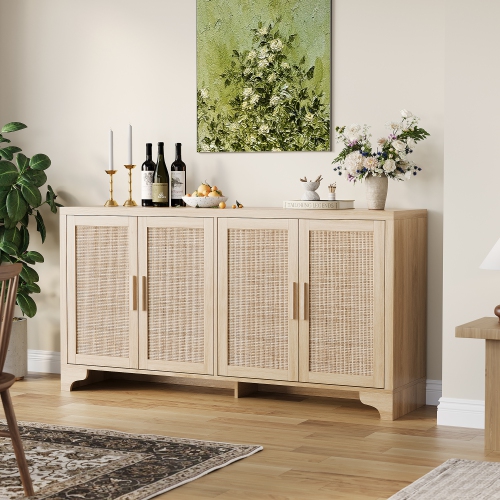
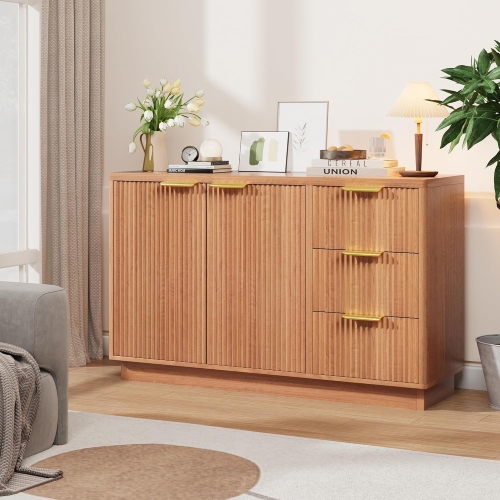
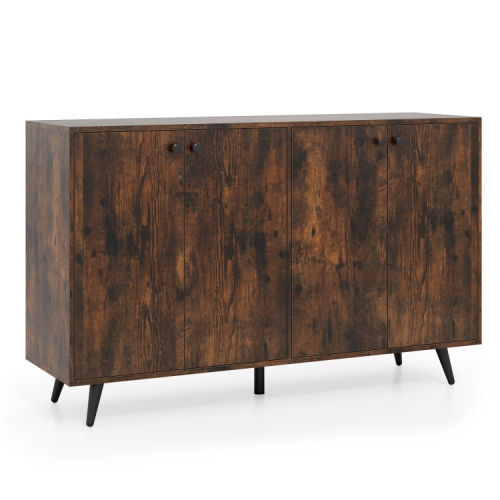
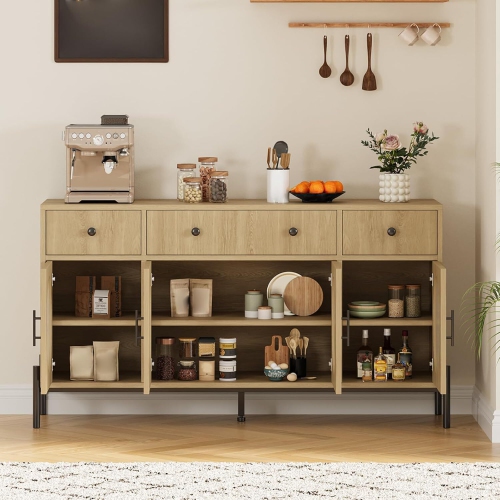
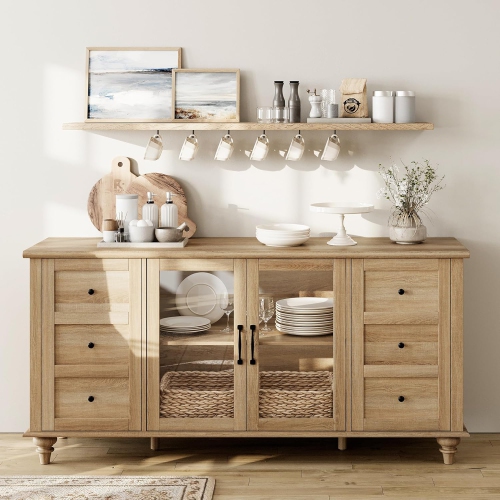

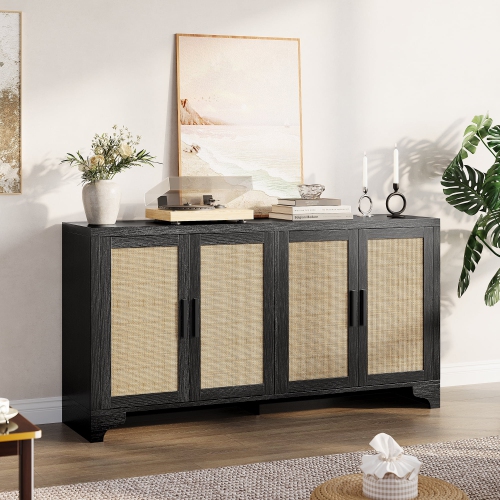
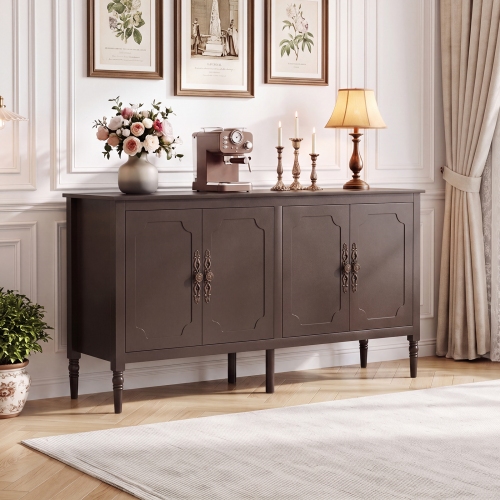
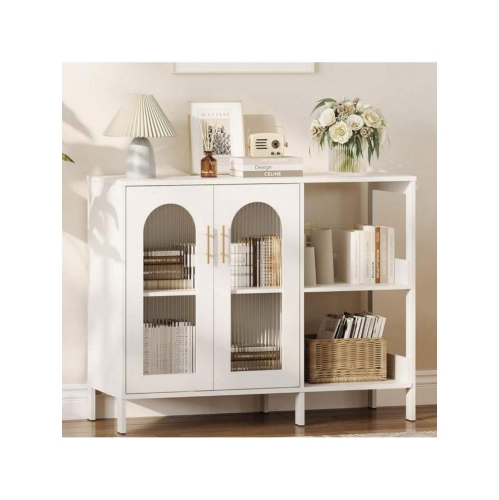
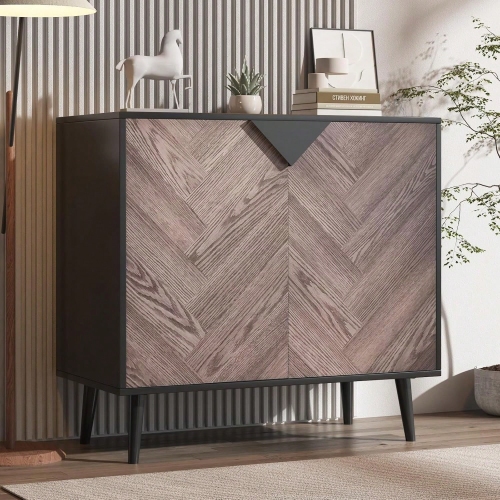
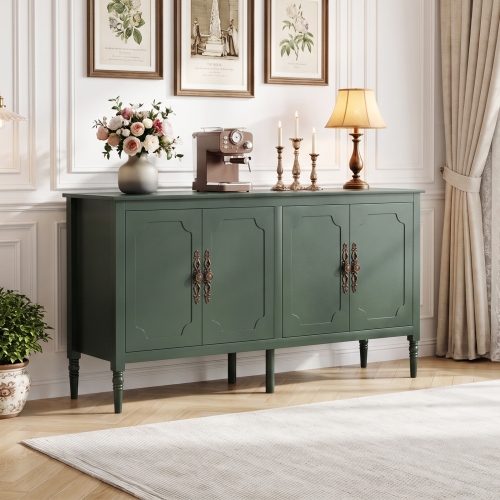

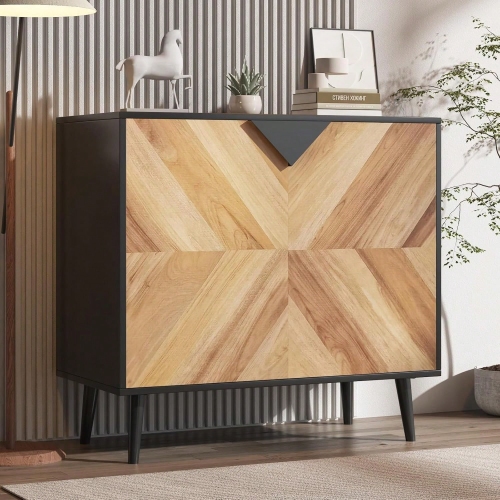
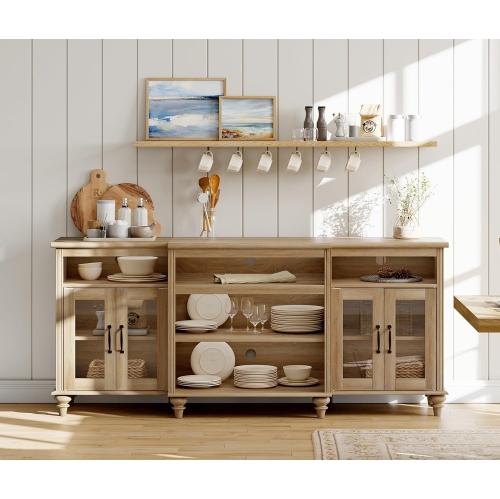
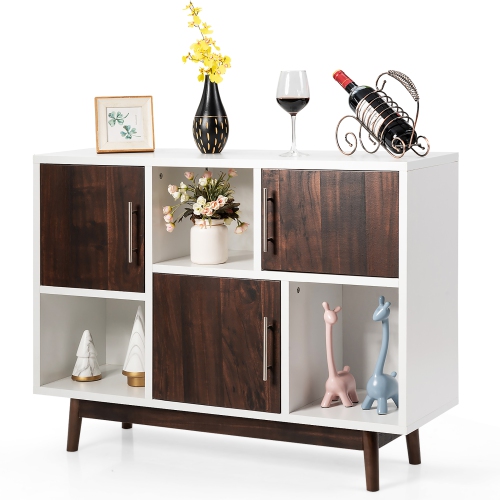

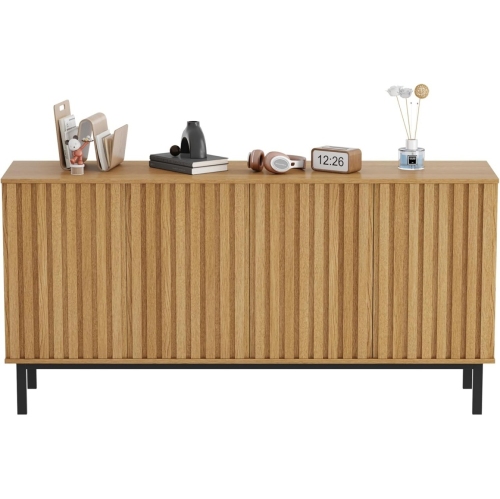
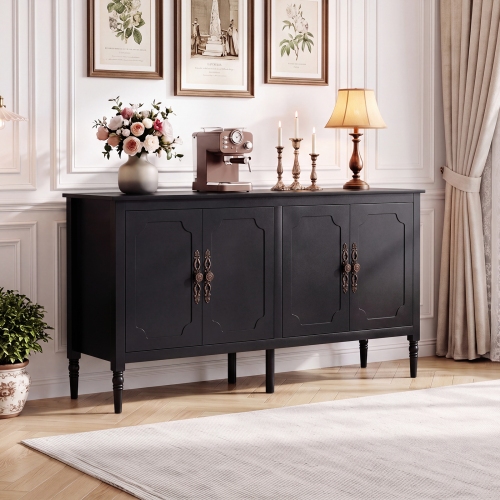


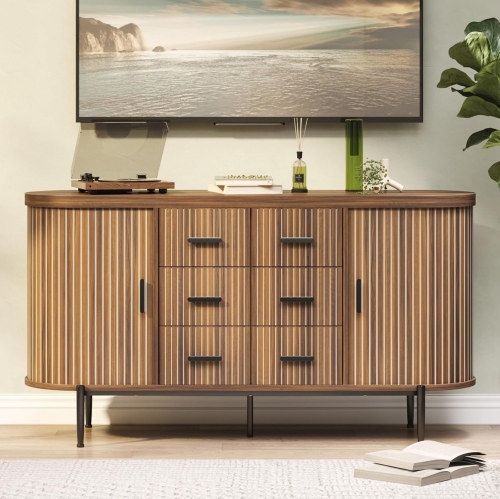
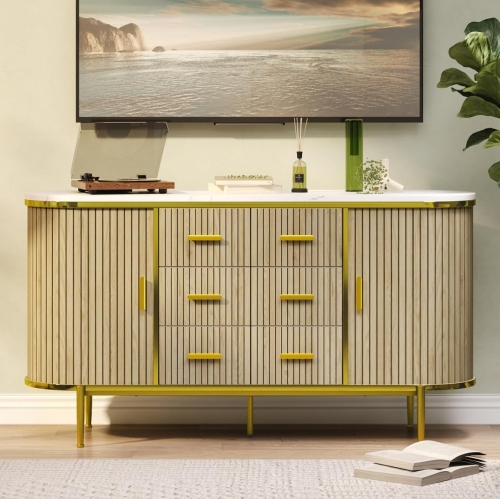

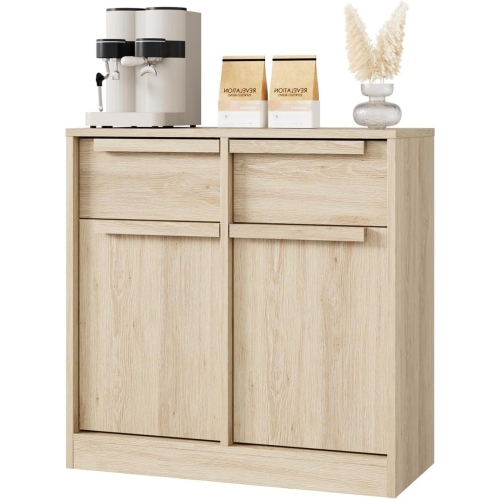
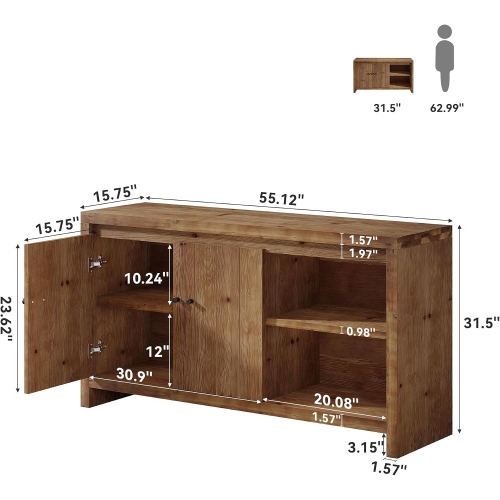
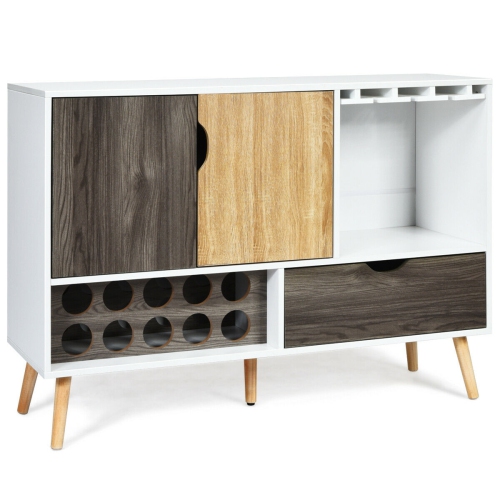
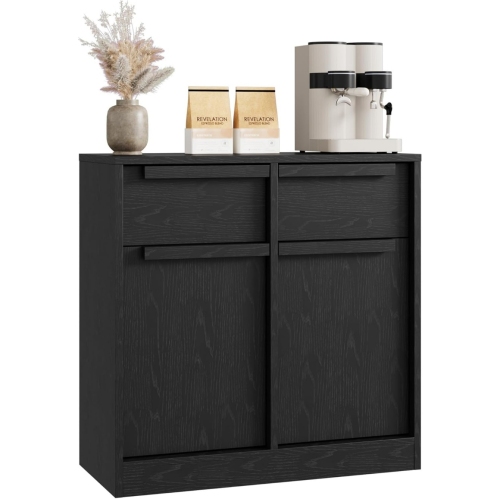
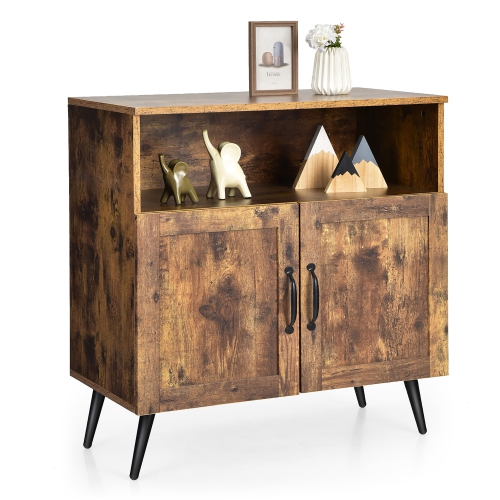
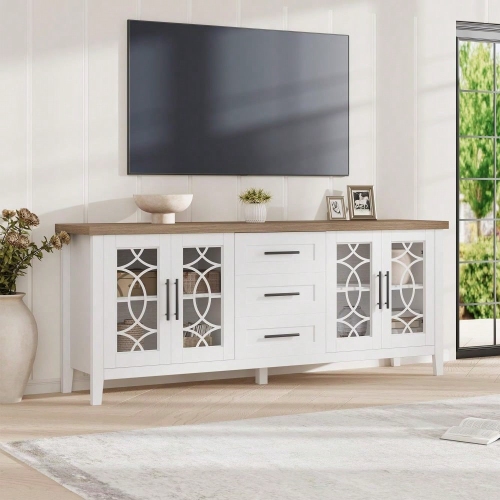
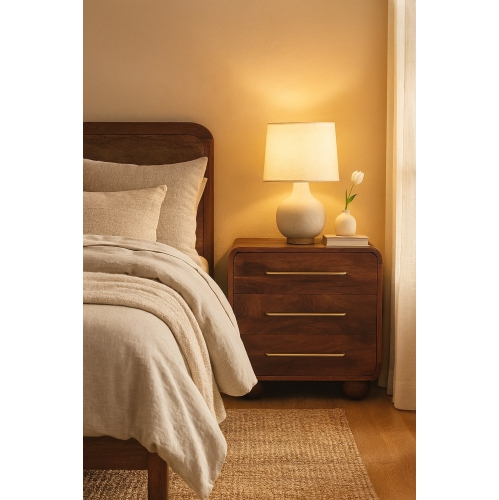


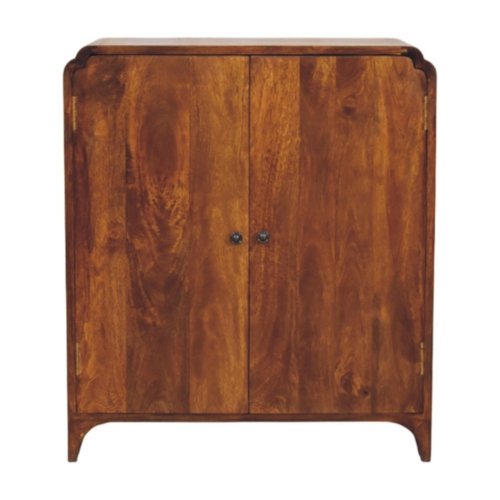


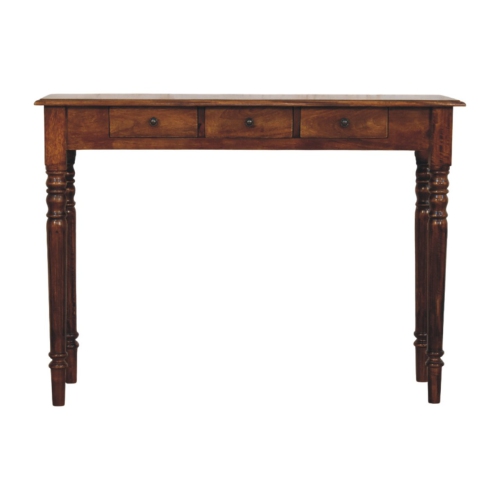


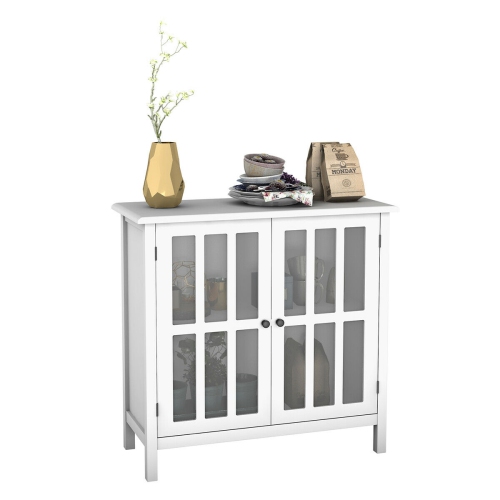

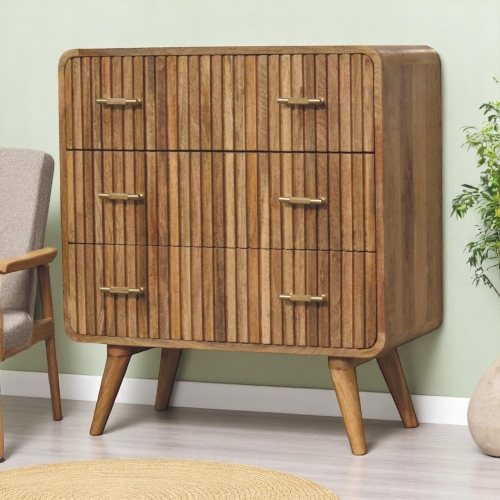

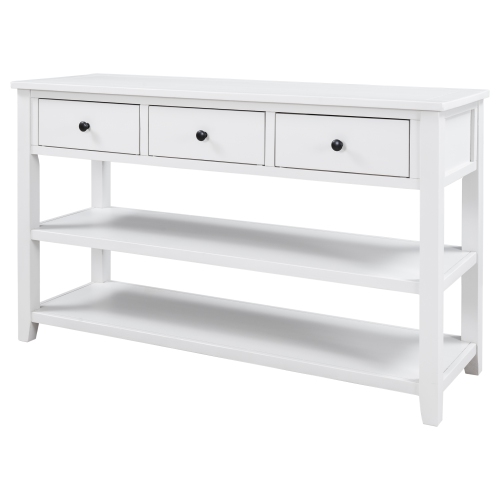

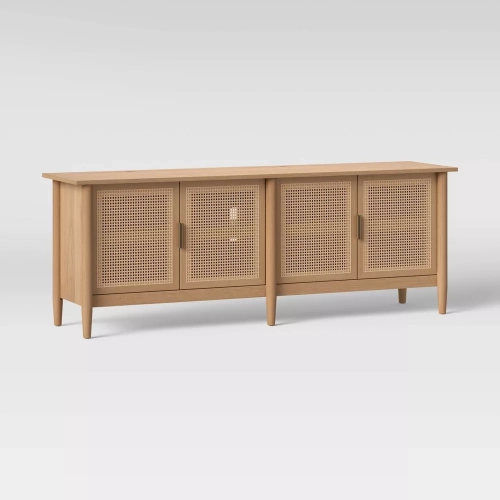
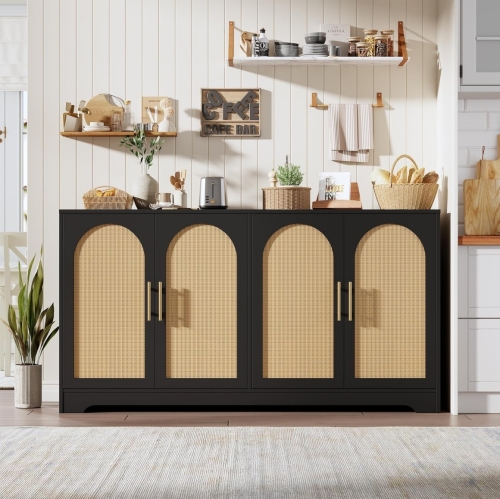

Everyday storage with the character of visible wood grain
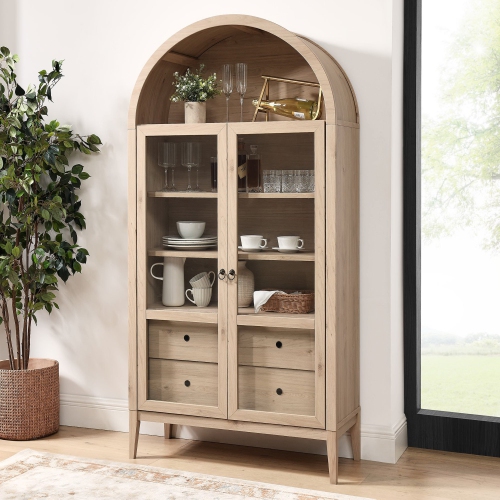
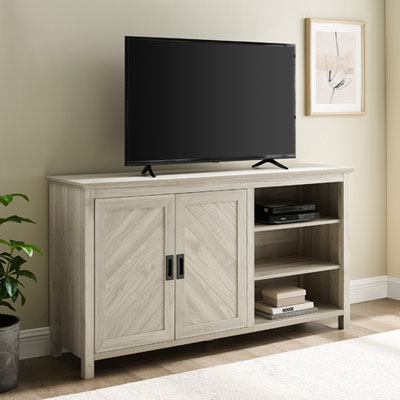
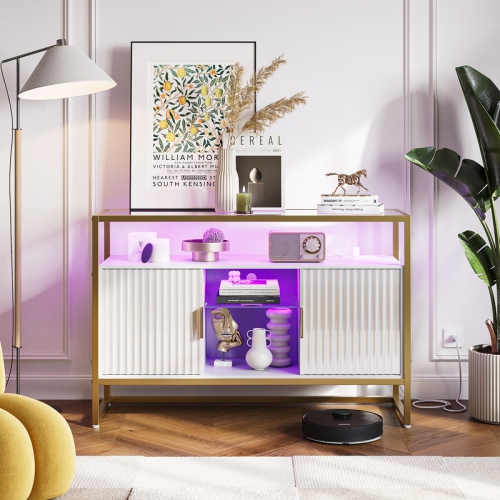
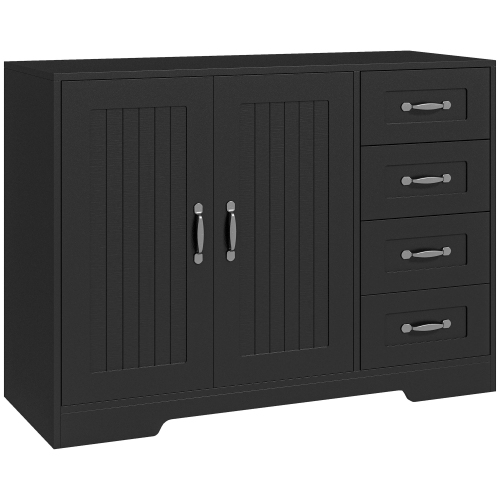
A wood credenza is a long, relatively low storage cabinet that combines an accessible top surface with enclosed compartments, drawers, or open shelving. Often used in dining rooms, living rooms, and home offices, it provides a place to keep everyday essentials close without leaving them on display. The terms credenza, sideboard, and buffet frequently overlap, although the interior layout and intended use matter more than the name. In a dining area, a wood credenza can hold dishes, serving bowls, table linens, and glassware, with space above for a lamp or a tray during gatherings. In a living room, it can store board games, books, and media accessories while creating a visual anchor beneath artwork. For a home office shared with a guest room, closed doors can keep paperwork and charging supplies out of sight at the end of the day. Wood gives this practical furniture category much of its character: visible grain, subtle colour changes, and the contrast between smooth panels and shaped edges help a cabinet feel distinct without demanding attention. Mid-century modern wood credenzas tend to feature horizontal proportions, tapered legs, and warm walnut tones. Rustic styles often highlight knots, pronounced grain, and weathered-looking finishes, while contemporary designs may use flat fronts, fluted doors, or minimal hardware. Lighter oak tones can sit comfortably alongside pale upholstery and woven textiles; deeper brown finishes bring contrast to light walls and softer fabrics. The finish name does not necessarily identify the underlying wood species, so material descriptions are useful when comparing the appearance with the construction. A cabinet with a walnut finish, for example, is not necessarily made from solid walnut. For a cohesive room, matching every wood tone is less important than finding compatible undertones and repeating a few colours or textures. A credenza can feel settled beside an existing dining table even when the two pieces are not an exact match.
Materials and construction influence how a wood credenza looks, feels, and handles daily use. Solid wood offers natural variation and, depending on the finish and construction, may allow some surface damage to be repaired or refinished. It also responds to changes in indoor humidity, making sensible placement and consistent care important. Wood veneer uses a thin layer of real wood over a supporting core, giving the surface genuine grain while using a different material beneath it. Veneer is not the same as a printed wood-look finish, and its thin surface generally limits sanding and refinishing. Engineered wood, including MDF and particleboard, is also common in cabinet construction; performance depends on factors such as panel thickness, joinery, edge protection, and hardware rather than the material name alone. Some credenzas combine several materials, with different construction for the top, doors, shelves, and back panel. Drawer runners, hinges, and shelf supports deserve attention because they handle repeated movement and weight. Adjustable shelves make it easier to accommodate tall pitchers or upright binders, while drawers are useful for smaller objects that would otherwise gather at the back of a cupboard. Soft-close hardware can make doors and drawers quieter, but it should not be assumed unless specified. For media use, a wood credenza needs more than the right appearance: cable openings, ventilation, component clearance, and suitable weight ratings all matter. Enclosed electronics can build up heat, and a cabinet intended for dining storage may not have the airflow needed for audio or gaming equipment. A television should sit on a surface designed and rated to support its weight and stand footprint, with appropriate safety measures in place. A Metal Credenza offers a different material direction for spaces that favour metal finishes or an industrial look. With either material, the most useful arrangement is one that suits the contents, whether that means broad shelves for platters, divided storage for household supplies, or accessible compartments for frequently used accessories.
Fit involves the cabinet’s width, depth, and height as well as the space needed to use it comfortably. A long wood credenza can balance an expansive wall, but a shallower design may work better in a condo dining area or a room where the route to a balcony passes beside the furniture. Door swing and drawer extension are easy to overlook: there should be enough clearance to open the storage without moving a dining chair every time. Sliding doors can help where space is tight, although they usually allow access to only part of the cabinet at once. Leg height affects both appearance and cleaning access, while a base that sits close to the floor creates a more substantial silhouette. Delivery access also deserves consideration, particularly around tight stair turns, lifts, and narrow doorways. Check assembled dimensions alongside packaging information and assembly requirements, and follow the supplied directions for lifting, installation, and any wall anchoring. Heavy contents generally belong lower in the cabinet, with weight spread within the stated shelf limits. On top, a little open space keeps the surface useful: a lamp at one end, a shallow bowl for keys, and a modest stack of books may be enough in an entryway, while a dining room cabinet benefits from room to set down a serving tray. Protective mats or coasters help separate the finish from warm dishes, damp glasses, and plant pots. Routine care usually starts with a soft cloth and prompt attention to spills, followed by drying rather than leaving moisture on the surface. Cleaning products should suit the manufacturer’s finish instructions; abrasive pads, excess water, and unapproved polishes can cause damage. Positioning wood furniture away from strong direct sunlight and heating vents can help limit uneven fading and excessive drying. With dimensions, storage layout, and care needs matched to the household, a wood credenza can serve as an everyday landing place while keeping a room comfortable and orderly.
Top selling and popular products
-
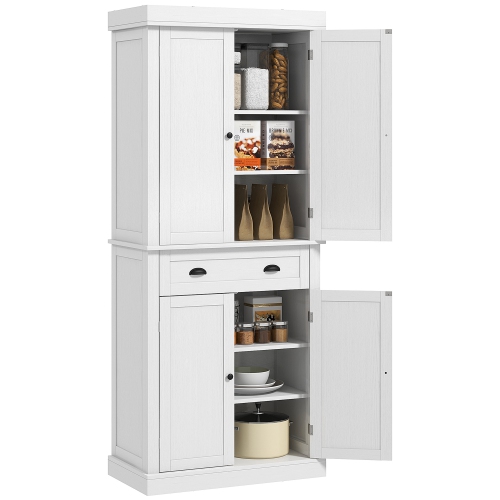 Your price for this item is $274.99
-
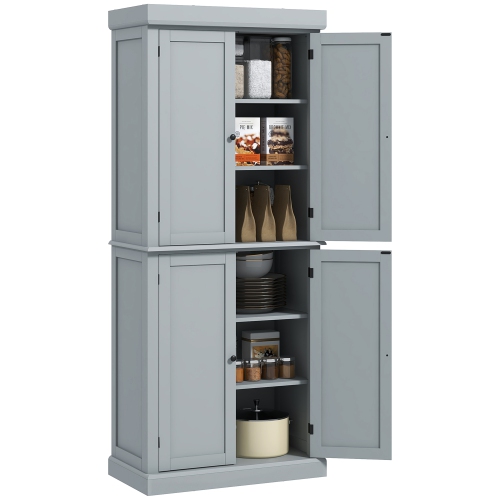 Your price for this item is $299.99
-
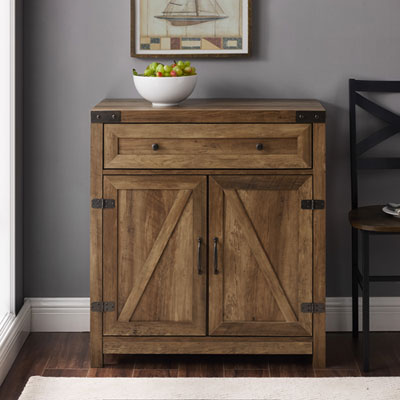 Your price for this item is $401.99
-
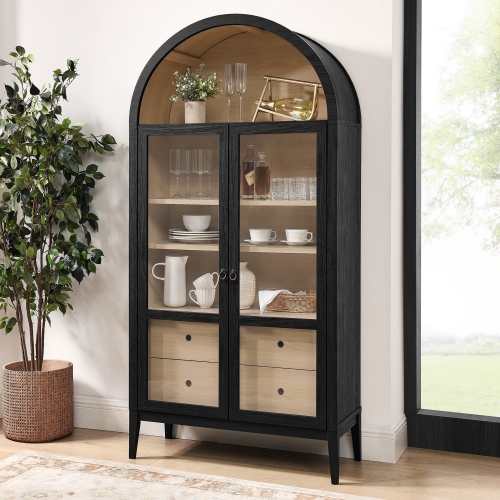 Your price for this item is $1155.71
-
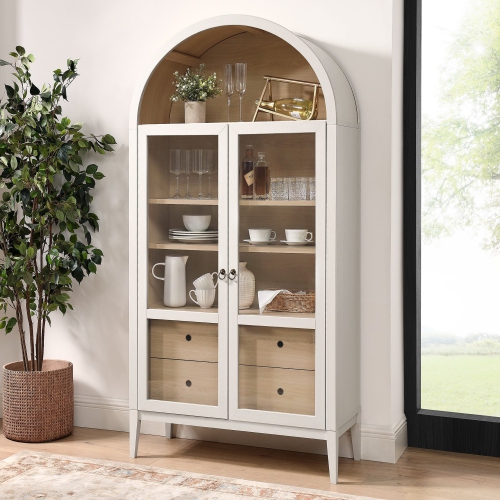 Your price for this item is $1155.71
-
 Your price for this item is $1155.71
-
 Your price for this item is $593.99
-
 Your price for this item is $144.99
Discover more categories related to Wood Credenza
Top Collections:
Pokemon Centers, Best Cameras for Sports Photography, Kindle Devices, Samsung Galaxy Phones, Canon G7X Cameras, Pokémon 30th Celebration Cards, Refurbished Apple Laptops, iPhone 15 Apple, Laptops for Students, Budget Smartphones
Some products may be subject to Environmental Handling Fees
(EHF) depending on your province.
Learn more about EHFs.