Brown TV Units
A TV stand is a piece of furniture that holds your television set and other electronic devices. It's a place to set your remote control, your phone, and any other items you want to keep handy. A TV stand can be as simple as a stand made of wood with a few drawers for accessories, or it can be as complex as a unit that includes drawers for media storage, shelves for DVDs, and even shelves for books. Here are some of our favorites.
Sort
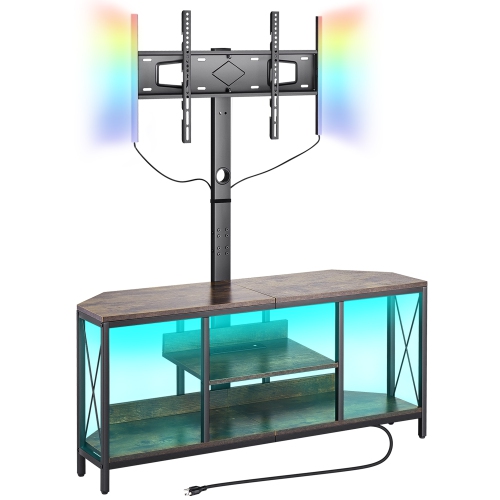

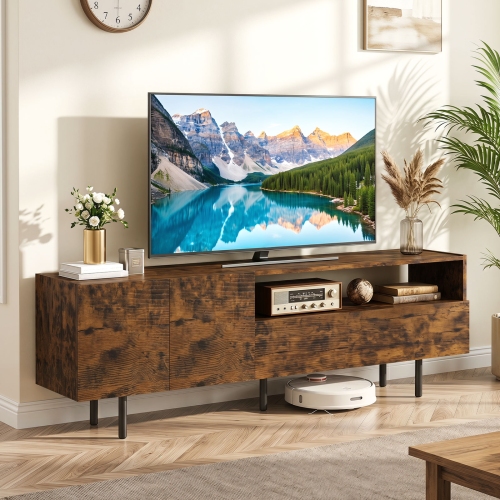
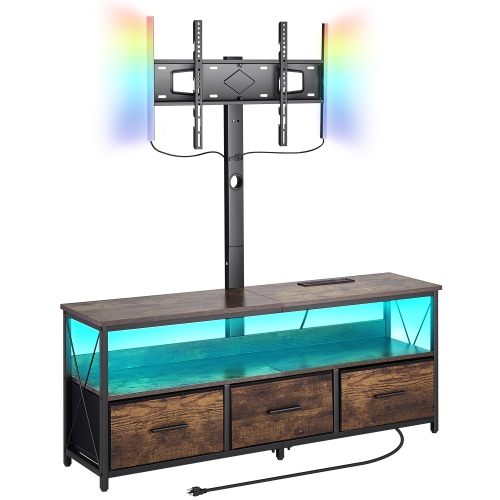
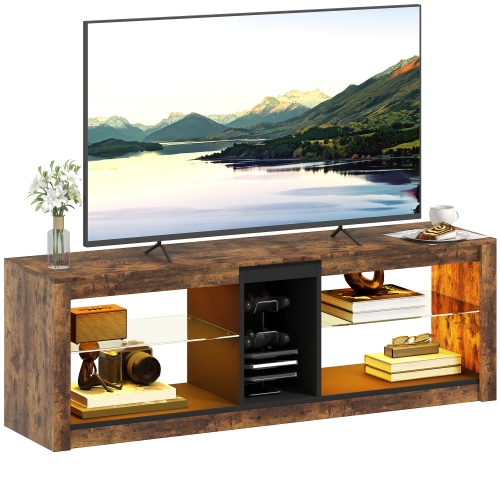

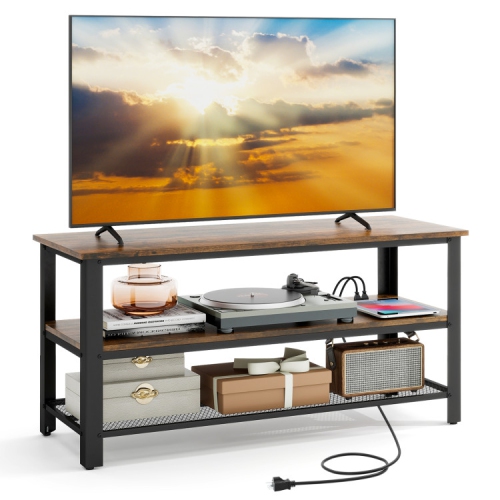
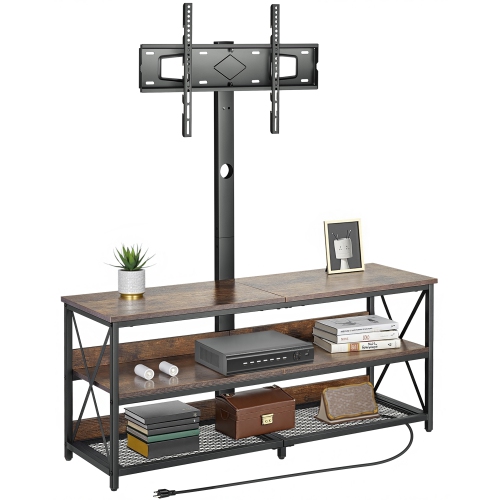
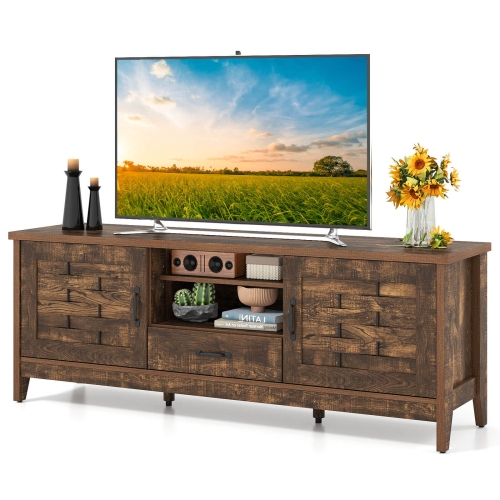
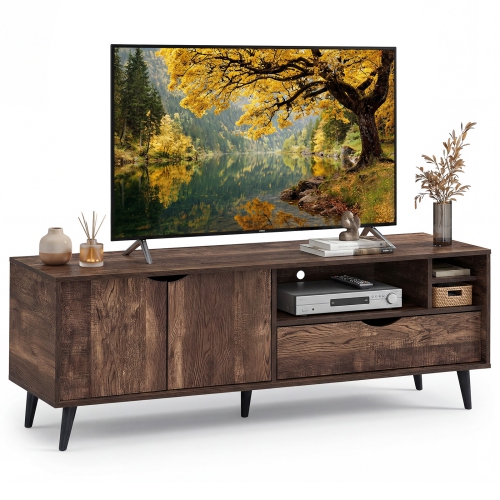
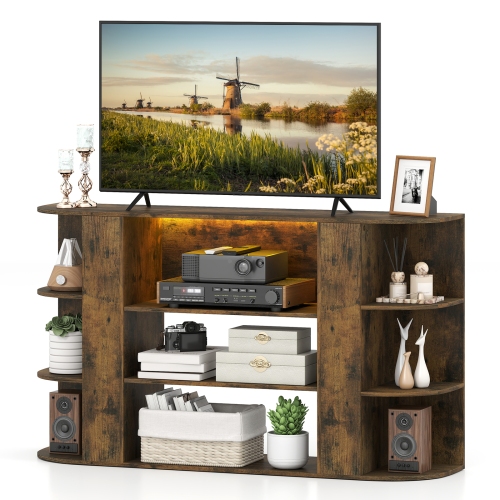
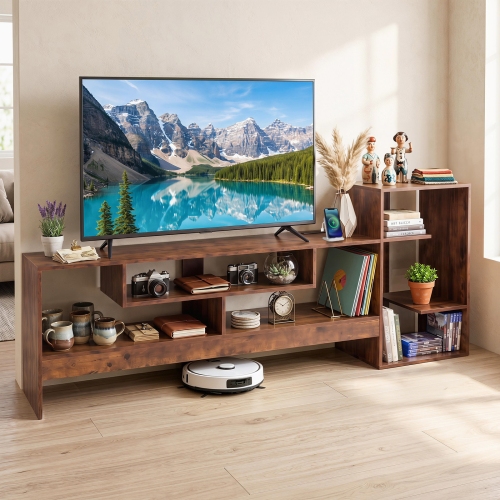
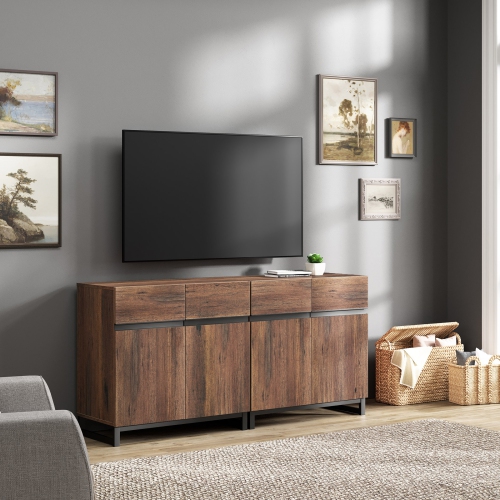
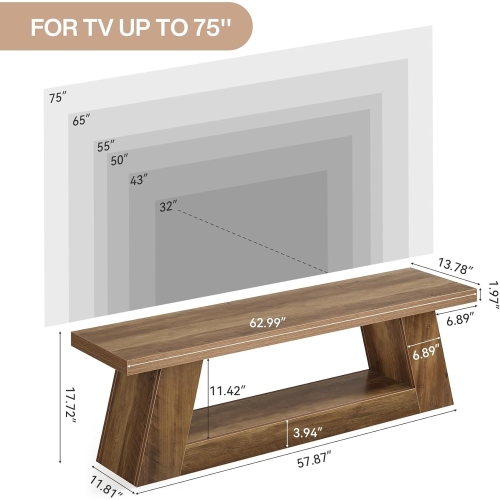
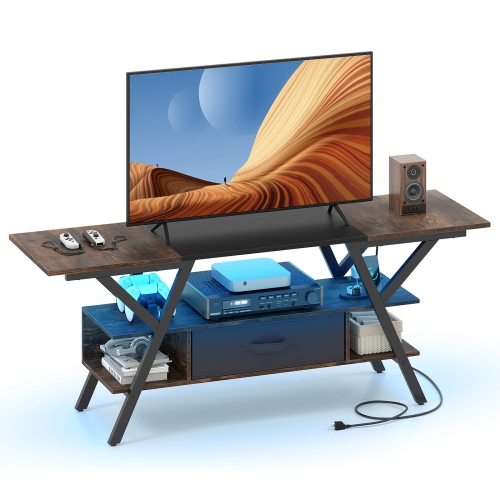
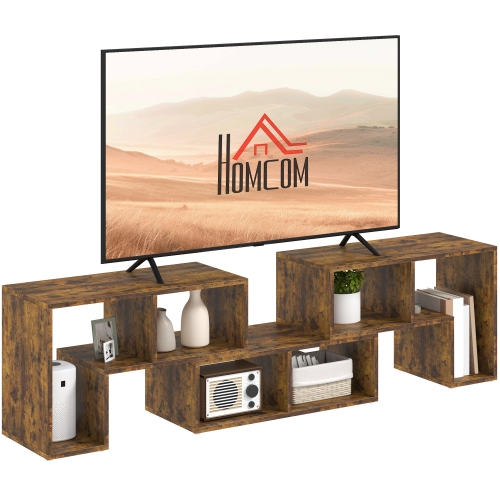
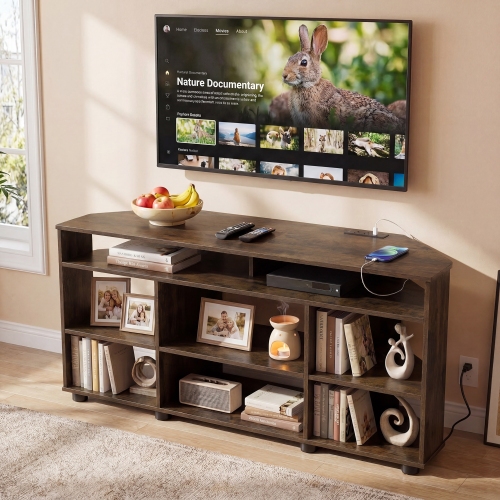
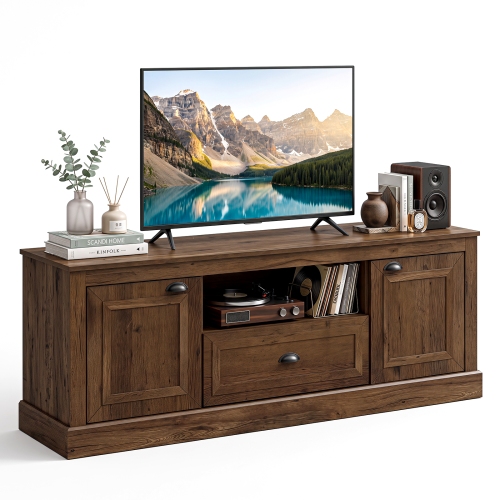
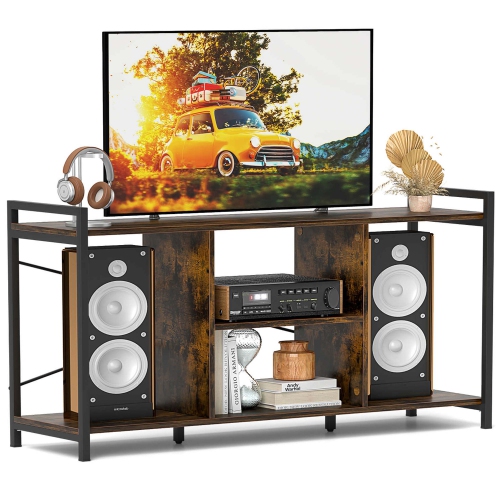
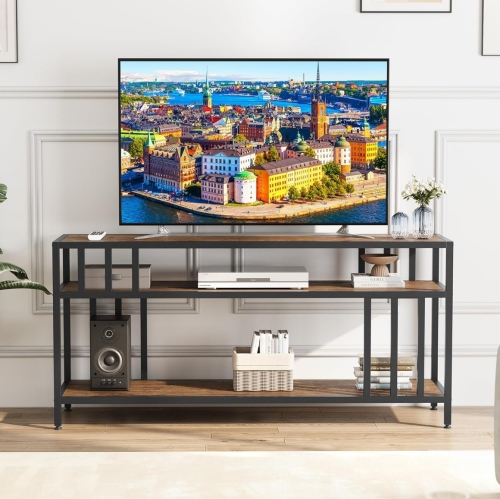
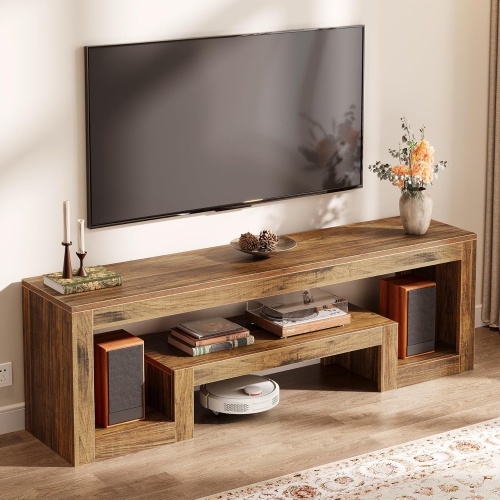
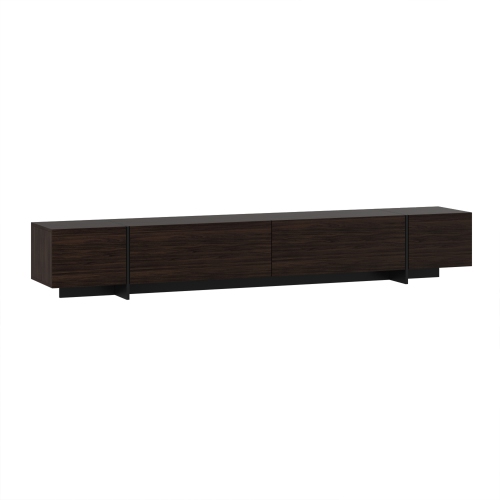

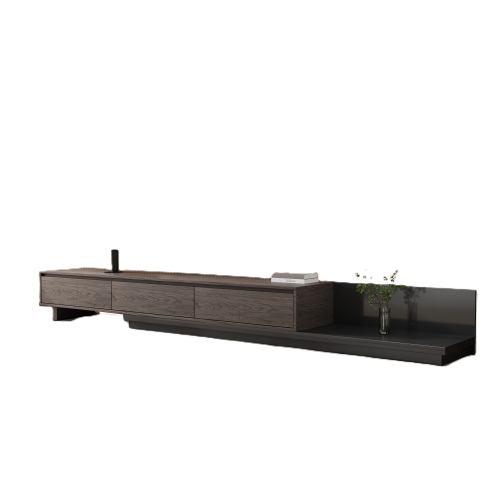
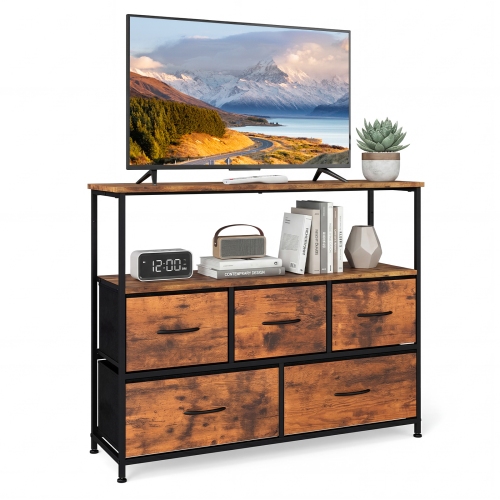
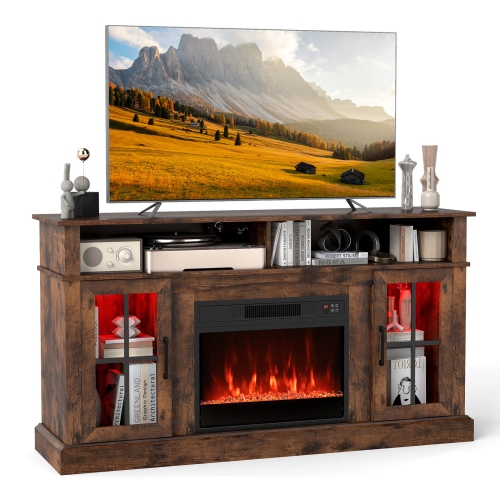
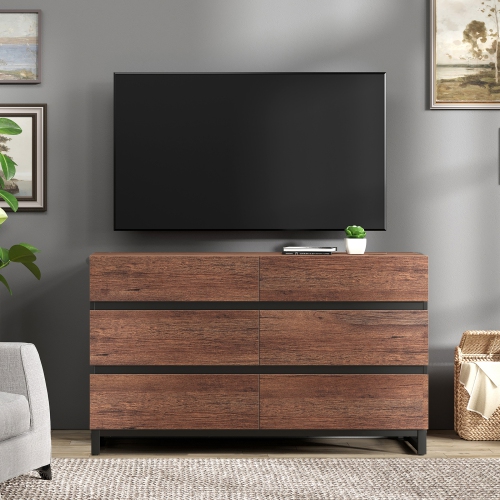
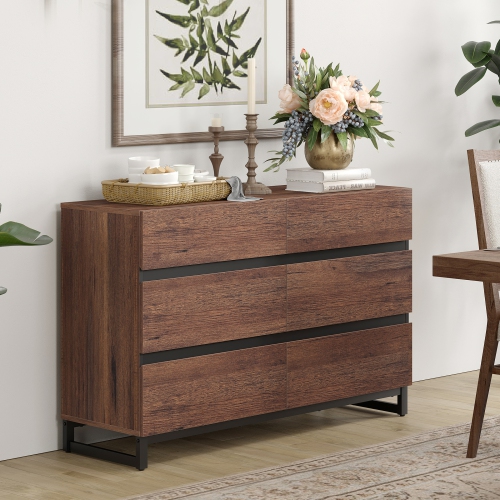
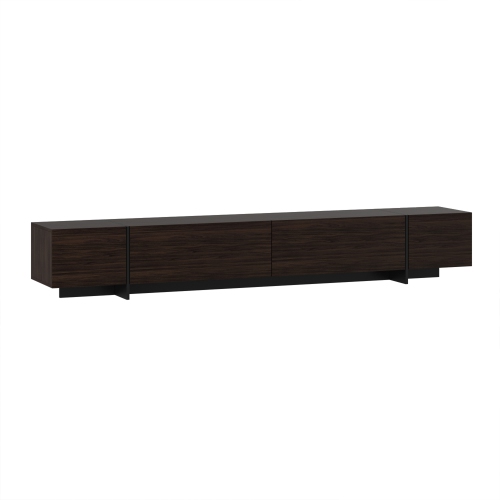
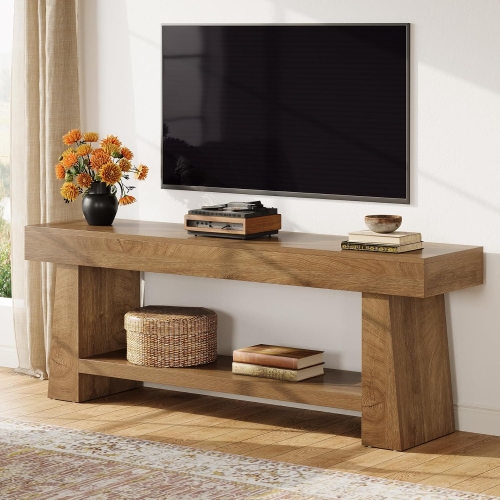
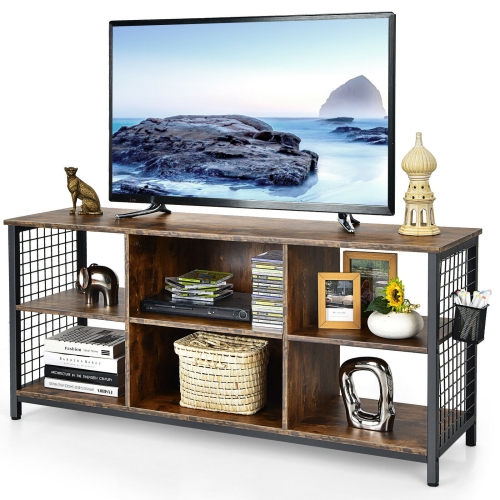
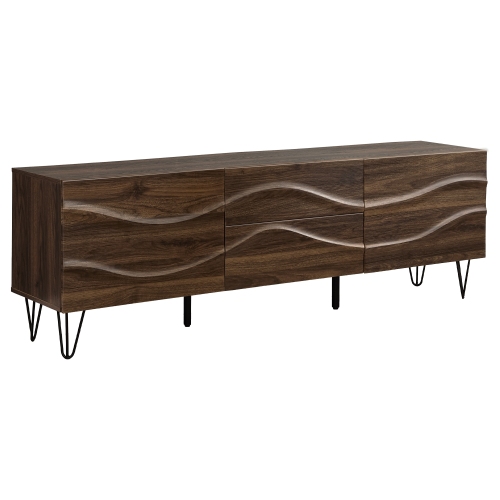
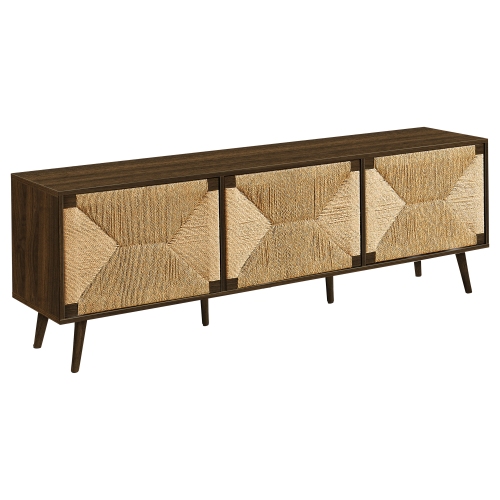
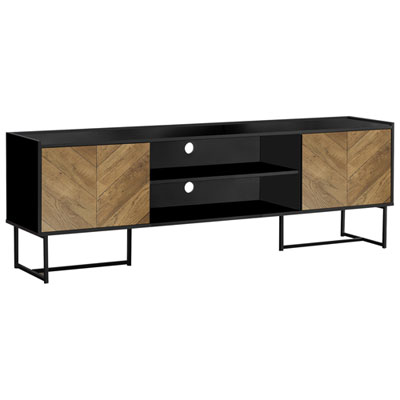
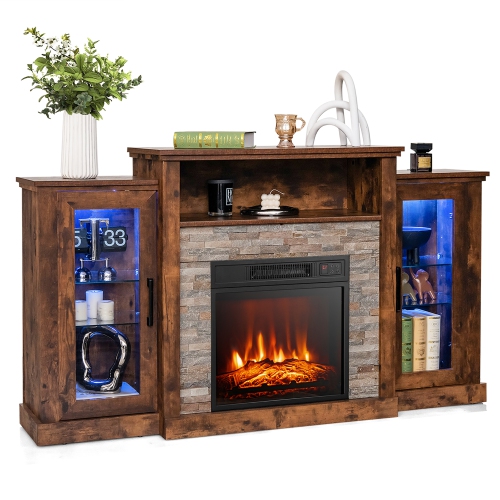
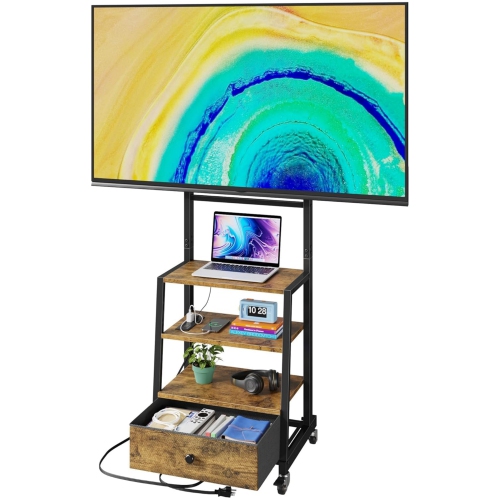
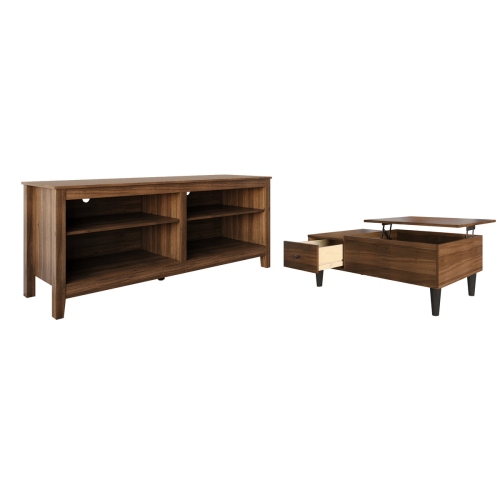
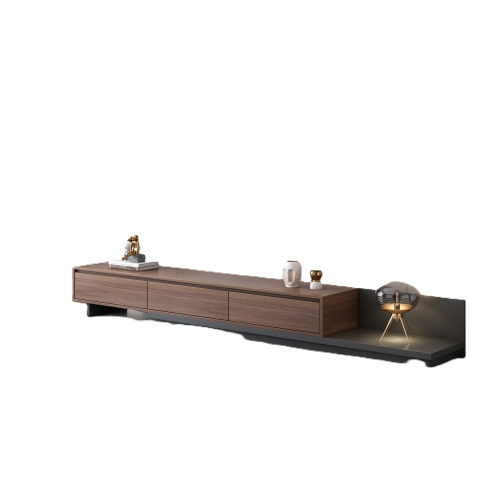
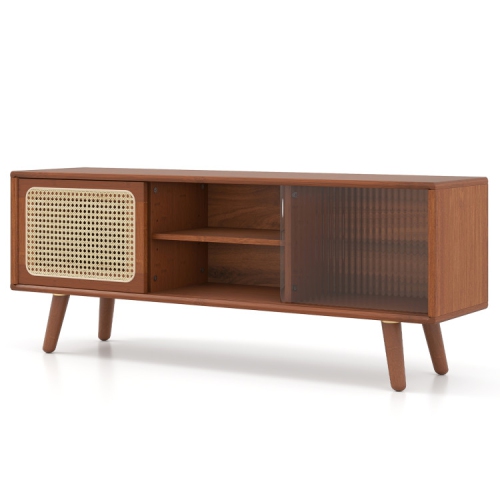
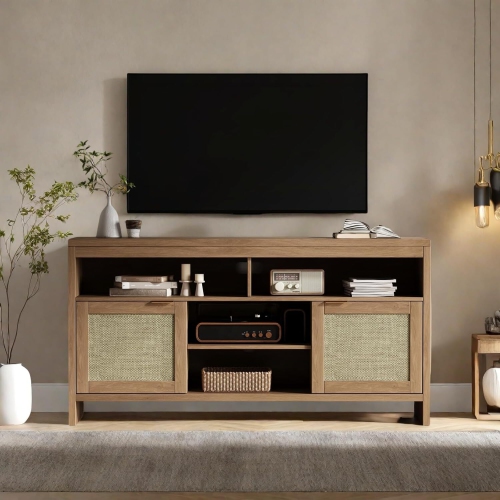
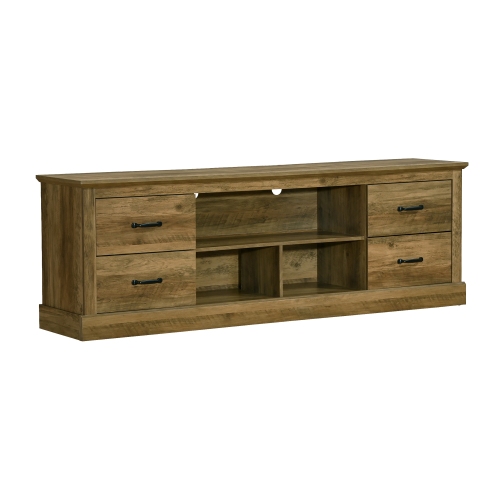

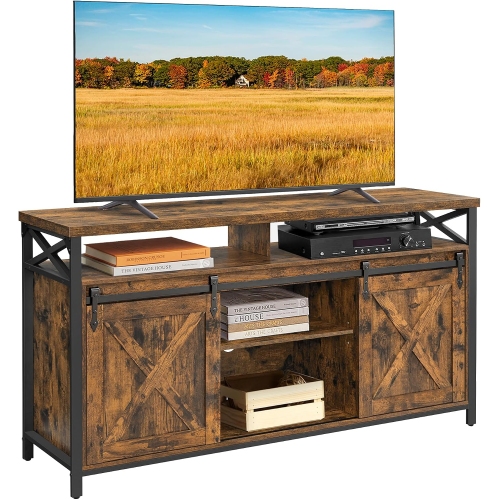
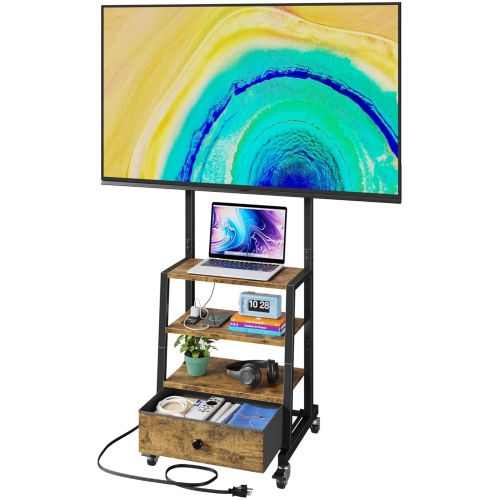
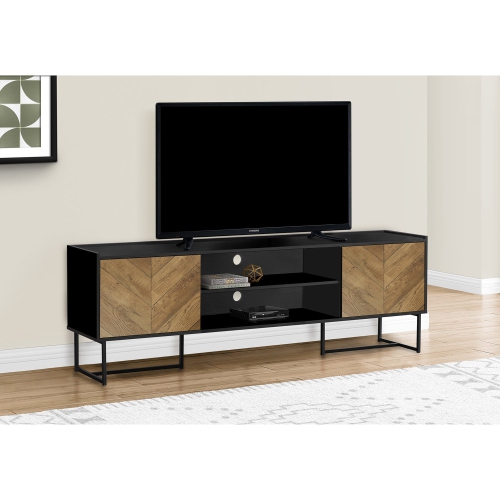
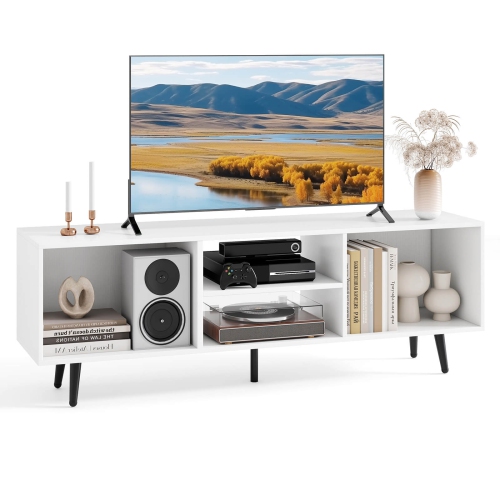
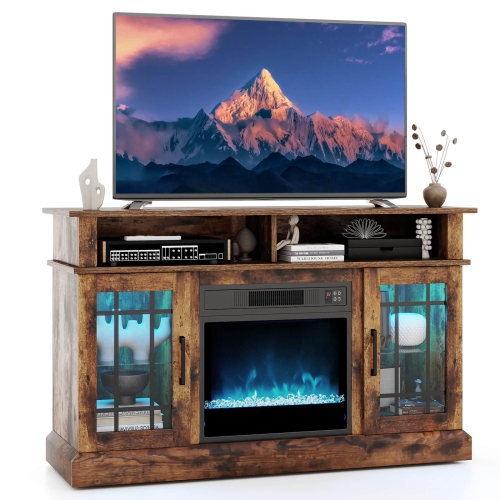
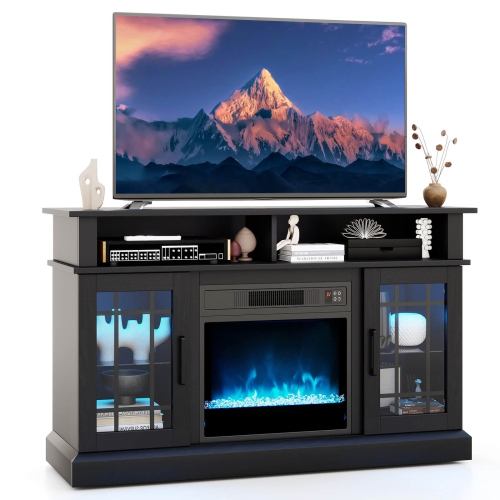
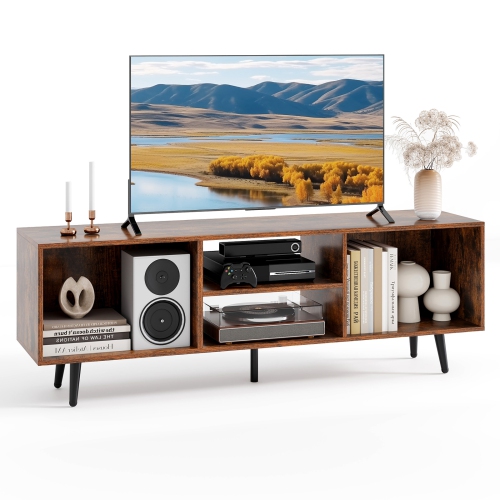
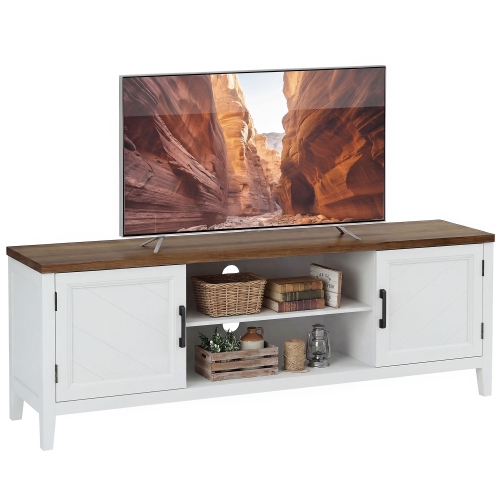
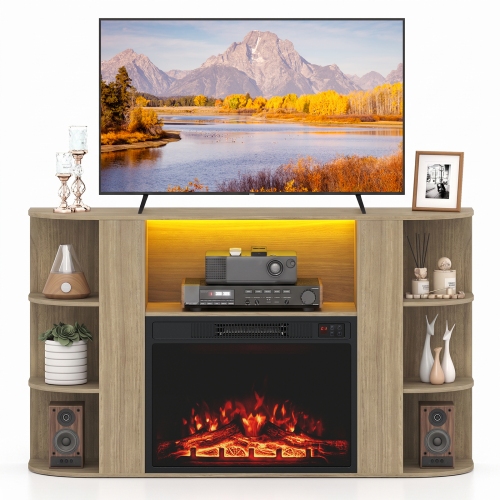
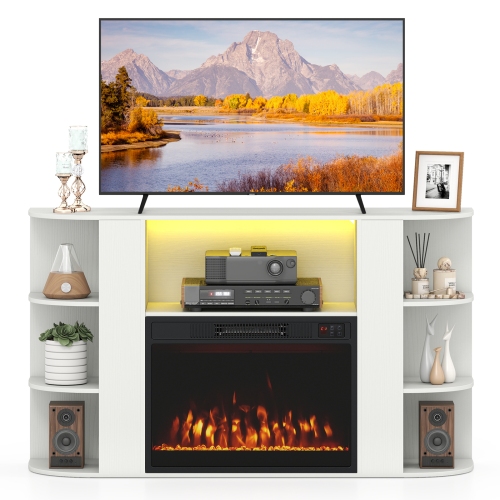
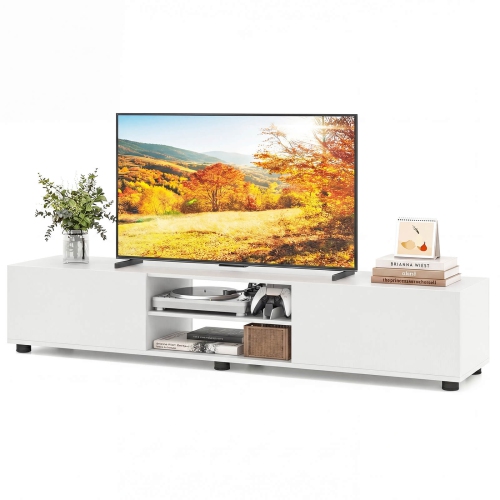
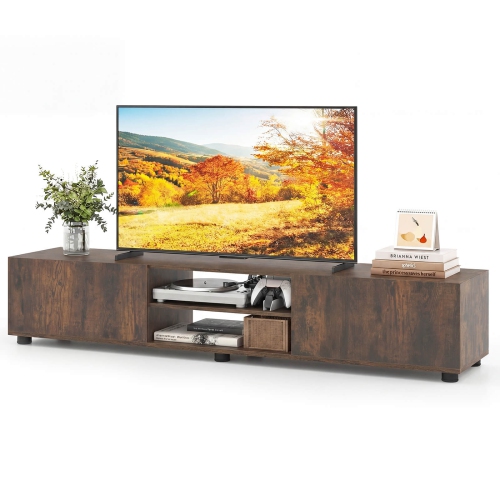
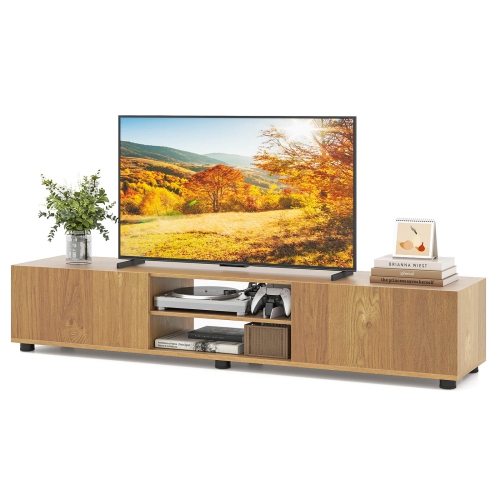
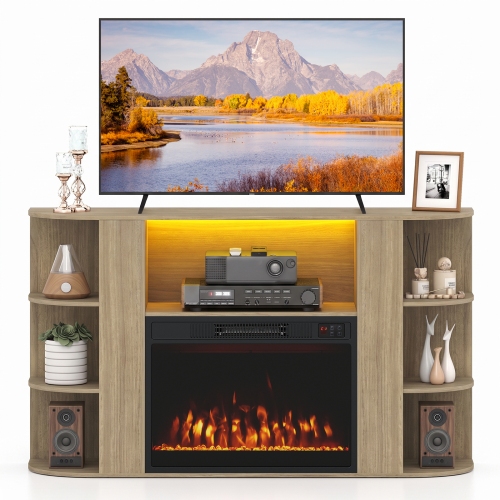
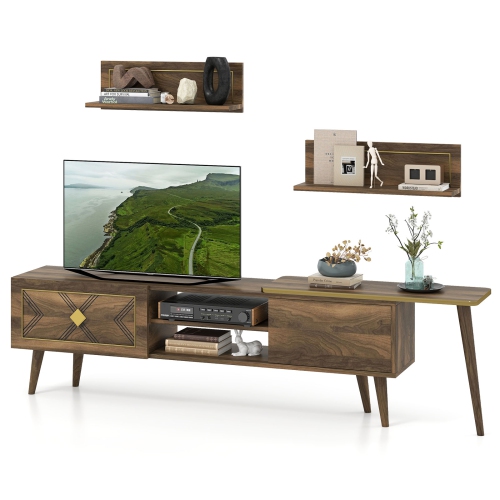
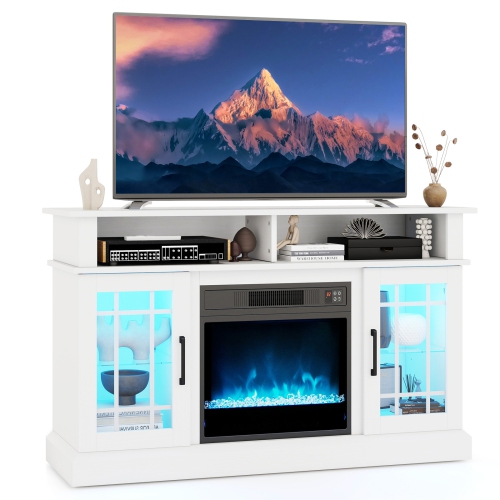
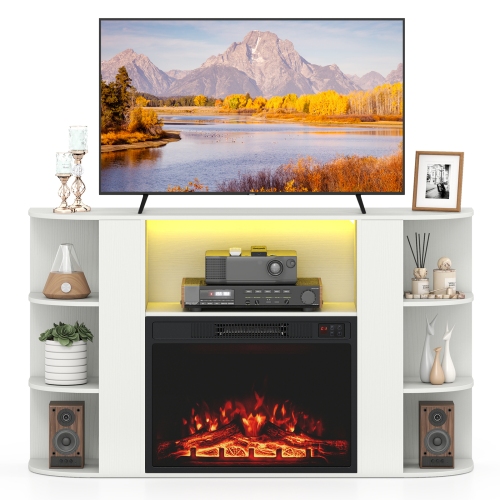
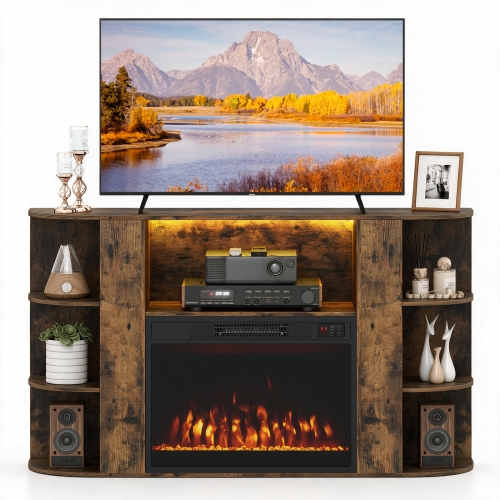
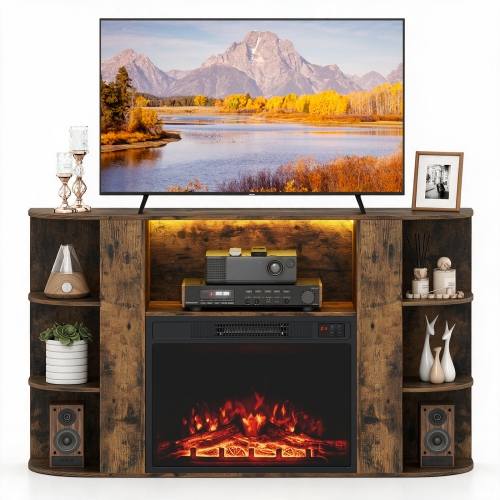
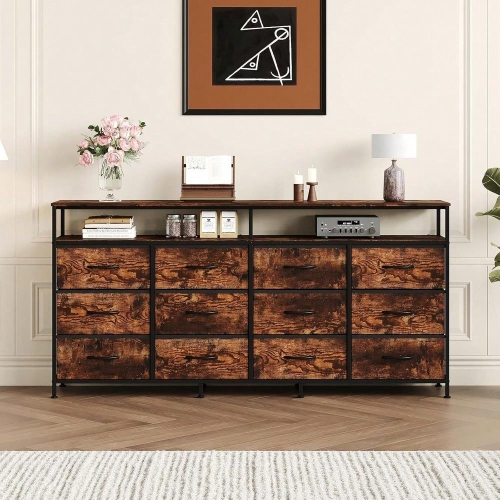

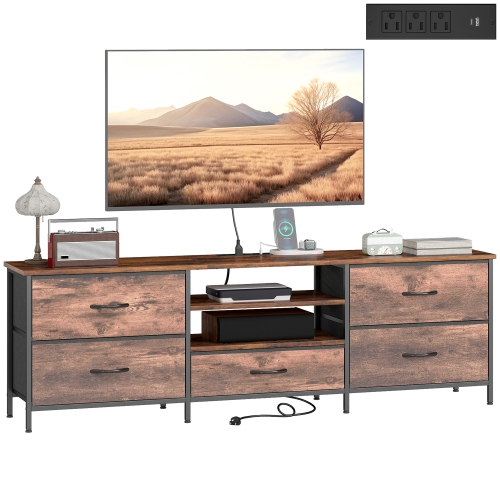
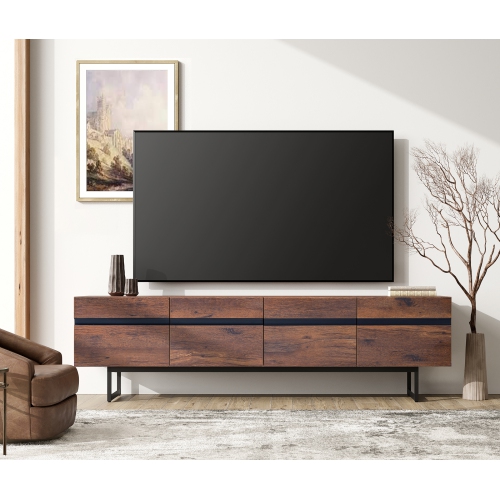
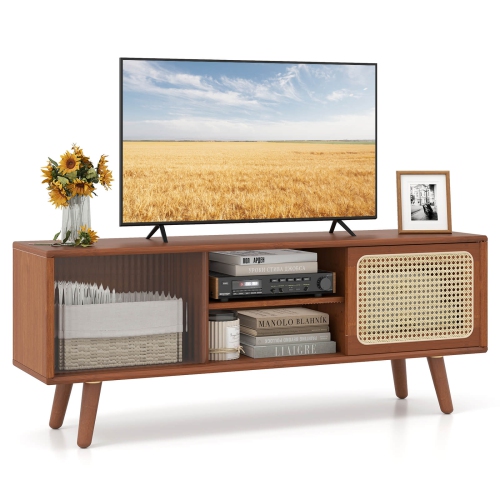
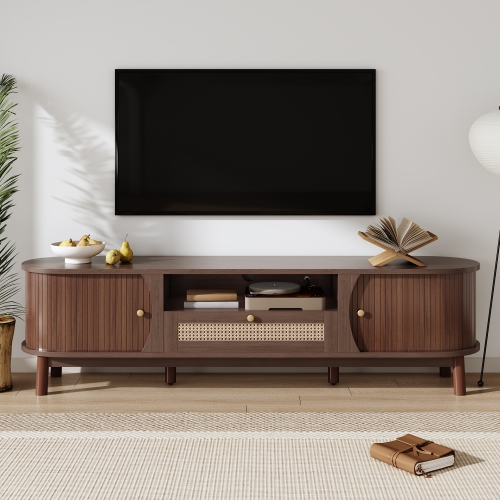
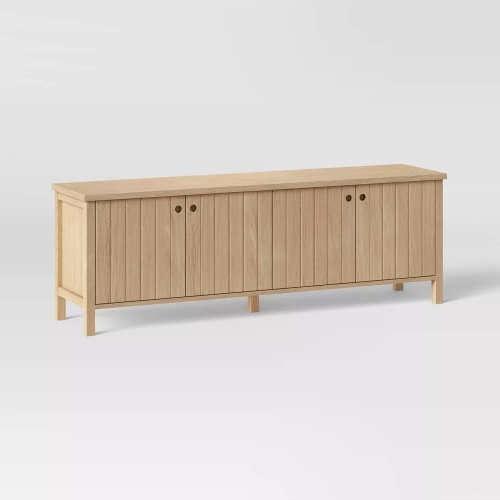
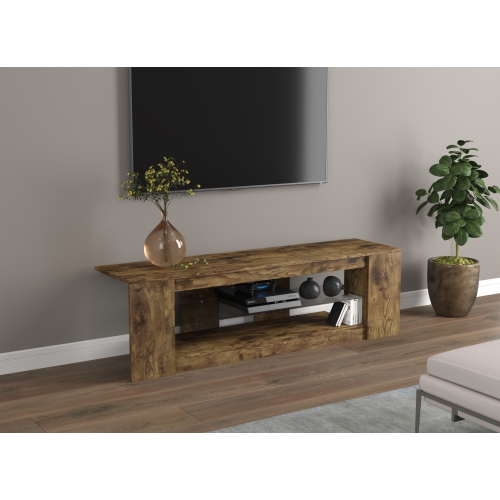
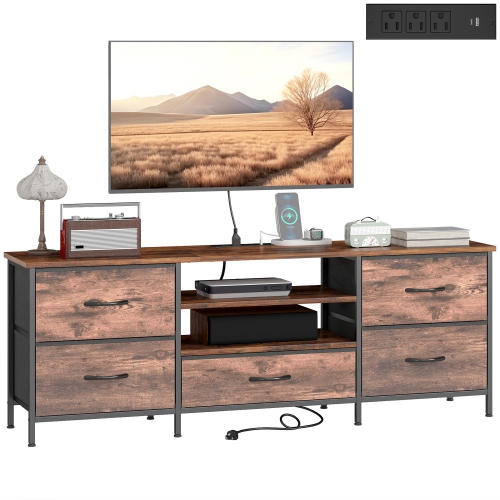
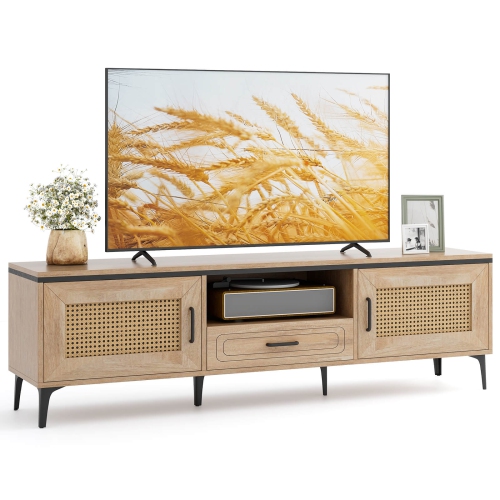
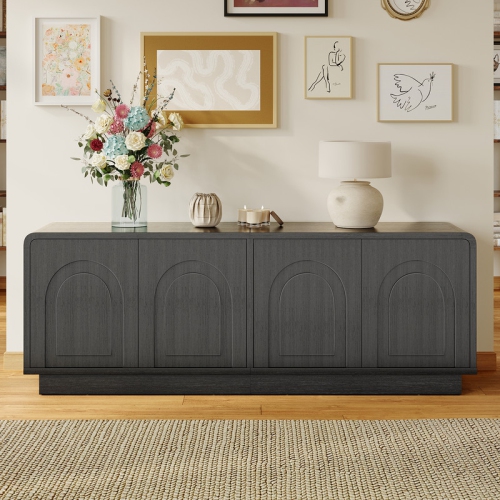
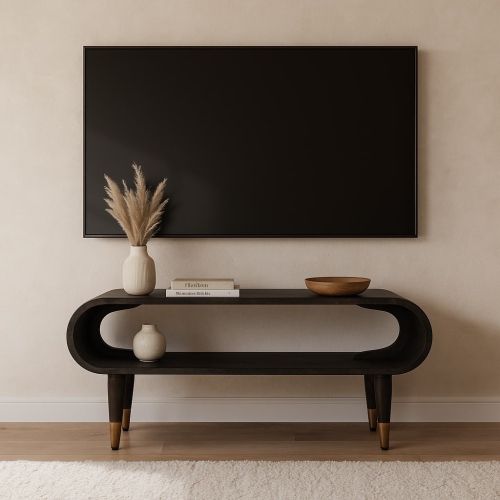
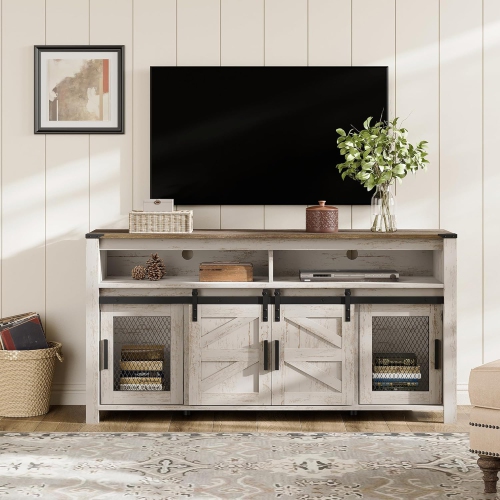
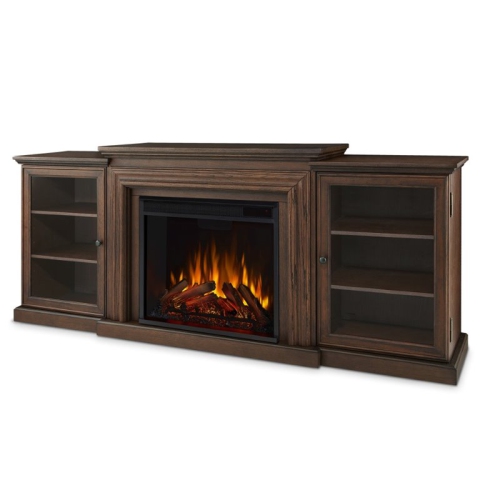
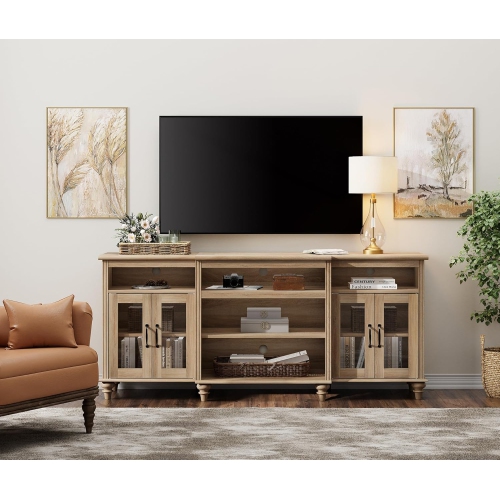
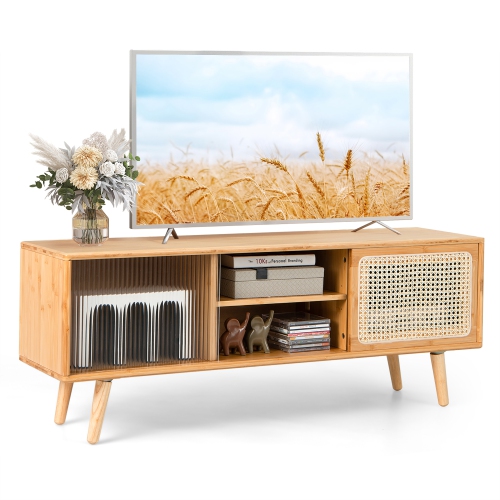
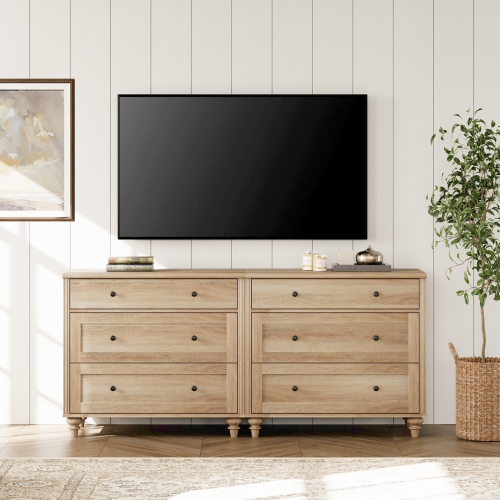

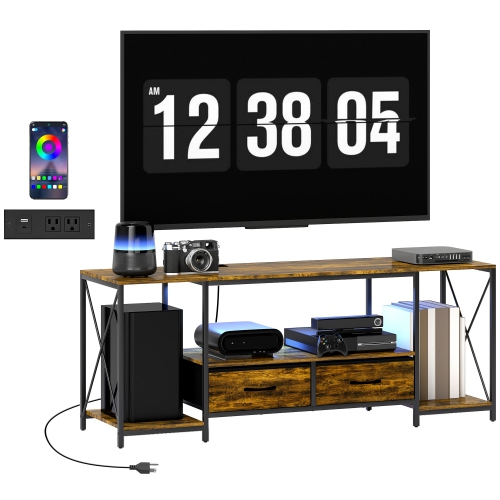

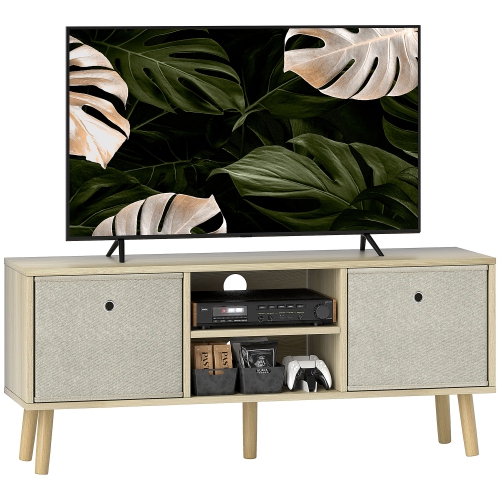


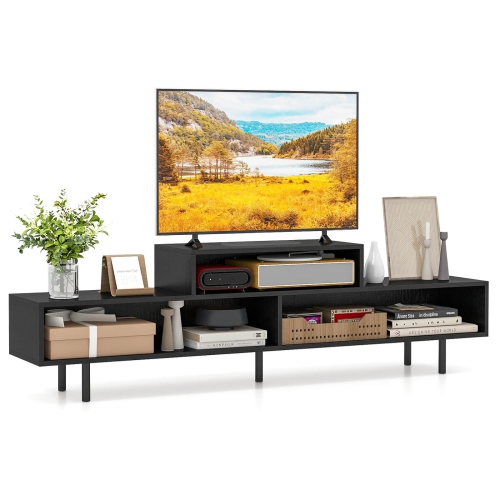

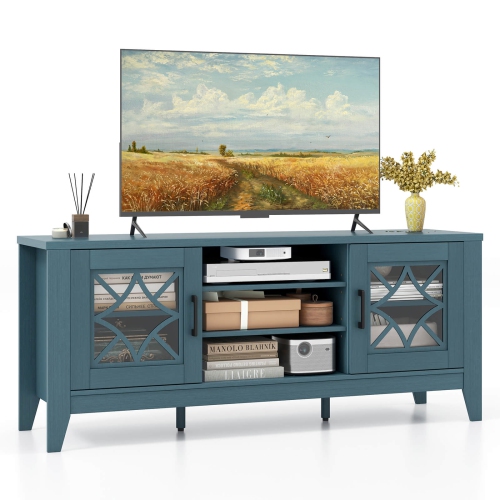
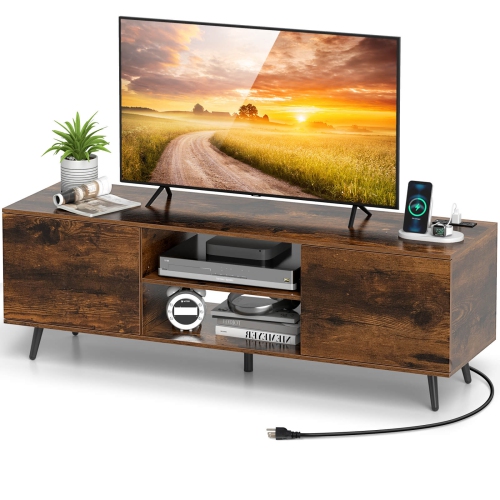
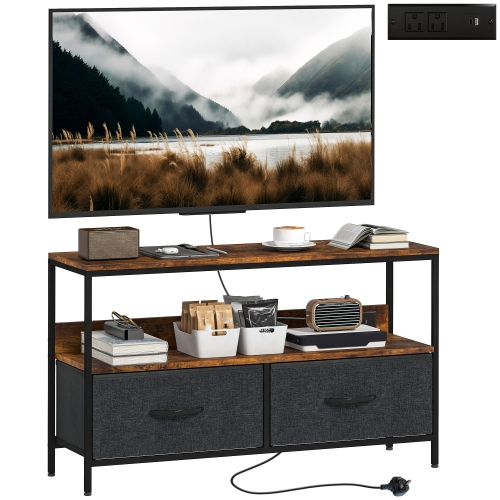
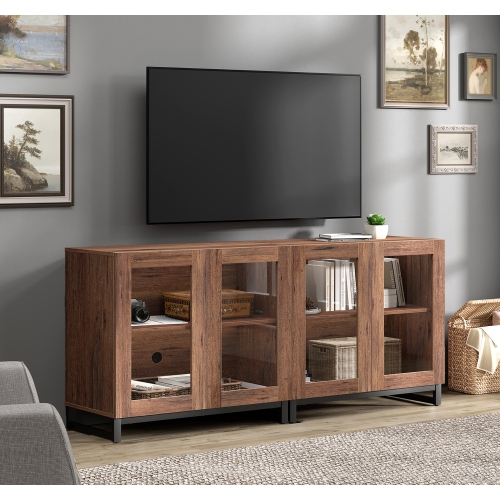
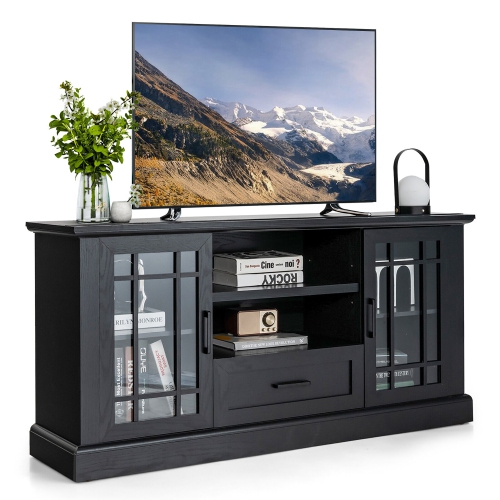

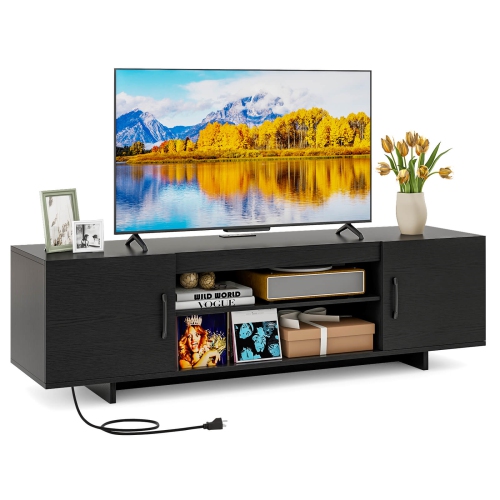
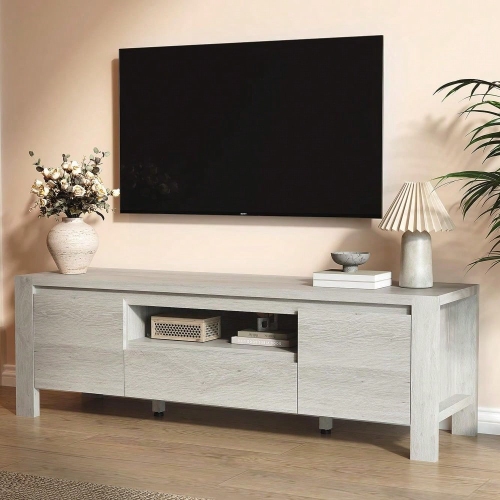
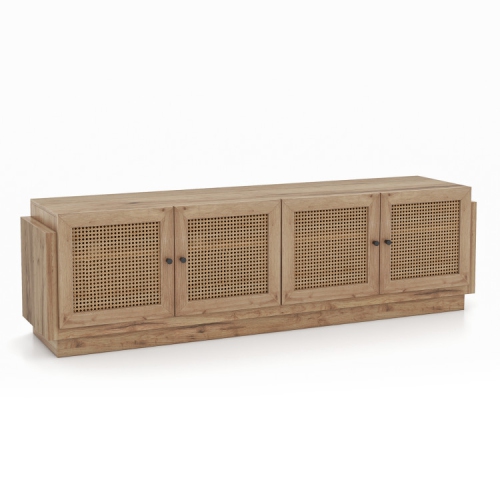
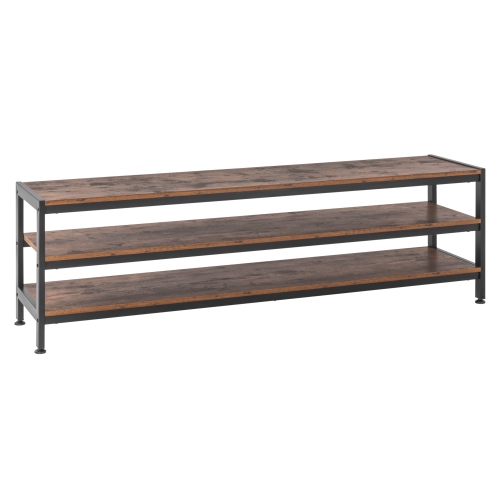
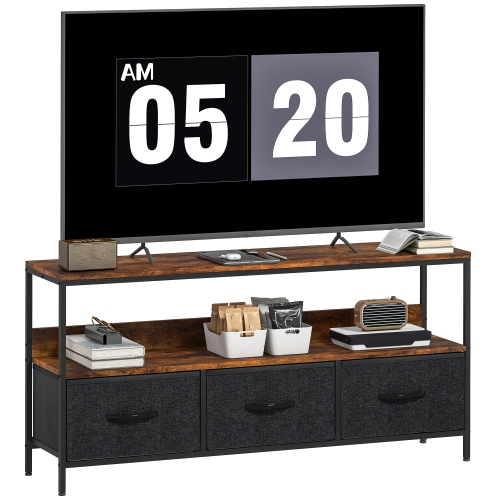

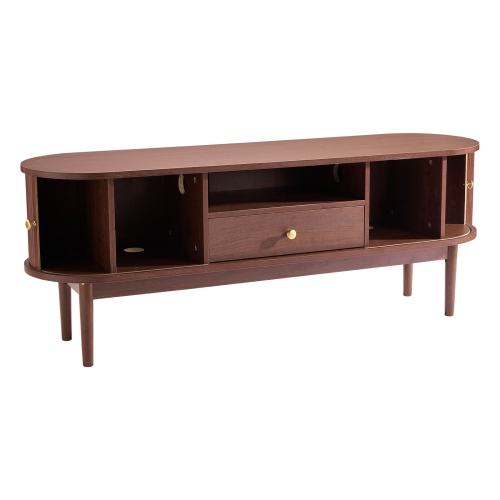
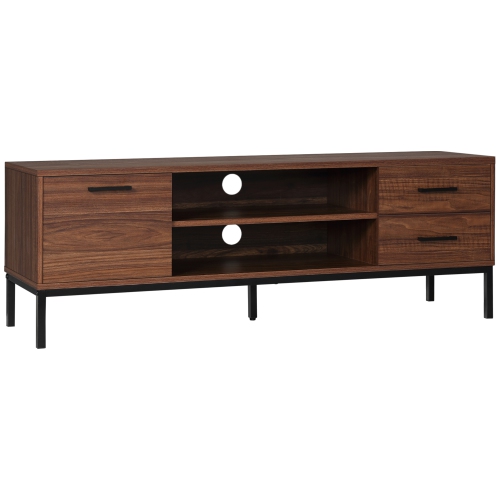
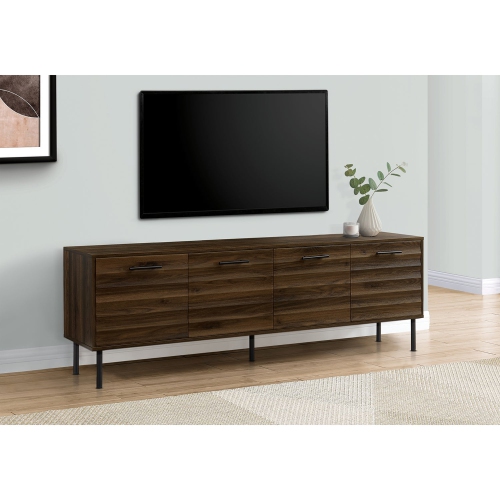
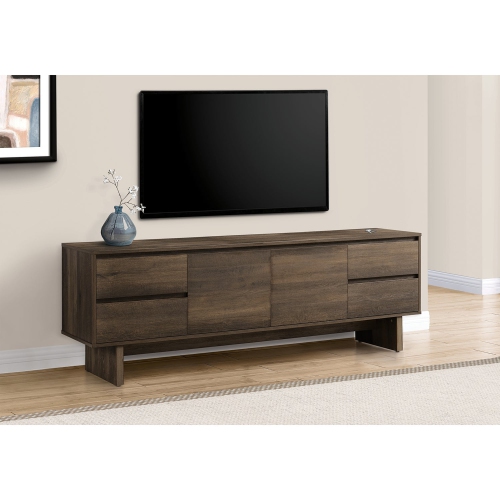
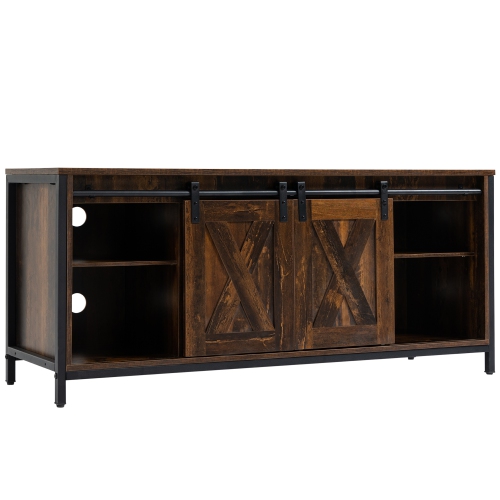
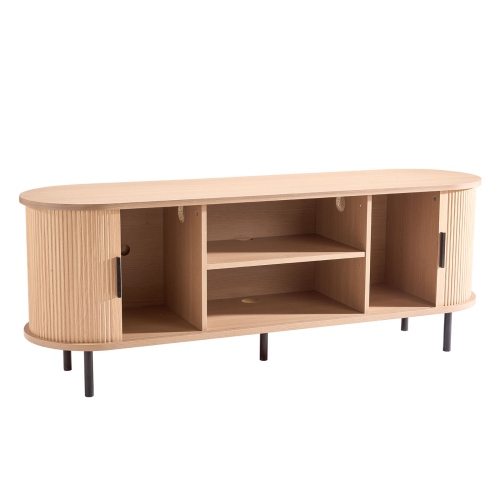
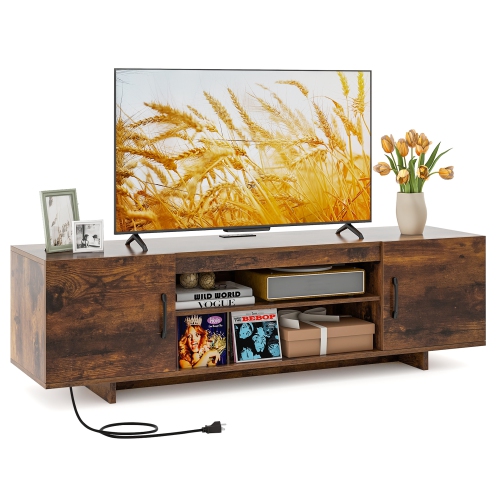
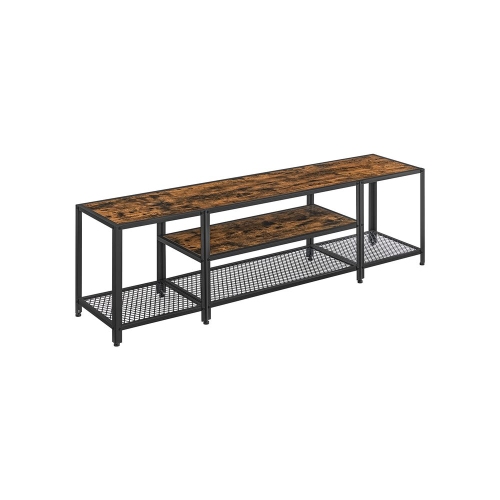
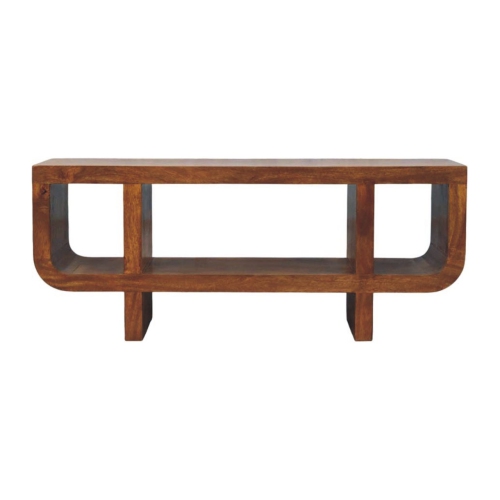
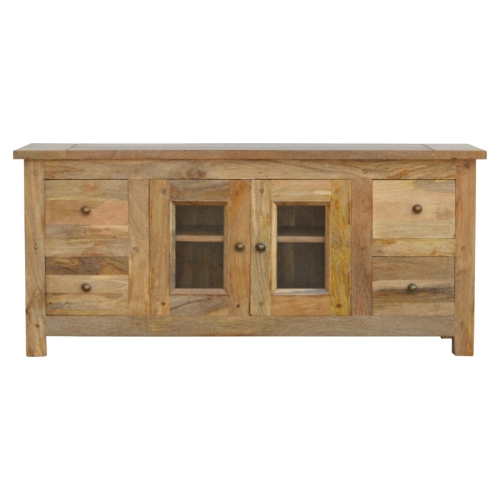
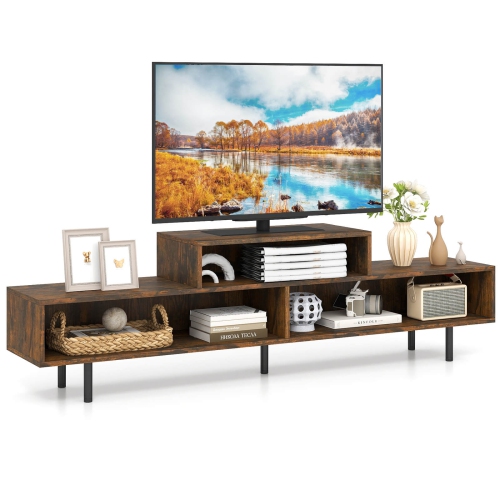
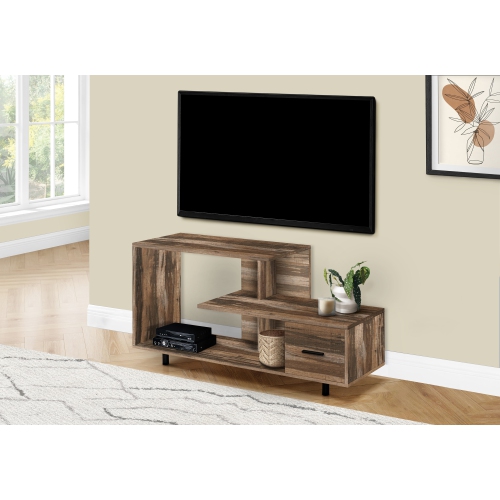
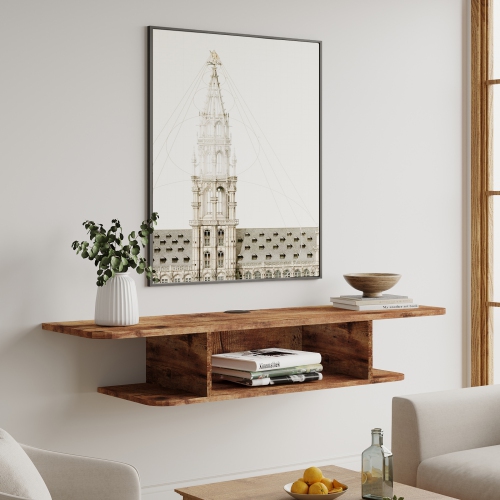
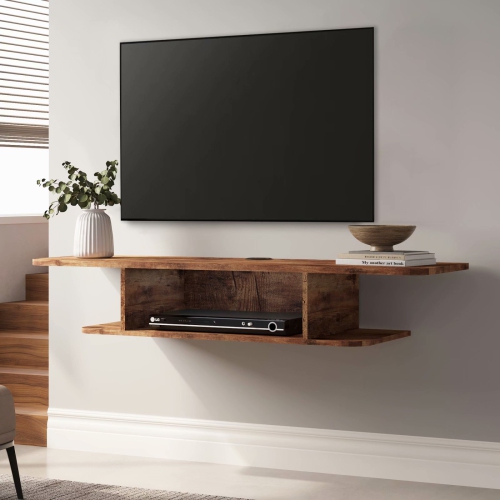
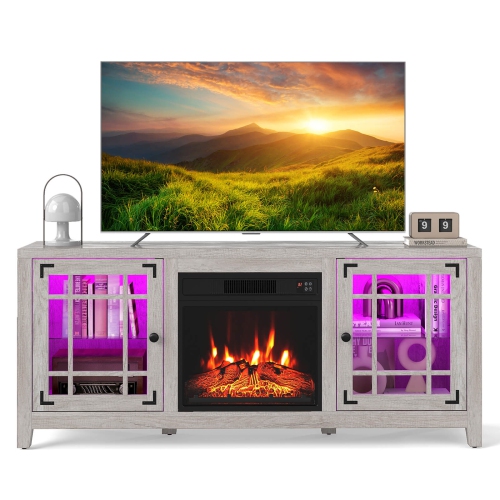
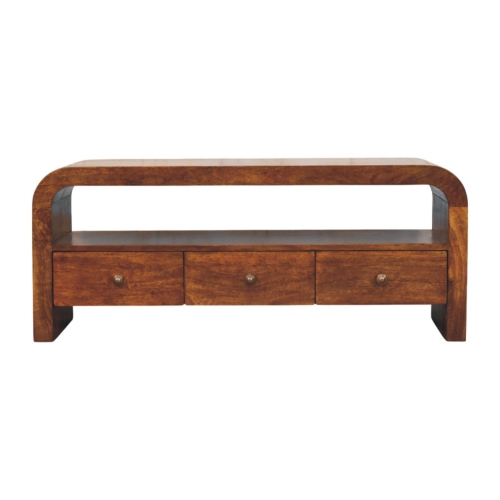
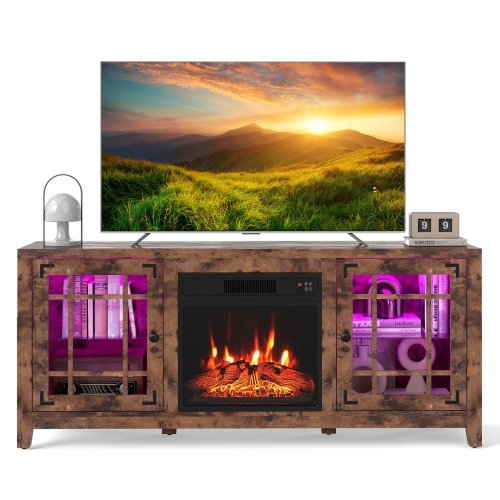
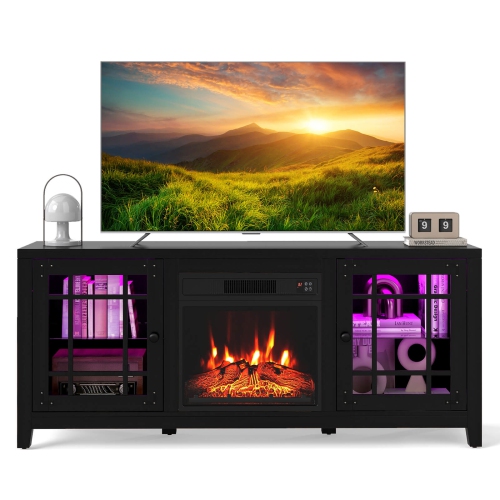
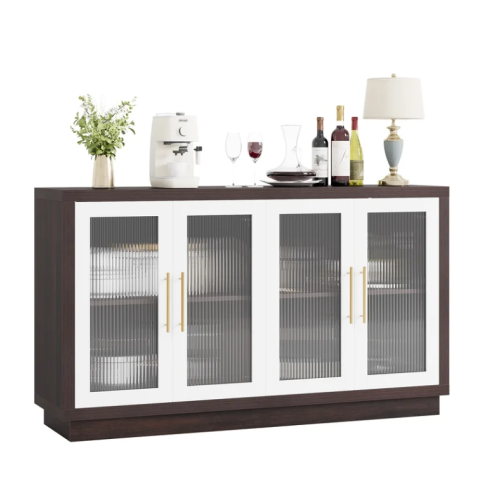
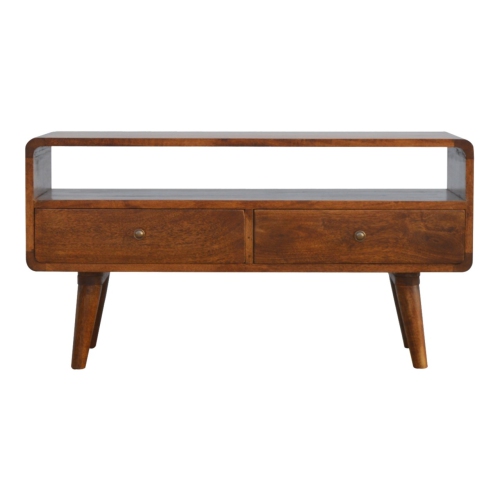
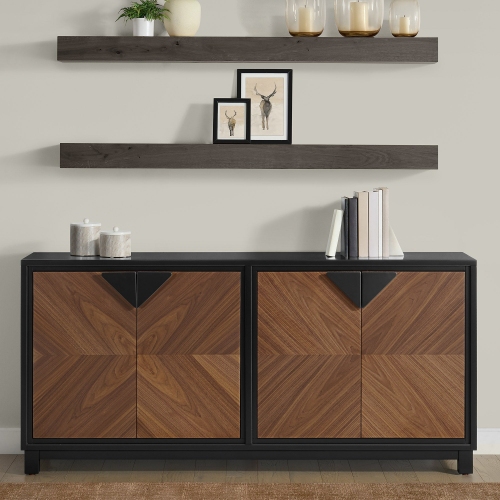
Warm finishes with room for more than a television
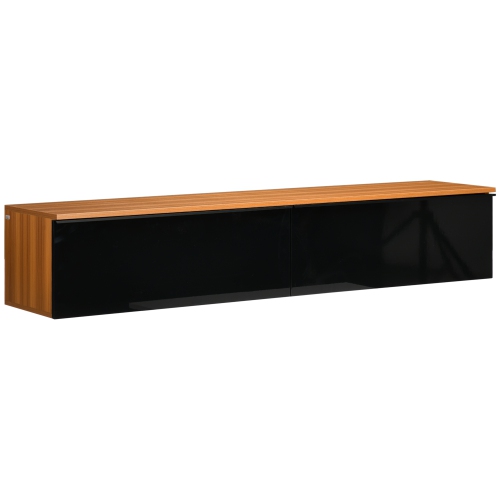
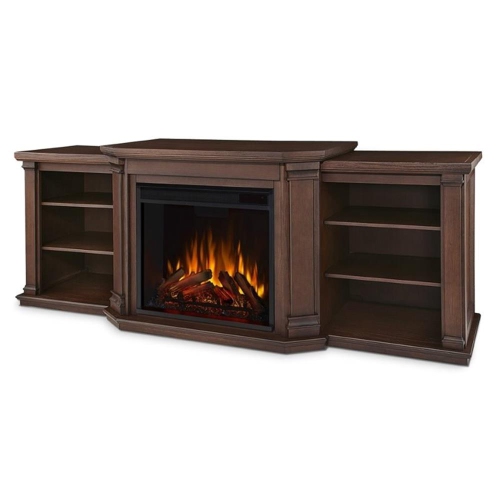
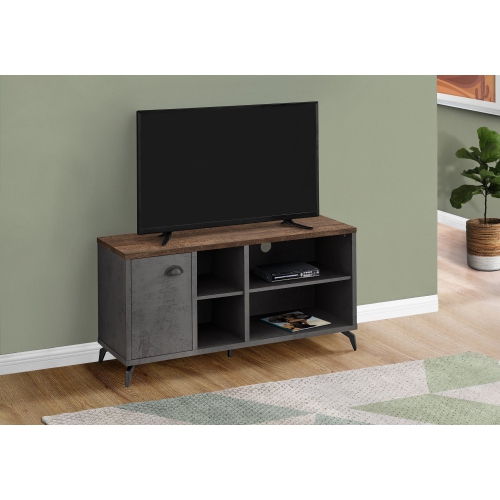
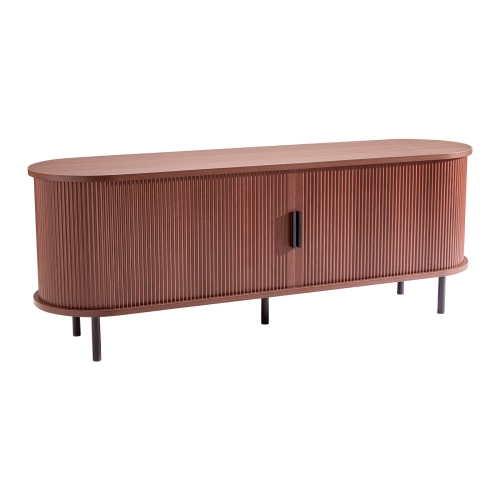
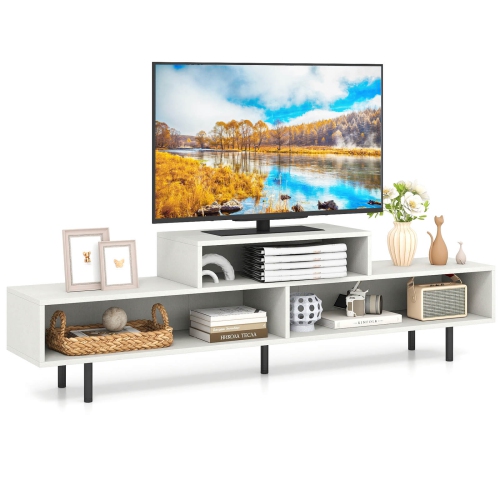
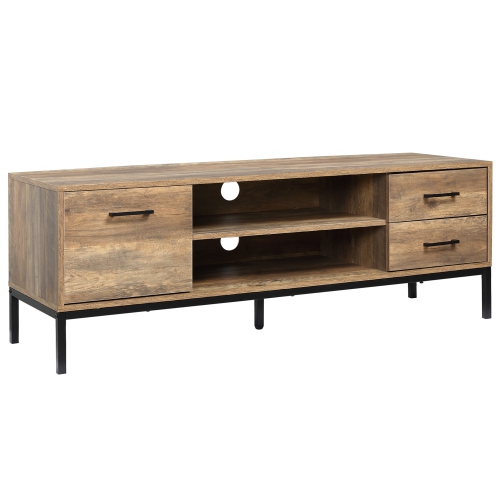
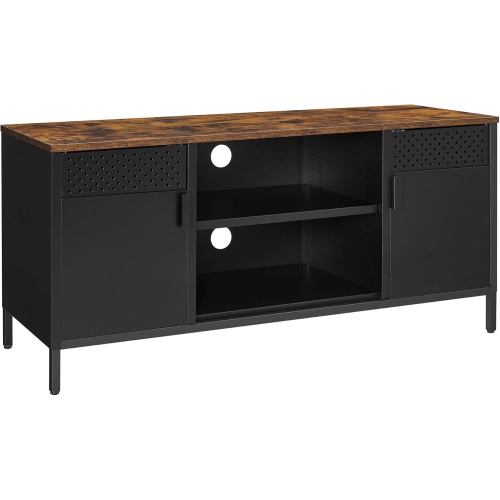
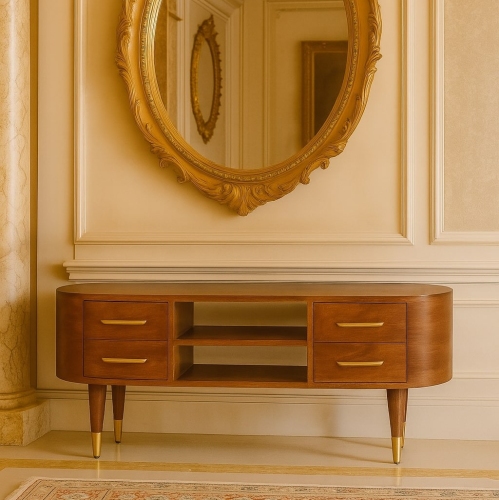
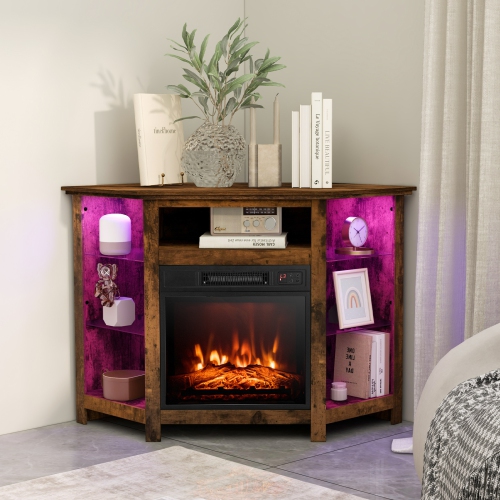
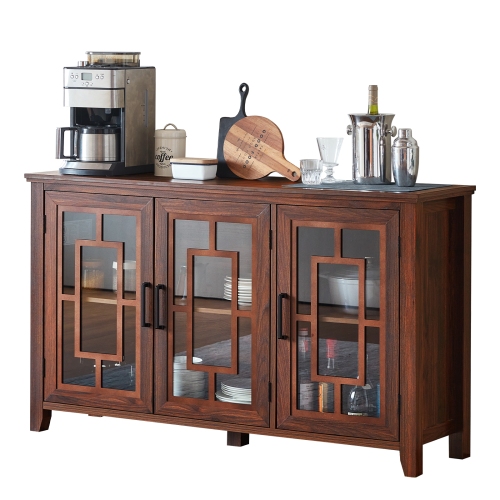
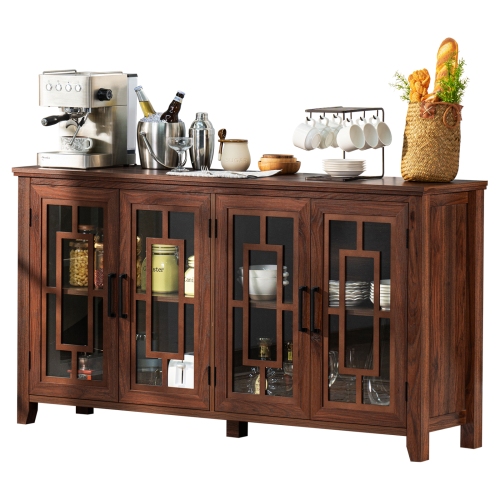
Brown TV units combine a dedicated place for a television with storage for the equipment and everyday essentials that gather around it. Often called TV stands, media consoles or entertainment units, they come in a range of proportions, from compact cabinets for smaller rooms to wide, low-profile designs that anchor a larger seating area. Brown finishes can range from light oak tones and warm honey shades to walnut, chestnut and deep espresso, giving this furniture category plenty of variety beyond a single colour. A lighter brown unit can sit comfortably against pale walls without creating a strong visual divide, while a darker finish adds definition beside a neutral sofa or a light-coloured rug. The character of the finish matters as much as its shade: visible grain, knots and textured surfaces create a different impression from smooth panels with a uniform colour. Mid-century-inspired designs often feature tapered legs, simple fronts and warm wood tones, while rustic styles favour substantial shapes and pronounced grain. Contemporary brown media consoles may combine flat cabinet doors with black metal frames, slim handles or understated hardware. Materials also influence appearance, weight and care. Solid wood brings natural variation and may develop small marks with regular use; wood veneer provides a real wood surface over a supporting core. Engineered wood with a laminate or other applied finish can offer a more uniform appearance, although resistance to scratches and moisture depends on the construction and surface treatment. None of these material descriptions alone determines quality. Well-supported shelves, stable joints, smoothly operating drawers and neatly finished edges all contribute to how a unit holds up in daily use. For a room used for films, gaming and casual conversation, a brown TV unit can serve as a practical focal point without making the entire space feel centred on electronics. Its warmth also works with upholstery, books and personal objects, helping the screen feel like one part of a furnished room rather than a separate feature.
The right fit depends on the television, the room layout and the equipment that needs a home. Screen size is measured diagonally, so it does not tell the whole story when matching a television to a stand. The television’s actual width, the position and depth of its feet, and the unit’s stated weight capacity are more useful measurements for checking compatibility. A tabletop television needs its entire base supported on a surface designed to carry its weight, with no feet extending beyond the edges. A console wider than the screen can create a balanced appearance and leave some usable surface space, provided the arrangement follows the relevant weight limits and installation instructions. Height deserves equal attention. A lower cabinet may suit a low sofa, while a taller unit changes the viewing angle and may offer more enclosed storage. Comfort is easier to judge from the seated position used most often, rather than while standing in front of the furniture. In a narrow living room, cabinet depth and door clearance can affect the route between the sofa and the rest of the home. In a bedroom or den, a compact brown TV stand may provide enough room for a streaming device and a few accessories without overwhelming the floor space. Storage layouts should reflect what actually gets used. Open shelves make frequently handled devices easy to reach, while cupboards conceal controllers, headphones and spare cables. Drawers can keep smaller accessories from drifting across the top surface. Adjustable shelves are helpful when equipment heights differ, but shelf dimensions and load limits still need checking. Electronics also need the ventilation clearances specified by their manufacturers; an enclosed cabinet should not be treated as suitable for every device. Cable openings can make connections tidier, especially when power outlets are behind the console, though access to plugs remains important. Where the television is mounted on the wall, the unit below can still organize equipment and visually ground the arrangement without carrying the screen itself.
Everyday usability often comes down to details that are easy to overlook in a photograph. Doors that open fully without hitting nearby furniture, drawers that move smoothly and handles that are comfortable to grip can make a difference each time the unit is used. A raised base leaves space beneath the cabinet for cleaning, although the clearance needs to accommodate the cleaning tools used in the home. A plinth-style base gives a more substantial appearance, while slender legs reveal more floor and can make a compact room feel less crowded. In a shared family space, rounded corners and secure construction may be useful considerations, but no shape or material replaces proper installation. Furniture and televisions should be secured as directed by their manufacturers, with appropriate hardware for the wall type, and heavy equipment should remain within the stated limits. Care is usually simplest when it follows the finish manufacturer’s recommendations. A soft cloth can remove everyday dust, and spills should be dealt with promptly rather than left around joints or edges. Excess moisture, abrasive cleaners and unsuitable polishes can damage some finishes, including surfaces that initially appear hard-wearing. Coasters beneath drinks and a protective layer under rough decorative objects can help limit surface marks. Brown furniture does not need to match every other wood tone exactly to feel intentional. Repeating a similar undertone, such as golden brown or a deeper red-brown, can connect a media console with shelving, side tables or a dining area. In an open-plan space, brown dining furniture can carry that warmth into the adjoining room without requiring identical pieces. A restrained mix of finishes, balanced proportions and storage suited to daily routines allows a brown TV unit to feel settled in the home, whether it supports a busy household’s main entertainment setup or a quieter corner for evening viewing.
Top selling and popular products
-
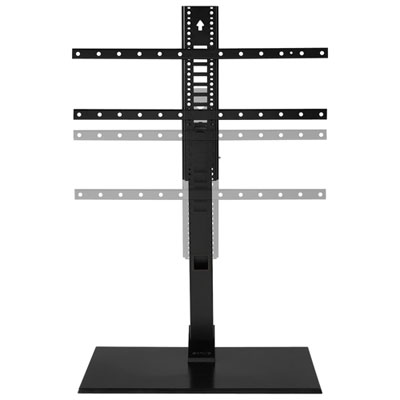 Your price for this item is $199.99
-
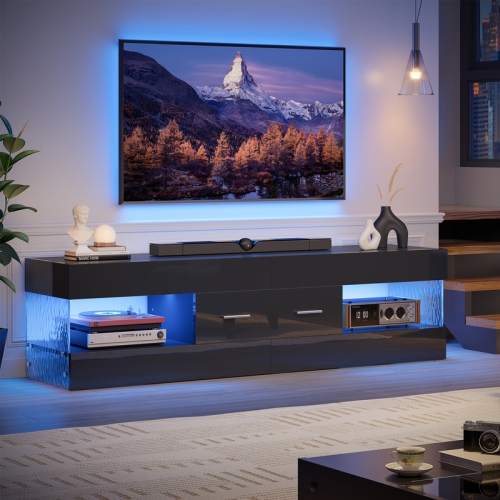 Your price for this item is $179.99
-
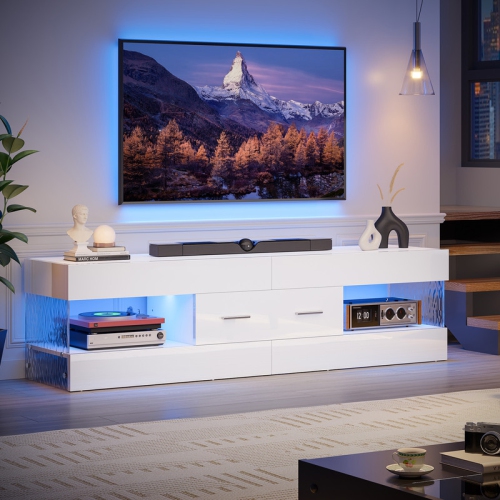 Your price for this item is $159.99
-
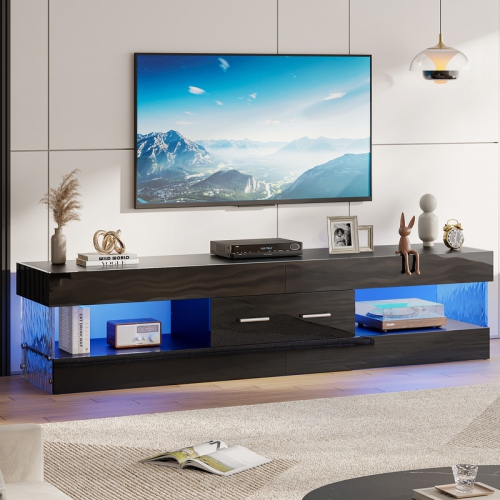 Your price for this item is $259.99
-
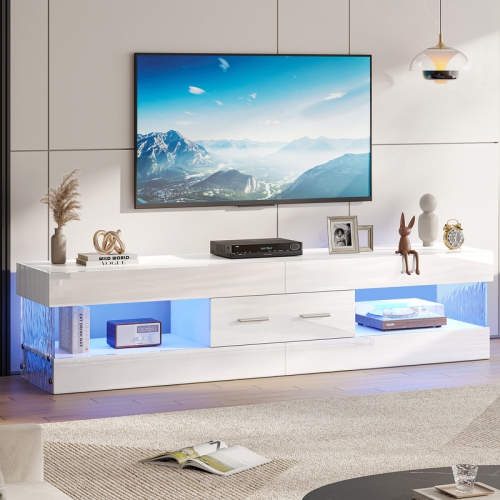 Your price for this item is $199.99
-
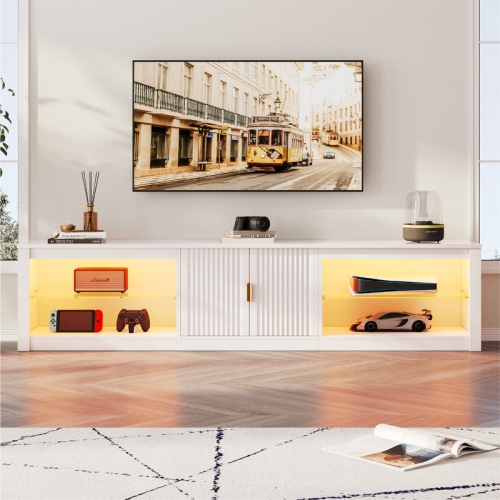 Your price for this item is $269.99
-
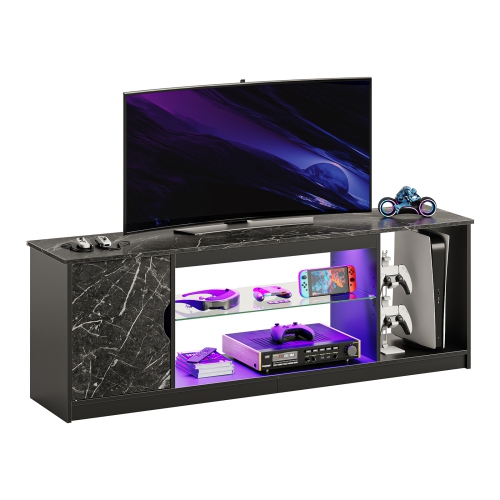 Your price for this item is $139.99
-
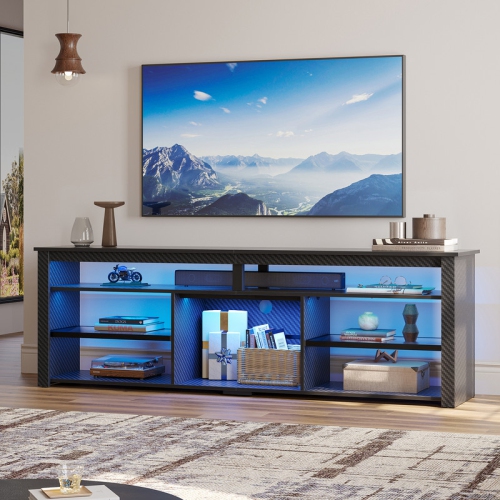 Your price for this item is $189.99
Discover more categories related to Brown TV Units
Top Collections:
Best Black Friday Deals This Year, Best Black Friday Deals On Electronics, Kindle Devices, Dyson Airwrap, Best Cameras for Sports Photography, Best Budget Office Chairs, Canon G7X Cameras, PS5 Pro Consoles, Best Black Friday Deals On Apple Products, XBOX One S Consoles
Some products may be subject to Environmental Handling Fees
(EHF) depending on your province.
Learn more about EHFs.